 Wine Advisor



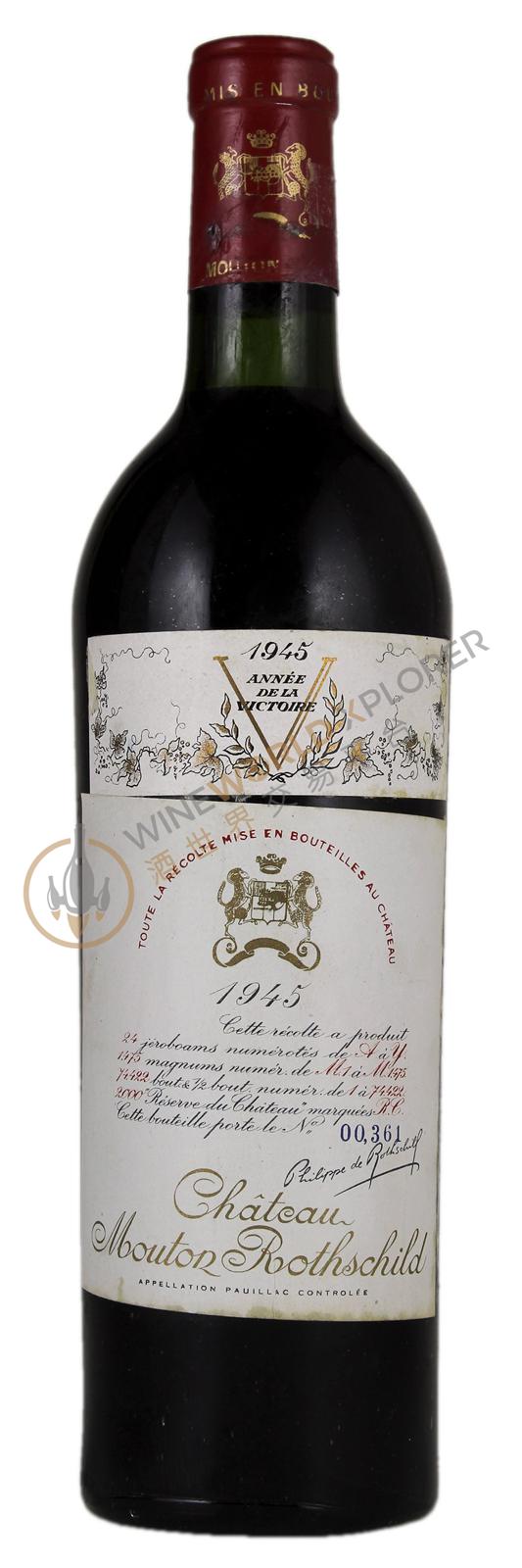
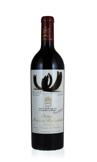
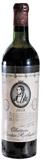
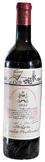
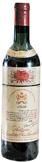
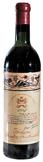
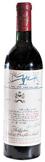
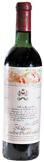
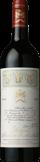
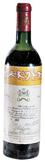
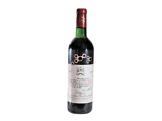
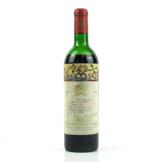
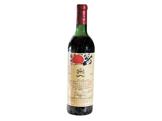
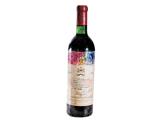
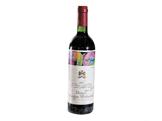
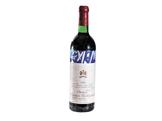
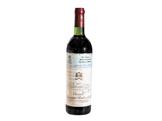
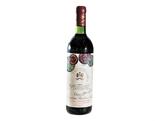
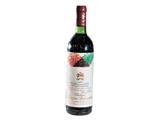
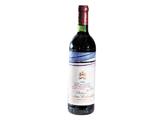
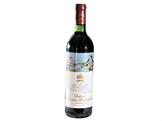
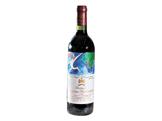
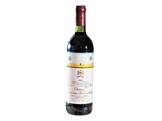
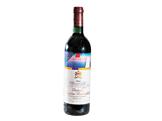
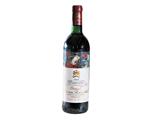
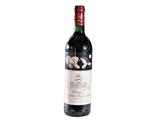
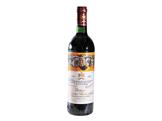
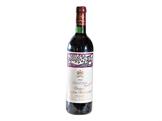
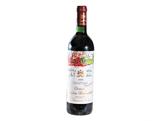
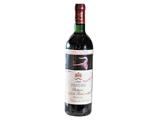
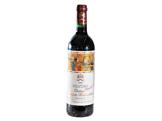
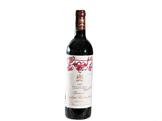
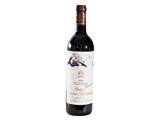
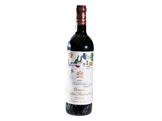
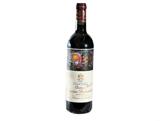
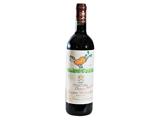
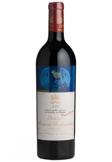
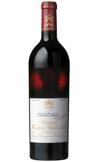
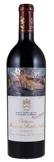
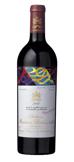
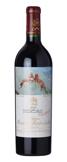
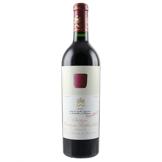
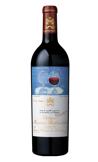
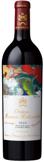
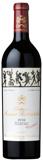
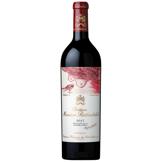
Mouton Rothschild 2004
 View analysis


Description
Formerly known as Château Brane-Mouton, it was in 1853 that Baron Nathaniel de Rothschild acquired the property located on the Left Bank in the Bordeaux region in the Médoc. From this date, the Château was renamed Château Mouton-Rothschild. Under the leadership of Baron Philippe de Rothschild, Mouton-Rothschild saw its reputation grow to become an emblem of the Pauillac appellation.
Tasting notes

Reviewed by: Neal Martin
The nose is still tight and needs some coaxing from the glass, but eventually reveals some attractive pure blackberry, wild mint, cassis and citrus fruits. The palate is medium-bodied with firm tannins, quite refined and less opulent than one usually finds Mouton. But there is a nice crescendo towards the finish with cedar and dried herbs just on the finish. Excellent. Drink 2014-2030. Tasted November 2008.
Reviewed by: Lisa Perrotti-Brown
Deep garnet-black. There’s a wonderful purity of fruit on the nose with aromas of warm blackcurrant, dark cherries, dark chocolate, anise, cinnamon and a waft of cedar. The palate is relatively rich with a medium to full body and a good amount of ripe, mouth-filling fruit. Medium+ level of velvety tannins and medium+ acidity provide nice balance. Long spicy finish. Drink 2011 to 2030+. Tasted February 2009.
Reviewed by: Neal Martin
It is probably unfair to appraise this wine with more mature siblings. It has a deep garnet core. There is good intensity on the nose with cedar, tobacco, pine forest and blackberry leaf. The palate is medium-bodied with firm tannins, quite masculine and obdurate at the moment with a grainy, austere finish. Moderate length. It needs to muster more charm but I remain cautiously optimistic. Tasted February 2011.
Reviewed by: Robert M. Parker, Jr.
The 2004 Mouton-Rothschild was the first vintage for Philippe Dhalluin, who was so successful in persuading the late Philippine de Rothschild to institute a more strict selection with respect to Mouton-Rothschild. The outstanding 2004 exhibits delicious notes of cedarwood, Christmas fruitcake, blackcurrants and toast. The wine possesses outstanding concentration, medium to full body, excellent purity, hints of forest floor and underbrush, and sweet, velvety tannin. It is on a fast evolutionary track, so consume this over the next 10-15 years.
Reviewed by: Neal Martin
The nose is very tight and needs some coaxing: blackberry, cherry and a slight citrusy freshness that lifts the aromatics. But conversely, the palate is tannic, structured and masculine, surprising considering there is less Cabernet Sauvignon than usual (69%). A broody Mouton, uncompromising and rather tough. But this always shows the least well of the First Growths at en primeur. Tasted April 2005.
Reviewed by: Neal Martin
Last tasted three or four years ago, the 2004 Mouton-Rothschild is a satisfactory wine, even if in my opinion it pales again subsequent success in so-called "challenging" vintages such as 2006 or 2008. It came across tight and broody on the nose, a hint of seaweed tincturing the black fruit, later on a whiff of smoke. It does not feel as refined as either the 2004 Lafite-Rothschild or the 2004 Latour. The palate is medium-bodied and shows more class than the aromatics: cohesive and with just the right amount of grip, a little chewy perhaps but with a pleasant saline sensation towards the "correct" finish. It ticks all the boxes but does not go that extra mile. Tasted September 2016.
Reviewed by: Robert M. Parker, Jr.
The dense ruby/purple-hued, fresh, vivacious 2004 Mouton-Rothschild offers hints of new saddle leather, truffles, cassis, and pain grille, zesty acidity, a touch of austerity, and a medium-bodied, streamlined, restrained personality. This rich, pure claret will require patience as it needs a decade of cellaring to shed its lofty tannins. Anticipated maturity: 2015-2045.
Reviewed by: Lisa Perrotti-Brown
Deep garnet colour. Aromas of warm cassis, dried plum, cloves and pencil shavings. Medium+ acidity and medium to firm, fine tannins. Long finish. Tasted August 2009.
Reviewed by: Robert M. Parker, Jr.
This estate’s harvest began on September 29 and ended on October 15. Unlike the massive, tannic, blockbuster 2003, Mouton’s 2004 is a more linear, streamlined effort fashioned from a blend of 70% Cabernet Sauvignon, 15% Merlot, 12% Cabernet Franc, and 3% Petit Verdot. It possesses a deep ruby/purple color along with classic aromas of creme de cassis, pain grille, espresso, spice, and cedar. Medium-bodied and fragrant, but not profoundly deep or concentrated (a characteristic of most 2004s), it offers good sweetness, crisp acidity, and loads of purity as well as length. Consider it a modern day version of their 1966 or 1988. Anticipated maturity: 2011-2028.
Reviewed by: Robert M. Parker, Jr.
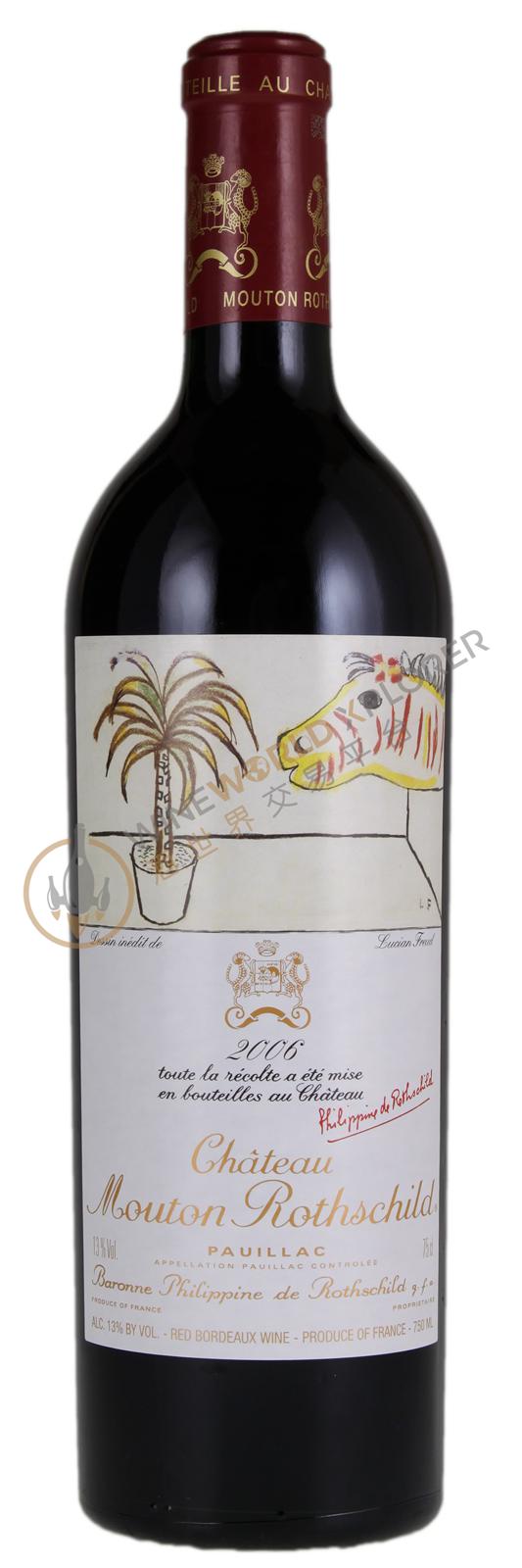
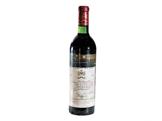
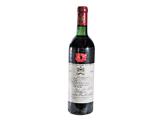
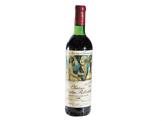
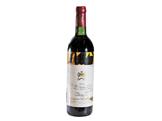
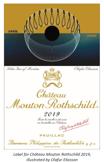
I can’t say much for the painting by Prince Charles on the label, but what’s in the bottle is a powerful, classic, dense ruby/purple-hued Mouton with a full-bodied style, brutal tannin, impressive concentration, and a primordial backwardness that will require 10-15 years of cellaring. Built along the lines of a modern day 1966 or 1988, the 2004 reveals plenty of power and concentration, but the biting tannins will preclude any enjoyable consumption over the next decade. Anticipated maturity: 2020-2035. Also tasted: 2004 Le Petit Mouton (87)
Reviewed by: Antonio Galloni
The 2004 Mouton Rothschild is supple, forward and inviting. Dark cherry, plum, tobacco and grilled herbs are all pushed forward. This is an especially succulent Mouton, partly because of the high percentage of Merlot that was common during this era. Gravel, pencil shavings, smoke and cured meats add myriad shades of nuance on the powerful, explosive finish. Philippe Dhalluin told me he waited as long as possible to harvest in 2004, the driest vintage Mouton had seen up until that point. The blend is 73% Cabernet Sauvignon, 14% Merlot, 11% Cabernet Franc and 2% Petit Verdot harvested between September 29 and October 15.
Reviewed by: Stephen Tanzer
Good full ruby-red. Expressive aromas of currant, coffee, dark chocolate, tobacco, mocha and smoked meat. Juicy, spicy and classically dry; rather tight and backward for 2004 and not a particularly fleshy style, even if it's nicely sweetened by nutty oak. But this boasts excellent precision and verve and the aromatic finishing flavors build slowly and steadily. Firm acids and tannins give this plenty of backbone for development in bottle. With extended aeration, the texture became silkier.
Reviewed by: Stephen Tanzer
Good full ruby-red. Flamboyantly expressive aromas of blueberry, chocolate, coconut and smoky oak. Very supple, broad and rich, with a restrained sweetness. Finishes impressively long, with very fine tannins and some lingering oak tones. A classy wine with good fat for aging, but this will be approachable within six or seven years. Dhalluin describes it as like '88 and '98, but richer.
Reviewed by: Stephen Tanzer
(70% cabernet sauvignon, 15% merlot, 12% cab franc and 3% petit verdot) Good medium ruby. Cassis, cedar, graphite, minerals and bitter chocolate on the nose. Dense, sweet and nicely concentrated, with a cool, crunchy dark berry character and virtually none of the exotic smoky oak overlay of previous vintages. A tad youthfully tough, but there's fat here in addition to solid underlying structure. Finishes with very good grip.
About the Producer
Chateau Mouton Rothschild is located in the Pauillac appellation in the Medoc of Bordeaux, France. In the 1855 classification, it shares the distinction of being a First Growth with Chateau Lafite Rothschild, Chateau Latour, Chateau Margaux and Chateau Haut-Brion. Mouton Rothschild has adopted a modern approach to winery management, employing a viticulturalist to oversee the vineyards. From the cultivation of the grapes to the pruning of the vines, from the tracking of the ripening of the grapes to the manual harvesting, everything is done to perfection. Today, Château Mouton has 90 hectares of vineyards, most of which are located on a hill called "Plateau de Mouton", at an altitude of 27 meters. The soil is deep gravel, with good drainage and heat storage, which allows the grapes to ripen slowly. The vineyard is planted with 81% Cabernet Sauvignon, 15% Merlot, 3% Cabernet Franc and 1% Petit Verdot, with a planting density of approximately 10,000 vines/ha and an average vine age of 44 years. The vineyard also contains 7 hectares of excellent plots for the production of high quality white wines, with 56% Sauvignon Blanc, 43% Semillon and 1% Muscadelle, planted at a density of 9,000 vines per hectare. During the harvest season, the grapes are picked and sorted by hand, and the carefully selected grapes are placed in fermentation vats by gravity alone through moving vats. As a result, the grapes are not subjected to any unnatural pressure or restraint and remain in their natural, pure state from the time they are harvested until they enter the fermentation vats. At the end of fermentation, the wine is transferred to new oak barrels to mature for about 20 months. In 2012, Mouton Rothschild's new winery, which combines traditional techniques with modern technology, was inaugurated. It is divided into two floors, connected by metal columns. The interior is equipped with oak barrels and stainless steel tanks of different sizes, which correspond to the different plots and varieties of the vineyard, in order to achieve a more optimal winemaking blend. Chateau Mouton Rothschild, Pauillac, France is the main wine of the estate and accounts for half of the total production. It has been praised by many critics and wine lovers for its beautiful, elegant and unique style, which is in harmony with the terroir of the region, and its artistic design of the label. In addition to the main label, the winery also has Le Petit Mouton de Mouton Rothschild, Pauillac, France (1993) and Aile d'Argent Blanc du Mouton (1991). Chateau Mouton Rothschild, Bordeaux, France). The Petit Mouton Rothschild is made from the younger vines on the estate and is harvested, vinified and bottled on the same basis as the full-length wine. The wine quickly gained a foothold in the market and was very well received. The Silver Wings dry white wine is rich, complex and elegant, and although its production is scarce, it is quickly becoming a symbol of Bordeaux's premium white wines and a favorite among wine enthusiasts.
1947(2)1948(1)1950(2)1951(1)1952(1)1953(1)1954(1)1955(2)1956(1)1957(3)1958(2)1959(1)1960(1)1962(1)1963(1)1964(2)1965(1)1966(1)1967(1)1968(2)1969(2)1970(1)1971(2)1972(1)1973(3)1974(1)1975(2)1976(1)1977(2)1978(1)1979(3)1980(1)1981(1)1982(8)1983(2)1984(5)1985(5)1986(12)1987(5)1988(8)1989(8)1990(1)1991(5)1992(9)1993(6)1994(8)1995(12)1996(16)1997(6)1998(15)1999(13)2000(21)2001(16)2002(18)2003(18)
Package Size