 Wine Advisor



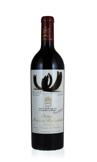
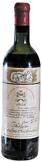
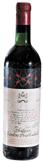
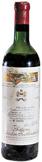
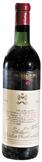
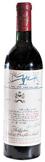
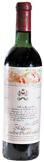
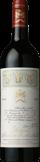
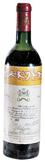
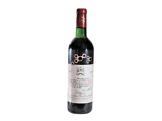
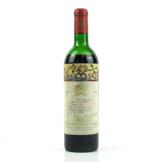
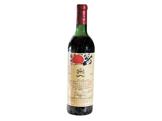
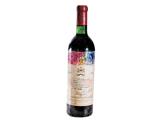
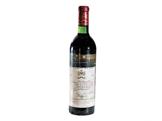
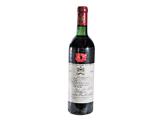
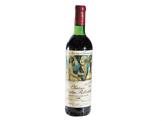
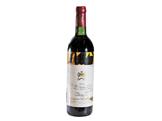
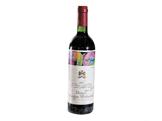
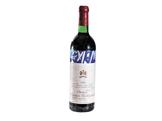
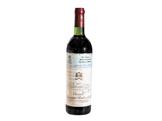
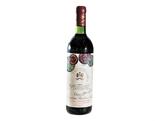
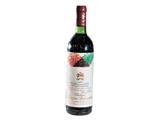
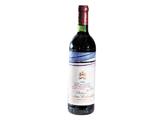
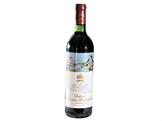
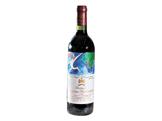
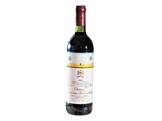
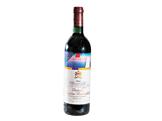
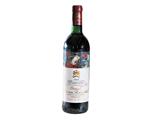
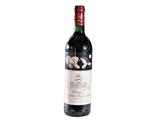
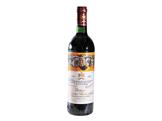
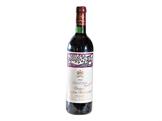
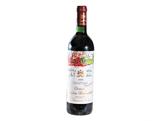
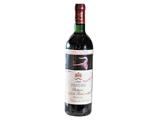
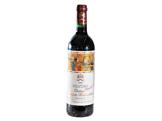
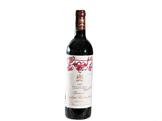
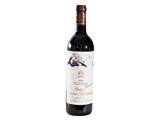
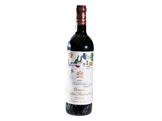
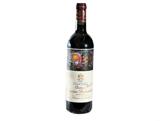
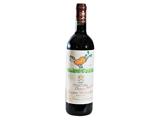
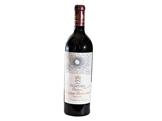
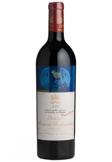
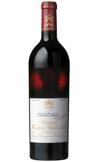
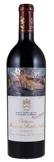
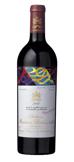
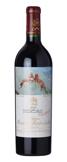
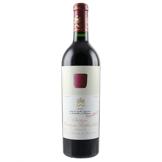
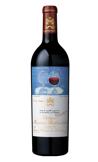
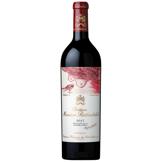
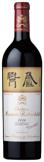
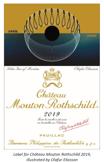
Mouton Rothschild 1970
 View analysis


Description
Formerly known as Château Brane-Mouton, it was in 1853 that Baron Nathaniel de Rothschild acquired the property located on the Left Bank in the Bordeaux region in the Médoc. From this date, the Château was renamed Château Mouton-Rothschild. Under the leadership of Baron Philippe de Rothschild, Mouton-Rothschild saw its reputation grow to become an emblem of the Pauillac appellation.
Tasting notes

Reviewed by: Robert M. Parker, Jr.
(Magnum) Last Tasted 10/92 I have always experienced an annoying degree of bottle variation with respect to the 1970 Mouton-Rothschild. Whether that is attributable to indifferent blending of the barrels prior to bottling or poor storage conditions, this wine can vary from exceptional to mediocre. This particular magnum was extremely young and evolved. With coaxing, some of the minty, cassis, lead-pencil Mouton perfume emerged. The wine is full-bodied, with excellent richness and concentration, but it has a tight, austere, surprisingly tannic finish. Still firm and relatively unevolved, this wine could benefit from another 5-7 years of cellaring.
Reviewed by: Robert M. Parker, Jr.
I have had a remarkable number of opportunities to taste this wine. One of the most frustratingly irregular wines I have ever encountered, the 1970 Mouton can range from pure nectar, to a wine that is angular, austere, and frightfully hard and tannic. This bottle (one of the Reserve du Chateau bottlings that was mistakenly released by the estate and labeled with the letters R.C., rather than a number) was impossible to assess when decanted, given its hard, tough, impenetrable style. Nearly eight hours later, the wine had opened magnificently to reveal a classic bouquet of sweet cassis, tobacco, minerals, and exotic spice aromas. Opulent, full-bodied, thick, and juicy, the extraordinary evolution of this particular bottle would make a persuasive argument for long-term decanting. After being perplexed throughout much of this wine's evolution, I was reassured by this bottle. No doubt Mouton's high Cabernet Sauvignon content causes this wine to go through a tight, hard, ungenerous stage, and the 1970 requires 5-7 more years of cellaring.
Reviewed by: Neal Martin
I have always had a soft spot for this Mouton, although it is beginning to show its age. A deep garnet hue with amber rim. The nose is mature with pencil lead, cedar and dusty attic aromas – very Pauillac, this could not be from anywhere else. The palate is medium-bodied, stoic and conservative with notes of cedar, blackberry leaf and roasted herbs. Very “solid” and foursquare on the finish. It does not seem to have moved on since I last tasted this in 2003, although I am less inclined to cellar it as long term as I once supposed. Still, a classic mature Pauillac that certainly shows best with food. Drink now-2018. Tasted April 2007.
Reviewed by: Neal Martin
A deep garnet colour (much deeper than Lafite.) A concentrated nose, rich, plummy with excellent definition and a hint of eucalyptus. The palate is beautifully balanced, fabulous acidity and like all great wines gets better and better in the glass. Bitter cherry, roasted herbs and burnt toast. At its peak now but has the acidity to last another 10 years. Dare I say, as good as Latour? Tasted May 2003.
Reviewed by: Neal Martin
Tasted at the “First Growth” lunch in London. A consistently fine Mouton that here, out-classes its rival Lafite (and to think, this was still a Deuxieme Cru!) The nose has evolved great complexity with aromas of cedar, wild mint, pencil box that build nicely in the glass and returning later it has conjured up a lovely coffee bean scent. The palate is medium-bodied, very well balanced yet foursquare with notes of cedar, dried herbs, leather and a hint of damson here. Silky smooth texture towards the finish and great persistency for the vintage. Very classic, very Mouton. Excellent. Drink now-2015+ Tasted October 2008.
Reviewed by: Robert M. Parker, Jr.
I have had a remarkable number of opportunities to taste this wine. One of the most frustratingly irregular wines I have ever encountered, the 1970 Mouton can range from pure nectar, to a wine that is angular, austere, and frightfully hard and tannic. This bottle (one of the Reserve du Chateau bottlings that was mistakenly released by the estate and labeled with the letters R.C., rather than a number) was impossible to assess when decanted, given its hard, tough, impenetrable style. Nearly eight hours later, the wine had opened magnificently to reveal a classic bouquet of sweet cassis, tobacco, minerals, and exotic spice aromas. Opulent, full-bodied, thick, and juicy, the extraordinary evolution of this particular bottle would make a persuasive argument for long-term decanting. After being perplexed throughout much of this wine's evolution, I was reassured by this bottle. No doubt Mouton's high Cabernet Sauvignon content causes this wine to go through a tight, hard, ungenerous stage, and the 1970 requires 5-7 more years of cellaring.
About the Producer
Chateau Mouton Rothschild is located in the Pauillac appellation in the Medoc of Bordeaux, France. In the 1855 classification, it shares the distinction of being a First Growth with Chateau Lafite Rothschild, Chateau Latour, Chateau Margaux and Chateau Haut-Brion. Mouton Rothschild has adopted a modern approach to winery management, employing a viticulturalist to oversee the vineyards. From the cultivation of the grapes to the pruning of the vines, from the tracking of the ripening of the grapes to the manual harvesting, everything is done to perfection. Today, Château Mouton has 90 hectares of vineyards, most of which are located on a hill called "Plateau de Mouton", at an altitude of 27 meters. The soil is deep gravel, with good drainage and heat storage, which allows the grapes to ripen slowly. The vineyard is planted with 81% Cabernet Sauvignon, 15% Merlot, 3% Cabernet Franc and 1% Petit Verdot, with a planting density of approximately 10,000 vines/ha and an average vine age of 44 years. The vineyard also contains 7 hectares of excellent plots for the production of high quality white wines, with 56% Sauvignon Blanc, 43% Semillon and 1% Muscadelle, planted at a density of 9,000 vines per hectare. During the harvest season, the grapes are picked and sorted by hand, and the carefully selected grapes are placed in fermentation vats by gravity alone through moving vats. As a result, the grapes are not subjected to any unnatural pressure or restraint and remain in their natural, pure state from the time they are harvested until they enter the fermentation vats. At the end of fermentation, the wine is transferred to new oak barrels to mature for about 20 months. In 2012, Mouton Rothschild's new winery, which combines traditional techniques with modern technology, was inaugurated. It is divided into two floors, connected by metal columns. The interior is equipped with oak barrels and stainless steel tanks of different sizes, which correspond to the different plots and varieties of the vineyard, in order to achieve a more optimal winemaking blend. Chateau Mouton Rothschild, Pauillac, France is the main wine of the estate and accounts for half of the total production. It has been praised by many critics and wine lovers for its beautiful, elegant and unique style, which is in harmony with the terroir of the region, and its artistic design of the label. In addition to the main label, the winery also has Le Petit Mouton de Mouton Rothschild, Pauillac, France (1993) and Aile d'Argent Blanc du Mouton (1991). Chateau Mouton Rothschild, Bordeaux, France). The Petit Mouton Rothschild is made from the younger vines on the estate and is harvested, vinified and bottled on the same basis as the full-length wine. The wine quickly gained a foothold in the market and was very well received. The Silver Wings dry white wine is rich, complex and elegant, and although its production is scarce, it is quickly becoming a symbol of Bordeaux's premium white wines and a favorite among wine enthusiasts.
1947(2)1948(1)1950(2)1951(1)1952(1)1953(1)1954(1)1955(2)1956(1)1957(3)1958(2)1959(1)1960(1)1962(1)1963(1)1964(2)1965(1)1966(1)1967(1)1968(2)1969(2)
Package Size