 Wine Advisor



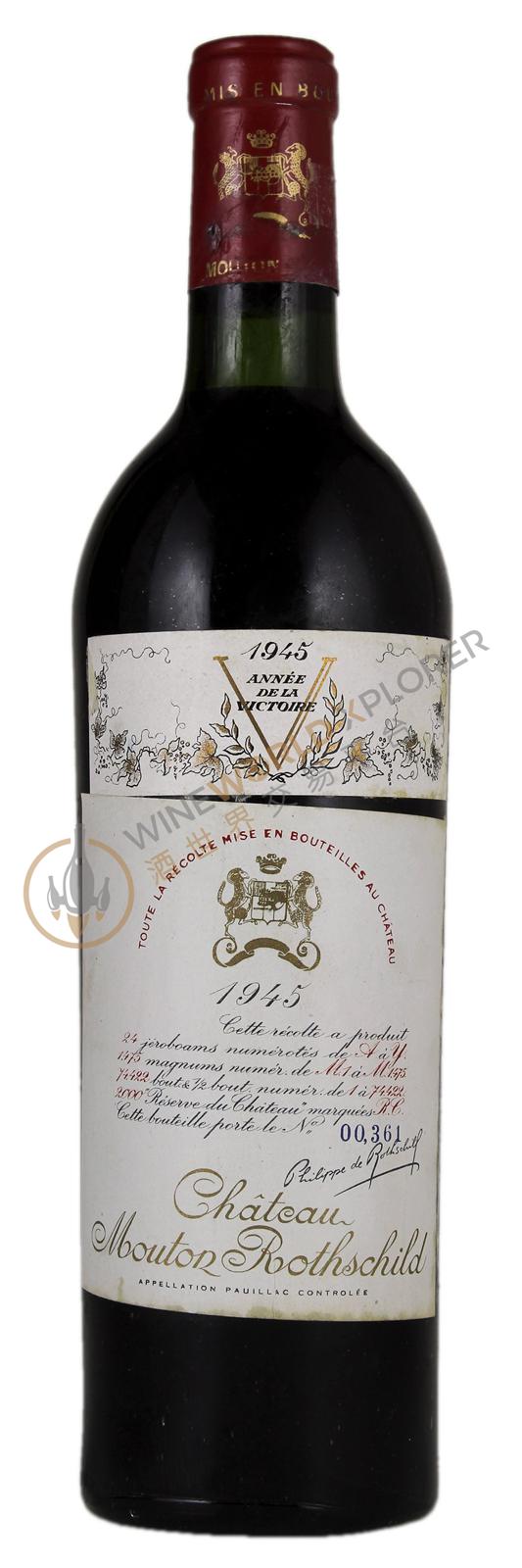
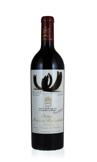
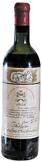
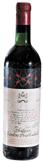
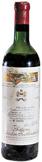
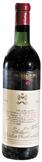
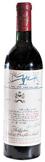
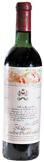
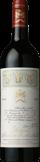
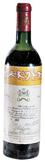
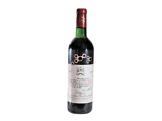
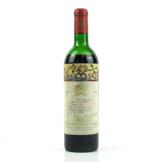
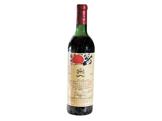
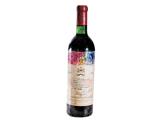
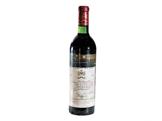
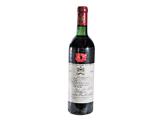
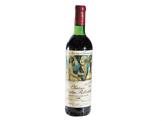
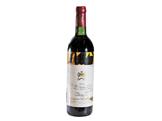
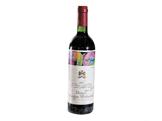
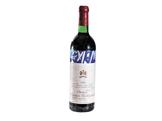
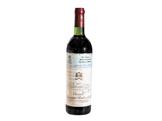
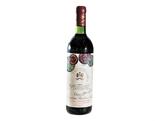
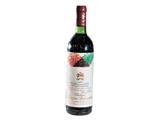
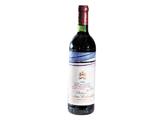
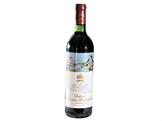
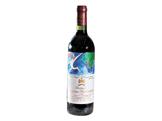
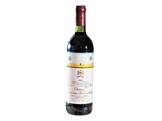
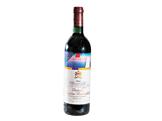
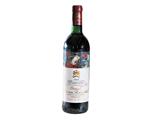
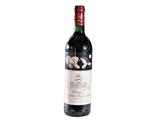
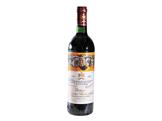
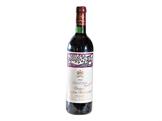
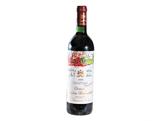
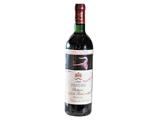
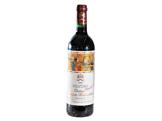
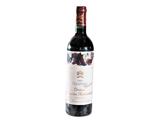
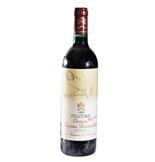
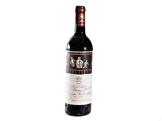
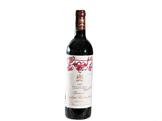
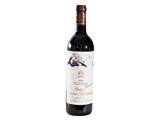
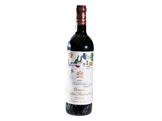
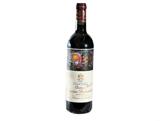
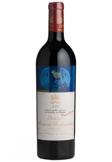
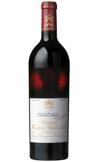
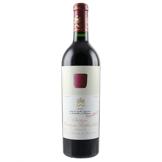
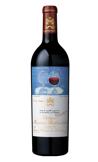
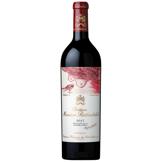
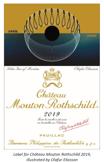
Mouton Rothschild 1983
 View analysis


Description
Formerly known as Château Brane-Mouton, it was in 1853 that Baron Nathaniel de Rothschild acquired the property located on the Left Bank in the Bordeaux region in the Médoc. From this date, the Château was renamed Château Mouton-Rothschild. Under the leadership of Baron Philippe de Rothschild, Mouton-Rothschild saw its reputation grow to become an emblem of the Pauillac appellation.
Tasting notes

Reviewed by: Robert M. Parker, Jr.
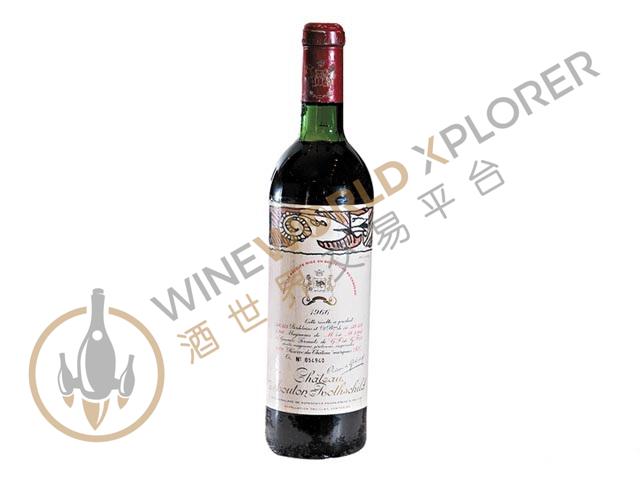
Evolving in a positive fashion, 1983 is turning out to be a fine vintage for Mouton. Although not a big wine, this medium-weight Mouton displays an attractive nose of blackcurrants, black-cherries, olives, and minerals. Medium-bodied, with sweet but noticeable tannin in the finish, as well as beautiful elegance and complexity, this wine is close to reaching its plateau of maturity. I have always thought it resembled this property's 1966. It should last for another 20 years. Last tasted, 7/93.
Reviewed by: Neal Martin
First tasted June 2002. Dense cedary nose with lots of plum, cassis and cigar box aromas. Beautiful balance on palate. Good acidity with notes of cedar and blackcurrant. Quite a straight-forward wine but there is so much elegance and finesse. Definitely a top quality Mouton and superior to the 1981. Possibly my preferred Mouton to consume now. Tasted in David Pope's tasting. Then in December 2004 at the CEC Bordeaux tasting. An intense cigar-box, blackberry, pencil-lead nose. Superb definition and vigor but quite backward for the vintage. The palate has excellent concentration, fresh with nose of tobacco, black earthy fruit, cedar and an animally touch. Very focused with superb length. Definitely superior to Latour 1983. There is something that reminds me of a Saint Julien on the finish. A great Mouton.
Reviewed by: Neal Martin
Tasted single blind at the Fine Wine Experience horizontal in London. A deep garnet core with a thin tawny rim. The nose is a little lean compared to some of the other wines, slightly tinny but coalesces returning to the glass after twenty minutes, building some gorgeous tobacco and graphite scents with hints of cooked meat. The palate is high-toned on the entry, a little tarry with a smooth, almost creamy texture. Perhaps just a little more oak than was necessary, a little over-polished? Medium-bodied, smooth, more modern in style but somehow less satisfying than previous wines in terms of tension and clarity but it is probably more a case of this wine being relatively backward and deserving more bottle age. Tasted October 2008.
Reviewed by: Robert M. Parker, Jr.
The classic Mouton lead-pencil, cedary nose has begun to emerge. This medium dark ruby, elegant, medium-bodied wine will never be a great or legendary Mouton. The flavors are ripe and moderately rich. With good depth and some firm tannins to resolve, this offering from Mouton is bigger and richer than the 1981, 1979, or 1978. Austere by the standards of Mouton and the vintage, the 1983 resembles the chateau's fine 1966. Anticipated maturity: Now-2015. Last tasted, 10/90.
About the Producer
Chateau Mouton Rothschild is located in the Pauillac appellation in the Medoc of Bordeaux, France. In the 1855 classification, it shares the distinction of being a First Growth with Chateau Lafite Rothschild, Chateau Latour, Chateau Margaux and Chateau Haut-Brion. Mouton Rothschild has adopted a modern approach to winery management, employing a viticulturalist to oversee the vineyards. From the cultivation of the grapes to the pruning of the vines, from the tracking of the ripening of the grapes to the manual harvesting, everything is done to perfection. Today, Château Mouton has 90 hectares of vineyards, most of which are located on a hill called "Plateau de Mouton", at an altitude of 27 meters. The soil is deep gravel, with good drainage and heat storage, which allows the grapes to ripen slowly. The vineyard is planted with 81% Cabernet Sauvignon, 15% Merlot, 3% Cabernet Franc and 1% Petit Verdot, with a planting density of approximately 10,000 vines/ha and an average vine age of 44 years. The vineyard also contains 7 hectares of excellent plots for the production of high quality white wines, with 56% Sauvignon Blanc, 43% Semillon and 1% Muscadelle, planted at a density of 9,000 vines per hectare. During the harvest season, the grapes are picked and sorted by hand, and the carefully selected grapes are placed in fermentation vats by gravity alone through moving vats. As a result, the grapes are not subjected to any unnatural pressure or restraint and remain in their natural, pure state from the time they are harvested until they enter the fermentation vats. At the end of fermentation, the wine is transferred to new oak barrels to mature for about 20 months. In 2012, Mouton Rothschild's new winery, which combines traditional techniques with modern technology, was inaugurated. It is divided into two floors, connected by metal columns. The interior is equipped with oak barrels and stainless steel tanks of different sizes, which correspond to the different plots and varieties of the vineyard, in order to achieve a more optimal winemaking blend. Chateau Mouton Rothschild, Pauillac, France is the main wine of the estate and accounts for half of the total production. It has been praised by many critics and wine lovers for its beautiful, elegant and unique style, which is in harmony with the terroir of the region, and its artistic design of the label. In addition to the main label, the winery also has Le Petit Mouton de Mouton Rothschild, Pauillac, France (1993) and Aile d'Argent Blanc du Mouton (1991). Chateau Mouton Rothschild, Bordeaux, France). The Petit Mouton Rothschild is made from the younger vines on the estate and is harvested, vinified and bottled on the same basis as the full-length wine. The wine quickly gained a foothold in the market and was very well received. The Silver Wings dry white wine is rich, complex and elegant, and although its production is scarce, it is quickly becoming a symbol of Bordeaux's premium white wines and a favorite among wine enthusiasts.
1947(2)1948(1)1950(2)1951(1)1952(1)1953(1)1954(1)1955(2)1956(1)1957(3)1958(2)1959(1)1960(1)1962(1)1963(1)1964(2)1965(1)1966(1)1967(1)1968(2)1969(2)1970(1)1971(2)1972(1)1973(3)1974(1)1975(2)1976(1)1977(2)1978(1)1979(3)1980(1)1981(1)1982(8)
Package Size