 Wine Advisor



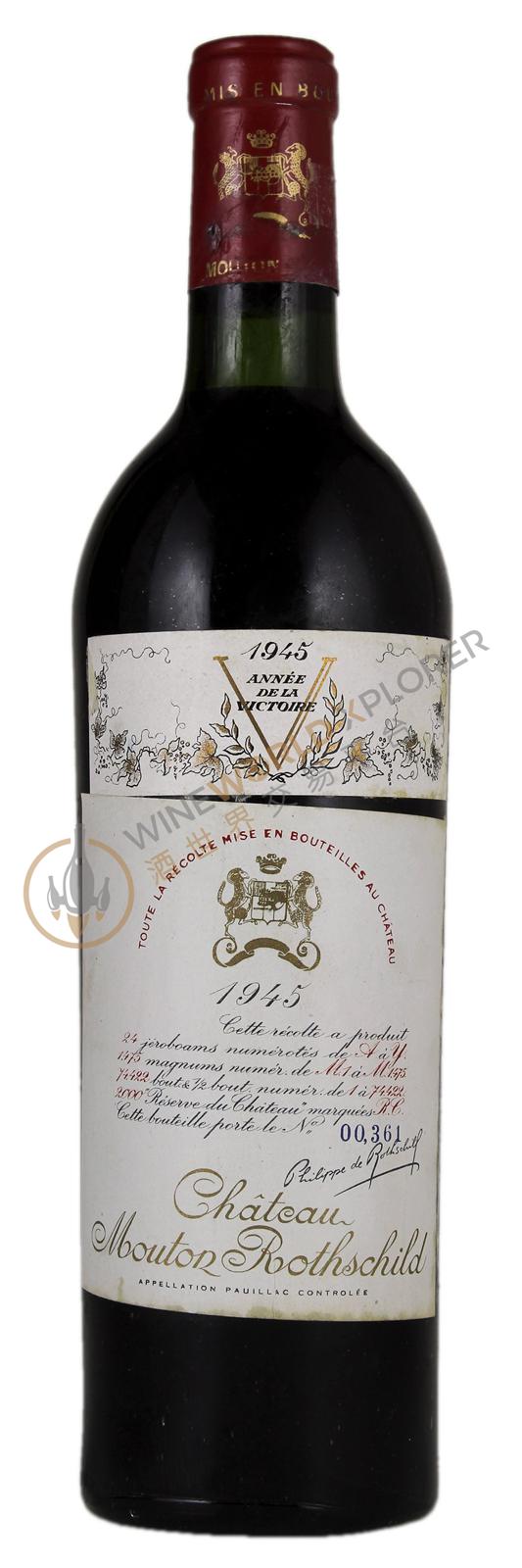
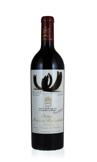
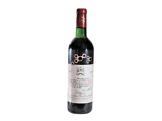
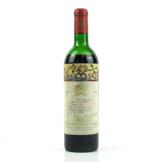
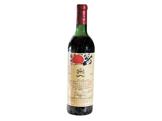
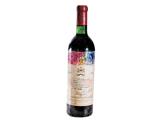
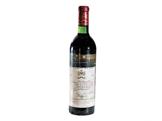
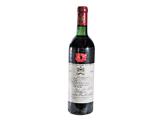
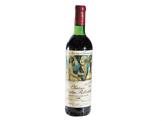
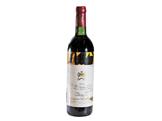
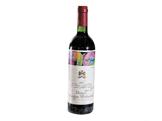
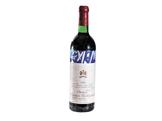
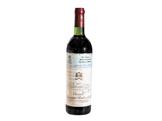
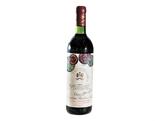
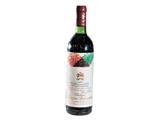
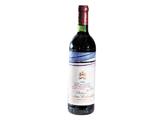
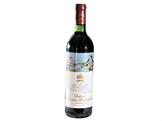
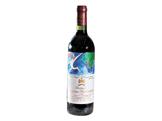
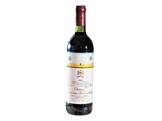
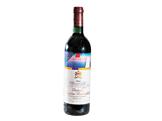
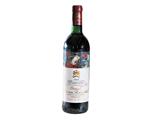
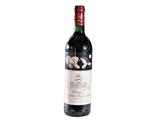
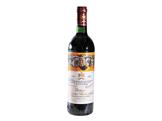
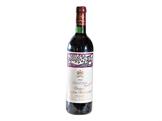
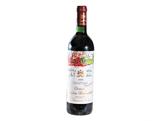
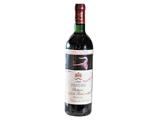
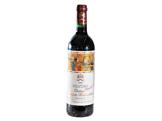
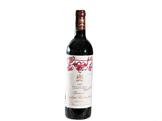
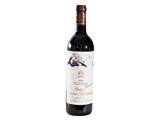
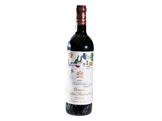
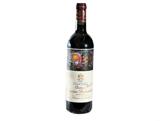
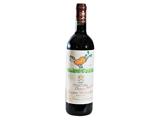
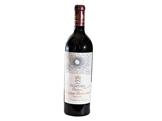
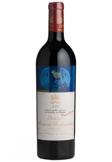
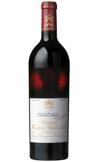
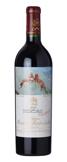
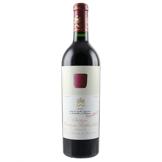
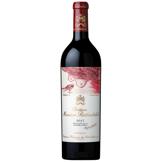
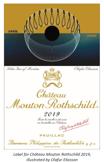
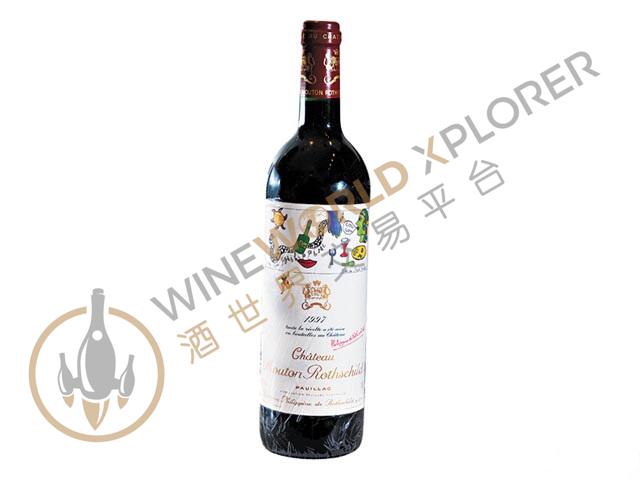
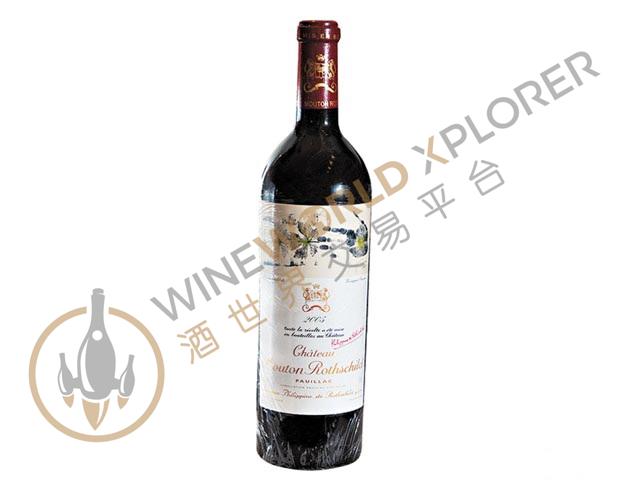
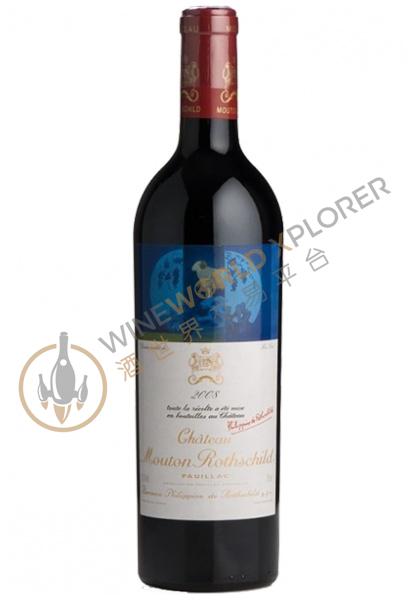
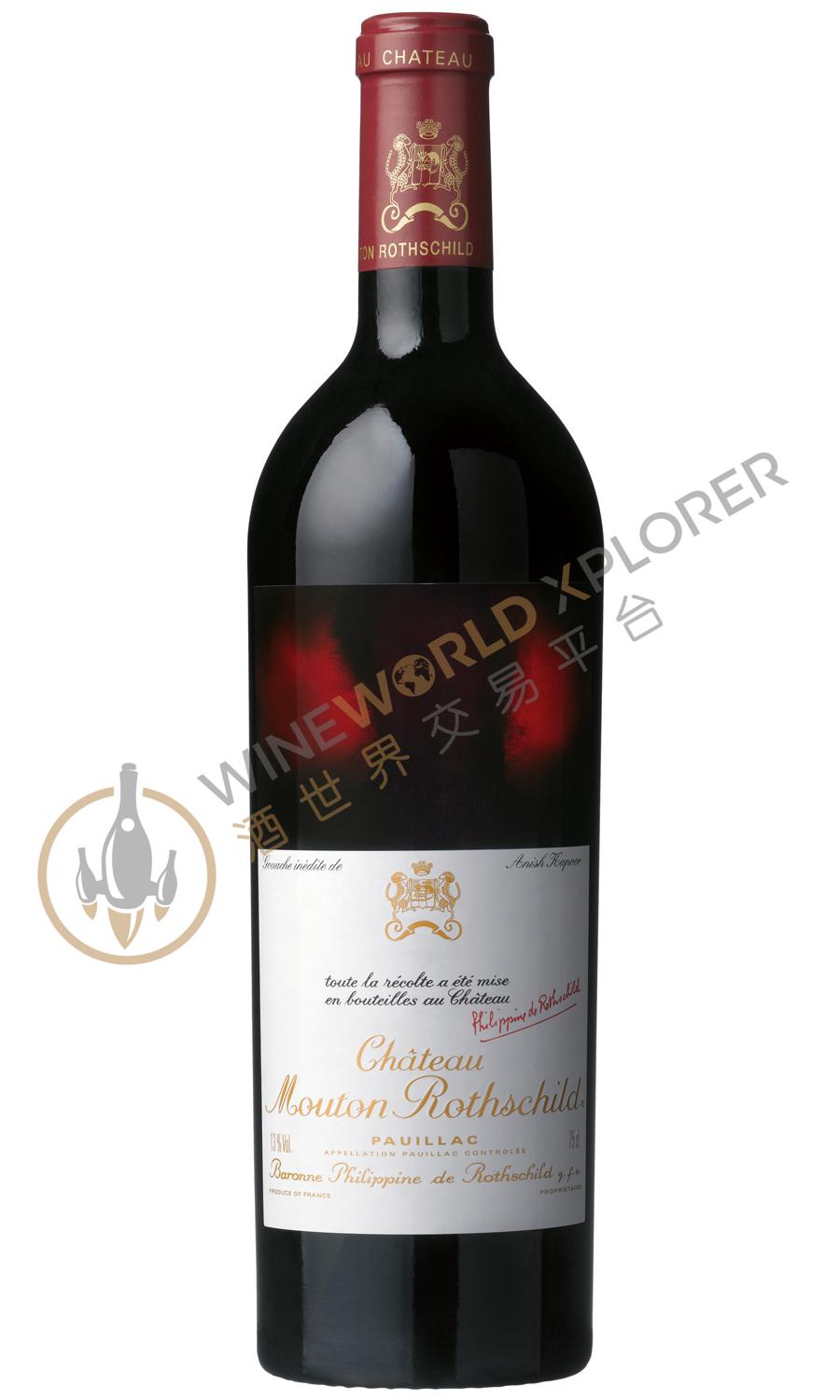
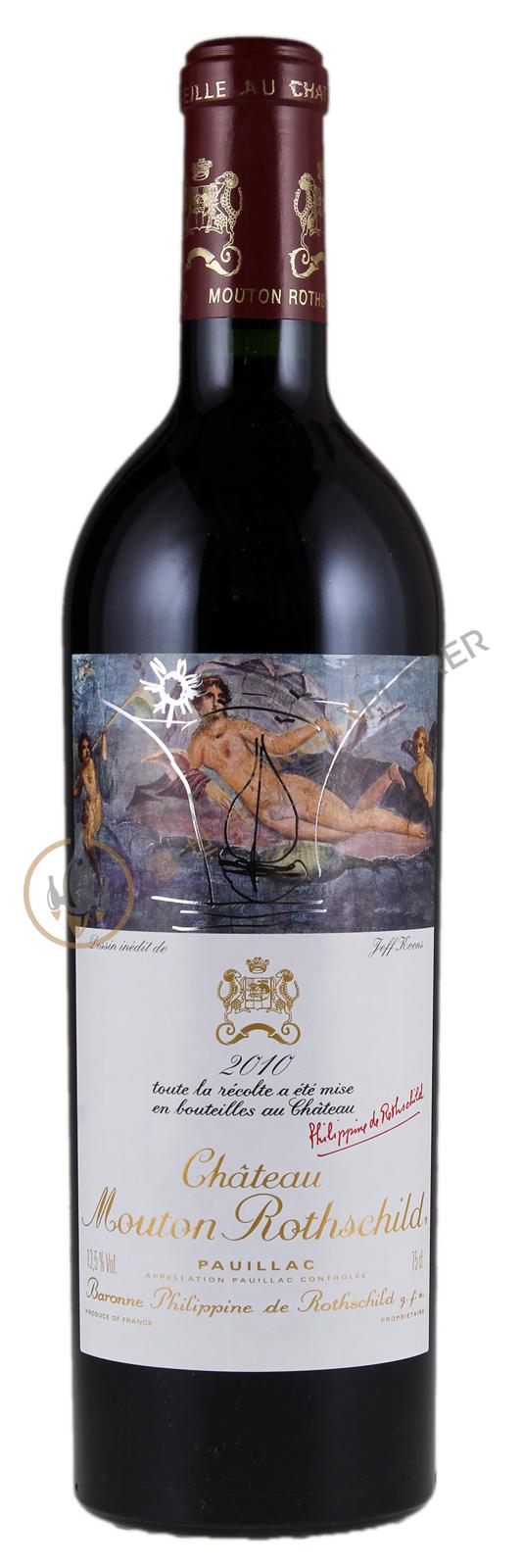
Mouton Rothschild 1997
 View analysis


Description
Formerly known as Château Brane-Mouton, it was in 1853 that Baron Nathaniel de Rothschild acquired the property located on the Left Bank in the Bordeaux region in the Médoc. From this date, the Château was renamed Château Mouton-Rothschild. Under the leadership of Baron Philippe de Rothschild, Mouton-Rothschild saw its reputation grow to become an emblem of the Pauillac appellation.
Tasting notes

Reviewed by: Neal Martin
The appearance is similar to Latour ’97 and in fact the nose seems to have more vigour althought the new oak is not so seamlessly melded. Blackberry, a touch of cassis, but the oak sticks out rather. The palate is full-bodied, quite dense with a touch of opulence and showiness about it (well, it is Mouton!) I am not sure about the balance: difficult to discern the fruit intensity under than oak. Leathery finish. Not bad. Drink 2010-2020.Tasted September 2006.
Reviewed by: Robert M. Parker, Jr.
The superb 1997 Mouton-Rothschild is composed of 82% Cabernet Sauvignon, 13% Merlot, 3% Cabernet Franc, and 2% Petit Verdot. This wine reveals a sensationally flamboyant nose of black fruits, coffee, licorice, and creme de cassis. Medium-bodied, with sweet tannin, with lots of layers of flavor. It possesses good spice, an opulent texture, and remarkable length. This is a very hedonistic, open-knit Mouton that has put on considerable weight. Only 55% of the crop made it into the 1997 Mouton. Anticipated maturity: 2000-2022.
Reviewed by: Robert M. Parker, Jr.
Mouton has been experimenting with malolactic fermentation in barrel (20% of the 1997 was vinified in this manner). The 1997, which possesses some characteristics similar to the 1985, but is ultimately different, is a blend of 81% Cabernet Sauvignon, 13% Merlot, 3% Cabernet Franc, and 3% Petit Verdot. Only 60% of Mouton's harvest made it into the grand vin. This is a hedonistic, forward Mouton (hence the comparison with the 1985) with a deep ruby/purple color, ripe tannin, and the tell-tale Mouton cassis in its aromatics and flavors. Mouton's Merlot harvest took place on September 11, and was then stopped until September 16, concluding with the very late-picked Cabernet Sauvignon on October 5. Approachable, without the massiveness of the two preceding vintages, the 1997 Mouton exhibits a soft mid-palate, loads of pure fruit, nicely-integrated smoky new oak, and surprising length for the wine's initial attack. There is moderate tannin in this offering. This will be one of the few 1997s that will warrant a short-term cellaring of 3-4 years before consumption. I would not be surprised to see this wine last for two decades or more, making it one of the longer-lived 1997s.
Reviewed by: Neal Martin
Nose is lacklustre: moderate violet aromas. Palate has fine concentration with cassis and leather notes. Smooth tannins. Quite rounded and sexy but not deep and as complex as Lafite or Latour. Tasted February 2000.
Reviewed by: Robert M. Parker, Jr.
Only 55% of the harvest was utilized for the 1997 Mouton-Rothschild. One of the most forward and developed Moutons over recent years, it possesses all the charm and fleshiness this vintage can provide. A blend of 82% Cabernet Sauvignon, 13% Merlot, 3% Cabernet Franc, and 2% Petit Verdot, the wine exhibits a dense ruby/purple color, and an open-knit nose of cedar wood, blackberry liqueur, cassis, and coffee. Fleshy, ripe, and mouth-filling, with low acidity, soft tannin, and admirable concentration and length, this delicious Pauillac will be drinkable in 2-3 years, and should age for 15+. It is an impressive effort for this vintage.
Reviewed by: Stephen Tanzer
Very dark ruby. Spicy aromas of cassis and vanilla. Firm and fairly intensely flavored, with cassis and leather notes. Showing its tannic side today.
Reviewed by: Stephen Tanzer
Deep saturated ruby. More exotic, superripe aromas of cassis, red cherry confiture and spice. Fuller and denser than the above, with good texture and sweetness. But also rather tannic, even astringent, on the finish.
Reviewed by: Stephen Tanzer
Deep ruby. Exotic, enticing aromas of black fruits, cherry cough syrup, roast coffee and caramel, along with pungent oakiness. Sweet, fat and thick in the mouth, but with adequate framing acidity. Quite ripe on the back end, with much finer tannins than the foregoing '97s.
Reviewed by: Stephen Tanzer
Currant, blueberry and smoke on the nose. Supple and very ripe, with almost eau de vie-like (framboise myrtille) sweetness in the middle palate. A distinctly fruity style with a hint of confiture, finishing with ripe tannins and a slightly tart note.
Reviewed by: Stephen Tanzer
Deeper color than the above. The nose features redcurrant, leather, chocolate, herbs and a more exotic wood component than the Armailhac. Suppler and fleshier in the mouth, with more harmonious acidity. But here the tannins come across as slightly more astringent, even though actual polyphenol levels are roughly the same in the two wines.
Reviewed by: Stephen Tanzer
Very good red-ruby color. Currant, cassis, roasted nuts, gunsmoke, chocolate and a note of surmaturite Fat, sweet and expansive, but with sound underlying structure. Lowish acids and a confit note (due at least partly to passerillage, or drying of the grapes by the wind and sun) contribute to the wine almost voluptuous texture.
About the Producer
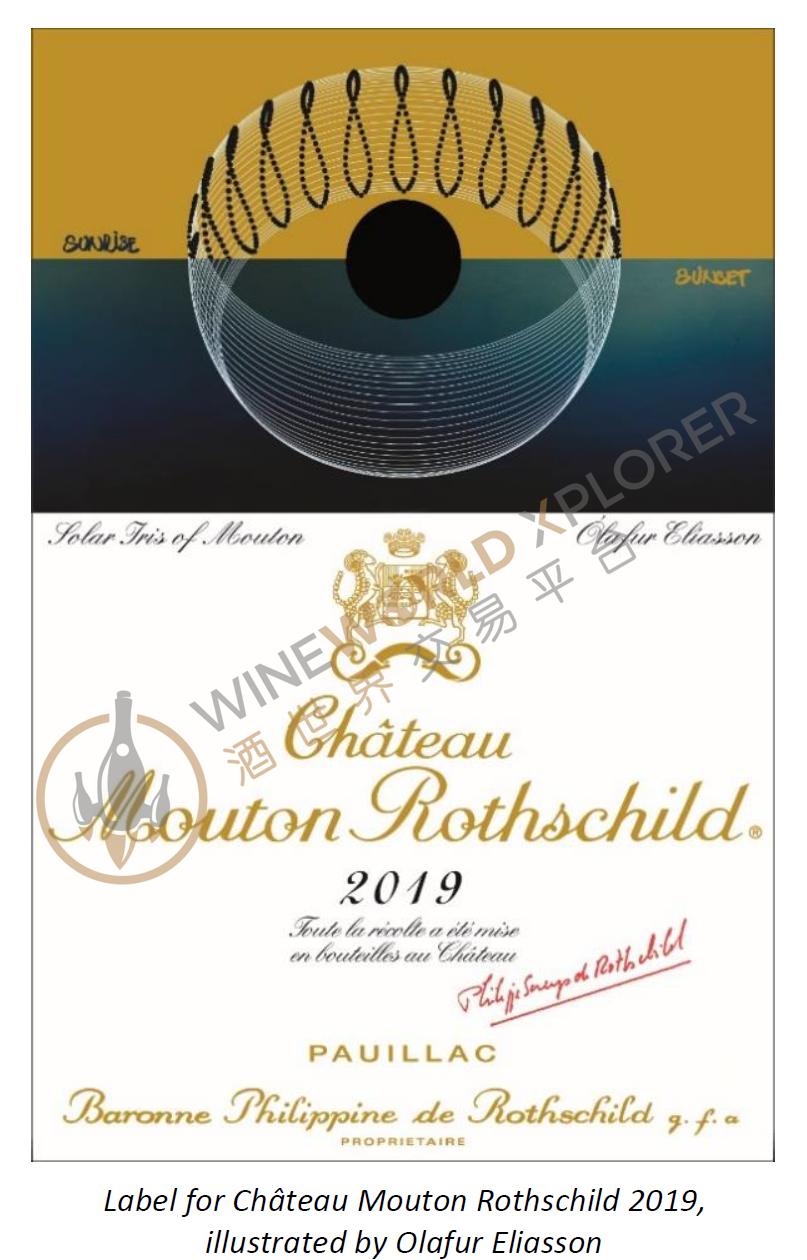
Chateau Mouton Rothschild is located in the Pauillac appellation in the Medoc of Bordeaux, France. In the 1855 classification, it shares the distinction of being a First Growth with Chateau Lafite Rothschild, Chateau Latour, Chateau Margaux and Chateau Haut-Brion. Mouton Rothschild has adopted a modern approach to winery management, employing a viticulturalist to oversee the vineyards. From the cultivation of the grapes to the pruning of the vines, from the tracking of the ripening of the grapes to the manual harvesting, everything is done to perfection. Today, Château Mouton has 90 hectares of vineyards, most of which are located on a hill called "Plateau de Mouton", at an altitude of 27 meters. The soil is deep gravel, with good drainage and heat storage, which allows the grapes to ripen slowly. The vineyard is planted with 81% Cabernet Sauvignon, 15% Merlot, 3% Cabernet Franc and 1% Petit Verdot, with a planting density of approximately 10,000 vines/ha and an average vine age of 44 years. The vineyard also contains 7 hectares of excellent plots for the production of high quality white wines, with 56% Sauvignon Blanc, 43% Semillon and 1% Muscadelle, planted at a density of 9,000 vines per hectare. During the harvest season, the grapes are picked and sorted by hand, and the carefully selected grapes are placed in fermentation vats by gravity alone through moving vats. As a result, the grapes are not subjected to any unnatural pressure or restraint and remain in their natural, pure state from the time they are harvested until they enter the fermentation vats. At the end of fermentation, the wine is transferred to new oak barrels to mature for about 20 months. In 2012, Mouton Rothschild's new winery, which combines traditional techniques with modern technology, was inaugurated. It is divided into two floors, connected by metal columns. The interior is equipped with oak barrels and stainless steel tanks of different sizes, which correspond to the different plots and varieties of the vineyard, in order to achieve a more optimal winemaking blend. Chateau Mouton Rothschild, Pauillac, France is the main wine of the estate and accounts for half of the total production. It has been praised by many critics and wine lovers for its beautiful, elegant and unique style, which is in harmony with the terroir of the region, and its artistic design of the label. In addition to the main label, the winery also has Le Petit Mouton de Mouton Rothschild, Pauillac, France (1993) and Aile d'Argent Blanc du Mouton (1991). Chateau Mouton Rothschild, Bordeaux, France). The Petit Mouton Rothschild is made from the younger vines on the estate and is harvested, vinified and bottled on the same basis as the full-length wine. The wine quickly gained a foothold in the market and was very well received. The Silver Wings dry white wine is rich, complex and elegant, and although its production is scarce, it is quickly becoming a symbol of Bordeaux's premium white wines and a favorite among wine enthusiasts.
1947(2)1948(1)1950(2)1951(1)1952(1)1953(1)1954(1)1955(2)1956(1)1957(3)1958(2)1959(1)1960(1)1962(1)1963(1)1964(2)1965(1)1966(1)1967(1)1968(2)1969(2)1970(1)1971(2)1972(1)1973(3)1974(1)1975(2)1976(1)1977(2)1978(1)1979(3)1980(1)1981(1)1982(8)1983(2)1984(5)1985(5)1986(12)1987(5)1988(8)1989(8)1990(1)1991(5)1992(9)1993(6)1994(8)1995(12)1996(16)
Package Size