 Wine Advisor



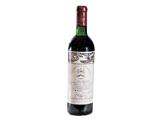
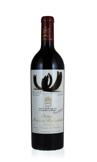
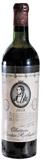
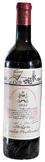
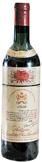
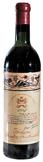
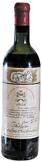
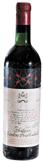
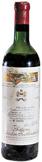
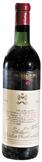
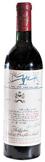
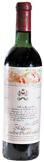
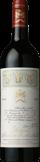
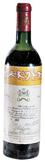
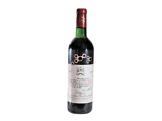
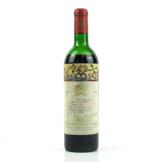
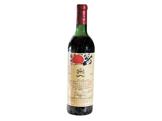
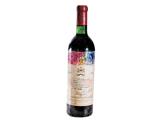
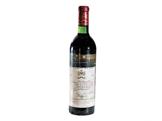
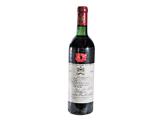
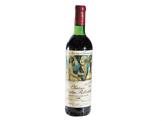
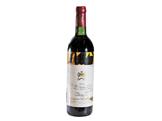
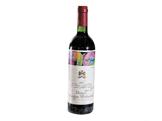
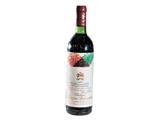
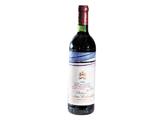
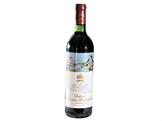
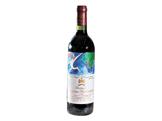
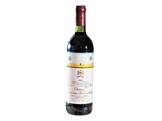
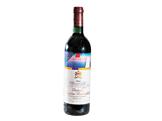
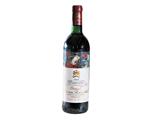
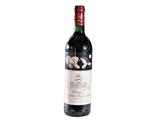
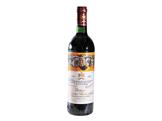
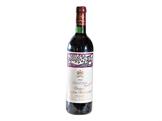
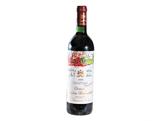
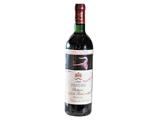
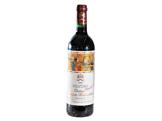
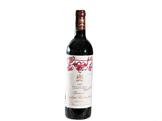
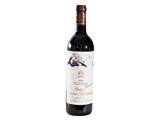
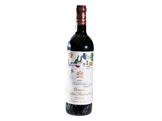
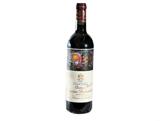
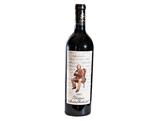
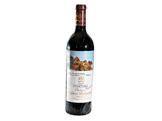
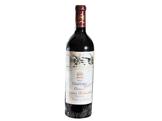
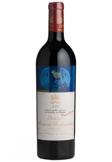
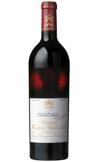
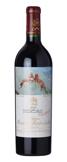
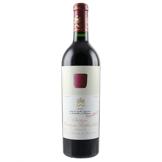
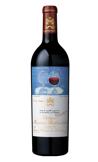
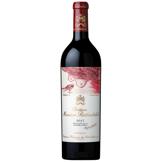
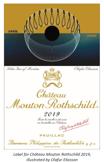
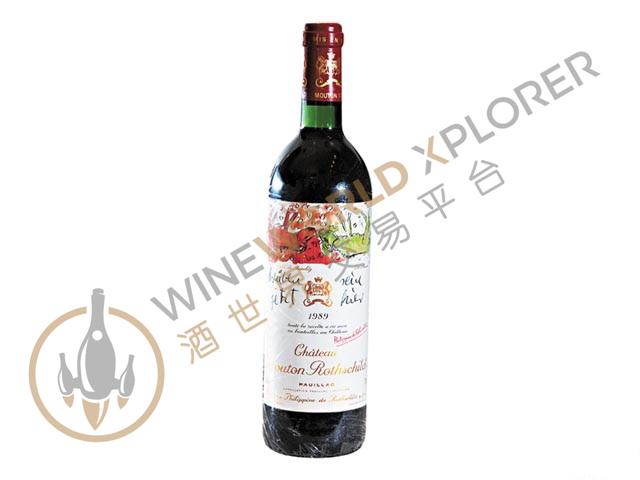
Mouton Rothschild 1989
 View analysis


Description
Formerly known as Château Brane-Mouton, it was in 1853 that Baron Nathaniel de Rothschild acquired the property located on the Left Bank in the Bordeaux region in the Médoc. From this date, the Château was renamed Château Mouton-Rothschild. Under the leadership of Baron Philippe de Rothschild, Mouton-Rothschild saw its reputation grow to become an emblem of the Pauillac appellation.
Tasting notes

Reviewed by: Robert M. Parker, Jr.
The evolution of the 1989 will be fascinating to follow. I say that because the wine, while dark ruby/purple in color, is not opaque. The superb bouquet offers Asian spice, soy sauce, leather, toasty oak, mocha, and blackcurrant scents. Despite the impressive up-front aromatics, the wine appears to lack weight and depth, and the finish is surprisingly brisk given the terrific fragrance. This may turn out to be an outstanding Mouton, but it is comparable to the 1985 rather than the compellingly perfect wines produced in 1986 and 1982. It should be drinkable early, and I suspect most admirers of the flashy, dramatic style of wine made at Mouton will want to consume it between 1996 and 2010. Last tasted, 8/93.
Reviewed by: Neal Martin
Tasted at Handford’s 21st anniversary tasting. The Mouton ’89 is a lovely Pauillac that has reached its plateau of maturity. It has an engaging cedar-scented bouquet touches of cigar box, mint and a touch of Italian cooked meats. Very well defined, very “old school”. The palate is medium-bodied and very harmonious with grainy tannins. It continues the aromatic theme of cedar and tobacco, relatively foursquare compared to Pichon-Baron of Lynch Bages, with a slightly leafy finish that demonstrates great persistency. It is very “classic” in style, restrained, elegant and bearing similarities to Lafite. Drink now-2030. Tasted October 2010.
Reviewed by: Robert M. Parker, Jr.
The 1989's perfume of oriental spices, soy sauce, leather, toasty oak, mocha, and blackcurrants is amazingly developed for such a young wine. The wine continues to reveal an aggressively woody note and lacks weight and depth in the mouth. Moreover, the finish is surprisingly brisk given the up-front fragrance. This is a wine I overrated from cask. It is comparable stylistically to the ready-to-drink 1985, but lighter and more blatantly oaky. It should be drinkable early and I suspect most admirers of the flashy, dramatic style of wine made at Mouton will want to consume it between now and 2010.
Reviewed by: Neal Martin
First tasted in October 2002 when the nose was only really just beginning to open up. The quality and its ravishing opulence was instantly apparent. Clos and surly when tasted the following year. Then from a double magnum in May 2004. A pure Pauillac nose of pencil-lead and cedar - very fragrant and well-defined. The palate is more backward than the Pichon Baron. Well-knot, harmonious, elegant and minerally. Wonderful fresh acidity. Very similar to Lynch Bages 1989 but with more complexity and nuance. Superb. Drink from 2012. Finally in September 2004: a beautiful "Mouton" nose with pencil-lead, charcoal and green pepper. Very intense and reserved. The palate is quite tannic and masculine with good acidity. Still tight. Less weight than Latour or Margaux and lacks the complexity of Lafite 1989. But I have had better examples of Mouton 1989 that showed a more depth and complexity.
Reviewed by: Robert M. Parker, Jr.
Considering the vintages and the estate, Mouton's performances in 1989 and 1990 are puzzling. I have tasted these wines multiple times since my last reviews appeared in print. The 1989 Mouton-Rothschild is the superior wine, but in no sense is this a compelling wine if compared to the Moutons produced in 1995, 1986, and 1982. The 1989 displays a dark ruby color that is already beginning to reveal significant lightening at the edge. The bouquet is surprisingly evolved, offering up scents of cedar, sweet black fruits, lead pencil, and toasty oak. This elegant, medium-bodied restrained wine is beautifully made, stylish, and not dissimilar to the 1985. It is an excellent to outstanding Mouton that should be close to full maturity in 4-5 years; it will drink well for 15-20.
Reviewed by: Robert M. Parker, Jr.
The evolution of this wine will be fascinating to follow. I say that because the wine, while dark ruby/purple in color, is not as opaque as the 1986 and 1982 were and still are. However, if one were to evaluate the bouquet on a 50-100 point scale, it would probably merit a 96 or 97. Perfumed with oriental spices, soy sauce, leather, toasty oak, mocha, and gobs of blackcurrants, the aromas are amazingly developed for such a young wine. In the mouth, however, despite what is undoubtedly excellent concentration, the wine appears to lack the weight and depth one anticipates in a top vintage such as 1989. Moreover, the finish is surprisingly brisk given the great up-front fragrance. This is undoubtedly an outstanding Mouton, comparable stylistically to the ready-to-drink 1985 rather than the compellingly perfect wines produced in 1986 and 1982. It should be drinkable early and I suspect most admirers of the flashy, dramatic style of wine made at Mouton will want to consume it between 1993 and 2010. Tasted seven times. Consistent notes.
Reviewed by: Neal Martin
Tasted from magnum and presented by Baron Philippe Sereys de Rothschild, the 1989 Château Mouton-Rothschild might not reach the ethereal heights of the 1982 or 1986, but it is certainly a lovely Claret. It has an attractive, slightly leafy bouquet armed with cedar and pencil lead. There is less fruit concentration than I expected, resolutely classic, slightly austere Bordeaux. The palate follows suit. What it lacks in substance it compensates with in balance and personality. This is an understated Mouton-Rothschild that is probably at its peak, although I envisage this offering another two decades of pleasure. Whilst this showing did not replicate some glorious bottles in the past, it remains a very fine Claret that may not be inclined to improve any further. Tasted February 2016.
Reviewed by: Ian d'Agata
(a blend of 78% cabernet sauvignon, 14% cabernet franc and 8% merlot; ph 3.8; IPT 60; 12.7% alcohol; 96% new oak; 91% selection for the grand vin): Bright red with a pale rim. Floral, aromatic nose offers scents of lavender, sour red cherry, strawberry jelly, vanilla, cinnamon and minerals. Sweet, suave and fresh, with lively if delicate flavors of ripe red berries and plum nicely lifted by aromatic spices and cedar. Finishes bright and pure, with an enticing sense of refinement, but a tad short and diffuse. A very attractive wine but I would have liked a little more concentration. Tourbier feels that the ultra-hot year caused a super-ripening of the grapes, which led to softer tannins, less color and a slight compression of aromas and flavors. Ready to drink now. The average yield here of 65 hectoliters per hectare was higher than that of 1990 but lower than 1986. The summer was the second hottest recorded at the time since the war, and the vintage also recorded the lowest rainfall since 1949. Incidentally, this was Eric Tourbier's first vintage. The high new oak percentage, he told me, is a reflection of the fact that the vintage was considered a great one and Mouton bought a lot of new barrels that year. The very early harvest took place from September 6 through 25.
Reviewed by: Neal Martin
The 1989 Mouton-Rothschild is a vintage that I have always had a lot of time for. Now at 30 years of age, it has quite a potent bouquet of blackberries, raspberry coulis, cedar and mint that feels opulent but youthful. The palate is medium-bodied with supple tannin and a fine bead of acidity, and quite succulent in mouthfeel, featuring generous wild strawberry mixed with cedar and tobacco. There is a sense of swagger about this Mouton-Rothschild and it feels very persistent on the surprisingly dense finish. Very fine. Tasted from an ex-cellar bottle at the château.
About the Producer
Chateau Mouton Rothschild is located in the Pauillac appellation in the Medoc of Bordeaux, France. In the 1855 classification, it shares the distinction of being a First Growth with Chateau Lafite Rothschild, Chateau Latour, Chateau Margaux and Chateau Haut-Brion. Mouton Rothschild has adopted a modern approach to winery management, employing a viticulturalist to oversee the vineyards. From the cultivation of the grapes to the pruning of the vines, from the tracking of the ripening of the grapes to the manual harvesting, everything is done to perfection. Today, Château Mouton has 90 hectares of vineyards, most of which are located on a hill called "Plateau de Mouton", at an altitude of 27 meters. The soil is deep gravel, with good drainage and heat storage, which allows the grapes to ripen slowly. The vineyard is planted with 81% Cabernet Sauvignon, 15% Merlot, 3% Cabernet Franc and 1% Petit Verdot, with a planting density of approximately 10,000 vines/ha and an average vine age of 44 years. The vineyard also contains 7 hectares of excellent plots for the production of high quality white wines, with 56% Sauvignon Blanc, 43% Semillon and 1% Muscadelle, planted at a density of 9,000 vines per hectare. During the harvest season, the grapes are picked and sorted by hand, and the carefully selected grapes are placed in fermentation vats by gravity alone through moving vats. As a result, the grapes are not subjected to any unnatural pressure or restraint and remain in their natural, pure state from the time they are harvested until they enter the fermentation vats. At the end of fermentation, the wine is transferred to new oak barrels to mature for about 20 months. In 2012, Mouton Rothschild's new winery, which combines traditional techniques with modern technology, was inaugurated. It is divided into two floors, connected by metal columns. The interior is equipped with oak barrels and stainless steel tanks of different sizes, which correspond to the different plots and varieties of the vineyard, in order to achieve a more optimal winemaking blend. Chateau Mouton Rothschild, Pauillac, France is the main wine of the estate and accounts for half of the total production. It has been praised by many critics and wine lovers for its beautiful, elegant and unique style, which is in harmony with the terroir of the region, and its artistic design of the label. In addition to the main label, the winery also has Le Petit Mouton de Mouton Rothschild, Pauillac, France (1993) and Aile d'Argent Blanc du Mouton (1991). Chateau Mouton Rothschild, Bordeaux, France). The Petit Mouton Rothschild is made from the younger vines on the estate and is harvested, vinified and bottled on the same basis as the full-length wine. The wine quickly gained a foothold in the market and was very well received. The Silver Wings dry white wine is rich, complex and elegant, and although its production is scarce, it is quickly becoming a symbol of Bordeaux's premium white wines and a favorite among wine enthusiasts.
1947(2)1948(1)1950(2)1951(1)1952(1)1953(1)1954(1)1955(2)1956(1)1957(3)1958(2)1959(1)1960(1)1962(1)1963(1)1964(2)1965(1)1966(1)1967(1)1968(2)1969(2)1970(1)1971(2)1972(1)1973(3)1974(1)1975(2)1976(1)1977(2)1978(1)1979(3)1980(1)1981(1)1982(8)1983(2)1984(5)1985(5)1986(12)1987(5)1988(8)
Package Size