 Wine Advisor



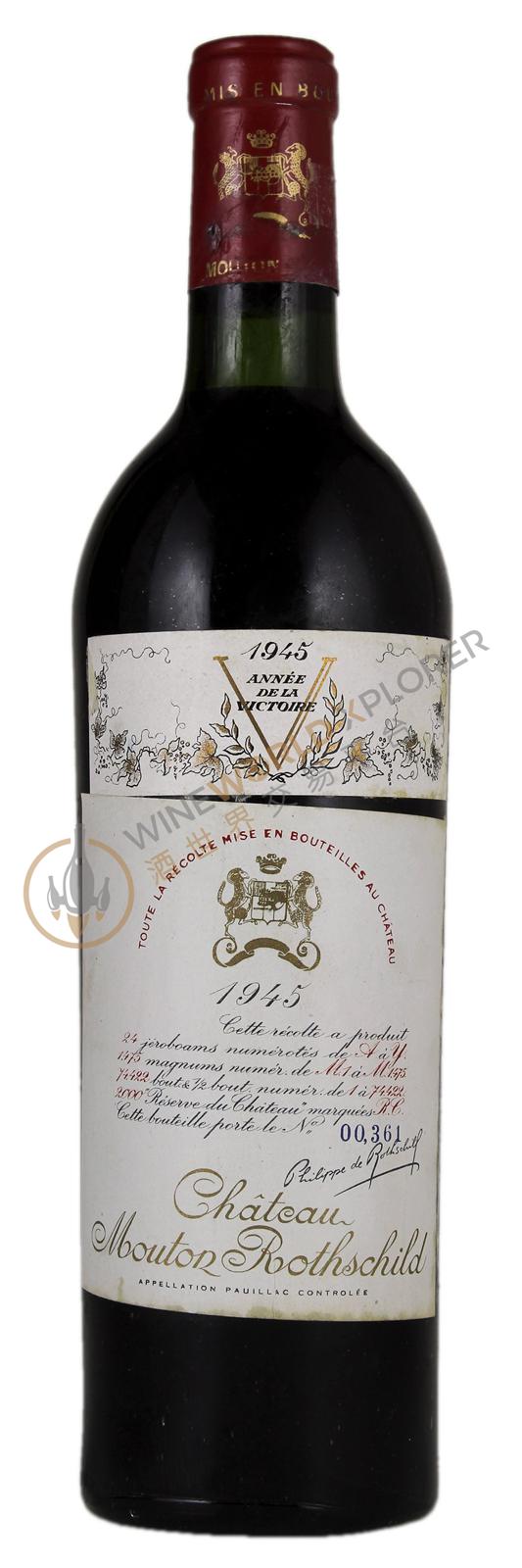
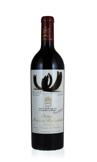
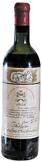
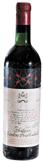
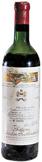
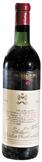
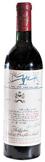
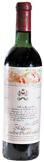
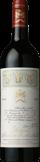
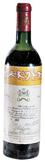
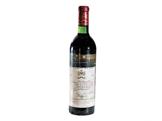
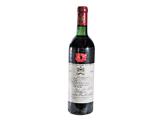
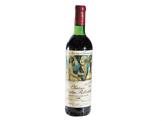
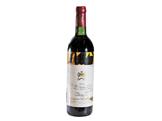
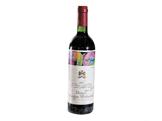
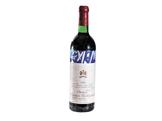
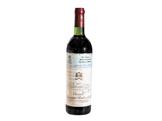
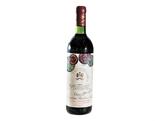
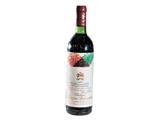
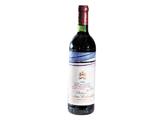
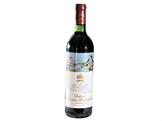
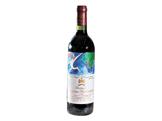
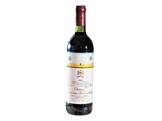
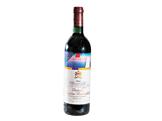
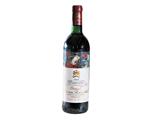
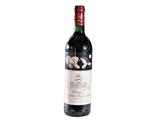
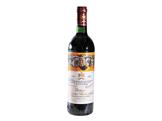
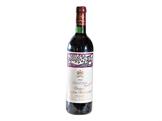
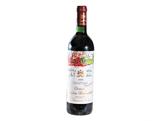
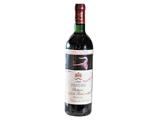
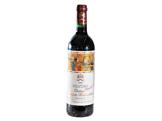
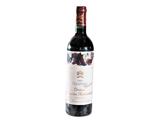
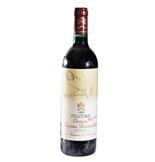
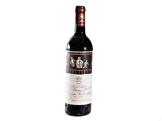
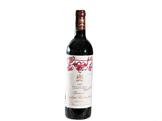
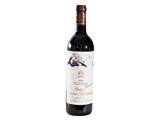
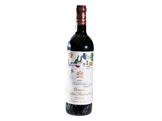
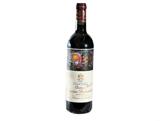
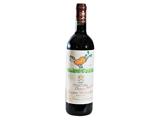
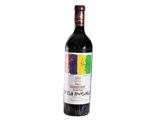
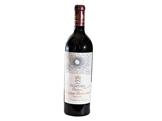
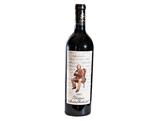
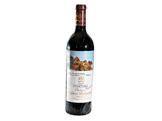
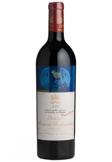
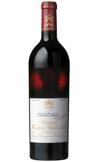
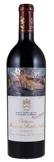
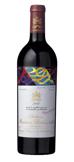
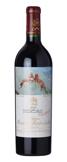
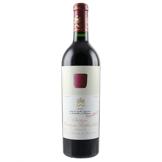
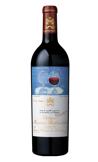
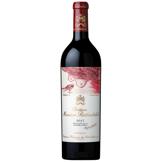
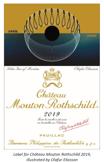
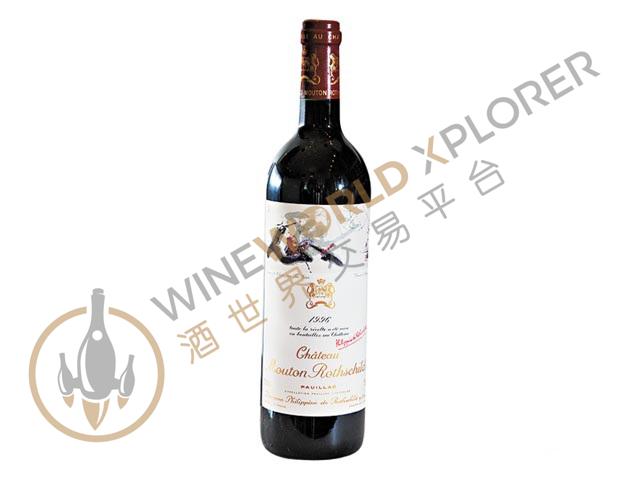
Mouton Rothschild 1996
 View analysis


Description
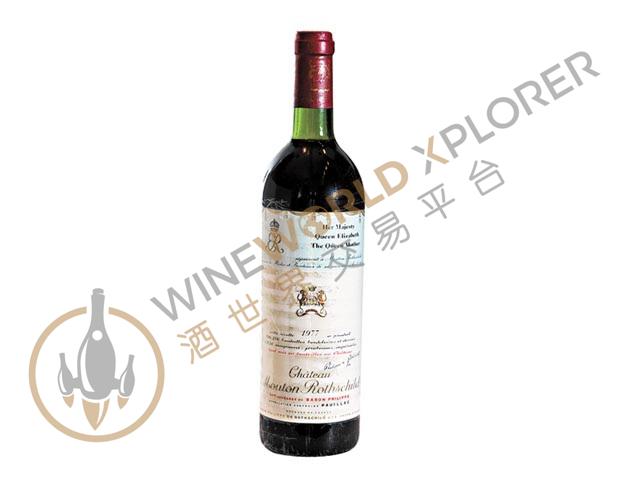
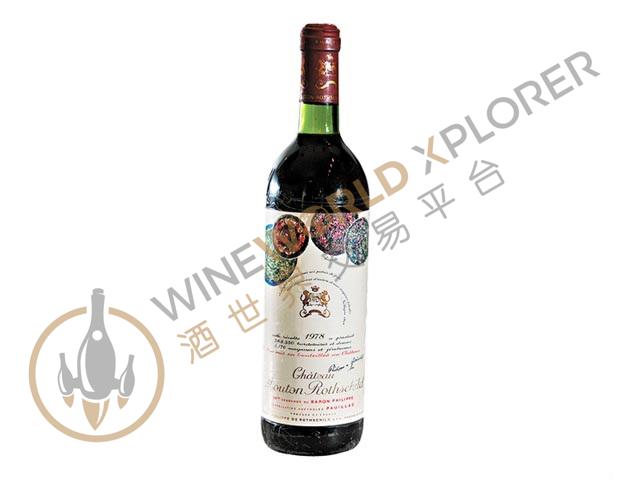
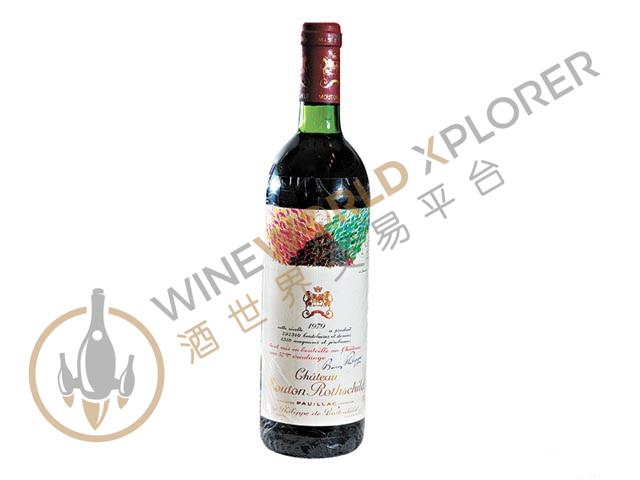
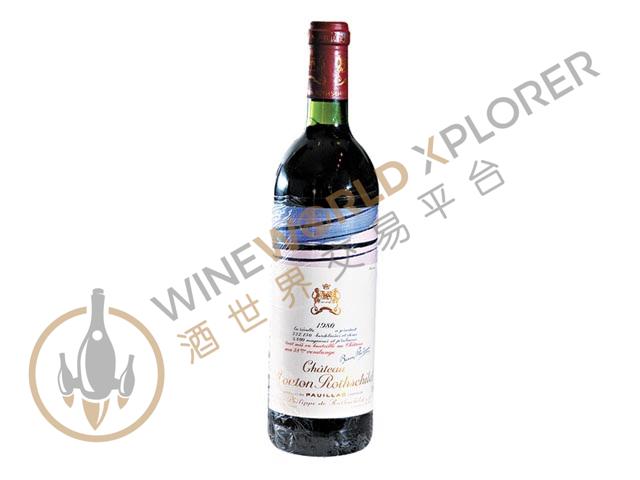
Formerly known as Château Brane-Mouton, it was in 1853 that Baron Nathaniel de Rothschild acquired the property located on the Left Bank in the Bordeaux region in the Médoc. From this date, the Château was renamed Château Mouton-Rothschild. Under the leadership of Baron Philippe de Rothschild, Mouton-Rothschild saw its reputation grow to become an emblem of the Pauillac appellation.
Tasting notes

Reviewed by: Robert M. Parker, Jr.
This estate's staff believes that the 1996 Mouton-Rothschild is very complex. I agree that among the first-growths, this wine is showing surprising forwardness and complexity in its aromatics. It possesses an exuberant, flamboyant bouquet of roasted coffee, cassis, smoky oak, and soy sauce. The impressive 1996 Mouton-Rothschild offers impressive aromas of black currants, framboise, coffee, and new saddle leather. This full-bodied, ripe, rich, concentrated, superbly balanced wine is paradoxical in the sense that the aromatics suggest a far more evolved wine than the flavors reveal. Anticipated maturity: 2007-2030. By the way, the 1996 blend consists of 72% Cabernet Sauvignon, 20% Merlot, and 8% Cabernet Franc.
Reviewed by: Robert M. Parker, Jr.
The evolution of the 1996 (which I retasted in late March prior to bottling) continues to confirm that this vintage is indeed awesome. The wine (which I would now rate as high as 95-96), is looking extraordinary as it enters into its last few months of barrel age. Massive, thick, and rich, it looks to be as prodigious as the slightly softer 1995. It is a sensational Mouton that appears to be every bit as complete and potentially grand as the other Medoc first-growths in this vintage.
Reviewed by: Neal Martin
It is four years since I last tasted the 1996 Château Mouton-Rothschild. Approaching 20 years old, the nose is now open for business but remaining classic in style, a mixture of red and black fruit, hickory, cedar and just a hint of lavender. It is very complex and beautifully defined. The palate is medium-bodied with a slightly herbaceous, undergrowth-tinged opening, the tannins just a little abrasive at the moment, exerting a firmness in the mouth. I feel it is almost as if the palate has not kept pace with the aromatics, requiring more substance to fill out the foursquare finish. If you like a slightly more austere Pauillac then you will adore this, though I don't think it quite reaches the potential that it showed a few years ago. Tasted August 2016.
Reviewed by: Neal Martin
This is an excellent Mouton-Rothschild that might warrant a higher score if it continues to improve. It has a “classic” Pauillac nose of graphite, pencil shavings and tobacco, later a whiff of a mahogany bureau in a stately home. The palate is medium-bodied with firm, quite austere tannins, but wonderful balance and the tension that the 2000 so badly needs. Very harmonious and youthful towards the finish. It actually reminds me of the 1986 in some ways. Superb. Tasted February 2011.
Reviewed by: Lisa Perrotti-Brown
The last time I tasted the 1996 Mouton Rothschild (maybe a couple of years ago?), I recall it was a bit broody and closed. This showing was anything but! Deep garnet in color, it sashays out of the glass with lavishly dressed, gregarious crème de cassis, baked blackberries and plum pudding scents plus touches of menthol, fenugreek, star anise and sandalwood with fleeting glimpses at dried rose petals and oolong tea. The full-bodied palate is richly fruited, opulent and oh-so seductive, with bags of youthful black fruit and lovely finely grained tannins, finishing with fantastic freshness and length. This was tasted from jeroboam in September 2019.
Reviewed by: Neal Martin
First tasted in September 2005 at the Mouton vertical when it was backward and lacking a little vigor. Very fine, but it lacks the ebulliance of the 1995. (90-92) Then a superb showing when tasted blind against the other First Growths in September 2006. A superb, ravishing nose. Blackberry, chestnut, cooked meats. Very intense and with great delineation. The palate is full-bodied, tannic, solid and muscular. Latour? Very well-balanced, has a certainly meaty core to it. Good grip but not over-powering. Huge grip on the finish. Very fine. (96)
Reviewed by: Robert M. Parker, Jr.
Made from a blend virtually identical to the 1995 (72% Cabernet Sauvignon, 8% Cabernet Franc, and 20% Merlot), the 1996 has taken on weight and richness since I tasted it in spring, 1997. An opaque purple color is accompanied by an impressive, somewhat undeveloped but gorgeously pure creme de cassis nose with Asian spices, licorice, and smoky oak in the background. Sweet, full-bodied, powerful, and rich, with formidable extract, ripe tannin, and a layered impression, this wine builds to a blockbuster finish. I am super-impressed by this wine's evolution during 1997, as it now looks to be a great Mouton which I underrated when I first tasted it. Anticipated maturity: 2006-2030.
Reviewed by: Robert M. Parker, Jr.
Mouton's 1996, a blend of 80% Cabernet Sauvignon, 10% Cabernet Franc, 8% Merlot, and 2% Petit Verdot, has 10% more Cabernet Sauvignon in the final blend than the spectacular 1995. The harvest began on September 30 and finished October 9, stopping for two days during that period. Over 400 harvesters were utilized. Although the 1996 is not as flattering and opulent as the stunning 1995 Mouton-Rothschild, it is an impressive wine, but discipline will be required. The wine's dense black/purple color is accompanied by a tight but sweet nose of black fruits, wood, cassis, and vanillin. Less outrageously flamboyant when compared to the 1995, this is a structured, powerful, tannic, medium-bodied Mouton that is marvelously concentrated and pure, but in need of a minimum of 10-15 years of cellaring. In some years Mouton can produce wines that are too hard and tannic (1990), but that will not be the case with their 1996, a wine that possesses considerable stature and intensity. It has the fruit, extract, and depth to stand up to the wine's impressive structural components. Anticipated maturity: 2009-2040. P.S. If this wine continues to flesh out, look for an even higher evaluation.
Reviewed by: Robert M. Parker, Jr.
Although the 1996 is not as flattering and opulent as the stunning 1995 Mouton-Rothschild, it is an impressive wine, but discipline will be required. The wine's dense black/purple color is accompanied by a tight but sweet nose of black fruits, wood, cassis, and vanillin. Less outrageously flamboyant when compared to the 1995, this is a structured, powerful, tannic, medium-bodied Mouton that is marvelously concentrated and pure, but in need of a minimum of 10-15 years of cellaring. In some years Mouton can produce wines that are too hard and tannic (1990), but that will not be the case with their 1996, a wine that possesses considerable stature and intensity. It has the fruit, extract, and depth to stand up to the wine's impressive structural components. Mouton's 1996, a blend of 80% Cabernet Sauvignon, 10% Cabernet Franc, 8% Merlot, and 2% Petit Verdot, has 10% more Cabernet Sauvignon in the final blend than the spectacular 1995. The harvest began on September 30 and finished October 9, stopping for two days during that period. Over 400 harvesters were utilized. Anticipated maturity: 2009-2040. P.S. If this wine continues to flesh out, look for an even higher evaluation. Last tasted 3/97
Reviewed by: Neal Martin
Tasted at the “First Growth” lunch in London. Not quite as exuberant as the bottle served blind at Farr’s horizontal, but still a great Mouton. The nose is tighter than last time but will those similar traits of blackberry, cedar, cooked meats, perhaps here with just a tiny touch of greenness. The palate is medium-bodied with a lovely rounded texture, but underneath that has great structure and focus. Packed full of cedar towards the finish, never taking its eye off the ball, very tannic on the finish. This one is definitely for the cellar. Drink 2012-2030. Tasted October 2008.
Reviewed by: Ian d'Agata
(77% cabernet sauvignon, 13% merlot and 10% cabernet franc; pH 3.85; IPT 73; 12.7% alcohol; 83% new oak): Bright ruby with a palish rim. Intense, fragrant aromas of strawberry, iris, coffee, white pepper and bay leaf are lifted by an aromatic spice note; one can recognize the cabernet franc here. Rich, dense and suave, with very pure red fruit, cedar and herb flavors that coat the palate and are nicely carried by vibrant, harmonious acidity. Finishes with outstanding length, noble tannins and a late spicy, floral kick. This outstanding Mouton has improved enormously since its release. Tourbier agrees: We were a little worried initially that this Mouton seemed too rigid, almost austere. Instead, it did a complete turnaround once bottled, surprising us as well.
Reviewed by: Neal Martin
The 1996 Mouton-Rothschild is the high point of what in retrospect was an inconsistent decade for this First Growth. It has a very attractive, classic Pauillac bouquet: predominantly black fruit laced with cedar, freshly rolled tobacco and light graphite scents. It is not lavish, but tightly controlled. The palate is medium-bodied with fine tannins, though not as fine as recent vintages under Philippe Dhalluin. There is satisfying density and gentle grip toward the finish, which feels fresh and contains enough energy to suggest that it is only just reaching its plateau. Tasted from an ex-château jeroboam at the Palace of Versailles charity dinner.
Reviewed by: Stephen Tanzer
Good bright ruby. Aromas of dark berries, truffle and game. Sweet and rather lush but a bit monolithic, even musclebound. Finishes with substantial tongue-dusting tannins and a repeating animal quality.
Reviewed by: Stephen Tanzer
Deep ruby. Pungent spices, black fruits, minerals, roasted nuts and coffee on the nose. Smooth and thick but solidly structured; faint animal notes in the mouth. Nicely integrated acids and tannins. A vin de garde yet the tannins seem less tough than normal, spreading out nicely on the aftertaste.
Reviewed by: Stephen Tanzer
Bright deep ruby. Vinous, complex aromas of cassis, roasted plum, spice, licorice, roast coffee, game and grilled bread. Voluminous yet currently rather inexpressive in the mouth; this has a depth and texture not shown in either the '97 or '98. Distinct notes of torrefaction in the mouth. Finishes very long, with well-buffered, ripe tannins.
Reviewed by: Stephen Tanzer
Good deep red. Spicy, cedary oak, graphite and a floral suggestion of cabernet franc on the nose. Supple and firm, with very good texture and fresh fruit. The floral quality repeats in the mouth. Finishes with very good length and toothcoating chewy, ripe tannins.
Reviewed by: Stephen Tanzer
Very good red-ruby. Redcurrant, blueberry, and lead pencil on the aromatic nose. Tighter in the mouth than the Armailhac; gives an impression of higher acidity and more aggressive structure. But opened nicely to show good black cherry and cassis fruit. Finer and more delineated than the above.
Reviewed by: Stephen Tanzer
Ruby-red. Deep aromas of cassis, roasted plum, animal fur and graphite. Velvety in texture but with a powerful underlying structure. Very strong on the back end, which features substantial tongue-dusting tannins and subtle finishing flavor. A seriously structured wine with terrific material, this version of Mouton is likely to shut down after bottling.
About the Producer
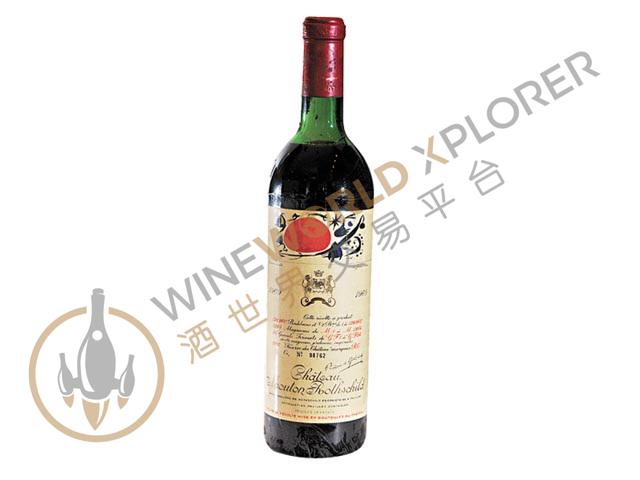
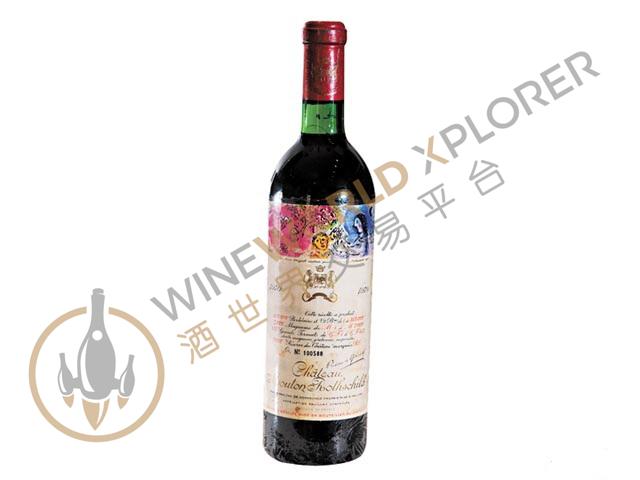
Chateau Mouton Rothschild is located in the Pauillac appellation in the Medoc of Bordeaux, France. In the 1855 classification, it shares the distinction of being a First Growth with Chateau Lafite Rothschild, Chateau Latour, Chateau Margaux and Chateau Haut-Brion. Mouton Rothschild has adopted a modern approach to winery management, employing a viticulturalist to oversee the vineyards. From the cultivation of the grapes to the pruning of the vines, from the tracking of the ripening of the grapes to the manual harvesting, everything is done to perfection. Today, Château Mouton has 90 hectares of vineyards, most of which are located on a hill called "Plateau de Mouton", at an altitude of 27 meters. The soil is deep gravel, with good drainage and heat storage, which allows the grapes to ripen slowly. The vineyard is planted with 81% Cabernet Sauvignon, 15% Merlot, 3% Cabernet Franc and 1% Petit Verdot, with a planting density of approximately 10,000 vines/ha and an average vine age of 44 years. The vineyard also contains 7 hectares of excellent plots for the production of high quality white wines, with 56% Sauvignon Blanc, 43% Semillon and 1% Muscadelle, planted at a density of 9,000 vines per hectare. During the harvest season, the grapes are picked and sorted by hand, and the carefully selected grapes are placed in fermentation vats by gravity alone through moving vats. As a result, the grapes are not subjected to any unnatural pressure or restraint and remain in their natural, pure state from the time they are harvested until they enter the fermentation vats. At the end of fermentation, the wine is transferred to new oak barrels to mature for about 20 months. In 2012, Mouton Rothschild's new winery, which combines traditional techniques with modern technology, was inaugurated. It is divided into two floors, connected by metal columns. The interior is equipped with oak barrels and stainless steel tanks of different sizes, which correspond to the different plots and varieties of the vineyard, in order to achieve a more optimal winemaking blend. Chateau Mouton Rothschild, Pauillac, France is the main wine of the estate and accounts for half of the total production. It has been praised by many critics and wine lovers for its beautiful, elegant and unique style, which is in harmony with the terroir of the region, and its artistic design of the label. In addition to the main label, the winery also has Le Petit Mouton de Mouton Rothschild, Pauillac, France (1993) and Aile d'Argent Blanc du Mouton (1991). Chateau Mouton Rothschild, Bordeaux, France). The Petit Mouton Rothschild is made from the younger vines on the estate and is harvested, vinified and bottled on the same basis as the full-length wine. The wine quickly gained a foothold in the market and was very well received. The Silver Wings dry white wine is rich, complex and elegant, and although its production is scarce, it is quickly becoming a symbol of Bordeaux's premium white wines and a favorite among wine enthusiasts.
1947(2)1948(1)1950(2)1951(1)1952(1)1953(1)1954(1)1955(2)1956(1)1957(3)1958(2)1959(1)1960(1)1962(1)1963(1)1964(2)1965(1)1966(1)1967(1)1968(2)1969(2)1970(1)1971(2)1972(1)1973(3)1974(1)1975(2)1976(1)1977(2)1978(1)1979(3)1980(1)1981(1)1982(8)1983(2)1984(5)1985(5)1986(12)1987(5)1988(8)1989(8)1990(1)1991(5)1992(9)1993(6)1994(8)1995(12)
Package Size