 Wine Advisor



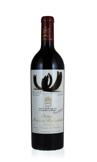
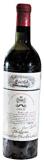
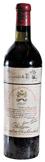
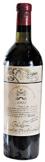
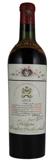
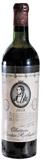
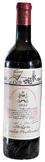
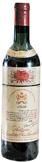
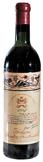
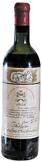
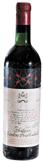
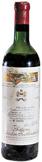
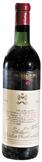
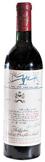
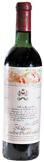
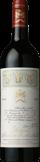
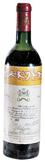
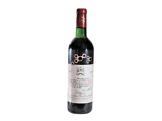
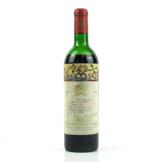
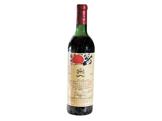
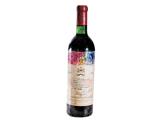
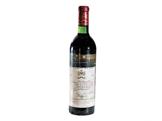
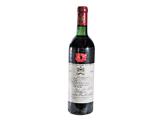
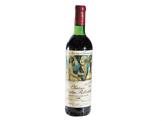
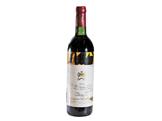
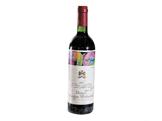
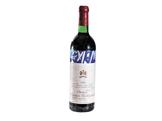
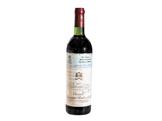
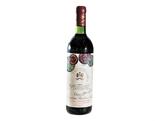
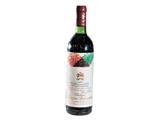
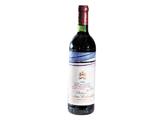
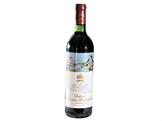
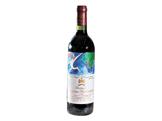
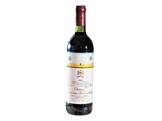
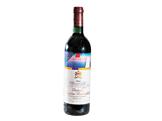
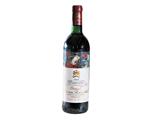
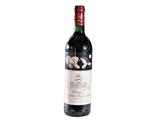
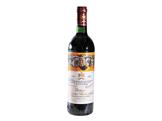
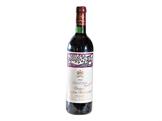
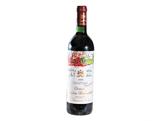
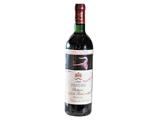
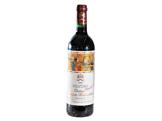
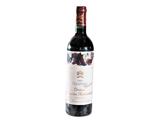
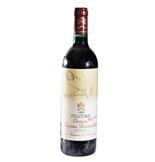
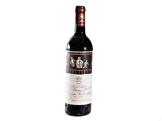
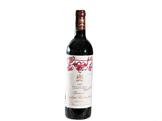
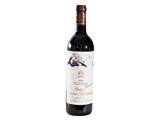
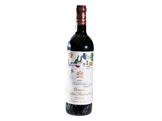
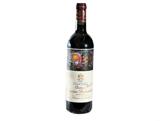
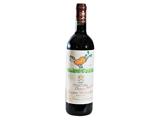
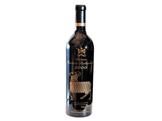
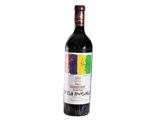
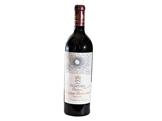
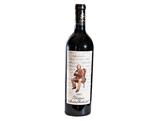
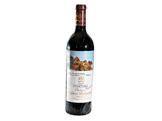
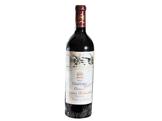
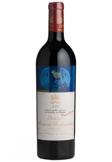
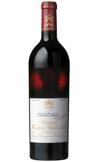
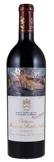
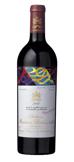
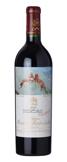
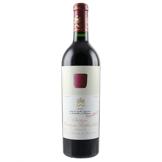
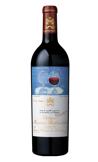
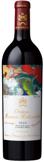
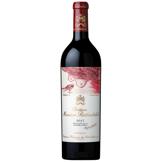
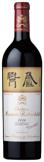
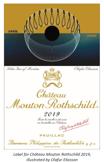
Mouton Rothschild 2000
 View analysis


Description
Formerly known as Château Brane-Mouton, it was in 1853 that Baron Nathaniel de Rothschild acquired the property located on the Left Bank in the Bordeaux region in the Médoc. From this date, the Château was renamed Château Mouton-Rothschild. Under the leadership of Baron Philippe de Rothschild, Mouton-Rothschild saw its reputation grow to become an emblem of the Pauillac appellation.
Tasting notes

Reviewed by: Neal Martin
Tasted blind at Bordeaux Index’s 2000 tasting in London. The millennial Mouton has a very complex nose, well defined with blackberry, leather, wild mushroom, thyme and sandalwood. It initially explodes with exuberance, and just takes its foot off the accelerator over 20 minutes. The palate is medium-bodied with filigree tannins, wonderful poise and focus, dances across the tongue and down the back of the throat. As usual, there is the Mouton exuberance, the First Growth in a loud shirt and though it lacks the breeding of either Latour or Lafite, represents a decent drop of wine. Still…lovely bling-tastic looking bottle. Drink 2018-2035. Tasted March 2010.
Reviewed by: Robert M. Parker, Jr.
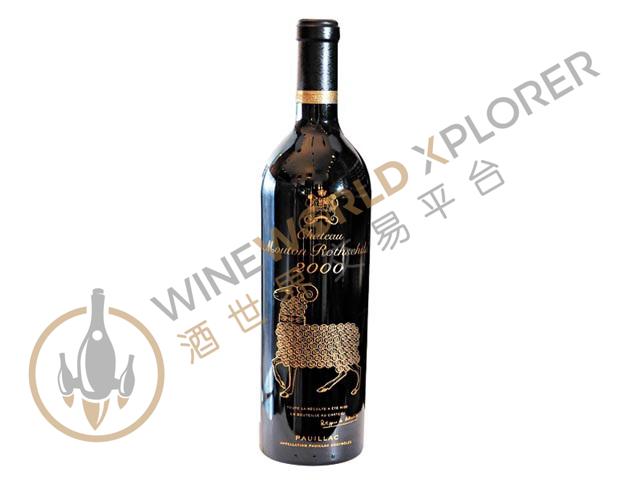
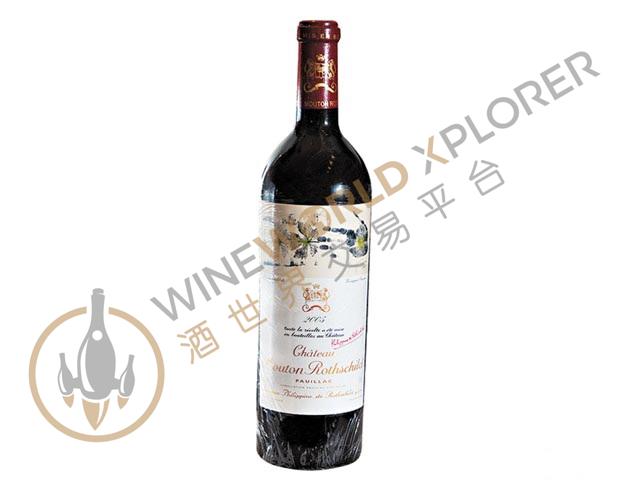
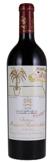
The 2000 Mouton Rothschild is at its best with about 24-48 hours of decanting. A blend of 86% Cabernet Sauvignon and 14% Merlot, the wine offers a saturated ruby/purple color in addition to reticent but promising aromas of toast, coffee, licorice, creme de cassis, and roasted nuts. Dense, chewy, and backward, with tremendous purity and density in addition to obvious toasty oak, it is full-bodied, powerful, tannic, and backward. Twenty-four to 48 hours of aeration only hints at its ultimate potential. This blockbuster will be exceptionally long-lived. It is not as expressive as the other first-growth Medocs, but give it time. As I predicted in my first report on the millennium vintage (April, 2001), Philippine de Rothschild could be expected to do something special with her presentation of 2000. She has exceeded everyone's expectations with a work of art. Those who have seen the extraordinary packaging of the 2000 Mouton Rothschild must certainly realize this is a brilliant achievement. The bottle is extraordinary, and likely to have nearly as much value empty as full! Her genius is obvious, but it's what's inside that counts! Anticipated maturity: 2015-2050+.
Reviewed by: Neal Martin
Another rather vexing performance of the millennial Mouton. My main complaint is the dominance of oak on the nose that is smothering the sense of terroir and the delineation one would expect. The palate is medium-bodied with good balance, quite cohesive and yet lacking the tension and precision one would have hoped for. It develops some attractive mulberry and plumy notes with time in glass, but it is a First Growth that never really takes off. Tasted February 2011.
Reviewed by: Lisa Perrotti-Brown
Deep garnet colored with a touch of brick, the 2000 Mouton Rothschild (composed of 86% Cabernet Sauvignon and 14% Merlot) boldly bursts from the glass with tantalizing Black Forest cake, dried mulberries, kirsch and blackcurrant pastilles notes plus wafts of iodine, incense, potpourri and cinnamon stick with a hint of cigar boxes. Medium to full-bodied, the palate packs in the muscular fruit, framed by firm, ripe, grainy tannins and seamless freshness, finishing with phenomenal length. This is an incredibly complex and multifaceted wine, and it's drinking deliciously now. This said, I can’t help but feel that it is holding something back, that it still has another layer of opulence and seduction to reveal in its tight-knit fruit and solid structure. I personally can’t wait to see how this beauty will continue to unfold over the years to come.
Reviewed by: Robert M. Parker, Jr.
A behemoth, the gigantic 2000 Mouton-Rothschild (86% Cabernet Sauvignon and 14% Merlot) boasts a saturated purple color as well as aromas of ink, cassis, licorice, damp earth, and sweet oak. It reveals a cassis liqueur-like flavor profile with a hint of truffles. This majestic effort will undoubtedly close down, but enjoy an exceptionally long life. Anticipated maturity: 2012-2050+.
Reviewed by: Neal Martin
Tasted several times, At en primeur I felt it lacked the harmony and ebullience of Lafite or Latour and lacking the "X-factor". Then at Farr's 2000 horizontal: Sandwiched in between Lafite and Latour, you can instantly recognize the absence of concentration on the nose. This certainly lacks the structure, depth and fruit concentration on the palate. This is not a success for Mouton. Nice bottle though. Consistent notes in November 2004 when it lacked the finesse of the other Firsts. Finally in September 2005. A deep opaque garnet colour. The nose has developed since my last bottle: rich and decadent with tar and pencil lead. The palate has a very smooth entry with saturated tannins. Velvety smooth with blackberry, cassis and minerals. Its just let down on the finish, falling away abruptly and leaving your expectations dashed.
Reviewed by: Robert M. Parker, Jr.
Perhaps the most beautiful packaging ever on a Bordeaux bottle, Baroness Philippine de Rothschild literally produced a work of art in the gold-engraved bottle of 2000 Mouton Rothschild. Of course, one can’t drink the glass, but this is a top-flight Mouton Rothschild, eclipsed only by the 2006 and 2009. A rich, tannic, earthy style, with loads of creme de cassis and floral notes, the final blend of 86% Cabernet Sauvignon and 14% Merlot is a full-bodied wine with plenty of coffee, earth, chocolatey notes, and still plenty of tannin to resolve. I gave it an anticipated maturity range of 2015-2050 back in 2003, and that looks on target.
Reviewed by: Robert M. Parker, Jr.
The 2000 is a blend of 86% Cabernet Sauvignon and 14% Merlot, and the wine comprises 80% of the production, which averaged 35 hectoliters per hectare. A potentially immortal wonder, Mouton's 2000 is so thick, it almost needs to be drunk with a spoon. At the same time, it has brutally high tannin. There is a lot going on in this backward effort, including phenomenal concentration and extract, and a huge nose of smoke, creme de cassis, truffles, and new saddle leather. A wine of enormous constitution and awesome power, but neophytes and readers unwilling to invest twenty years of cellaring should look elsewhere. If the tannin becomes more integrated, and the wine increasingly seamless, it will merit its lofty rating. However, if the tannin becomes more abrasive, or the wine totally shuts down, the score will drop. This is a long-term prospect for prospective purchasers given the fact that most Moutons made with this level of extract and tannin need 15-20 years of cellaring (look at the still infant 1982 and 1986). Nevertheless, this is a fabulously pure, brilliant achievement, perhaps destined for your children's children. Anticipated maturity: 2020-2060. P.S. Don't be surprised if the proprietor, the creative Baronne Philippine de Rothschild, does something dramatic regarding the label or bottle in celebration of 2000.
Reviewed by: Neal Martin
Tasted at “The Sampler” in London. It is amazing how with each passing year this wine seems to get better. It has a bright garnet core – very clear and youthful at 8-years of age (hasn’t time flown). The nose is developing beautifully, well defined, quite floral, to the point where you might mistake it for Chateau Margaux. Blackberry, wild strawberry, blueberry with less of the pencil lead/cedar character than I was expecting, although with time in glass it begins to become more evident. The palate is full-bodied with firm tannins, masculine, correct, very well balanced with good poise. Blackberries, ripe black cherries and a touch of cassis, very well defined, nice dryness towards the finish that is much more elegant than I was expecting. It is still cloaked in puppy fat, but great potential. Drink 2015-2030+ Tasted December 2008.
Reviewed by: Ian d'Agata
(a blend of 86% cabernet sauvignon and 14% merlot; pH 3.85; 69 IPT; 12.3% alcohol; 85% selection for the grand vin; 85% new oak): Bright deep ruby with the barest hint of garnet; still very youthful. Enticing, complex nose of cassis, smoky cedar, violet, underbrush and kirsch; very Pauillac, if in a ripe style. Dense, rich and suave in the mouth, with lively acidity nicely framing the rich flavors of blackcurrant, blackberry jam, milk chocolate, grilled bread and spicy underbrush. Finishes with noble tannins and outstanding chocolatey persistence. A great Mouton and much better than another recently tasted bottle that had shown some signs of premature evolution. Though this wine comes across as quite smoky and chocolatey, Tourbier points out that Mouton has been using barrels with a medium or medium-plus toast since 1994 (more heavily charred barrels were used here from 1989 through 1993). The excellent millennium vintage featured a hot and humid year characterized by a very large crop and a fairly rainy first part of the year, but a very dry and warm second half resulted in considerable hydric stress (especially on the Right Bank.)
Reviewed by: Neal Martin
The 2000 Mouton-Rothschild is a vintage that famously came in an eye-catching gold-embossed bottle, though I was rather ambivalent about its quality. Now just over two decades old, it has a focused bouquet of blackberry, mint and tobacco/black truffle scents, demonstrating fine intensity if not the show-stopping complexity one might expect from a First Growth in 2000. The palate is medium-bodied, juicy and ripe, with rounded tannins and moderate acidity, but I don’t find it complex, and it doesn’t really articulate the DNA of Mouton-Rothschild or its terroir. This becomes quite feral and just a little acetic with aeration.
Reviewed by: Neal Martin
I have never been a huge fan of the 2000 Mouton Rothschild apart from the spectacular gold engraved bottle. The contents inside just left me nonplussed ever since I originally tasted it from barrel. Now 17 years later I have no reason to alter that view and on this occasion it is outperformed by the 2013 Opus One. This Pauillac is rather ordinary on the nose, missing the precision and detail that Philippe Dhalluin brought back when he took over the winemaking duties. The palate is balanced with decent freshness, and quite hard tannin at the moment, lacking the harmony and precision that recent vintages have exuded. But as I mentioned, the bottle looks fantastic. Tasted blind at a private lunch in Hong Kong.
Reviewed by: Stephen Tanzer
Full medium ruby. Exotic aromas of cassis, roast coffee and sweet oak. Sweet, thick and oaky, with superb breadth of flavor; at once chewy and smooth. An impressively rich, ripe, oaky Mouton with palate-staining length and strong finishing oakiness. But less noble and scented than the young 2002, which may be every bit as dense.
Reviewed by: Stephen Tanzer
(86% cabernet sauvignon and 14% merlot; aging in 85% new oak, vs. 65% for the 2001) Dense, full ruby. Brooding aromas of currant, black cherry, graphite, licorice and mint. Very ripe and very dense; the wine's breadth and thickness of texture are leavened by vibrant acidity. Very complex and rich in the mouth, almost liqueur-like in its sweetness. Tannins are thoroughly buffered by the wine's sweet fruit. Next to this sample, the 2001 comes across as considerably drier. Caviste Garcia says this will be the chateau's best vintage since the '86.
Reviewed by: Stephen Tanzer
Dark red. Fruit-driven aromas of cherry, redcurrant, cassis, leather and smoke. Fruity and juicy in the mouth, but currently showing only modest flesh. Tannins seem a bit dry.
Reviewed by: Stephen Tanzer
Saturated red-ruby. Cassis, licorice and shoe polish on the nose. Denser and suppler than the Armailhac, with more stuffing to support its riper tannins. Here the average age of vines is greater.
Reviewed by: Stephen Tanzer
Medium ruby. Complex, expressive aromas of currant, graphite, leather, game and spices. Superbly sweet and pliant in the mouth but not soft. Dense and classic. Finishes with noble tannins and terrific grip and backbone. No saignee was needed in 2000, and the wine spent 22 days on its skins during vinification, compared to just 15 in 1999.
About the Producer
Chateau Mouton Rothschild is located in the Pauillac appellation in the Medoc of Bordeaux, France. In the 1855 classification, it shares the distinction of being a First Growth with Chateau Lafite Rothschild, Chateau Latour, Chateau Margaux and Chateau Haut-Brion. Mouton Rothschild has adopted a modern approach to winery management, employing a viticulturalist to oversee the vineyards. From the cultivation of the grapes to the pruning of the vines, from the tracking of the ripening of the grapes to the manual harvesting, everything is done to perfection. Today, Château Mouton has 90 hectares of vineyards, most of which are located on a hill called "Plateau de Mouton", at an altitude of 27 meters. The soil is deep gravel, with good drainage and heat storage, which allows the grapes to ripen slowly. The vineyard is planted with 81% Cabernet Sauvignon, 15% Merlot, 3% Cabernet Franc and 1% Petit Verdot, with a planting density of approximately 10,000 vines/ha and an average vine age of 44 years. The vineyard also contains 7 hectares of excellent plots for the production of high quality white wines, with 56% Sauvignon Blanc, 43% Semillon and 1% Muscadelle, planted at a density of 9,000 vines per hectare. During the harvest season, the grapes are picked and sorted by hand, and the carefully selected grapes are placed in fermentation vats by gravity alone through moving vats. As a result, the grapes are not subjected to any unnatural pressure or restraint and remain in their natural, pure state from the time they are harvested until they enter the fermentation vats. At the end of fermentation, the wine is transferred to new oak barrels to mature for about 20 months. In 2012, Mouton Rothschild's new winery, which combines traditional techniques with modern technology, was inaugurated. It is divided into two floors, connected by metal columns. The interior is equipped with oak barrels and stainless steel tanks of different sizes, which correspond to the different plots and varieties of the vineyard, in order to achieve a more optimal winemaking blend. Chateau Mouton Rothschild, Pauillac, France is the main wine of the estate and accounts for half of the total production. It has been praised by many critics and wine lovers for its beautiful, elegant and unique style, which is in harmony with the terroir of the region, and its artistic design of the label. In addition to the main label, the winery also has Le Petit Mouton de Mouton Rothschild, Pauillac, France (1993) and Aile d'Argent Blanc du Mouton (1991). Chateau Mouton Rothschild, Bordeaux, France). The Petit Mouton Rothschild is made from the younger vines on the estate and is harvested, vinified and bottled on the same basis as the full-length wine. The wine quickly gained a foothold in the market and was very well received. The Silver Wings dry white wine is rich, complex and elegant, and although its production is scarce, it is quickly becoming a symbol of Bordeaux's premium white wines and a favorite among wine enthusiasts.
1947(2)1948(1)1950(2)1951(1)1952(1)1953(1)1954(1)1955(2)1956(1)1957(3)1958(2)1959(1)1960(1)1962(1)1963(1)1964(2)1965(1)1966(1)1967(1)1968(2)1969(2)1970(1)1971(2)1972(1)1973(3)1974(1)1975(2)1976(1)1977(2)1978(1)1979(3)1980(1)1981(1)1982(8)1983(2)1984(5)1985(5)1986(12)1987(5)1988(8)1989(8)1990(1)1991(5)1992(9)1993(6)1994(8)1995(12)1996(16)1997(6)1998(15)1999(13)
Package Size