 Wine Advisor



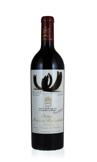
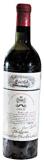
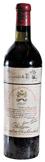
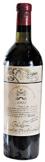
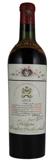
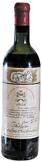
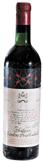
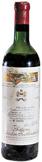
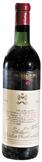
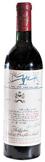
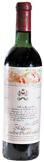
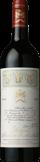
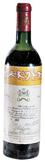
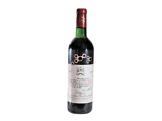
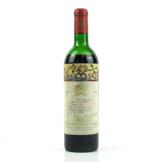
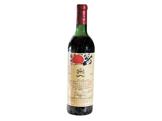
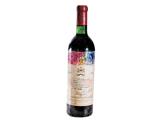
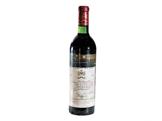
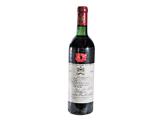
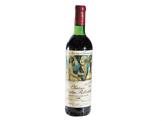
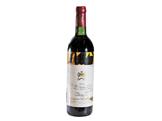
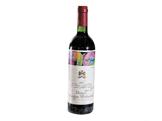
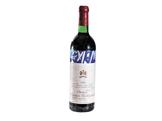
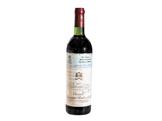
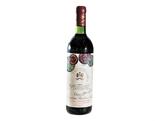
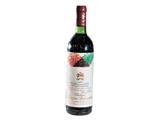
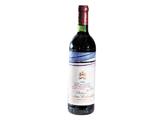
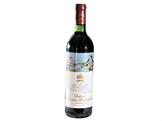
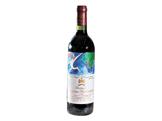
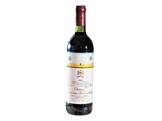
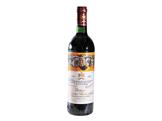
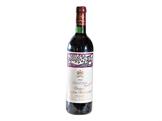
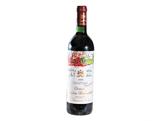
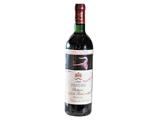
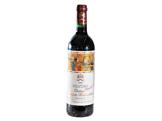
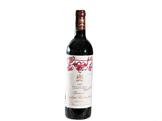
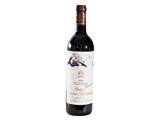
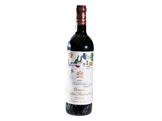
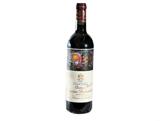
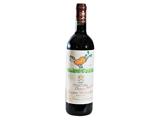
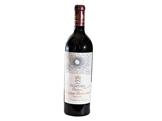
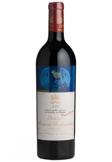
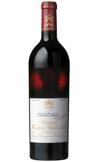
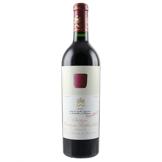
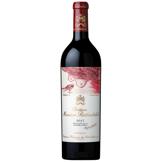
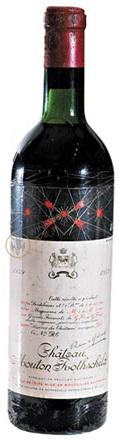
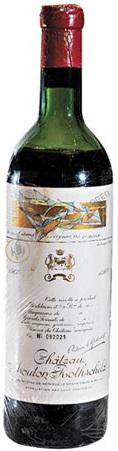
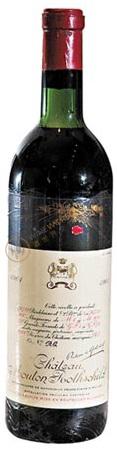
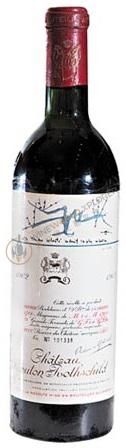
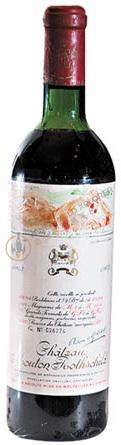
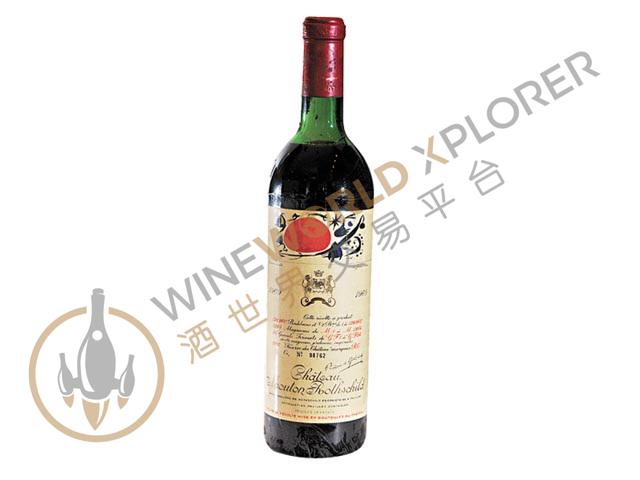
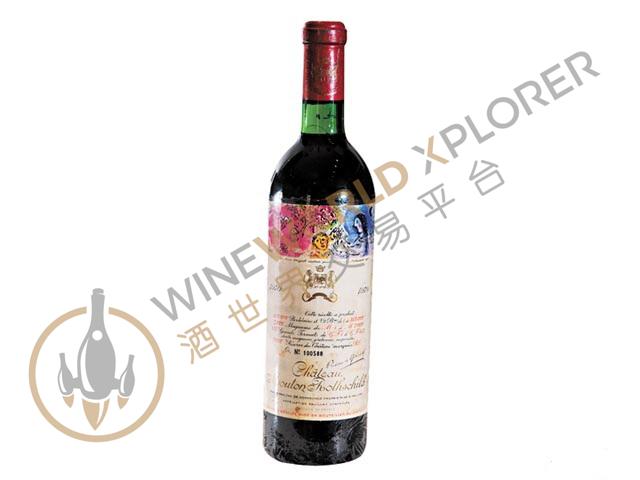
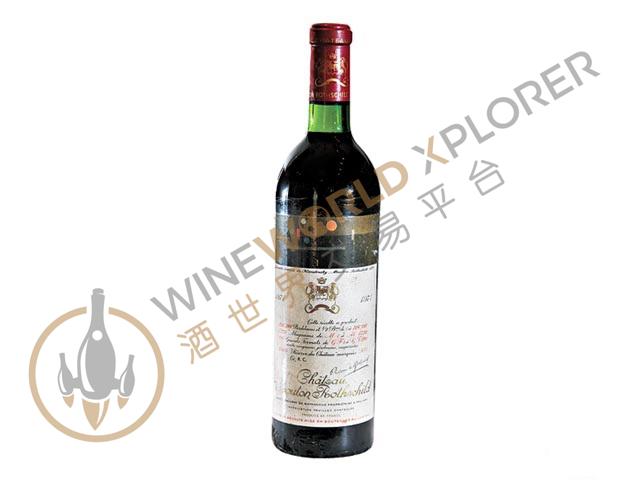
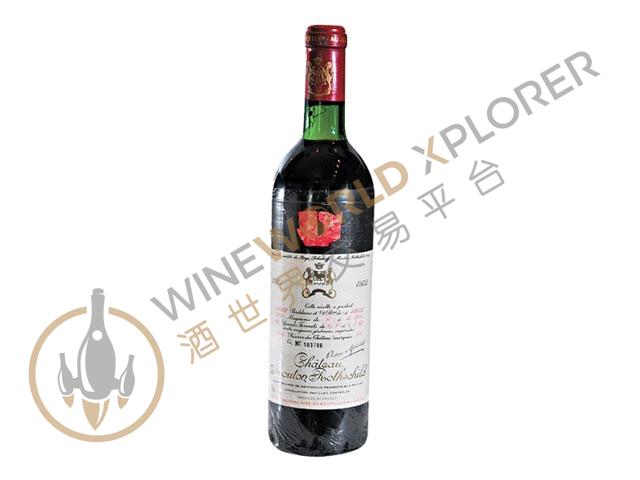
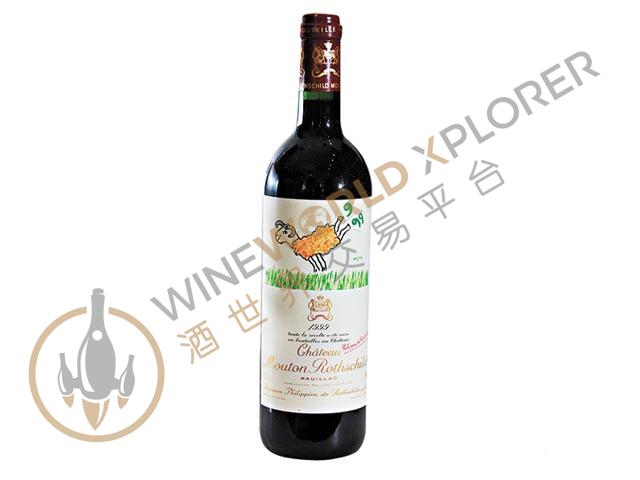
Mouton Rothschild 1959
 View analysis


Description
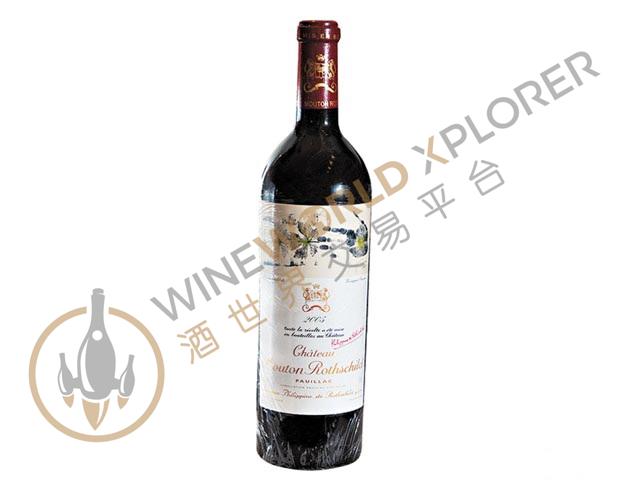
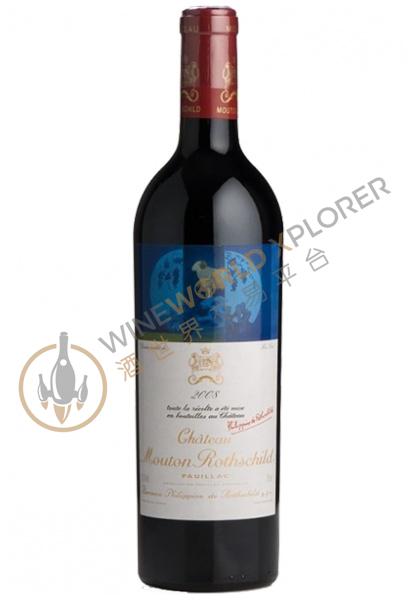
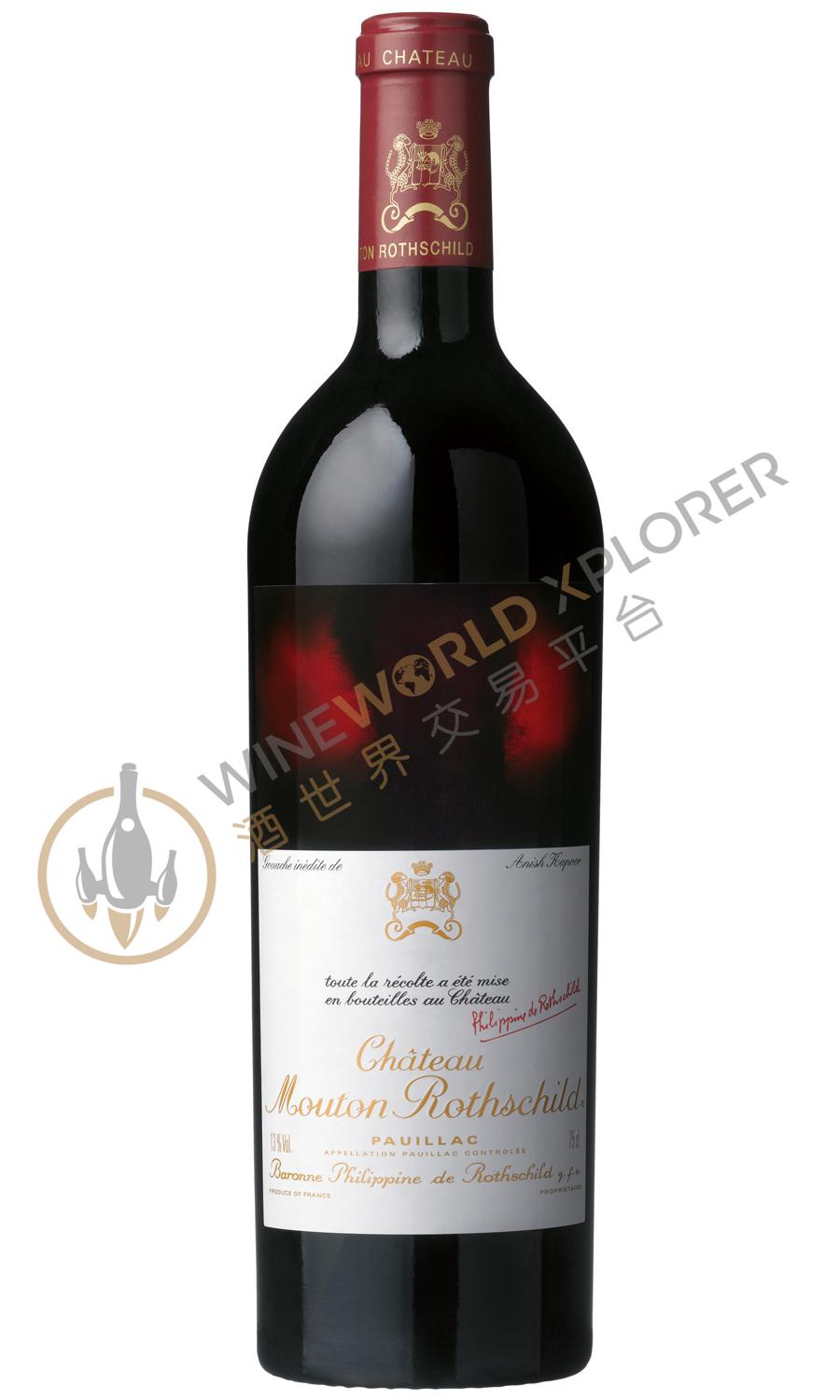
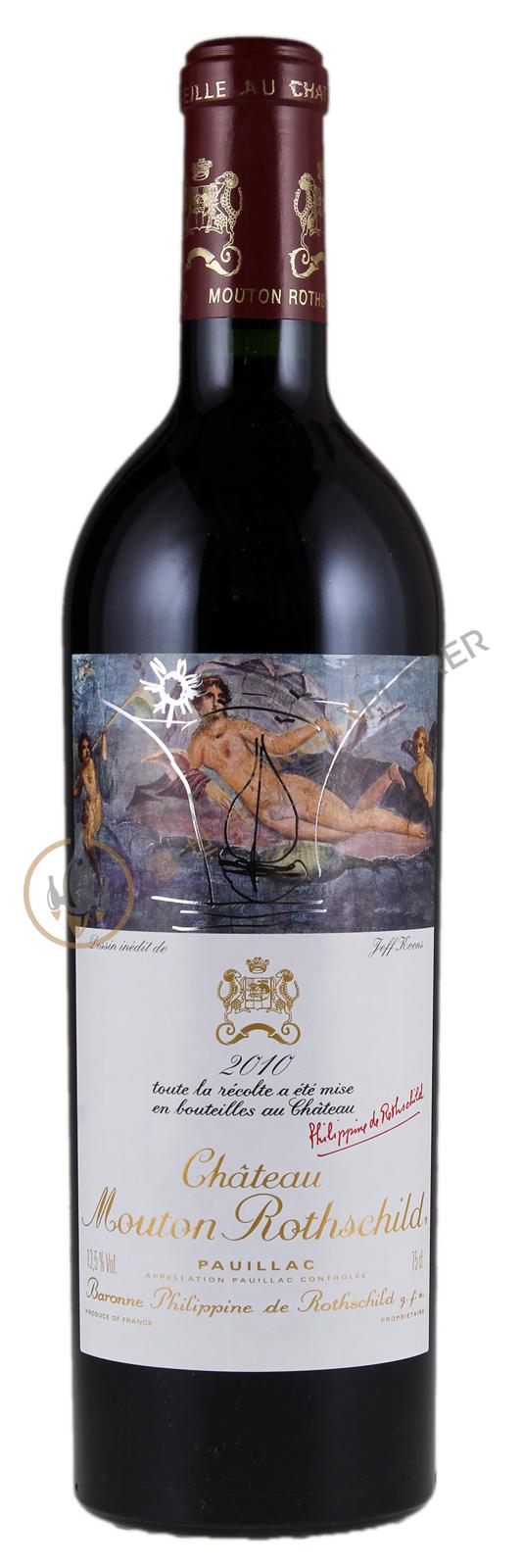
Formerly known as Château Brane-Mouton, it was in 1853 that Baron Nathaniel de Rothschild acquired the property located on the Left Bank in the Bordeaux region in the Médoc. From this date, the Château was renamed Château Mouton-Rothschild. Under the leadership of Baron Philippe de Rothschild, Mouton-Rothschild saw its reputation grow to become an emblem of the Pauillac appellation.
Tasting notes

Reviewed by: Neal Martin
Served blind in Pauillac, an ex-chateau bottle that represents one of the greatest wines of the vintage, the bouquet just rivets you to the spot. Wave after wave of delectable aromas: black cherries, bergamot, cedar-wood, sandalwood, wild mint and a hint of juniper all with stunning definition. The palate is medium-bodied: the fission of energy palpable in the mouth, ditto the filigree tannins that have an almost unnerving sense of focus. Quintessential Pauillac in every way. This ’59 reminds me of the Mouton ’53 although without quite the unerring sense of natural charm. Yet the candied, almost sorbet like finish is to die for. The ’59 is one of the greatest wines from this estate and should last another couple of decades subject to provenance. Magisterial. Tasted December 2009.
Reviewed by: Robert M. Parker, Jr.
(Magnum) Last Tasted 10/92 I was blown away by this Mouton, which to me is one of the three greatest Moutons made in the last thirty-five years (1982 and 1986 being the others). Every time I have this wine it is undeniable that Mouton made a richer, more persuasive wine in 1959 than they did in 1961, which tends to sell for a higher price. This particular bottle was astonishingly young and unevolved, with a black/purple color, a huge, yet still youthful nose of cassis, minerals, and new oak. Exceptionally powerful and super-extracted, with the fruit supported by high levels of tannin and some lusty quantities of alcohol, this mammoth, full-bodied Mouton-Rothschild should continue to evolve for another 20-30 years. It may well be a 100-year wine!
Reviewed by: Robert M. Parker, Jr.
Tasted 11 Times With Consistent Notes I am always blown away by the 1959 Mouton, one of the three greatest Moutons made in the last thirty-five years (1982 and 1986 being the others). Every time I have this wine it is undeniable that Mouton made a richer, more persuasive wine in 1959 than in 1961. Astonishingly young and unevolved, with a black/purple color, the wine exhibits a youthful nose of cassis, minerals, and new oak. Exceptionally powerful and super-extracted, with the fruit supported by high levels of tannin and some lusty quantities of alcohol, this mammoth, full-bodied Mouton-Rothschild should continue to evolve for another 20-30 years. It may well be a 100-year wine!
Reviewed by: Robert M. Parker, Jr.
I am always blown away by the 1959 Mouton, one of the greatest Moutons made in the last thirty-five years. Every time I have this wine it is undeniable that Mouton made a richer, more persuasive wine in 1959 than in 1961. Astonishingly young and unevolved, with a black/purple color, the wine exhibits a youthful nose of cassis, minerals, and new oak. It is exceptionally powerful and super-extracted, with the fruit supported by high levels of tannin and some lusty quantities of alcohol. This mammoth, full-bodied Mouton-Rothschild should continue to evolve for another 20-30 years. It may well be a 100-year wine! Last tasted 3/97.
About the Producer
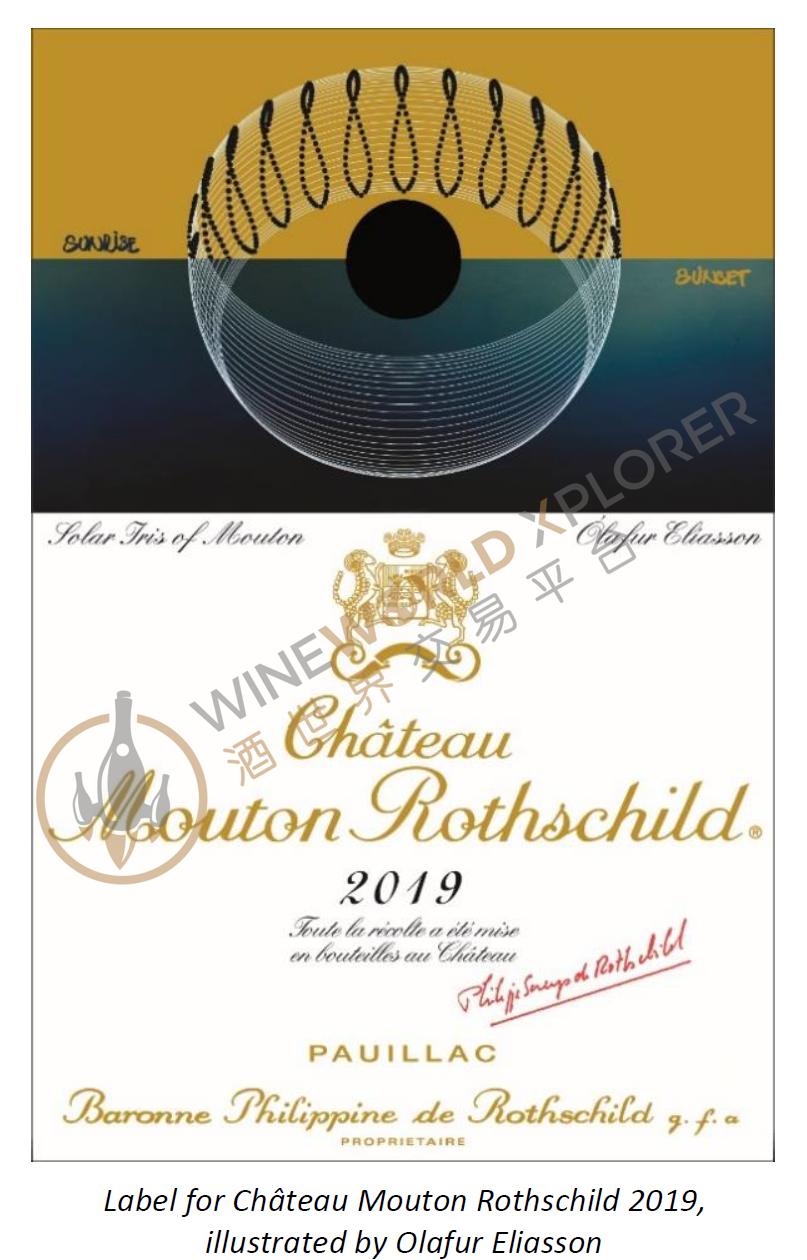
Chateau Mouton Rothschild is located in the Pauillac appellation in the Medoc of Bordeaux, France. In the 1855 classification, it shares the distinction of being a First Growth with Chateau Lafite Rothschild, Chateau Latour, Chateau Margaux and Chateau Haut-Brion. Mouton Rothschild has adopted a modern approach to winery management, employing a viticulturalist to oversee the vineyards. From the cultivation of the grapes to the pruning of the vines, from the tracking of the ripening of the grapes to the manual harvesting, everything is done to perfection. Today, Château Mouton has 90 hectares of vineyards, most of which are located on a hill called "Plateau de Mouton", at an altitude of 27 meters. The soil is deep gravel, with good drainage and heat storage, which allows the grapes to ripen slowly. The vineyard is planted with 81% Cabernet Sauvignon, 15% Merlot, 3% Cabernet Franc and 1% Petit Verdot, with a planting density of approximately 10,000 vines/ha and an average vine age of 44 years. The vineyard also contains 7 hectares of excellent plots for the production of high quality white wines, with 56% Sauvignon Blanc, 43% Semillon and 1% Muscadelle, planted at a density of 9,000 vines per hectare. During the harvest season, the grapes are picked and sorted by hand, and the carefully selected grapes are placed in fermentation vats by gravity alone through moving vats. As a result, the grapes are not subjected to any unnatural pressure or restraint and remain in their natural, pure state from the time they are harvested until they enter the fermentation vats. At the end of fermentation, the wine is transferred to new oak barrels to mature for about 20 months. In 2012, Mouton Rothschild's new winery, which combines traditional techniques with modern technology, was inaugurated. It is divided into two floors, connected by metal columns. The interior is equipped with oak barrels and stainless steel tanks of different sizes, which correspond to the different plots and varieties of the vineyard, in order to achieve a more optimal winemaking blend. Chateau Mouton Rothschild, Pauillac, France is the main wine of the estate and accounts for half of the total production. It has been praised by many critics and wine lovers for its beautiful, elegant and unique style, which is in harmony with the terroir of the region, and its artistic design of the label. In addition to the main label, the winery also has Le Petit Mouton de Mouton Rothschild, Pauillac, France (1993) and Aile d'Argent Blanc du Mouton (1991). Chateau Mouton Rothschild, Bordeaux, France). The Petit Mouton Rothschild is made from the younger vines on the estate and is harvested, vinified and bottled on the same basis as the full-length wine. The wine quickly gained a foothold in the market and was very well received. The Silver Wings dry white wine is rich, complex and elegant, and although its production is scarce, it is quickly becoming a symbol of Bordeaux's premium white wines and a favorite among wine enthusiasts.
1947(2)1948(1)1950(2)1951(1)1952(1)1953(1)1954(1)1955(2)1956(1)1957(3)1958(2)
Package Size