 Wine Advisor



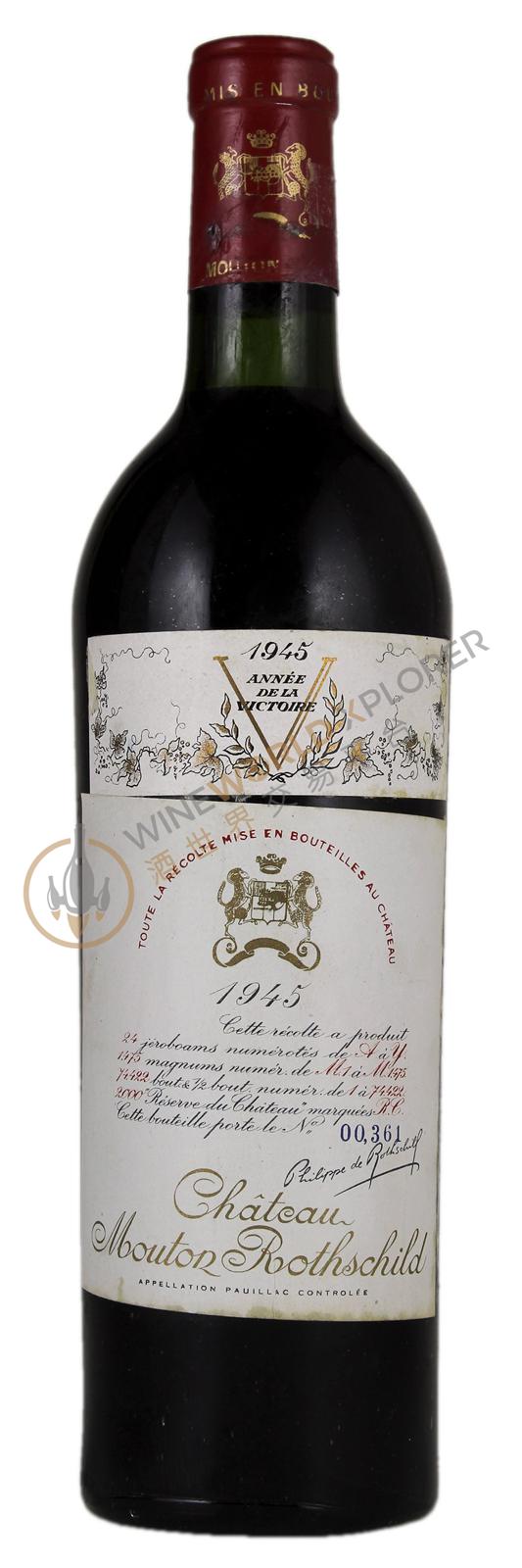
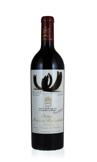
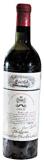
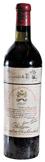
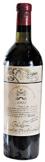
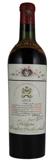
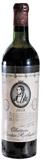
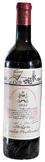
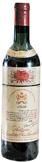
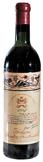
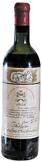
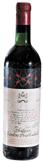
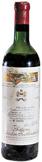
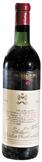
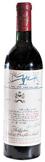
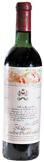
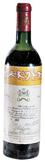
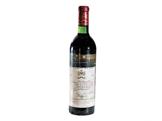
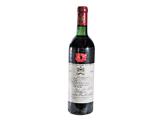
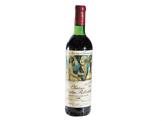
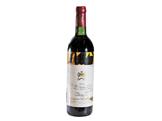
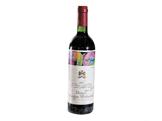
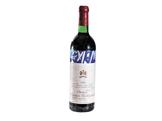
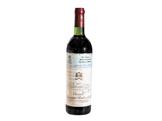
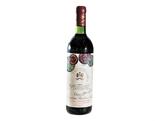
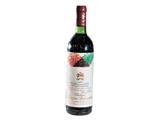
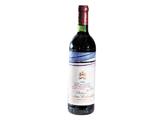
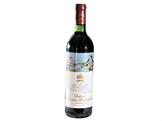
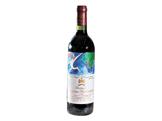
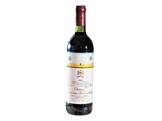
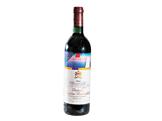
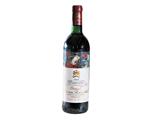
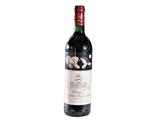
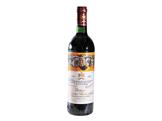
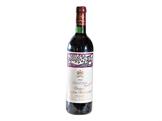
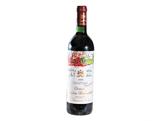
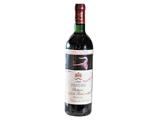
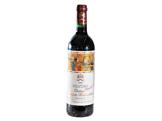
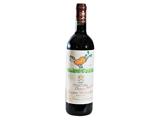
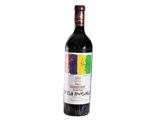
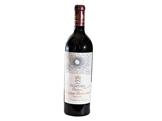
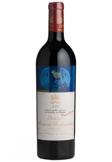
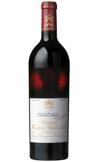
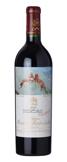
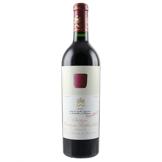
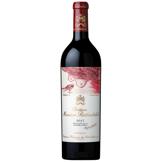
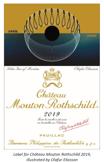
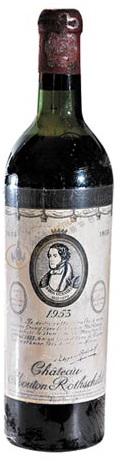
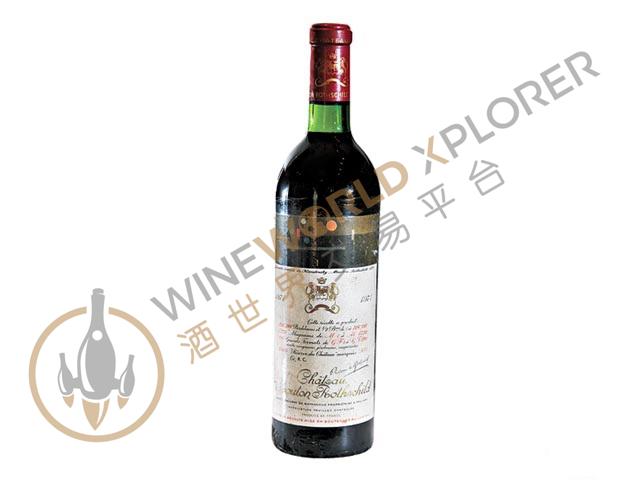
Mouton Rothschild 1953
 View analysis


Description
Formerly known as Château Brane-Mouton, it was in 1853 that Baron Nathaniel de Rothschild acquired the property located on the Left Bank in the Bordeaux region in the Médoc. From this date, the Château was renamed Château Mouton-Rothschild. Under the leadership of Baron Philippe de Rothschild, Mouton-Rothschild saw its reputation grow to become an emblem of the Pauillac appellation.
Tasting notes

Reviewed by: Neal Martin
A mahogany core with tawny rim. The nose is sublime, a paradigm of finesse and elegance with brilliant definition and clarity. A touch of mint, then fig, a hint of mocha - the nose is constantly evolving. I could inhale this all day. The palate has a smooth entry and leads to an utterly harmonious palate. Good weight, intense rather than powerful with balletic poise. Feminine, graceful. A complete wine. Tasted September 2005.
Reviewed by: Robert M. Parker, Jr.
Tasted 7 Times With Inconsistent Notes I remember a friend of mine decanting a magnum of the 1953 and sticking it under my nose to share with me the incredible bouquet. In addition to the exotic aromas of soy sauce, new saddle leather, cassis, herbs, and spices, the 1953 offers a deep ruby color with some amber at the edge. Sweet and fat, with voluptuously-textured fruit, this low acid wine has no noticeable tannin. While it may be living dangerously, it is a decadent treat if it is drunk immediately after decanting.
Reviewed by: Neal Martin
The 1953 Mouton-Rothschild is a wine that I have only tasted once before, when it utterly transfixed its audience with transcendental beauty. This magnum was quite different and initially I wondered whether it was correct. Then later, perusing Robert Parker's own tasting note, I found many similarities between our observations. Deep in color, it showed little sign of ageing on the rim. It has a rich and exotic bouquet with mint, juniper berries, leather and roasted herbs, quite atypical for 1953 Left Banks that are usually more elegant and less rich. The palate is structured and dense, the acidity lower than expected, unashamed "old-school" claret with what felt like a lot of volatility on the finish like a 1947 Claret. It actually improved in the glass, achieving more harmony and tempering its fieriness on the finish. It left me intrigued as to how this shows between bottle and larger formats. Tasted September 2016.
Reviewed by: Robert M. Parker, Jr.
(Magnum) I remember a friend of mine decanting a magnum of this wine and sticking it under my nose to share with me the incredible bouquet. Lamentably the 1953 was not drunk for 3-4 hours. By the time it was poured, the bouquet had collapsed and the wine had lost much of its fruit. This bottle, which was decanted immediately before pouring, performed beautifully. It offered a deep ruby color with some amber at the edge. Exotic aromas of soy, new saddle leather, cassis, herbs, and spices leaped from the glass. Sweet and fat, with voluptuously-textured fruit, this low acid wine had no noticeable tannin. While it may be living dangerously, it is a decadent treat if it is drunk immediately after decanting. The bouquet merits 98-99 points and the flavors about 90 points. It should be drunk up.
About the Producer
Chateau Mouton Rothschild is located in the Pauillac appellation in the Medoc of Bordeaux, France. In the 1855 classification, it shares the distinction of being a First Growth with Chateau Lafite Rothschild, Chateau Latour, Chateau Margaux and Chateau Haut-Brion. Mouton Rothschild has adopted a modern approach to winery management, employing a viticulturalist to oversee the vineyards. From the cultivation of the grapes to the pruning of the vines, from the tracking of the ripening of the grapes to the manual harvesting, everything is done to perfection. Today, Château Mouton has 90 hectares of vineyards, most of which are located on a hill called "Plateau de Mouton", at an altitude of 27 meters. The soil is deep gravel, with good drainage and heat storage, which allows the grapes to ripen slowly. The vineyard is planted with 81% Cabernet Sauvignon, 15% Merlot, 3% Cabernet Franc and 1% Petit Verdot, with a planting density of approximately 10,000 vines/ha and an average vine age of 44 years. The vineyard also contains 7 hectares of excellent plots for the production of high quality white wines, with 56% Sauvignon Blanc, 43% Semillon and 1% Muscadelle, planted at a density of 9,000 vines per hectare. During the harvest season, the grapes are picked and sorted by hand, and the carefully selected grapes are placed in fermentation vats by gravity alone through moving vats. As a result, the grapes are not subjected to any unnatural pressure or restraint and remain in their natural, pure state from the time they are harvested until they enter the fermentation vats. At the end of fermentation, the wine is transferred to new oak barrels to mature for about 20 months. In 2012, Mouton Rothschild's new winery, which combines traditional techniques with modern technology, was inaugurated. It is divided into two floors, connected by metal columns. The interior is equipped with oak barrels and stainless steel tanks of different sizes, which correspond to the different plots and varieties of the vineyard, in order to achieve a more optimal winemaking blend. Chateau Mouton Rothschild, Pauillac, France is the main wine of the estate and accounts for half of the total production. It has been praised by many critics and wine lovers for its beautiful, elegant and unique style, which is in harmony with the terroir of the region, and its artistic design of the label. In addition to the main label, the winery also has Le Petit Mouton de Mouton Rothschild, Pauillac, France (1993) and Aile d'Argent Blanc du Mouton (1991). Chateau Mouton Rothschild, Bordeaux, France). The Petit Mouton Rothschild is made from the younger vines on the estate and is harvested, vinified and bottled on the same basis as the full-length wine. The wine quickly gained a foothold in the market and was very well received. The Silver Wings dry white wine is rich, complex and elegant, and although its production is scarce, it is quickly becoming a symbol of Bordeaux's premium white wines and a favorite among wine enthusiasts.
1947(2)1948(1)1950(2)1951(1)1952(1)
Package Size