 Wine Advisor



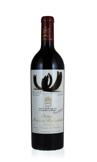
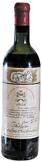
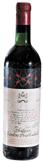
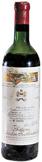
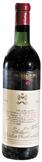
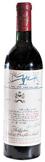
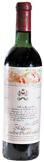
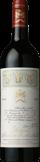
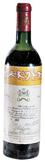
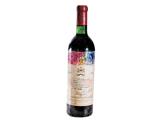
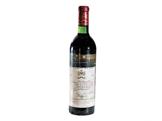
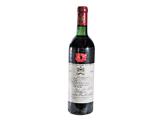
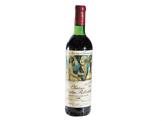
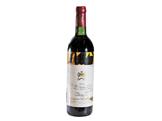
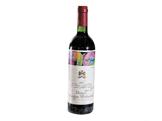
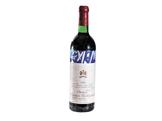
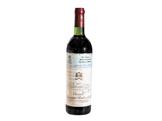
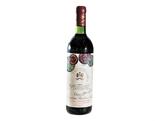
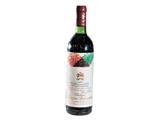
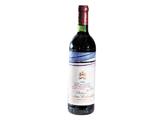
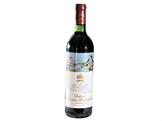
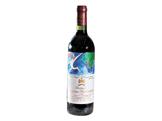
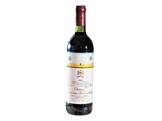
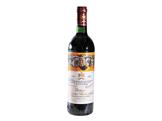
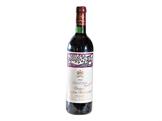
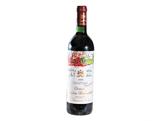
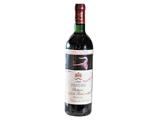
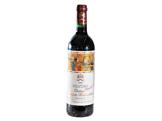
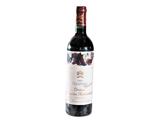
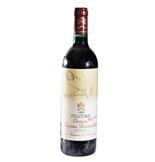
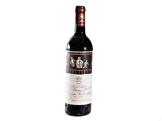
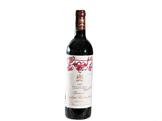
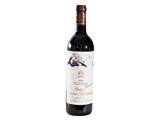
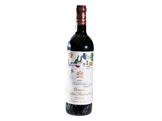
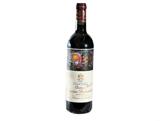
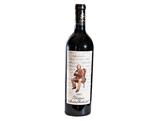
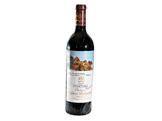
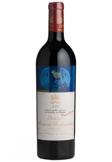
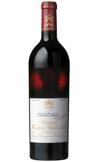
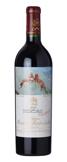
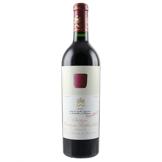
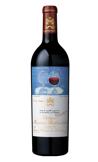
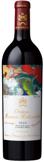
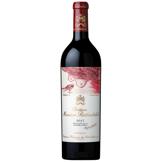
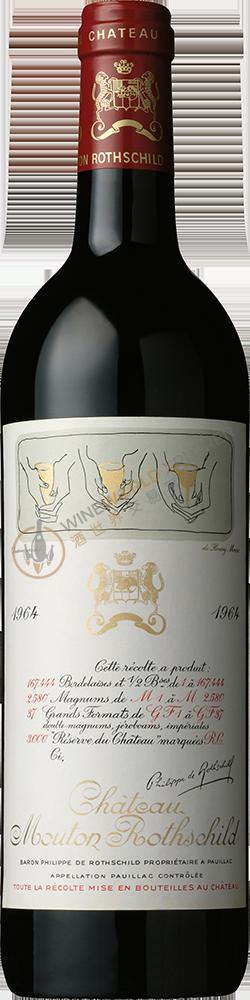
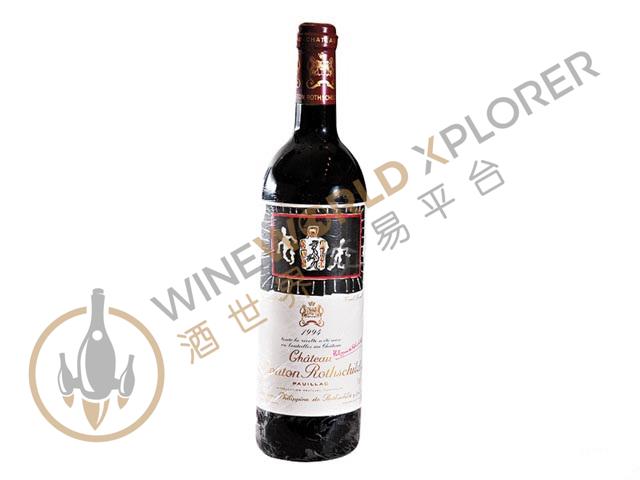
Mouton Rothschild 1994
 View analysis


Description
Formerly known as Château Brane-Mouton, it was in 1853 that Baron Nathaniel de Rothschild acquired the property located on the Left Bank in the Bordeaux region in the Médoc. From this date, the Château was renamed Château Mouton-Rothschild. Under the leadership of Baron Philippe de Rothschild, Mouton-Rothschild saw its reputation grow to become an emblem of the Pauillac appellation.
Tasting notes

Reviewed by: Neal Martin
First tasted in July 2002 at dinner in London. More lucid than Latour. Fragrant elegant nose with a touch of mint. Very feminine palate and quite forward. Rich red berried fruits. Well-integrated and more silky than Latour. Dash of pepper on finish. Excellent wine. Tasted again in October 2004 and this bottle was much more withdrawn and tannic. Good acidity. Quite rich, not typically Pauillac. Quite modern but lacking complexity on the finish. Probably shows much better with food.
Reviewed by: Neal Martin
Tasted at 28-50 restaurant at the 1994 dinner. Like many 1994s, I feel that many of the top tier Clarets have nudged past their peaks and the First Growths are no exception. The nose is still fragrant with blackberry, mint, cassis and a touch of pastilles. It is surprisingly primal when compared to the likes of Las-Cases. The palate is medium-bodied with crisp acidity and a pleasurable fleshy core. As before, it does not quite have the complexity of vintages produced in the noughties, although there is a pert little touch of fresh blueberry on the finish. Fine. Drink now-2020. Tasted November 2011.
Reviewed by: Robert M. Parker, Jr.
Mouton's 1994 is revealing some of the vintage's high tannin in its deep ruby/purple color. The wine possesses fine density, medium body, and a toasty, spicy, oaky character along with some ripe cassis fruit. Reserved but promising, it will never be a blockbuster wine, but it is a noteworthy effort. I am not convinced that it is better than Mouton's very fine 1993, but it surpasses some of Mouton's more heralded vintages (i.e., 1989). All of the wines in this segment were tasted between March 19 and March 28 in Bordeaux. Most of the important wines from both the 1994 and 1995 vintages were tasted three separate times during my ten-day stay in Bordeaux.
Reviewed by: Robert M. Parker, Jr.
Mouton-Rothschild's 1994 is undoubtedly a success. Made from 80% Cabernet Sauvignon, 10% Merlot, and 10% Cabernet Franc, most of the harvest was completed between September 22-25, with a small percentage of the grapes picked as late as October 2. The wine possesses a healthy dark purple color, and Mouton's tell-tale, sexy nose of coffee, fruitcake, cassis, and spices. Rich, with medium to full body and undeniable power, this is a concentrated, structured wine with enough fat, flesh, and extraction to balance out the wine's formidable tannin level. It possesses better integration of new oak, as well as richer, riper fruit than I found in the 1990, 1989, or 1988. The 1994, which follows a strong effort from Mouton in 1993, was made in smaller quantities, as Mouton produced 20% less wine in 1994 than 1993. A riper, more tannic, fatter, complete and complex wine than the 1993, it should be cellared for 10 years and will last for 30+ years.
Reviewed by: Robert M. Parker, Jr.
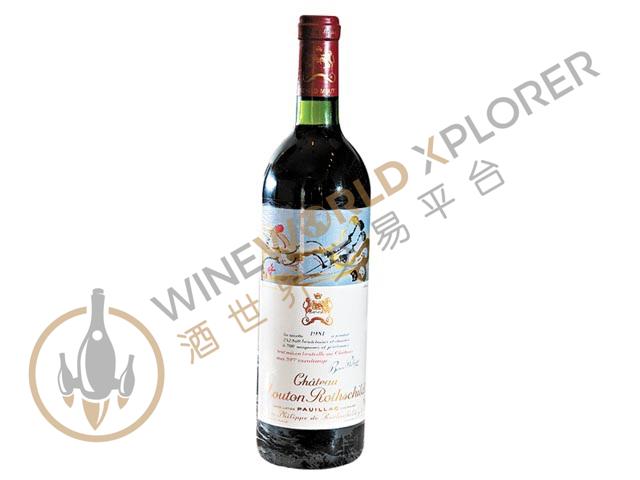
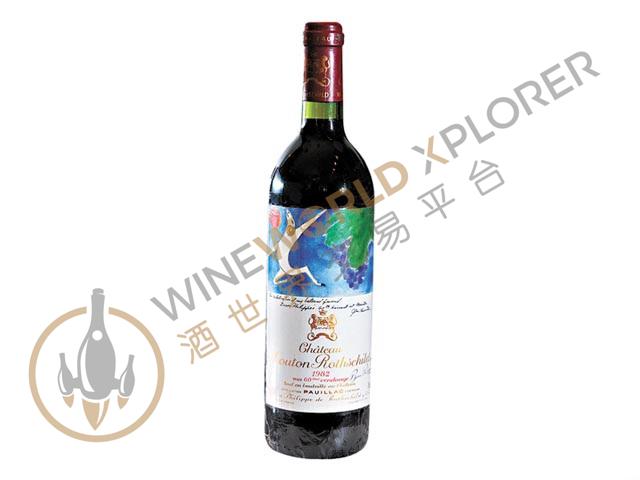
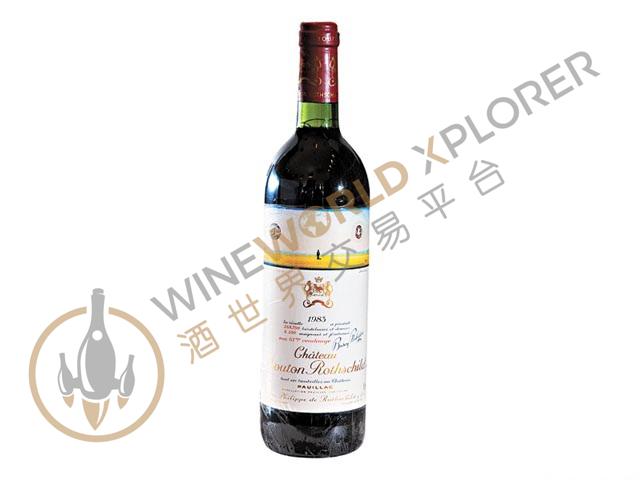
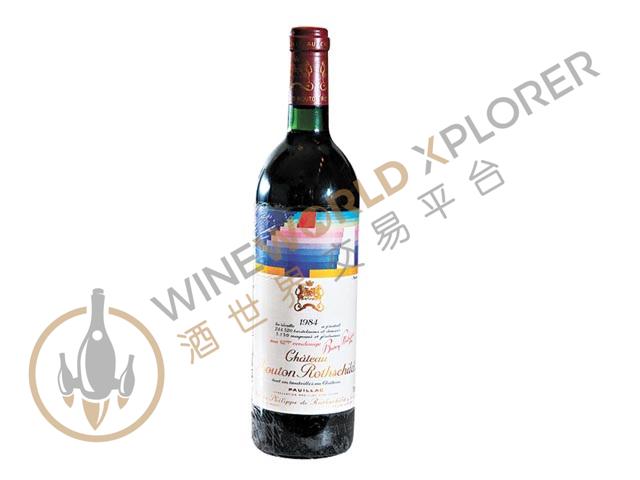
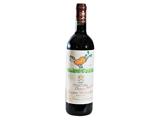
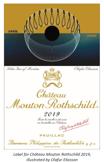
After less than persuasive performances in two potentially great years, 1989 and 1990, Mouton-Rothschild appears to have settled down, producing fine efforts in recent vintages, culminating with the enormously promising, unquestionably profound 1995. The 1994 appears to be the finest Mouton-Rothschild made following the 1986 and before the 1995's conception. The wine exhibits a dense, saturated purple color, followed by a classic Mouton nose of sweet black fruits intermingled with smoke, pain grillee, spice, and cedar. Medium to full-bodied, with outstanding concentration, a layered feel, plenty of tannin, and rich, concentrated fruit, this wine is similar to the fine 1988. Anticipated maturity: 2005-2025. By the way, the Dutch artist, Appel, has created a gorgeous label for the 1994. Although Mouton-Rothschild can be among the most inconsistent first-growths, when this estate gets everything right, the wine can be as compelling as any produced in Bordeaux.
Reviewed by: Stephen Tanzer
1994 Mouton Rothschild: Sexy smoky, gingery oak, along with a hint of herbaceousness. Fruity and vinous, with good inner-mouth perfume, but the level of extract seems rather low for this wine. Finishes with slightly harsh tannins and some caramel oak. Lacks real precision and class. Not a strong performance for Mouton.
About the Producer
Chateau Mouton Rothschild is located in the Pauillac appellation in the Medoc of Bordeaux, France. In the 1855 classification, it shares the distinction of being a First Growth with Chateau Lafite Rothschild, Chateau Latour, Chateau Margaux and Chateau Haut-Brion. Mouton Rothschild has adopted a modern approach to winery management, employing a viticulturalist to oversee the vineyards. From the cultivation of the grapes to the pruning of the vines, from the tracking of the ripening of the grapes to the manual harvesting, everything is done to perfection. Today, Château Mouton has 90 hectares of vineyards, most of which are located on a hill called "Plateau de Mouton", at an altitude of 27 meters. The soil is deep gravel, with good drainage and heat storage, which allows the grapes to ripen slowly. The vineyard is planted with 81% Cabernet Sauvignon, 15% Merlot, 3% Cabernet Franc and 1% Petit Verdot, with a planting density of approximately 10,000 vines/ha and an average vine age of 44 years. The vineyard also contains 7 hectares of excellent plots for the production of high quality white wines, with 56% Sauvignon Blanc, 43% Semillon and 1% Muscadelle, planted at a density of 9,000 vines per hectare. During the harvest season, the grapes are picked and sorted by hand, and the carefully selected grapes are placed in fermentation vats by gravity alone through moving vats. As a result, the grapes are not subjected to any unnatural pressure or restraint and remain in their natural, pure state from the time they are harvested until they enter the fermentation vats. At the end of fermentation, the wine is transferred to new oak barrels to mature for about 20 months. In 2012, Mouton Rothschild's new winery, which combines traditional techniques with modern technology, was inaugurated. It is divided into two floors, connected by metal columns. The interior is equipped with oak barrels and stainless steel tanks of different sizes, which correspond to the different plots and varieties of the vineyard, in order to achieve a more optimal winemaking blend. Chateau Mouton Rothschild, Pauillac, France is the main wine of the estate and accounts for half of the total production. It has been praised by many critics and wine lovers for its beautiful, elegant and unique style, which is in harmony with the terroir of the region, and its artistic design of the label. In addition to the main label, the winery also has Le Petit Mouton de Mouton Rothschild, Pauillac, France (1993) and Aile d'Argent Blanc du Mouton (1991). Chateau Mouton Rothschild, Bordeaux, France). The Petit Mouton Rothschild is made from the younger vines on the estate and is harvested, vinified and bottled on the same basis as the full-length wine. The wine quickly gained a foothold in the market and was very well received. The Silver Wings dry white wine is rich, complex and elegant, and although its production is scarce, it is quickly becoming a symbol of Bordeaux's premium white wines and a favorite among wine enthusiasts.
1947(2)1948(1)1950(2)1951(1)1952(1)1953(1)1954(1)1955(2)1956(1)1957(3)1958(2)1959(1)1960(1)1962(1)1963(1)1964(2)1965(1)1966(1)1967(1)1968(2)1969(2)1970(1)1971(2)1972(1)1973(3)1974(1)1975(2)1976(1)1977(2)1978(1)1979(3)1980(1)1981(1)1982(8)1983(2)1984(5)1985(5)1986(12)1987(5)1988(8)1989(8)1990(1)1991(5)1992(9)1993(6)
Package Size