 Wine Advisor



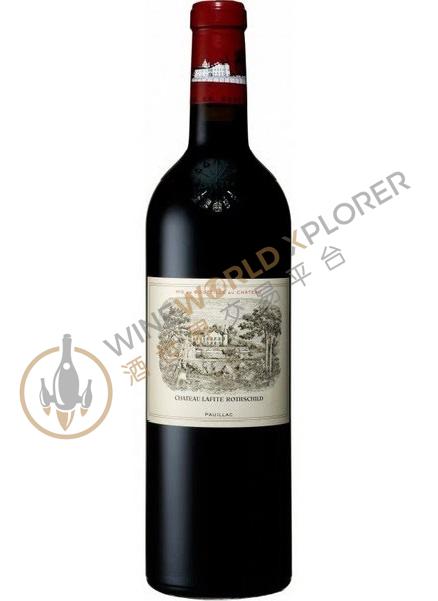
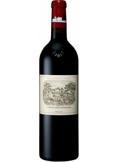
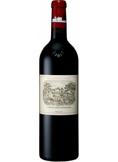
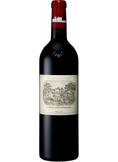
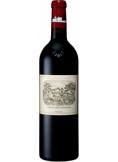
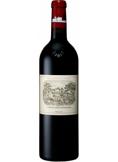
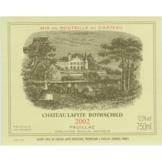
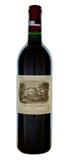
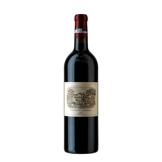
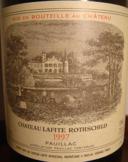
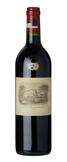
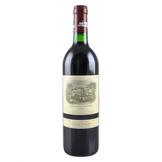
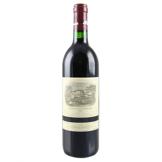
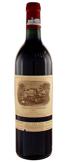
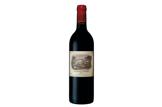
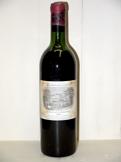
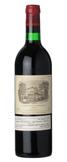
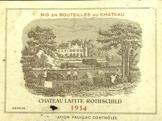
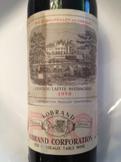
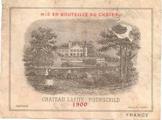
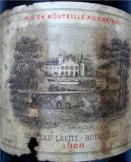
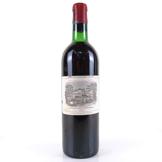
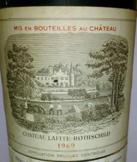
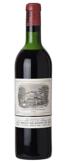
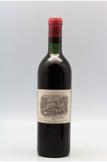
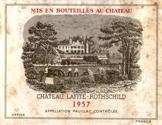
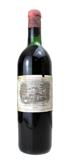
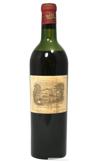
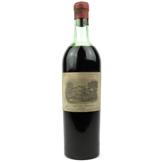
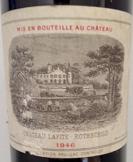
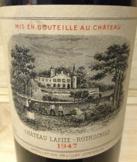
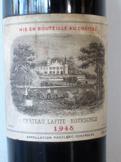
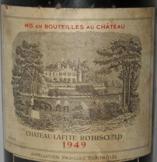
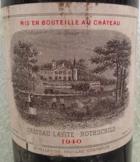
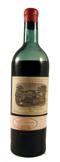
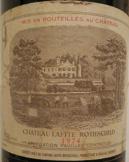
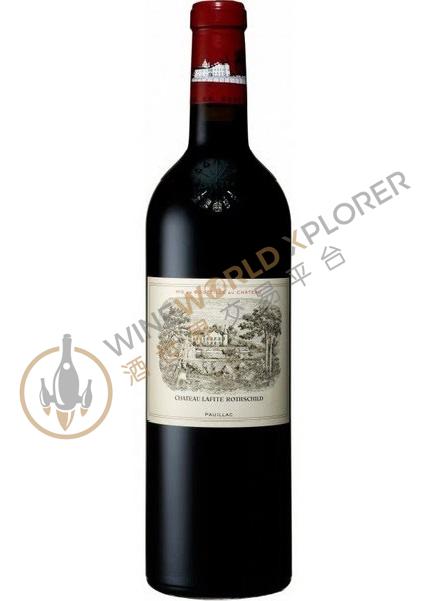
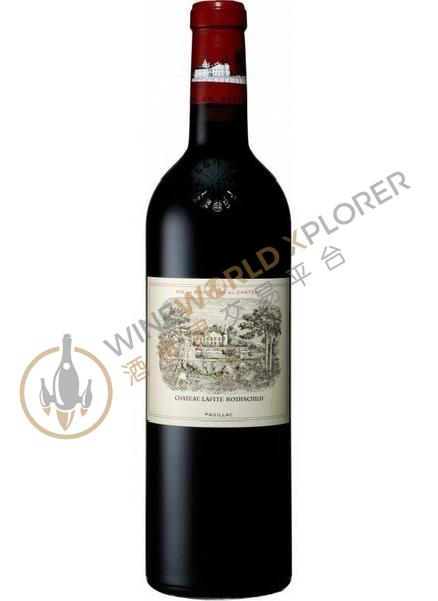
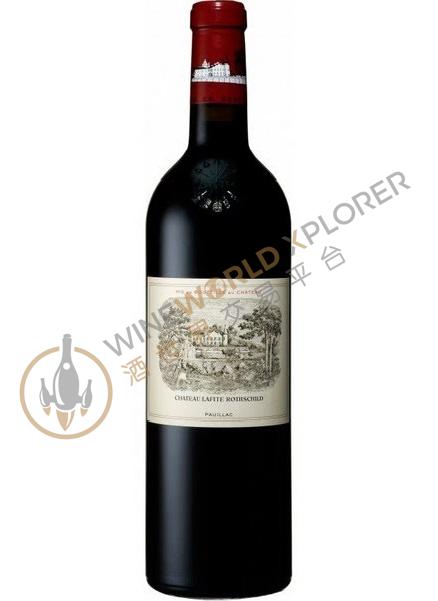
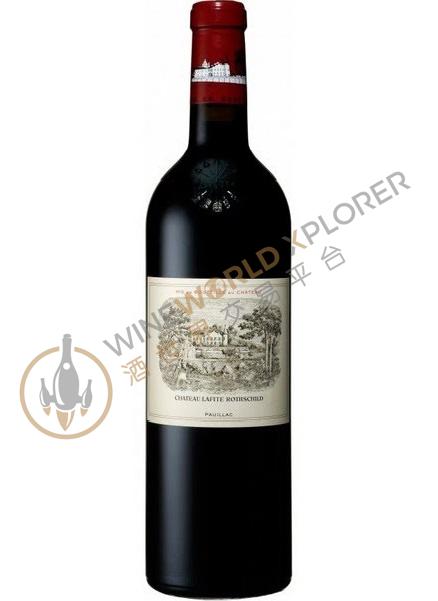
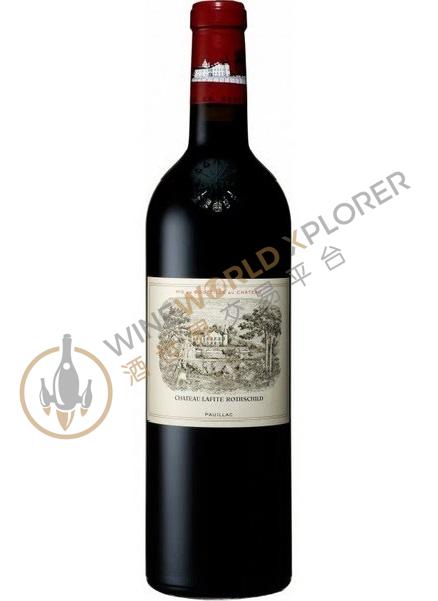
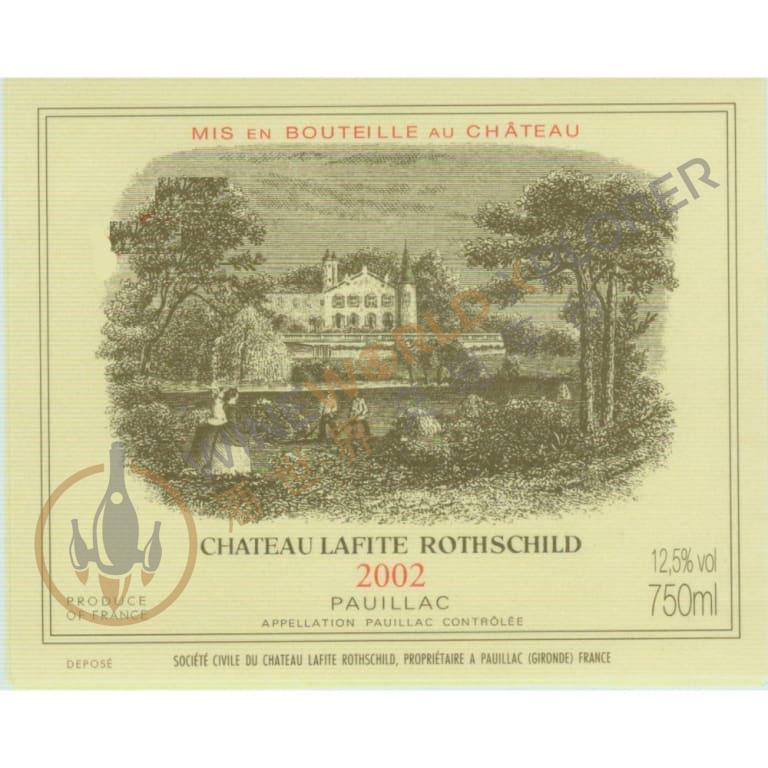
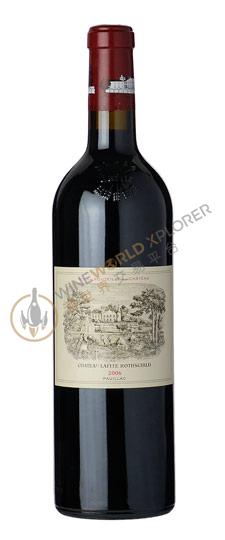
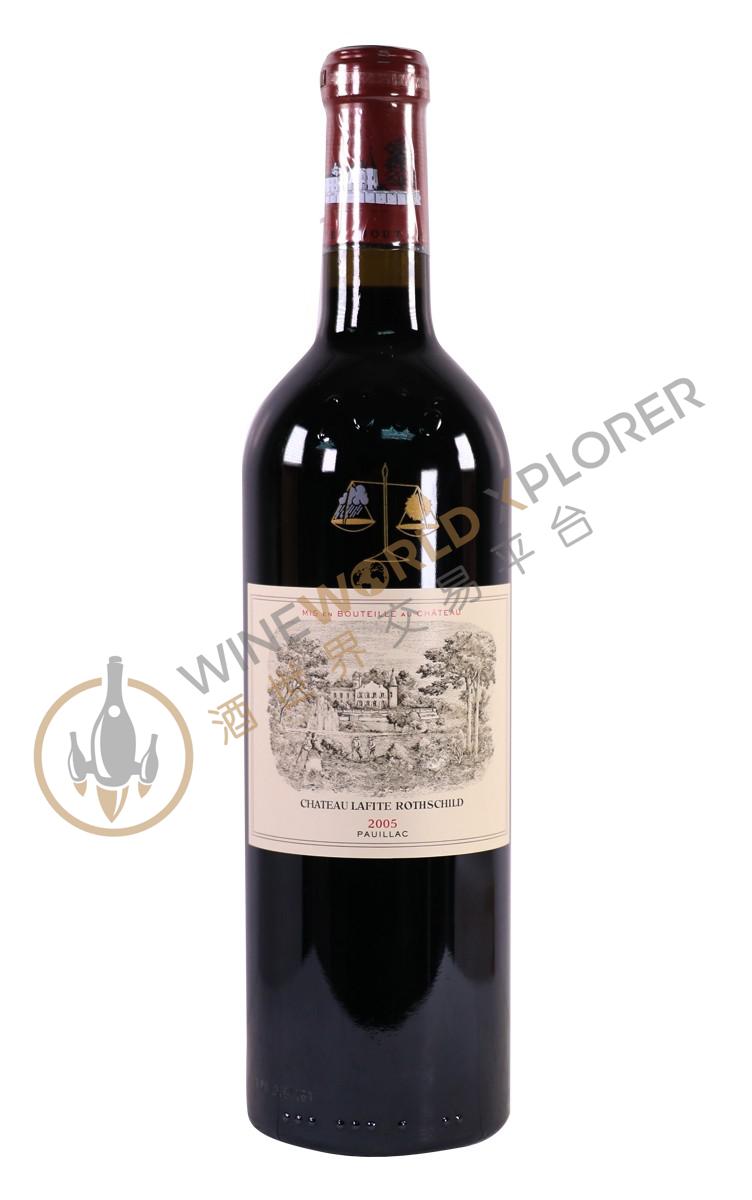
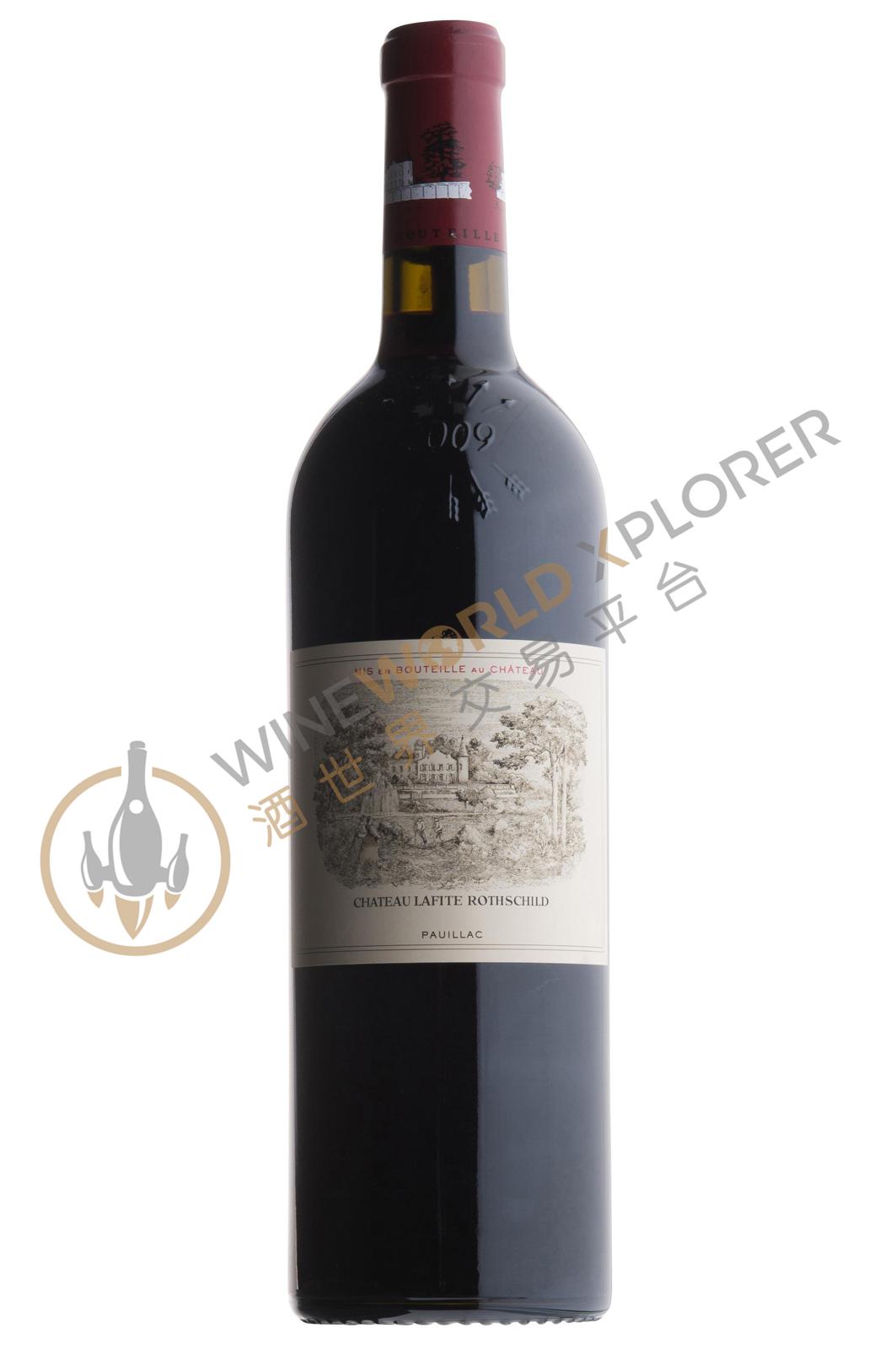
Chateau Lafite Rothschild 2013
 View analysis


Description
Within the five rarefied first growths, Lafite is perhaps the wine with the best reputation for quality and longevity, commanding correspondingly high prices. It is considered by some to be the best wine to come out of Bordeaux. In 1815, Guillaume Lawton said of Château Lafite, “I consider it to be the the most elegant and delicate, with the finest substance of the three (Premier Crus). The location of its vines is one of the finest in the Médoc”. In 1855 the Château was ranked as a Premier Grand Cru in the famous classification that was prepared for the Universal Exhibition of that year. Lafite is also known as the ‘King’s wine’, after being introduced to the Court at Versailles by Maréchal Richelieu.
Tasting notes

Reviewed by: Neal Martin
The Grand Vin is a blend of 98% Cabernet Sauvignon and 2% Merlot. The latter was apparently difficult to assimilate with the Cabernet, gradually adding 1% at a time and finally, electing 2% as the optimal amount. As usual, I spent 10+ minutes with my sample, as it is never as immediate as say, Latour or Chateau Margaux. It has an elegant bouquet with a fine violet scent that became more accentuated with time. There is plenty of dark cherry and blackcurrant fruit, a touch of pencil shavings that becomes more pronounced with aeration. The palate is a little austere because of the dominance of the Cabernet Sauvignon, although that 2% Merlot does take the edge off the finish, rounding out any edges. The aftertaste has that attractive saline tincture, but here a little spicier and longer than its peers. This is a traditional Pauillac; a success for the vintage and a wine that I think will improve in bottle rather than in barrel. A steadfast Lafite. Tasted April 2014.
Reviewed by: Robert M. Parker, Jr.
Only one-third of the tiny 2013 crop made it into the 2013 Lafite Rothschild, which may be the lowest rated Lafite produced in the last twenty years. Composed of 98% Cabernet Sauvignon and 2% Merlot, only the 1994 (99% Cabernet Sauvignon) and 1961 (100% Cabernet Sauvignon) had higher percentages of Cabernet Sauvignon in the final blend. The 2013 possesses a dark ruby color, but it does not reveal much of the Lafite Rothschild character in the aromatics or flavors. Elegant, with dark cherry fruit interwoven with underbrush and damp wood-like notes, it narrows in the mouth, and while it is above-average, possibly even excellent, it is hardly an inspiring wine. At its price point, it is a major underachiever in this vintage.
Reviewed by: Neal Martin
The 2013 Lafite-Rothschild is a blend of 98% Cabernet Sauvignon and just 2% Merlot. It has a straightforward, focused, undergrowth and tobacco-scented bouquet, nicely defined if perhaps missing the complexity and nuance of recent vintages. The palate is supple on the entry with notes of tart cherry, wild strawberry and a touch of graphite. It is certainly approachable for Lafite-Rothschild, balanced, though missing structure and density towards the sappy finish. It is a lightweight Lafite-Rothschild that does improve with aeration as it did in barrel, yet it never scales the heights of the greatest vintages from this First Growth.
Reviewed by: Antonio Galloni
The 2013 Lafite hits the palate with a burst of dark red and purple fruit. White flowers, mint and licorice all develop in the glass, adding layers of depth and complexity. Smoke, tar, cinnamon, graphite, dried violets and plums are all layered into the resonant finish. The style is up-front, textured and generous, with no hard edges and plenty of near to medium-term potential. The blend is 98% Cabernet Sauvignon and 2% Merlot. Tasted twice.
Reviewed by: Ian d'Agata
(98% cabernet sauvignon and 2% merlot): Medium red-ruby. Very precise, pure, flinty raspberry and coffee aromas are complicated by an intense violet note. Then almost steely in the mouth, with a bright, juicy personality to the flavors of red berries, plum, graphite and minerals. This struck me as quite mouthfilling without being at all heavy. Finishes with building but smooth tannins and a lovely lingering strawberry sweetness. General director Charles Chevalier said I went looking for fruit this year by harvesting as late as feasible, which of course meant that due to rot we made even less wine than projected, but I think we were able to achieve more fruit in this manner. I may have to decrease the time this wine will spend aging in oak but I don't know yet. When I mentioned to Chevallier that I couldn't remember the last time a vintage of Lafite had so much cabernet sauvignon, he promptly answered: Few people know, but in 1994 the final blend was an unbelievable 99% cabernet sauvignon and 1% petit verdot; this year we just had to get rid of most of the merlot, because even at 3% or 4% of the total it was obviously only diluting the whole.
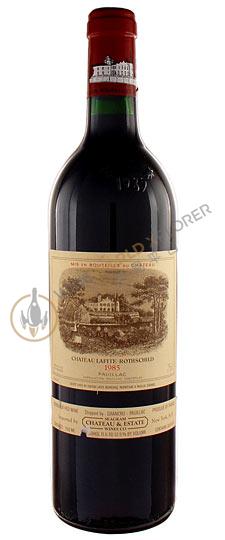
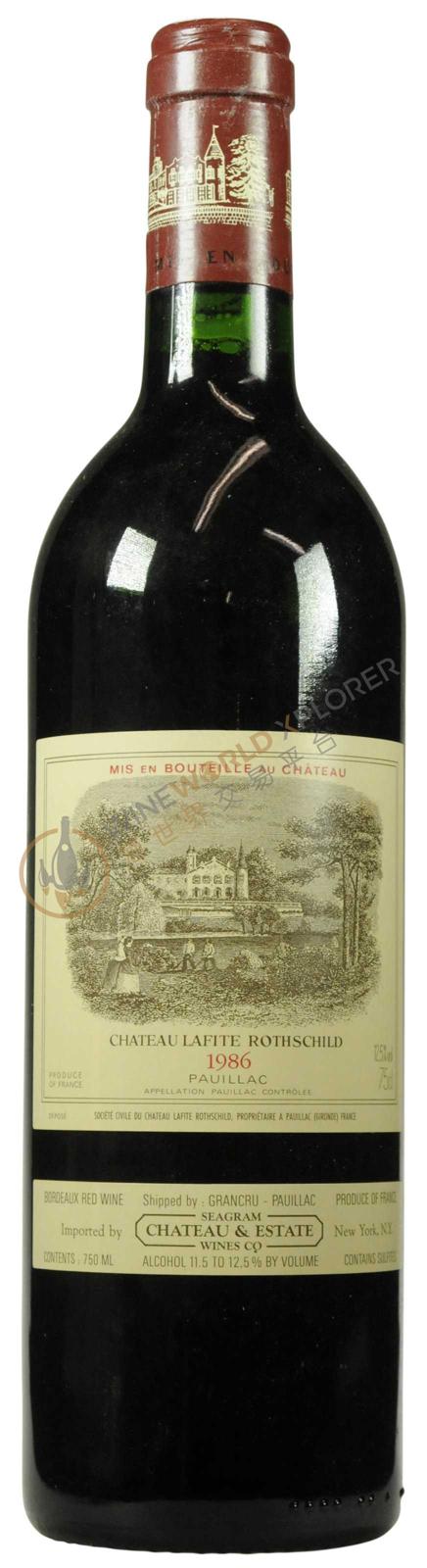
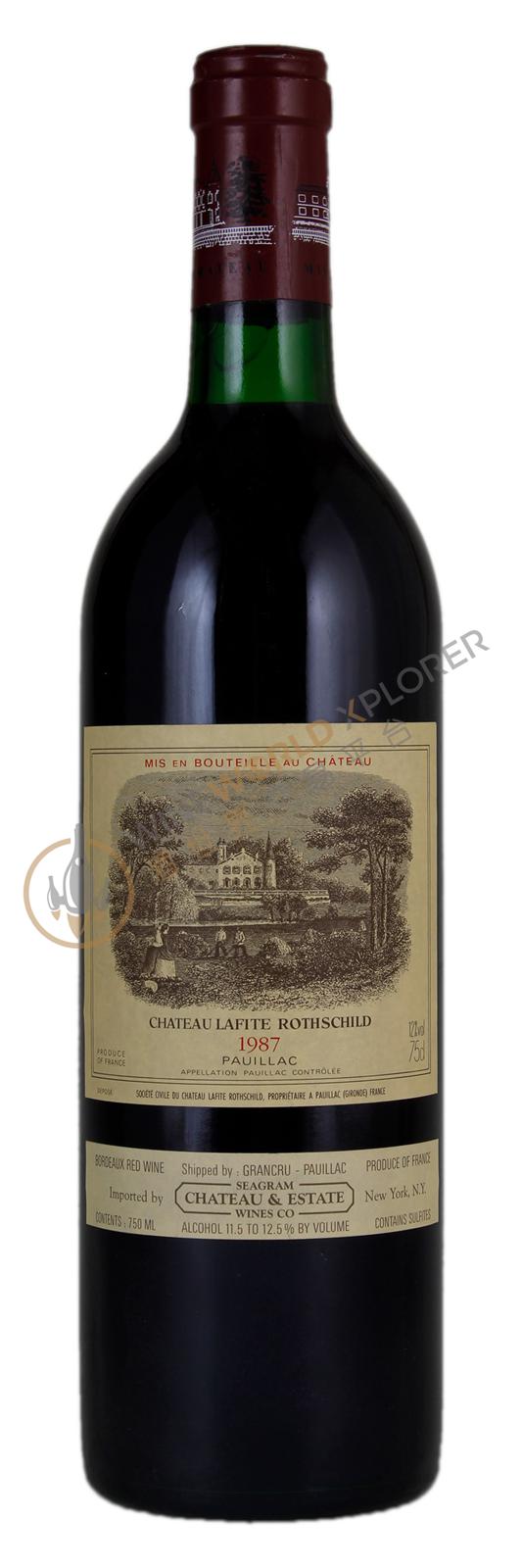
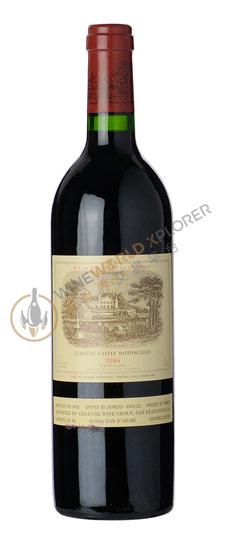
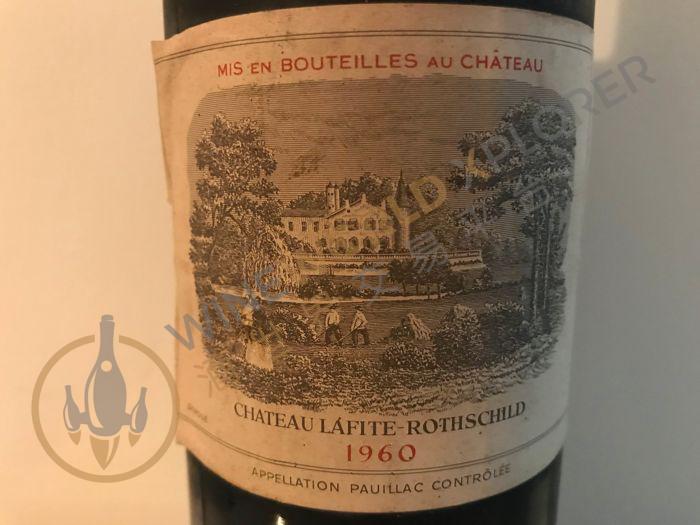
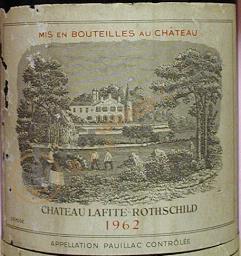
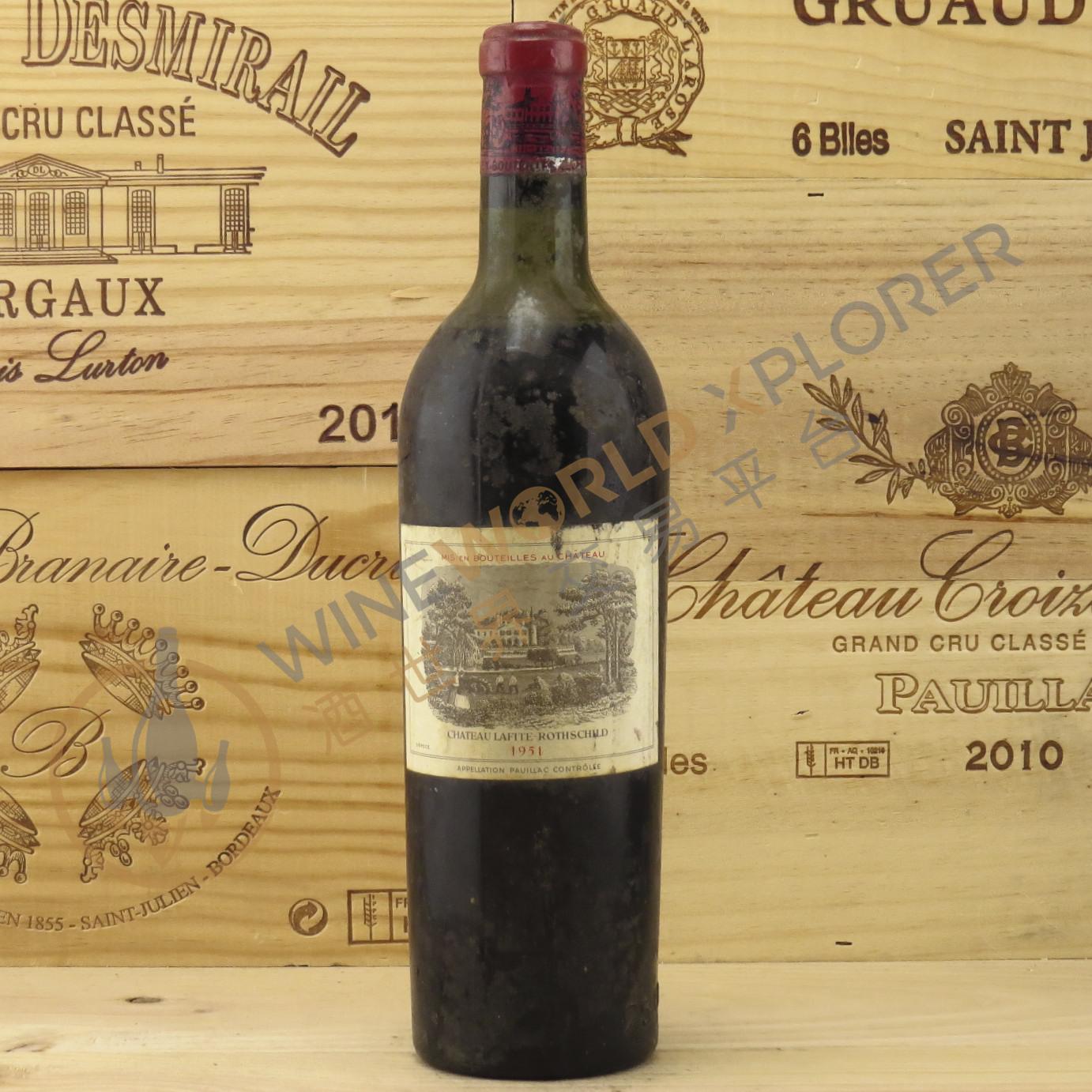
1903(1)1907(1)1911(1)1913(1)1945(1)1947(1)1948(1)1949(1)1950(1)1953(1)1954(1)1959(1)1960(1)1961(2)1962(1)1963(1)1964(2)1965(1)1966(1)1967(1)1969(2)1970(4)1971(1)1972(1)1973(2)1974(1)1975(5)1977(1)1978(5)1979(4)1980(2)1981(3)1982(9)1983(8)1984(1)1985(8)1986(15)1987(1)1988(5)1989(14)1990(11)1991(3)1992(3)1993(4)1994(8)1995(15)1996(16)1997(4)1998(17)1999(7)2000(17)2001(9)2002(14)2003(10)2004(11)2005(25)2006(16)2007(11)2008(31)2009(21)2010(15)2011(22)2012(19)
Package Size