
 Wine Advisor



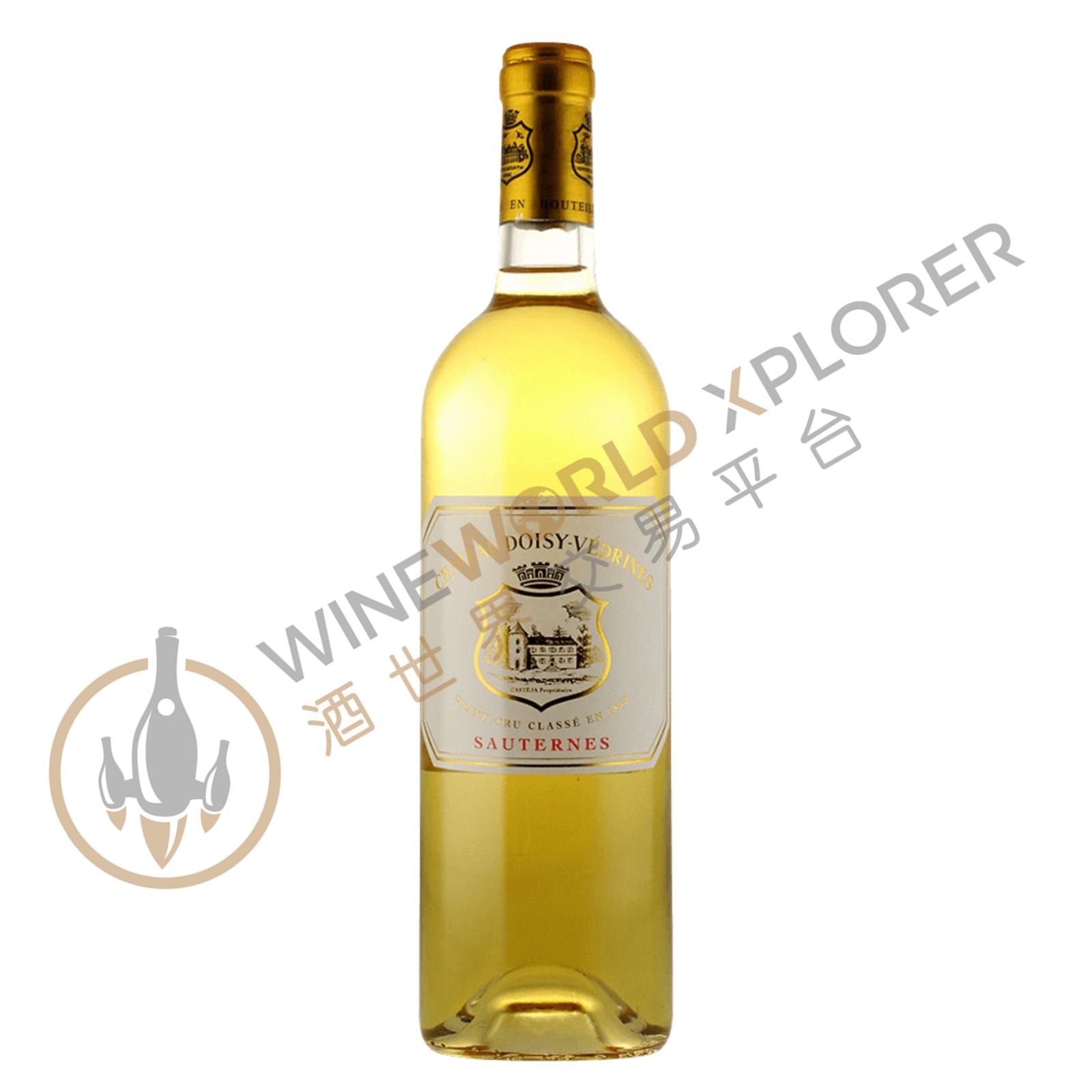
Doisy Vedrines 1975
 View analysis


Description
Tasting notes

Reviewed by: Neal Martin
Tasted at the Doisy-Védrines vertical at the château, the 1975 Château Doisy-Védrines has a typical bouquet of this vintage: barley sugar, mandarin and slight petrol aromas giving it a Beerenauslese sheen. The palate is medium-bodied, lacking a little acidity and vigor with an oxidative, although not unattractive, middle of marmalade, quince and a touch of walnut. Moderate length, the overall impression is a wine that is quite anachronistic in style, though there is attractive orange liqueur on the finish. Tasted September 2008.
Reviewed by: Robert M. Parker, Jr.
A tight, reticent bouquet needs coaxing from the glass. In the mouth, there is no doubt this is an intense, full-bodied, ripe, very fruity Doisy-Vedrines. Unctuous, luscious flavors of apricots and melons are admirably balanced by spicy oak and good acidity. Anticipated maturity: Now-2003. Last tasted, 3/89.
Reviewed by: Neal Martin
Tasted at the Doisy-Vedrines vertical at the chateau. The nose is typical of a ’75 Sauternes with barley sugar, mandarin and slight petrolly aromas giving it a Beerenauslese sheen. The palate is medium-bodied, lacking a little acidity and vigour with an oxidative, although not unattractive middle of marmalade, quince and a touch of walnut. Moderate length, quite anachronistic in style. Orange liqueur on the finish. Drink now. Tasted September 2008.
About the Producer
The Chevaliers de Védrines owned this estate for centuries and gave their name to it. Included in the 1855 classification, it was acquired by the family of the present owners in the mid-19th century. Doisy-Védrines is located on the clay-limestone rise in Haut Barsac. The soil is ploughed the traditional way and the grapes are picked by hand in several waves (up to 6 or 8). Fermentation and ageing take place in barrels (exclusively French oak). The combination of modern and traditional techniques gives Château Doisy-Védrines its trademark richness and finesse typical of the great growths of Sauternes. Annual production amounts to 40,000 bottles. When young, the wine is well-balanced and very pleasant, especially as an aperitif. Older vintages are a delight at the end of a meal.
