
 Wine Advisor



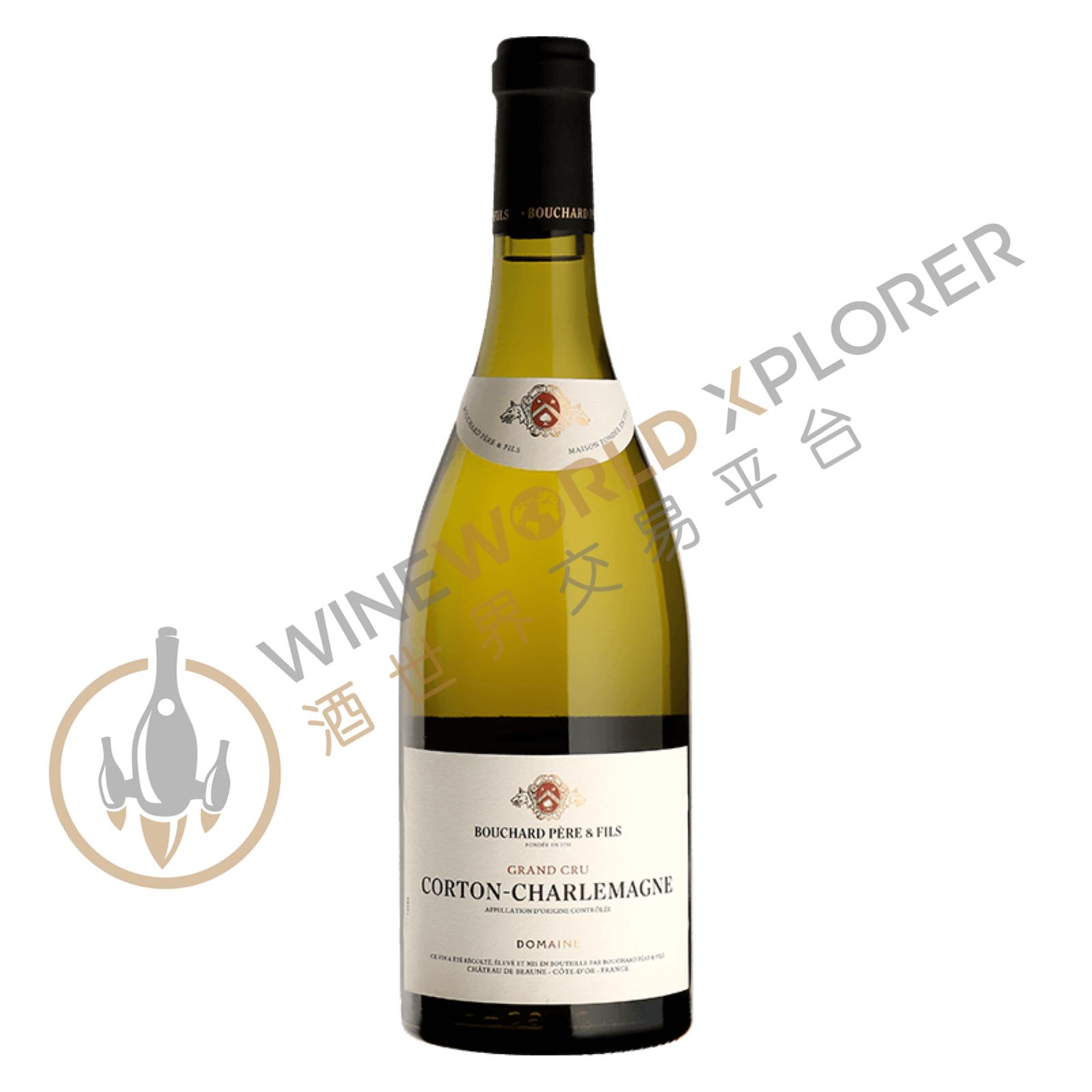
Bouchard Pere & Fils, Corton Charlemagne Grand Cru 2013
 View analysis


Description
Tasting notes

Reviewed by: Neal Martin
The 2013 Corton-Charlemagne Grand Cru has a very reserved nose at first, but unfolds in the glass to reveal hints of yellow plum, orange peel and light limestone scents. The palate is well balanced with crisp acidity, quite saline in the mouth, with commendable precision toward the finish. This is certainly one of the better Corton-Charlemagne 2013s – chapeau.
Reviewed by: William Kelley
Bouchard's 2013 Corton-Charlemagne Grand Cru is showing very well, wafting from the glass with an expressive bouquet of yellow orchard fruit, pear, orange oil, praline and wheat toast. On the palate, it's medium to full-bodied, deep and intense, with succulent acids, good concentration and a penetrating finish. While this Corton-Charlemagne is quite open for inspection already, it's nicely balanced and displays good structural tension. Bottled under Diam 10, it should enjoy more than another decade of longevity.
Reviewed by: Stephen Tanzer
Very pale, bright yellow. Yellow peach, white pepper, wild herbs and smoky lees on the nose. Large-scaled and generous, with strong wet-stone minerality giving shape to the middle palate. This wine makes the Meursault Perrières seem tart by comparison; it's fatter and easier to taste but also more structured. Finishes sappy, rich and long, with repeating stony minerality and lingering sweetness. This may well close down in the bottle.
Reviewed by: Stephen Tanzer
(the yield was under 30 hectoliters per hectare due to the poor flowering; no hail in 2013; 80% through its malo at the time of my visit): Tight nose shows a medicinal menthol aspect, a suggestion of wild herbs and a faint malic edge. Powerful, very rich and large-scaled, with harmonious ripe acidity framing the middle palate. Not yet pristine owing to the remaining malic acidity and hard to judge today, but finishes stony, tactile and highly concentrated, with an earthy nuance. These vines on the eastern side of the appellation are planted along a north-south axis and were not harvested until October 9.
