 Wine Advisor



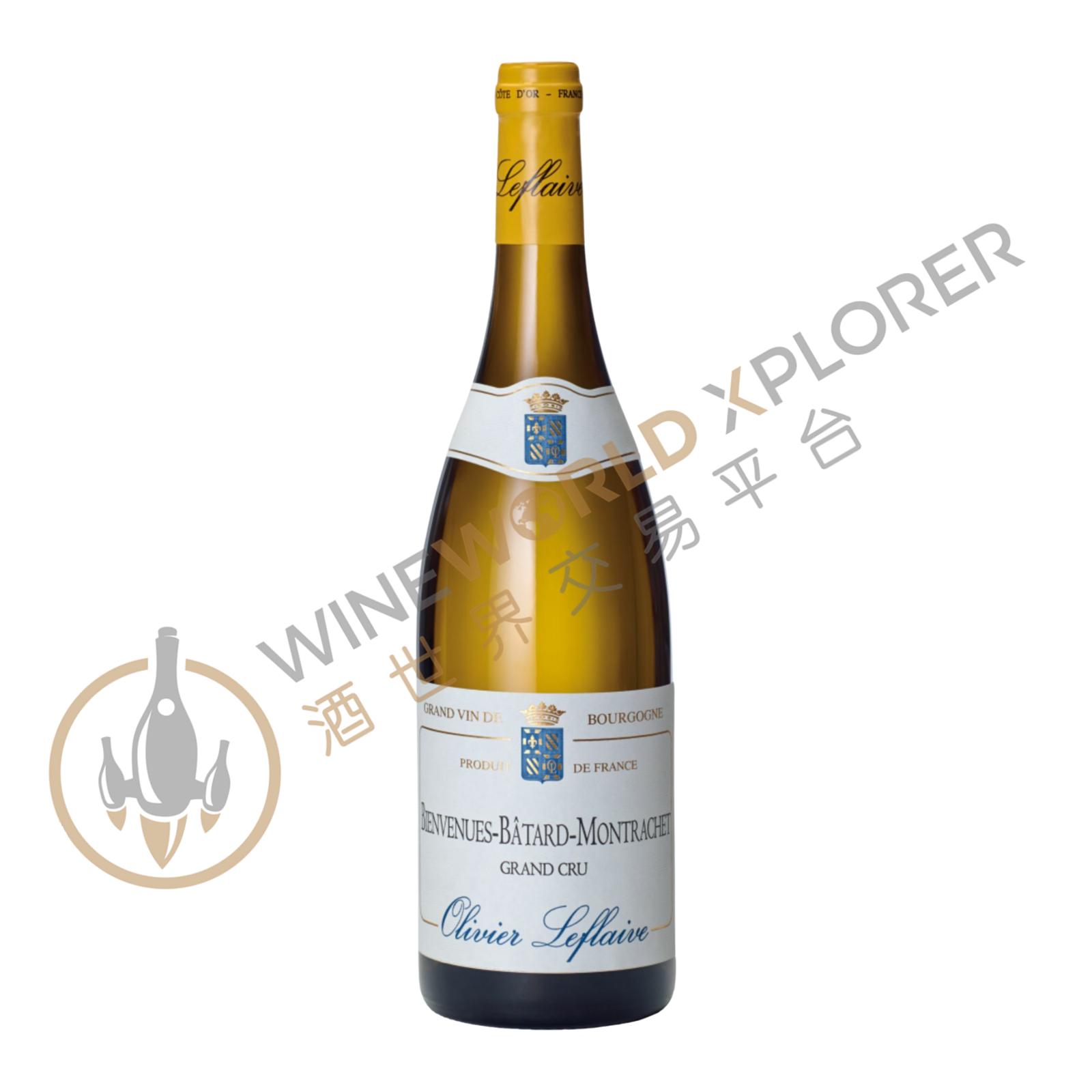
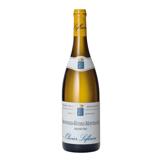
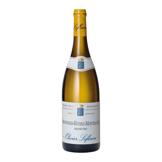
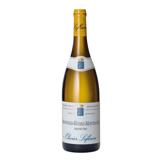
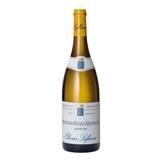
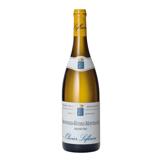
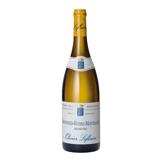
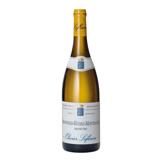
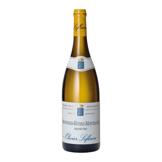
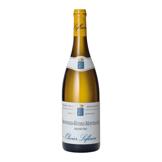
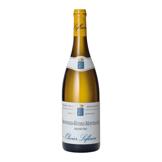
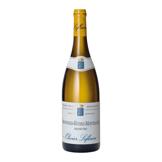
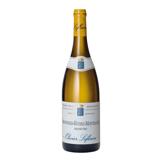
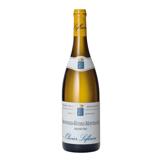
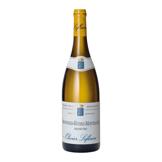
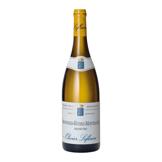
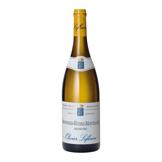
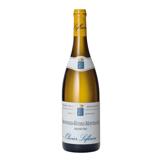
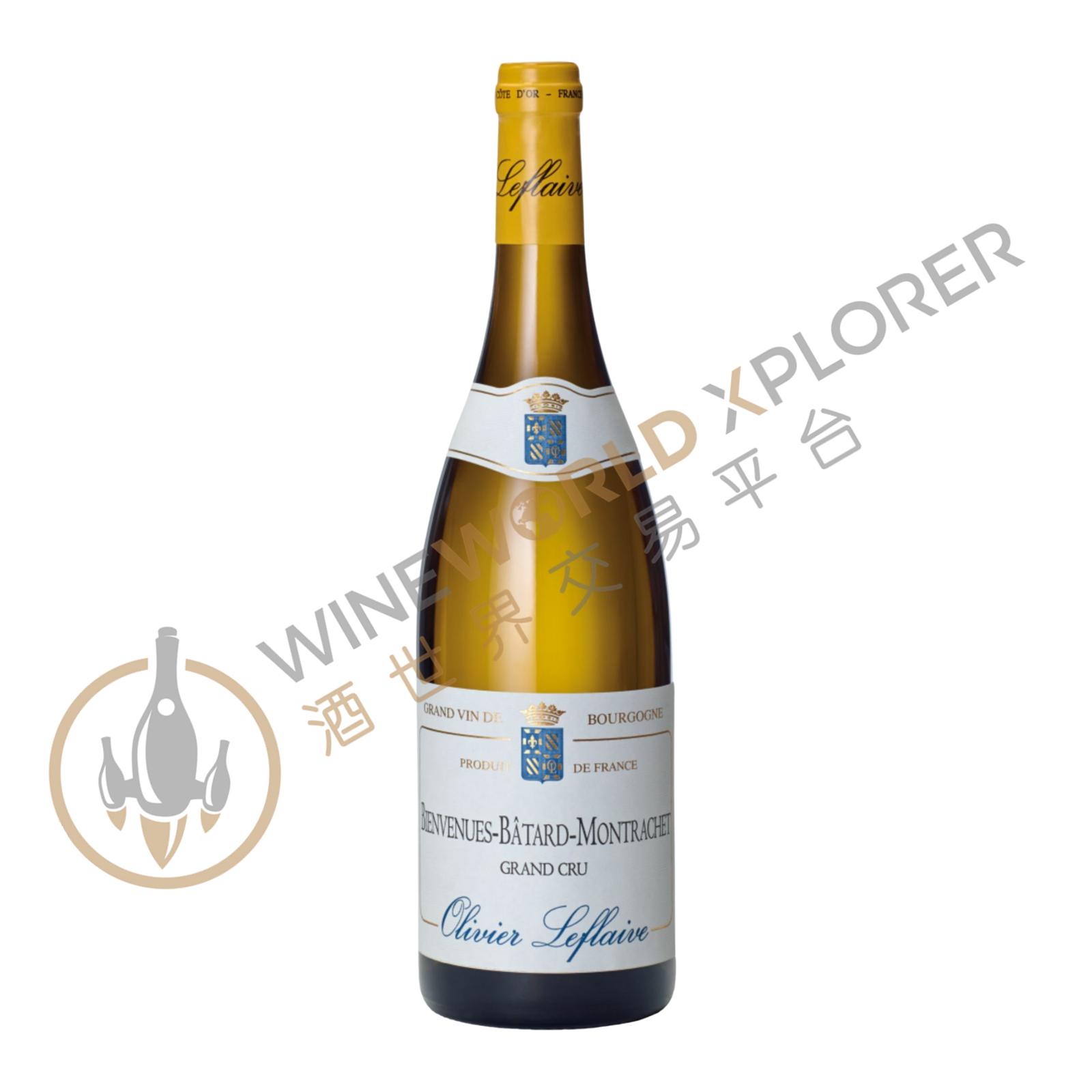
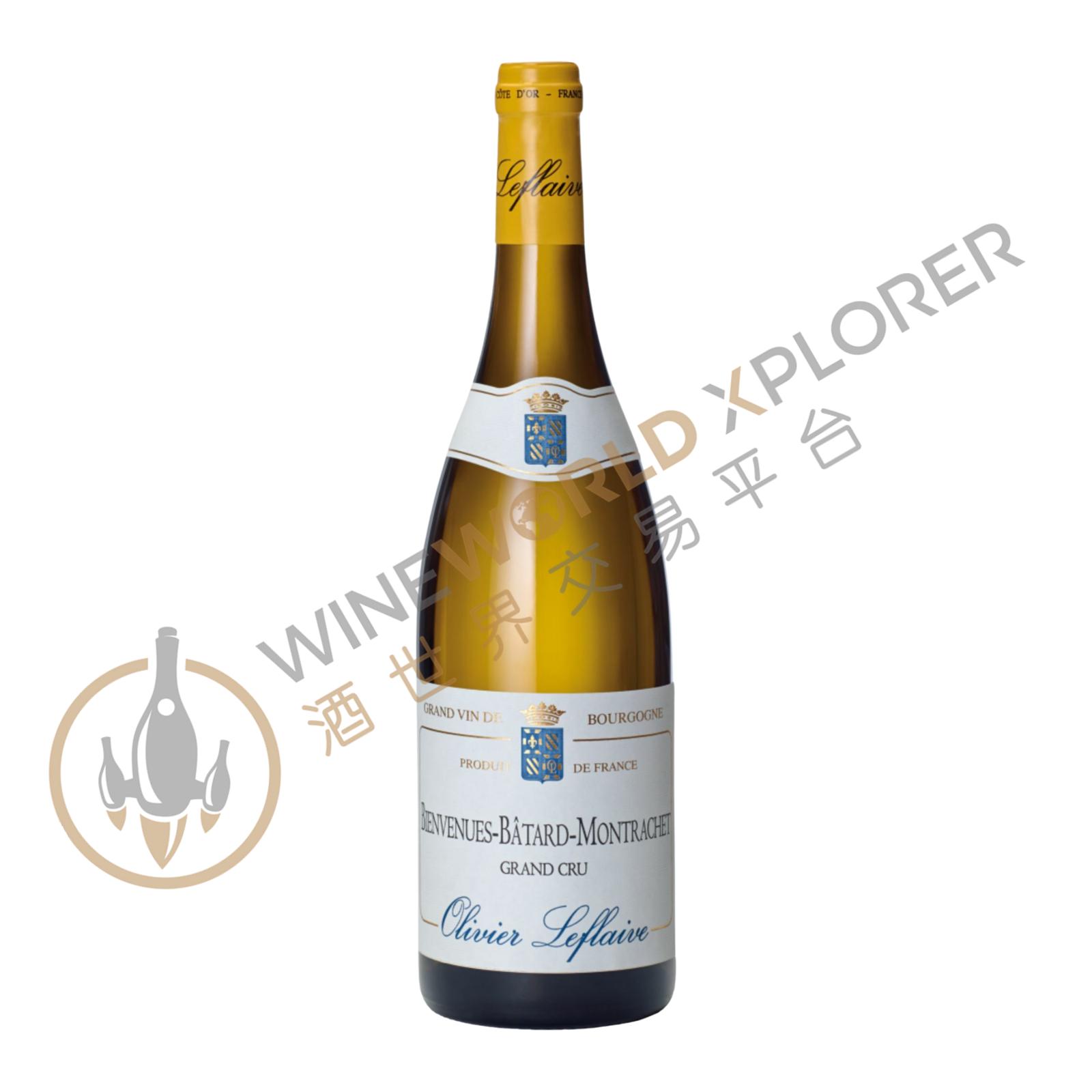
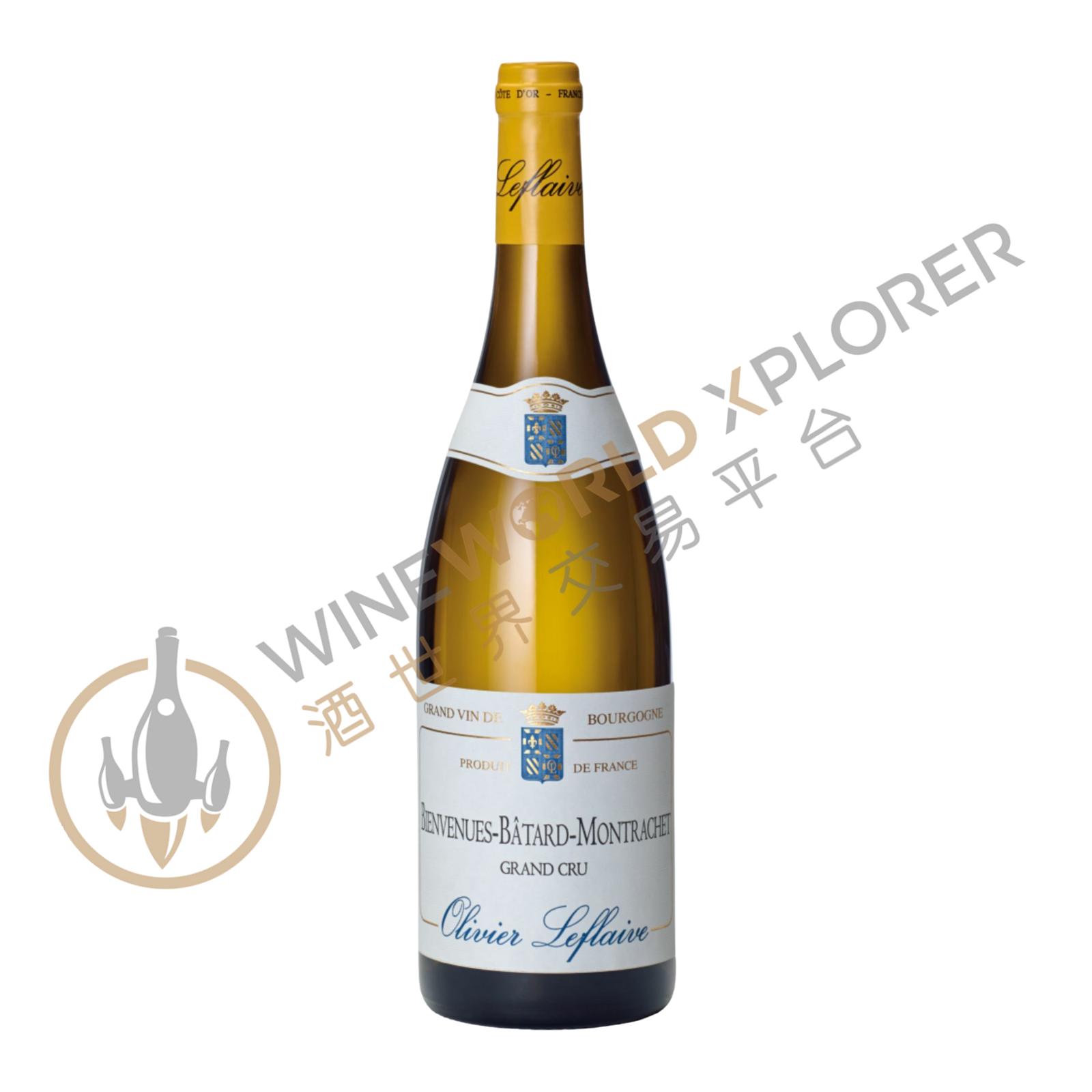
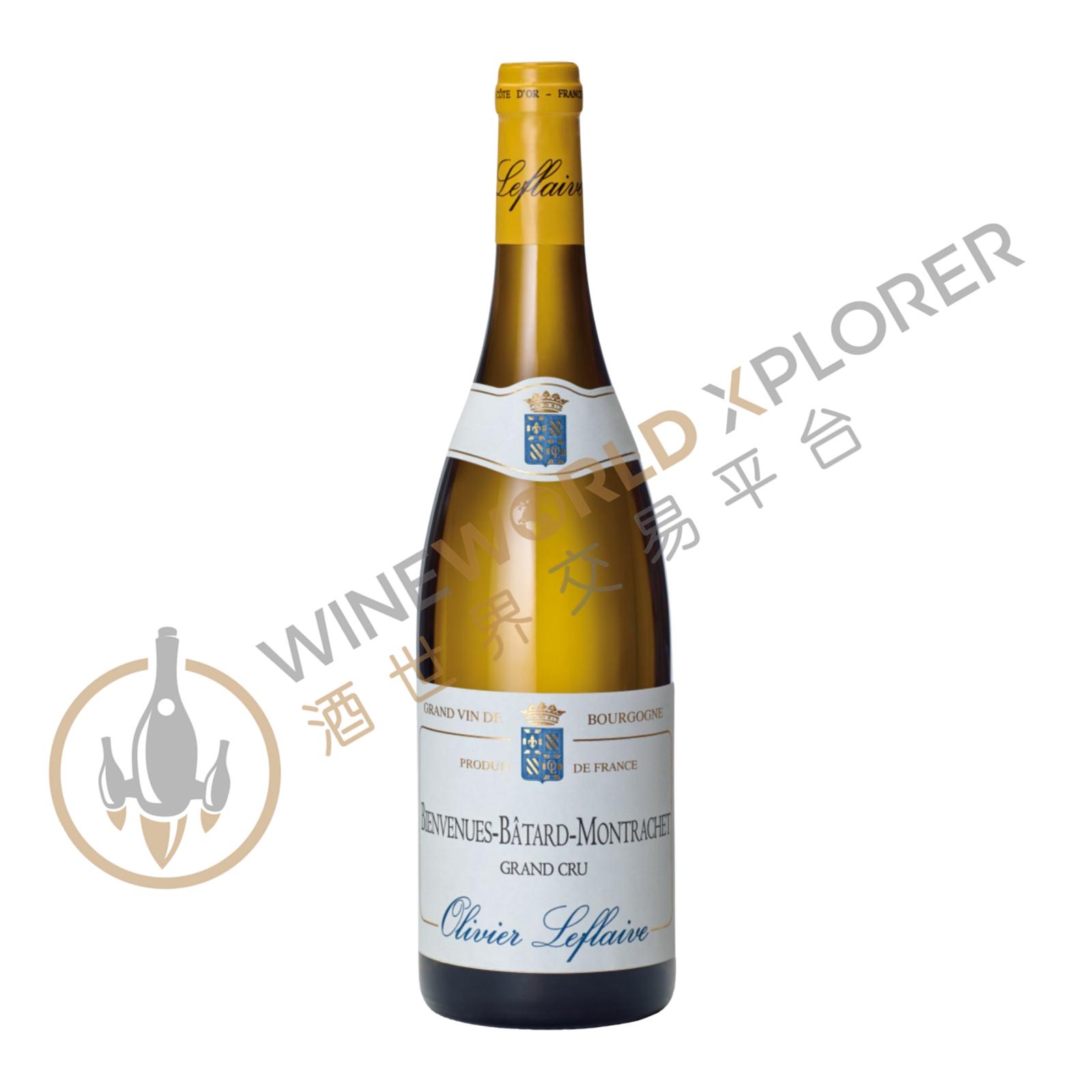
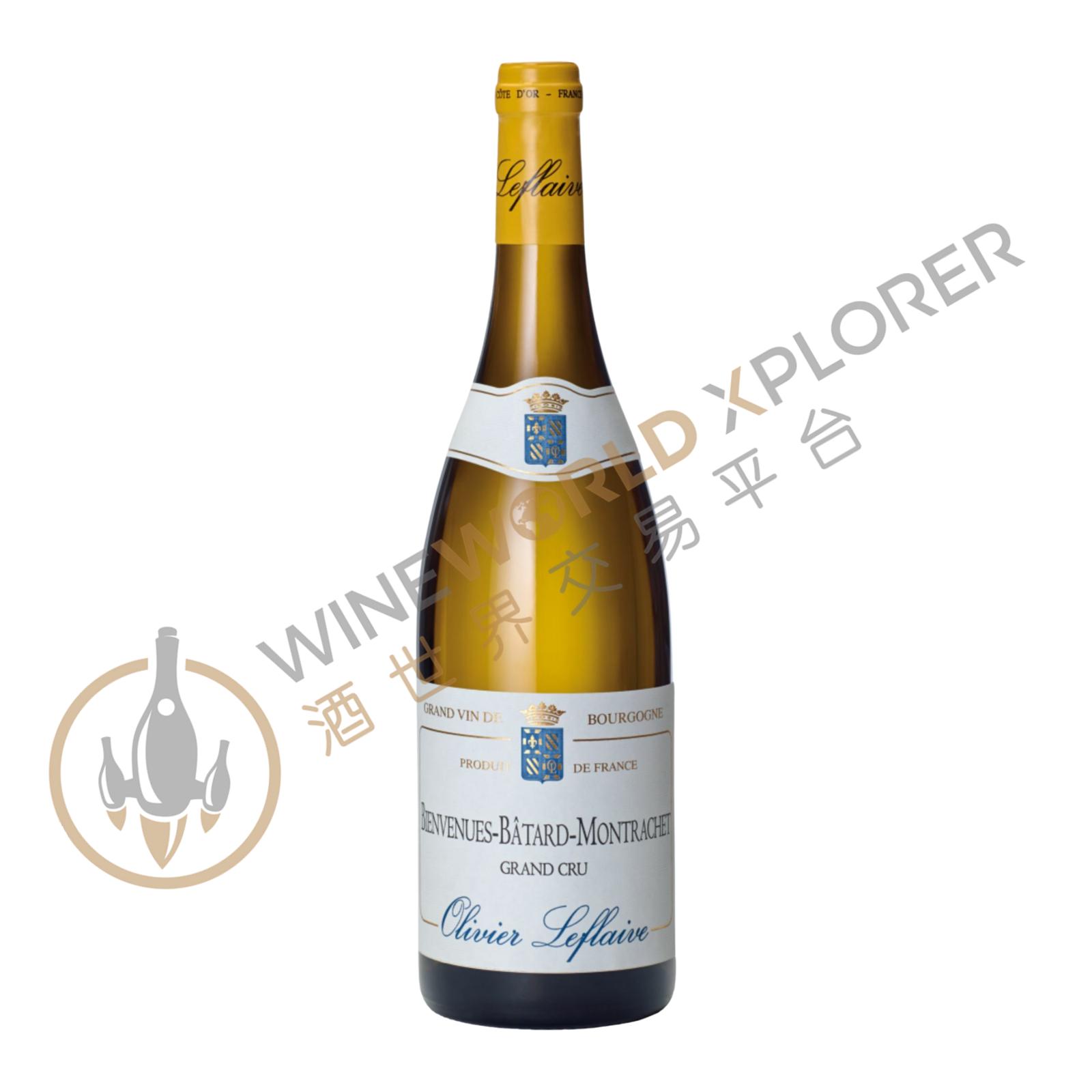
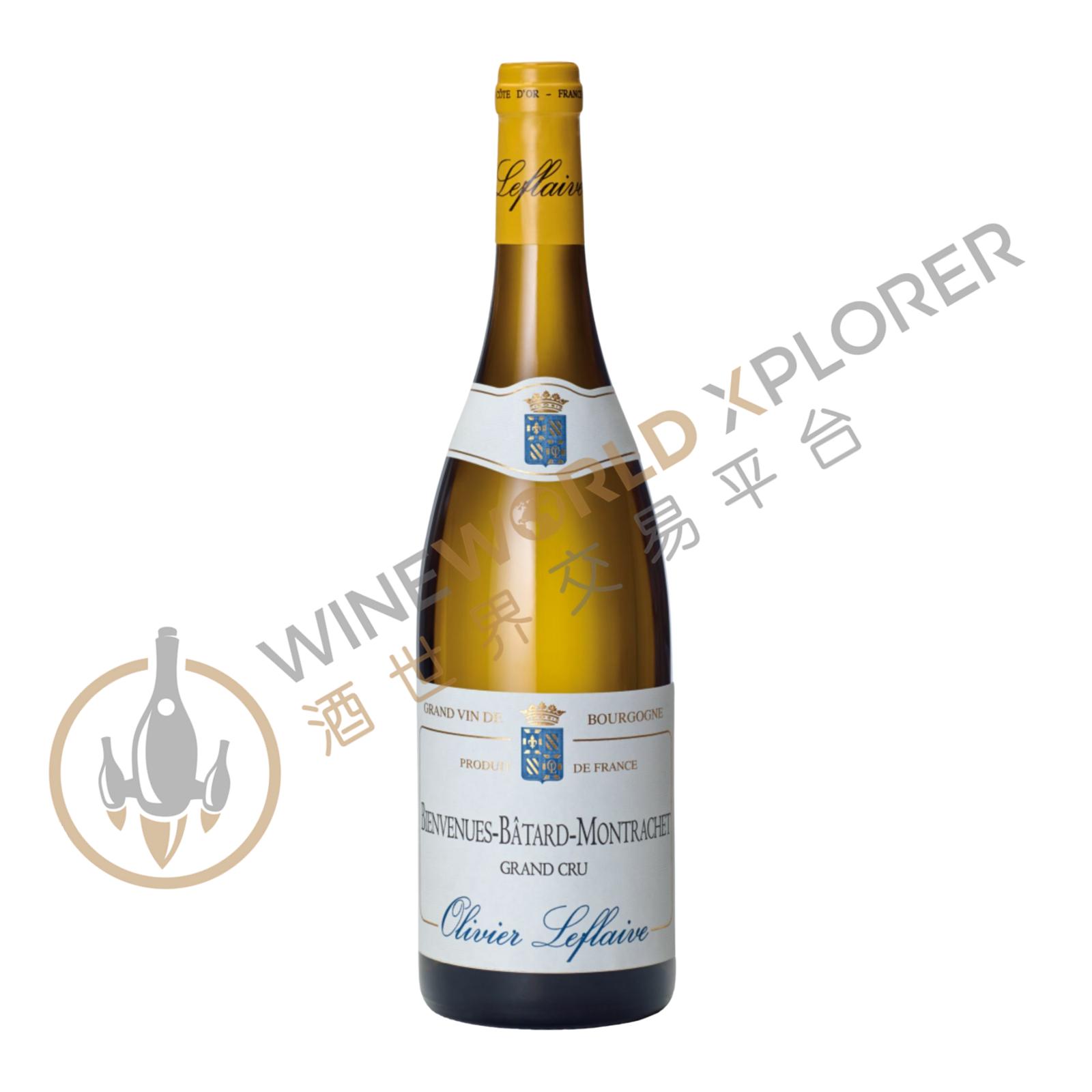
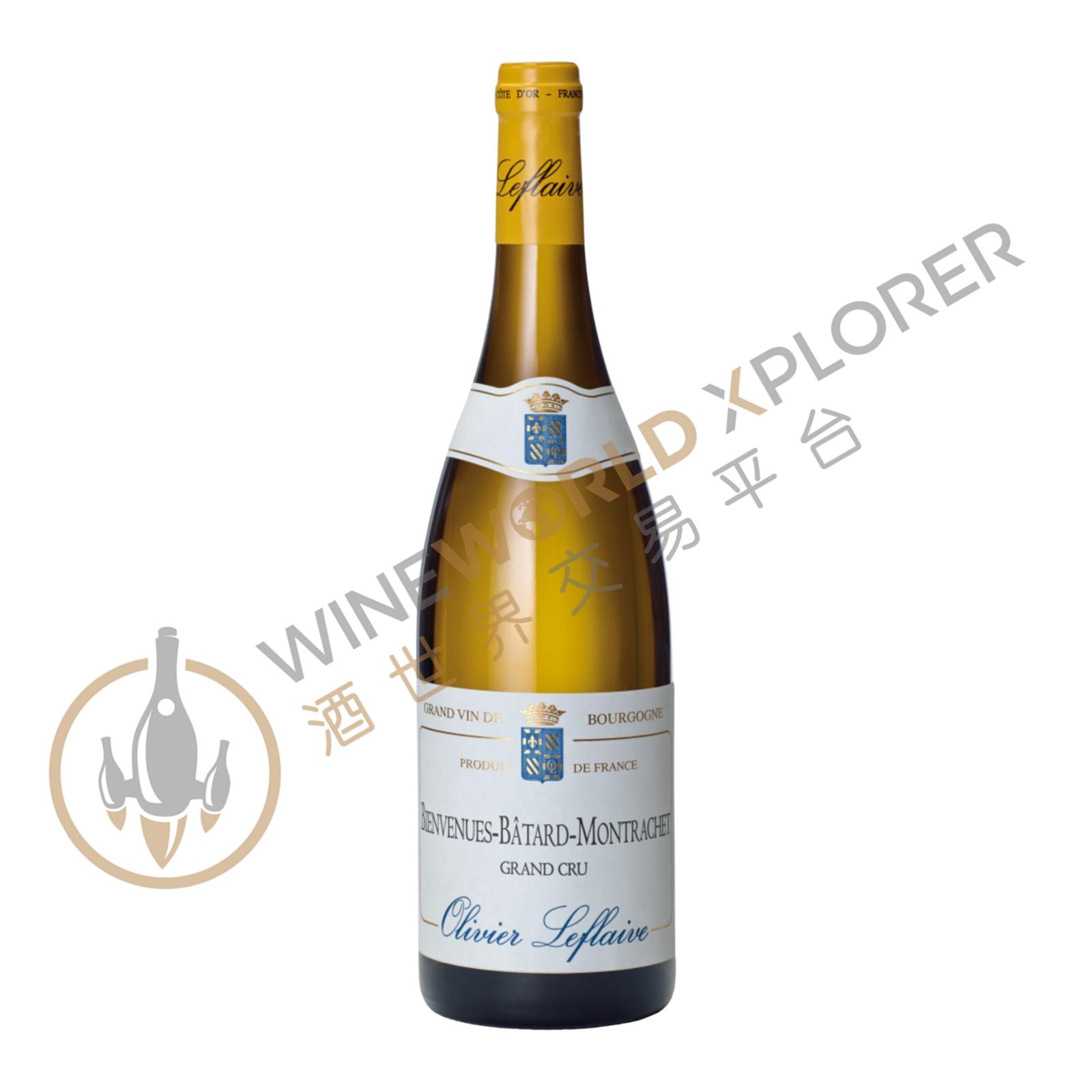
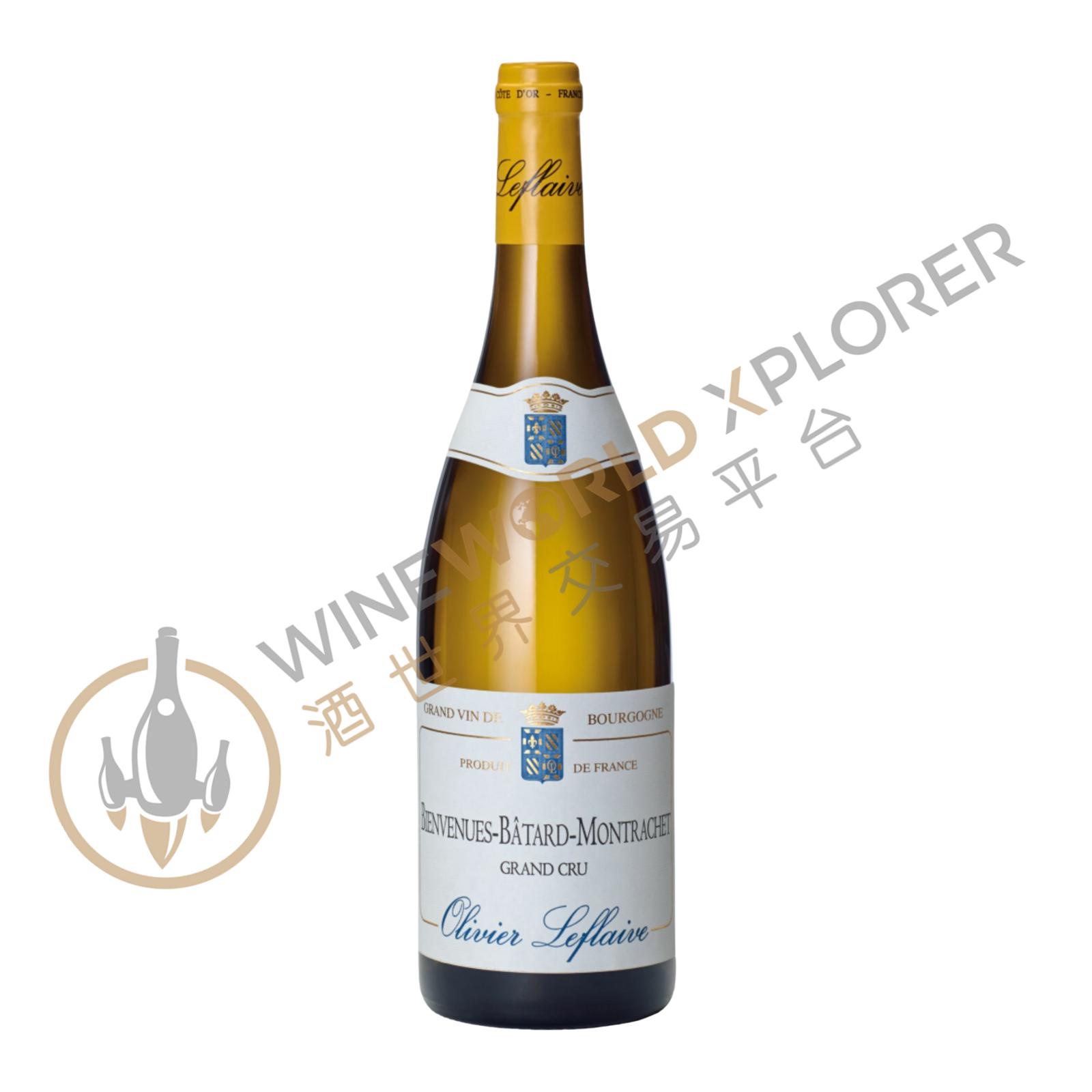
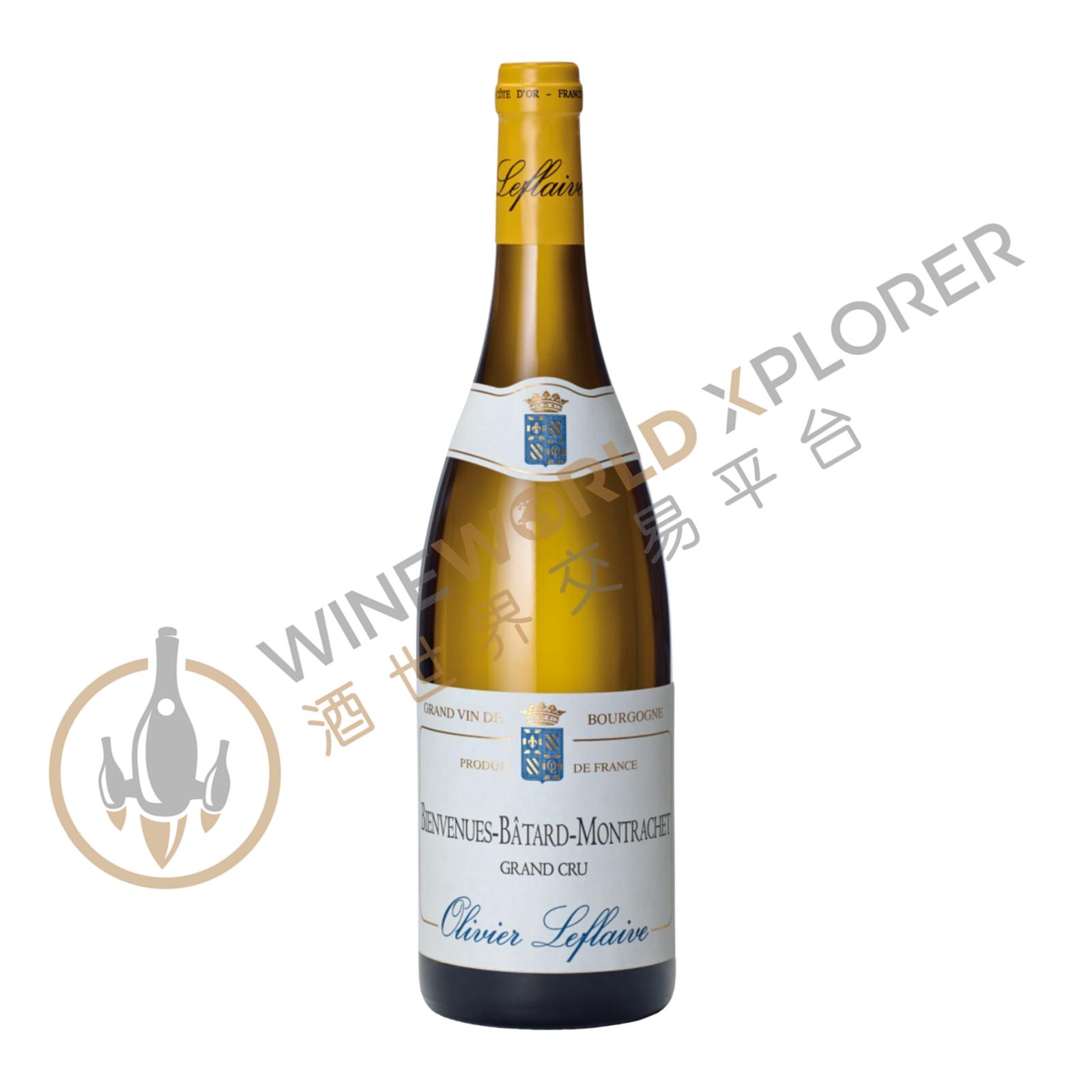
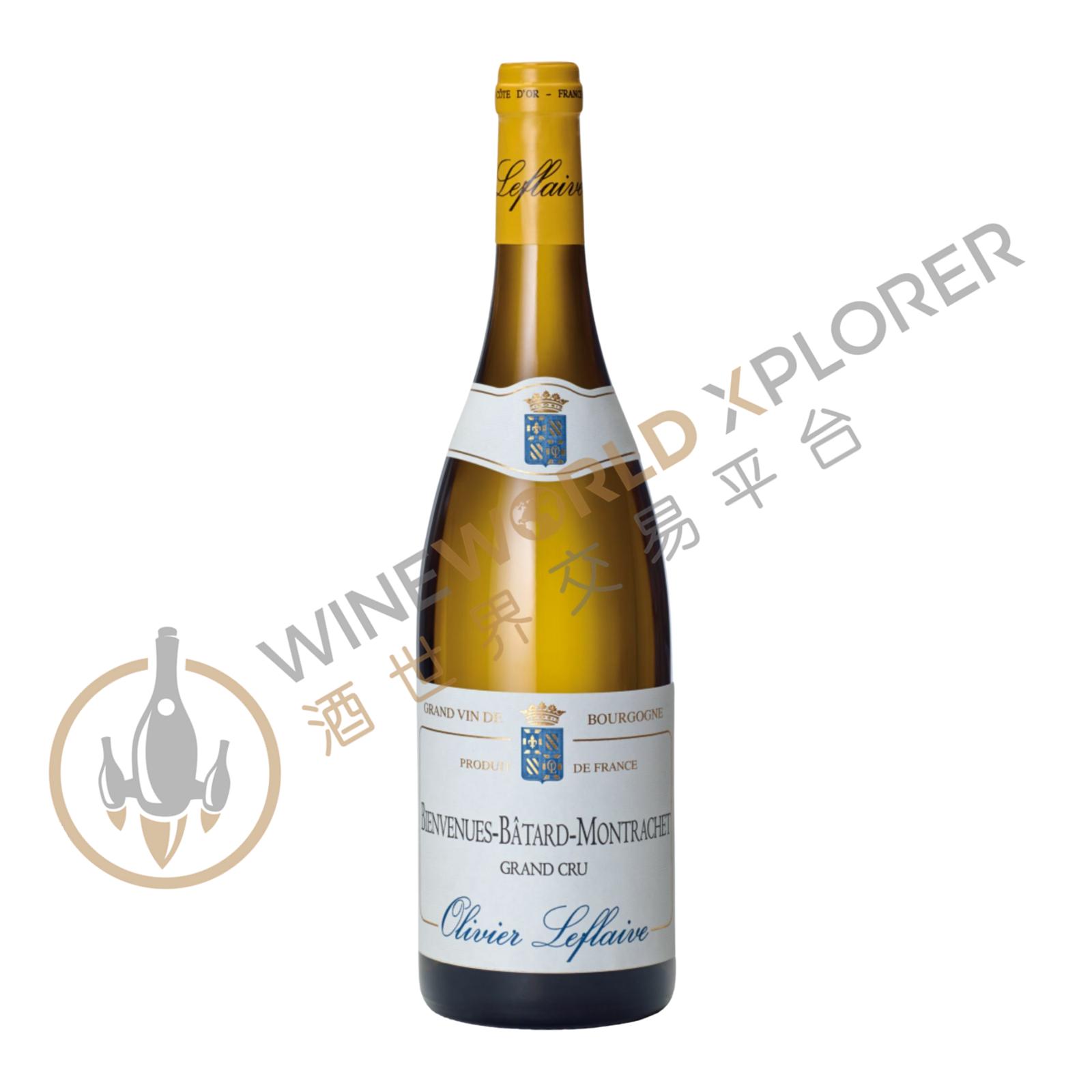
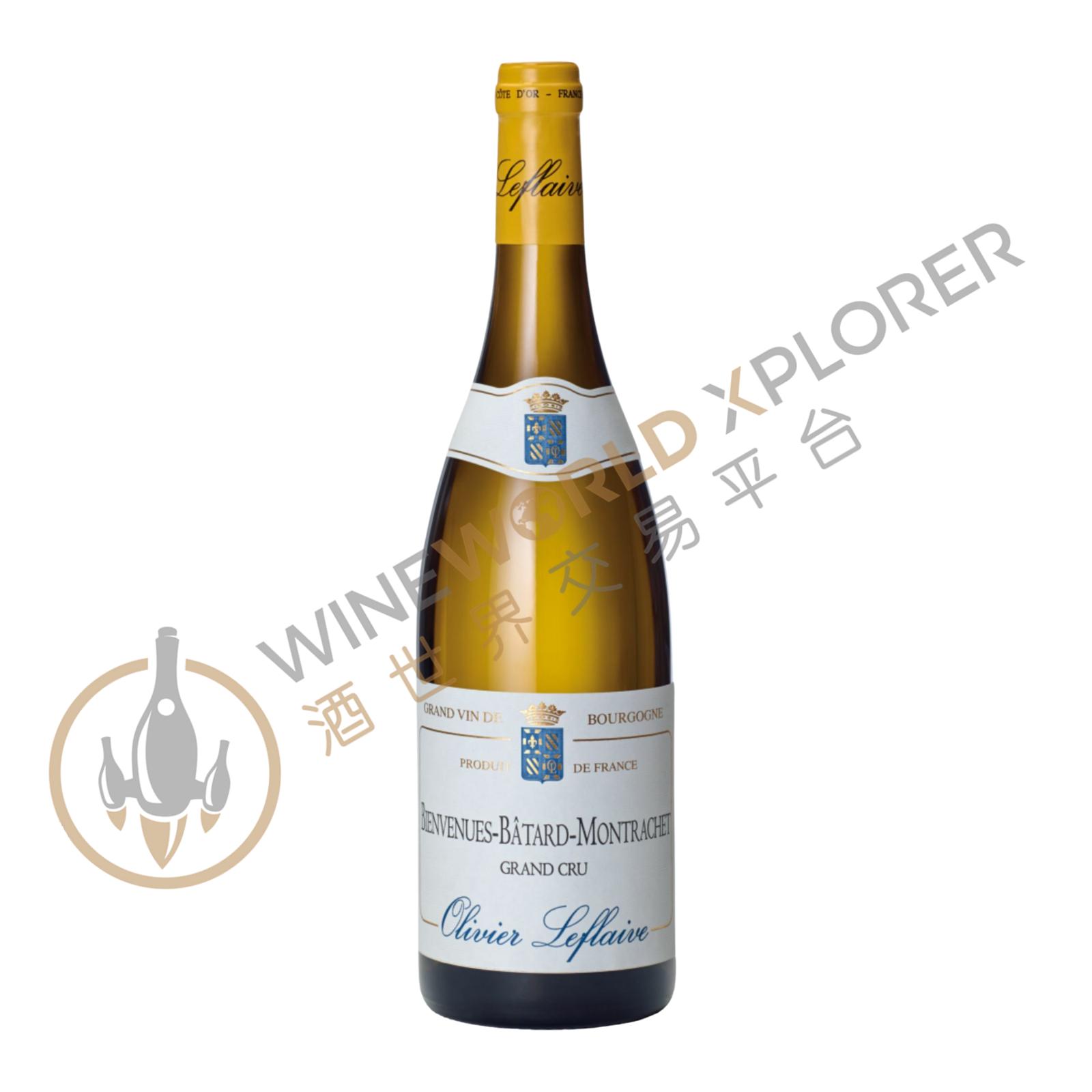
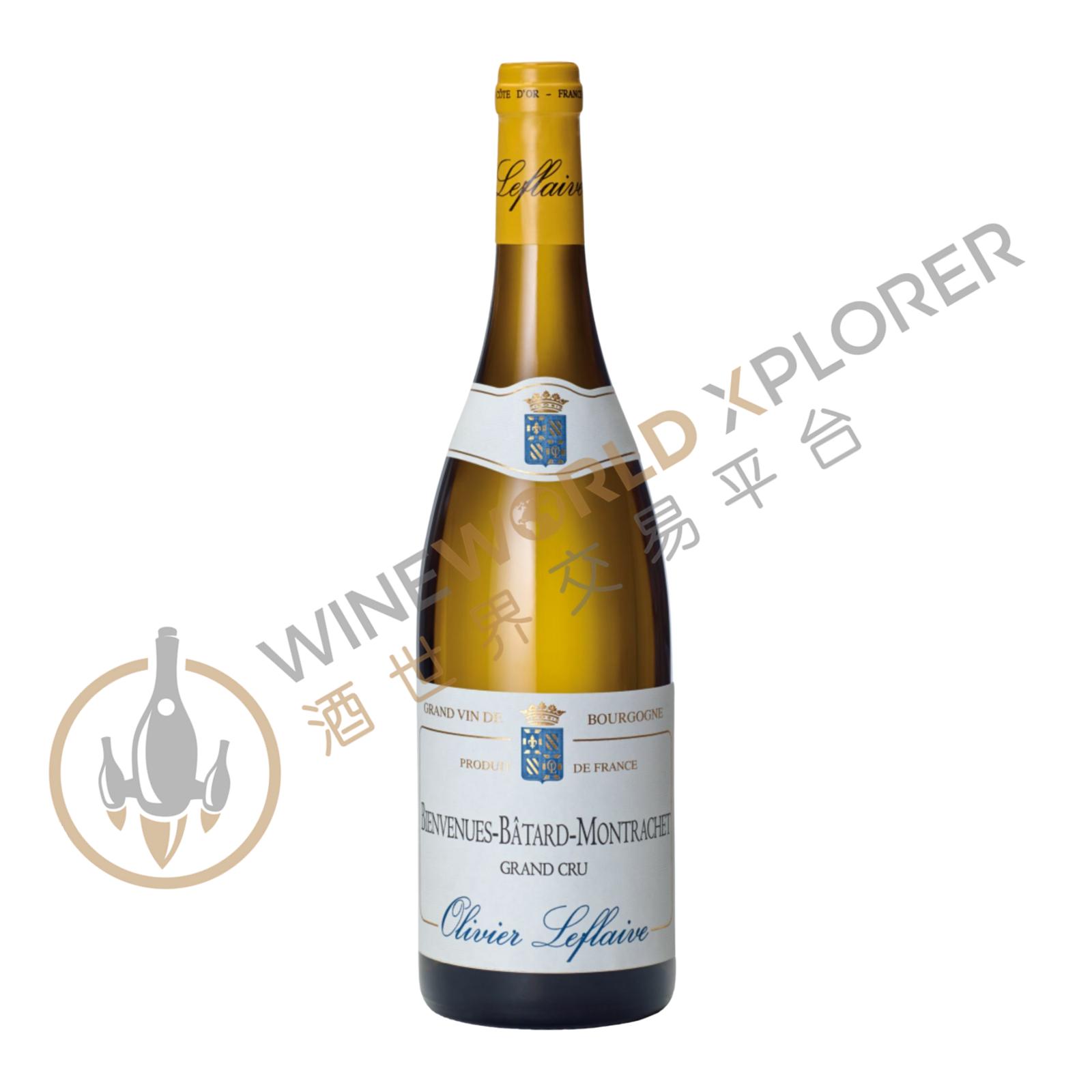
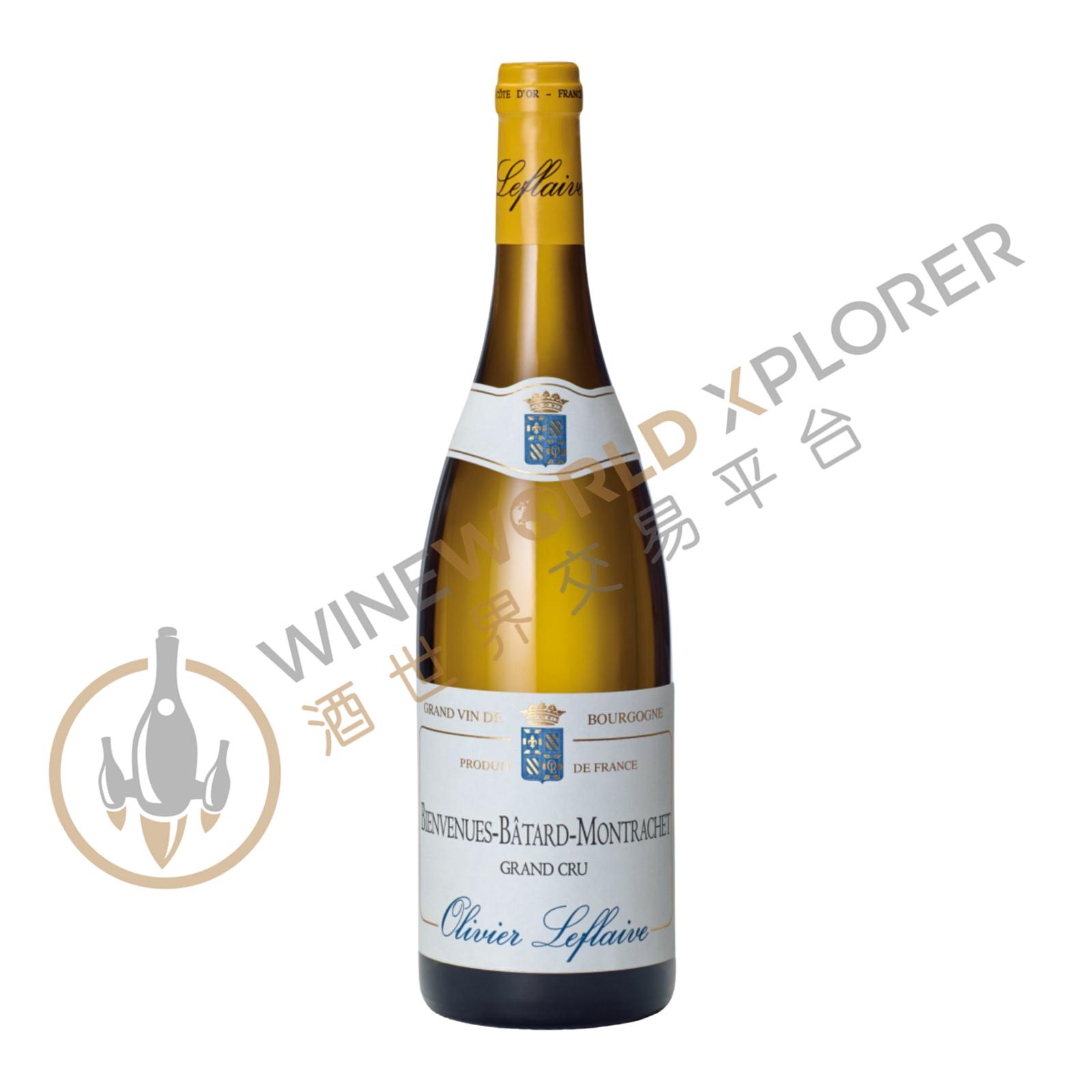
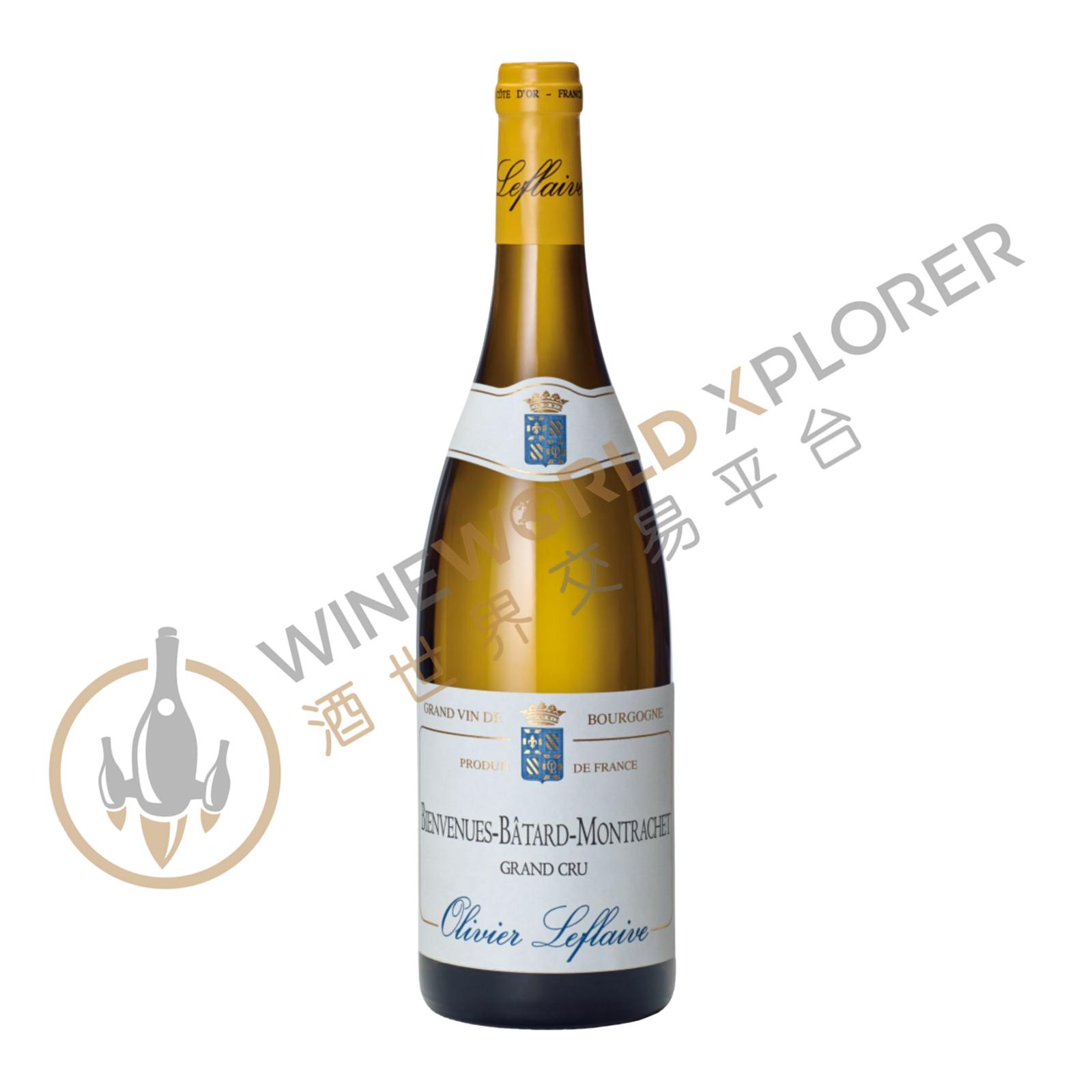
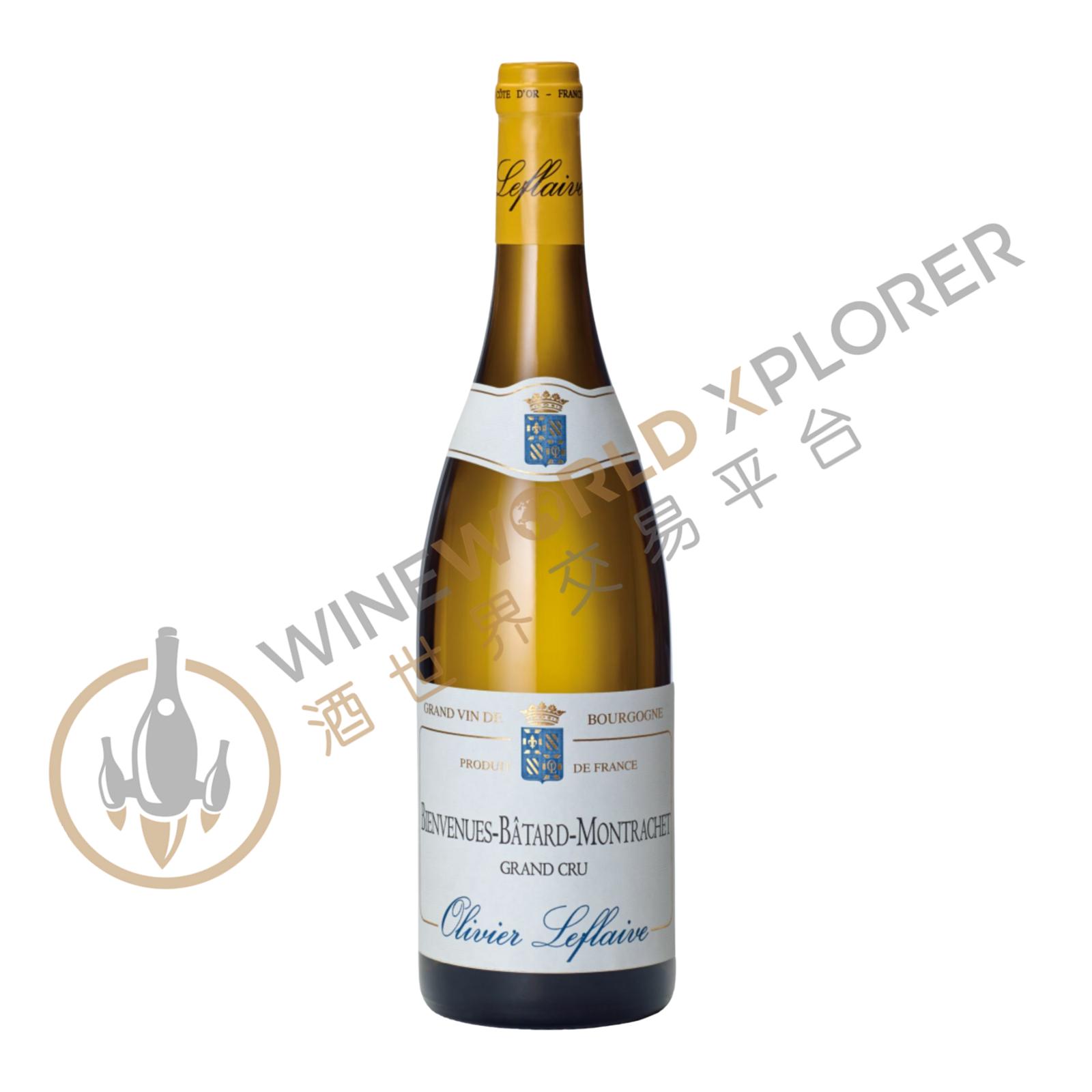
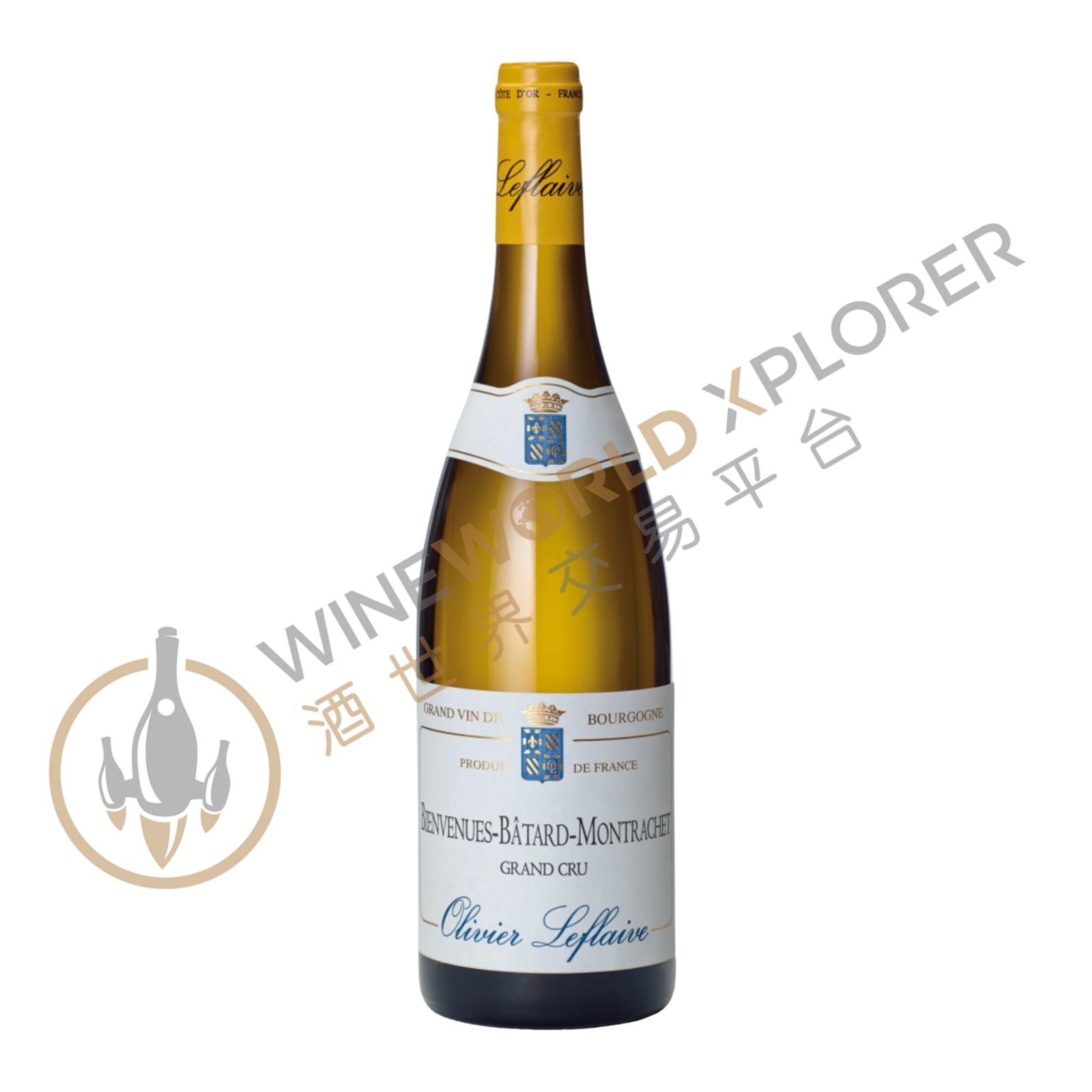
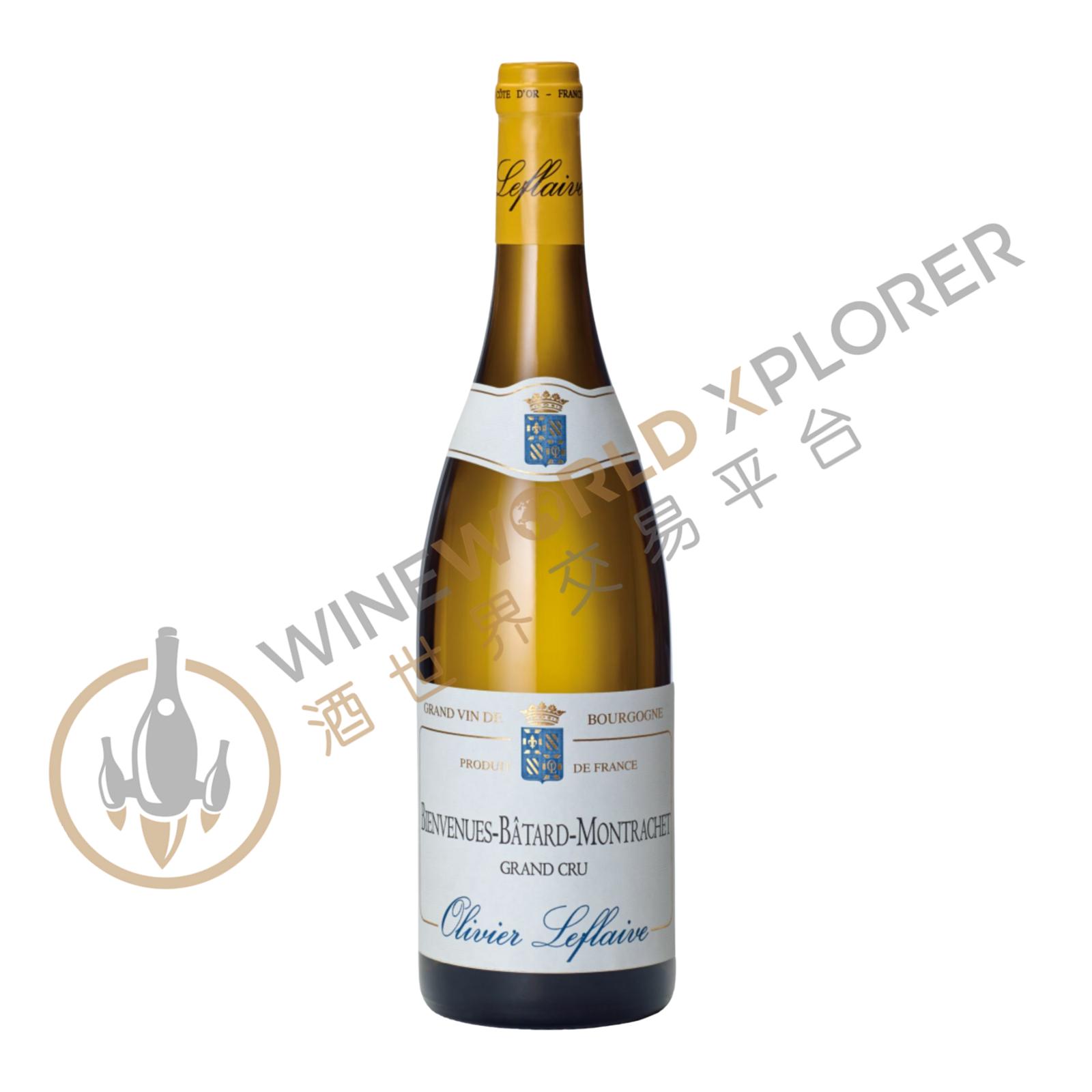
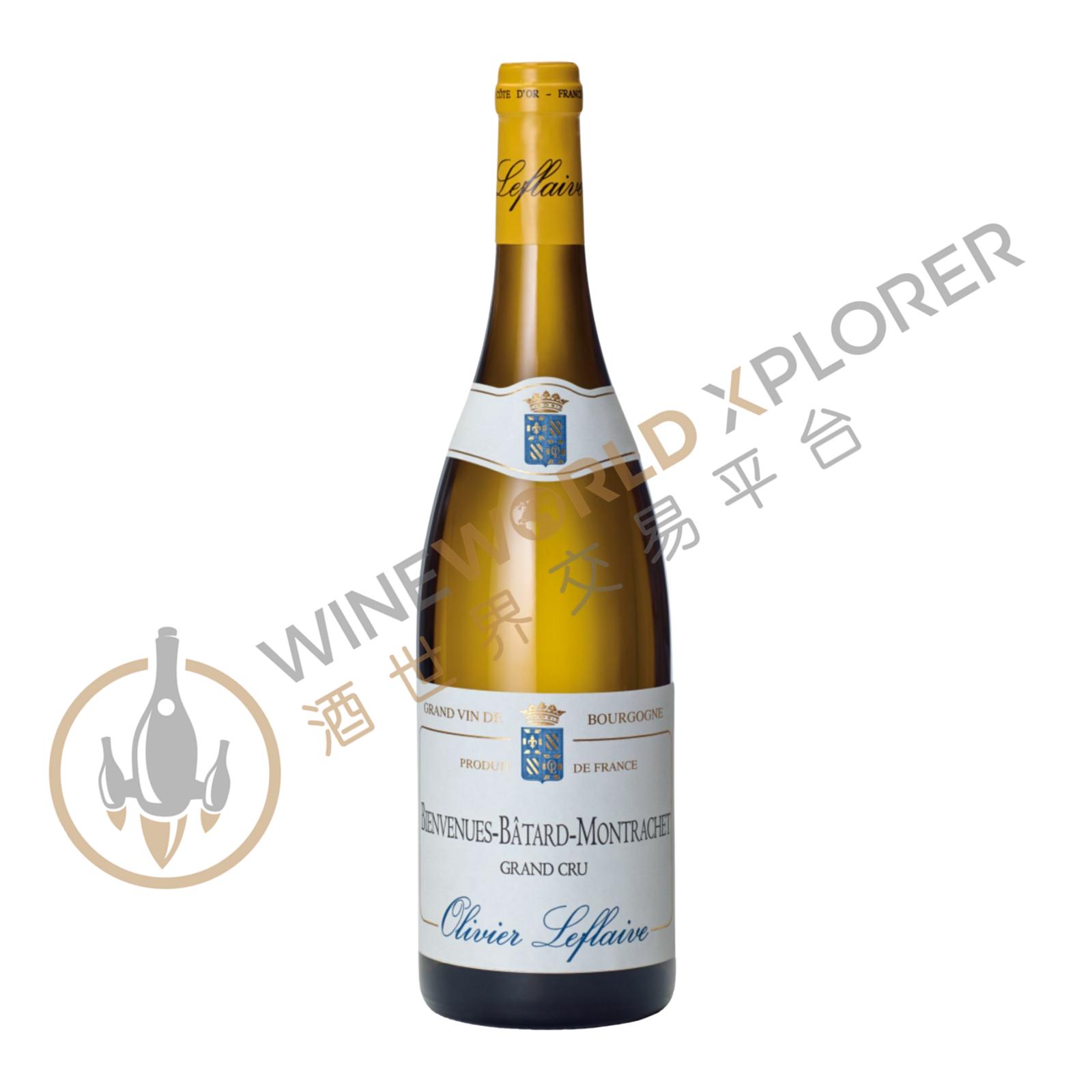
Leflaive, Bienvenues Batard Montrachet Grand Cru 2010
 View analysis


Description
Tasting notes

Reviewed by: Antonio Galloni
Things go up a notch or two with the 2010 Bienvenues-Batard-Montrachet, which appears to hover on the palate with the grace of a ballerina. The Bienvenues is all about weightless elegance and implied structure, but it is all there in the glass. At times a bit intellectual, the Bienvenues is nevertheless immensely appealing. Layers of soft, perfumed fruit flow effortlessly to the nuanced, feminine finish. A hint of floral honey and almonds lingers on the palate. I can’t wait to see how this ages. Anticipated maturity: 2020+. Estate Manager Eric Remy has one of the sharpest memories of anyone I have ever met. His recall of specific dates and events is quite remarkable, so I will take advantage of that in reporting a very complete picture of the 2010 growing season. Accoring to Remy, in order to gain some insight on 2010, one has to start with the brutal frost of December 19, 2009, when temperatures dropped to a bone chilling -20C/-4F after having hovered around freezing for a few days prior. The very next day, temperatures shot up to 10C/50F. January was quite dry. A bit of snow fell in early February, but the rest of the month was dry. The last frosts at the domaine were recorded from March 10-14. The weather improved in April, especially towards the end of the month. May and June were cold. Flowering in the domine’s vineyards started on June 5th and ended between June 20 and 22. The first part of July was hot but stable, while the second part of the month was cold and humid. Unstable conditions persisted throughout August. A hailstorm with heavy thunder in Santenay on September 12 was a sign harvest time was approaching. A bit of botrytis was recorded on September 17. The harvest started on September 20. Yields came in around 45 hectoliters per hectare, pretty much in line with 2009, the only domaine I visited where that is the case. Importer: Wilson-Daniels, St. Helena, CA; tel. (707) 963-9661
Reviewed by: Antonio Galloni
Things go up a notch or two with the 2010 Bienvenues-Batard-Montrachet, which appears to hover on the palate with the grace of a ballerina. The Bienvenues is all about weightless elegance and implied structure, but it is all there in the glass. At times a bit intellectual, the Bienvenues is nevertheless immensely appealing. Layers of soft, perfumed fruit flow effortlessly to the nuanced, feminine finish. A hint of floral honey and almonds lingers on the palate. I can’t wait to see how this ages. Anticipated maturity: 2020+. Estate Manager Eric Remy has one of the sharpest memories of anyone I have ever met. His recall of specific dates and events is quite remarkable, so I will take advantage of that in reporting a very complete picture of the 2010 growing season. Accoring to Remy, in order to gain some insight on 2010, one has to start with the brutal frost of December 19, 2009, when temperatures dropped to a bone chilling -20C/-4F after having hovered around freezing for a few days prior. The very next day, temperatures shot up to 10C/50F. January was quite dry. A bit of snow fell in early February, but the rest of the month was dry. The last frosts at the domaine were recorded from March 10-14. The weather improved in April, especially towards the end of the month. May and June were cold. Flowering in the domine’s vineyards started on June 5th and ended between June 20 and 22. The first part of July was hot but stable, while the second part of the month was cold and humid. Unstable conditions persisted throughout August. A hailstorm with heavy thunder in Santenay on September 12 was a sign harvest time was approaching. A bit of botrytis was recorded on September 17. The harvest started on September 20. Yields came in around 45 hectoliters per hectare, pretty much in line with 2009, the only domaine I visited where that is the case. Importer: Wilson-Daniels, St. Helena, CA; tel. (707) 963-9661
About the Producer
Domaine Leflaive, based in Puligny-Montrachet, is one of the most important producers in the Côte de Beaune. Focusing almost entirely on white wines made from Chardonnay, the Domaine makes four grand cru wines and four premier crus in Puligny-Montrachet. The Domaine was founded by Joseph Leflaive, a former engineer. In 1905, he purchased vineyards in Puligny-Montrachet which had been ravaged by phylloxera, and set about replanting and expanding them. Upon his death in 1953, his sons Vincent and Jo took over the running of the estate, and are widely credited with building up the reputation that Leflaive enjoys today. In 1990, cousins Anne Claude and Olivier Leflaive took over the running of the estate, with Olivier leaving in 1994 to run his own negociant business. Anne Claude converted the vineyards to biodynamics and is considered a pioneer of that movement in Burgundy. After her death in 2015, her nephew Brice de la Morandiere has taken over the running of Domaine Leflaive. Domaine Leflaive's most important wine is arguably the Montrachet Grand Cru, which, depending on vintage, can fetch upwards of $5000 a bottle. The domaine also has land in Chevalier-Montrachet, Batard-Montrachet, and Bienvenues-Batard-Montrachet, and makes a grand cru wine from each. Additional to this, there are several premier cru wines, the most important of which is probably the Les Clavoillon, which was one of the wines included in the 1976 Judgment of Paris. Domaine Leflaive also makes a sole red wine from Pinot Noir under the Blagny Sous le Dos d'Ane Premier Cru title.
2002(1)2004(1)2006(2)2007(1)2008(1)
Package Size