 Wine Advisor



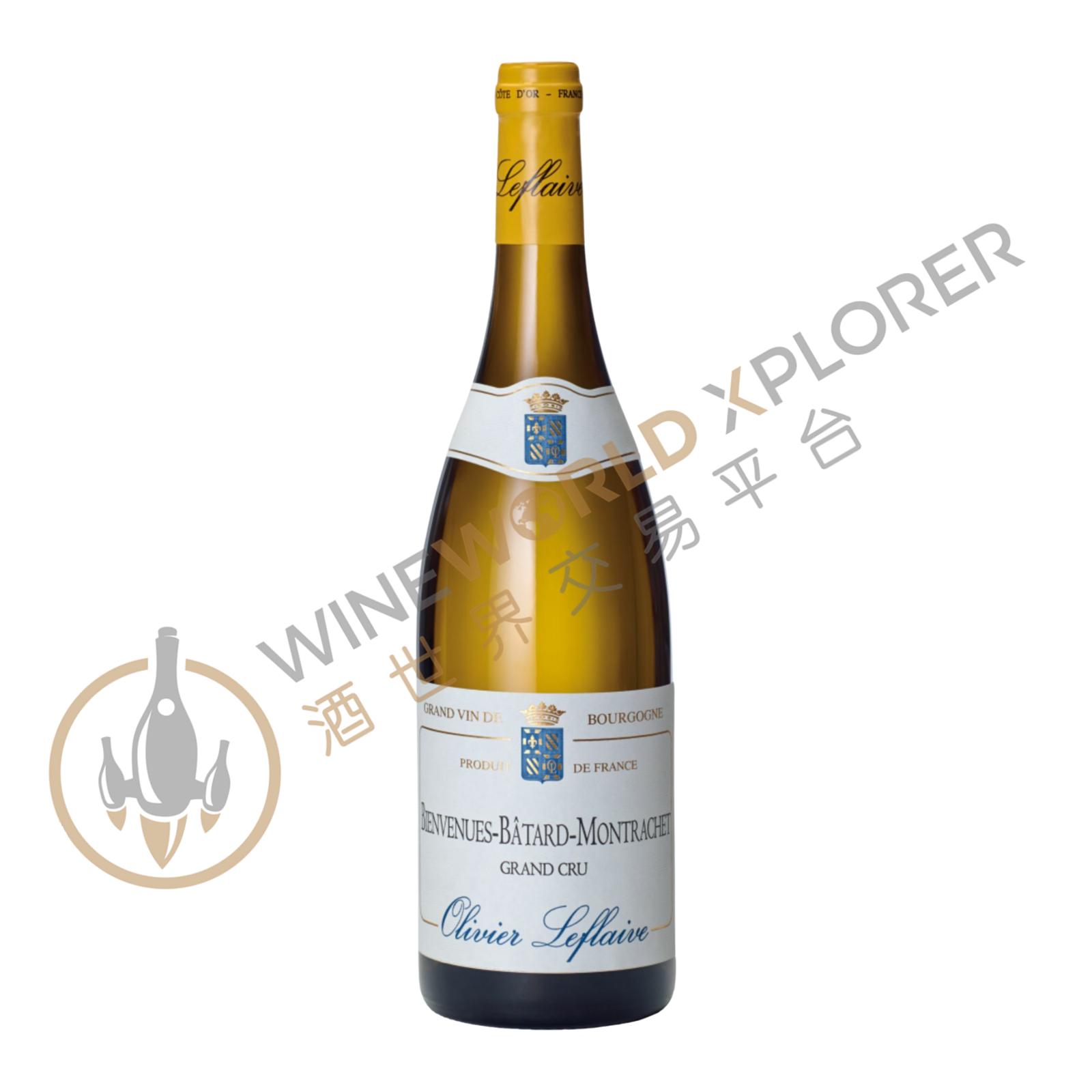
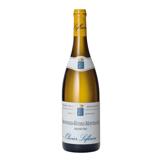
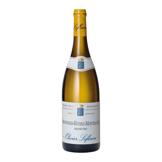
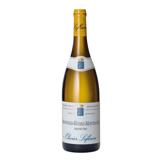
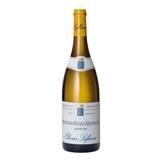
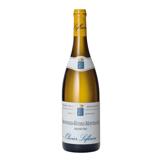
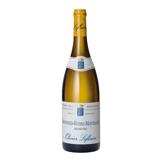
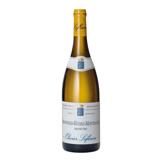
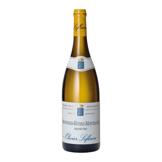
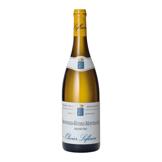
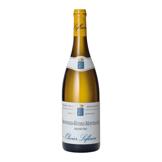
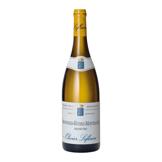
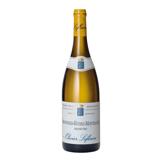
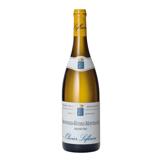
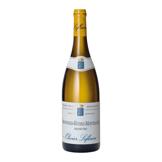
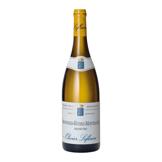
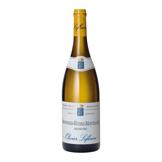
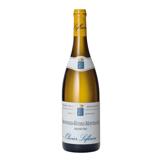
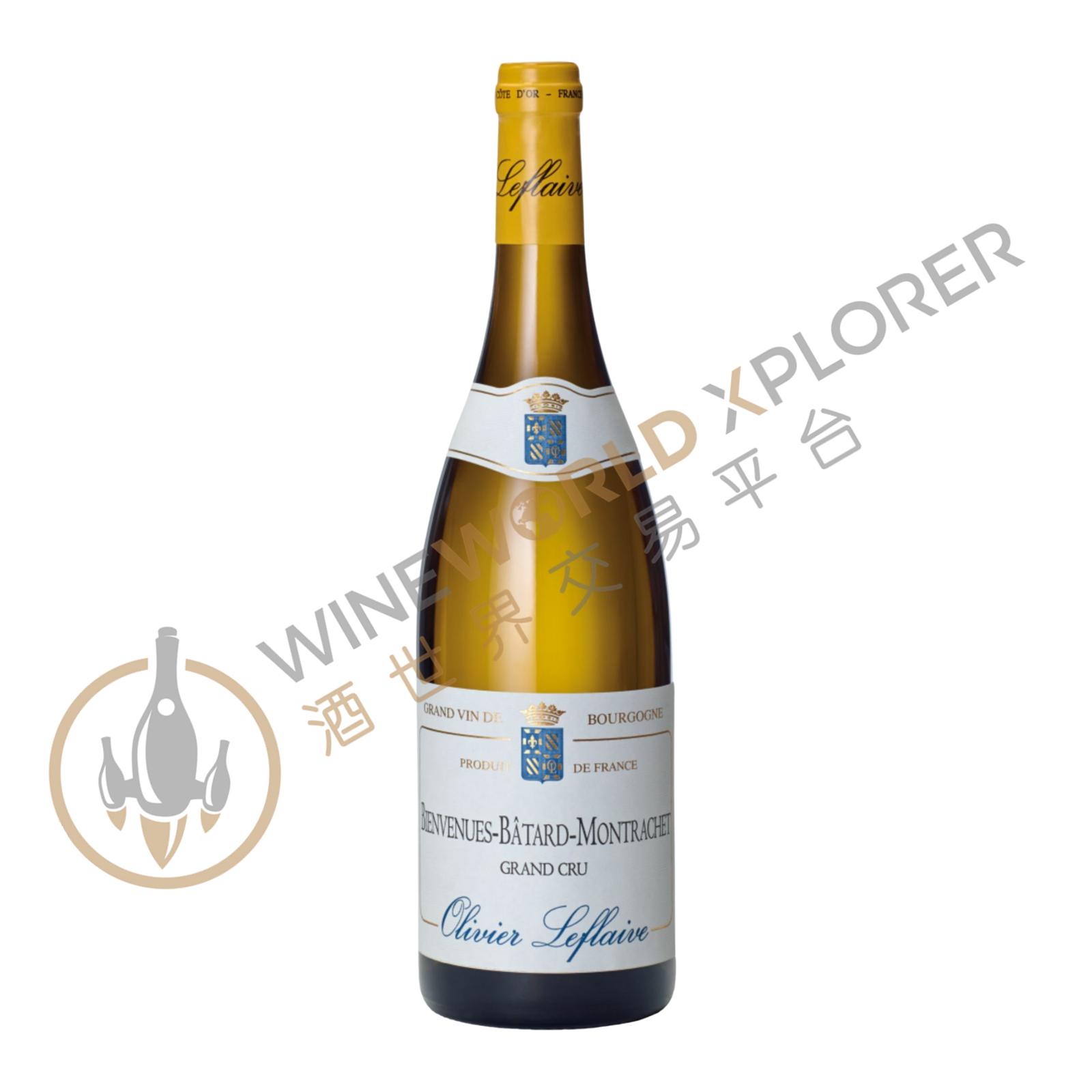
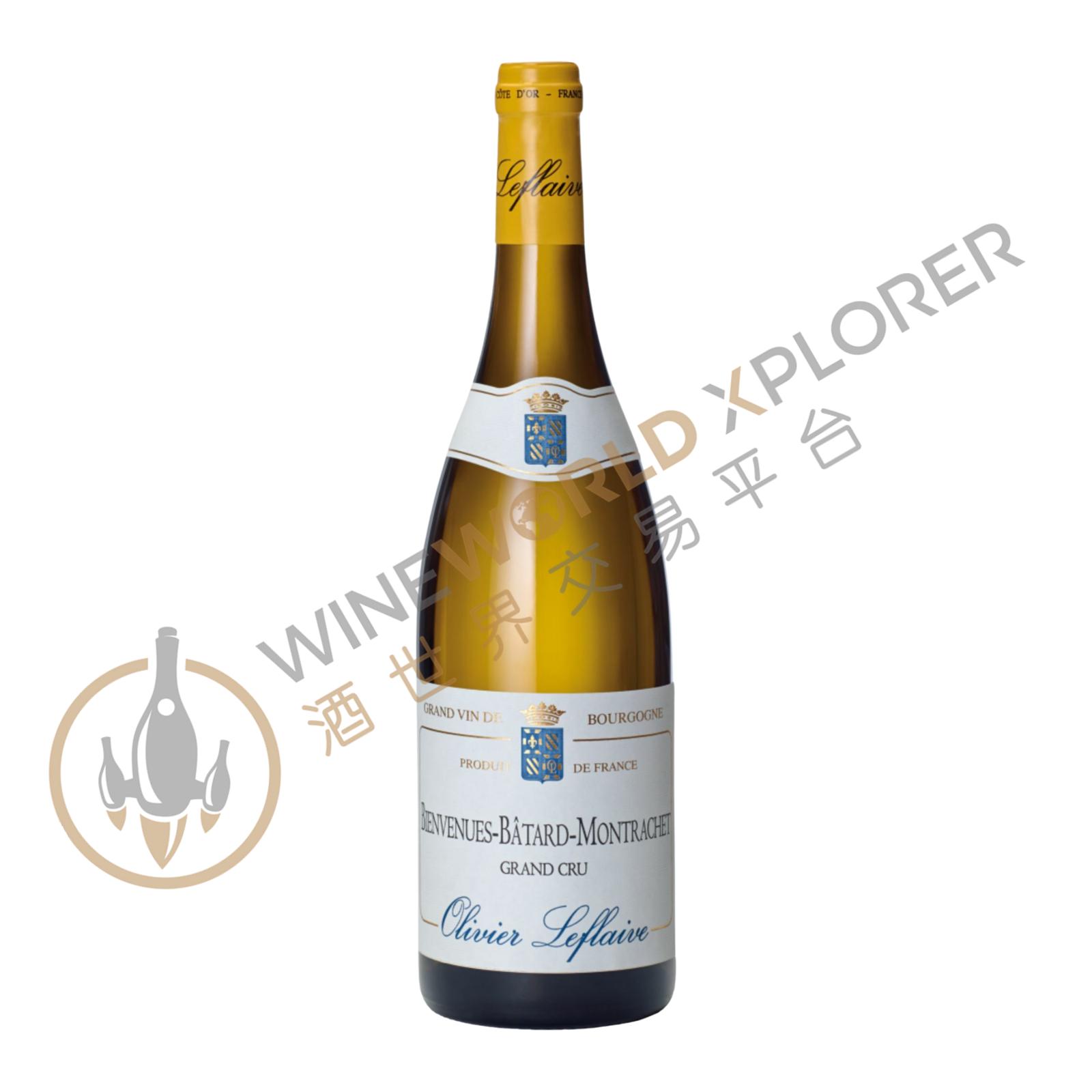
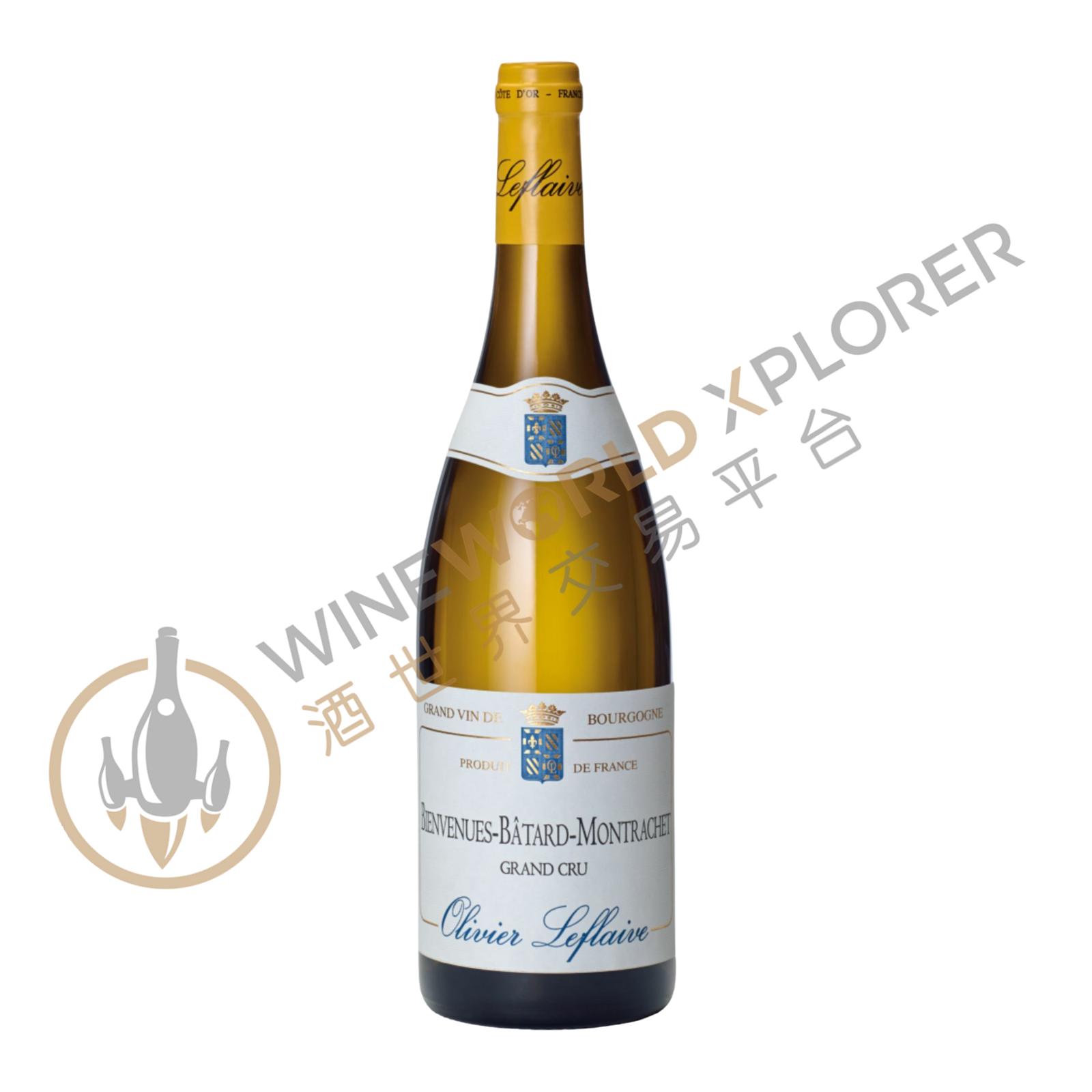
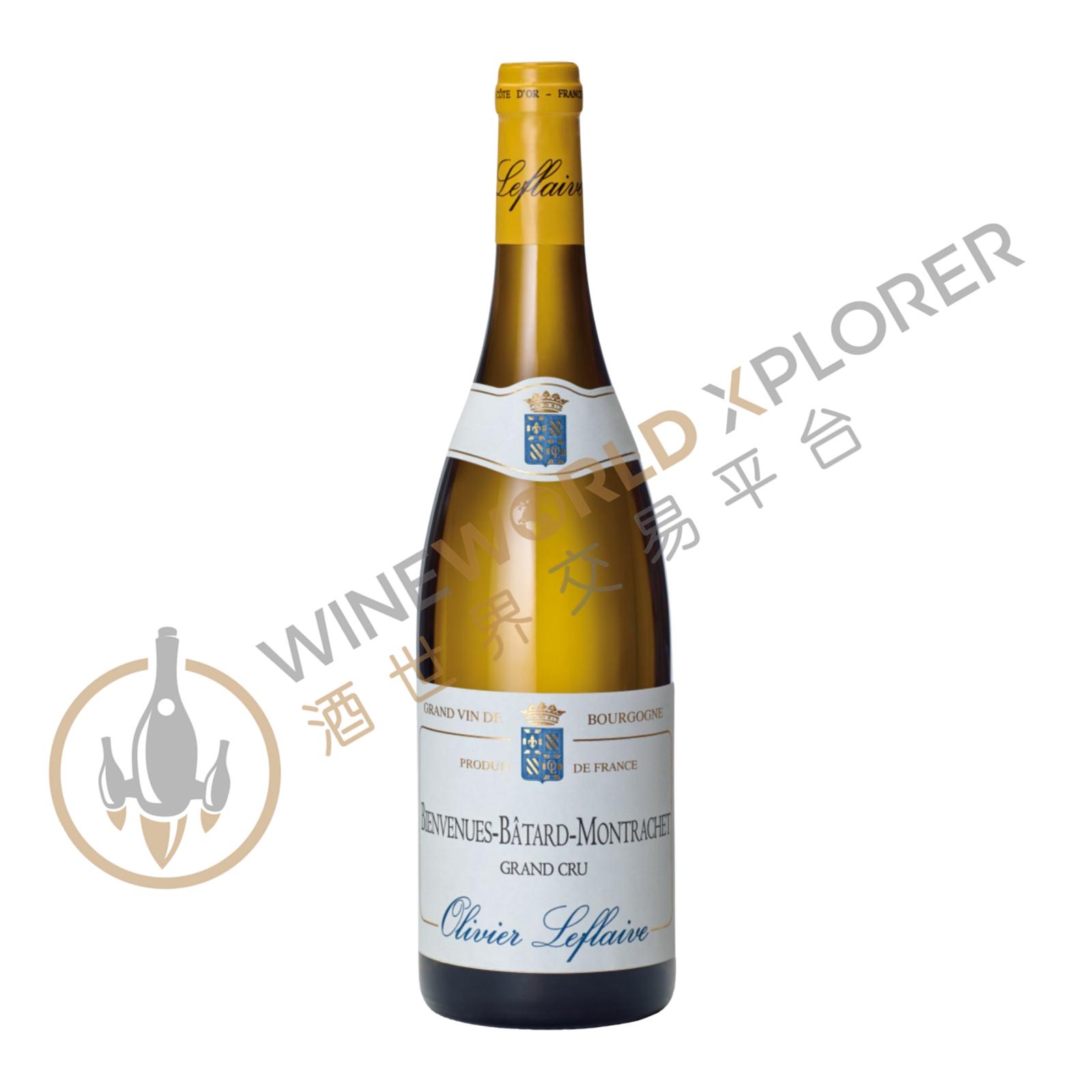
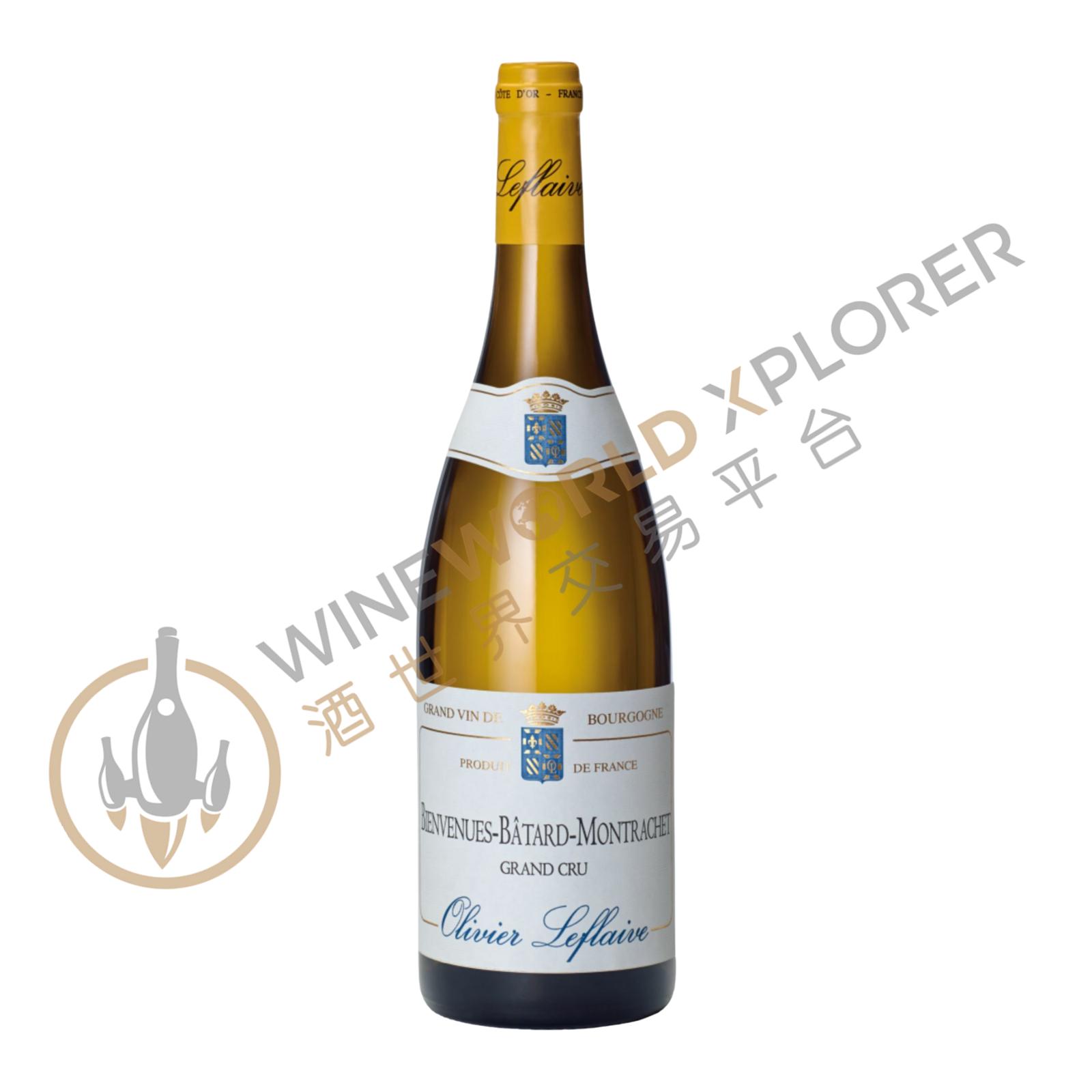
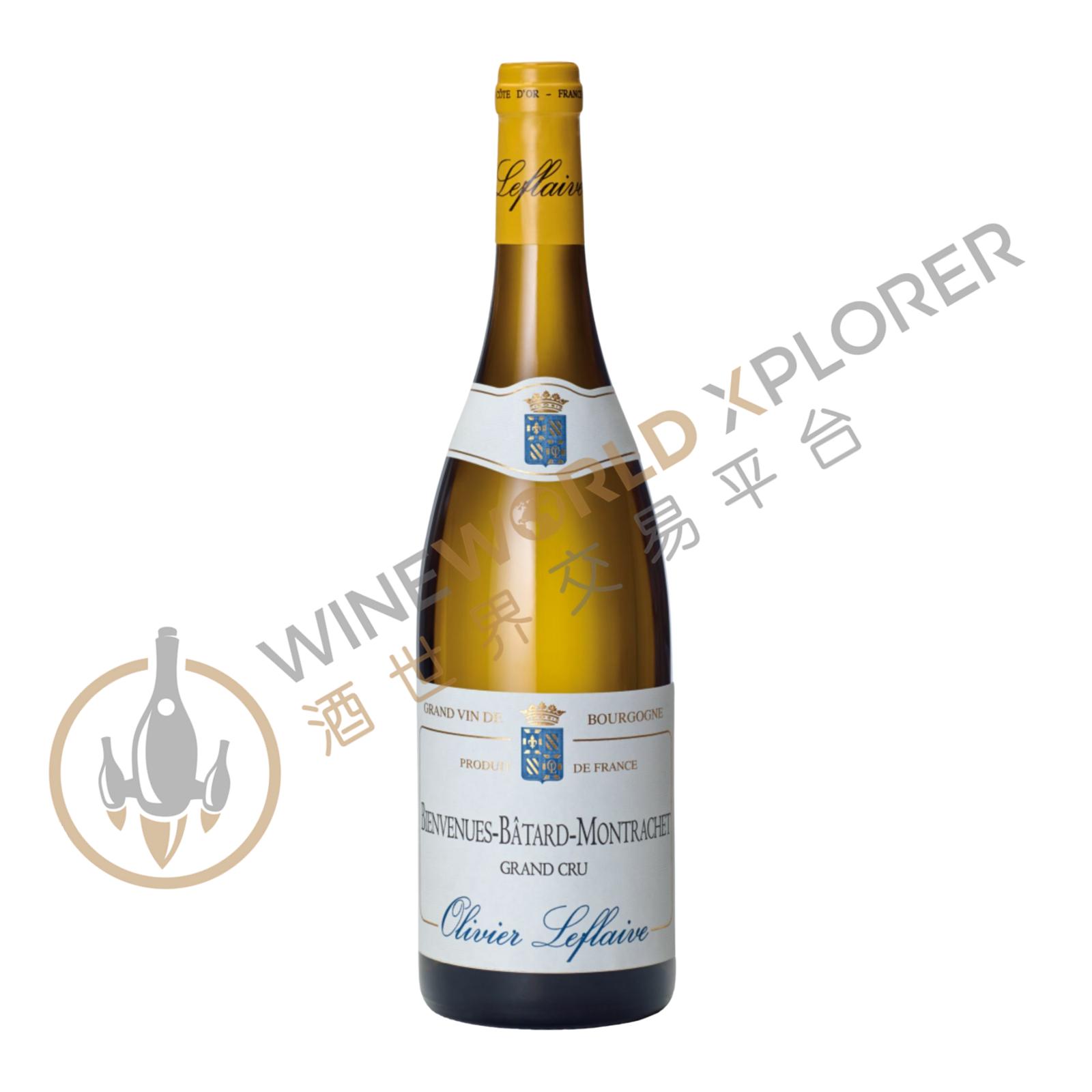
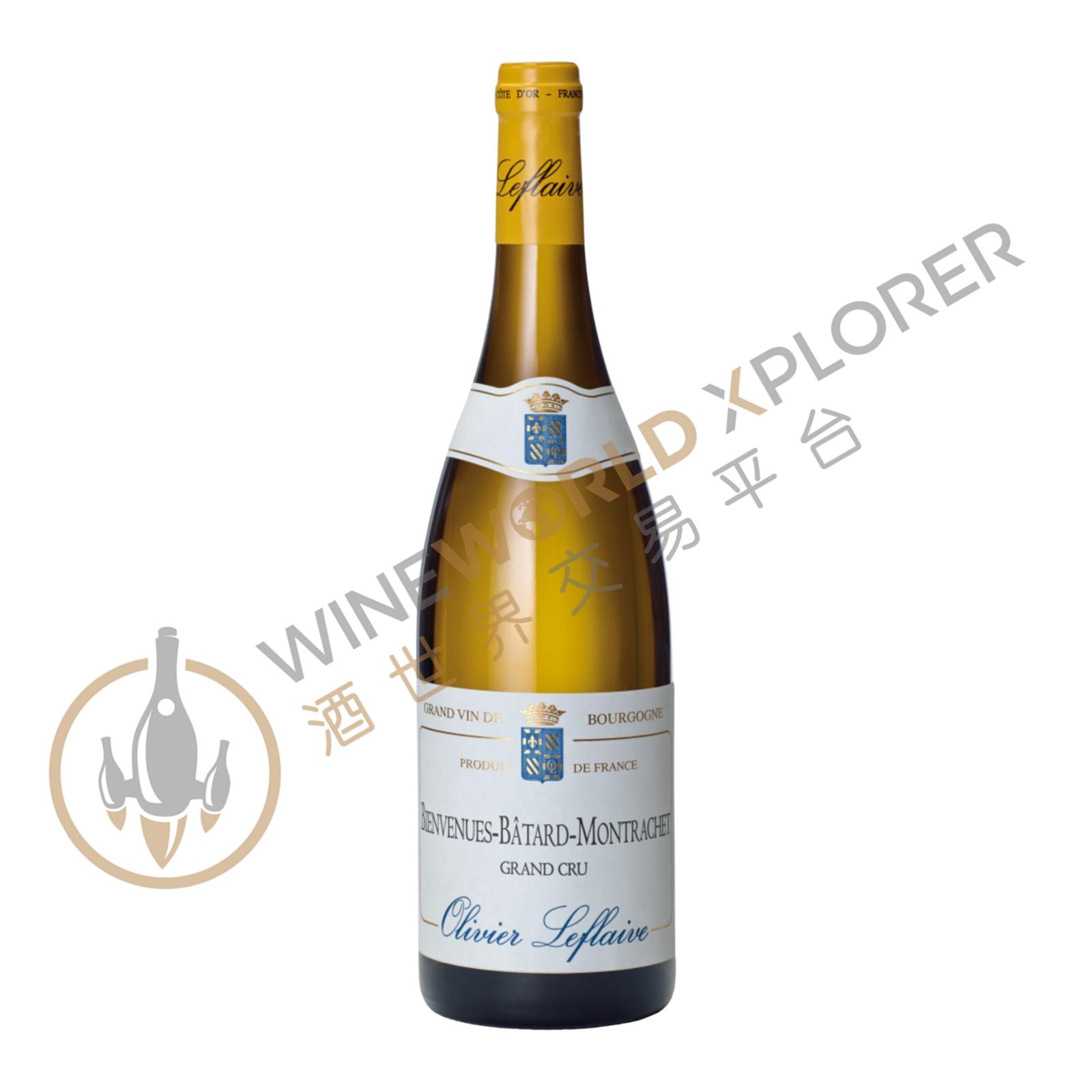
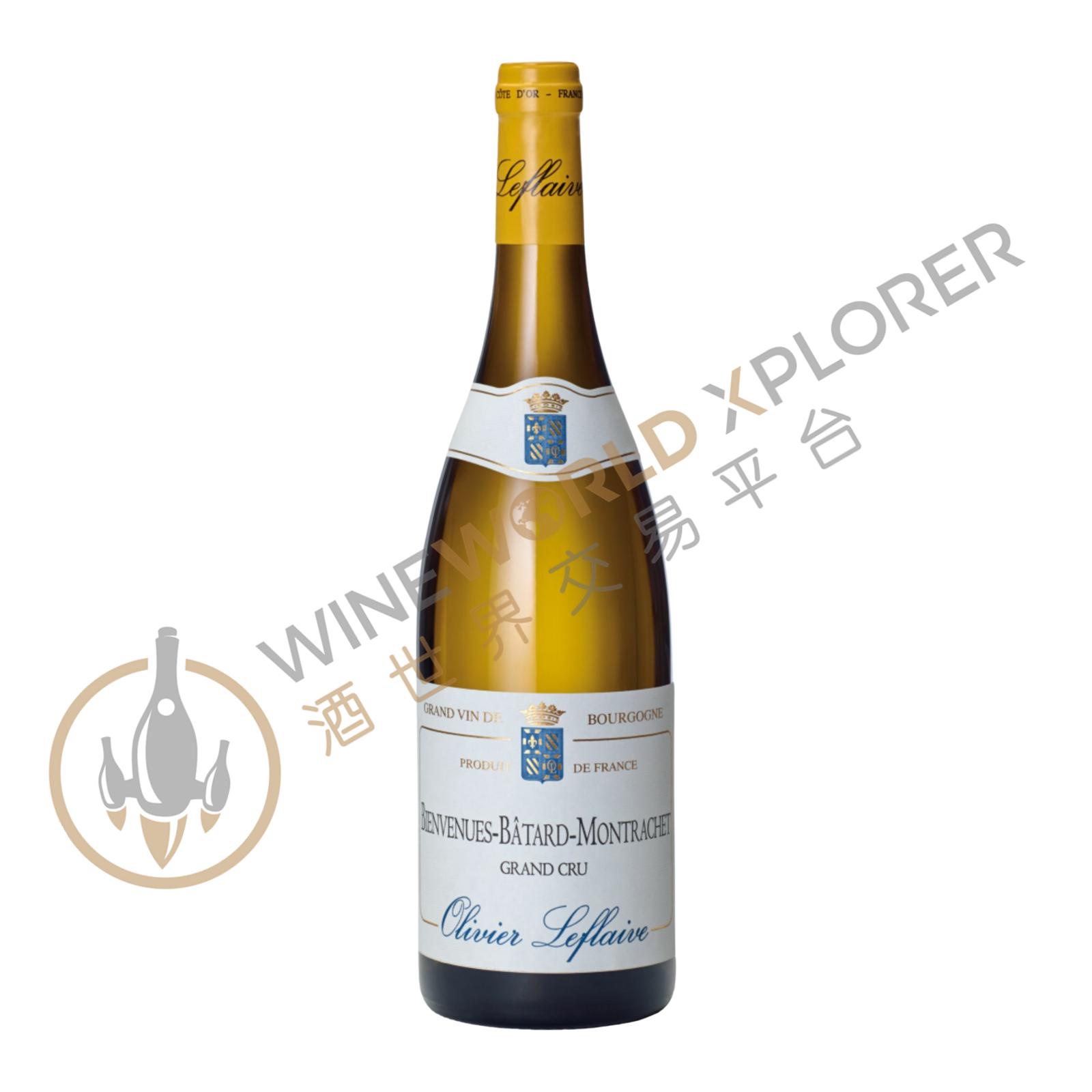
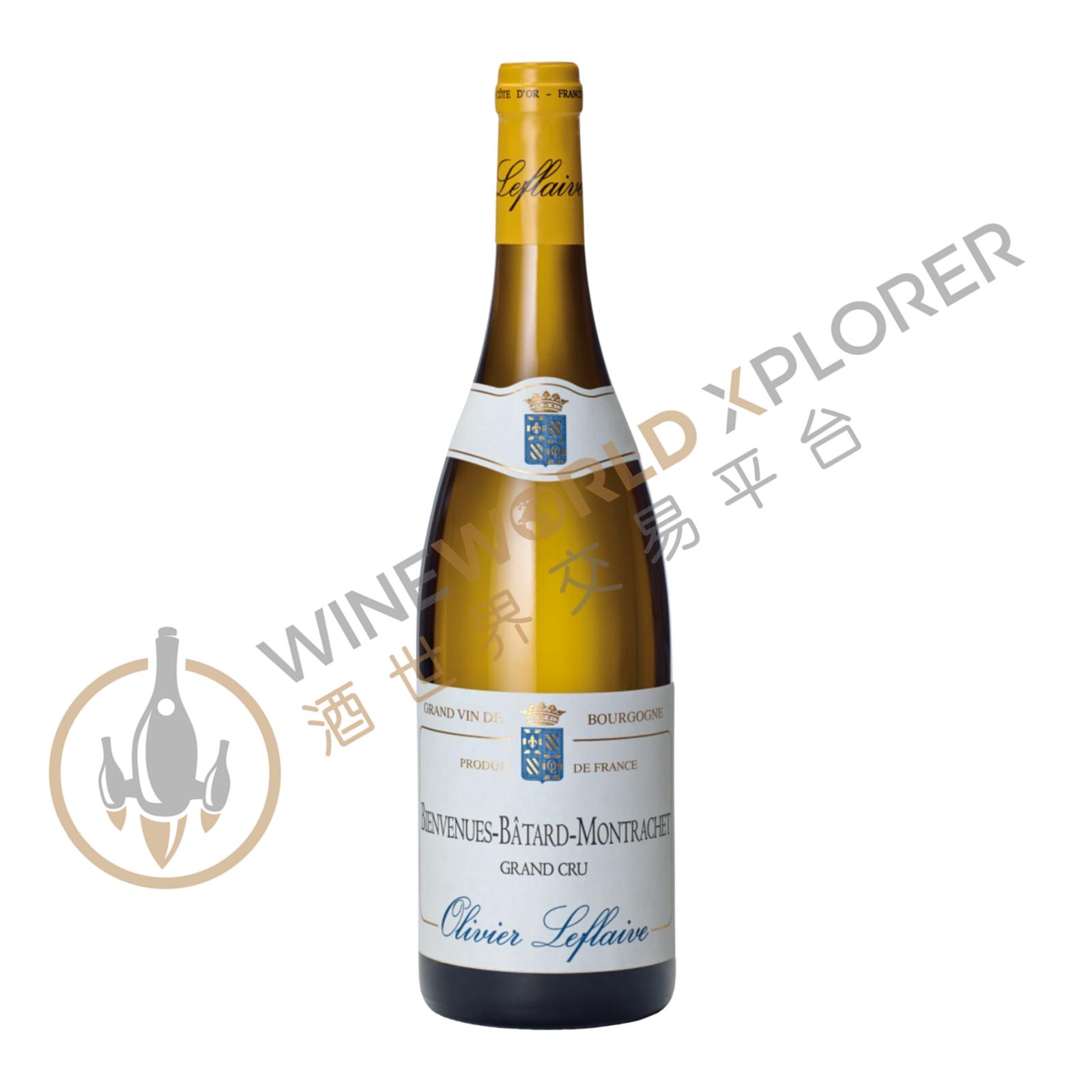
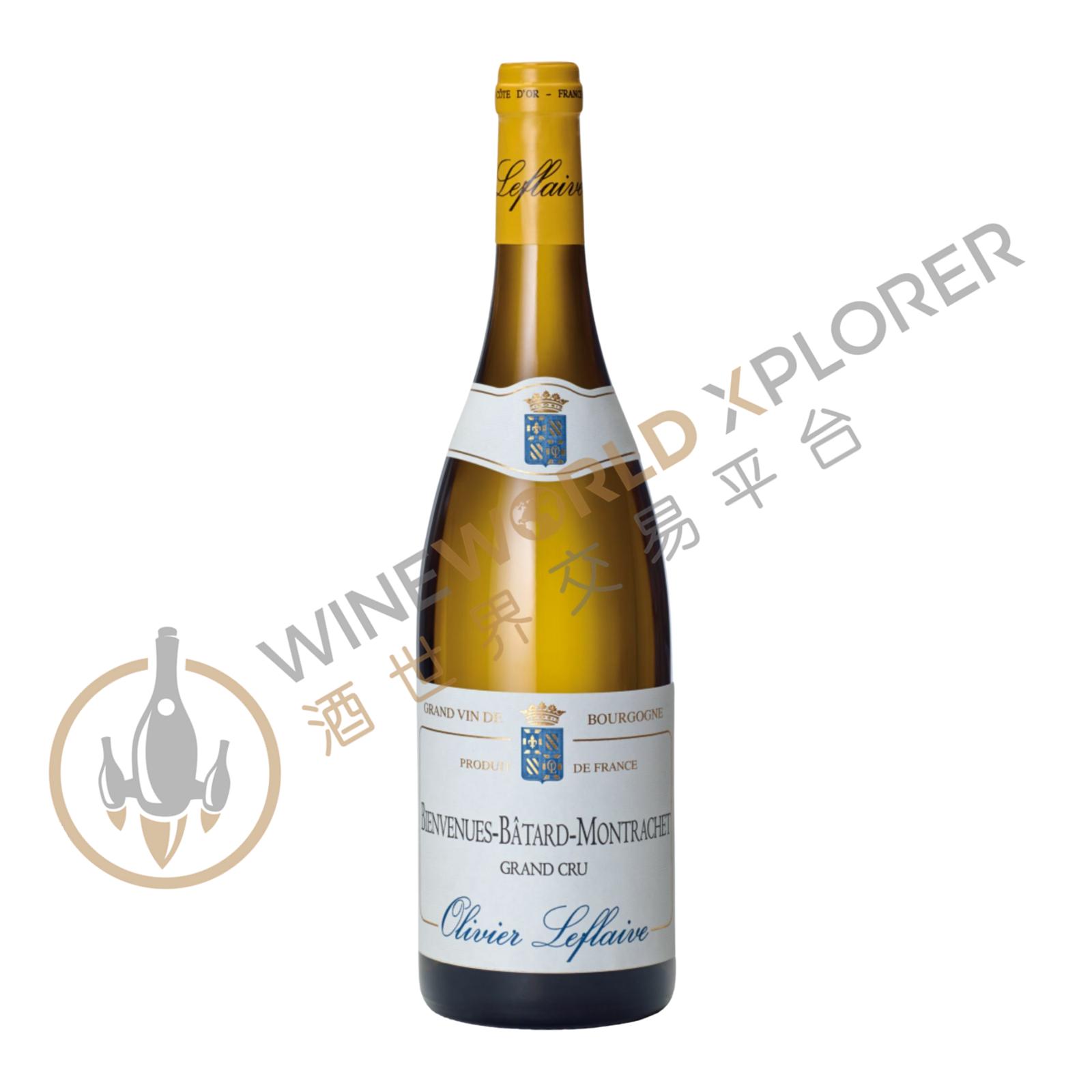
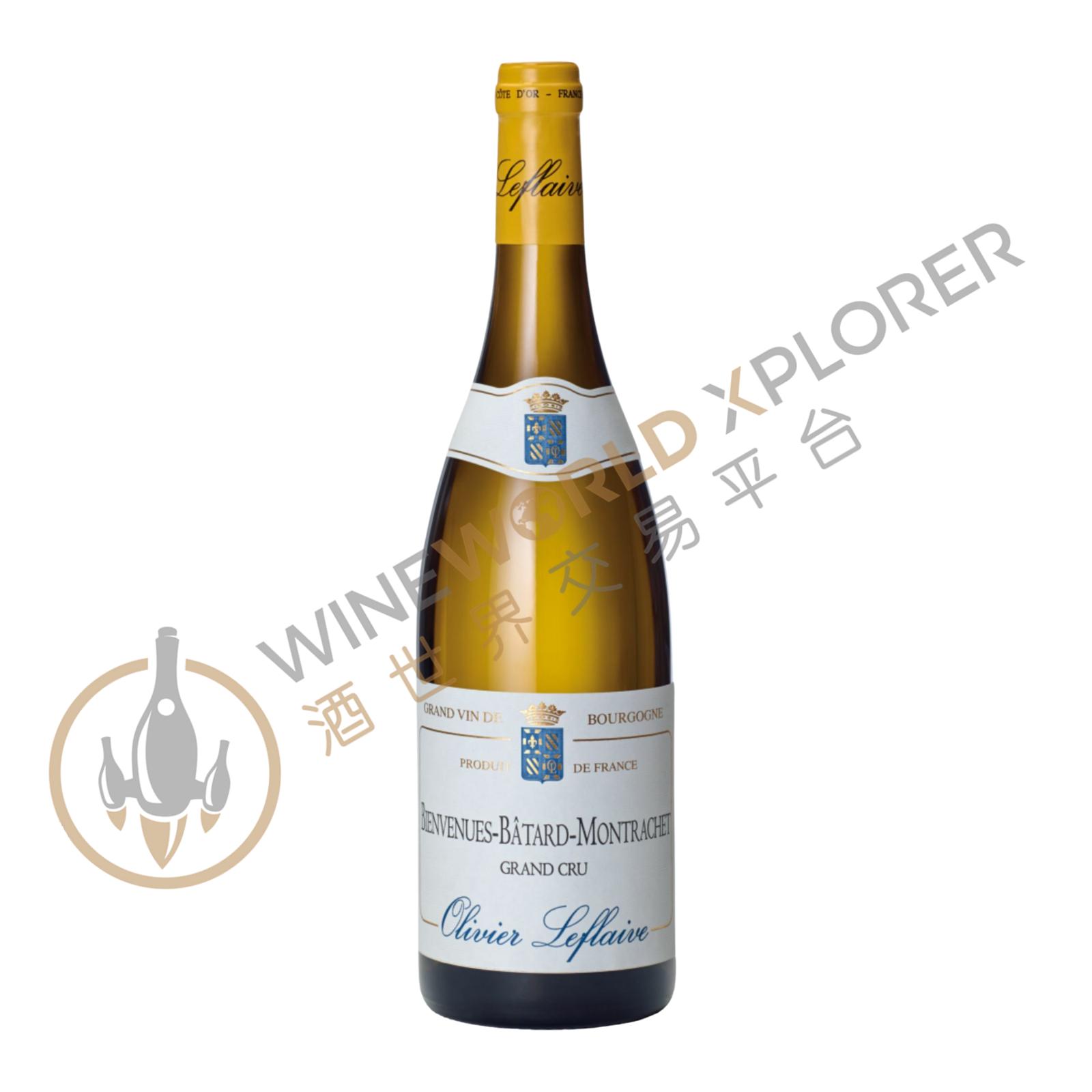
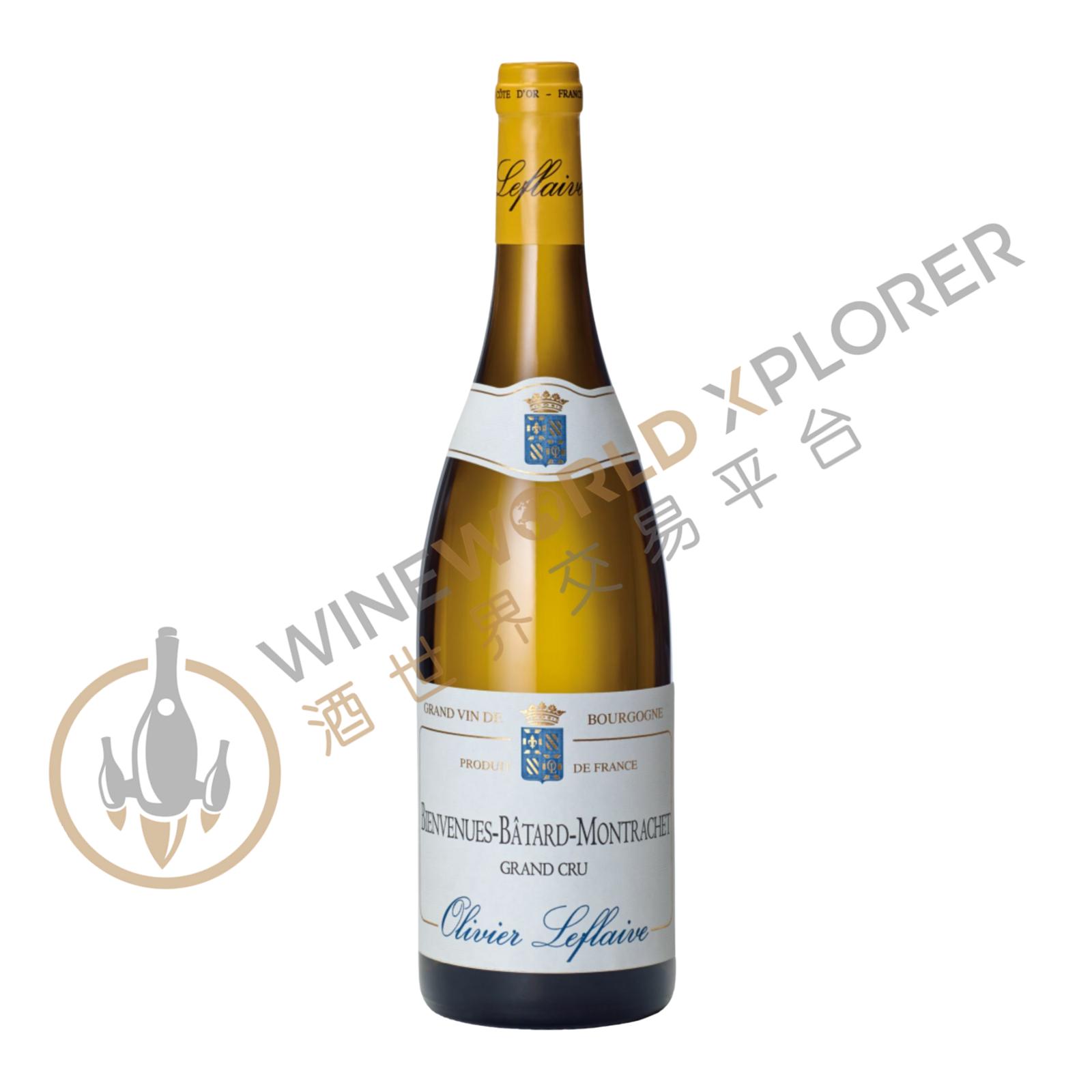
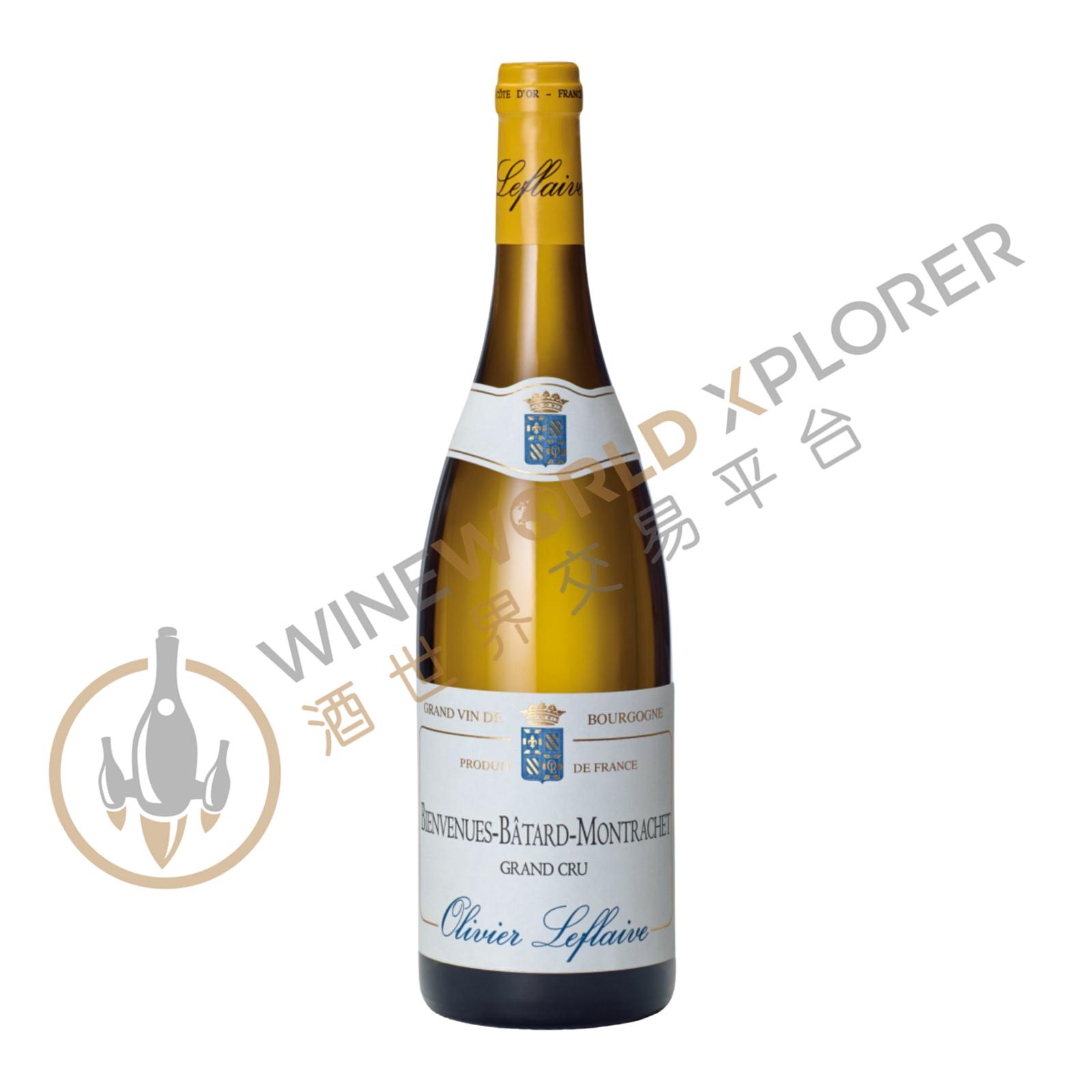
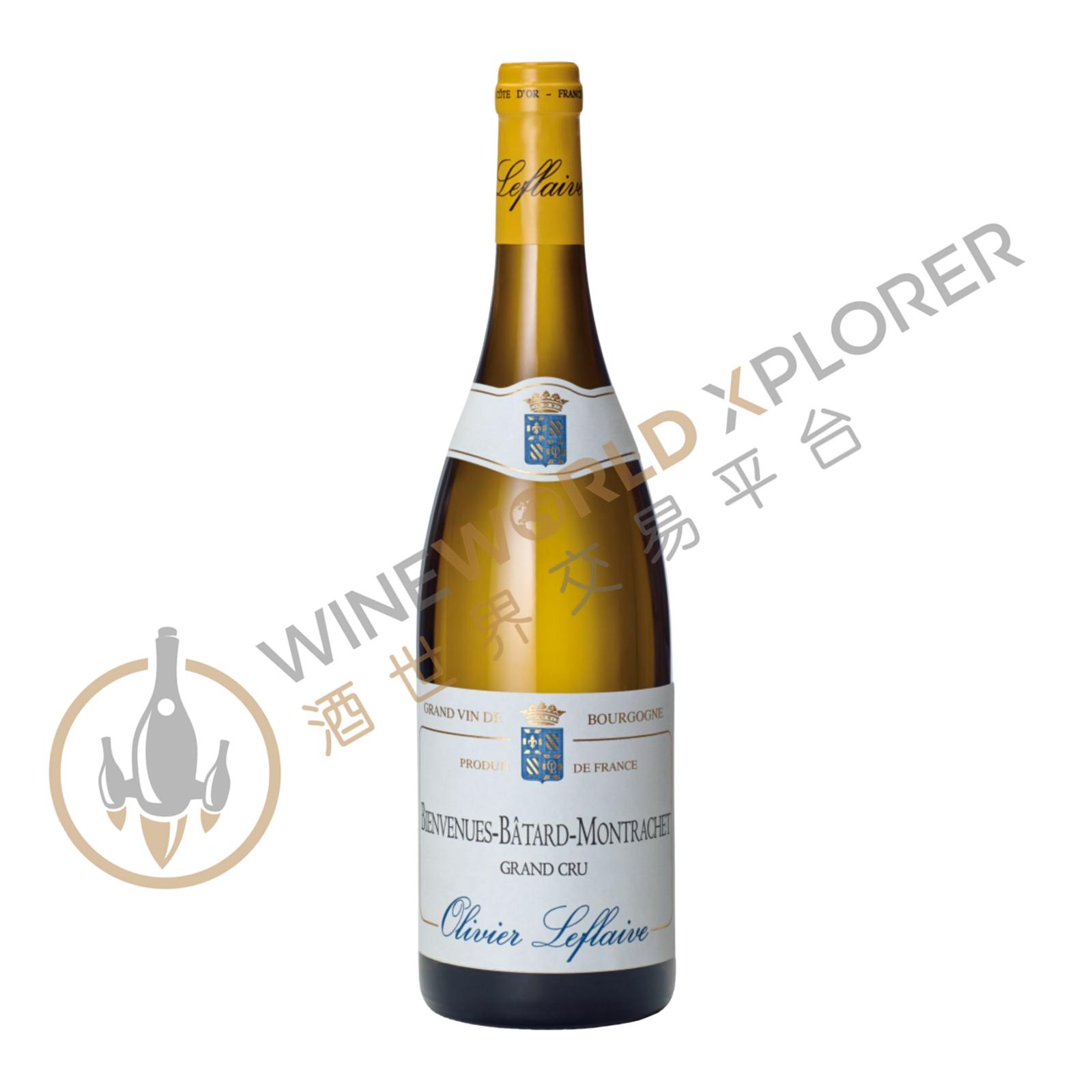
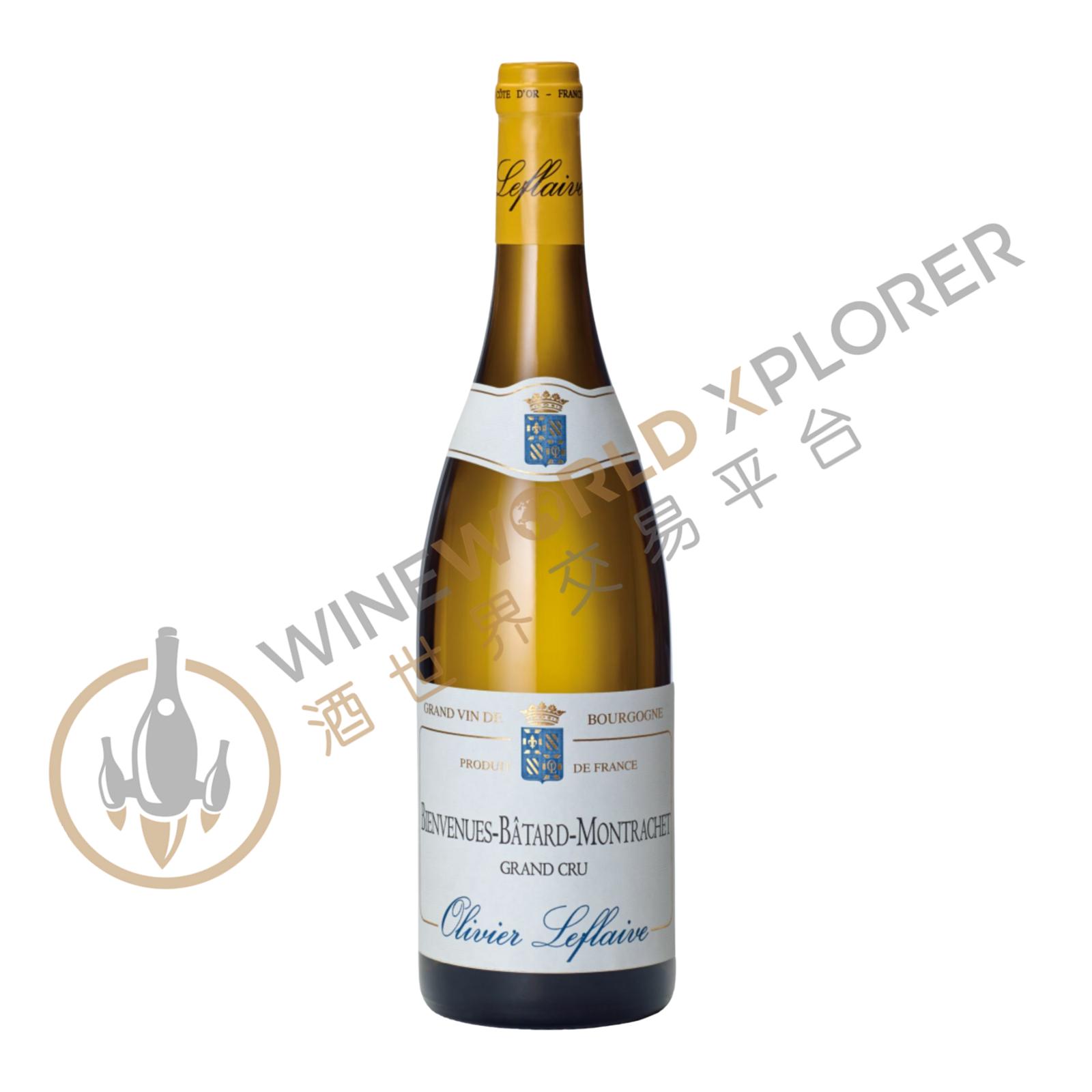
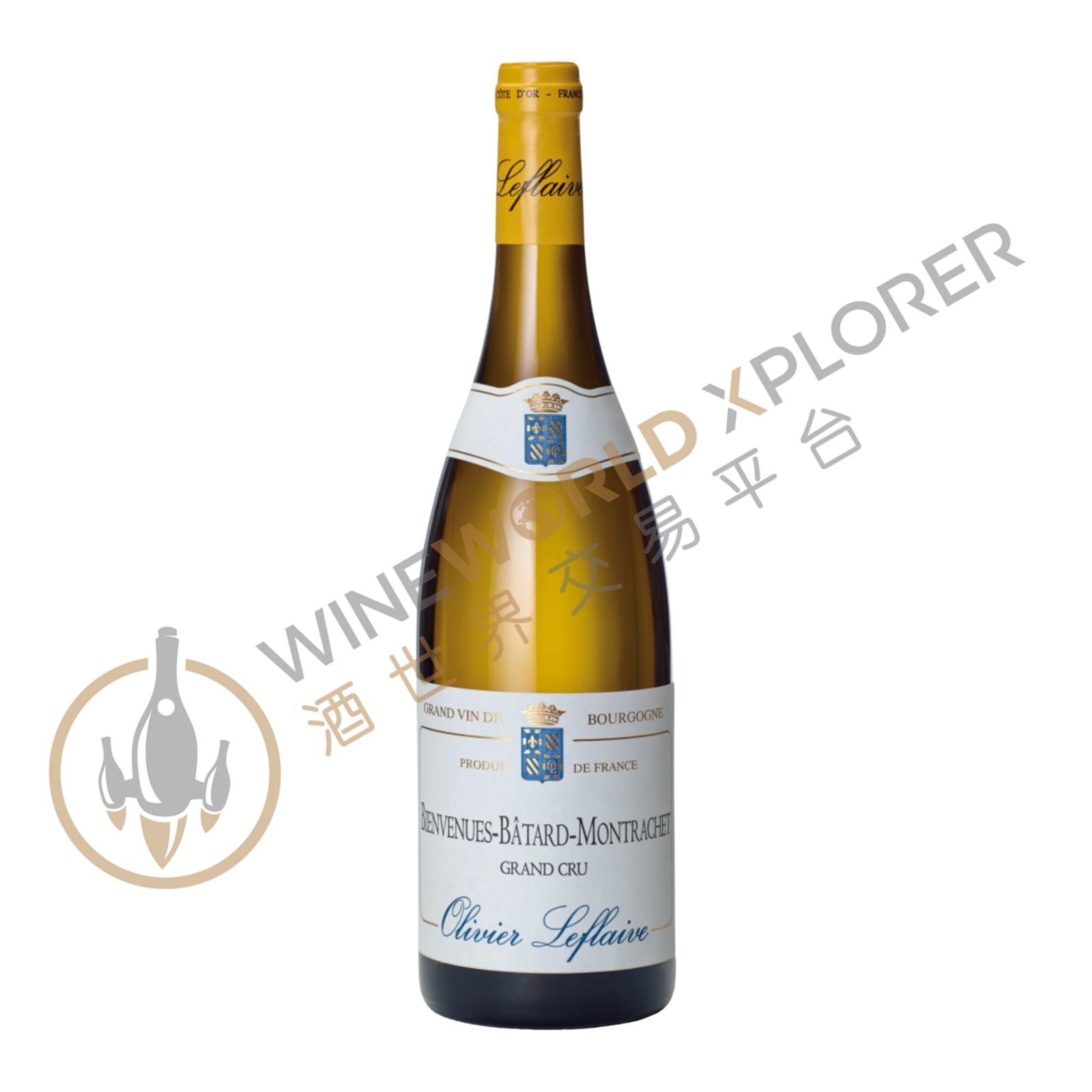
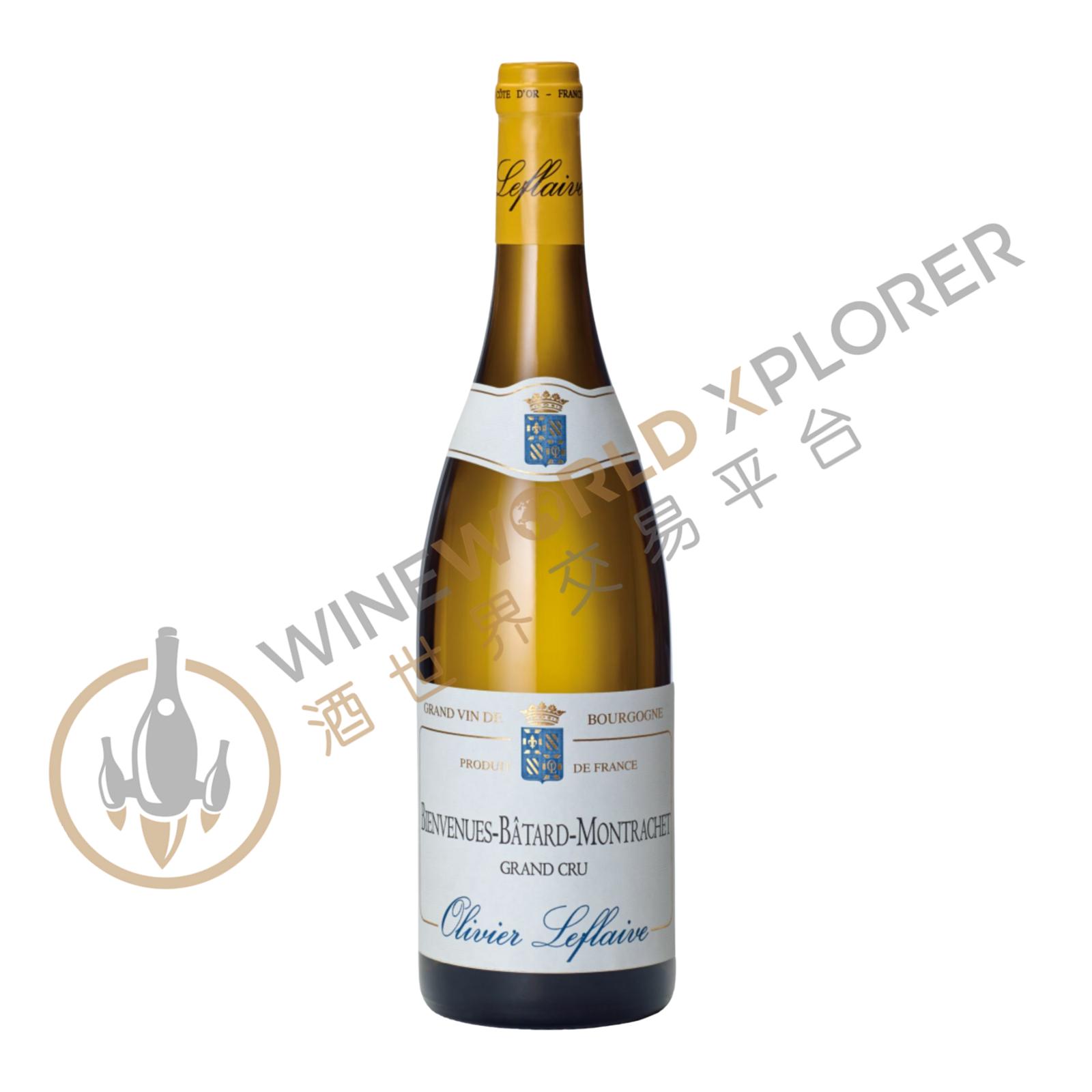
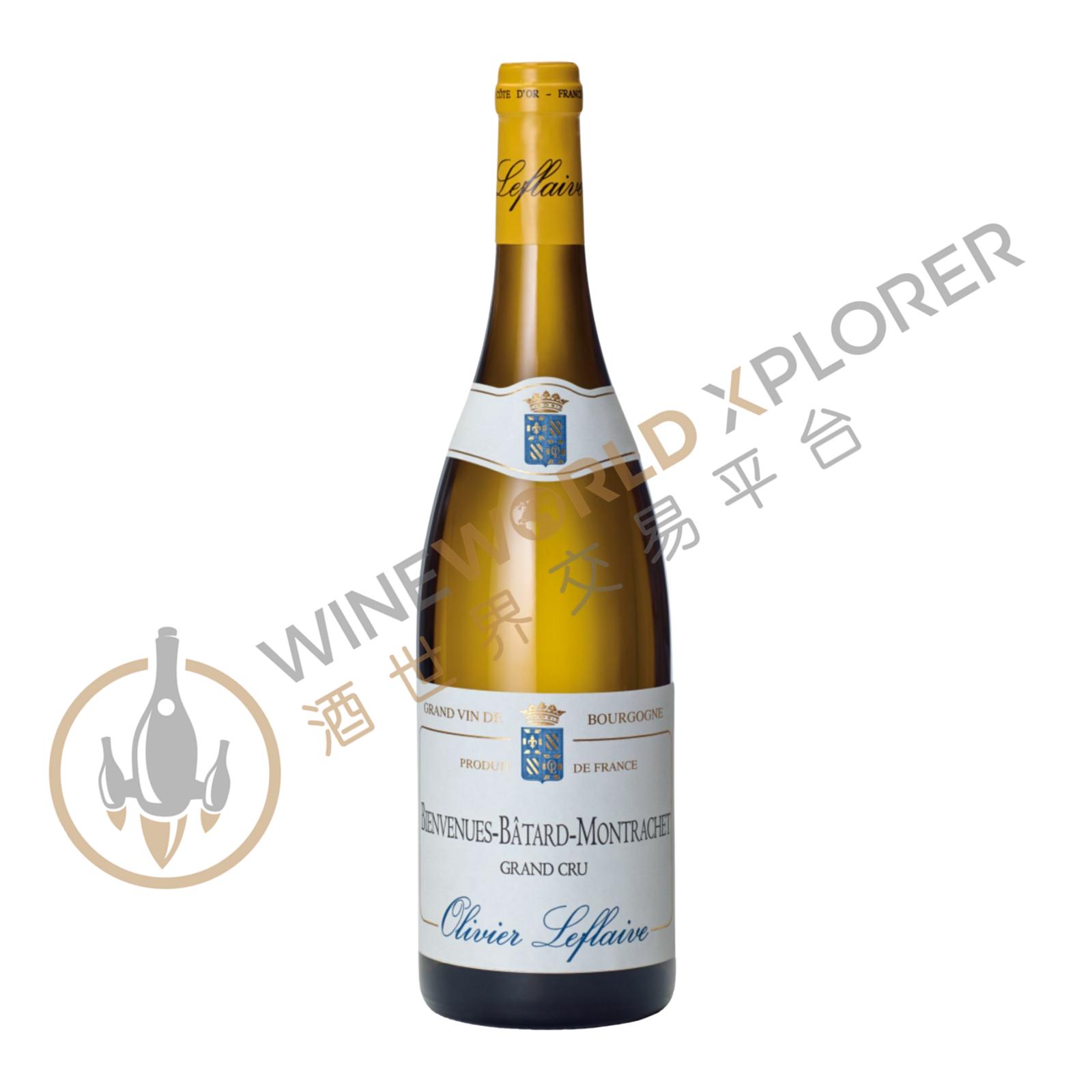
Leflaive, Bienvenues Batard Montrachet Grand Cru 2007
 View analysis


Description
Tasting notes

Reviewed by: Neal Martin
Tasted at the Domaine. This is again, reticent on the nose and only reluctantly revealing some notes of limestone, fresh lime and flint. Just lacks a little complexity compared to the Batard. The palate has a fresh, stony entry with Granny Smiths and lime coming through. Delicate touch of passion fruit with a pretty, slightly short finish. Fine. Drink 2012-2022. Tasted January 2009.
Reviewed by: David Schildknecht
The Leflaive 2007 Bienvenues-Batard-Montrachet smells of lily, heliotrope, and narcissus, white peach, pineapple, and toasted nuts. With infectious primary juiciness of ripe fruit accompanied by liquid floral perfume on the palate, and transparent to saline and chalky nuances, this is creamy and rich without sacrificing refreshment or a sense of lift and delicacy. For all of its alluring perfume and suggestions of sweetness, the finish here is remarkably dominated by saline, stony, and savory yet still mineral characteristics. This is a bit less dynamic than the Pucelles but at least for now richer. It strikes me as another candidate for a decade of enjoyment. Departing from the script of most vignerons I visited, Leflaive cellar master Eric Remy (who took over last year from Pierre Morey, with whom he has worked for several years) claimed his 2007 fruit – which he began picking September 1 – harbored a 2:1 ratio of tartaric to malic acidity (whereas, he adds, it was close to reversed in 2006). While some crop was lost to hail – particularly in Chevalier-Montrachet – Remy did not think this affected quality, and he had the same attitude toward mildew (combated here with biodynamic methods), which he said did not compromise the fruit. Alcohol levels largely hover below 14%, that is to say lower – regardless of cru – than any of the 2006s. Importer: Wilson-Daniels, St. Helena, CA; tel. (707) 963-9661
About the Producer
Domaine Leflaive, based in Puligny-Montrachet, is one of the most important producers in the Côte de Beaune. Focusing almost entirely on white wines made from Chardonnay, the Domaine makes four grand cru wines and four premier crus in Puligny-Montrachet. The Domaine was founded by Joseph Leflaive, a former engineer. In 1905, he purchased vineyards in Puligny-Montrachet which had been ravaged by phylloxera, and set about replanting and expanding them. Upon his death in 1953, his sons Vincent and Jo took over the running of the estate, and are widely credited with building up the reputation that Leflaive enjoys today. In 1990, cousins Anne Claude and Olivier Leflaive took over the running of the estate, with Olivier leaving in 1994 to run his own negociant business. Anne Claude converted the vineyards to biodynamics and is considered a pioneer of that movement in Burgundy. After her death in 2015, her nephew Brice de la Morandiere has taken over the running of Domaine Leflaive. Domaine Leflaive's most important wine is arguably the Montrachet Grand Cru, which, depending on vintage, can fetch upwards of $5000 a bottle. The domaine also has land in Chevalier-Montrachet, Batard-Montrachet, and Bienvenues-Batard-Montrachet, and makes a grand cru wine from each. Additional to this, there are several premier cru wines, the most important of which is probably the Les Clavoillon, which was one of the wines included in the 1976 Judgment of Paris. Domaine Leflaive also makes a sole red wine from Pinot Noir under the Blagny Sous le Dos d'Ane Premier Cru title.