 Wine Advisor



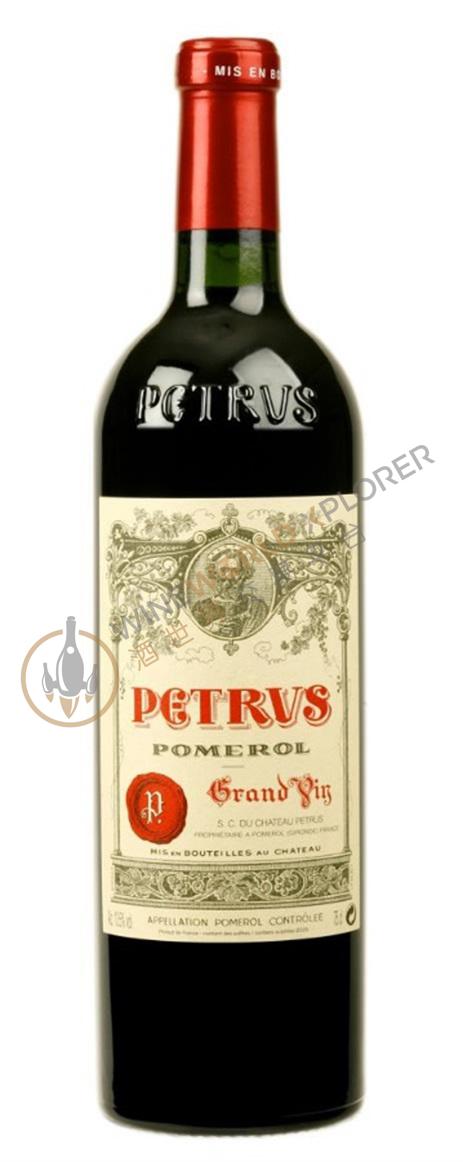
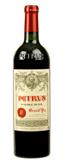
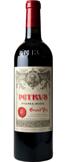
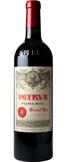
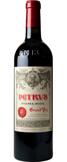
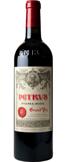
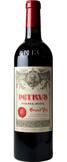
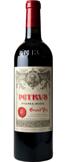
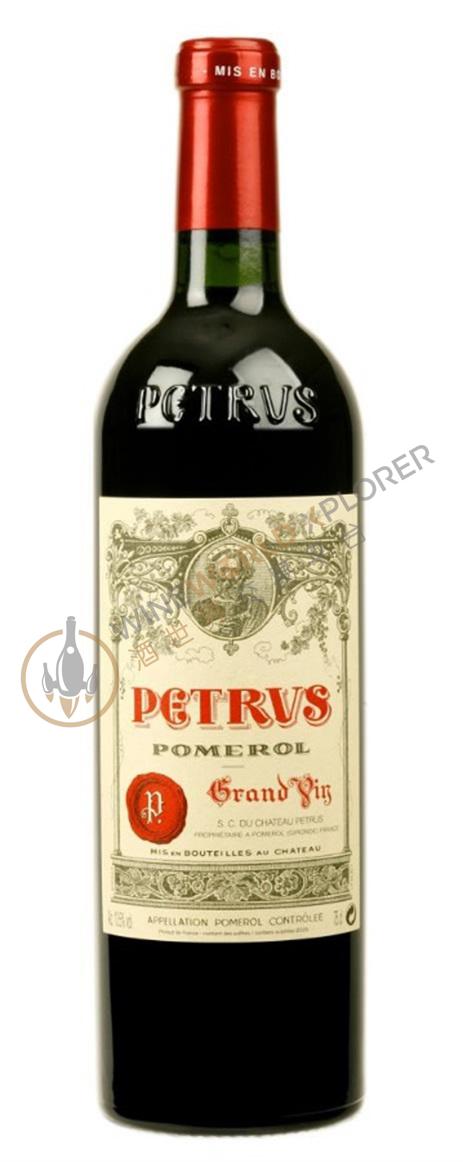
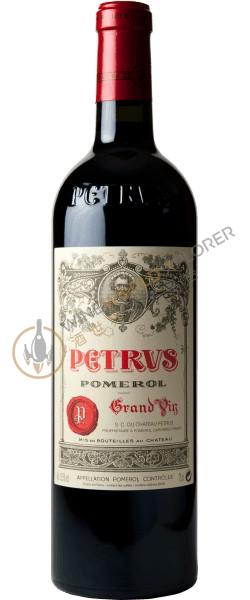
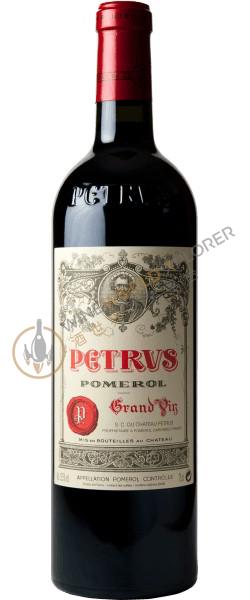
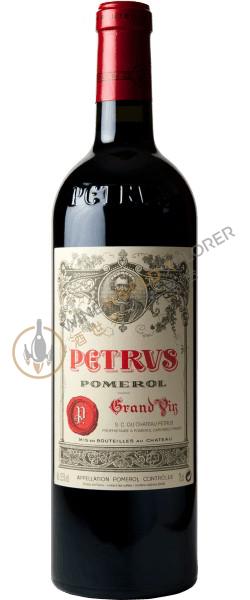
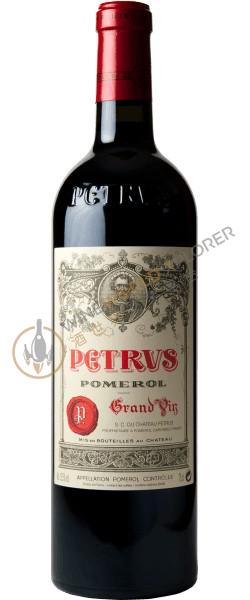
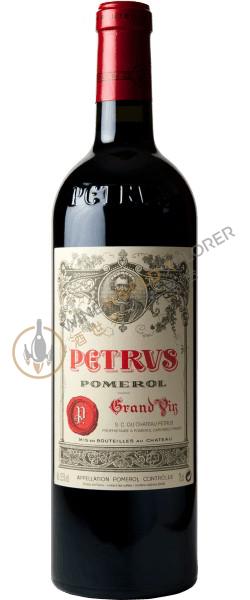
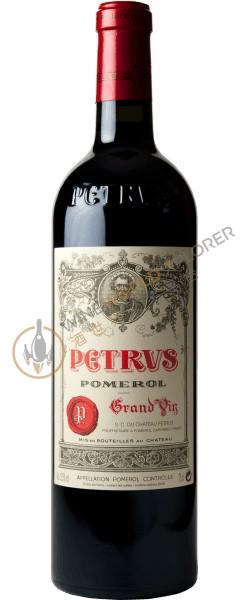
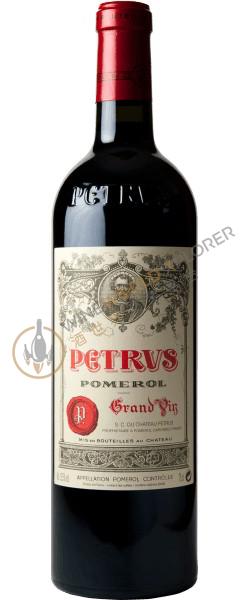
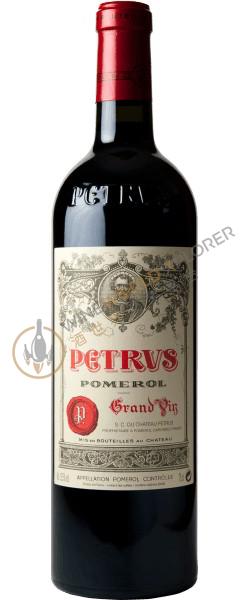
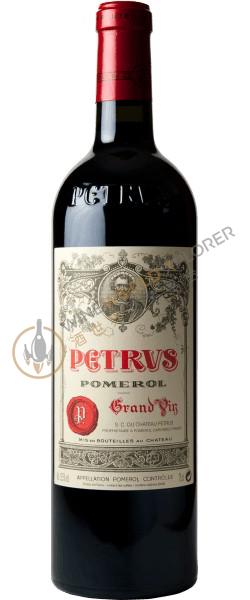
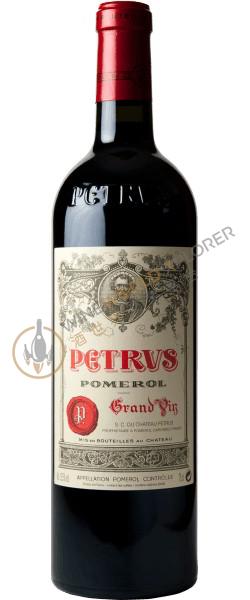
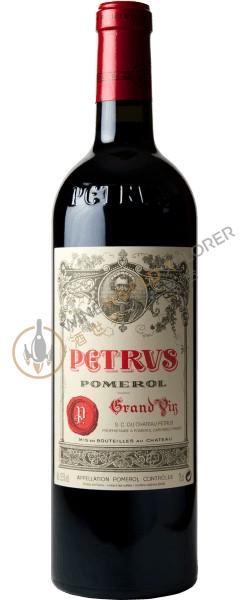
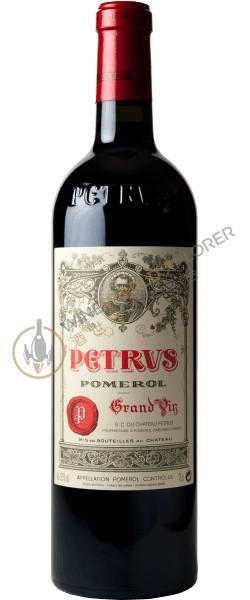
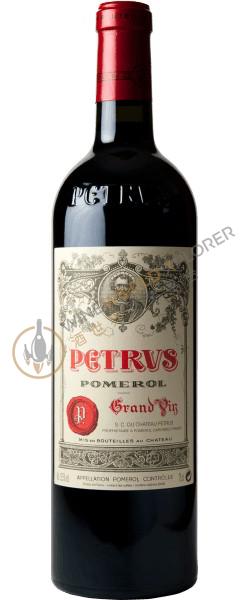
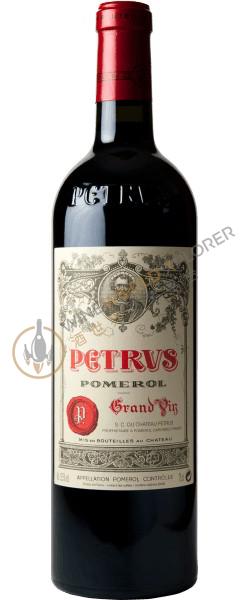
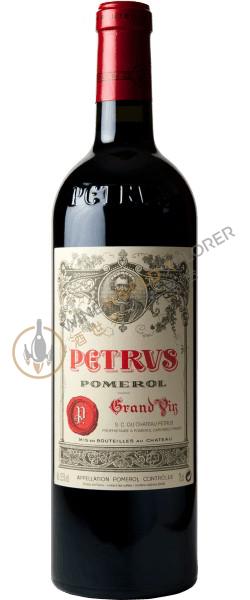
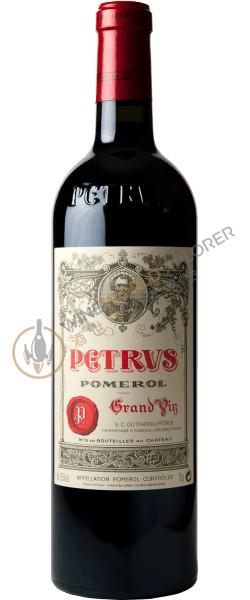
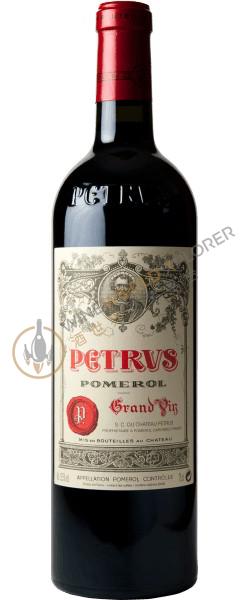
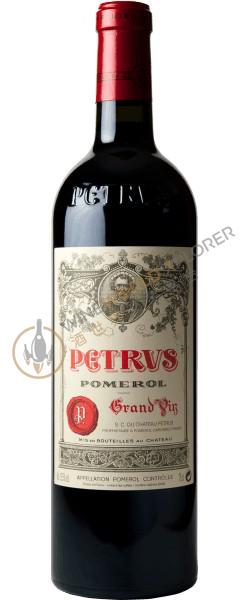
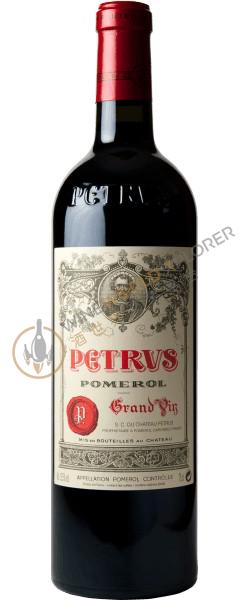
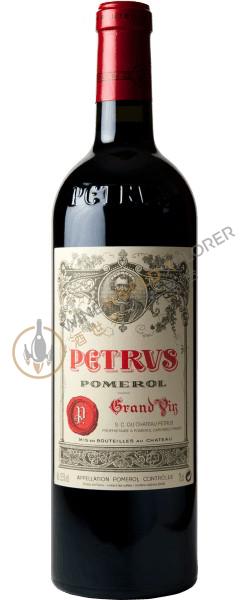
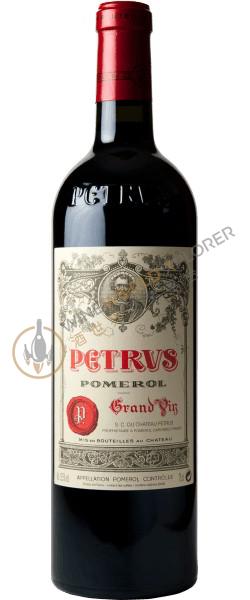
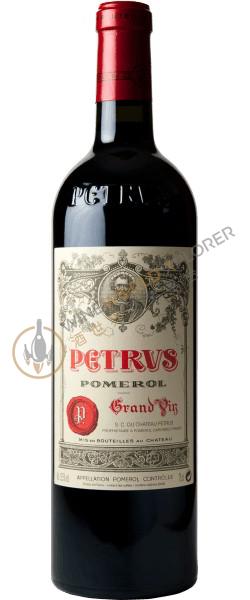
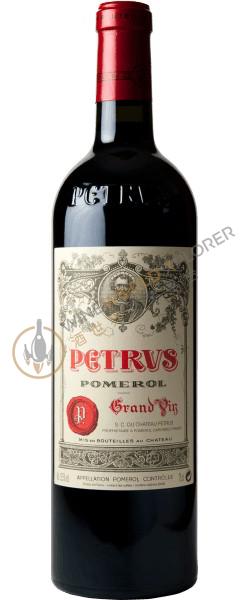
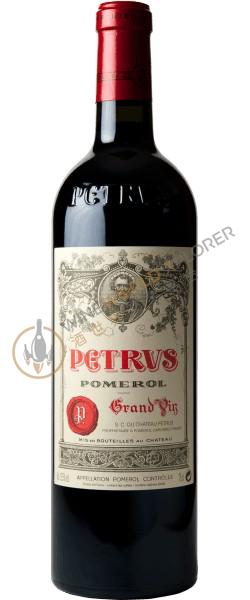
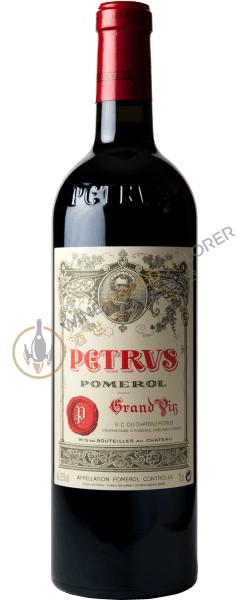
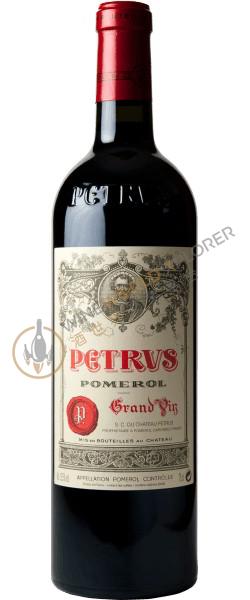
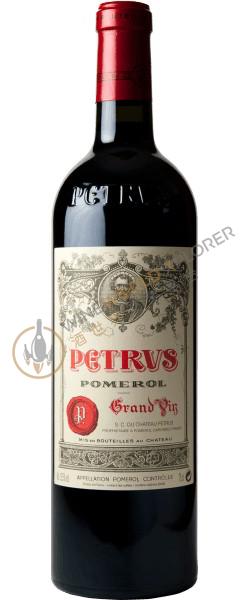
Petrus 2015
 View analysis


Description
Petrus is made almost entirely of Merlot grapes grown in Bordeaux's right bank Pomerol appellation. Although never officially classified, the chateau has long been considered on par with the First Growths from the left bank. The ownership of the estate has passed between the Arnaud family in the 19th century, to Madame Loubat at the end of WWII, and finally to Jean-Pierre Moueix in recent years. Petrus's clay soil is rich in iron and the estate's average vine age is 40 years. Chateau Petrus produces approximately 3,000 cases of wine each year.
Tasting notes

Reviewed by: Lisa Perrotti-Brown
When I asked winemaker Olivier Berrouet about his greatest challenges in 2015, he replied, “Our biggest challenge is to avoid all the temptations you can have in the vineyard and in the cellar. You can go too far. With our job, if you go too far, you can’t go back. Little steps are best.” His comments eloquently explain the immense pressure of handling a seemingly pressure-less vintage like 2015 in Pomerol. But, with the devil in all the many details that are involved in the pursuit of wine perfection, if anyone has that devil by the horns, it is this incredibly talented young winemaker. Medium to deep garnet-purple in color, the 2015 Petrus (bottled in mid-July 2017) opens in its own time to reveal crushed black cherries, warm plums, mulberries and cedar chest suggestions with touches of anise, lavender, beef drippings and wild thyme plus a waft of crushed rocks. Medium to full-bodied, it fills the palate with generous, exuberant, wonderfully layered red, black and perfumed blue fruits contrasted beautifully by very ripe, very fine-grained and very firm tannins plus an ethereal line of seamless acid, finishing long and minerally. Olivier Berrouet and his team have knocked it out of the park in 2015. Look for this Pétrus to build and unfold over the next 20 years and confidently cellar this legend for 40+ years.
Reviewed by: Neal Martin
The 2015 Petrus is, of course, 100% Merlot picked between September 15-29 , although the secateurs were only used on six of those days with a majority coming toward the end of that period. Olivier Berrouet told me that it will be matured in 50% new oak. It has an extremely precise, controlled bouquet with crystalline red and black fruit. This is not a powerful or intense bouquet, but beguilingly pretty. It is crystalline and I detected more mineralité than in recent vintages, perhaps because there is less puppy fat. The palate is beautifully balanced, completely harmonious, underpinned by filigree tannin that assert a sense of focus and linearity until two-thirds of the way along, whereupon it fans out while maintaining breathtaking clarity. Touches of cracked black pepper and spice lend this Petrus personality and intrigue. Having tasted most legendary Petrus since the 1940s, and tasted here from barrel since 2002, I can only apologize for being so predictable by claiming that this may well nestle among the likes of the Petrus 1950, 1964, 1989 and 1998.
Reviewed by: Neal Martin
The 2015 Petrus was bottled in July 2017 according to Olivier Berrouet. Deep in color, it has a very fragrant bouquet that takes time to open, eventually offering scents of blackberry, briary, cold stone and iris with hint of hoisin and black pepper, all beautifully defined and very succinct. The palate is supremely well balanced with a saline, quite spicy entry with edgy tannin. There is enormous depth here and it manifests an enigmatic marine influence with time, touches of Japanese nori and sea salt. It fans out wonderfully on the finish although it is not a powerful, burly Petrus, rather one that is sophisticated and refined. The 2015 will be up there with the greats although only time will tell if it will reach perfection.
Reviewed by: Lisa Perrotti-Brown
When I asked winemaker Olivier Berrouet about his greatest challenges in 2015, he replied, “Our biggest challenge is to avoid all the temptations you can have in the vineyard and in the cellar. You can go too far. With our job, if you go too far, you can’t go back. Little steps are best.” His comments eloquently explain the immense pressure of handling a seemingly pressure-less vintage like 2015 in Pomerol. But, with the devil in all the many details that are involved in the pursuit of wine perfection, if anyone has that devil by the horns, it is this incredibly talented young winemaker. Medium to deep garnet-purple in color, the 2015 Petrus (bottled in mid-July 2017) opens in its own time to reveal crushed black cherries, warm plums, mulberries and cedar chest suggestions with touches of anise, lavender, beef drippings and wild thyme plus a waft of crushed rocks. Medium to full-bodied, it fills the palate with generous, exuberant, wonderfully layered red, black and perfumed blue fruits contrasted beautifully by very ripe, very fine-grained and very firm tannins plus an ethereal line of seamless acid, finishing long and minerally. Olivier Berrouet and his team have knocked it out of the park in 2015. Look for this Pétrus to build and unfold over the next 20 years and confidently cellar this legend for 40+ years.
Reviewed by: Antonio Galloni
Powerful and brooding as a young wine from barrel, the 2015 Pétrus has developed exquisite finesse and nuance to play off its natural concentration. Winemaker Oliver Berrouet has always spoken of small berry size as one of the signatures of 2015. To be sure, there is plenty of textural richness and overall intensity. At the same time, the 2015 exudes tons of freshness and vibrancy. Berrouet gave the 2015 18 months in French oak, 50% new. Quite simply, the 2015 is a stratospheric wine with a very bright future.
Reviewed by: Antonio Galloni
The 2015 Pétrus is dark, brooding and also fiercely tannic, which sets it apart from most Pomerols of the year stylistically. Vertical in feel, the 2015 possesses terrific energy and cut to balance the dark, super-ripe fruit. Winemaker Oliver Berrouet adds that the berries were considerable smaller (about 30%) than normal, which resulted in high skin-to-juice ratios consequently musts with high levels of tannin. The 2015 is a vertical, brooding Pétrus that shows little of the early appeal of so many other wines. Readers will have to be especially patient.
Reviewed by: Neal Martin
The 2015 Petrus has a fresh, detailed yet quite understated bouquet of black fruit, pencil box, smoke and light tarry aromas - very succinct and classy. The palate is medium-bodied with fine tannin, and linear and quite strict in style, which might explain why I knocked off a point compared to my note in January 2018. But it gently builds in intensity to a grippy, graphite-infused finish with that subtle Japanese seaweed tincture I observed previously. Classic in style, this will benefit from several years in bottle. Excellent. Tasted blind at the Southwold 2015 Bordeaux tasting.
Reviewed by: Neal Martin
The 2015 Petrus is all set to be one of the greatest wines that Olivier Berrouet has ever conjured. It is slightly deeper in colour than recent vintages, but refulgent in the glass. Whilst the aromatics are not the most immediate, patience reveals a scintillating bouquet that errs towards black than red fruit, crushed stone and pressed iris flowers, all with exquisite detail and focus. The palate is incredibly well balanced, initially a little angular but “finding its rhythm” with aeration. Of course, it is just a baby and there is a bit of puppy fat on the finish, but that does not disguise the impressive depth and awesome length, a tiny saline residue lingering on the finish. Will it ultimately be worthy of a perfect score like the 1989 or 1998? It is not beyond the realms of possibility. Sensational. Tasted in Bordeaux.
About the Producer
The Patus winery has 11.5 hectares of vineyards. The top layer of the soil in the garden is pure clay, the bottom layer is terracotta, and the deeper layer is lime soil with high iron content, and has a good drainage system. The grape varieties planted are mainly Merlot, accounting for about 95%; the remaining 5% is Cabernet Franc. Because Cabernet Franc matures earlier, unless the vintage is particularly good, Patux winery is generally not used for winemaking. The planting density is 6,000 trees per hectare, and the average age of the trees is around 40 years, and some are even 80 years old. The operator adopts a more traditional method in the renewal of the vineyard, that is, through the selection, the best quality grape vine is used as the "mother plant", which is the same as the method when the Chateau Conti eradicated the old roots in 1946. The vineyard also adopts strict "fruit control". Each plant retains several bud eyes, and each bud eye leaves only one bunch of grapes. The goal is to fully ripen, but avoid over-ripening, otherwise it will affect the delicate flavor of the wine. In terms of the brewing process, Chateau Patus set the grape harvest time in the afternoon, the purpose is to let the morning sun dry the residual dew from the previous night. Each harvest employs 180 harvesters and takes about half a day to complete 2 to 3 harvests. During the brewing, Patus Winery spared no expense, replacing the wooden barrels (of different materials) every 3 months, and the aging time is about 20-22 months. Patus winery attaches great importance to quality and only selects the best grapes. In some bad years, such as 1991, it even stops production. The average annual output of Chateau Patus is no more than 30,000 bottles, which is extremely limited and expensive. Petrus, Pomerol, France is dark in color and has a delicate and rich aroma. Among the aromas of blackcurrant and mint, there are also many aromas such as blackberry, cream, chocolate, truffle, milk and oak. The taste is silky Slippery, long aftertaste.
1950(1)1964(1)1966(1)1969(1)1970(1)1971(1)1975(2)1976(1)1978(1)1979(1)1980(2)1981(3)1982(5)1983(4)1985(4)1986(3)1987(3)1988(8)1989(6)1990(7)1992(1)1993(4)1994(7)1995(6)1996(5)1997(6)1998(11)1999(10)2000(9)2001(13)2002(5)2003(10)2004(11)2005(10)2006(12)2007(15)2008(8)2009(14)2010(14)2011(17)2012(22)2013(8)2014(23)
Package Size