 Wine Advisor



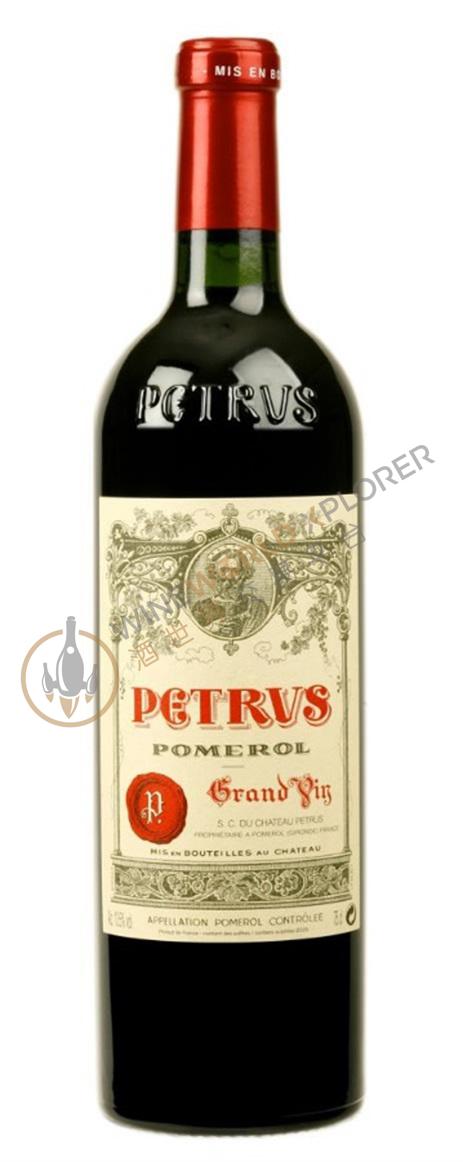
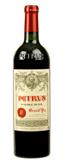
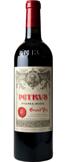
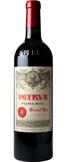
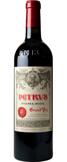
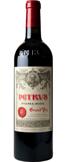
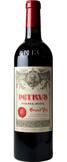
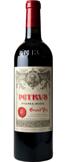
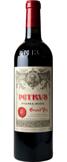
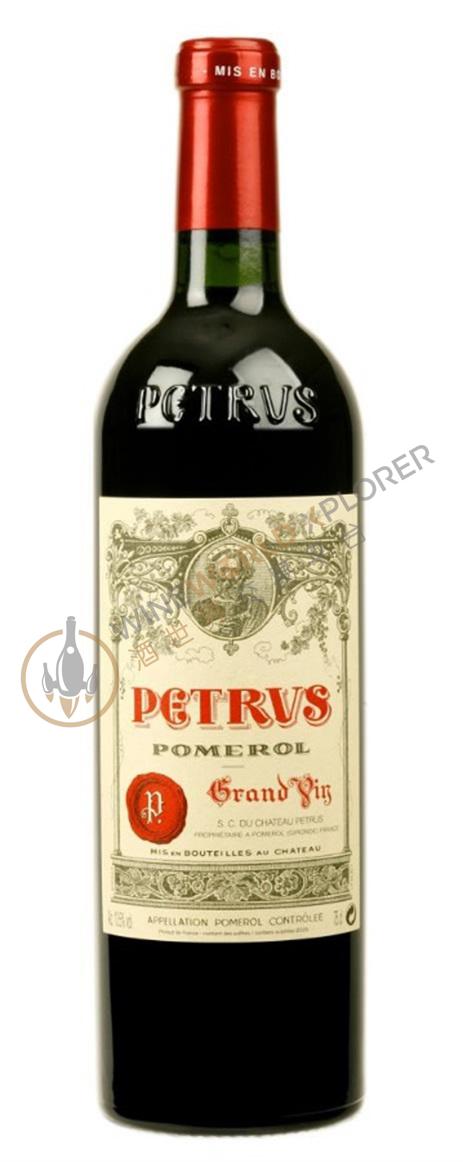
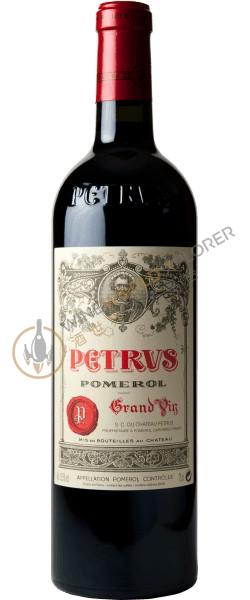
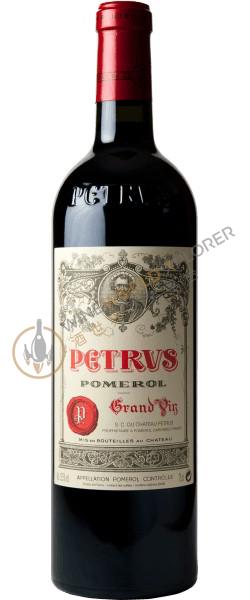
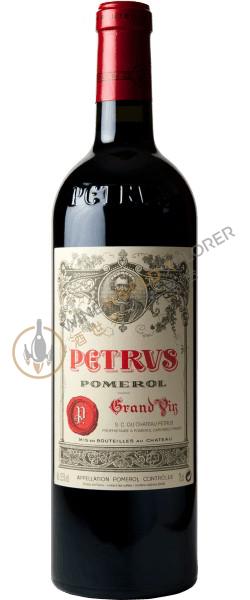
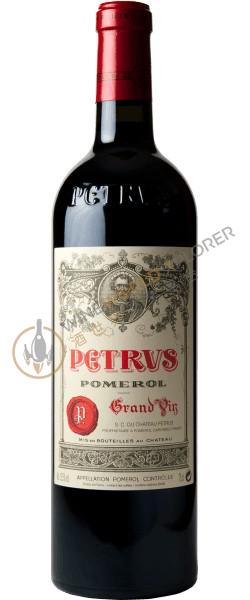
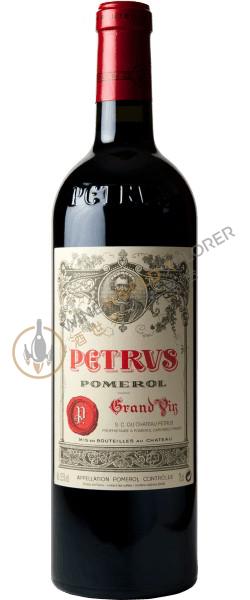
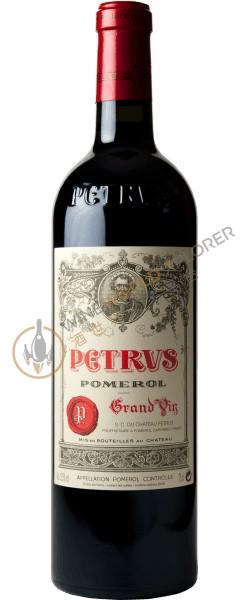
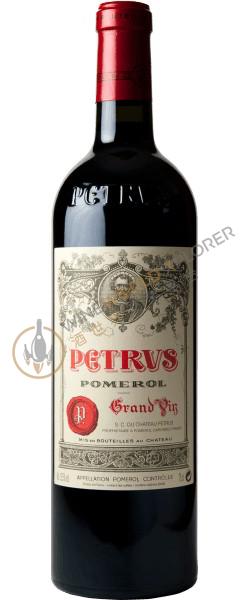
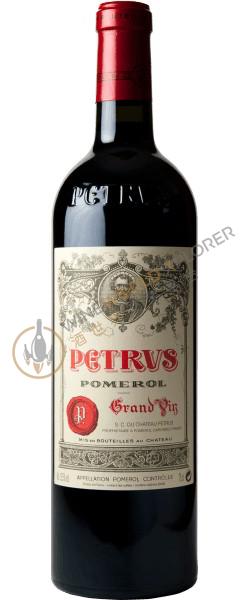
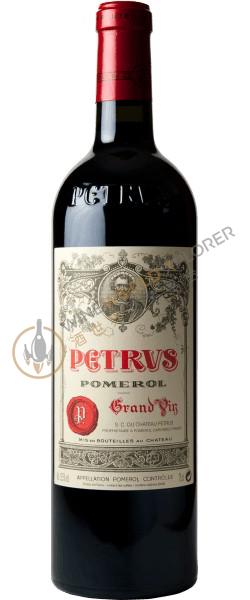
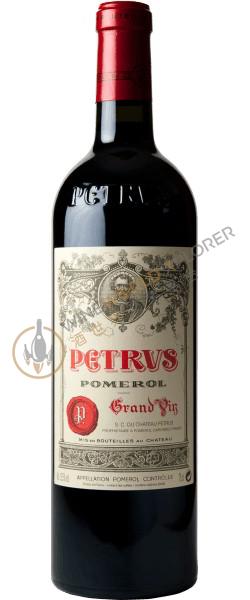
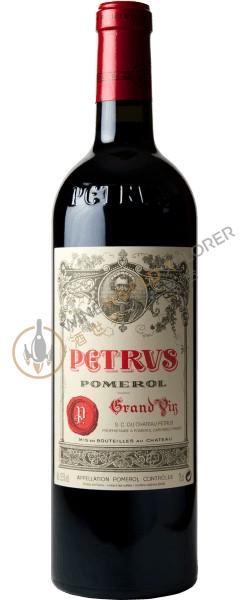
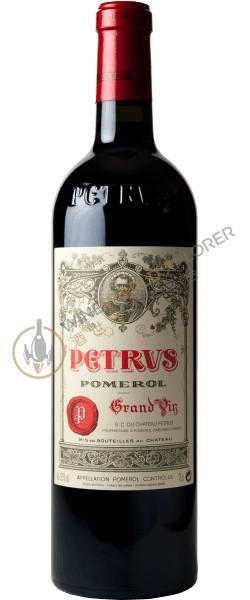
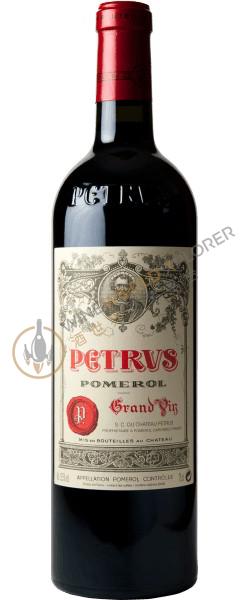
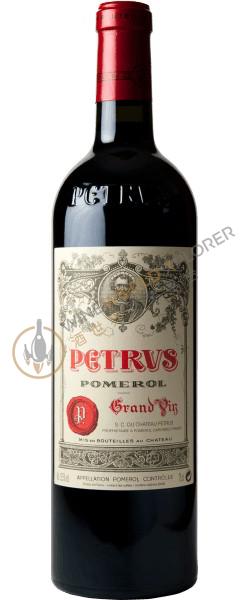
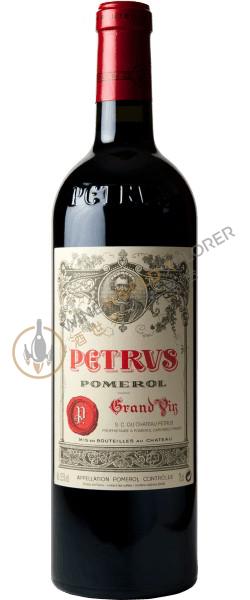
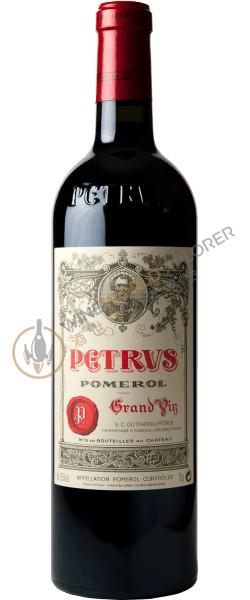
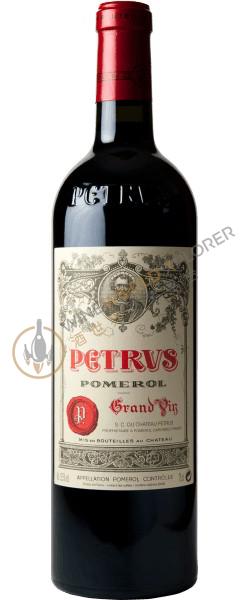
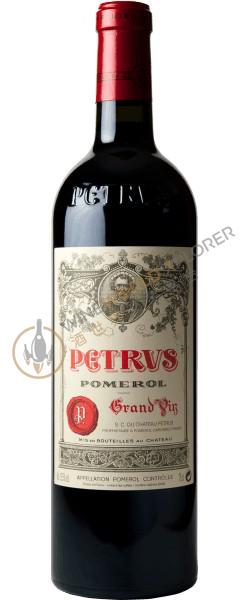
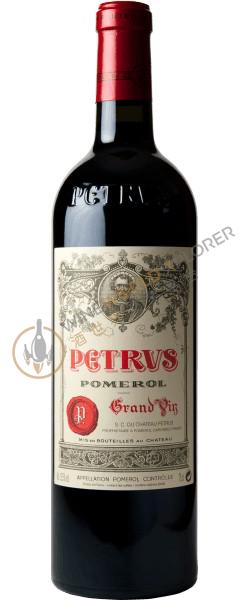
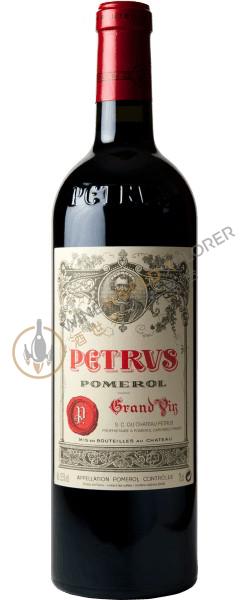
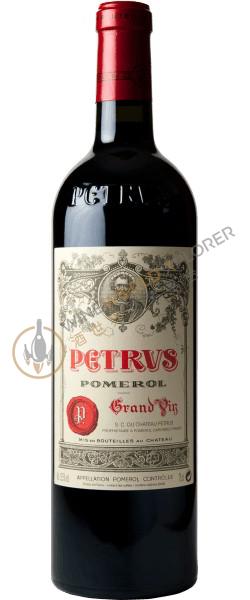
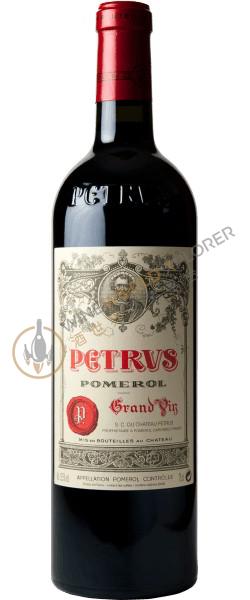
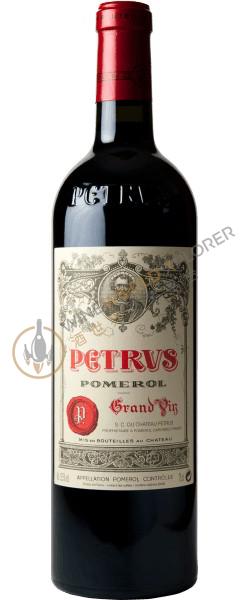
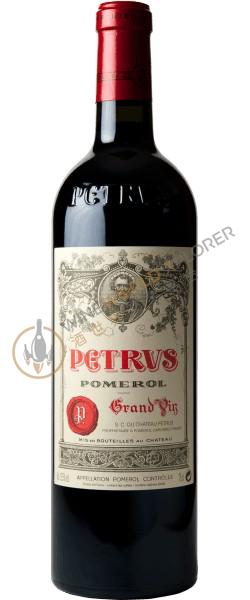
Petrus 2009
 View analysis


Description
Petrus is made almost entirely of Merlot grapes grown in Bordeaux's right bank Pomerol appellation. Although never officially classified, the chateau has long been considered on par with the First Growths from the left bank. The ownership of the estate has passed between the Arnaud family in the 19th century, to Madame Loubat at the end of WWII, and finally to Jean-Pierre Moueix in recent years. Petrus's clay soil is rich in iron and the estate's average vine age is 40 years. Chateau Petrus produces approximately 3,000 cases of wine each year.
Tasting notes

Reviewed by: Robert M. Parker, Jr.
An opulent Petrus very much in the stylistic family of the 1990, this 100% Merlot has a dense plum/purple color and a sweet nose of mulberries, black cherries, some subtle toast and licorice as well as a floral element. A wine of great intensity, a multidimensional mouthfeel and full-bodied, stunning concentration, the 2009 Petrus is everything one would expect of it. Given the sweetness of its tannin, much like the 1990, I suspect this wine will always be “open for business,” appealing even in its youth. Anticipated maturity: 2016-2050+. This is one of the larger productions of Petrus over recent years, with nearly 3,000 cases of this vintage turned out by proprietor Jean Moueix.
Reviewed by: Neal Martin
Tasted at Chateau Petrus. A bright purple colour. The nose is warm and inviting, very concentrated with raspberry, wild strawberry and more glycerine than I have encountered in previous vintages. The palate is full-bodied and very supple in texture, beautifully balanced and very sensuous, more a Petrus of texture than tautness or delineation, building on the palate, very good weight with a touch of citrus peel and a sprinkle of white pepper towards the finish. Long, long length with that hint of Schezhuan pepper on the aftertaste. Tasted April 2010.
Reviewed by: Robert M. Parker, Jr.
Harvested between September 17 and the beginning of October, the 2009 Petrus reminds me of what the 1982 tasted like at a similar age. Sweet tannins along with extraordinarily pure mulberry and black cherry fruit intermixed with hints of licorice and truffle are found in this 2009 in addition to a voluptuous mouthfeel, an unctuous texture, and, for Petrus, relatively high alcohol of 14.2%. Stuffed, rich, and creamy-textured with a full-bodied, powerful, exuberant personality, it should be approachable in a decade, and last for 40-50 years. (Tasted once.)
Reviewed by: Neal Martin
Tasted at the property, Olivier Berrouet told me that there is 2% Cabernet Franc in the 2009 Petrus. The nose is very strict at first, but with great purity with blackberry, wild hedgerow, a touch of small dark cherries and with aeration a touch of crushed violet, an almost Margaux-like Petrus. The palate is medium- rather than full-bodied with a spicy entry, touches of black pepper and almost a slight burnt toast accent. There is great backbone here, more masculine than at primeur with an aloof finish that is a little drier than usual. This is a profound, very “classic” Petrus but having tasted it just a month earlier from barrel, could the following vintage being even better? Tasted November 2011.
Reviewed by: Neal Martin
Served blind at the Southwold 2009 tasting. The Petrus 2009 has a wonderful graphite tinged bouquet with blackberry, truffle and pencil lead. Utterly composed. The palate is medium-bodied with wonderful purity, filigree tannins, a mineral core and a finish where everything is precise and perfectly place. This is a wine of immense breeding, multi-dimensional and yet once its identity was revealed, you just know its going to get better and better with each passing year. Outstanding, but every bottle should come with a free cellar, padlock and key. Tasted January 2013.
Reviewed by: Lisa Perrotti-Brown
Medium to deep garnet colored, the 2009 Petrus gives up glorious scents of preserved plums, redcurrant jelly, dried rose petals, blackberry compote and mulberries with touches of licorice, Chinese five spice and fragrant earth. Full, rich, plushly textured and oh-so-decadent, it reveals layer upon layer of spice box, black fruit and ferrous notions, finishing long and fragrant.
Reviewed by: Ian d'Agata
(100% merlot; 14.2% alcohol; 3.8 pH; 40 ha/hl; a 65% selection; 50% new oak) Fully saturated ruby-red. Mindblowingly intense, utterly hedonistic nose redolent of sexy, superripe blueberry and blackcurrant complicated by sweet Oriental spices, cocoa and coffee. Then creamy-smooth and downright voluptuous, with superconcentrated blackberry, blueberry and plum flavors complemented by delicate smoke and flint nuances. The utterly palate-saturating finish features silky-smooth tannins and finishing fruits, spices and minerals that go on for minutes thanks to harmonious acidity. I should note that the strength of finishing minerality goes beyond what I usually associate with this wine. The final wine may contain 1% cabernet franc, but that decision had not been made at the time of this tasting. This wine merits 100 points on the strength of its nose alone.
Reviewed by: Neal Martin
The 2009 Petrus is surprisingly backward on the nose compared directly with the 2009 Le Pin, demanding a lot of coaxing. Initially broody, it then begins to flourish with wild strawberry, cranberry, crushed stone and black truffle, all beautifully defined but very succinct. The palate is medium-bodied with silky tannins lending an almost cashmere texture. Hints of leather and mocha infused the mainly red fruit, but where this Petrus really shines is within the unearthly precision on the finish and the enormously long aftertaste. Brilliant. Tasted at BI Wines' & Spirits Ten Year On tasting.
Reviewed by: Neal Martin
The Petrus 2009 may well have a nose ahead of the 2010 as the two vie for supremacy and in an odd way, at this moment their respective personalities have more in common with the opposite vintage. The 2009 has lost a bit of its glossy veneer and become a tad more detailed and respectable, those pencil lead notes beautifully marrying with the blackberry and raspberry fruit, verisimilar to a Left Bank. The palate is medium-bodied with fine but sturdy tannin, more mineral-driven than the 2009, aristocratic and surfeit with almost indescribable complexity on the finish. I like how this 2009 is growing up, the direction it is heading. Tasted blind at a private lunch in Hong Kong.
Reviewed by: Stephen Tanzer
Dark ruby. Ripe red cherry, cocoa, exotic herbs, soy sauce, sweet spices and a hint of licorice on the showy, opulent nose. At once fat and juicy, with firm-edged dark berry flavors contributing very good grip and backbone to softer, fleshier plum, black cherry, chocolate syrup and sexy Oriental spice flavors. Finishes juicy, minty and fresh, with very broad, lingering notes of sweet ripe dark berries and milk chocolate. This memorable wine is everything you'd expect Petrus to be, but right now the 2010 is the more precise and concentrated of the two wines.
About the Producer
The Patus winery has 11.5 hectares of vineyards. The top layer of the soil in the garden is pure clay, the bottom layer is terracotta, and the deeper layer is lime soil with high iron content, and has a good drainage system. The grape varieties planted are mainly Merlot, accounting for about 95%; the remaining 5% is Cabernet Franc. Because Cabernet Franc matures earlier, unless the vintage is particularly good, Patux winery is generally not used for winemaking. The planting density is 6,000 trees per hectare, and the average age of the trees is around 40 years, and some are even 80 years old. The operator adopts a more traditional method in the renewal of the vineyard, that is, through the selection, the best quality grape vine is used as the "mother plant", which is the same as the method when the Chateau Conti eradicated the old roots in 1946. The vineyard also adopts strict "fruit control". Each plant retains several bud eyes, and each bud eye leaves only one bunch of grapes. The goal is to fully ripen, but avoid over-ripening, otherwise it will affect the delicate flavor of the wine. In terms of the brewing process, Chateau Patus set the grape harvest time in the afternoon, the purpose is to let the morning sun dry the residual dew from the previous night. Each harvest employs 180 harvesters and takes about half a day to complete 2 to 3 harvests. During the brewing, Patus Winery spared no expense, replacing the wooden barrels (of different materials) every 3 months, and the aging time is about 20-22 months. Patus winery attaches great importance to quality and only selects the best grapes. In some bad years, such as 1991, it even stops production. The average annual output of Chateau Patus is no more than 30,000 bottles, which is extremely limited and expensive. Petrus, Pomerol, France is dark in color and has a delicate and rich aroma. Among the aromas of blackcurrant and mint, there are also many aromas such as blackberry, cream, chocolate, truffle, milk and oak. The taste is silky Slippery, long aftertaste.
1950(1)1964(1)1966(1)1969(1)1970(1)1971(1)1975(2)1976(1)1978(1)1979(1)1980(2)1981(3)1982(5)1983(4)1985(4)1986(3)1987(3)1988(8)1989(6)1990(7)1992(1)1993(4)1994(7)1995(6)1996(5)1997(6)1998(11)1999(10)2000(9)2001(13)2002(5)2003(10)2004(11)2005(10)2006(12)2007(15)2008(8)
Package Size