 Wine Advisor



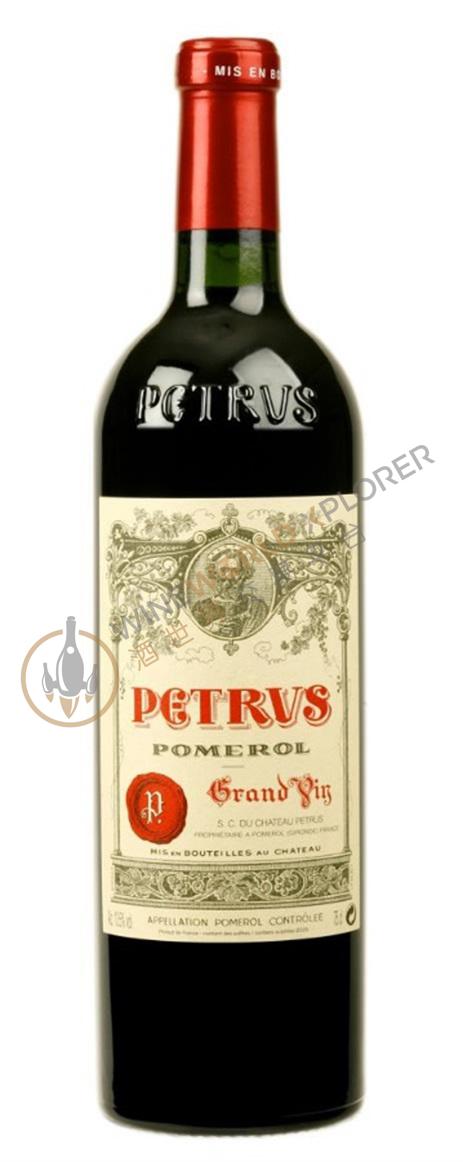
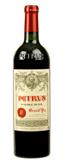
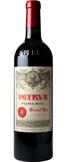
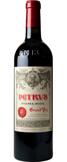
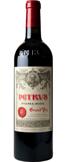
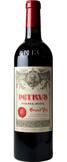
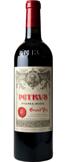
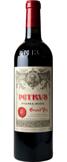
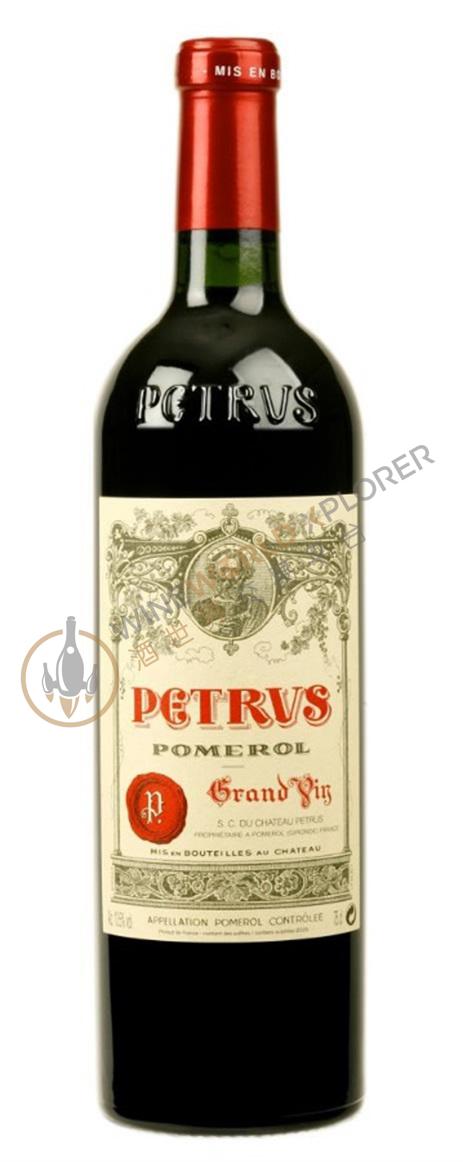
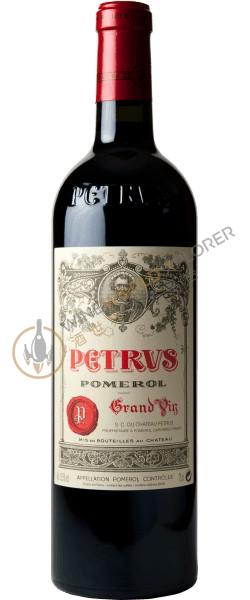
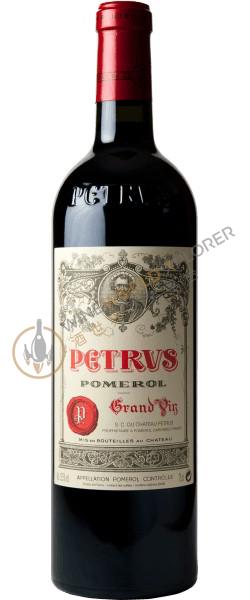
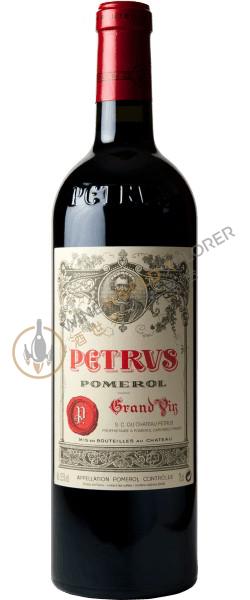
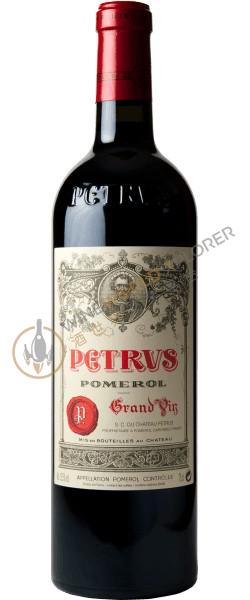
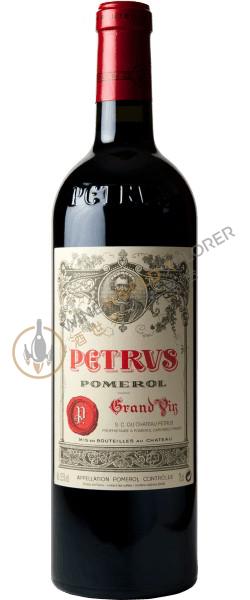
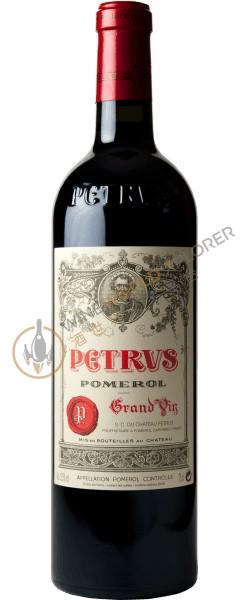
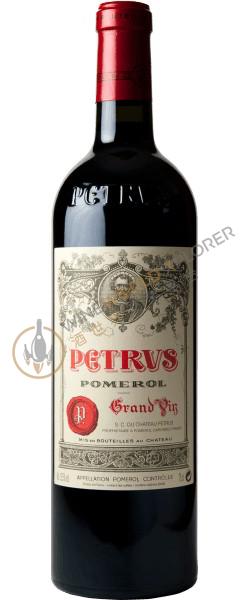
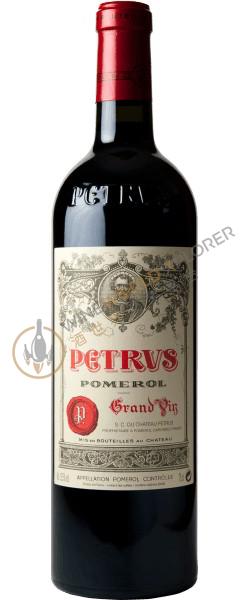
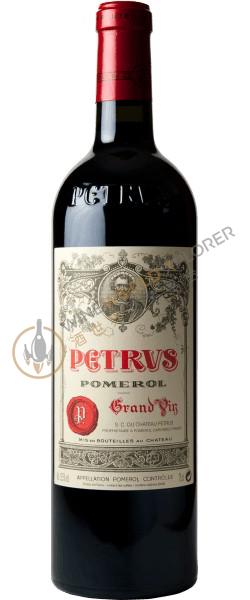
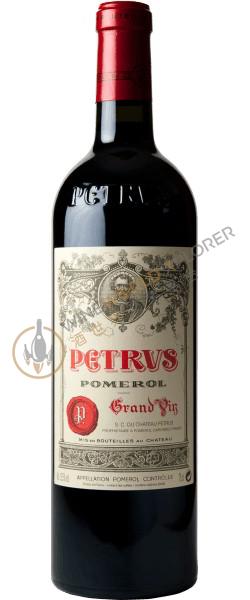
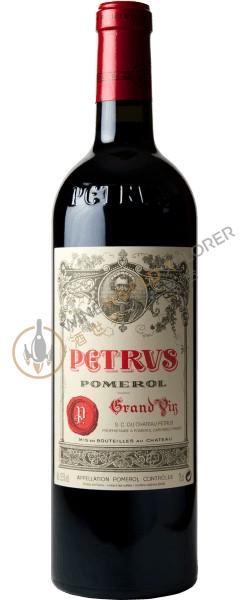
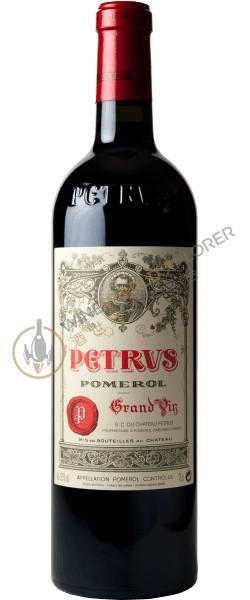
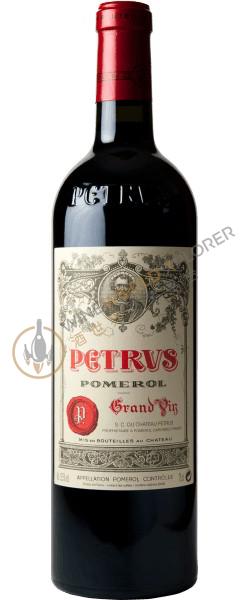
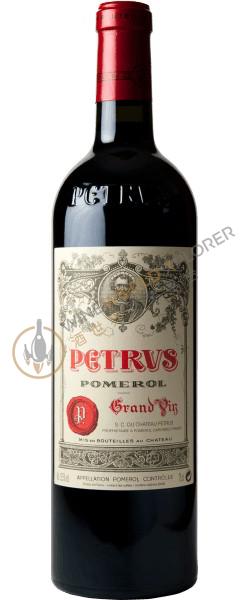
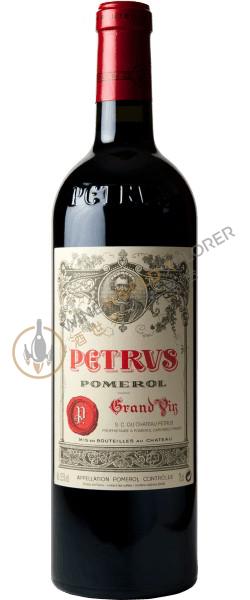
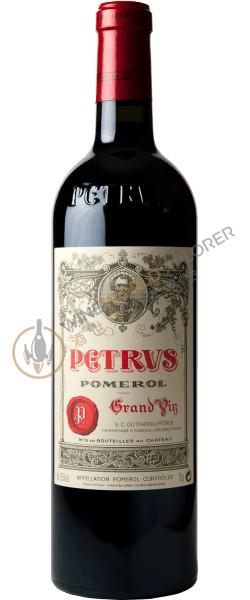
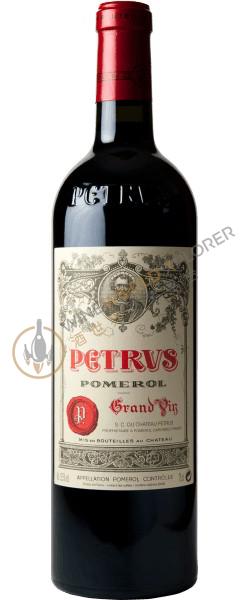
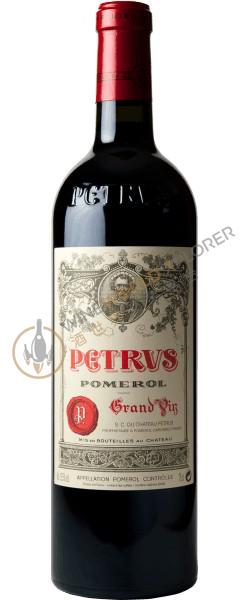
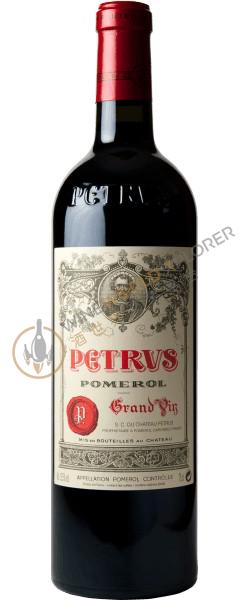
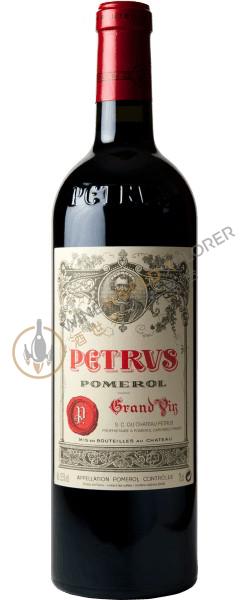
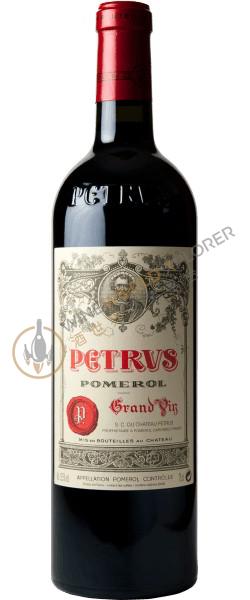
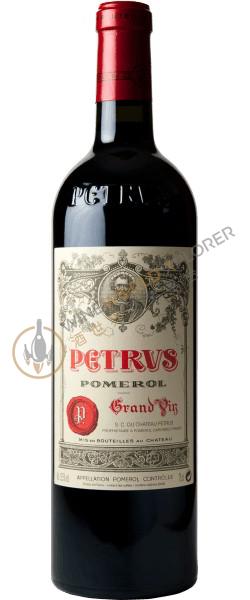
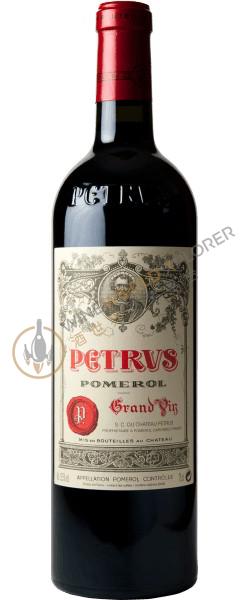
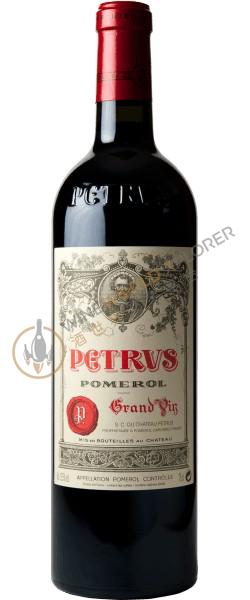
Petrus 2013
 View analysis


Description
Petrus is made almost entirely of Merlot grapes grown in Bordeaux's right bank Pomerol appellation. Although never officially classified, the chateau has long been considered on par with the First Growths from the left bank. The ownership of the estate has passed between the Arnaud family in the 19th century, to Madame Loubat at the end of WWII, and finally to Jean-Pierre Moueix in recent years. Petrus's clay soil is rich in iron and the estate's average vine age is 40 years. Chateau Petrus produces approximately 3,000 cases of wine each year.
Tasting notes

Reviewed by: Neal Martin
The Petrus 2013 is a very fine wine for the vintage, although whether it will evolve into one of the best Pomerol crus is open. That is not to say I dislike this Petrus, on the contrary, Olivier Berrouet has clearly done a fantastic job given the growing season. However, having tasted here from barrel for a decade now, it is clear that this "maverick genius" decides to give profundity a miss in some years. The nose has a glowing warmth about it, a sensation that is uncommon in this vintage, and in fact it almost reminded me of a slimmed-down version of the 2009. It is very pure with marine scents coming through with aeration. The palate is rounded on the entry: velvety smooth in texture with noticeable spice on the back palate. I do not think this Petrus possesses the complexity or persistency of the precious two vintages, simply a Petrus that will just want to go out there and give sensory pleasure without the intellectual import. Tasted April 2014.
Reviewed by: Robert M. Parker, Jr.
The 2013 is a star of the vintage. It exhibits a dense purple color along with deep mulberry, black cherry and black currant fruit intermixed with a notion of licorice. Medium-bodied with supple tannins, it reminds me of their over-achieving 1973 in its youth (a wine that transcended the vintage character). The lovely, seductive, fruit-forward 2013 will be drinkable in several years and last 10-15 years thereafter. The harvest took place on October 2-3, and tiny yields of 20 hectoliters per hectare have produced only 1,000 cases (rather than the normal 2,000-3,000). While winemaker and administrator Olivier Berrouet told me 300 vines of Cabernet Franc remain in the vineyard, for all intents and purposes, Petrus has been 100% Merlot for many years.
Reviewed by: Neal Martin
The 2013 Petrus was bottled in June 2015, a month before I visited the property to taste with winemaker, Olivier Berrouet. "The idea was to not push too much," he told me. "We didn't use too much wood - around 45% new oak. It would be 55% in a good vintage. The pH is 3.55 and it has 13.5% alcohol." It has quite a deep colour for a 2013, very clear and lucid. The nose is undeniably very attractive, gently unfolding with black cherries, iodine, pot pourri and a touch of bilberry. The aromatics are gentle and unassuming, yet still very Pomerol and still very Petrus. The palate is medium-bodied and for a 2013 it is certainly well structured, the tannins imparting a grainy mouthfeel. At the moment it feels saline in the mouth, fresh and with absolutely no sign of greenness. It is a successful wine within the context of the 2013 vintage and I appreciated the sharpness on what you might call its "clinical" finish. There is not so much in the way of persistence here and it departs out the exit door swiftly rather than abruptly. No, it is not the best Petrus ever made, not by a long chalk, nevertheless it is undoubtedly better than off-vintages in the past such as the 1986 and 1996. Tasted July 2016.
Reviewed by: Antonio Galloni
The 2013 Pétrus possesses lovely depth and density for the year. Dark red stone fruits, tobacco, smoke and graphite all blossom in the glass. Underlying beams of firm tannin support the fruit nicely. Violets, game, plums and new leather wrap around the finish. Today, the tannins are a bit firm, especially within the context of the vintage, but the wine retains solid balance and has plenty of potential to grow, even if it isn't especially flattering today.
Reviewed by: Ian d'Agata
(100% merlot): Bright, dark ruby. Captivating, extremely pure aromas of fresh blackcurrant, mocha, gunflint and violet. Precise and multilayered, with small dark berry flavors given clarity and cut by lively, harmonious acidity. The finish is complex and very long. Lighter than usual but extremely pure and perfumed, this knockout wine has silkier, smoother tannins than any other 2013 Bordeaux. When I visited Petrus in July 2013, the horrible growing season had Olivier Berrouet fretting like I had never seen before, but he can be proud of what he has achieved in this difficult vintage. Making a great Petrus in outstanding years like 2009 or 2010 is expected, so in some respects this is Berrouet's best wine yet.
About the Producer
The Patus winery has 11.5 hectares of vineyards. The top layer of the soil in the garden is pure clay, the bottom layer is terracotta, and the deeper layer is lime soil with high iron content, and has a good drainage system. The grape varieties planted are mainly Merlot, accounting for about 95%; the remaining 5% is Cabernet Franc. Because Cabernet Franc matures earlier, unless the vintage is particularly good, Patux winery is generally not used for winemaking. The planting density is 6,000 trees per hectare, and the average age of the trees is around 40 years, and some are even 80 years old. The operator adopts a more traditional method in the renewal of the vineyard, that is, through the selection, the best quality grape vine is used as the "mother plant", which is the same as the method when the Chateau Conti eradicated the old roots in 1946. The vineyard also adopts strict "fruit control". Each plant retains several bud eyes, and each bud eye leaves only one bunch of grapes. The goal is to fully ripen, but avoid over-ripening, otherwise it will affect the delicate flavor of the wine. In terms of the brewing process, Chateau Patus set the grape harvest time in the afternoon, the purpose is to let the morning sun dry the residual dew from the previous night. Each harvest employs 180 harvesters and takes about half a day to complete 2 to 3 harvests. During the brewing, Patus Winery spared no expense, replacing the wooden barrels (of different materials) every 3 months, and the aging time is about 20-22 months. Patus winery attaches great importance to quality and only selects the best grapes. In some bad years, such as 1991, it even stops production. The average annual output of Chateau Patus is no more than 30,000 bottles, which is extremely limited and expensive. Petrus, Pomerol, France is dark in color and has a delicate and rich aroma. Among the aromas of blackcurrant and mint, there are also many aromas such as blackberry, cream, chocolate, truffle, milk and oak. The taste is silky Slippery, long aftertaste.
1950(1)1964(1)1966(1)1969(1)1970(1)1971(1)1975(2)1976(1)1978(1)1979(1)1980(2)1981(3)1982(5)1983(4)1985(4)1986(3)1987(3)1988(8)1989(6)1990(7)1992(1)1993(4)1994(7)1995(6)1996(5)1997(6)1998(11)1999(10)2000(9)2001(13)2002(5)2003(10)2004(11)2005(10)2006(12)2007(15)2008(8)2009(14)2010(14)2011(17)2012(22)
Package Size