 Wine Advisor



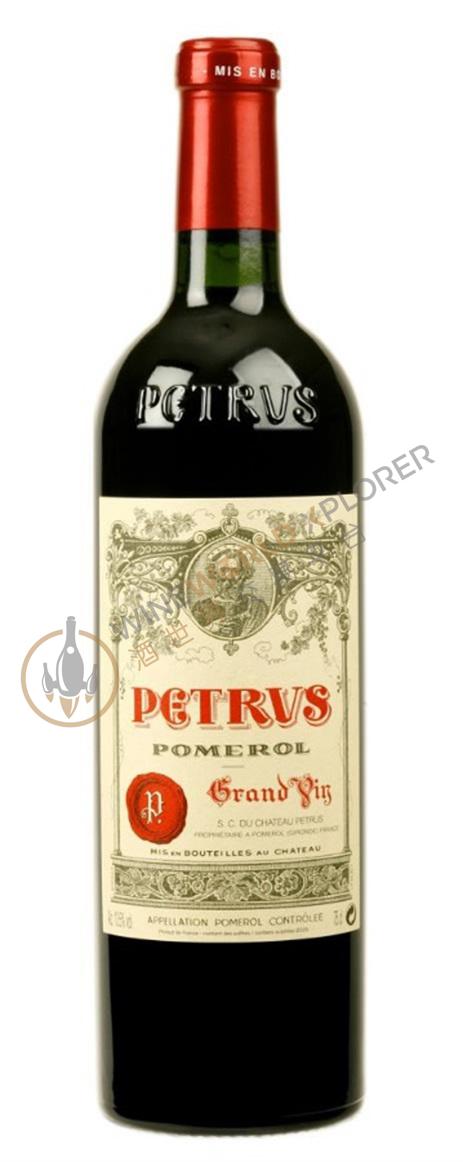
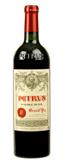
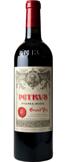
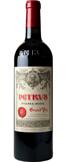
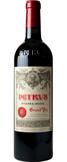
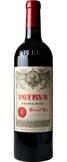
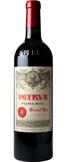
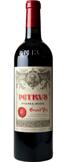
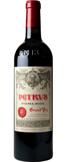
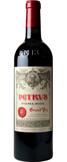
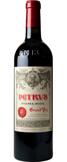
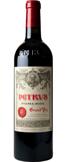
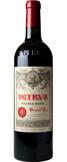
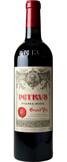
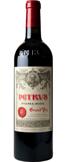
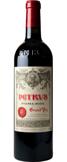
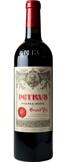
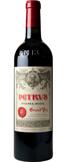
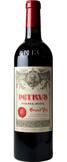
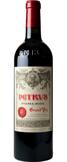
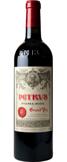
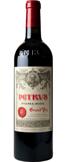
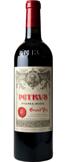
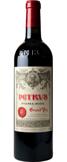
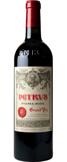
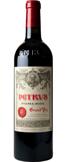
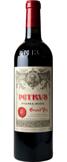
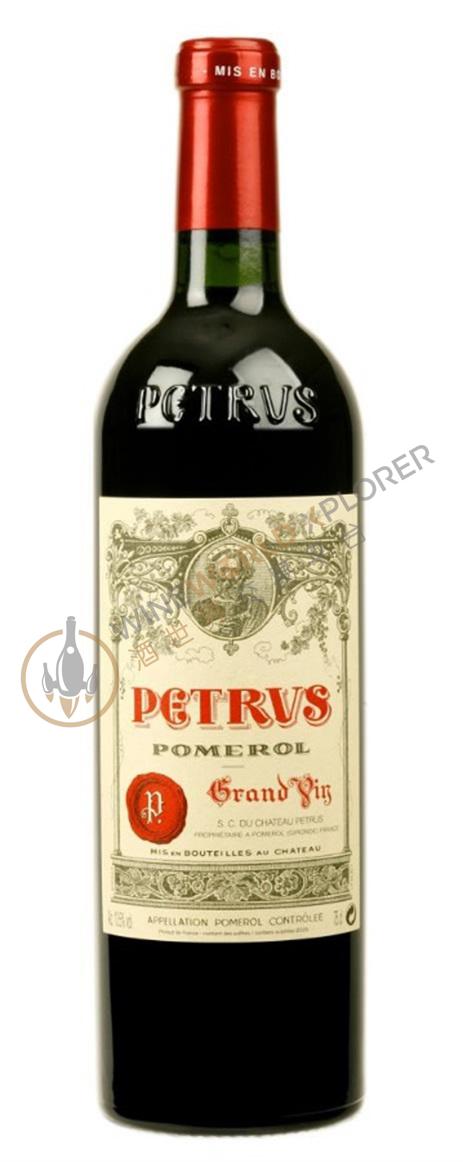
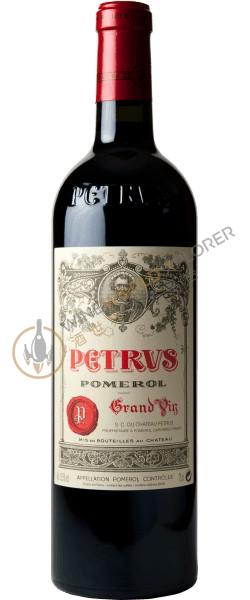
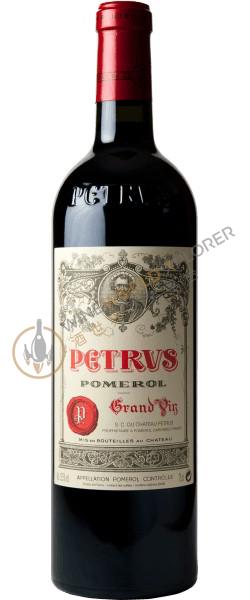
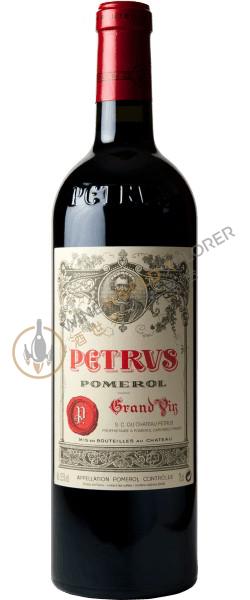
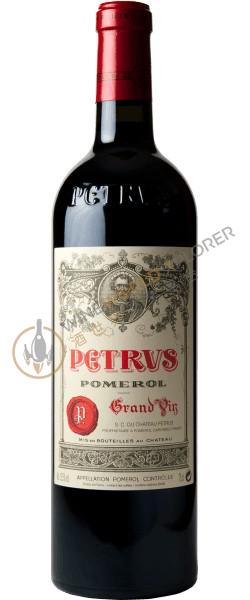
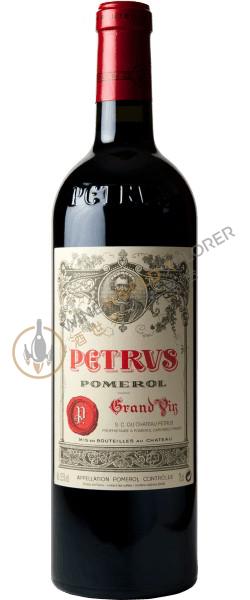
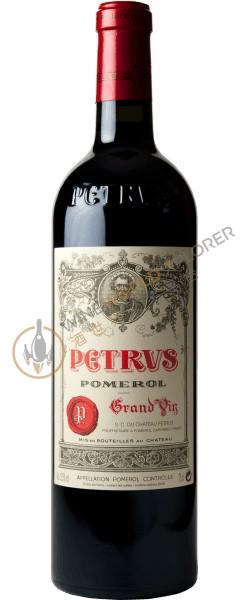
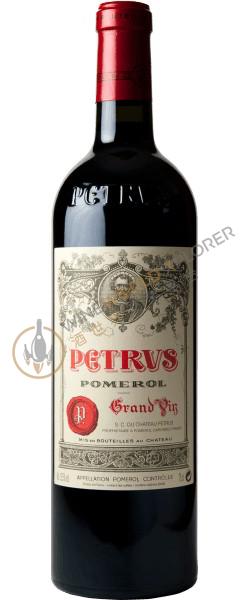
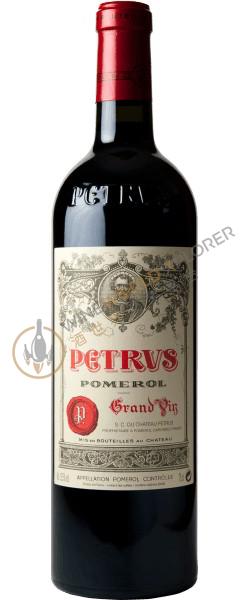
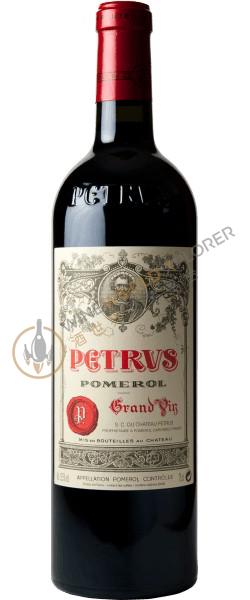
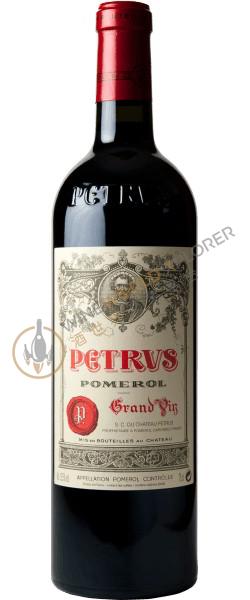
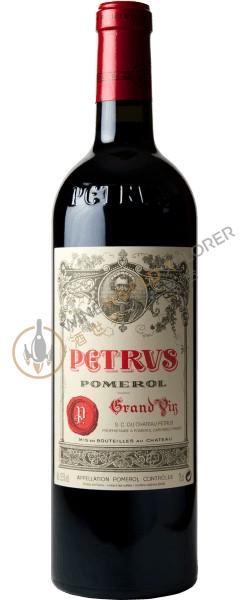
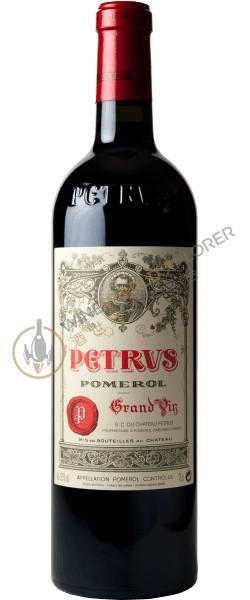
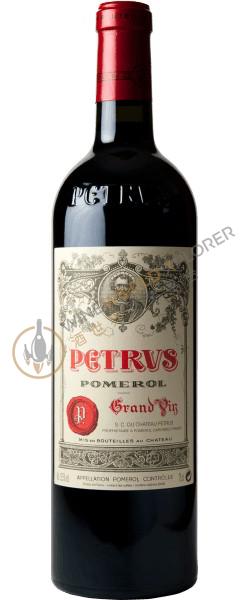
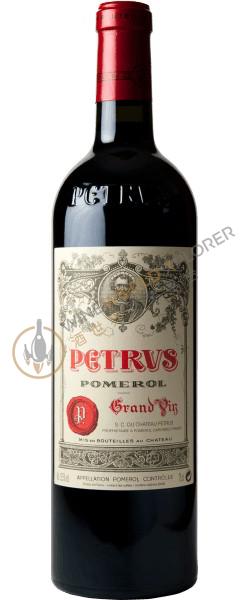
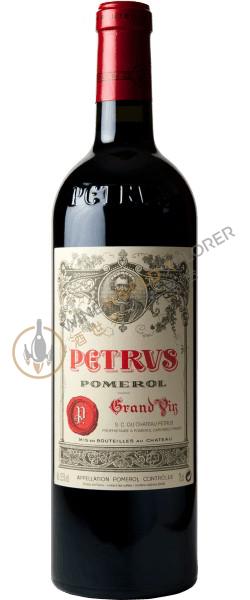
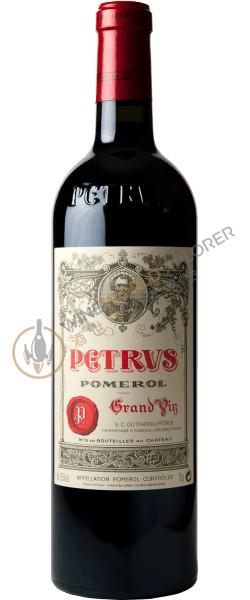
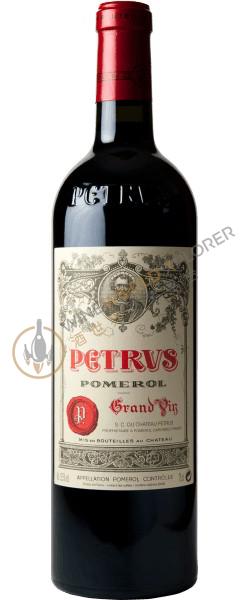
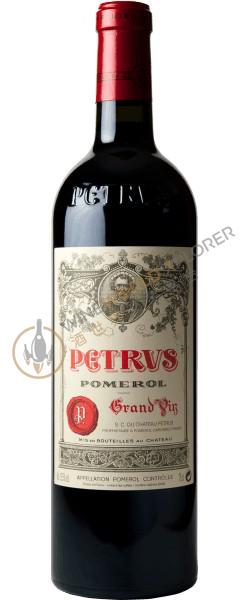
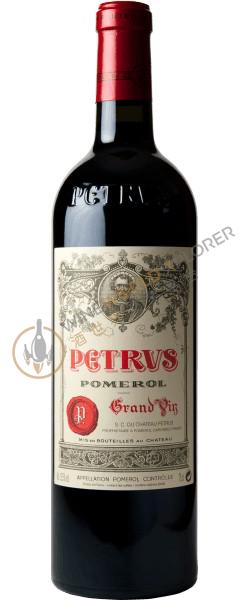
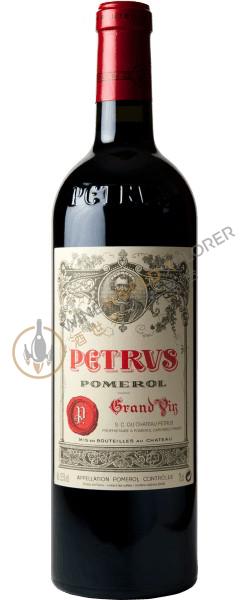
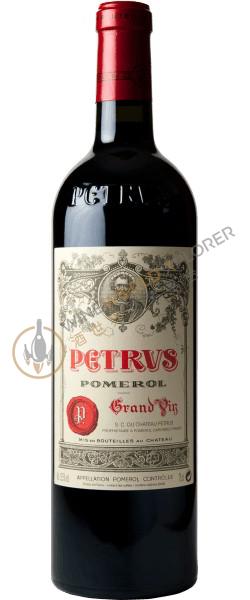
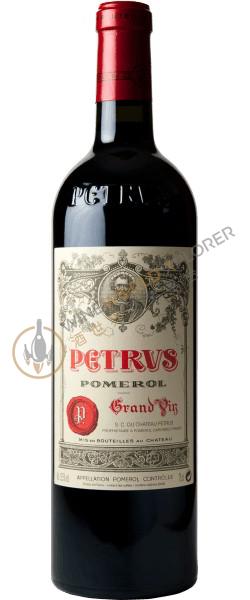
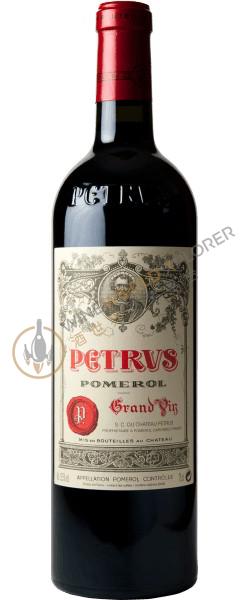
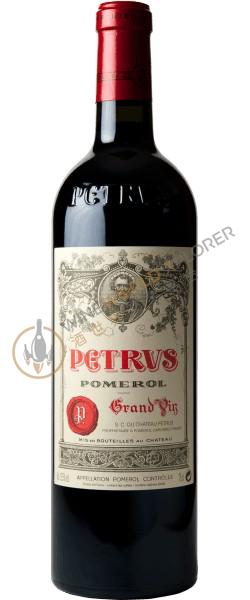
Petrus 2011
 View analysis


Description
Petrus is made almost entirely of Merlot grapes grown in Bordeaux's right bank Pomerol appellation. Although never officially classified, the chateau has long been considered on par with the First Growths from the left bank. The ownership of the estate has passed between the Arnaud family in the 19th century, to Madame Loubat at the end of WWII, and finally to Jean-Pierre Moueix in recent years. Petrus's clay soil is rich in iron and the estate's average vine age is 40 years. Chateau Petrus produces approximately 3,000 cases of wine each year.
Tasting notes

Reviewed by: Robert M. Parker, Jr.
A dense ruby/purple-tinged color and restrained but intriguing aromas of kirsch, raspberry jam, wood spice, and mulberries are found in this full-bodied Petrus. An undeniable success in 2011, it is rich, layered and pure with light to moderate tannin, but seems slightly less muscular and tannic compared to its stablemate, Trotanoy. Forget it for a few years and drink it over the following 25 years. Made from 100% Merlot, it tips the scales at 13.5% alcohol. In short, it is typically open-knit and already showing very well. This is quite opulent.
Reviewed by: Neal Martin
The 2011 Petrus has a very refined, perhaps slightly introverted bouquet with extraordinary purity. It has quite amazing precision and lifted with black cherries, raspberry and a touch of vanilla. It is very intense, perhaps more like 2009 at this stage than 2010. The palate is medium-bodied with a powerful entry. There is a touch of spice on the entry and very intense fruit. The tannins are tensile, lending this Petrus edginess and minerality. This has -classic- Petrus written all over it. It is not quite up there with the 2009 or 2010, but it's not far off. Tasted April 2012.
Reviewed by: Robert M. Parker, Jr.
Harvested between September 12-27, the fruit-driven 2011 Petrus is atypically forward and already appealing. It reveals lots of mulberry and dark cherry fruit along with surprising tannin. However, the latter component does not interfere with the wine’s classic, structured style. Tipping the scales at 13.5% natural alcohol, it is made from 100% Merlot and is aged in 55% new oak. An excellent to outstanding Petrus (although much lighter than the 2010, 2009 and 2008), it should be drinking well within 2-4 years and last for 15-20.
Reviewed by: Ian d'Agata
Good full ruby. Perfumed redcurrant, blackberry, violet and licorice on the closed nose; this is much more characterized by red fruits than usual, and has less of the Oriental spice elements that I typically associate with this wine. At once ripe and cool, showing very smooth, dense, seamless red berry, dark cherry and licorice flavors. Finishes very long, with ripe tannins and lovely verve, but this strikes me as a much lighter-styled Petrus than usual.
Reviewed by: Ian d'Agata
(100% merlot): Opaque ruby. Reticent nose is less aromatically explosive than usual at this early stage but still offers great depth of pure cassis, violet and coffees aromas. Then very elegant on the palate, with rich, ripe but tightly wound cassis and chocolately flavors nicely framed by silky tannins. Finishes lively, floral and long. Considering its concentration and density, this is an almost charming Petrus.
Reviewed by: Neal Martin
The 2011 Petrus has plenty of fruit on the nose, elegant and floral, redcurrant and raspberry fruit, a touch of crushed stone and pressed rose petal. The palate is medium-bodied with a rich and quite extravagant style of the finish, lightly spiced with a rounded, velvety-smooth and quite dense finish. Maybe it just conveys a little more winemaking that the terroir at the moment? Tasted blind at the annual 10-Year-On tasting.
Reviewed by: Neal Martin
The 2011 Petrus has a curious bouquet. Juxtaposed blind against its peers, there is a touch more volatility and an odd tincture of <em>sur-maturité</em>, touches of prune and fig infusing the ripe, confit-like red fruit. The palate is medium-bodied with succulent ripe tannin and crisp acidity, although it feels a little dense and blocky towards the finish and missing the precision one would expect at this level. It does not quite convey the complexity and depth of a top-flight Petrus and it would seem that the 2012 is far ahead. Tasted blind at the Southwold tasting.
About the Producer
The Patus winery has 11.5 hectares of vineyards. The top layer of the soil in the garden is pure clay, the bottom layer is terracotta, and the deeper layer is lime soil with high iron content, and has a good drainage system. The grape varieties planted are mainly Merlot, accounting for about 95%; the remaining 5% is Cabernet Franc. Because Cabernet Franc matures earlier, unless the vintage is particularly good, Patux winery is generally not used for winemaking. The planting density is 6,000 trees per hectare, and the average age of the trees is around 40 years, and some are even 80 years old. The operator adopts a more traditional method in the renewal of the vineyard, that is, through the selection, the best quality grape vine is used as the "mother plant", which is the same as the method when the Chateau Conti eradicated the old roots in 1946. The vineyard also adopts strict "fruit control". Each plant retains several bud eyes, and each bud eye leaves only one bunch of grapes. The goal is to fully ripen, but avoid over-ripening, otherwise it will affect the delicate flavor of the wine. In terms of the brewing process, Chateau Patus set the grape harvest time in the afternoon, the purpose is to let the morning sun dry the residual dew from the previous night. Each harvest employs 180 harvesters and takes about half a day to complete 2 to 3 harvests. During the brewing, Patus Winery spared no expense, replacing the wooden barrels (of different materials) every 3 months, and the aging time is about 20-22 months. Patus winery attaches great importance to quality and only selects the best grapes. In some bad years, such as 1991, it even stops production. The average annual output of Chateau Patus is no more than 30,000 bottles, which is extremely limited and expensive. Petrus, Pomerol, France is dark in color and has a delicate and rich aroma. Among the aromas of blackcurrant and mint, there are also many aromas such as blackberry, cream, chocolate, truffle, milk and oak. The taste is silky Slippery, long aftertaste.
1950(1)1964(1)1966(1)1969(1)1970(1)1971(1)1975(2)1976(1)1978(1)1979(1)1980(2)1981(3)1982(5)1983(4)1985(4)1986(3)1987(3)1988(8)1989(6)1990(7)1992(1)1993(4)1994(7)1995(6)1996(5)1997(6)1998(11)1999(10)2000(9)2001(13)2002(5)2003(10)2004(11)2005(10)2006(12)2007(15)2008(8)2009(14)2010(14)
Package Size