 Wine Advisor



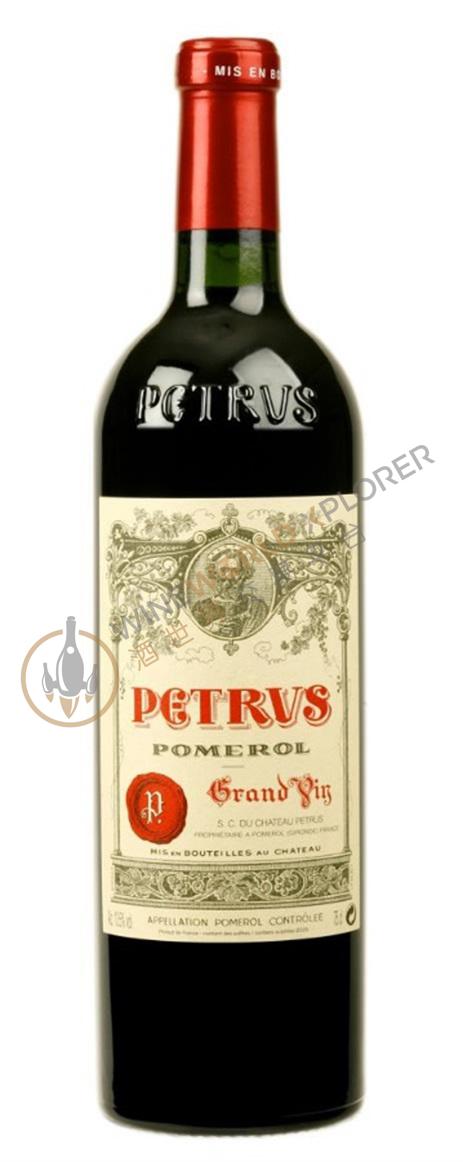
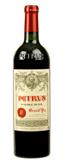
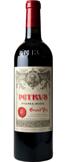
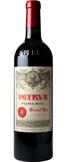
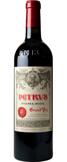
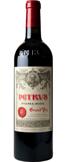
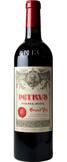
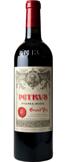
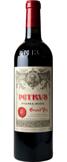
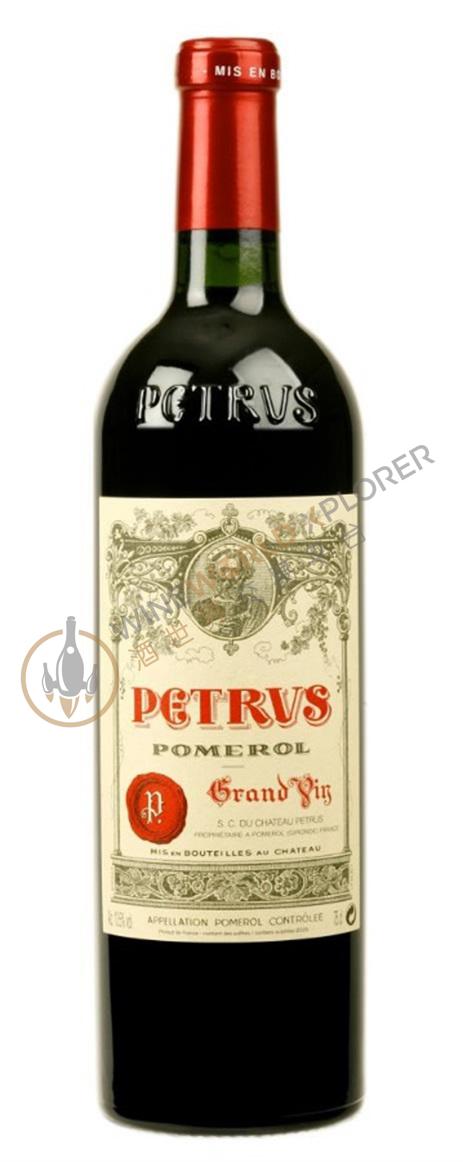
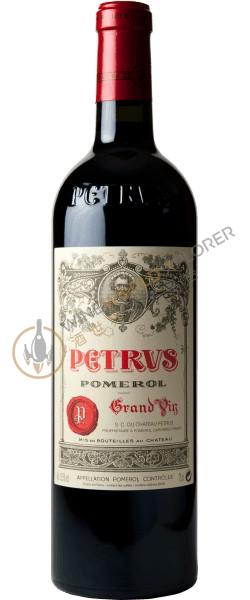
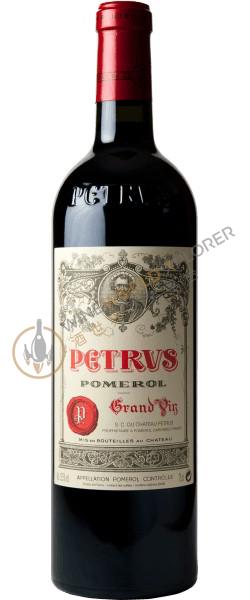
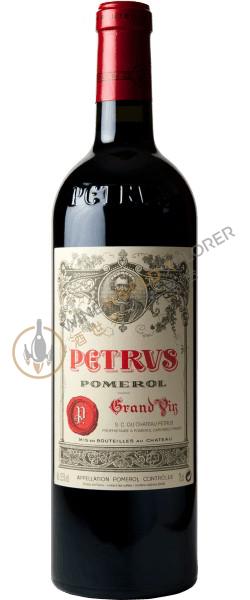
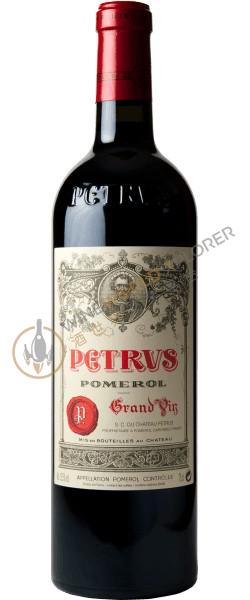
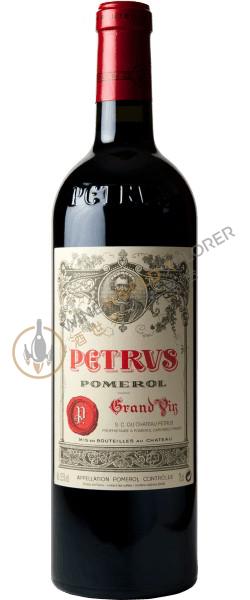
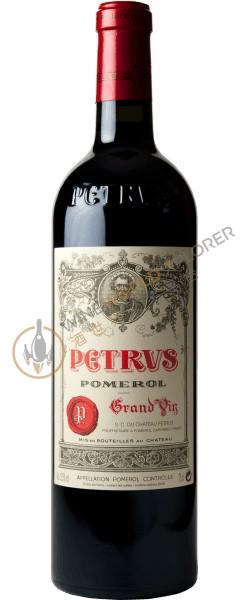
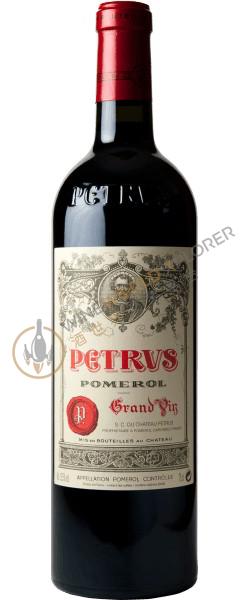
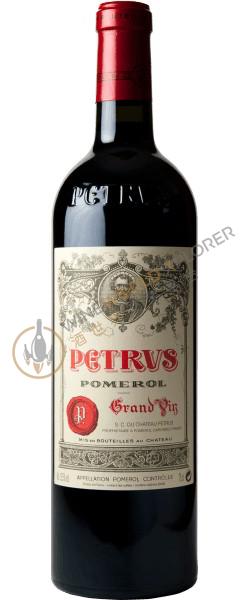
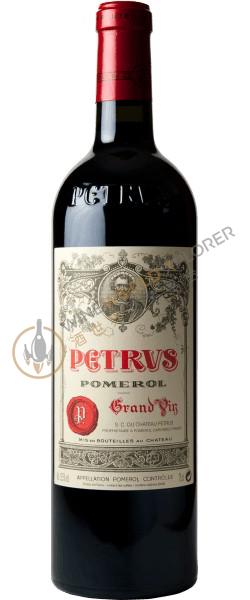
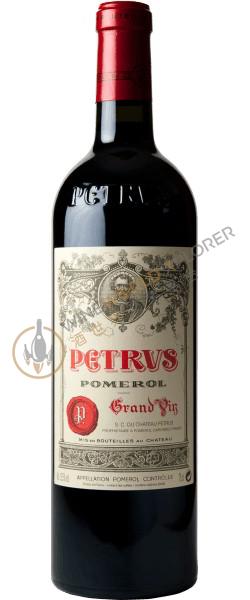
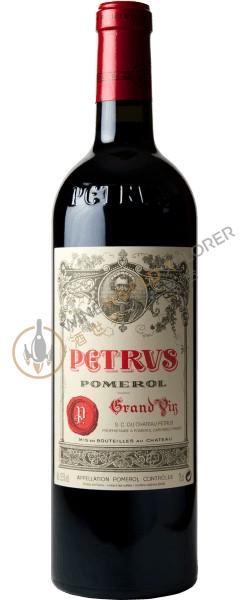
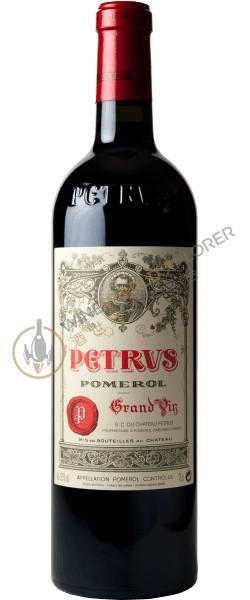
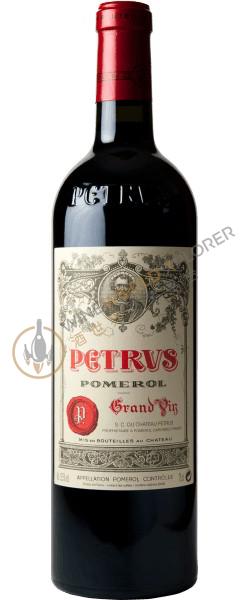
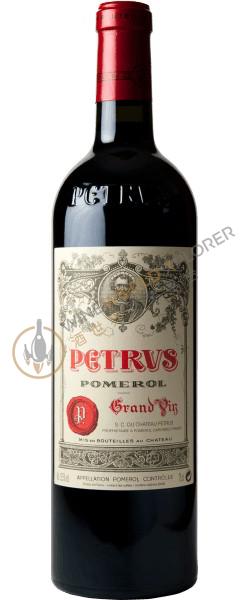
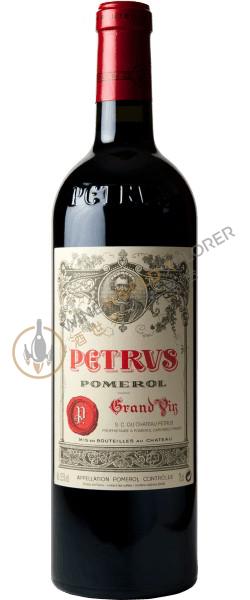
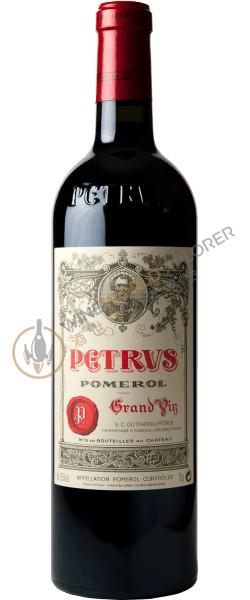
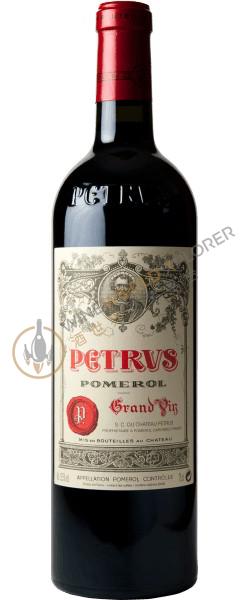
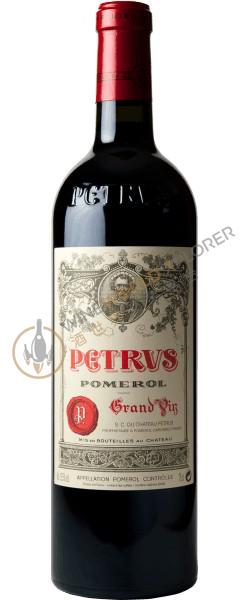
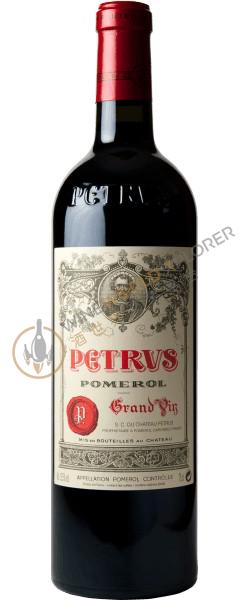
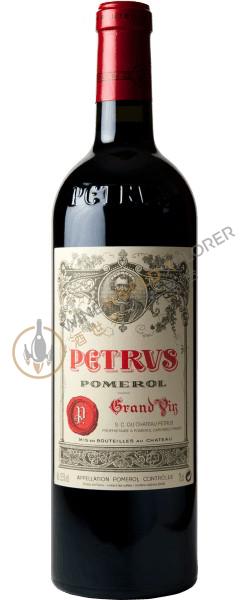
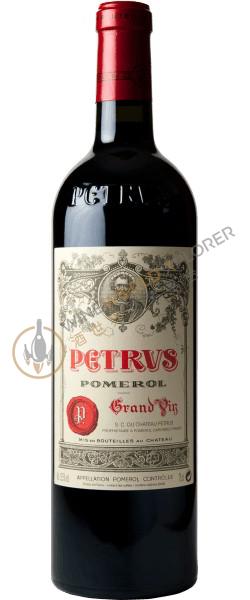
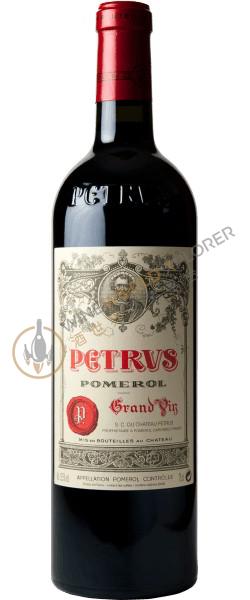
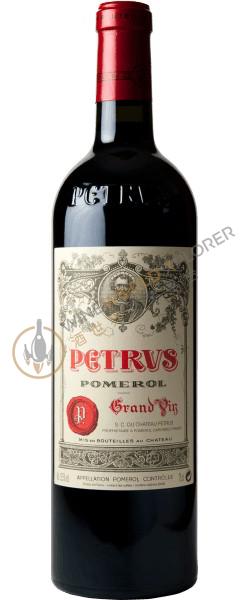
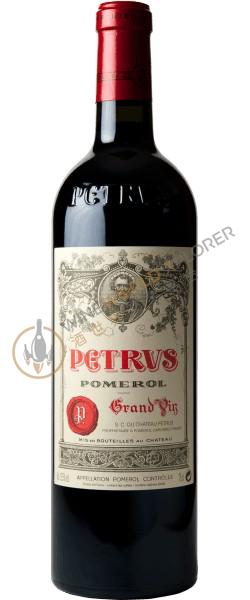
Petrus 2010
 View analysis


Description
Petrus is made almost entirely of Merlot grapes grown in Bordeaux's right bank Pomerol appellation. Although never officially classified, the chateau has long been considered on par with the First Growths from the left bank. The ownership of the estate has passed between the Arnaud family in the 19th century, to Madame Loubat at the end of WWII, and finally to Jean-Pierre Moueix in recent years. Petrus's clay soil is rich in iron and the estate's average vine age is 40 years. Chateau Petrus produces approximately 3,000 cases of wine each year.
Tasting notes

Reviewed by: Neal Martin
The Petrus 2010 is a force of nature. It has a voluptuous bouquet with ripe black cherries, creme de cassis, blueberry and peach jam. It has crystalline delineation - modern yet sophisticated. The palate is medium-bodied with a sweet ripe entry, rounded and velvety smooth tannins, perfectly judged acidity, harmonious with a long powerful aftertaste. It is more approachable than a year ago, bridled with a sense of completeness. Mesmeric. Tasted January 2014.
Reviewed by: Robert M. Parker, Jr.
One of the most concentrated and massive Petrus offerings I have ever tasted, yields in 2010 were 35 hectoliters per hectare and the grapes were harvested between September 27 and October 2. The wine achieved 14.5% natural alcohol versus the 14.4% that was attained in 2009. Petrus has reduced its use of new oak over the last decade, now averaging under 50%. The 2010's dense purple color is followed by classic aromas of mulberries, black cherries, black currants, licorice, mocha, caramel and truffles. Full-bodied, multi-dimensional and impressively pure with high but sweet, well-integrated tannins, this 2010 should drink well for 30+ years.
Reviewed by: Neal Martin
Tasted at the chateau, leaving the sample to open over five minutes, the nose unfurls enticingly in the glass. The bouquet displays extraordinary concentration with dark berries, boysenberry, crushed stone and a touch of crushed violet. Sumptuous like the 2009 but with a touch more delineation. The palate is medium-bodied but incredibly powerful, a maelstrom of flavours: dark cherries, briary, candied orange peel, a hint of spice but what is ethereal is the precision and clarity on the finish is stunning and defines the 2010 in its youth. Very sensual, very complete, very Petrus. Tasted April 2011.
Reviewed by: Neal Martin
The Petrus 2010 is initially reticent on the nose – a serious Pomerol from the off. The first noticeable thing is that this is not a powerful bouquet like the 2009, much more linear and delineated with real minerality (which actually reminds me of L’Eglise-Clinet.) The palate is medium-bodied with very fine tannins. There is real intensity here, a Petrus with a sense of purpose: blackberry, touches of graphite borrowed from Pauillac, a little spice. It offers a silky smooth texture but remains linear right to the finish with subtle notes of bilberry, blackberry and crushed stone. Masculine and a little aloof, especially compared with the 2009, but utterly compelling, this Petrus will need at least 8-10 years in bottle. Tasted November 2012.
Reviewed by: Robert M. Parker, Jr.
The harvest at Petrus took place between September 27 and October 12, and the 2010 finished at 14.1% natural alcohol, which is slightly lower than the 2009's 14.5%. The 2010 reminds me somewhat of the pre-1975 vintages of Petrus, a monster-in-the-making, with loads of mulberry, coffee, licorice and black cherry notes with an overlay of enormous amounts of glycerin and depth. Stunningly rich, full-bodied and more tannic and classic than the 2009, this is an awesome Petrus, but probably needs to be forgotten for 8-10 years. It should last at least another 50 or more. Someone told me recently that Petrus had a second wine, so I asked Olivier Berrouet, their young, talented administrator, whether that was true, and he flatly denied it, so if any Asian wine buyers are running across second wines of Petrus in Hong Kong or on mainland China, be warned – they are not genuine. Proprietor Jean Moueix, who I believe is in his late twenties, has taken over for his father, Jean-Francois, who has largely retired, and the younger Moueix has really pushed quality even higher at this renowned estate. Anyone visiting Pomerol would have undoubtedly noticed the renovations at Petrus, as it was once one of the most modest and humble buildings in the appellation. Moreover, I suspect that multi-millionaire/billionaire collectors will have about 50 years to debate over which vintage of Petrus turns out better, the 2009 or 2010. In a perfect world, most people would love to have a few bottles of each, or at least the opportunity to taste them once in a while, as they have become more of a myth than something real, but these wines do, in fact, exist!
Reviewed by: Lisa Perrotti-Brown
Deep garnet colored, the 2010 Petrus opens a little broody, with gentle crushed rocks, cast iron pan and fragrant earth notions giving way to a core plum preserves, baked blueberries, licorice and Black Forest cake plus wafts of pencil shavings, garrigue and violets. Full-bodied, the palate is beautifully poised with a firm line of exquisitely ripe, fine-grained tannins and fantastic freshness bolstering the generous fruit, finishing very long and very, very classy. Collectors fortunate enough to have a few bottles of this vintage are advised to be patient and allow it a further 7-10 years to loosen-up and emerge gloriously from this rock-solid structure.
Reviewed by: Ian d'Agata
(14.5% alcohol; 100% merlot; 50% new oak) Good, fully saturated ruby. Complex, brooding nose offers aromas of ripe plum, blackberry jam, violet, cocoa syrup and Oriental spices; though deep and opulent, the nose is much less forward and exotic than either the 2008 or 2009. The palate offers outstanding intensity to the blackcurrant, cocoa and spice flavors, but this very densely packed Petrus manages to remain light on its feet. Saturates the entire mouth, finishing with very creamy tannins and great lift. A big wine that reminded me of the 1975. Jean-Claude Berrouet liked this comparison, noting that both vintages produced berries with the same thick skins, and wines with similar acidity levels, but pointed out that the 2010 is less accessible than the 1975 was at the same stage of development. There's also more alcohol in the 2010. Wine lovers with very deep pockets might want to take note that the '09 (the wine of that vintage, in my book) and '10 Petrus are this property's best back-to-back duo in some time.
Reviewed by: Neal Martin
The 2010 Petrus has a tough job following on from Le Pin in the sense that it is habitually more introspective, less flamboyant than its Pomerol counterpart. The bouquet is mercurial, initially quite rich and forward but then backing down, becoming more discreet with loam-tinged red fruit. The palate is medium-bodied with supple tannins, plenty of ferrous red berry fruit and a broody finish. This is an intellectual Right Bank wine that constantly teases in the glass. Fabulous. Tasted blind at Farr Vintners 10-Year On Bordeaux horizontal.
Reviewed by: Neal Martin
The 2010 Petrus has an extraordinary bouquet, ineffably complex with brambly red fruit, sous-bois, dried blood and wild mint aromas that unfurl magically from the glass. The palate is medium-bodied with supple tannins, fleshy and generous, yet amazingly controlled with such tension and grace on the silky smooth finish. This is a fantastic Petrus, one of the greatest in recent years. Tasted from an ex-château bottle at the BI Wines & Spirits 10-Year On tasting.
Reviewed by: Neal Martin
Having once described the 2010 Petrus as a “force of nature”, this bottle offers no reason to alter that view. It is still blessed with that sensual, opulent bouquet that you might even mistake for the 2009, laden with black cherries, blueberry and exotic scents of marmalade and fig jam. Is it too much? I actually hope this ostentatiousness is just a childhood phase and there is something more profound that will develop during adulthood. The palate is beautifully balanced, just like the 2009, harmonious and focused, the intensity and concentration thankfully offset by its acidity. There is just a touch of warmth emanating from the alcohol on the finish. It is going to be an awesome Petrus, although whether it will surpass the previous vintage…we will have to wait ten years until both attain maturity. Tasted blind at a private lunch in Hong Kong.
Reviewed by: Stephen Tanzer
Fully saturated ruby. Knockout aromas of fresh black cherry, blackcurrant, exotic herbs, coffee and menthol, plus a hint of minerality. Juicy, fruit-driven flavors of dark berries and cherry are complicated by cocoa, vanilla and graphite and given laser-like precision by vibrant, harmonious acidity. Manages to be both fleshy and acidic at the same time, demonstrating uncanny depth and complexity of flavor. This strikes me as deeper and longer than the already magnificent 2009: it may well turn out to be the wine of the vintage. These two wines from Petrus make for an outstanding, back-to-back pair of vintages.
About the Producer
The Patus winery has 11.5 hectares of vineyards. The top layer of the soil in the garden is pure clay, the bottom layer is terracotta, and the deeper layer is lime soil with high iron content, and has a good drainage system. The grape varieties planted are mainly Merlot, accounting for about 95%; the remaining 5% is Cabernet Franc. Because Cabernet Franc matures earlier, unless the vintage is particularly good, Patux winery is generally not used for winemaking. The planting density is 6,000 trees per hectare, and the average age of the trees is around 40 years, and some are even 80 years old. The operator adopts a more traditional method in the renewal of the vineyard, that is, through the selection, the best quality grape vine is used as the "mother plant", which is the same as the method when the Chateau Conti eradicated the old roots in 1946. The vineyard also adopts strict "fruit control". Each plant retains several bud eyes, and each bud eye leaves only one bunch of grapes. The goal is to fully ripen, but avoid over-ripening, otherwise it will affect the delicate flavor of the wine. In terms of the brewing process, Chateau Patus set the grape harvest time in the afternoon, the purpose is to let the morning sun dry the residual dew from the previous night. Each harvest employs 180 harvesters and takes about half a day to complete 2 to 3 harvests. During the brewing, Patus Winery spared no expense, replacing the wooden barrels (of different materials) every 3 months, and the aging time is about 20-22 months. Patus winery attaches great importance to quality and only selects the best grapes. In some bad years, such as 1991, it even stops production. The average annual output of Chateau Patus is no more than 30,000 bottles, which is extremely limited and expensive. Petrus, Pomerol, France is dark in color and has a delicate and rich aroma. Among the aromas of blackcurrant and mint, there are also many aromas such as blackberry, cream, chocolate, truffle, milk and oak. The taste is silky Slippery, long aftertaste.
1950(1)1964(1)1966(1)1969(1)1970(1)1971(1)1975(2)1976(1)1978(1)1979(1)1980(2)1981(3)1982(5)1983(4)1985(4)1986(3)1987(3)1988(8)1989(6)1990(7)1992(1)1993(4)1994(7)1995(6)1996(5)1997(6)1998(11)1999(10)2000(9)2001(13)2002(5)2003(10)2004(11)2005(10)2006(12)2007(15)2008(8)2009(14)
Package Size