 Wine Advisor



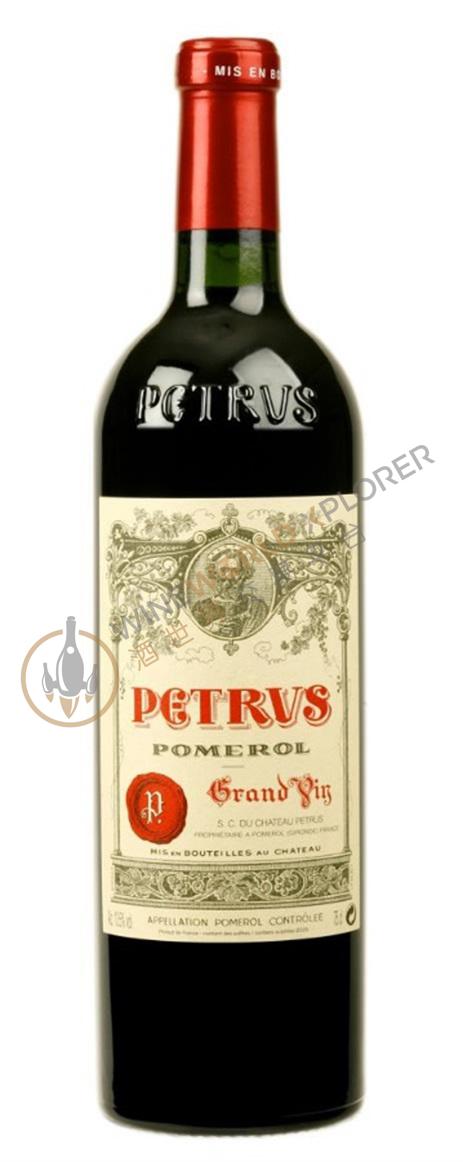
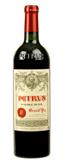
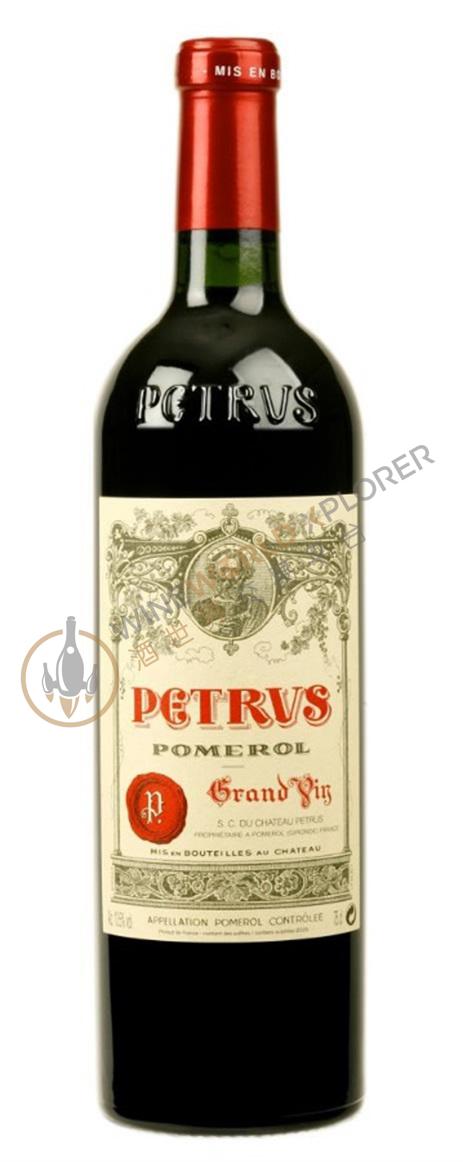
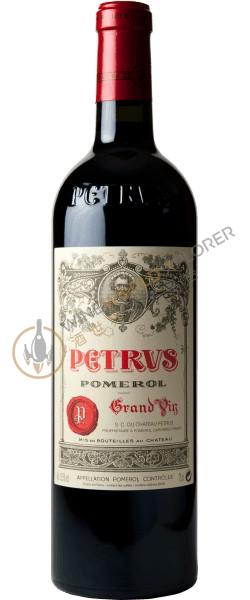
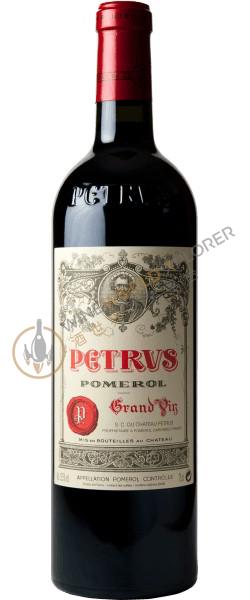
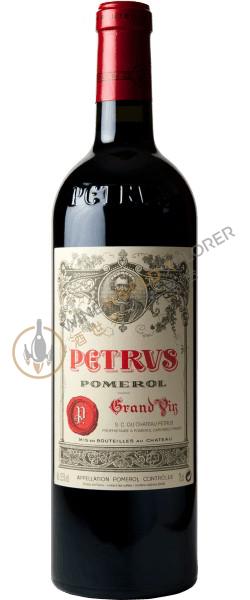
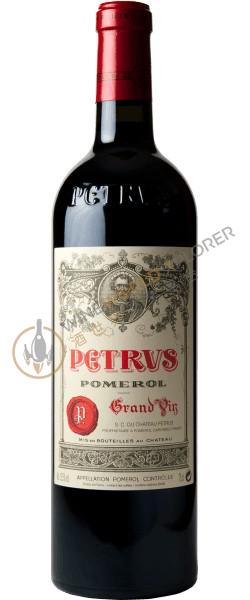
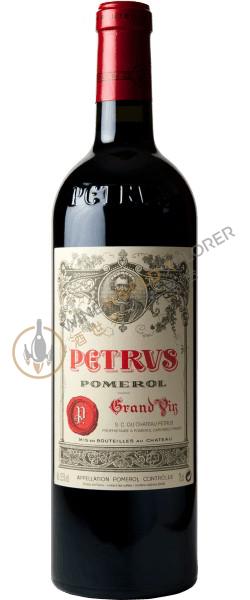
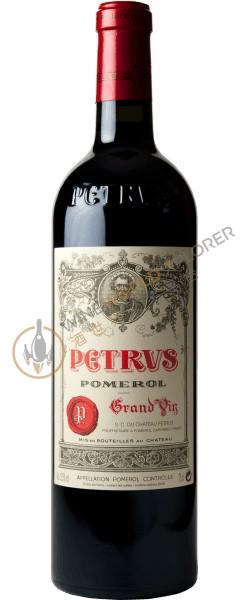
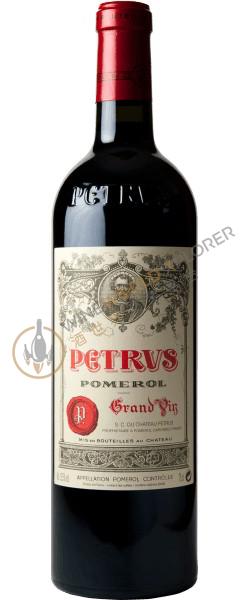
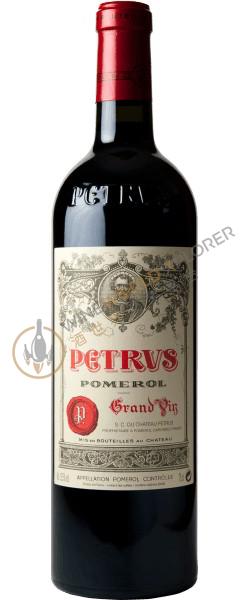
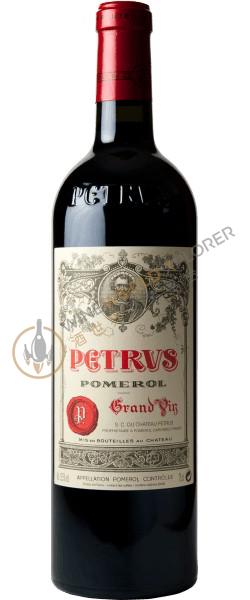
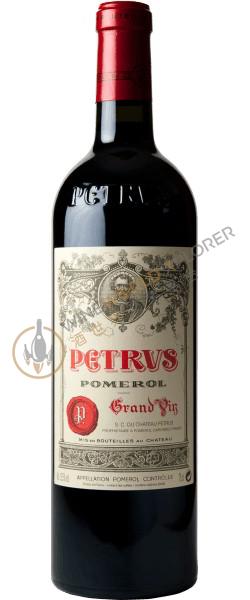
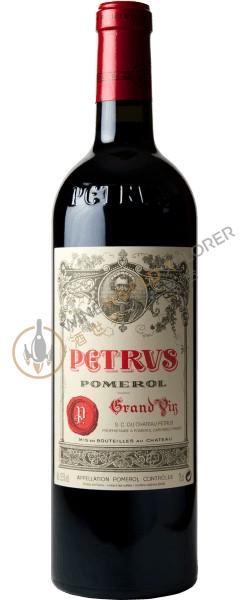
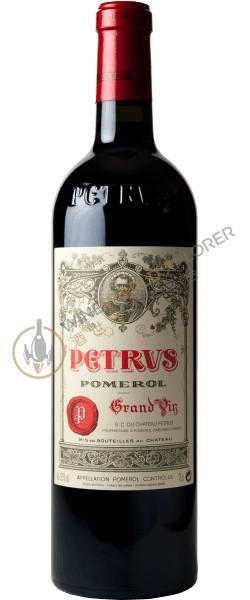
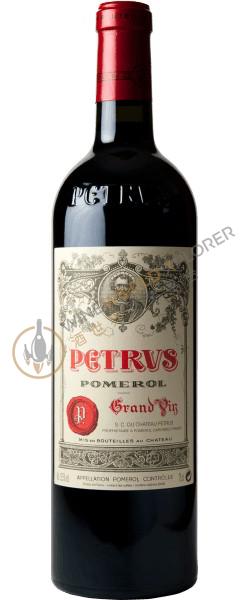
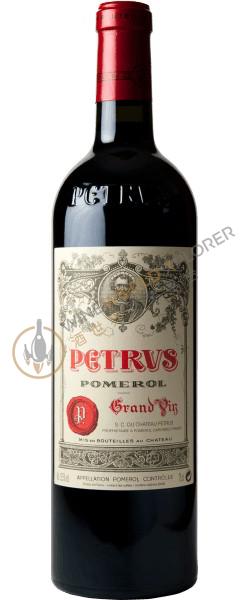
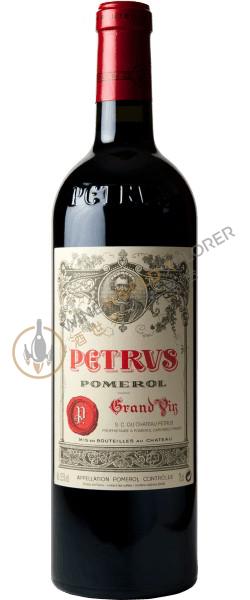
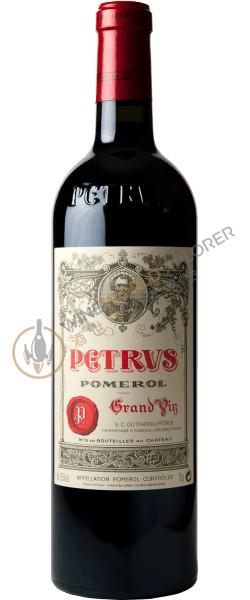
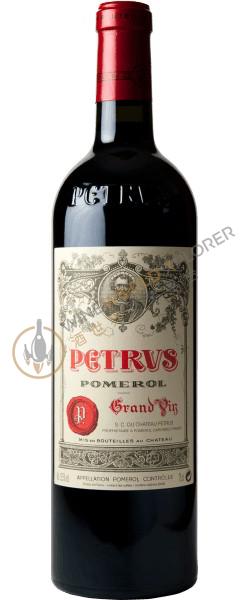
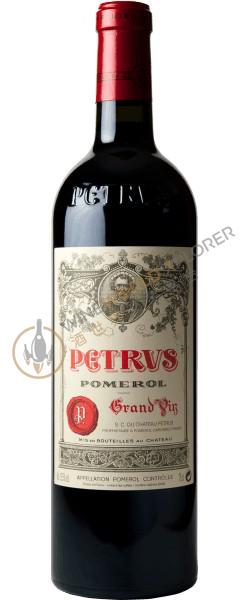
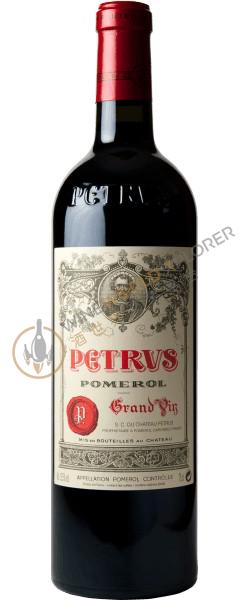
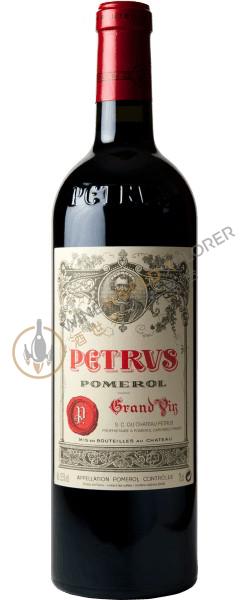
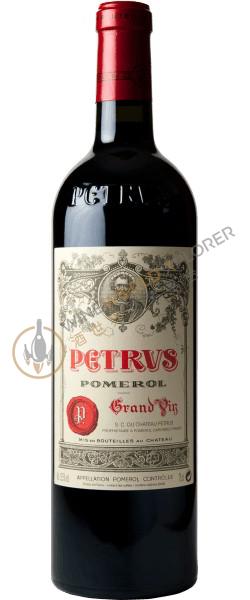
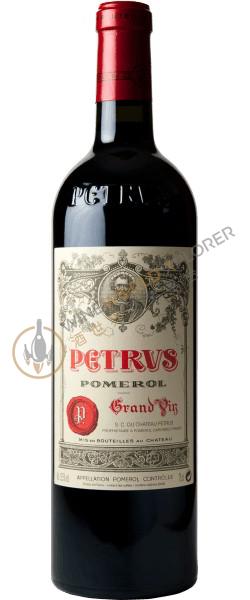
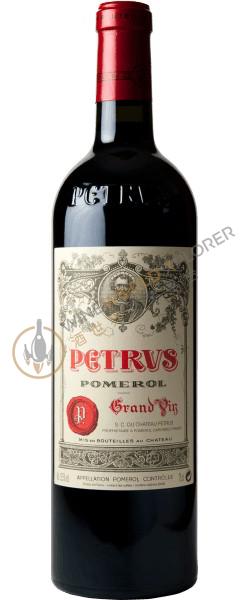
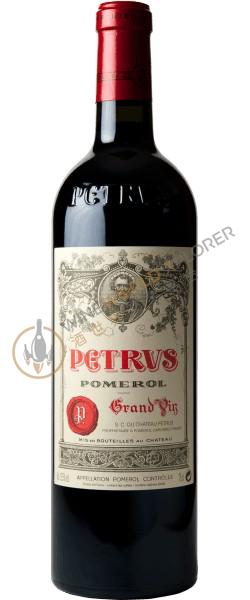
Petrus 2007
 View analysis


Description
Petrus is made almost entirely of Merlot grapes grown in Bordeaux's right bank Pomerol appellation. Although never officially classified, the chateau has long been considered on par with the First Growths from the left bank. The ownership of the estate has passed between the Arnaud family in the 19th century, to Madame Loubat at the end of WWII, and finally to Jean-Pierre Moueix in recent years. Petrus's clay soil is rich in iron and the estate's average vine age is 40 years. Chateau Petrus produces approximately 3,000 cases of wine each year.
Tasting notes

Reviewed by: Neal Martin
Tasted blind at the 2007 Bordeaux horizontal in Southwold. The Petrus 2007 has a well defined on the nose, something slightly reminding me of Chinese plum sauce. Very fine delineation and sense of mineralite. The palate is medium-bodied with firm tannins, a touch of spice and bell pepper, lovely weight in the mouth with cohesive, well-defined finish. It shows great length and refinement, but I would not say it was "best in show" this year. Tasted January 2011.
Reviewed by: Neal Martin
This has a surprisingly light nose for Petrus. It wakes up after 2-3 minutes with some attractive brambly fruit, Doris plum and a touch of dried orange peel. The palate is much better; very good fruit concentration, superb balance with lovely grainy tannins. Very natural and defined with notes of blackberry leaf, briary, a touch of earth. After five minutes it begins to show its breeding. Great persistency towards the finish whilst the nose begins to coalesce. Needs patience – but worth it! Tasted April 2008.
Reviewed by: Robert M. Parker, Jr.
The delicious 2007 is the first Petrus in a number of years that can be drunk immediately. Relatively big for the vintage, it offers a dark plum/ruby/purple color as well as aromas of mulberries, black cherries, cedarwood, and soil undertones, loads of fruit, a plump, medium to full-bodied mouthfeel, silky tannins, and low acidity. It should drink nicely for 15 or more years.
Reviewed by: Neal Martin
Tasted at BI Wine & Spirits' 10-Years-On tasting, the 2007 Petrus has a sumptuous bouquet with ample mulberry, truffle and pain d'epices aromas that are beautifully defined. It just seems to gain more and more volume in the glass. The palate is medium-bodied with grainy tannin, plenty of leather-tinged red fruit, clove and black pepper, a Pomerol with quite a sturdy finish that should see it age with style. This Petrus just seems to be coming into its own now. This is excellent. Tasted February 2017.
Reviewed by: Robert M. Parker, Jr.
Rated - No tasting note given.
Reviewed by: Neal Martin
The 2007 Petrus is certainly one of the over-performers in an otherwise mediocre vintage, although you still have to pay through the nose for a bottle. Served alongside the 2009 and 2010, it has impressive fruit concentration with a mixture of red and black fruit, those traits of black truffle and pain d’épices still evident as displayed on previous bottles. And likewise, the 2007 Petrus does respond to aeration, gaining a little weight and girth in the glass, even if it must lie in the shadow of the 2009 and 2010 (an unfair comparison in many ways). This is probably beginning to drink nicely with 11 years on the clock and should drink well for another fifteen. Tasted blind at a private dinner in Hong Kong.
Reviewed by: Stephen Tanzer
Bright red-ruby. Scented nose offers violet, minerals, menthol, tobacco leaf and pipe tobacco. The palate displays lovely subtle intensity and inner-mouth perfume, with precise flavors of red fruits, minerals and mint expanding and rising on the firm back end. Finishes with fine-grained tannins and a light touch. With 24 hours in the recorked bottle, this showed a somewhat darker, deeper fruit quality, with the menthol and mineral notes coming to the fore. Should repay a few years in the bottle but shows the fairly soft structure characteristic of the year.
Reviewed by: Stephen Tanzer
Saturated ruby-red. Complex nose melds black raspberry, minerals, bitter chocolate and some enticing floral high tones. Very suave on entry, then densely packed and vibrant, with mouthcoating flavors of blackberry and licorice. Finishes with ripe, integrated tannins and lovely lingering violet perfume.
About the Producer
The Patus winery has 11.5 hectares of vineyards. The top layer of the soil in the garden is pure clay, the bottom layer is terracotta, and the deeper layer is lime soil with high iron content, and has a good drainage system. The grape varieties planted are mainly Merlot, accounting for about 95%; the remaining 5% is Cabernet Franc. Because Cabernet Franc matures earlier, unless the vintage is particularly good, Patux winery is generally not used for winemaking. The planting density is 6,000 trees per hectare, and the average age of the trees is around 40 years, and some are even 80 years old. The operator adopts a more traditional method in the renewal of the vineyard, that is, through the selection, the best quality grape vine is used as the "mother plant", which is the same as the method when the Chateau Conti eradicated the old roots in 1946. The vineyard also adopts strict "fruit control". Each plant retains several bud eyes, and each bud eye leaves only one bunch of grapes. The goal is to fully ripen, but avoid over-ripening, otherwise it will affect the delicate flavor of the wine. In terms of the brewing process, Chateau Patus set the grape harvest time in the afternoon, the purpose is to let the morning sun dry the residual dew from the previous night. Each harvest employs 180 harvesters and takes about half a day to complete 2 to 3 harvests. During the brewing, Patus Winery spared no expense, replacing the wooden barrels (of different materials) every 3 months, and the aging time is about 20-22 months. Patus winery attaches great importance to quality and only selects the best grapes. In some bad years, such as 1991, it even stops production. The average annual output of Chateau Patus is no more than 30,000 bottles, which is extremely limited and expensive. Petrus, Pomerol, France is dark in color and has a delicate and rich aroma. Among the aromas of blackcurrant and mint, there are also many aromas such as blackberry, cream, chocolate, truffle, milk and oak. The taste is silky Slippery, long aftertaste.
1950(1)1964(1)1966(1)1969(1)1970(1)1971(1)1975(2)1976(1)1978(1)1979(1)1980(2)1981(3)1982(5)1983(4)1985(4)1986(3)1987(3)1988(8)1989(6)1990(7)1992(1)1993(4)1994(7)1995(6)1996(5)1997(6)1998(11)1999(10)2000(9)2001(13)2002(5)2003(10)2004(11)2005(10)2006(12)
Package Size