 Wine Advisor



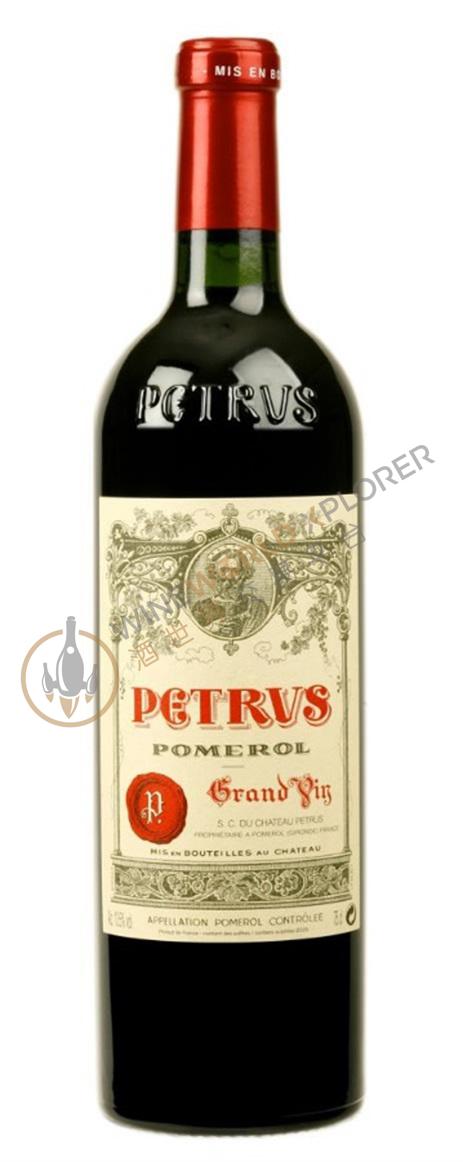
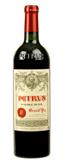
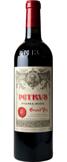
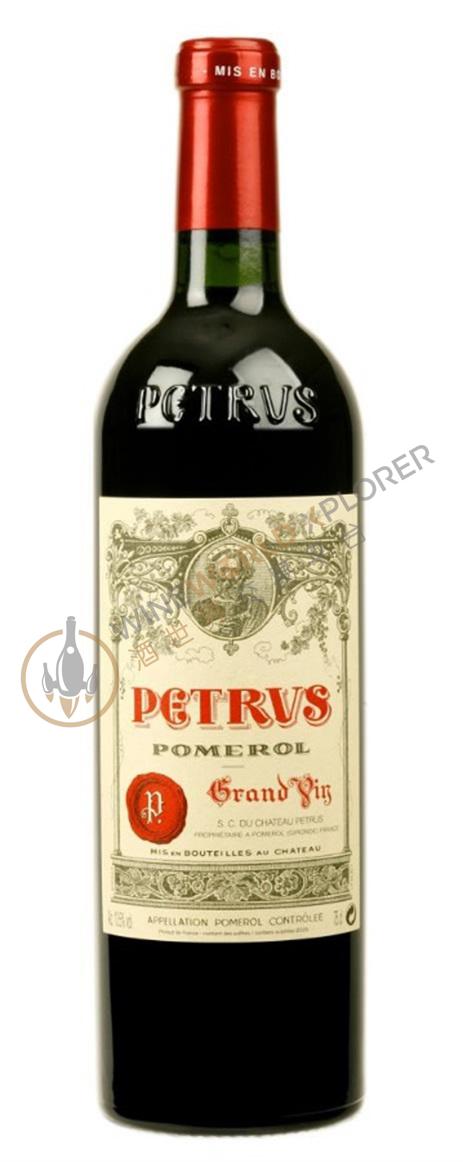
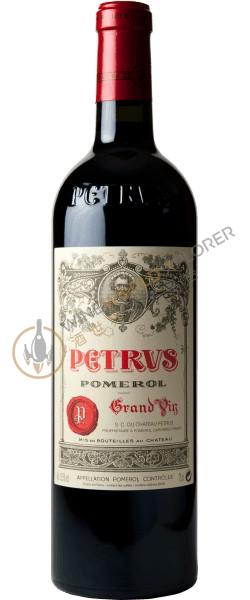
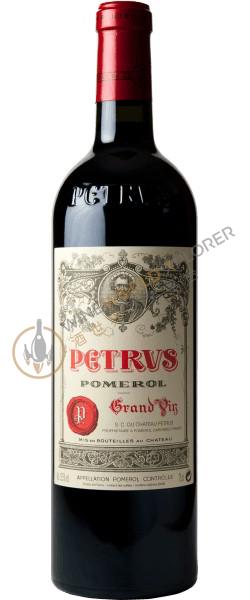
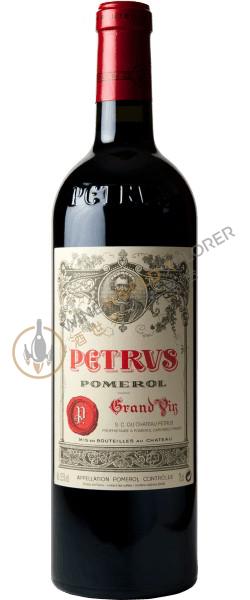
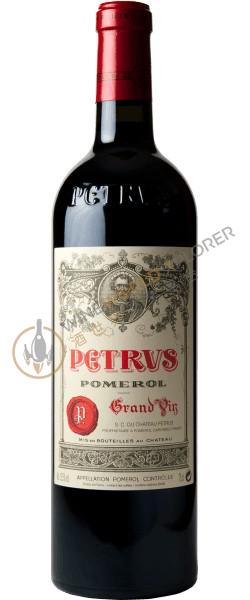
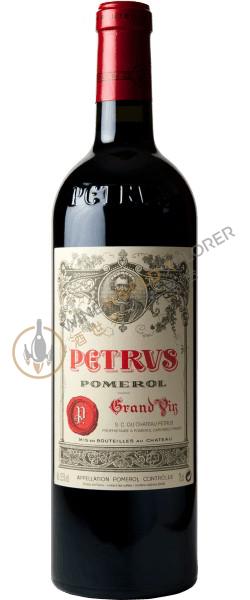
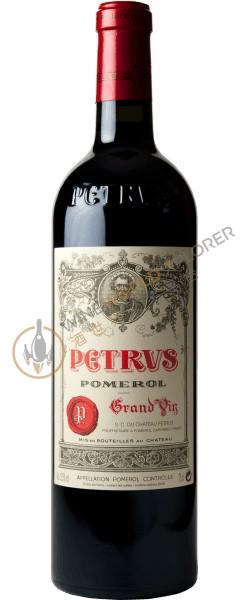
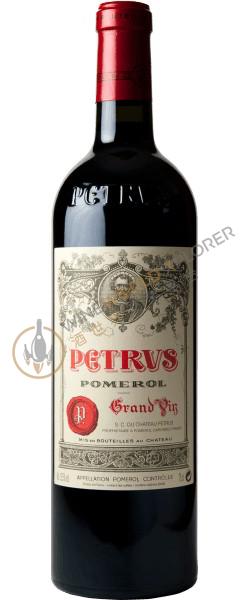
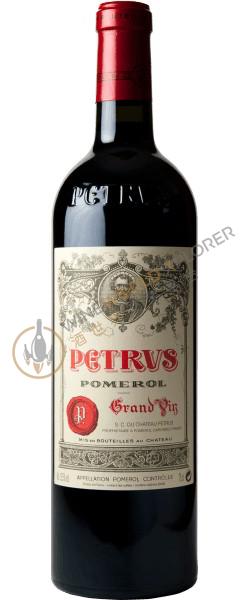
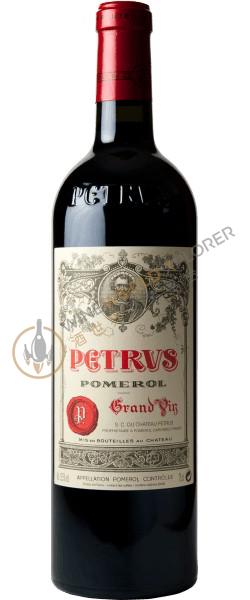
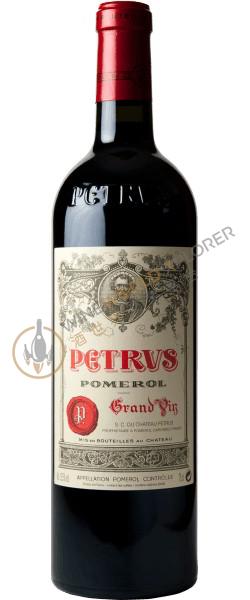
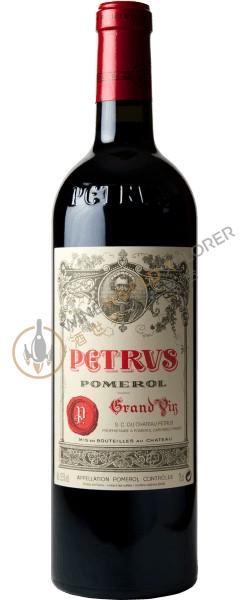
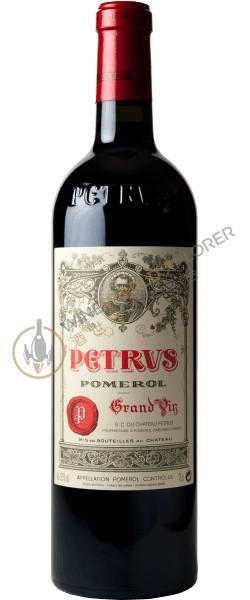
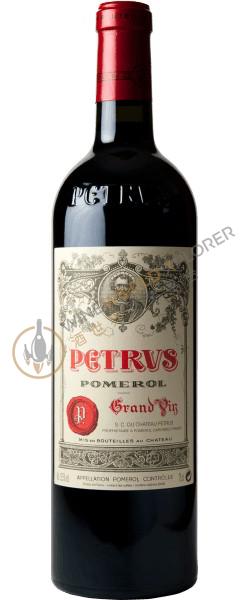
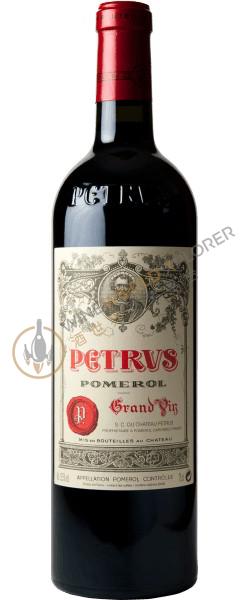
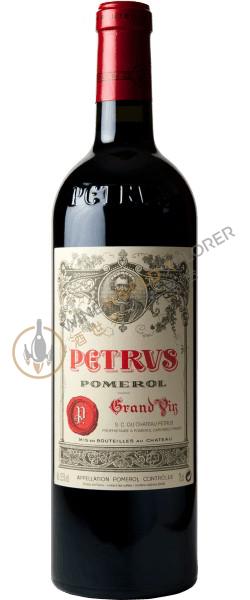
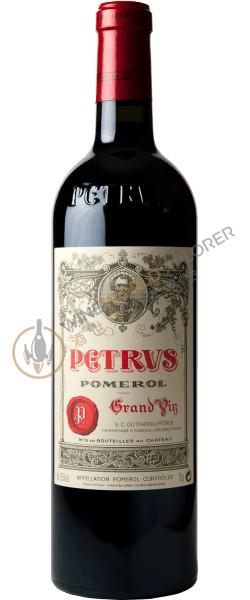
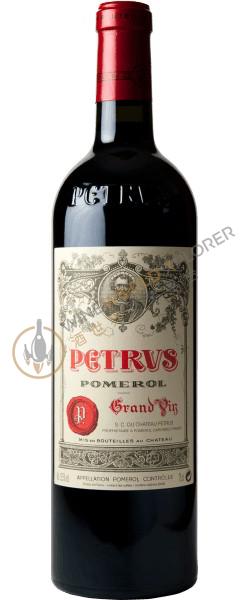
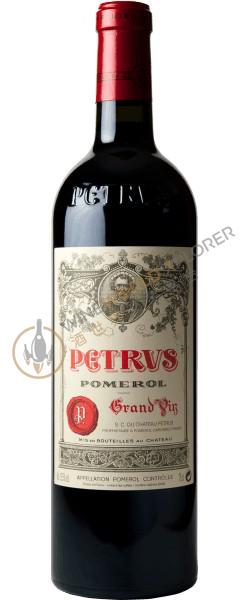
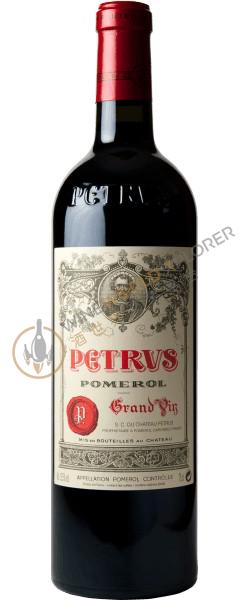
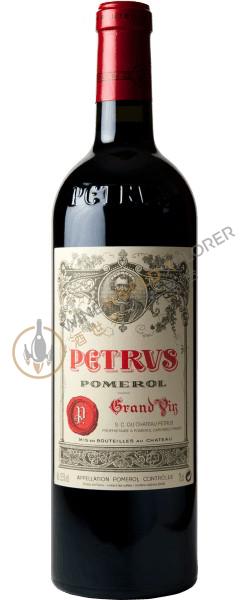
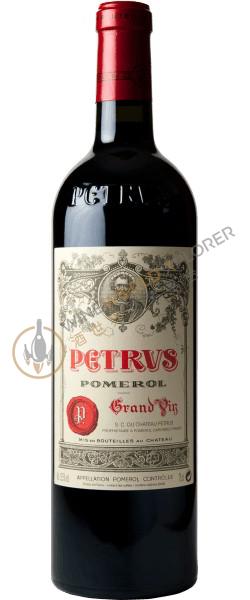
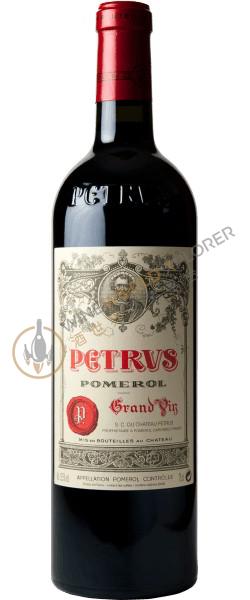
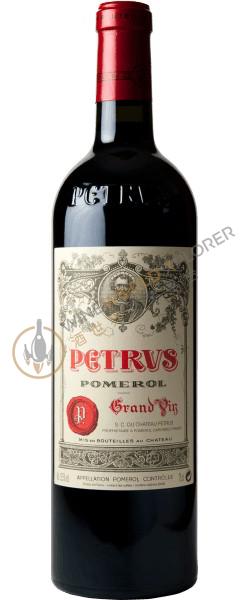
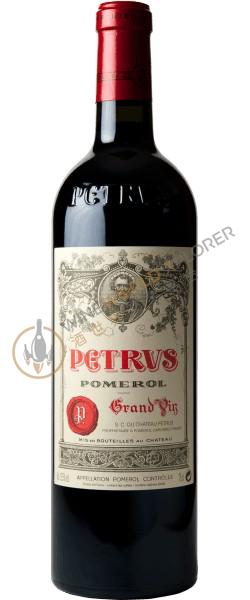
Petrus 2006
 View analysis


Description
Petrus is made almost entirely of Merlot grapes grown in Bordeaux's right bank Pomerol appellation. Although never officially classified, the chateau has long been considered on par with the First Growths from the left bank. The ownership of the estate has passed between the Arnaud family in the 19th century, to Madame Loubat at the end of WWII, and finally to Jean-Pierre Moueix in recent years. Petrus's clay soil is rich in iron and the estate's average vine age is 40 years. Chateau Petrus produces approximately 3,000 cases of wine each year.
Tasting notes

Reviewed by: Robert M. Parker, Jr.
The most backward, tannic, and powerful wine of the appellation, the 2006 Petrus reveals classic herb-tinged, caramel, and sweet black cherry notes intermixed with mocha and spice box. With impressive density, high tannin, full body, and an unyielding style, it will be at its finest between 2020-2050+. This is certainly among the longest-lived wines of the vintage.
Reviewed by: Neal Martin
Tasted blind at Southwold ’06 Bordeaux tasting. The Petrus ’06 is introverted on the nose, masculine with tobacco tinged black fruits, forest floor, baked black cherry and asphalt. The palate is very pure and harmonious, with succulent rounded tannins, black cherries, damson, a touch of tar and Moroccan spice. There is a sense of linearity and symmetry that is utterly beguiling, yet this in fieri Petrus has barely hatched from its shell. I suspect that this Petrus will be overlooked in favour of the ’05, ’08 or ’09, but you need this to complete the set and it will be the dark horse. Tasted January 2010.
Reviewed by: Neal Martin
Tasted at JP Moueix. This year exemplifies the difference in style between the two most iconic Pomerols, Petrus and Le Pin, both equal in stature but in markedly difference ways. The Petrus 2006 is broody and sullen on the nose, but dig deeper and you find a smorgasbord of aromas: blackberry, wild hedgerow, damps moss, blood oranges and what is more, it gains in intensity as the wine aerates. The palate is full-bodied with sublime balance, very harmonious with silky smooth texture. Conversely to the nose, the finish is actually rather extravagant with ripe, succulent black fruits with almost ineffable purity. Touch of brown sugar in the background and on the aftertaste. A complex Petrus, one that is bound to amaze after bottling. Tasted April 2007.
Reviewed by: Robert M. Parker, Jr.
Currently closed and backward, this wine seems to share a more similar character to Trotanoy than in any recent vintages I recall. Powerful, structured, masculine, but a long-term proposition, this dark ruby/purple-colored wine displays notes of caramelized, sweet black cherries and wild berry fruit with plenty of spice, earth, and a hint of herbaceousness. The wine has very high tannins, impressive concentration, but that mouth-searing level of tannin. This is one Petrus that should probably be forgotten for at least 8-10 years and drunk over the following two to three decades. I always find it ironic that Petrus, which is virtually 100% Merlot, is more backward than the first growths of Medoc, which are Cabernet Sauvignon-dominated.
Reviewed by: Neal Martin
Tasted at Bordeaux Index's annual 10-Year On tasting in London. The 2006 Petrus now seems to be evolving more slowly than the 2006 Le Pin: the fruit darker with raspberry coulis, mulberry, hints of marmalade and crushed rose petals coming forth. The palate is medium-bodied with fine tannin, gently gripping the mouth and demonstrating admirable weight and complexity. You might almost think there was some Cabernet Franc towards the finish thanks to the subtle peppery notes coming through. It is probably ready to drink now, but the substance here suggests that it will age for another decade and continue to offer pleasure long after. Tasted January 2016.
Reviewed by: Stephen Tanzer
Bright medium ruby. Reticent but complex nose opened with air to display an almost roasted ripeness to the aromas of dark berries and licorice. Sweet, deep and lush, showing brooding dark berry and black cherry fruit sexed up by an exotic chocolate liqueur quality. A hugely rich but rather inscrutable wine. This was much deeper in pitch than the Trotanoy I tasted next to it, and missing that wine's ineffable mineral high notes, inner-mouth perfume and impression of harmoniousness. Is this simply too young to assess today? Time will tell.
Reviewed by: Stephen Tanzer
Bright red-ruby color. Sexy nose combines black raspberry, mulberry, cherry, spices and nutty oak. Suave, lush and fine-grained, with a subtle sweetness. Distinctly backward and slow to reveal itself, but already highly aromatic in the mouth, suggesting red fruits, spices, minerals and truffle. Today the tannins are less sweet than those of the Trotanoy, but this more powerful wine is ultimately richer and more firmly mineral in character.
About the Producer
The Patus winery has 11.5 hectares of vineyards. The top layer of the soil in the garden is pure clay, the bottom layer is terracotta, and the deeper layer is lime soil with high iron content, and has a good drainage system. The grape varieties planted are mainly Merlot, accounting for about 95%; the remaining 5% is Cabernet Franc. Because Cabernet Franc matures earlier, unless the vintage is particularly good, Patux winery is generally not used for winemaking. The planting density is 6,000 trees per hectare, and the average age of the trees is around 40 years, and some are even 80 years old. The operator adopts a more traditional method in the renewal of the vineyard, that is, through the selection, the best quality grape vine is used as the "mother plant", which is the same as the method when the Chateau Conti eradicated the old roots in 1946. The vineyard also adopts strict "fruit control". Each plant retains several bud eyes, and each bud eye leaves only one bunch of grapes. The goal is to fully ripen, but avoid over-ripening, otherwise it will affect the delicate flavor of the wine. In terms of the brewing process, Chateau Patus set the grape harvest time in the afternoon, the purpose is to let the morning sun dry the residual dew from the previous night. Each harvest employs 180 harvesters and takes about half a day to complete 2 to 3 harvests. During the brewing, Patus Winery spared no expense, replacing the wooden barrels (of different materials) every 3 months, and the aging time is about 20-22 months. Patus winery attaches great importance to quality and only selects the best grapes. In some bad years, such as 1991, it even stops production. The average annual output of Chateau Patus is no more than 30,000 bottles, which is extremely limited and expensive. Petrus, Pomerol, France is dark in color and has a delicate and rich aroma. Among the aromas of blackcurrant and mint, there are also many aromas such as blackberry, cream, chocolate, truffle, milk and oak. The taste is silky Slippery, long aftertaste.
1950(1)1964(1)1966(1)1969(1)1970(1)1971(1)1975(2)1976(1)1978(1)1979(1)1980(2)1981(3)1982(5)1983(4)1985(4)1986(3)1987(3)1988(8)1989(6)1990(7)1992(1)1993(4)1994(7)1995(6)1996(5)1997(6)1998(11)1999(10)2000(9)2001(13)2002(5)2003(10)2004(11)2005(10)
Package Size