 Wine Advisor



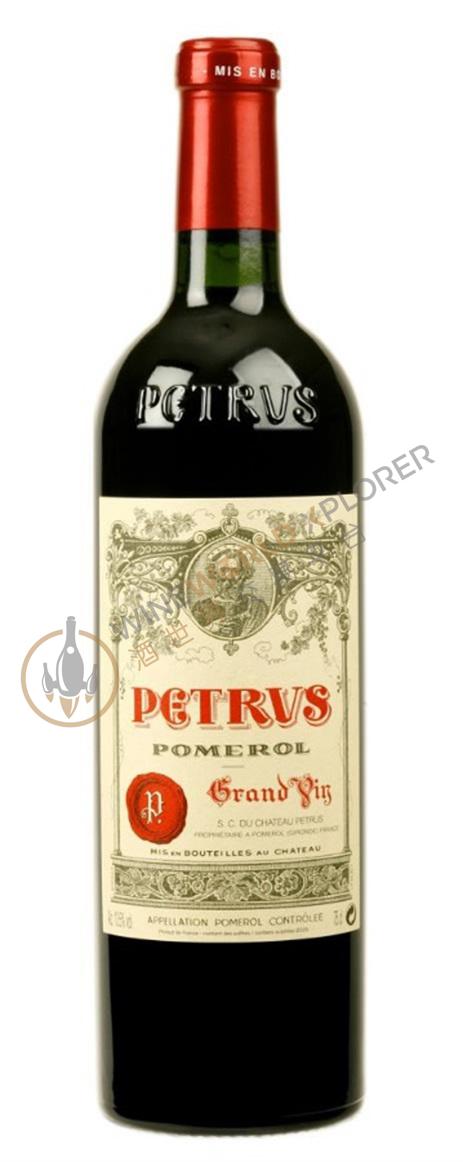
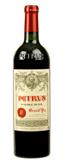
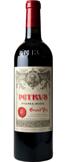
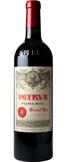
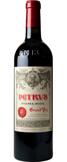
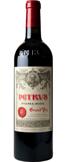
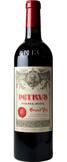
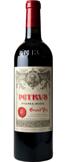
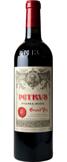
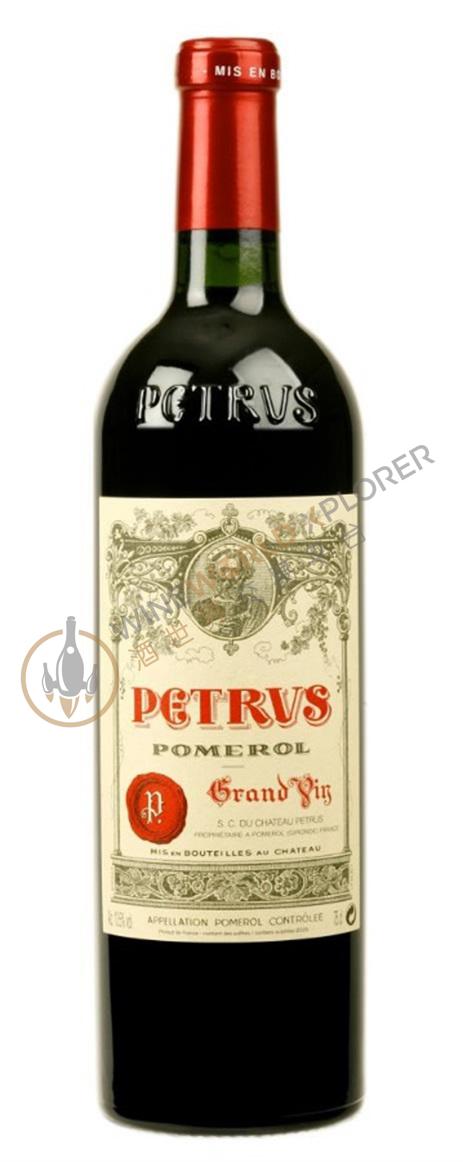
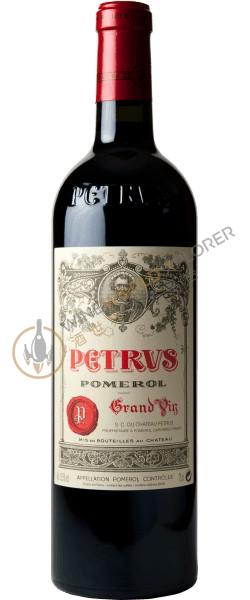
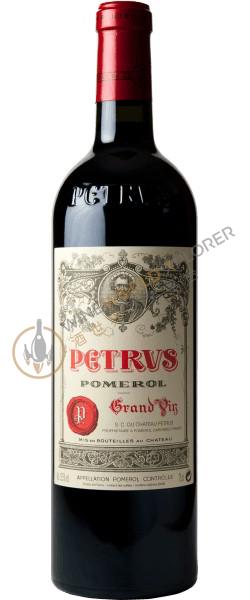
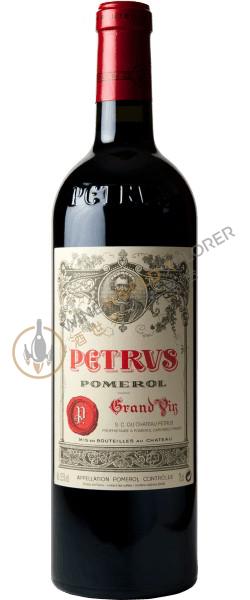
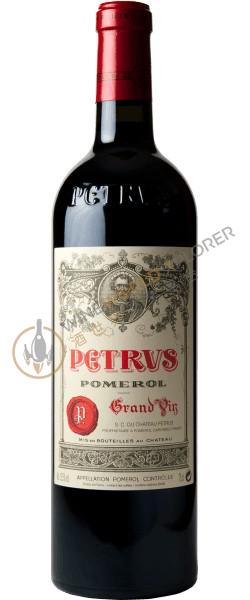
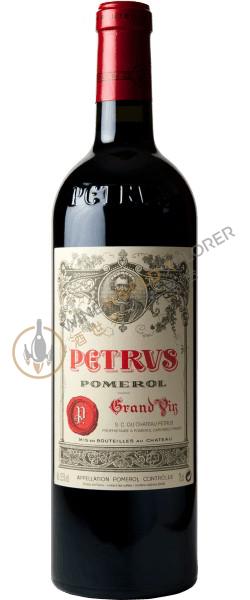
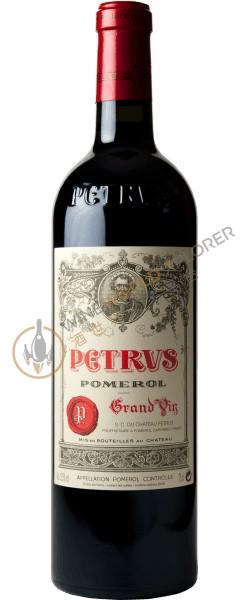
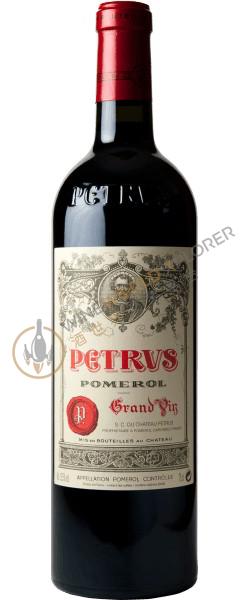
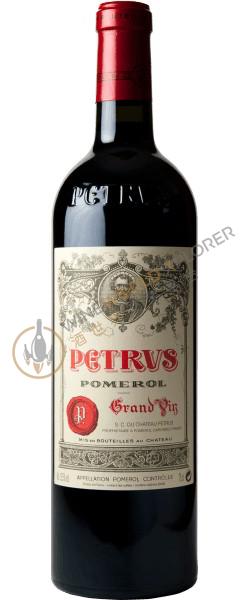
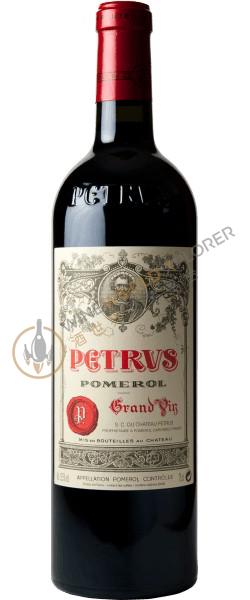
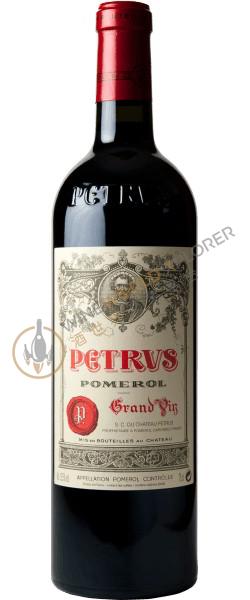
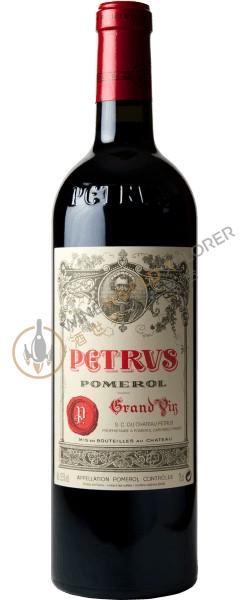
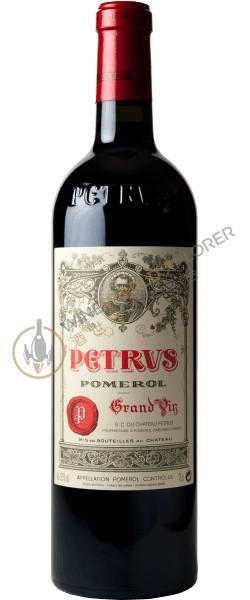
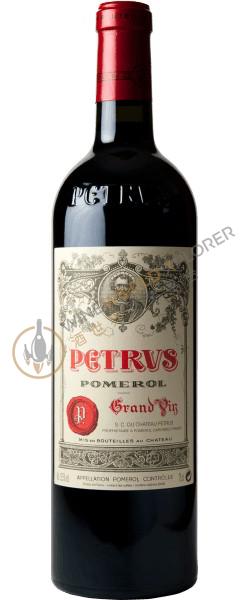
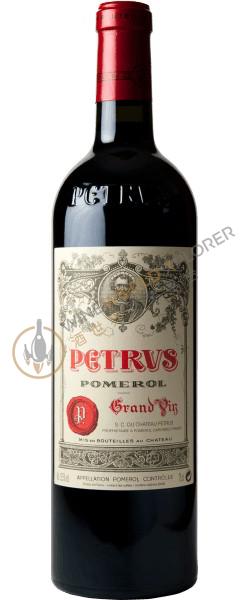
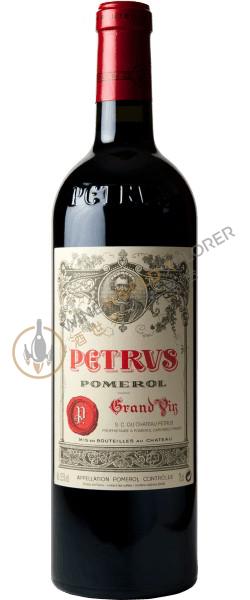
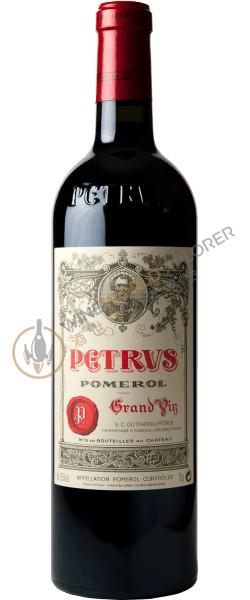
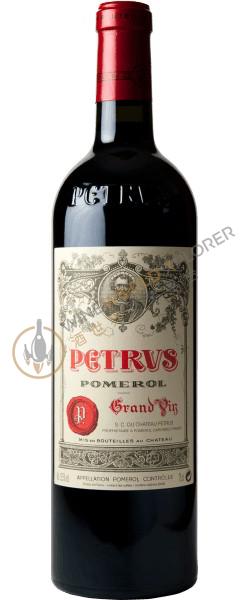
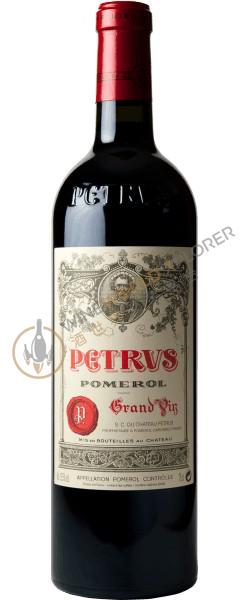
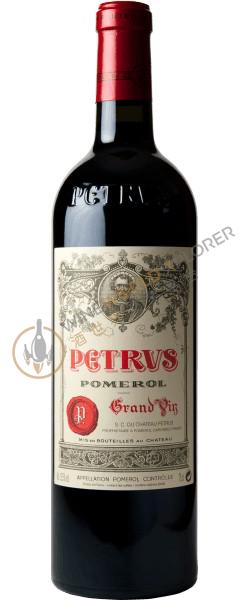
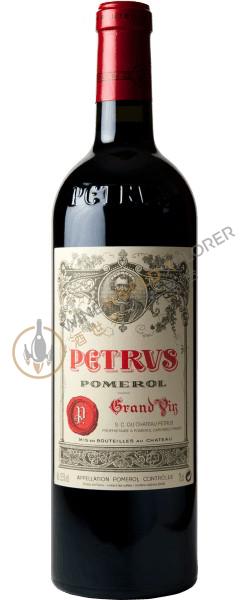
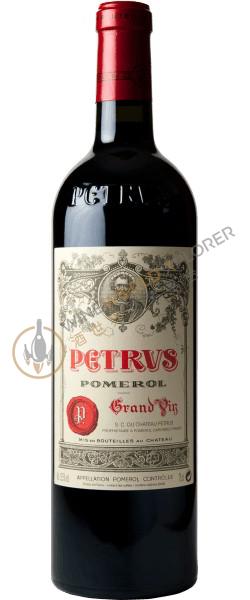
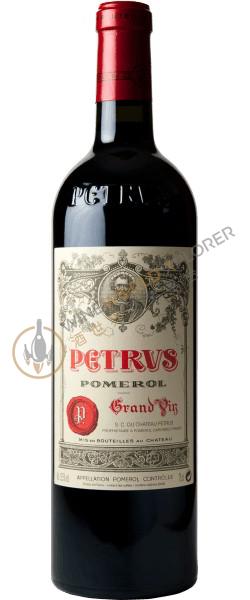
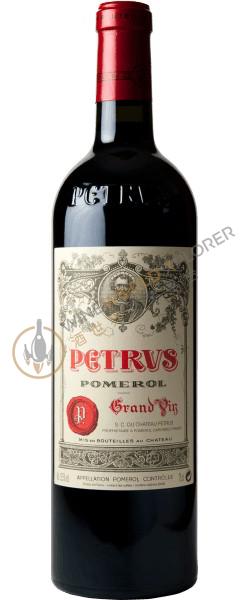
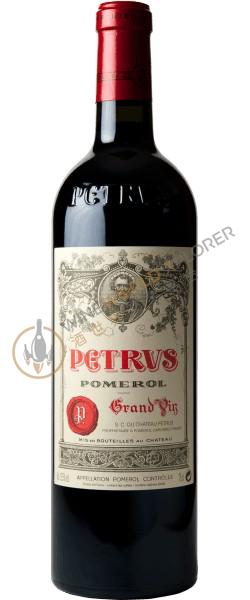
Petrus 2005
 View analysis


Description
Petrus is made almost entirely of Merlot grapes grown in Bordeaux's right bank Pomerol appellation. Although never officially classified, the chateau has long been considered on par with the First Growths from the left bank. The ownership of the estate has passed between the Arnaud family in the 19th century, to Madame Loubat at the end of WWII, and finally to Jean-Pierre Moueix in recent years. Petrus's clay soil is rich in iron and the estate's average vine age is 40 years. Chateau Petrus produces approximately 3,000 cases of wine each year.
Tasting notes

Reviewed by: Robert M. Parker, Jr.
Offering pure black cherry and blackcurrant fruit, the inky ruby/purple 2005 Petrus is still very young and unyielding, but super-concentrated, powerful, full-bodied and primordial. It is much more backward than the likes of Lafleur, Trotanoy or Hosanna. Nevertheless, it is super-rich, extracted, beautifully balanced and pure. Forget it for another 10-15 years, and drink it over the following half-century. This may well be among the longest-lived wines of 2005.
Reviewed by: Robert M. Parker, Jr.
The uncontested star of Pomerol, there are 2,400 cases of the 2005 Petrus, which appears to be the finest wine made at this estate since the 1998 ... and that’s saying something. It boasts an inky/blue/ruby/purple color along with an extraordinary bouquet of sweet mulberries, black cherries, cassis, vanillin, and spice box. While powerful and full-bodied with high tannin, it displays no aggressiveness or austerity. This massive, rich, super-intense Pomerol will be at its finest between 2018-2050+. It is another brilliant achievement for Christian and Jean-Francois Moueix.
Reviewed by: Neal Martin
So here we go. The nose is very muted and takes some coaxing before aromas of blackberry, woodland and a little espresso emerge. Superb definition. The palate is more masculine than I expected with some unresolved tannins that will surely meld together with barrel ageing. Stunning focus, as usual less ostentatious than Le Pin. Broody on the finish. A Petrus virgin might wonder what all the fuss is about, but I think there are the compenents here to make a magnificent wine. But it will need patience. Tasted April 2006.
Reviewed by: Neal Martin
Open knit savoury nose with black truffle and lavender notes. Medium-bodied with slightly coarse tannins and racy acidity. A bit hollow mid-palate with sturdy herbal finish. Foursquare. Good but not Petrus-quality. Tasted July 2006.
Reviewed by: Robert M. Parker, Jr.
Proprietor Jean-Francois Moueix told me this wine reminds him of the 1947 Petrus. Production in 2005 (2,300 cases) was about half of what could be produced, and the resulting wine should last for a half century or more. A dense purple color is followed by a promising nose of sweet black and red fruits interwoven with pain grille, mineral, licorice, and mocha-like characteristics. This full-bodied, powerful, exceptionally pure, multilayered effort is a bigger, fuller Petrus than the 2003, and easily as structured as the 2000. Only time will tell whether it will turn out to be as complex and noble as the 1998. Anticipated maturity: 2015-2050+.
Reviewed by: Robert M. Parker, Jr.
Inky/ruby/purple-colored with a classic, but tightly wound bouquet of vanillin, cedar, roasted herbs, mulberry jam, black cherries, licorice, and graphite, the full-bodied, powerful, tannic 2005 Petrus is a super-concentrated, backward wine meant for five decades of aging. As excruciatingly tannic as some of the northern Medocs, it requires at least 15 years of bottle age. Anticipated maturity: 2020-2050+.
Reviewed by: Neal Martin
The Petrus 2005 might not be the cheapest wine that has ever been made, but if somebody else is paying it will blow you away. Unsurprisingly, it is bestowed with a more nuanced bouquet than the Le Pin ’05. It is beautifully defined, crystalline, with vibrant red berry fruit, minerals, iris and smoke. This is utterly profound. The palate is medium-bodied with filigree tannin, perfect acidity, slightly savoury fruit with an iron-rich finish. There is amazing persistence here, a Petrus that has finally decided to join the ranks of the great vintages from this Pomerol estate such as the 1970, 1989 and 1998. Sensational, seductive and serious.
Reviewed by: Neal Martin
Tasted single blind at Southwold. Normal service is resumed after a questionable bottle after bottling. Tasted blind, this has a deep, broody nose, hoi sin, dark plum, manuka honey and lavender. It certainly has an ethereal sense of delineation. Flamboyant and ravishing, redolent of Tertre–Roteboeuf. The palate is full-bodied, tannic, immense depth with thick saturated tannins: a meaty edge towards the grippy finish. This is a broody but talented baby…be its guardian! Drink 2015-2030+ Tasted January 2009.
Reviewed by: Antonio Galloni
The 2005 Petrus is dazzling. Rich, ample and explosive, the 2005 possesses magnificent density from start to finish. An exotic mélange of cedar, blood orange, spicebox, mint and dried flowers leads into a core of deep, concentrated fruit. All the elements meld together seamlessly in a Petrus that simply has it all. Readers fortunate enough to taste it will find a statuesque, monumental Petrus that is both powerful and refined. The 2005 continued to improve as I tasted it into the second day. It is without question one of the standout wines of 2005.
Reviewed by: Neal Martin
The bottle of 2005 Petrus opened at the Pomerol Comparative Exploration tasting was unfortunately corked however, I was able to re-taste the wine at a private dinner a few weeks later. It continues to be blessed with a crystalline bouquet, spell-binding purity with ebullient, vivacious red berry fruit struck through with minerals and subtle floral scents. The palate is intense but not full-bodied, quite ferrous as it has been since I first tasted it from barrel. The structure is backward and perhaps broodier, more introspective than I expected and therefore afford this behemoth a few years in bottle, maybe even around 15 years, before reaching for the corkscrew. Maybe say a little prayer that it is not corked!
Reviewed by: Stephen Tanzer
Deep red. Knockout nose combines raspberry, mulberry, coffee, minerals and sexy coconutty oak. Strong yet silky on the attack, then strikingly deep in the middle, with superb inner-mouth perfume to the flavors of boysenberry, minerals and flowers. This boasts palate-staining fruit and grip of steel. A powerfully structured, profound wine with extraordinary energy, from fruit picked very early. This great but backward wine should evolve in bottle for three or four decades.
Reviewed by: Stephen Tanzer
Full ruby-red. Wonderfully vibrant aromas of cherry, raspberry, minerals, iron and flowers. Silky on entry, then lush and sweet in the middle. This insidiously fills the mouth without any impression of overripeness or heaviness thanks to its superb inner-palate energy and aromatic character. Finishes with suave, noble, broad tannins and great subtle, scented persistence, with the fresh mineral and floral components giving lift to the back end. Not an obvious blockbuster but communicates an impression of brooding power. This classic Petrus should put on weight during the remainder of its elevage and for decades to come.
About the Producer
The Patus winery has 11.5 hectares of vineyards. The top layer of the soil in the garden is pure clay, the bottom layer is terracotta, and the deeper layer is lime soil with high iron content, and has a good drainage system. The grape varieties planted are mainly Merlot, accounting for about 95%; the remaining 5% is Cabernet Franc. Because Cabernet Franc matures earlier, unless the vintage is particularly good, Patux winery is generally not used for winemaking. The planting density is 6,000 trees per hectare, and the average age of the trees is around 40 years, and some are even 80 years old. The operator adopts a more traditional method in the renewal of the vineyard, that is, through the selection, the best quality grape vine is used as the "mother plant", which is the same as the method when the Chateau Conti eradicated the old roots in 1946. The vineyard also adopts strict "fruit control". Each plant retains several bud eyes, and each bud eye leaves only one bunch of grapes. The goal is to fully ripen, but avoid over-ripening, otherwise it will affect the delicate flavor of the wine. In terms of the brewing process, Chateau Patus set the grape harvest time in the afternoon, the purpose is to let the morning sun dry the residual dew from the previous night. Each harvest employs 180 harvesters and takes about half a day to complete 2 to 3 harvests. During the brewing, Patus Winery spared no expense, replacing the wooden barrels (of different materials) every 3 months, and the aging time is about 20-22 months. Patus winery attaches great importance to quality and only selects the best grapes. In some bad years, such as 1991, it even stops production. The average annual output of Chateau Patus is no more than 30,000 bottles, which is extremely limited and expensive. Petrus, Pomerol, France is dark in color and has a delicate and rich aroma. Among the aromas of blackcurrant and mint, there are also many aromas such as blackberry, cream, chocolate, truffle, milk and oak. The taste is silky Slippery, long aftertaste.
1950(1)1964(1)1966(1)1969(1)1970(1)1971(1)1975(2)1976(1)1978(1)1979(1)1980(2)1981(3)1982(5)1983(4)1985(4)1986(3)1987(3)1988(8)1989(6)1990(7)1992(1)1993(4)1994(7)1995(6)1996(5)1997(6)1998(11)1999(10)2000(9)2001(13)2002(5)2003(10)2004(11)
Package Size