 Wine Advisor



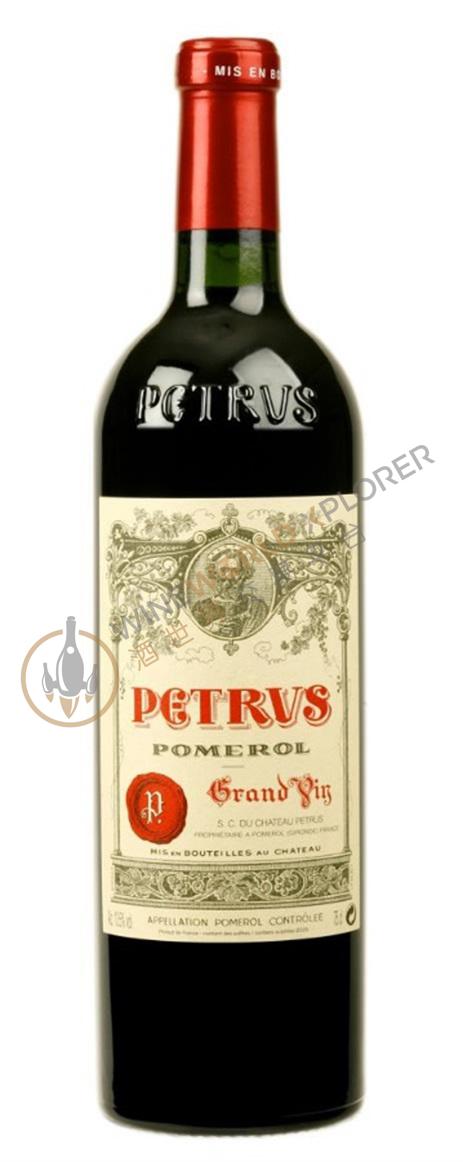
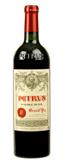
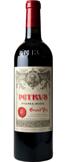
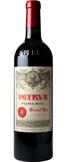
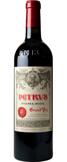
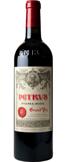
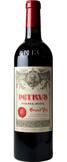
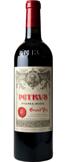
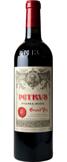
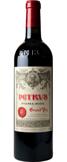
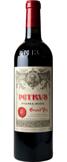
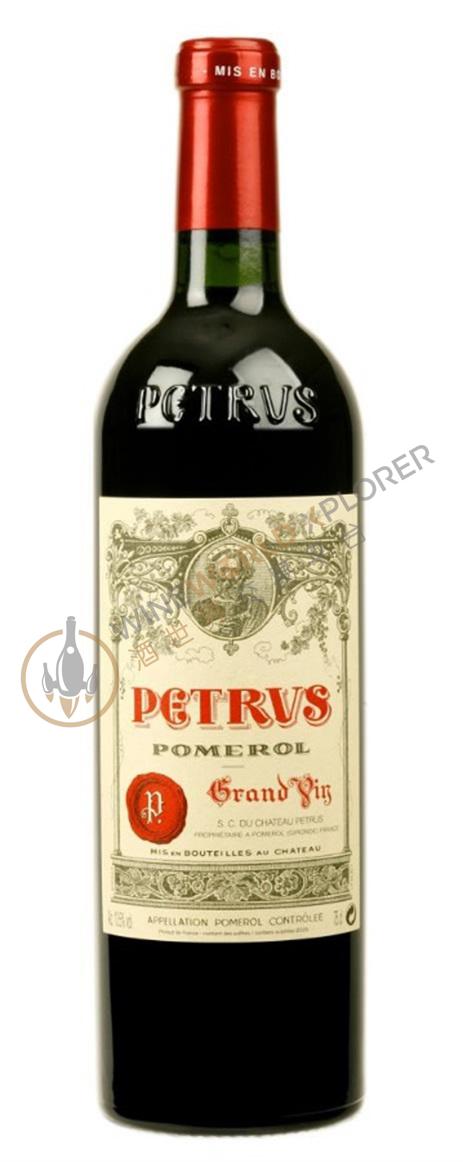
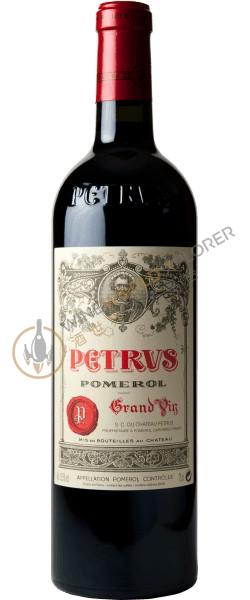
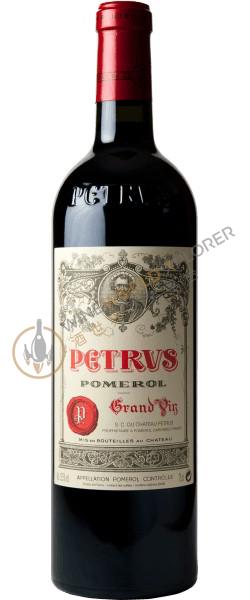
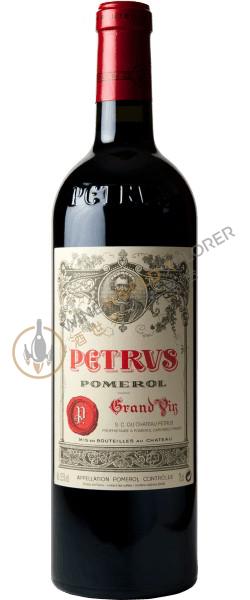
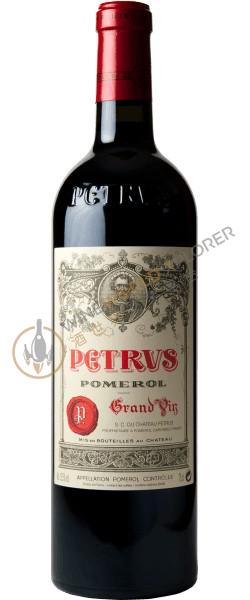
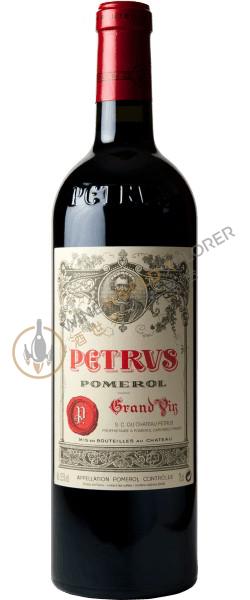
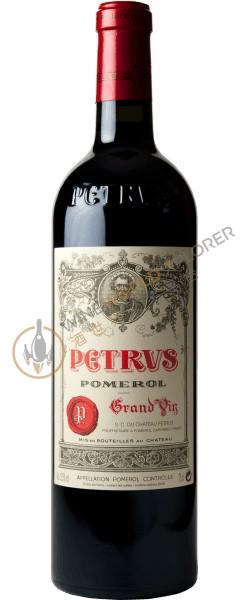
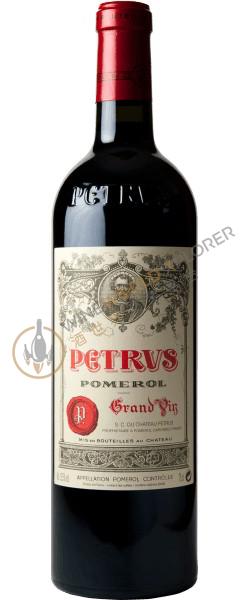
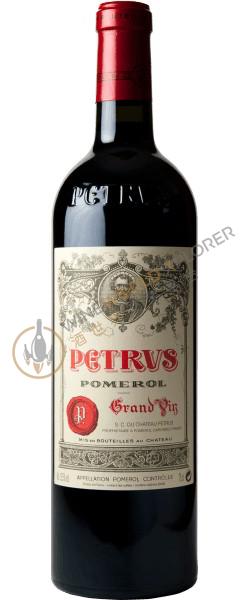
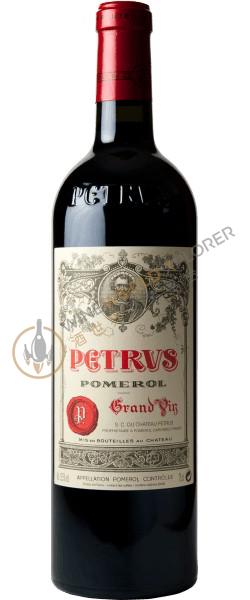
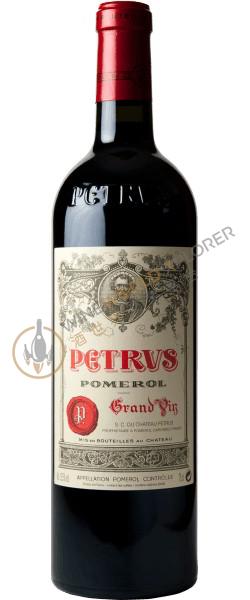
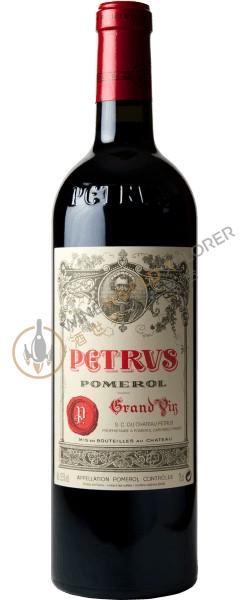
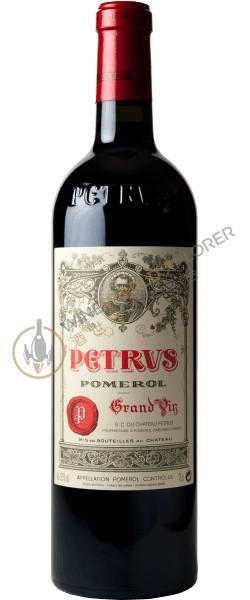
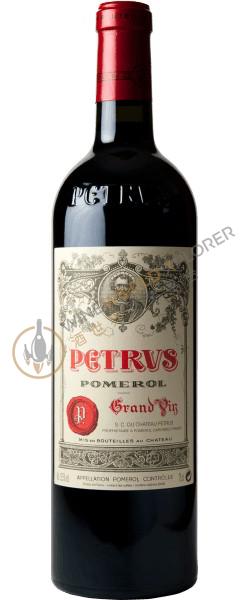
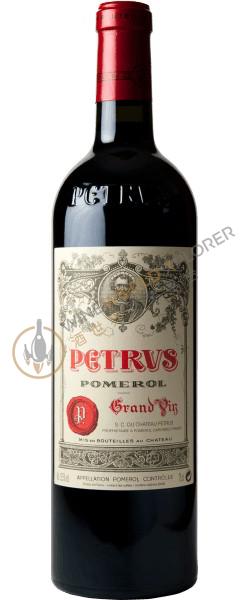
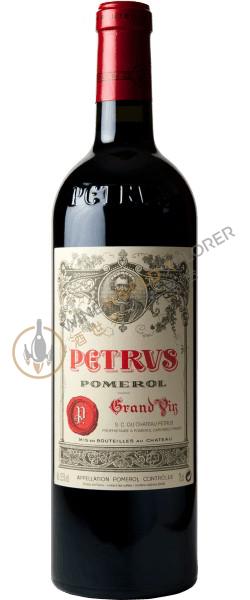
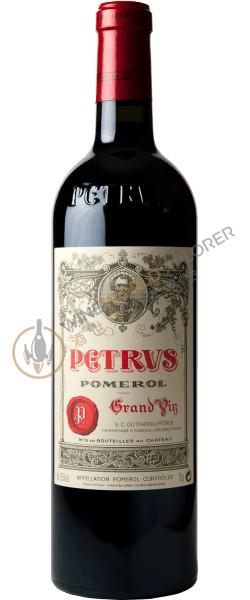
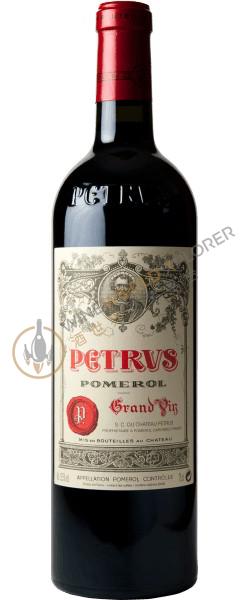
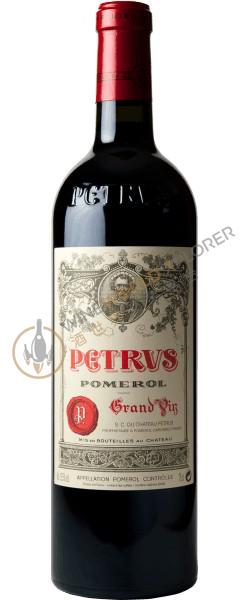
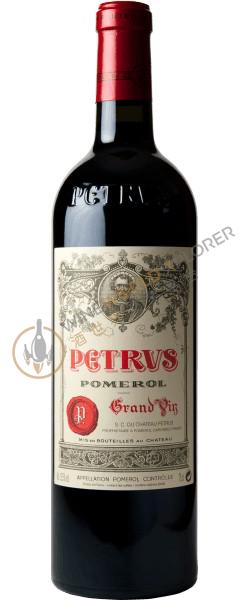
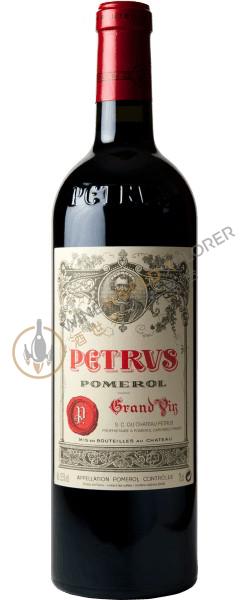
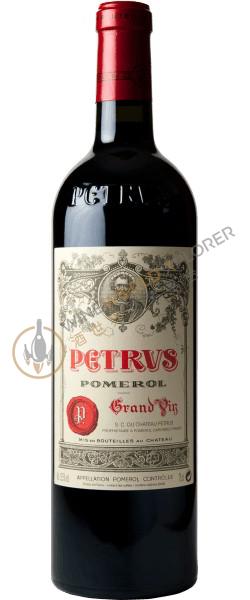
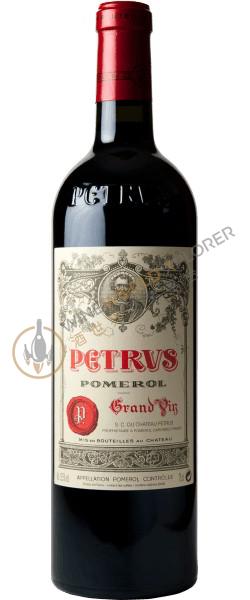
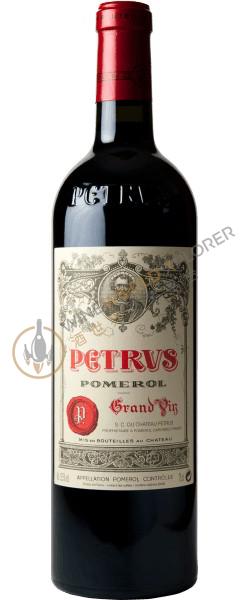
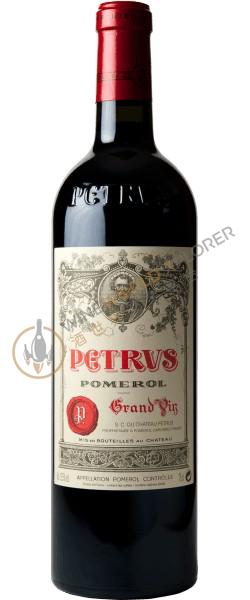
Petrus 2003
 View analysis


Description
Petrus is made almost entirely of Merlot grapes grown in Bordeaux's right bank Pomerol appellation. Although never officially classified, the chateau has long been considered on par with the First Growths from the left bank. The ownership of the estate has passed between the Arnaud family in the 19th century, to Madame Loubat at the end of WWII, and finally to Jean-Pierre Moueix in recent years. Petrus's clay soil is rich in iron and the estate's average vine age is 40 years. Chateau Petrus produces approximately 3,000 cases of wine each year.
Tasting notes

Reviewed by: Robert M. Parker, Jr.
An early September harvest in this hot year produced a 2003 that has reached full maturity. It offers notes of roasted coffee, melted chocolate, figs and black cherry jam. There are some rustic tannins in the finish, but this expansive, rich Petrus displays far more intensity and complexity than most expected given the difficulties in Pomerol in 2003. It should be consumed over the next 4-6 years.
Reviewed by: Neal Martin
Very deep garnet colour. A voluptuous nose: black cherry, cassis and a touch of liquorish. A very lush, sensuous texture, full-bodied with a lot of glycerin. Very rich and opulent, probably the most decadent Petrus that I have tasted. Sweet cassis, black cherry, a blueberry. Yet it maintains a freshness and vitality, similar to Latour 2003. Good grip on the finish that is slightly longer than Latour, perhaps more layered. Becomes more harmonious in the glass, svelte and velvety on the finish. A sexy Petrus, but I prefer the 2001, especially in terms of long-term potential. Tasted November 2005.
Reviewed by: Neal Martin
A very intense nose with blackberry, a touch of liquorices and cedar, although there is just a faint hint of greenness that soon passes. The palate is a little abrasive at first, very tannic with moderate acidity. This wine takes to time to settle in the glass – it certainly improves with vigorous swirling with cassis and ripe blueberry fruits developing. Has a slight broodiness about it. Drink 2012-2025+ Tasted January 2007.
Reviewed by: Robert M. Parker, Jr.
The only Pomerol vineyard to be planted in a deep bed of blue clay, Petrus, which harvested its Merlot in a mere three days during the first week of September (2nd, 3rd, and 4th), did not suffer as much from this historical heat as many of its neighbors, whose vineyards are planted in more gravelly soils. Hence it has produced one of the finest 2003s of Bordeaux’s right bank. However, the production is small, with only 1,650 cases made. The alcohol of 13 - 13.5% was not as high as Christian Moueix suspected, but the acidity levels were low, and the pH running at 3.9 plus, which gives the wine a fat, multilayered, fleshy, textural mouthfeel. The deep ruby/purple color is accompanied by an exceptional nose of jammy red and black fruits intermixed with notions of licorice, vanillin, and underbrush. Full-bodied and opulent, with great intensity as well as noteworthy freshness, and no evidence of over-ripeness (prunes, raisins, etc.), this blockbuster is a remarkable achievement, especially given the style of other Pomerols produced adjacent to this hallowed vineyard. Anticipated maturity: 2010-2030.
Reviewed by: Robert M. Parker, Jr.
Fleshy, fat, and already sexy, the dark plum/purple-tinged 2003 Petrus is exceptionally ripe and rich. While not as exotic as its rival, Lafleur, it is rich, heady, and loaded. A tour de force in winemaking for Pomerol, it vindicates Christian Moueix’s decision to harvest nearly all his Merlot on September 3 and 4, and the Cabernet Franc on September 17. However, production is tiny ... less than 1,700 cases. Full-bodied, powerful, and exceptionally pure without losing its nobility and elegance, this stunning Petrus can be drunk in 2-3 years or cellared for three decades.
Reviewed by: Robert M. Parker, Jr.
A tiny production and probably the earliest harvest ever at Petrus (September 3, 4, and 17, the latter date for the Cabernet Franc), this is one of the great wines and an extraordinary achievement for a Pomerol in this vintage. It was the famous blue clay terroir of Petrus that saved this vineyard from the drought conditions that undid most of the nearby Pomerols, which possess more gravel and sand in their soils. There are only 1,650 cases of the 2003 Petrus as opposed to 1,780 cases of the 2002 (production in abundant years is 4,000 cases). This extraordinarily dense, powerful, full-bodied wine has a dark plum/purple color to the rim and an exceptional bouquet of black raspberries, sweet cherries, vanilla, licorice, and a hint of fig. The wine is powerful and full-bodied with magnificent concentration, huge structure, yet amazing freshness and overall elegance given the size, muscle, and power of this wine. Qualitatively towering above every other Pomerol as well as most of the neighboring St.-Emilions, it is a wine of great density, nobility, and potential longevity. Anticipated maturity: 2015-2040.
Reviewed by: Neal Martin
Tasted at Bordeaux Index’s “10-Year On” tasting in London. The bouquet on the Petrus 2003 seems slight disjointed at first – in fact, I spent a few minutes ascertaining with there might be a touch of TCA? Eventually it pulls itself together and offers attractive aromas of wild strawberry, cloves, cedar and bay leaf. The definition is impressive for the vintage and that is translated on the palate, which is fresh and lively, underpinned by fine, slightly edgy tannins. Petrus clearly is on a different track in this vintage with a sense of symmetry and poise that is atypical. This illustrates how those smectite clays of Petrus can nurture a singular wine. Tasted March 2013.
Reviewed by: Neal Martin
The 2003 Petrus was born in a difficult vintage for Pomerol, although its blue clay a.k.a “smectite” soils probably gave Christian Moueix and Jean-Claude Berrouet a slight advantage given its propensity to retain moisture and prevent hydric stress. That said, I would not mark it down as a top tier Petrus. After a timid opening it settles down with attractive mulberry, wild strawberry and clove scents, quite rich but not overpowering. I would argue that it is not as detailed as other vintages. The palate is very well balanced and surprisingly well defined considering the heat of that summer. Rich and opulent for Petrus (maybe the most opulent that Jean-Claude Berrouet ever made) and yet it retains a sense of symmetry and freshness on the finish that I think is unique to this Pomerol. Who says there is no such thing as terroir? Tasted in London with a Bordeaux merchant.
Reviewed by: Stephen Tanzer
($1; 500-$2,000) Deep, healthy red-ruby color. Multidimensional aromas of mulberry, plum, smoked meat, leather and mocha are at once vibrant and slightly wild. Then sweet, densely packed and powerful, and showing little or no sign of the excesses of the vintage. This has a wonderfully tactile texture and great breadth on the back end. The tannins are sweet but firm and serious, giving the wine outstanding grip-even a touch of youthful austerity-for a 2003 from the right bank. This really coats the mouth. I'd keep my hands off this wine for at least seven or eight years.
Reviewed by: Stephen Tanzer
Ruby-red. Fresh, primary, nuanced nose combines black fruits, cocoa powder, minerals, flowers and mint. At once broad and penetrating, with lively fruit and mineral flavors and a rather powerful underlying structure. This mounts impressively on the back half, finishing with big, firm, almost cabernet-like tannins and excellent length. All of the Moueix 2003s were being protected by higher-than-normal doses of SO2, so it's possible this wine is even richer than it's showing today.
About the Producer
The Patus winery has 11.5 hectares of vineyards. The top layer of the soil in the garden is pure clay, the bottom layer is terracotta, and the deeper layer is lime soil with high iron content, and has a good drainage system. The grape varieties planted are mainly Merlot, accounting for about 95%; the remaining 5% is Cabernet Franc. Because Cabernet Franc matures earlier, unless the vintage is particularly good, Patux winery is generally not used for winemaking. The planting density is 6,000 trees per hectare, and the average age of the trees is around 40 years, and some are even 80 years old. The operator adopts a more traditional method in the renewal of the vineyard, that is, through the selection, the best quality grape vine is used as the "mother plant", which is the same as the method when the Chateau Conti eradicated the old roots in 1946. The vineyard also adopts strict "fruit control". Each plant retains several bud eyes, and each bud eye leaves only one bunch of grapes. The goal is to fully ripen, but avoid over-ripening, otherwise it will affect the delicate flavor of the wine. In terms of the brewing process, Chateau Patus set the grape harvest time in the afternoon, the purpose is to let the morning sun dry the residual dew from the previous night. Each harvest employs 180 harvesters and takes about half a day to complete 2 to 3 harvests. During the brewing, Patus Winery spared no expense, replacing the wooden barrels (of different materials) every 3 months, and the aging time is about 20-22 months. Patus winery attaches great importance to quality and only selects the best grapes. In some bad years, such as 1991, it even stops production. The average annual output of Chateau Patus is no more than 30,000 bottles, which is extremely limited and expensive. Petrus, Pomerol, France is dark in color and has a delicate and rich aroma. Among the aromas of blackcurrant and mint, there are also many aromas such as blackberry, cream, chocolate, truffle, milk and oak. The taste is silky Slippery, long aftertaste.
1950(1)1964(1)1966(1)1969(1)1970(1)1971(1)1975(2)1976(1)1978(1)1979(1)1980(2)1981(3)1982(5)1983(4)1985(4)1986(3)1987(3)1988(8)1989(6)1990(7)1992(1)1993(4)1994(7)1995(6)1996(5)1997(6)1998(11)1999(10)2000(9)2001(13)2002(5)
Package Size