 Wine Advisor



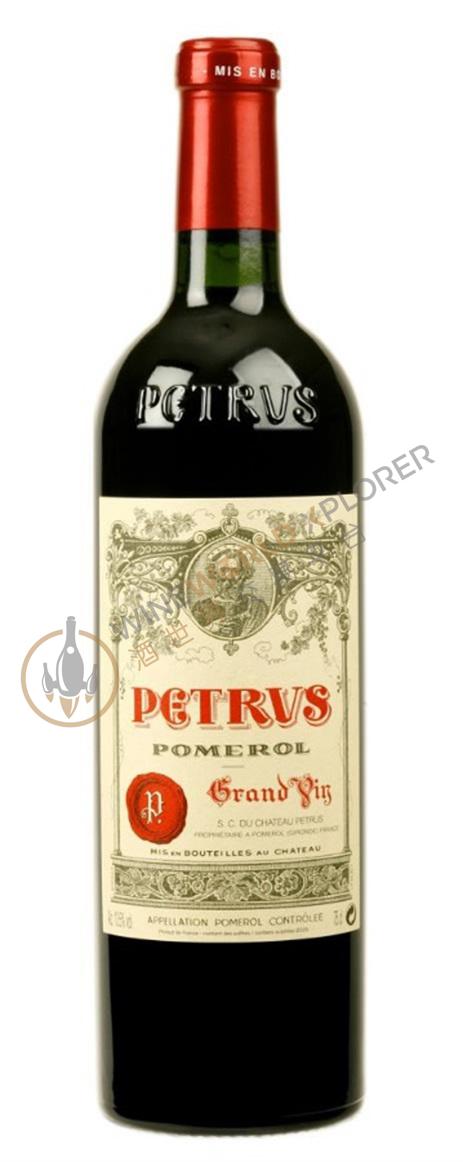
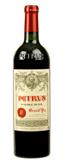
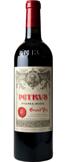
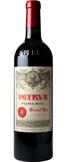
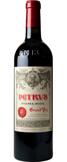
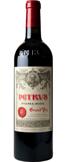
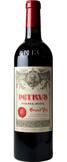
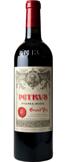
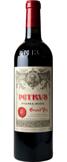
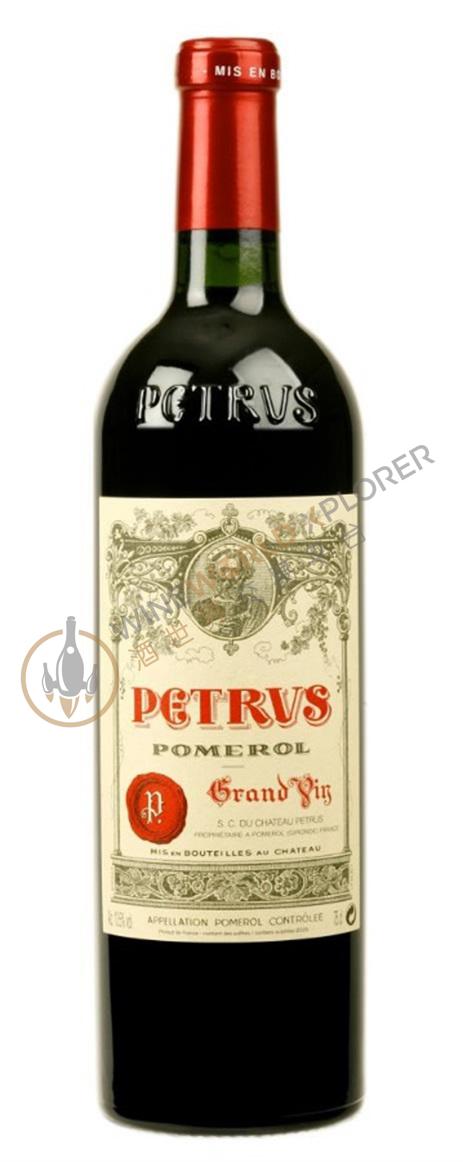
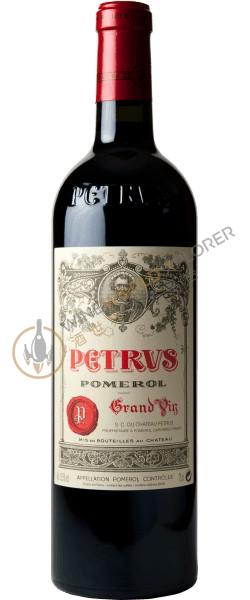
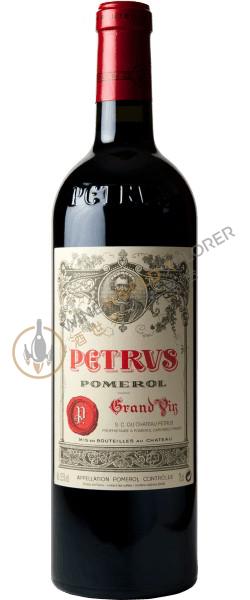
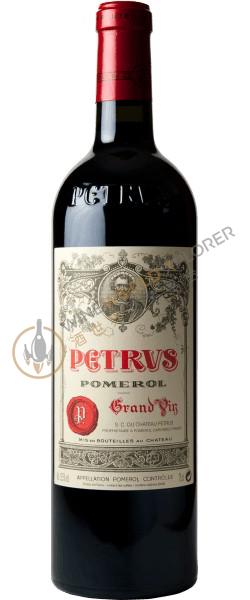
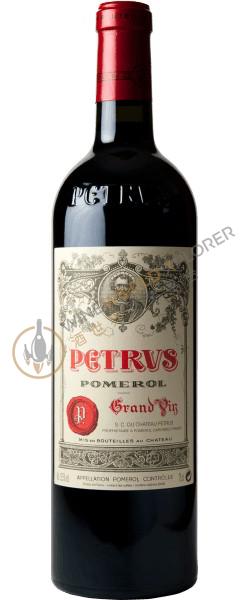
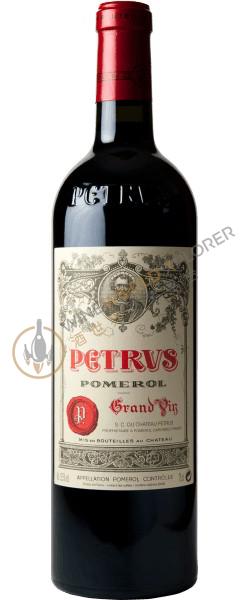
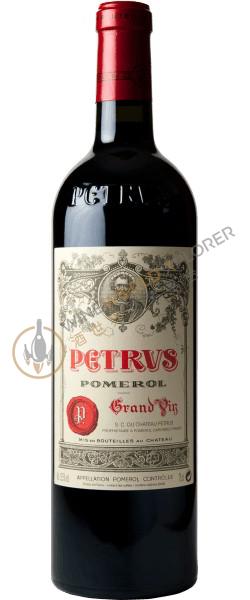
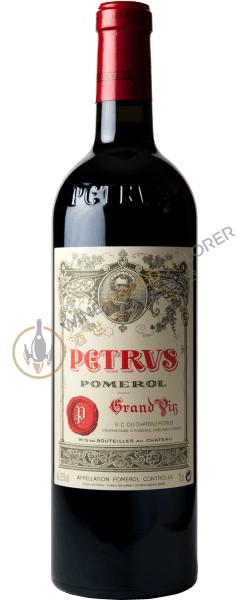
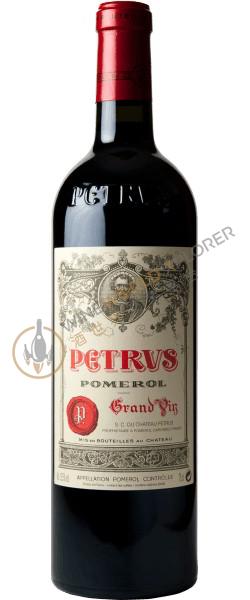
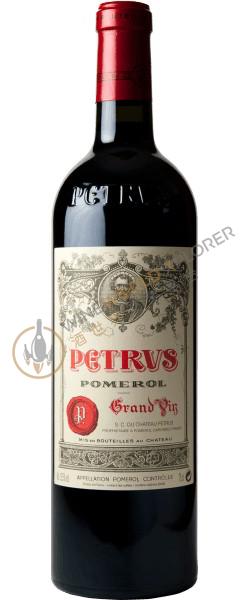
Petrus 2002
 View analysis


Description
Petrus is made almost entirely of Merlot grapes grown in Bordeaux's right bank Pomerol appellation. Although never officially classified, the chateau has long been considered on par with the First Growths from the left bank. The ownership of the estate has passed between the Arnaud family in the 19th century, to Madame Loubat at the end of WWII, and finally to Jean-Pierre Moueix in recent years. Petrus's clay soil is rich in iron and the estate's average vine age is 40 years. Chateau Petrus produces approximately 3,000 cases of wine each year.
Tasting notes

Reviewed by: Robert M. Parker, Jr.
Considering the fact that wine administrator Christian Moueix was contemplating not making a 2002 Petrus, I was surprised by how strongly this wine performed. However, production was cut in half, with only 1,800 cases produced. The resulting offering has the potential to be the top wine of the appellation. A deep plum/purple color is followed by sweet aromas of mulberries, black cherries, vanillin, and hints of truffles as well as licorice. It is impressively pure and medium to full-bodied, with moderately high tannin in the finish. This is not a blockbuster, brawny, super-concentrated Petrus, but it is one of the biggest 2002s made in Pomerol. Moreover, it will possess as much longevity as L’Evangile, Lafleur or Le Gay, three other noteworthy Pomerols. Anticipated maturity: 2011-2025
Reviewed by: Neal Martin
A deep garnet colour. A well-defined blackcurrant nose that is still muted. The palate is very well balanced and harmonious with well-knit tannins. Quite minerally with fresh acidity. Feminine, this is not a powerful wine, but very suave and intellectual. The tannins are still a little coarse on the finish but no doubt these will smooth out in time. Very fine. Tasted October 2003.
Reviewed by: Neal Martin
Tasted blind at Farr’s 2002 Bordeaux tasting. It is difficult to get my head around this nose, with ripe black cherries, plum and damson on one side, but a touch of greenness on the other. However, the palate is superb: very harmonious with sensuous, filigree tannins, quite conservative and reserved with a touch of liquorices and sous-bois on the finish. When I discovered this was Petrus, I am convinced this wine is at an awkward, adolescent stage and so should not be touched for another 3-4 years, by which time it should coalesce. Tasted October 2009.
Reviewed by: Robert M. Parker, Jr.
A relatively strong effort for this vintage, but hardly one of the profound examples of Petrus, this wine exhibits a dark plum color and a somewhat monolithic, foursquare personality with notes of plums, black cherries, licorice, and some herbs and damp earth. Medium-bodied, muscular, and tannic, but lacking some charm and sweetness, it should age nicely for 12-15 more years and possibly be even better than my score. Readers who buy it should not even attempt opening a bottle for at least 4-5 years.
Reviewed by: Neal Martin
The 2002 Petrus is poured from magnum but even the larger format does not quite elevate what is essentially a rather ordinary Pomerol, at least by this cru’s standards. It has a pleasant, well-defined nose that is just missing the complexity and “je ne sais quoi” of other vintages. The palate is balanced with plenty of dusky red fruit laced with cedar and tobacco, just a little tapering towards the finish with modest length. It is a perfectly decent Petrus, although it just leaves you wanting more. Tasted at the Petrus dinner at the Épure restaurant in Hong Kong.
Reviewed by: Stephen Tanzer
Good full red. Red plum, minerals, coffee, cocoa powder and sexy oak on the nose. Densely packed and round but cool, with rich, full red fruit flavors spreading out to saturate the entire mouth. Just a hint of austerity to remind the taster of the vintage. Finishes with excellent length for 2002 and good, ripe tannins.
About the Producer
The Patus winery has 11.5 hectares of vineyards. The top layer of the soil in the garden is pure clay, the bottom layer is terracotta, and the deeper layer is lime soil with high iron content, and has a good drainage system. The grape varieties planted are mainly Merlot, accounting for about 95%; the remaining 5% is Cabernet Franc. Because Cabernet Franc matures earlier, unless the vintage is particularly good, Patux winery is generally not used for winemaking. The planting density is 6,000 trees per hectare, and the average age of the trees is around 40 years, and some are even 80 years old. The operator adopts a more traditional method in the renewal of the vineyard, that is, through the selection, the best quality grape vine is used as the "mother plant", which is the same as the method when the Chateau Conti eradicated the old roots in 1946. The vineyard also adopts strict "fruit control". Each plant retains several bud eyes, and each bud eye leaves only one bunch of grapes. The goal is to fully ripen, but avoid over-ripening, otherwise it will affect the delicate flavor of the wine. In terms of the brewing process, Chateau Patus set the grape harvest time in the afternoon, the purpose is to let the morning sun dry the residual dew from the previous night. Each harvest employs 180 harvesters and takes about half a day to complete 2 to 3 harvests. During the brewing, Patus Winery spared no expense, replacing the wooden barrels (of different materials) every 3 months, and the aging time is about 20-22 months. Patus winery attaches great importance to quality and only selects the best grapes. In some bad years, such as 1991, it even stops production. The average annual output of Chateau Patus is no more than 30,000 bottles, which is extremely limited and expensive. Petrus, Pomerol, France is dark in color and has a delicate and rich aroma. Among the aromas of blackcurrant and mint, there are also many aromas such as blackberry, cream, chocolate, truffle, milk and oak. The taste is silky Slippery, long aftertaste.
1950(1)1964(1)1966(1)1969(1)1970(1)1971(1)1975(2)1976(1)1978(1)1979(1)1980(2)1981(3)1982(5)1983(4)1985(4)1986(3)1987(3)1988(8)1989(6)1990(7)1992(1)1993(4)1994(7)1995(6)1996(5)1997(6)1998(11)1999(10)2000(9)2001(13)
Package Size