 Wine Advisor



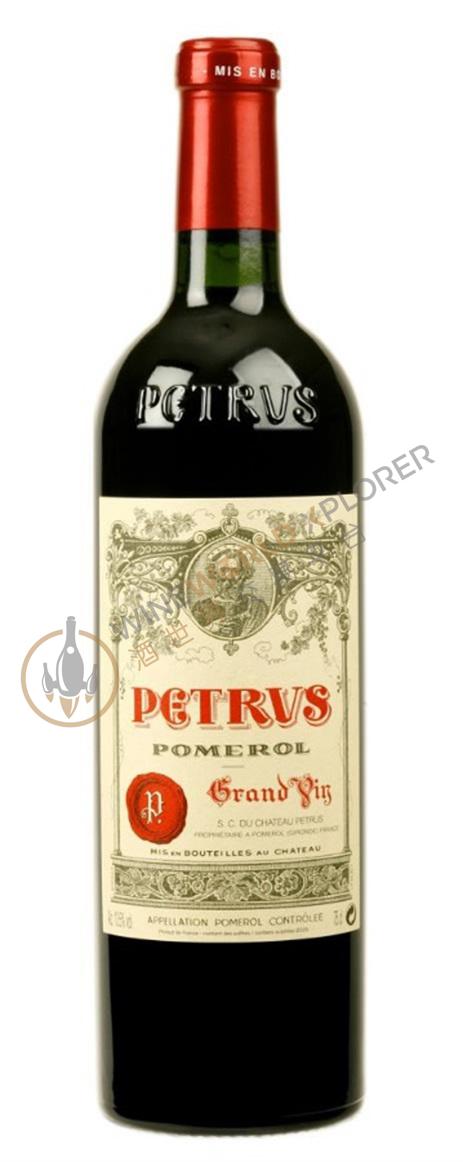
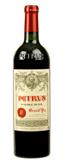
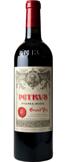
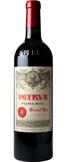
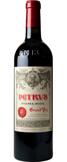
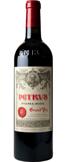
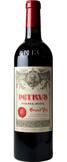
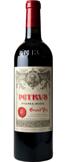
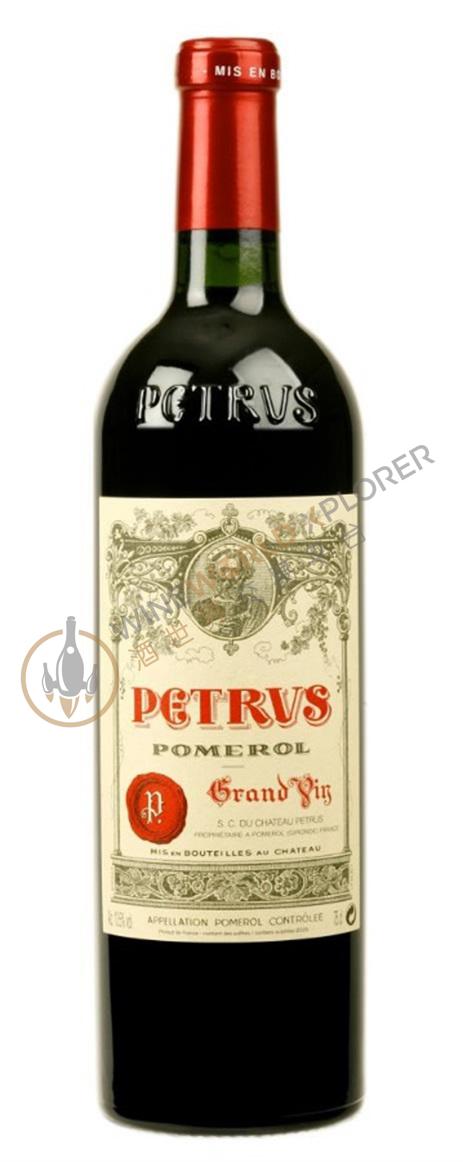
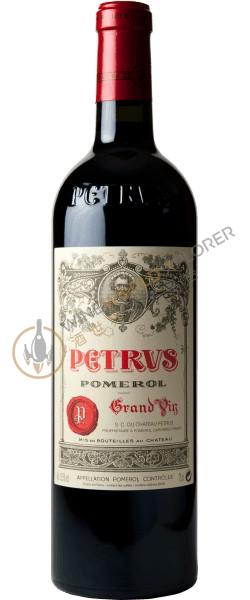
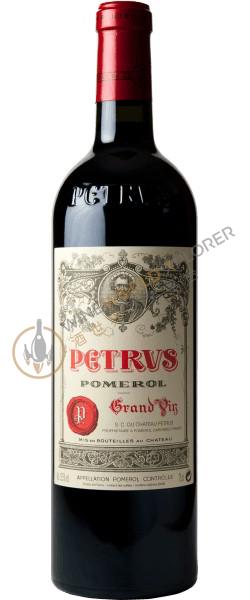
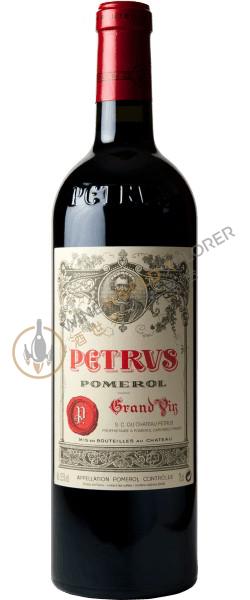
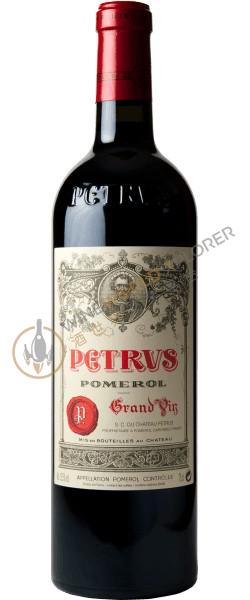
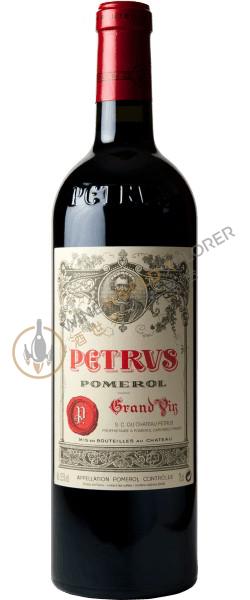
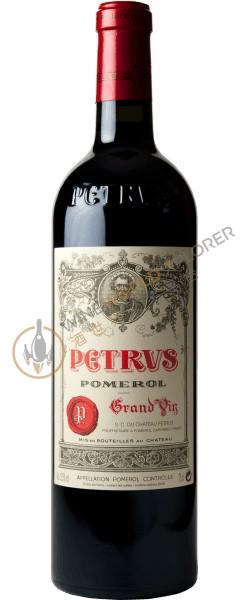
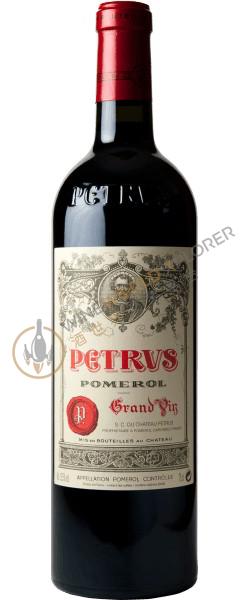
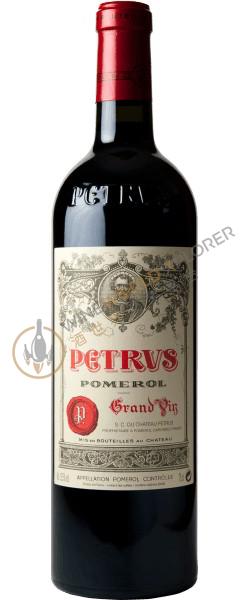
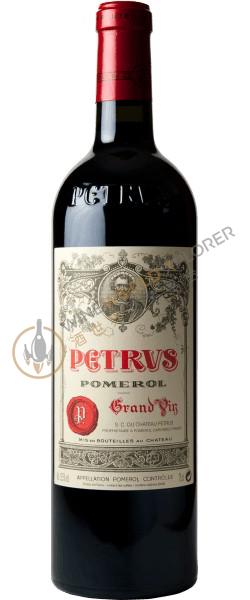
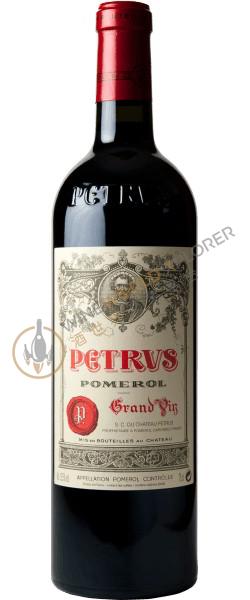
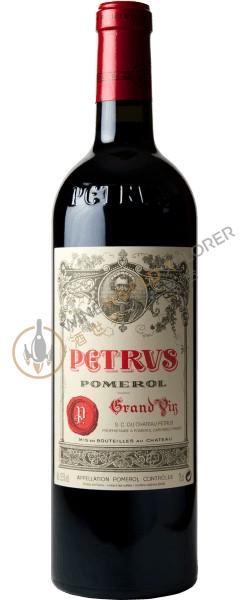
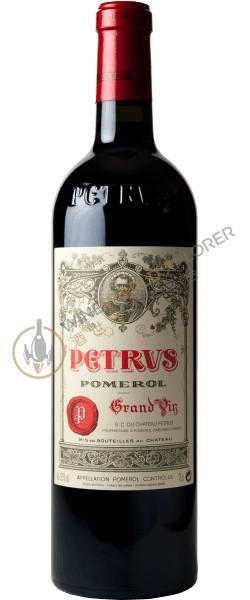
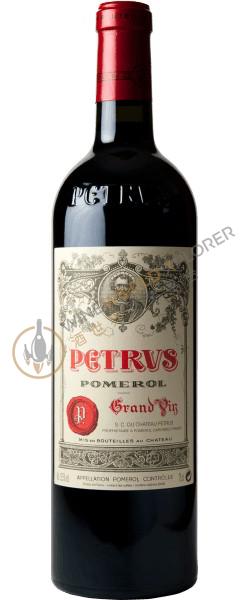
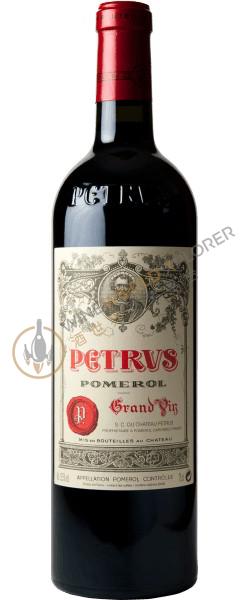
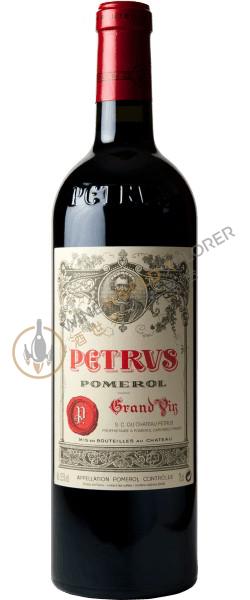
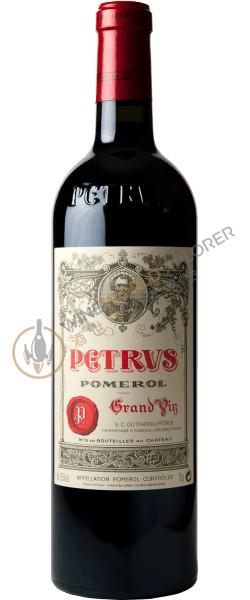
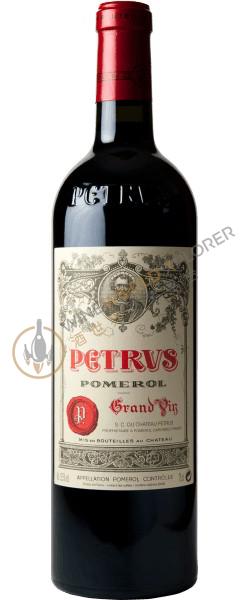
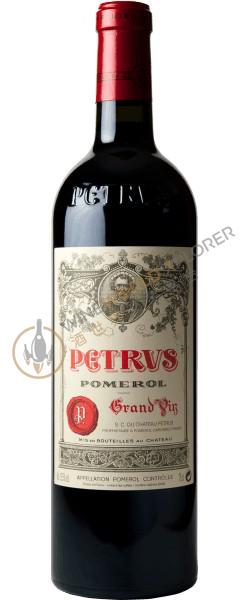
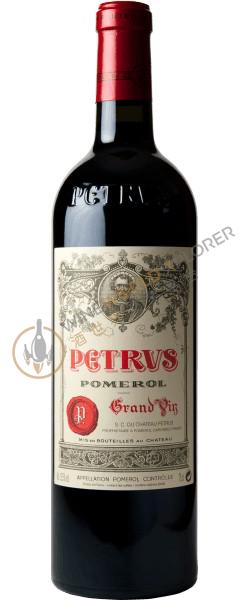
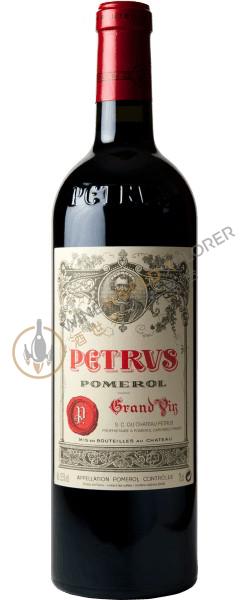
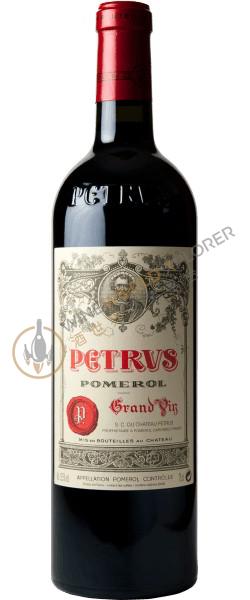
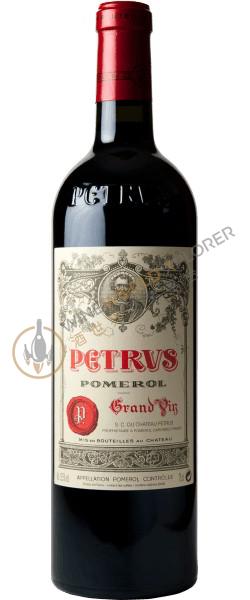
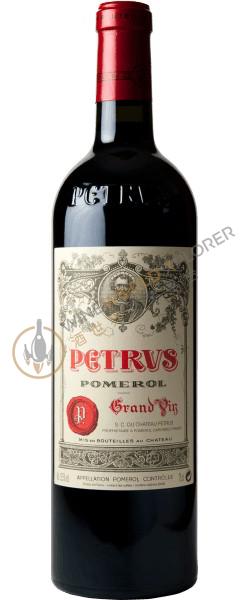
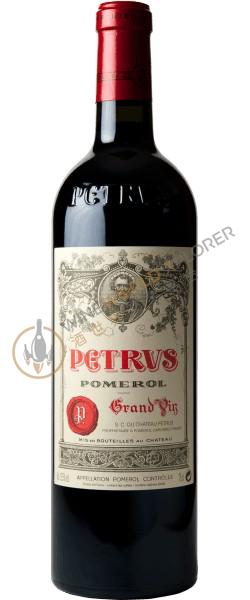
Petrus 2001
 View analysis


Description
Petrus is made almost entirely of Merlot grapes grown in Bordeaux's right bank Pomerol appellation. Although never officially classified, the chateau has long been considered on par with the First Growths from the left bank. The ownership of the estate has passed between the Arnaud family in the 19th century, to Madame Loubat at the end of WWII, and finally to Jean-Pierre Moueix in recent years. Petrus's clay soil is rich in iron and the estate's average vine age is 40 years. Chateau Petrus produces approximately 3,000 cases of wine each year.
Tasting notes

Reviewed by: Neal Martin
Tasted at Ets J-P Moueix. The nose is sensational: pure black berries, black olives, damson, black tea and crushed stones all with exceptional definition and utterly seductive. The palate is full-bodied with very fine, saturated tannins, with notes of blackberry, damson, a touch of cassis and even a distant tang of marmalade. Svelte towards the weighty finish – it is wondrous how a pure Merlot can reach such heights. The aftertaste is extraordinary – one feels as if the wine itself is still in the mouth! One of the great Petrus wines in recent years. Drink 2012-2030+ Tasted May 2009.
Reviewed by: Neal Martin
A very ripe nose of black cherries, iodine and a touch of raisin. A full-bodied, figgy palate with moderate acidity, quite rich but underneath all that opulent fruit. Very classy although its breeding is not immediately obvious and rather closed on the finish. But the more I return for another sip, the more its inherent quality is apparent. Tasted October 2007.
Reviewed by: Robert M. Parker, Jr.
This is a tannic, closed, difficult to evaluate vintage for Petrus. Last year the 2001 was weighty in the mouth, and of impeccably high quality, but young and unevolved. Tasted ten months later, little seems to have changed. The color remains a healthy dark ruby/purple, and the wine is full-bodied, with hints of charcoal-infused cherry and mulberry fruit intermixed with touches of licorice and truffles. The tannins remain excruciatingly hard, and the wine is big, massive, and impressive, but lacking charm and suppleness. Certainly there is a lot here, but this 2001 needs at least a decade of cellaring. Anticipated maturity: 2012-2030+. NOTE: The passing of a legend. Jean-Pierre Moueix, 1913-2003, passed away the weekend of March 29-30. A noble and erudite man, he single-handedly established the reputation for Pomerol. Founding his negociant firm in Libourne in 1937, he developed a marketplace in Belgium and northern Europe for many of the area's greatest wines. His success led to the purchase of many of the better vineyards, most renowned of which were Trotanoy (1953), La Fleur-Petrus (1953), Magdelaine (1954), and Petrus, partially owned until its outright acquisition in 2002. Jean-Pierre Moueix and his two sons, Christian and Jean-Francois, were the cornerstones of my early education of the wines of Pomerol. As a beneficiary of his wisdom and generosity, I shall always remember him as a visionary as well as a great man. His death symbolizes the end of an extraordinary life and era.
Reviewed by: Neal Martin
Tasted blind at Bordeaux Index’s 10-Year On horizontal. There is stunning sense of definition and mineralite on the nose: blackberry, wild hedgerow, crushed stone and just a faint hint of marmalade. The palate is medium-bodied with very fine tannins, superb backbone here, a wine built for the long-term. Dark broody, leather tinged fruit, a touch of orange zest and small red cherries which can to more prominence
Reviewed by: Neal Martin
A very dense garnet colour. A potent nose explodes from the glass, dense blackberry, damp earth, a touch of mushroom. Brilliant definition - I can inhale this all evening. A very powerful, more masculine palate with firm tannins. A slight graininess that lends the wine such character. Intense, concentration, broody even. This wine has exquisite balance and elegance. Brilliant. A long-term Petrus. Tasted November 2005.
Reviewed by: Robert M. Parker, Jr.
There are slightly less than 2,400 cases of the 2001 Petrus. The wine reveals more acidity than is normally found in a young Petrus, however, it possesses the tell-tale power, mass, and concentrated essence produced by this vineyard. The color is a healthy dark ruby/purple. The wine is full-bodied, with cherry and mulberry fruit as well as nicely integrated toasty new oak. It is young and unevolved, but Petrus is vinified in such a traditional manner that it often does not perform well for many years. Anticipated maturity: 2008-2020+
Reviewed by: Robert M. Parker, Jr.
The 2001 Petrus (2,160 cases produced) exhibits more depth and richness than any other Pomerol I tasted. Its deep saturated ruby/plum/purple color is accompanied by a tight but promising bouquet of vanilla, cherry liqueur, melted licorice, black currants, and notions of truffles and earth. Rich, full-bodied, and surprisingly thick as well as intense, there is plenty of structure underlying the wealth of fruit and extract. Give it 3-6 years of cellaring, and drink it over the following two decades as it promises to be one of the longest-lived wines of the vintage, not to mention one of the most concentrated. I told Christian Moueix (although I’m not sure he agreed with me) that his best wines of 2001 reminded me of the 1971s in style, but with slightly less tannin and more fat.
Reviewed by: Neal Martin
The 2001 Petrus has always been winemaker Jean-Claude Berrouet’s favourite vintages. It has developed a truly exquisite bouquet that is both svelte and sensual without any sense of being overbearing. It is almost unaware of its beauty. It gradually opens with tinctures of dried blood merging with ebullient and disarmingly pure red fruit with brilliant delineation. The palate is medium-bodied with slightly grainy tannin, quite forceful red fruit gripping the senses and then letting go, allowing a subtle savory/cooked meat note to flourish towards the finish. Maybe this bottle was a touch more foursquare than previous ones that I have encountered although that will melt away with time. Tasted at the Petrus dinner at the Épure restaurant in Hong Kong.
Reviewed by: Stephen Tanzer
Medium red-ruby. Very ripe but subdued nose hints at mulberry, caramel, toffee, iron and nutty oak. Very ripe, broad and deep but quite closed today; lush and full but classically dry and light on its feet. Red berry and mineral flavors coat the palate. Builds impressively on the very long, gripping finish. I would not be surprised if this very suave Petrus merited a higher score a decade down the road.
Reviewed by: Stephen Tanzer
Bright, deep red. Sappy, highly perfumed aromas of red cherry, mulberry, licorice, iron, minerals and sandalwood. Extremely suave on entry, then tactile and firm in the middle, with pungent flavors of berries and spices. Tightly wound, cool and reserved, with a restrained sweetness and obvious class. Finishes very long and very subtle, with strong lingering spice character and excellent grip. As of early April, Christian Moueix expected to bottle most of his 2001s a month or two later than usual, and noted that Petrus might not be bottled until September of this year.
Reviewed by: Stephen Tanzer
Moderately saturated medium ruby. Lively, highly aromatic nose combines red berries, iron, minerals and licorice. Concentrated, fresh and full; crystallized red cherry and red berry flavors are complicated by an iron element. A seriously structured wine with terrific verve and grip. The tannins coat the entire palate.
About the Producer
The Patus winery has 11.5 hectares of vineyards. The top layer of the soil in the garden is pure clay, the bottom layer is terracotta, and the deeper layer is lime soil with high iron content, and has a good drainage system. The grape varieties planted are mainly Merlot, accounting for about 95%; the remaining 5% is Cabernet Franc. Because Cabernet Franc matures earlier, unless the vintage is particularly good, Patux winery is generally not used for winemaking. The planting density is 6,000 trees per hectare, and the average age of the trees is around 40 years, and some are even 80 years old. The operator adopts a more traditional method in the renewal of the vineyard, that is, through the selection, the best quality grape vine is used as the "mother plant", which is the same as the method when the Chateau Conti eradicated the old roots in 1946. The vineyard also adopts strict "fruit control". Each plant retains several bud eyes, and each bud eye leaves only one bunch of grapes. The goal is to fully ripen, but avoid over-ripening, otherwise it will affect the delicate flavor of the wine. In terms of the brewing process, Chateau Patus set the grape harvest time in the afternoon, the purpose is to let the morning sun dry the residual dew from the previous night. Each harvest employs 180 harvesters and takes about half a day to complete 2 to 3 harvests. During the brewing, Patus Winery spared no expense, replacing the wooden barrels (of different materials) every 3 months, and the aging time is about 20-22 months. Patus winery attaches great importance to quality and only selects the best grapes. In some bad years, such as 1991, it even stops production. The average annual output of Chateau Patus is no more than 30,000 bottles, which is extremely limited and expensive. Petrus, Pomerol, France is dark in color and has a delicate and rich aroma. Among the aromas of blackcurrant and mint, there are also many aromas such as blackberry, cream, chocolate, truffle, milk and oak. The taste is silky Slippery, long aftertaste.
1950(1)1964(1)1966(1)1969(1)1970(1)1971(1)1975(2)1976(1)1978(1)1979(1)1980(2)1981(3)1982(5)1983(4)1985(4)1986(3)1987(3)1988(8)1989(6)1990(7)1992(1)1993(4)1994(7)1995(6)1996(5)1997(6)1998(11)1999(10)2000(9)
Package Size