 Wine Advisor



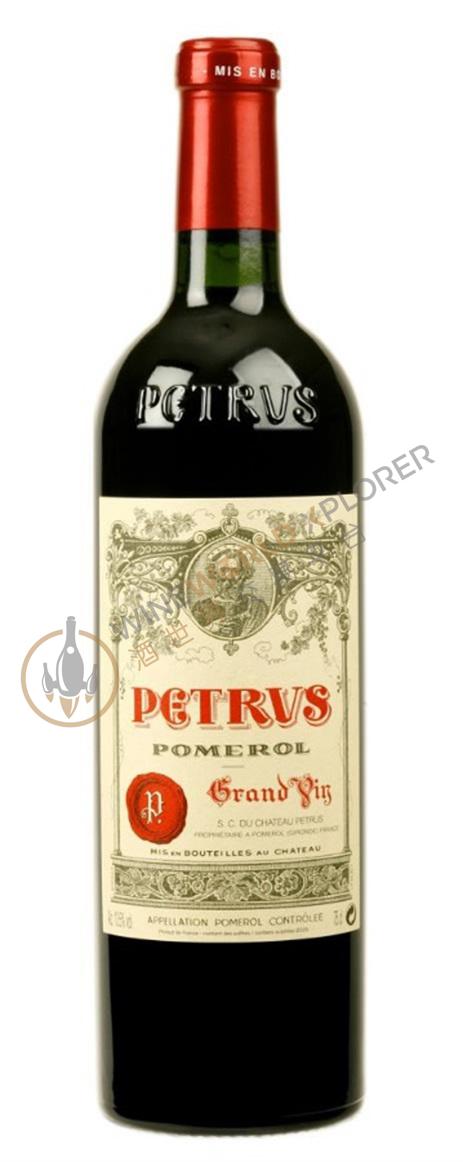
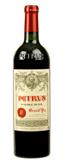
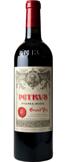
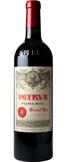
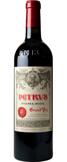
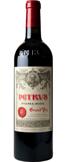
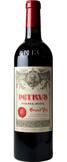
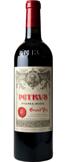
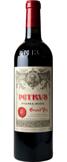
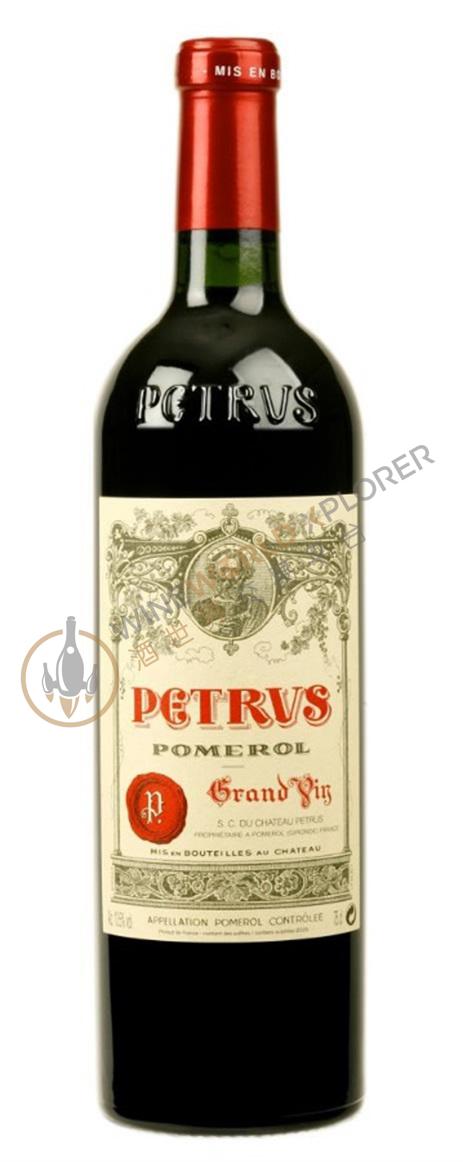
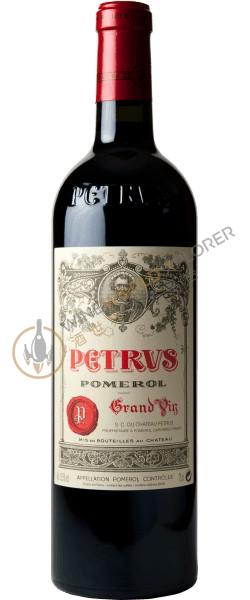
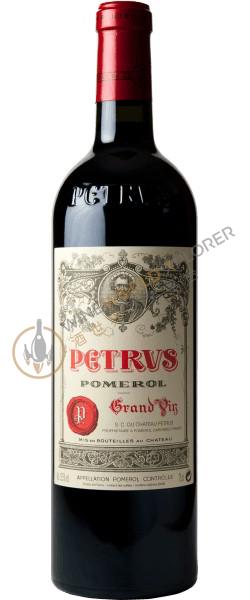
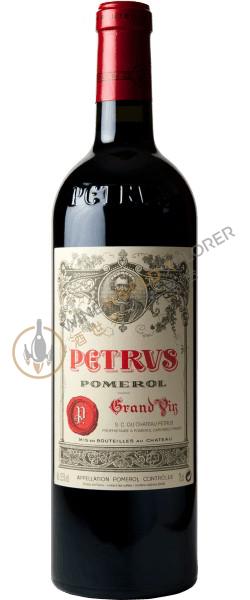
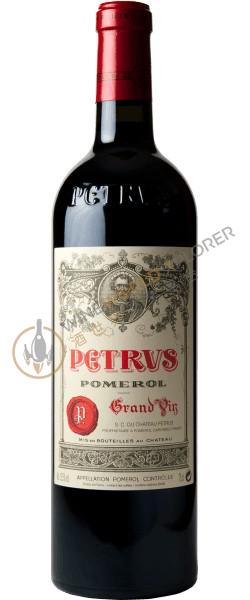
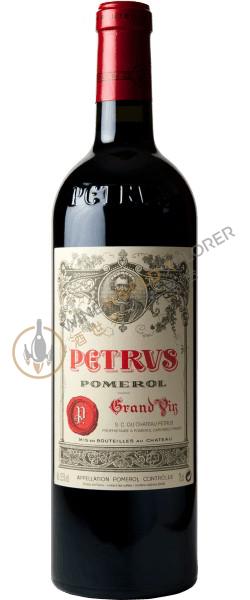
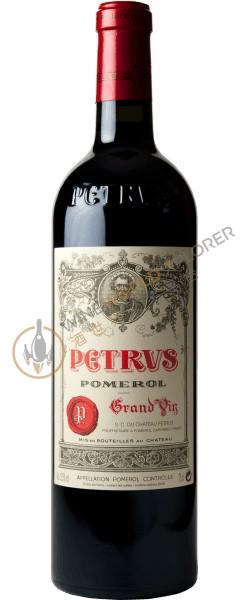
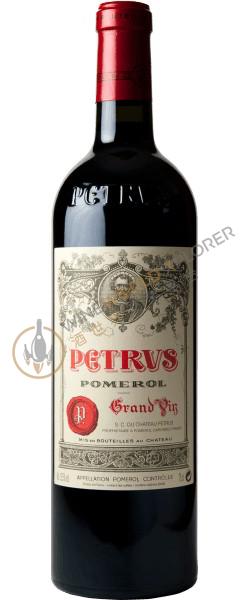
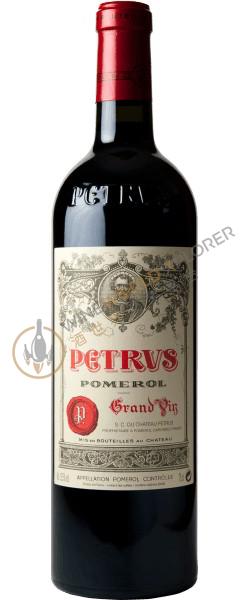
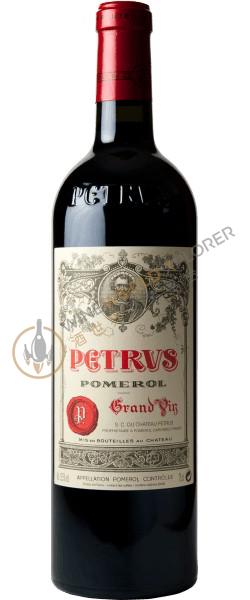
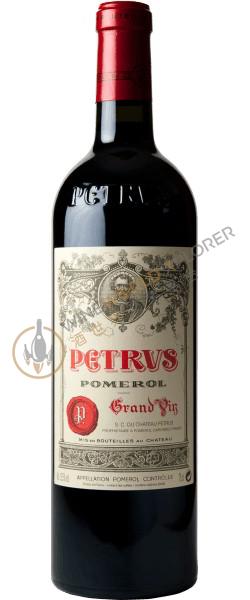
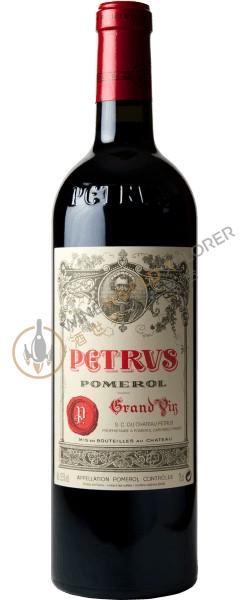
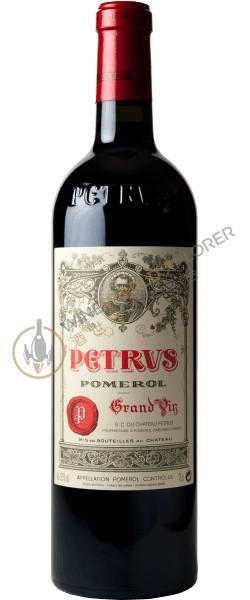
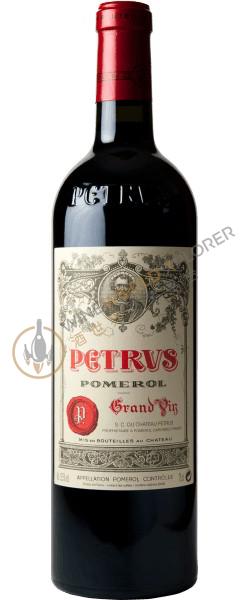
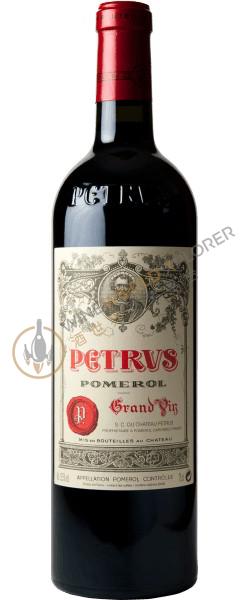
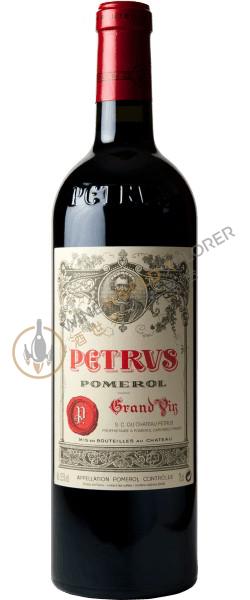
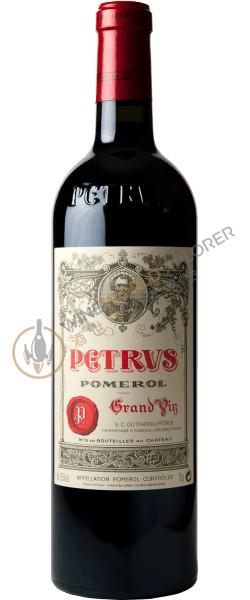
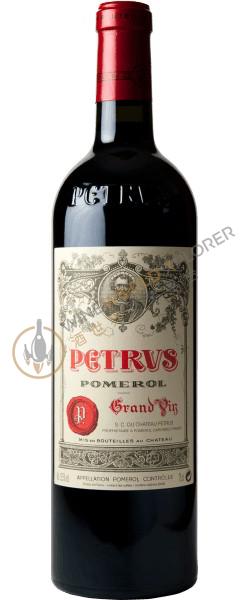
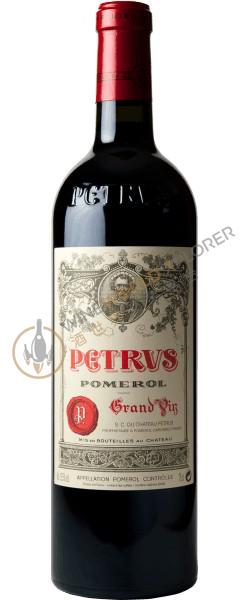
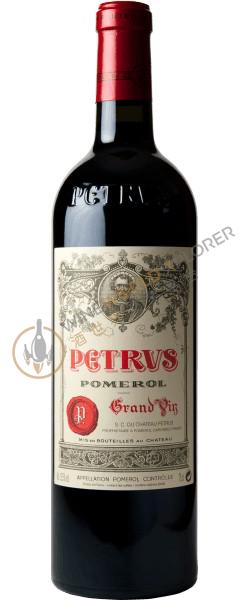
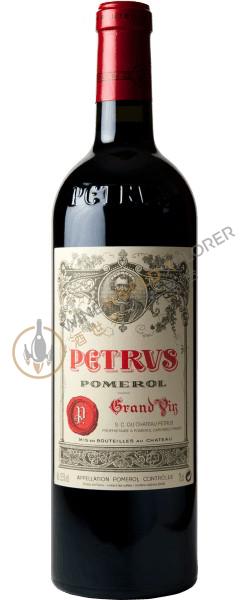
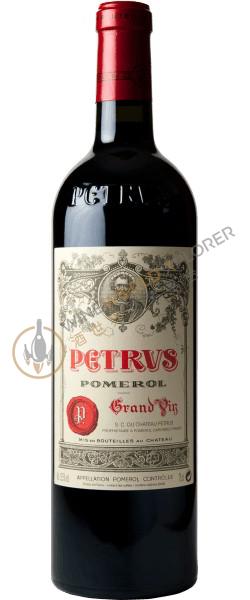
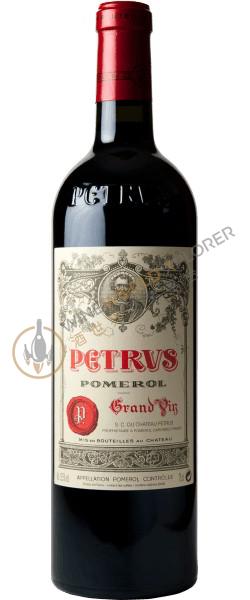
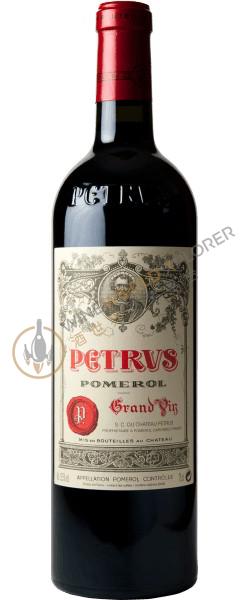
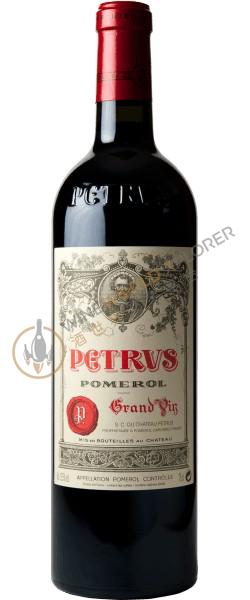
Petrus 2000
 View analysis


Description
Petrus is made almost entirely of Merlot grapes grown in Bordeaux's right bank Pomerol appellation. Although never officially classified, the chateau has long been considered on par with the First Growths from the left bank. The ownership of the estate has passed between the Arnaud family in the 19th century, to Madame Loubat at the end of WWII, and finally to Jean-Pierre Moueix in recent years. Petrus's clay soil is rich in iron and the estate's average vine age is 40 years. Chateau Petrus produces approximately 3,000 cases of wine each year.
Tasting notes

Reviewed by: Neal Martin
Tasted blind at Bordeaux Index’s 2000 tasting in London. A deep colour. The nose is very fine definition, blackberry, graphite, dried herbs, rosemary, minerals and potter’s wheel; gaining intensity all the time in the glass. The palate is medium-bodied, perfectly balanced with filigree tannins that just purr with quality. Ethereal poise with a feminine finish of raspberry leaf, minerals, a touch of dried orange peel and red cherries, this Petrus is just so nonchalant about its quality, so effortless in the way it entrances the sense. Incredible length and incredible sense of weightlessness. Wonderful. Drink 2015-2050. Tasted March 2010.
Reviewed by: Robert M. Parker, Jr.
A magical effort from Petrus, the 2000 has continued to gain weight and stature. From the bottle, it is a perfect wine, much like the 1998. The color is inky plum/purple to the rim and the nose, which starts slowly, begins to roar after several minutes, offering up scents of smoke, blackberries, cherries, licorice, and an unmistakable truffle/underbrush element. On the palate, this enormous effort is reminiscent of dry vintage port, with fabulous ripeness, a huge, unctuous texture, enormous body, and a colossal 65-second finish. I did not have the benefit of tasting it side by side with the equally perfect 1998, but it appears the 2000 is a more massive, macho/masculine wine, with more obvious tannin and structure than the seamless 1998. It is another wine to add to the legacy of the great vintages of Petrus. Anticipated maturity: 2015-2050. NOTE: The passing of a legend. Jean-Pierre Moueix, 1913-2003, passed away the weekend of March 29-30. A noble and erudite man, he single-handedly established the reputation for Pomerol. Founding his negociant firm in Libourne in 1937, he developed a marketplace in Belgium and northern Europe for many of the area's greatest wines. His success led to the purchase of many of the better vineyards, most renowned of which were Trotanoy (1953), La Fleur-Petrus (1953), Magdelaine (1954), and Petrus, partially owned until its outright acquisition in 2002. Jean-Pierre Moueix and his two sons, Christian and Jean-Francois, were the cornerstones of my early education of the wines of Pomerol. As a beneficiary of his wisdom and generosity, I shall always remember him as a visionary as well as a great man. His death symbolizes the end of an extraordinary life and era.
Reviewed by: Robert M. Parker, Jr.
The 2000 Petrus has turned out to be magically endowed, and appears to possess many more layers of flavor and power than it did a year ago. Reminiscent of dry vintage port, its inky black/ruby/purple color is followed by a stunning perfume of concentrated black fruits, great ripeness, huge, tannic structure, immense body, and a majestic 60-second finish. There are 2,600 cases of this great Petrus. Anticipated maturity: 2012-2040.
Reviewed by: Neal Martin
Tasted three times. First in September 2003 at the Farr 2000 horizontal: a beautiful, understated nose of blueberry, cherry and a touch of espresso coffee. The palate has a lovely balance with sweet raspberry, blackberry. Very complex and with fabulous concentration. But not as profound on the palate as I expected - the wine does not "sing" like Ausone. Very long finish. It needs to develop more character if it wants to develop immortal status. Tasted again at the Petrus vertical in January 2004: a lucid deep ruby hue. The nose has grown in confidence: lots of rich sweet vanillary oak, black cherry - quite decadent. The palate has layers of precocious young fruits with fine concentration. Velvety smooth tannins, very fresh acidity and a wholly decadent feel. A touch of blackberry on the finish. Still lacks the poise of Ausone but a lovely wine that is more accessible than the 1998. Thirdly and most impressively at the Petrus vertical held by FWE in October 2005. Very clear, black/garnet colour. The nose is very pure with blackberry, cherry and cassis. Incredibly fresh and feminine - has a floral character redolent of a Margaux. A fabulous palate: sauve, sophisticated, elegant, pure. Has something of a New Worl extravagance with an incredibly long succulent finish. Velvety mouthfeel. The dregs were still drinking the following morning - always a good sign.
Reviewed by: Robert M. Parker, Jr.
A prodigious Petrus, this wine has that extra level of intensity and complexity that is monumental. The magic is clearly Petrus, and the 2000 will always be an interesting vintage to compare to another legend in the making, the 1998, or more recently, of course, the 2005, 2008, and 2009. Extremely full-bodied, with great fruit purity, an unmistakable note of underbrush, black truffle, intense black cherries, licorice, and mulberry, the wine seems to show no evidence of oak whatsoever. It has a sumptuous, unctuous texture, plenty of tannin, but also vibrancy and brightness. This is a remarkable wine that seems slightly more structured and massive than the 1998, which comes across as slightly more seamless, as if it were haute couture. This wine needs at least another 5-10 years of cellaring and should age for 50+ years.
Reviewed by: Robert M. Parker, Jr.
The 2000 Petrus (only 2,400 cases produced) is a brilliant effort from this noble terroir. The dense plum/ruby/purple color is accompanied by sweet aromas of cranberry and cherry liqueur intermixed with plums and black currants. As always, the wood is kept in the background so the fruit can come forward. The wine is full-bodied, with plenty of well-integrated, sweet tannin. Long and rich, this offering will no doubt close down as most vintages of Petrus do. Anticipated maturity: 2010-2035.
Reviewed by: Neal Martin
The 2000 Petrus was served blind as an extra in an already formidable line-up. Deep, inky in hue, it has an intense nose of black and red fruit laced with pencil shavings and black truffle, the latter more prominently featured vis-à-vis previous bottles. The palate is medium-bodied, one of the most youthful examples that I have encountered, perhaps more masculine. Superb backbone here, grippy with that broody finish it exhibited a couple of years back. What you might call a "slow burner". Tasted at Epure restaurant in Hong Kong (again).
Reviewed by: Neal Martin
The 2000 Petrus is a monumental wine that on this occasion actually surpasses the 2001. The aromatics are absolutely stunning and incredibly intense with wild strawberry, underbrush, cedar and even a hint of pencil box, as if giving a discrete nod to the Left Bank (à la 1947). The palate is medium-bodied but then you notice the backbone of this otherworldly Pomerol, rendering it one of the most masculine over the last 20 years. It seems to stride across the senses; dense and almost broody towards the finish. This is clearly a long-term Petrus that will surely flourish with 20 or 30 years in the clock. How patient are you? Tasted at the Petrus dinner at the Épure restaurant in Hong Kong.
Reviewed by: Stephen Tanzer
($1; 400) Bright ruby-red. Knockout nose combines mulberry, raspberry liqueur, toffee, iron and minerals. Silky and thick on entry, then extremely dense and backward in the middle palate, with superripe notes of liqueur, game and truffle. A remarkably impressive, rather wild Petrus in an almost late-harvest style. Finishes with big, thoroughly ripe tannins and gamey merlot flavors of roasted meats, truffle and red berry liqueur. Like the 2000 Trotanoy, this wine may not match the 1998 for sheer class, but it's a massive, flamboyantly rich wine with a good 30 to 40 years of development ahead of it.
Reviewed by: Stephen Tanzer
(350) Good full medium ruby. Crystallized raspberry, bitter cherry, brown sugar and mocha on the nose. Supersweet and expressive, with mouthfilling but well-defined flavors of framboise, game, truffle and red licorice. A dense, large-scaled wine with great sex appeal. The tannins are buried under a wave of fruit. Very long on the back end.
Reviewed by: Stephen Tanzer
Deep, bright ruby. Knockout tangy nose combines framboise, blackberry, minerals, espresso, game and a deep kernel of spice. Powerful but suave on the attack. Currently less lush than Lafleur, which I tasted alongside it, but already displays great intensity and sappiness of fruit. Really chewy with extract, and sharply defined. Slow-mounting finish builds and builds, with gripping fruit far outdistancing the firm, thoroughly ripe tannins. A compelling combination of nearly syrupy ripeness of fruit and powerful mineral spine.
About the Producer
The Patus winery has 11.5 hectares of vineyards. The top layer of the soil in the garden is pure clay, the bottom layer is terracotta, and the deeper layer is lime soil with high iron content, and has a good drainage system. The grape varieties planted are mainly Merlot, accounting for about 95%; the remaining 5% is Cabernet Franc. Because Cabernet Franc matures earlier, unless the vintage is particularly good, Patux winery is generally not used for winemaking. The planting density is 6,000 trees per hectare, and the average age of the trees is around 40 years, and some are even 80 years old. The operator adopts a more traditional method in the renewal of the vineyard, that is, through the selection, the best quality grape vine is used as the "mother plant", which is the same as the method when the Chateau Conti eradicated the old roots in 1946. The vineyard also adopts strict "fruit control". Each plant retains several bud eyes, and each bud eye leaves only one bunch of grapes. The goal is to fully ripen, but avoid over-ripening, otherwise it will affect the delicate flavor of the wine. In terms of the brewing process, Chateau Patus set the grape harvest time in the afternoon, the purpose is to let the morning sun dry the residual dew from the previous night. Each harvest employs 180 harvesters and takes about half a day to complete 2 to 3 harvests. During the brewing, Patus Winery spared no expense, replacing the wooden barrels (of different materials) every 3 months, and the aging time is about 20-22 months. Patus winery attaches great importance to quality and only selects the best grapes. In some bad years, such as 1991, it even stops production. The average annual output of Chateau Patus is no more than 30,000 bottles, which is extremely limited and expensive. Petrus, Pomerol, France is dark in color and has a delicate and rich aroma. Among the aromas of blackcurrant and mint, there are also many aromas such as blackberry, cream, chocolate, truffle, milk and oak. The taste is silky Slippery, long aftertaste.
1950(1)1964(1)1966(1)1969(1)1970(1)1971(1)1975(2)1976(1)1978(1)1979(1)1980(2)1981(3)1982(5)1983(4)1985(4)1986(3)1987(3)1988(8)1989(6)1990(7)1992(1)1993(4)1994(7)1995(6)1996(5)1997(6)1998(11)1999(10)
Package Size