 Wine Advisor



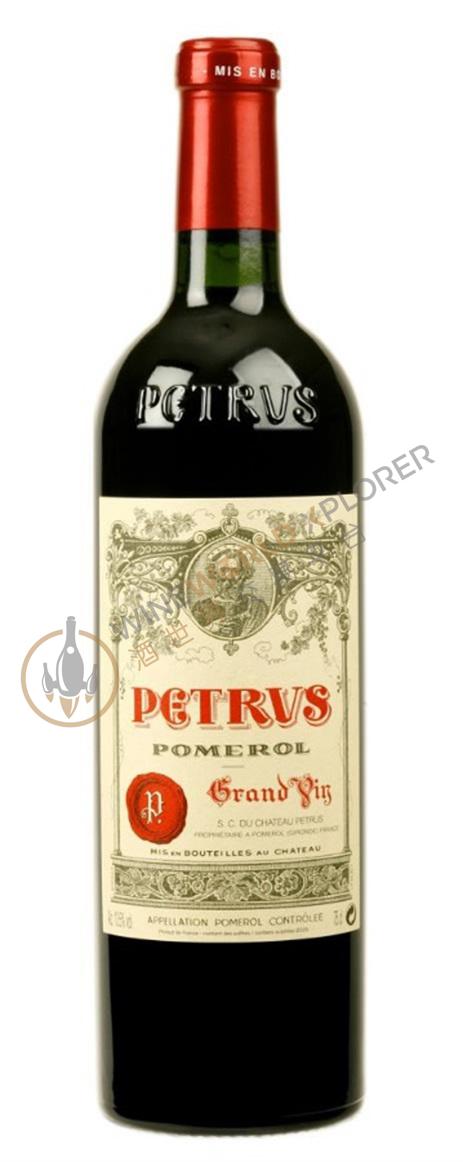
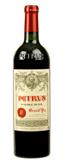
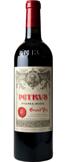
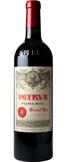
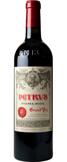
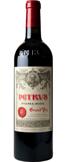
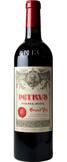
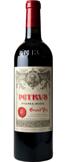
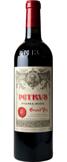
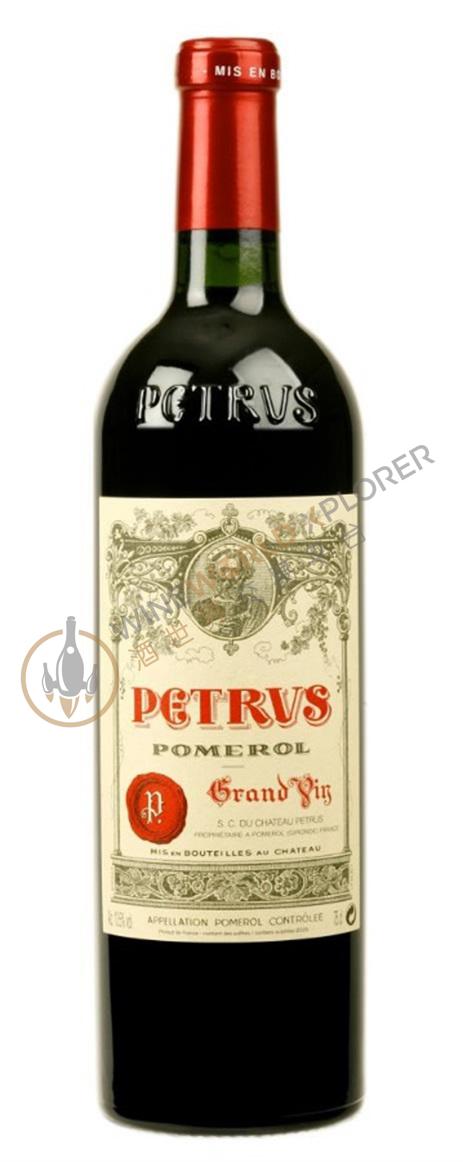
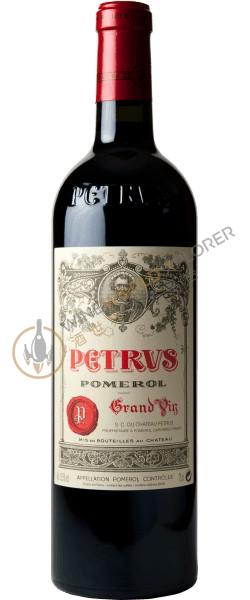
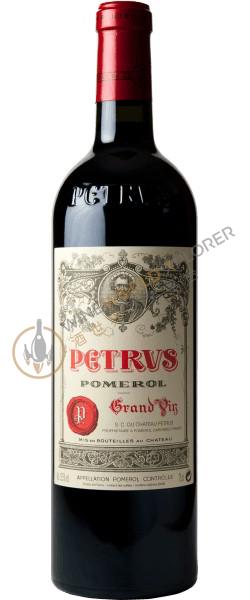
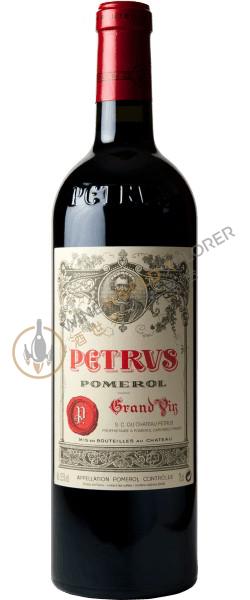
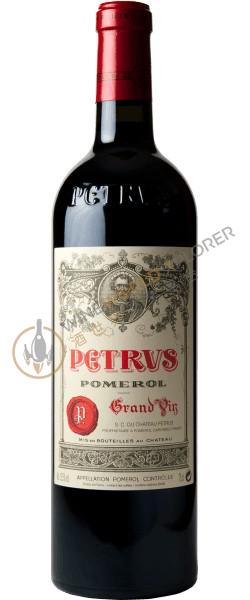
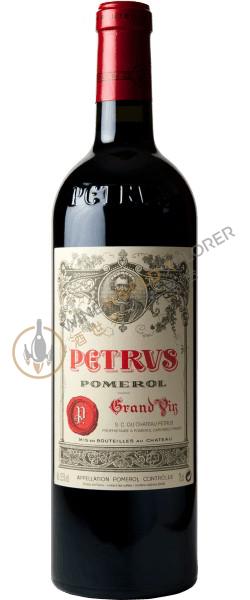
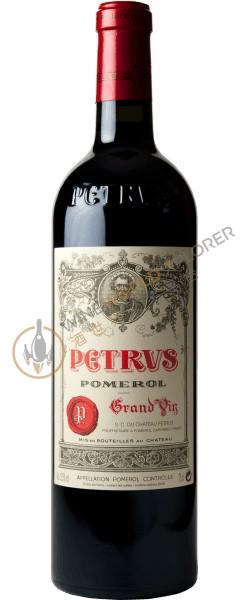
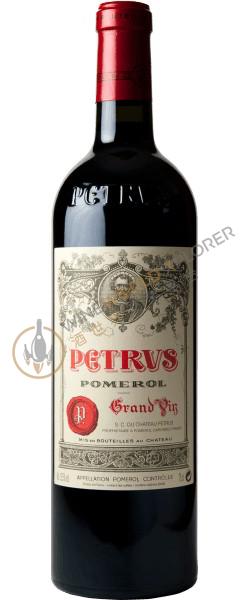
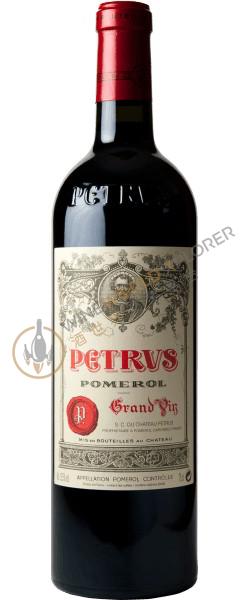
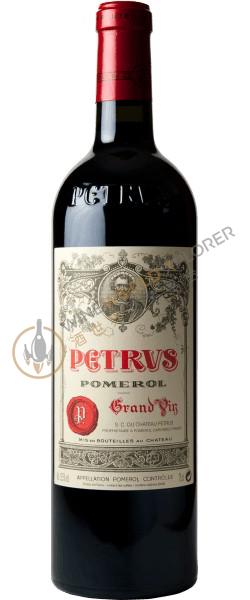
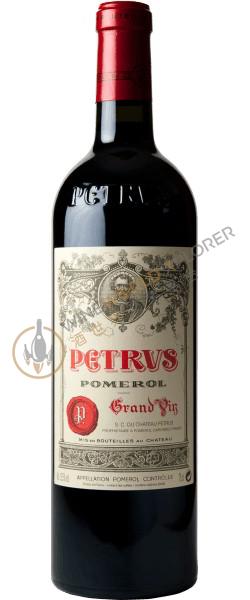
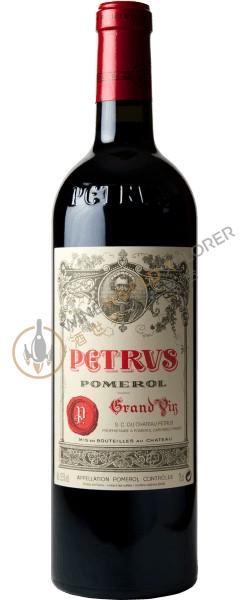
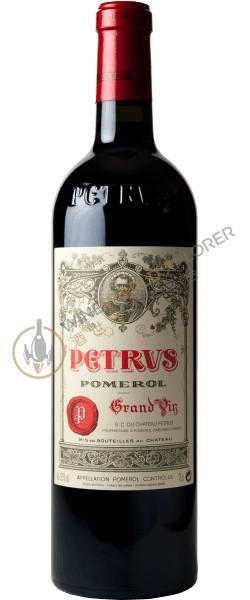
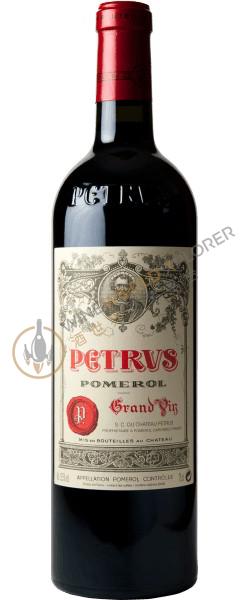
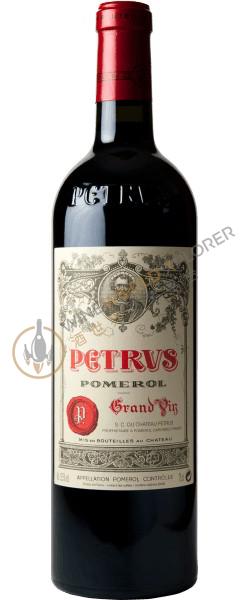
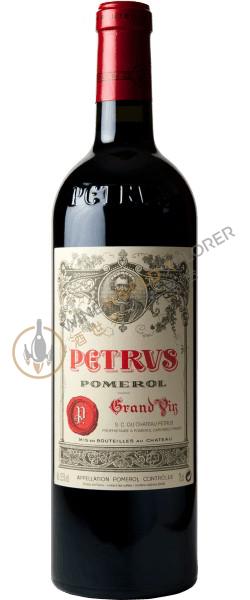
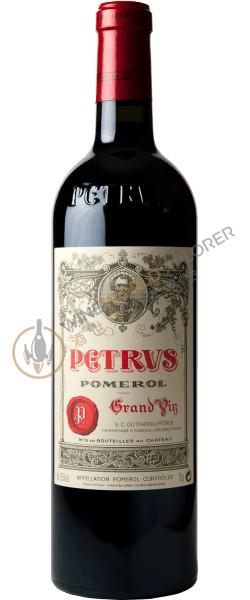
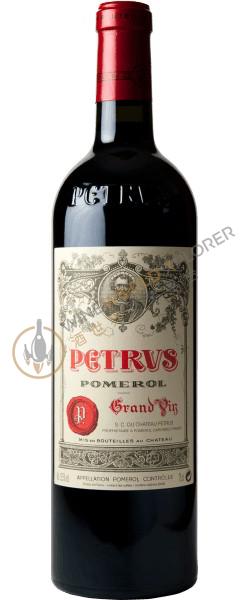
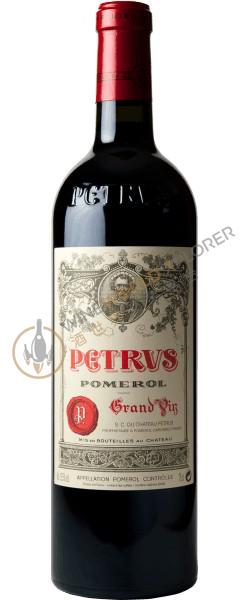
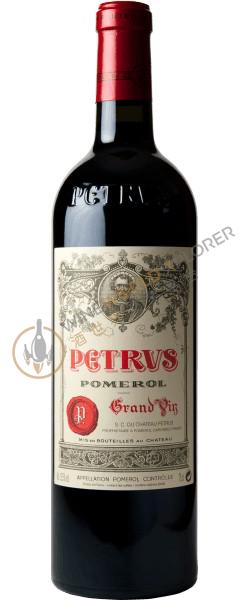
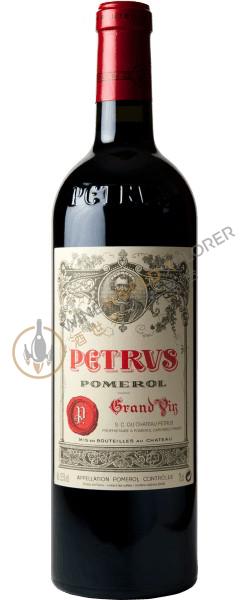
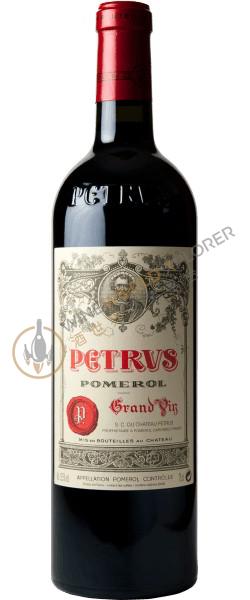
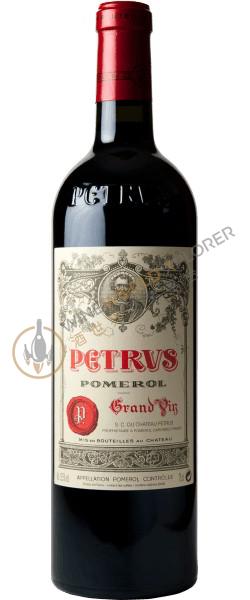
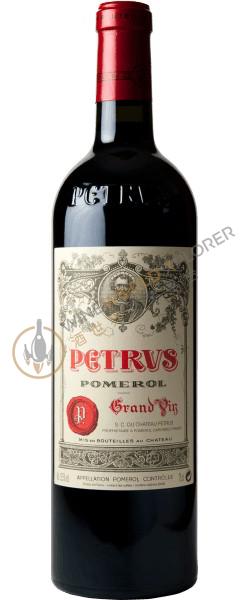
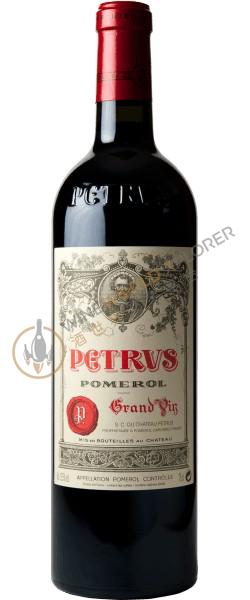
Petrus 1998
 View analysis


Description
Petrus is made almost entirely of Merlot grapes grown in Bordeaux's right bank Pomerol appellation. Although never officially classified, the chateau has long been considered on par with the First Growths from the left bank. The ownership of the estate has passed between the Arnaud family in the 19th century, to Madame Loubat at the end of WWII, and finally to Jean-Pierre Moueix in recent years. Petrus's clay soil is rich in iron and the estate's average vine age is 40 years. Chateau Petrus produces approximately 3,000 cases of wine each year.
Tasting notes

Reviewed by: Robert M. Parker, Jr.
At this early juncture, Petrus appears to be the unchallenged wine of the vintage. Two-thousand five-hundred cases were produced of this monster. I have rarely tasted a Petrus as powerful, concentrated, and tannic as the 1998. Readers expecting another 1990, 1989, or 1982 will be disappointed because this wine has much more in common with the 1975 and 1964 (I never tasted the 1964 in its youth). This is a burly, massive, port-like Petrus with ferocious levels of tannin, yet surreal levels of concentration and intensity. The Petrus character - thick, mocha, fudge, black cherry liqueur and sweet jammy fruit flavors - is presented in an enormously concentrated, massively endowed style. This fabulous wine will need at least 8-15 years of cellaring upon release. Anticipated maturity: 2012-2040.
Reviewed by: Neal Martin
Juxtaposing the aromatics of the Petrus against L’Eglise-Clinet, although the former does not quite have the depth of fruit intensity, it has just slightly greater delineation. It just builds gloriously in the glass, multi-dimensional, quite exhilarating nose of blackberry leaf, red cherries, pomegranate and that mineral intensity that is utterly beguiling. The palate has a subtle entry, wonderful balance with filigree yet firm tannins lending the wine real backbone. Exquisite poise and tension, slightly graininess in the last third that has a slight tang of bitter cherry and blood orange. Very powerful, but a Petrus coiled and waiting to pounce in 5 to 10-years. Tasted March 2008.
Reviewed by: Robert M. Parker, Jr.
With a production of 2,300 cases and extremely low yields (35 hectoliters per hectare), it is not surprising that this is a virtually perfect Petrus. The color is an opaque black/purple. It is dense, rich, concentrated, and powerful. If the tannin achieves total integration, it will merit a perfect score. At present, this 1998 is enormous, with huge volume, an unctuous texture, sensational concentration, and a closed, muscular style. Notes of jammy black fruits, truffles, licorice, earth, and espresso become apparent as the wine sits in the glass. At present, this is a backward, immense Petrus that is powerful, tannic, and muscular. Nevertheless, every component is present for a long evolution of 40-50 years. Anticipated maturity: 2012-2045.
Reviewed by: Neal Martin
First tasted at the MW vertical with Christian Moueix. Very deep ruby colour. A profound nose of black fruits, quite masculine with hints of black truffle. Turning mocha with aeration. Very complex. The palate is perfect. Incredible concentration and balance. Perfect acidity. Dense black fruits laced with black pepper. Less showy than the 2000, this is a more intellectual wine. Backward, broody with the length of a Lord of the Rings trilogy. A behemoth that will become a benchmark Petrus. Then at the FWE vertical in October 2005. An incredible broody nose of powerful blackberry, cassis and a touch of gun smoke with that black truffle scent developing with aeration. The palate is lithe, sweet, focused, powerful and very complex. A little more weight than the 2000, though its has closed down since last year. More masculine, a long-term Petrus that reminds me of the 1989. Will be legendary.
Reviewed by: Robert M. Parker, Jr.
The 1998 Petrus is unquestionably a fabulous effort boasting a dense plum/purple color as well as an extraordinary nose of black fruits intermixed with caramel, mocha, and vanilla. Exceptionally pure, super-concentrated, and extremely full-bodied, with admirable underlying acidity as well as sweet tannin, it reveals a superb mid-palate in addition to the luxurious richness for which this great property is known. The finish lasts for 40-45 seconds. Patience will definitely be required. Production was 2,400 cases, about 1,600 cases less than normal. Anticipated maturity: 2008-2040
Reviewed by: William Kelley
The greatest wine produced at this estate since the formidable duo of 1989 and 1990 is the 1998 Pétrus, a magical bottle that is a lot more complex and expressive today than was the case only a handful of years ago. Bursting with aromas of dark berries, pencil shavings, violets, licorice and black truffle, it's full-bodied, rich and seamless, with incredible depth at the core, beautifully refined tannins and a long, resonant finish. Even though this is probably the richest, most textural wine of the vintage, the 1998 isn't quite as broad and concentrated as the 1989, but if anything, it's even more precise and delineated.
About the Producer
The Patus winery has 11.5 hectares of vineyards. The top layer of the soil in the garden is pure clay, the bottom layer is terracotta, and the deeper layer is lime soil with high iron content, and has a good drainage system. The grape varieties planted are mainly Merlot, accounting for about 95%; the remaining 5% is Cabernet Franc. Because Cabernet Franc matures earlier, unless the vintage is particularly good, Patux winery is generally not used for winemaking. The planting density is 6,000 trees per hectare, and the average age of the trees is around 40 years, and some are even 80 years old. The operator adopts a more traditional method in the renewal of the vineyard, that is, through the selection, the best quality grape vine is used as the "mother plant", which is the same as the method when the Chateau Conti eradicated the old roots in 1946. The vineyard also adopts strict "fruit control". Each plant retains several bud eyes, and each bud eye leaves only one bunch of grapes. The goal is to fully ripen, but avoid over-ripening, otherwise it will affect the delicate flavor of the wine. In terms of the brewing process, Chateau Patus set the grape harvest time in the afternoon, the purpose is to let the morning sun dry the residual dew from the previous night. Each harvest employs 180 harvesters and takes about half a day to complete 2 to 3 harvests. During the brewing, Patus Winery spared no expense, replacing the wooden barrels (of different materials) every 3 months, and the aging time is about 20-22 months. Patus winery attaches great importance to quality and only selects the best grapes. In some bad years, such as 1991, it even stops production. The average annual output of Chateau Patus is no more than 30,000 bottles, which is extremely limited and expensive. Petrus, Pomerol, France is dark in color and has a delicate and rich aroma. Among the aromas of blackcurrant and mint, there are also many aromas such as blackberry, cream, chocolate, truffle, milk and oak. The taste is silky Slippery, long aftertaste.
1950(1)1964(1)1966(1)1969(1)1970(1)1971(1)1975(2)1976(1)1978(1)1979(1)1980(2)1981(3)1982(5)1983(4)1985(4)1986(3)1987(3)1988(8)1989(6)1990(7)1992(1)1993(4)1994(7)1995(6)1996(5)1997(6)
Package Size