 Wine Advisor



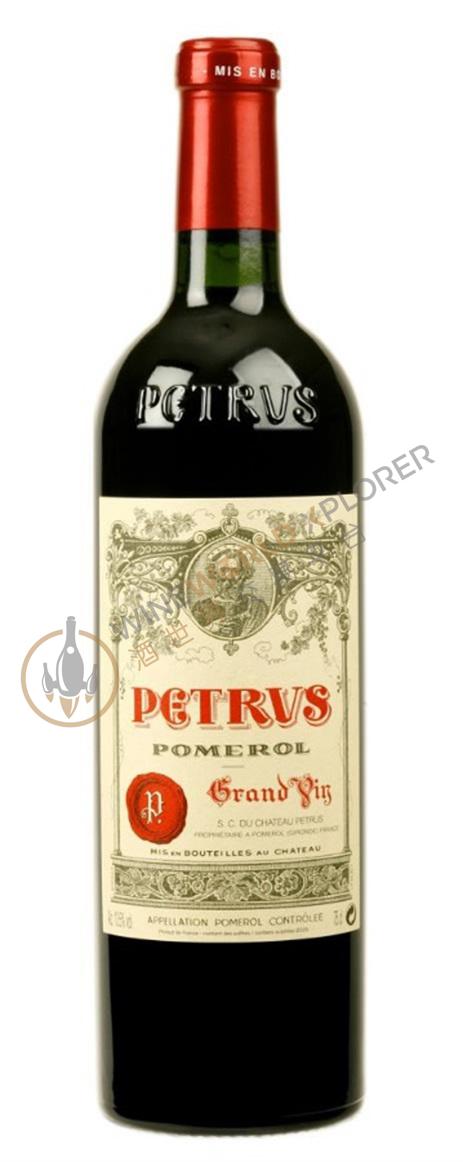
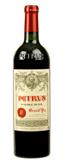
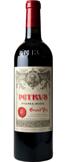
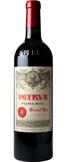
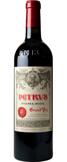
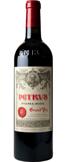
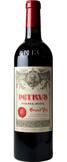
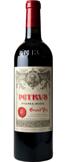
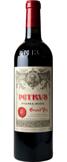
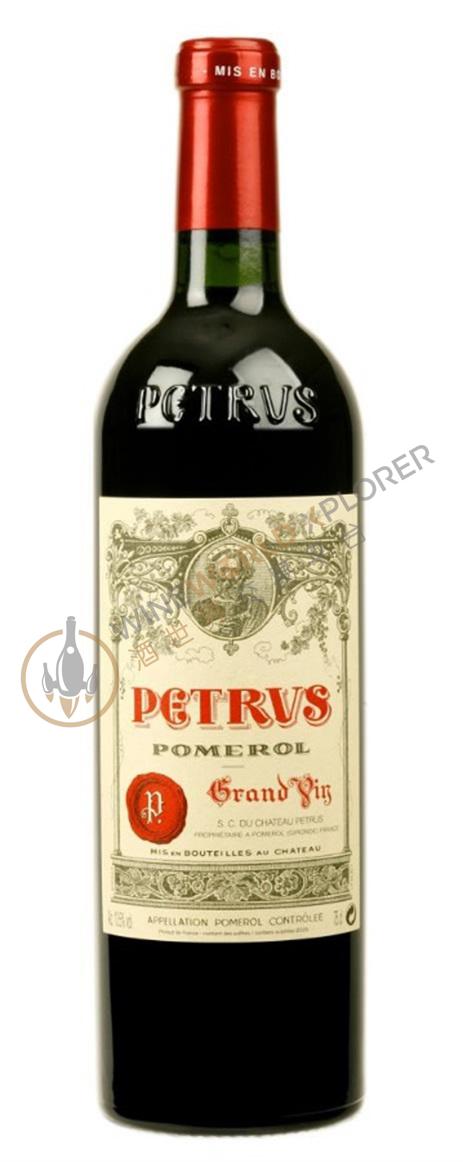
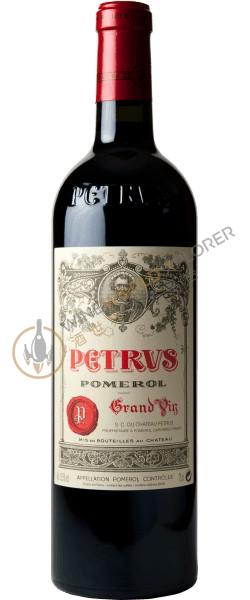
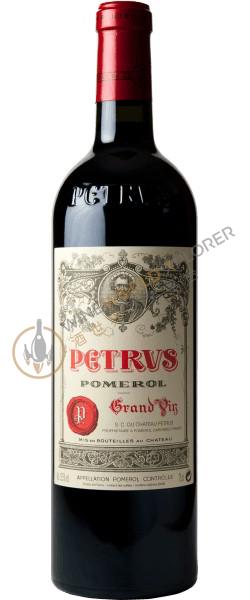
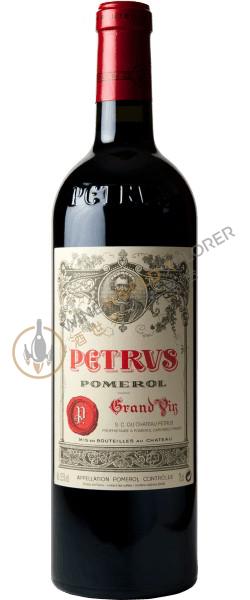
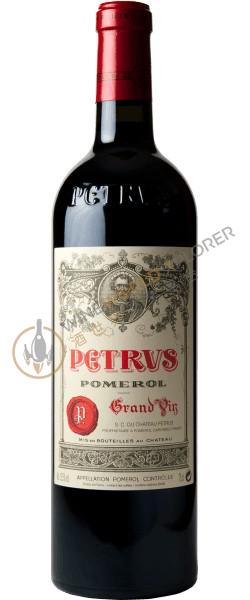
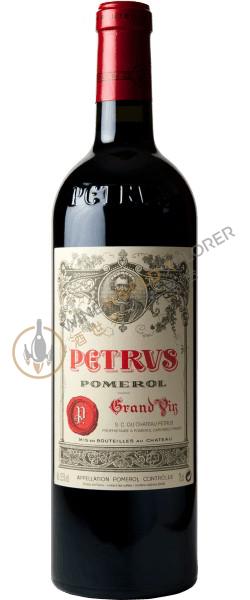
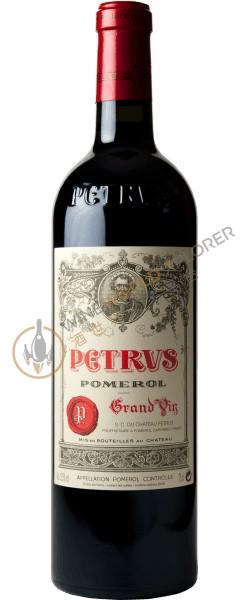
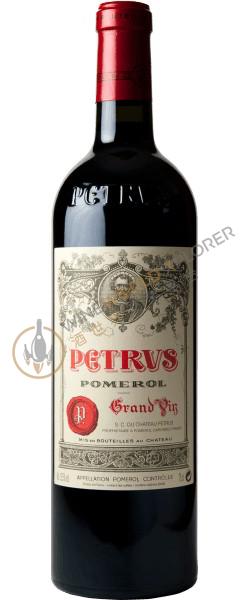
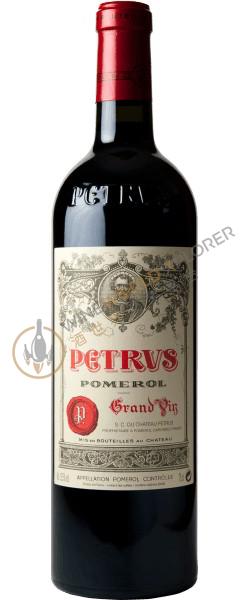
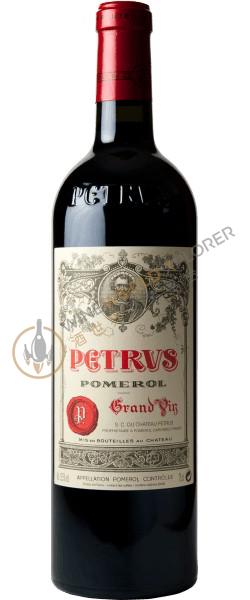
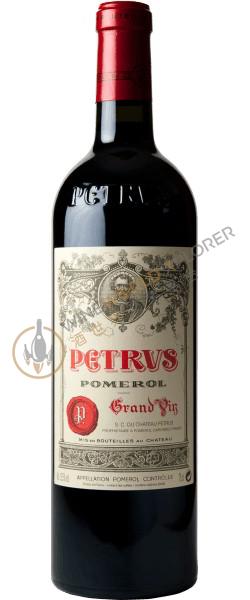
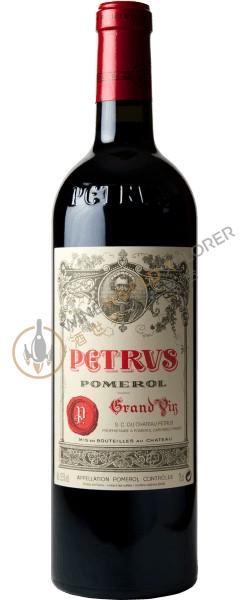
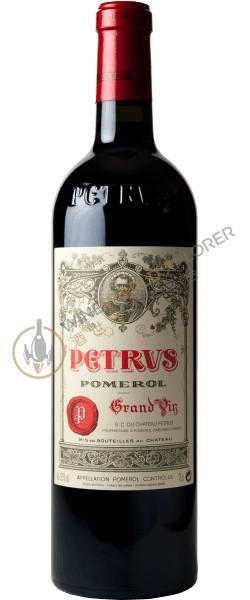
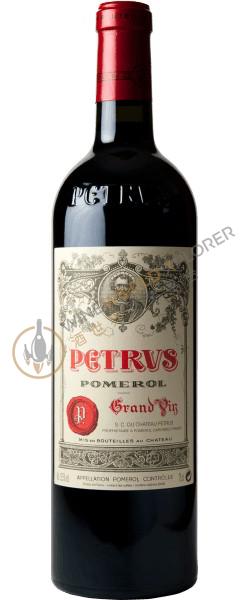
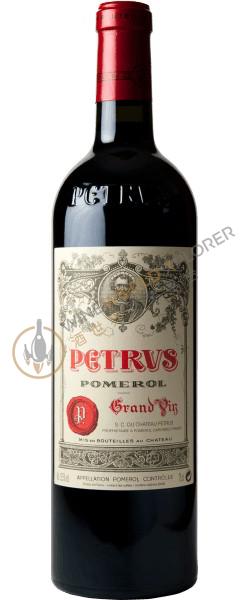
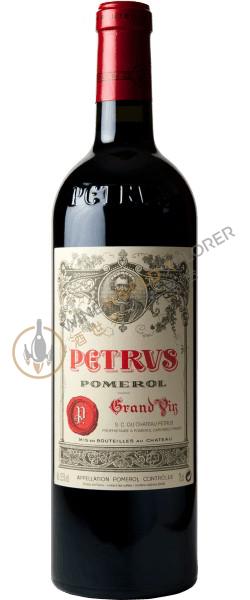
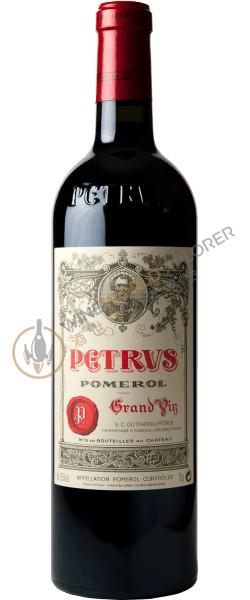
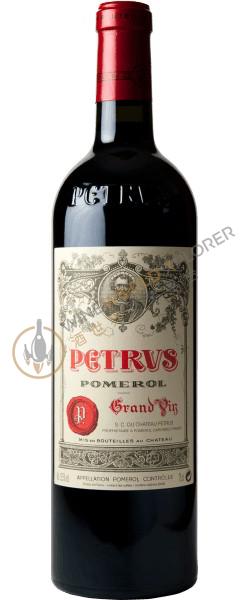
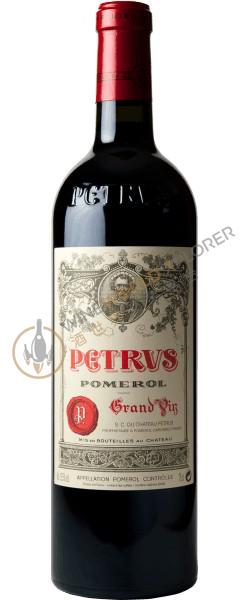
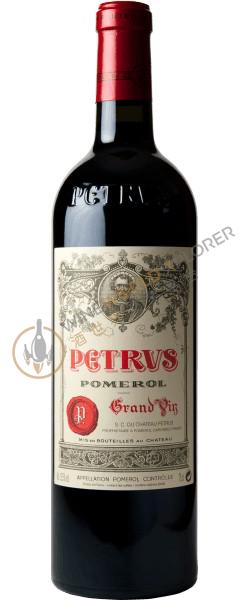
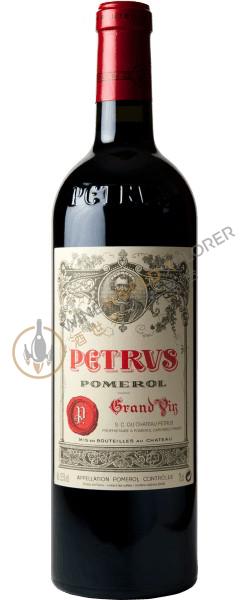
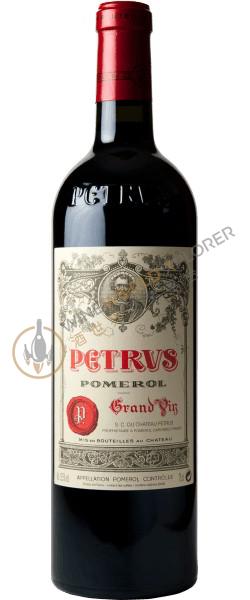
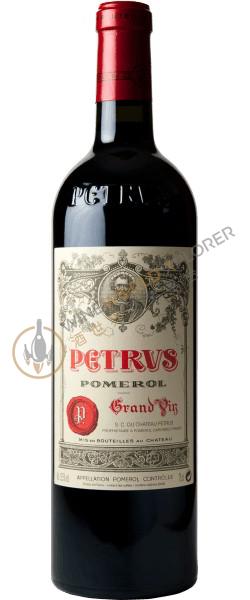
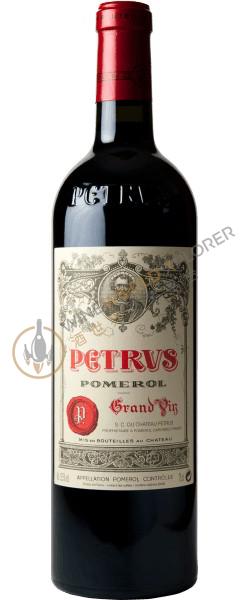
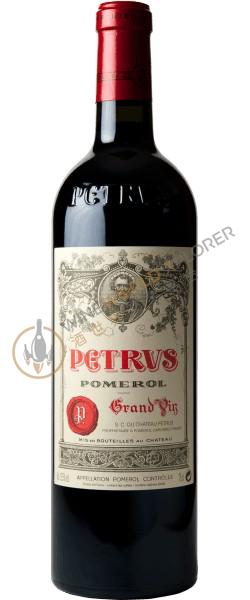
Petrus 1996
 View analysis


Description
Petrus is made almost entirely of Merlot grapes grown in Bordeaux's right bank Pomerol appellation. Although never officially classified, the chateau has long been considered on par with the First Growths from the left bank. The ownership of the estate has passed between the Arnaud family in the 19th century, to Madame Loubat at the end of WWII, and finally to Jean-Pierre Moueix in recent years. Petrus's clay soil is rich in iron and the estate's average vine age is 40 years. Chateau Petrus produces approximately 3,000 cases of wine each year.
Tasting notes

Reviewed by: Neal Martin
Served blind at the “Antique Wine Company” Left vs. Right Bank tasting, I was disappointed with this wine (albeit from a challenging vintage for the Pomerolais.) If I could sum it up, it is like a Petrus with a flat tyre and so no matter how hard it tries to pedal, it does not go anywhere. There is a palpable flatness to the nose that is denuded of fruite, whilst the palate has a rather stern entry, gritty tannins and a dry, slightly mean finish. It is by no means a poor wine, but it is a disappointing Petrus even taking into account the challenging growing season, so my advice is stick to the infinitely superior 1995. Tasted November 2011.
Reviewed by: Robert M. Parker, Jr.
Despite all the pessimism that emerged from proprietor Christian Moueix, this has turned out to be an exceptional effort. The wine possesses a dense, opaque purple color, a ripe, mulberry, cedar, and coffee-scented nose, and a dense, powerful, medium to full-bodied, tannic personality with plenty of spice, glycerin, and length. It will require time in the bottle. Petrus's average production in a high quality vintage is approximately 4,500 cases, but due to Moueix's ruthless selection process, only 1,800 cases of 1996 Petrus were produced. Anticipated maturity: 2006-2025. Petrus, the undisputed King of Pomerol, was an inconsistent performer between 1976 and 1988, but since 1989 there have been few Bordeaux wines that match this property for its extraordinary combination of power, richness, complexity, and elegance. The 1995 and 1996 are both noteworthy efforts.
Reviewed by: Robert M. Parker, Jr.
Along with Clinet, Petrus has produced the top wine in Pomerol. Instead of producing 4,500 cases (the quantity produced in abundant high quality vintages such as 1989 and 1990), Christian Moueix has turned out a brilliant Petrus by producing only 1,800 cases. The 1996 Petrus boasts a black/ruby/purple color, as well as a wonderfully sweet nose of black-cherries, raspberries, truffles, cedar, and vanillin. Rich and medium to full-bodied, with considerable power and concentration, this is a superb effort in what was obviously a difficult year for Pomerol. The wine possesses excellent sweetness, high glycerin, and a layered texture. It should mature more quickly than some of its older siblings, particularly 1993, 1994, and 1995, all splendid successes at Petrus. Anticipated maturity: 2002-2020
Reviewed by: Robert M. Parker, Jr.
Proprietor Christian Moueix's 1996s have turned out well in the bottle. The 1996 Petrus is a big, monolithic, foursquare wine with an impressively opaque purple color, and sweet berry fruit intermixed with earth, pain grille, and coffee scents. Full-bodied and muscular, with high levels of tannin, and a backward style, this wine (less than 50% of the production was bottled as Petrus) will require patience. It is a mammoth example. Anticipated maturity: 2010-2035
About the Producer
The Patus winery has 11.5 hectares of vineyards. The top layer of the soil in the garden is pure clay, the bottom layer is terracotta, and the deeper layer is lime soil with high iron content, and has a good drainage system. The grape varieties planted are mainly Merlot, accounting for about 95%; the remaining 5% is Cabernet Franc. Because Cabernet Franc matures earlier, unless the vintage is particularly good, Patux winery is generally not used for winemaking. The planting density is 6,000 trees per hectare, and the average age of the trees is around 40 years, and some are even 80 years old. The operator adopts a more traditional method in the renewal of the vineyard, that is, through the selection, the best quality grape vine is used as the "mother plant", which is the same as the method when the Chateau Conti eradicated the old roots in 1946. The vineyard also adopts strict "fruit control". Each plant retains several bud eyes, and each bud eye leaves only one bunch of grapes. The goal is to fully ripen, but avoid over-ripening, otherwise it will affect the delicate flavor of the wine. In terms of the brewing process, Chateau Patus set the grape harvest time in the afternoon, the purpose is to let the morning sun dry the residual dew from the previous night. Each harvest employs 180 harvesters and takes about half a day to complete 2 to 3 harvests. During the brewing, Patus Winery spared no expense, replacing the wooden barrels (of different materials) every 3 months, and the aging time is about 20-22 months. Patus winery attaches great importance to quality and only selects the best grapes. In some bad years, such as 1991, it even stops production. The average annual output of Chateau Patus is no more than 30,000 bottles, which is extremely limited and expensive. Petrus, Pomerol, France is dark in color and has a delicate and rich aroma. Among the aromas of blackcurrant and mint, there are also many aromas such as blackberry, cream, chocolate, truffle, milk and oak. The taste is silky Slippery, long aftertaste.
1950(1)1964(1)1966(1)1969(1)1970(1)1971(1)1975(2)1976(1)1978(1)1979(1)1980(2)1981(3)1982(5)1983(4)1985(4)1986(3)1987(3)1988(8)1989(6)1990(7)1992(1)1993(4)1994(7)1995(6)
Package Size