 Wine Advisor



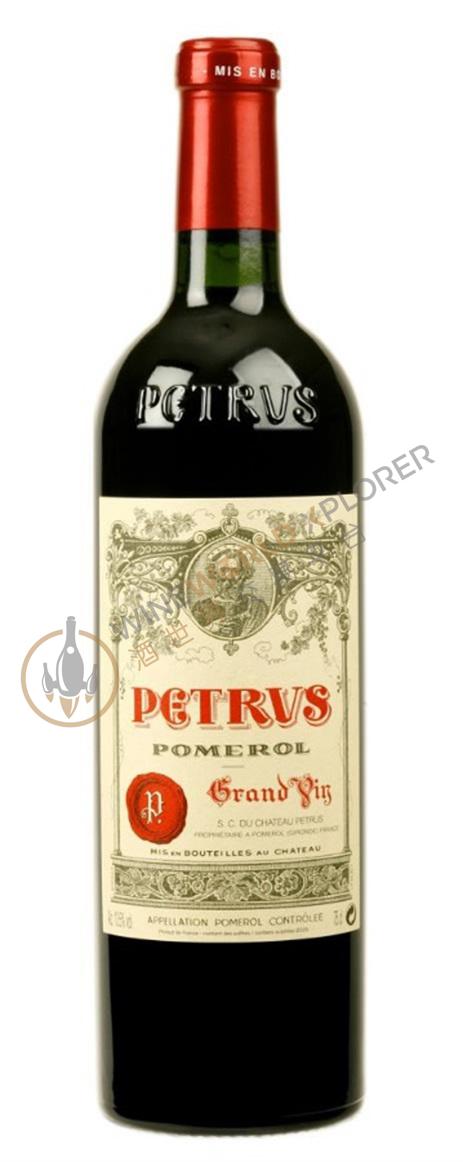
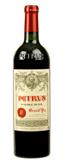
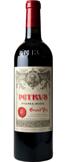
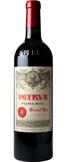
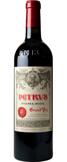
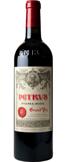
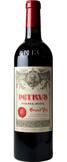
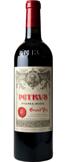
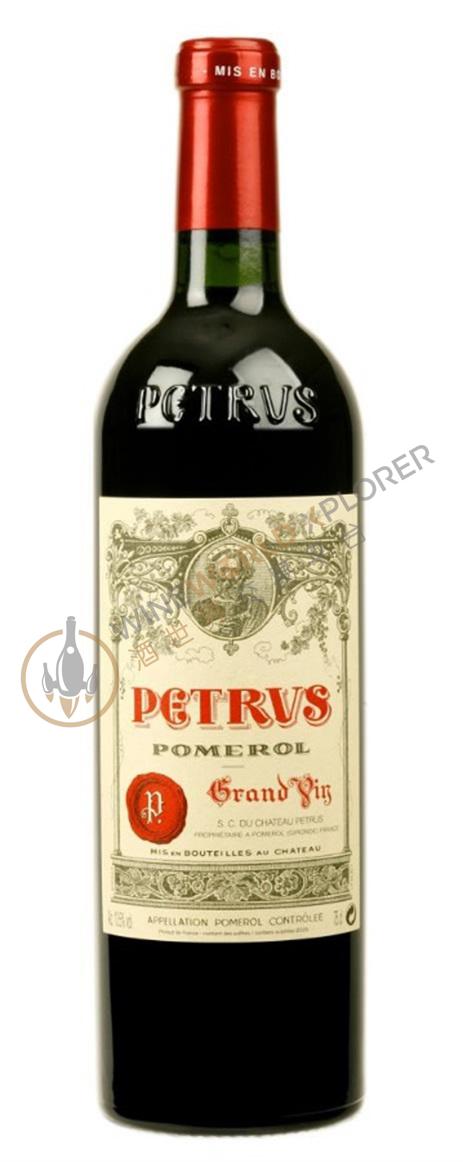
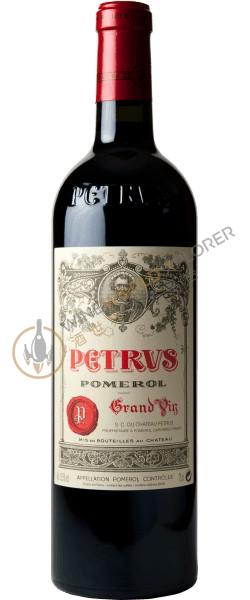
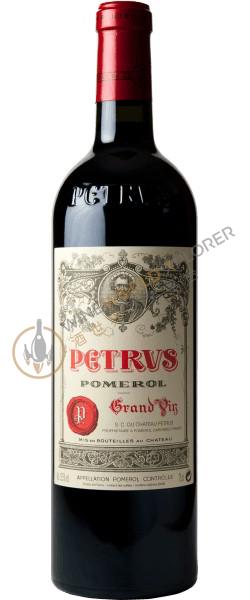
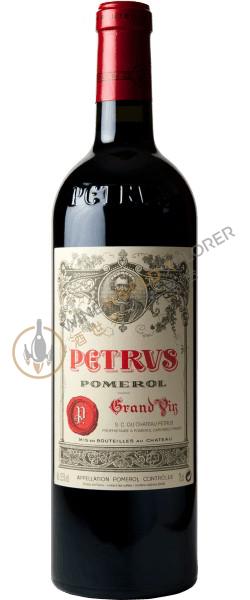
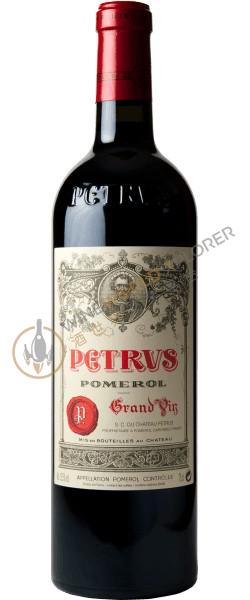
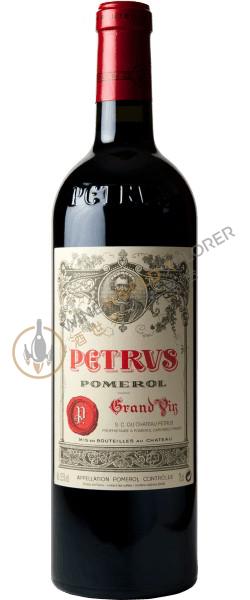
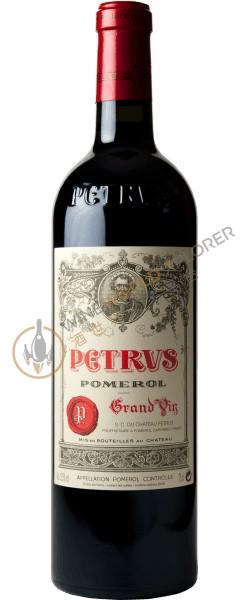
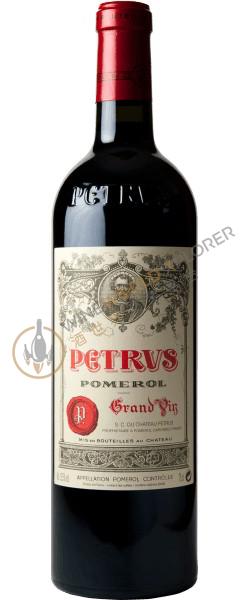
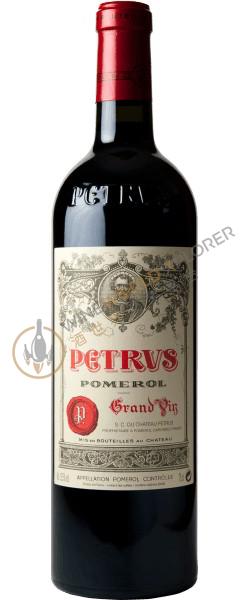
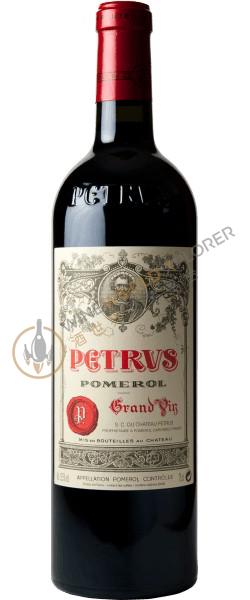
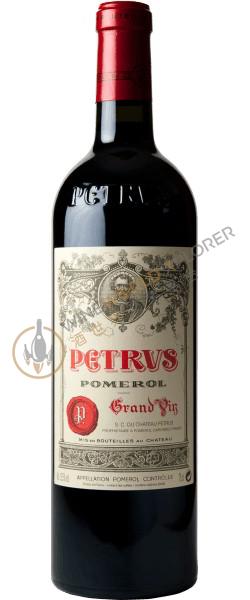
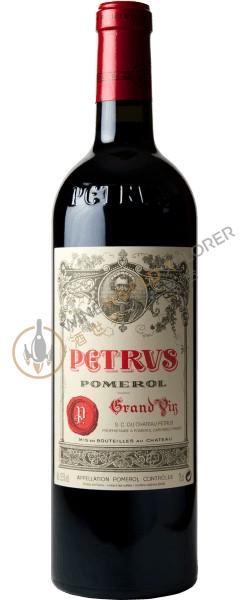
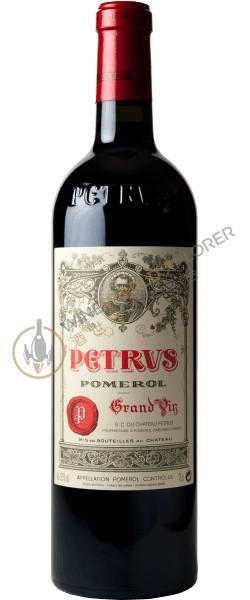
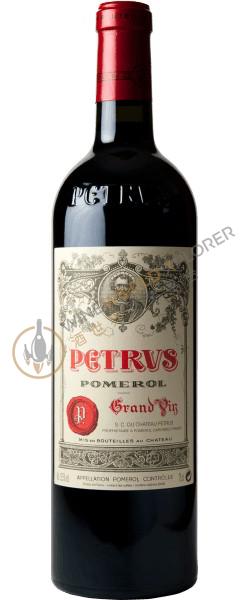
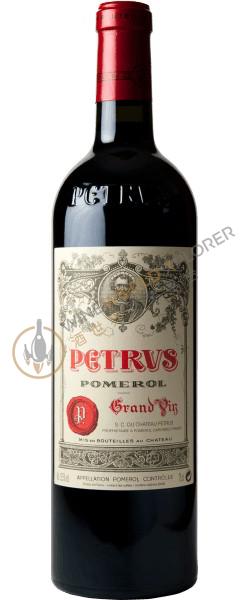
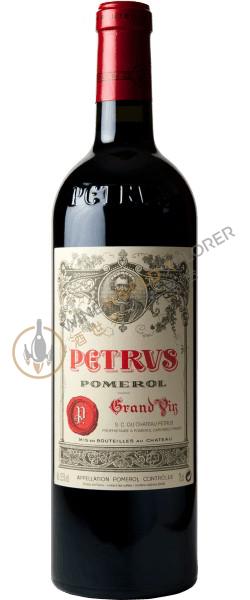
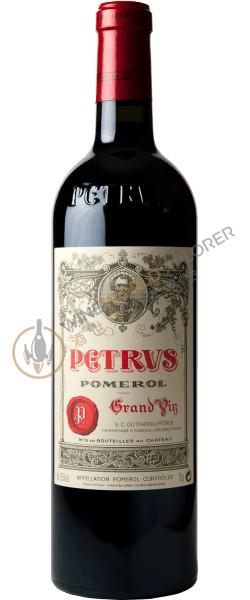
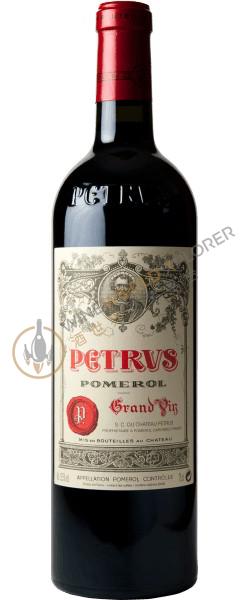
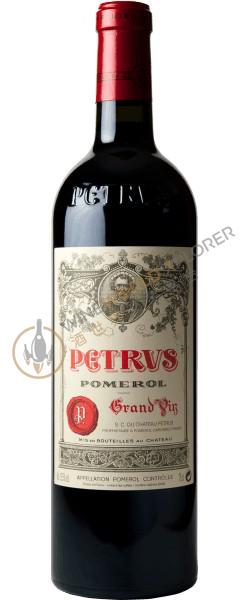
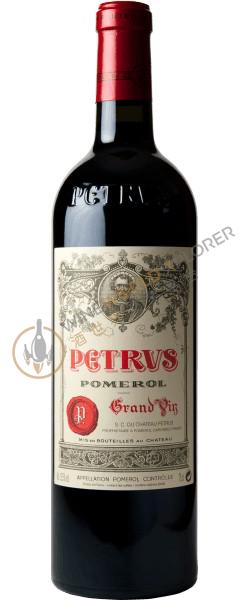
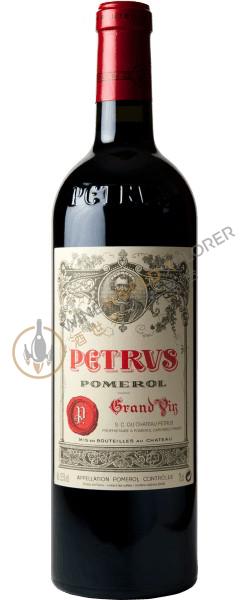
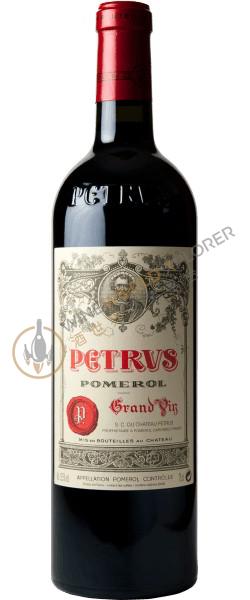
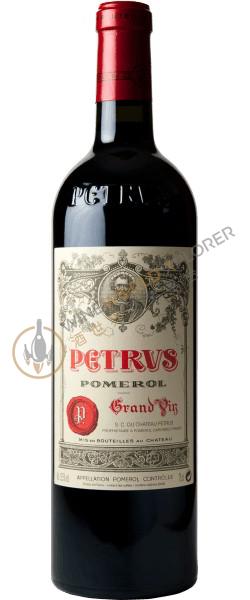
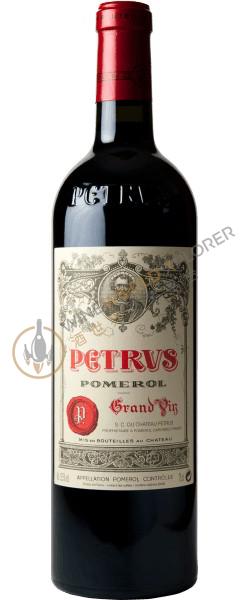
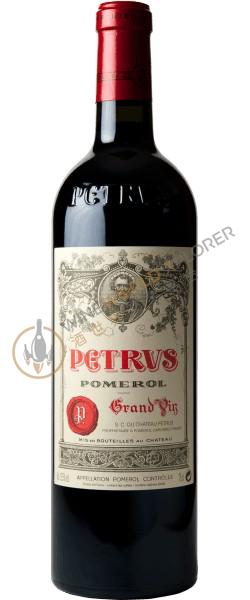
Petrus 1992
 View analysis


Description
Petrus is made almost entirely of Merlot grapes grown in Bordeaux's right bank Pomerol appellation. Although never officially classified, the chateau has long been considered on par with the First Growths from the left bank. The ownership of the estate has passed between the Arnaud family in the 19th century, to Madame Loubat at the end of WWII, and finally to Jean-Pierre Moueix in recent years. Petrus's clay soil is rich in iron and the estate's average vine age is 40 years. Chateau Petrus produces approximately 3,000 cases of wine each year.
Tasting notes

Reviewed by: Robert M. Parker, Jr.
Note: No 1991 was produced under the Petrus label. The Petrus vineyard, along with that of Trotanoy, was covered with black plastic at the beginning of September, thus trapping all the rain rather than allowing it to saturate the vineyard's soil and dilute the grapes. Although some of this estate's critics have called it a publicity stunt, the brilliance of this decision is manifested in the outstanding extract levels of both the 1992 Petrus and 1992 Trotanoy. Along with Lafleur, the 1992 Petrus is one of the leading candidates for the "wine of the vintage." It exhibits an opaque ruby/purple color, and a big, sweet nose of caramel, vanillin, blackcurrants, and herbs. Rich and ripe, with layers of sweet, jammy fruit, this unctuously-textured, thick, superbly-concentrated wine will have a great future. Full-bodied, with plenty of tannin in the finish, it should be at its best by the turn of the century and last for at least 20 years thereafter. An awesome 1992!
Reviewed by: Neal Martin
First tasted at the Arches when the lovely Ivana offered a glass in July 2002. Rounded herbal, minerally plummy nose. Very good depth. Palate more concentrated than 1993. Again quite herbal, good fruit concentration with notes of plums and mocha. Quite an exuberant wine which outclassed the 1993. Very enjoyable Petrus and perhaps under-estimated by some people. Tasted again in March 2004 from the splendid imperial: the nose is muted at first but evolves with aeration. There is lovely sweetness amongst the plummy aromas. The palate has good concentration for a 1992, still backward with notes of roasted herbs and burnt toast. Good depth. Raisin, espresso finish. Good length. Very fine.
Reviewed by: Robert M. Parker, Jr.
The 1992 Petrus is clearly one of the two candidates for the "wine of the vintage." The normal production of 4,500 cases was severely reduced to only 2,600 cases, resulting in an atypically concentrated, powerful, rich wine with a dark, saturated ruby/purple color, a tight but promising nose of sweet black-cherry fruit, vanillin, caramel, and herb-tinged mocha notes. Concentrated and powerful, with superb density of fruit and richness, as well as wonderful sweetness to its tannin, this is a brilliant effort for the vintage. The wine requires 3-5 years of cellaring and should keep for 15-20+. Interestingly, the Petrus vineyard, along with that of its sibling, Trotanoy, was covered with black plastic in early September, 1992 to trap most of the rain rather than allowing it to saturate the vineyard's soil and dilute the grapes. It was a strategy that obviously paid off.
About the Producer
The Patus winery has 11.5 hectares of vineyards. The top layer of the soil in the garden is pure clay, the bottom layer is terracotta, and the deeper layer is lime soil with high iron content, and has a good drainage system. The grape varieties planted are mainly Merlot, accounting for about 95%; the remaining 5% is Cabernet Franc. Because Cabernet Franc matures earlier, unless the vintage is particularly good, Patux winery is generally not used for winemaking. The planting density is 6,000 trees per hectare, and the average age of the trees is around 40 years, and some are even 80 years old. The operator adopts a more traditional method in the renewal of the vineyard, that is, through the selection, the best quality grape vine is used as the "mother plant", which is the same as the method when the Chateau Conti eradicated the old roots in 1946. The vineyard also adopts strict "fruit control". Each plant retains several bud eyes, and each bud eye leaves only one bunch of grapes. The goal is to fully ripen, but avoid over-ripening, otherwise it will affect the delicate flavor of the wine. In terms of the brewing process, Chateau Patus set the grape harvest time in the afternoon, the purpose is to let the morning sun dry the residual dew from the previous night. Each harvest employs 180 harvesters and takes about half a day to complete 2 to 3 harvests. During the brewing, Patus Winery spared no expense, replacing the wooden barrels (of different materials) every 3 months, and the aging time is about 20-22 months. Patus winery attaches great importance to quality and only selects the best grapes. In some bad years, such as 1991, it even stops production. The average annual output of Chateau Patus is no more than 30,000 bottles, which is extremely limited and expensive. Petrus, Pomerol, France is dark in color and has a delicate and rich aroma. Among the aromas of blackcurrant and mint, there are also many aromas such as blackberry, cream, chocolate, truffle, milk and oak. The taste is silky Slippery, long aftertaste.
1950(1)1964(1)1966(1)1969(1)1970(1)1971(1)1975(2)1976(1)1978(1)1979(1)1980(2)1981(3)1982(5)1983(4)1985(4)1986(3)1987(3)1988(8)1989(6)1990(7)
Package Size