 Wine Advisor



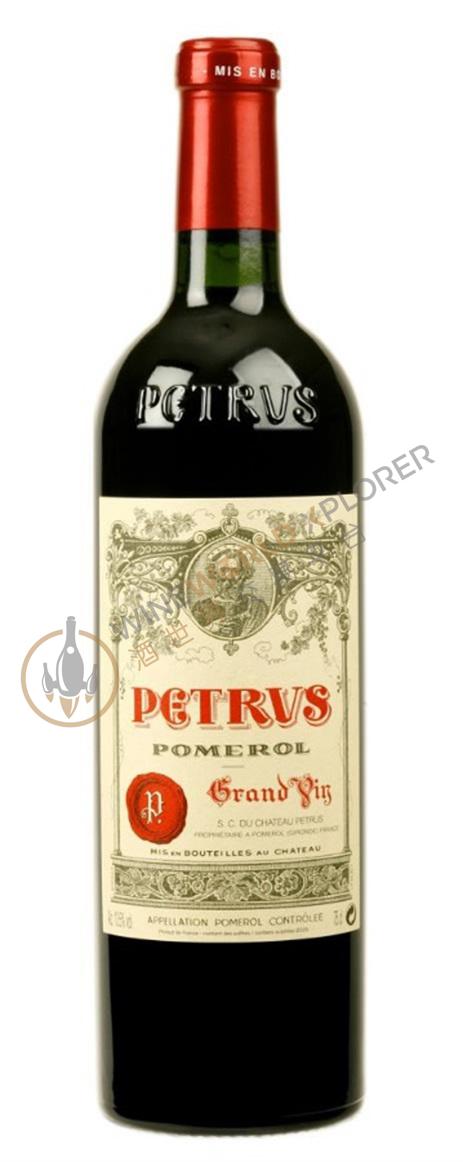
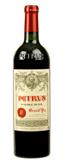
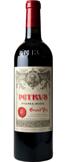
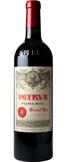
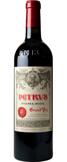
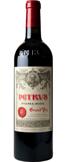
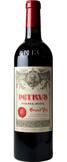
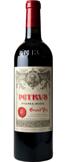
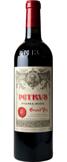
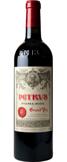
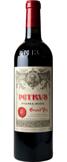
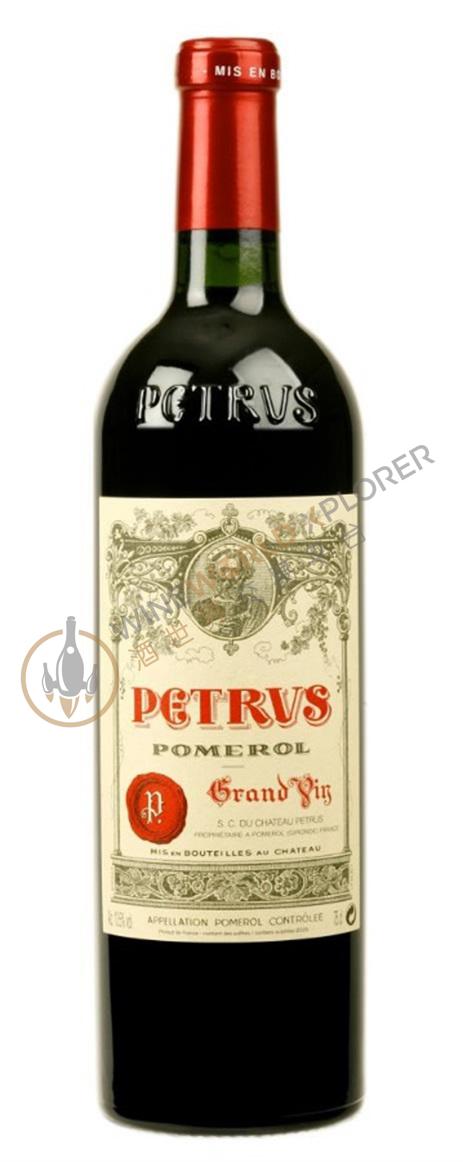
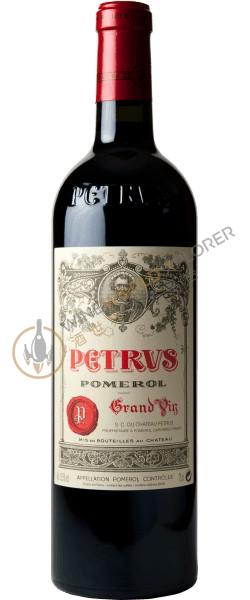
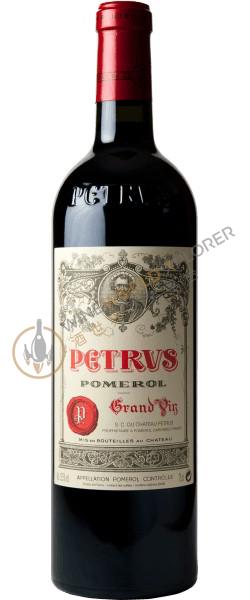
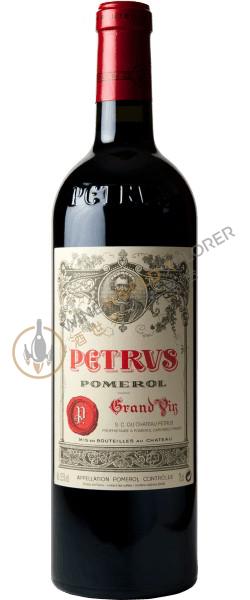
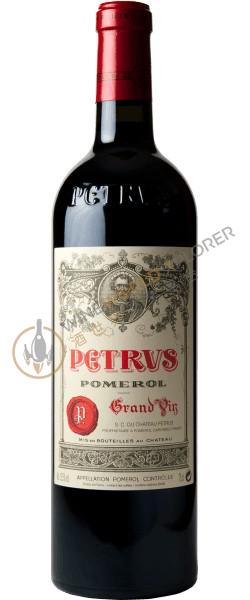
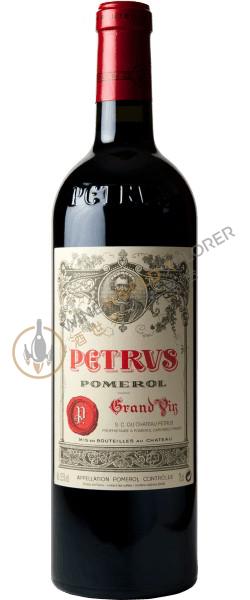
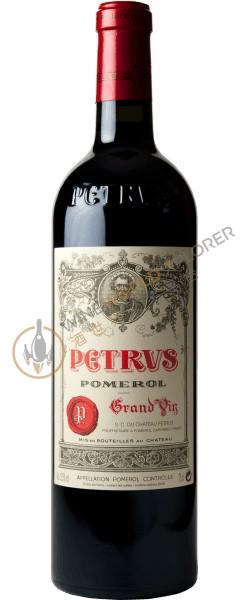
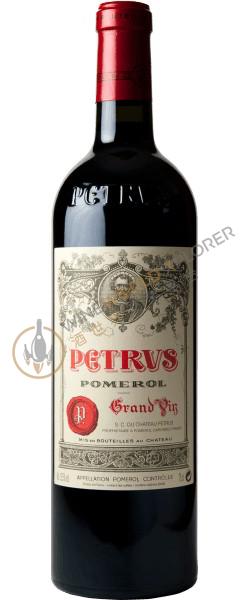
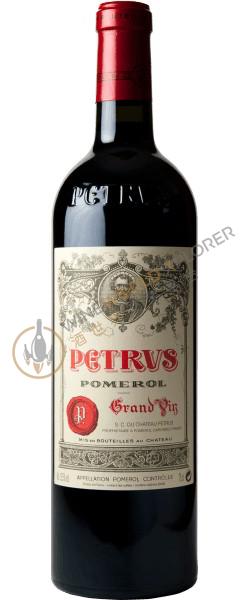
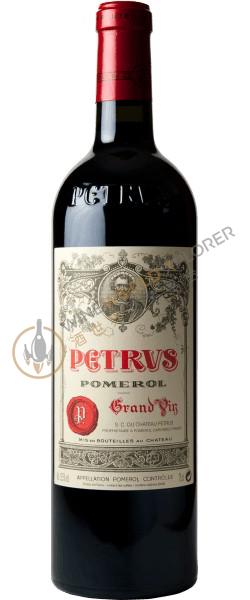
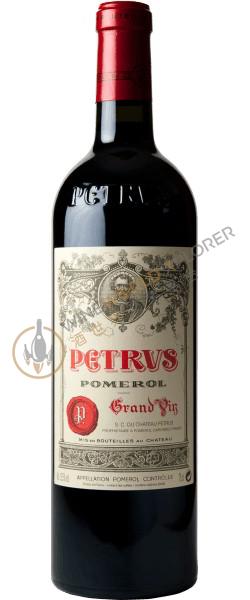
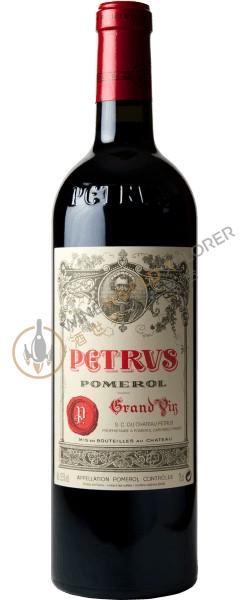
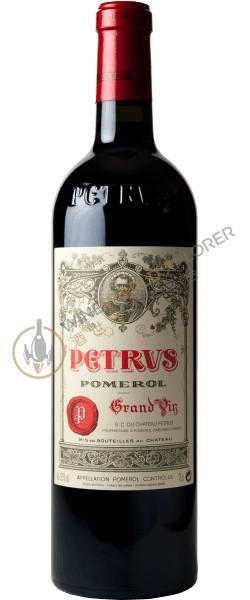
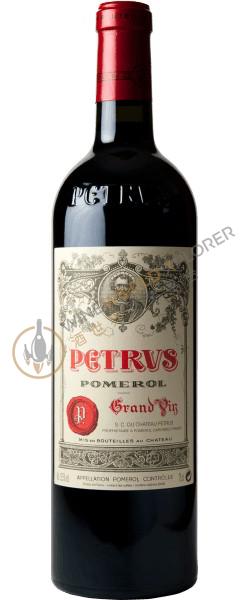
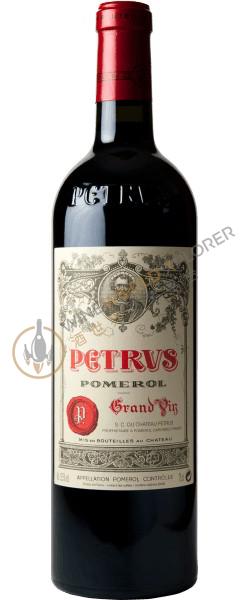
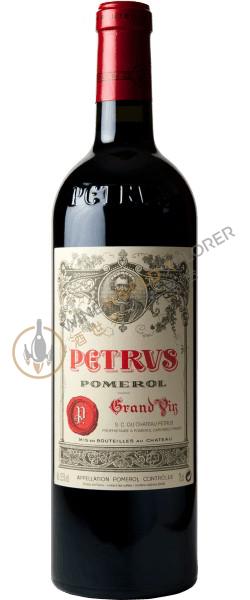
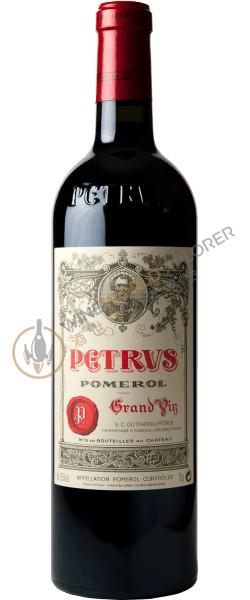
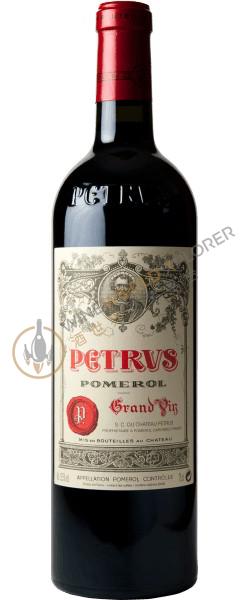
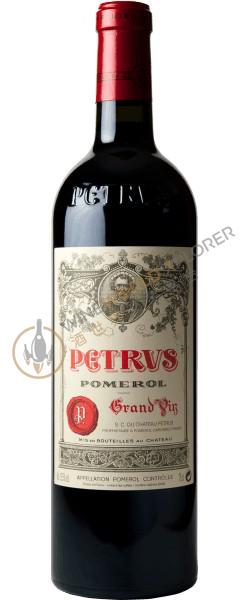
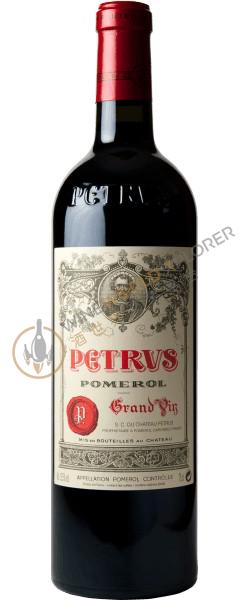
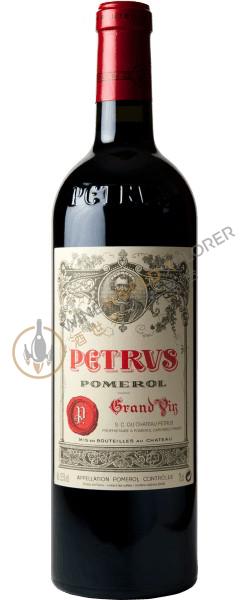
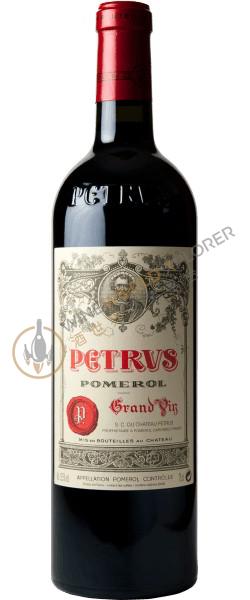
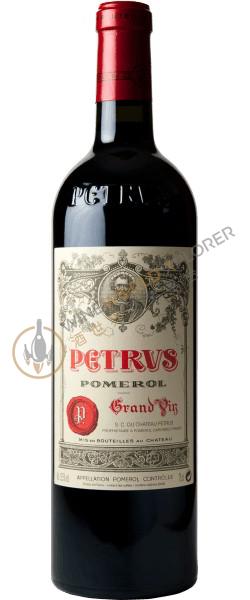
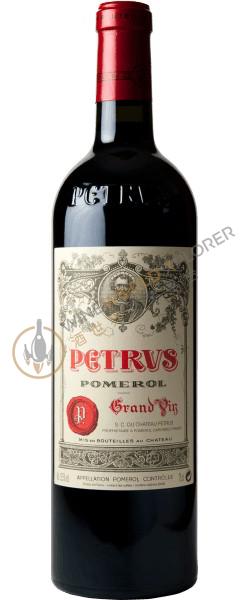
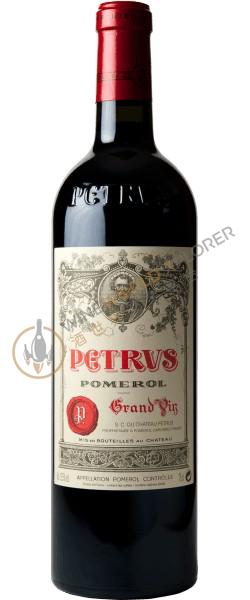
Petrus 1990
 View analysis


Description
Petrus is made almost entirely of Merlot grapes grown in Bordeaux's right bank Pomerol appellation. Although never officially classified, the chateau has long been considered on par with the First Growths from the left bank. The ownership of the estate has passed between the Arnaud family in the 19th century, to Madame Loubat at the end of WWII, and finally to Jean-Pierre Moueix in recent years. Petrus's clay soil is rich in iron and the estate's average vine age is 40 years. Chateau Petrus produces approximately 3,000 cases of wine each year.
Tasting notes

Reviewed by: Robert M. Parker, Jr.
While there were signs that Petrus was beginning to "lighten up" its style (i.e., 1981, 1983, 1985, 1986), the 1990 is a majestic return to the massive, unctuous, viscous, profoundly concentrated style of vintages such as 1947, 1948, 1950, 1961, 1970, 1971, and 1975. The 1990 is a remarkably dense, rich, concentrated wine with tons of tannin, gobs of glycerin, and an exotic coffee, tobacco, herb, and super-ripe, berry-scented nose and flavors. It is the most powerful, intense, and concentrated Petrus to emerge from this estate since 1961. I could not bring myself to spit this one out. Another legend! Anticipated maturity: 2000-2025. Last tasted, 6/93.
Reviewed by: Neal Martin
Tasted at Hof van Cleve in Belgium. The 1990 has one of those bouquets where a choir of angels seem to sing from heaven when you take you first sniff. It is utterly compelling, with crystalline dark fruits, truffle and even an outrageous hint of melted marshmallows. The palate possesses brilliant tension, quite edgy for a 1990 with ebullient dark fruits, Vervain tea, a touch of dark plum and something sweet like fresh fig. There is an effortless quality to the 1990 that is completely entrancing, and of course, a length that is longer than Southend Pier (the longest in the world.) Brilliant. Tasted October 2011.
Reviewed by: Neal Martin
Not quite as luscious and vigorous as I recalled. But it still has that telltale earthy, roasted herb-scented nose, the palate constricted at first but gently unfolding with aeration in the glass with obviously good weight and length. I have scored this a perfect 100-points before and I cannot do it again based on this example. Tasted March 2008.
Reviewed by: Robert M. Parker, Jr.
The 1990 Petrus remains incredibly young, one of the least evolved wines of the vintage (along with Montrose and Beausejour-Duffau). This dense ruby/purple-colored effort is beginning to hint at the massive richness and full-bodied intensity lurking beneath its wall of tannin. The vintage’s sweetness, low acidity, and velvety tannins are present in abundance, and the wine is massive in the mouth as well as incredibly pure and well-delineated. I thought it would be drinkable by now, but it appears another 5-10 years will pass before it begins to reach its plateau of maturity. This wine is capable of lasting at least four more decades. An incredible achievement! Release price: ($5000.00/case)
Reviewed by: Robert M. Parker, Jr.
While there were signs that Petrus was beginning to "lighten up" its style (i.e., 1981, 1983, 1985, 1986), the 1990 is a return to the massive, unctuous, viscous, profoundly concentrated style of vintages such as 1947, 1948, 1950, 1961, 1970, 1971, and 1975. The 1990 is a remarkably dense, rich, concentrated wine with tons of tannin, gobs of glycerin, and an exotic coffee, tobacco, herb, and super-ripe, berry-scented nose and flavors. It is the most powerful, intense, and concentrated Petrus to emerge from this estate since 1961. I could not bring myself to spit this one out. Another legend! Anticipated maturity: 2000-2025.
Reviewed by: Neal Martin
First tasted in March 2000 at the Tommy's charity horizontal when it impressed upon me it intellect and complexity. Tasted alongside Le Pin 1990, this was less showy but a more complex wine. At the Petrus vertical in January 2004 alongside the 89: a deep garnet core with slight tawny rim. An intense, exuberant plummy/mulberry nose with burnt toast and a touch of Provencal herbs. The palate is very concentrated, more ostentatious than the 1989 with perfect acidity. A dense core of sweet ripe black fruits, jaw-dropping harmony with velvety tannins you could bathe in. A wine that wants to be adored. There is a touch of the Napa Valley here. Possibly drinking before the 1989 - we will see (I hope). Now until ? Thirdly at the FWE Vertical in October 2005. A beautiful nose of savoury black fruits, mulberry, mocha and burnt toast. Very fine definition: open and expressive with that warmth of the summer coming through. The palate is perfectly balanced, effortless, savoury with velvety tannins. Rich, decadent and brash. A warm, earthy finish that goes on and on. More approachable than the 1989 but still an amazing wine. This is entering its plateau of maturity but it will stay there fore years.
Reviewed by: Robert M. Parker, Jr.
How reassuring it is to see this wine, now the darling of international speculators, trophy hunters, et. al. perform so splendidly. My experience with young vintages of Petrus, particularly in the eighties, is that the wines often did not live up to their pre-bottling quality. That has not been the case with the 1989 and 1990. Both wines have consistently provided exhilarating tasting on the few times I have been able to take a look at them. I initially thought the 1990 may have been marginally superior to the 1989, but at present it is a dead heat. Both are enormously jammy, rich, super-concentrated wines that signal a return to the great Petrus of the pre-1976 era. The tannin is well-integrated, but the enormous texture, thickness, and impeccable balance are what make these wines so provocative. The 1989 is more backward and tannic, thus coming across as marginally more structured than the opulent and flashy 1990. Both wines are phenomenally rich and well-endowed, with that sweet inner-core of fruit that possesses layers of intensity. The colors are nearly opaque purple, and the noses are similar, with offerings of jammy black fruits, intertwined with scents of tea, overripe cherries, oranges, and an exotic coconut/caramel component. Both are massive and youthful, with the 1990 clearly more precocious, and for now, the most flattering to drink. The 1990 will reach full maturity 3-4 years earlier than the 1989 and last just as long. For readers with the riches of a super-star athlete and, just as importantly, a shrewd wine broker who can locate these wines, these two vintages of Petrus will provide memorable drinking for another three decades. Two prodigious wines!
Reviewed by: Robert M. Parker, Jr.
Tasted 2 Times Since Bottling With Consistent Notes The 1990 is a majestic return to the massive, unctuous, viscous, profoundly concentrated style of vintages such as 1947, 1948, 1950, 1961, 1970, 1971, and 1975. The 1990 is a remarkably dense, rich, concentrated wine with tons of tannin, gobs of glycerin, and an exotic coffee, tobacco, herb, and super-ripe, berry-scented nose and flavors. It is the most powerful, intense, and concentrated Petrus to emerge from this estate since 1961. I could not bring myself to spit this one out. Another legend! Anticipated maturity: 2000-2025.
Reviewed by: Robert M. Parker, Jr.
This is a spectacular Petrus, made much in the style of the 1970 or a more modern-day version of the 1947. This wine still has a very dense, ruby/purple color with no lightening at the rim. With considerable aeration the wine offers up spectacular aromas of caramel, sweet vanilla, black cherry and blackberry liqueur with a hint of tobacco and cedar. The wine is massively big, viscous, and full-bodied, with low acidity but magnificent richness and an almost seamless personality. The wine remains youthful and not even in its adolescence, but it has a certain accessibility, even though so much is yet to come. This is a compellingly great Petrus, slightly sweeter and more opulent than the 1998, and perhaps on a quicker evolutionary track than the 1989 or 1998. Anticipated maturity: 2007-2040. Last tasted, 8/02.
Reviewed by: Robert M. Parker, Jr.
Although not as opulent or as concentrated as the 1989, the 1990 Petrus is a remarkably dense, rich, concentrated wine with tons of tannin, gobs of glycerin, and an exotic coffee, tobacco, herb, and super-ripe berry-scented nose and flavors. It is a powerful, intense style of Petrus that is less flattering, as well as less unctuous than the 1989. If this wine follows the pattern of recent vintages of Petrus after bottling, it will close up and be undistinguished for at least 8-10 years. Stylistically and qualitatively, the 1990 is eclipsed by the 1989 and 1982, but it has the potential to surpass the superb 1988. Anticipated maturity: 2000-2025.
Reviewed by: Robert M. Parker, Jr.
The phenomenally rich, well-endowed 1990 Petrus has been magical from the first time I tasted it in cask. The color is a dense, jammy plum/purple. The wine possesses a knock-out nose of black fruits intertwined with aromas of toasty new oak, caramel, and flowers. Massively rich and full-bodied, with slightly lower acidity and sweeter tannin than its older sibling, the 1989, the 1990 is an extraordinarily rich, seamless wine with layers of flavor, and a finish that lasts for nearly 45 seconds. Although it is remarkably accessible because of its voluptuous texture, this wine has not begun to develop secondary nuances. It should hit its peak in 10-15 years, and last for three decades. Anticipated maturity: 2006-2035. Last tasted 11/97
Reviewed by: Neal Martin
The 1990 Petrus is a great Pomerol, albeit one that has levelled off in terms of quality during its evolution, so that there is now a clear gap between itself and the 1989. This bottle has that same gorgeous raspberry and mulberry nose, sensual and warm, the eucalyptus component a little more noticeable vis-a-vis previous bottles. The palate is smooth and sensual, fatter than the 1989 if not quite as well defined. It boasts unerring purity and great consistency, a Rubenesque Petrus that is a joy to behold. Tasted at the Petrus dinner at Hide restaurant in London and at Epure restaurant in Hong Kong.
Reviewed by: Neal Martin
The 1990 Petrus is a fabulous wine even if I have found more bottle variation than the 1989. This is incontrovertibly a great bottle, better than the one poured at the Pomerol Comparative Tasting. It has a sensual and heartwarming bouquet of mulberry, raspberry, autumn leaves, wild heather and a touch of roasted chestnut. There is something animally about this Petrus that you might ascribe to brettanomyces but in this case it is just the character of the secondary aromas. The palate is rounded and smooth. Supple and languorous, there are layers of red fruit infused with sage, thyme and black tea. The 1990 is extraordinarily persistent, a crescendo that dares to show up the imperious 1989 that is more linear and “correct” by comparison. The 1989 might be a better Petrus, however, you could argue that the 1990 is simply more enjoyable. Tasted at the Petrus dinner at the Épure restaurant in Hong Kong.
Reviewed by: Neal Martin
Tasted at the Pomerol Comparative Exploration tasting in London, the 1990 Petrus has always been an extraordinary wine, although in recent years I feel that the 1989 Petrus has edged in front, just by a nose mind you. Now at 26 years of age, it has a substantial bouquet with mulberry and red plum aromas, leather, balsam, juniper berries and undergrowth aromas. It might not quite possess the sophistication of the 1989 but your sense must be malfunctioning if you are not seduced by this heady cocktail. The palate is medium-bodied with fine tannin, supple in the mouth with more roundness than the 1989 plus enormous depth. There is layer upon layer of dark berry fruit infused with sage and thyme, hints of Vervain tea towards the long finish. Nowadays, it might not be close to perfection, perhaps superseded by modern-day winemaking. And yet, the untrammelled pleasure contained in this wine is irresistible and with that in mind, I suspect that only large formats would improve with age.
Reviewed by: Stephen Tanzer
Black-ruby to the rim. Remarkably vibrant red and black fruit, mineral, and licorice nose has an almost Chambolle-like framboise tang to it. Massive on the palate; tremendous extract. As dense as this is now, it already shows remarkable clarity and depth of flavor. Powerful structure and length, with extraordinary subtlety of flavor. Based on the bottle sampled, this is an early candidate for wine of the vintage.
About the Producer
The Patus winery has 11.5 hectares of vineyards. The top layer of the soil in the garden is pure clay, the bottom layer is terracotta, and the deeper layer is lime soil with high iron content, and has a good drainage system. The grape varieties planted are mainly Merlot, accounting for about 95%; the remaining 5% is Cabernet Franc. Because Cabernet Franc matures earlier, unless the vintage is particularly good, Patux winery is generally not used for winemaking. The planting density is 6,000 trees per hectare, and the average age of the trees is around 40 years, and some are even 80 years old. The operator adopts a more traditional method in the renewal of the vineyard, that is, through the selection, the best quality grape vine is used as the "mother plant", which is the same as the method when the Chateau Conti eradicated the old roots in 1946. The vineyard also adopts strict "fruit control". Each plant retains several bud eyes, and each bud eye leaves only one bunch of grapes. The goal is to fully ripen, but avoid over-ripening, otherwise it will affect the delicate flavor of the wine. In terms of the brewing process, Chateau Patus set the grape harvest time in the afternoon, the purpose is to let the morning sun dry the residual dew from the previous night. Each harvest employs 180 harvesters and takes about half a day to complete 2 to 3 harvests. During the brewing, Patus Winery spared no expense, replacing the wooden barrels (of different materials) every 3 months, and the aging time is about 20-22 months. Patus winery attaches great importance to quality and only selects the best grapes. In some bad years, such as 1991, it even stops production. The average annual output of Chateau Patus is no more than 30,000 bottles, which is extremely limited and expensive. Petrus, Pomerol, France is dark in color and has a delicate and rich aroma. Among the aromas of blackcurrant and mint, there are also many aromas such as blackberry, cream, chocolate, truffle, milk and oak. The taste is silky Slippery, long aftertaste.
1950(1)1964(1)1966(1)1969(1)1970(1)1971(1)1975(2)1976(1)1978(1)1979(1)1980(2)1981(3)1982(5)1983(4)1985(4)1986(3)1987(3)1988(8)1989(6)
Package Size