 Wine Advisor



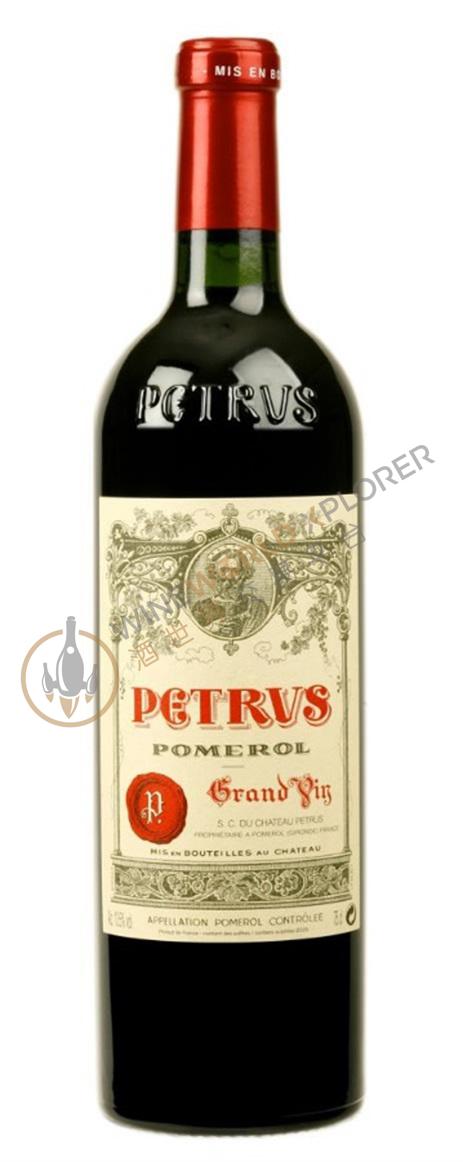
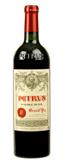
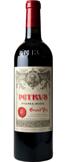
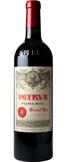
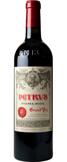
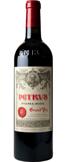
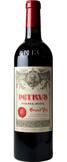
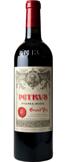
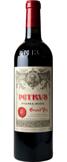
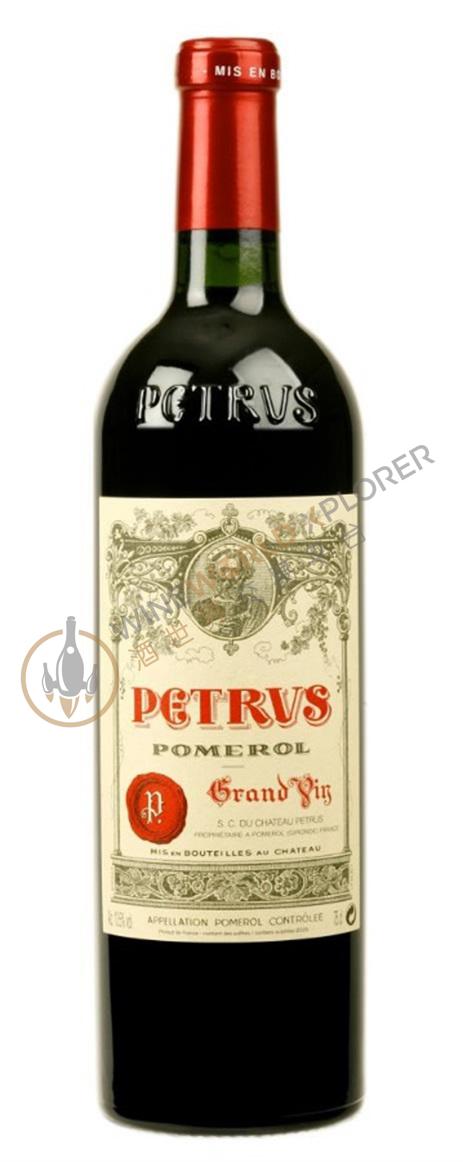
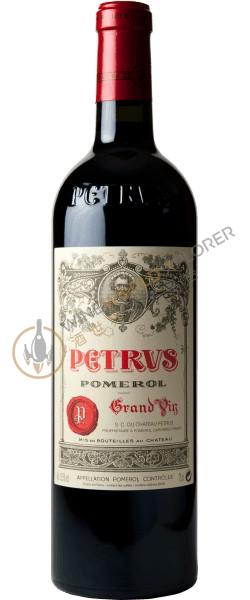
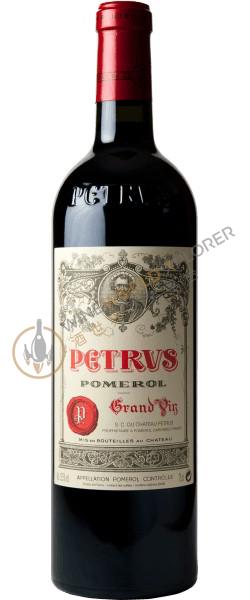
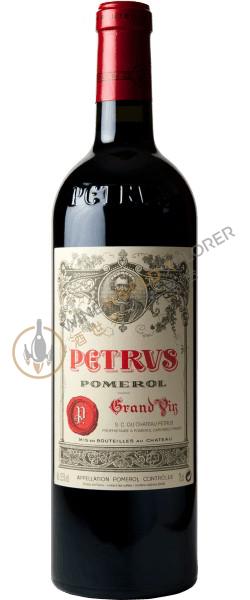
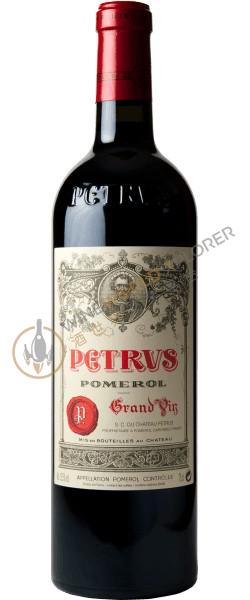
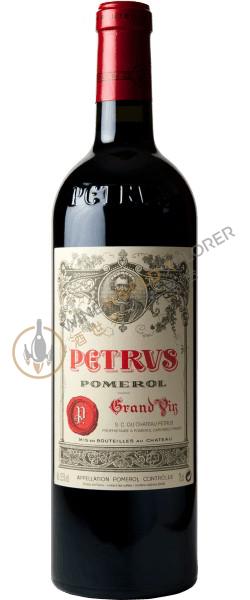
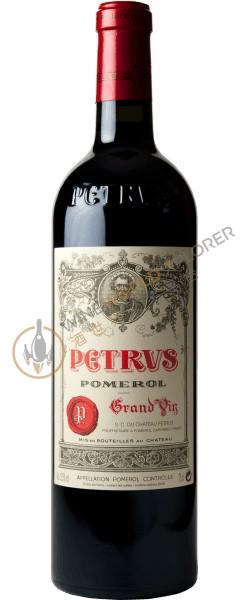
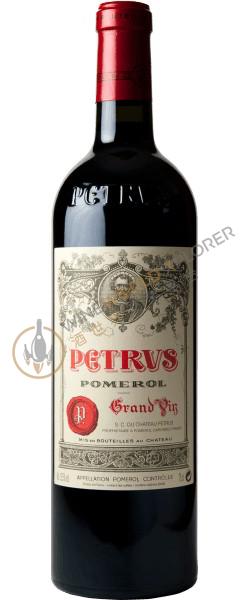
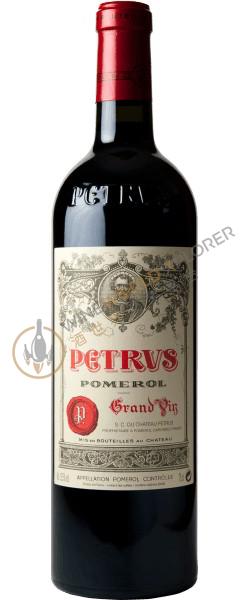
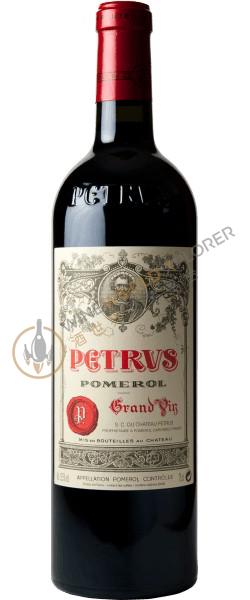
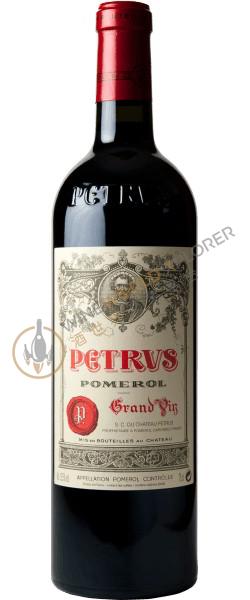
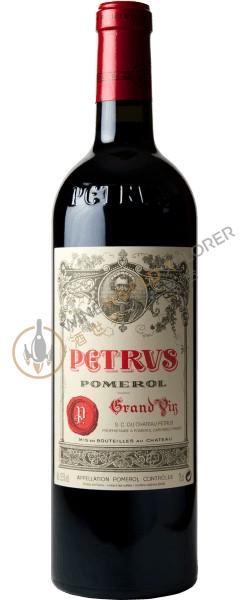
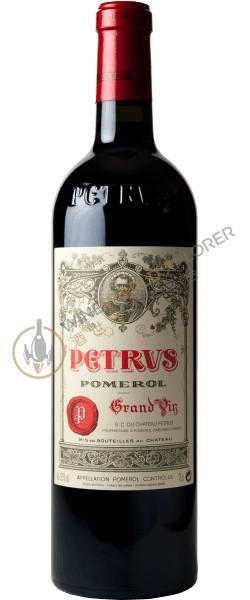
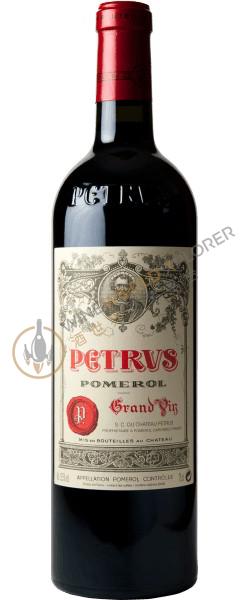
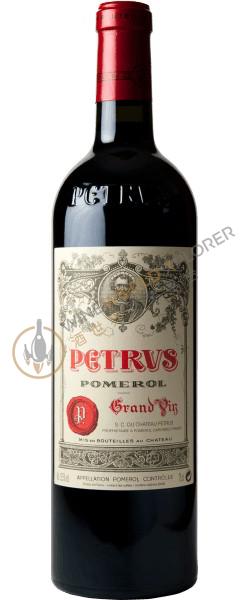
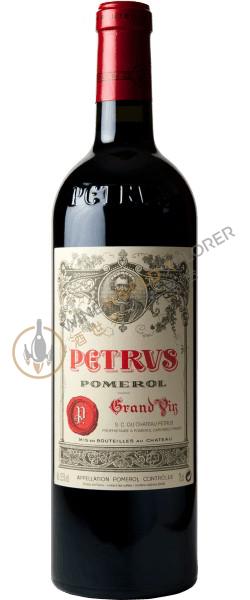
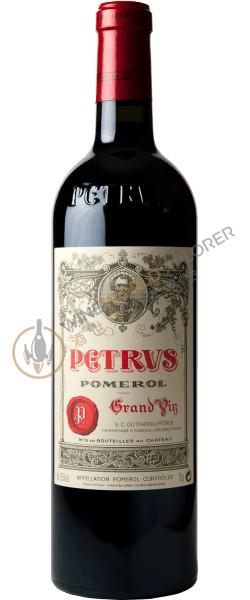
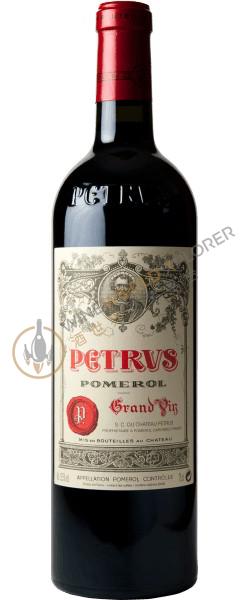
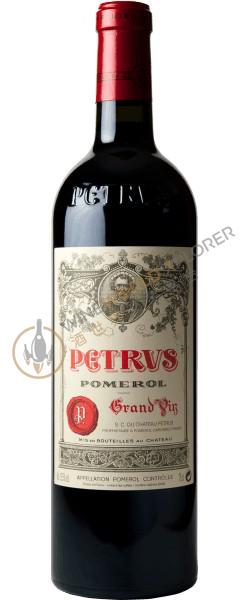
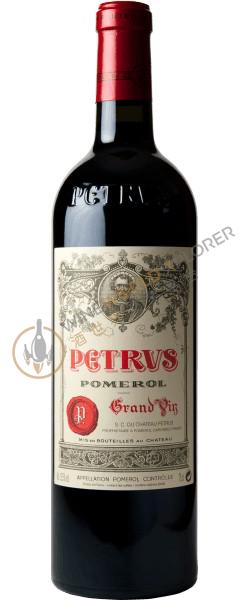
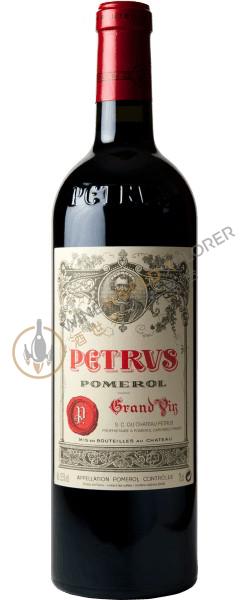
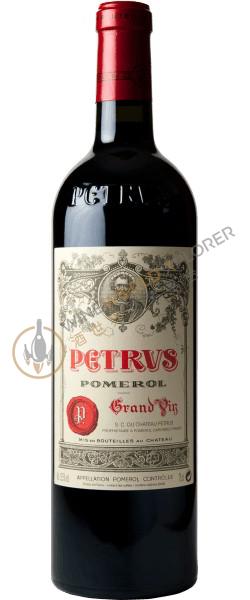
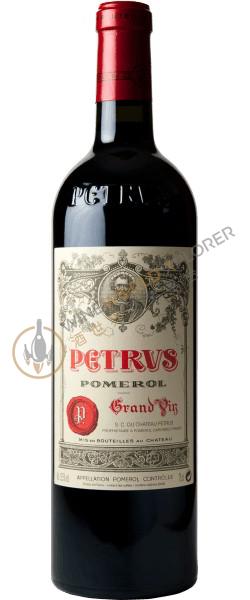
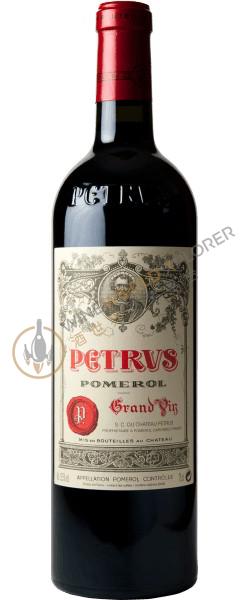
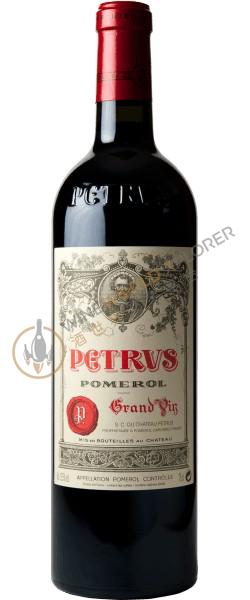
Petrus 1989
 View analysis


Description
Petrus is made almost entirely of Merlot grapes grown in Bordeaux's right bank Pomerol appellation. Although never officially classified, the chateau has long been considered on par with the First Growths from the left bank. The ownership of the estate has passed between the Arnaud family in the 19th century, to Madame Loubat at the end of WWII, and finally to Jean-Pierre Moueix in recent years. Petrus's clay soil is rich in iron and the estate's average vine age is 40 years. Chateau Petrus produces approximately 3,000 cases of wine each year.
Tasting notes

Reviewed by: Robert M. Parker, Jr.
By cutting off nearly half the crop in July and August, by deciding to pick early (September 5 and 6, and the balance on September 14), and by eliminating anything less than perfect from the final blend, Christian Moueix authoritatively demonstrated that Petrus would spare no expense to produce a profound wine in 1989. A compelling wine, it resembles the 1982 in many aspects, but is even more concentrated, as hard as that may be to believe. Moueix thinks it is the finest Petrus since the 1947. Black/purple, with the intense, dramatic bouquet of super-concentrated blackcurrants and plums, this wine makes an unforgettable palate impression. It possesses extraordinary extraction of fruit, a dense, huge, massive texture, and a fabulous black fruit-scented nose that is gently touched by aromas of new oak, mocha, and spice. Almost thick, this wine is also extremely tannic. My guess is that despite its high alcohol and low acidity, it will need at least 10 years after bottling to fully reveal its considerable potential. If you have not realized it by now, Petrus is making a wine to drink later and last longer than any of the first-growths in the Medoc. Anticipated maturity: 2000-2035. Last tasted, 5/93.
Reviewed by: Robert M. Parker, Jr.
For readers who prefer young wine (I'm a sucker for these exuberant, grapy, unevolved wines), this was an exciting comparative flight. After a period of uninspiring performances (1976, 1977, 1978, 1979, 1981, 1983, 1984, 1985, and 1986), the 1989 Petrus is a reassuringly great example of this estate. It is debatable whether the 1989 or 1990 is the superior wine, but, frankly, billionaire readers could not have enough of either wine in their cellars. They are the two strongest back to back Petrus vintages since 1970 and 1971. The 1989 remains a healthy ruby/purple color and tastes extremely young and unevolved. Sweet black-raspberry and jammy black-cherry notes are intermingled with scents of licorice, truffles, and toasty oak. Extremely full-bodied, marvelously concentrated, yet harmonious and velvety, this is an exquisite Petrus for drinking between 2000-2020. The notes for this wine are taken from the description of Series IV - Flight C of the 1995 tasting conducted in Munich by Helga and Hardy Rodenstock. Many years after the tasting from which this note derives allegations were made concerning the authenticity of old and rare bottles of wine sold by Hardy Rodenstock to collectors around the world. The matter has been the subject of numerous articles, litigation and at least one book. Mr. Parker believes that the wines served to him at this tasting were authentic so this note and the others from that specific tasting continue to be posted on eRobertParker.com.
Reviewed by: Neal Martin
A much deeper colour than the ’82, it has an amazing bouquet of black cherries, wild hedgerow, mocha and fresh fig and interestingly I picked up a slight minty scent that I did back at the same IMW tasting in 2004. Compared to two previous bottles, this is the most backward example I have encountered, robust tannins, stunning balance silky smooth texture but taking thirty minutes in glass to coyly reveal hidden nuances: cepes, black truffles and a touch of cracked black pepper. The finish is long and languid: a brilliant Pomerol with a long future ahead. Drink now-2040 Tasted March 2008.
Reviewed by: Robert M. Parker, Jr.
The proprietors think the 1989 is the finest Petrus since the 1947. Black/purple, with the intense, dramatic bouquet of super-concentrated blackcurrants, tobacco, tea, and plums, this wine makes a palate impression that is unforgettable. The 1989 exhibits great extraction of fruit, a dense, huge, massive texture, and a fabulous black fruit, spice, and herb-scented nose that is gently touched by aromas of new oak. Almost thick, this wine is also extremely tannic. My guess is that despite its high alcohol, glycerin, and low acidity, it will need at least 10 years after bottling to fully reveal its considerable potential. Anticipated maturity: 2000-2035.
Reviewed by: Neal Martin
The colour shows a little more evolution than the 1990 but still aesthetically youthful for a 1989. The nose is very intense, more profound and intellectual than the 90. Softer with a touch of liquorish and kirsch. Toffee developing then a scent of mint leaf. This seemed to be constantly changing. The palate is incredibly cohesive and harmonious, more reticent than the 1990. Svelte, velvety tannins with rounded supple red fruits. Quite immature but there is amazing complexity and length. This has a lot more potential. Becoming a different creature to the 90 and I feel this may have more long-term maturity. Leave another 3-5 years. Then at the FWE Petrus vertical. Again, showing a little more evolution than the 1990. The nose is controlled, backward with damson, plum and a touch of liquorish. The palate is similarly backward and as before, more reticent than the extrovert 1990. Harmonious, perfect acidity, very focused and unassuming. Quite earthy towards the finish. This will be an awesome wine, but it demands patience. Tasted just three weeks later with consistent notes. Tasted November 2005.
Reviewed by: Robert M. Parker, Jr.
How reassuring it is to see this wine, now the darling of international speculators, trophy hunters, et. al. perform so splendidly. My experience with young vintages of Petrus, particularly in the eighties, is that the wines often did not live up to their pre-bottling quality. That has not been the case with the 1989 and 1990. Both wines have consistently provided exhilarating tasting on the few times I have been able to take a look at them. I initially thought the 1990 may have been marginally superior to the 1989, but at present it is a dead heat. Both are enormously jammy, rich, super-concentrated wines that signal a return to the great Petrus of the pre-1976 era. The tannin is well-integrated, but the enormous texture, thickness, and impeccable balance are what make these wines so provocative. The 1989 is more backward and tannic, thus coming across as marginally more structured than the opulent and flashy 1990. Both wines are phenomenally rich and well-endowed, with that sweet inner-core of fruit that possesses layers of intensity. The colors are nearly opaque purple, and the noses are similar, with offerings of jammy black fruits, intertwined with scents of tea, overripe cherries, oranges, and an exotic coconut/caramel component. Both are massive and youthful, with the 1990 clearly more precocious, and for now, the most flattering to drink. The 1989 should hit its peak around 2005 and last for 25-30 years. For readers with the riches of a super-star athlete and, just as importantly, a shrewd wine broker who can locate these wines, these two vintages of Petrus will provide memorable drinking for another three decades. Two prodigious wines!
Reviewed by: Robert M. Parker, Jr.
If the image of Petrus needed any resurrection after its excellent but less-than-dazzling performances in 1979, 1981, 1983, 1985, 1986, and 1987, the 1989 is this property's showcase vintage. Christian Moueix has responded to the challenge from a half-dozen or so other Pomerols that have been making noises about dethroning the unofficial King of Pomerol. By cutting off nearly half the crop in July and August, by deciding to pick early (September 5 and 6, and the balance on September 14), and by eliminating anything less than perfect from the final blend, in 1989 Moueix authoritatively demonstrated that only Petrus can out-Petrus itself. This is a compelling wine, resembling the 1982 in many aspects. But it is even more concentrated, as hard as that may be to believe. Moueix thinks it is the finest Petrus since the 1947, and he will get few rebuttals from those who have a chance to taste it. Black/purple, with the intense, dramatic bouquet of superconcentrated blackcurrants, tobacco, tea, and plums, this wine makes a palate impression that is unforgettable. The 1989 exhibits great extraction of fruit, a dense, huge, massive texture, and a fabulous black fruit, spice, and herb-scented nose that is gently touched by aromas of new oak. Almost thick, this wine is also extremely tannic. My guess is that despite its high alcohol, glycerin, and low acidity, it will need at least 10 years after bottling to fully reveal its considerable potential. Anticipated maturity: 2000-2035. Tasted five times. Consistent notes.
Reviewed by: Robert M. Parker, Jr.
Tasted 2 Times Since Bottling With Consistent Notes By cutting off nearly half the crop in July and August, by deciding to pick early (September 5 and 6, and the balance on September 14), and by eliminating anything less than perfect from the final blend, Christian Moueix authoritatively demonstrated that Petrus would spare no expense to produce a profound wine in 1989. A compelling wine, it resembles the 1982 in many aspects, but is more concentrated. Moueix thinks it is the finest Petrus since the 1947 (I say the 1990 is). Black/purple, with the intense, dramatic bouquet of super-concentrated blackcurrants and plums, this wine makes an unforgettable palate impression. It possesses extraordinary extraction of fruit, a dense, huge, massive texture, and a fabulous black fruit-scented nose that is gently touched by aromas of new oak, mocha, and spice. Almost thick, this wine is also extremely tannic. My guess is that despite its high alcohol and low acidity, it will need at least 10 years after bottling to fully reveal its considerable potential. If you have not realized it by now, Petrus is making a wine to drink later and last longer than any of the first-growths in the Medoc. Anticipated maturity: 2000-2035.
Reviewed by: Neal Martin
Tasted at Benoit restaurant in New York. The Petrus 1989 is a truly awesome Pomerol. Here it has a compelling, multi-dimensional, pristine bouquet with intense red fruit loaded with minerals, faint touches of black truffle and bay leaf, a hint of clove and warm brick. You can feel the warmth of the summer but it possesses quite awe-inspiring delineation. The palate is medium-bodied, the tannins having softened in recent years but still it retains that symmetrical structure and focus that is totally bewitching. Yet it all seems so effortless, so that you almost do not sense that power unless you really focus upon it. The finish fans out with hints of graphite coming through the layers of mellow red and black fruit laced with clove and just a faint hint of peppermint, whilst the finish is virtually endless. This is an extraordinary Petrus. Tasted April 2013.
Reviewed by: Robert M. Parker, Jr.
This wine is more tightly knit, more tannic, but every bit the blockbuster concentrated effort that its younger sibling, the 1990, is. It seems to need more coaxing from the glass, but the color is virtually identical, a dense ruby/purple with no lightening at the edge. In the mouth the wine cuts a broad swath, with spectacular intensity, richness, massive concentration, and high levels of tannin, yet the wine is fabulously well-delineated and like its sibling, the 1990, has a finish that goes on for nearly a minute. It does not seem to be quite as evolved as the 1990, and my instincts suggest there is a bit more tannin, but both are as prodigious as Petrus can be. Anticipated maturity: 2010-2040. Last tasted, 8/02.
Reviewed by: Robert M. Parker, Jr.
Multi-millionaire collectors will have fun comparing the 1989 and 1990 Petrus. The 1989 has a slightly more saturated color, and seems more tightly knit both aromatically and on the palate. However, this is splitting hairs, as this is another stunningly opulent, rich, full-bodied, amazingly concentrated, exotic, flamboyant Petrus that remains remarkably youthful, and in need of 7-8 more years of bottle age. Additionally, the tannins are slightly more elevated, at least from a tactile impression. However, the 1989 looks to be another 30-year wine, with extraordinary equilibrium between all of its component parts. An amazing effort! Last tasted 11/97
Reviewed by: Robert M. Parker, Jr.
The 1989 Pétrus is the greatest vintage produced at this estate under Christian Mouiex's administration, and it's one of Winemaker Jean-Claude Berrouet's best. It not only rivals but may even surpass Haut-Brion for the title of "wine of the vintage," though I have never drunk them side by side, and the two are so different in style and so high in quality that such a comparison would probably be as futile as it would be pleasurable. Unfurling in the glass with a rich bouquet of dark berries, black truffles, exotic spices, cedar and loamy soil, it's full-bodied, broad and enveloping, with a deep and layered core of fruit framed by beautifully refined tannins and an immensely long finish. Textural and seamless, this profound Pomerol delivers everything that one dreams about when one reads about Pétrus.
About the Producer
The Patus winery has 11.5 hectares of vineyards. The top layer of the soil in the garden is pure clay, the bottom layer is terracotta, and the deeper layer is lime soil with high iron content, and has a good drainage system. The grape varieties planted are mainly Merlot, accounting for about 95%; the remaining 5% is Cabernet Franc. Because Cabernet Franc matures earlier, unless the vintage is particularly good, Patux winery is generally not used for winemaking. The planting density is 6,000 trees per hectare, and the average age of the trees is around 40 years, and some are even 80 years old. The operator adopts a more traditional method in the renewal of the vineyard, that is, through the selection, the best quality grape vine is used as the "mother plant", which is the same as the method when the Chateau Conti eradicated the old roots in 1946. The vineyard also adopts strict "fruit control". Each plant retains several bud eyes, and each bud eye leaves only one bunch of grapes. The goal is to fully ripen, but avoid over-ripening, otherwise it will affect the delicate flavor of the wine. In terms of the brewing process, Chateau Patus set the grape harvest time in the afternoon, the purpose is to let the morning sun dry the residual dew from the previous night. Each harvest employs 180 harvesters and takes about half a day to complete 2 to 3 harvests. During the brewing, Patus Winery spared no expense, replacing the wooden barrels (of different materials) every 3 months, and the aging time is about 20-22 months. Patus winery attaches great importance to quality and only selects the best grapes. In some bad years, such as 1991, it even stops production. The average annual output of Chateau Patus is no more than 30,000 bottles, which is extremely limited and expensive. Petrus, Pomerol, France is dark in color and has a delicate and rich aroma. Among the aromas of blackcurrant and mint, there are also many aromas such as blackberry, cream, chocolate, truffle, milk and oak. The taste is silky Slippery, long aftertaste.
1950(1)1964(1)1966(1)1969(1)1970(1)1971(1)1975(2)1976(1)1978(1)1979(1)1980(2)1981(3)1982(5)1983(4)1985(4)1986(3)1987(3)1988(8)
Package Size