 Wine Advisor



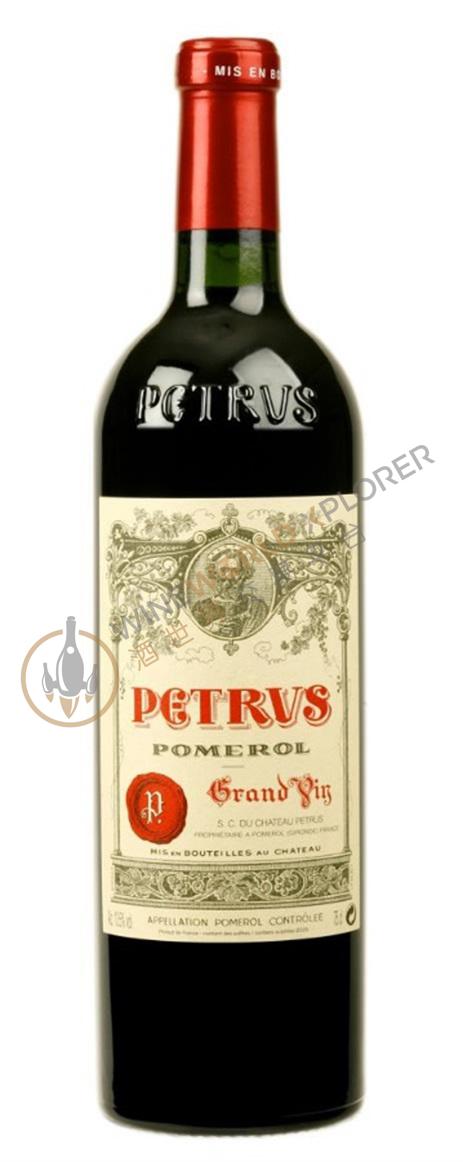
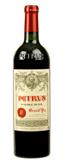
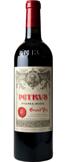
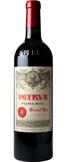
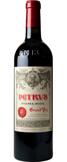
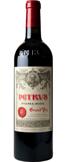
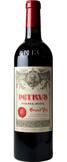
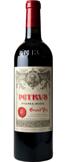
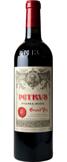
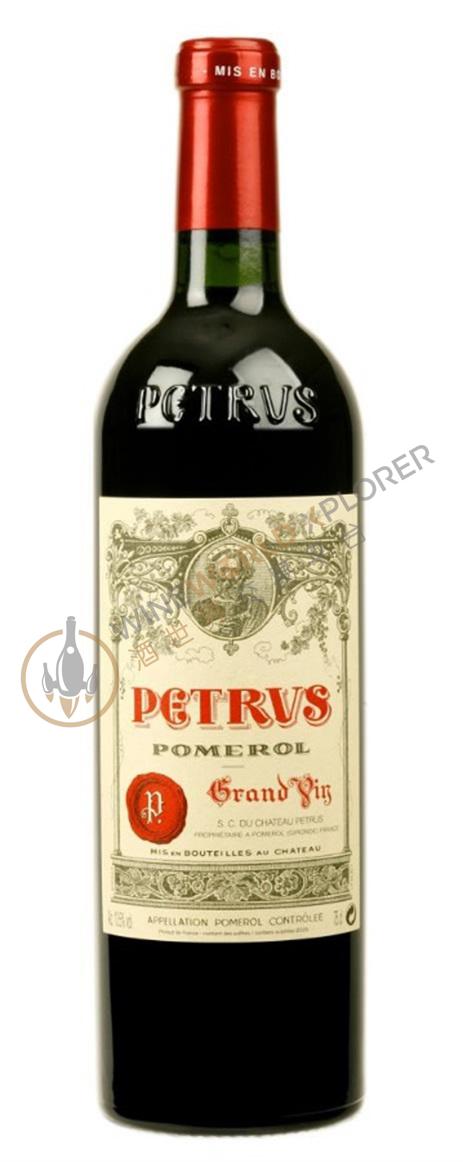
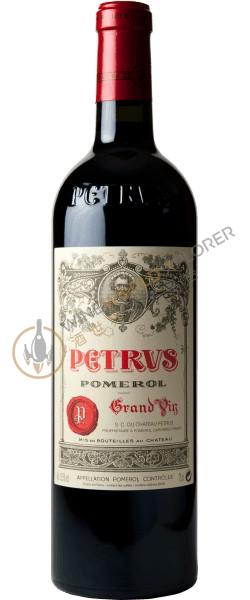
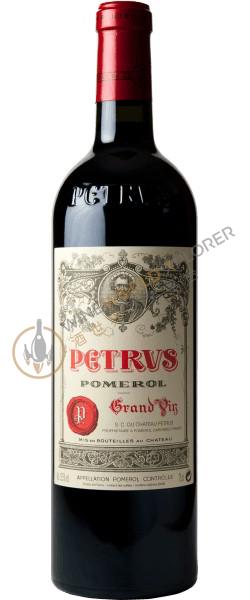
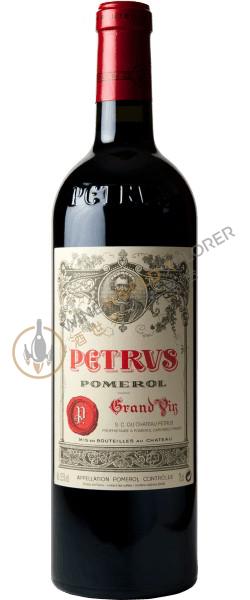
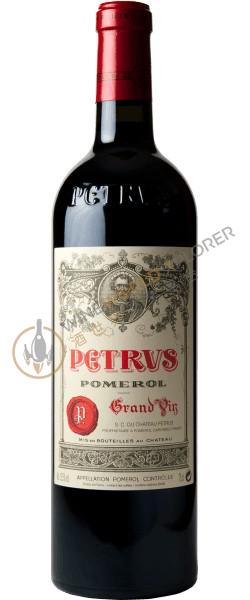
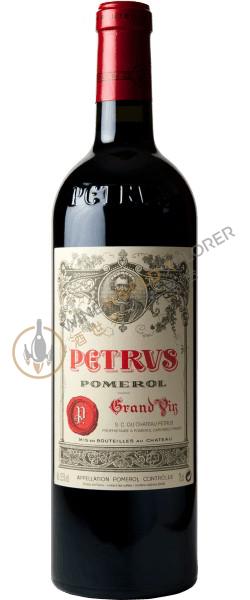
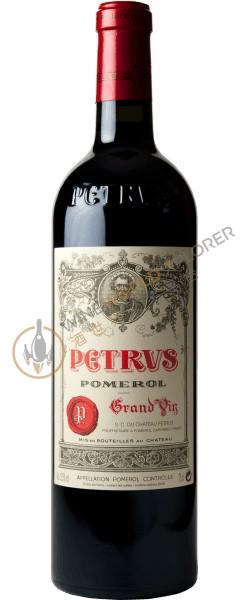
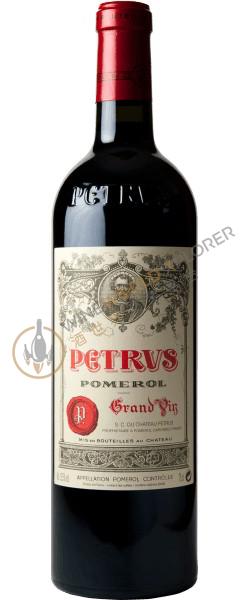
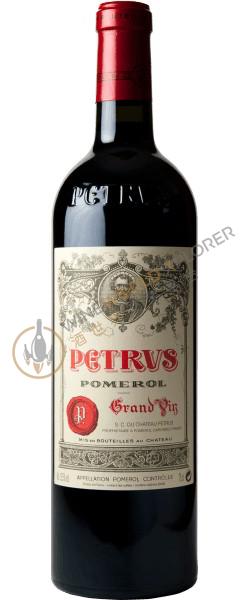
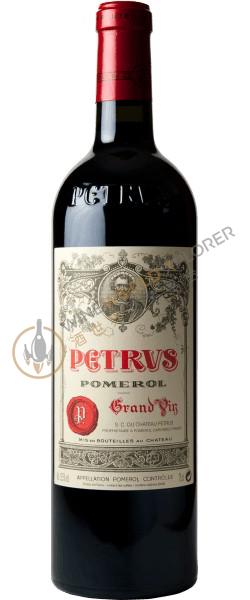
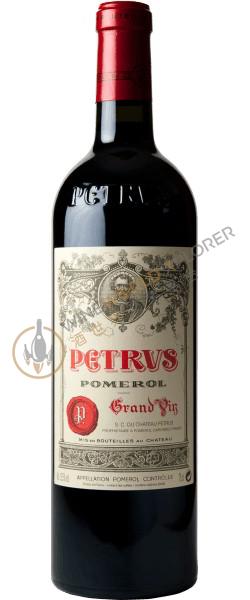
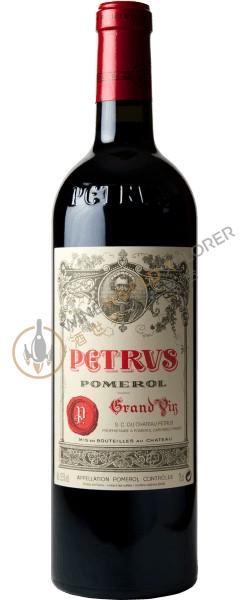
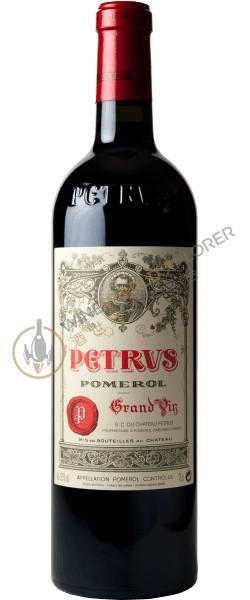
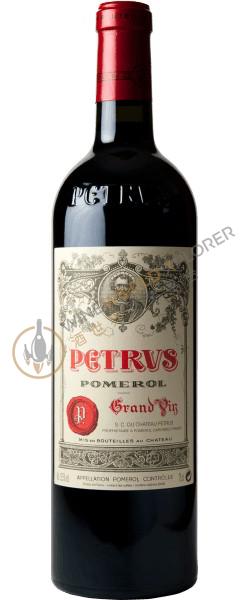
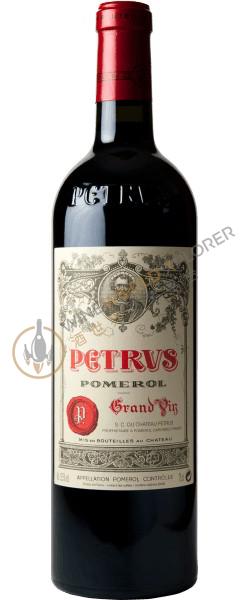
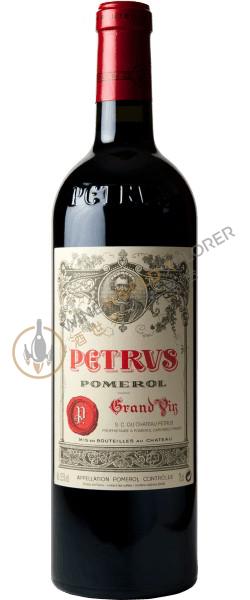
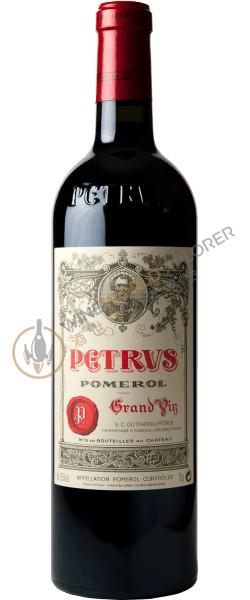
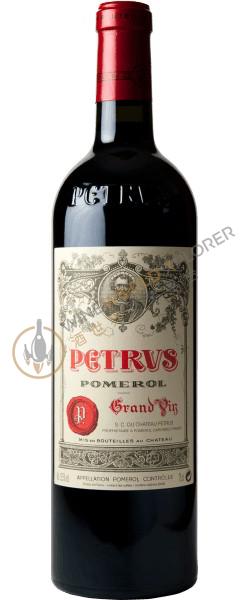
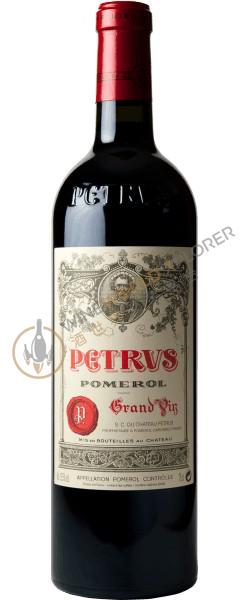
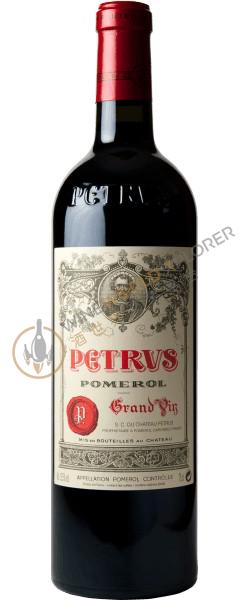
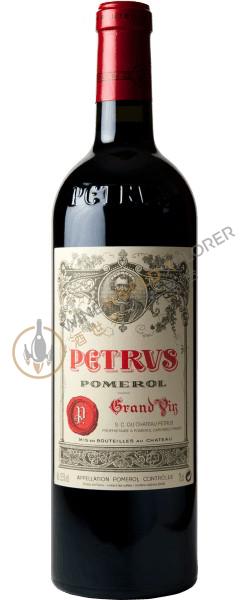
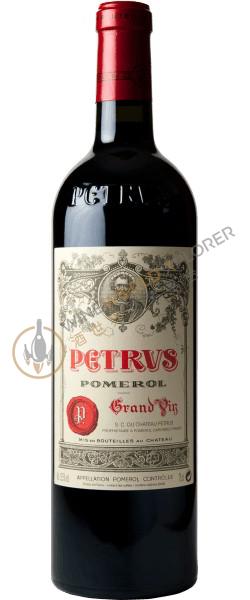
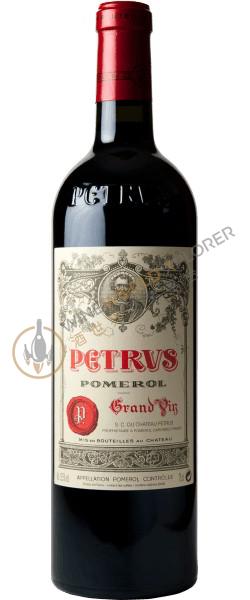
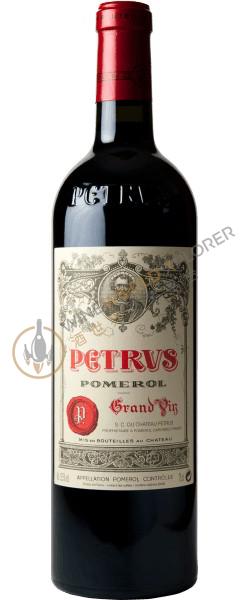
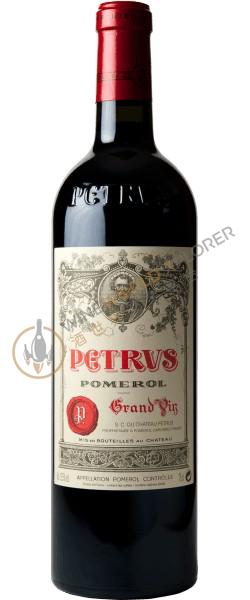
Petrus 1988
 View analysis


Description
Petrus is made almost entirely of Merlot grapes grown in Bordeaux's right bank Pomerol appellation. Although never officially classified, the chateau has long been considered on par with the First Growths from the left bank. The ownership of the estate has passed between the Arnaud family in the 19th century, to Madame Loubat at the end of WWII, and finally to Jean-Pierre Moueix in recent years. Petrus's clay soil is rich in iron and the estate's average vine age is 40 years. Chateau Petrus produces approximately 3,000 cases of wine each year.
Tasting notes

Reviewed by: Robert M. Parker, Jr.
The 1988 tastes tannic and backward. I cannot emphasize enough how difficult this wine is to taste young. Despite the nearly 100% Merlot content, the style aimed for by the proprietors is to produce a wine that will outlive anything in the Medoc. That may not sit well with those who desire a sumptuous Petrus to drink in the first ten to fifteen years of life. The 1988 is the most concentrated wine in what is a very good vintage for Pomerol. It is dark ruby/purple, with a thickness to the color that suggests a high glycerin content. The muted nose offers intense smells of jammy black fruits intermingled with aromas of coconut, tea, super-ripe oranges, and some vanillin oakiness. This firmly structured, full-bodied, massive Petrus is super-charged with both extract and tannin. It will need at least 8-10 years of cellaring. Christian Moueix continues to rate it the third-best Petrus of the decade, preferring it to all except 1989 and 1982. Anticipated maturity: 2002-2030. Last tasted, 5/93.
Reviewed by: Robert M. Parker, Jr.
The 1988 Petrus is reassuringly outstanding, but it is not a prodigious Petrus. The healthy dark ruby/purple color is followed by a young, backward wine with high tannin levels, medium body, and an inner-core of sweet, ripe fruit. It needs another 7-10 years of cellaring. The notes for this wine are taken from the description of Series VI - Flight A of the 1995 tasting conducted in Munich by Helga and Hardy Rodenstock. Many years after the tasting from which this note derives allegations were made concerning the authenticity of old and rare bottles of wine sold by Hardy Rodenstock to collectors around the world. The matter has been the subject of numerous articles, litigation and at least one book. Mr. Parker believes that the wines served to him at this tasting were authentic so this note and the others from that specific tasting continue to be posted on eRobertParker.com.
Reviewed by: Neal Martin
A deep garnet core. The nose is exquisite, albeit typically ’88 in terms of being a little austere and leafy. Very tight and backward at first, it begins to reveal scents of dried leaves, smoke, red-berried fruit and graphite. What it does not have in great abundance is fruit intensity and that follows through on the palate that has firm tannins, a certain rigidity and lack of fluidity that would distinguish the ensuing vintage. Sharp acidity, quite dry on the finish that certainly shows better with food. Presaging the great 1989 and 1990 Petrus, the 1988 is certainly a step in a positive direction after treading water in the mid-1980s, although it is stern and relatively foursquare. Drink now-2018 Tasted November 2007.
Reviewed by: Robert M. Parker, Jr.
The 1988 Petrus is dark ruby/purple, with a thickness to the color that suggests a high glycerine content. The nose is muted, but it does offer intense smells of jammy black fruits intermingled with aromas of coconut, tea, super-ripe oranges, and some vanillin oakiness. In the mouth, this firmly structured, full-bodied, massive Petrus is charged with both extract and tannin. It will need at least 8-10 years of cellaring. Anticipated maturity: 2002-2030.
Reviewed by: Neal Martin
It has been several years since I last encountered the Petrus ’88. You can look back on it as a stepping-stone to the momentous 1989 and 1990. Youthful in colour, the bouquet seems a little aloof and distant. It is well defined with forest floor and touches of dried violets, but the tertiary notes are quite pronounced. The palate is medium-bodied, nicely focused though missing a little vigour at 25-year of age. There is a conservative here, but also there is breeding and aristocracy not fully released. But in retrospect, the ’88 gives you a taste of what is to come. Tasted March 2013.
Reviewed by: Robert M. Parker, Jr.
This wine has become increasingly herbaceous with the tannins pushing through the fruit and becoming more aggressive. The wine started off life impressively deep ruby/purple but is now showing some amber at the edge. It is a medium-bodied, rather elegant style of Petrus with a distinctive cedary, almost celery component intermixed with a hint of caramel and sweet mulberry and black cherry fruit. It has aged far less evenly than I would have thought and is probably best drunk over the next 8-10 years. Last tasted, 11/02.
Reviewed by: Neal Martin
The 1988 Petrus is a vintage that I have encountered in two occasions. It is a forerunner for the 1989 and 1990 and frankly, it cannot hold a torch to those twin titans. In retrospect, one can see it more as a small progression from the capable 1987. It has a youthful hue with less bricking on the rim than you would expect. The bouquet is well defined with autumn leaves and thyme aromas filtering through the red berry fruit, perhaps a little austere but attractive in its own modest way. The plate is medium-bodied with finely chiseled tannins, conservative and clearly not a flamboyant Petrus, though balanced with a discrete sense of breeding towards the finish. There is no need to cellar bottles for longer although it should remain at this level for another decade. Tasted at the Petrus dinner at Hide restaurant in London.
About the Producer
The Patus winery has 11.5 hectares of vineyards. The top layer of the soil in the garden is pure clay, the bottom layer is terracotta, and the deeper layer is lime soil with high iron content, and has a good drainage system. The grape varieties planted are mainly Merlot, accounting for about 95%; the remaining 5% is Cabernet Franc. Because Cabernet Franc matures earlier, unless the vintage is particularly good, Patux winery is generally not used for winemaking. The planting density is 6,000 trees per hectare, and the average age of the trees is around 40 years, and some are even 80 years old. The operator adopts a more traditional method in the renewal of the vineyard, that is, through the selection, the best quality grape vine is used as the "mother plant", which is the same as the method when the Chateau Conti eradicated the old roots in 1946. The vineyard also adopts strict "fruit control". Each plant retains several bud eyes, and each bud eye leaves only one bunch of grapes. The goal is to fully ripen, but avoid over-ripening, otherwise it will affect the delicate flavor of the wine. In terms of the brewing process, Chateau Patus set the grape harvest time in the afternoon, the purpose is to let the morning sun dry the residual dew from the previous night. Each harvest employs 180 harvesters and takes about half a day to complete 2 to 3 harvests. During the brewing, Patus Winery spared no expense, replacing the wooden barrels (of different materials) every 3 months, and the aging time is about 20-22 months. Patus winery attaches great importance to quality and only selects the best grapes. In some bad years, such as 1991, it even stops production. The average annual output of Chateau Patus is no more than 30,000 bottles, which is extremely limited and expensive. Petrus, Pomerol, France is dark in color and has a delicate and rich aroma. Among the aromas of blackcurrant and mint, there are also many aromas such as blackberry, cream, chocolate, truffle, milk and oak. The taste is silky Slippery, long aftertaste.
1950(1)1964(1)1966(1)1969(1)1970(1)1971(1)1975(2)1976(1)1978(1)1979(1)1980(2)1981(3)1982(5)1983(4)1985(4)1986(3)1987(3)
Package Size