 Wine Advisor



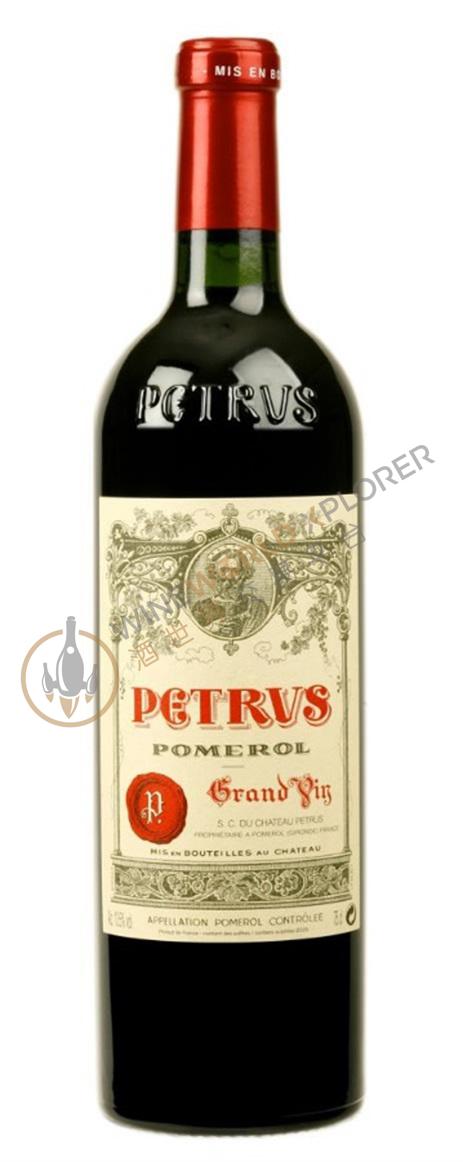
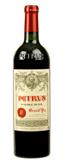
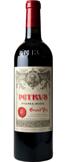
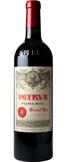
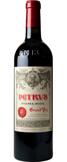
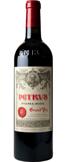
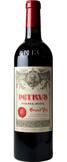
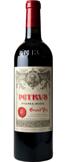
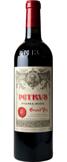
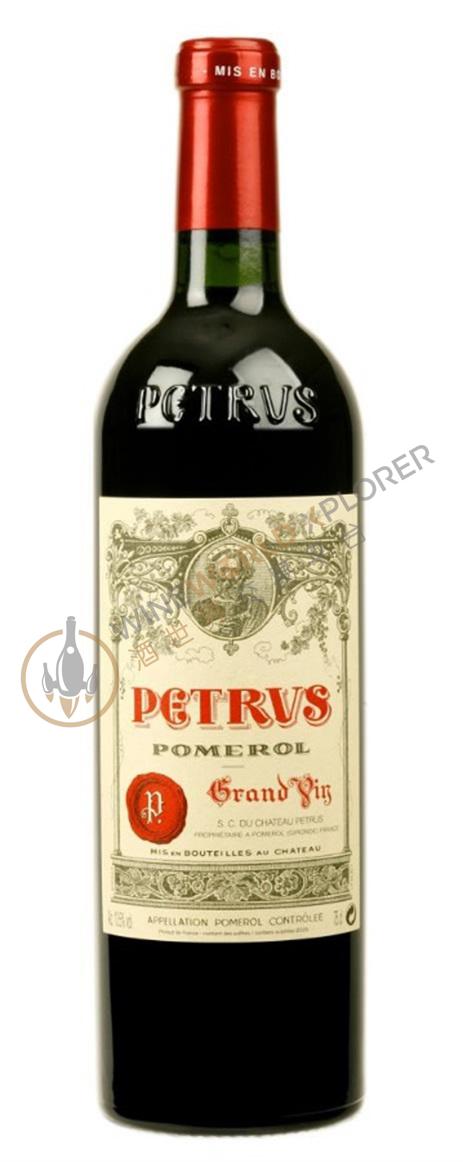
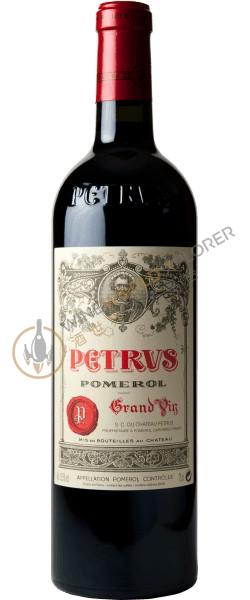
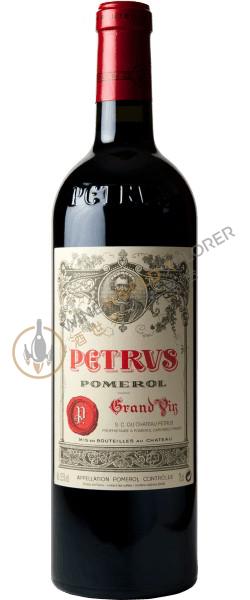
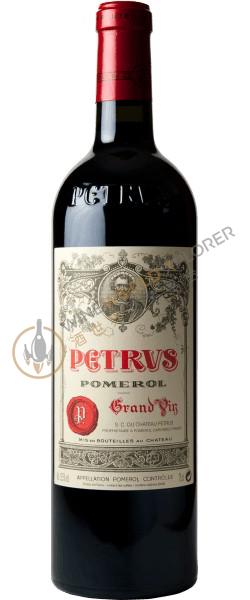
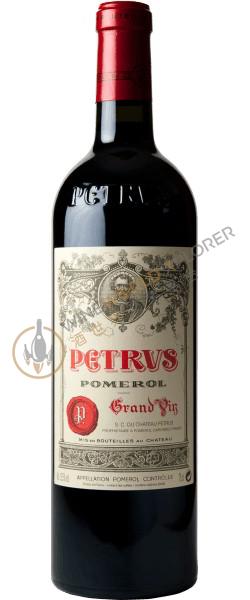
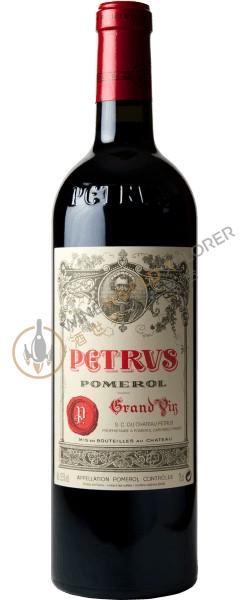
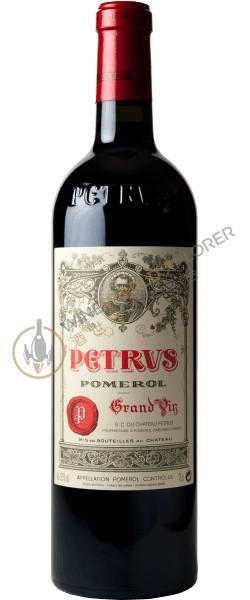
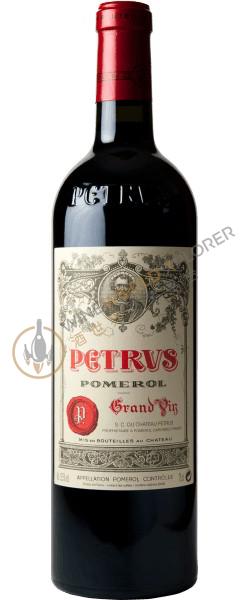
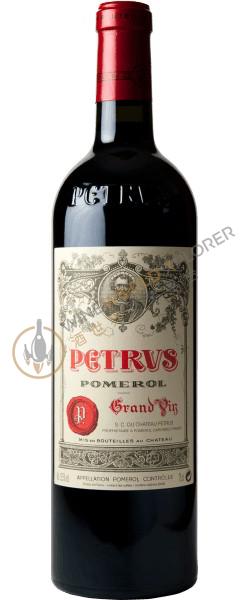
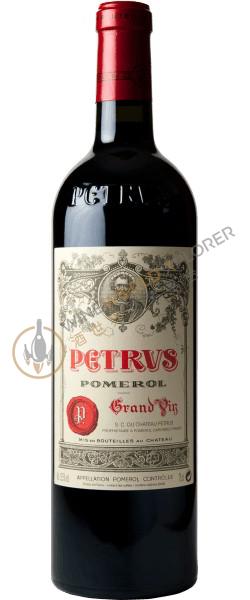
Petrus 1986
 View analysis


Description
Petrus is made almost entirely of Merlot grapes grown in Bordeaux's right bank Pomerol appellation. Although never officially classified, the chateau has long been considered on par with the First Growths from the left bank. The ownership of the estate has passed between the Arnaud family in the 19th century, to Madame Loubat at the end of WWII, and finally to Jean-Pierre Moueix in recent years. Petrus's clay soil is rich in iron and the estate's average vine age is 40 years. Chateau Petrus produces approximately 3,000 cases of wine each year.
Tasting notes

Reviewed by: Robert M. Parker, Jr.
The 1986 displays a monolithic character in its tea, herb, and dusty berry aromas. Dense and powerful with considerable tannin, this is an admirably concentrated, medium to full-bodied wine. Anticipated maturity: 1998-2010. Last tasted, 5/93.
Reviewed by: Neal Martin
Garnet core. More complex nose than the 1985. Quite spicy, leathery. Note of creme brulee. Great balance with an earthy, tobacco, mocha palate. Quite powerful. But does not shine like other vintages. Fully mature now. Time to drink up Tasted March 2002.
Reviewed by: Neal Martin
This is a far superior bottle to the one yesterday. An intense, earthy nose with wet sand, savory fruits, leather and a touch of apricots. The palate is medium to full-bodied, good acidity with much more vigor than I expected. Still a little linear and less complex than great Petrus, this has a masculine, conservative finish that like the distant cousin of a Pauillac. Tasted December 2006. Drinking now-2015
Reviewed by: Robert M. Parker, Jr.
The more I tasted this wine, the more I felt it leaves a lot to be desired. The wine has developed an herbaceous tea, smoky, and cherry-scented nose with new oak lurking in the background. The wine, which has lost its baby fat, sags a bit in the middle, and reveals a Medoc-like austerity and tannic structure atypical for a Pomerol. It is closer to medium than full body, and appears to be going through an awkward stage. Will it come around, or continue to lose fruit? Anticipated maturity: Now-2010. Last tasted 2/97
Reviewed by: Robert M. Parker, Jr.
This is another wine made during the period when Christian Moueix and his conservative oenologist, Jean-Charles Berrouet, were obviously harvesting very early and also, to my mind, doing entirely too much fining and filtration before the wine got in bottle. My cask tasting notes were significantly higher on all the vintages in the early to mid-eighties, but as most of the wines have aged in the bottle, they have become increasingly weedy, herbaceous, with Medoc-like austerity and excessive tannins for the meager fruit. The 1986 is showing medium ruby/garnet color with considerable amber at the edge. The indifferent bouquet offers up notes of roasted vegetables, Japanese green tea, some smoke, a hint of sweet cherry, and some loamy, earthy, almost mushroomy notes in the background. The wine is austere on the palate, with high tannin and moderate fruit. For Petrus, this is a major disappointment and continues to decline in quality. Anticipated maturity: Now-2010. Last tasted, 11/02.
About the Producer
The Patus winery has 11.5 hectares of vineyards. The top layer of the soil in the garden is pure clay, the bottom layer is terracotta, and the deeper layer is lime soil with high iron content, and has a good drainage system. The grape varieties planted are mainly Merlot, accounting for about 95%; the remaining 5% is Cabernet Franc. Because Cabernet Franc matures earlier, unless the vintage is particularly good, Patux winery is generally not used for winemaking. The planting density is 6,000 trees per hectare, and the average age of the trees is around 40 years, and some are even 80 years old. The operator adopts a more traditional method in the renewal of the vineyard, that is, through the selection, the best quality grape vine is used as the "mother plant", which is the same as the method when the Chateau Conti eradicated the old roots in 1946. The vineyard also adopts strict "fruit control". Each plant retains several bud eyes, and each bud eye leaves only one bunch of grapes. The goal is to fully ripen, but avoid over-ripening, otherwise it will affect the delicate flavor of the wine. In terms of the brewing process, Chateau Patus set the grape harvest time in the afternoon, the purpose is to let the morning sun dry the residual dew from the previous night. Each harvest employs 180 harvesters and takes about half a day to complete 2 to 3 harvests. During the brewing, Patus Winery spared no expense, replacing the wooden barrels (of different materials) every 3 months, and the aging time is about 20-22 months. Patus winery attaches great importance to quality and only selects the best grapes. In some bad years, such as 1991, it even stops production. The average annual output of Chateau Patus is no more than 30,000 bottles, which is extremely limited and expensive. Petrus, Pomerol, France is dark in color and has a delicate and rich aroma. Among the aromas of blackcurrant and mint, there are also many aromas such as blackberry, cream, chocolate, truffle, milk and oak. The taste is silky Slippery, long aftertaste.
1950(1)1964(1)1966(1)1969(1)1970(1)1971(1)1975(2)1976(1)1978(1)1979(1)1980(2)1981(3)1982(5)1983(4)1985(4)
Package Size