 Wine Advisor



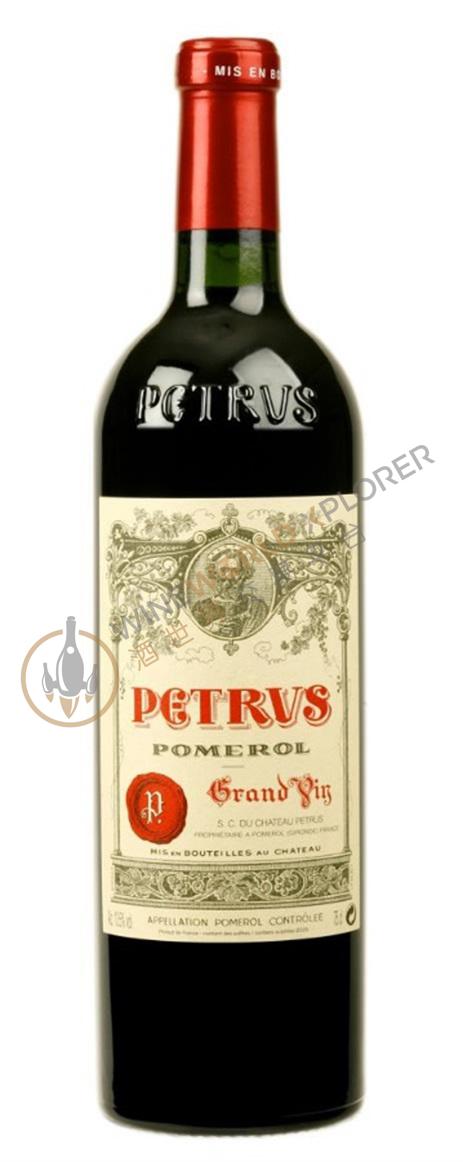
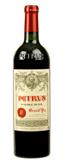
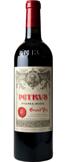
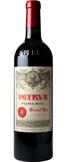
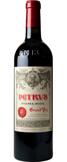
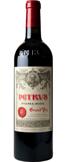
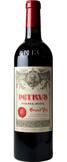
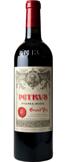
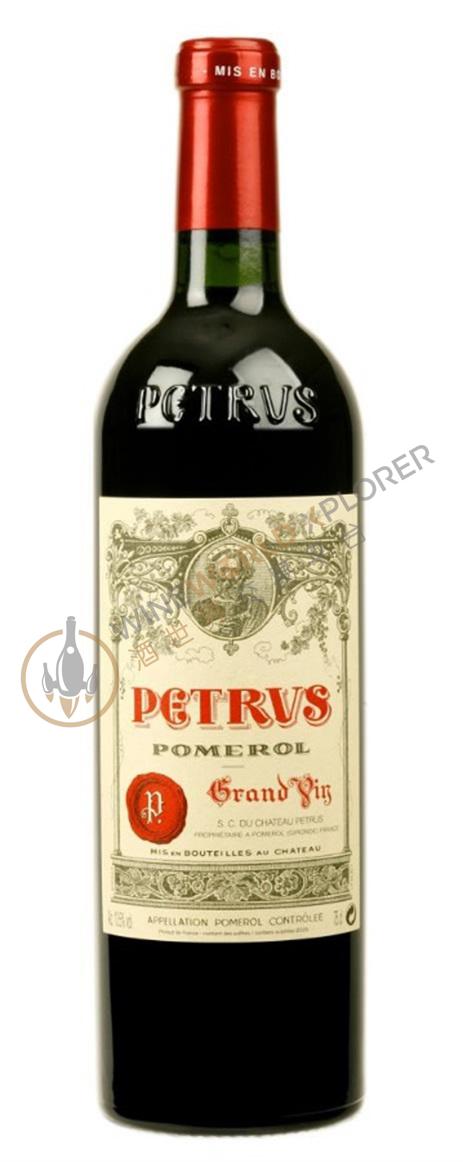
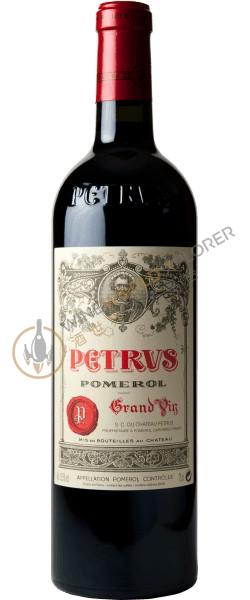
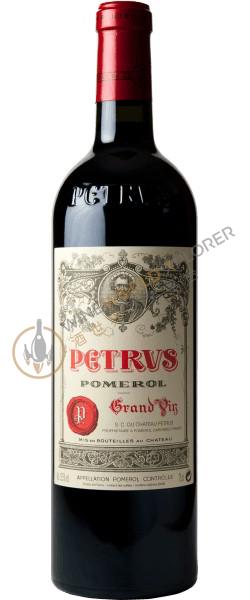
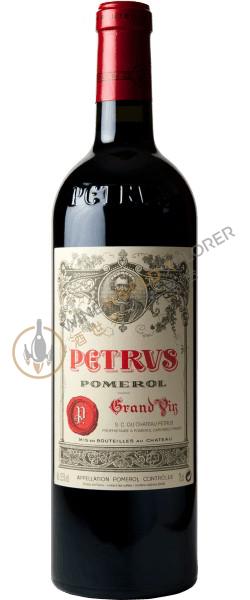
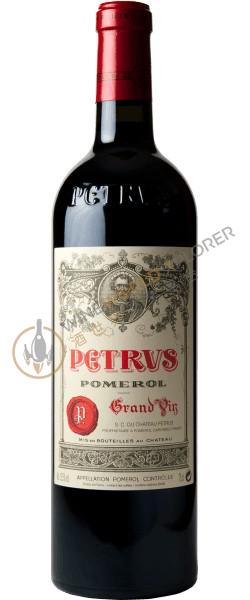
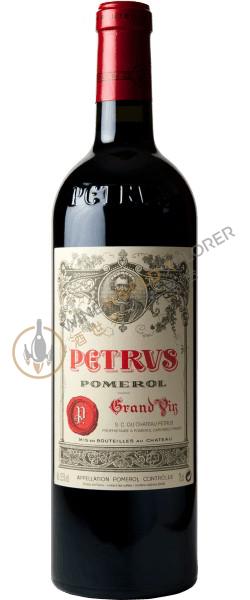
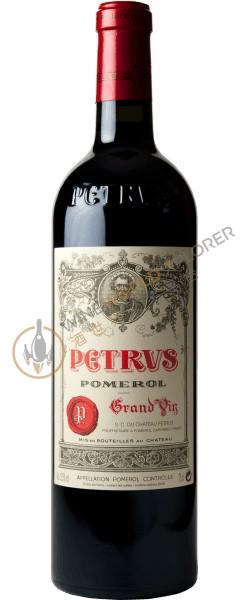
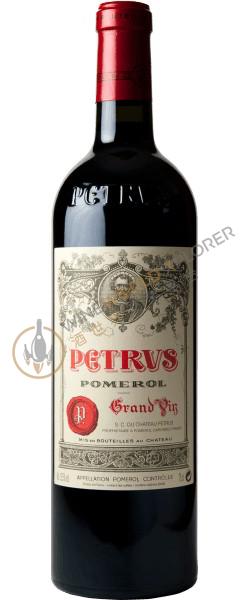
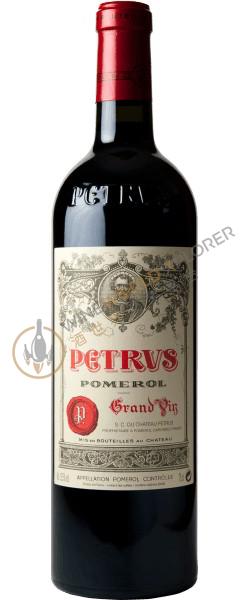
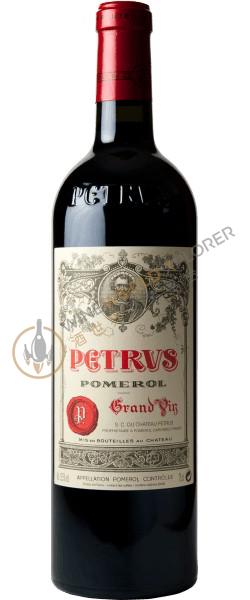
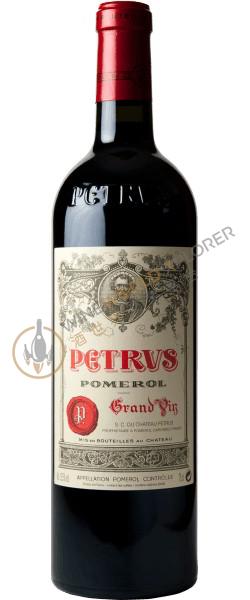
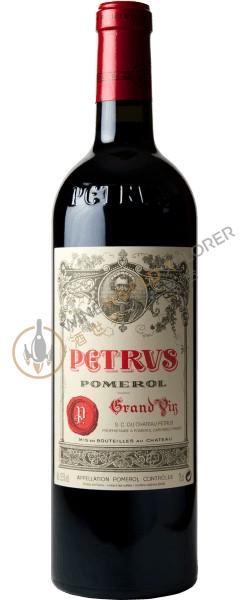
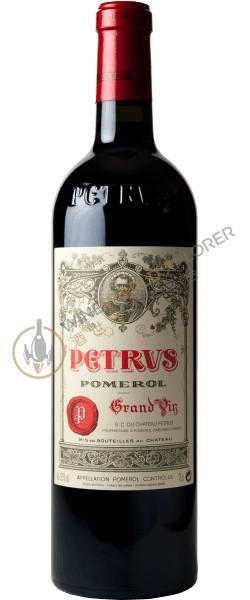
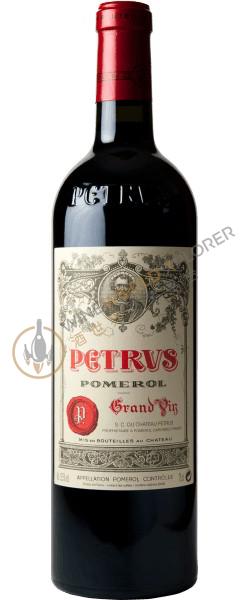
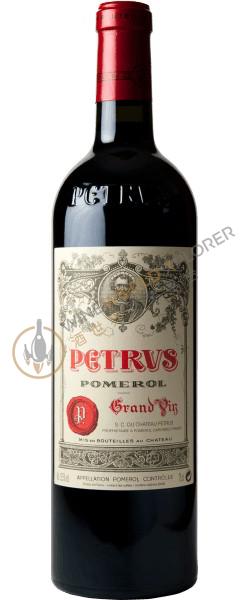
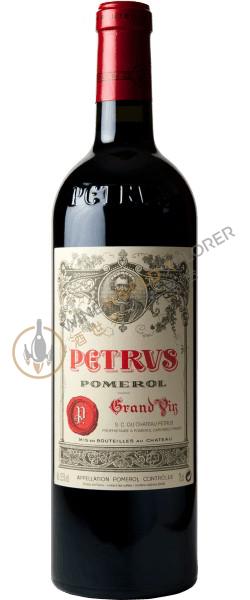
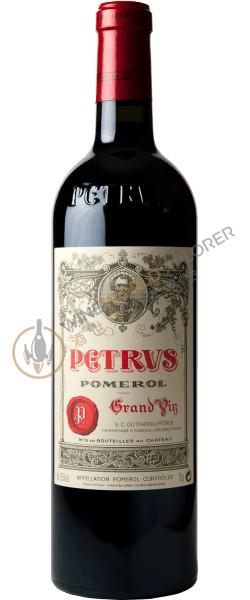
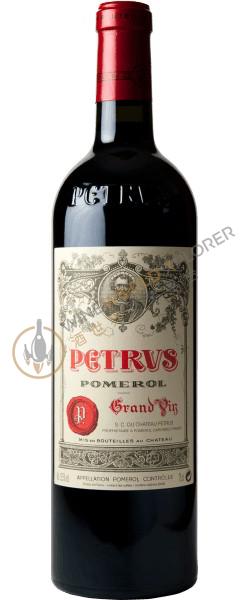
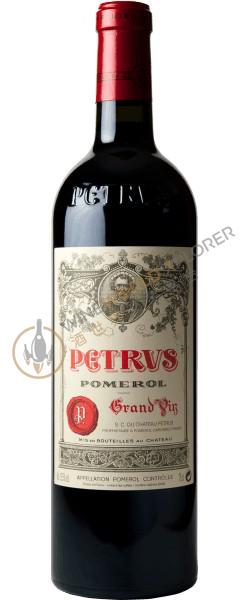
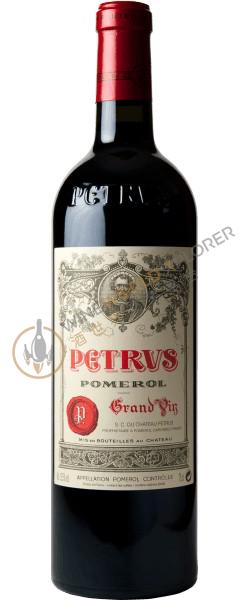
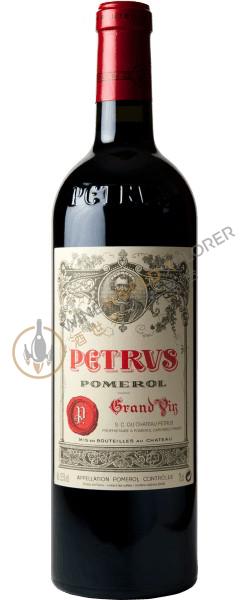
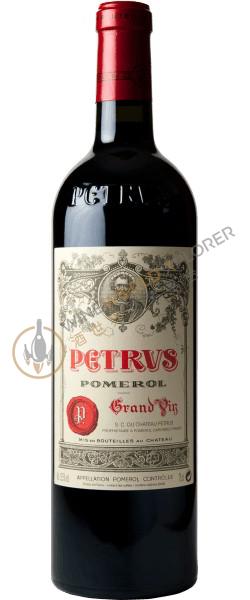
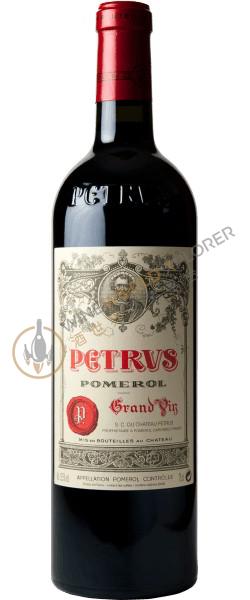
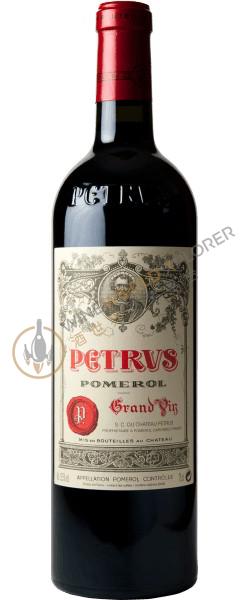
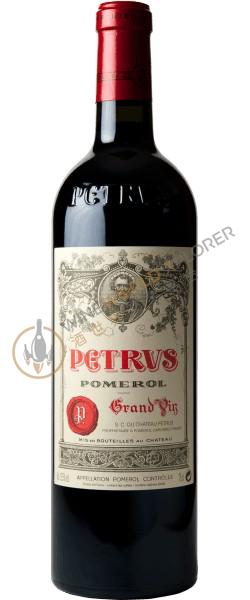
Petrus 1985
 View analysis


Description
Petrus is made almost entirely of Merlot grapes grown in Bordeaux's right bank Pomerol appellation. Although never officially classified, the chateau has long been considered on par with the First Growths from the left bank. The ownership of the estate has passed between the Arnaud family in the 19th century, to Madame Loubat at the end of WWII, and finally to Jean-Pierre Moueix in recent years. Petrus's clay soil is rich in iron and the estate's average vine age is 40 years. Chateau Petrus produces approximately 3,000 cases of wine each year.
Tasting notes

Reviewed by: Robert M. Parker, Jr.
From cask, the 1985 Petrus was splendid, close in quality to rivaling the 1982. Early tastings after bottling suggested that the wine was significantly lighter, more herbaceous, and not nearly as profound as cask tastings indicated. At no tasting since has this wine justified my pre-bottling enthusiasm. The wine has medium ruby color with a hint of amber at the edge, an interesting coffee, creamy, chocolate, and black fruit-scented bouquet, deep, medium to full-bodied, concentrated flavors, and a moderately tannic, concentrated finish. Although excellent, it lacks the requisite flavor depth and richness to be considered outstanding. Anticipated maturity: 1995-2015. Last tasted, 5/93.
Reviewed by: Neal Martin
Such a disappointing wine considering the vintage, one can only imagine what could have been. The bouquet is embarrassed standing next to the Cheval Blanc ’85, hints of wild strawberry, sous-bois, just too open-knit. The palate is fleshy, lacks any sense of purpose and to put it prosaically, it is rather a “boring” wine that skulks off and plans its resurrection for the end of the decade. Drink now. Tasted November 2006.
Reviewed by: Neal Martin
The Petrus 1985 has always been a perplexing wine and tasted against Le Pin 1985, well, it only illuminates with it is missing. There is something rather staid about the aromatics, as if they know what to do but don't want to do it. There are pleasant scents of summer fruit and cigar box, but they remain stuck in second gear. The palate is better with fine tannins, but what it lacks is substance. The Petrus 1985 is a single note. Le Pin 1985 is a magnificent chord. Tasted December 2013.
Reviewed by: Neal Martin
First tasted in October 2001. Amber rim. Classic Petrus nose: open cooked red fruits, strawberry jam. Very pure though a little insubstantial. Better than expected palate, expressive rich red fruits with moderate tannins. Not a powerful wine but quite a sensuous texture. Very fine but I expected more. Then at the FWE Petrus vertical in October 2005 when is paled against other vintages. Certainly some evolution on the rim. The nose is comparatively thin compared to the Petrus 1989 or 1975: lacking vigor with even a touch of volatility creeping in. The medium-bodied palate has a pleasant texture but it definitely lacks weight and breeding. Where is the lift on the finish? Disappointing in its context.
Reviewed by: Robert M. Parker, Jr.
This wine was splendid from cask, but it was bottled during a period where Petrus was probably fined and filtered entirely too much (since the late-eighties, Petrus is no longer filtered). The wine comes across as herbaceous, with medium body, good but uninspiring concentration, and a distinct weedy, cherry, berry fruitiness. The color is a diffuse ruby with considerable amber at the edge. I would opt for drinking this wine over the next decade, or better yet ... sell it! Anticipated maturity: Now-2010. Last tasted 2/97
Reviewed by: Robert M. Parker, Jr.
This is the kind of wine that I bought at a high price, and every bottle I have tasted from a six-bottle allocation has been increasingly disappointing. The wine still has its admirers, particularly Michael Broadbent, who continues to find it virtually perfect. Either we have different palates or we are tasting different wine, but this wine now has a medium ruby color with considerable amber at the edge. The nose smells like fresh vegetable market, with spice box, celery seed, fennel all there, along with a hint of tobacco and Provencal herbs. There is sweet cherry fruit there, but the weediness dominates everything. In the mouth, the wine is light, medium-bodied, and fading. This is a wine to taste with the label clearly in front of you, to think of other Petrus vintages as opposed to what is in the 1985. Caveat emptor. Anticipated maturity: Now-2010. Last tasted, 11/02.
About the Producer
The Patus winery has 11.5 hectares of vineyards. The top layer of the soil in the garden is pure clay, the bottom layer is terracotta, and the deeper layer is lime soil with high iron content, and has a good drainage system. The grape varieties planted are mainly Merlot, accounting for about 95%; the remaining 5% is Cabernet Franc. Because Cabernet Franc matures earlier, unless the vintage is particularly good, Patux winery is generally not used for winemaking. The planting density is 6,000 trees per hectare, and the average age of the trees is around 40 years, and some are even 80 years old. The operator adopts a more traditional method in the renewal of the vineyard, that is, through the selection, the best quality grape vine is used as the "mother plant", which is the same as the method when the Chateau Conti eradicated the old roots in 1946. The vineyard also adopts strict "fruit control". Each plant retains several bud eyes, and each bud eye leaves only one bunch of grapes. The goal is to fully ripen, but avoid over-ripening, otherwise it will affect the delicate flavor of the wine. In terms of the brewing process, Chateau Patus set the grape harvest time in the afternoon, the purpose is to let the morning sun dry the residual dew from the previous night. Each harvest employs 180 harvesters and takes about half a day to complete 2 to 3 harvests. During the brewing, Patus Winery spared no expense, replacing the wooden barrels (of different materials) every 3 months, and the aging time is about 20-22 months. Patus winery attaches great importance to quality and only selects the best grapes. In some bad years, such as 1991, it even stops production. The average annual output of Chateau Patus is no more than 30,000 bottles, which is extremely limited and expensive. Petrus, Pomerol, France is dark in color and has a delicate and rich aroma. Among the aromas of blackcurrant and mint, there are also many aromas such as blackberry, cream, chocolate, truffle, milk and oak. The taste is silky Slippery, long aftertaste.
1950(1)1964(1)1966(1)1969(1)1970(1)1971(1)1975(2)1976(1)1978(1)1979(1)1980(2)1981(3)1982(5)1983(4)
Package Size