 Wine Advisor



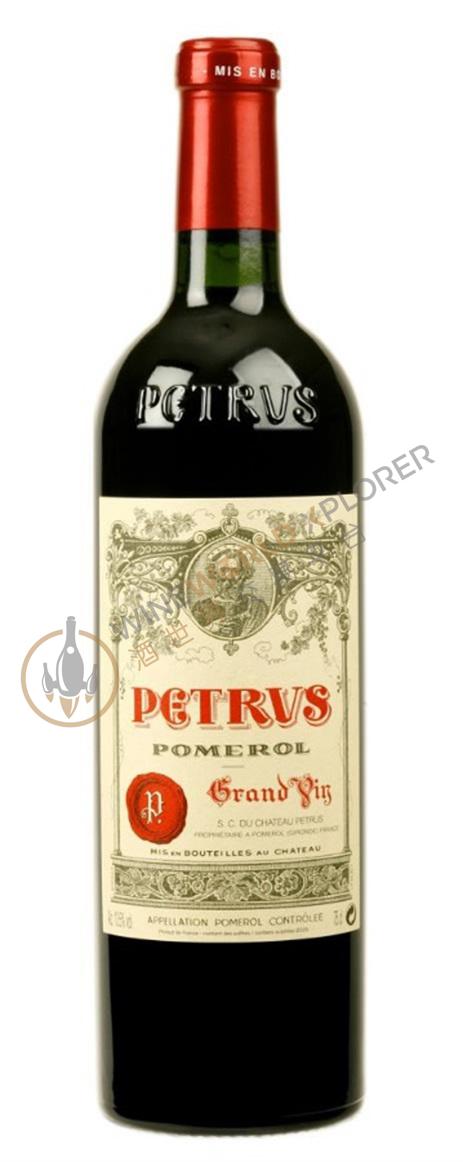
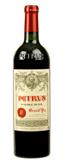
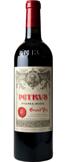
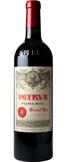
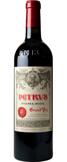
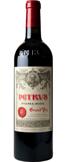
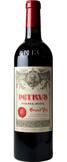
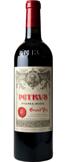
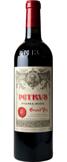
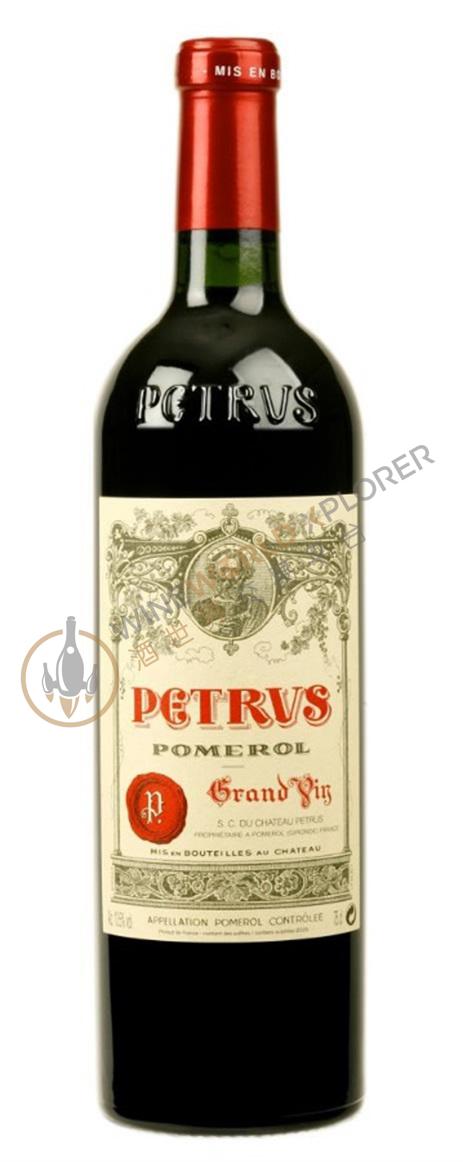
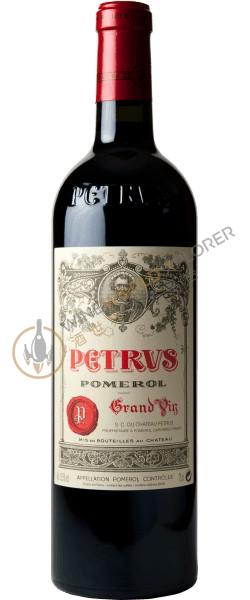
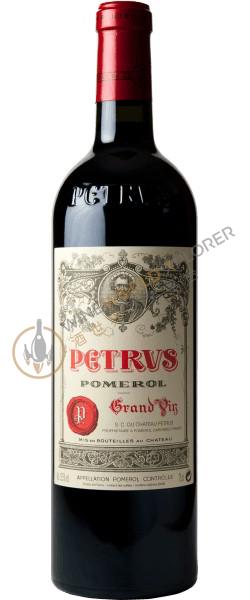
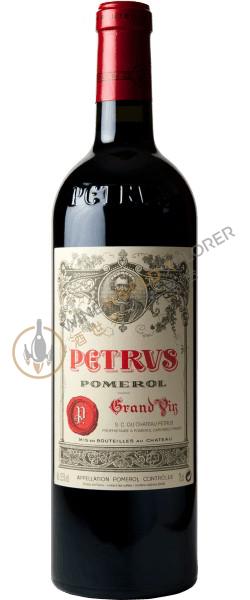
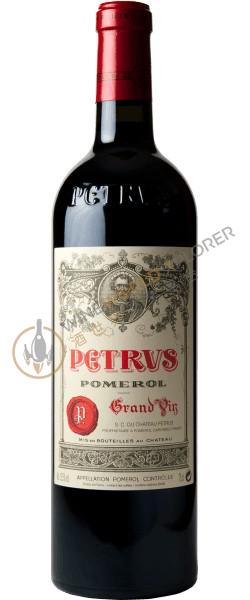
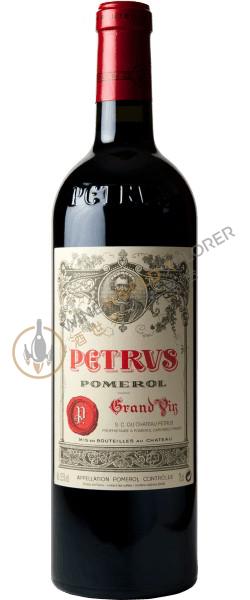
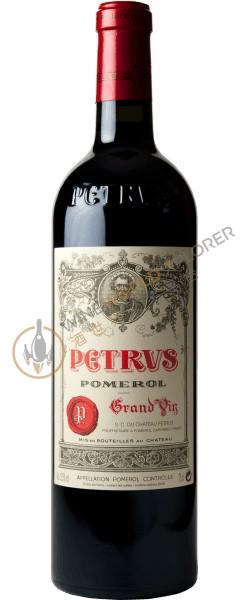
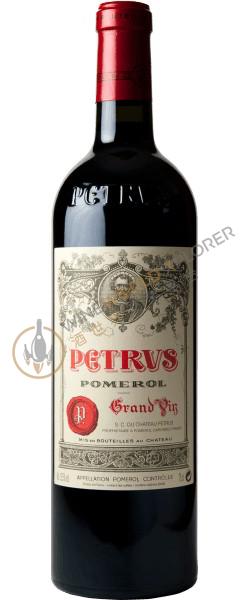
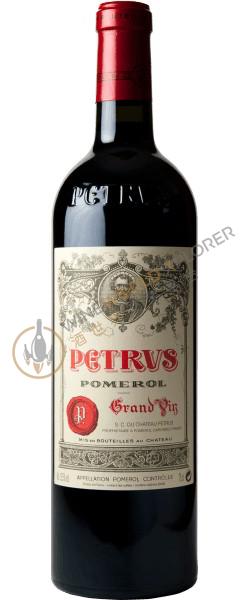
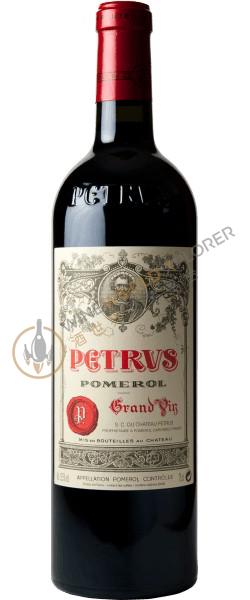
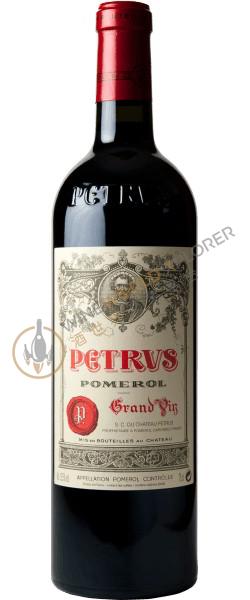
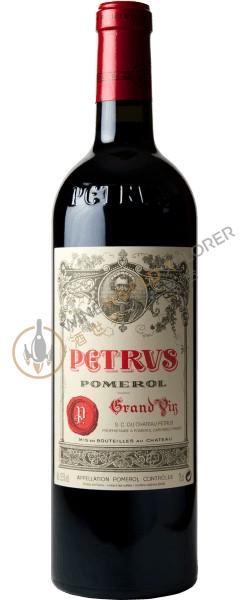
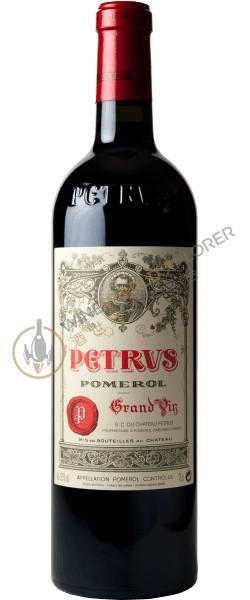
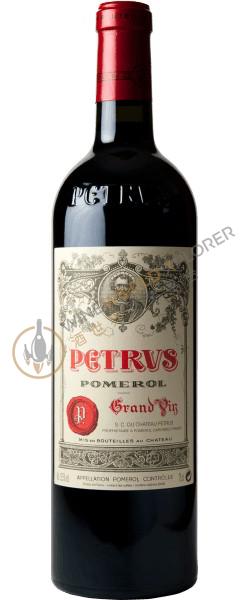
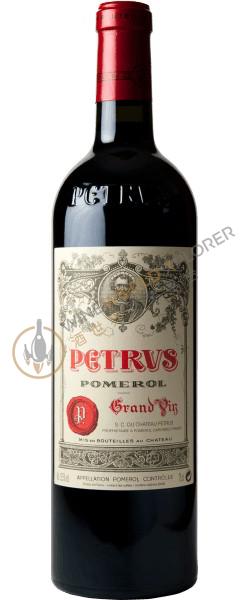
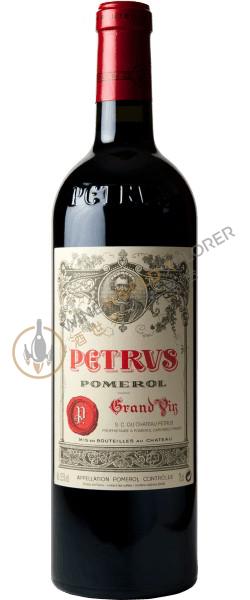
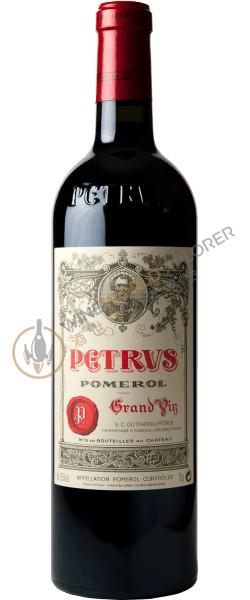
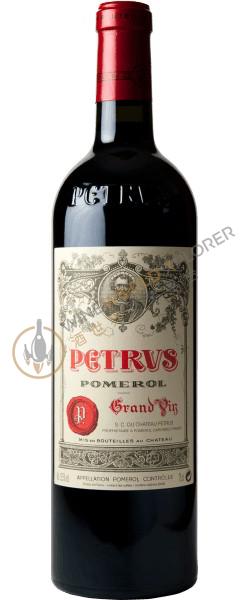
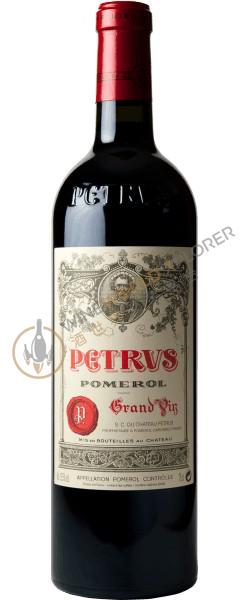
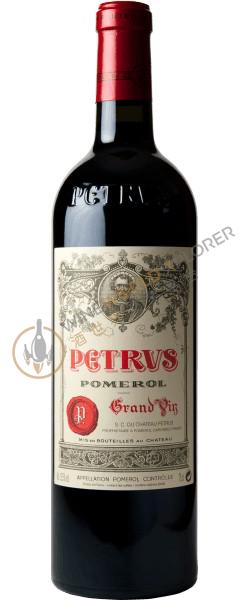
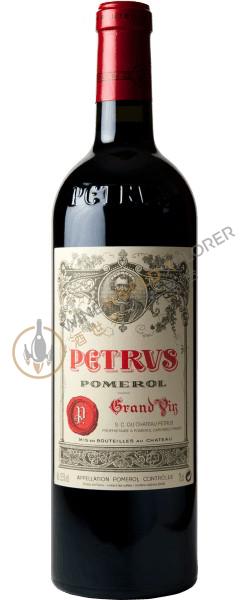
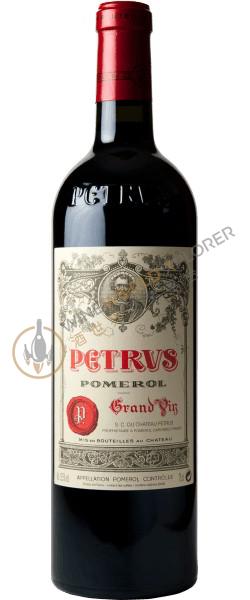
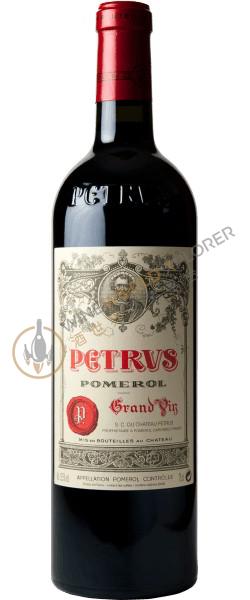
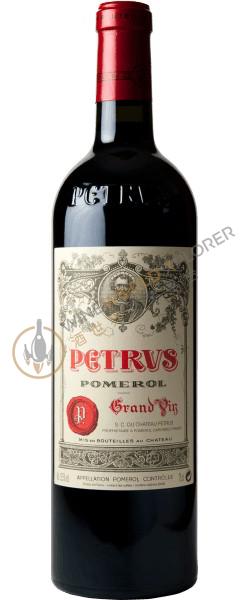
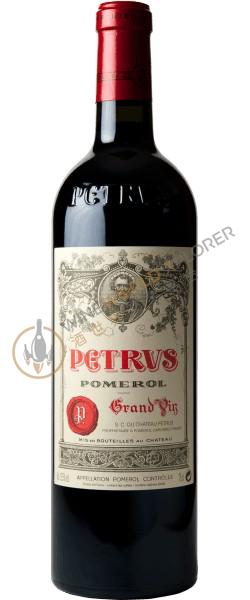
Petrus 1982
 View analysis


Description
Petrus is made almost entirely of Merlot grapes grown in Bordeaux's right bank Pomerol appellation. Although never officially classified, the chateau has long been considered on par with the First Growths from the left bank. The ownership of the estate has passed between the Arnaud family in the 19th century, to Madame Loubat at the end of WWII, and finally to Jean-Pierre Moueix in recent years. Petrus's clay soil is rich in iron and the estate's average vine age is 40 years. Chateau Petrus produces approximately 3,000 cases of wine each year.
Tasting notes

Reviewed by: Robert M. Parker, Jr.
So hauntingly perfect and phenomenally concentrated from cask, only to taste awkward and funky during its first 5-6 years in the bottle, the 1982 Petrus is showing signs of living up to the terrific hype I heaped on it. At least 7-10 years from its apogee, the wine's dense, saturated ruby/purple color displays no signs of amber. The nose is beginning to offer up intense aromas of ripe black fruits, smoked nuts, coffee, and vanilla. Layers of thick, viscous fruit are buttressed by huge amounts of body, glycerin, and tannin. Despite its size the wine has a certain polished elegance that partisans of the Medoc will find admirable. This large-scaled, rich, highly-structured Petrus is made for the long haul. Lamentably, as marvelous as it is, I doubt it will live up to the perfect rating I bestowed it in my early reviews. Last tasted, 7/93.
Reviewed by: Robert M. Parker, Jr.
From barrel, this remains one of the greatest wines I have ever tasted. Whether fining and filtration pulled more out of it than was intended, only the proprietor knows. However, the 1982 Petrus turned in a strong performance in Philadelphia in contrast to other tastings when it has been less than spectacular. The color reveals some amber at the edge. A sweet nose of caramel, roasted herbs, cherry jam, cedar, and smoke is followed by a thick, full-bodied, unctuously-textured, low acid Petrus that is approaching full maturity. This was a dazzling showing for this 1982, which has performed irregularly since birth. Although abundant tannin remains, the wine is sweet, smoky, and ideal for drinking now and over the next 20-25 years. A bottle drunk in France in March, 2000, was equally sublime.
Reviewed by: Robert M. Parker, Jr.
Talk about a thrill a second, as well as unprecedented decadence (at least for me), consider the rarity of a flight of six double magnums of Petrus! Because there were not many people at the tasting, there was the possibility of having several large glasses of these wines, making judging them all the more fun. And let's not forget the medical benefit of flushing the fat out of one's arteries with such remarkable juice! The 1982 Petrus, while never quite living up to my predictions from cask (I thought it to be a perfect wine), is still a colossal Petrus, exhibiting a backward, sweet, expansive nose of ripe fruit, Provencal herbs, chocolate, and spice. Full-bodied, tannic, and super-concentrated, this wine requires another 5-8 years of cellaring. It should keep for 25-30+ years. The notes for this wine are taken from the description of Series IV - Flight B of the 1995 tasting conducted in Munich by Helga and Hardy Rodenstock. Many years after the tasting from which this note derives allegations were made concerning the authenticity of old and rare bottles of wine sold by Hardy Rodenstock to collectors around the world. The matter has been the subject of numerous articles, litigation and at least one book. Mr. Parker believes that the wines served to him at this tasting were authentic so this note and the others from that specific tasting continue to be posted on eRobertParker.com.
Reviewed by: Neal Martin
Showing more maturity than the Lafleur 1982 with a thin tawny rim, the nose was almost identical to the ex-cellar bottle encountered at the IMW tasting in 2004, with that sweet, ripe, raisin, fig and liquorices-tinged nose that bears some semblance to the New World (especially within the presence of the Lafleur ‘82.) There is a lot of warmth on the nose and this comes through on the palate, which is smooth and seductive, a lot of glycerine and with sappy fig, caramel, spice and even a hint of prune towards the finish. Drink now-2025 Tasted March 2008.
Reviewed by: Robert M. Parker, Jr.
Given what I thought this wine would achieve, the 1982 Petrus has not turned out to be nearly as profound as expected. It reveals a certain herbaceousness, and there is significantly less concentration than I initially believed (too much filtration?) along with a cedary spiciness. Tasters who have had no previous experience with this wine will find it to be an outstanding effort that has reached full maturity much faster than some of its peers. It is capable of lasting a long time, but there is an underlying vegetal character, and the 1982 is far less concentrated than the vintages of Petrus that have been produced since 1989. I believe this wine is fully mature, and is capable of lasting another 10-15 years, but it is unlikely to improve. Release price: ($600.00/case)
Reviewed by: Robert M. Parker, Jr.
I remember vividly the numerous times I tasted the 1982 Petrus from cask. It was one of the most singular and compellingly great young wines I ever tasted. From bottle, the wine has never lived up to the perfect rating I initially bestowed it. It has come out of its closed state, and no one (except those few who saw it in barrel) will be disappointed. It is a thrilling, outstanding wine, but in the context of my early lavish praise, readers would no doubt share some of my disappointment that the wine has not turned out even greater. The color is a healthy dark ruby/purple, and the wine is young and backward. Nevertheless, an herbaceous, sweet, curranty, pain grillee-like nose has begun to emerge. The wine is full-bodied, concentrated, moderately tannic, and medium to full-bodied with a long, super-rich, concentrated finish. A great wine, it can be drunk now but ideally should be cellared until 2000-2003. It is capable of lasting another 25-30+ years. Today, I do not see this wine equaling the quality of the 1989 or 1990, but then again, vintages of Petrus from the late seventies and eighties have tended to drop in score after they have had 5-7 years of bottle age. Tasted 12 times since bottling with inconsistent notes.
Reviewed by: Neal Martin
First tasted at the MW vertical with Christian Moueix in January 2004. A deep brick red core with a tawny rim. The nose is quite rich, very typical of a 1982 with hot summer fruits, raisins, liquorish and ripe plums. A touch of spice coming through with some caramel redolent of Ausone 1982 in some ways. The palate is very refined and elegant and certainly drinking now. Rounded, fatty red fruits. It lacks the refinement of 89 or 90 but does not seem to care. Utterly decadent with tons of glycerine on the finish. An irresistible wine that is drinking now but I am not quite sure how long it will remain at its plateau or whether it will improve any further? Tasted again with Jean-Claude Berrouet at the Christies’ tasting. This undeniably is a great nose. Very savoury and meaty, it does not soar from the glass but more creeps up on you. But has neither the intensity nor the vigor of the 1989. Very well-balanced on the palate. Cedar, liquorice, black cherry and iodine. Very svelte and more vigor than the bottle I had a couple of years ago (which was also ex-chateau.) Notes of black cherry and caramel on the finish. A lovely wine, although I prefer the 1989, 1998 and 2001. Tasted November 2005.
Reviewed by: Robert M. Parker, Jr.
Tasted 10 Times Since Bottling With Inconsistent Notes So hauntingly perfect and phenomenally concentrated from cask, only to taste awkward and funky during its first 5-6 years in the bottle, the 1982 Petrus is showing signs of living up to the uncontrolled hype I heaped on it. At least 7-10 years from its apogee, the wine's dense, saturated ruby/purple color displays no signs of amber. The nose is beginning to offer up intense aromas of ripe black fruits, smoked nuts, coffee, and vanilla. Layers of thick, viscous fruit are buttressed by huge amounts of body, glycerin, and tannin. Despite its size the wine has a certain polished elegance that partisans of the Medoc will find admirable. This large-scaled, rich, highly-structured Petrus is made for the long haul. Lamentably, as marvelous as it is, I doubt it will live up to the perfect rating I bestowed it in my early reviews, but my optimism for it is returning.
Reviewed by: William Kelley
Offering up aromas of sweet plums, fruitcake, warm spices, smoke, caramel and cedar, the 1982 Pétrus is medium to full-bodied, sweet and fleshy, built around powdery tannins that assert themselves on the somewhat firm finish. Served blind next to Trotanoy and Lafleur, Pétrus exhibits less sensuality than the former and less concentration and character than the latter, landing in third place. It remains a very attractive wine, but the great Pétrus of the decade of the 1980s is clearly not the 1982 but rather the monumental 1989.
Reviewed by: Neal Martin
Tasted at “Fook Lam Moon” in Hong Kong. This is the best bottle of Petrus 1982 that I have encountered (off the top of my head, this is the fourth.) It has a lifted nose of vibrant red fruit, a little plum, cedar and a hint of dried meats that I have not encountered before. It shimmers with delight. The palate is superbly balanced with perfect acidity, gentle but insistent grip with a silky, almost tart, quite primal finish. Very long in the mouth, this is an exquisite Pomerol, but I have to say, out-classed by the Lafleur 1982 tasted alongside. Tasted November 2011.
Reviewed by: Robert M. Parker, Jr.
I have gone through a complete case of this wine, stored perfectly, and this has been a perplexingly irregular wine to taste. Some bottles are spectacular, sweet, rich, full-bodied, opulent, but even those have a distinctive herbaceousness to the nose, which offers up notes of chocolate, cedar, black cherry jam, and currants. It is full-bodied, tannic, and from the best bottles, very concentrated and rich. Other bottles seem somewhat vegetal and roasted, with sweetness but not the prodigious qualities of other bottles. It is hard to know what is really going on. The wine seems to be close to full maturity, but should hold where well-stored for at least another two decades. As a post-script, this wine was, from cask, still to this day one of the most memorable wines I have ever tasted and certainly a perfect wine. From my perspective, it has never lived up to that after bottling, which I suspect involved entirely too much fining and filtration, something not being done since the late eighties at Petrus. Anticipated maturity: Now-2023. Last tasted, 11/02.
Reviewed by: Neal Martin
Tasted at Pebbles/Zachy’s 1982 dinner in Hong Kong. I have been fortunate to taste the Petrus ’82 on several occasions. In a strange way, I am finding bottles more consistent now then several years ago – perhaps a testament to more rigorous provenance? It is a year since I last encountered this Pomerol (also in Hong Kong – a sign of the times I guess.) It has a vibrant bouquet with black fruit, iron filings, black truffle and undergrowth than is both mercurial and complex. The palate is medium-bodied with an almost restless intensity, a fidgeting genius. It seems to offer teasing glimpses, different facets of its personality with every sip. Quite burly on the entry, there are notes of bay leaf, cooked meat, sandalwood and sage. This might well be the finest bottles that I have tasted – I hope they can all be like this. Tasted November 2012.
About the Producer
The Patus winery has 11.5 hectares of vineyards. The top layer of the soil in the garden is pure clay, the bottom layer is terracotta, and the deeper layer is lime soil with high iron content, and has a good drainage system. The grape varieties planted are mainly Merlot, accounting for about 95%; the remaining 5% is Cabernet Franc. Because Cabernet Franc matures earlier, unless the vintage is particularly good, Patux winery is generally not used for winemaking. The planting density is 6,000 trees per hectare, and the average age of the trees is around 40 years, and some are even 80 years old. The operator adopts a more traditional method in the renewal of the vineyard, that is, through the selection, the best quality grape vine is used as the "mother plant", which is the same as the method when the Chateau Conti eradicated the old roots in 1946. The vineyard also adopts strict "fruit control". Each plant retains several bud eyes, and each bud eye leaves only one bunch of grapes. The goal is to fully ripen, but avoid over-ripening, otherwise it will affect the delicate flavor of the wine. In terms of the brewing process, Chateau Patus set the grape harvest time in the afternoon, the purpose is to let the morning sun dry the residual dew from the previous night. Each harvest employs 180 harvesters and takes about half a day to complete 2 to 3 harvests. During the brewing, Patus Winery spared no expense, replacing the wooden barrels (of different materials) every 3 months, and the aging time is about 20-22 months. Patus winery attaches great importance to quality and only selects the best grapes. In some bad years, such as 1991, it even stops production. The average annual output of Chateau Patus is no more than 30,000 bottles, which is extremely limited and expensive. Petrus, Pomerol, France is dark in color and has a delicate and rich aroma. Among the aromas of blackcurrant and mint, there are also many aromas such as blackberry, cream, chocolate, truffle, milk and oak. The taste is silky Slippery, long aftertaste.
1950(1)1964(1)1966(1)1969(1)1970(1)1971(1)1975(2)1976(1)1978(1)1979(1)1980(2)1981(3)
Package Size