 Wine Advisor



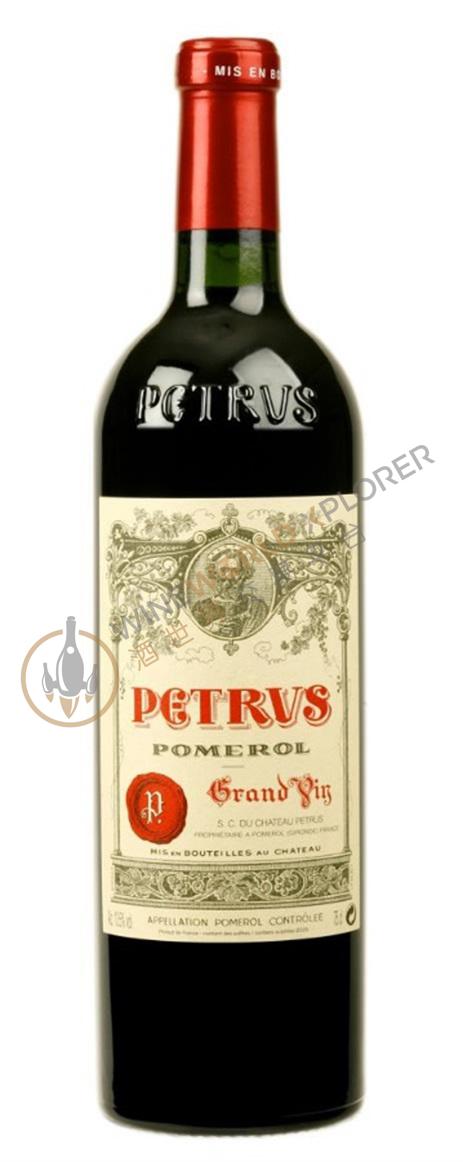
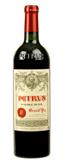
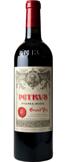
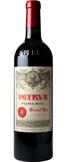
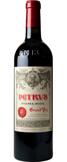
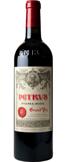
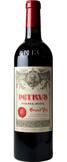
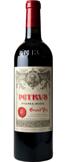
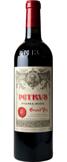
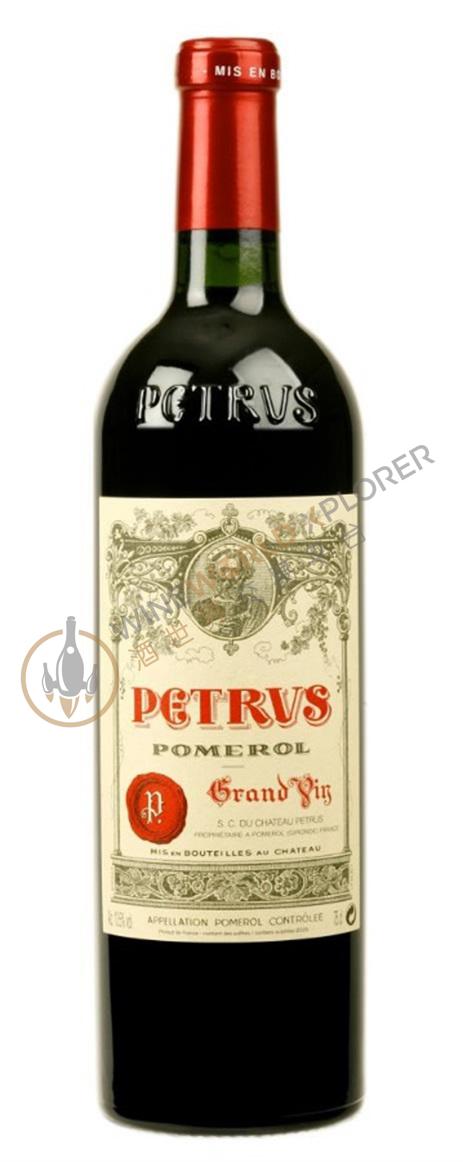
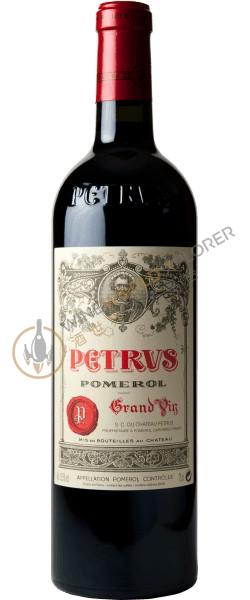
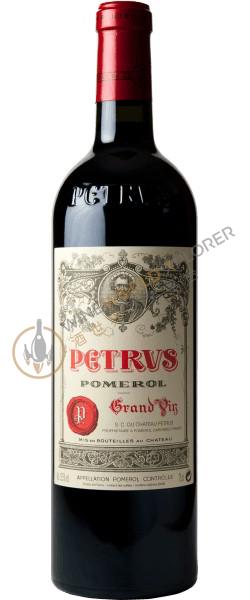
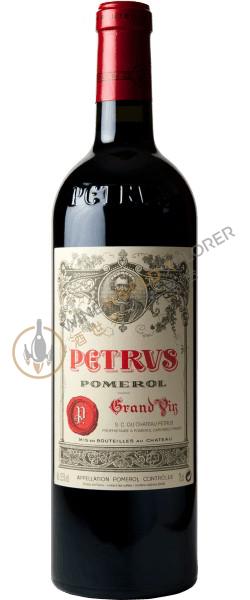
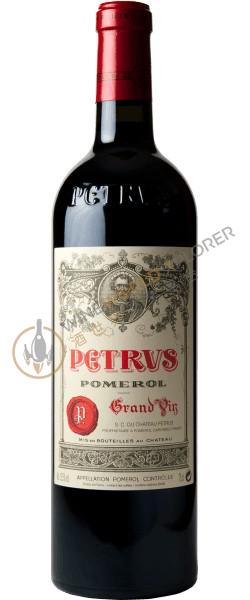
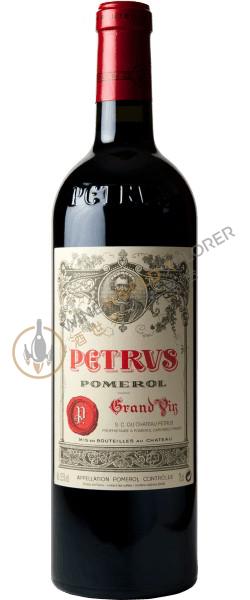
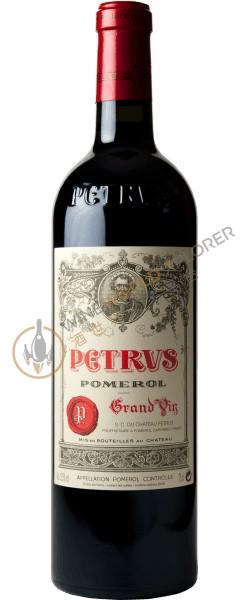
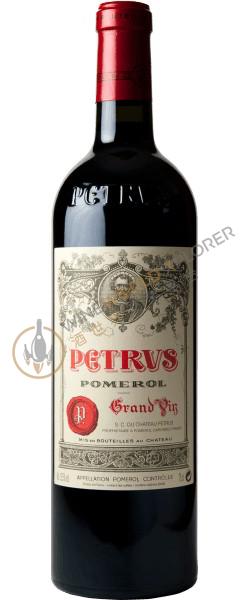
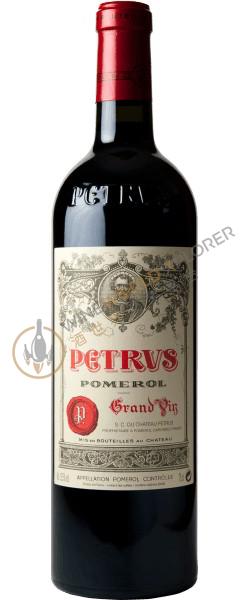
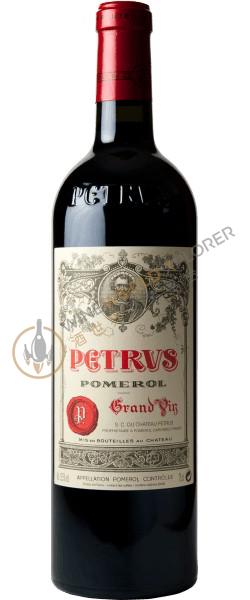
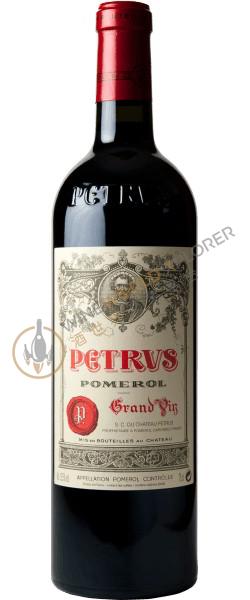
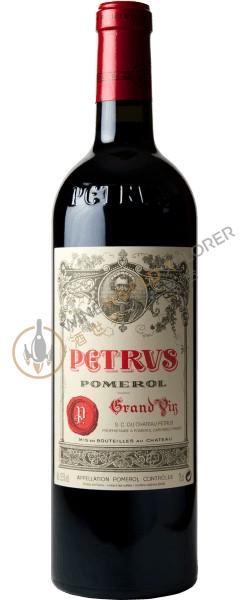
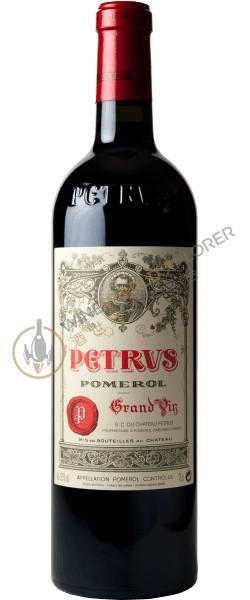
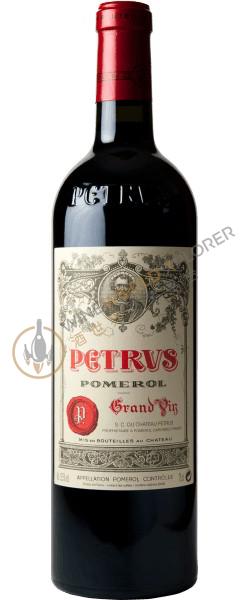
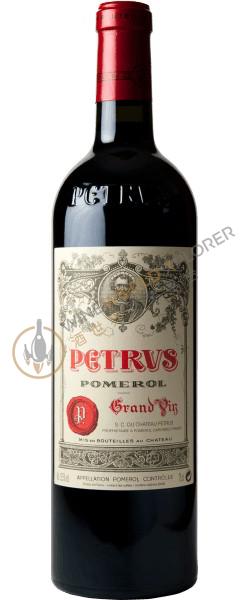
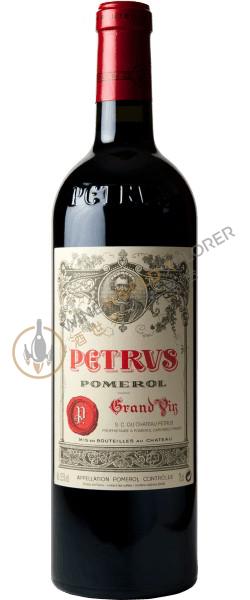
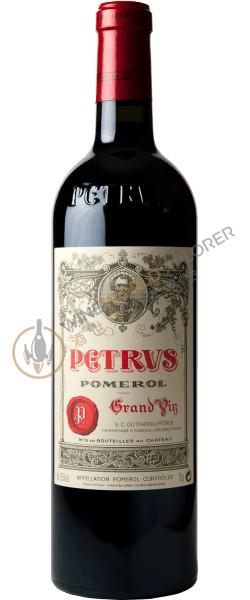
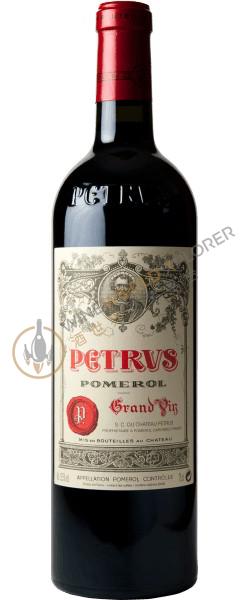
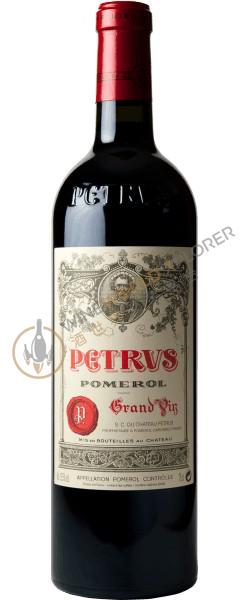
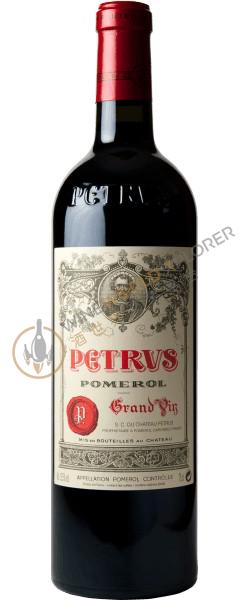
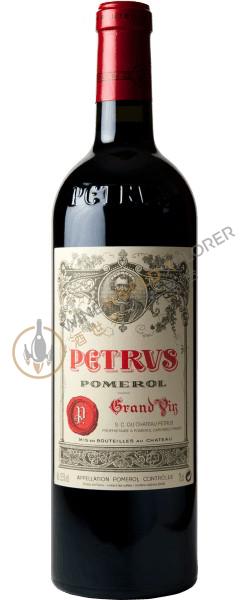
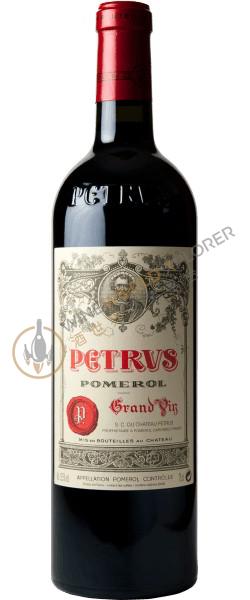
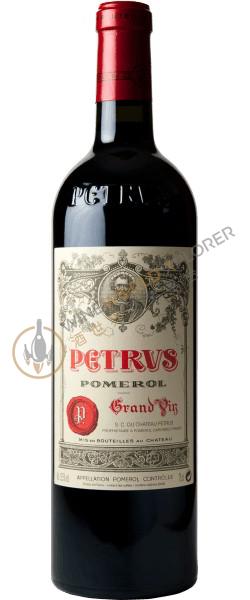
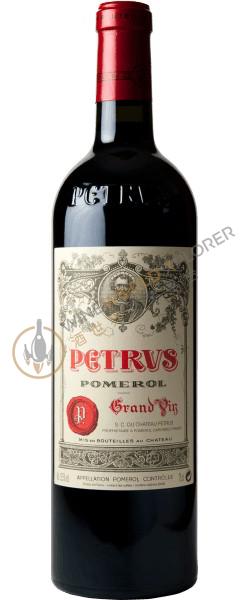
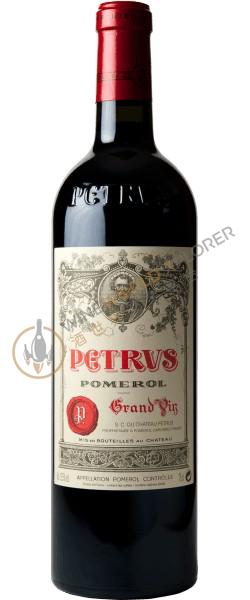
Petrus 1978
 View analysis


Description
Petrus is made almost entirely of Merlot grapes grown in Bordeaux's right bank Pomerol appellation. Although never officially classified, the chateau has long been considered on par with the First Growths from the left bank. The ownership of the estate has passed between the Arnaud family in the 19th century, to Madame Loubat at the end of WWII, and finally to Jean-Pierre Moueix in recent years. Petrus's clay soil is rich in iron and the estate's average vine age is 40 years. Chateau Petrus produces approximately 3,000 cases of wine each year.
Tasting notes

Reviewed by: Robert M. Parker, Jr.
In complete contrast to the tightly strung, hard, acidic, tannic 1979, the 1978 is a loosely knit, soft, vegetal style of Petrus that can be drunk now. It will keep for 10 or more years. The color is a medium ruby with amber at the edge. The nose offers strong aromas of herbs, spicy oak, and red fruits. Medium-bodied and shallow, this soft wine is frightfully overpriced in this vintage. Last tasted, 7/93.
Reviewed by: Robert M. Parker, Jr.
I have never been a fan of the 1978 Petrus, but even I was ready to give it the benefit of doubt and be seduced when it was served out of an Imperial. The wine revealed a medium ruby color, followed by an herb, under-ripe tomato, vegetal nose, medium body, and average flavor concentration and length. It is neither distinguished nor Pomerol-like. It is hard to believe that auction prices for vintages such as 1978, or for that matter 1979, can remain so high, but Petrus has a mystique unlike any other red wine of France. The notes for this wine are taken from the description of Series VI - Flight A of the 1995 tasting conducted in Munich by Helga and Hardy Rodenstock. Many years after the tasting from which this note derives allegations were made concerning the authenticity of old and rare bottles of wine sold by Hardy Rodenstock to collectors around the world. The matter has been the subject of numerous articles, litigation and at least one book. Mr. Parker believes that the wines served to him at this tasting were authentic so this note and the others from that specific tasting continue to be posted on eRobertParker.com.
Reviewed by: Neal Martin
Tasted at The Sampler in Islington. The -78 Petrus has never repeated the exquisite bottle poured at the IMW vertical in 2004. This has a light wild raspberry, leather, wild heather, chalk dust and a touch of sous-bois. The palate is medium-bodied, slightly coarse tannin on the entry, foursquare and masculine, touches of green pepper towards the finish that shows commendable weight. Nearing the end of its drinking plateau, a Petrus in graceful decline. Drink now-2018. Tasted November 2009.
Reviewed by: Neal Martin
What a gorgeous wine! Obviously more mature in appearance. A lighter brick core with tawny rim. A lovely autumnal nose with a touch of liquorish and cigar-box. Quite austere, perhaps a little dryness yet utterly charming. The palate exhibits fine concentration with refreshing acidity. Quite floral, almost Burgundian in evolution. Very graceful - this would appeal more to the traditional lovers of claret. Slight leathery on the finish but a charming sweet finish. Out of all the wines in this tasting this was the one I could quaff all night. In the end I had to down the glass in one to fill it with the 1990. Superb. Tasted January 2004.
Reviewed by: Neal Martin
Bottles of 1978 Petrus can be variable. I guess it depends on how you like your Pomerol. Here, served blind against the 1978 Hermitage La Chapelle, well, let's be honest, the Rhône is leaps and bounds superior. The Petrus is modest in terms of intensity, autumnal and a little leafy, a light marine influence developing with time and a hint of wild mint. The palate is medium-bodied with light tannin, balanced if lacking depth. There is harmony here, and a sense of honesty. There is nothing out of place, although it does come across as a wine content to be a second-tier Petrus. While not as good as the previous bottle I encountered over a decade ago, it is a decent Petrus that should be consumed over the next ten years. Tasted March 2014.
About the Producer
The Patus winery has 11.5 hectares of vineyards. The top layer of the soil in the garden is pure clay, the bottom layer is terracotta, and the deeper layer is lime soil with high iron content, and has a good drainage system. The grape varieties planted are mainly Merlot, accounting for about 95%; the remaining 5% is Cabernet Franc. Because Cabernet Franc matures earlier, unless the vintage is particularly good, Patux winery is generally not used for winemaking. The planting density is 6,000 trees per hectare, and the average age of the trees is around 40 years, and some are even 80 years old. The operator adopts a more traditional method in the renewal of the vineyard, that is, through the selection, the best quality grape vine is used as the "mother plant", which is the same as the method when the Chateau Conti eradicated the old roots in 1946. The vineyard also adopts strict "fruit control". Each plant retains several bud eyes, and each bud eye leaves only one bunch of grapes. The goal is to fully ripen, but avoid over-ripening, otherwise it will affect the delicate flavor of the wine. In terms of the brewing process, Chateau Patus set the grape harvest time in the afternoon, the purpose is to let the morning sun dry the residual dew from the previous night. Each harvest employs 180 harvesters and takes about half a day to complete 2 to 3 harvests. During the brewing, Patus Winery spared no expense, replacing the wooden barrels (of different materials) every 3 months, and the aging time is about 20-22 months. Patus winery attaches great importance to quality and only selects the best grapes. In some bad years, such as 1991, it even stops production. The average annual output of Chateau Patus is no more than 30,000 bottles, which is extremely limited and expensive. Petrus, Pomerol, France is dark in color and has a delicate and rich aroma. Among the aromas of blackcurrant and mint, there are also many aromas such as blackberry, cream, chocolate, truffle, milk and oak. The taste is silky Slippery, long aftertaste.
1950(1)1964(1)1966(1)1969(1)1970(1)1971(1)1975(2)1976(1)
Package Size