 Wine Advisor



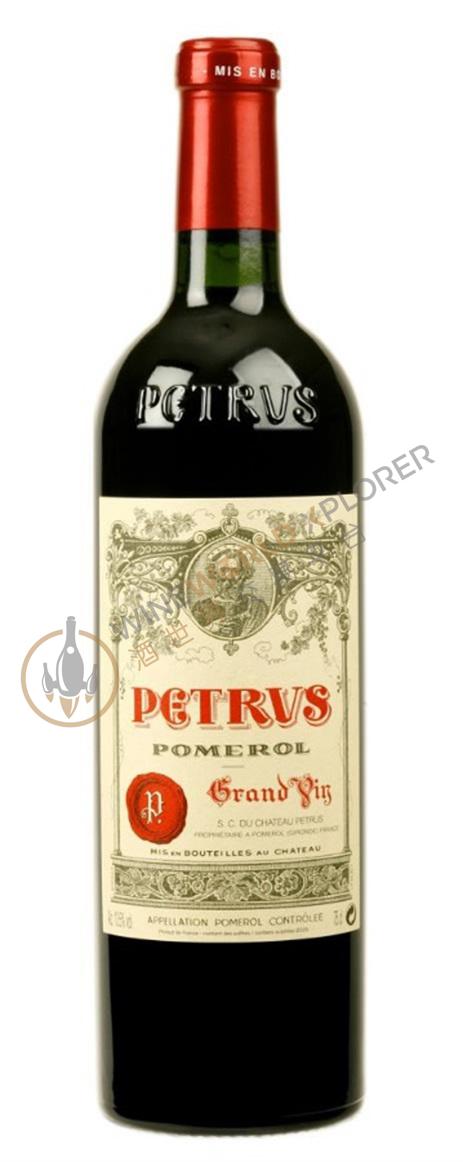
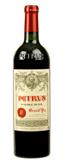
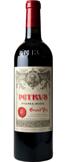
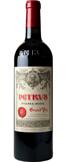
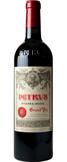
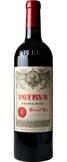
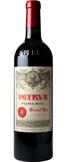
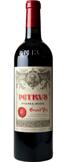
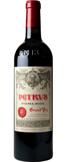
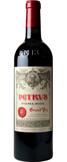
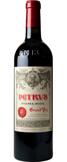
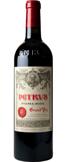
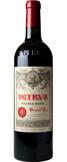
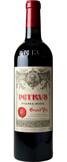
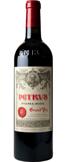
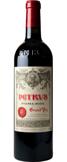
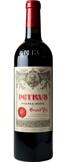
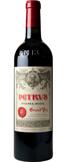
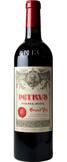
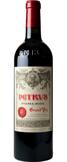
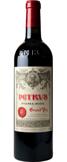
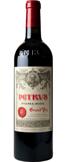
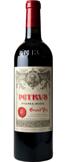
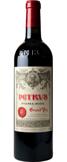
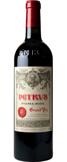
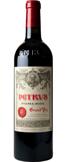
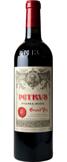
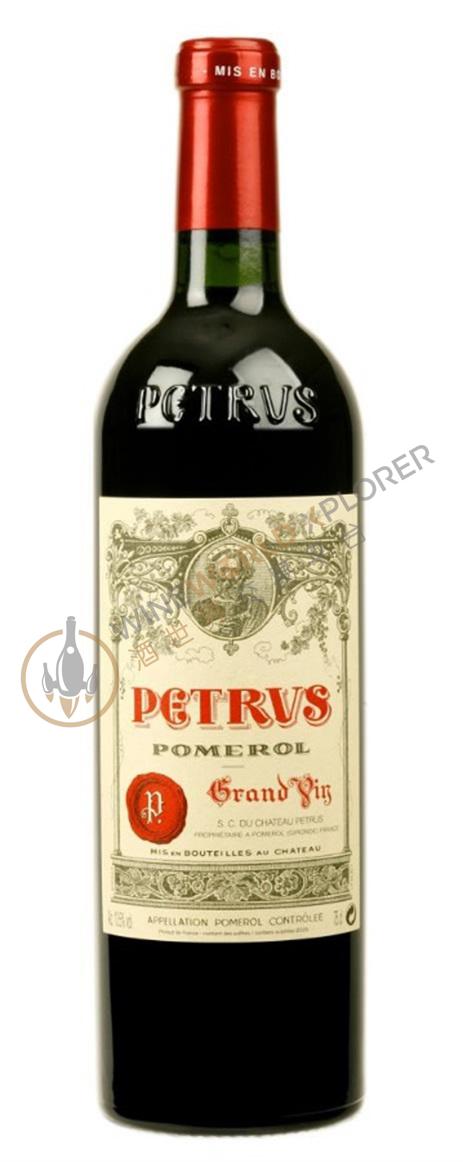
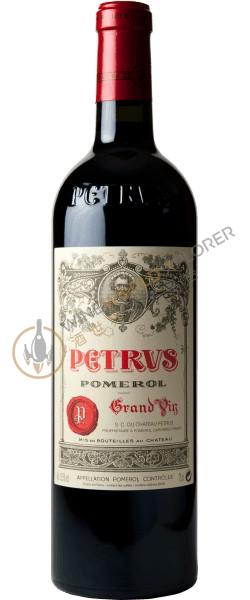
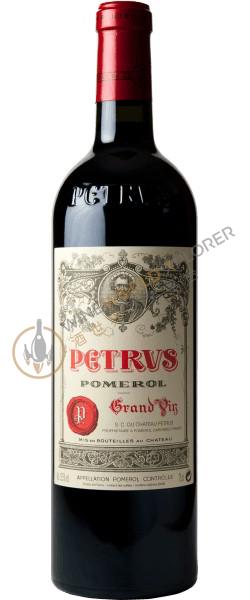
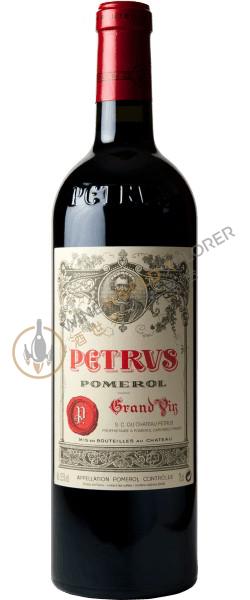
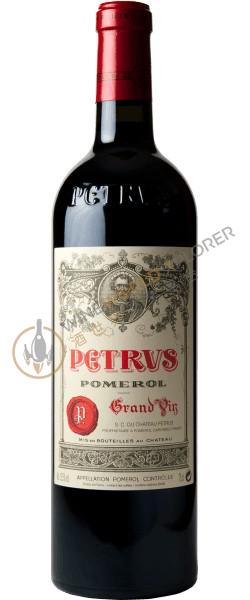
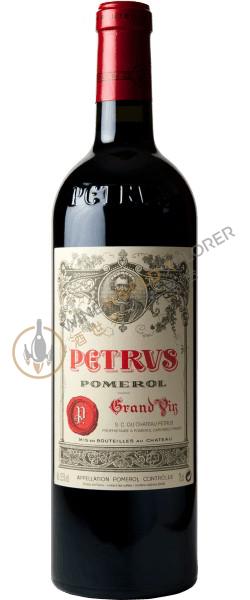
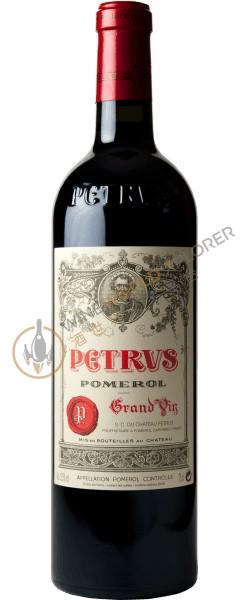
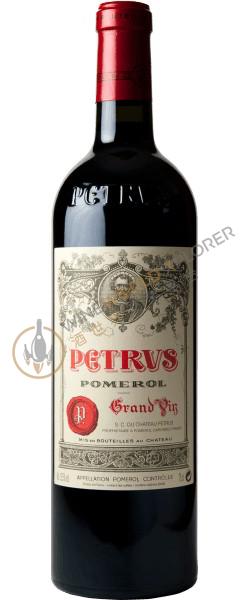
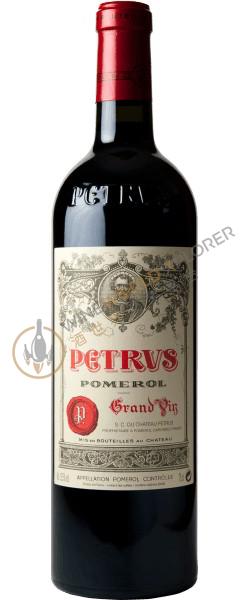
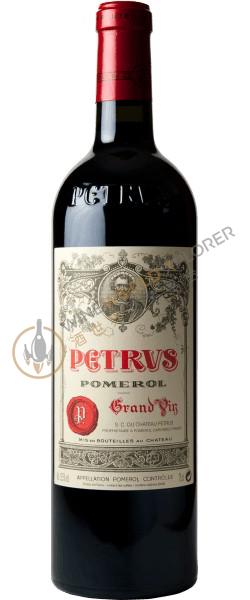
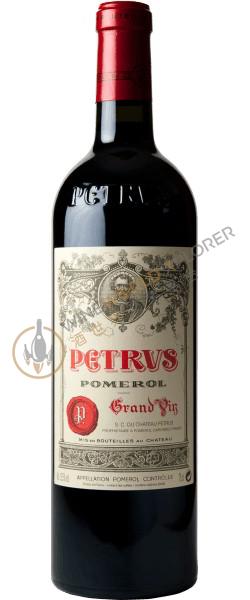
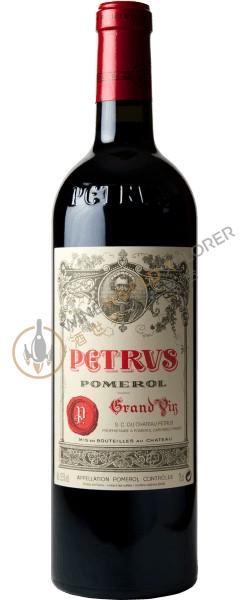
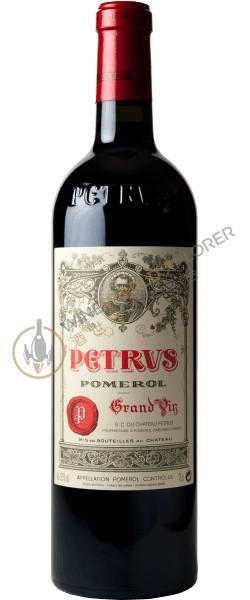
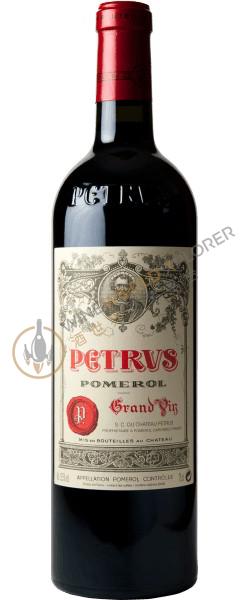
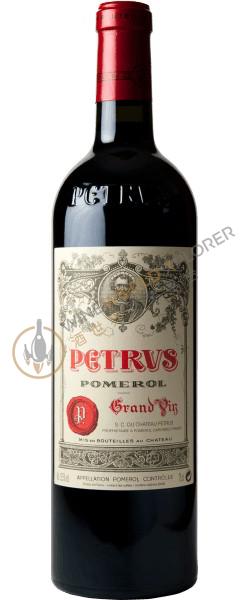
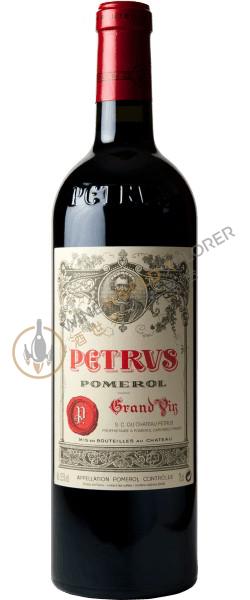
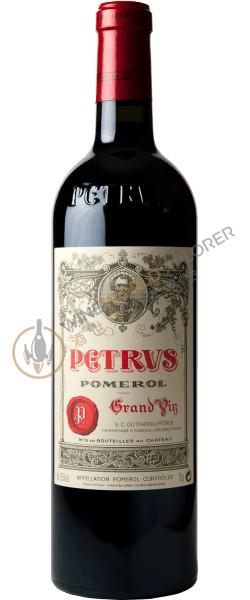
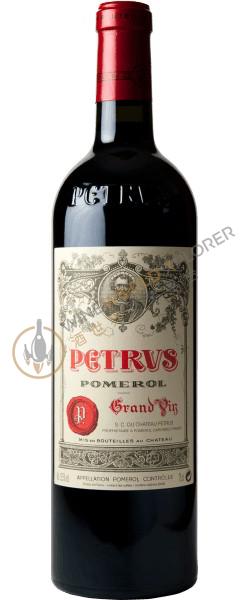
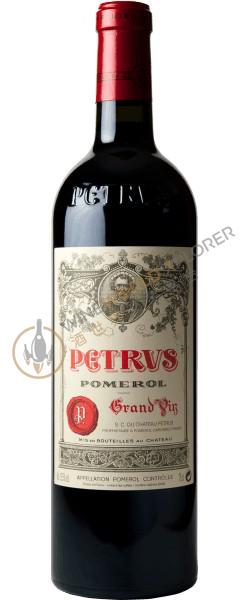
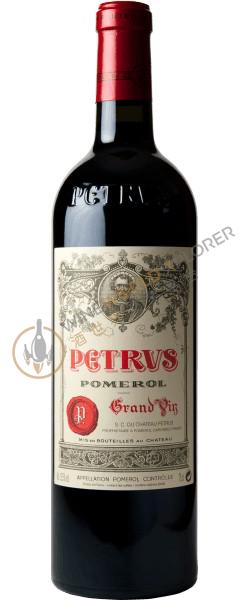
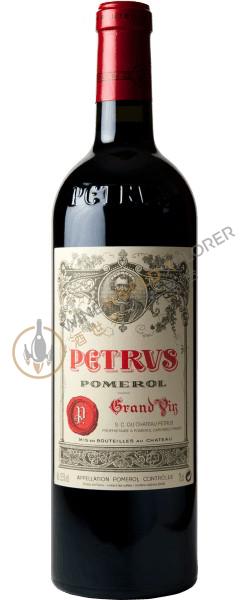
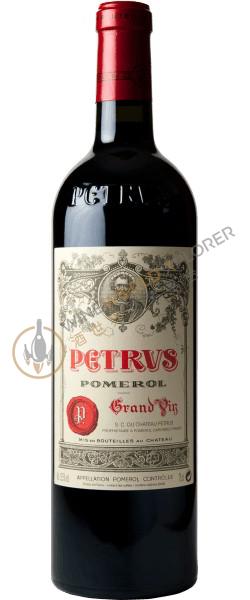
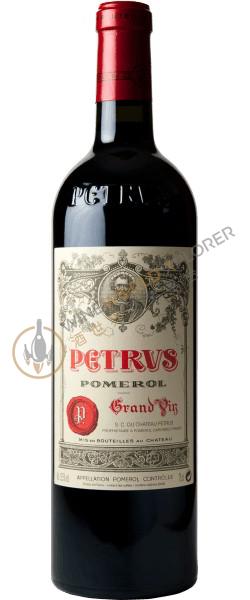
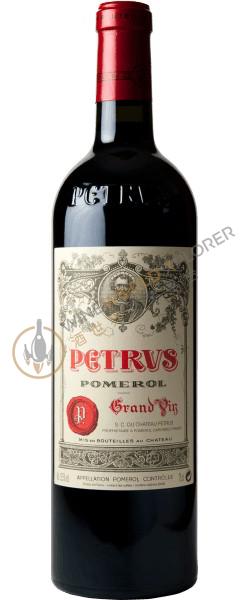
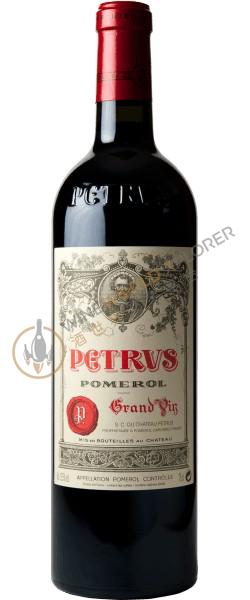
Petrus 1970
 View analysis


Description
Petrus is made almost entirely of Merlot grapes grown in Bordeaux's right bank Pomerol appellation. Although never officially classified, the chateau has long been considered on par with the First Growths from the left bank. The ownership of the estate has passed between the Arnaud family in the 19th century, to Madame Loubat at the end of WWII, and finally to Jean-Pierre Moueix in recent years. Petrus's clay soil is rich in iron and the estate's average vine age is 40 years. Chateau Petrus produces approximately 3,000 cases of wine each year.
Tasting notes

Reviewed by: Robert M. Parker, Jr.
Talk about a thrill a second, as well as unprecedented decadence (at least for me), consider the rarity of a flight of six double magnums of Petrus! Because there were not many people at the tasting, there was the possibility of having several large glasses of these wines, making judging them all the more fun. And let's not forget the medical benefit of flushing the fat out of one's arteries with such remarkable juice! The 1970 Petrus has hit its peak of perfection. In the last 4-5 years, it has shed much of its tannin yet remains a young, full-bodied, blockbuster style of Petrus. Extremely concentrated and thick, with layers of mocha-tinged, berry, and black-cherry fruit presented in an enormously-endowed, viscously-textured, alcoholic, full-bodied format, this wine should remain at its plateau for another 20-25 years. The notes for this wine are taken from the description of Series IV - Flight B of the 1995 tasting conducted in Munich by Helga and Hardy Rodenstock. Many years after the tasting from which this note derives allegations were made concerning the authenticity of old and rare bottles of wine sold by Hardy Rodenstock to collectors around the world. The matter has been the subject of numerous articles, litigation and at least one book. Mr. Parker believes that the wines served to him at this tasting were authentic so this note and the others from that specific tasting continue to be posted on eRobertParker.com.
Reviewed by: Robert M. Parker, Jr.
(Magnum) Last Tasted 10/92 This wine continues to put on weight and taste more impressive every time I have the good fortune to see it. The color is a saturated dark ruby/purple with only slight amber at the edge. The explosive nose offers sumptuous quantities of port-like fruit. In the mouth, the wine is viscous, sweet, exceptionally powerful and concentrated, with gobs of tannin and alcohol in the finish. This is still an unformed, extremely youthful example of Petrus. Those lucky proprietors of a few bottles should cellar it for another 5-7 years. The wine is capable of lasting through the first 3-4 decades of the next century. Among the vintages of the seventies, this is nearly as titanic as the extraordinary 1975.
Reviewed by: Robert M. Parker, Jr.
The 1970 Petrus has developed magnificently over the last 4-5 years. Tight and reserved early in life, it has blossomed into a true blockbuster. This massive, highly-extracted, full-bodied, jammy, thick, unctuously-textured wine possesses a huge, spice, tobacco, black-cherry, mocha-scented nose. It is a real turn-on. The wine is fully mature, but it has at least 20 years of life remaining. A spectacular Petrus, it is now superior to the 1971, which out-performed it for nearly two decades. Owners of this wine have a true nectar in their cellars.
Reviewed by: Neal Martin
Opaque garnet hue. A simply huge nose: kirsch, dark chocolate, black truffles and burnt honey: very complex. Dense blackberry and cherry flavoured fruits with unbelievable balance. Quite sturdy tannins. Multi-layered, slightly herbaceous black fruits towards the finish. Still a few years from maturity. An amazing wine. Tasted July 2000.
Reviewed by: Robert M. Parker, Jr.
Tasted 13 Times With Inconsistent Notes For much of the last two decades the 1971 Petrus outshined the 1970. The former wine was more flattering, whereas the 1970 was a behemoth - huge, phenomenally extracted, but tight and impenetrable. Over the last five years the greatness of the 1970 Petrus has become more apparent. In fact, with a few more years of cellaring it will undoubtedly achieve perfection. The opaque dark ruby/garnet color is followed by a nose revealing huge, sweet scents of truffles, licorice, black fruits, and smoky oak. Phenomenally-concentrated and remarkably fresh and young, this massively-endowed wine is oozing with extract and potential. It promises to last for another 30 years. This is a legendary Petrus in the making!
Reviewed by: Neal Martin
Tasted at Benoit restaurant in New York. This is my second bottle in just over a month and it is perhaps even better. Here it offers a sensational bouquet with black rather than red fruit, hints of thyme, sage and broom, the delineation utterly profound. The palate is perfectly balanced with both intensity and elegance to spare. The fruit remains intact but melted and decayed, absorbed into the secondary flavours of black truffle, tobacco, hints of Christmas cake and a long, languorous liquorice-tinged finish. This is just a fabulous Pomerol and a fabulous Petrus. Tasted April 2013.
Reviewed by: Robert M. Parker, Jr.
The dark garnet, rust-rimmed 1970 Petrus has developed magnificently over the last 4-5 years. Tight and reserved early in life, it has blossomed into a true blockbuster. This massive, highly-extracted, full-bodied, jammy, thick, unctuously-textured wine possesses a huge, spice, tobacco, black cherry, mocha-scented nose. It is a real turn-on. The wine is fully mature, but it has at least 20 years of life remaining. This spectacular Petrus is now superior to the 1971, which out-performed it for nearly two decades. Owners of this wine have a true nectar in their cellars. Last tasted 6/96
Reviewed by: Robert M. Parker, Jr.
(Magnum) For much of the last two decades the 1971 Petrus outshined the 1970. The former wine was more flattering, whereas the 1970 was a behemoth - huge, phenomenally extracted, but tight and impenetrable. Over the last five years the greatness of the 1970 Petrus has become more apparent. In fact, with a few more years of cellaring it will undoubtedly achieve perfection. The opaque dark ruby/garnet color is followed by a nose revealing huge, sweet scents of truffles, licorice, black fruits, and smoky oak. Phenomenally-concentrated and remarkably fresh and young, this massively-endowed wine is oozing with extract and potential. It promises to last for another 30 years. This is a legendary Petrus in the making!
Reviewed by: Robert M. Parker, Jr.
This dark garnet-colored wine shows considerable amber at the edge. I have always had a tenency to taste this side by side with the 1971, and it has been fascinating how the 1971 was fully mature at a much younger age yet continued to hold onto life without losing any of its seductive fruit and intensity. The 1970 started off life more tannic, backward, massive, but needing considerable time, and it has now hit full stride. It is a profound Petrus, and certainly one of the great Petrus’ of the last half century. The wine has a huge nose of cedar, caramel, vanilla, tobacco, fruitcake, and licorice-infused black cherry jam. It is unctuously textured and very full-bodied, with extraordinary sweetness and glycerin, and a layered, viscous finish. This wine should continue to drink well for at least another 20 years. Anticipated maturity: Now-2025. Last tasted, 11/02.
About the Producer
The Patus winery has 11.5 hectares of vineyards. The top layer of the soil in the garden is pure clay, the bottom layer is terracotta, and the deeper layer is lime soil with high iron content, and has a good drainage system. The grape varieties planted are mainly Merlot, accounting for about 95%; the remaining 5% is Cabernet Franc. Because Cabernet Franc matures earlier, unless the vintage is particularly good, Patux winery is generally not used for winemaking. The planting density is 6,000 trees per hectare, and the average age of the trees is around 40 years, and some are even 80 years old. The operator adopts a more traditional method in the renewal of the vineyard, that is, through the selection, the best quality grape vine is used as the "mother plant", which is the same as the method when the Chateau Conti eradicated the old roots in 1946. The vineyard also adopts strict "fruit control". Each plant retains several bud eyes, and each bud eye leaves only one bunch of grapes. The goal is to fully ripen, but avoid over-ripening, otherwise it will affect the delicate flavor of the wine. In terms of the brewing process, Chateau Patus set the grape harvest time in the afternoon, the purpose is to let the morning sun dry the residual dew from the previous night. Each harvest employs 180 harvesters and takes about half a day to complete 2 to 3 harvests. During the brewing, Patus Winery spared no expense, replacing the wooden barrels (of different materials) every 3 months, and the aging time is about 20-22 months. Patus winery attaches great importance to quality and only selects the best grapes. In some bad years, such as 1991, it even stops production. The average annual output of Chateau Patus is no more than 30,000 bottles, which is extremely limited and expensive. Petrus, Pomerol, France is dark in color and has a delicate and rich aroma. Among the aromas of blackcurrant and mint, there are also many aromas such as blackberry, cream, chocolate, truffle, milk and oak. The taste is silky Slippery, long aftertaste.
1950(1)1964(1)1966(1)1969(1)
Package Size