 Wine Advisor



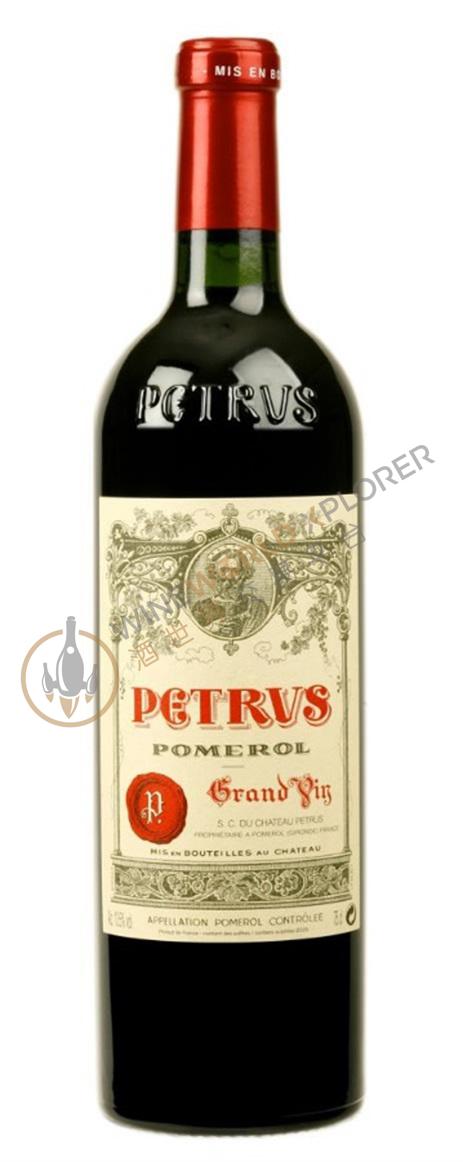
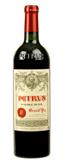
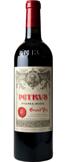
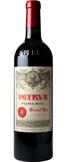
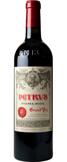
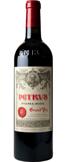
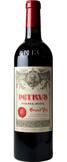
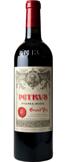
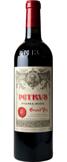
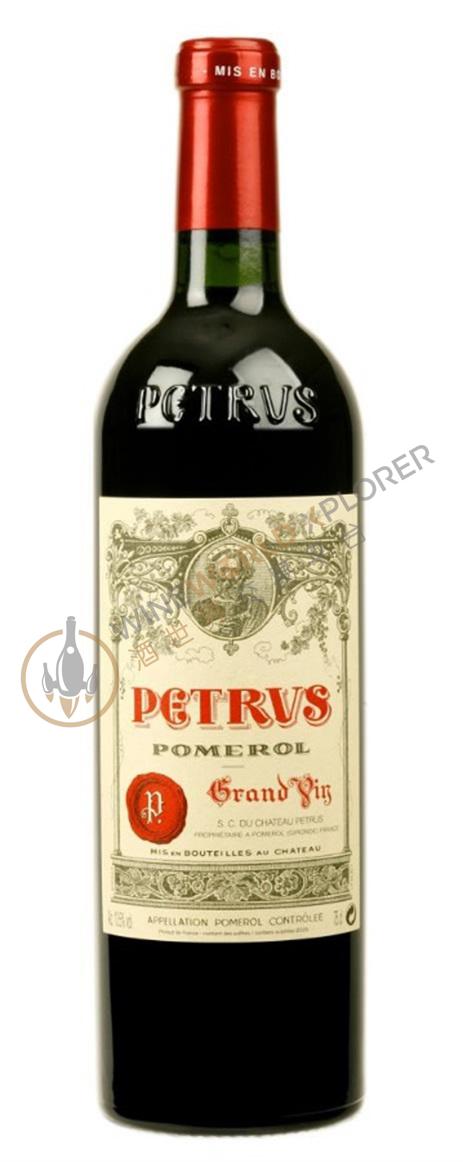
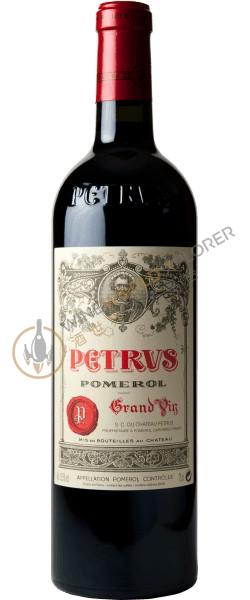
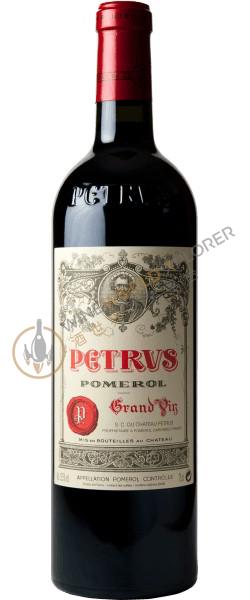
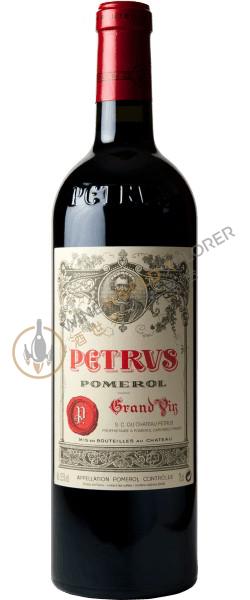
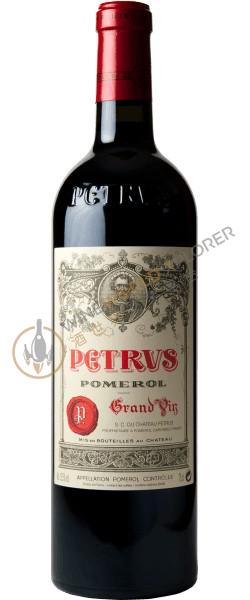
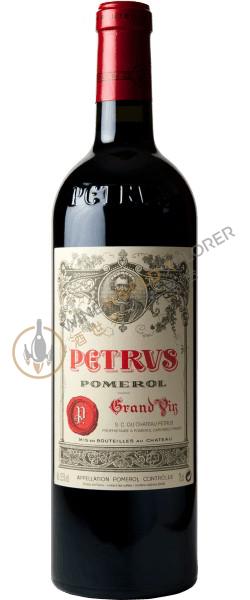
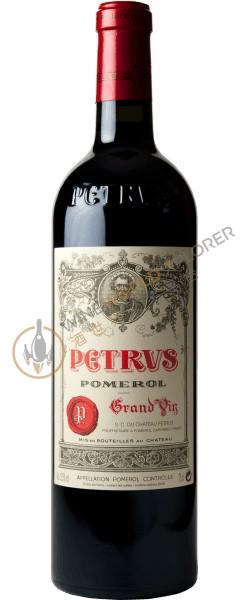
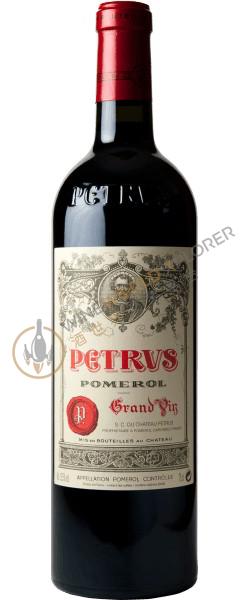
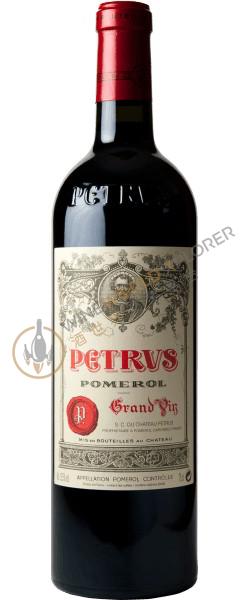
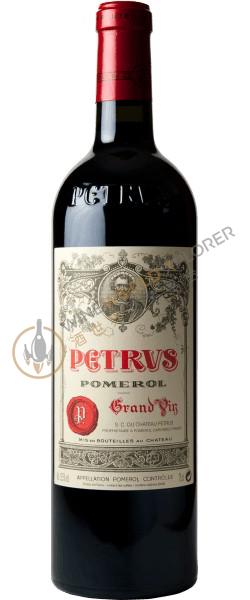
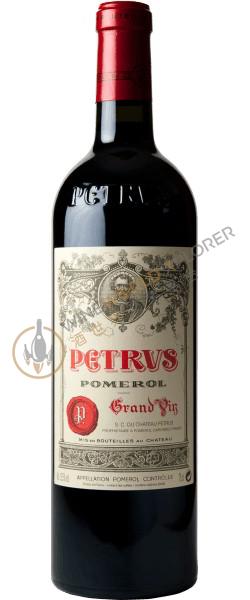
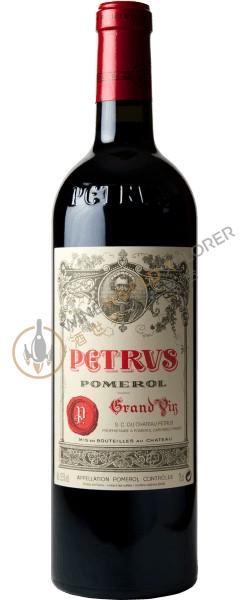
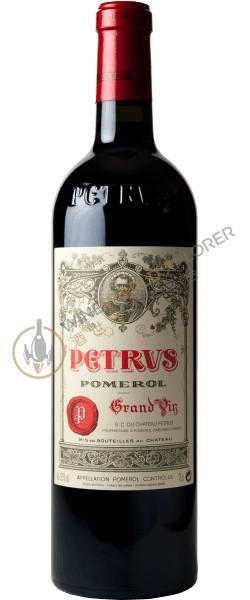
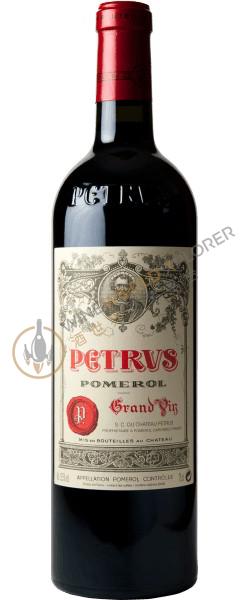
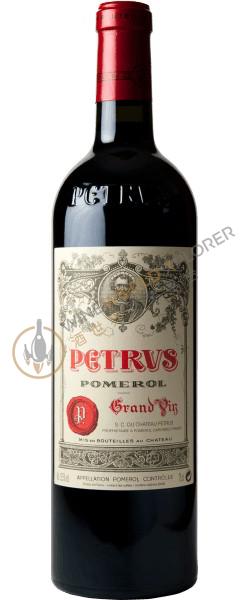
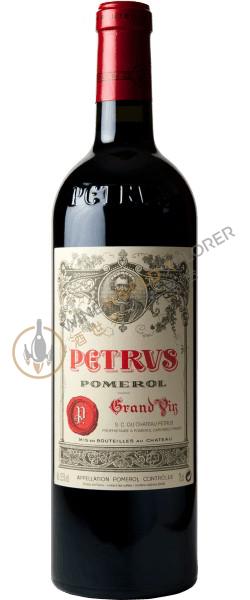
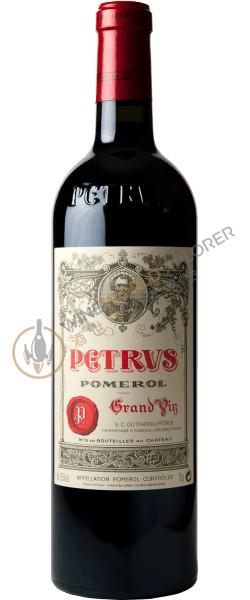
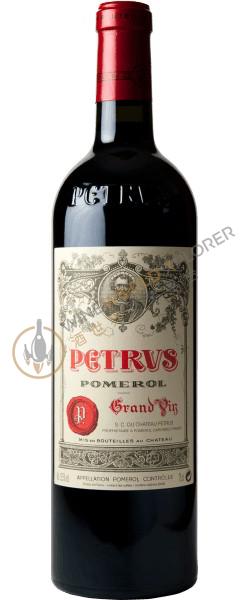
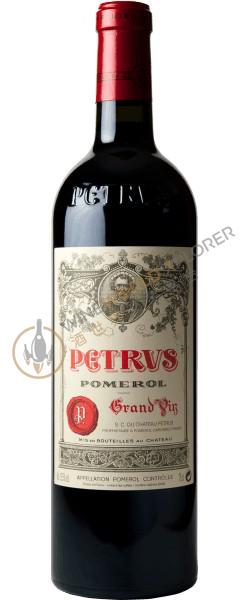
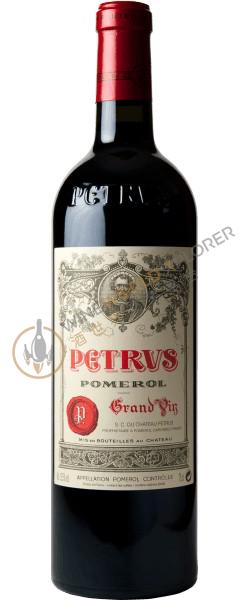
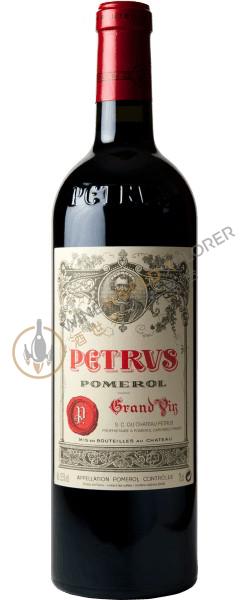
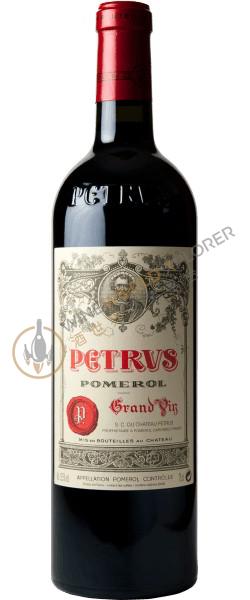
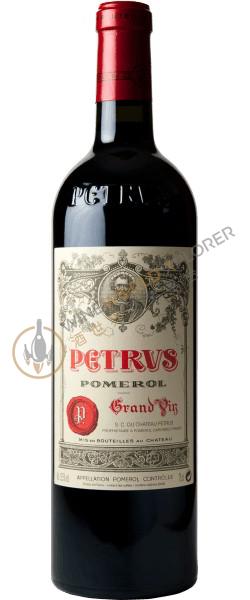
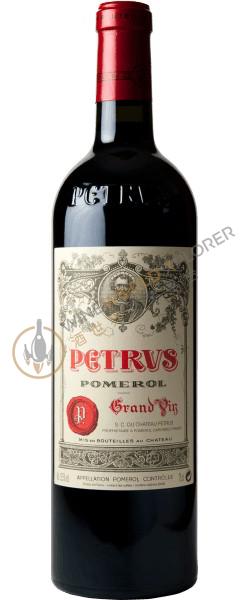
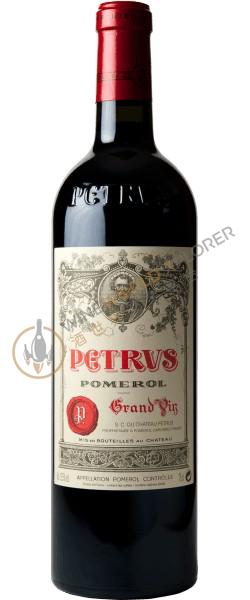
Petrus 1964
 View analysis


Description
Petrus is made almost entirely of Merlot grapes grown in Bordeaux's right bank Pomerol appellation. Although never officially classified, the chateau has long been considered on par with the First Growths from the left bank. The ownership of the estate has passed between the Arnaud family in the 19th century, to Madame Loubat at the end of WWII, and finally to Jean-Pierre Moueix in recent years. Petrus's clay soil is rich in iron and the estate's average vine age is 40 years. Chateau Petrus produces approximately 3,000 cases of wine each year.
Tasting notes

Reviewed by: Neal Martin
Slight tawny rim. A sublime, otherworldly nose of roasted Provencal herbs, tar and black coffee. The palate is huge with immense complexity. Well-endowed sensuous palate. Smooth tannins that support an unbelievable weight of fruit. Unbelievable length. Awesome. Tasted February 2000.
Reviewed by: Robert M. Parker, Jr.
Tasted 8 Times With Consistent Notes Deep, dark ruby/garnet-colored, with a hint of orange and rust at the edge, the 1964 Petrus offers a huge, smoky, roasted bouquet of jammy fruit, coffee, and mocha. This huge, massively-endowed wine is packed with alcohol, glycerin, and high tannin. There is stupendous extraction of fruit and amazing length. The only criticism is that it is perhaps too big and robust for its own good. Lucky owners of well-stored bottles are advised to cellar it for a few more years. As they say, it's a tough job, but someone's got to do it!
Reviewed by: Neal Martin
Tasted at “Fook Lam Moon” in Hong Kong. I have been unfortunate with two previously corked bottles. It has an extraordinarily deep colour. The nose is very primal and intense with macerated black cherries, Indian ink, liquorice, wild thyme and glycerine. It has an almost port-like richness and that comes through on the palate. Succulent, ripe tannins, almost muscular with an immense core of sweetness. It barely seems to be nigh on half-a-century old. A sui generis. Tasted November 2011.
Reviewed by: Robert M. Parker, Jr.
Deep, dark ruby/garnet-colored, with a hint of orange and rust at the edge, the 1964 Petrus offers a huge, smoky, roasted bouquet of jammy fruit, coffee, and mocha. This huge, massively-endowed wine is packed with alcohol, glycerin, and high tannin. There is stupendous extraction of fruit and amazing length. The only criticism is that it is perhaps too big and robust for its own good. Lucky owners of well-stored bottles are advised to cellar it for a few more years. As they say, it's a tough job, but someone's got to do it! Last tasted 11/95
Reviewed by: Robert M. Parker, Jr.
(Magnum) Deep, dark ruby/garnet-colored, with a hint of orange and rust at the edge, the 1964 Petrus offers a huge, smoky, roasted bouquet of jammy fruit, coffee, and mocha. This huge, massively-endowed wine is packed with alcohol, glycerin, and high tannin. There is stupendous extraction of fruit and amazing length. The only criticism is that it is perhaps too big and robust for its own good. Lucky owners of well-stored bottles are advised to cellar it for a few more years.
Reviewed by: Robert M. Parker, Jr.
A mammoth Petrus of stupendous extraction and power, this wine seems to be aging at a glacier pace. I suppose the 1975 is somewhat similar in style, with high levels of tannin and equally impressive levels of richness. This wine has a dark, murky garnet color with some orange and rust at the edge. The spectacular aromatics soar from the glass, offering up roasted herbs, espresso coffee, mocha, caramel, and plenty of jammy red and black fruits. A huge, viscous, spectacularly concentrated wine that is almost over the top in a style that even wine administrator Christian Moueix would probably find too big and intense for his more delicately styled taste. Nevertheless, lucky owners of this Petrus have decades of thrills still ahead of them. This is spectacular stuff! Anticipated maturity: Now-2030. Last tasted, 11/02.
About the Producer
The Patus winery has 11.5 hectares of vineyards. The top layer of the soil in the garden is pure clay, the bottom layer is terracotta, and the deeper layer is lime soil with high iron content, and has a good drainage system. The grape varieties planted are mainly Merlot, accounting for about 95%; the remaining 5% is Cabernet Franc. Because Cabernet Franc matures earlier, unless the vintage is particularly good, Patux winery is generally not used for winemaking. The planting density is 6,000 trees per hectare, and the average age of the trees is around 40 years, and some are even 80 years old. The operator adopts a more traditional method in the renewal of the vineyard, that is, through the selection, the best quality grape vine is used as the "mother plant", which is the same as the method when the Chateau Conti eradicated the old roots in 1946. The vineyard also adopts strict "fruit control". Each plant retains several bud eyes, and each bud eye leaves only one bunch of grapes. The goal is to fully ripen, but avoid over-ripening, otherwise it will affect the delicate flavor of the wine. In terms of the brewing process, Chateau Patus set the grape harvest time in the afternoon, the purpose is to let the morning sun dry the residual dew from the previous night. Each harvest employs 180 harvesters and takes about half a day to complete 2 to 3 harvests. During the brewing, Patus Winery spared no expense, replacing the wooden barrels (of different materials) every 3 months, and the aging time is about 20-22 months. Patus winery attaches great importance to quality and only selects the best grapes. In some bad years, such as 1991, it even stops production. The average annual output of Chateau Patus is no more than 30,000 bottles, which is extremely limited and expensive. Petrus, Pomerol, France is dark in color and has a delicate and rich aroma. Among the aromas of blackcurrant and mint, there are also many aromas such as blackberry, cream, chocolate, truffle, milk and oak. The taste is silky Slippery, long aftertaste.
1950(1)
Package Size