
 Wine Advisor



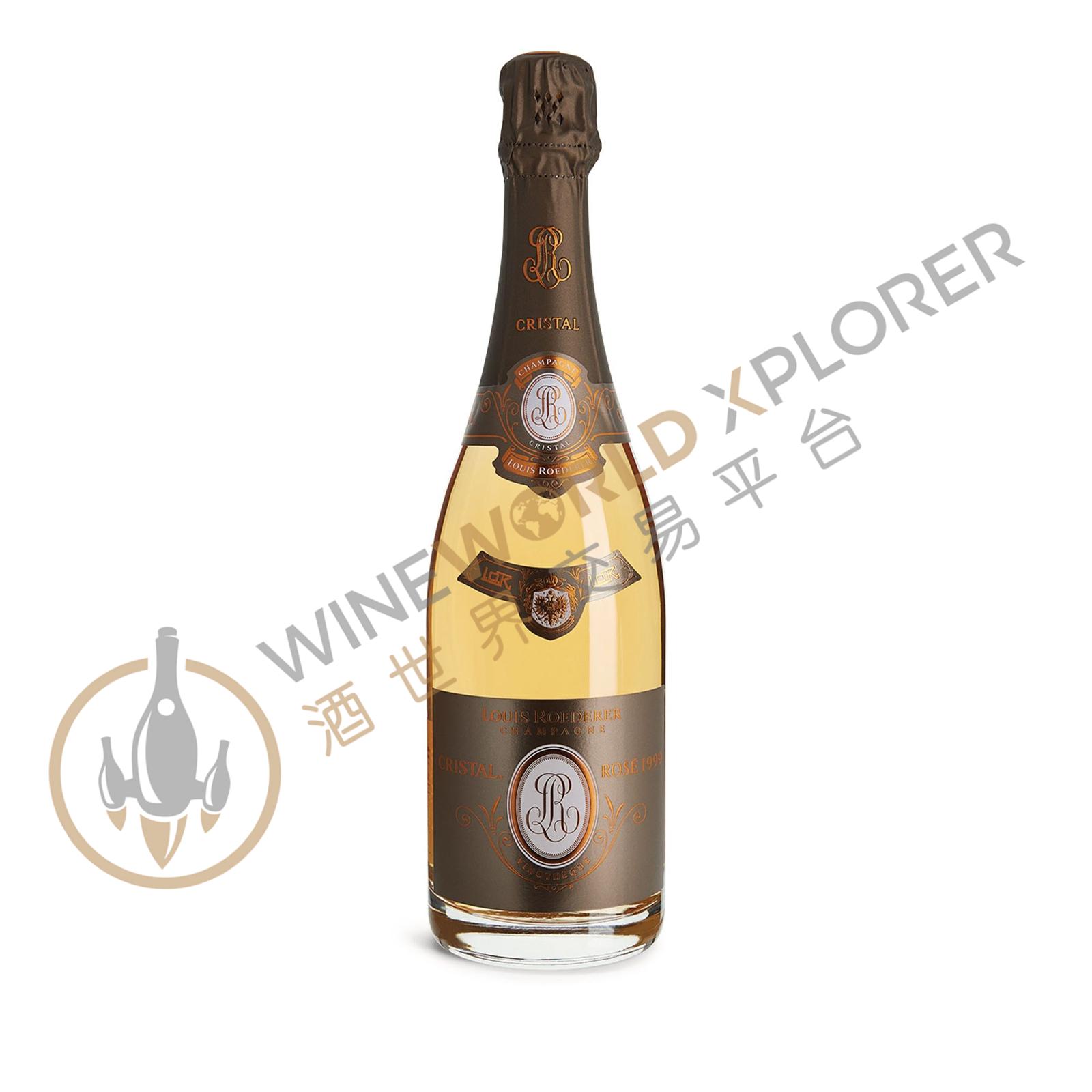
Louis Roederer, Cristal Vinotheque Rose 1996
 View analysis


Description
Cristal, Louis Roederer, Vinotheque, Champagne, Rose, 2000
Tasting notes

Reviewed by: Stephan Reinhardt
Disgorged in 2011, the 1996 Cristal Vinothèque is fine, fresh and bright on the rather lean bouquet. The palate is pure, straight, incredibly fresh and racy, and the finish is pretty austere. The low dosage of six or seven grams per liter underlines the pure and aristocratic style of Cristal that is nevertheless dense, intense and complex and finishes with great tension and vibrant persistency. This blend is 60/40 Pinot Noir and Chardonnay. No malolactic fermentation. Since autumn 2017, there is another Cristal, the Cristal Vinothèque—aka "the other Cristal"—of which only "a few bottles" are released in a few, hand-selected markets. The late-release edition of Cristal has been 20 years in the making: 14 years sur latte (of which the wine is kept upside down only four years) and another seven years sur bouchon. "Twenty or so years is a good time lapse to show the best of Cristal." says Jean-Baptiste Lécaillon. He finds that aging sur latte and aging sur bouchon are both important and necessary but that they represent "two different dimensions of aging." Due to the fact that acidity rounds out with age, the dosage of the Cristal Vinothèque is significantly lower than the original disgorgement: in the case of the 1996, it's six to seven grams for the late release compared to 11 grams for the original Cristal. So, the Vinotheque is a completely new wine that is just based on the same material. The 1995 Cristal Vinothèque was the inaugural vintage for both white and rosé, and it will be followed by the 1996 in September 2018 The 1997 and 1999 will follow in the coming years.
Reviewed by: William Kelley
The 1996 Cristal Vinothèque spent 10 years sur lattes and four years sur pointe (for an explanation of those terms, readers are directed to the accompanying article) before disgorgement. Opening in the glass with a complex bouquet of dried fruits, honeycomb, fresh butter, lemon oil, spices and smoke, it's medium to full-bodied, ample and integrated, its racy spine of vintage-typical acidity elegantly cloaked in crisp but fleshy fruit, with terrific concentration and a long, precise finish. Incisive and powerful, this is a 1996 Champagne that has turned out very well indeed.
About the Producer
When he inherited the Champagne House in 1833, the aesthete and entrepreneur Louis Roederer took a visionary approach to enriching his vines, aiming to master every stage of the wine’s creation. He forged the wine’s unique style, character, and taste. In the mid-nineteenth century, Louis Roederer acquired some of Champagne’s grand cru vineyards—an approach that contrasted sharply with contemporary practices.. While other Houses bought their grapes, Louis Roederer nurtured his vineyards, familiarized himself with the specific characteristics of each parcel, and methodically acquired the finest land. Louis Roederer’s guiding principle was that all great wine depends on the quality of the soil, a passion for tradition, and an astute vision of the future; the fame and reputation of the House of Louis Roederer was firmly established. His heir, Louis Roederer II was equally enlightened and adopted his father’s conscientious approach to the production of champagne, patrimonial estate management, and instinctive audacity.
