 Wine Advisor



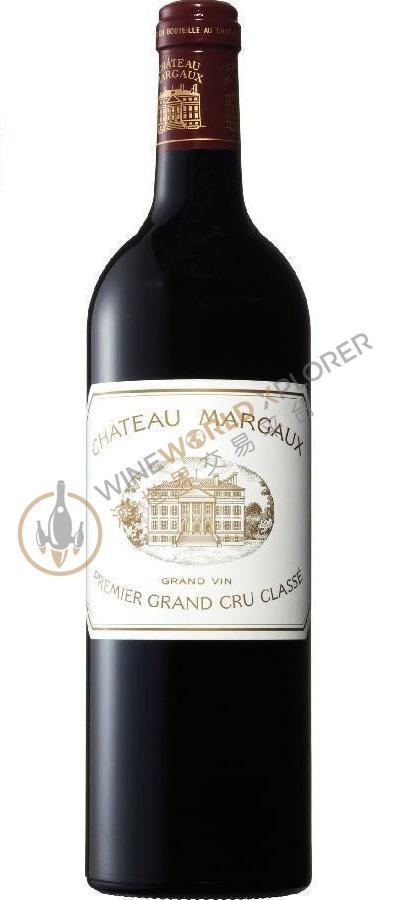
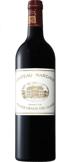
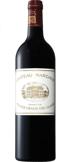
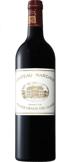
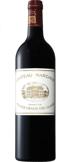
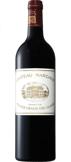
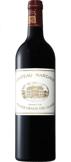
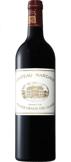
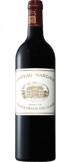
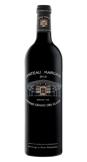
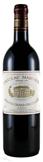
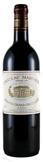
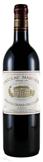
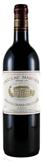
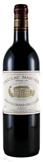
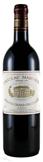
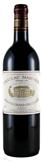
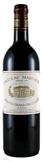
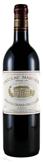
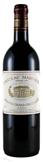
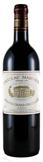
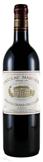
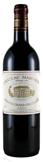
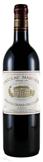
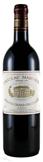
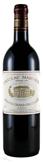
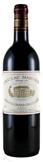
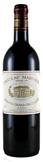
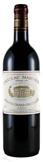
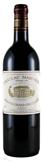
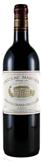
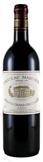
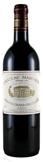
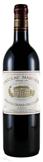
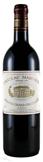
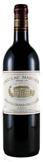
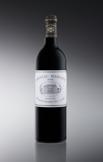
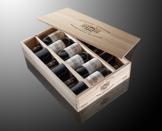
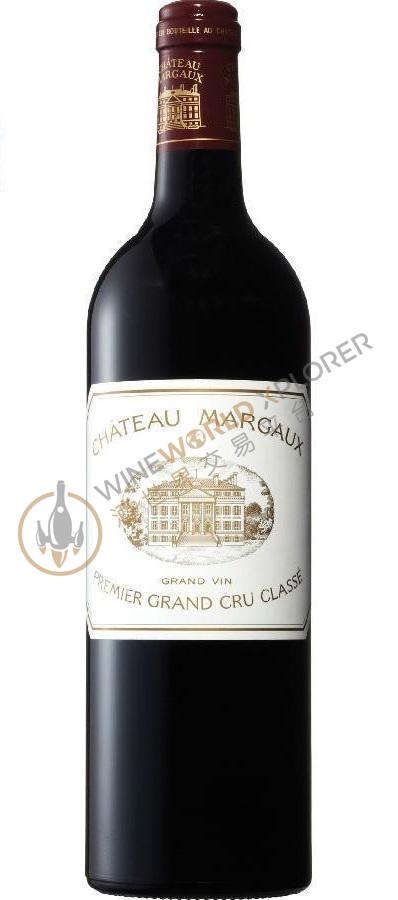
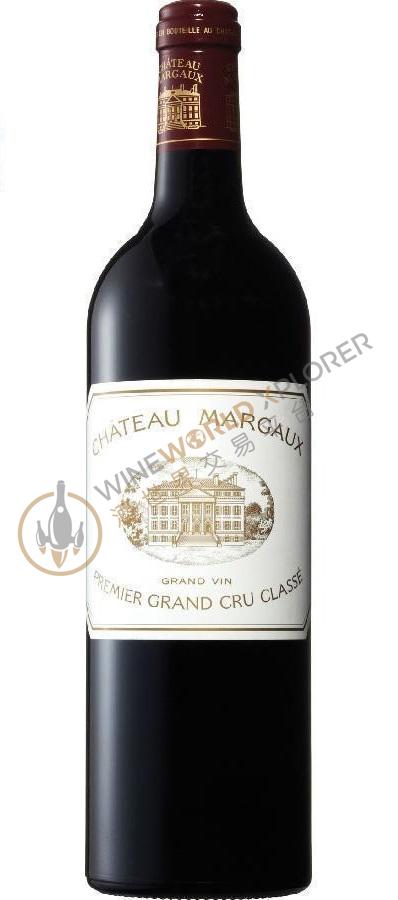
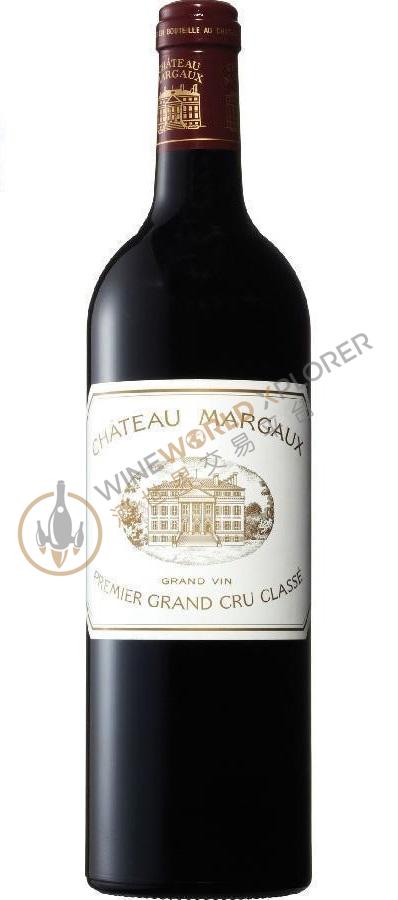
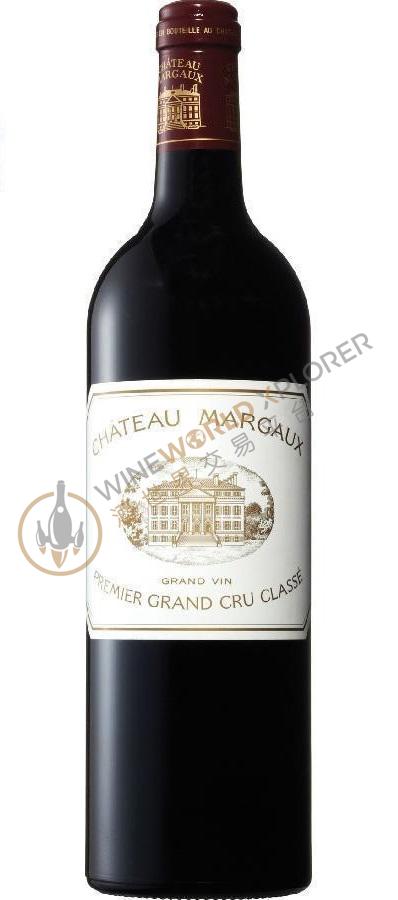
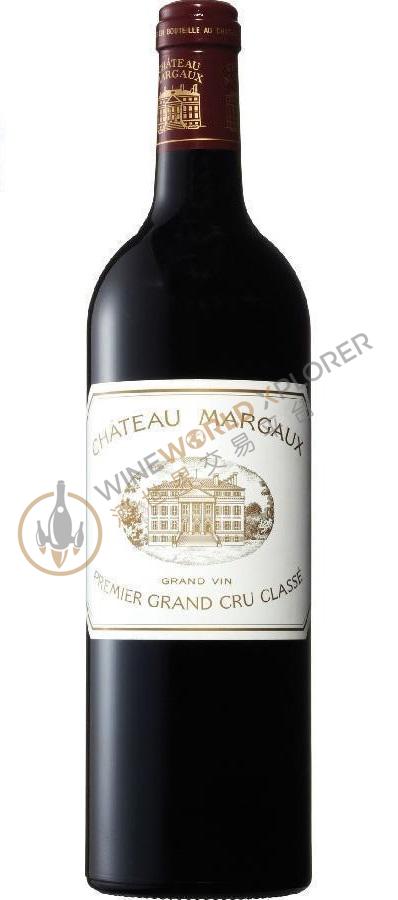
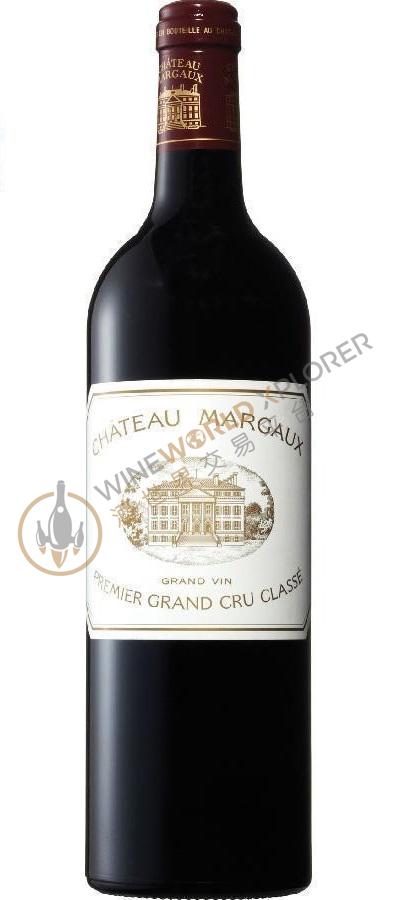
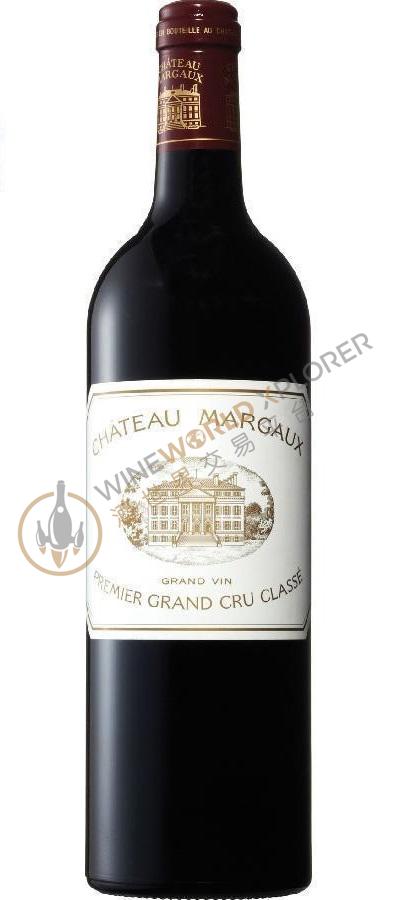
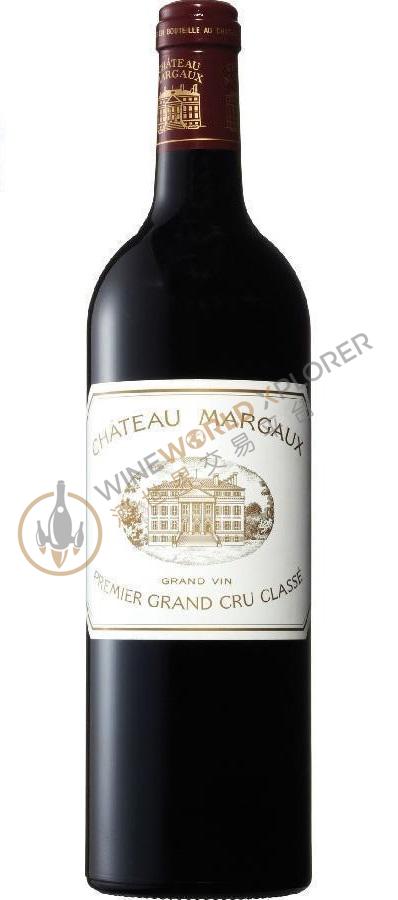
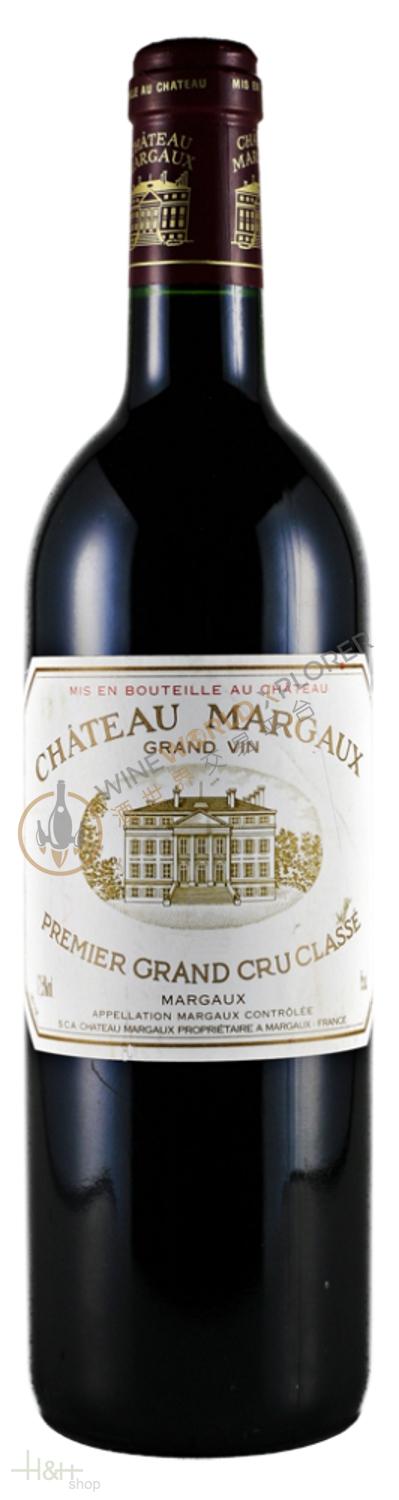
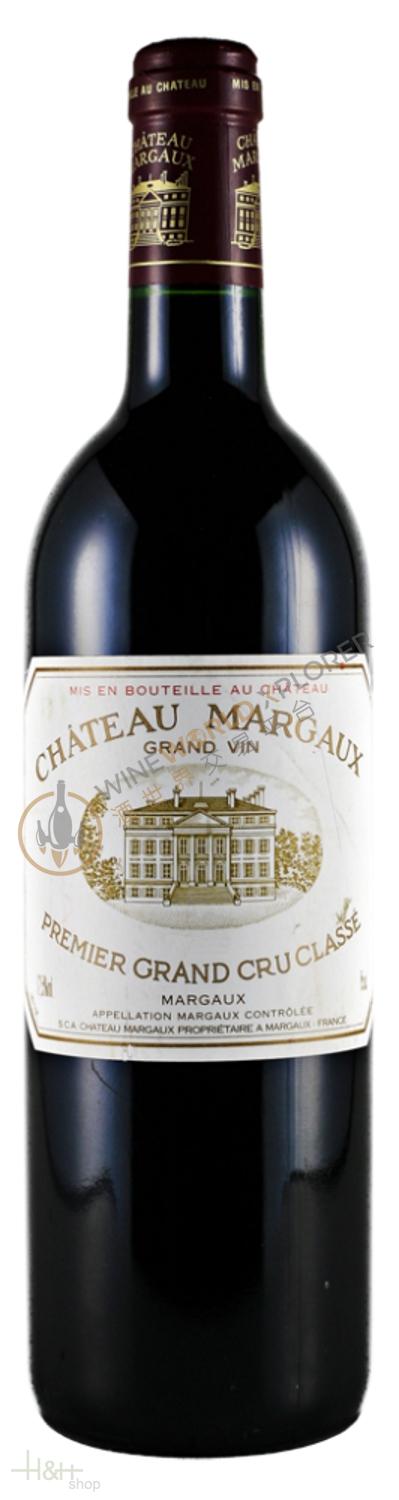
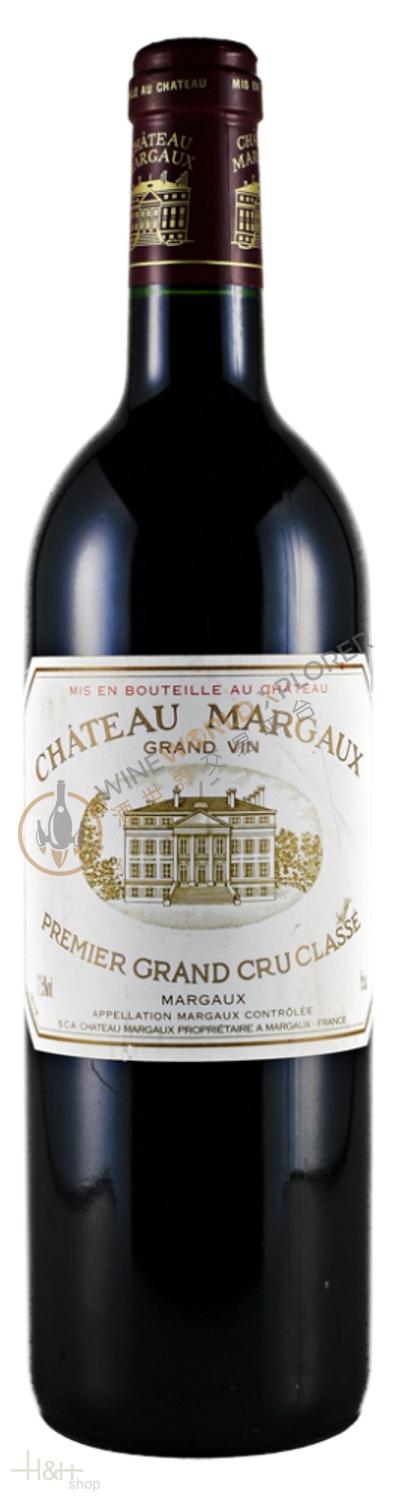
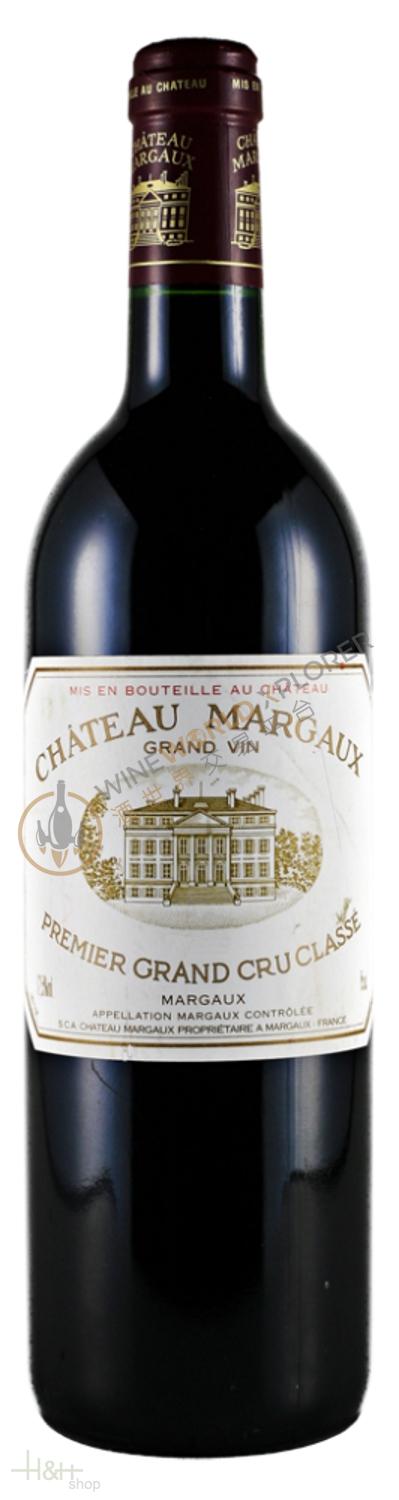
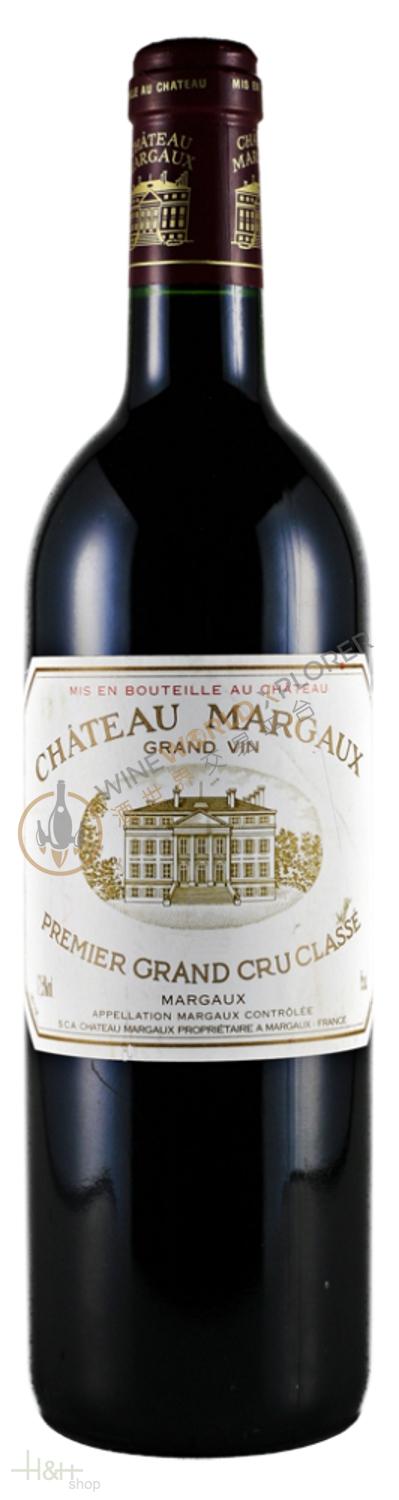
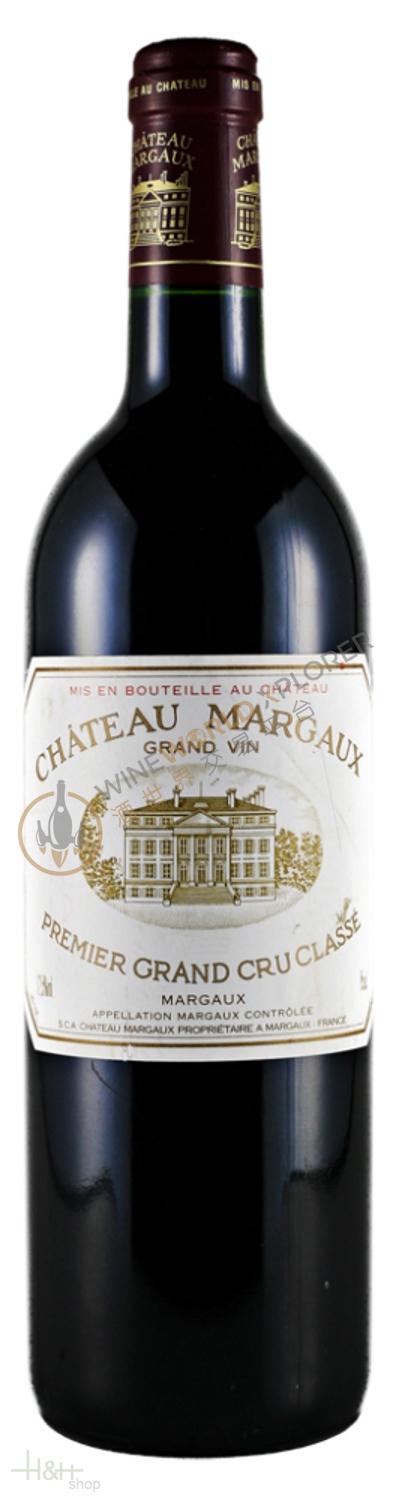
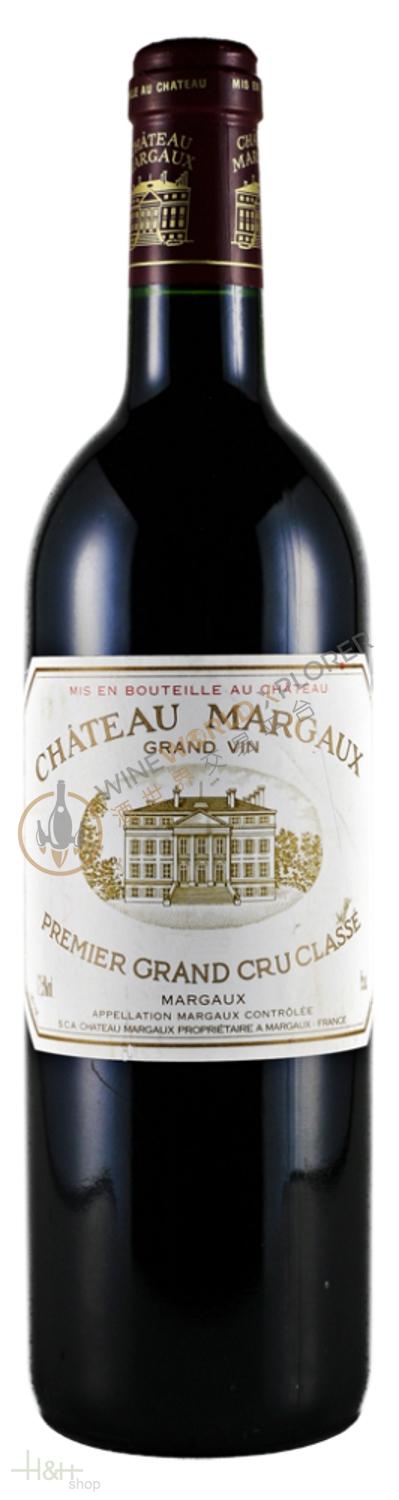
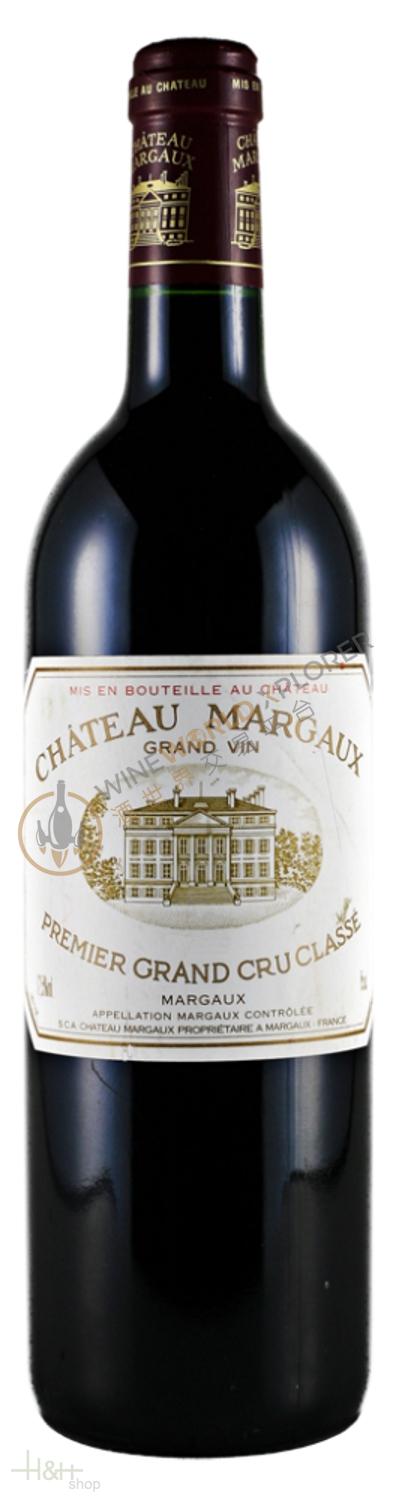
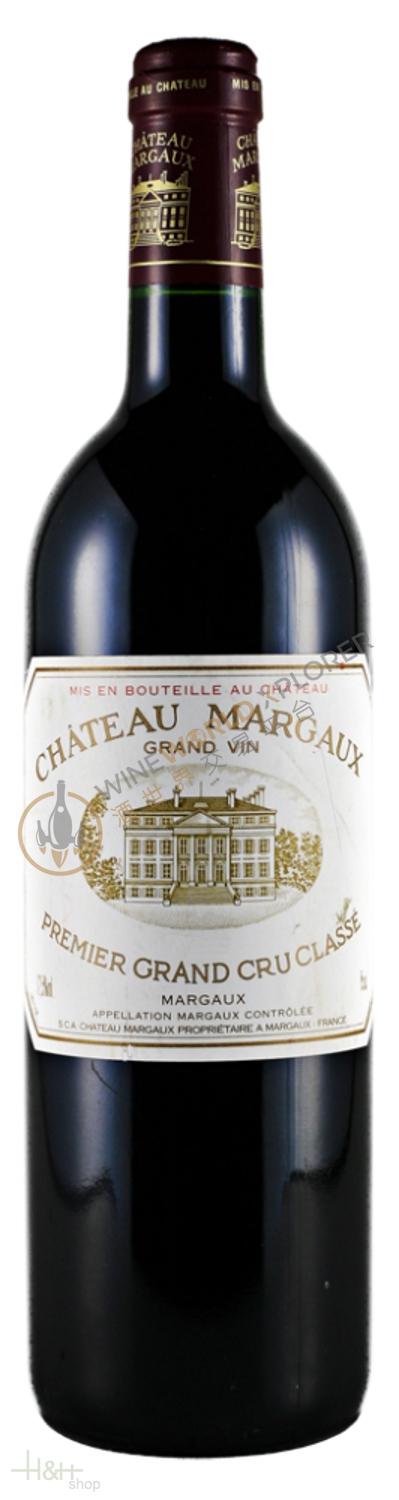
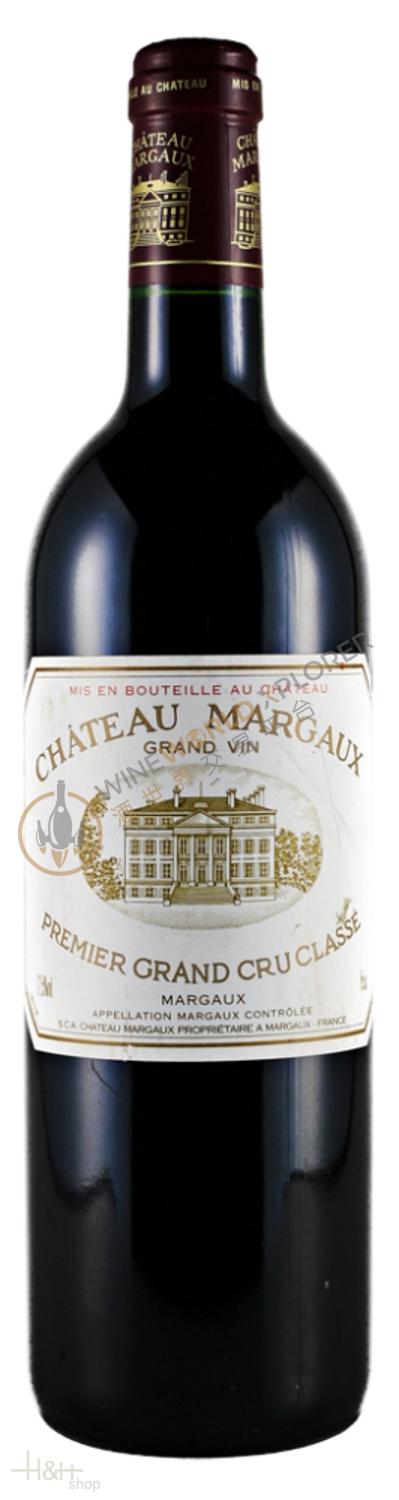
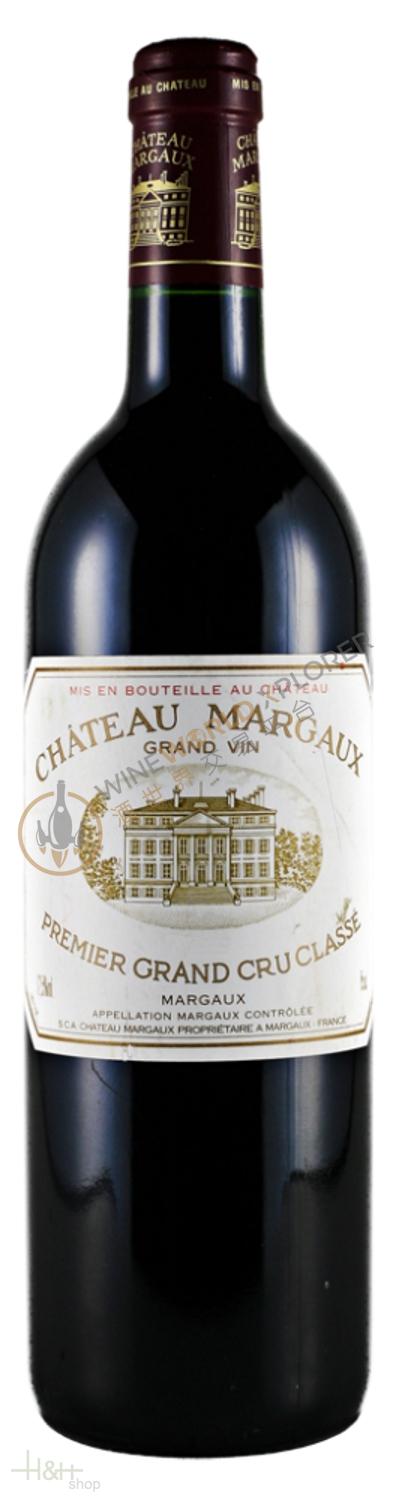
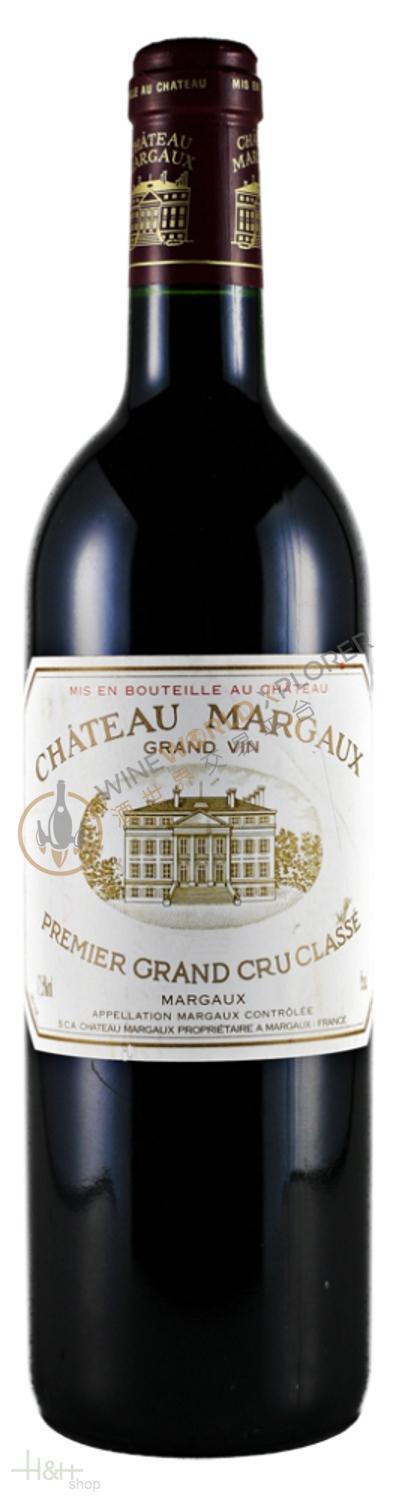
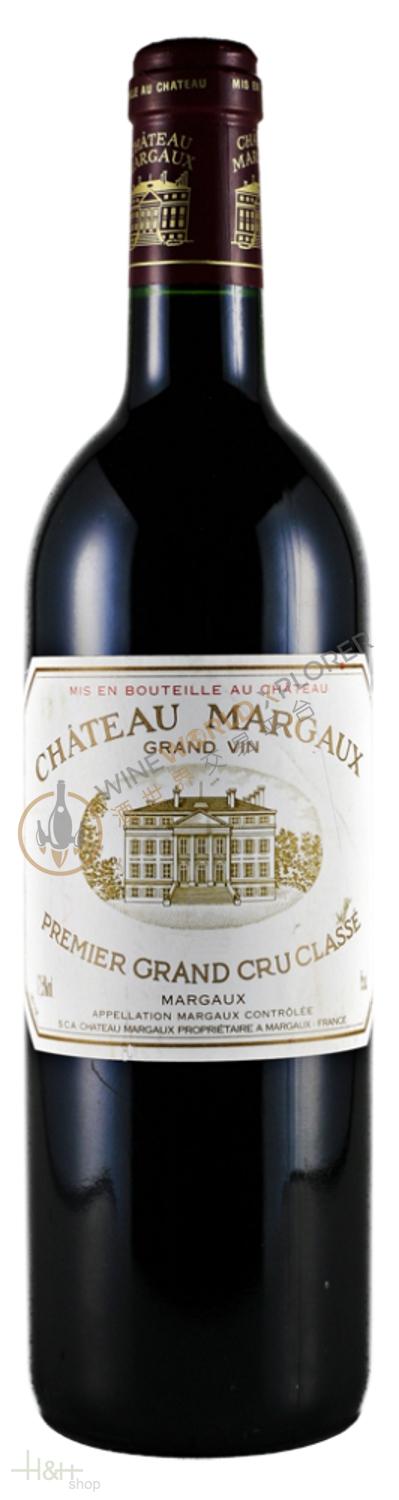
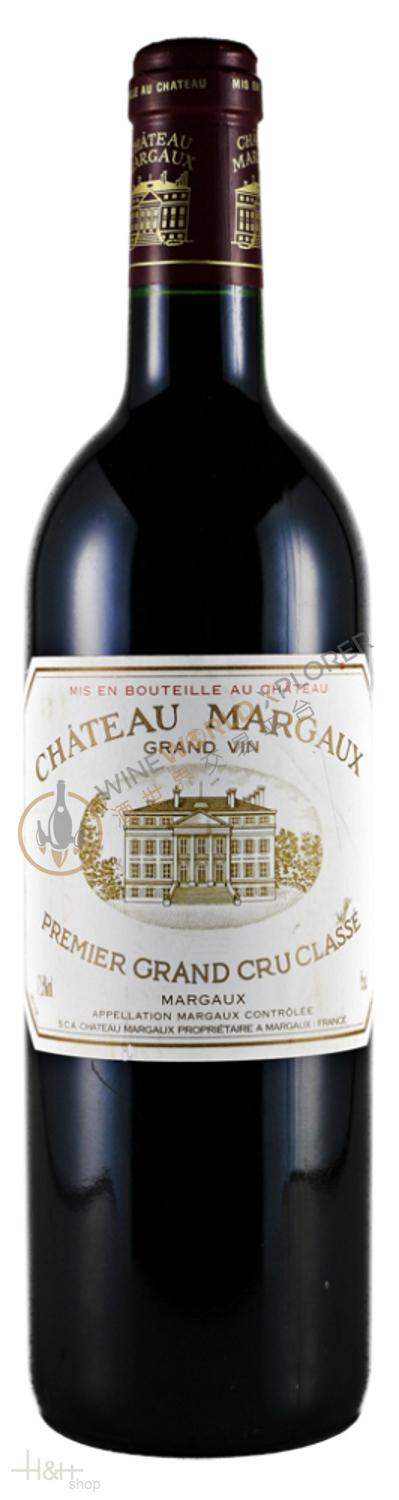
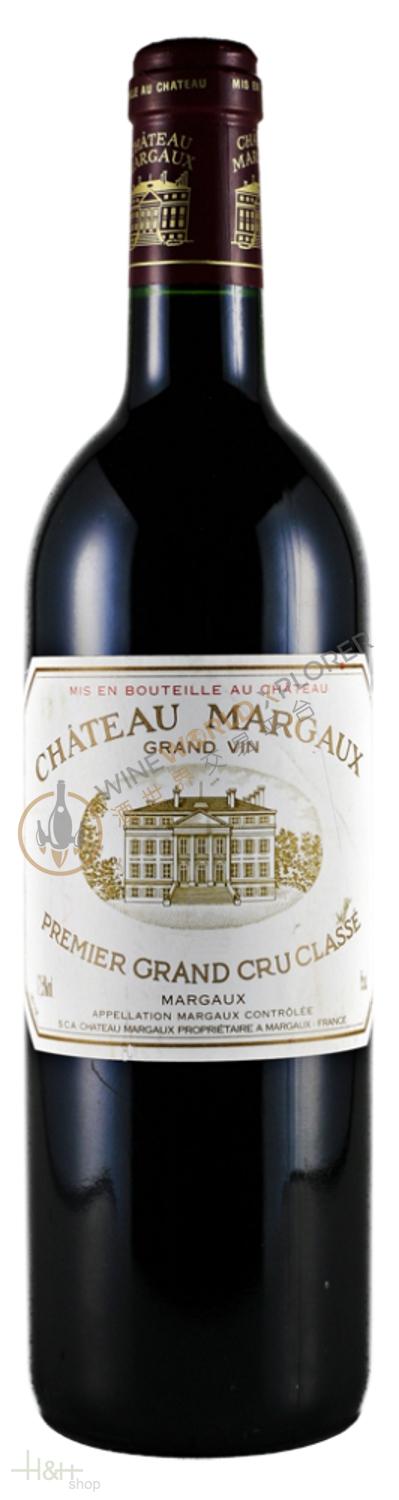
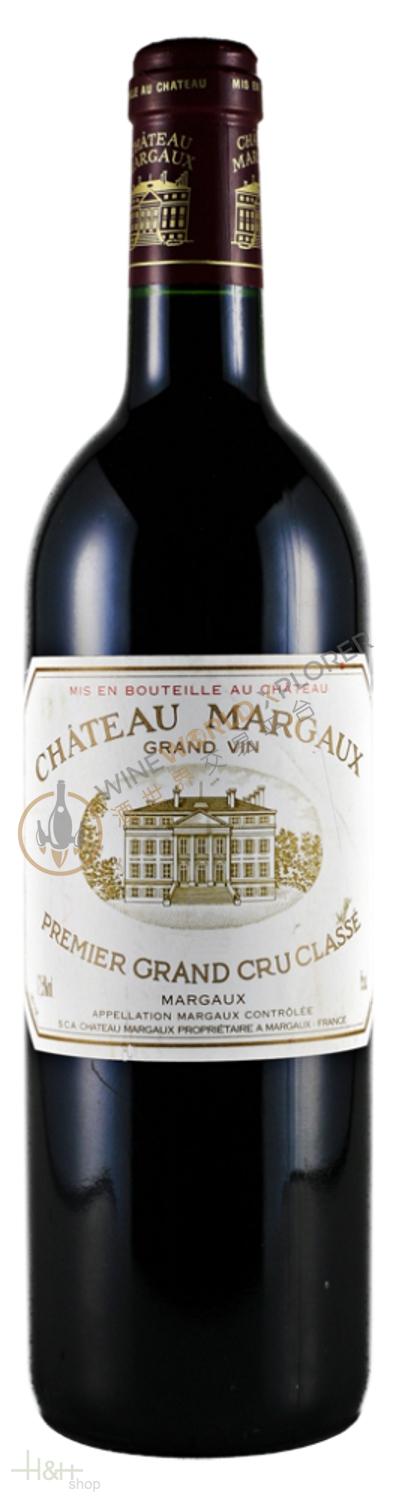
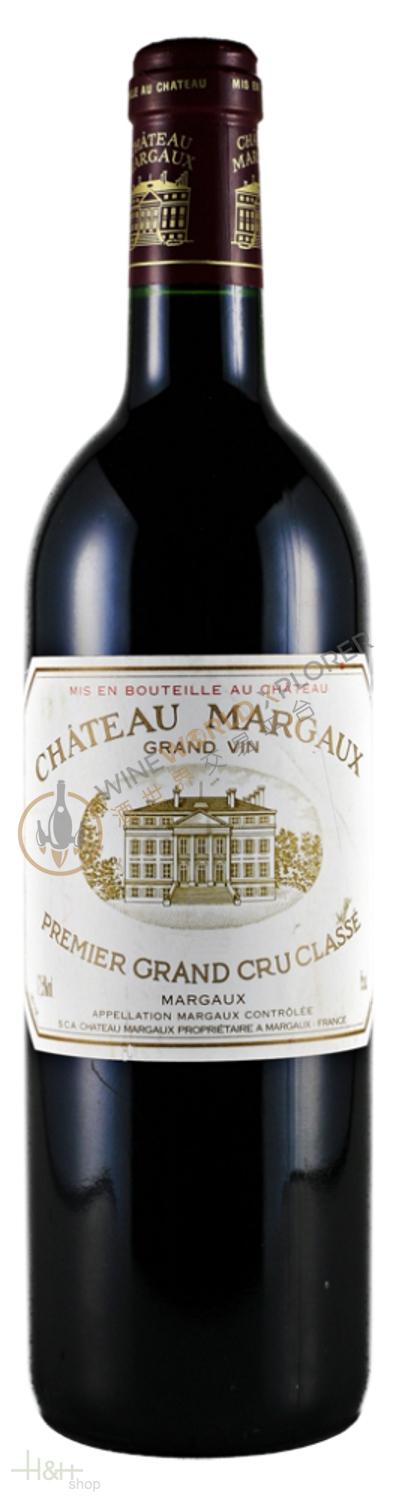
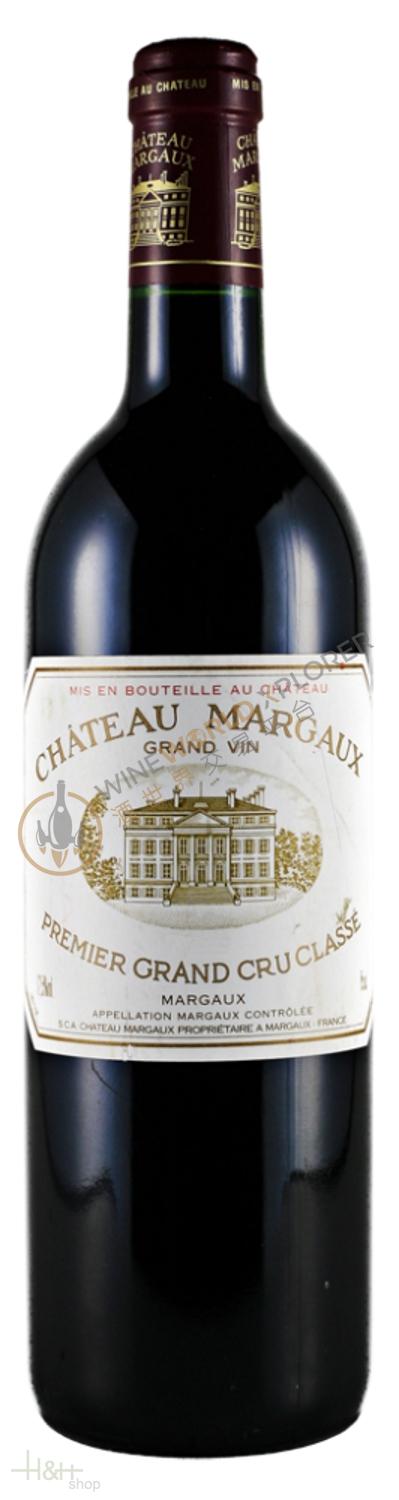
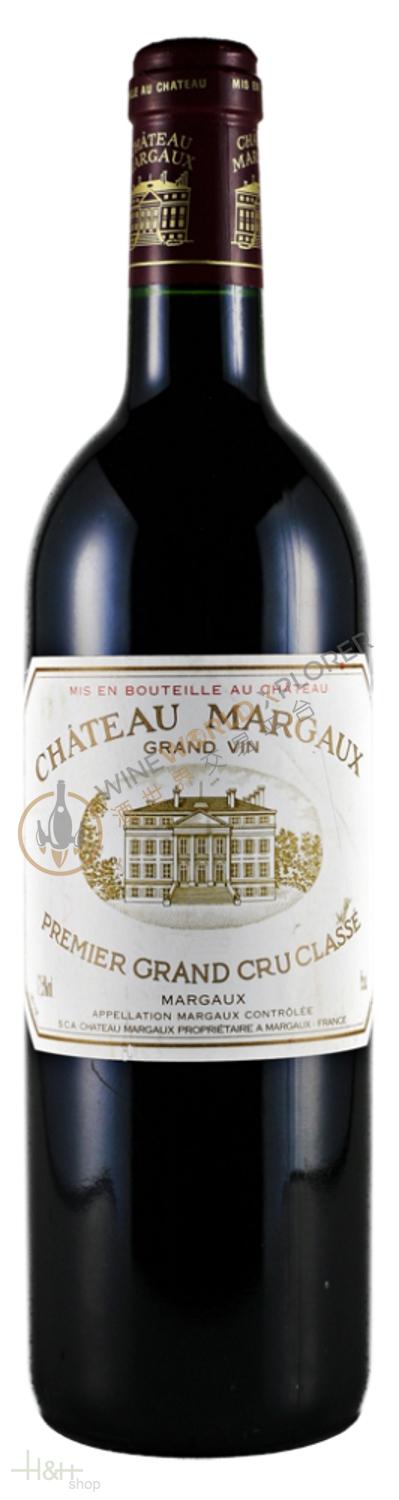
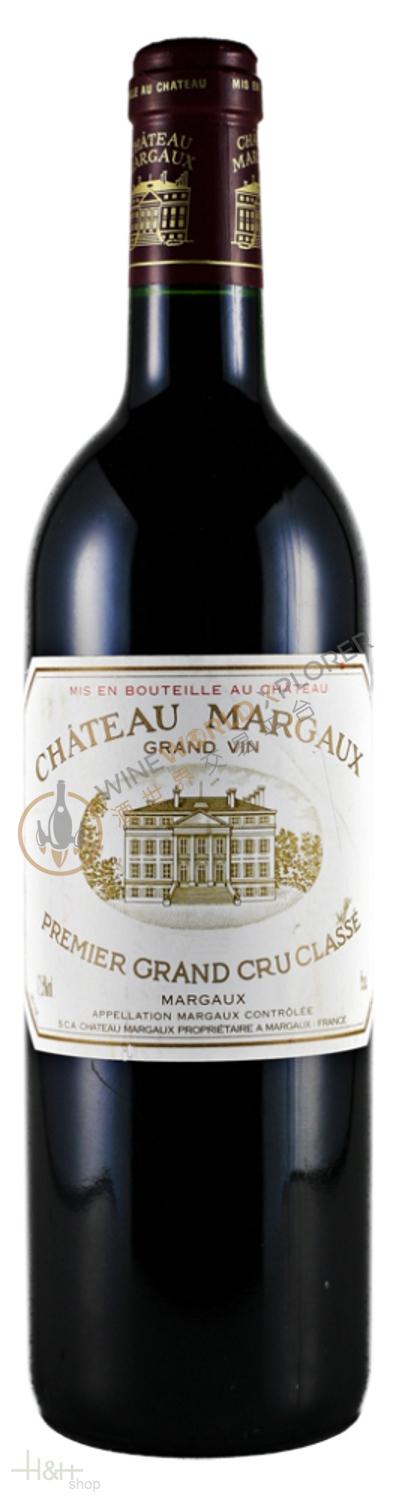
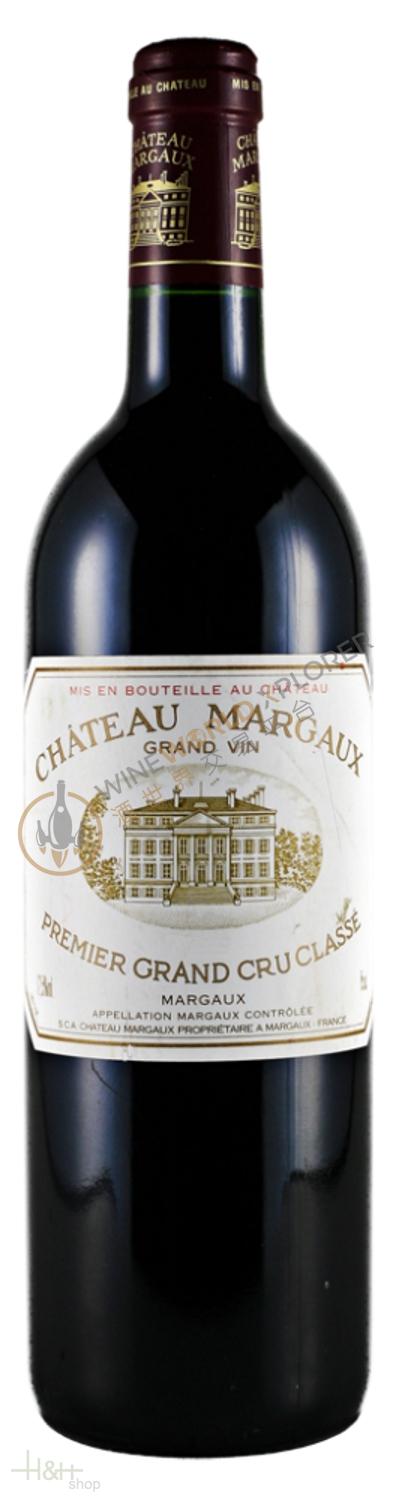
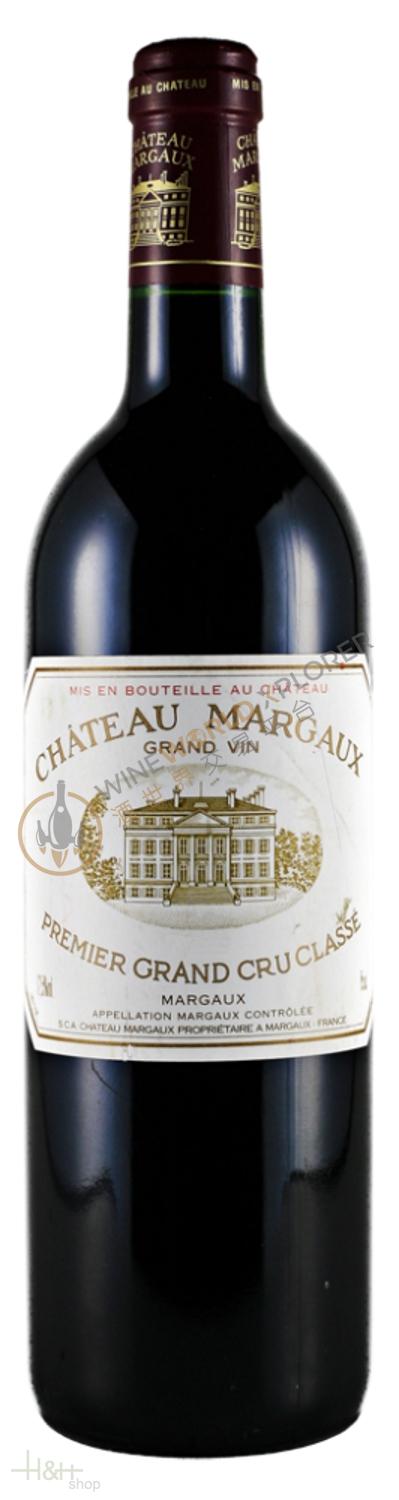
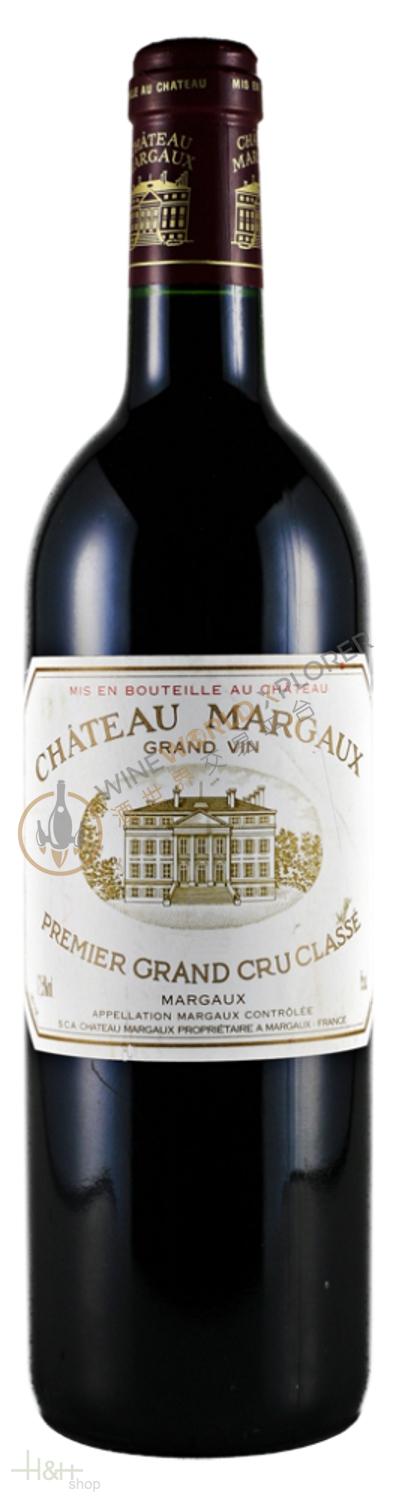
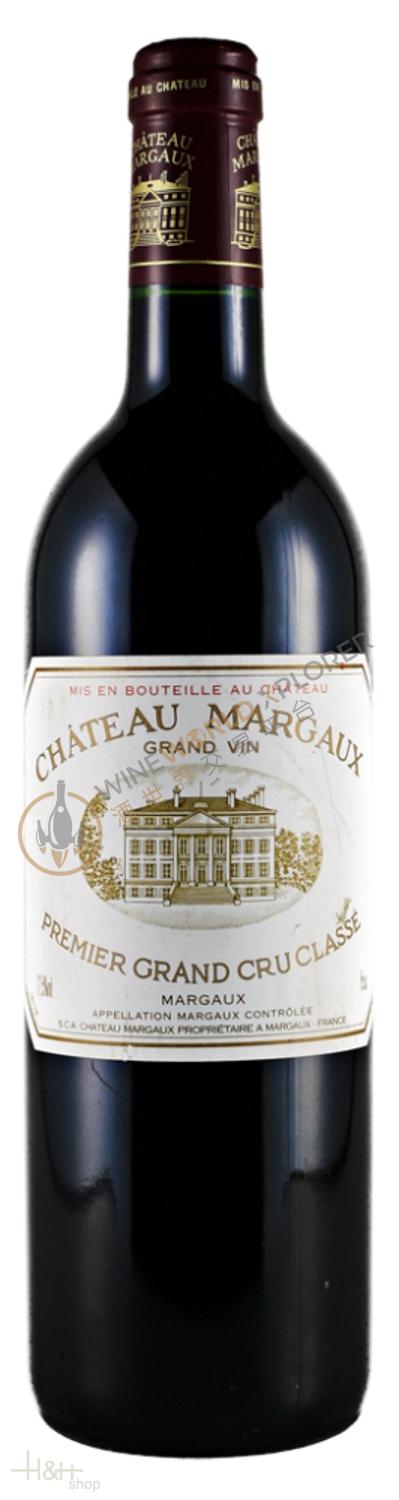
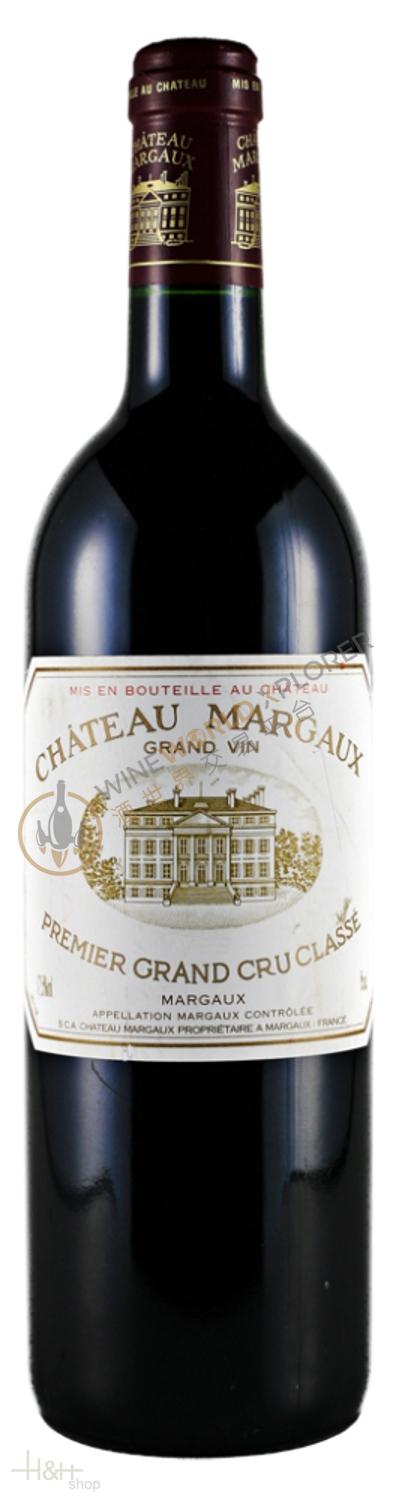
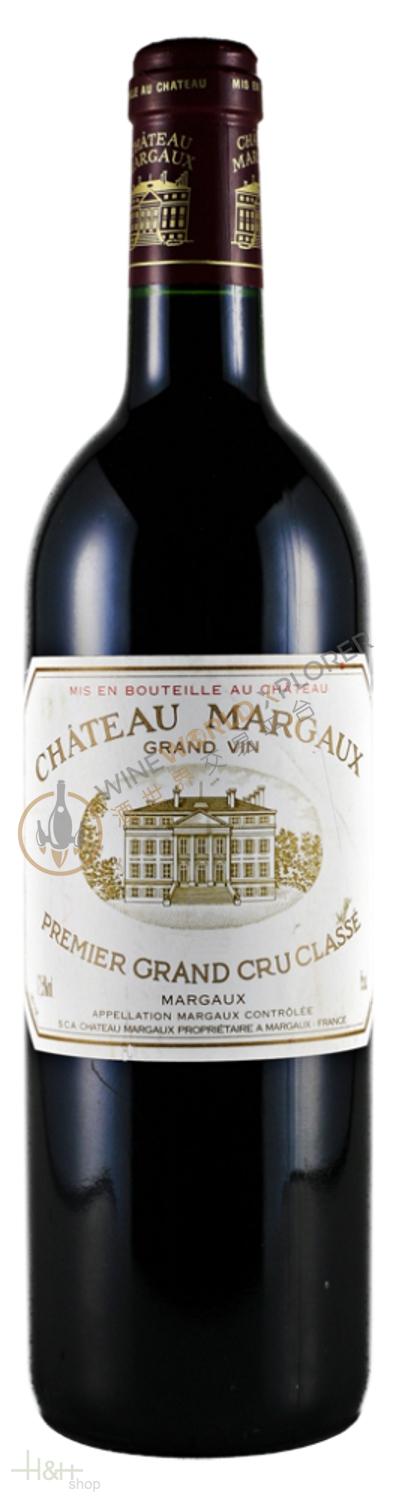
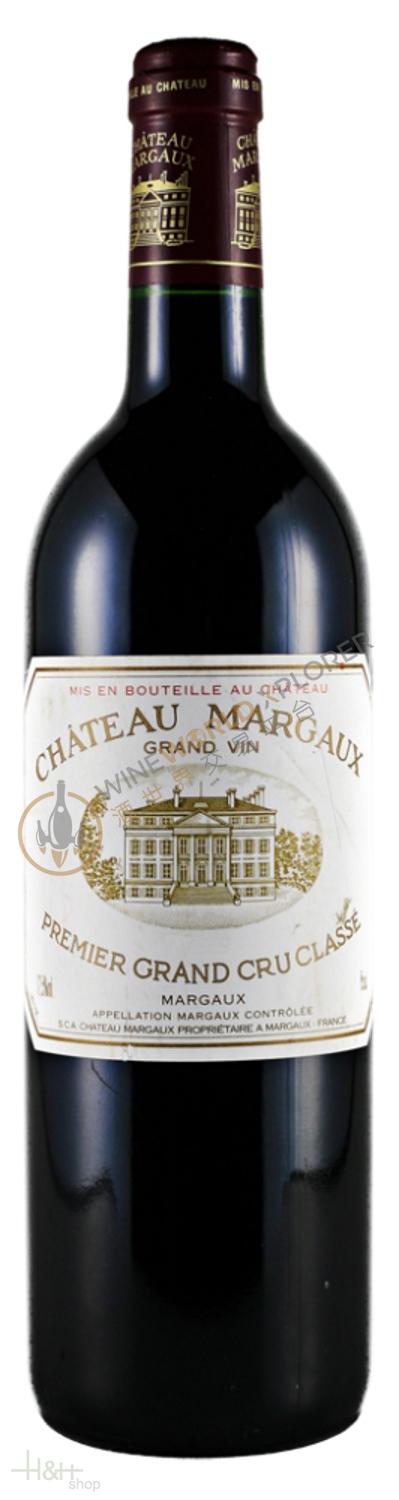
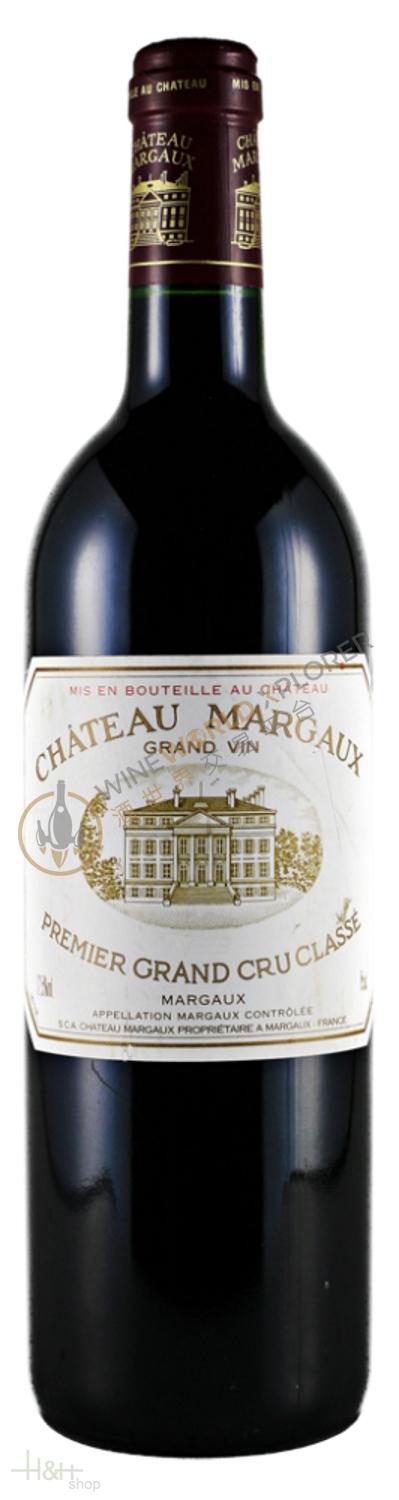
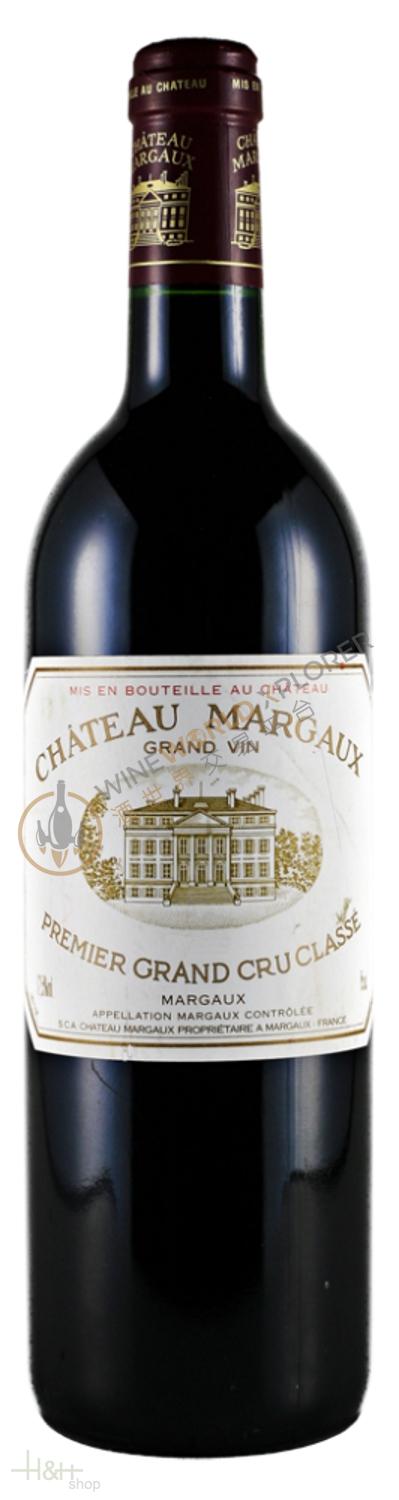
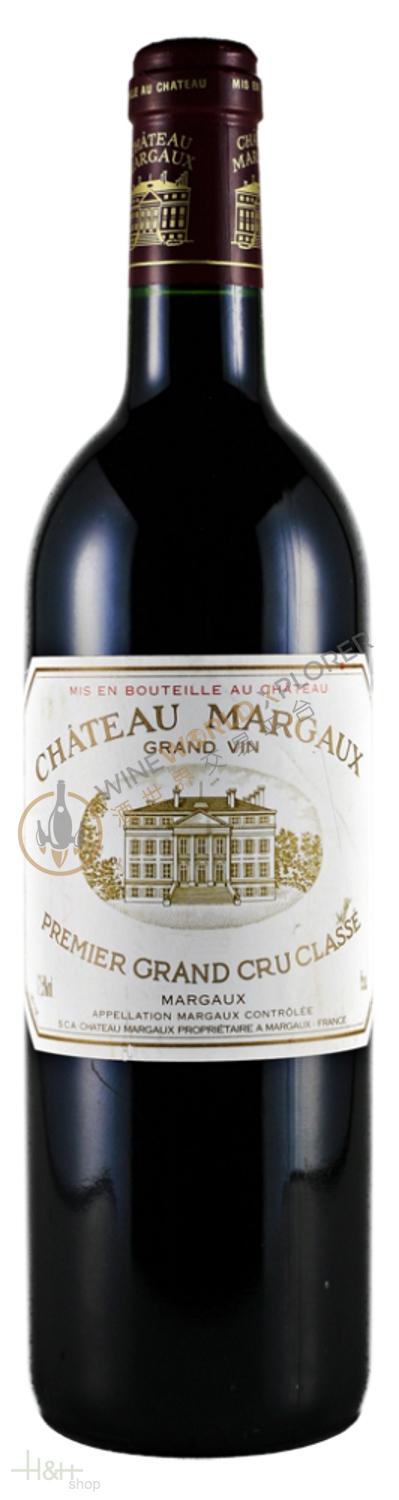
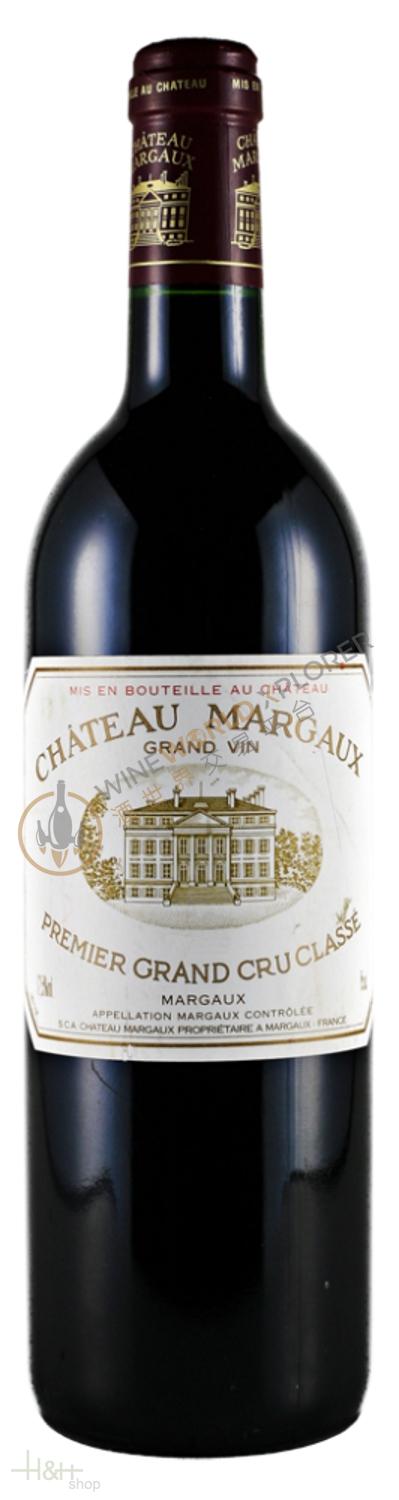
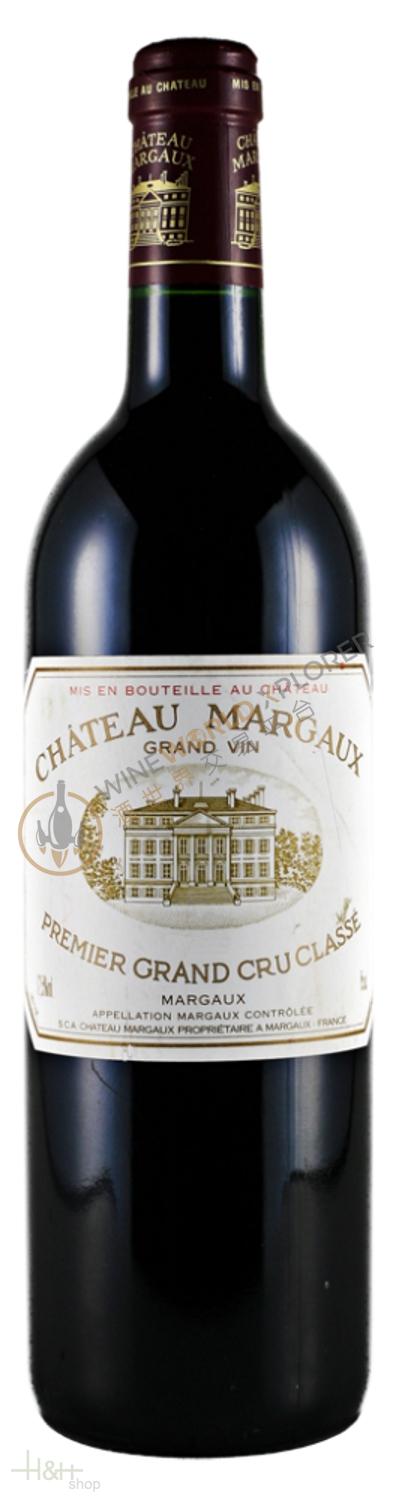
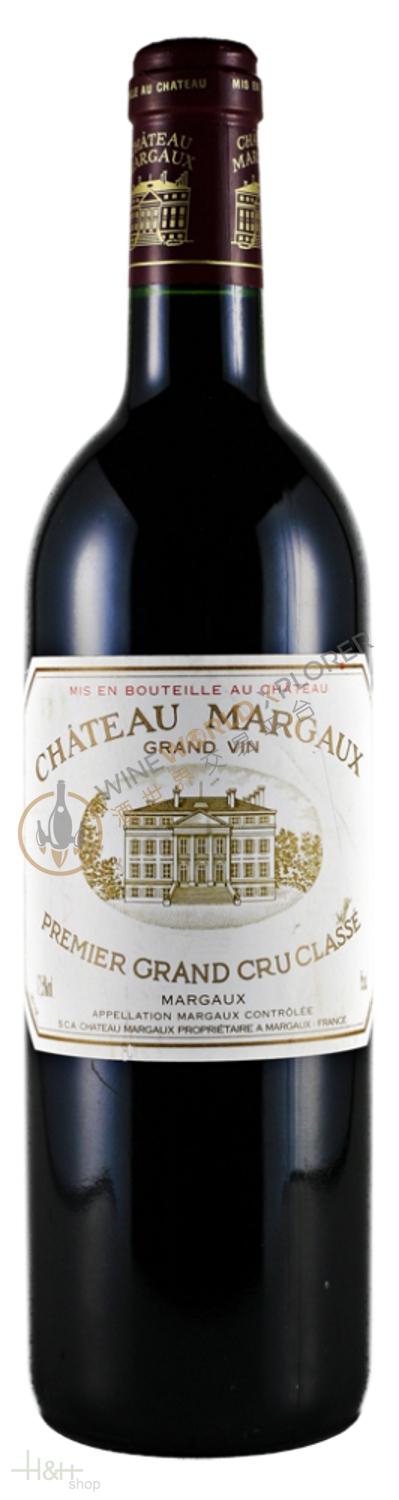
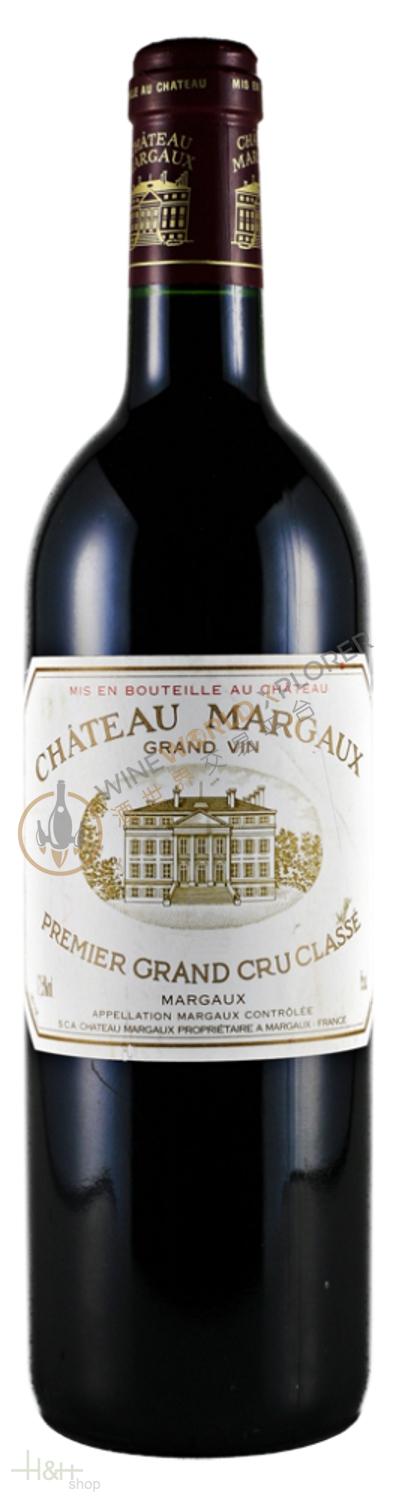
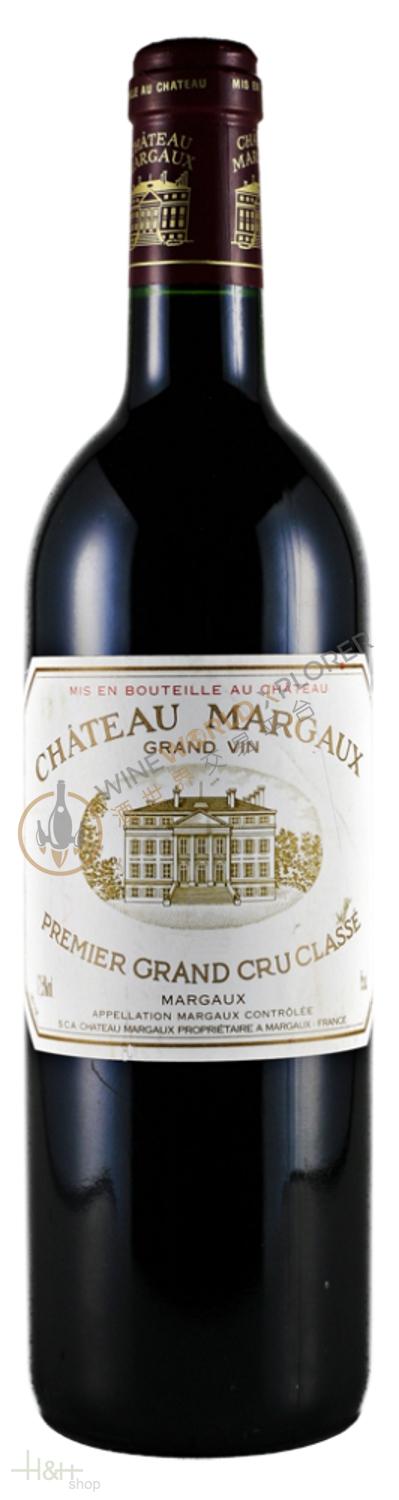
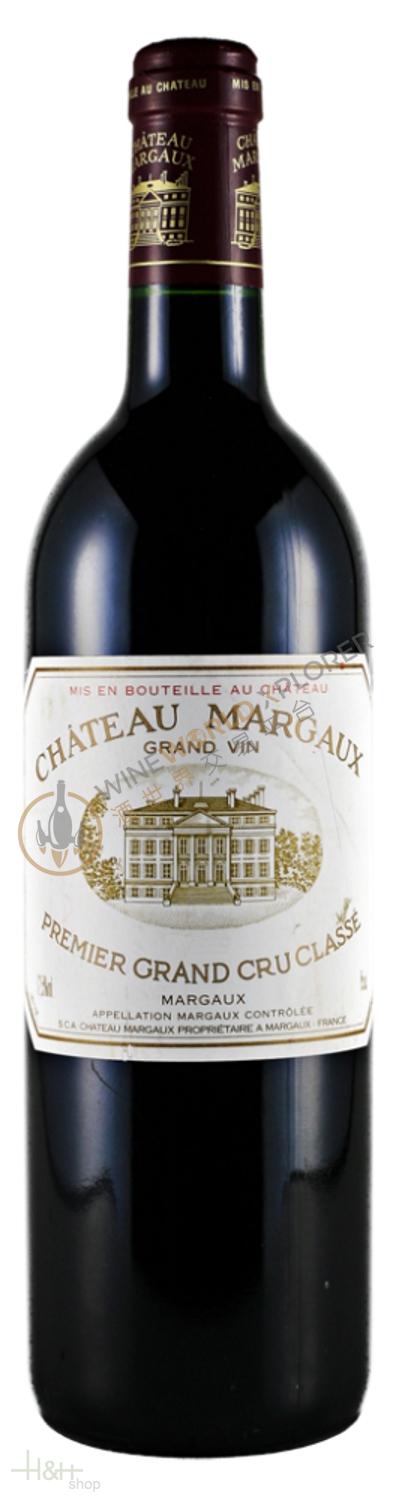
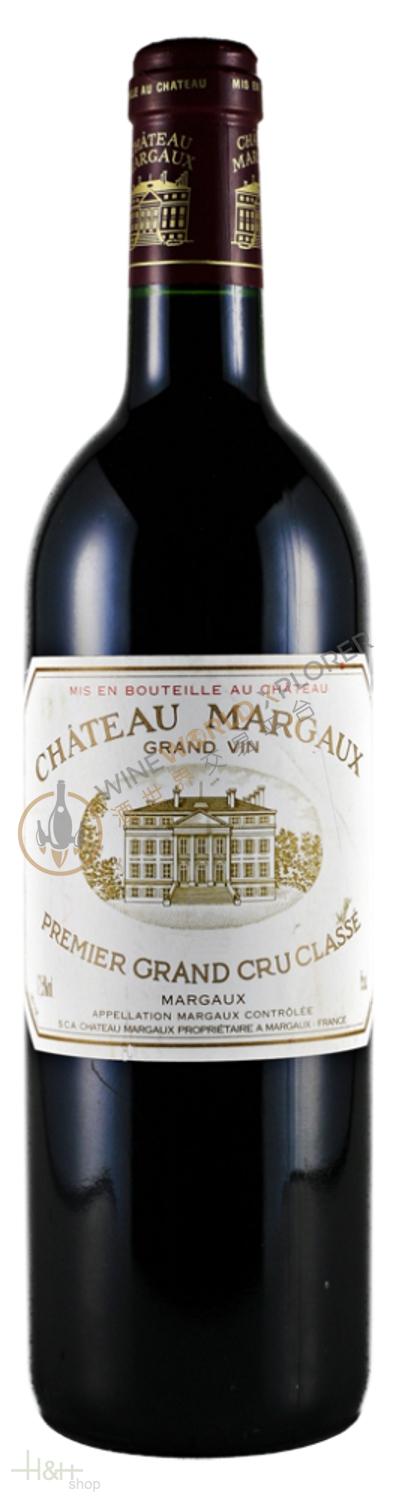
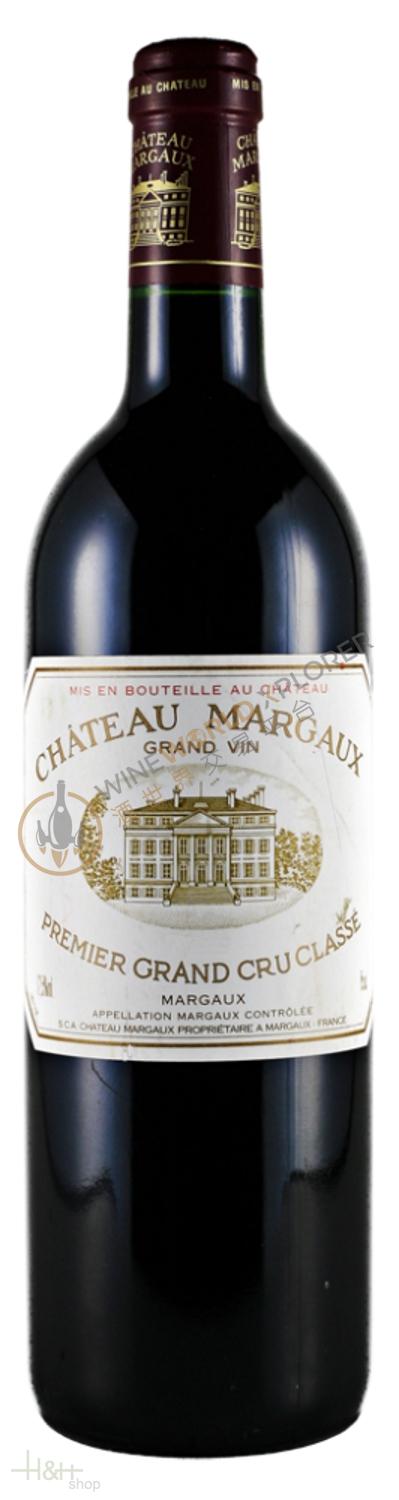
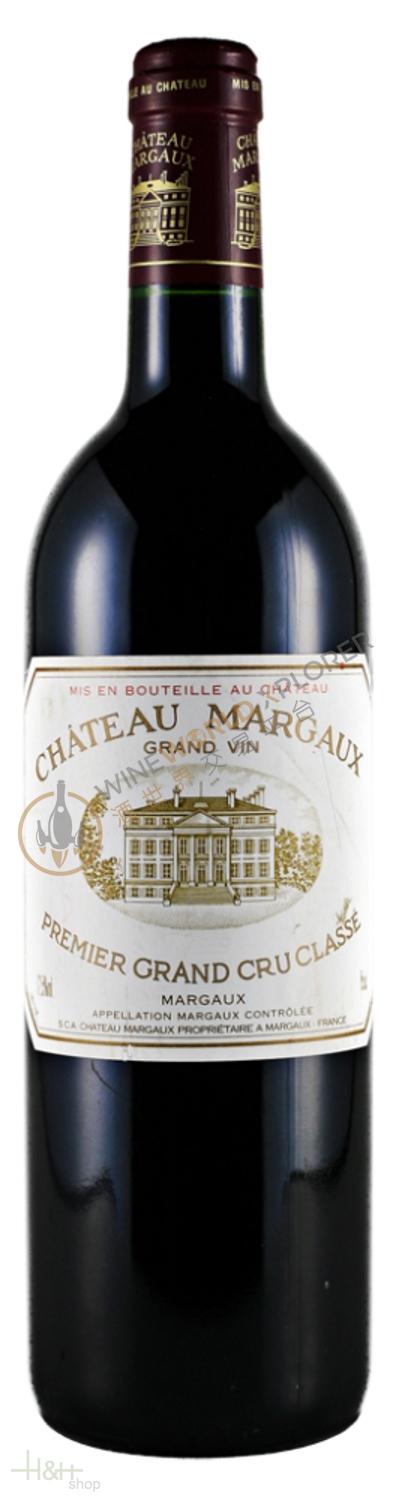
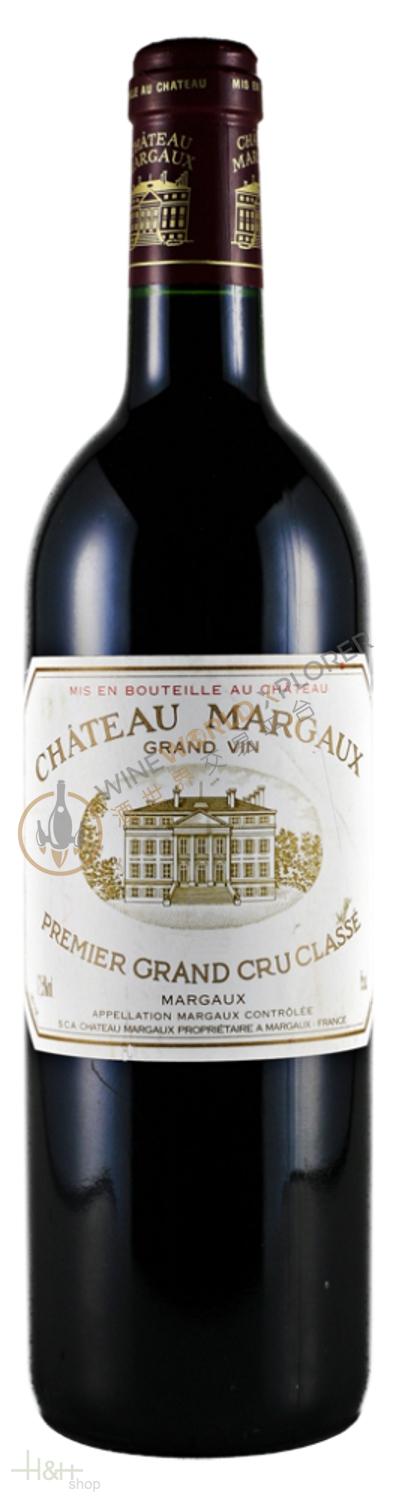
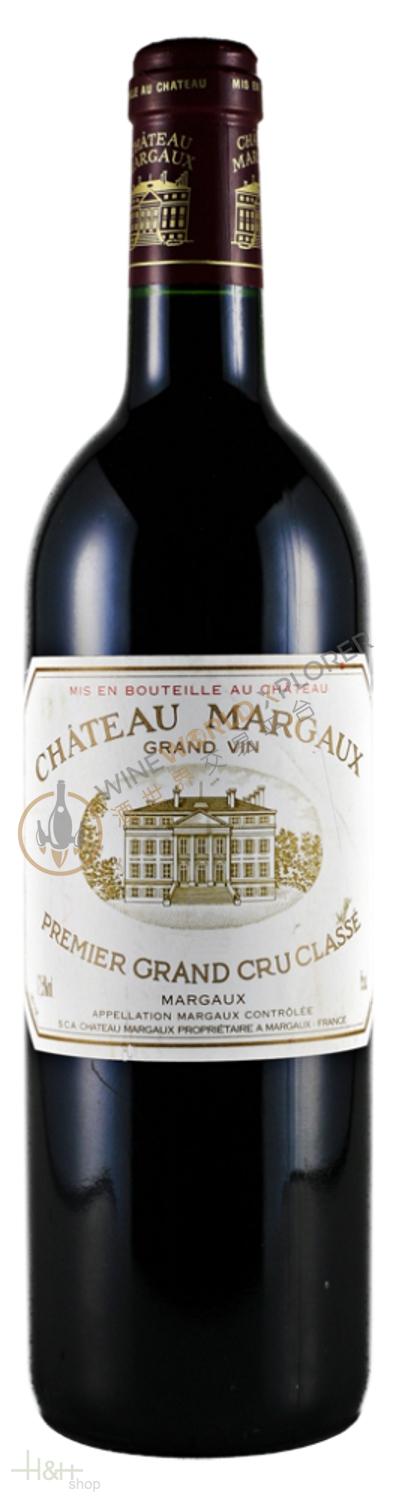
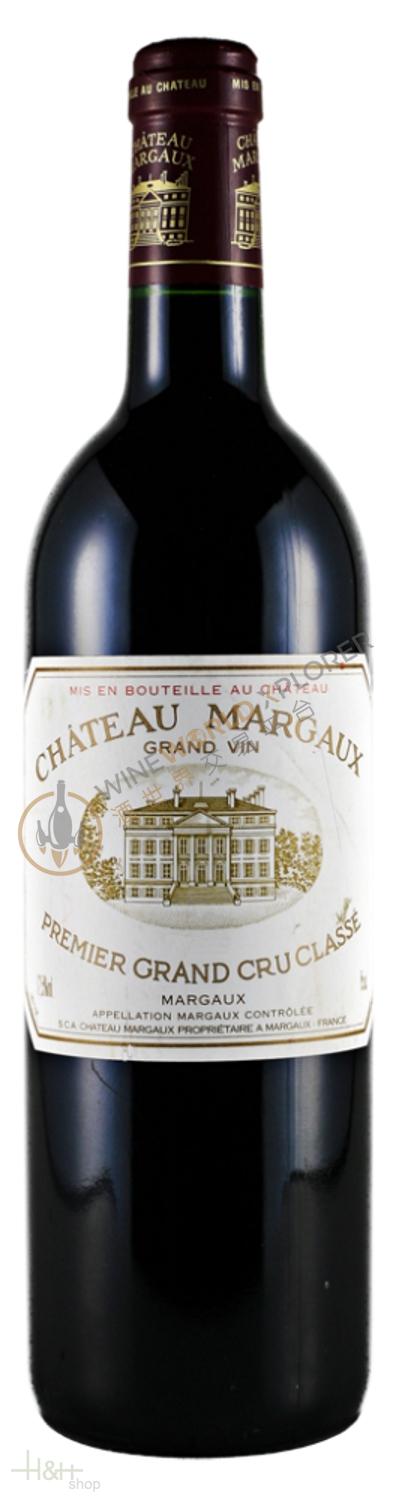
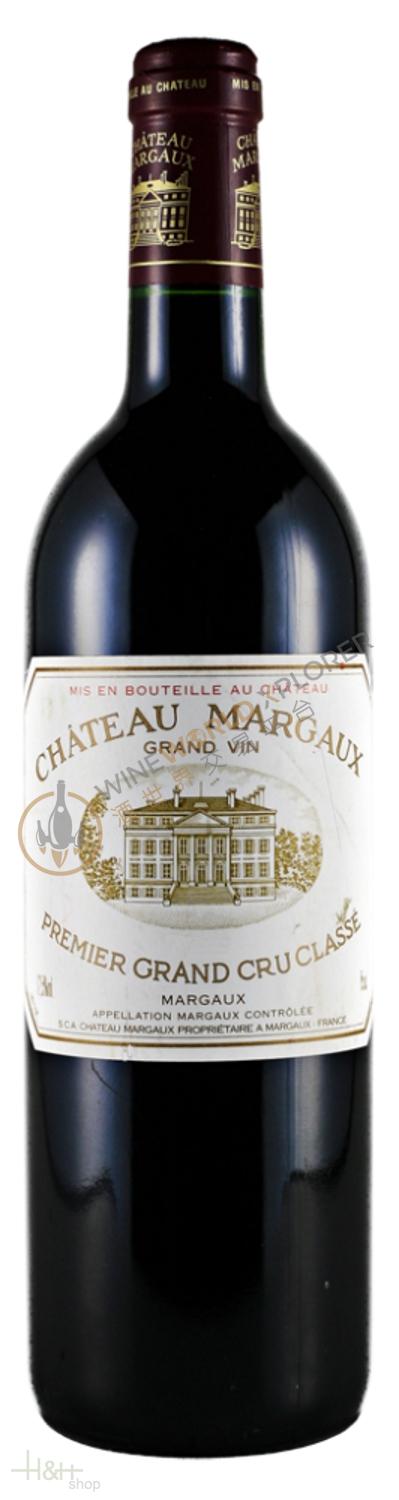
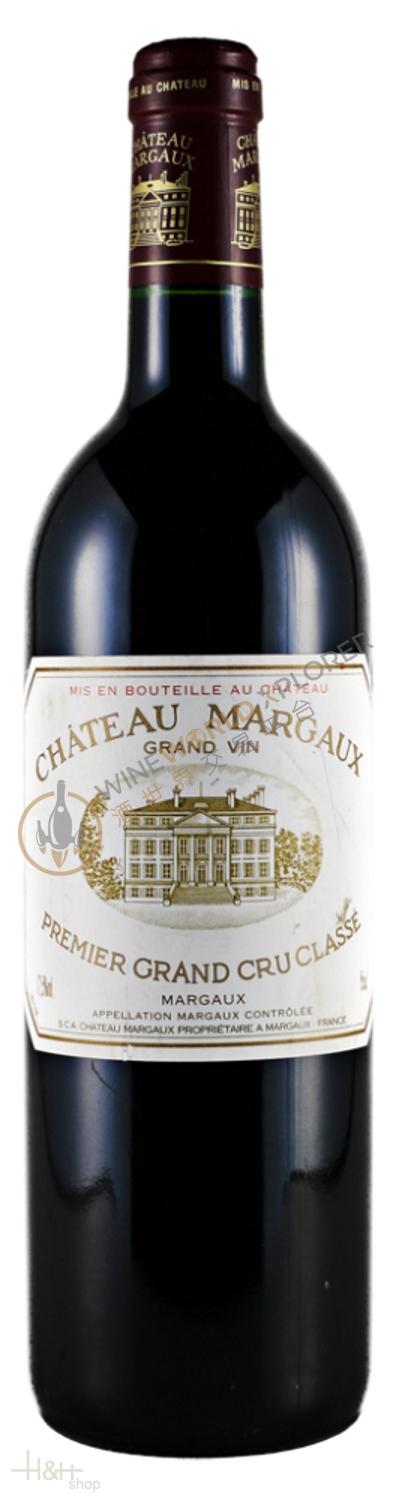
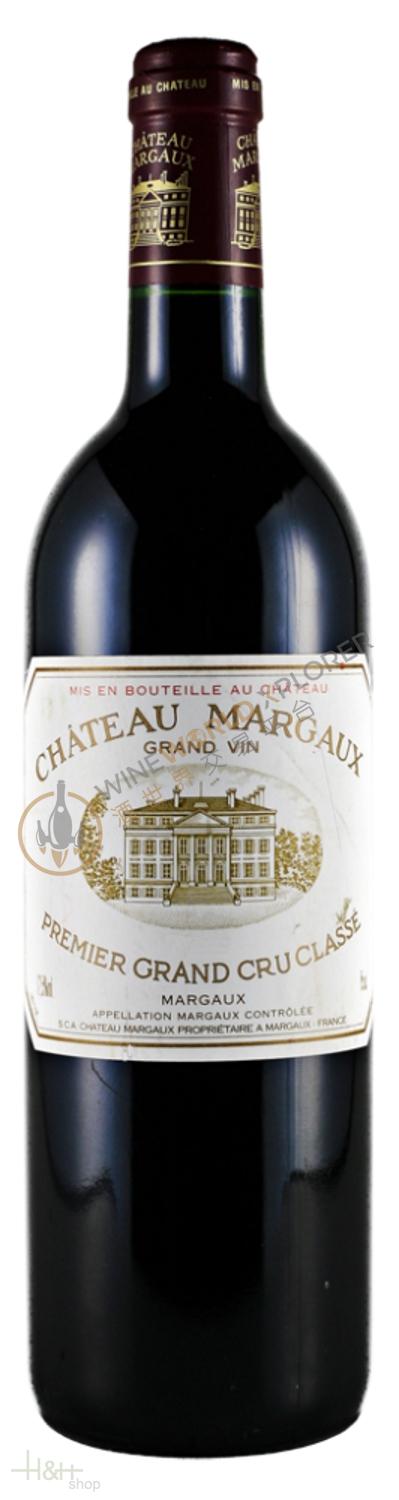
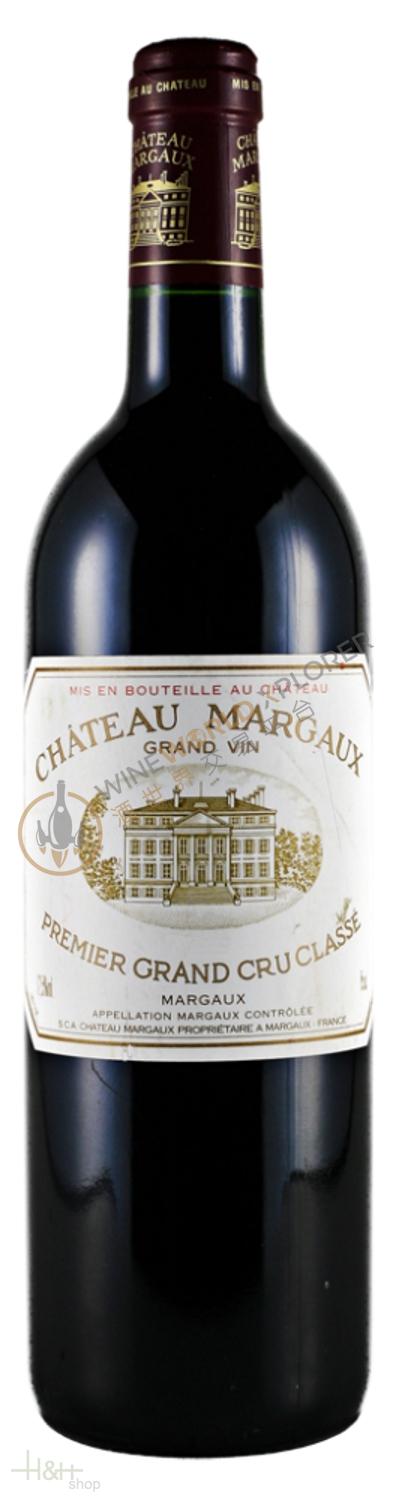
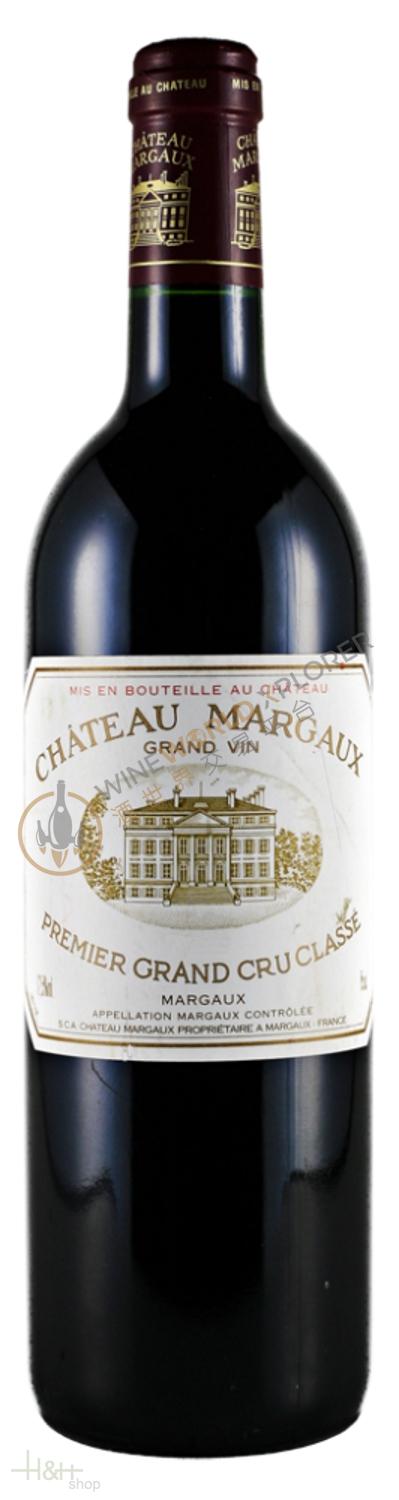
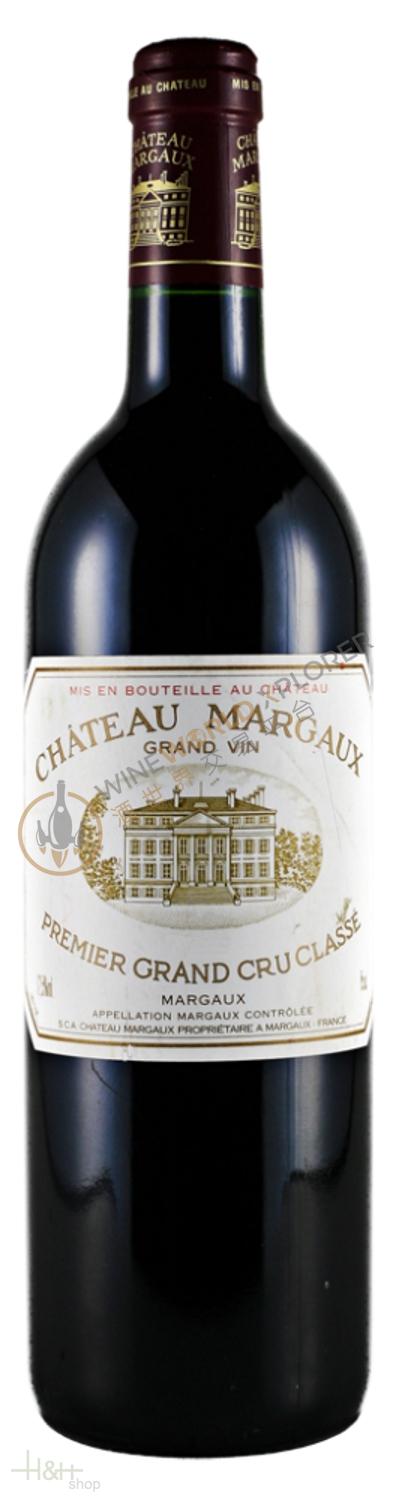
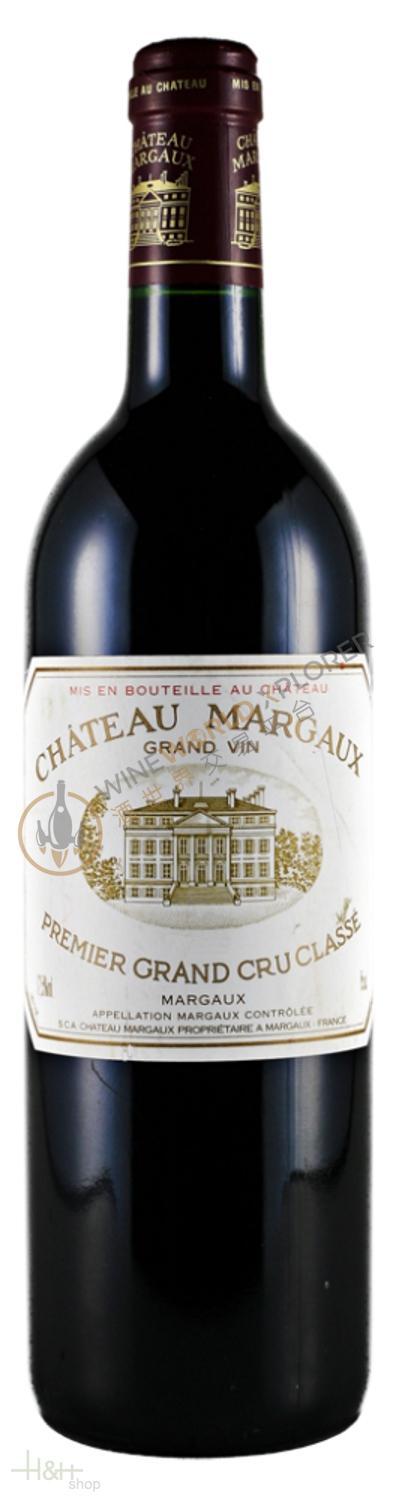
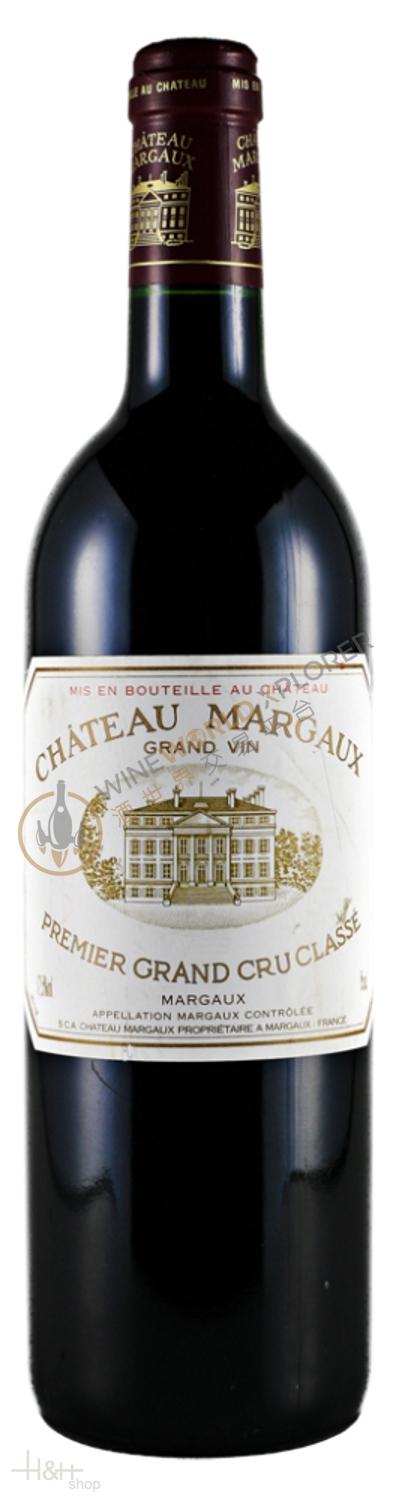
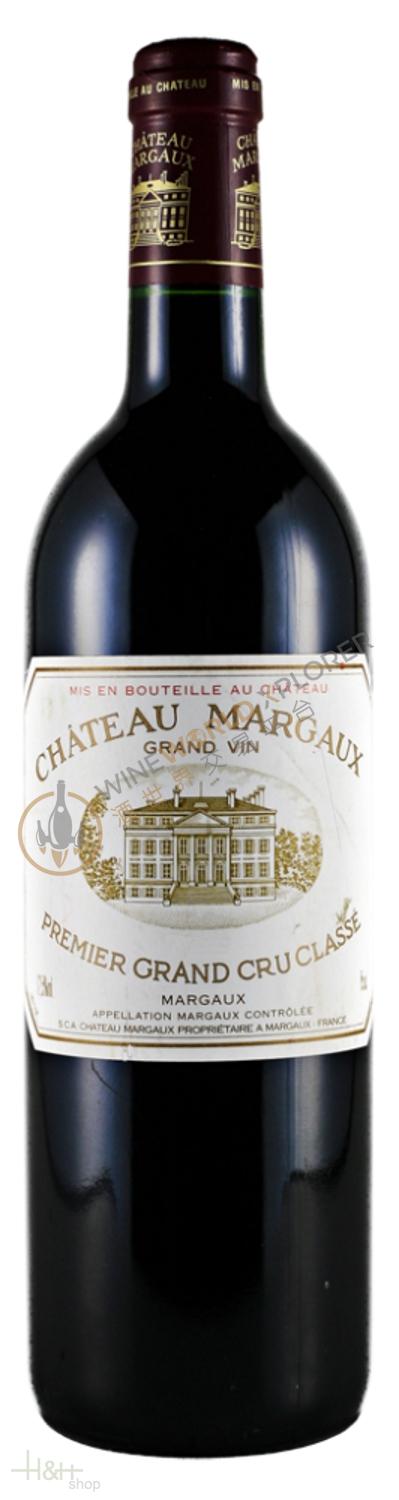
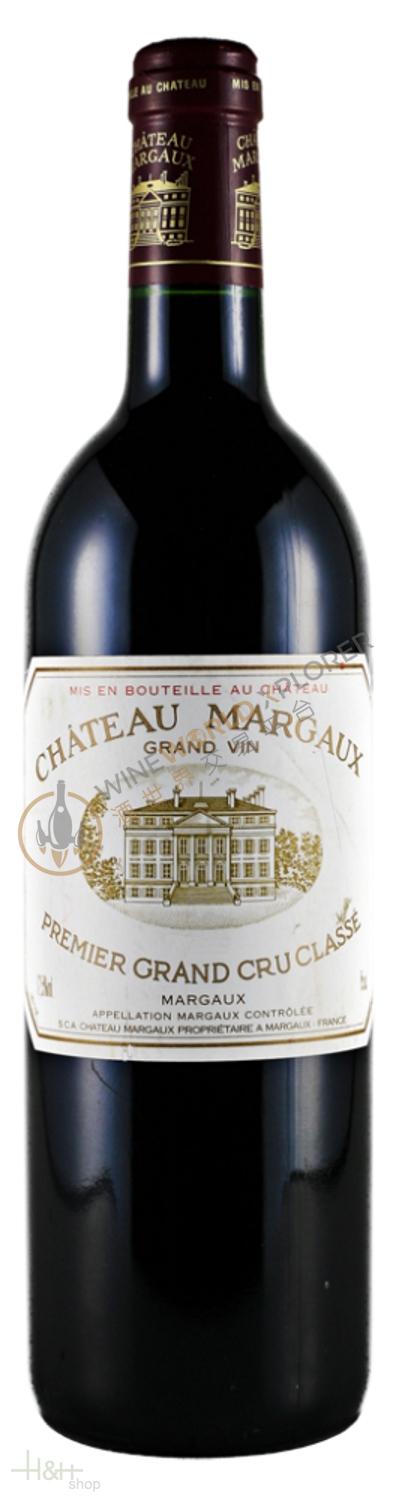
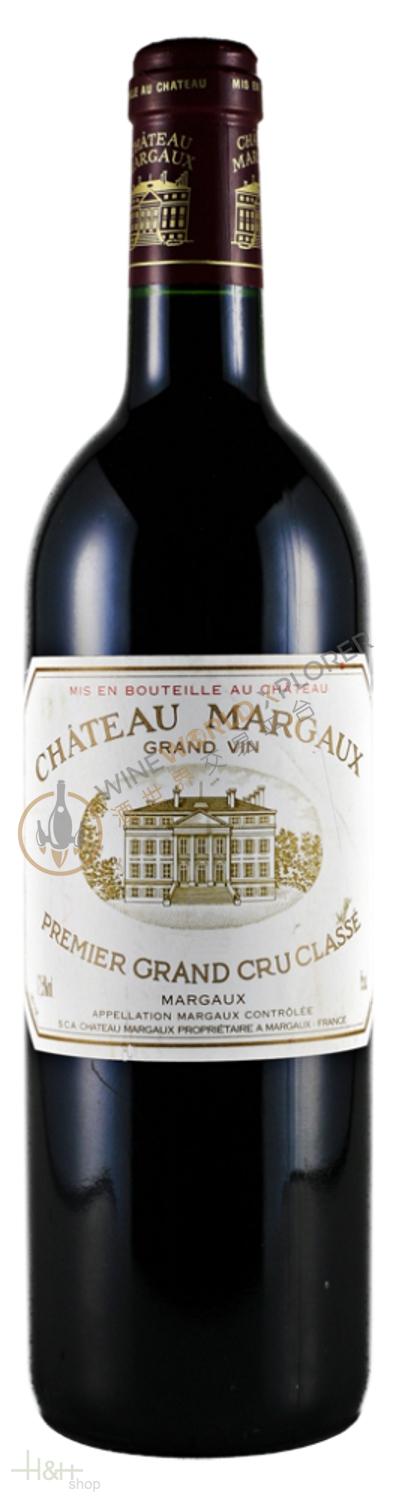
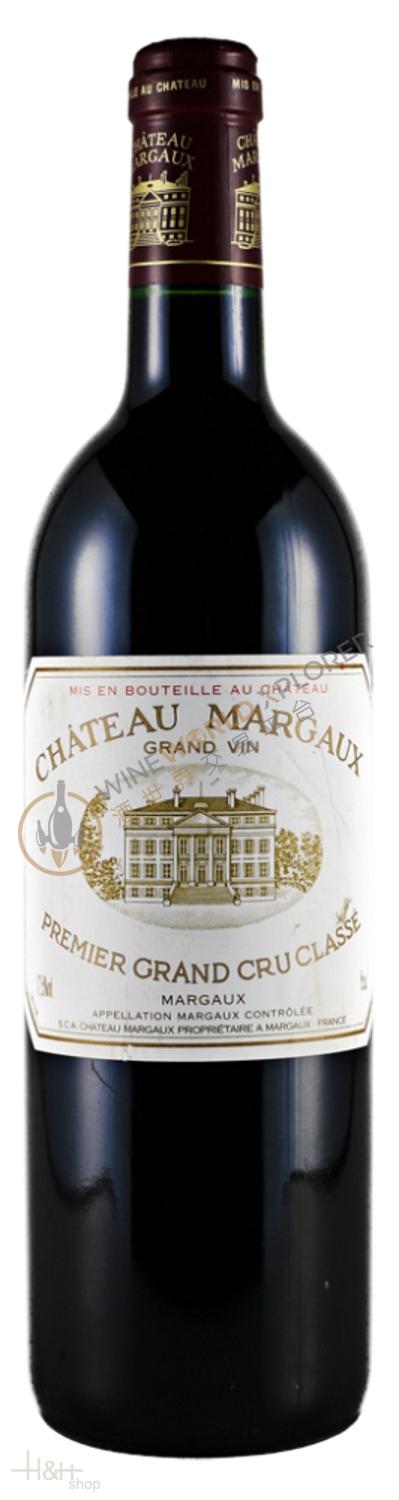
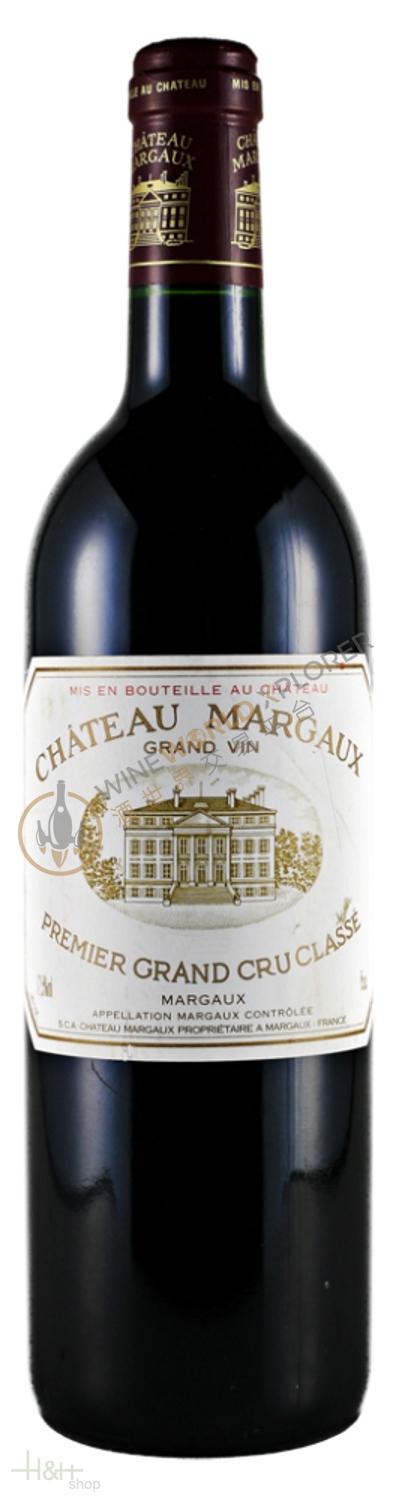
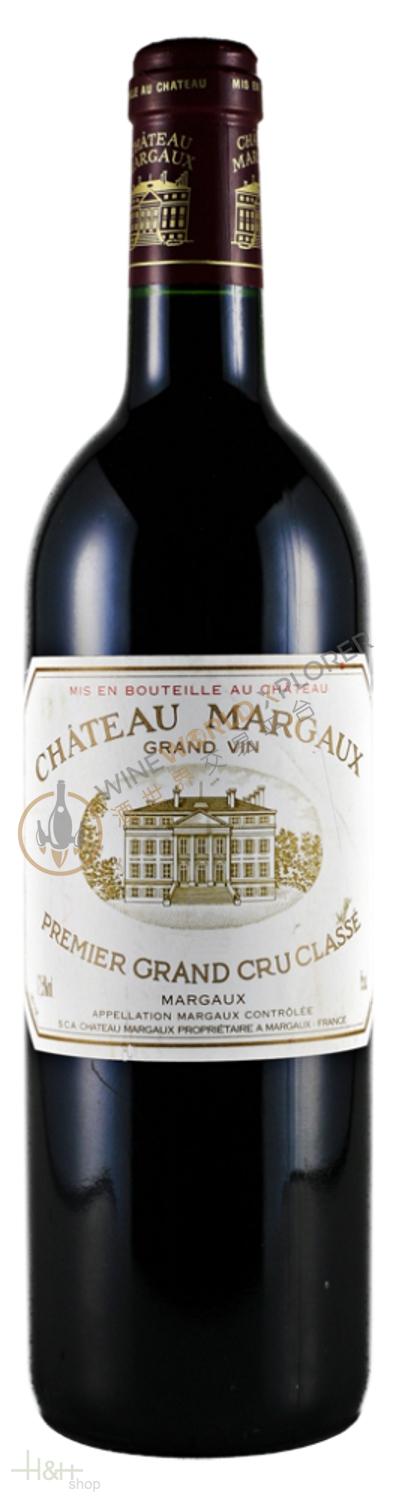
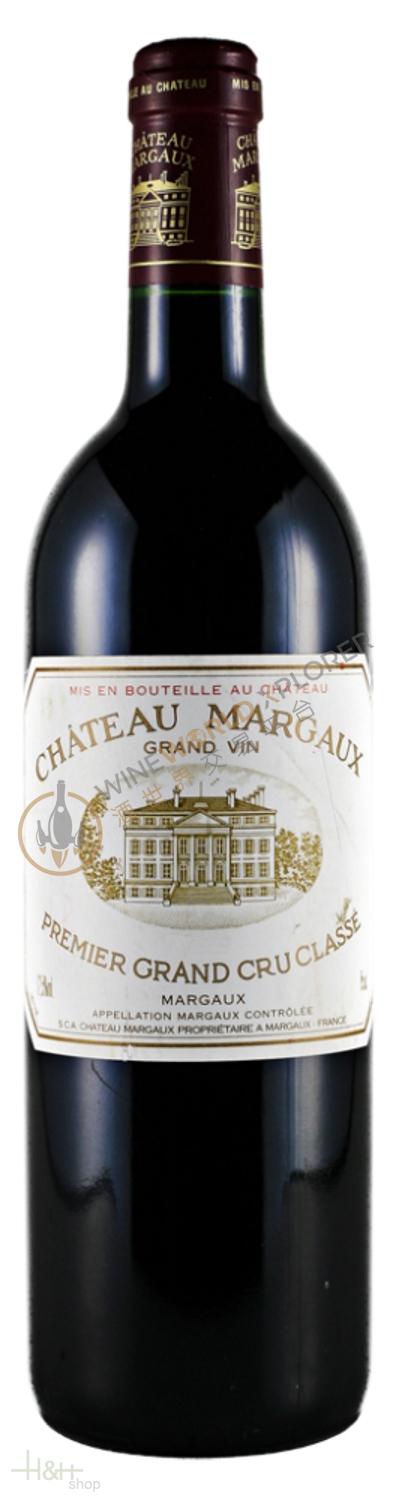
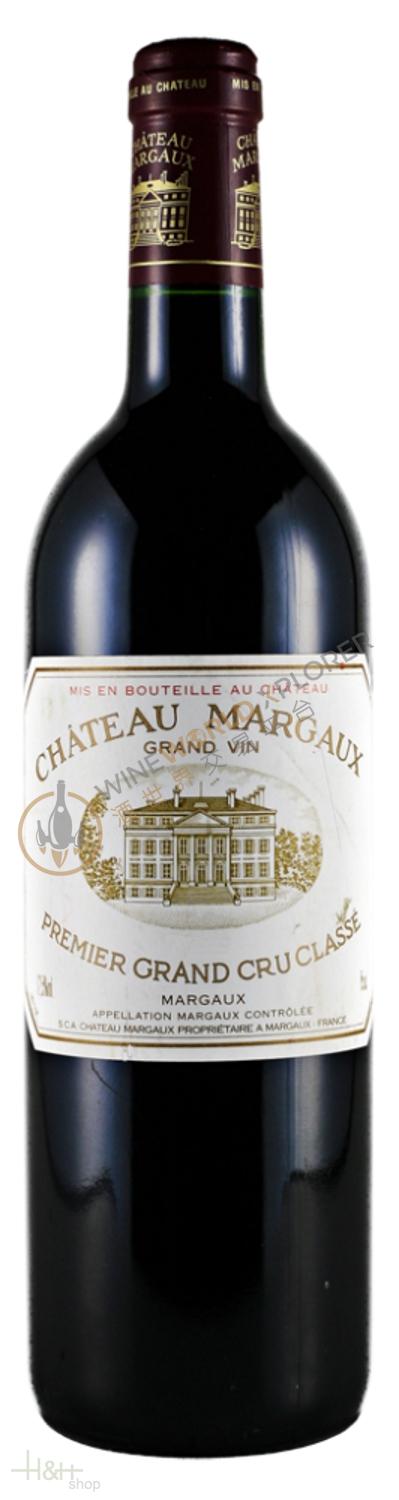
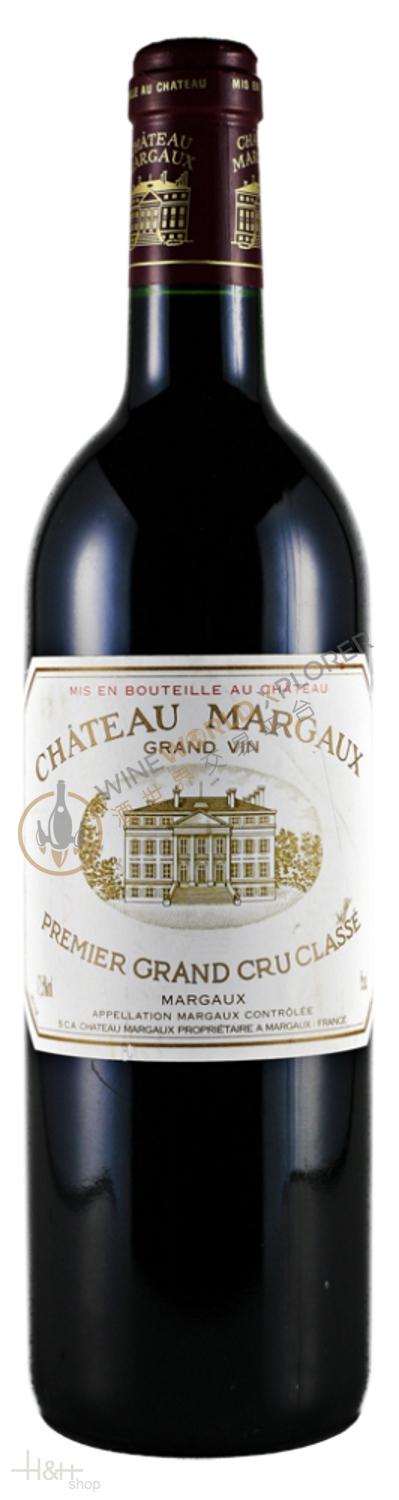
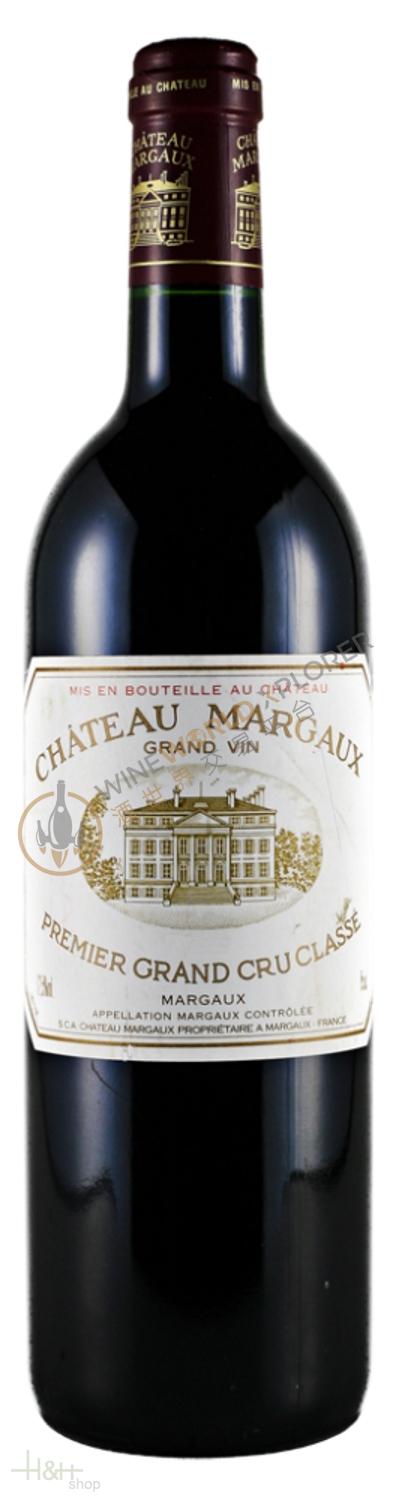
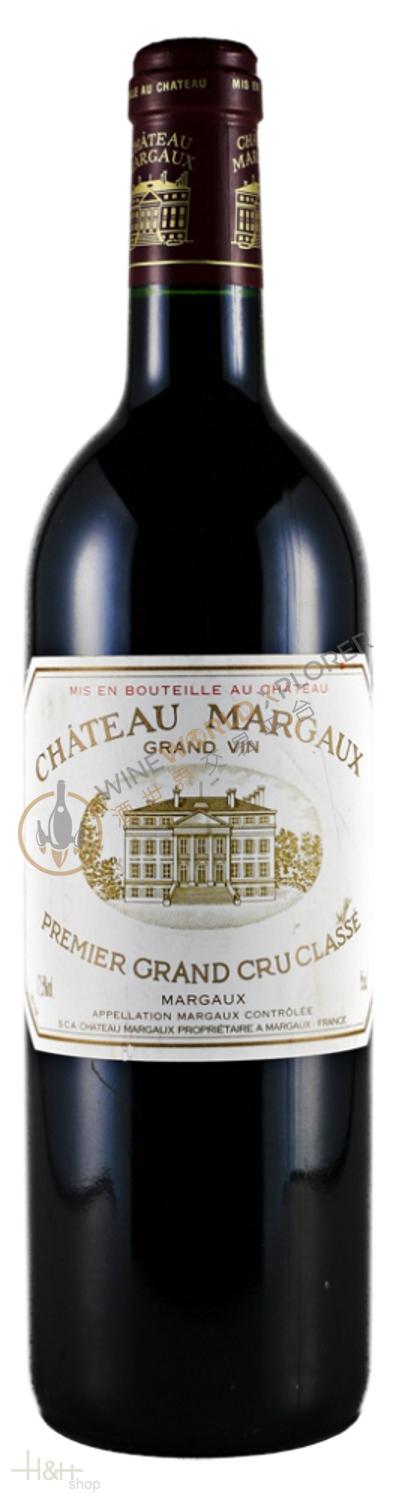
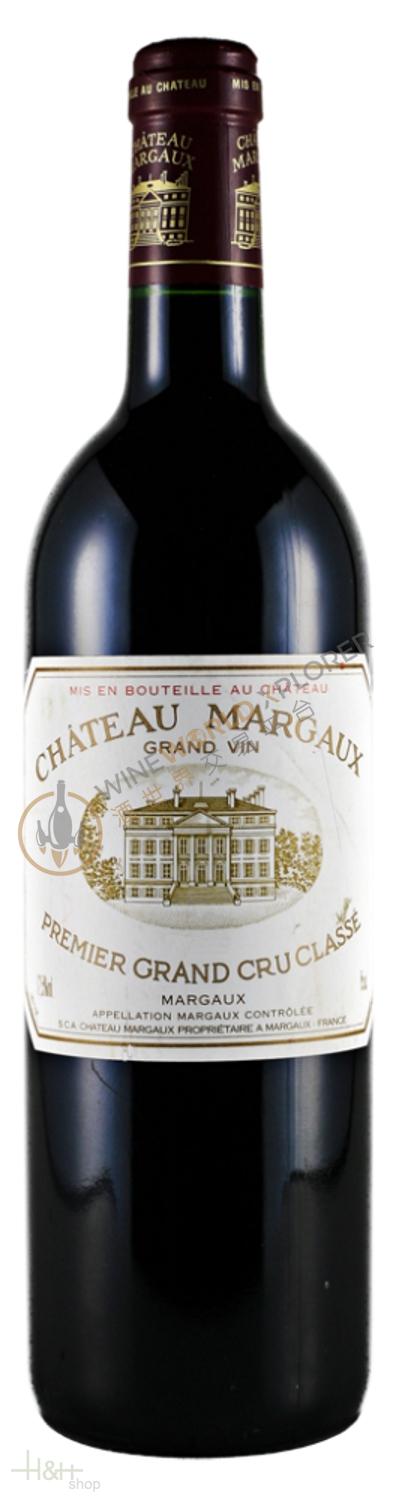
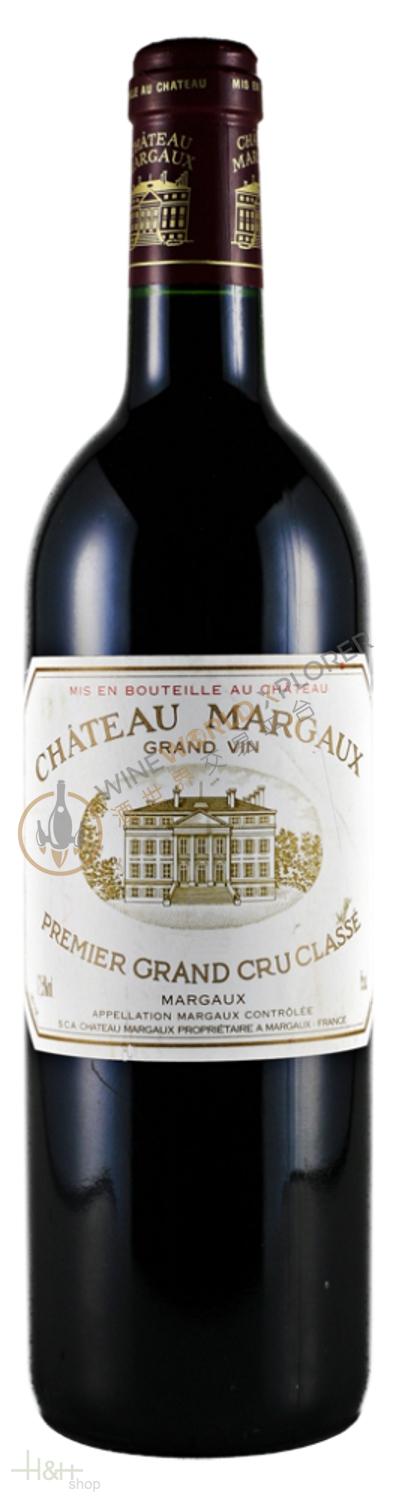
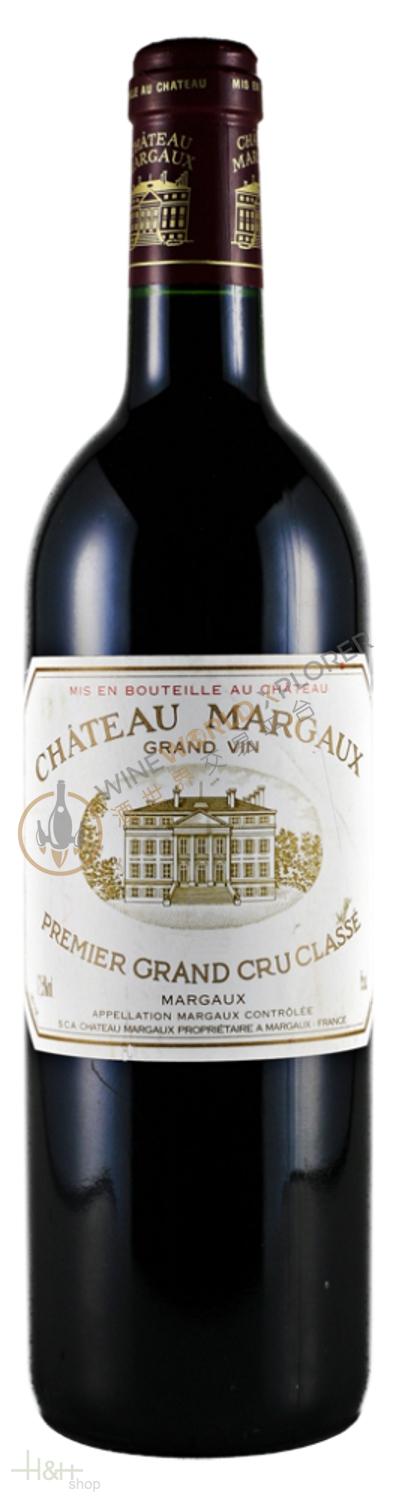
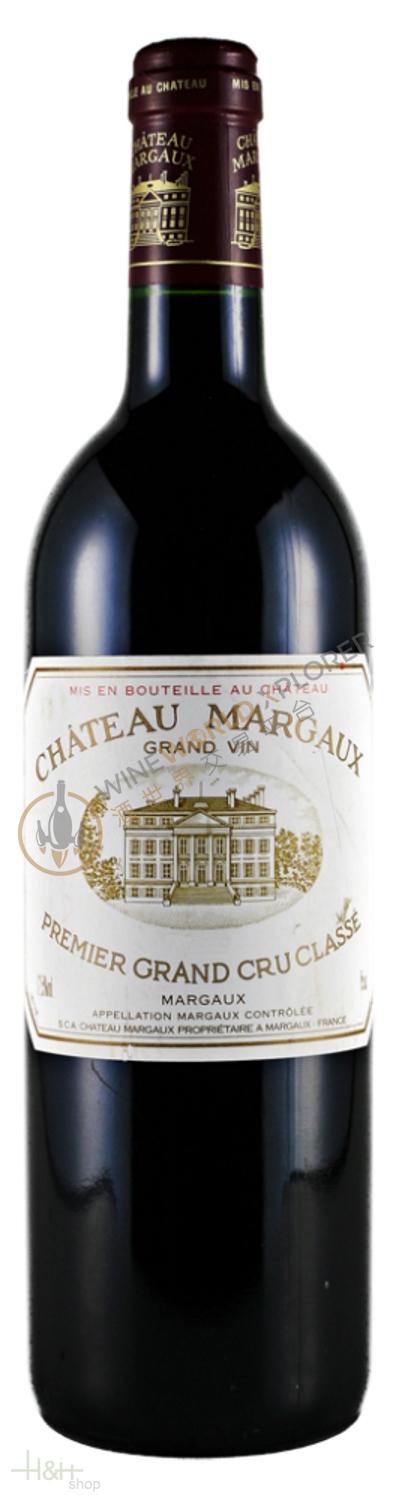
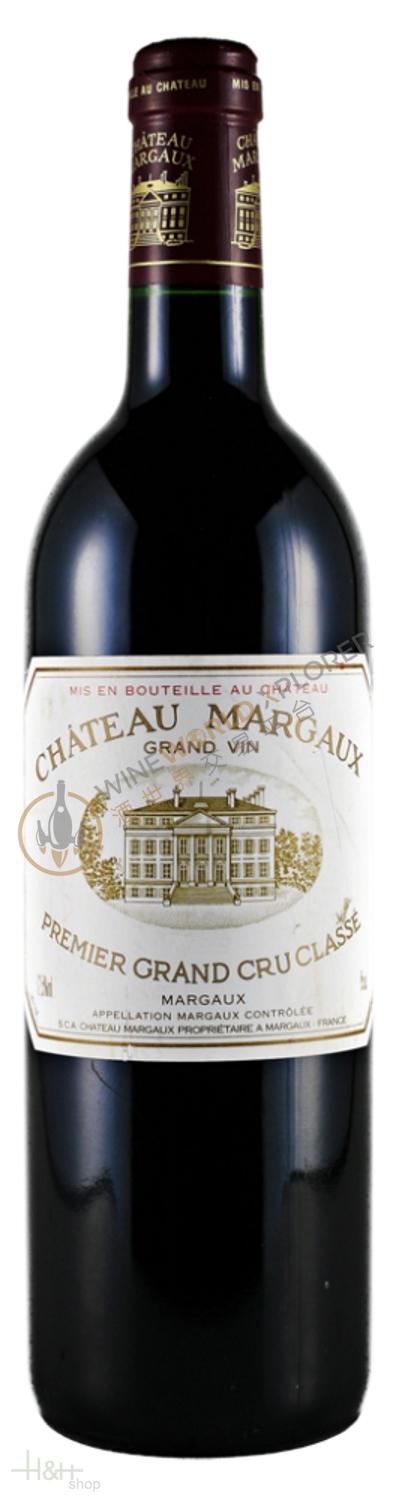
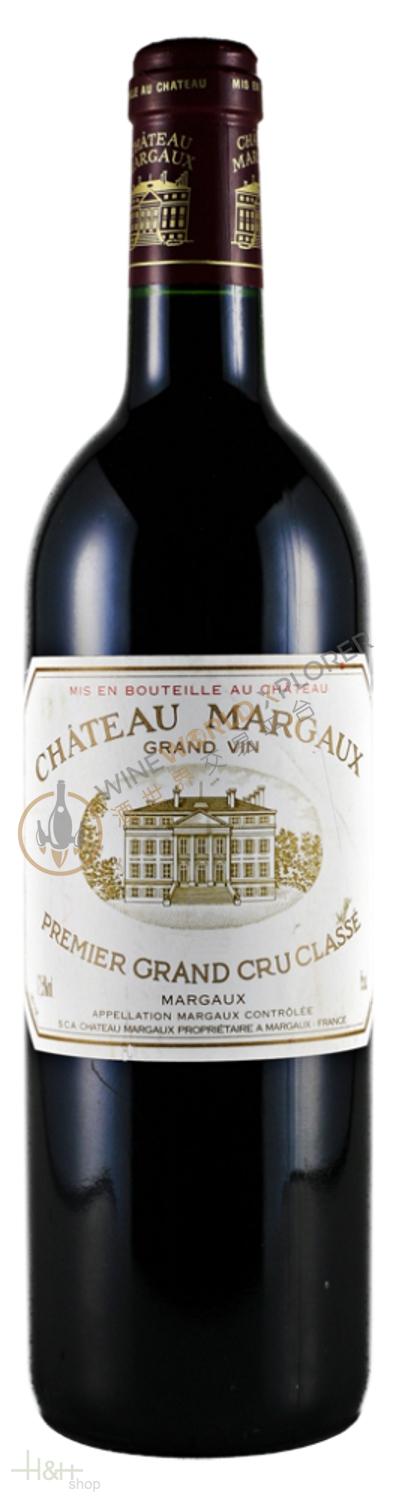
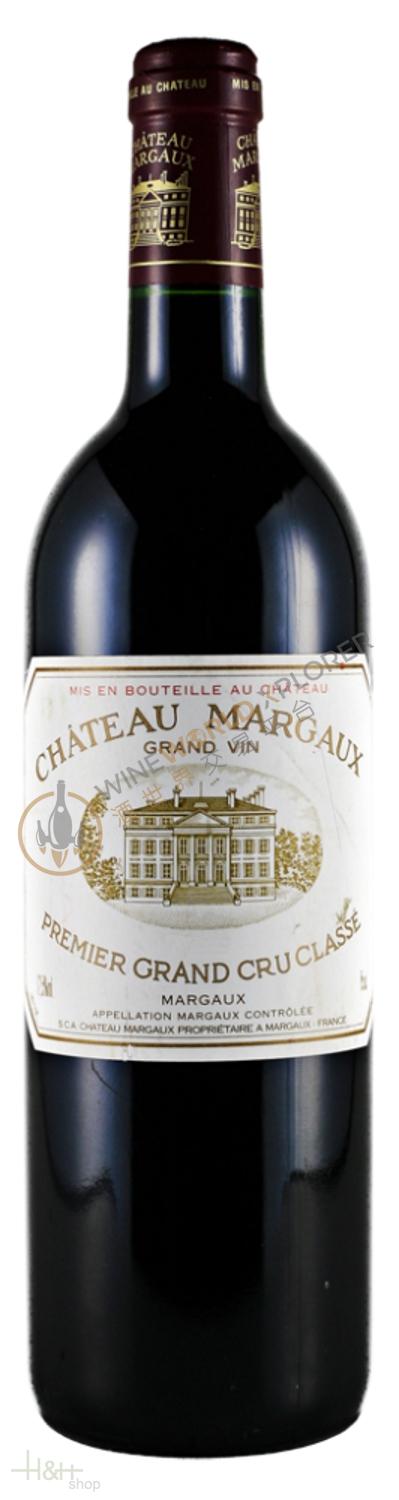
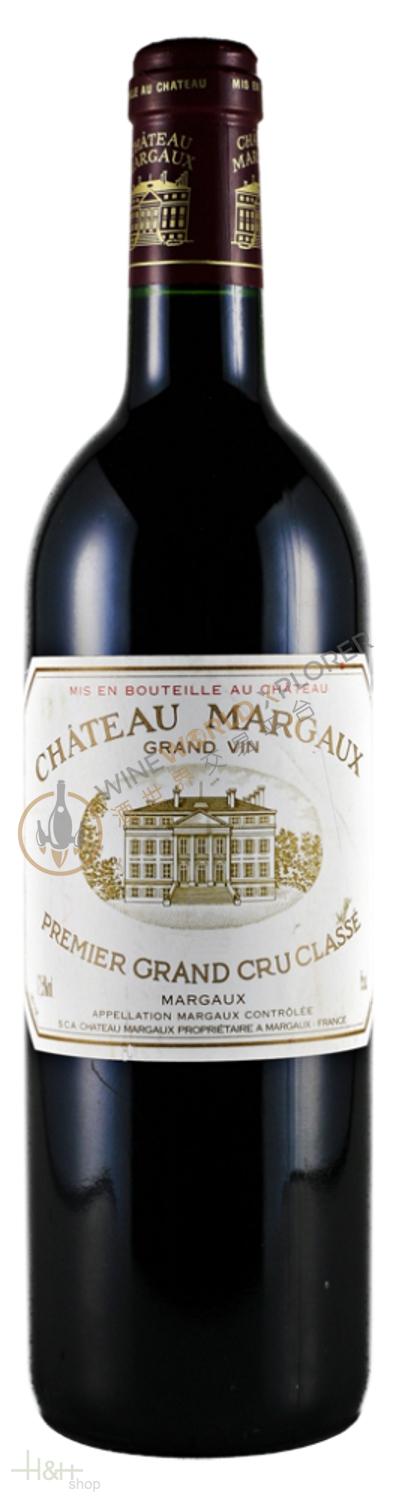
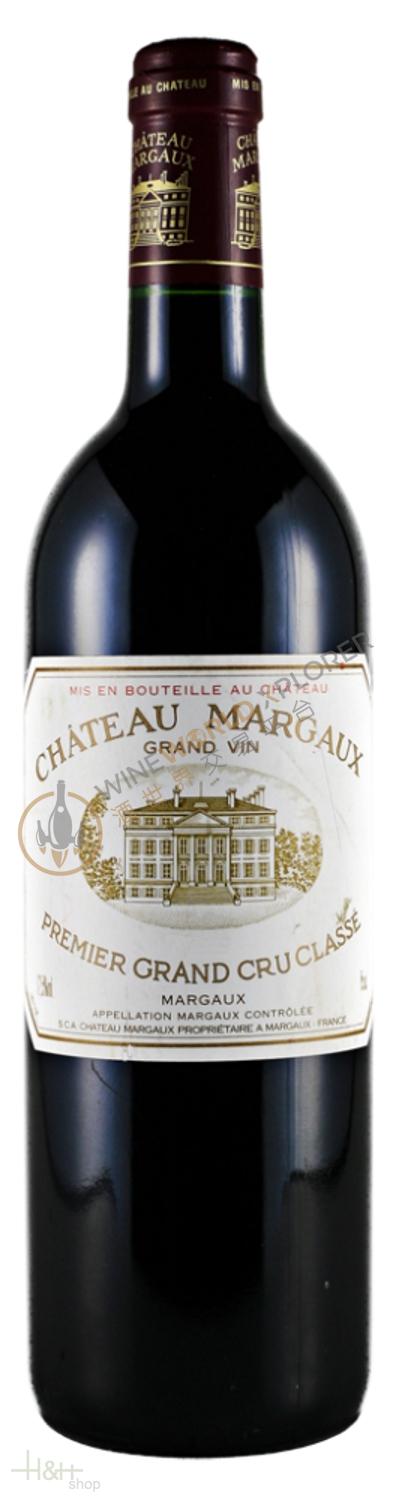
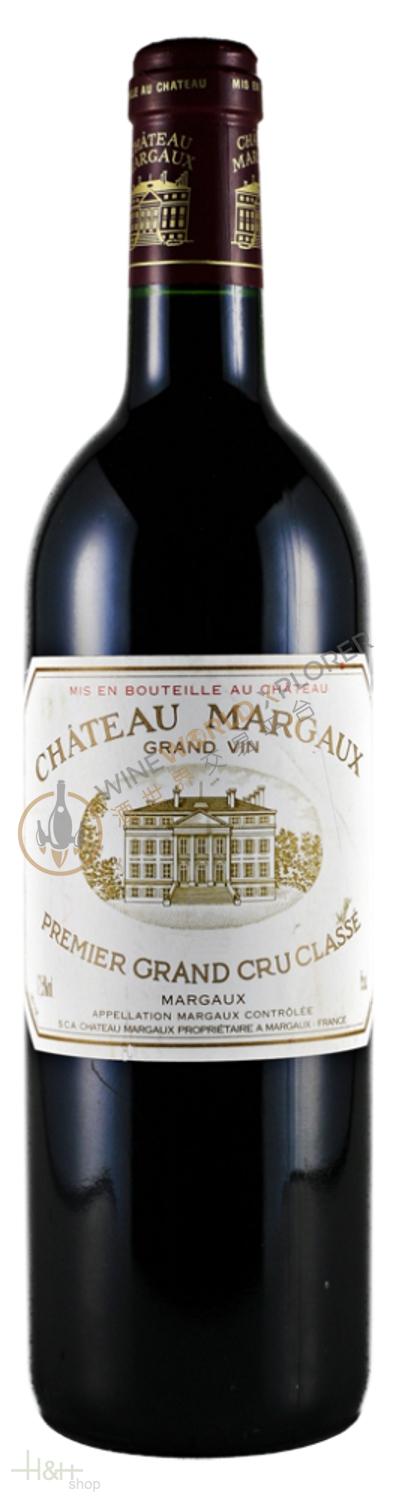
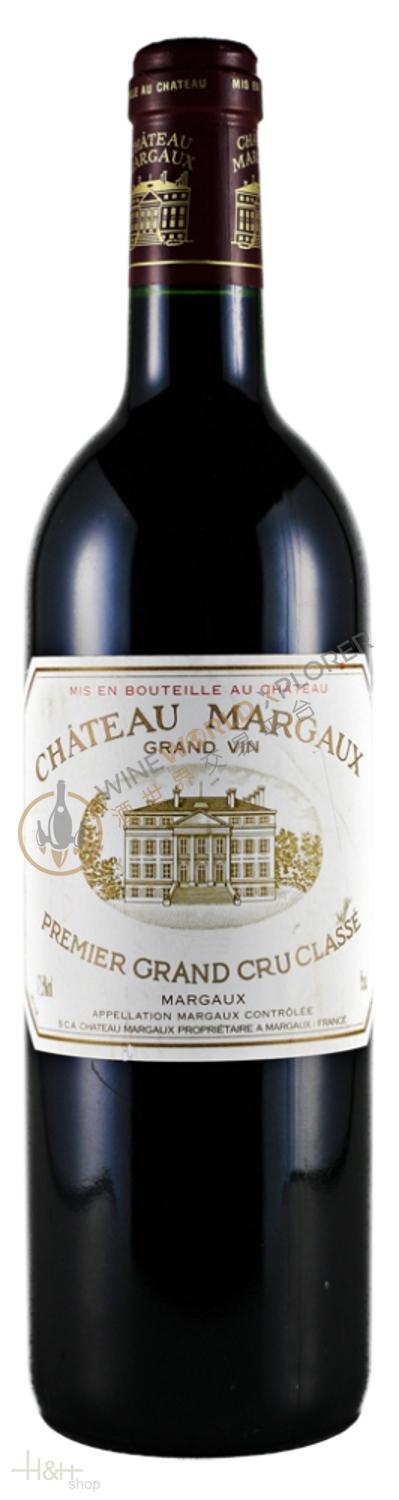
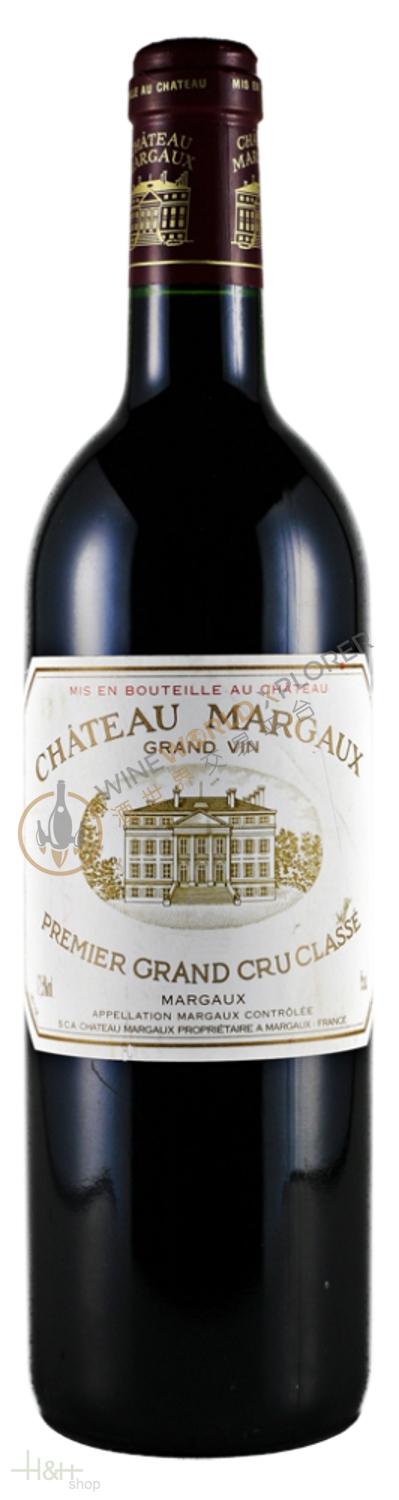
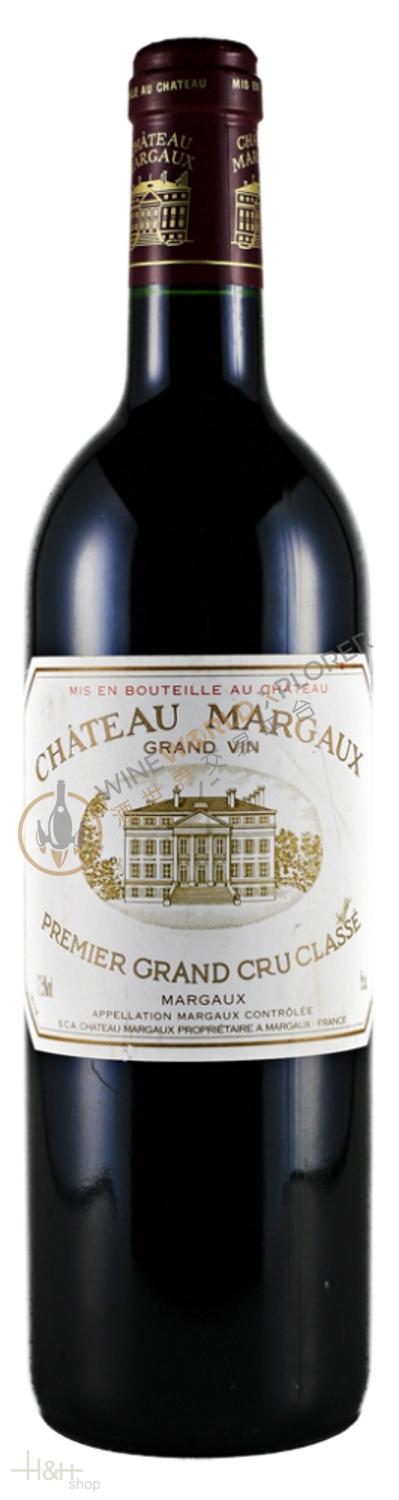
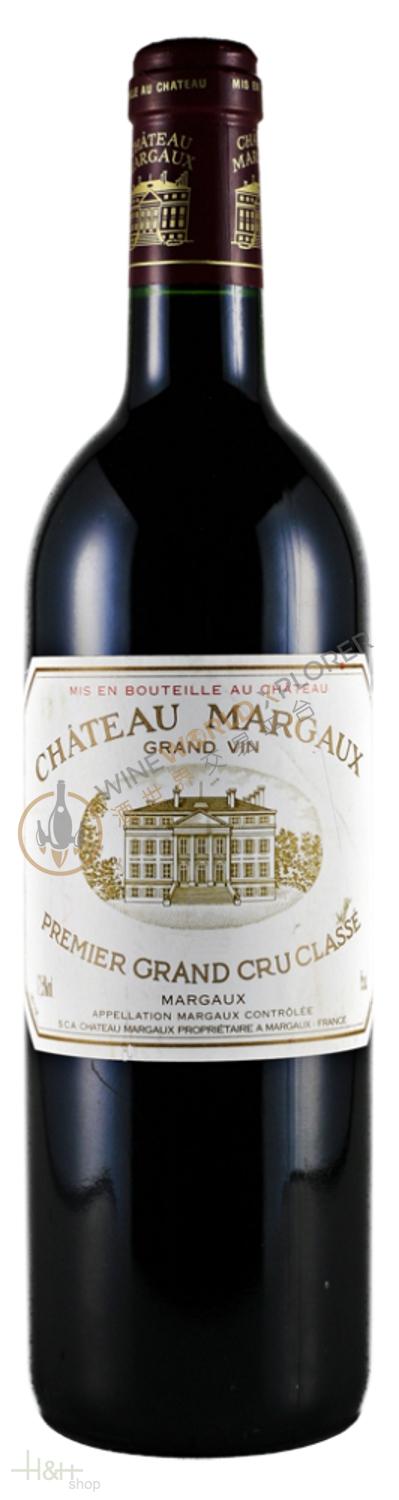
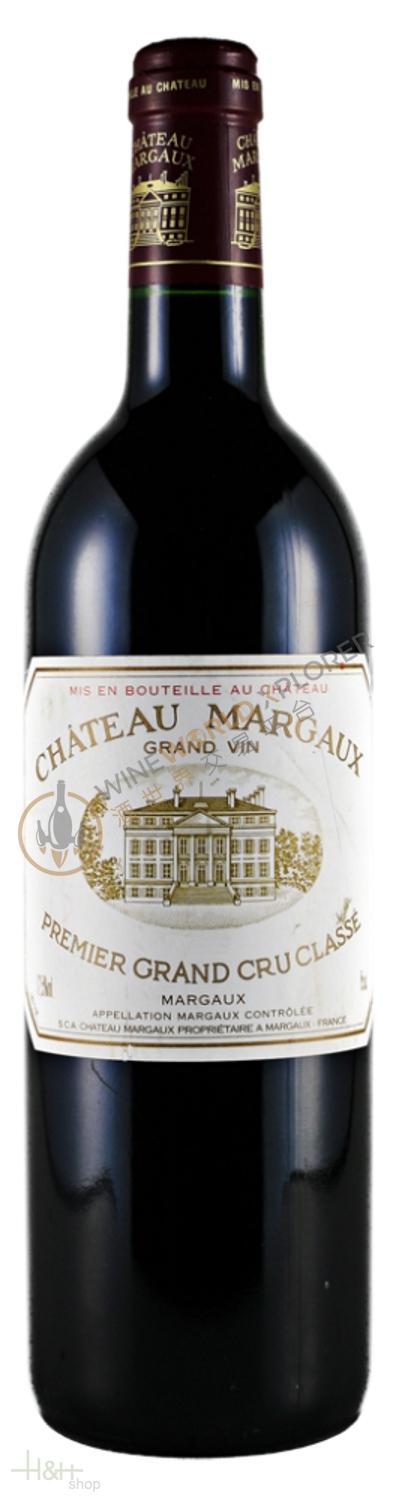
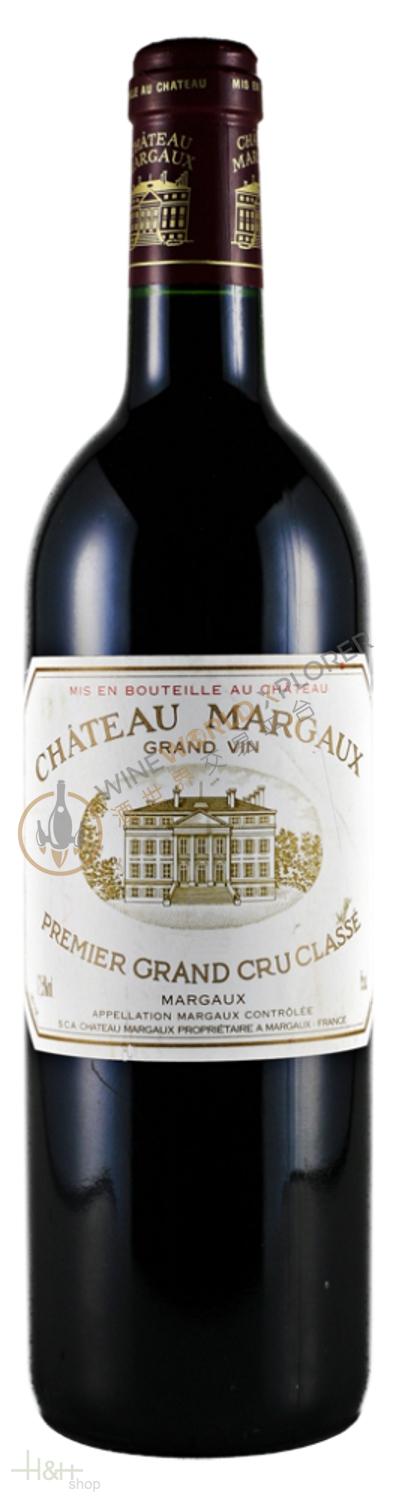
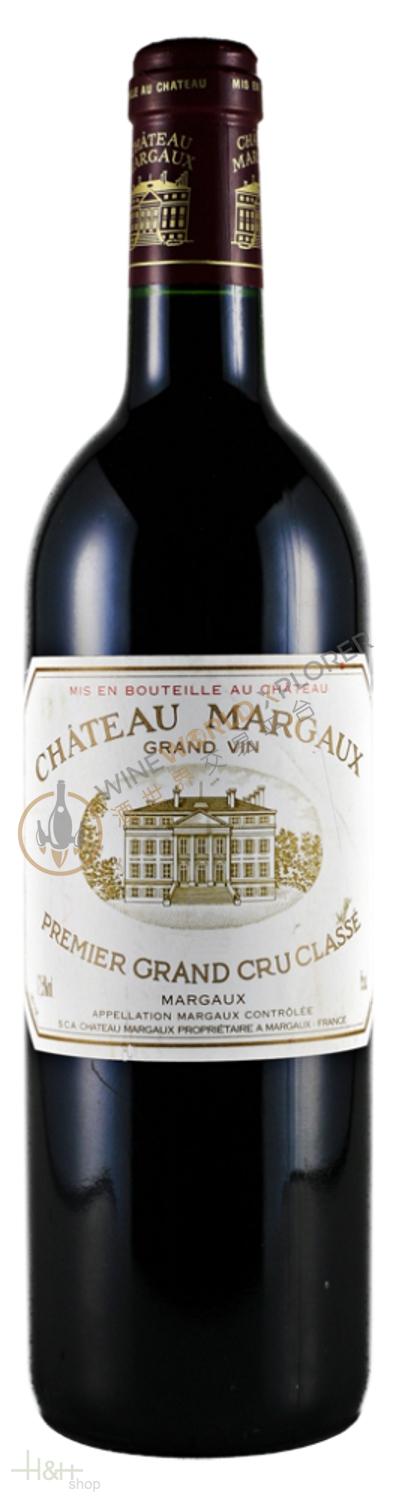
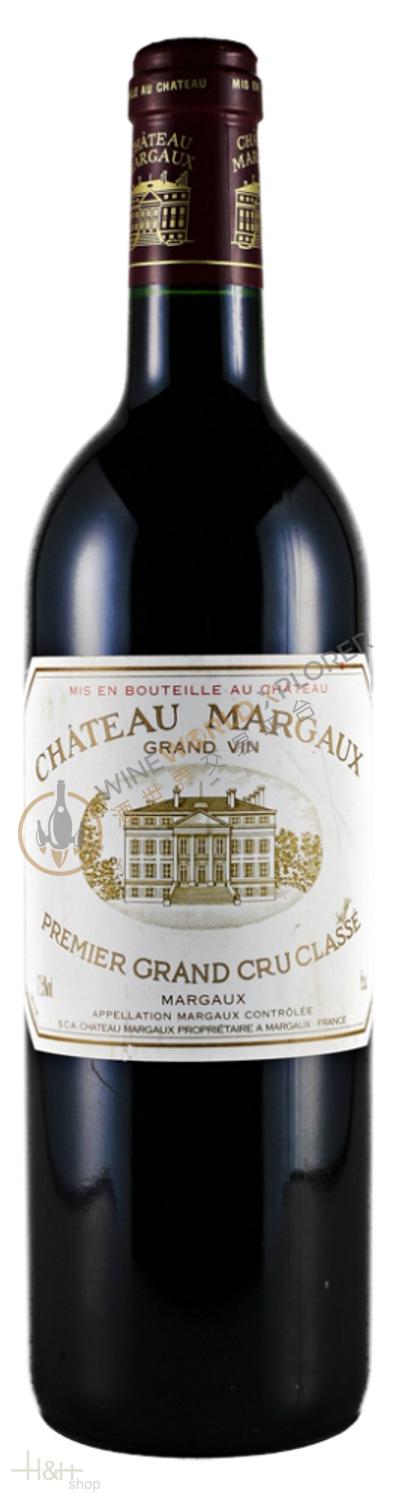
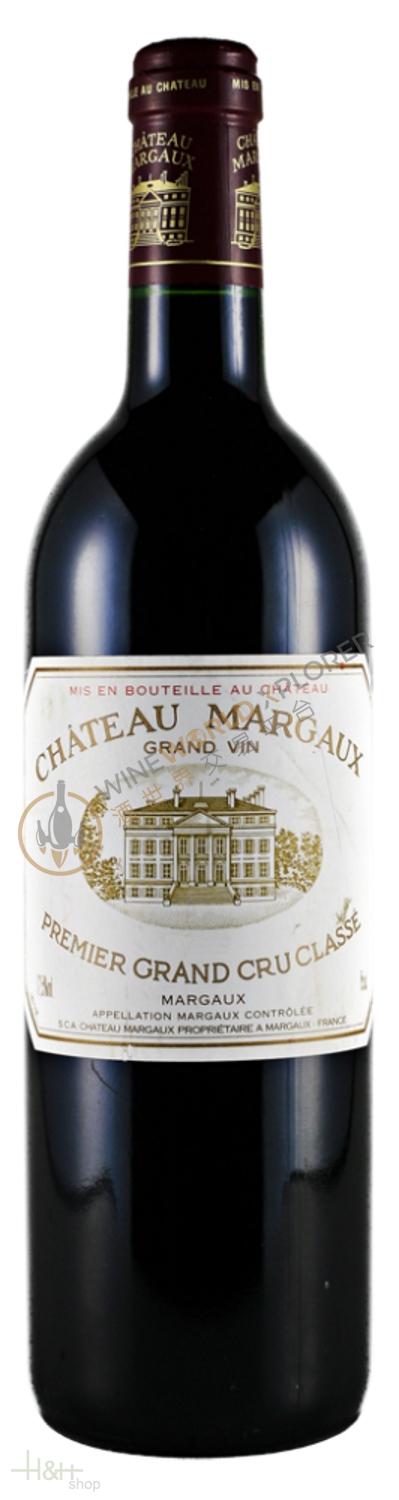
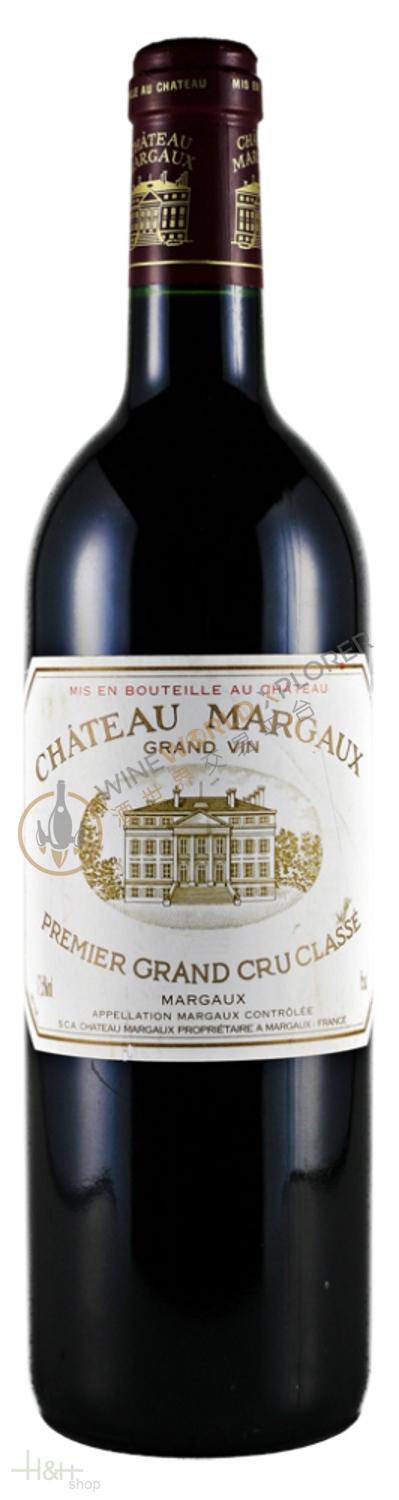
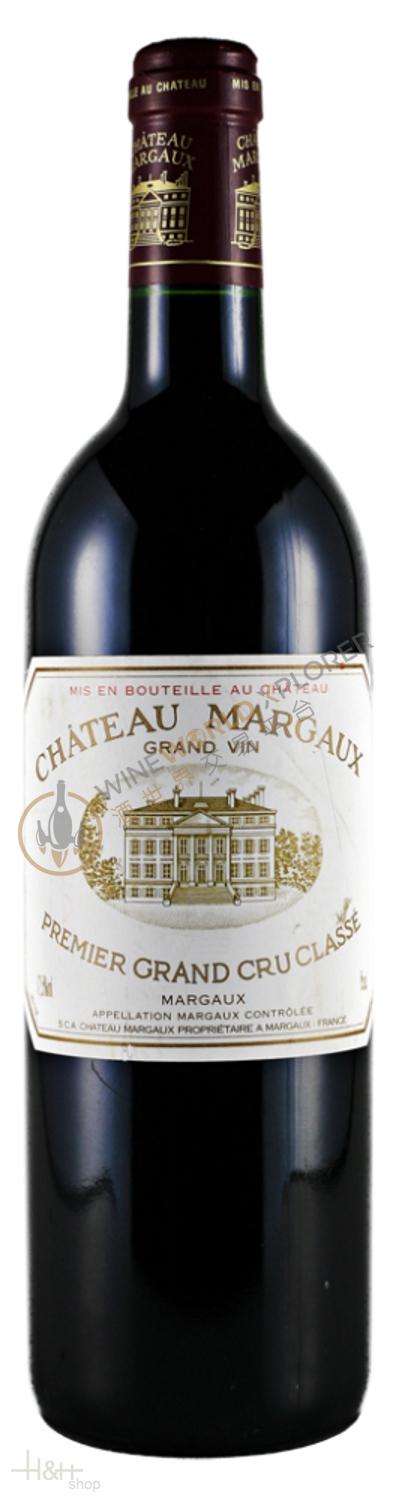
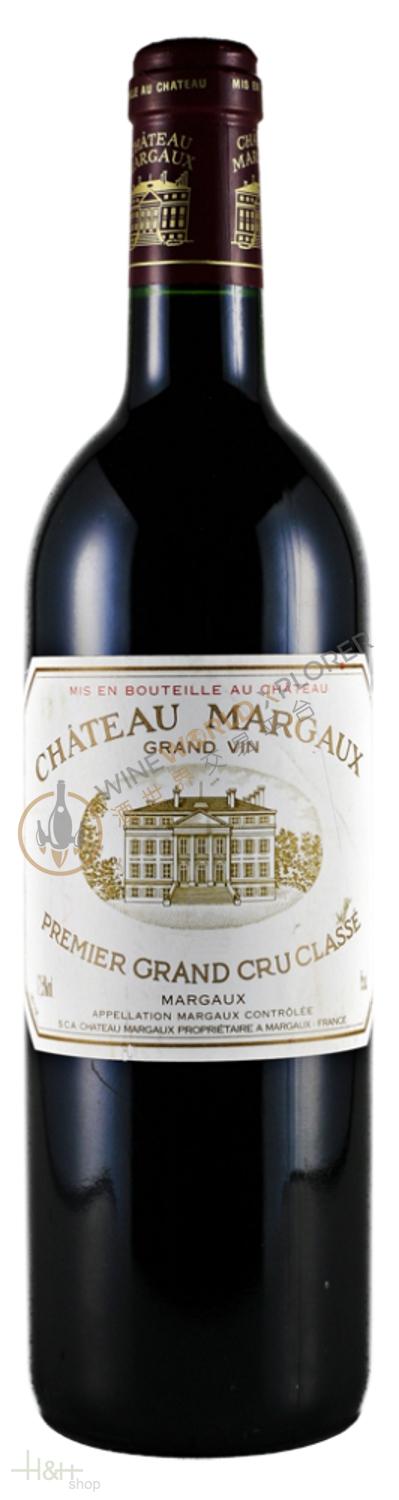
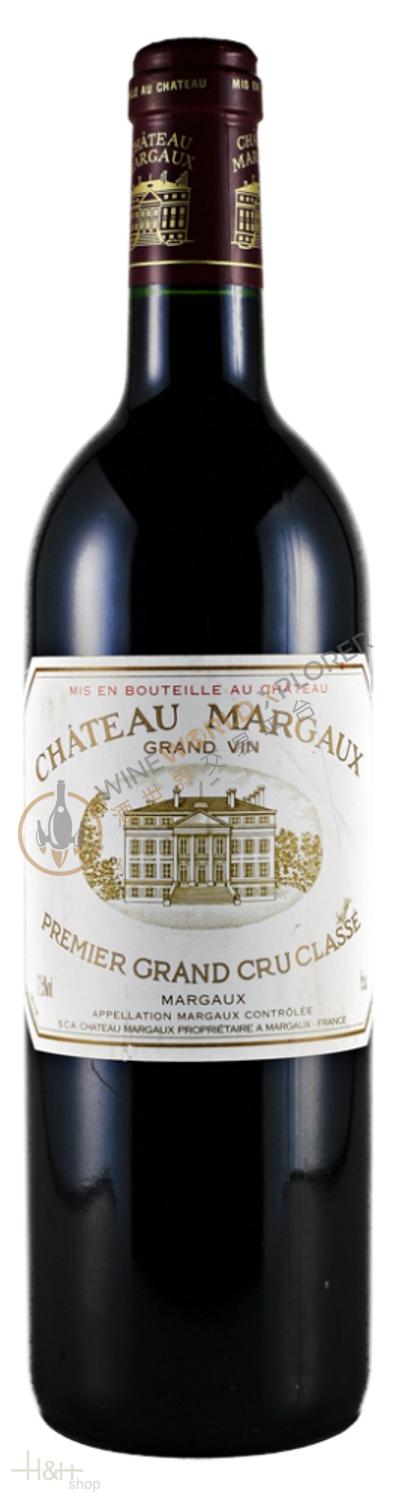
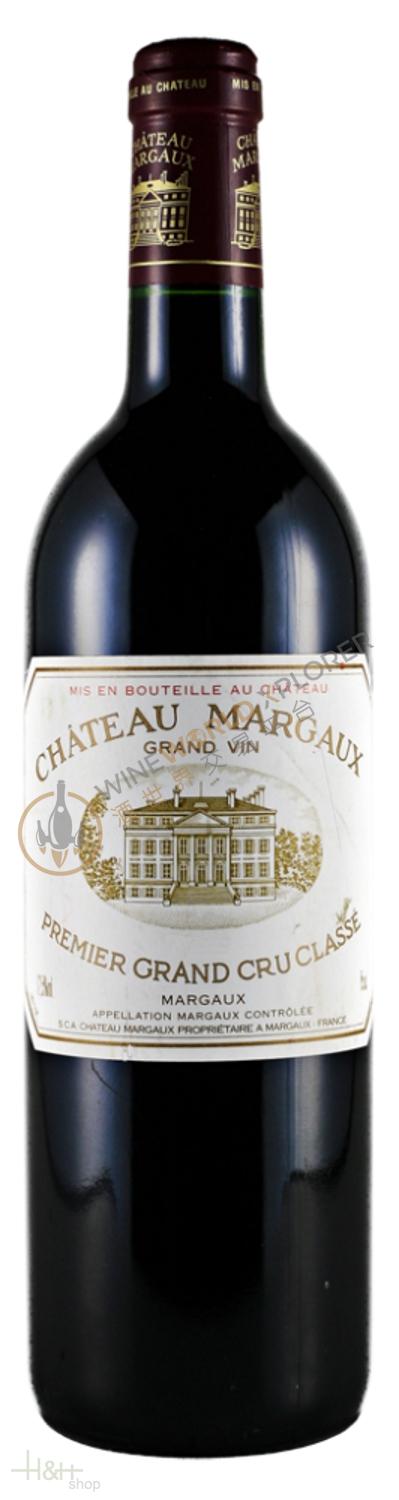
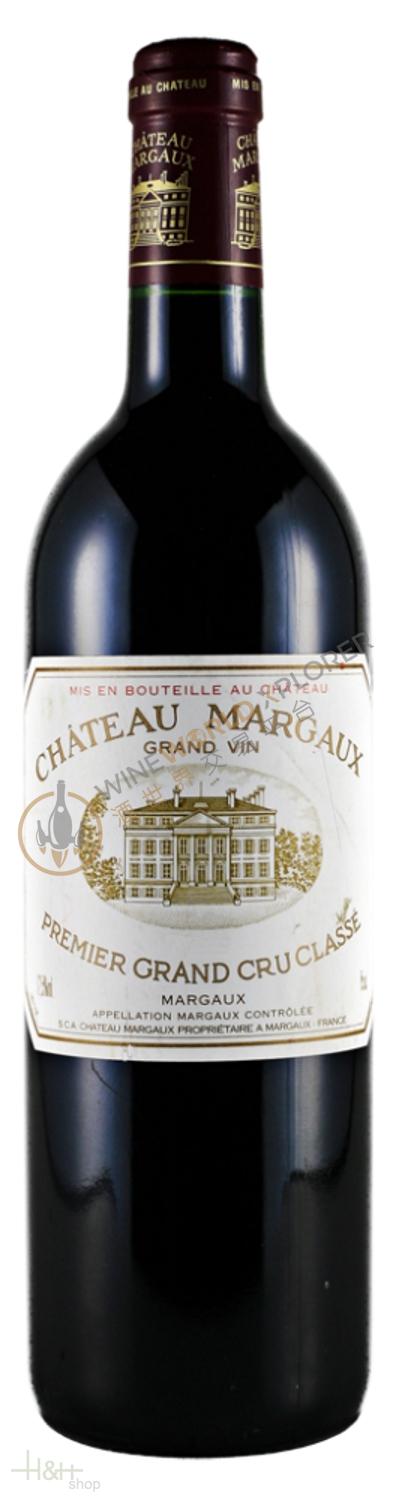
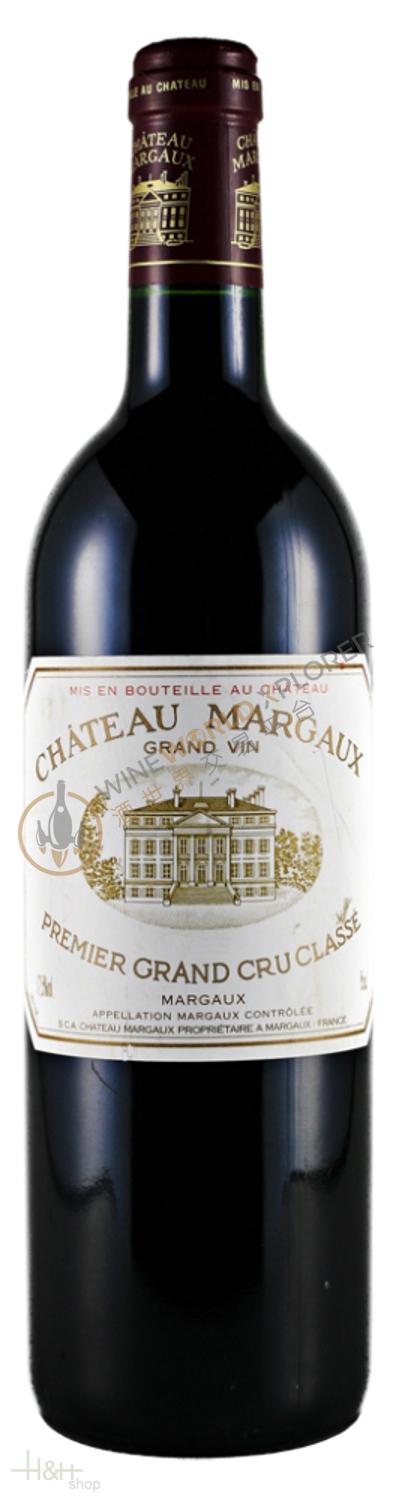
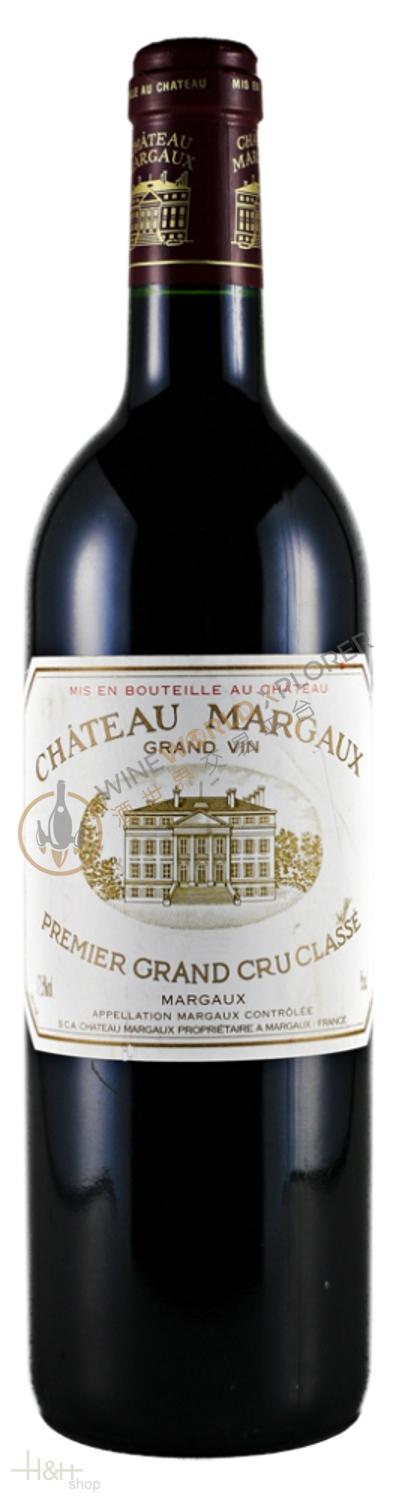
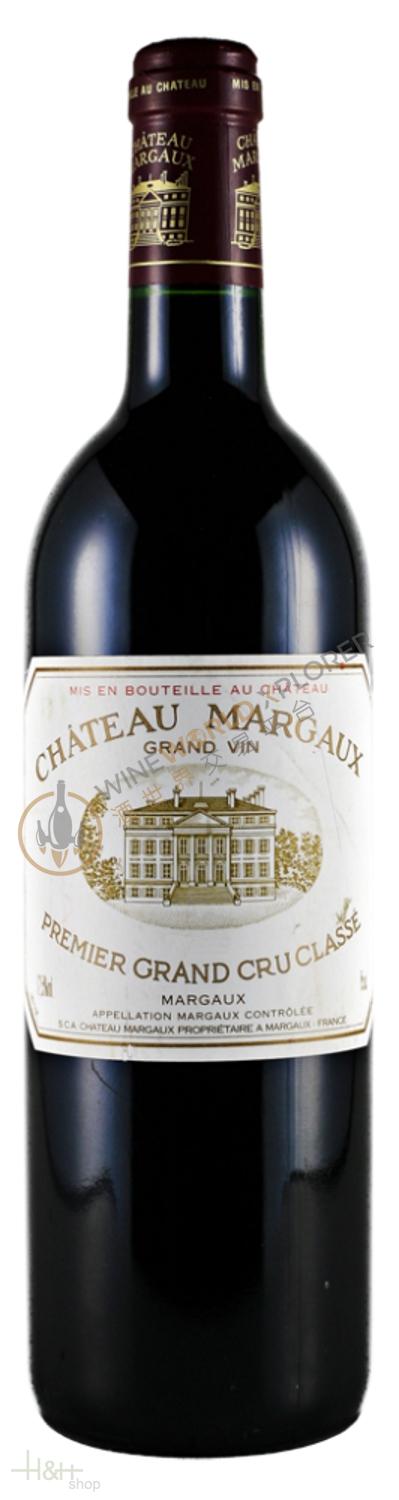
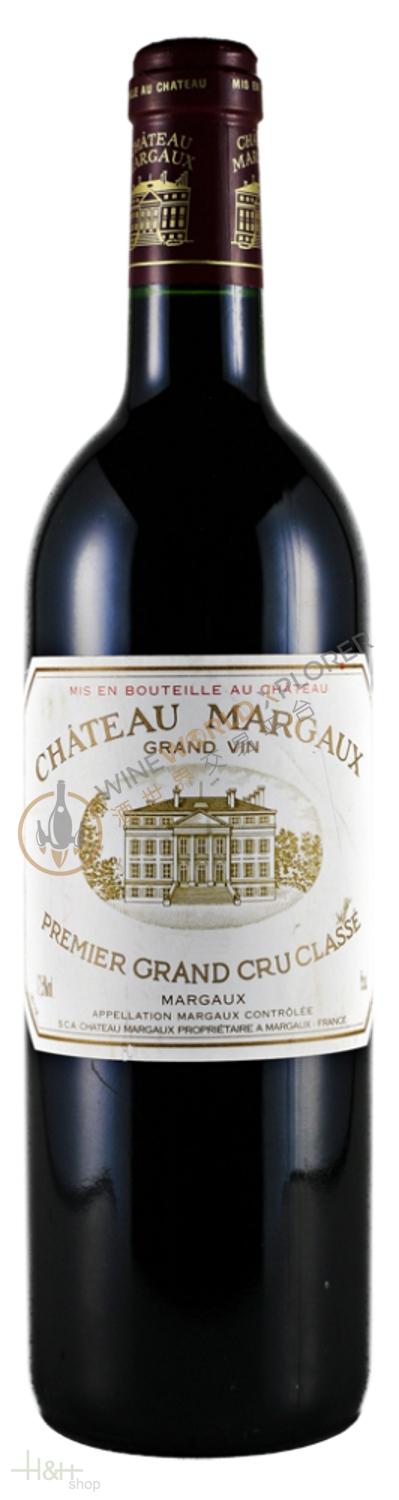
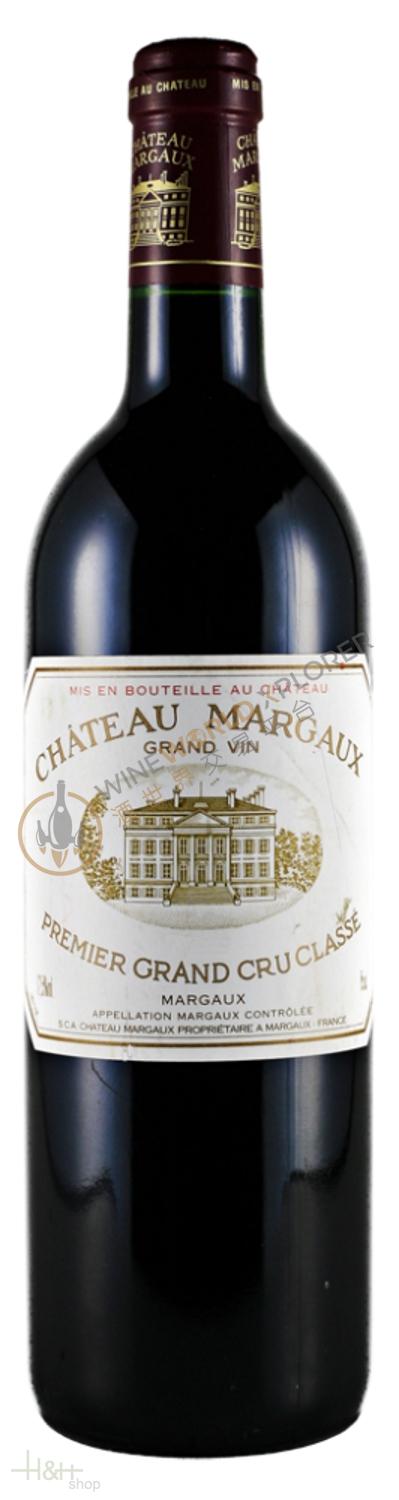
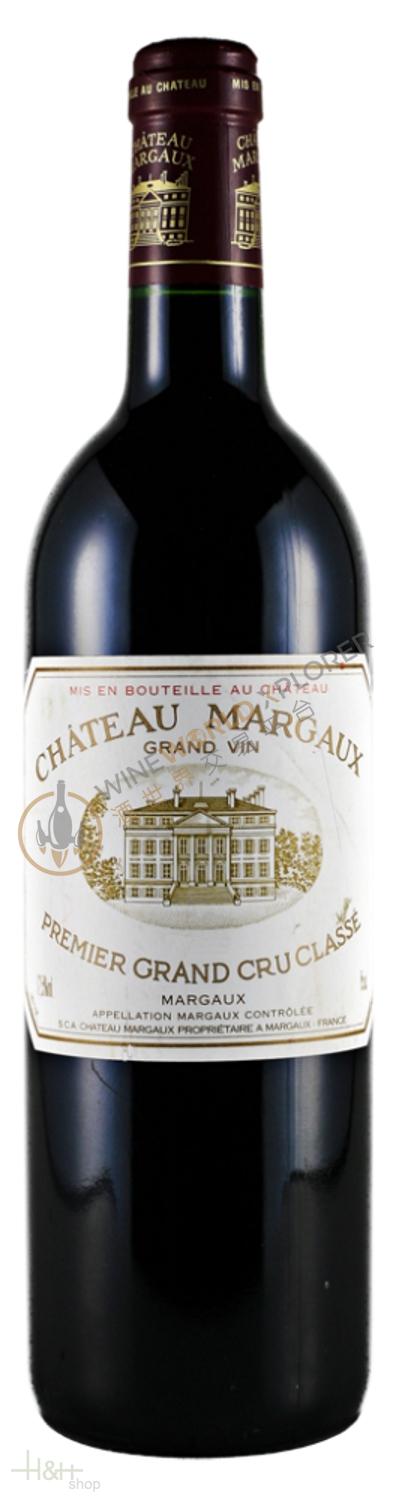
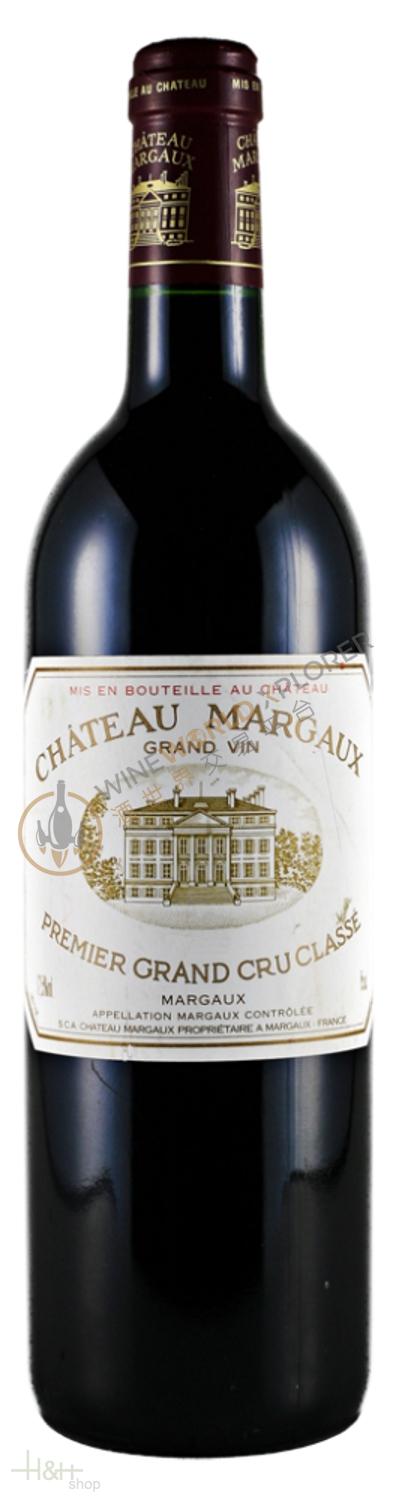
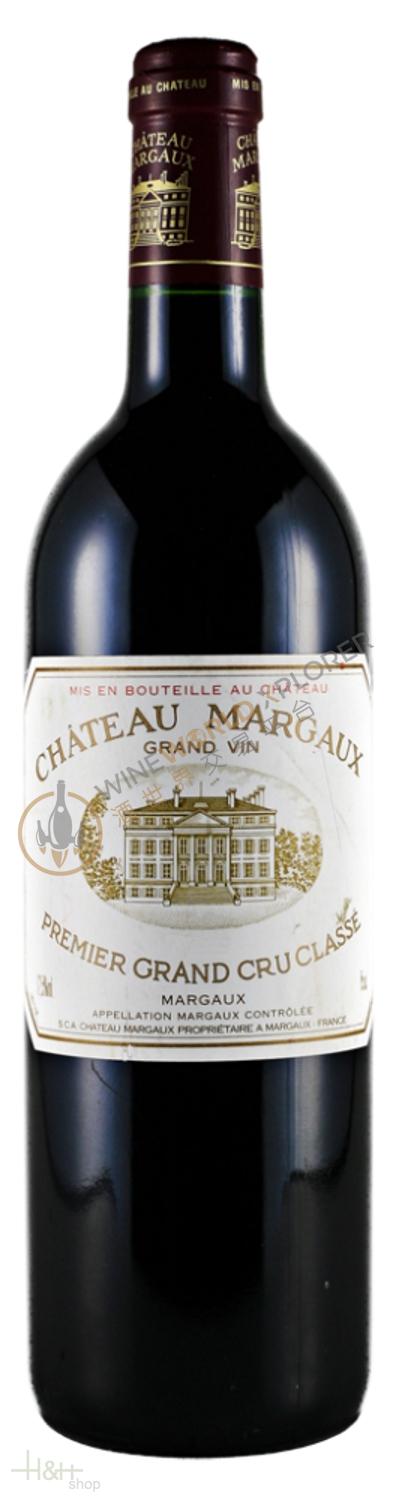
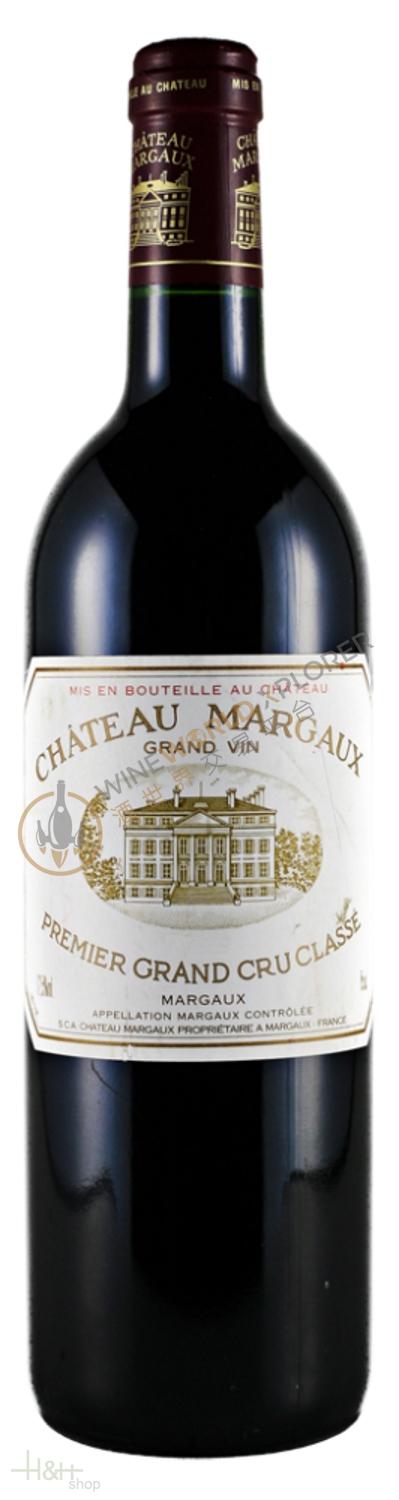
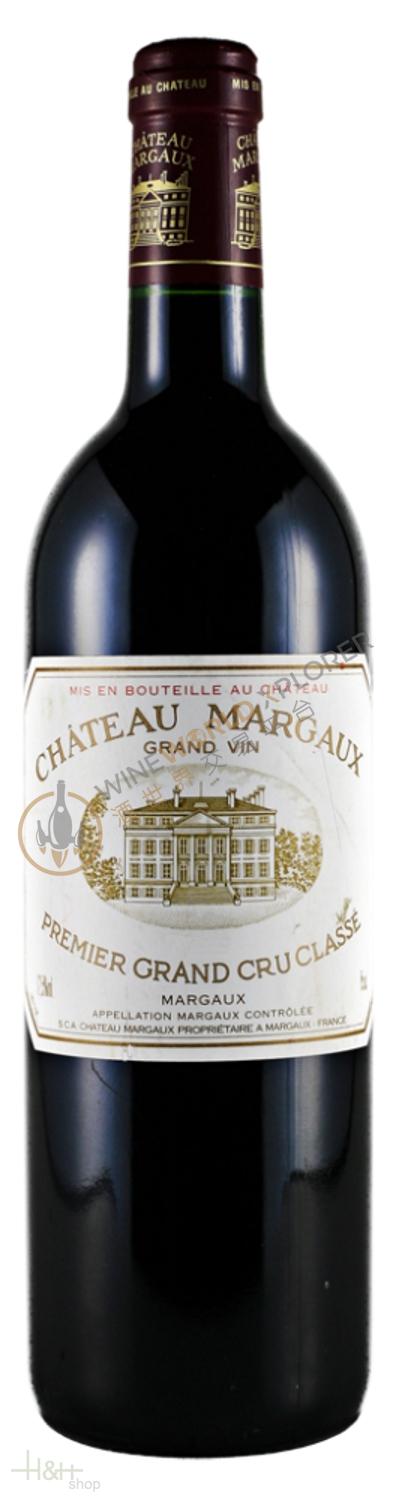
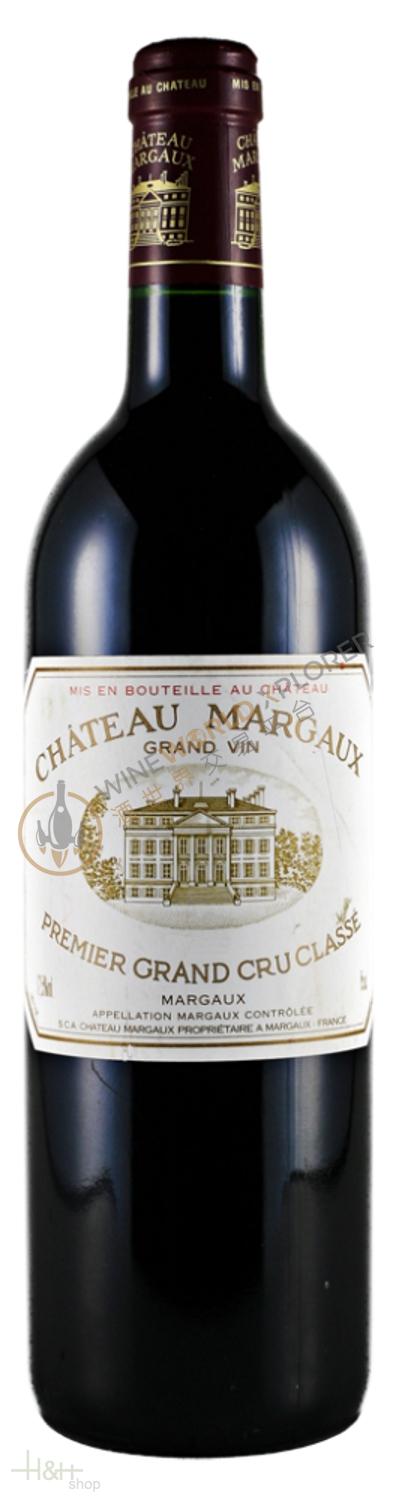
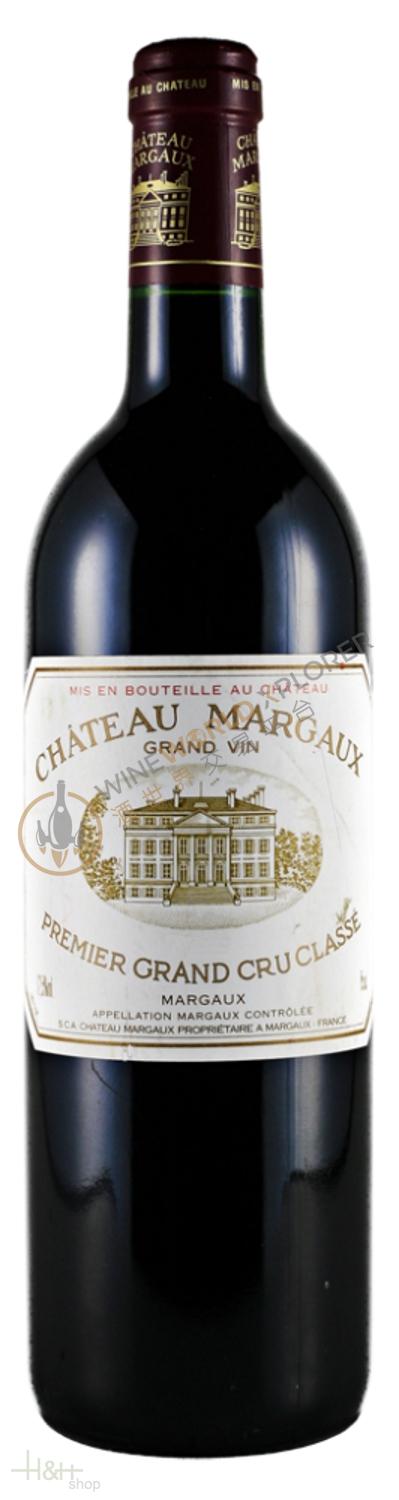
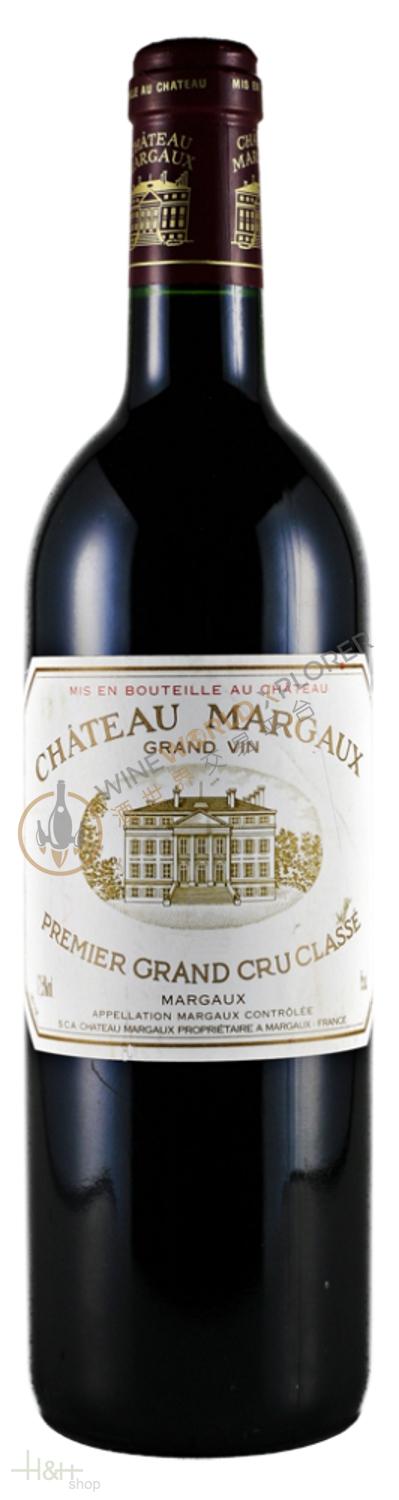
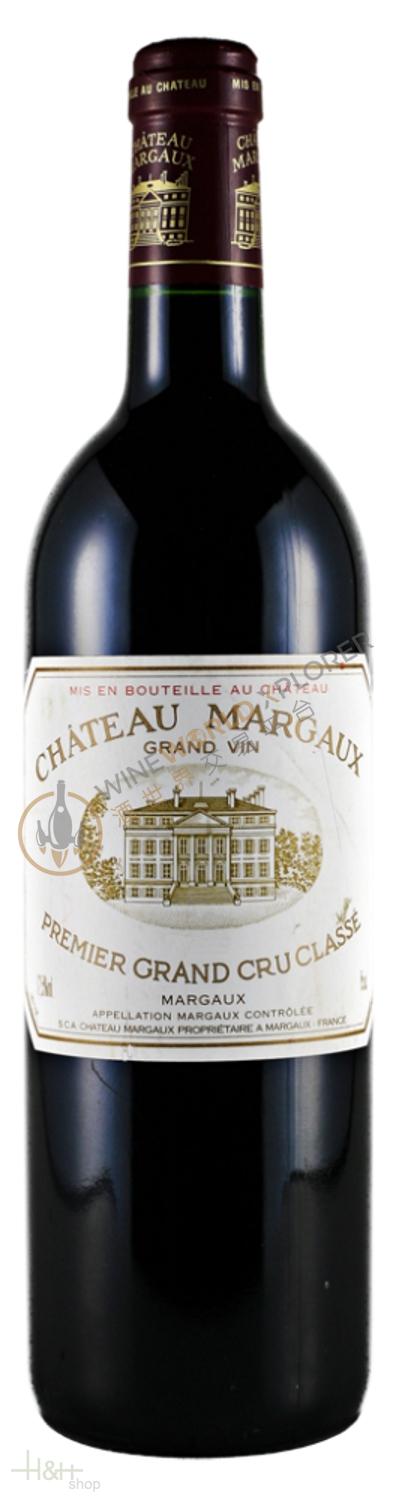
Chateau Margaux 2019
 View analysis


Description
Tasting notes

Reviewed by: Lisa Perrotti-Brown
The 2019 Château Margaux is a blend of 90% Cabernet Sauvignon, 7% Merlot, 2% Cabernet Franc and 1% Petit Verdot, accounting for 37% of the crop. The alcohol came in at 13.9%, the IPT was 75, and the pH was 3.66. Deep garnet-purple in color, the nose begins with intense scents of crushed blackberries, warm cassis and plum preserves before fanning out into a whole array of floral, exotic spice and earth scents: iris, red roses, star anise, cassis, tilled soil, moss-covered bark and black truffles, with an emerging waft of crushed rocks. The medium-bodied palate quivers with energy, emitting loads of mineral sparks, featuring bold freshness and fantastically ripe, finely grained tannins to support the delicate, perfumed layers, finishing very long and wonderfully poised. The juxtaposition between the acidity and the richness in this Château Margaux is just extraordinary!
Reviewed by: William Kelley
Is the 2019 Château Margaux the wine of the vintage? A strong case in its favor could certainly be made. Soaring from the glass with aromas of blackberries, raspberries, rose petals, violets, pencil shavings and vine smoke, it's full-bodied, layered and sensual, with a strikingly vibrant core of fruit that's framed by ripe, powdery tannins and bright acids, concluding with a penetrating, mouthwateringly saline finish of almost interminable duration. Complex, elegant and utterly compelling, this is a brilliant Bordeaux that anyone with the requisite disposable income is going to want to own.
Reviewed by: Antonio Galloni
The 2019 Château Margaux possesses off the charts richness to go along with plush contours and mind-blowing balance. All the elements are so wonderfully woven together. It's as if all the Château Margaux signatures are dialed up to eleven, but without losing any of the classic Margaux character. The purity of the red-toned fruit is just breathtaking. The Merlot was picked early, but then rain during harvest delayed the ripening of the Cabernets, which turned out to be a huge advantage. Estate Manager Philippe Bascaules and his team turned out two spectacular wines in 2019. Bascaules describes 2019 as an easy vintage. Flowering was normal and set was good. Yields came in at a healthy 47 hectoliters per hectare, more than 2017 or 2018, the summer heat spikes notwithstanding. Bascaules opted to pick the Merlot early and gave those lots very gentle extractions at low temperatures, whereas the Cabernet Sauvignon vinifications were a much more typical 20-22 days at 28-30 degrees Celsius. In tasting, the 2019s have more tannins than any other vintage, with the exception of 2018, and yet the wines don't show that at all. The bottled wines are every bit as impressive as the barrel samples.
Reviewed by: Antonio Galloni
The 2019 Margaux is a total showstopper. A thrilling wine that melds together the textural intensity of the year with striking vibrancy, Margaux is just stunning. All the classic Margaux signatures are amplified in such dramatic fashion. The 2019 is a wine of pure and total sensuality. A second sample that arrived very late after having been stuck in customs was shockingly vibrant when I tasted it out of curiosity. I couldn't help myself. In the early going, Margaux is shaping up to be one of the wines of the vintage. Don't miss it. Estate Manager Philippe Bascaules and his team turned out two spectacular wines in 2019. Note: I did not taste the Pavillon Blanc, as the estate thought it was too fragile to ship. Bascaules describes 2019 as an easy vintage. Flowering was normal and set was good. Yields came in at a healthy 47 hectoliters per hectare, more than 2017 or 2018, the summer heat spikes notwithstanding. Bascaules opted to pick the Merlot early and gave those lots a very gentle extractions at low temperatures, whereas the Cabernet Sauvignon vinifications were a much more typical 20-22 days at 28-30 degrees Celsius. In tasting, the 2019s have more tannins than any other vintage, with the exception of 2018, and yet the wines don't show that at all.
Reviewed by: Neal Martin
The 2019 Château Margaux, bottled in July 2021, is absolutely divine on the nose. It unfurls to reveal exquisitely defined black fruit infused with graphite, Japanese nori and just a hint of potpourri and crushed stone. This is supremely well focused, refined and correct, so much so that you would think it comes from a cooler growing season. The palate is medium-bodied with pliant, filigreed tannins that envelop the senses. Flavors of blackberry and bilberry, tinged with sea salt and black pepper, merge into a slightly more sensual finish that is still quintessentially Margaux. I used the word "effortless" in my note from barrel, and that rings true in bottle, though maybe there is now even more persistence. Quite stunning.
Reviewed by: Neal Martin
The 2019 Château Margaux, like many other top names, was tasted in 12-hour intervals after opening. Like the Pavillon Rouge, it is tightly-wound on the nose initially and it is really only after 12-hours that it begins to motor, revealing enticing scents of blackberry, briary, seaweed and crushed stone, perhaps less florality, less violet-inspired aromas compared to previous vintages. The palate is medium-bodied with very lithe tannins that disguise the considerable backbone of this First Growth. This is imbued with a sense of linearity and focus, a strictness that gradually gives way to more sensuality. It is a beautifully proportioned Château Margaux, somehow "effortless", fanning out nonchalantly with residues of white pepper and fresh tobacco on the finish. Outstanding.
About the Producer
Chateau Margaux is located in the village of Margaux, in the Medoc appellation on the left bank of Bordeaux, and was awarded a First Growth in the 1855 Bordeaux Medoc classification, alongside Chateau Lafite Rothschild, Chateau Latour and Château Haut-Brion. It is also known as Chateau Haut-Brion. Château Margaux currently covers a total of 262 hectares, including 99 hectares of vineyards. The red vineyard has an appellation of 87 hectares, of which 82 hectares are planted, while the white vineyard is planted with 12 hectares. The red varieties are mainly Cabernet Sauvignon, Merlot, Petit Verdot and Cabernet Franc; the white varieties are Sauvignon Blanc and the vines are on average 45 years old. Since the end of the 1990s, the estate has refused to use pesticides in the vineyards. In addition, only organic fertilisers are used in the vineyard, and deep fertilisation is carried out at regular intervals to improve the soil structure and rejuvenate the soil. During the harvest season, the winery team selects the right time to harvest the grapes by testing and analysing all the indicators and by tasting the grapes themselves. Once the grapes have reached their ideal state of ripeness, they are harvested by a team of over 200 trained harvesters. Once in the winery, the grapes undergo a rigorous selection process before being de-stemmed. Both oak barrels and stainless steel tanks are used to ferment the red grapes, while the white grapes are fermented entirely in oak barrels. After the alcoholic fermentation, the wine undergoes malolactic fermentation. The red wines are then left to mature in oak barrels for 18-24 months and the whites for 6-8 months. The main wine of the estate, Château Margaux's red wine, is rich and complex, with an elegant and powerful ballet on the tongue, rich and smooth tannins, good balance and a long, fresh finish with excellent ageing potential. It successfully conquered Napoleon Bonaparte, the founder of the First French Empire, and won the hearts of Thomas Jefferson, the founding father of the United States, and Margaret Thatcher, the "Iron Lady" of England. In the world of wine criticism, Château Margaux's red wines have also been recognised, with four perfect scores from Robert Parker and many more from other critics with 95 points or more. In recent years, the quality of Château Margaux's red wines has been steady and has maintained a high level of interest in the market.
1958(1)1960(1)1961(2)1962(1)1963(1)1964(1)1969(2)1970(1)1971(1)1972(1)1974(1)1975(1)1976(1)1978(1)1979(1)1981(1)1982(6)1983(4)1984(1)1985(4)1986(6)1987(3)1988(8)1989(6)1990(11)1991(2)1992(4)1993(3)1994(2)1995(9)1996(28)1997(5)1998(7)1999(7)2000(20)2001(12)2002(20)2003(17)2004(18)2005(20)2006(12)2007(12)2008(15)2009(15)2010(17)2011(16)2012(26)2013(16)2014(19)2015(30)2016(25)2017(20)2018(20)
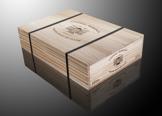
Package Size