 Wine Advisor



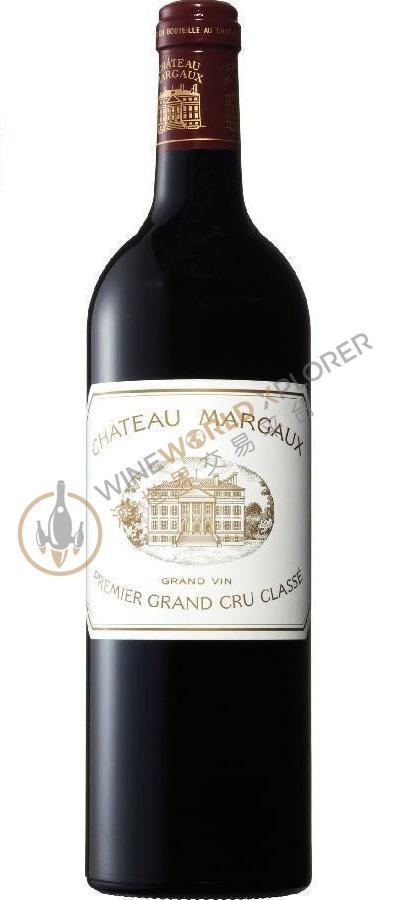
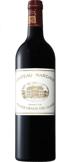
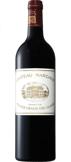
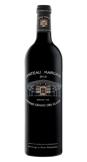
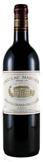
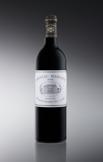
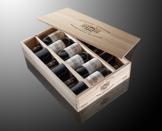
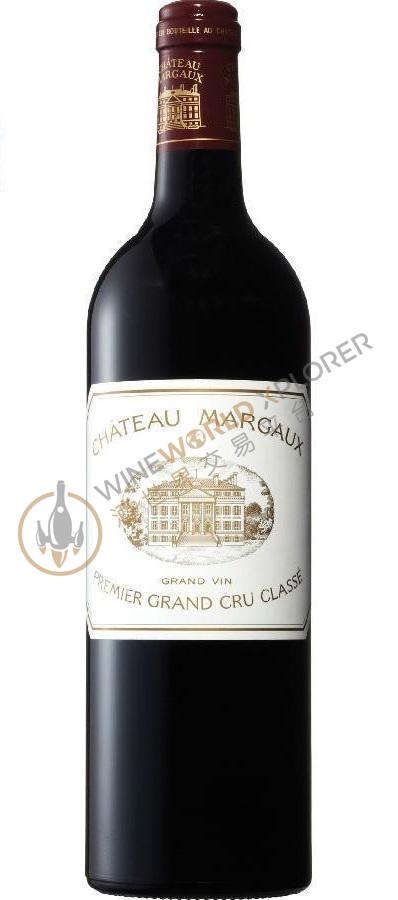
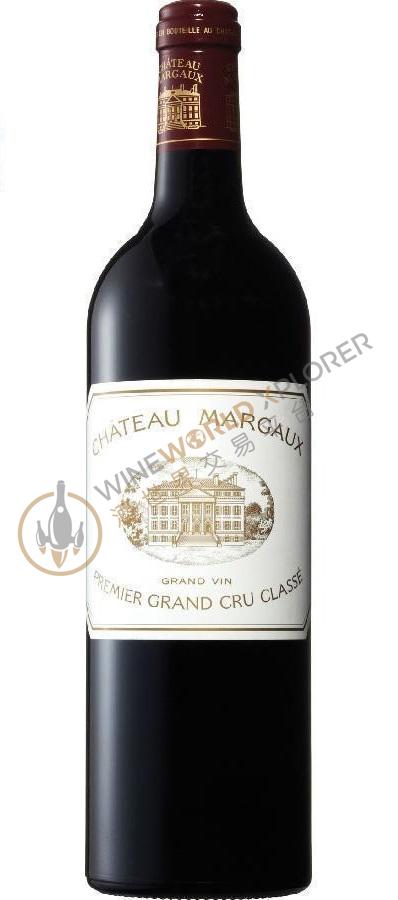
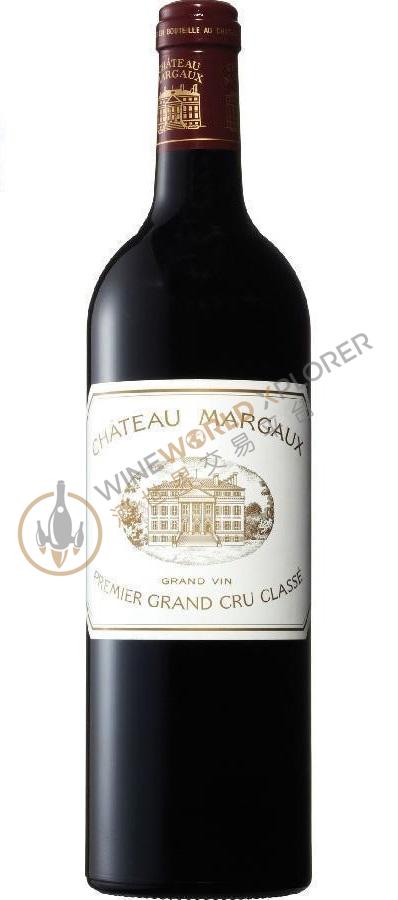
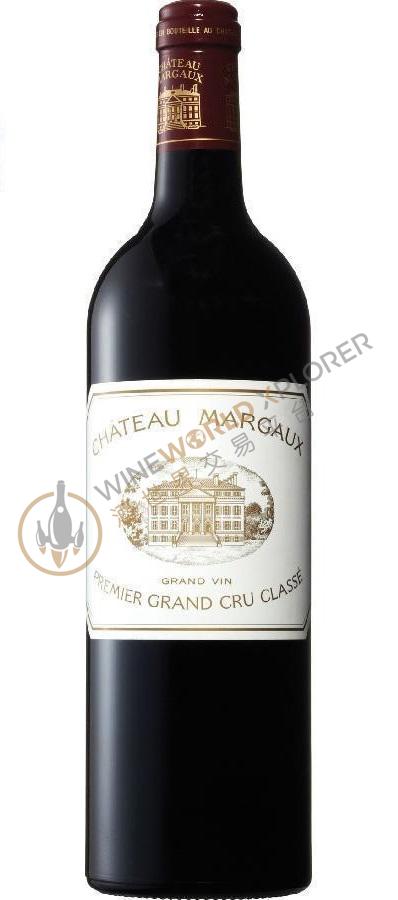
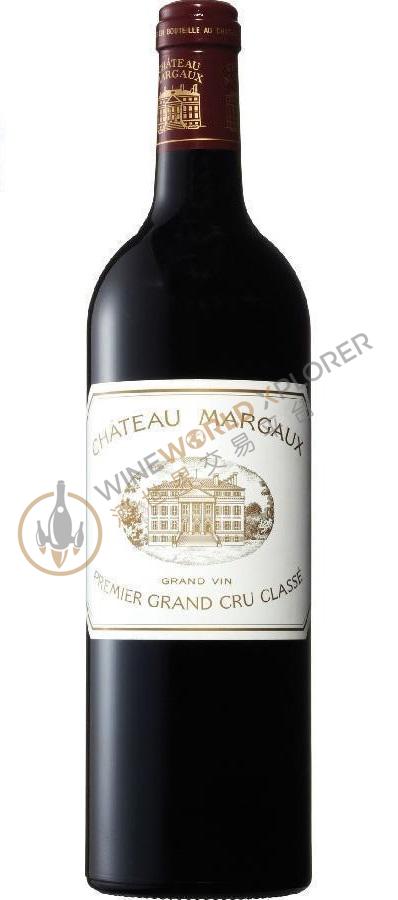
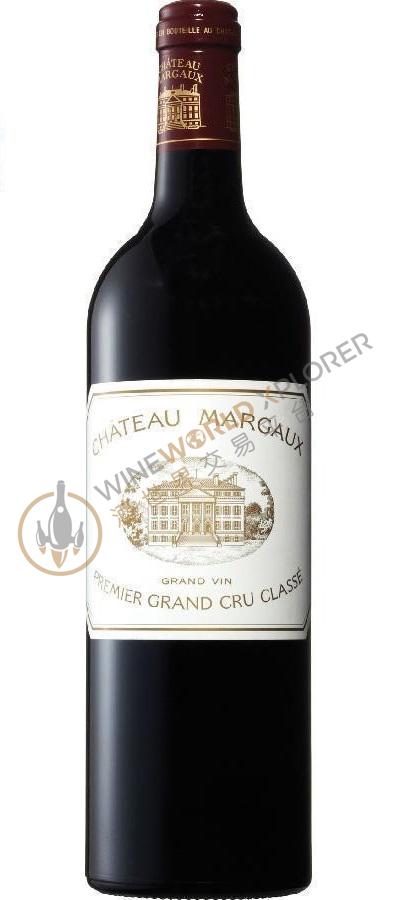
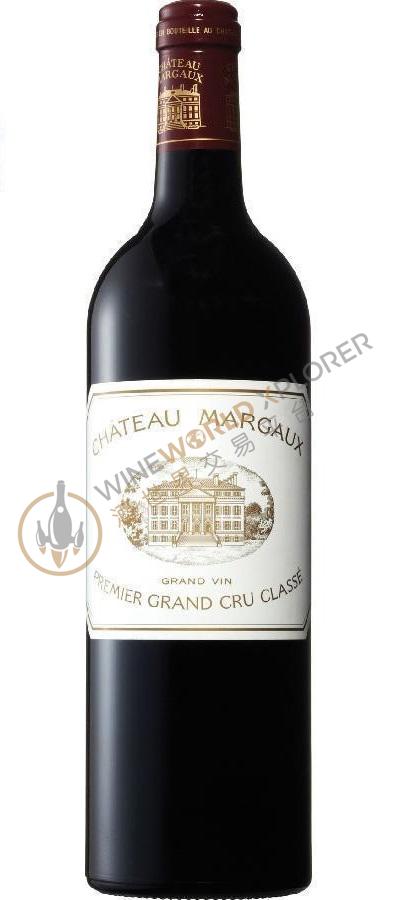
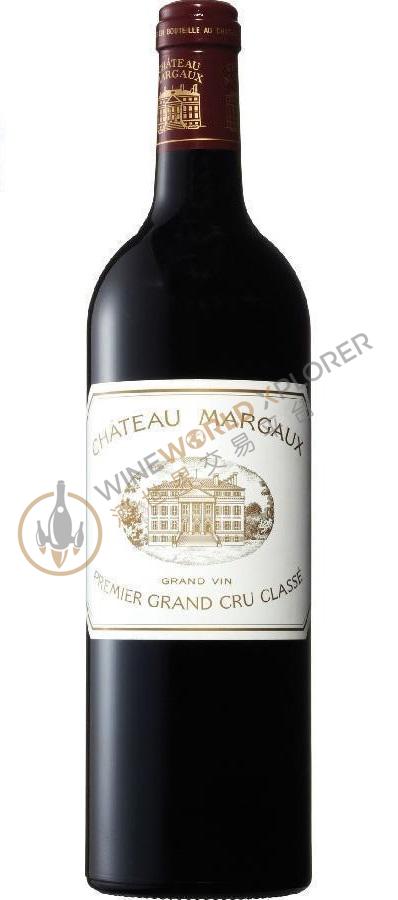
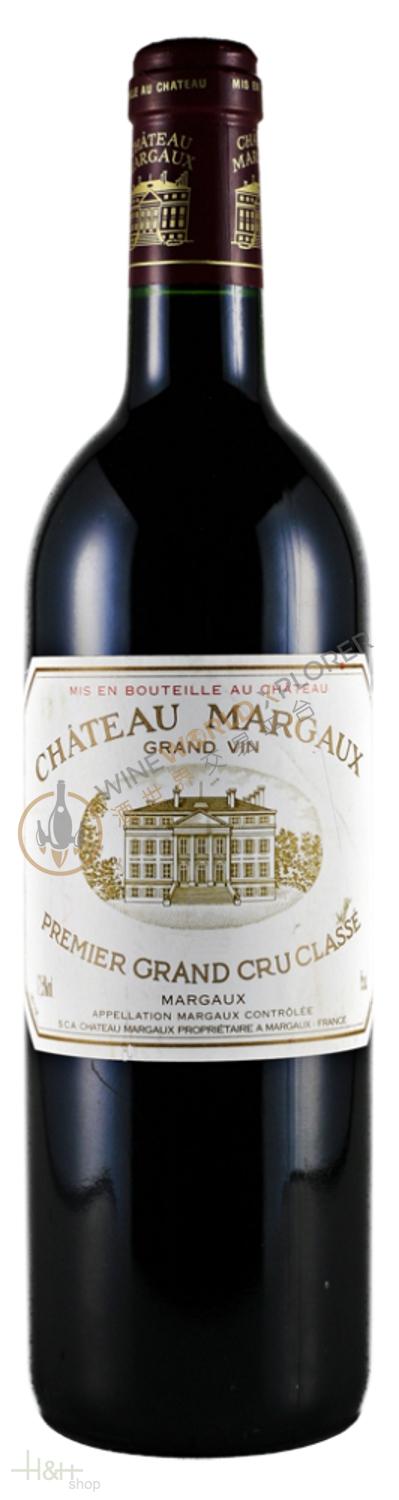
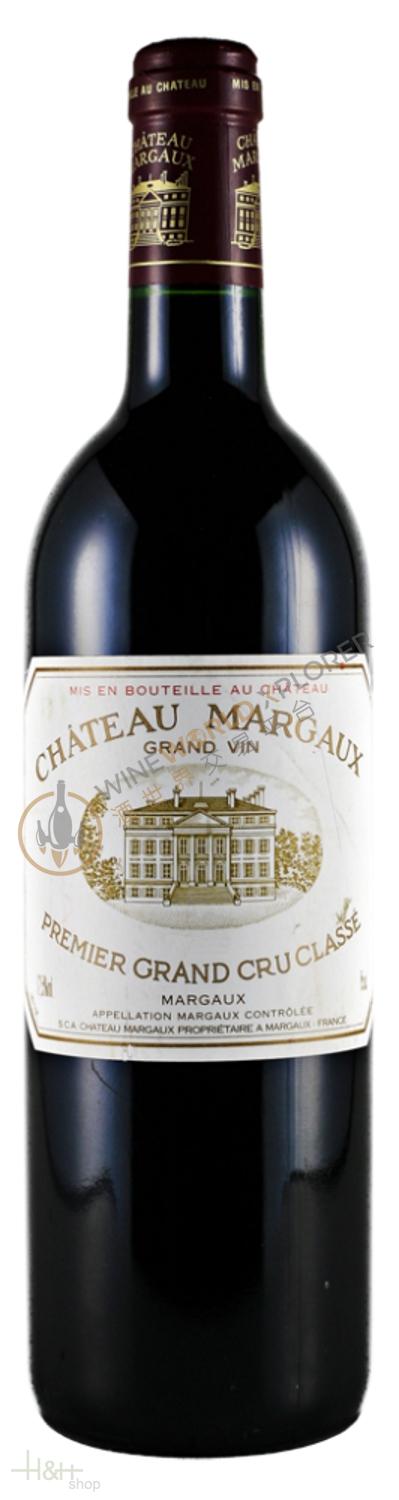
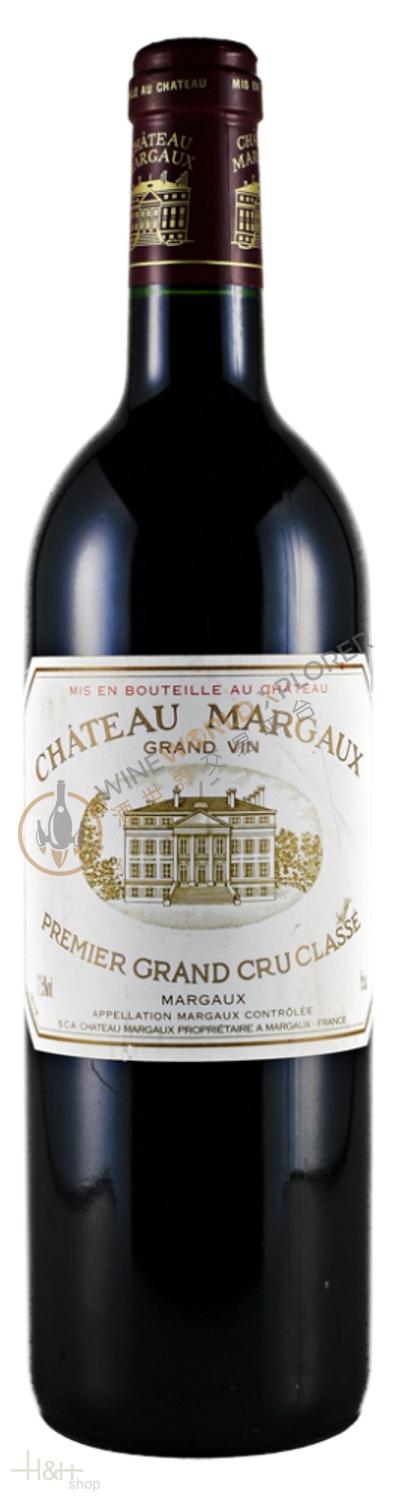
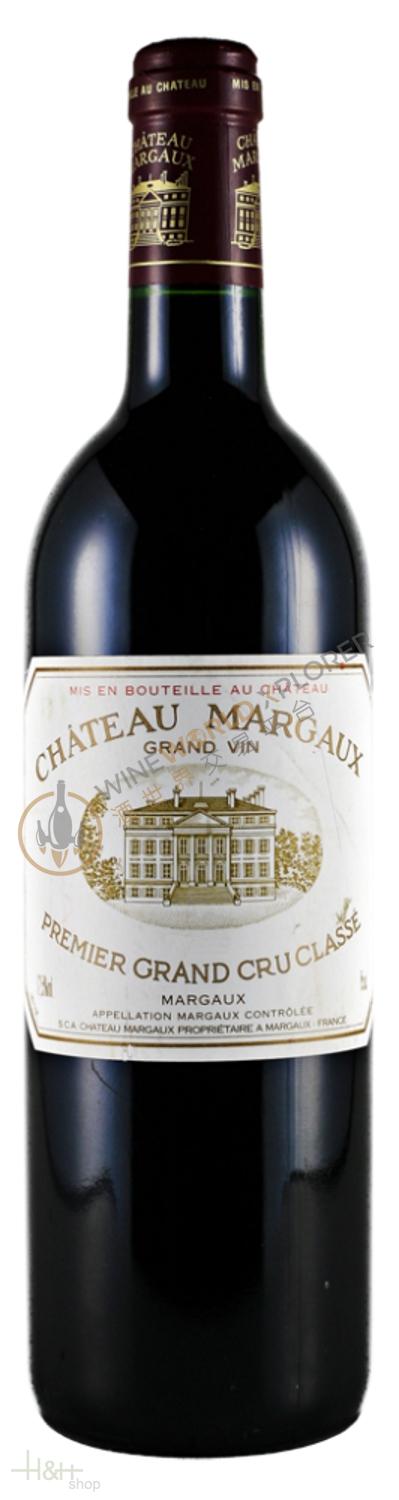
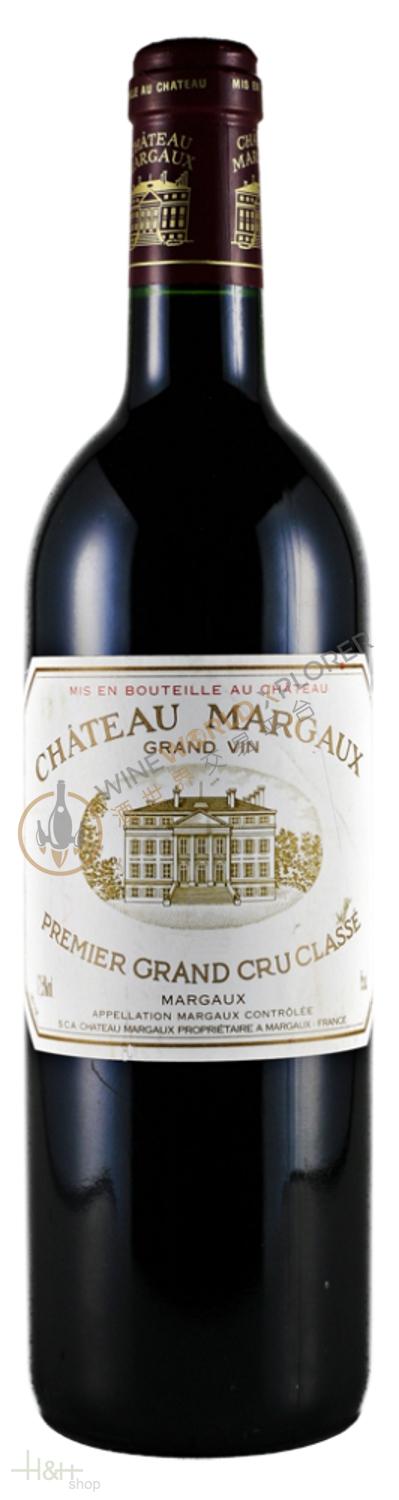
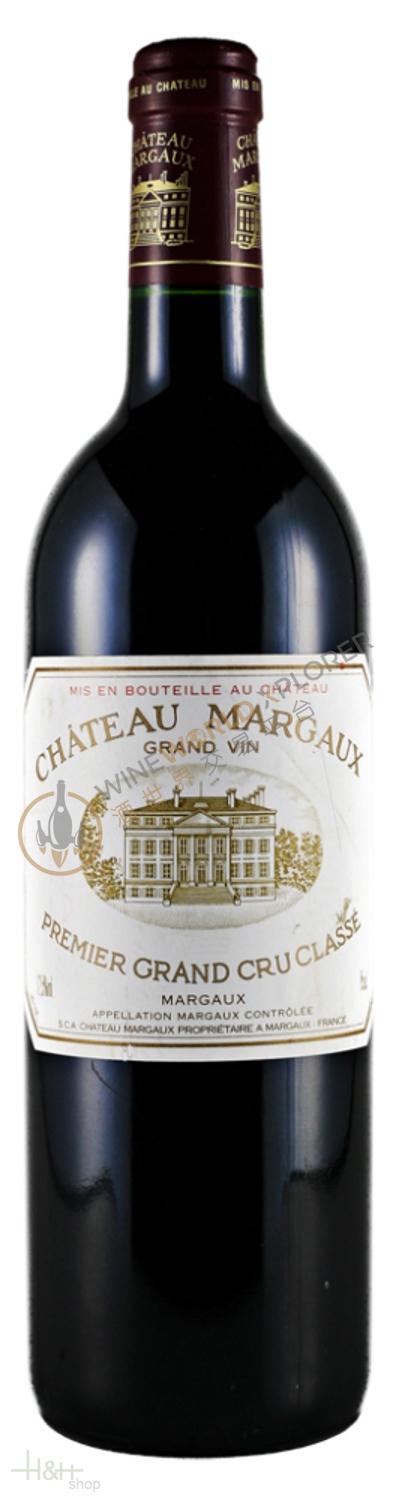
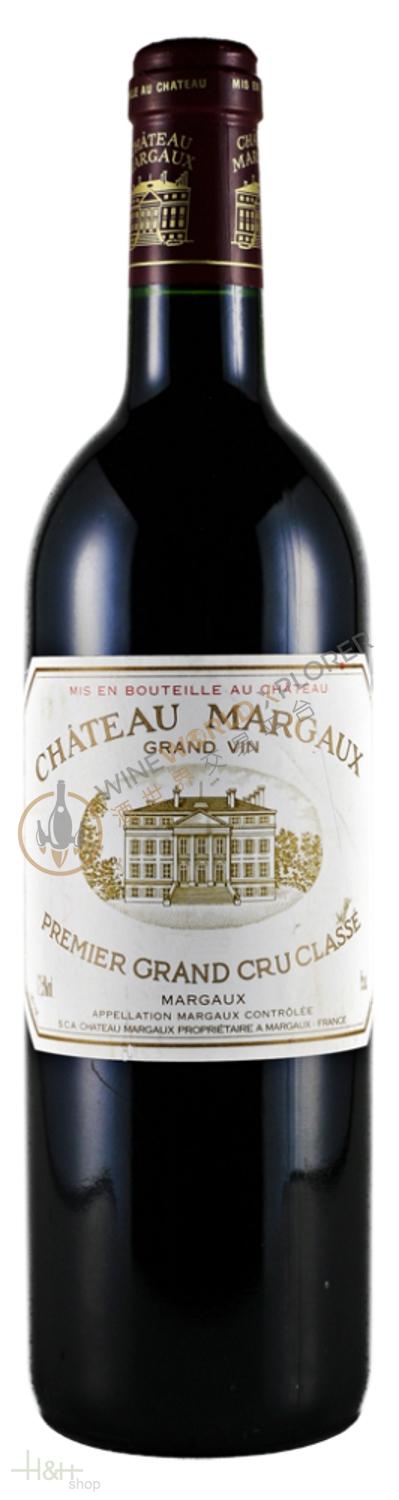
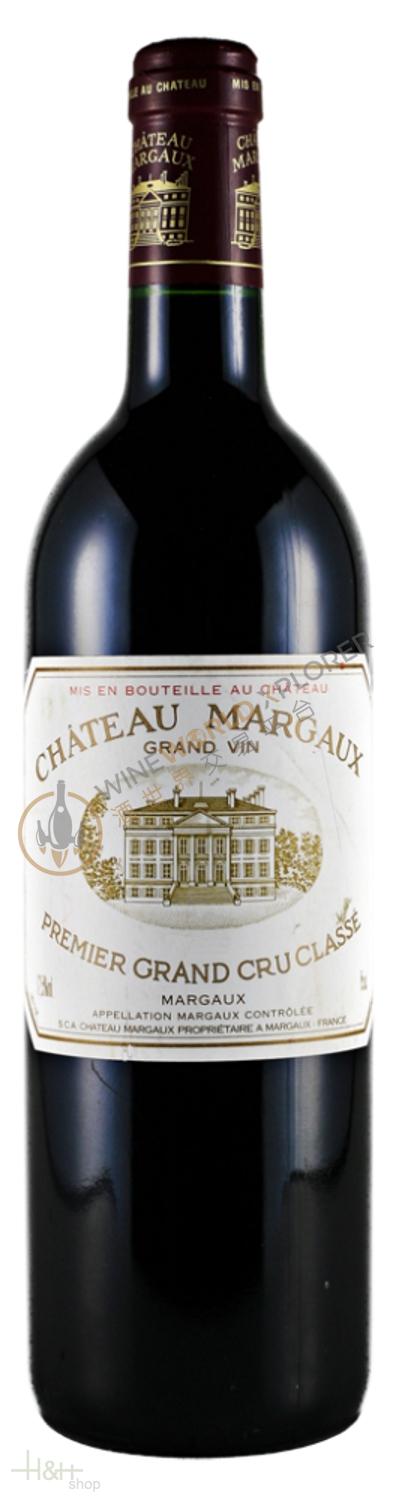
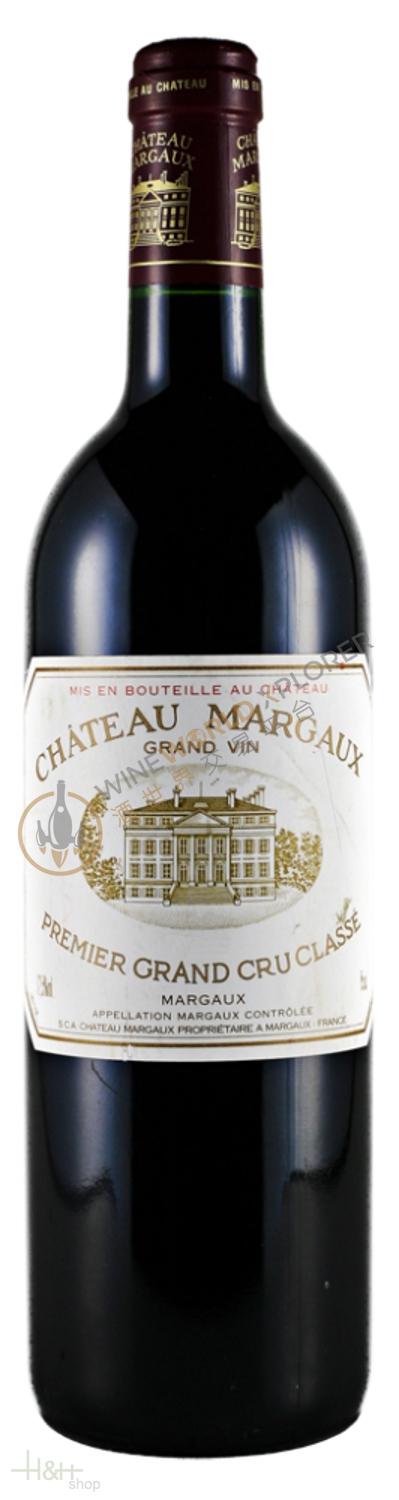
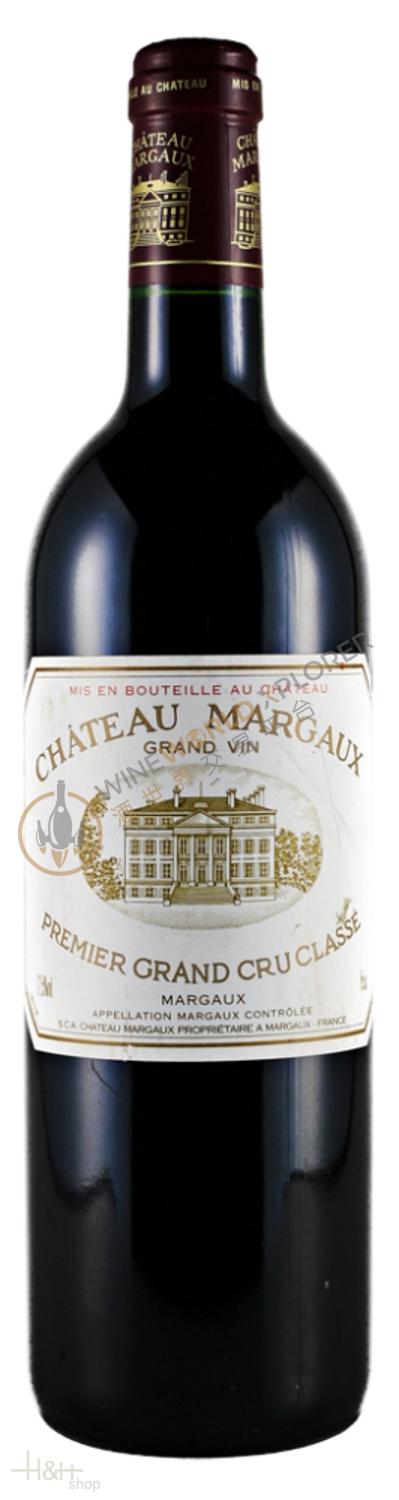
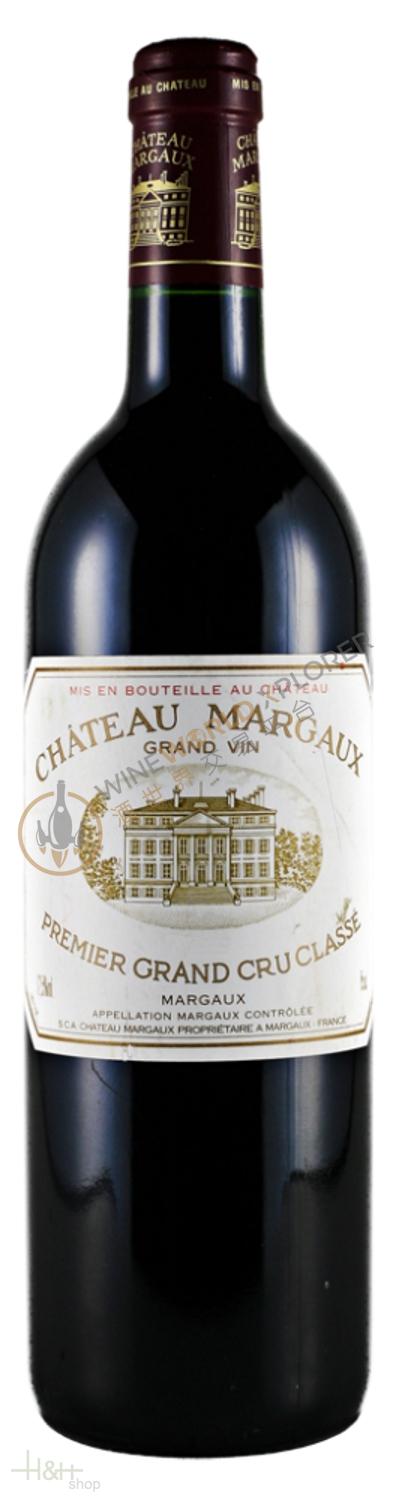
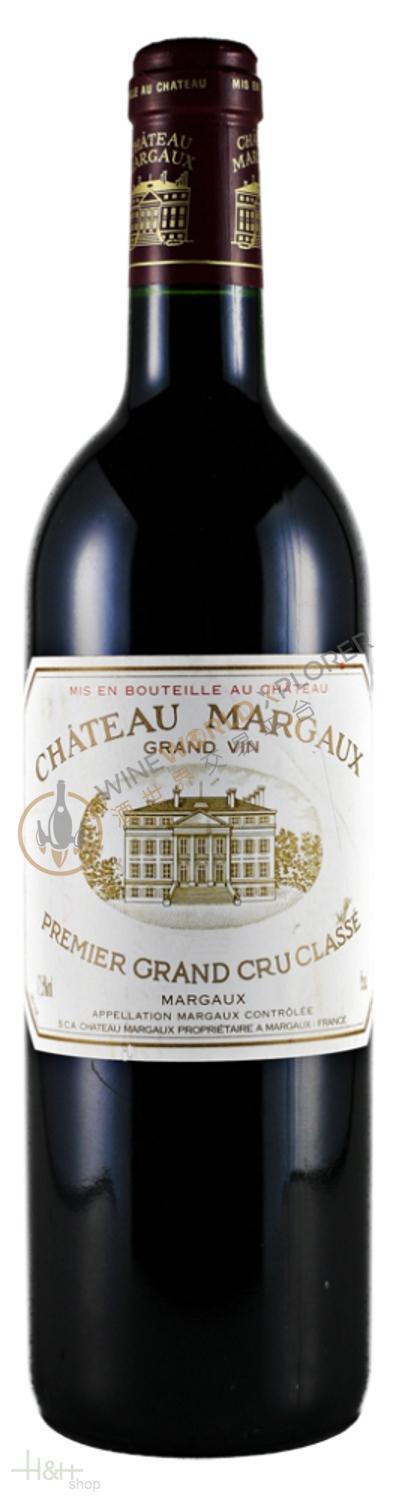
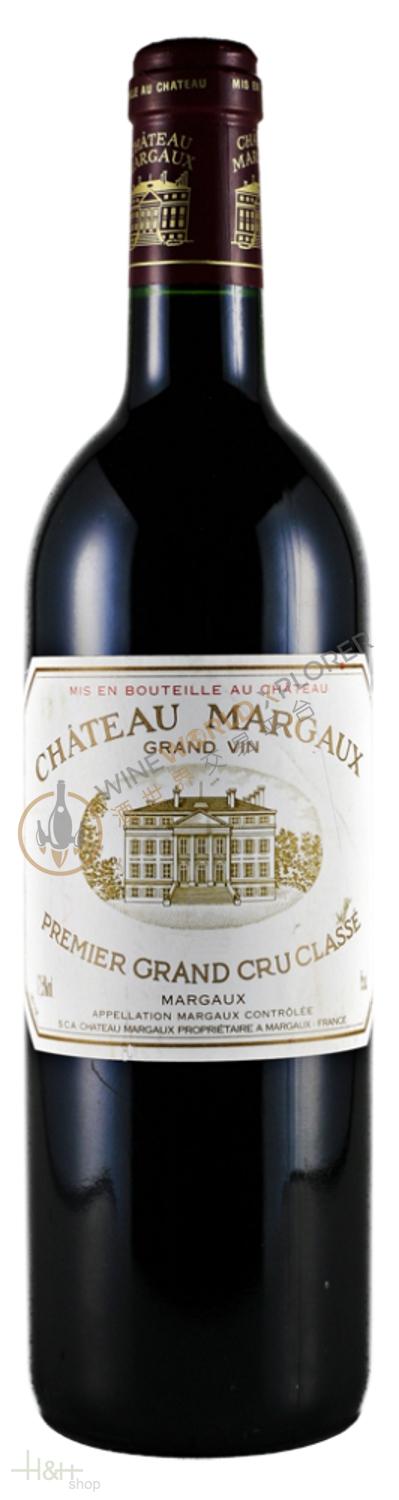
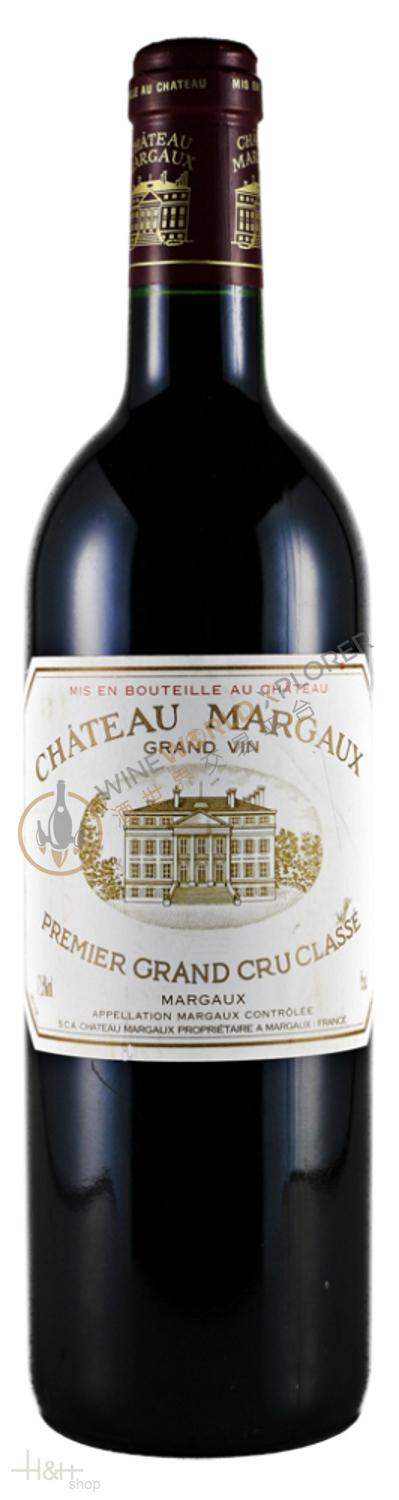
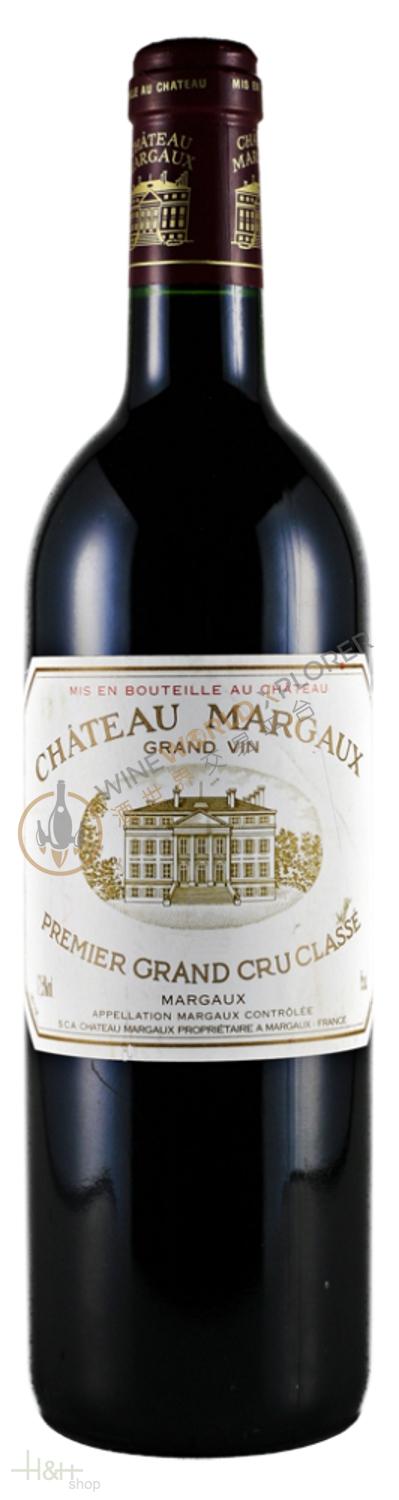
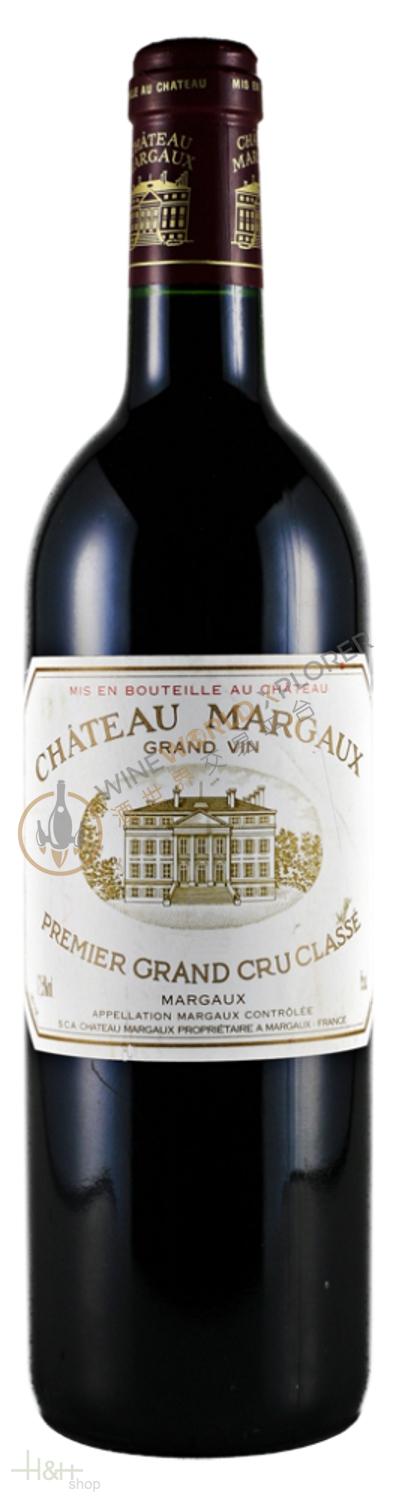
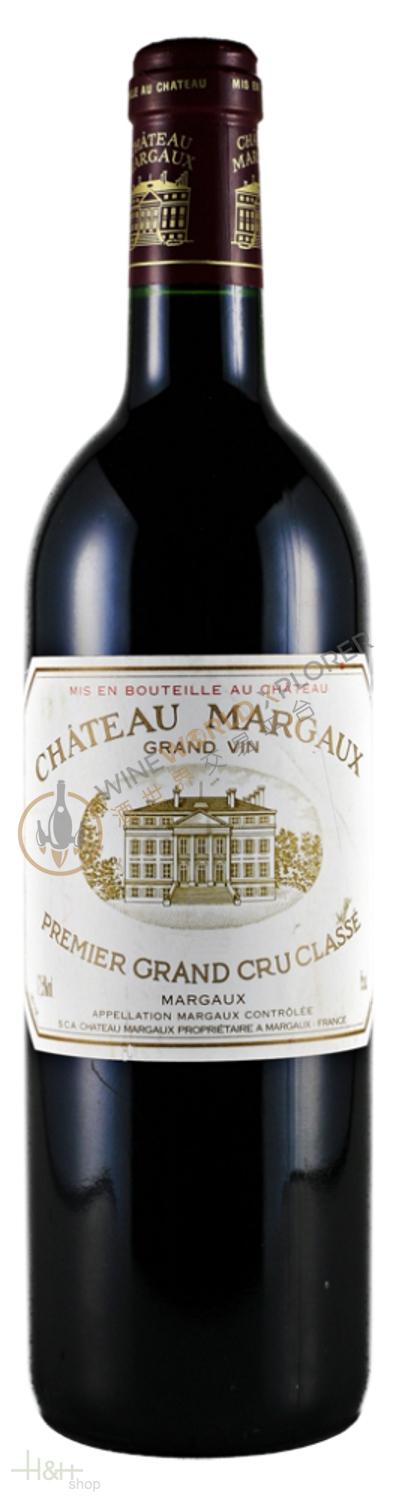
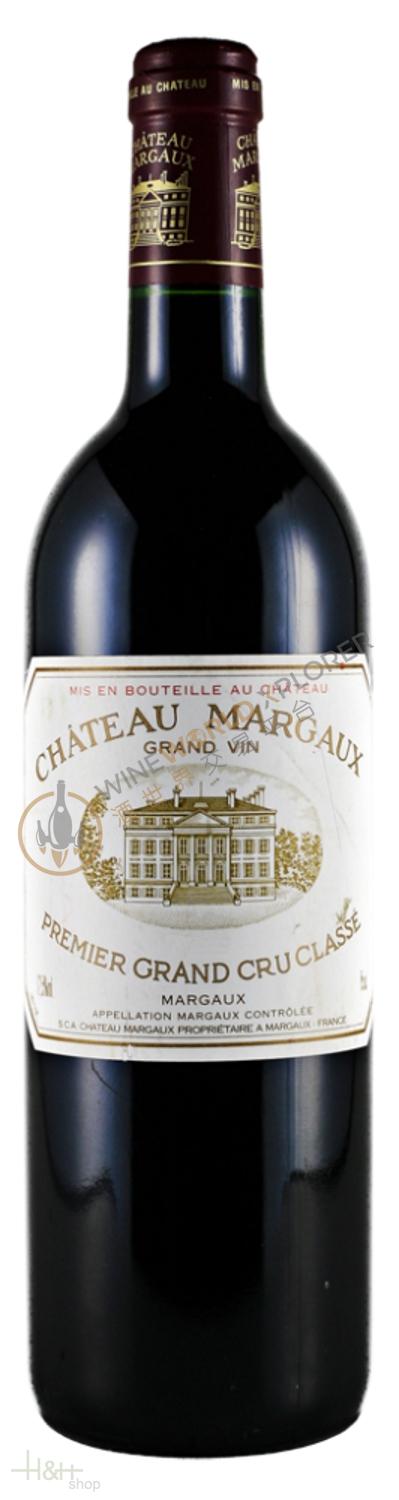
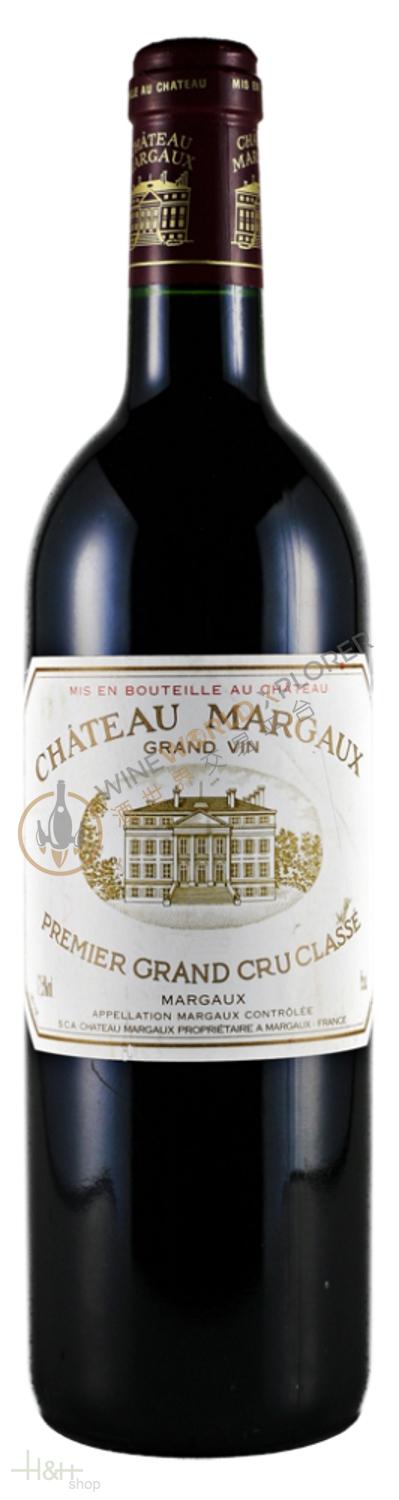
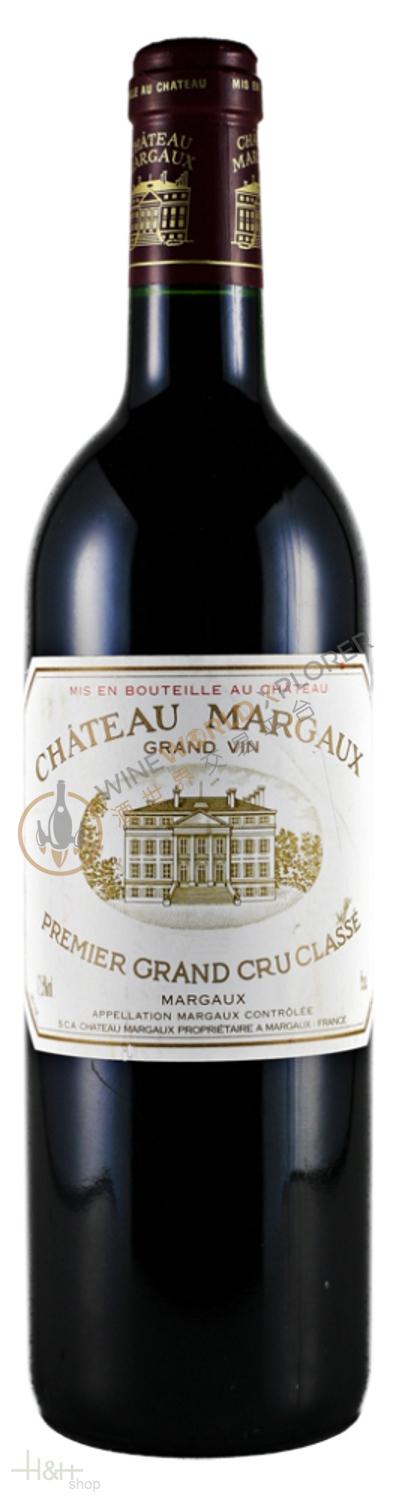
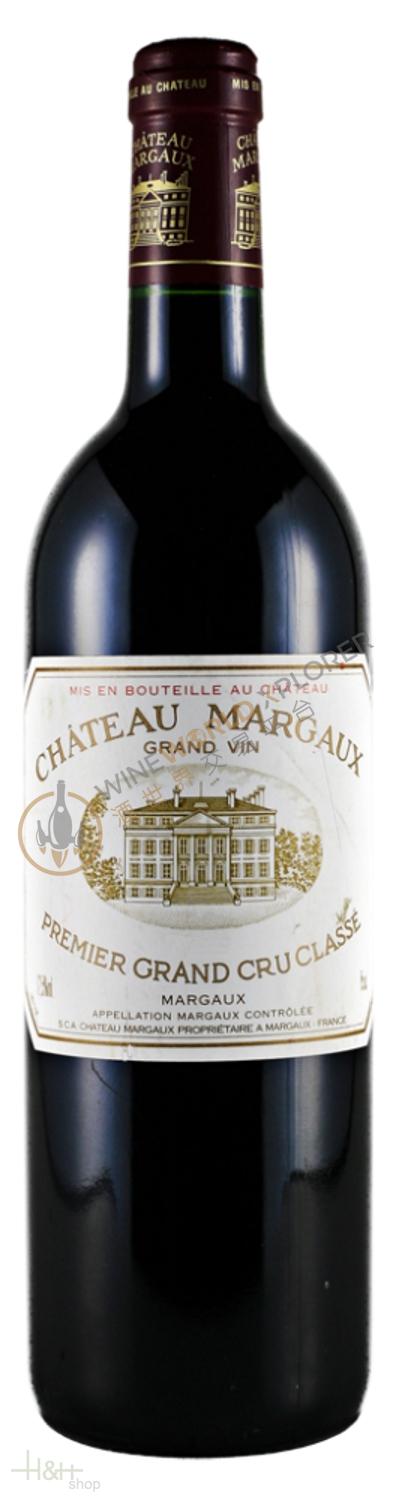
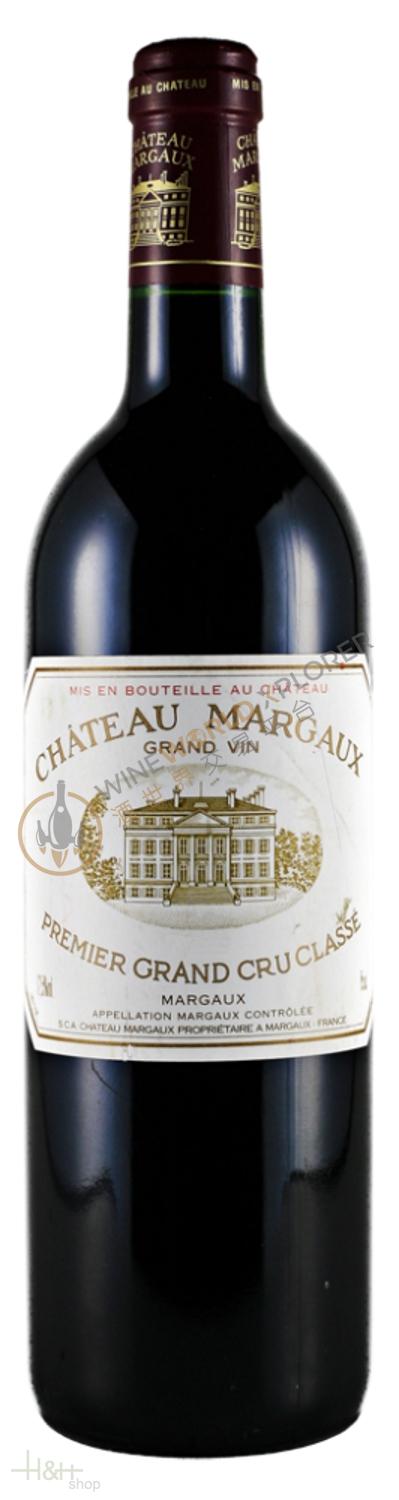
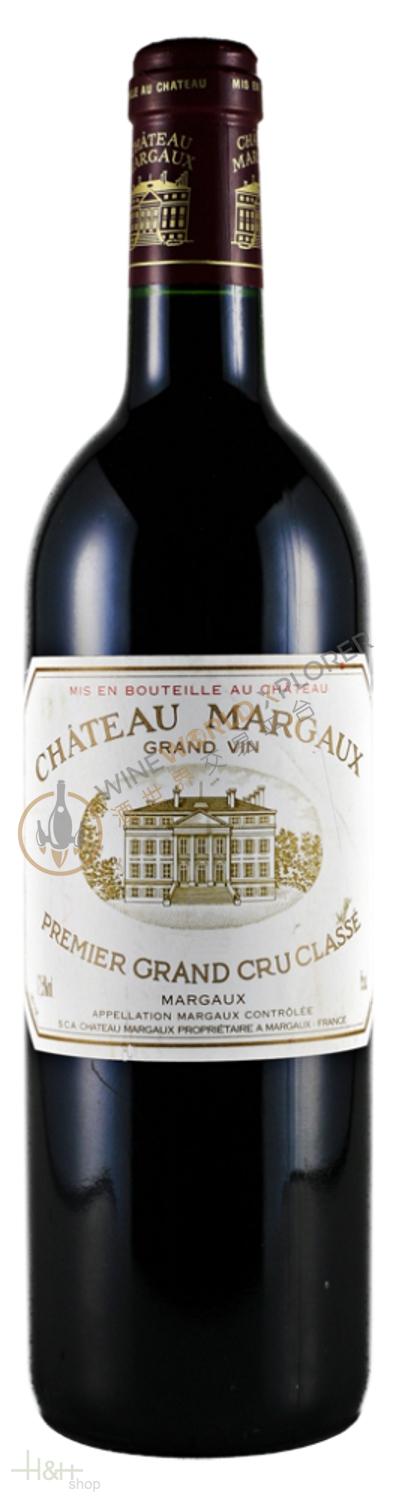
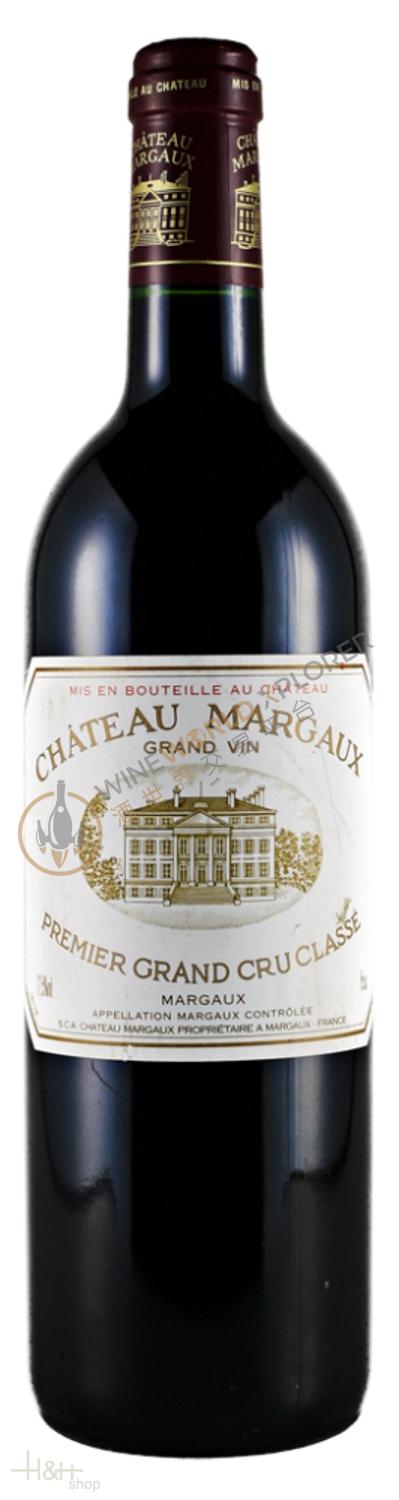
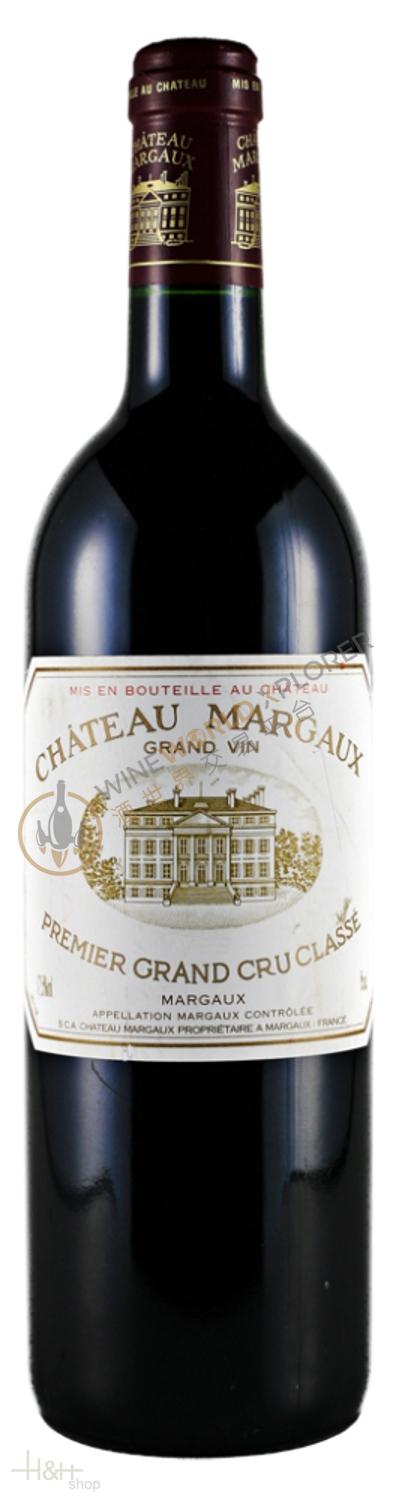
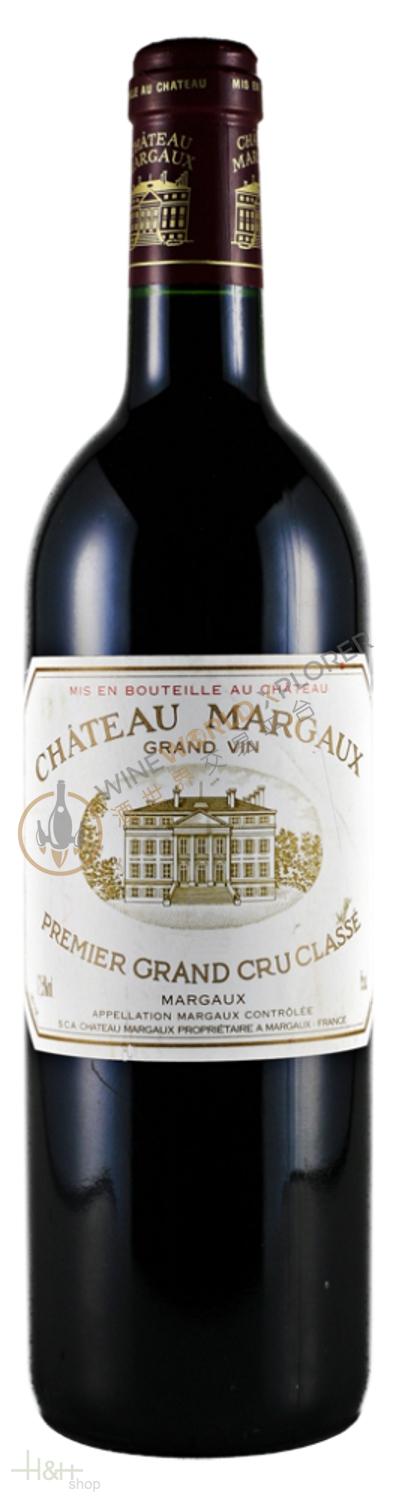
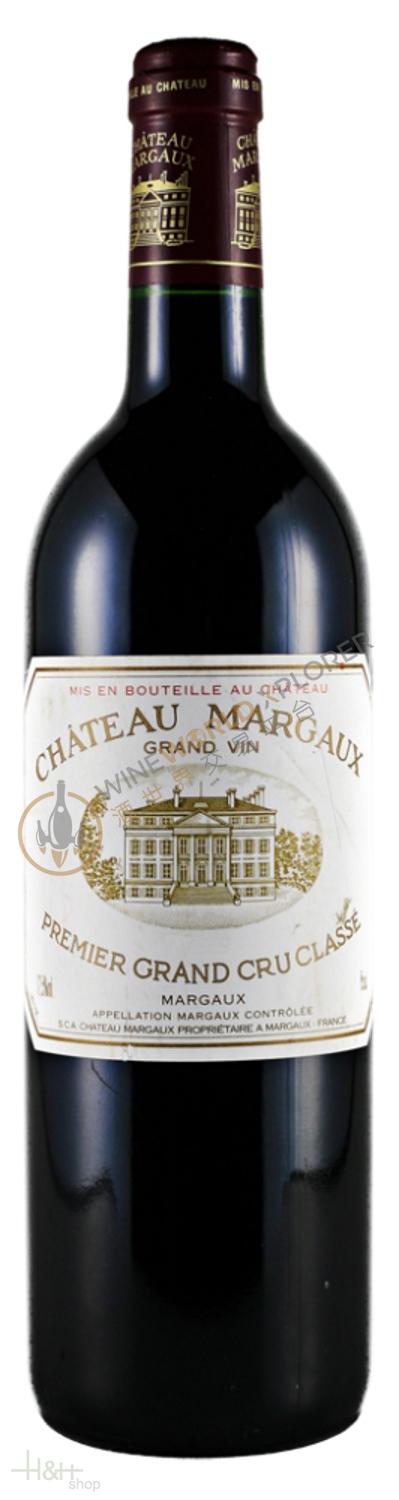
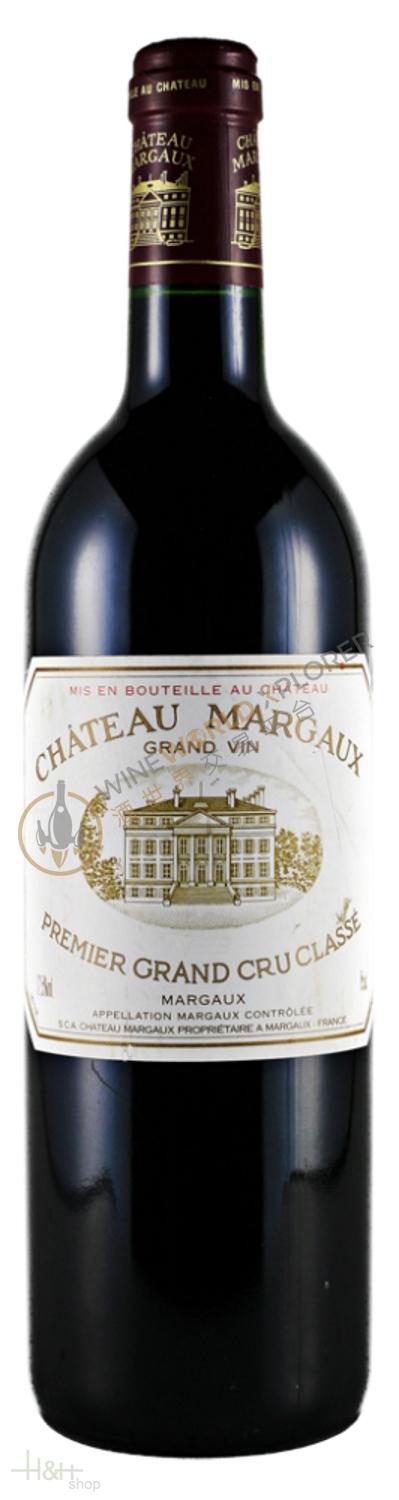
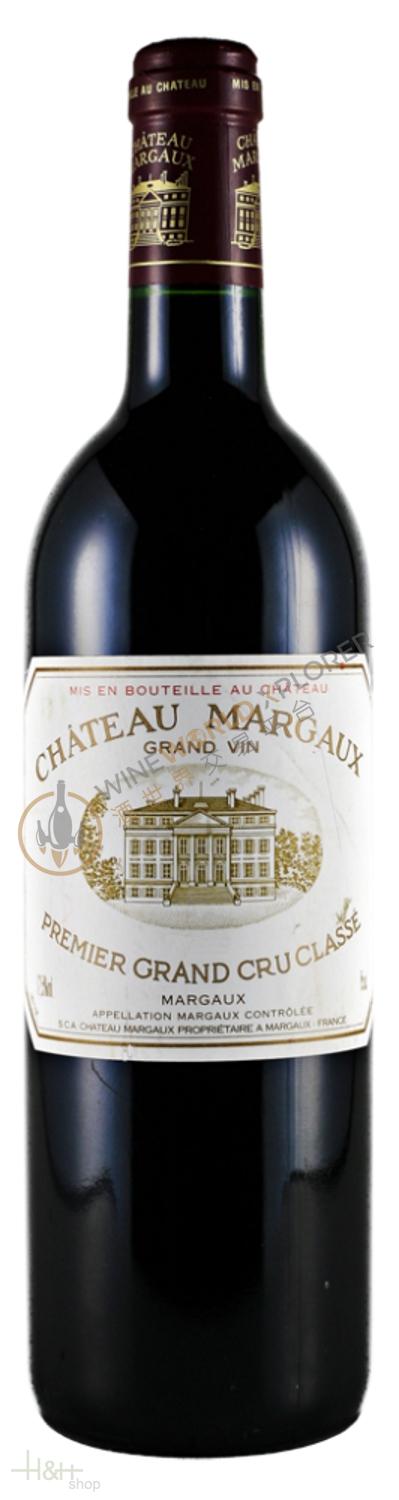
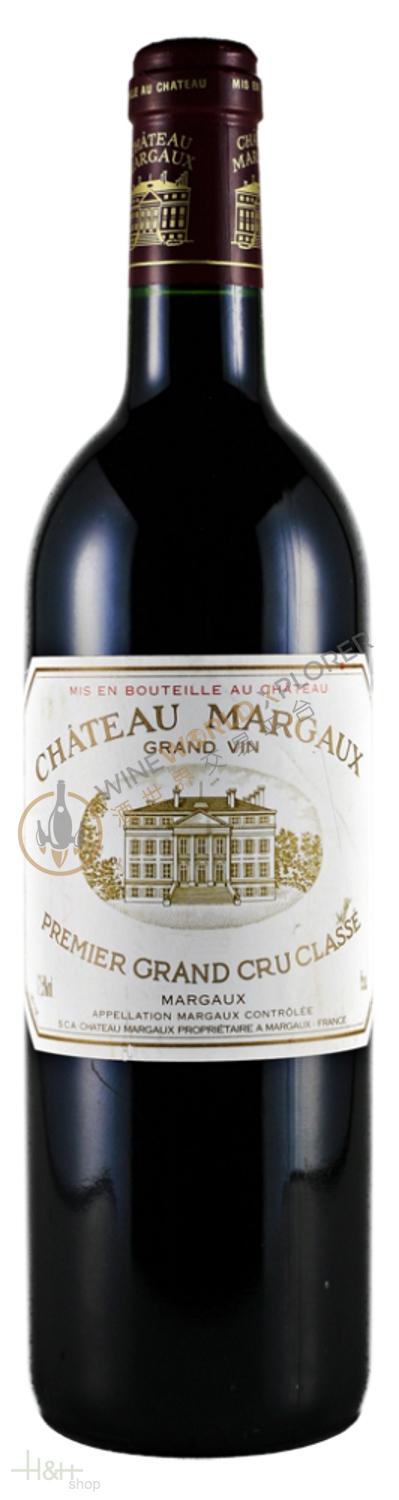
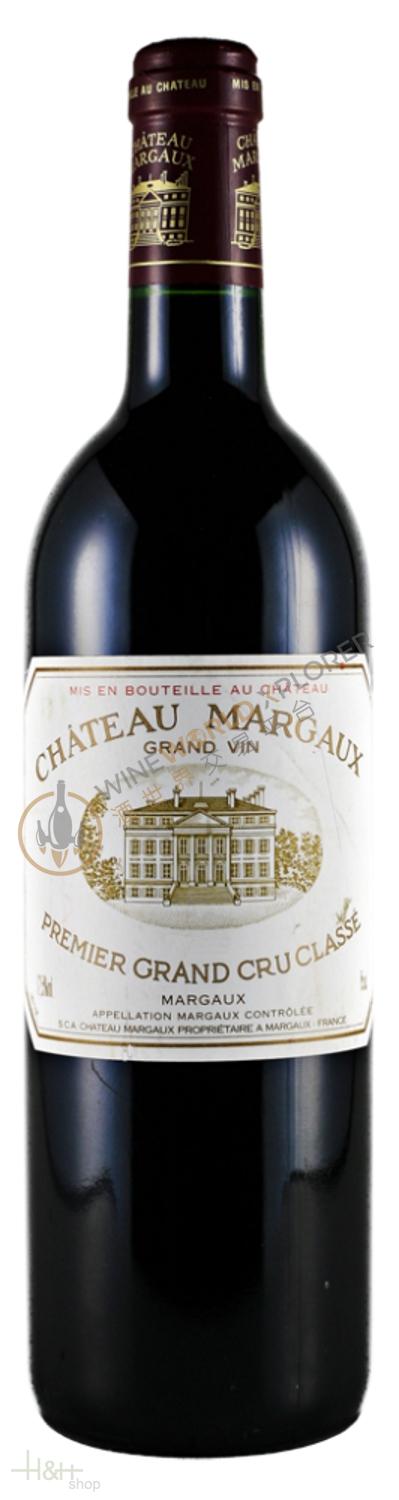
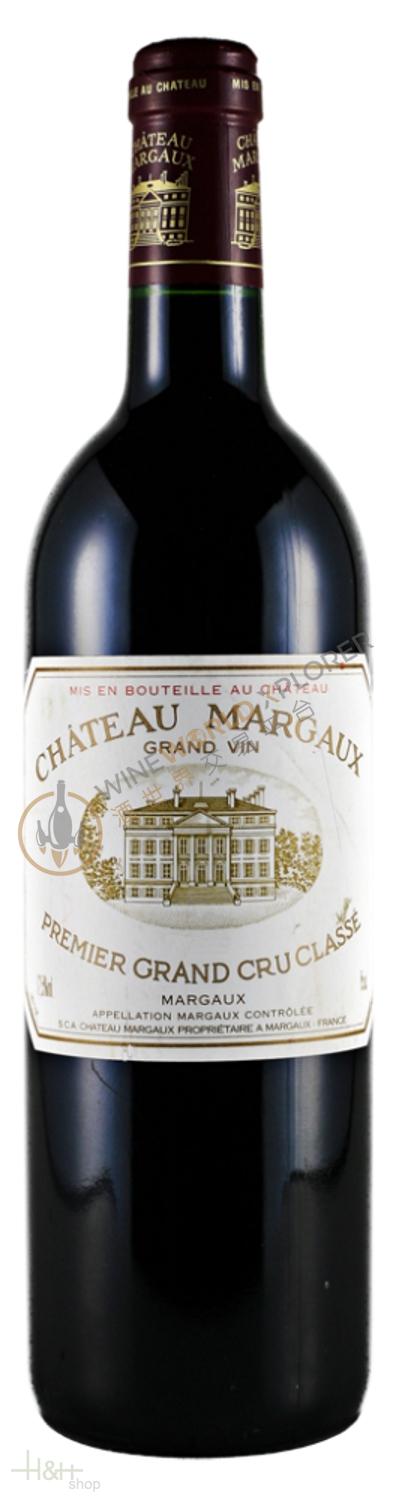
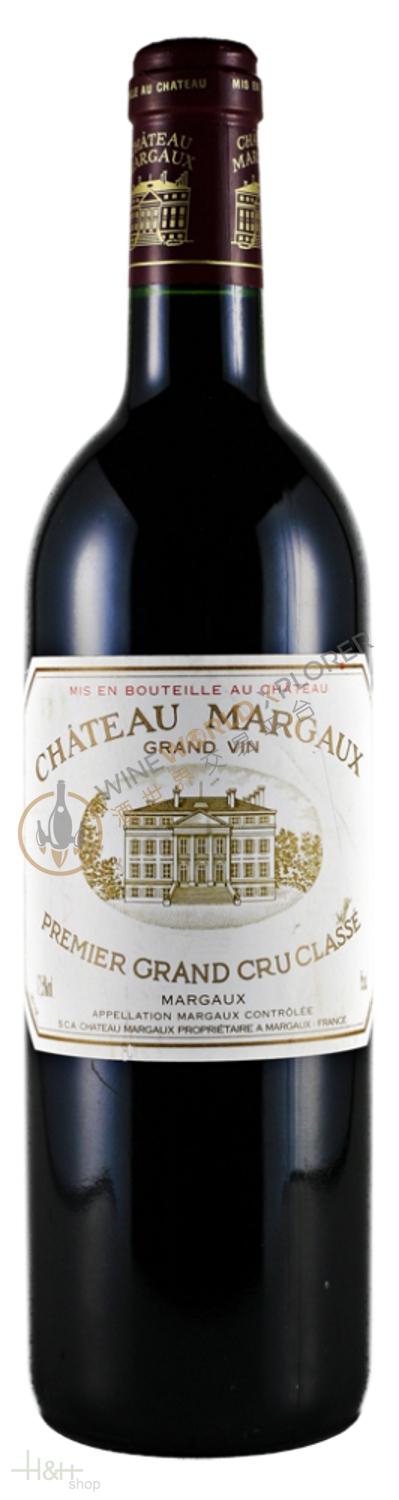
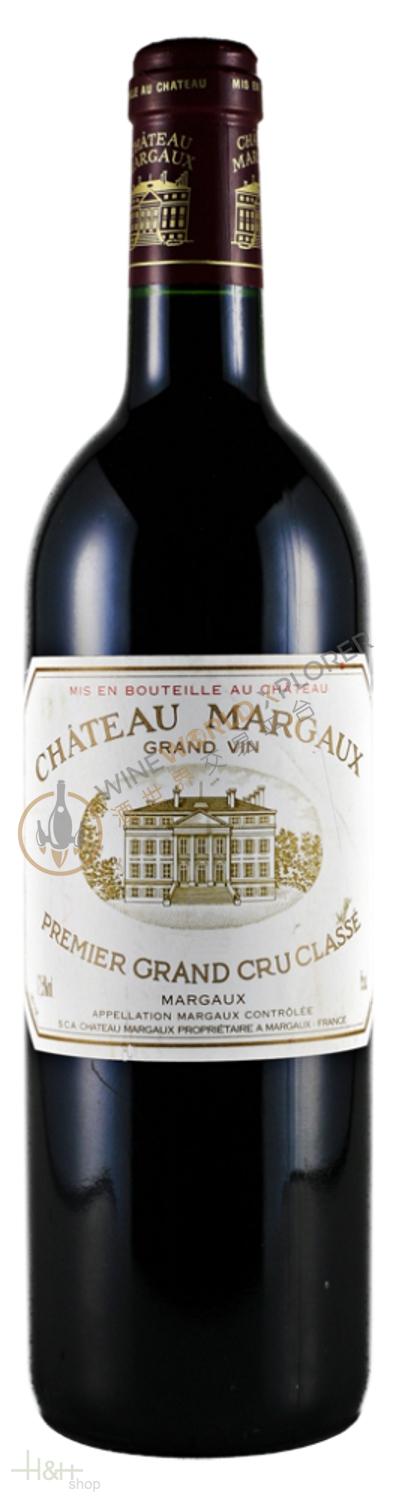
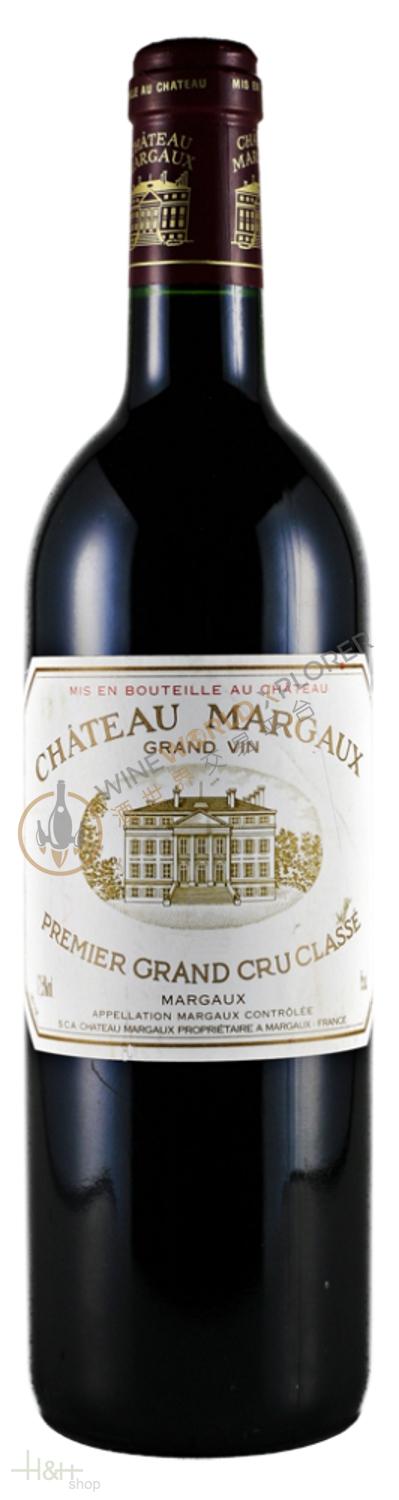
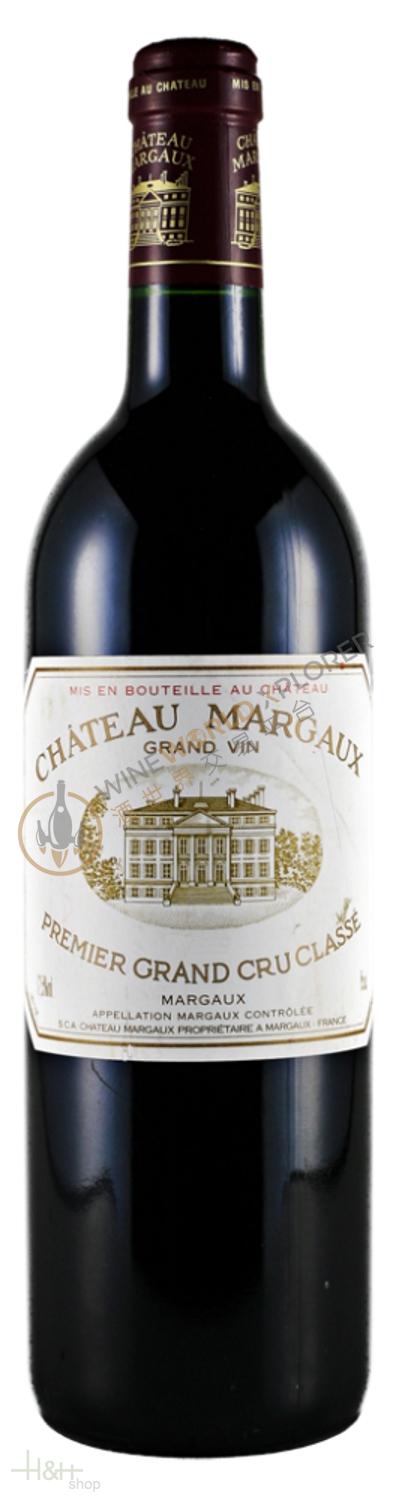
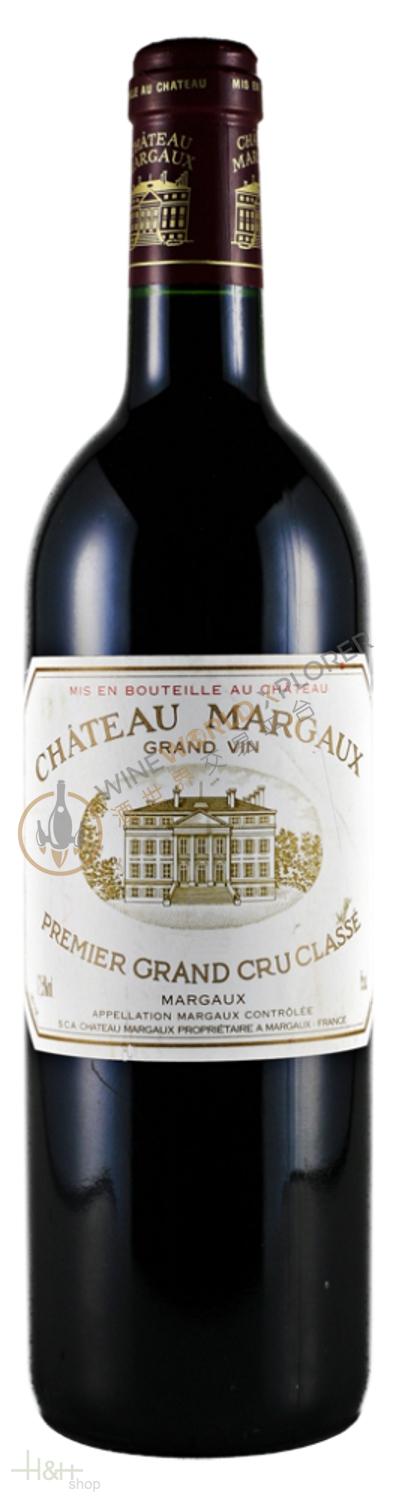
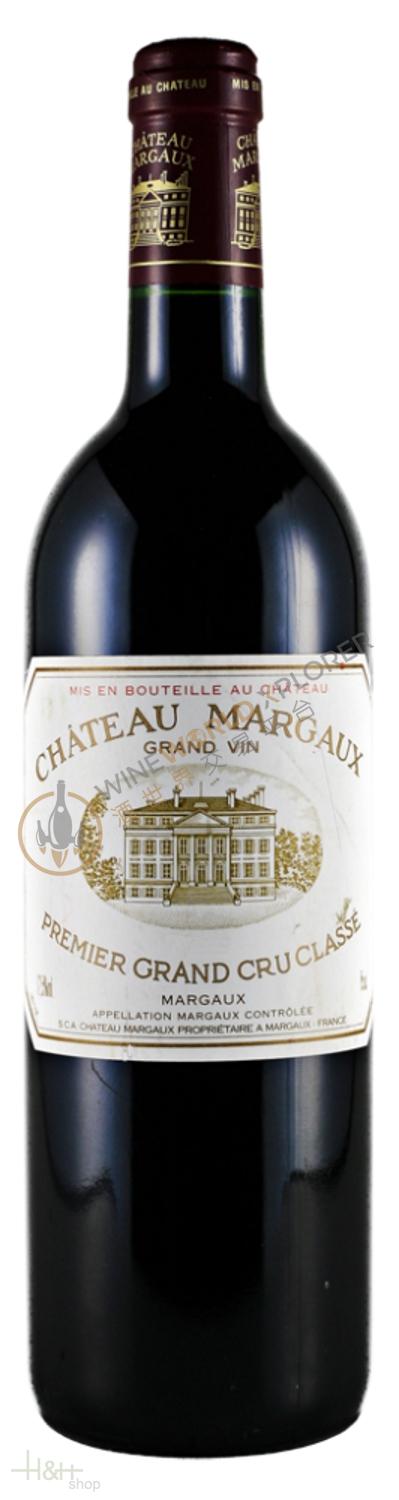
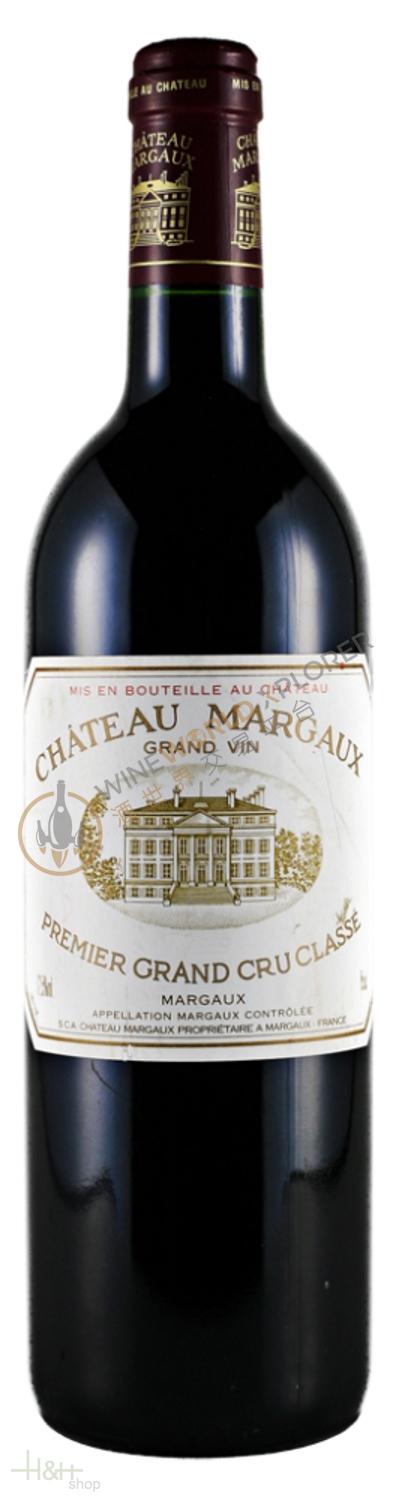
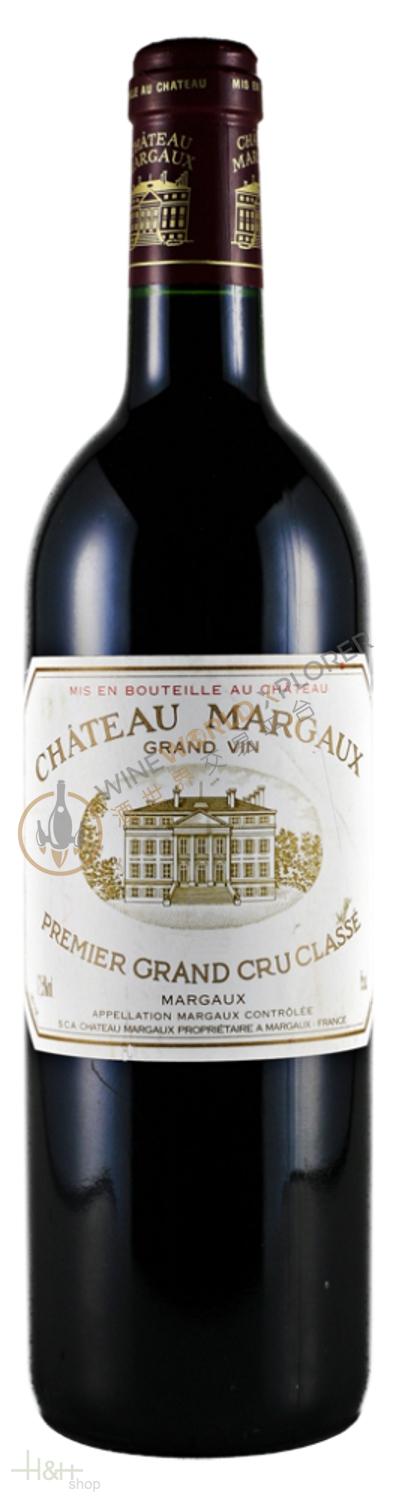
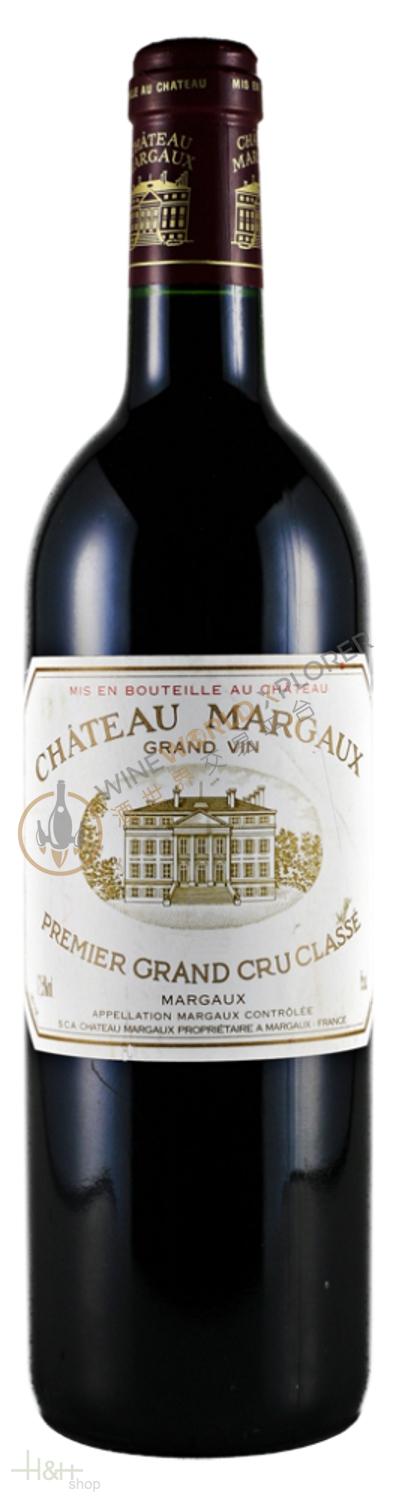
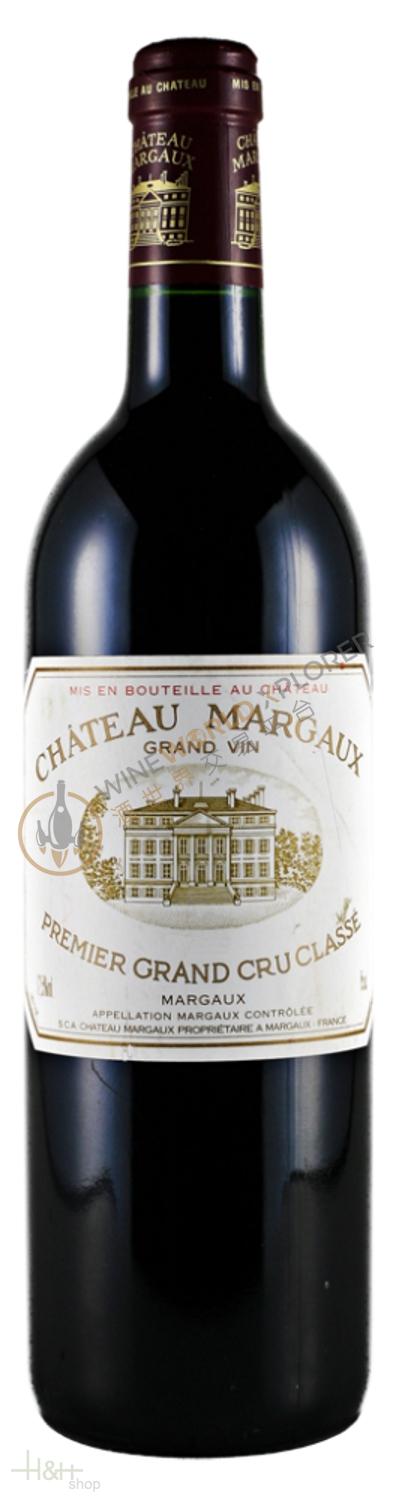
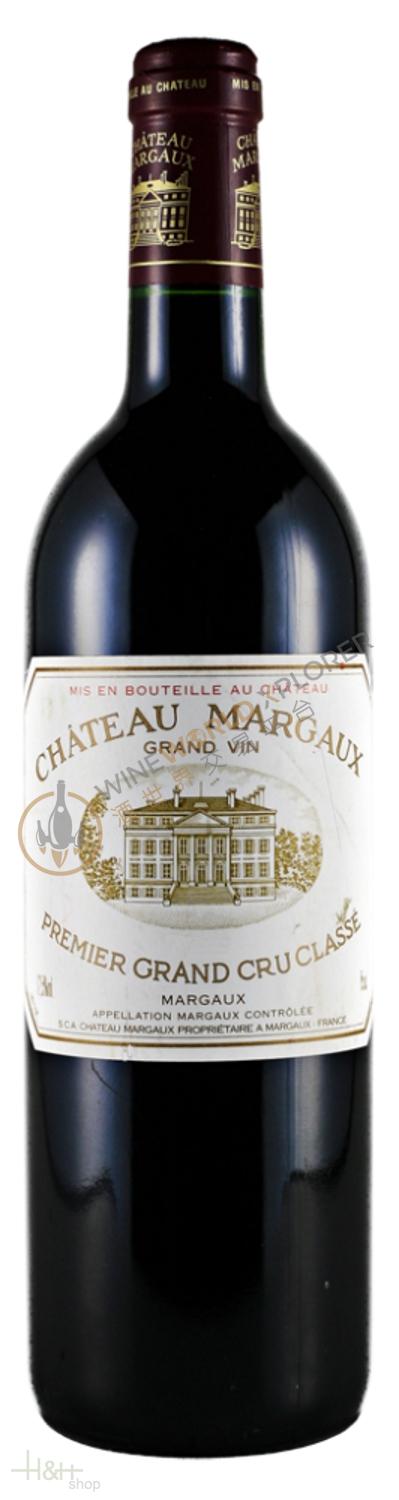
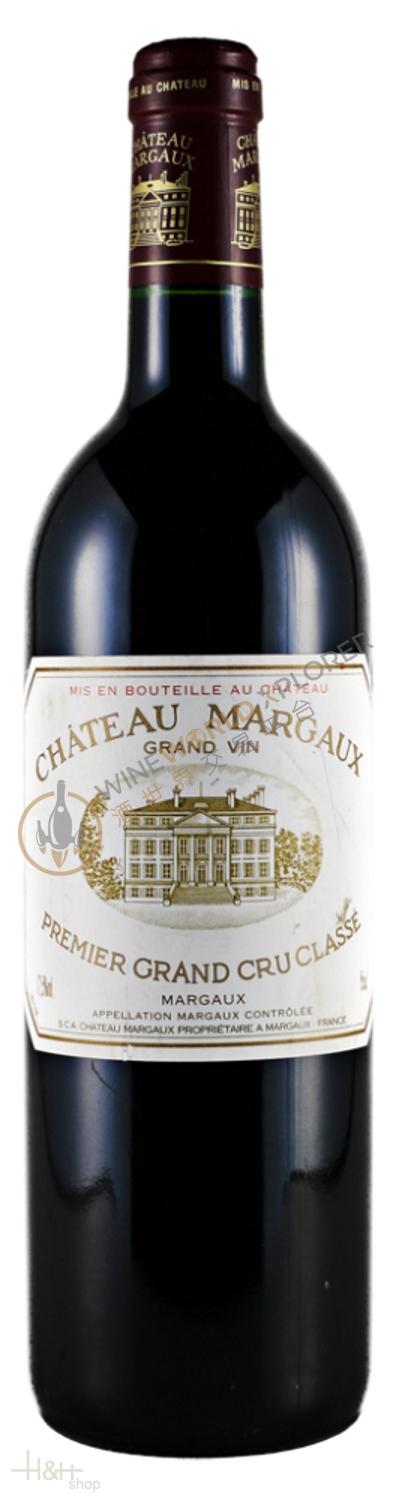
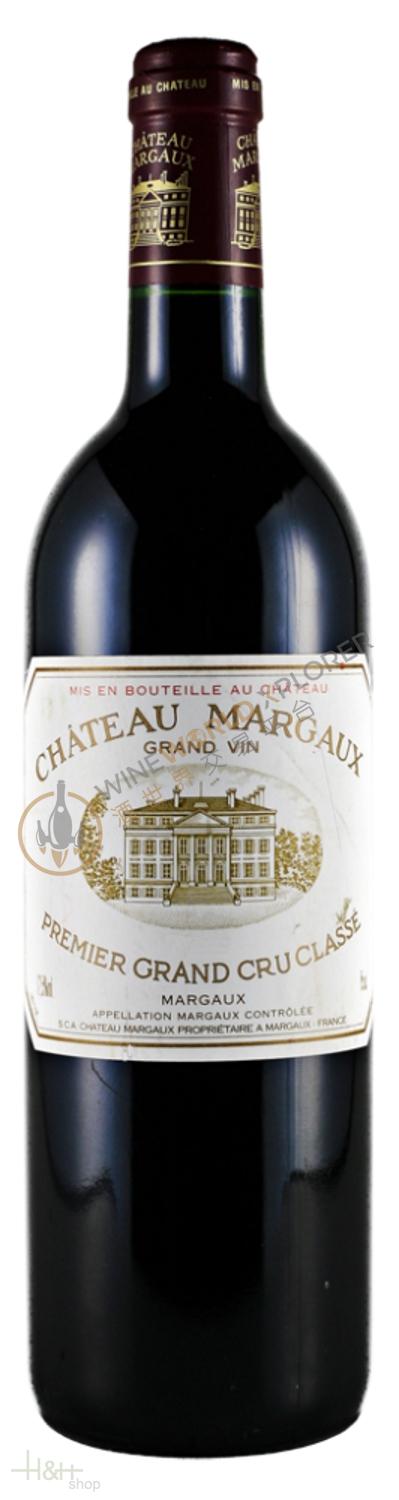
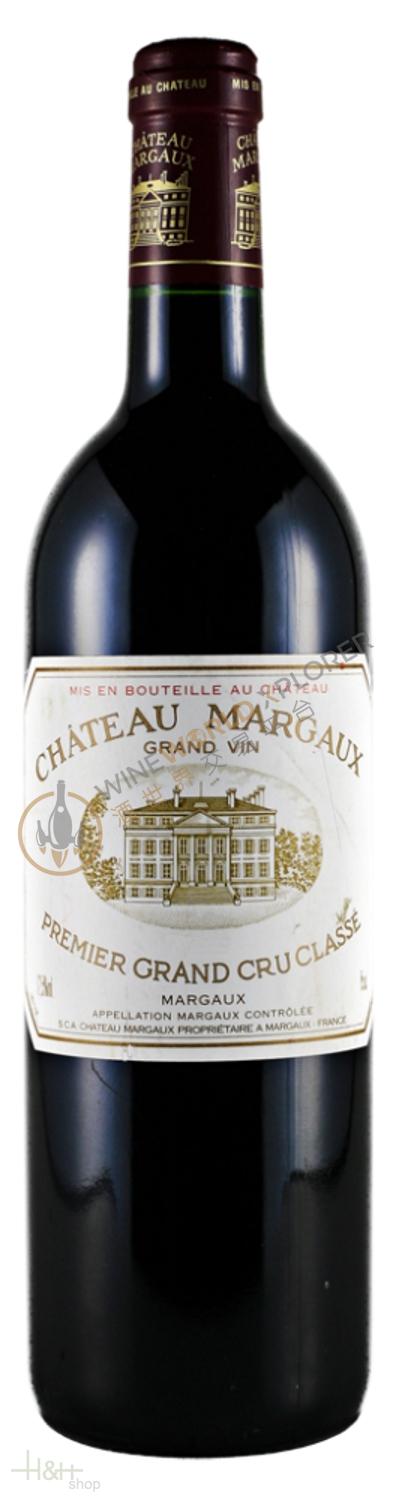
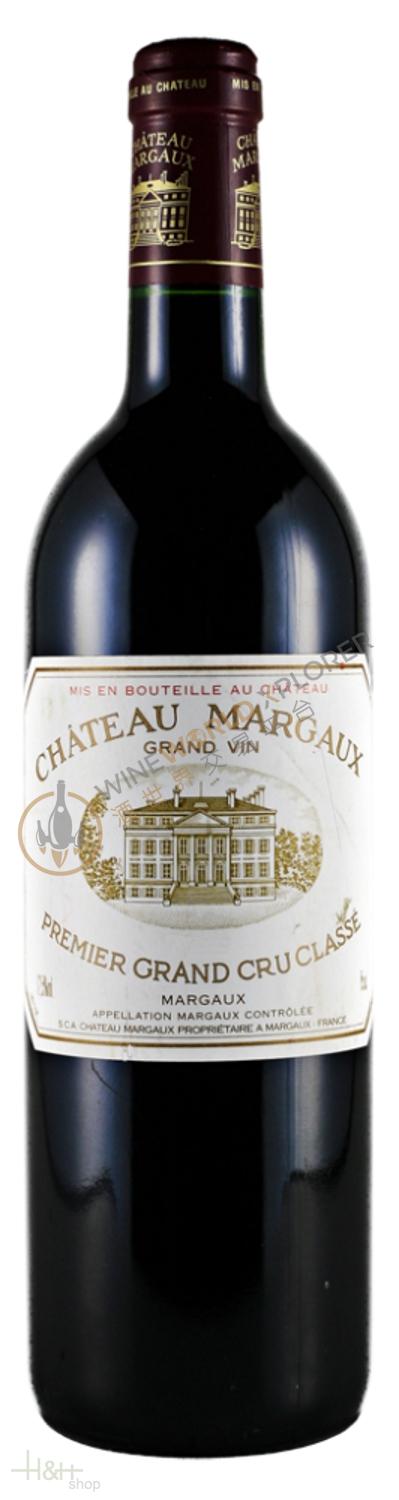
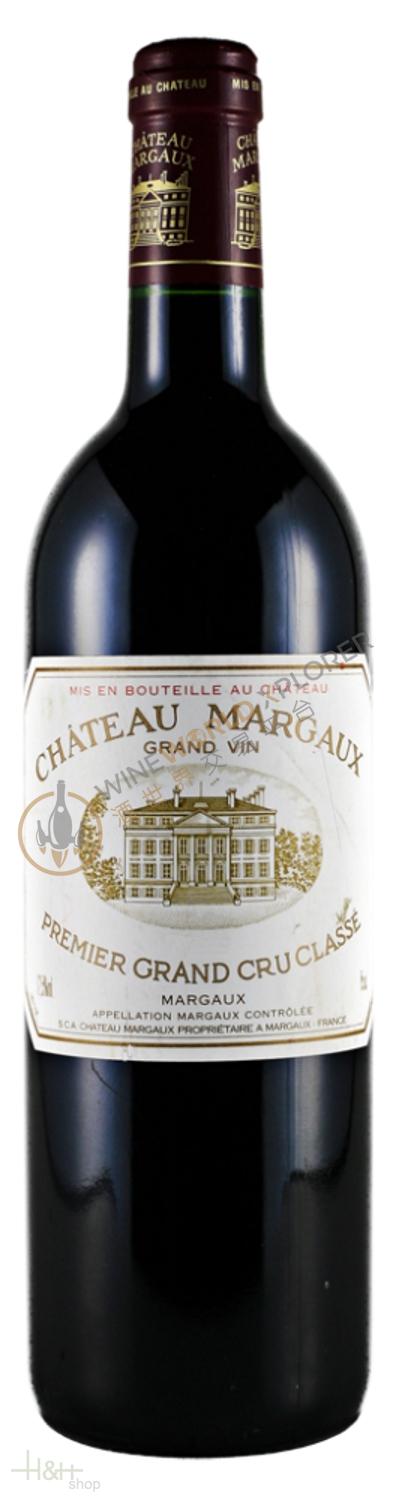
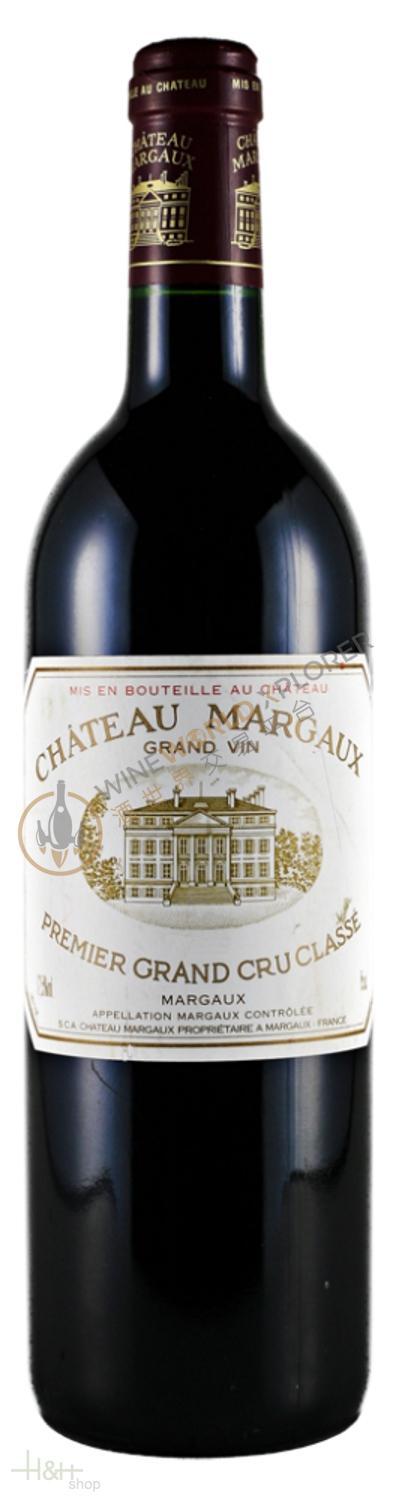
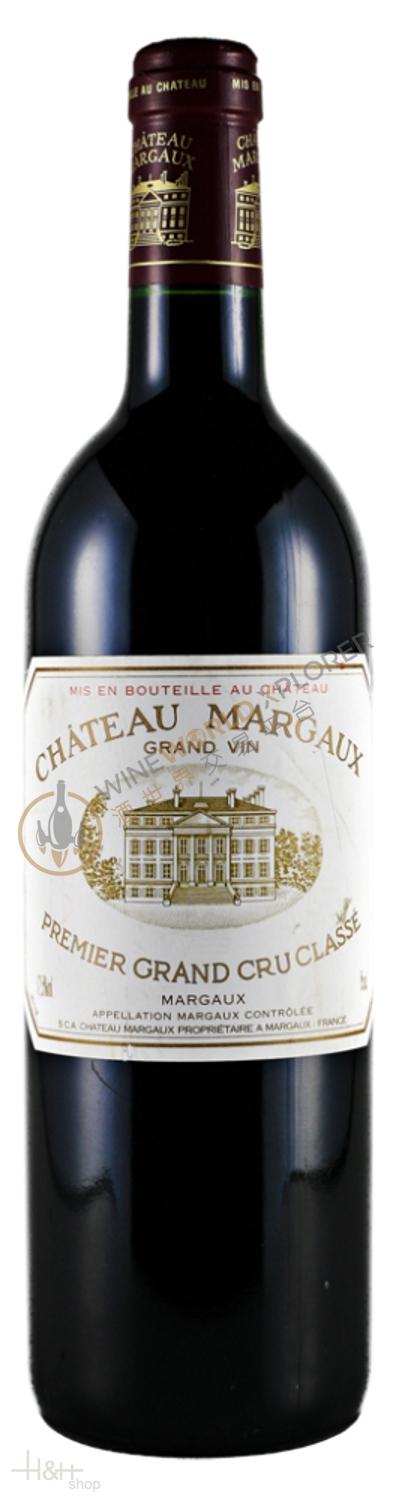
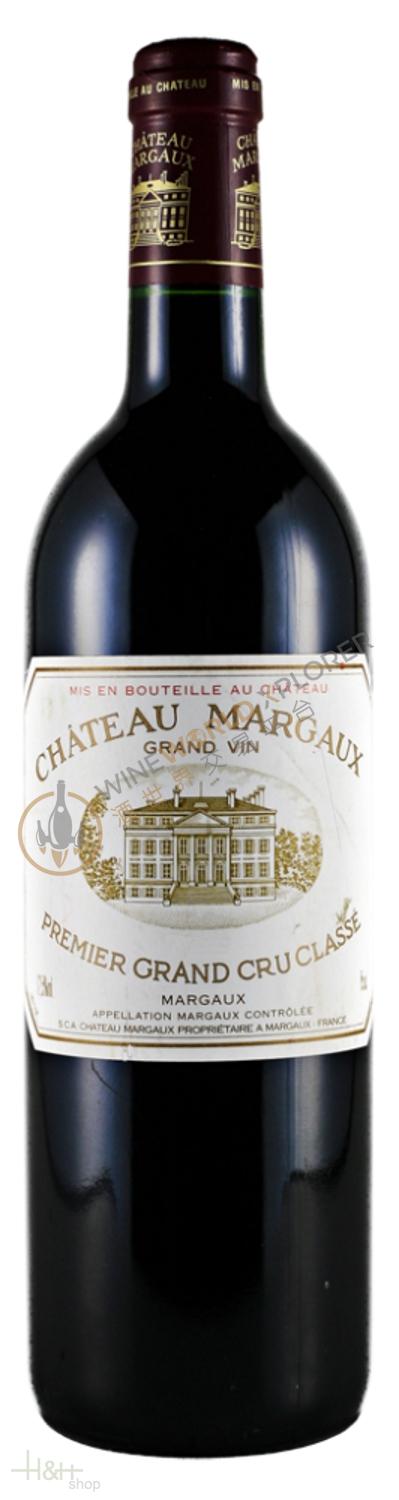
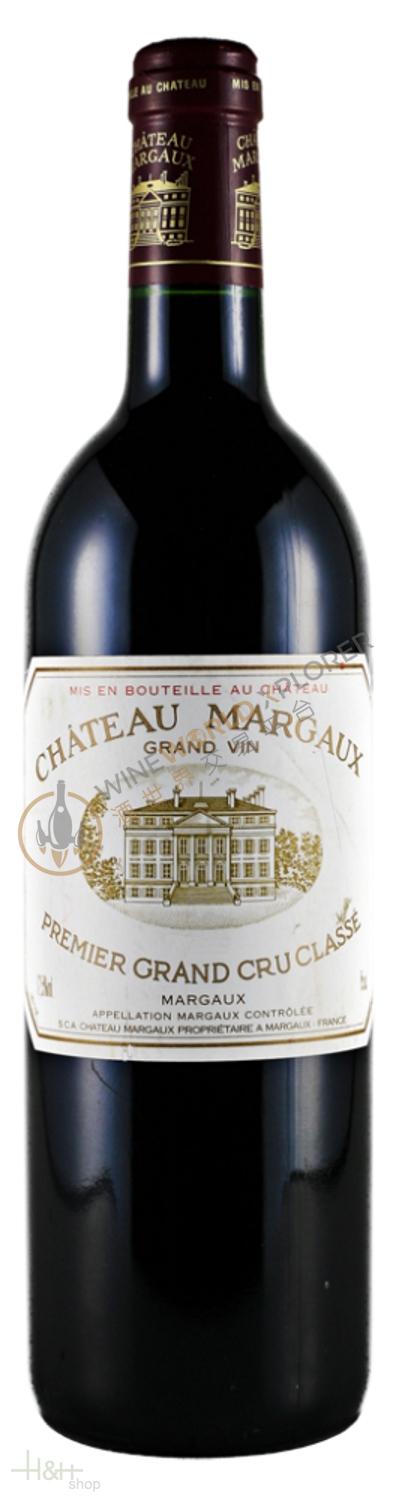
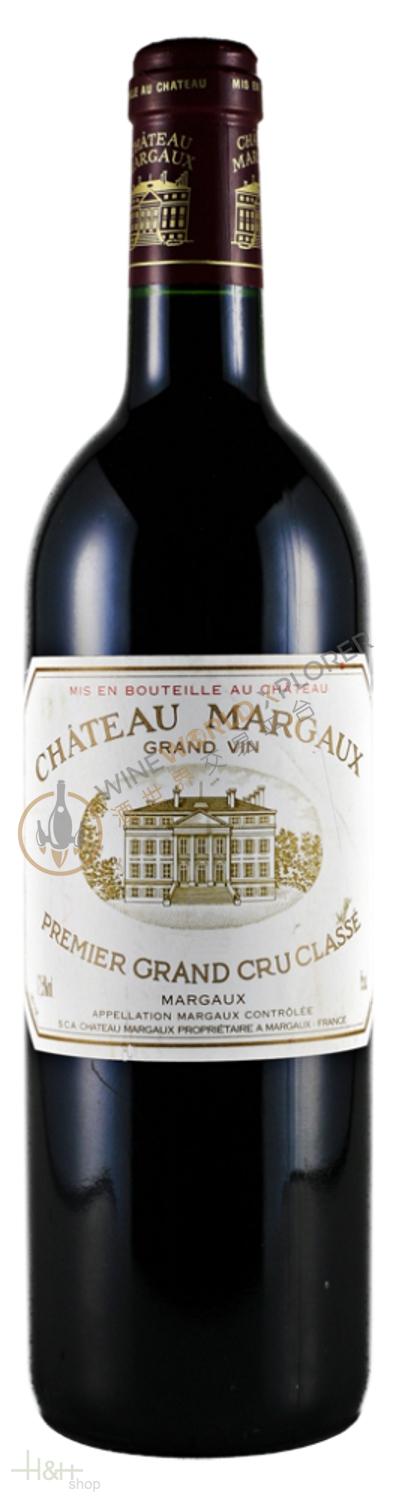
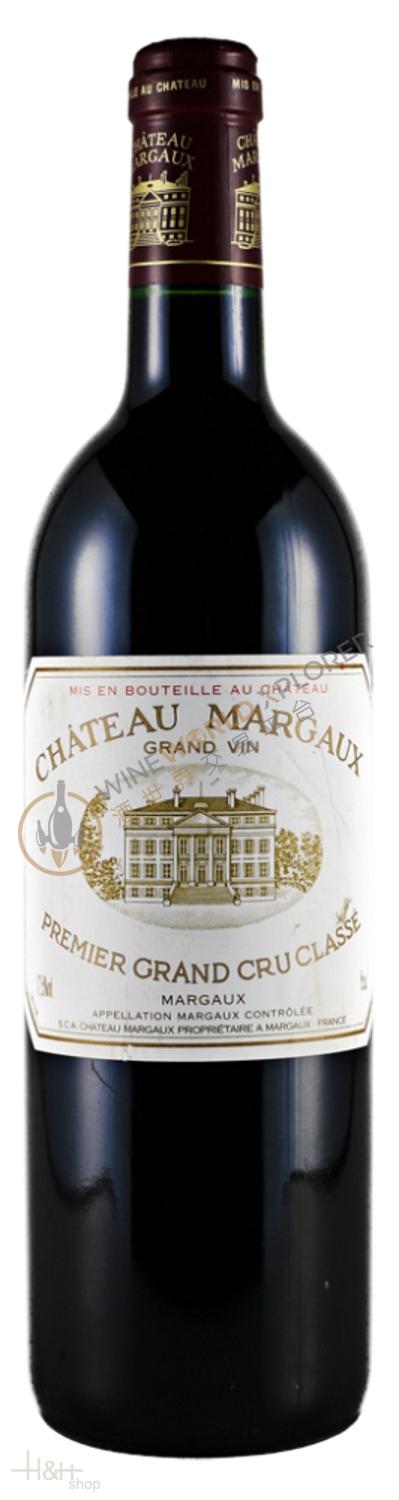
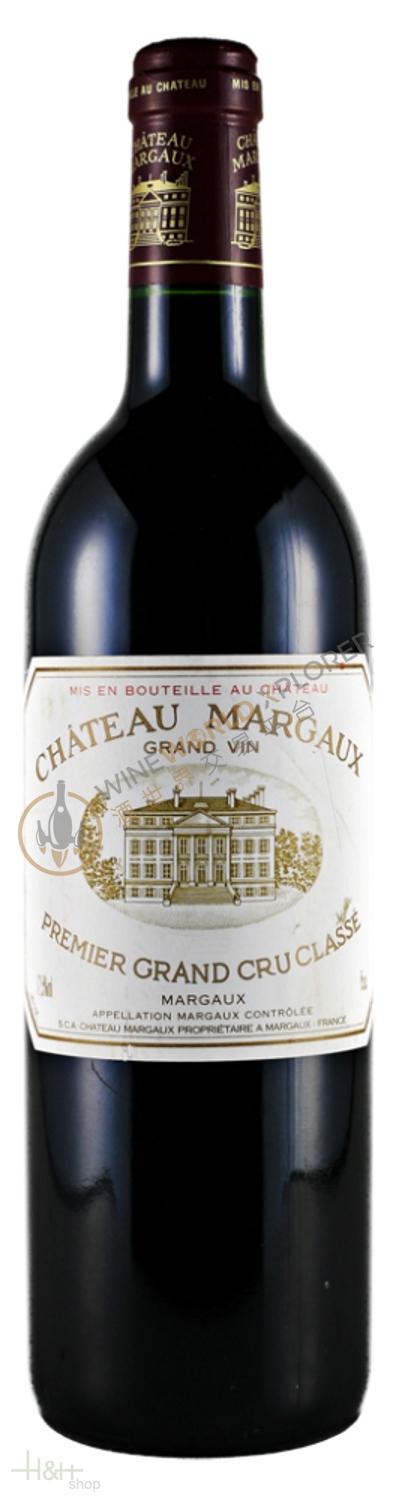
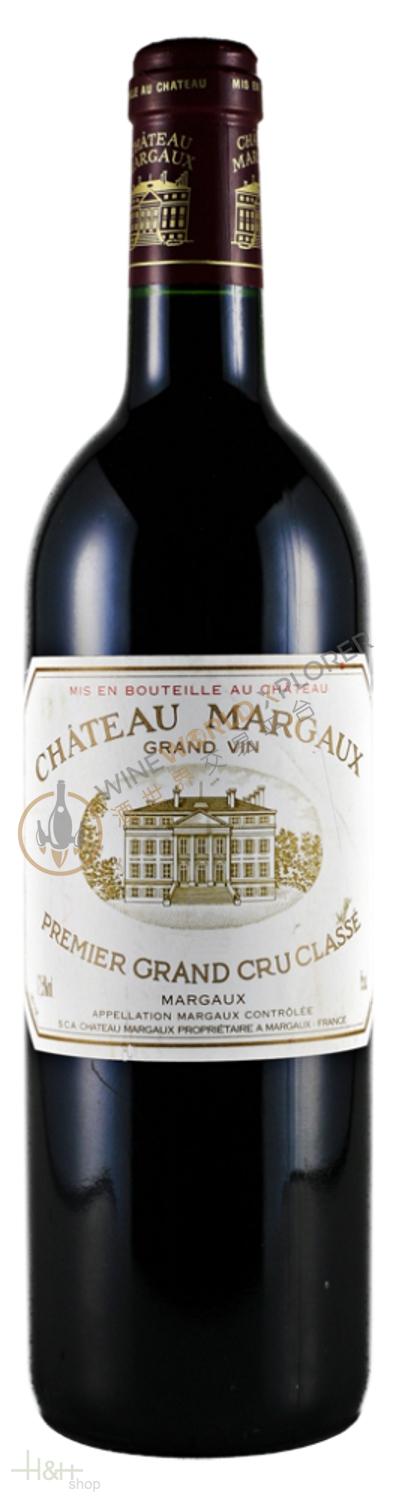
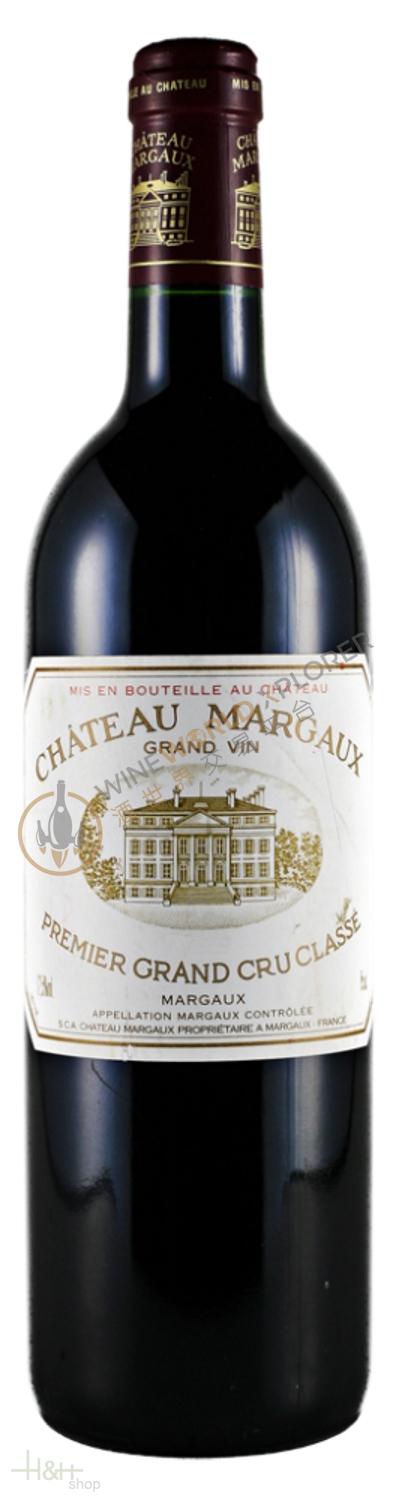
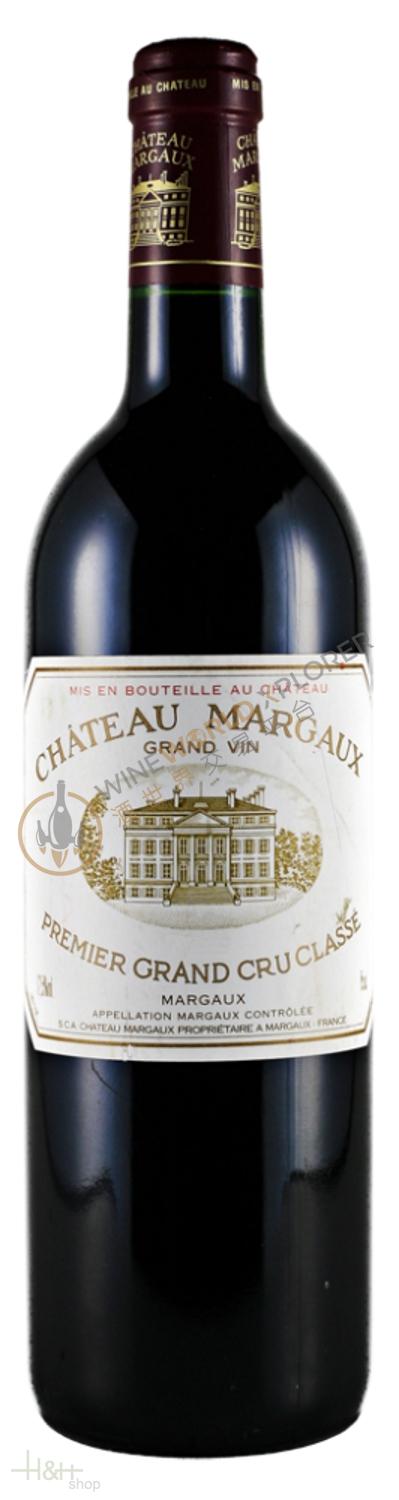
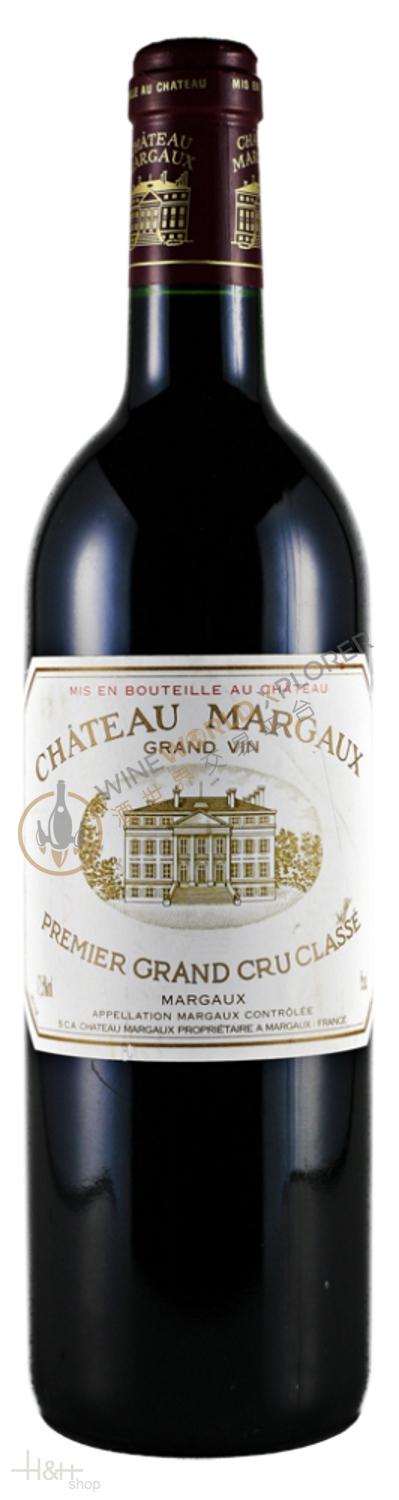
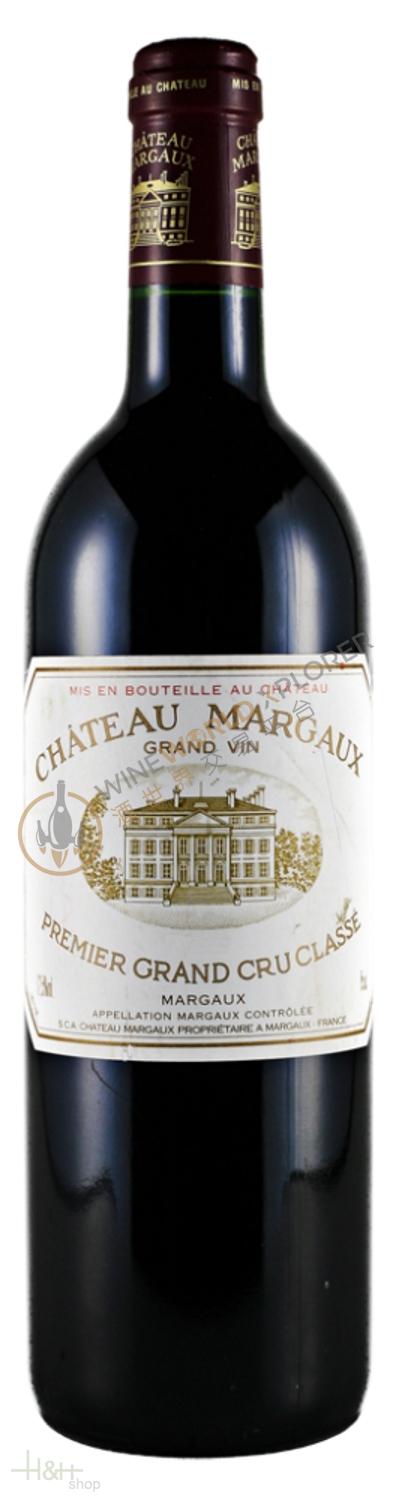
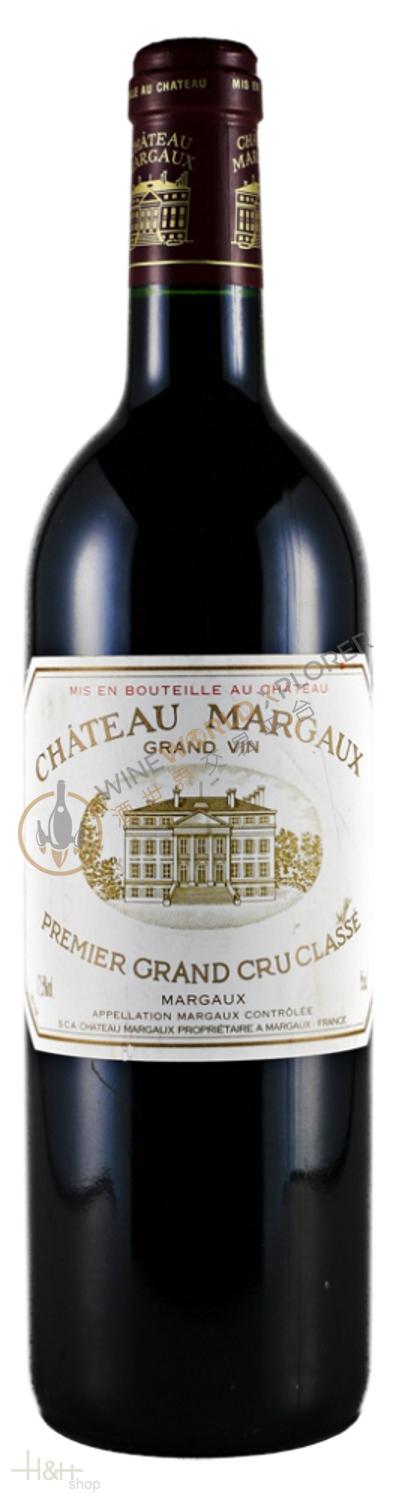
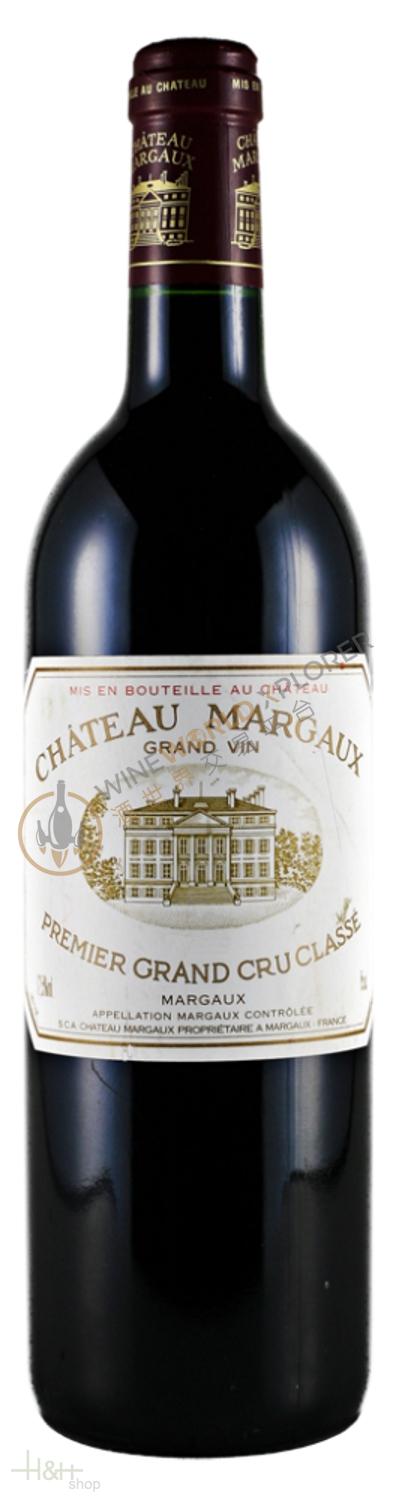
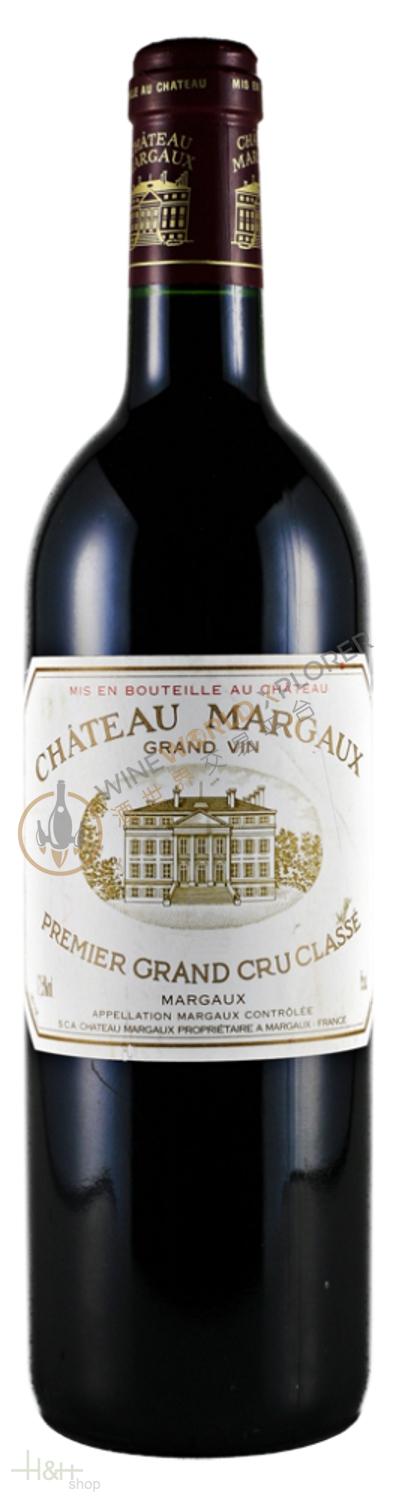
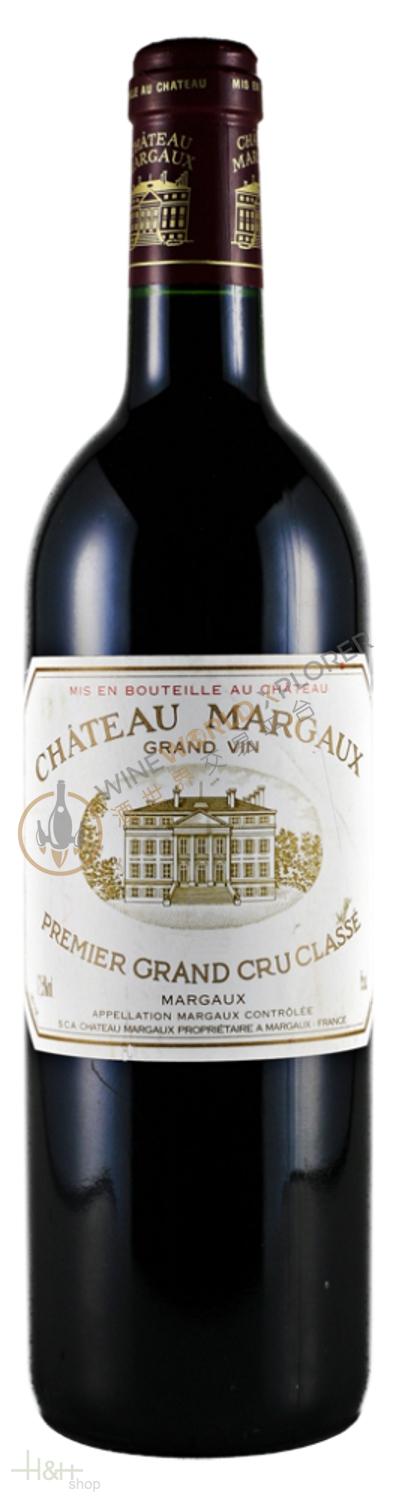
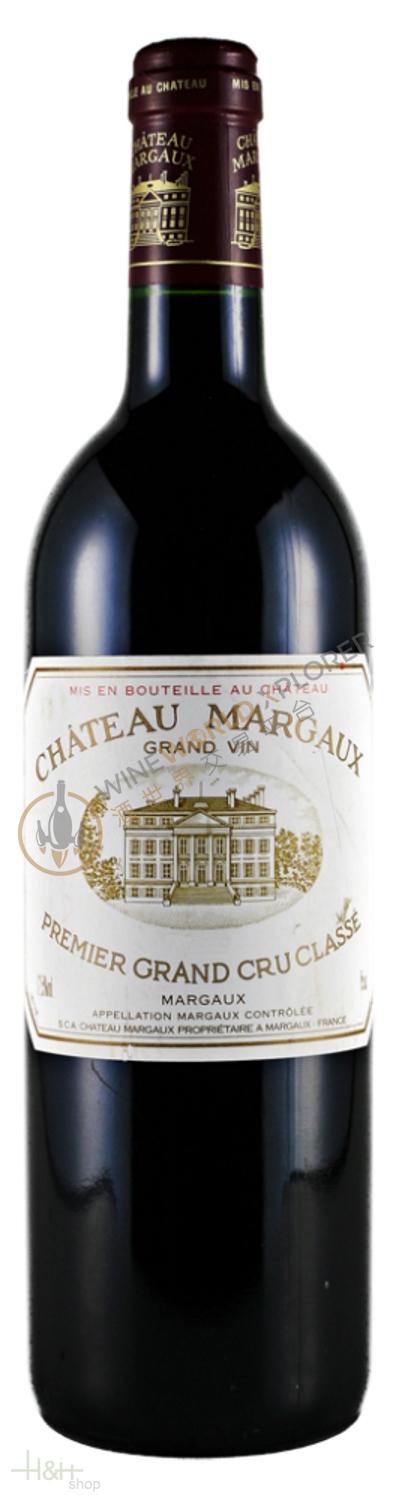
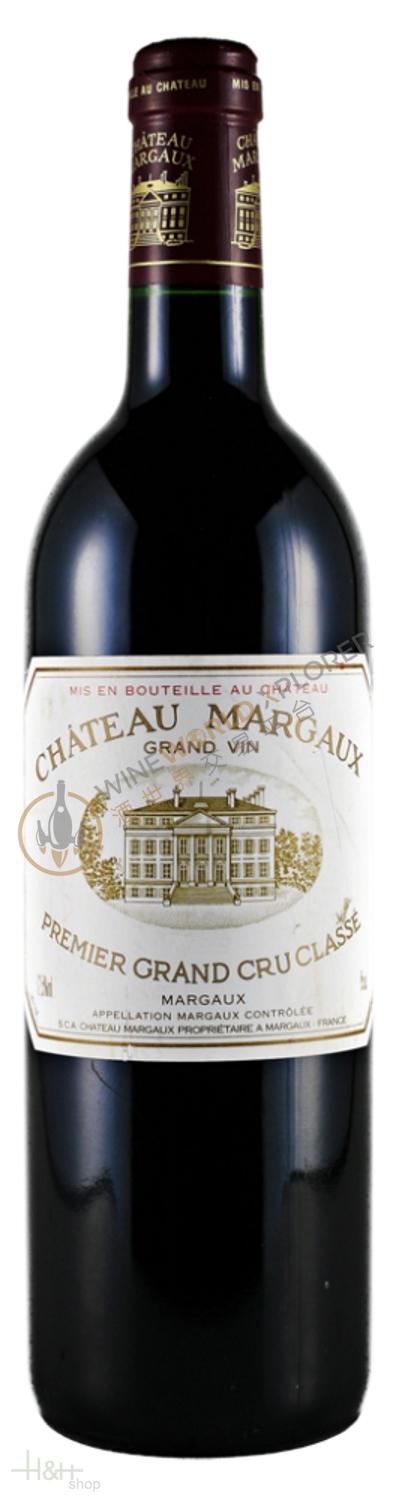
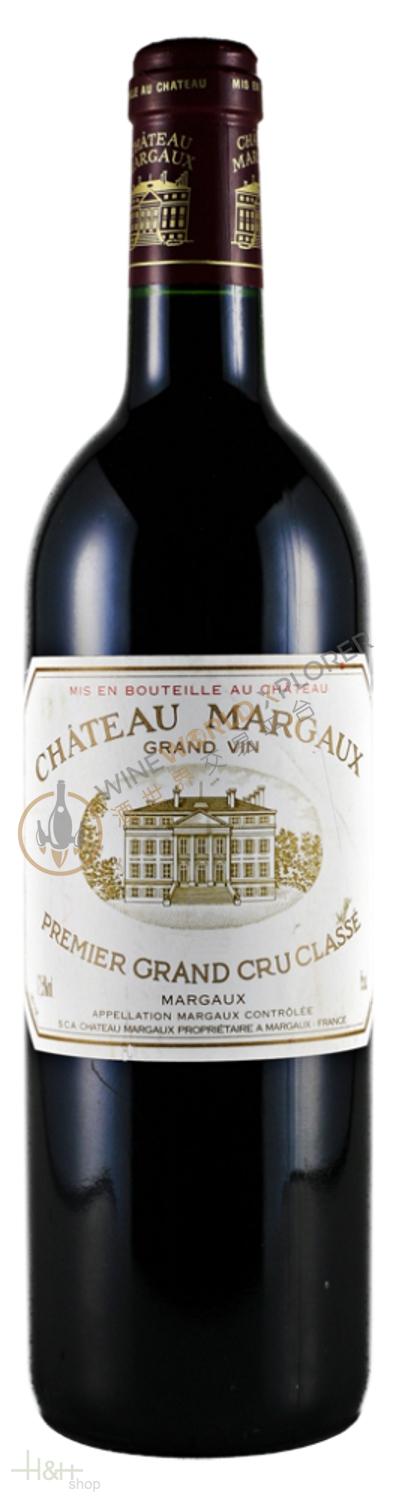
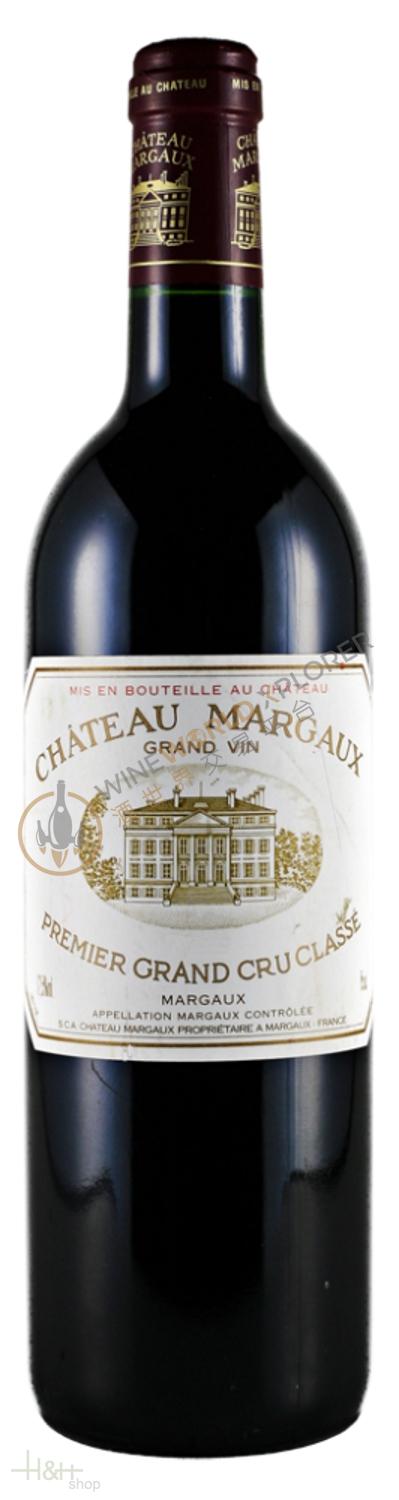
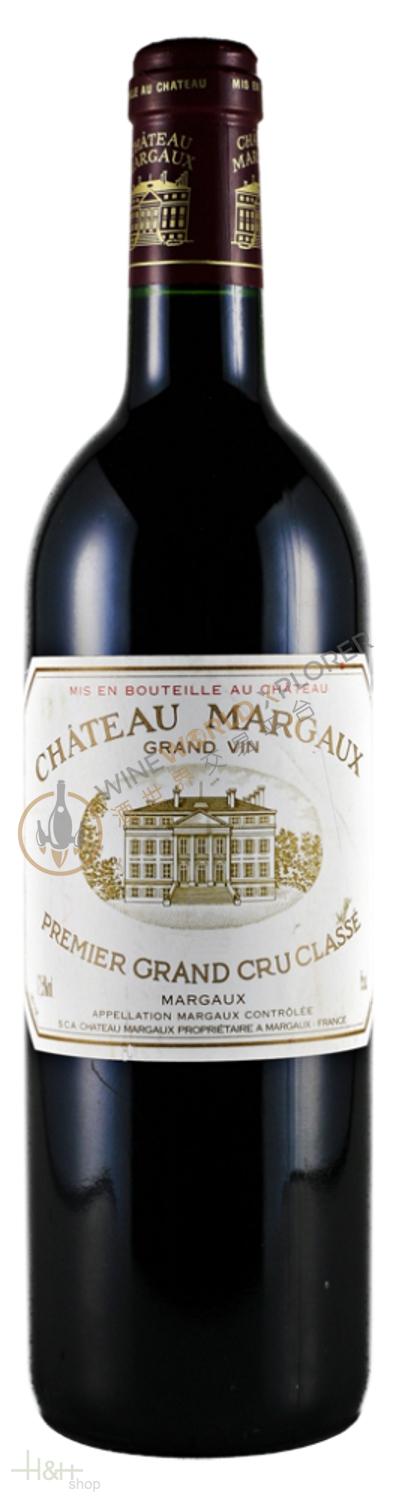
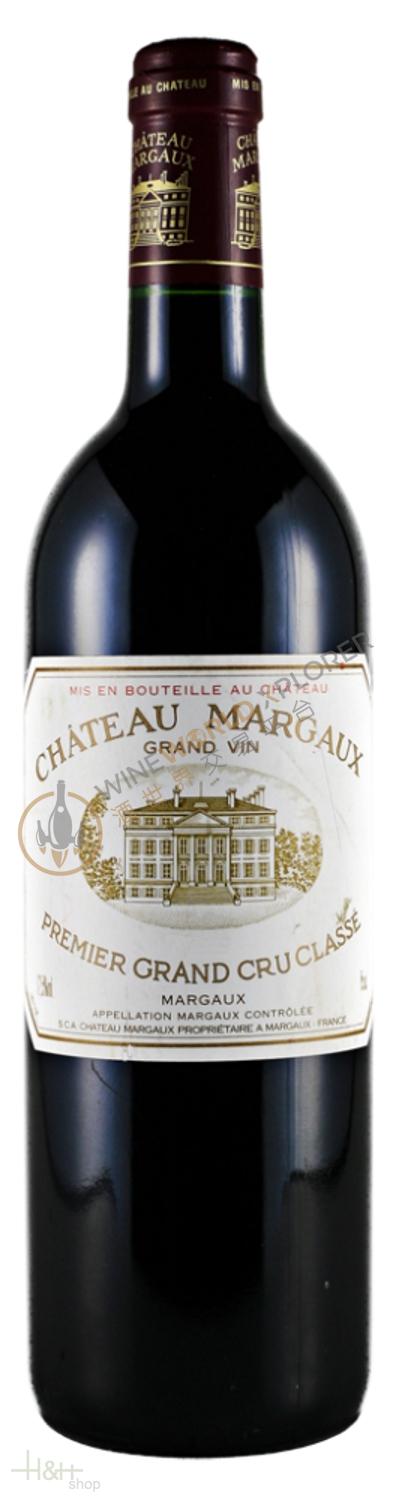
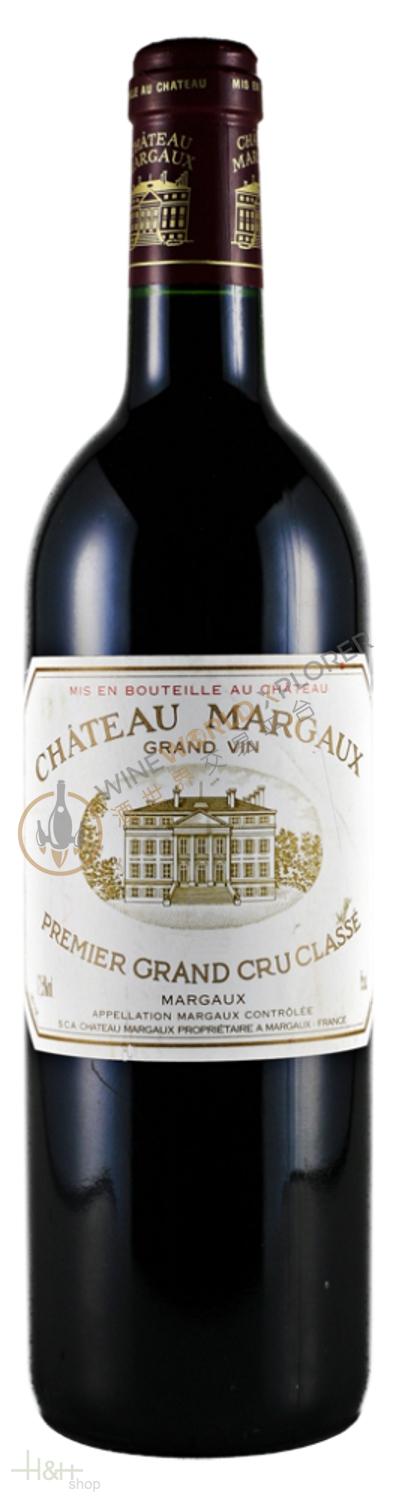
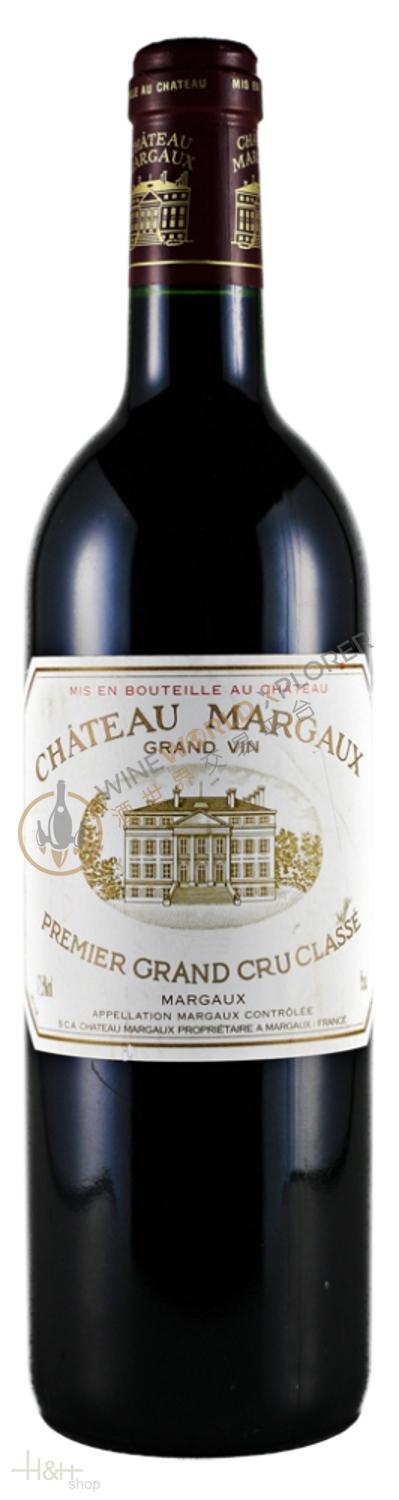
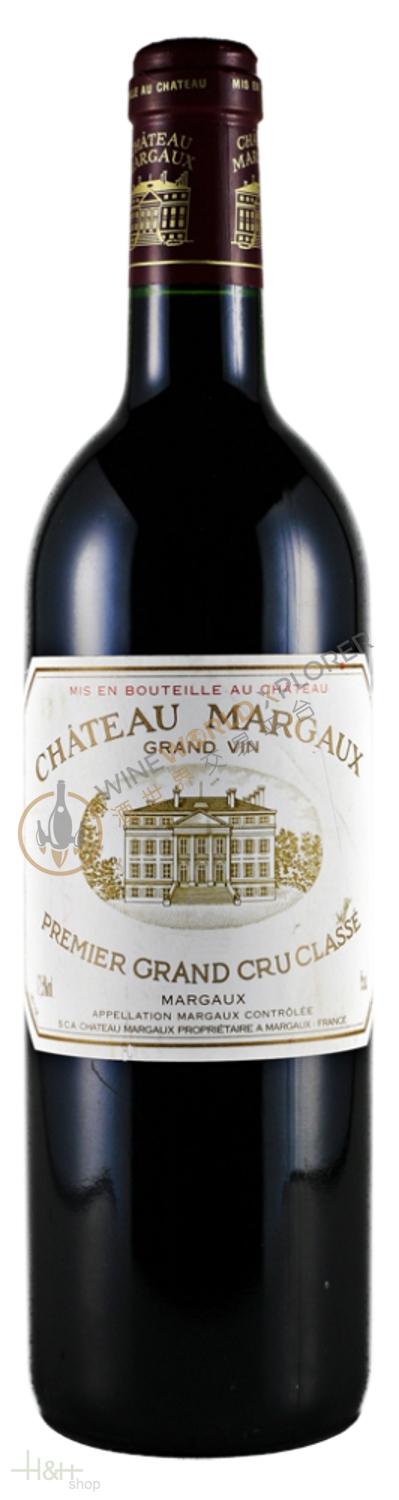
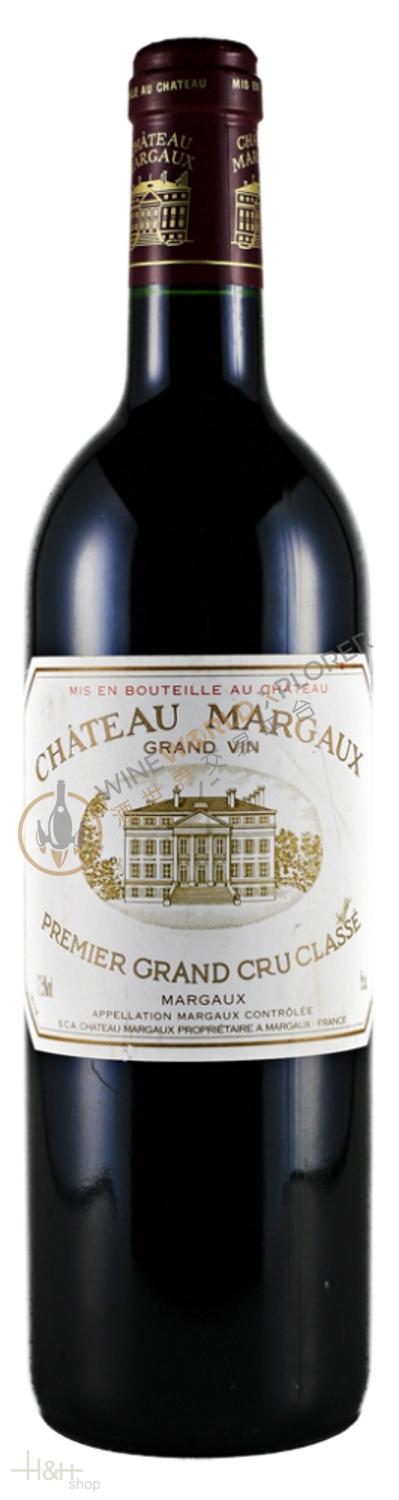
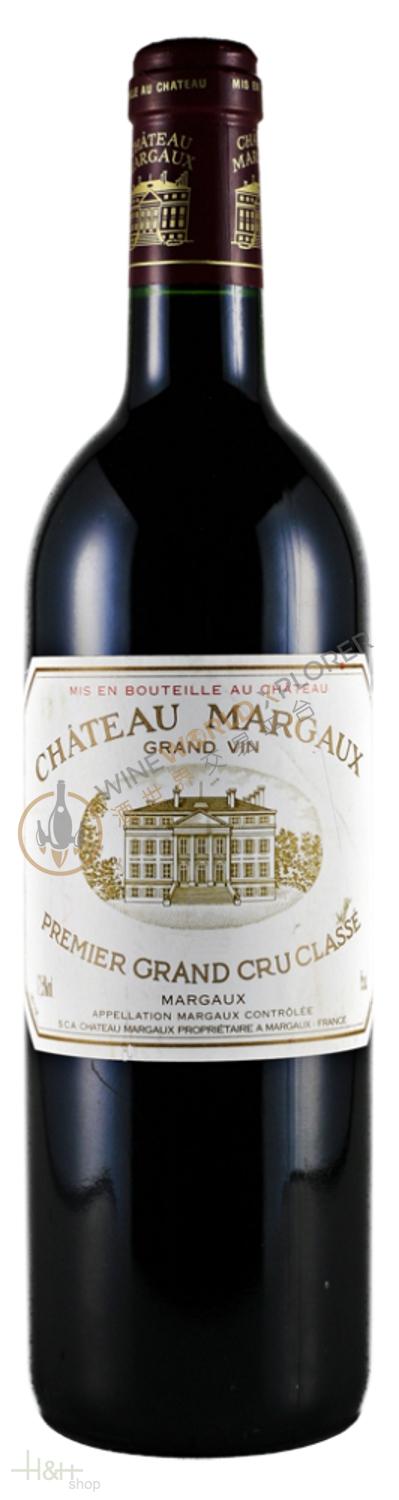
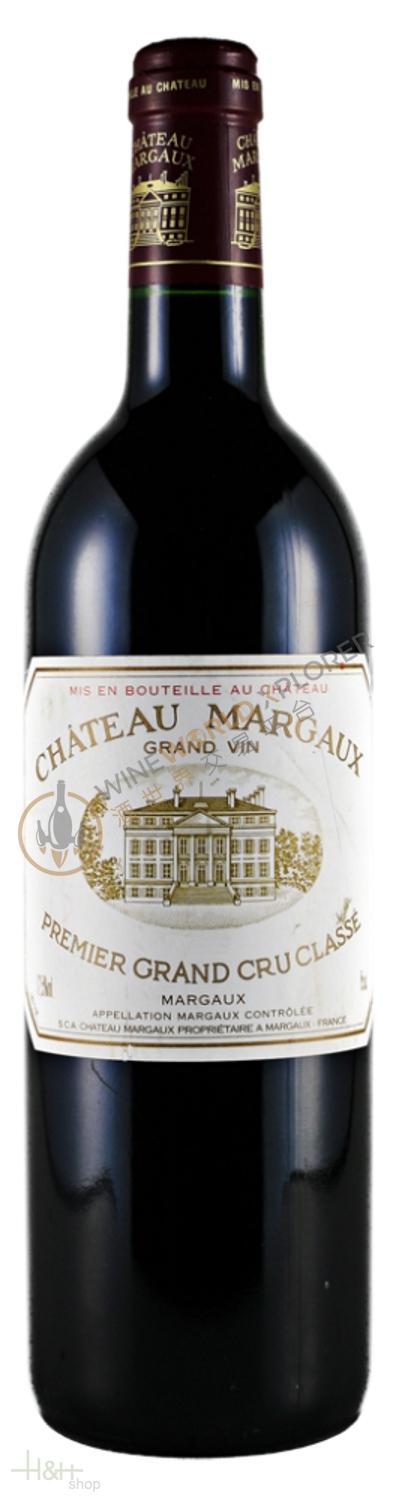
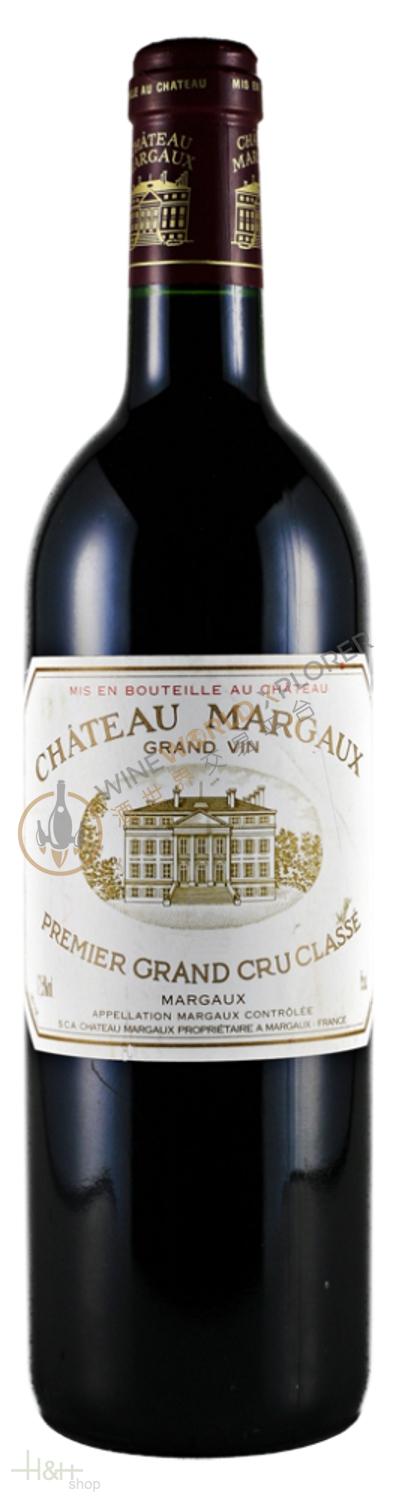
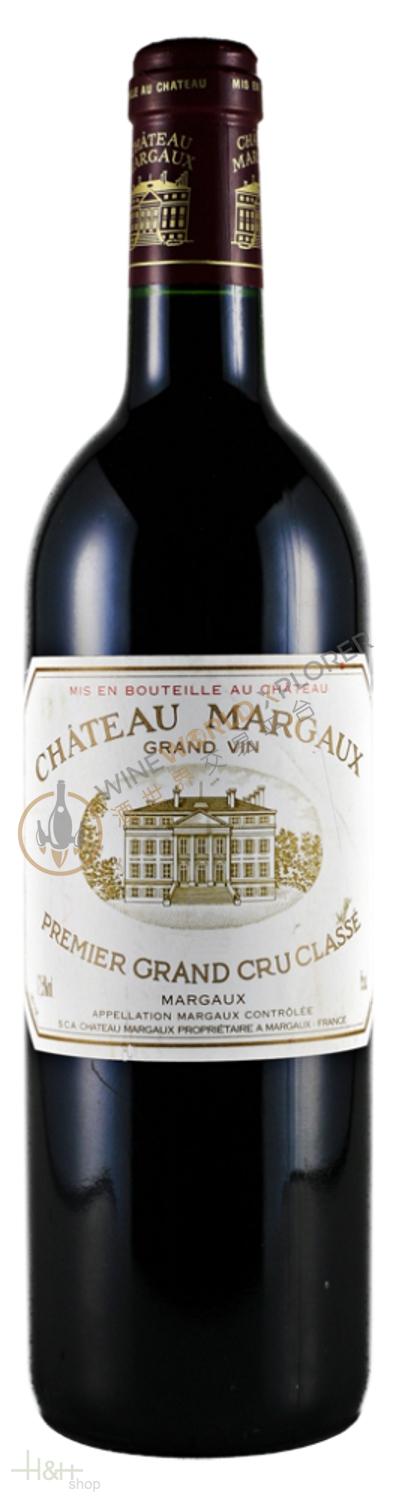
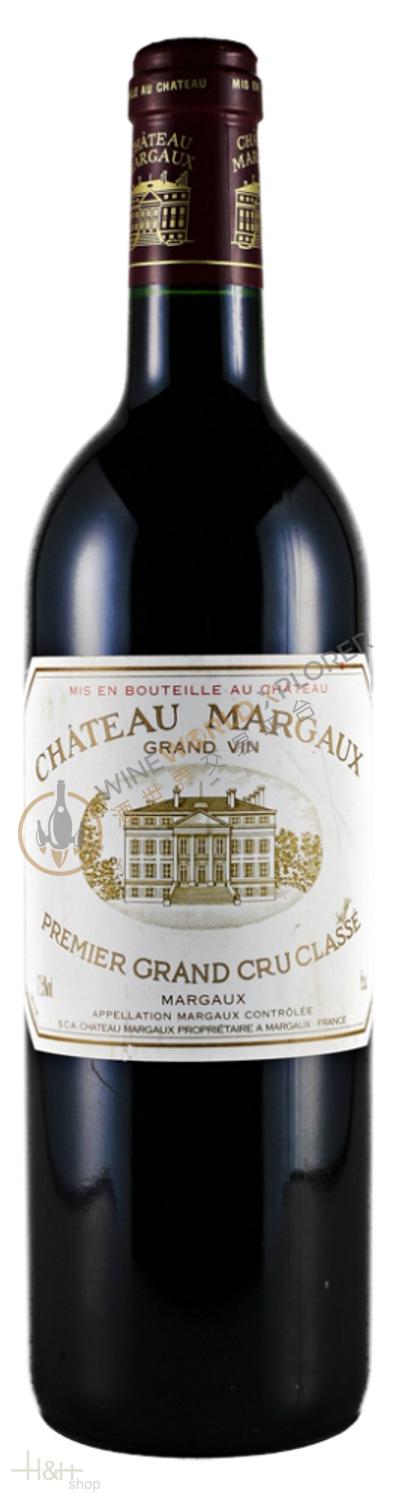
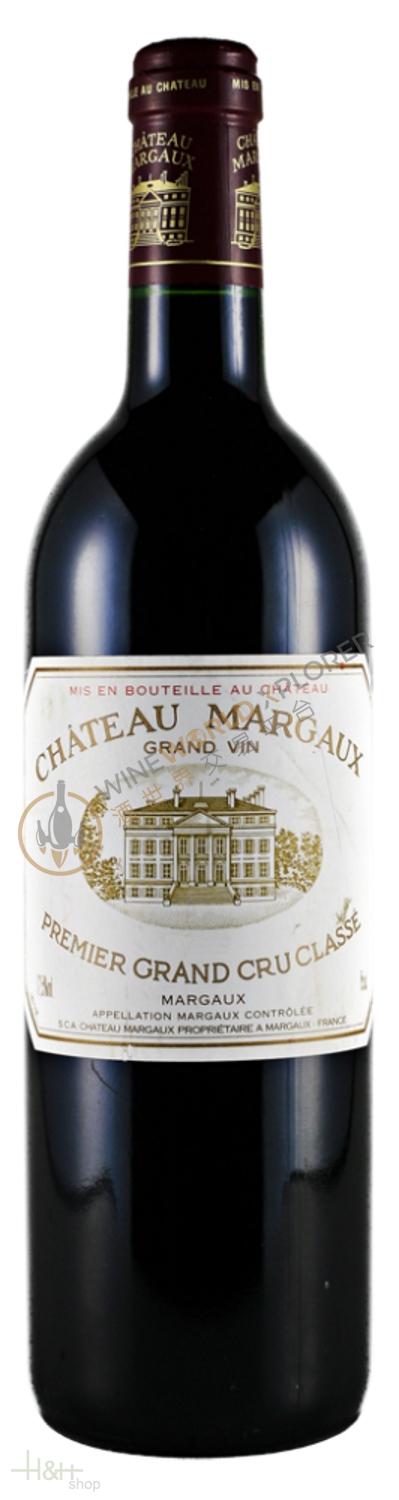
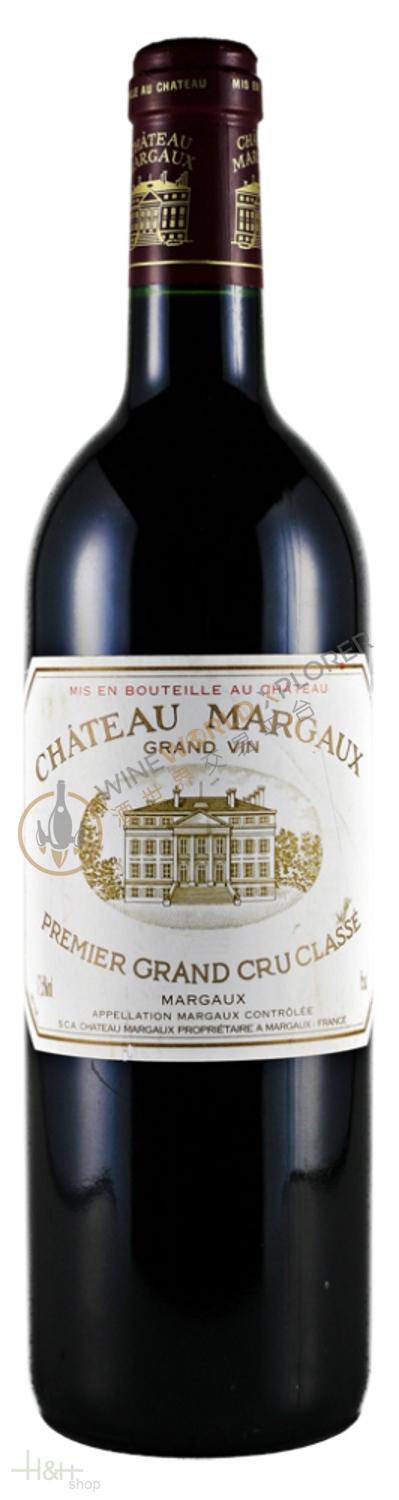
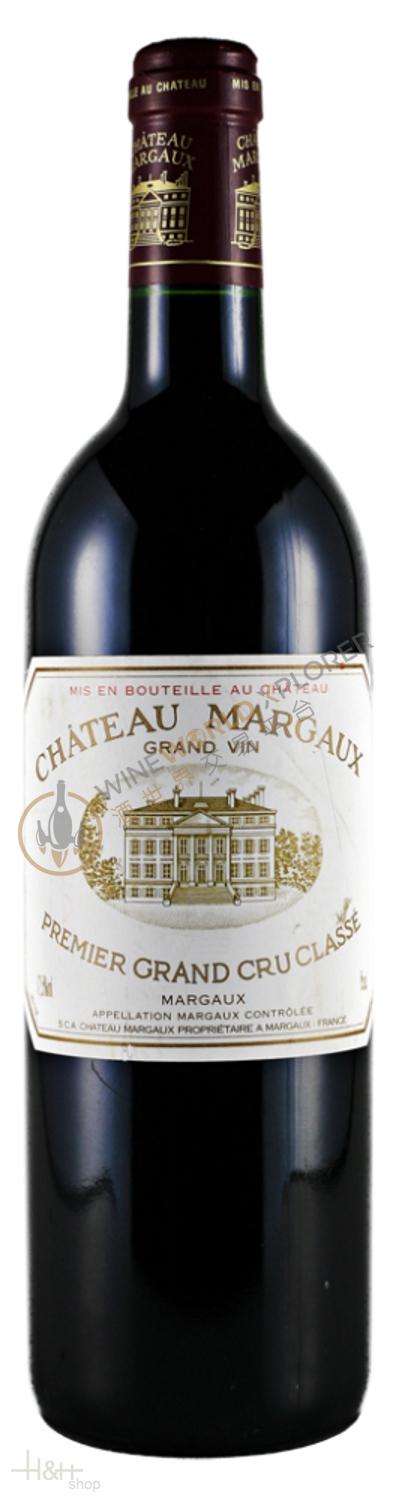
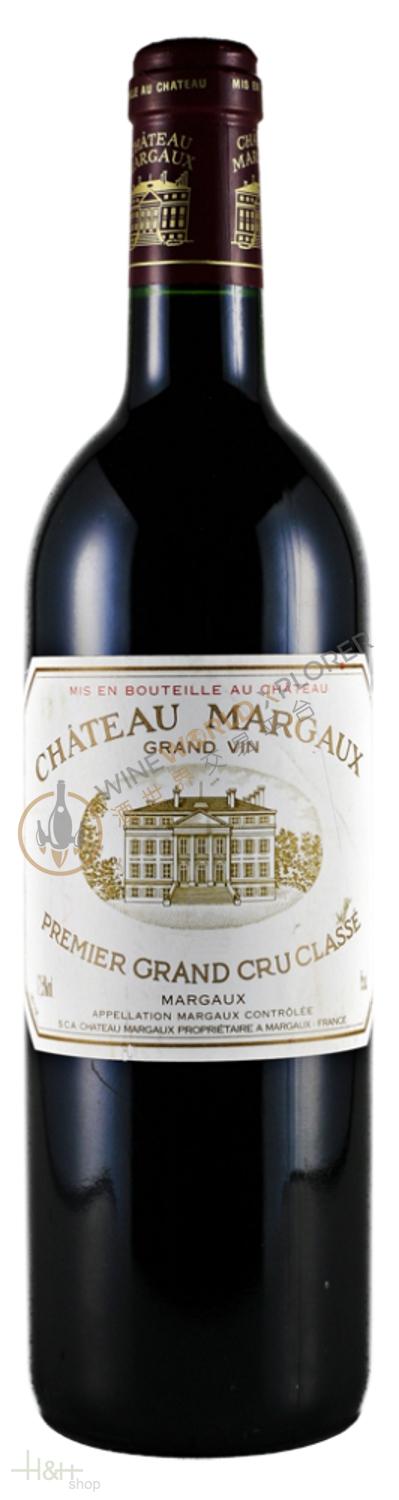
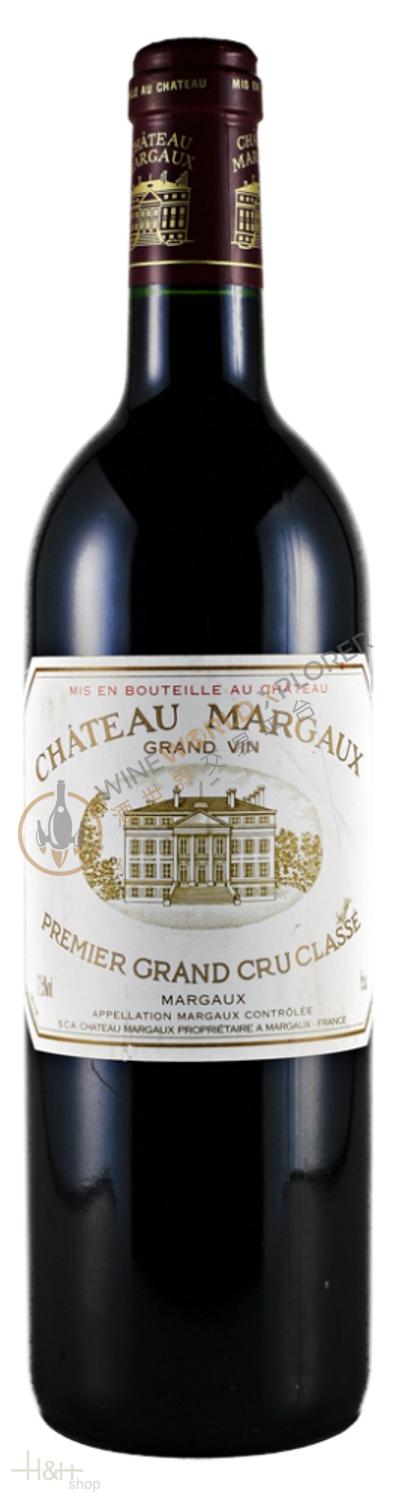
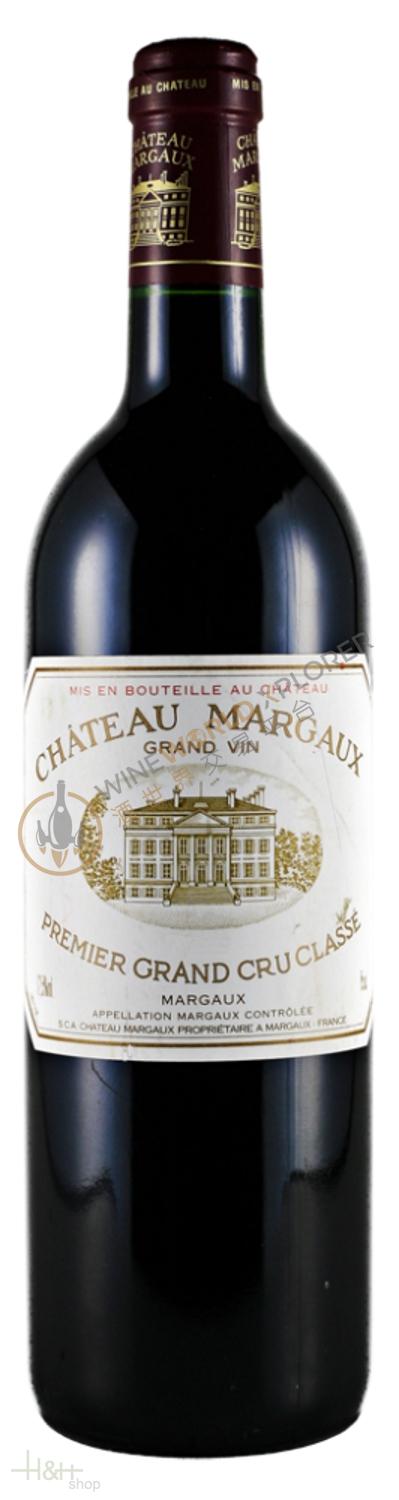
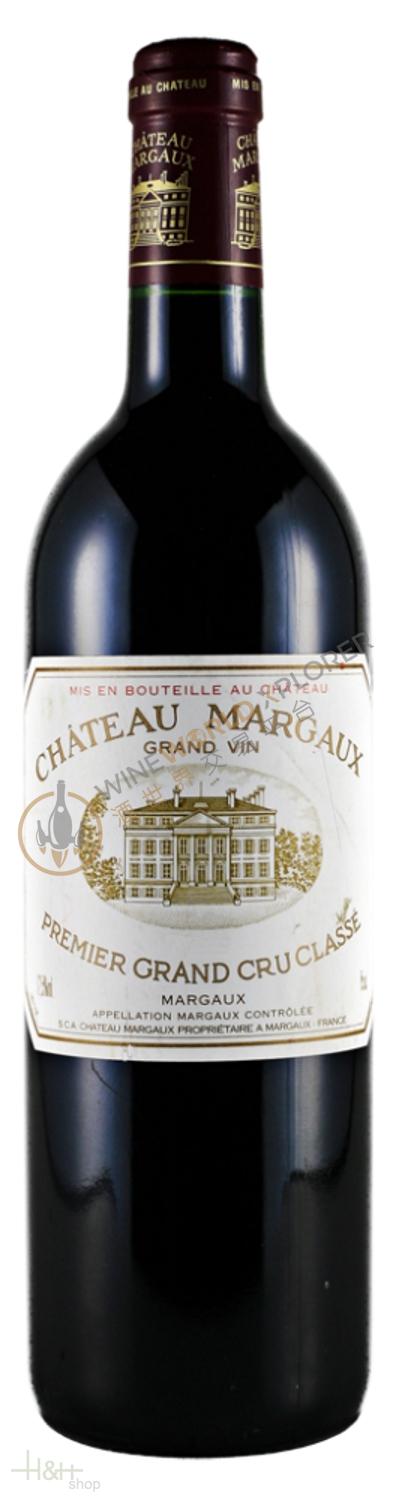
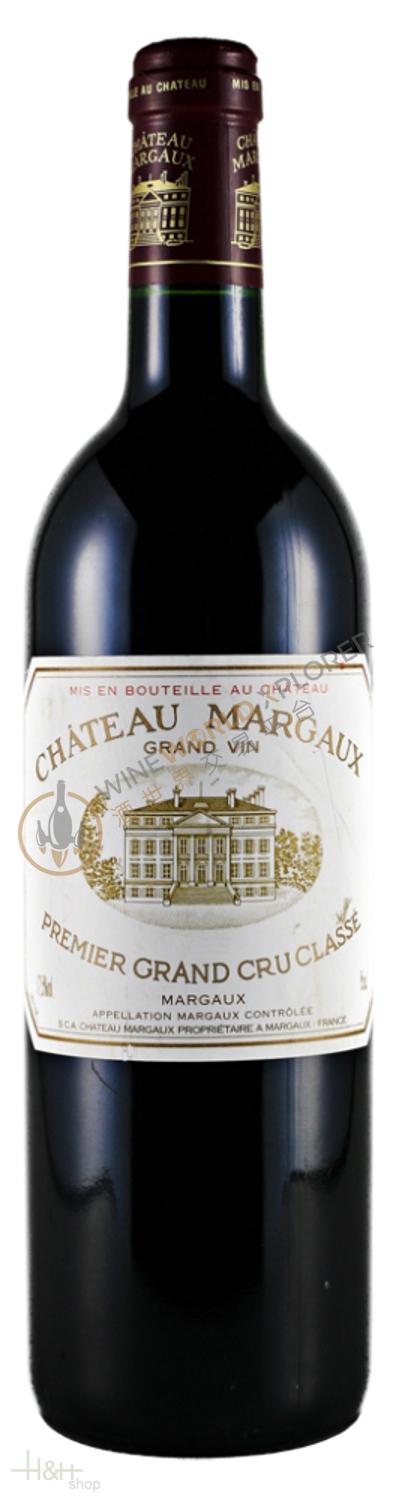
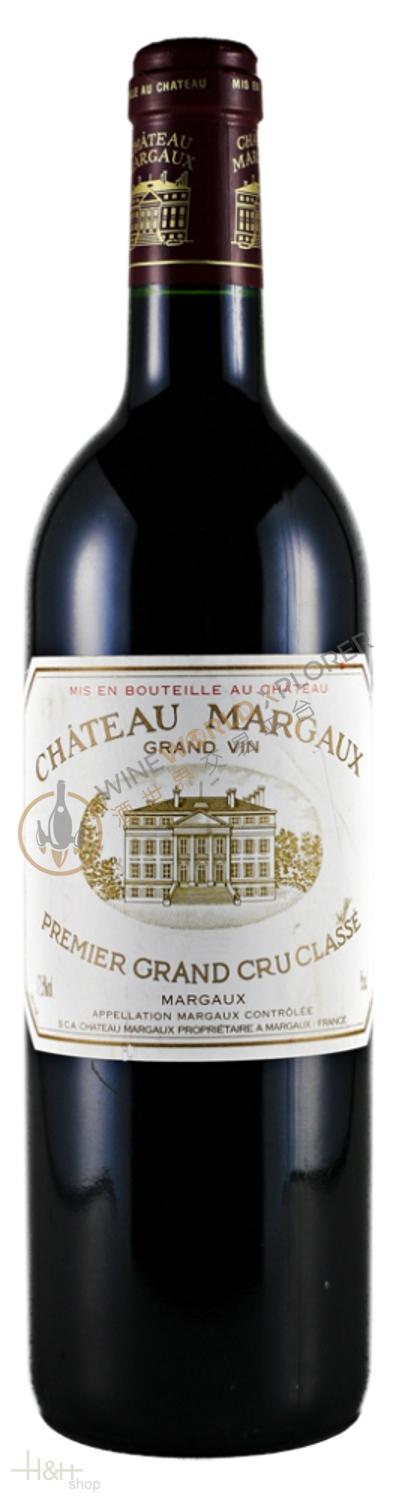
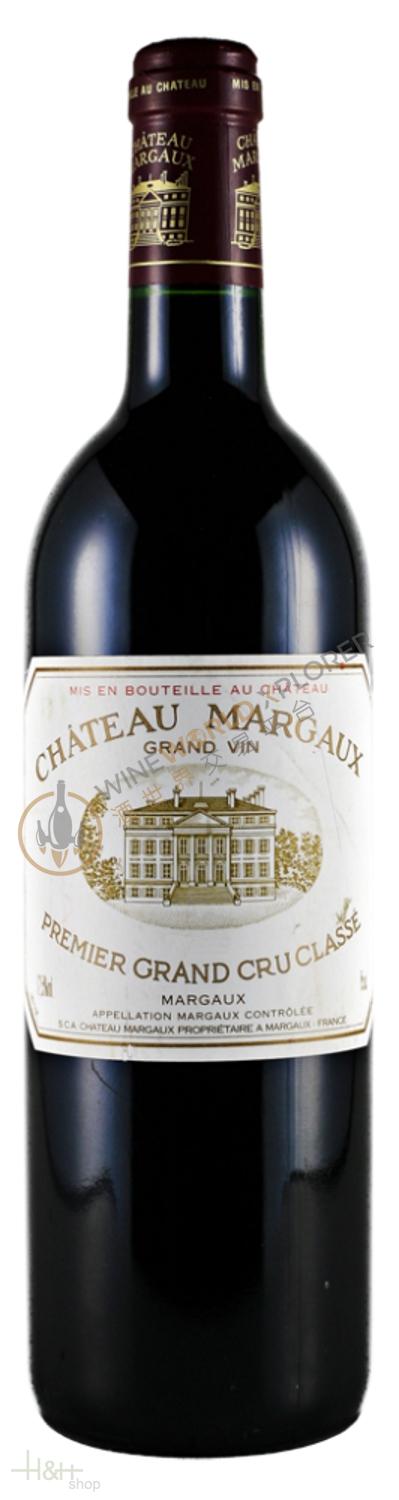
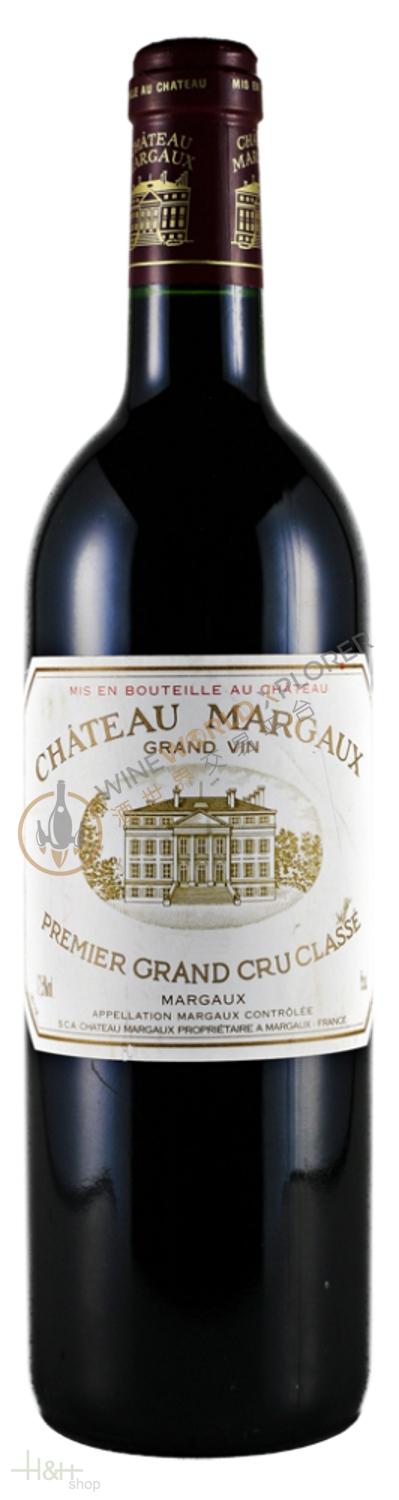
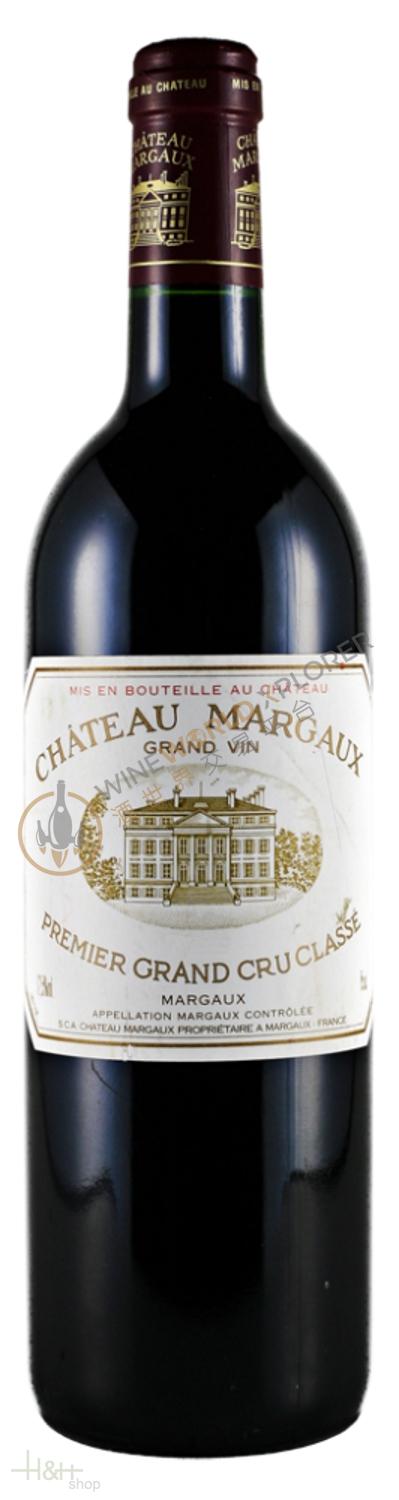
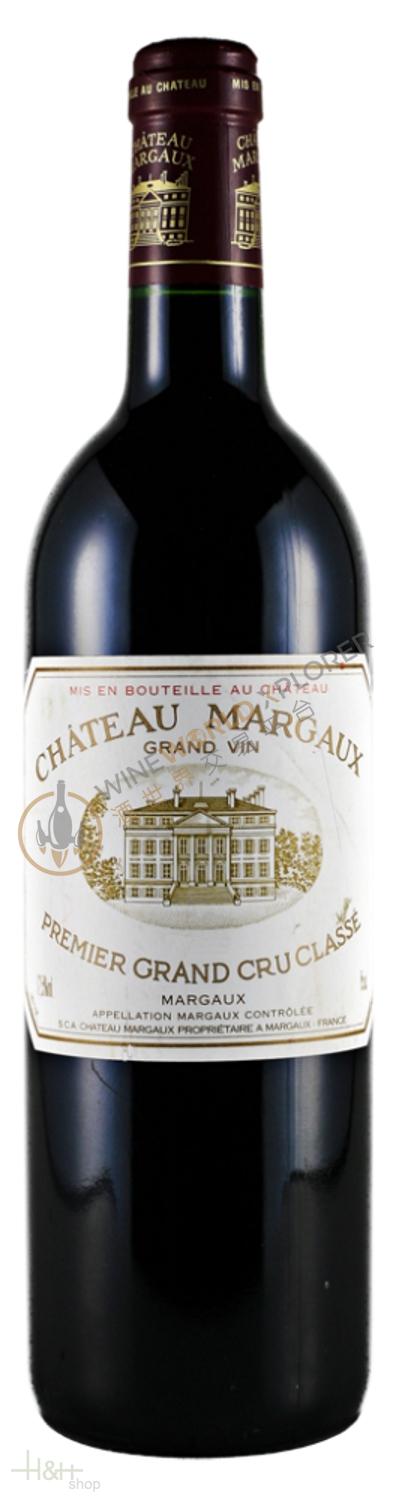
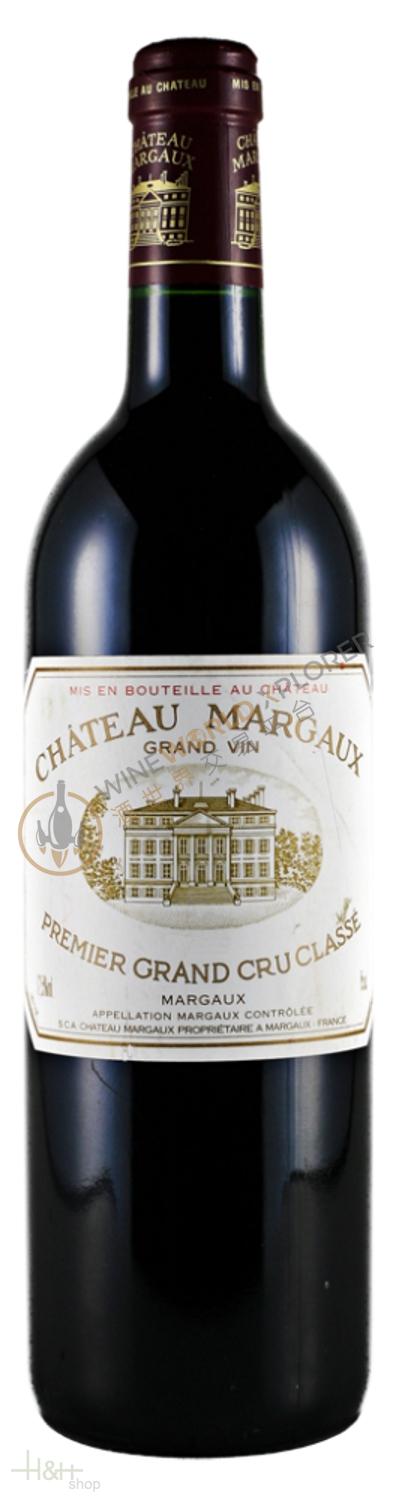
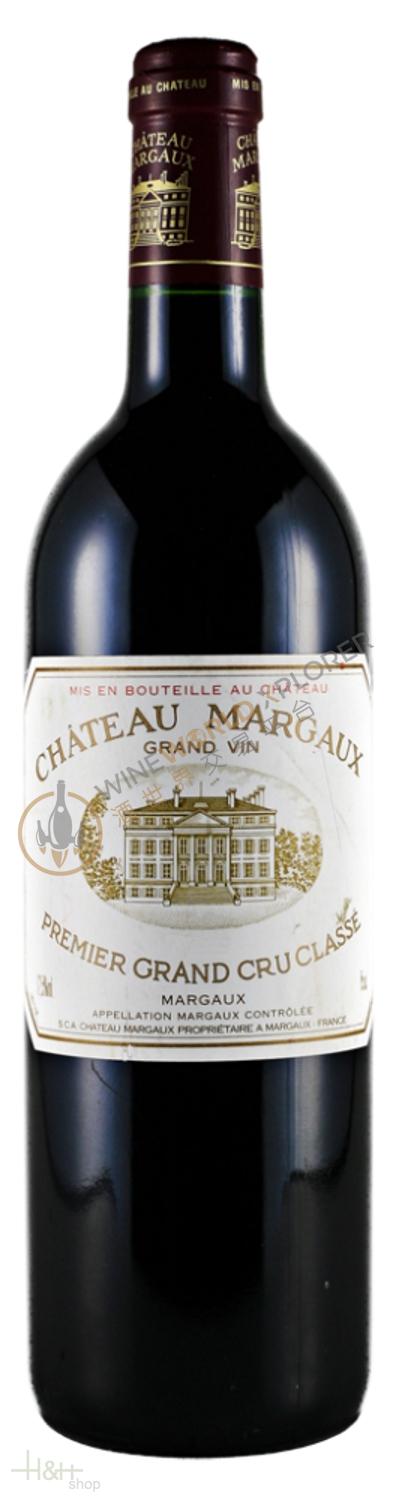
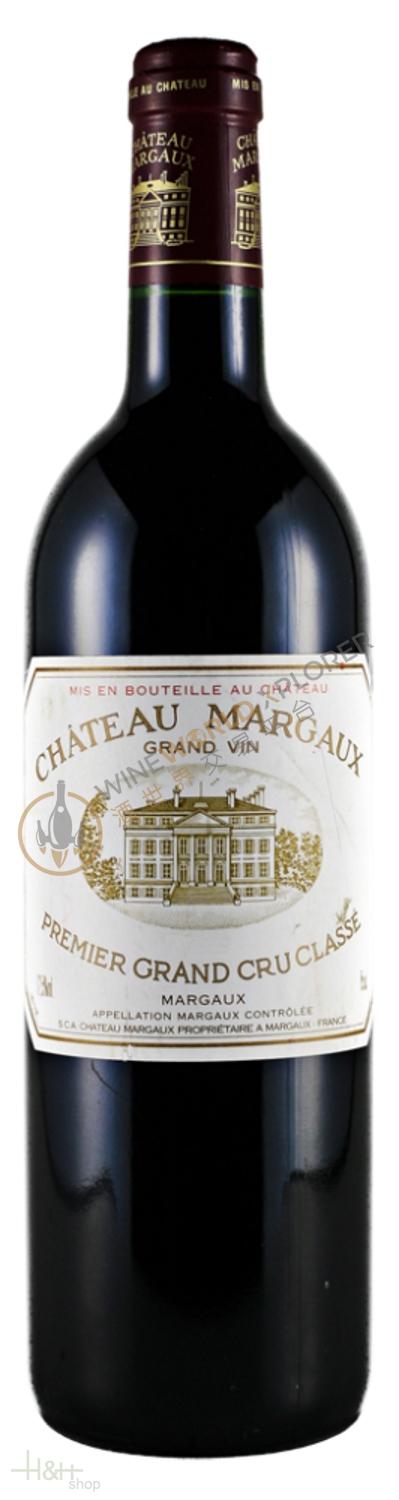
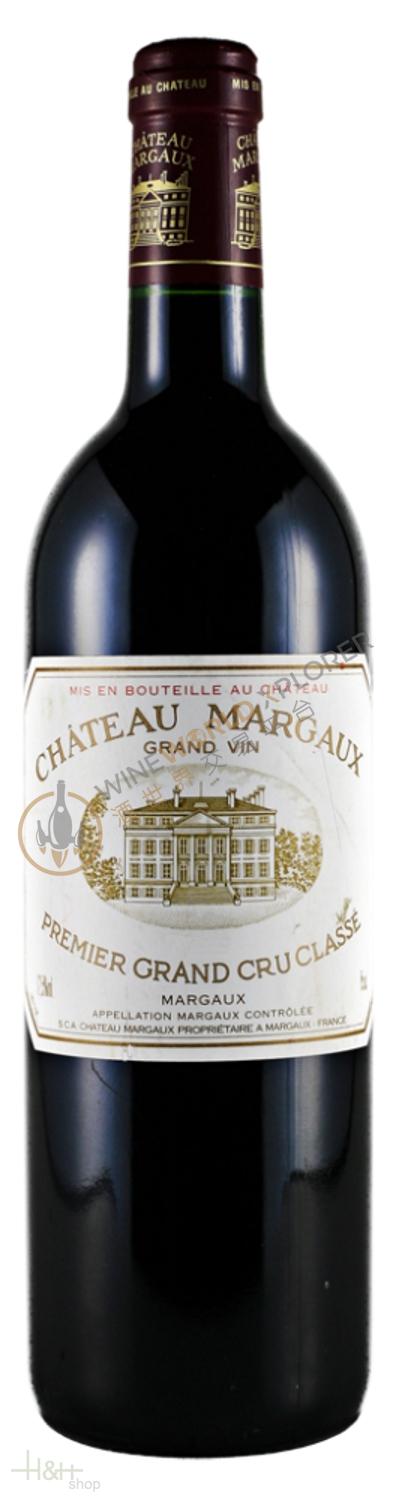
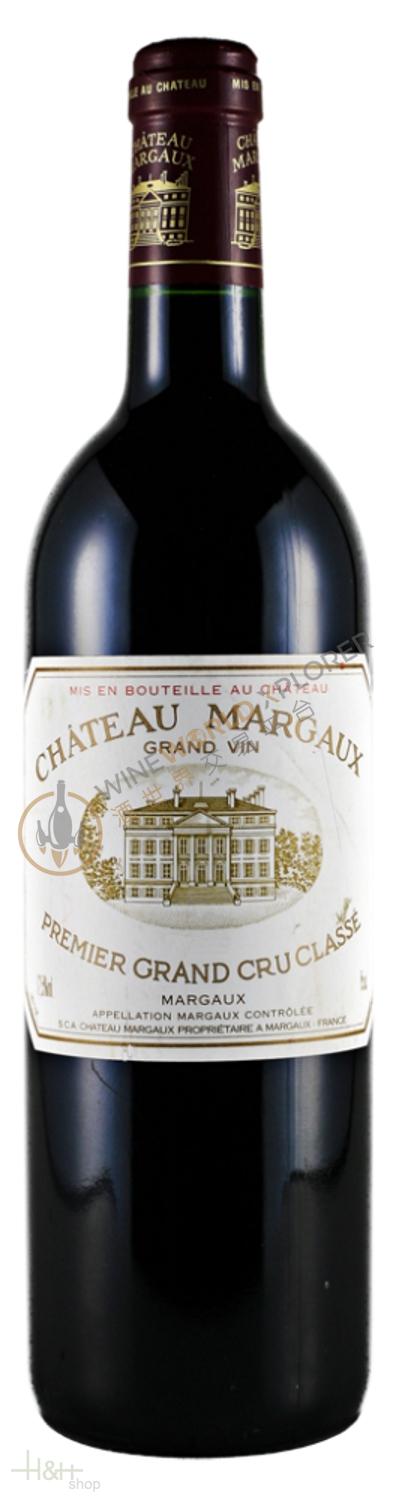
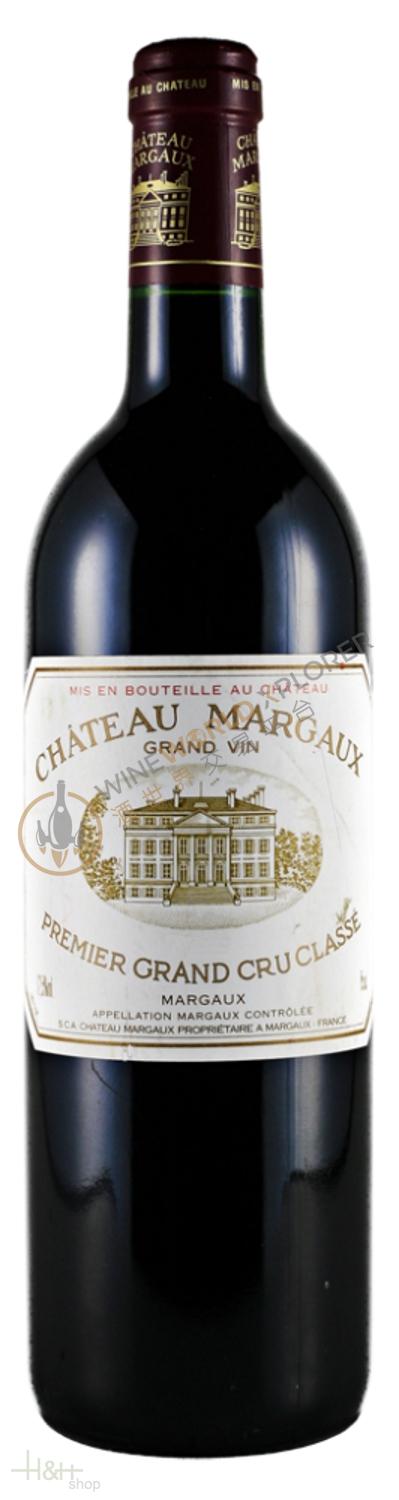
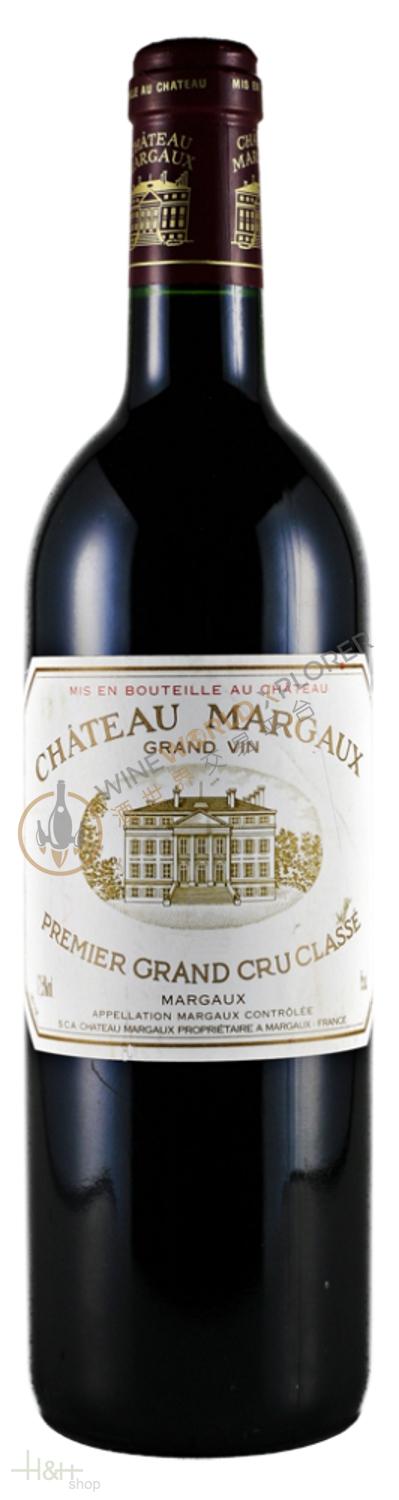
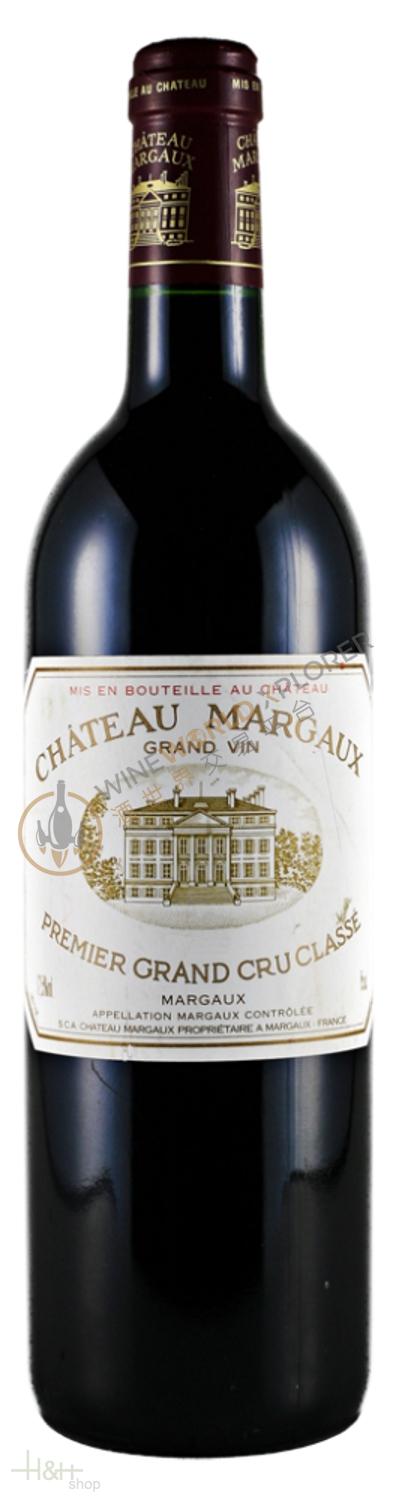
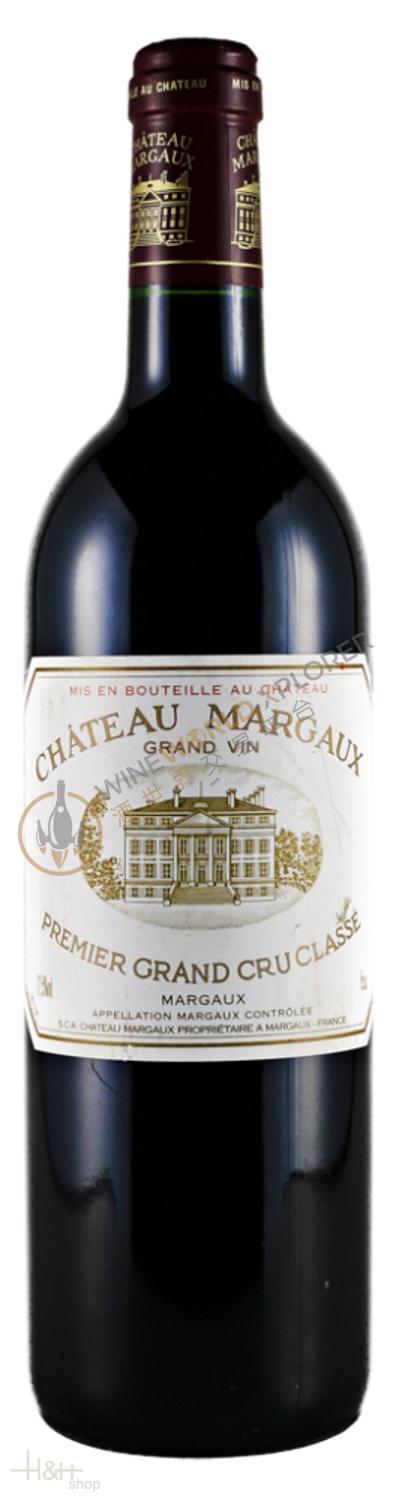
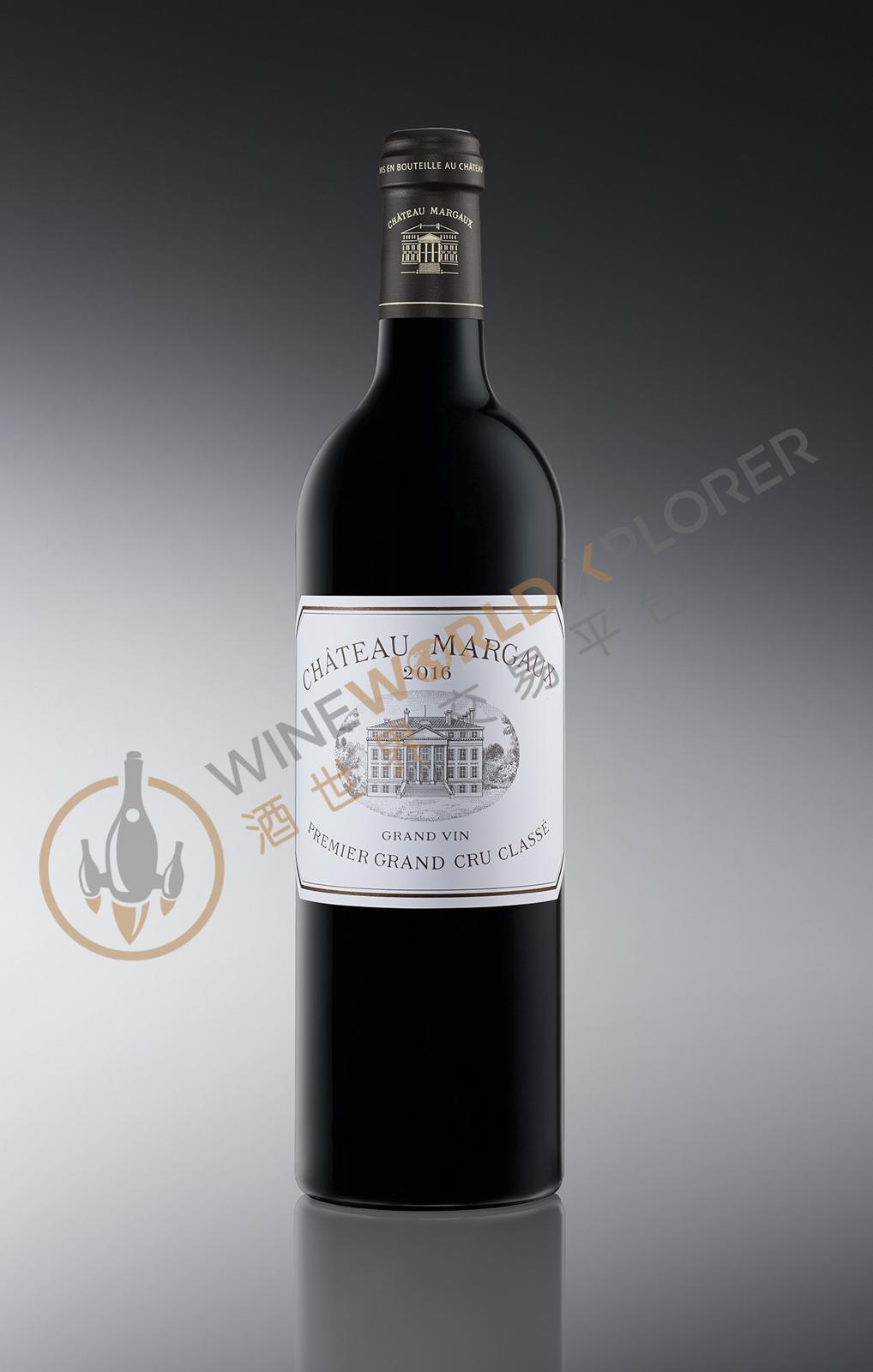
Chateau Margaux 2017
 View analysis


Description
Tasting notes

Reviewed by: Lisa Perrotti-Brown
The 2017 Chateau Margaux is a blend of 89% Cabernet Sauvignon, 8% Merlot, 2% Cabernet Franc and 1% Petit Verdot. Deep garnet-purple colored, it needs a little coaxing to reveal alluring notes of blackcurrant cordial, Black Forest cake and black raspberries with suggestions of candied violets, tilled soil, fallen leaves, licorice and espresso plus wafts of underbrush and rosehip tea. Medium-bodied, the elegance and finesse on the palate is simply bedazzling, exuding a quiet intensity of fresh black fruits layered with oh-so-subtle floral and earth nuances. It has a soft, velvety texture and seamless freshness to support the tightly wound flavors, finishing long and perfumed. Beautiful! This grand vin accounts for just 37% of the crop.
Reviewed by: Lisa Perrotti-Brown
A blend of 89% Cabernet Sauvignon, 8% Merlot, 2% Cabernet Franc and 1% Petit Verdot, the deep garnet-purple colored 2017 Château Margaux charges from the gate with opulent kirsch, raspberry preserves, wild blueberries and cassis notions accented by roses, violets, Chinese five spice and fragrant earth with touches of underbrush and truffles. Medium-bodied, it fills the mouth with vibrant, ripe red and blue fruits, layering in perfume and spice nuances. It's framed by very finely grained and plush yet firm tannins and great tension, finishing with epic length.
Reviewed by: Antonio Galloni
One of the clear highlights on the Left Bank, the 2017 Margaux is magnificent. Soaring in intensity, the 2017 exudes class from the very first taste. Margaux is so often a wine of charm and seduction, but the 2017 is anything but that. Instead, Margaux is dark, somber and mysterious, with layers of sepia-toned nuance that opens up with time in the glass. Cabernet Sauvignon, picked 5 days later than first anticipated, is especially prominent. The 2017 is going to need a number of years to be at its very best, but it is a super-promising wine. Wow.
Reviewed by: Antonio Galloni
The 2017 Margaux is one of the highlights on the Left Bank. Surprisingly powerful and virile, the Grand Vin clearly reflects the influence of a high percentage of Cabernet Sauvignon in the blend. Beams of tannin give the wine support through the mid-palate and into the finish. Estate Manager Sebastian Vergne told me the winemaking team opted to raise temperatures at the end of fermentation to gain a bit more color, depth and polymerization of tannins. The Grand Vin represents 37% of the estate's production.
Reviewed by: Neal Martin
The 2017 Château Margaux, bottled in June/July 2019, has a classic aromatic profile for this First Growth: blackcurrant leaf, raspberry, cold black tea and pressed iris rather than violet petals this time. It is well defined, if not as intense as the 2016 as you would expect. The palate is medium-bodied with supple tannins, fine acidity, quite saline in the mouth with superb precision on the elegant finish. This is one of the most approachable Château Margaux that I can remember, less opulent than out of barrel and supremely refined.
Reviewed by: Neal Martin
The 2017 Margaux, matured in 100% new oak, was blended in the second half of February. It has a very pure, floral bouquet with scents of iris and violet infusing the black and subtle blue fruit. There are touches of crushed stone and with aeration, a little candied orange peel. The palate is medium-bodied with succulent ripe tannin, very harmonious in the mouth, caressing and sensual with black fruit, hints of graphite and a light marine influence. There is a fine build to this Château Margaux, commencing almost understated but finishing with an insistent grip and a long, quite spicy aftertaste. It's not the bewitching 2015 however, it purrs like a Rolls Royce and will age with panache.
About the Producer
Chateau Margaux is located in the village of Margaux, in the Medoc appellation on the left bank of Bordeaux, and was awarded a First Growth in the 1855 Bordeaux Medoc classification, alongside Chateau Lafite Rothschild, Chateau Latour and Château Haut-Brion. It is also known as Chateau Haut-Brion. Château Margaux currently covers a total of 262 hectares, including 99 hectares of vineyards. The red vineyard has an appellation of 87 hectares, of which 82 hectares are planted, while the white vineyard is planted with 12 hectares. The red varieties are mainly Cabernet Sauvignon, Merlot, Petit Verdot and Cabernet Franc; the white varieties are Sauvignon Blanc and the vines are on average 45 years old. Since the end of the 1990s, the estate has refused to use pesticides in the vineyards. In addition, only organic fertilisers are used in the vineyard, and deep fertilisation is carried out at regular intervals to improve the soil structure and rejuvenate the soil. During the harvest season, the winery team selects the right time to harvest the grapes by testing and analysing all the indicators and by tasting the grapes themselves. Once the grapes have reached their ideal state of ripeness, they are harvested by a team of over 200 trained harvesters. Once in the winery, the grapes undergo a rigorous selection process before being de-stemmed. Both oak barrels and stainless steel tanks are used to ferment the red grapes, while the white grapes are fermented entirely in oak barrels. After the alcoholic fermentation, the wine undergoes malolactic fermentation. The red wines are then left to mature in oak barrels for 18-24 months and the whites for 6-8 months. The main wine of the estate, Château Margaux's red wine, is rich and complex, with an elegant and powerful ballet on the tongue, rich and smooth tannins, good balance and a long, fresh finish with excellent ageing potential. It successfully conquered Napoleon Bonaparte, the founder of the First French Empire, and won the hearts of Thomas Jefferson, the founding father of the United States, and Margaret Thatcher, the "Iron Lady" of England. In the world of wine criticism, Château Margaux's red wines have also been recognised, with four perfect scores from Robert Parker and many more from other critics with 95 points or more. In recent years, the quality of Château Margaux's red wines has been steady and has maintained a high level of interest in the market.
1958(1)1960(1)1961(2)1962(1)1963(1)1964(1)1969(2)1970(1)1971(1)1972(1)1974(1)1975(1)1976(1)1978(1)1979(1)1981(1)1982(6)1983(4)1984(1)1985(4)1986(6)1987(3)1988(8)1989(6)1990(11)1991(2)1992(4)1993(3)1994(2)1995(9)1996(28)1997(5)1998(7)1999(7)2000(20)2001(12)2002(20)2003(17)2004(18)2005(20)2006(12)2007(12)2008(15)2009(15)2010(17)2011(16)2012(26)2013(16)2014(19)2015(30)2016(25)
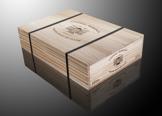
Package Size