 Wine Advisor



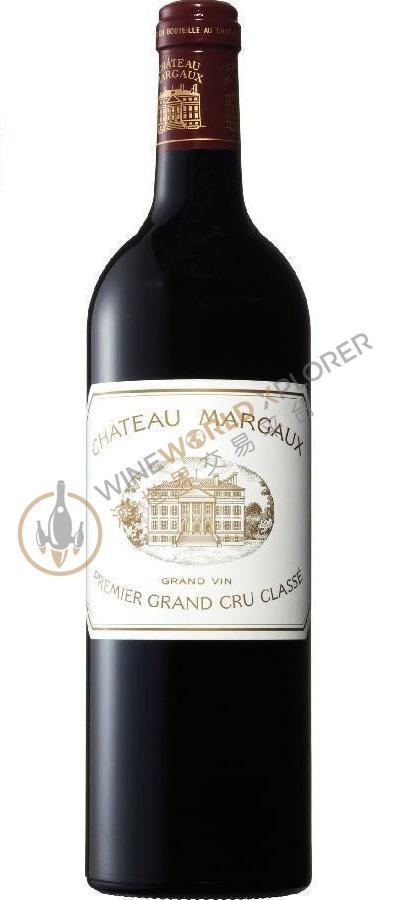
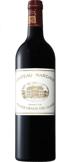
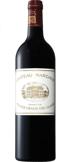
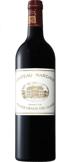
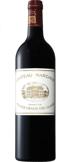
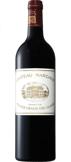
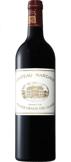
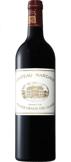
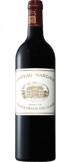
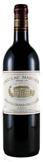
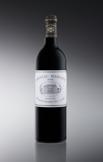
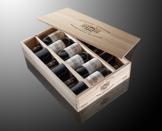
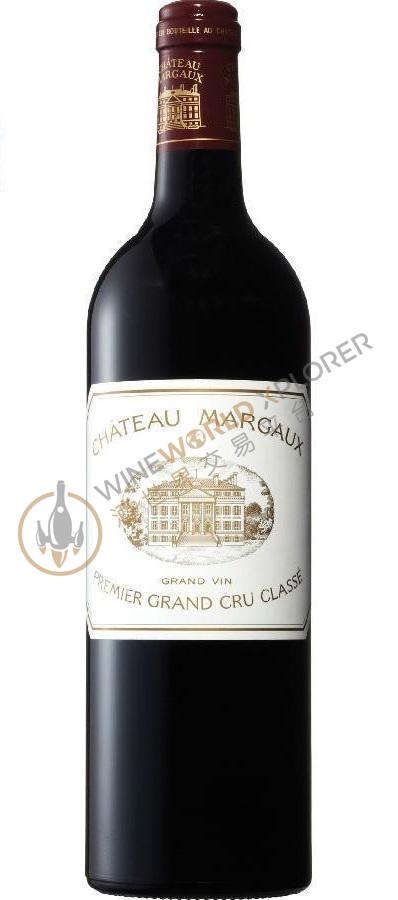
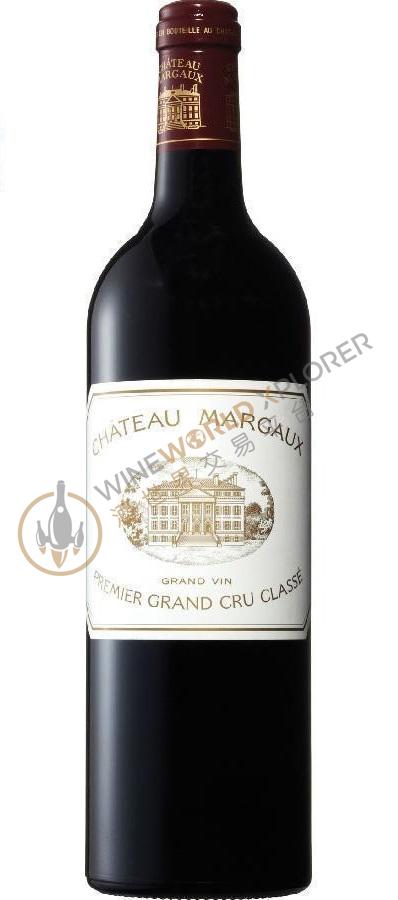
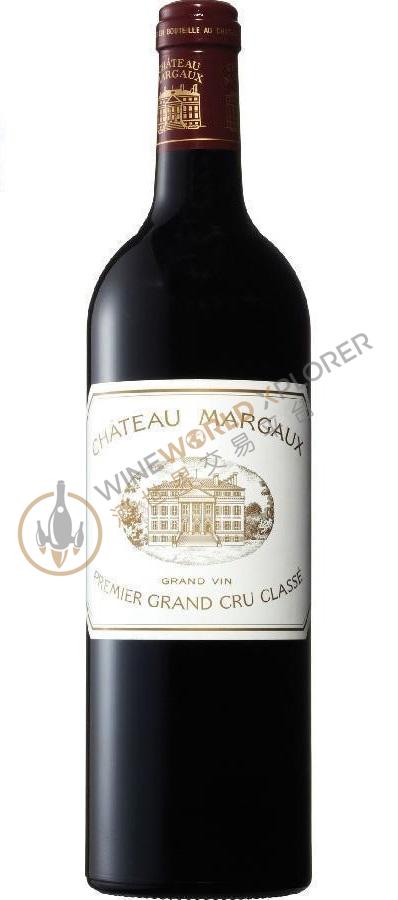
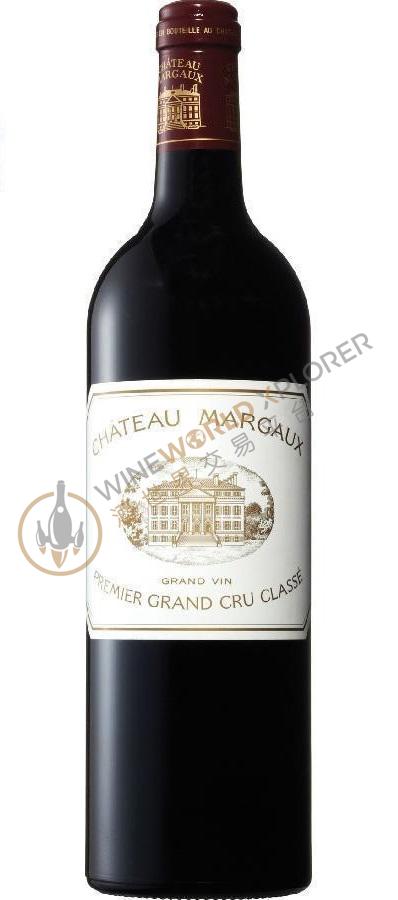
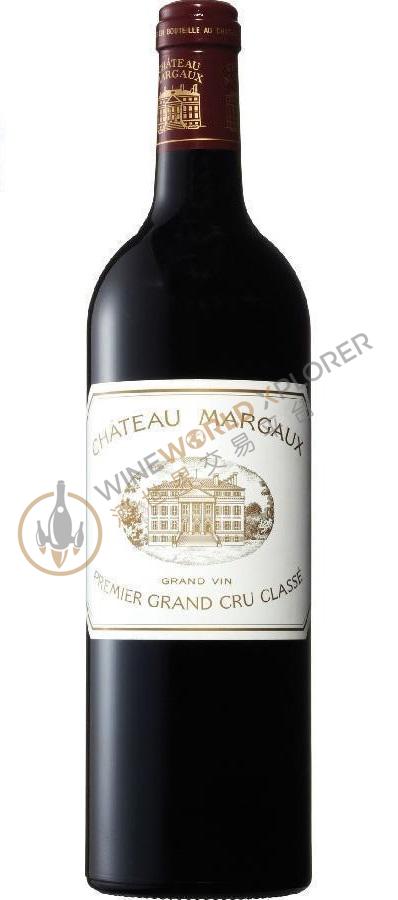
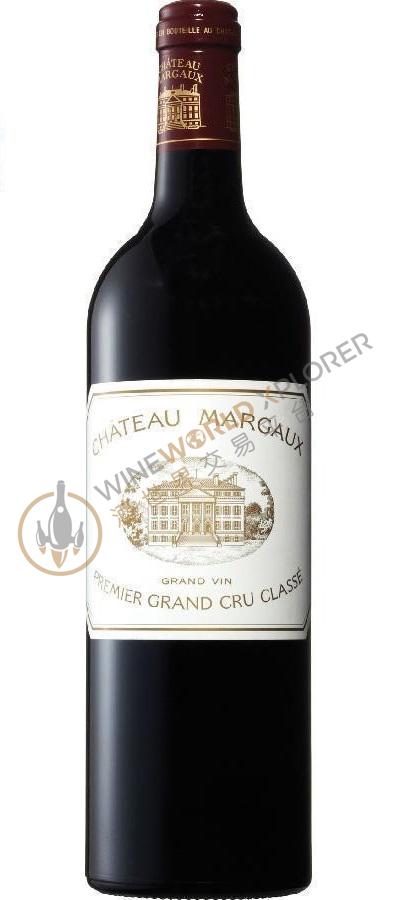
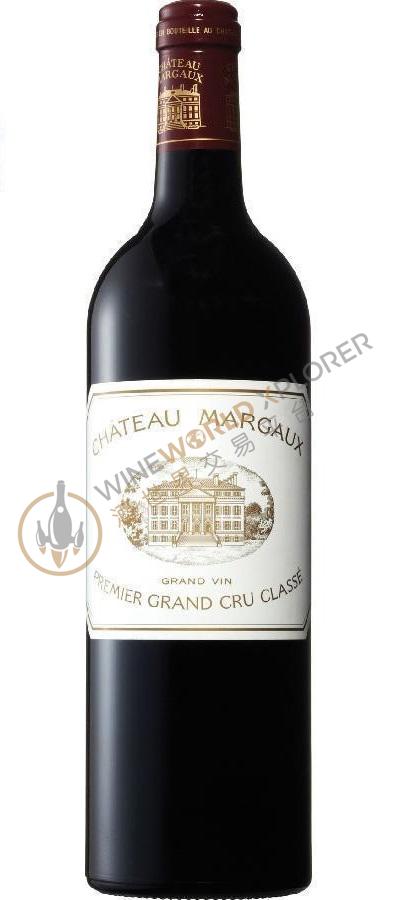
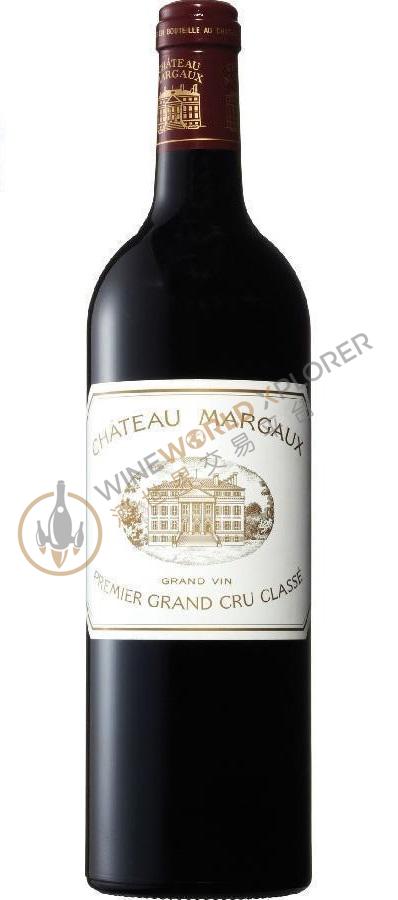
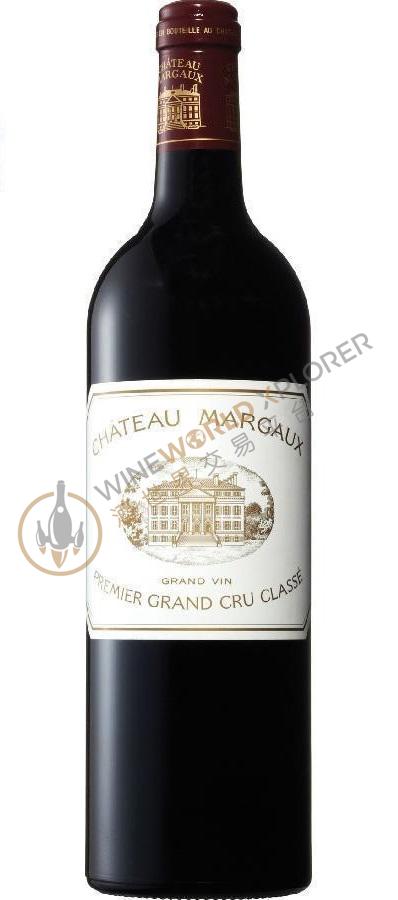
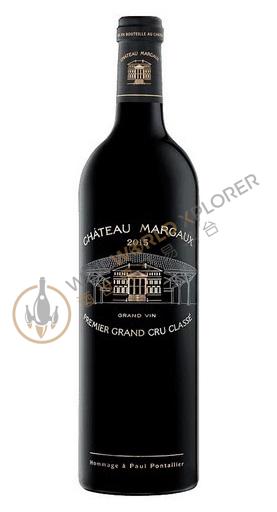
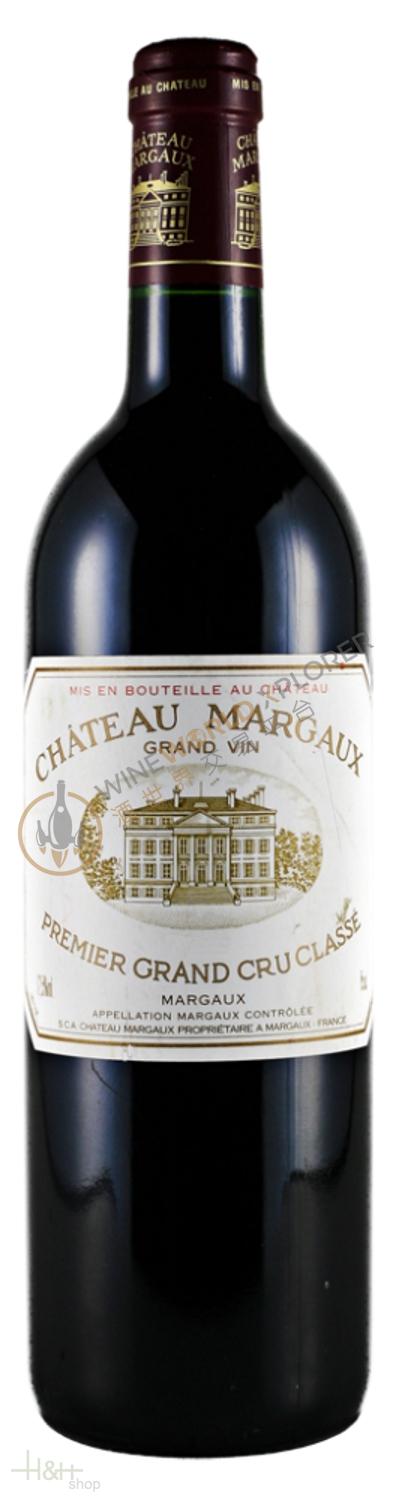
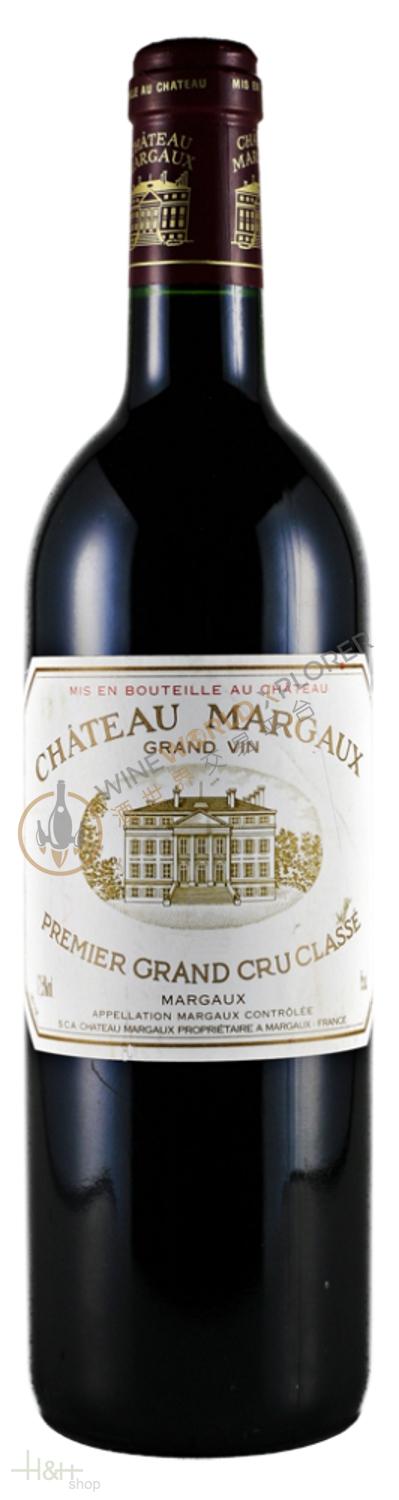
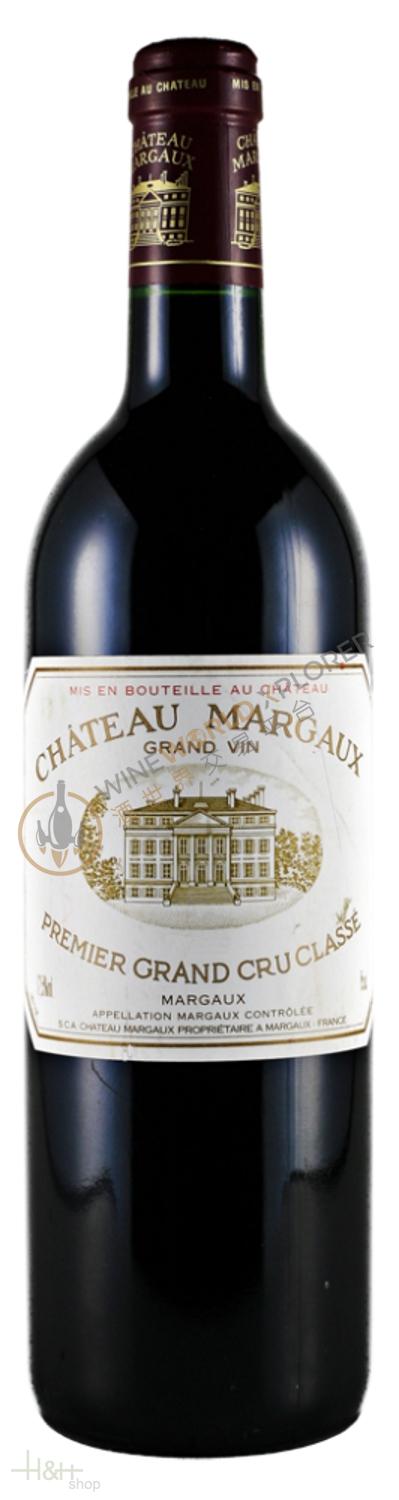
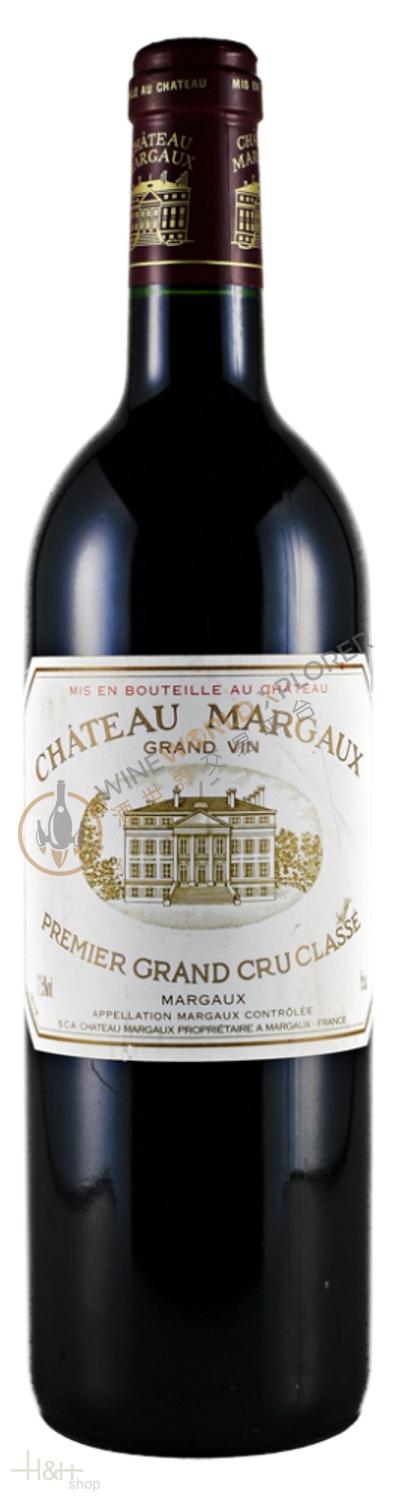
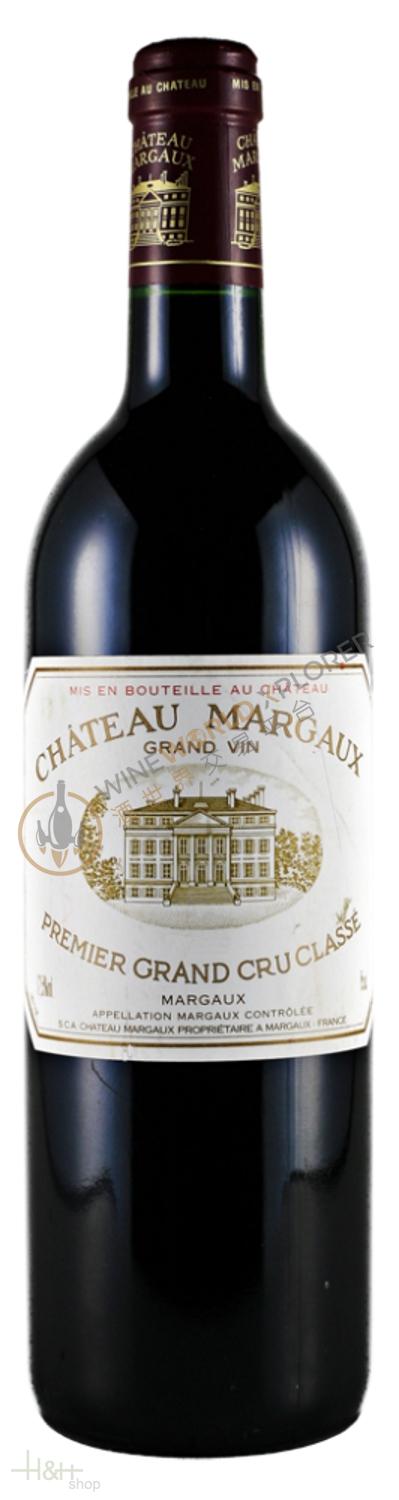
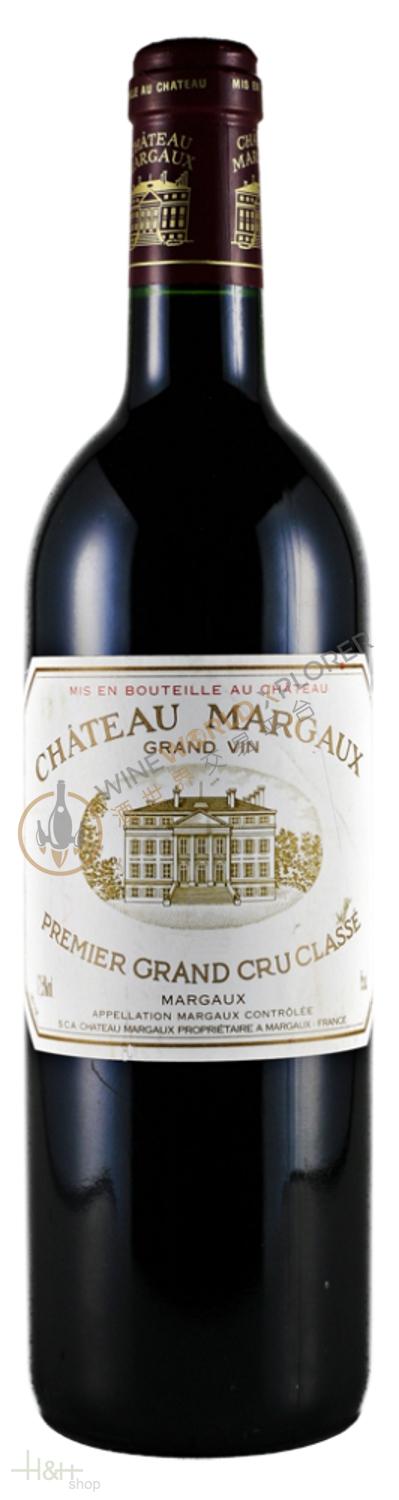
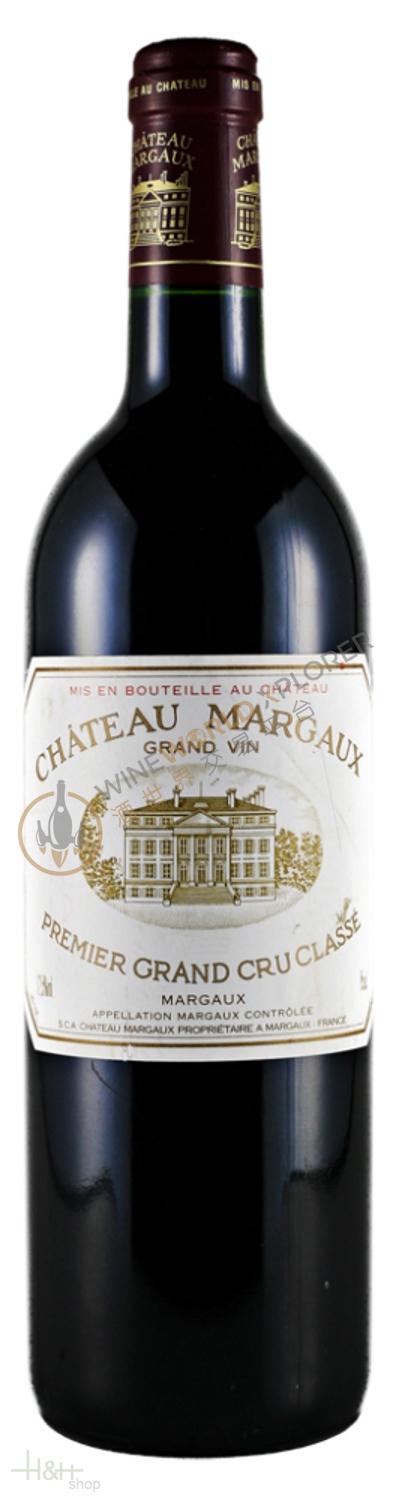
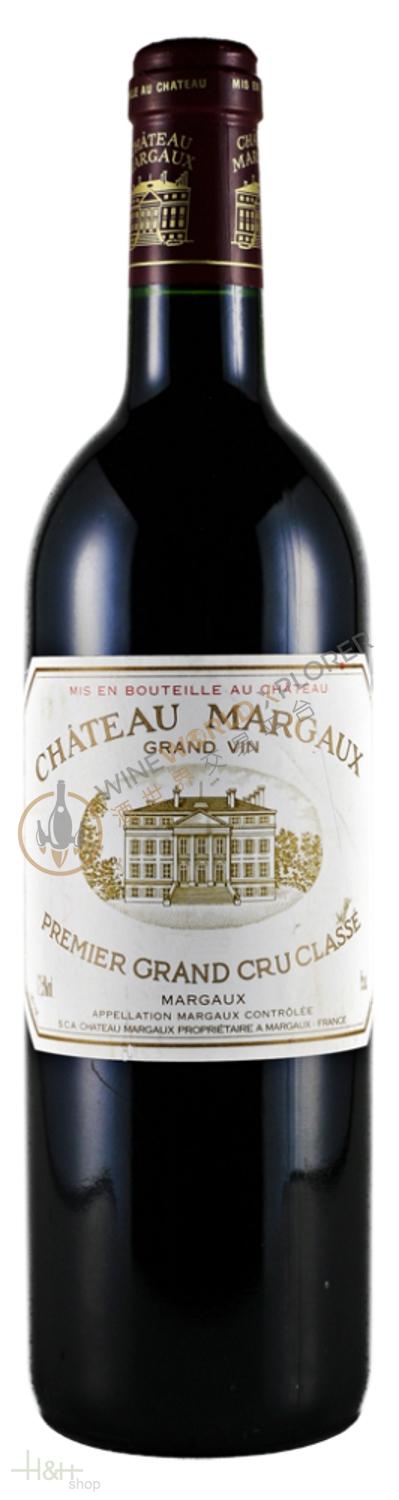
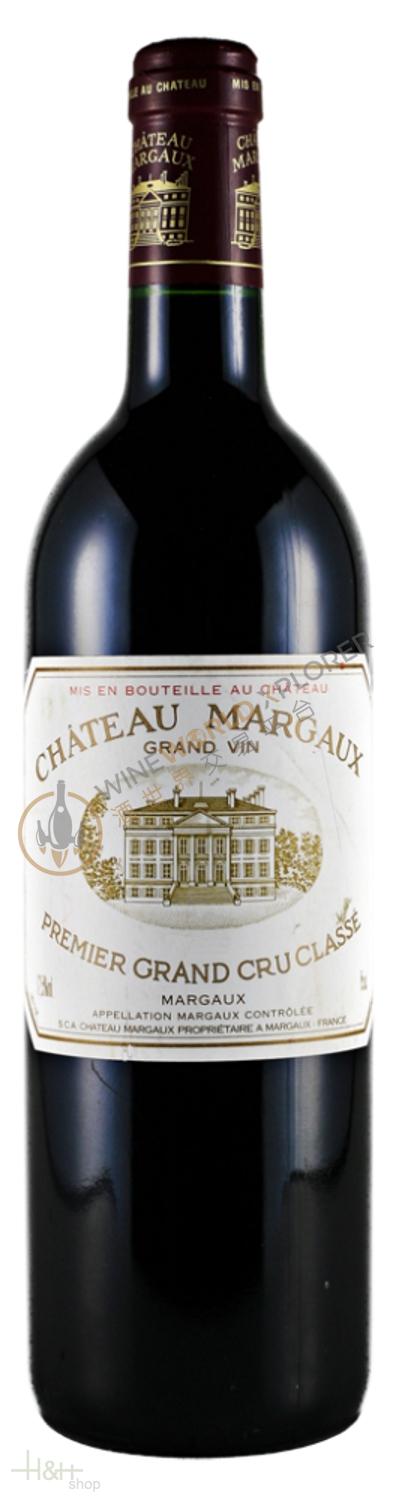
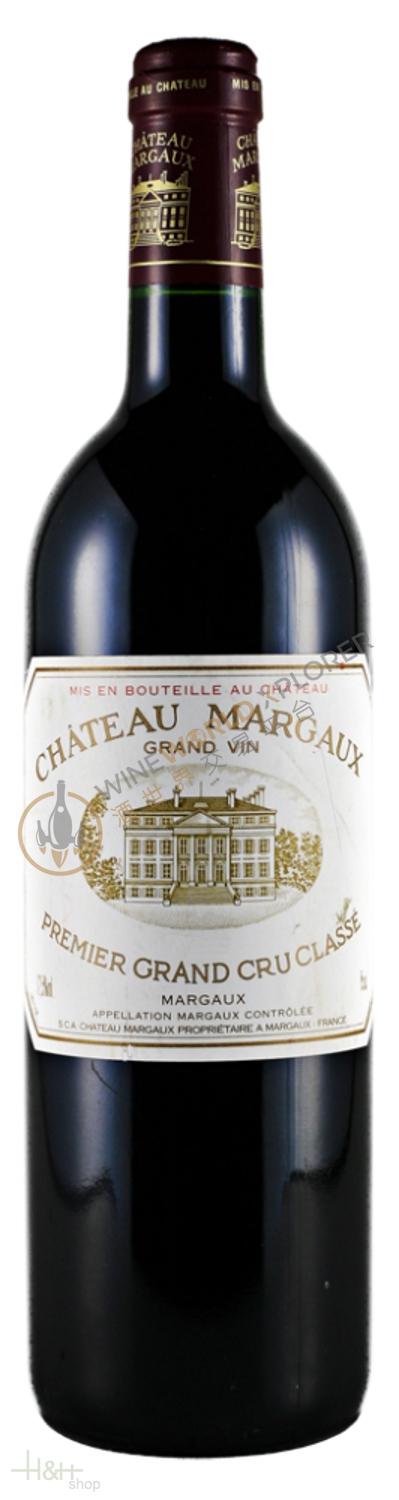
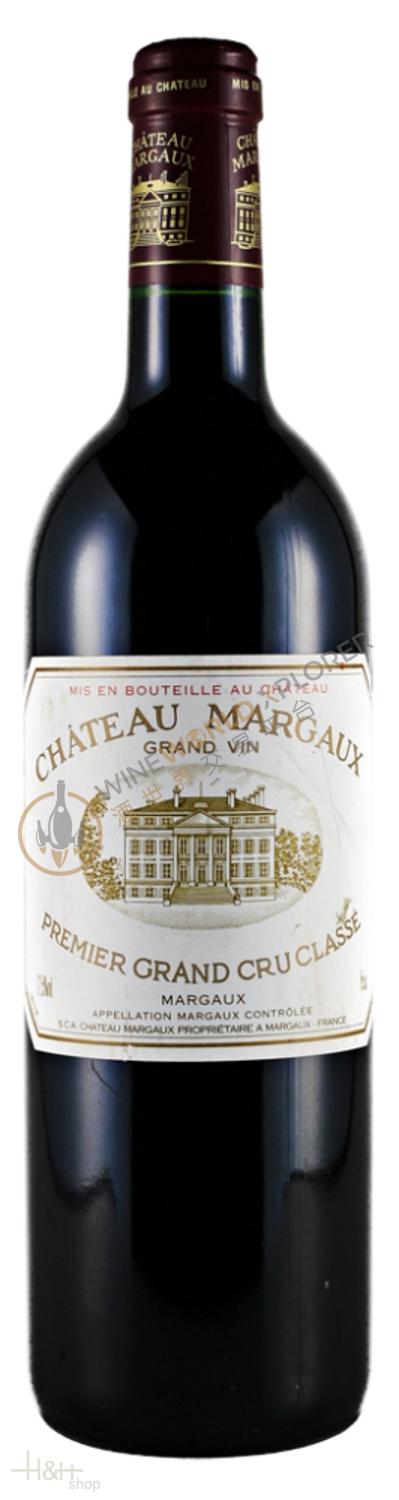
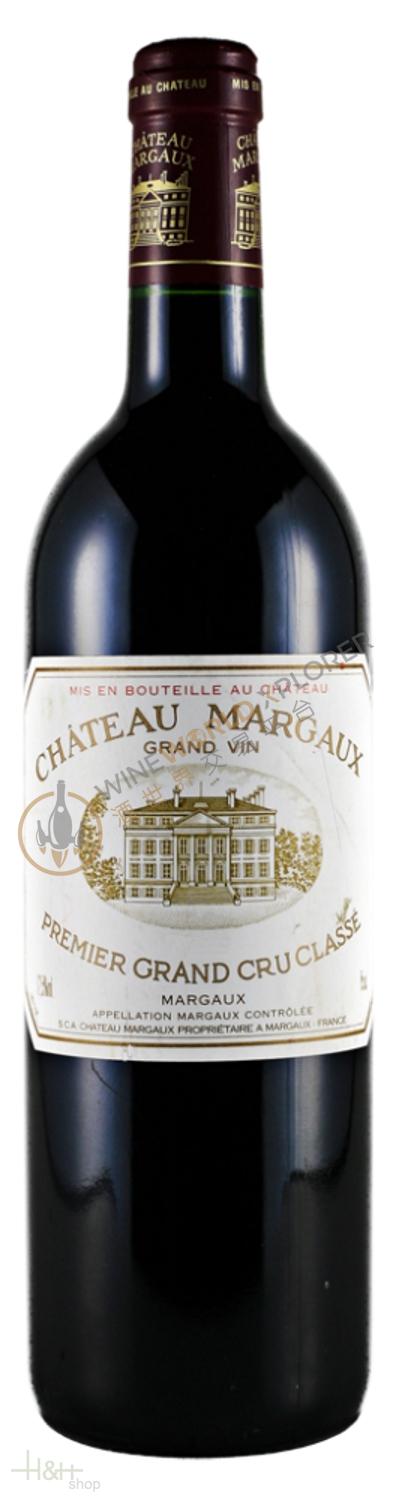
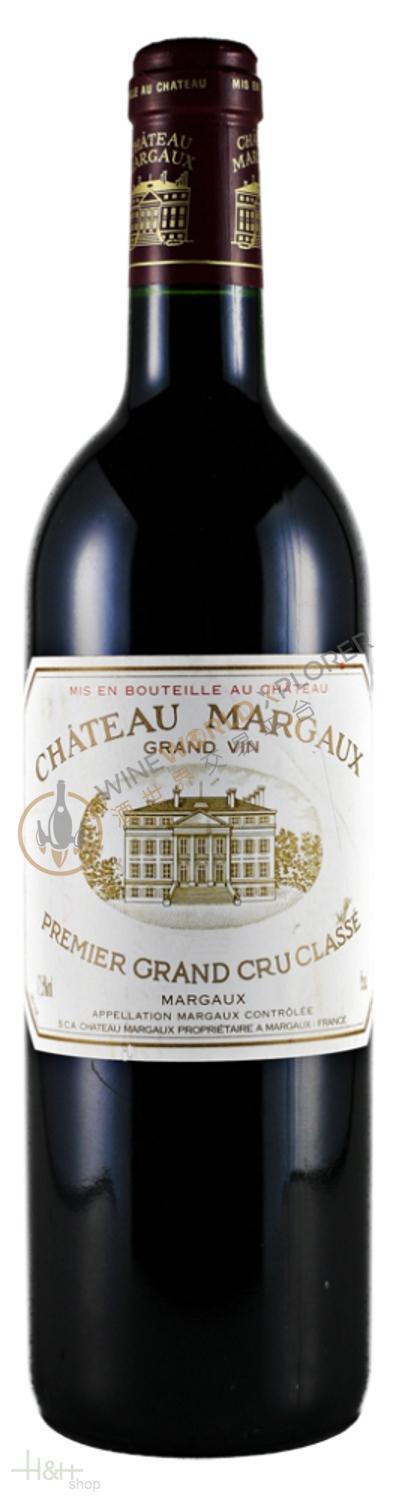
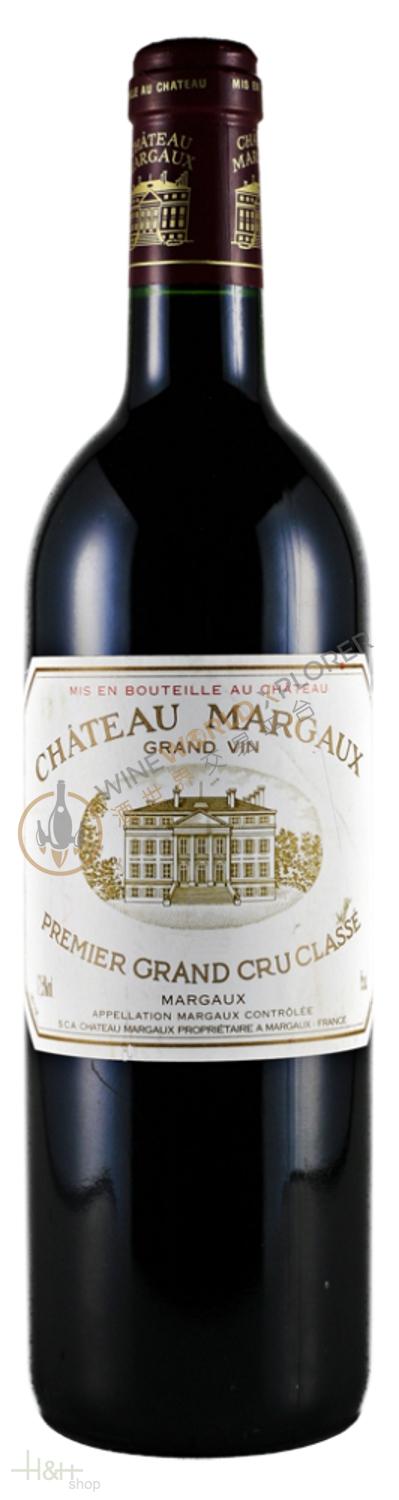
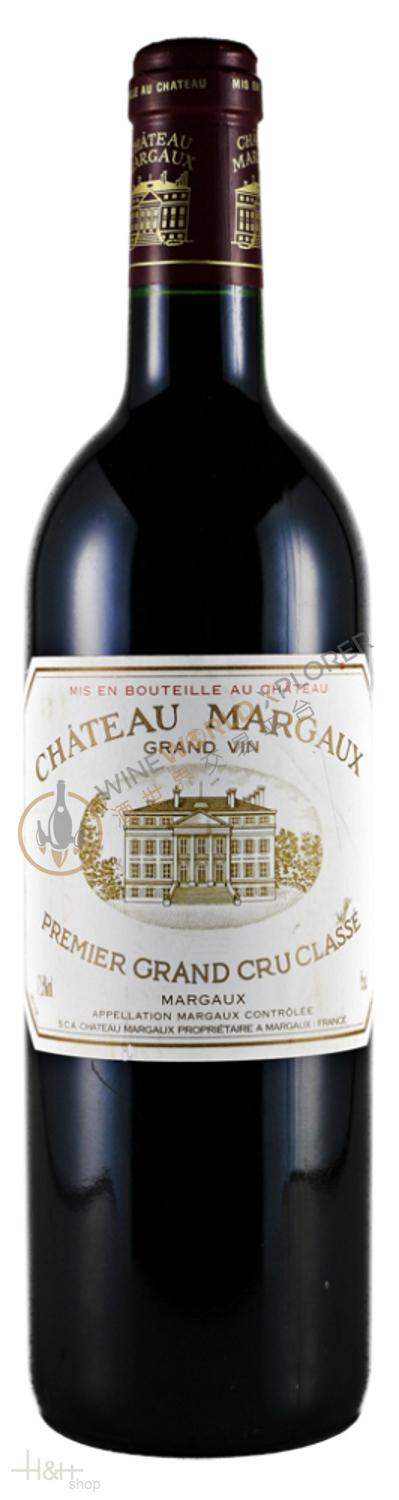
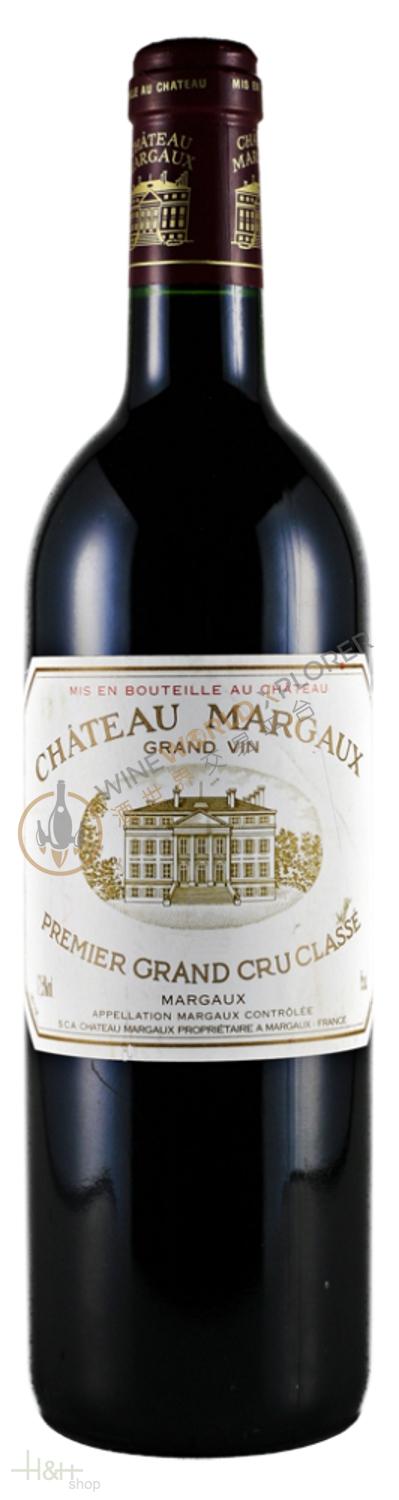
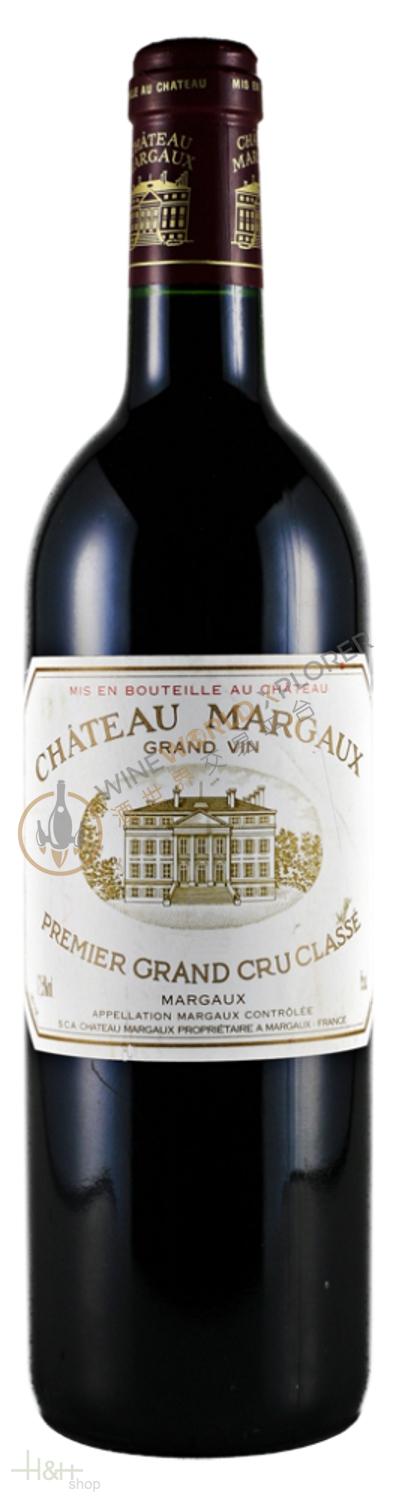
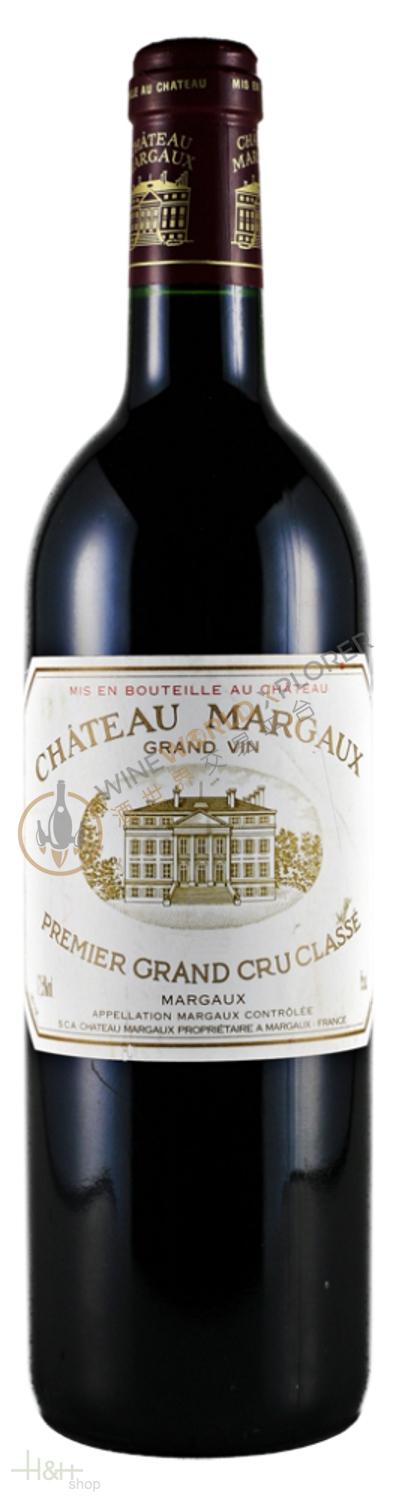
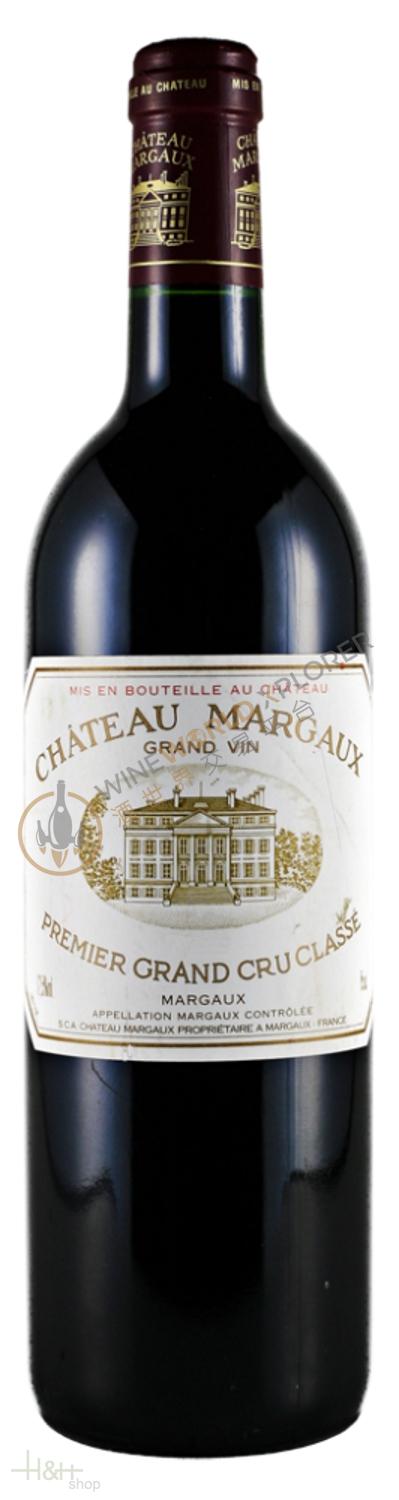
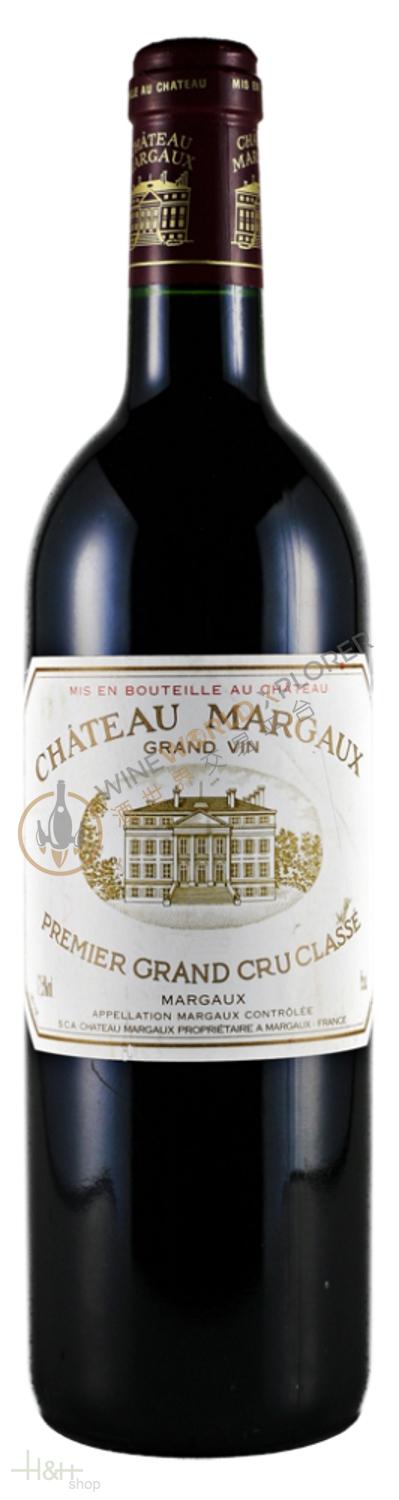
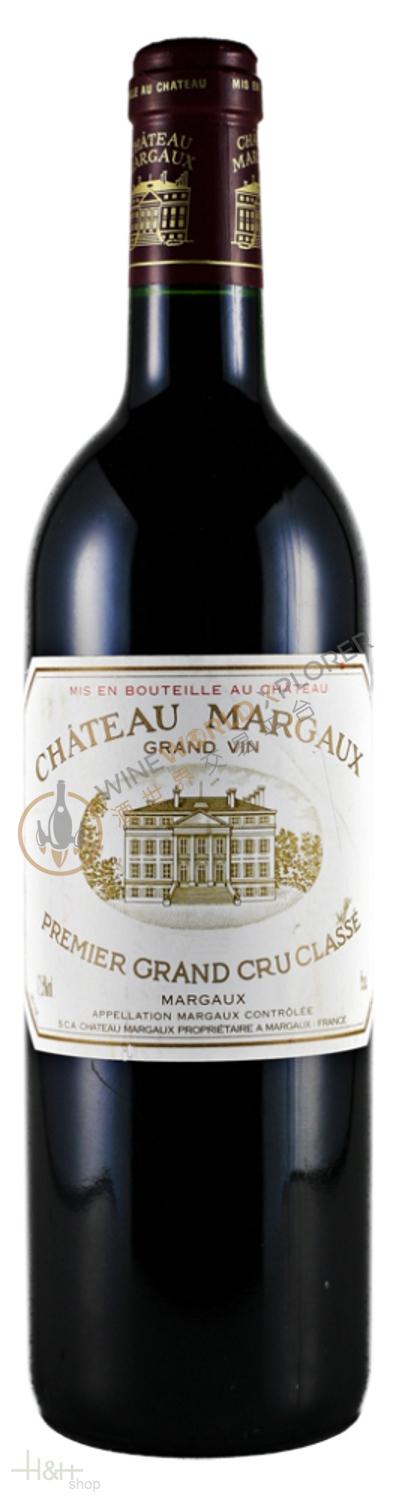
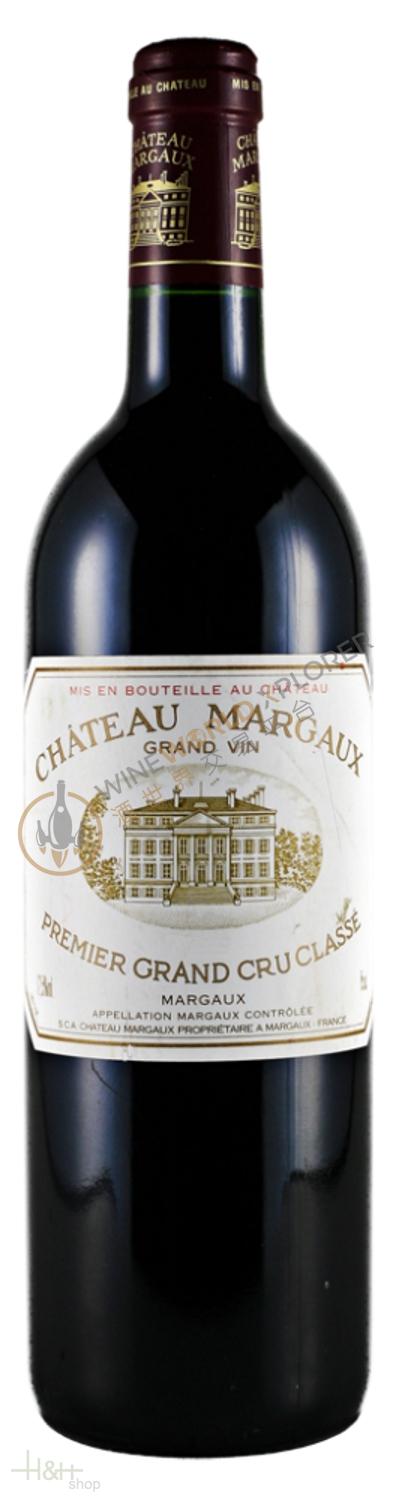
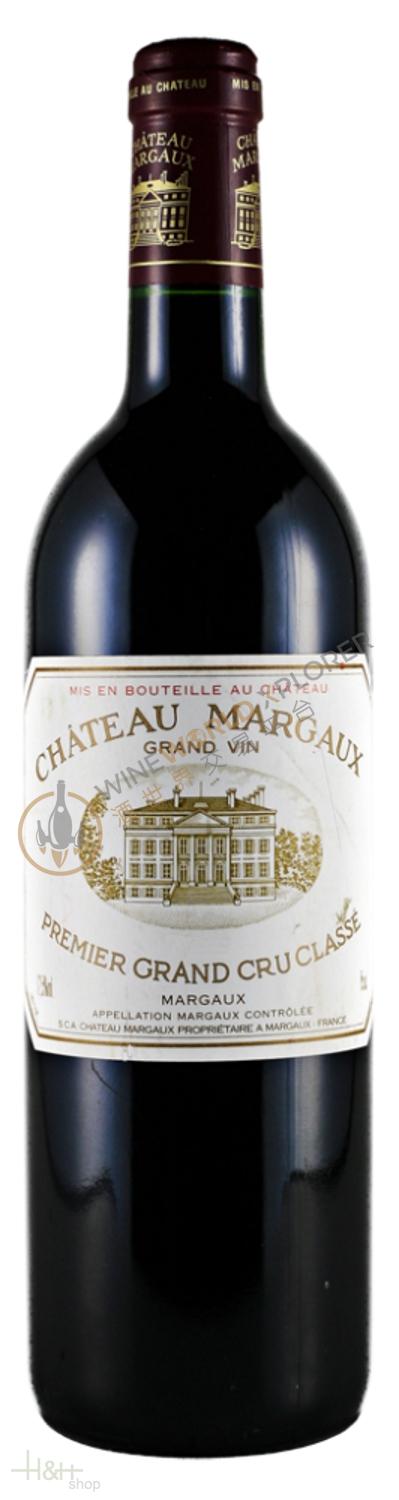
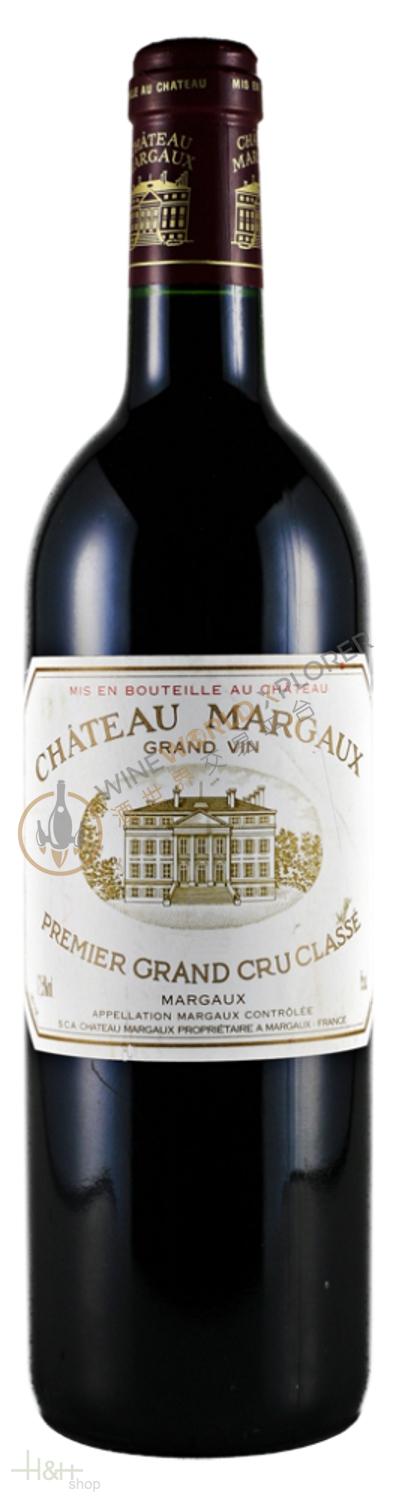
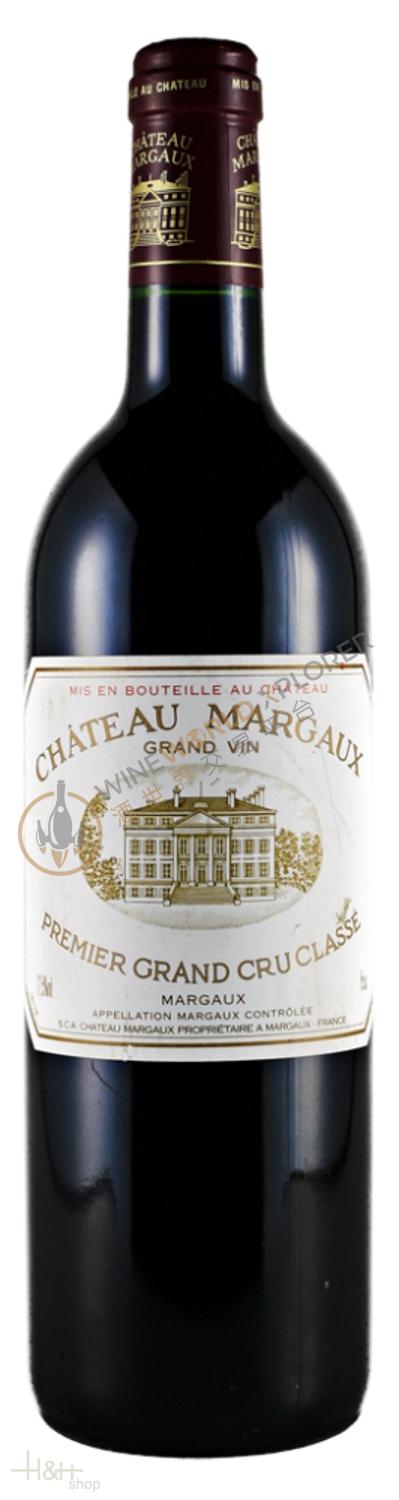
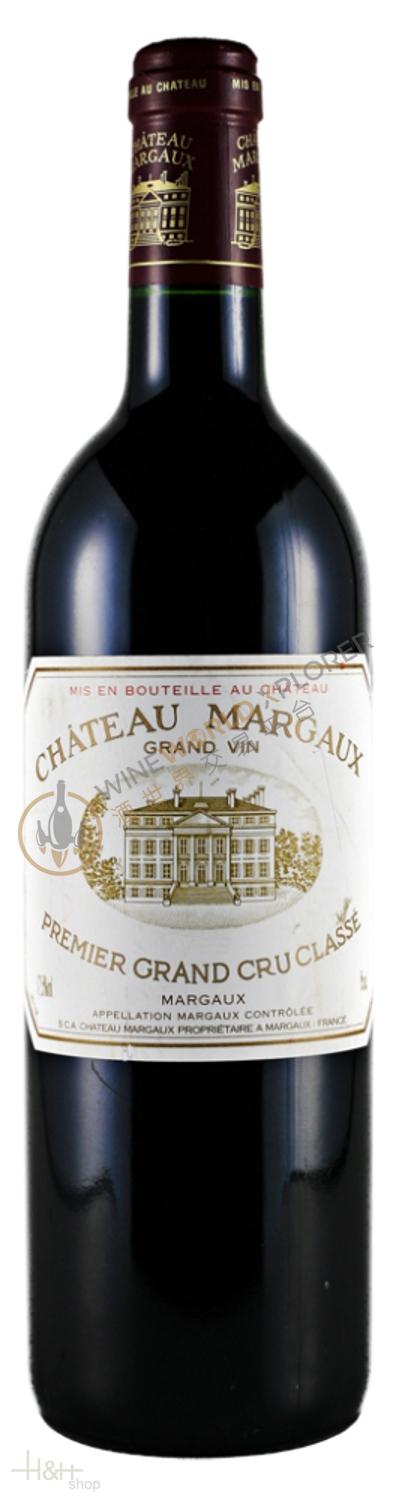
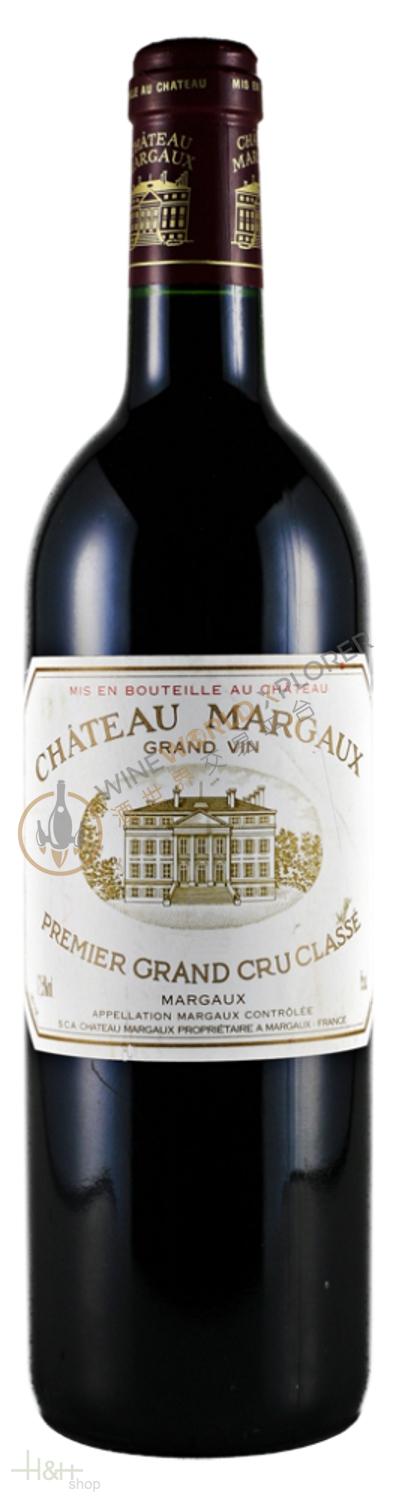
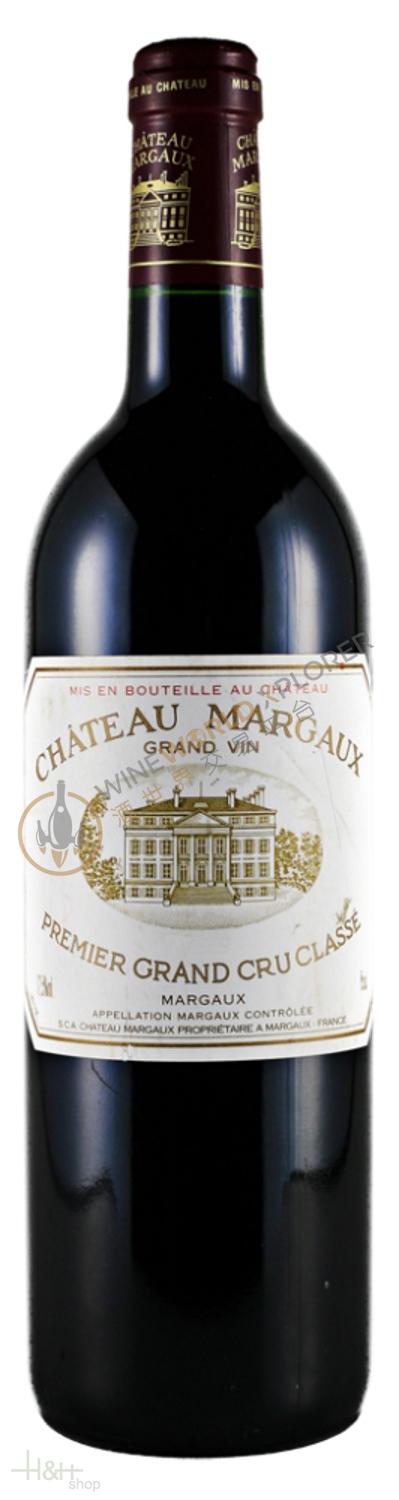
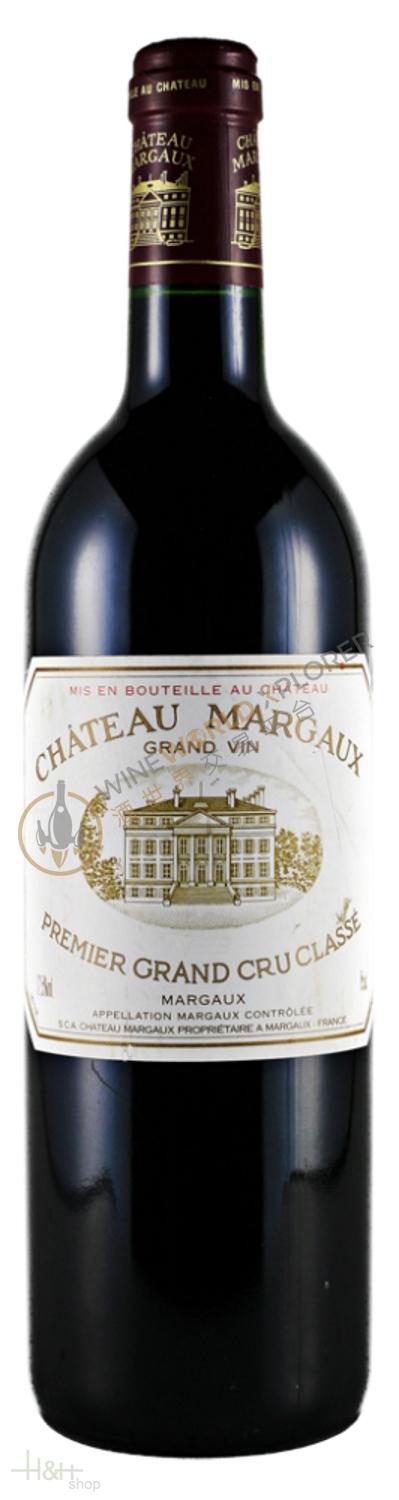
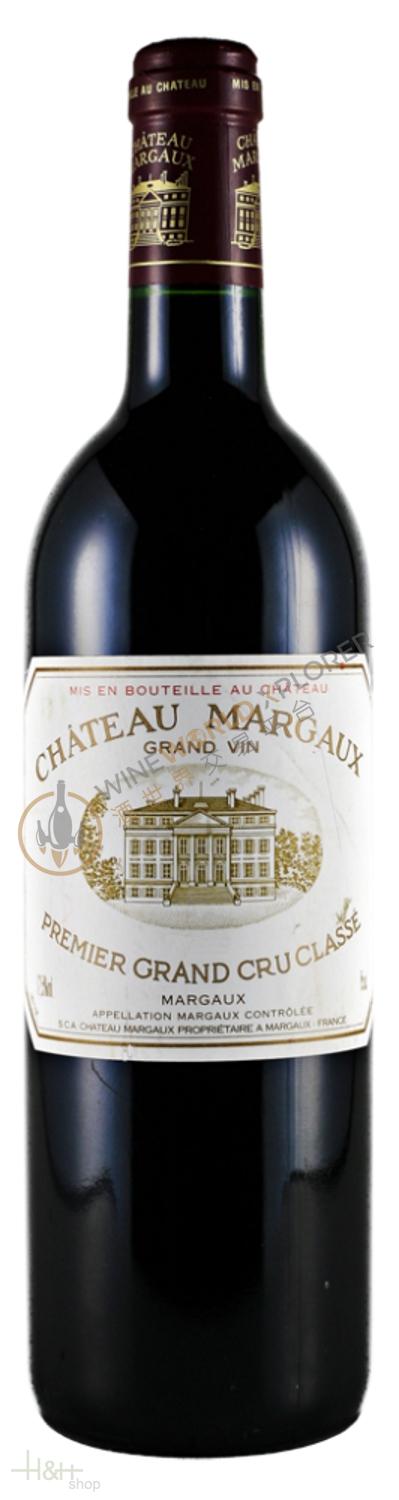
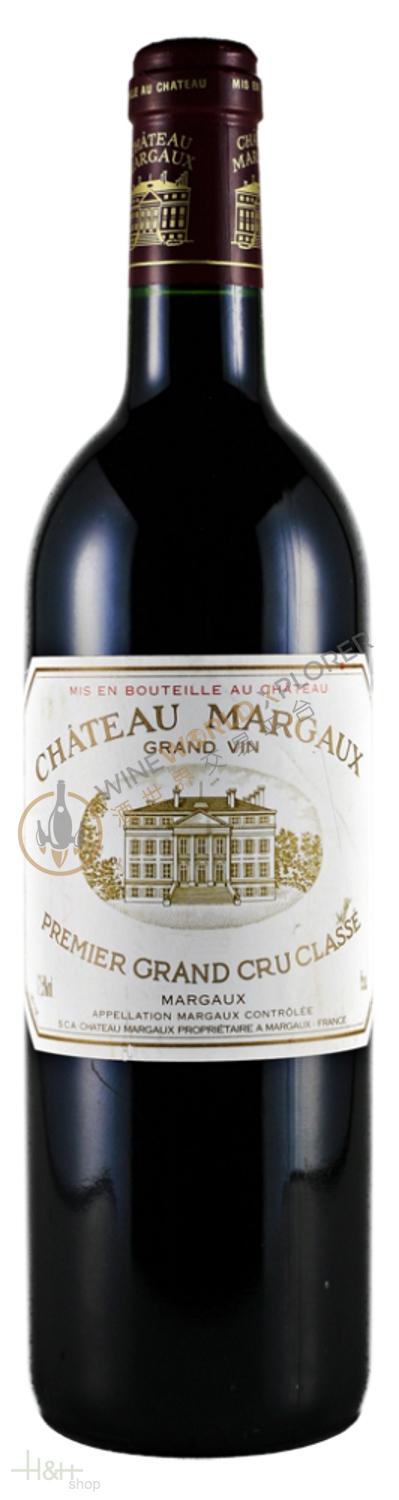
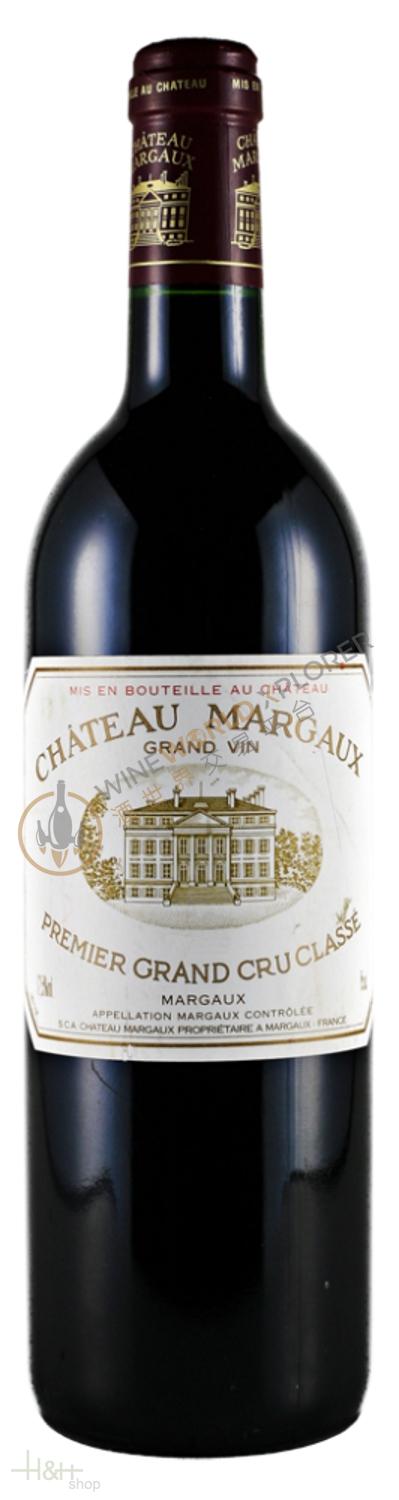
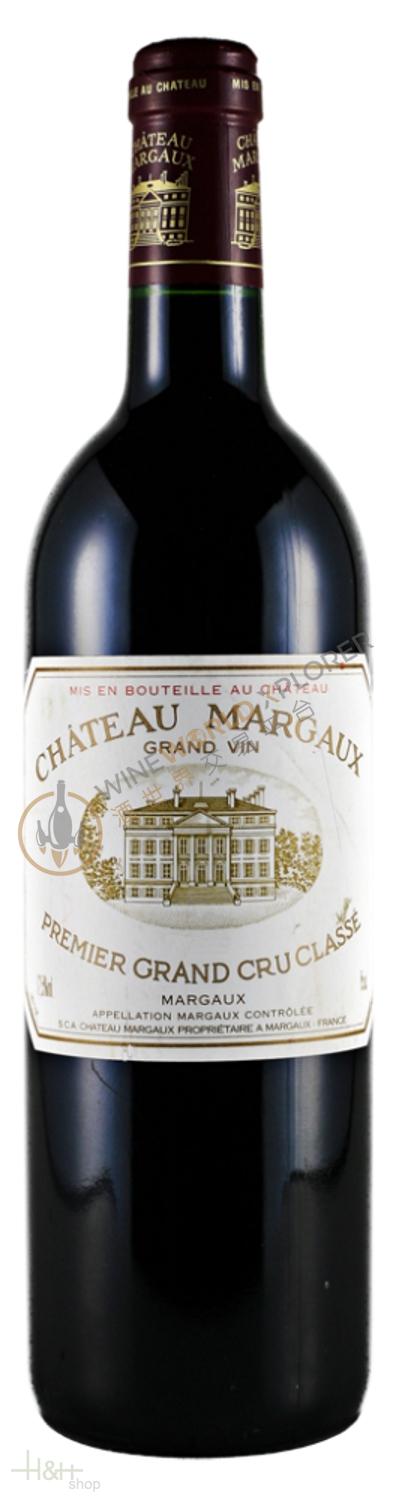
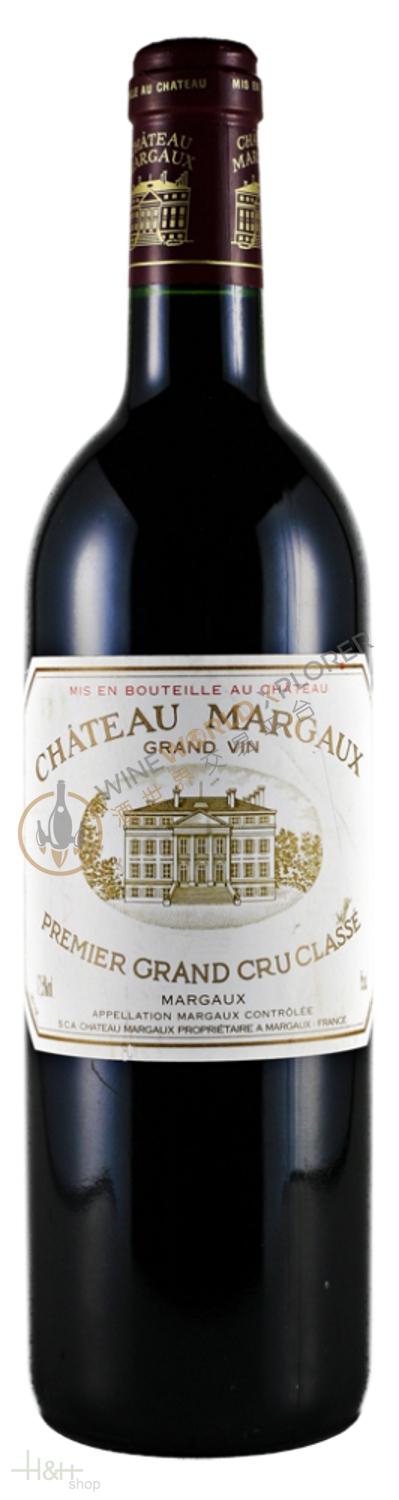
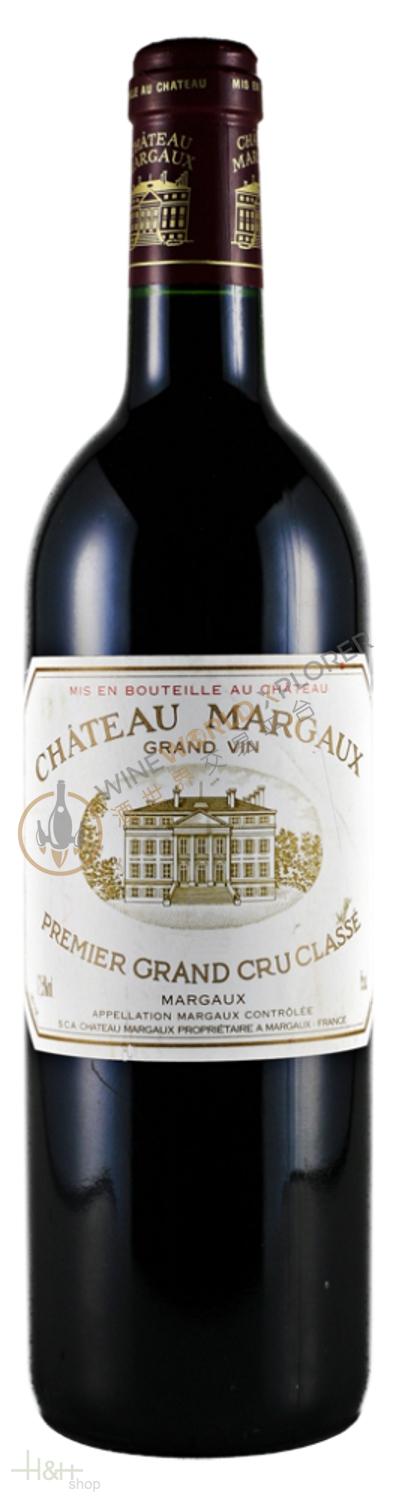
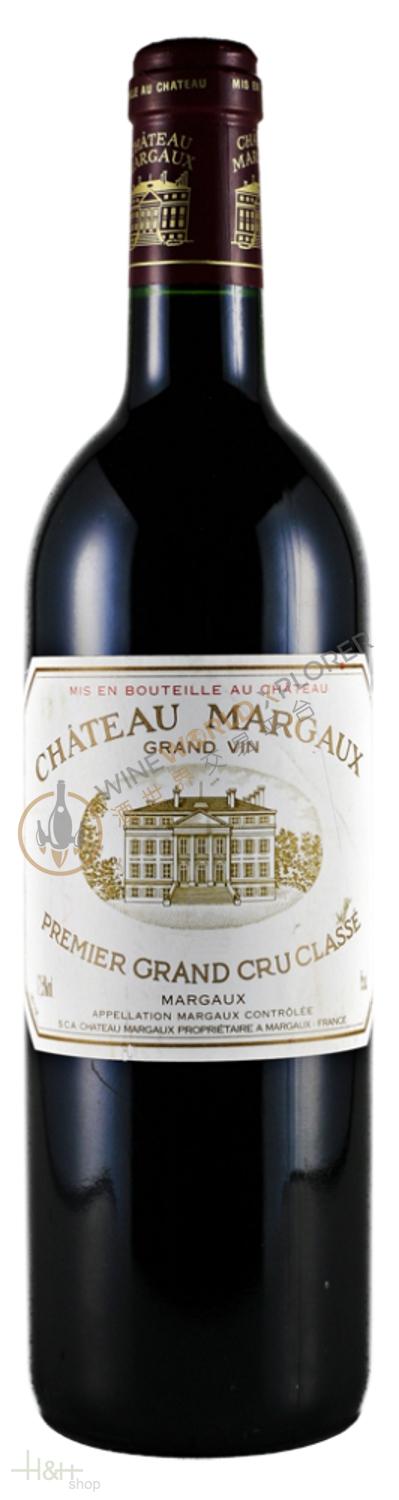
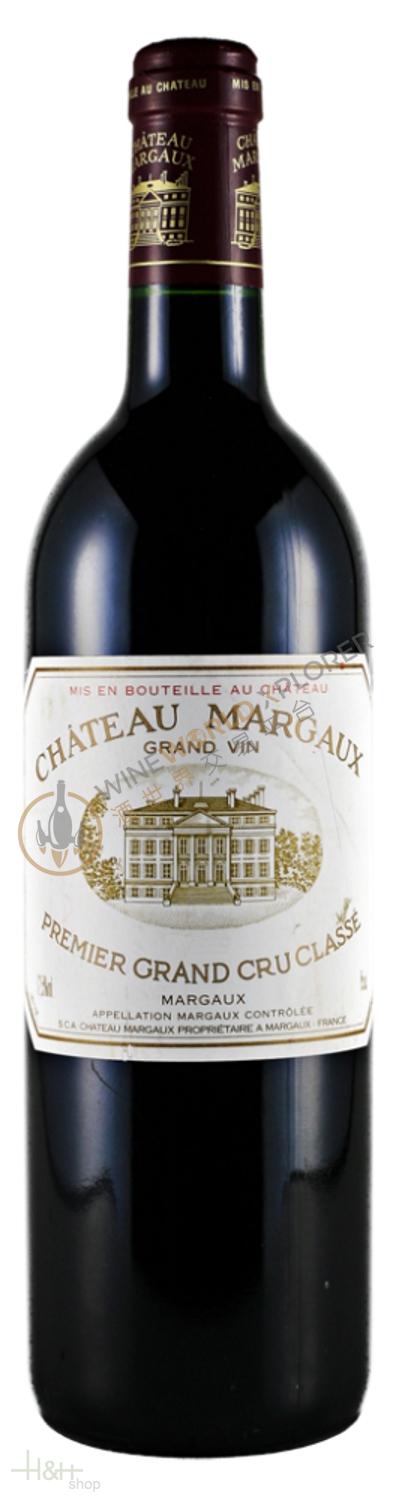
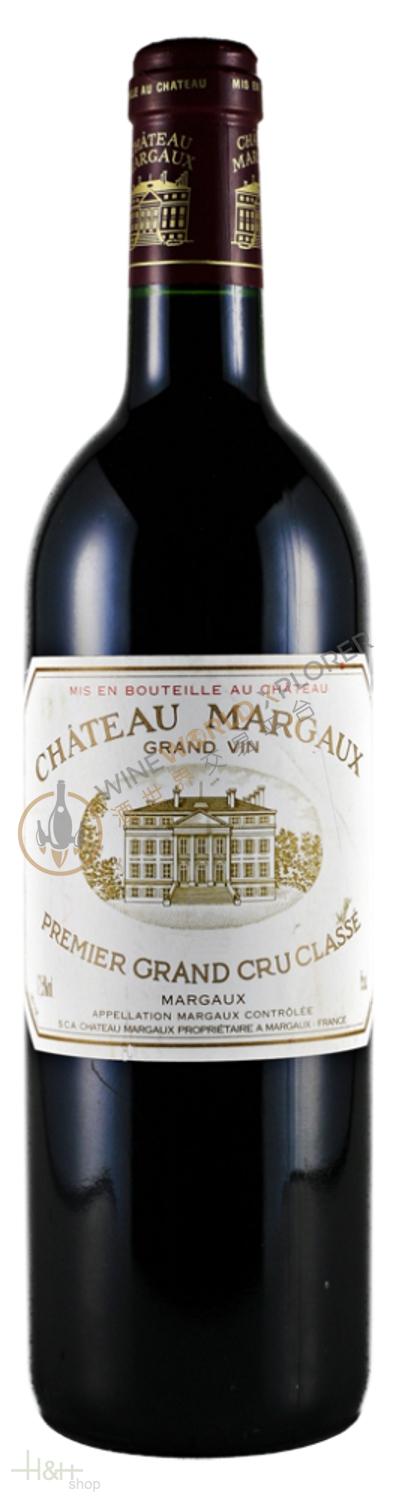
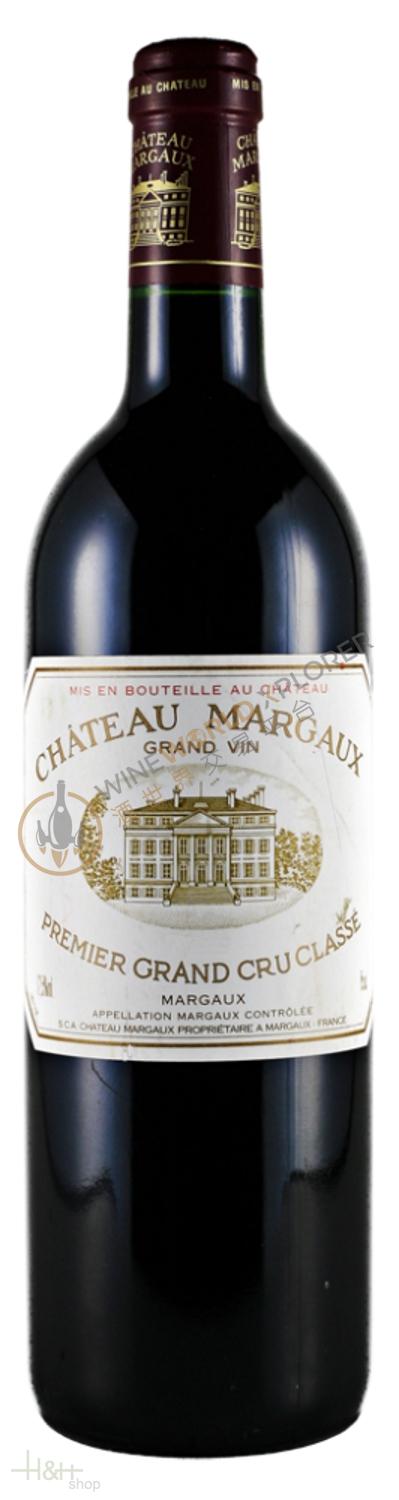
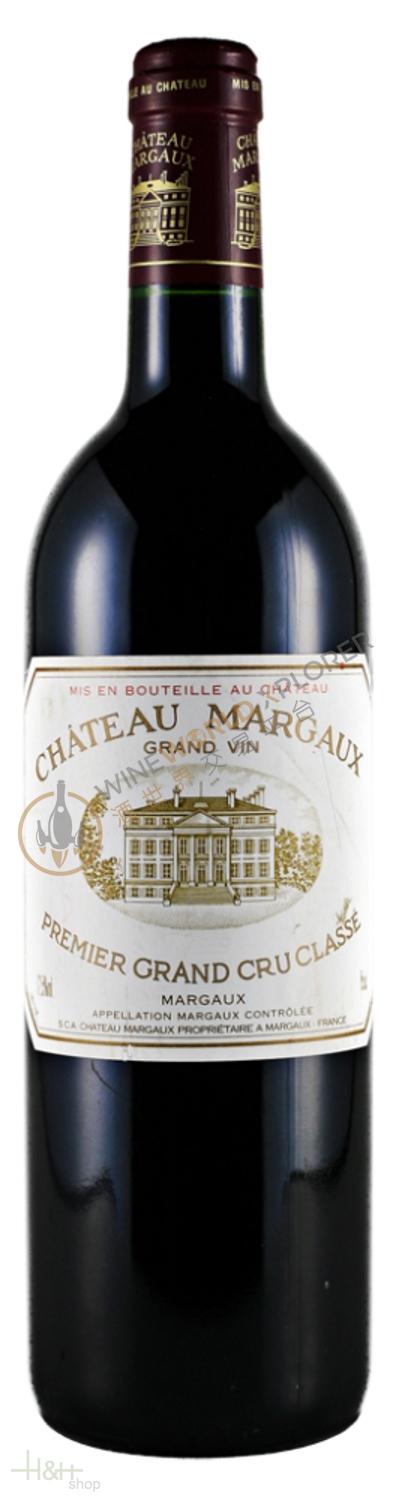
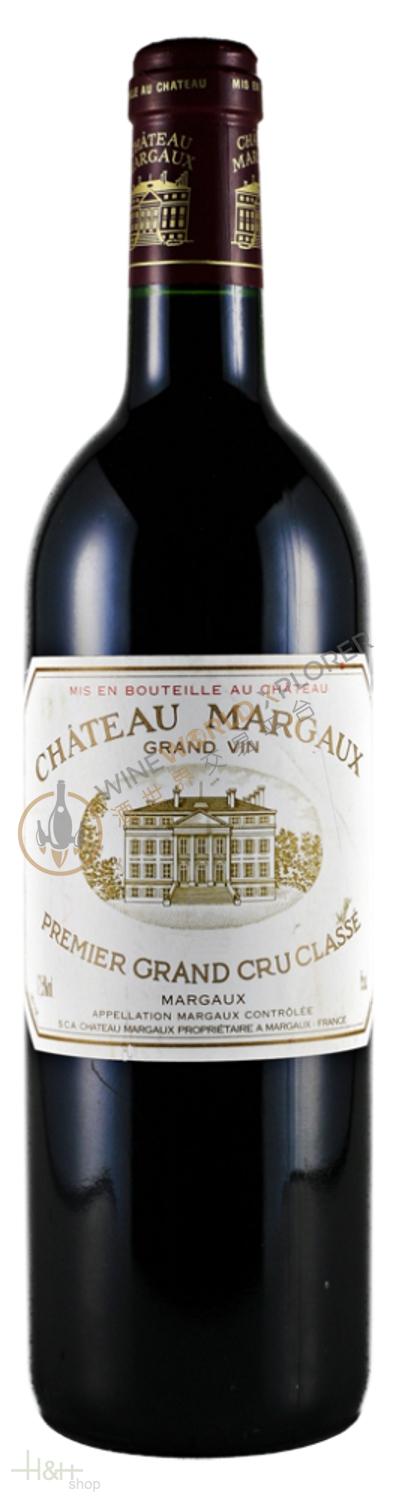
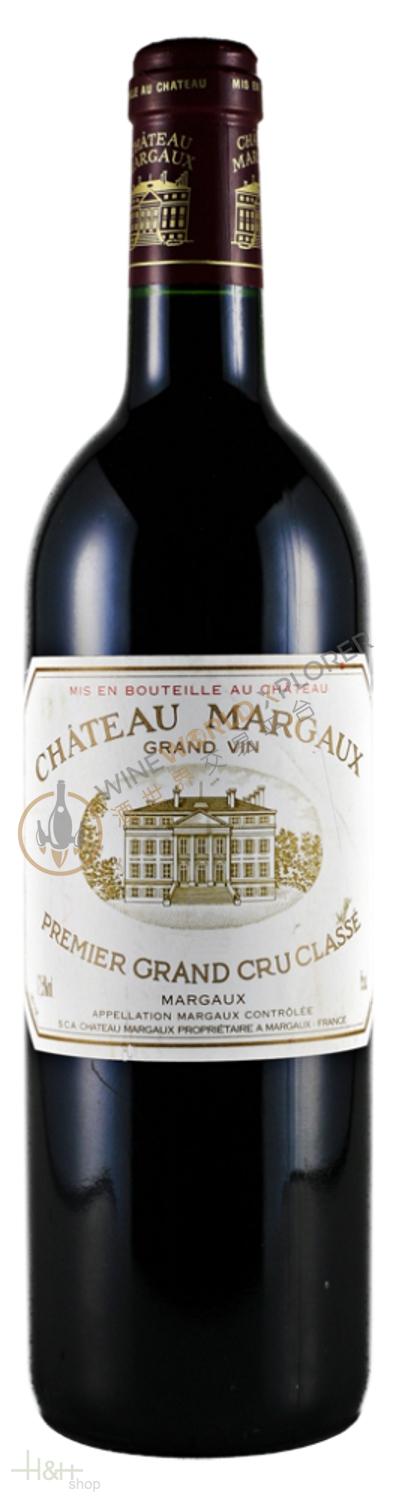
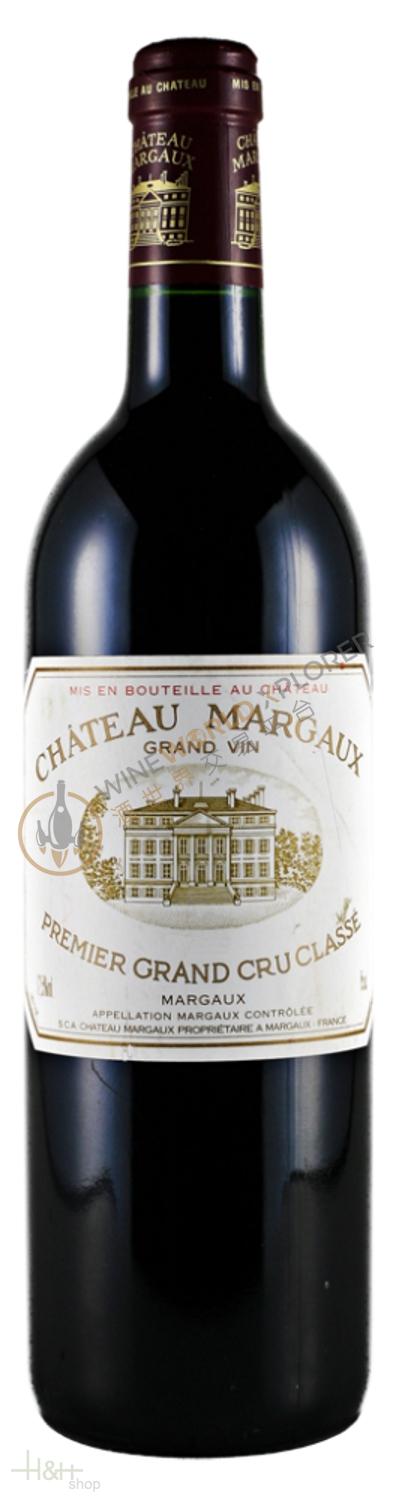
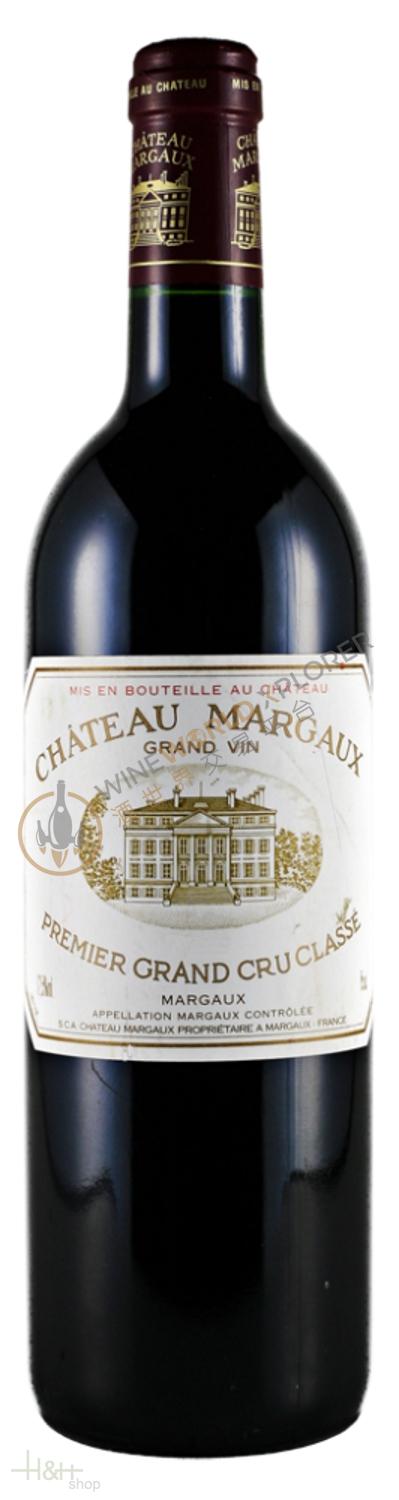
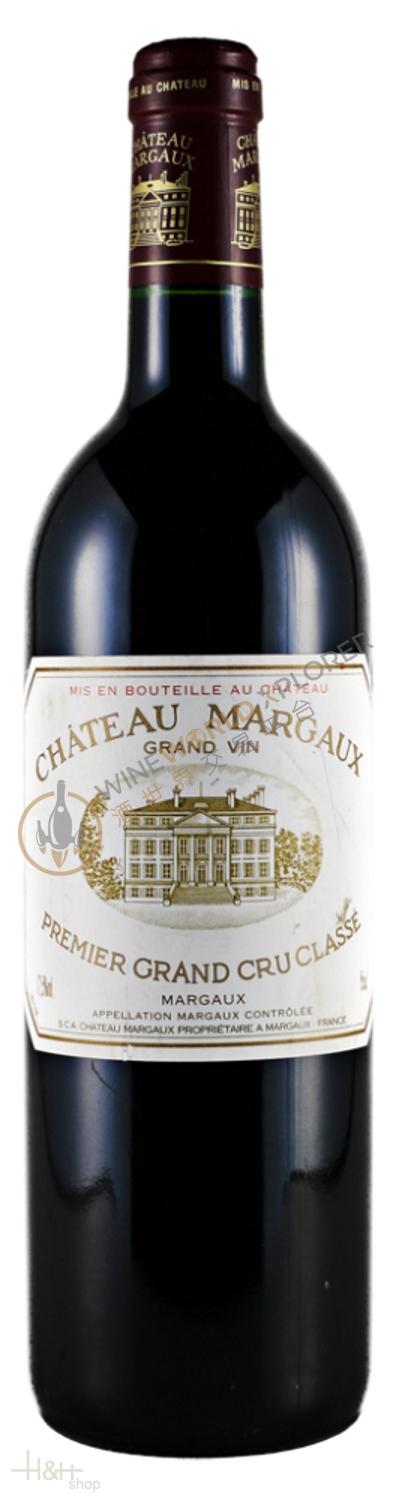
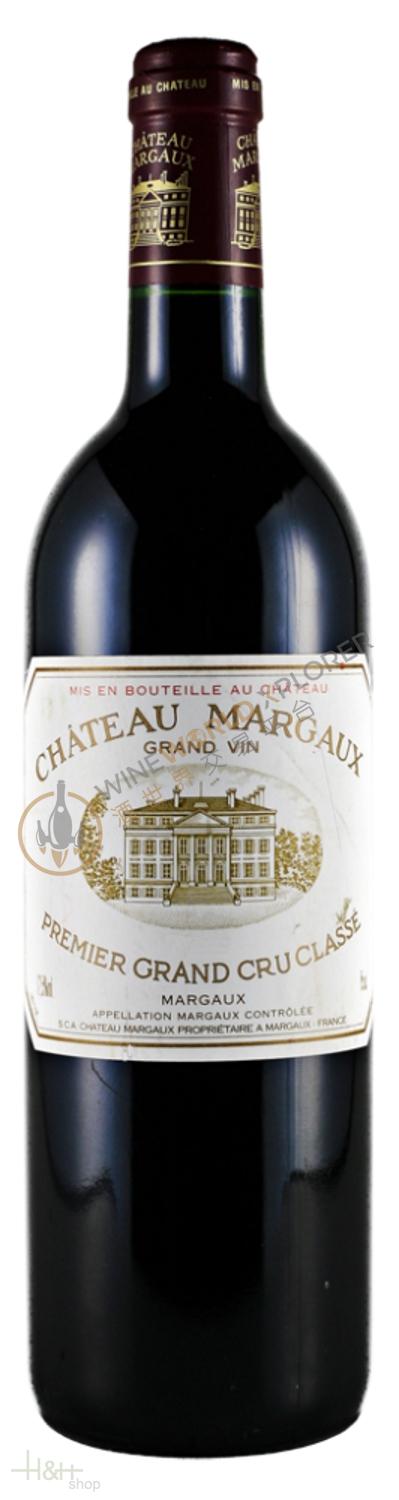
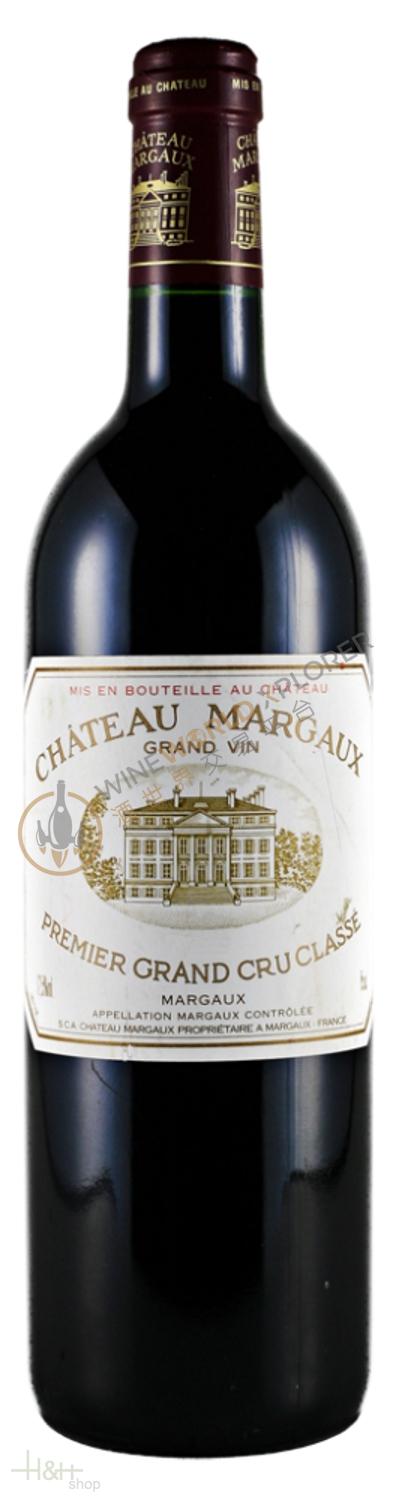
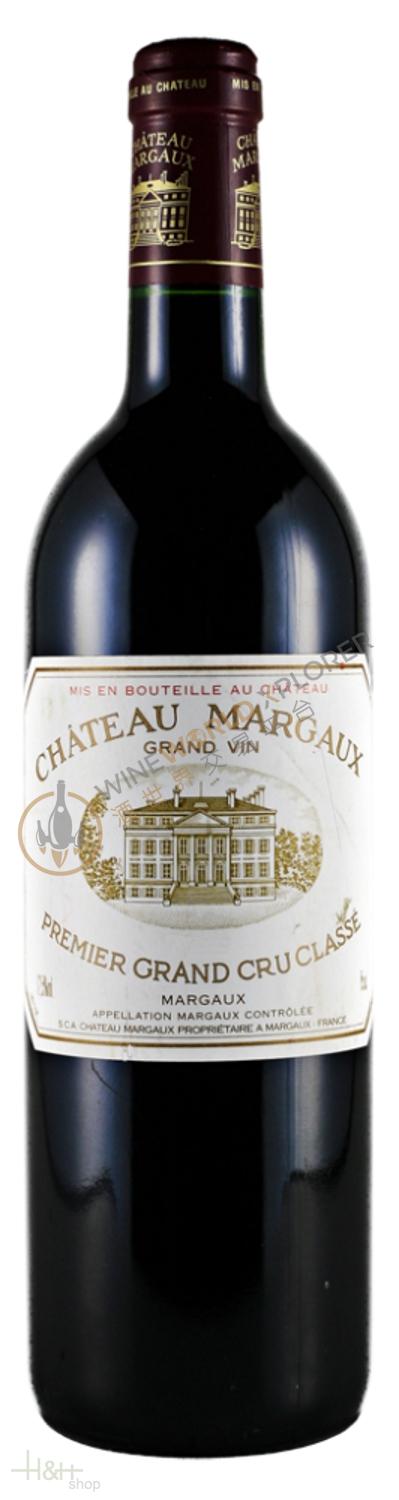
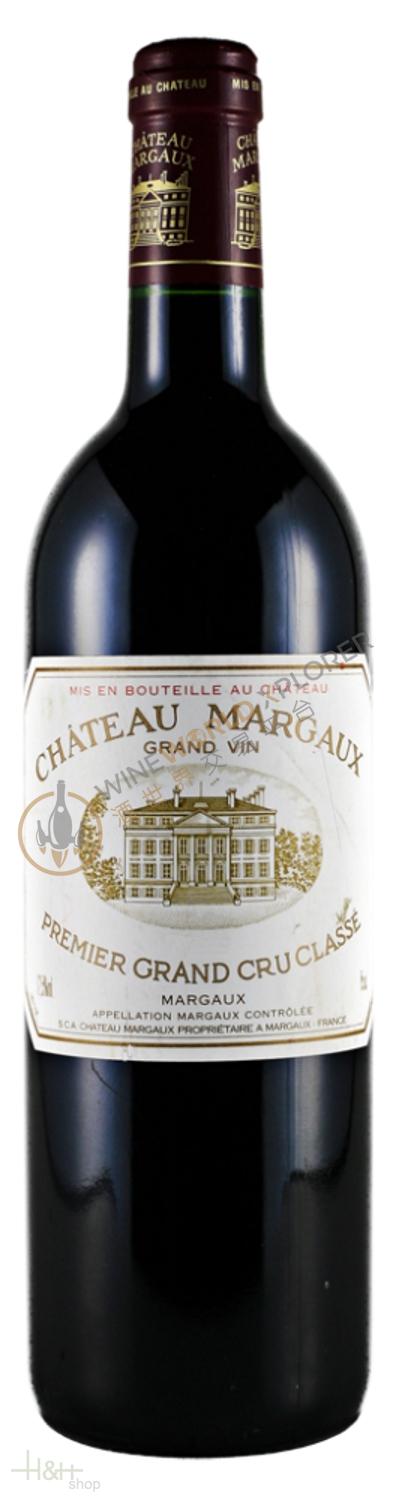
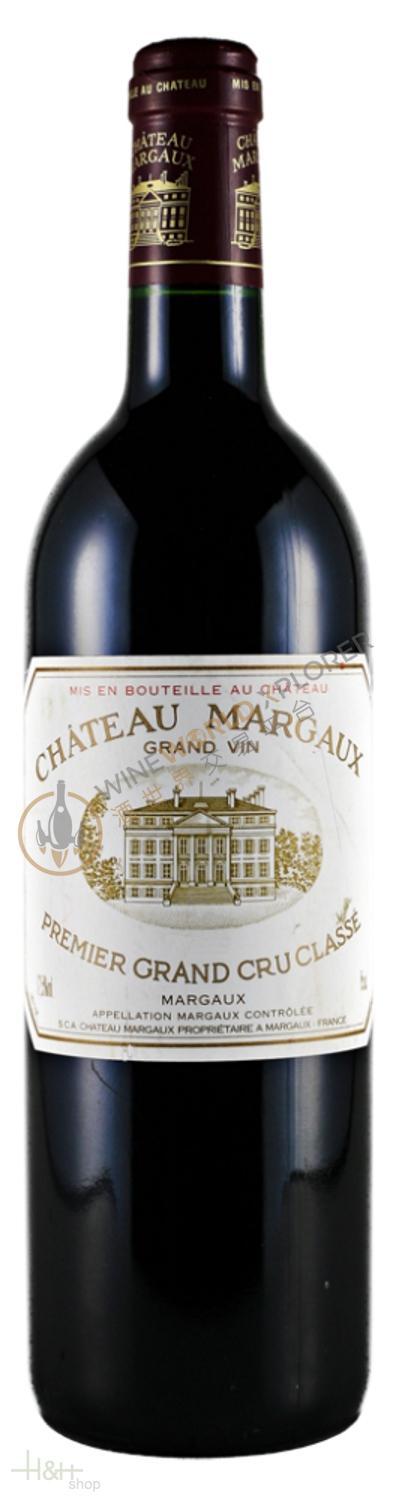
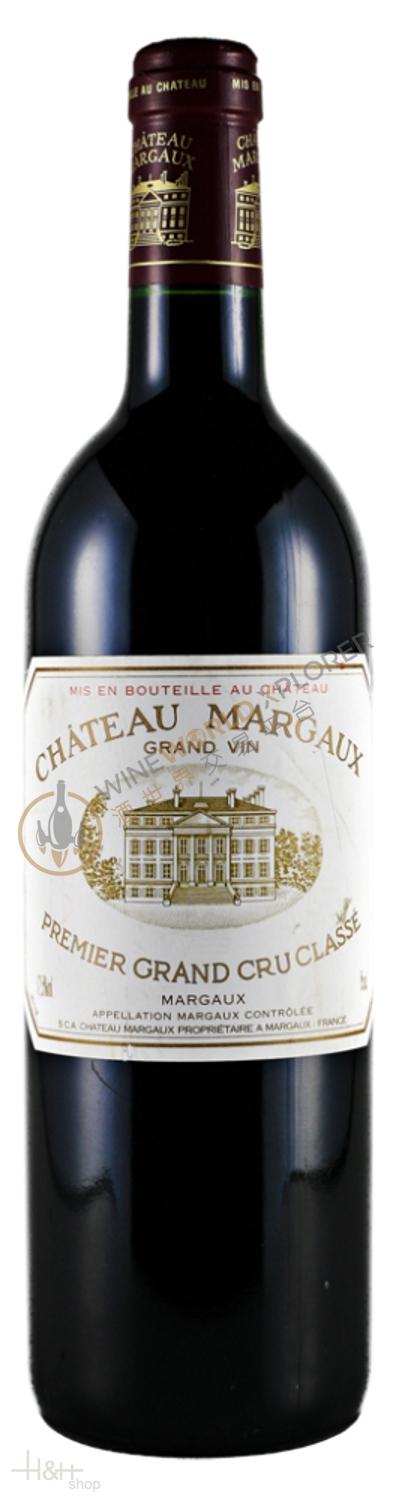
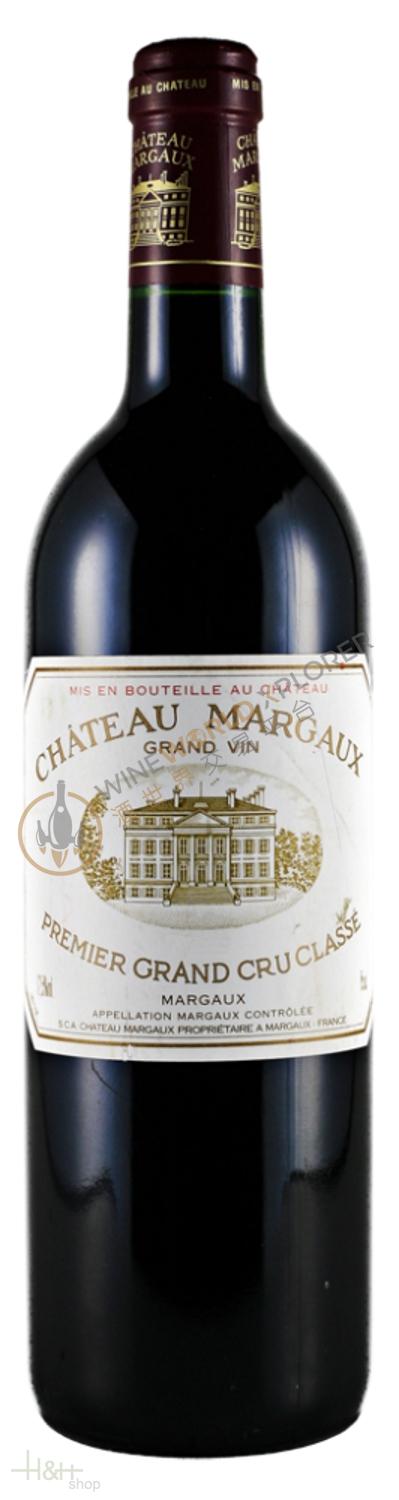
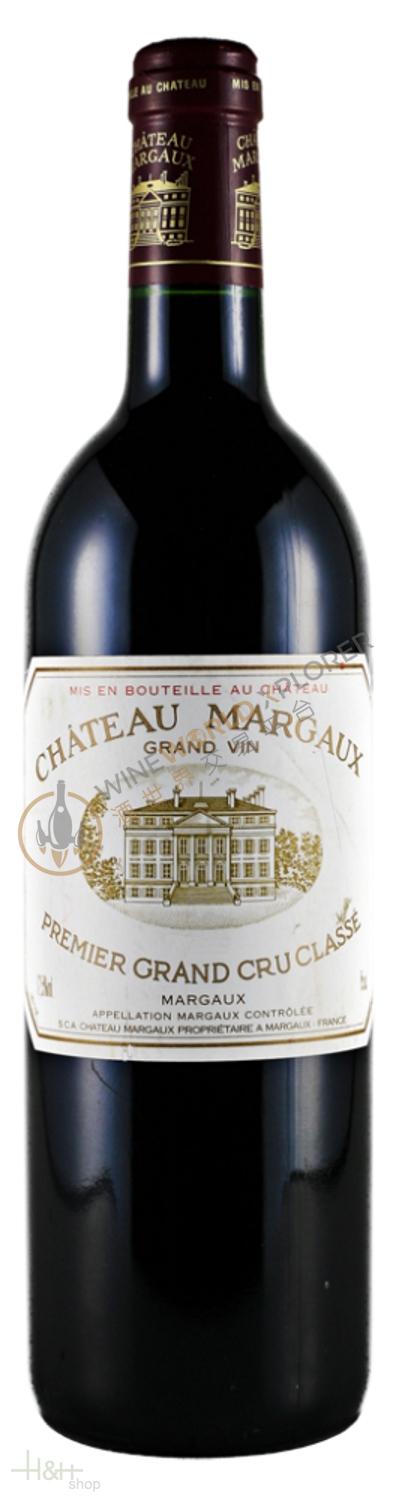
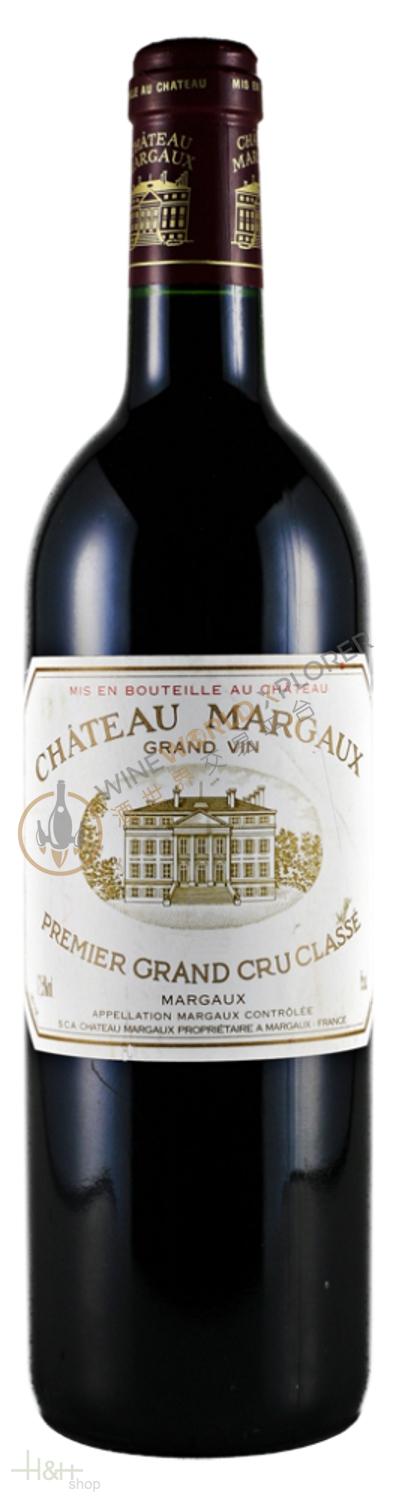
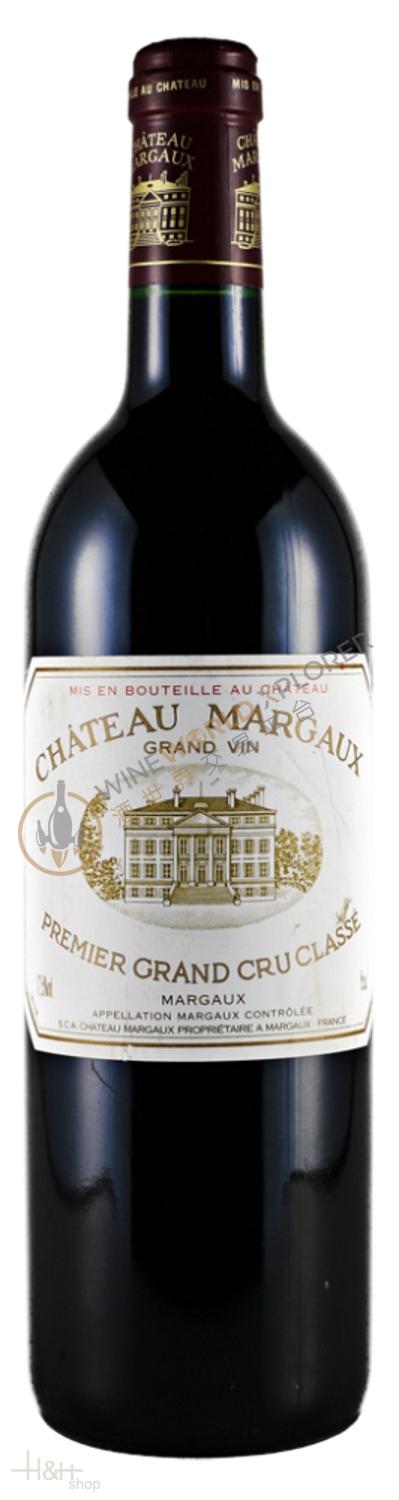
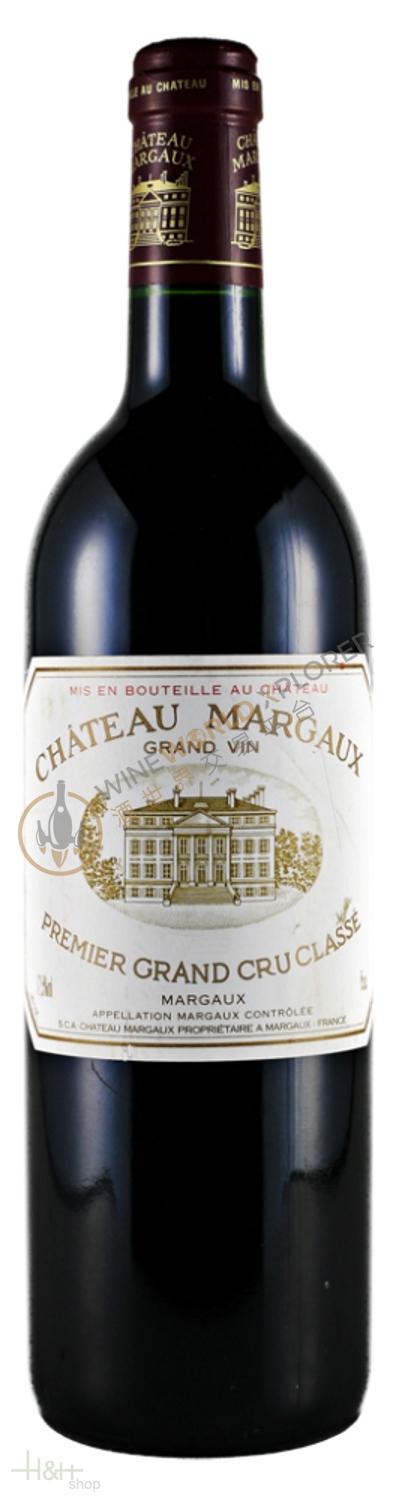
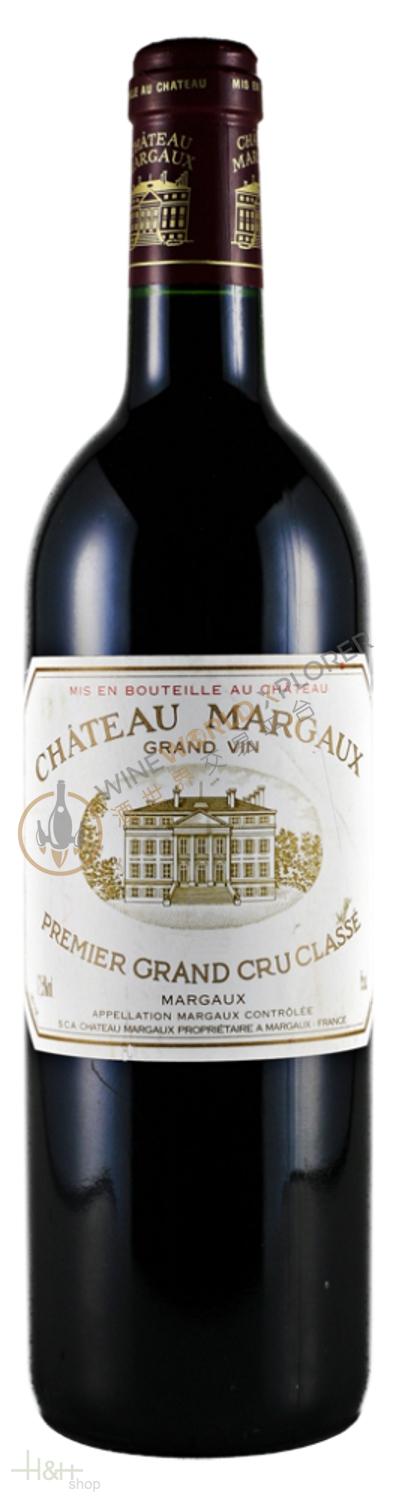
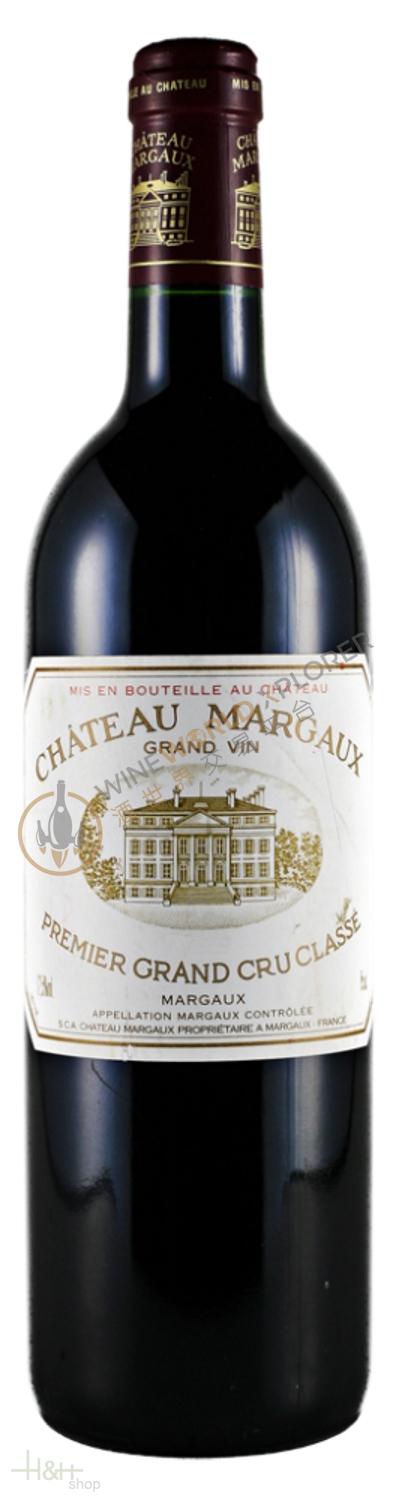
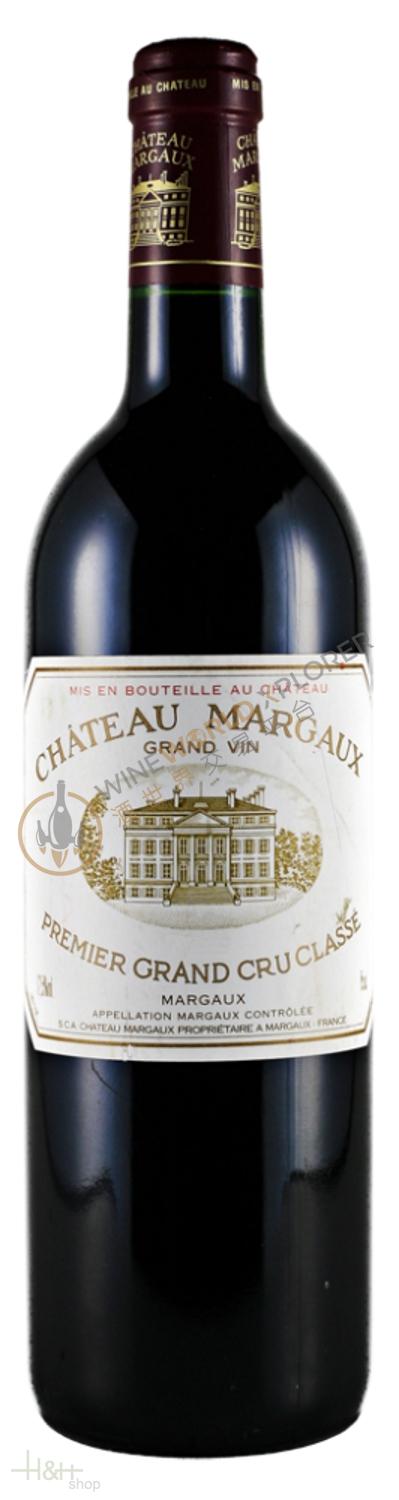
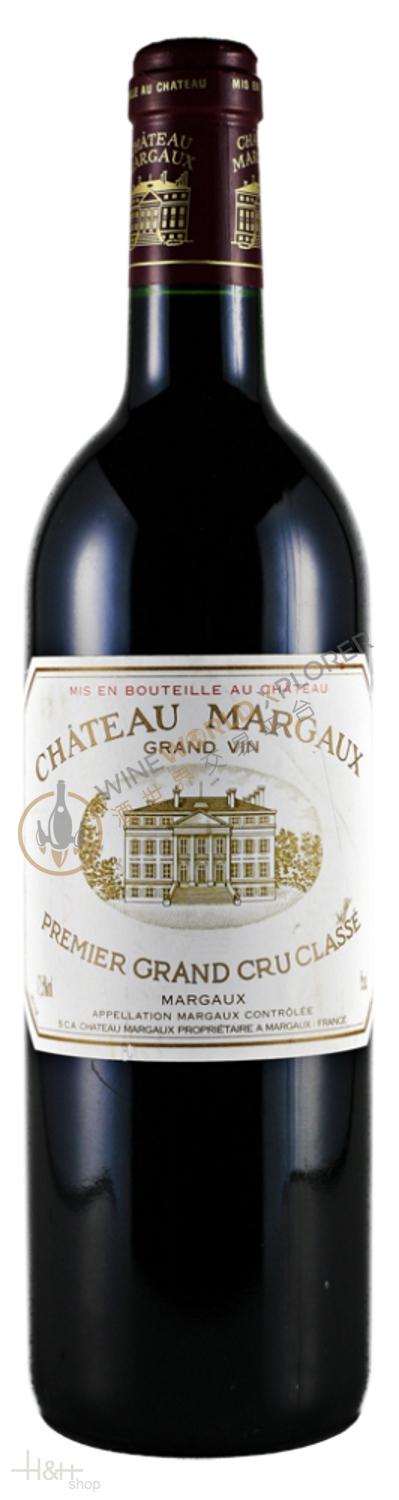
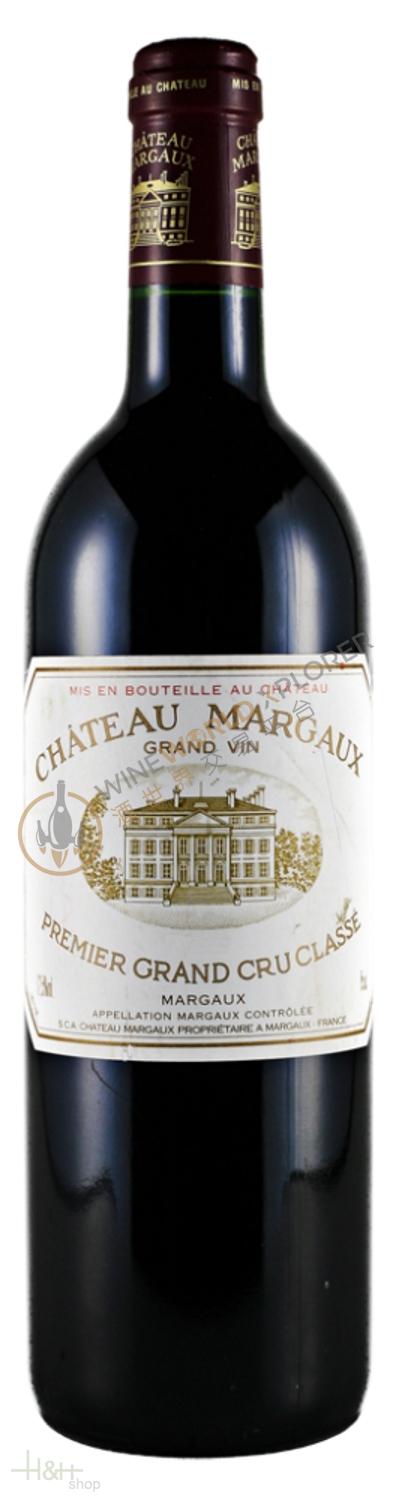
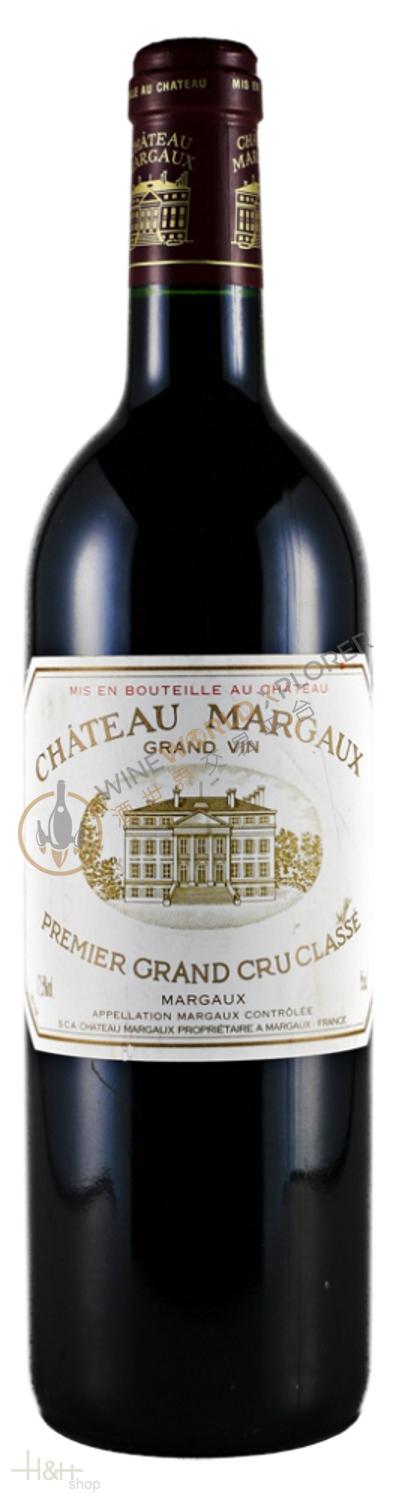
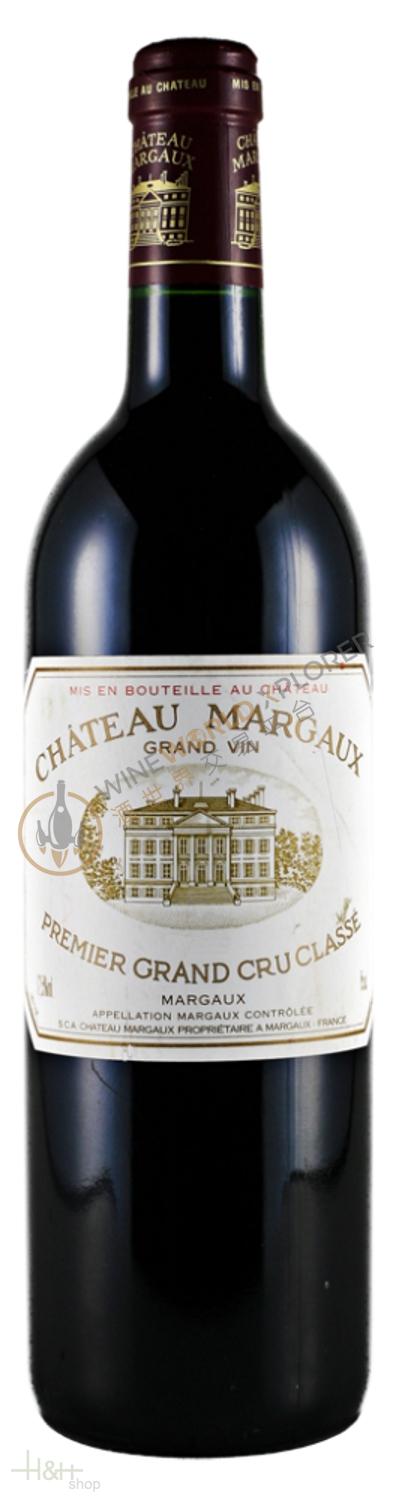
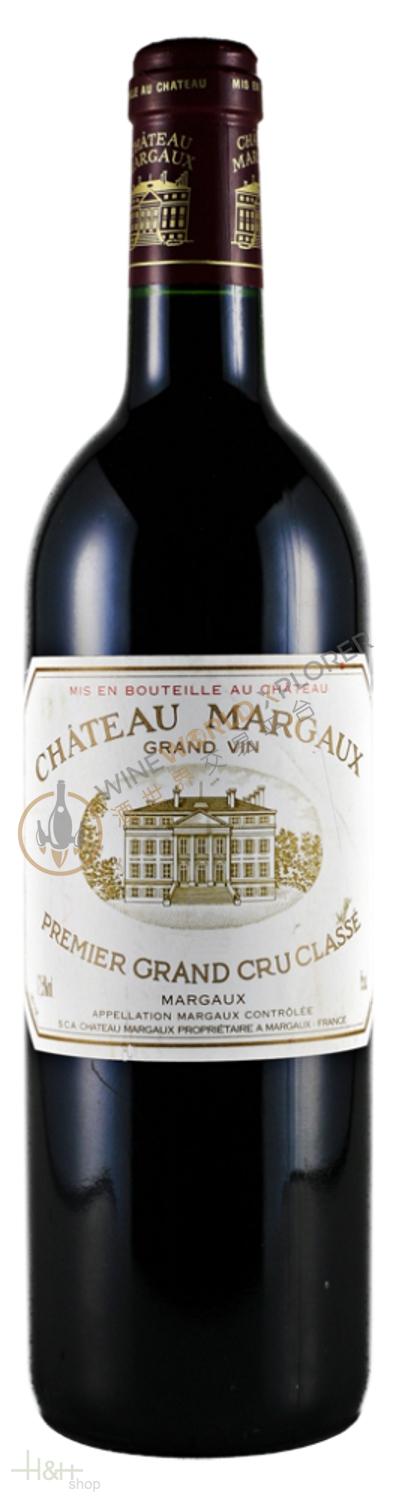
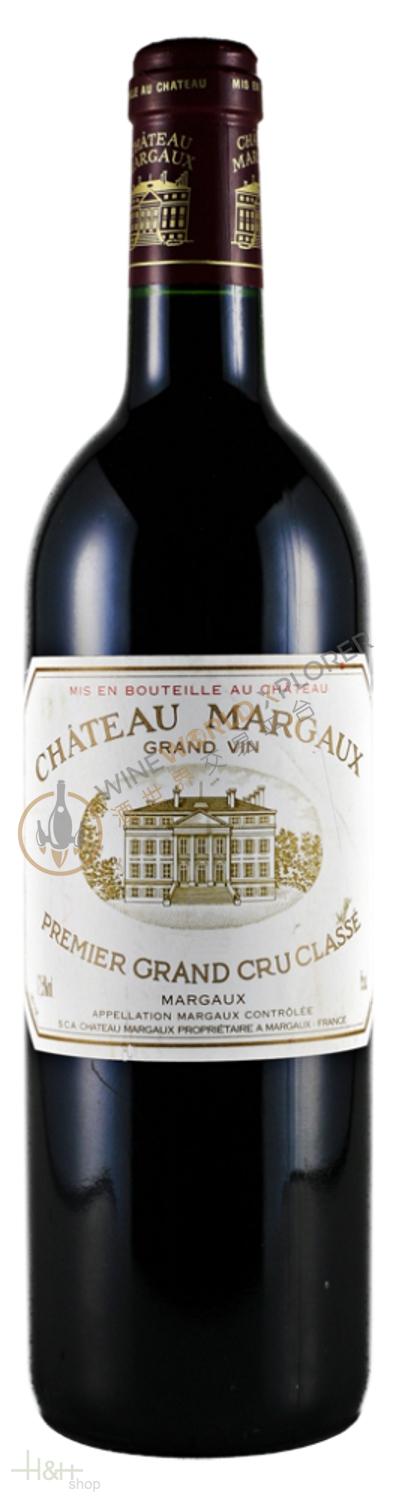
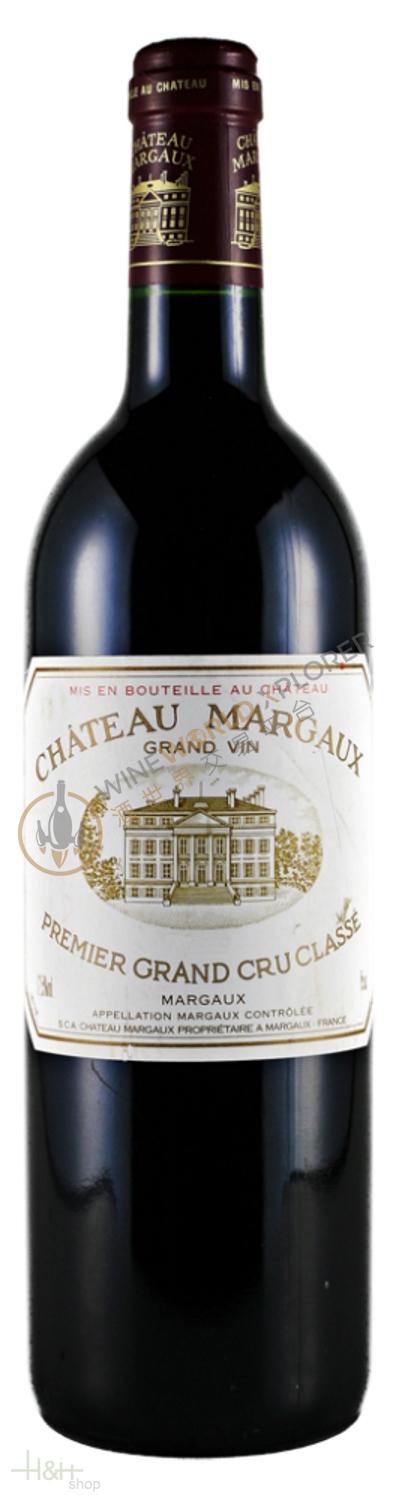
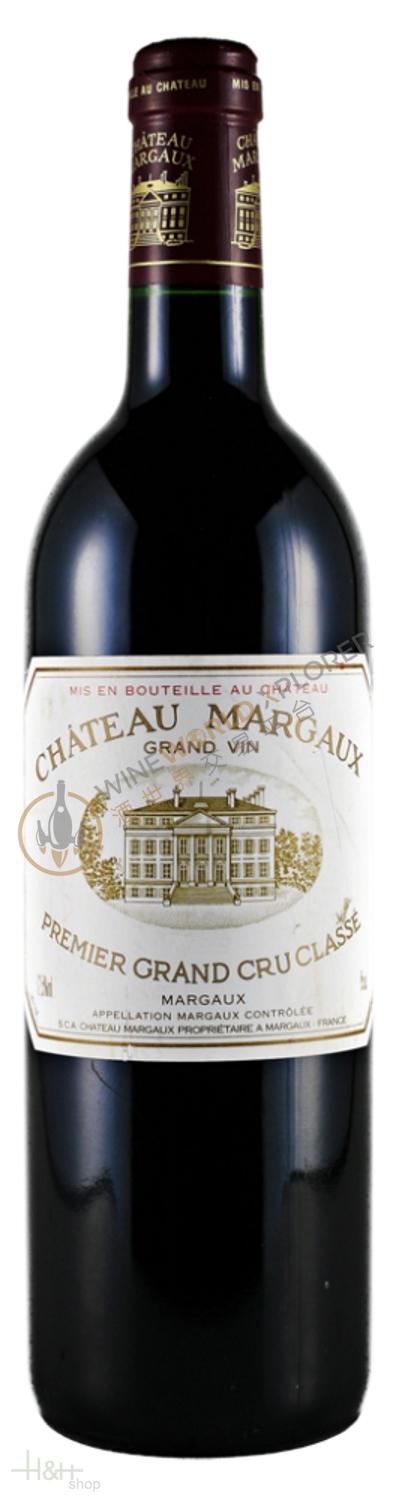
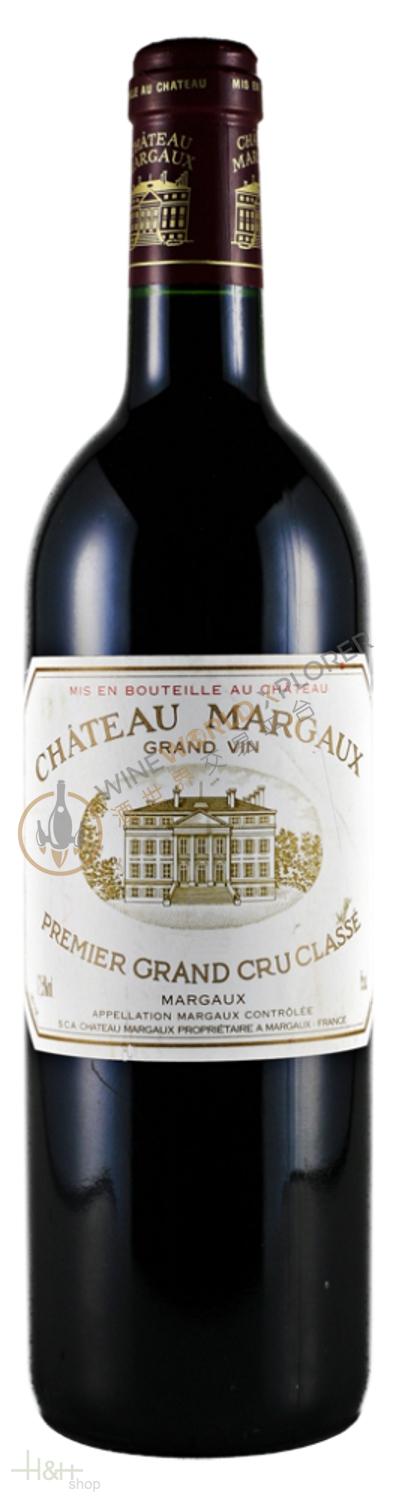
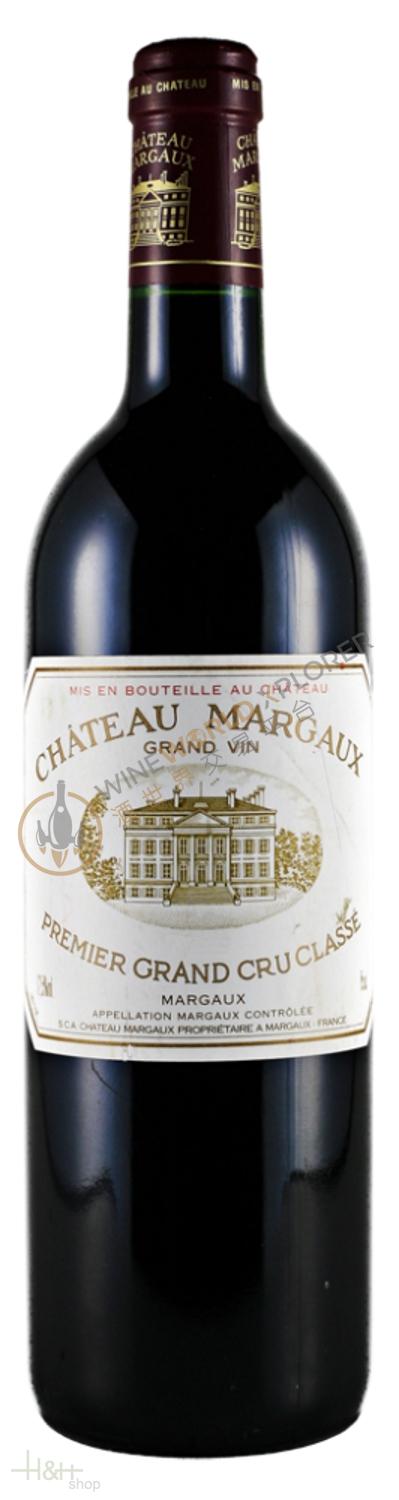
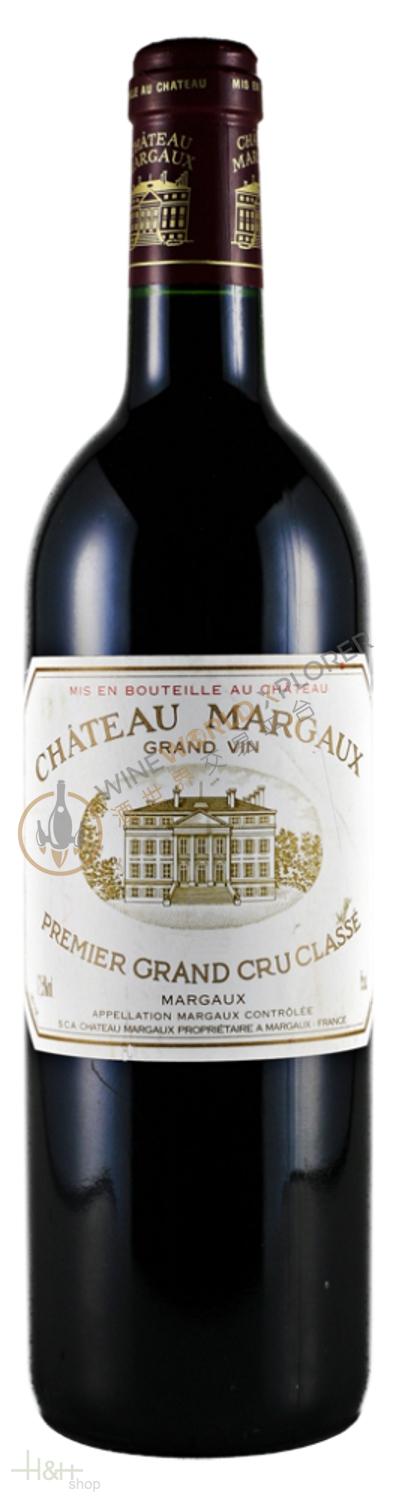
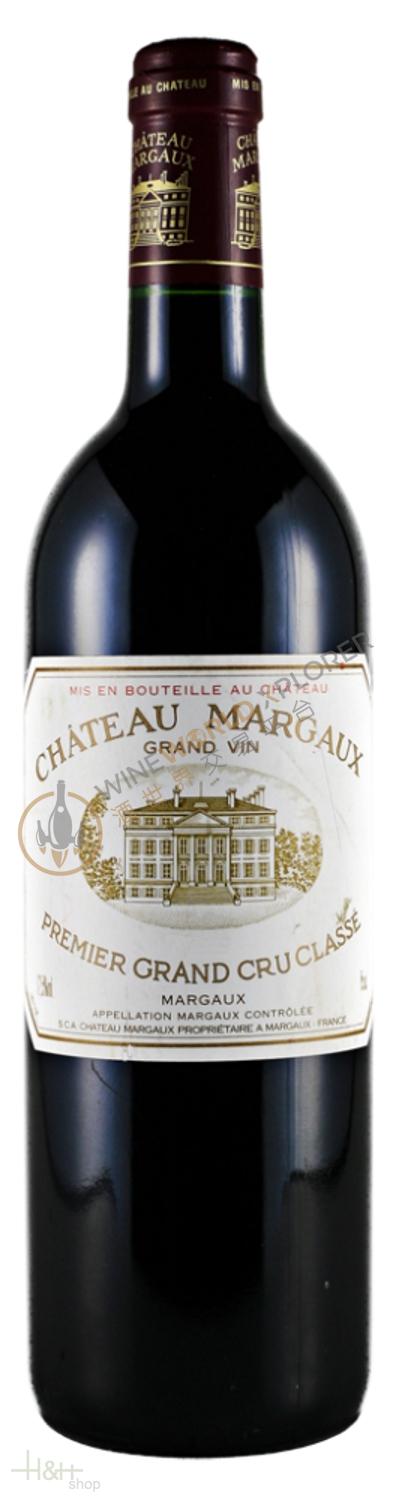
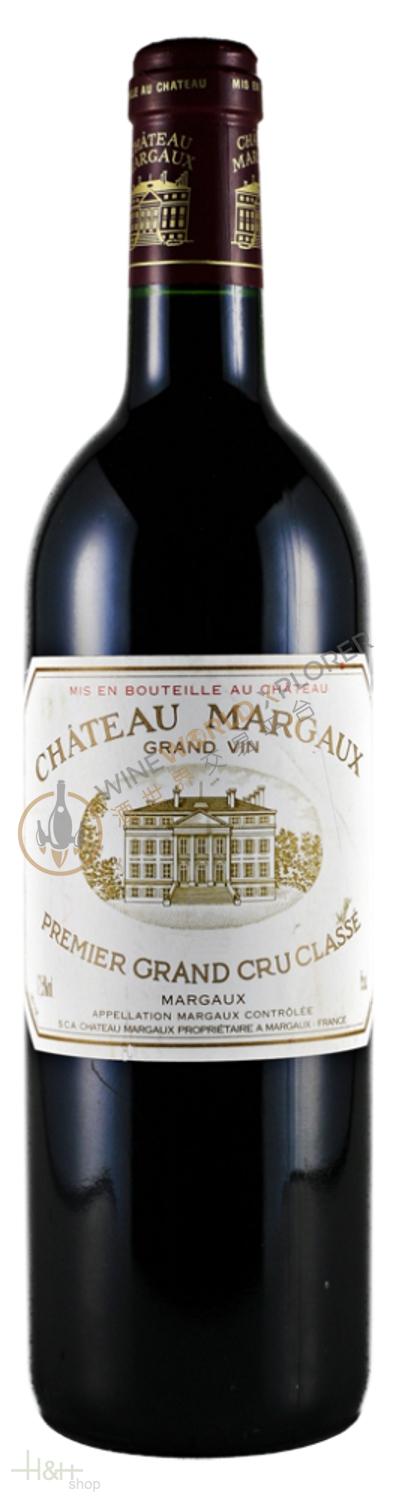
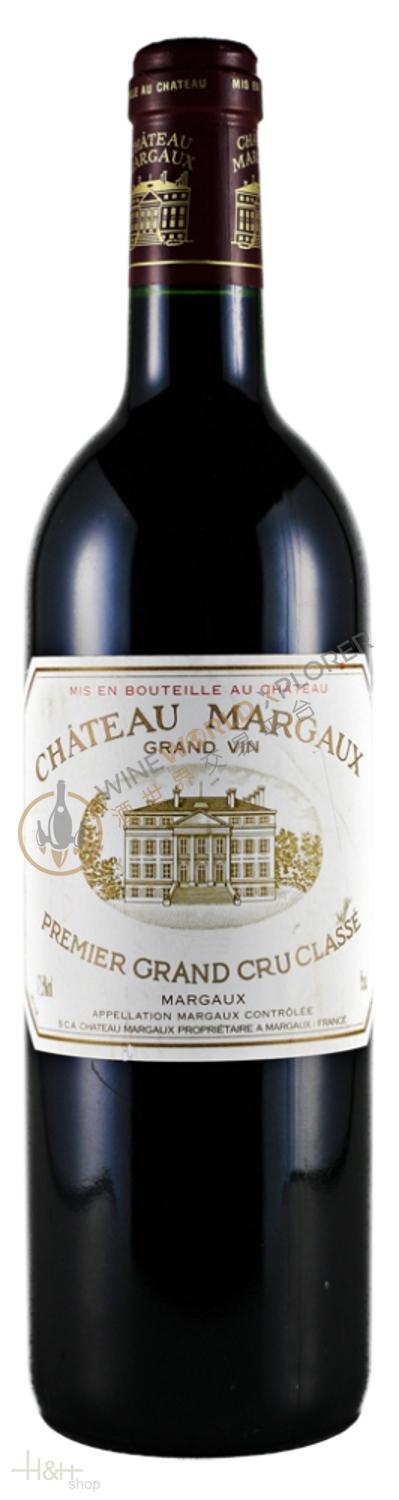
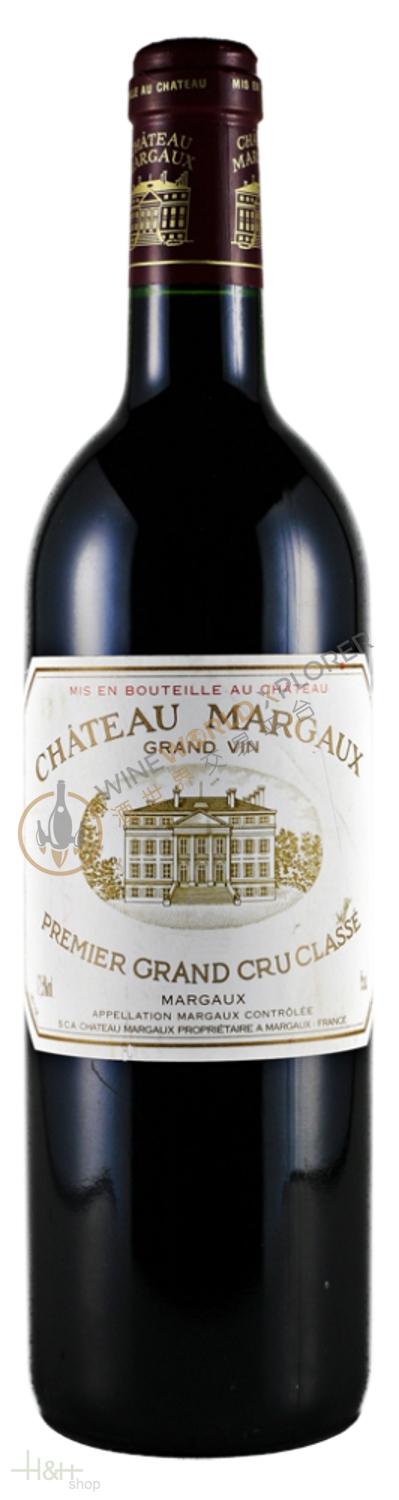
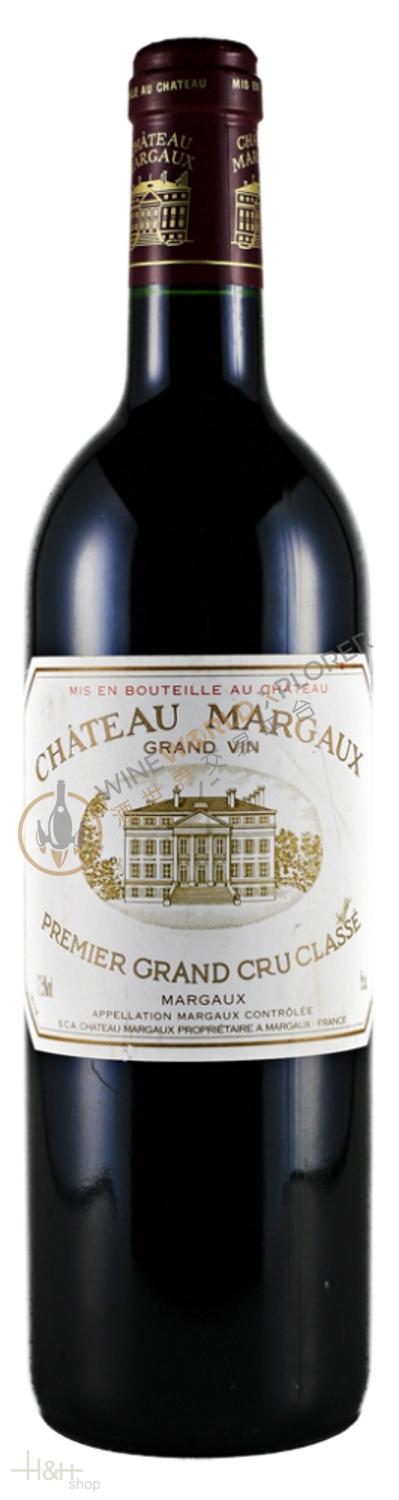
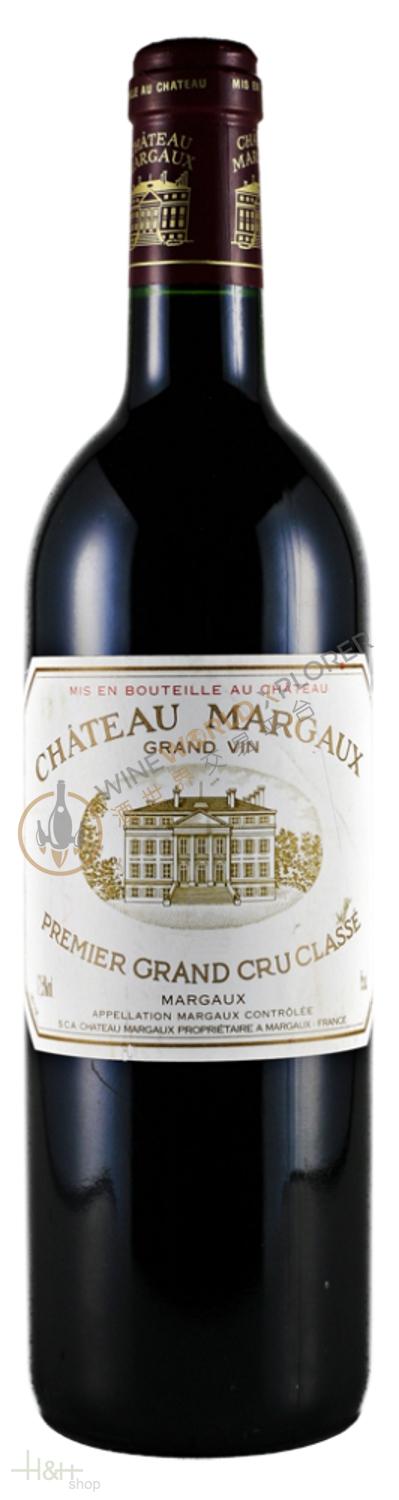
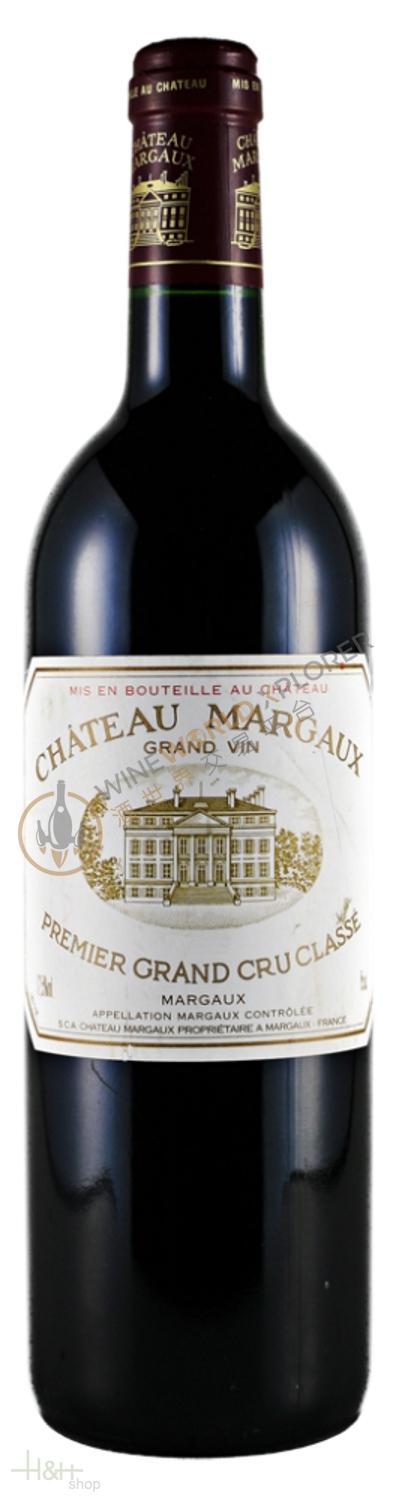
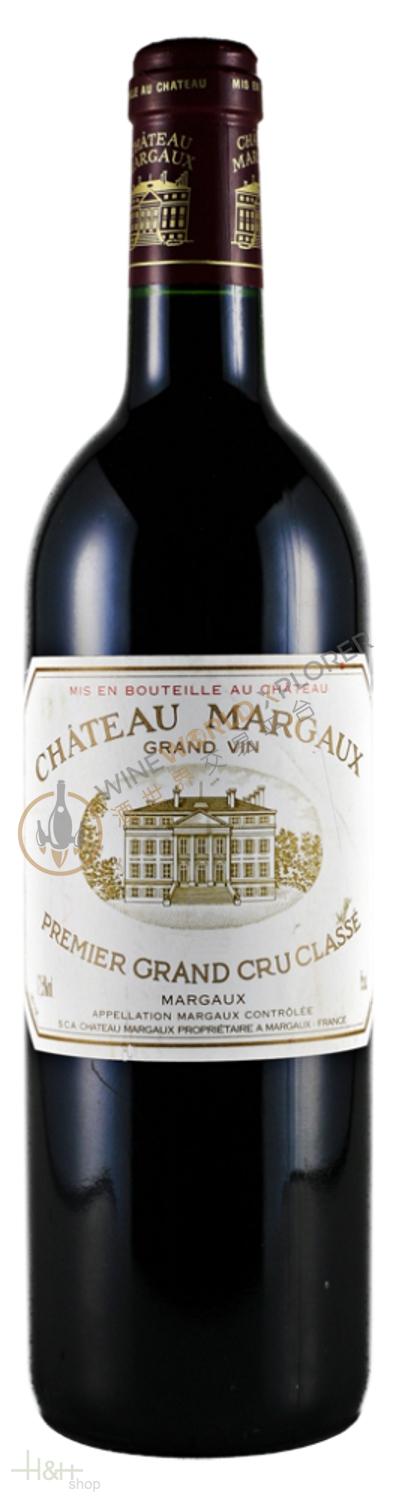
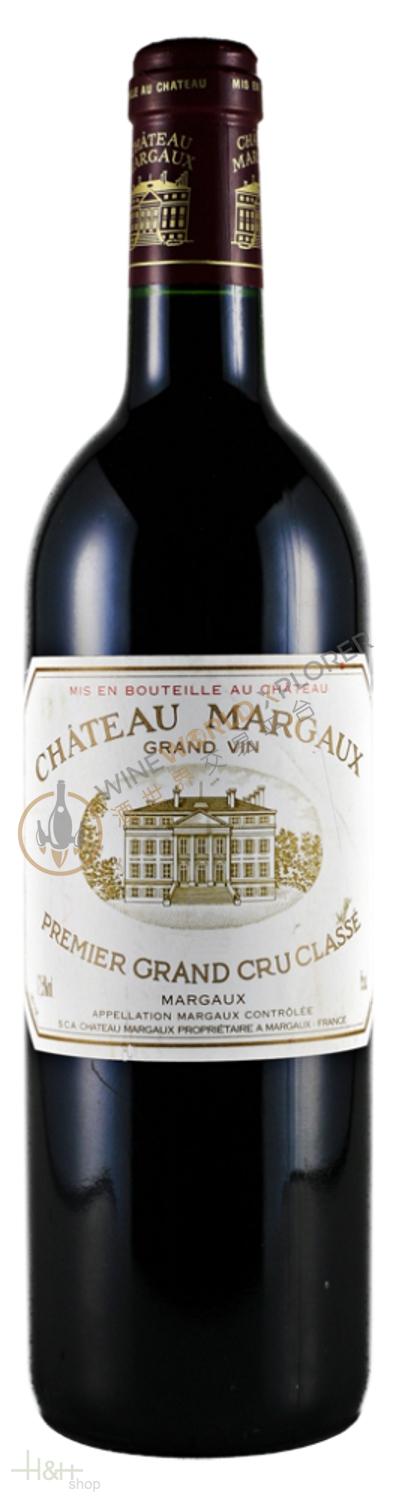
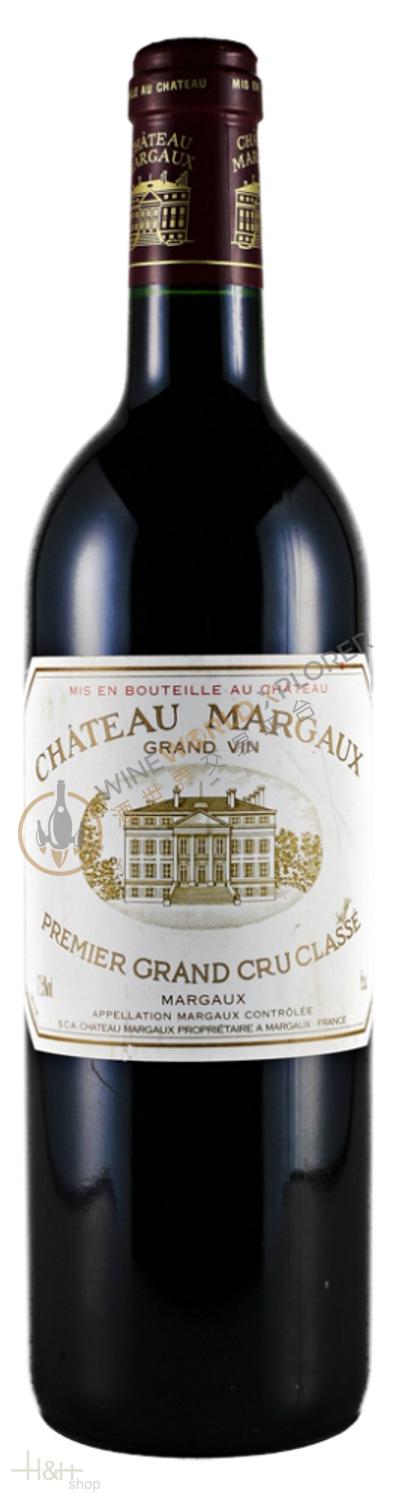
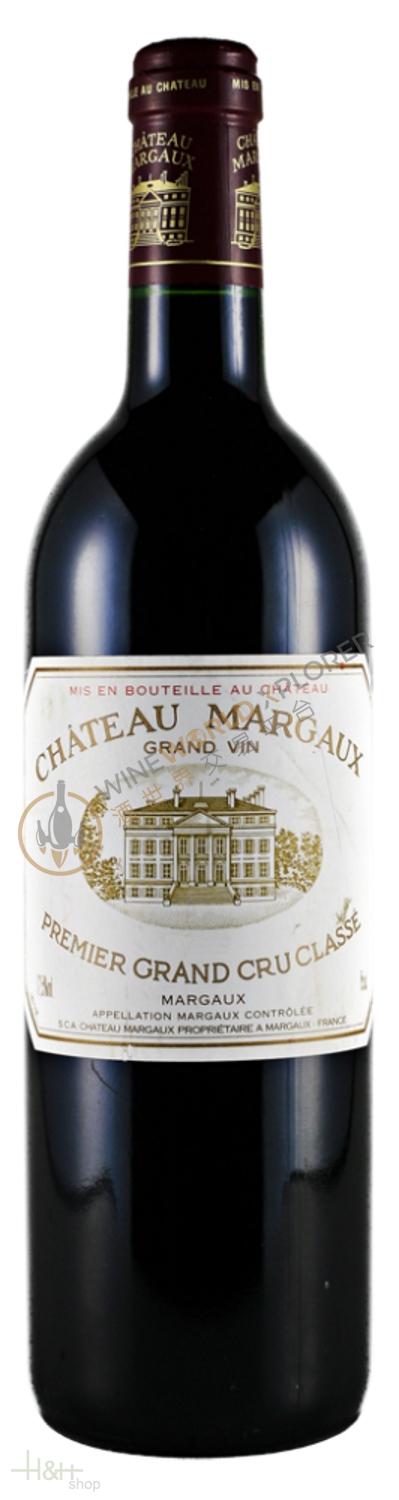
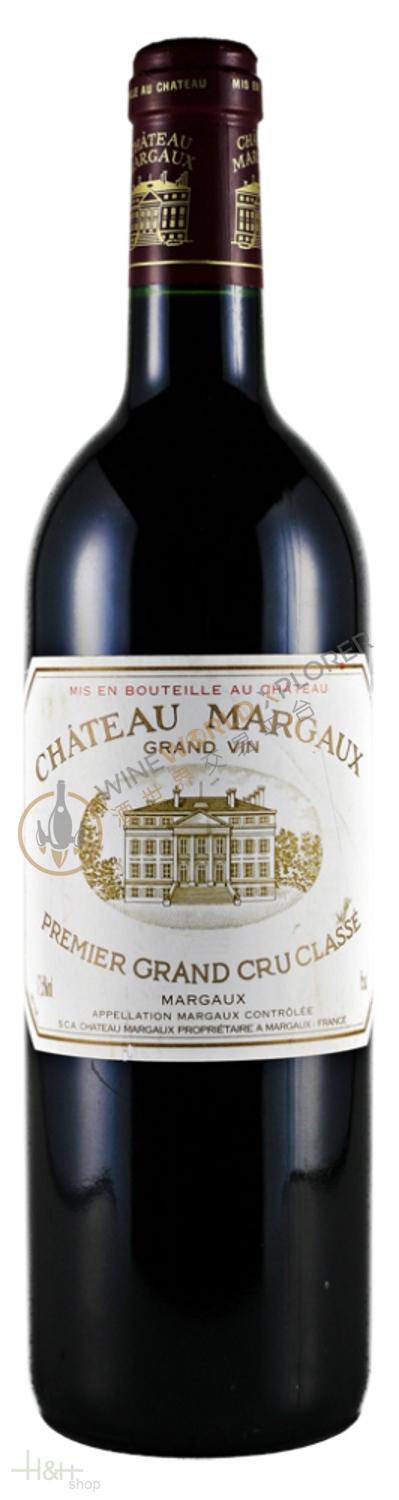
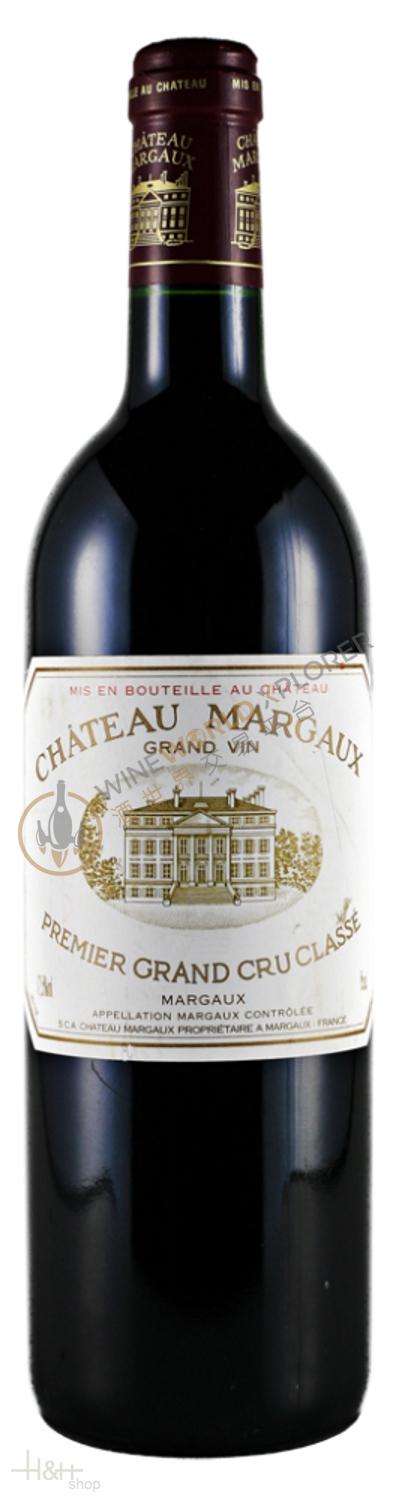
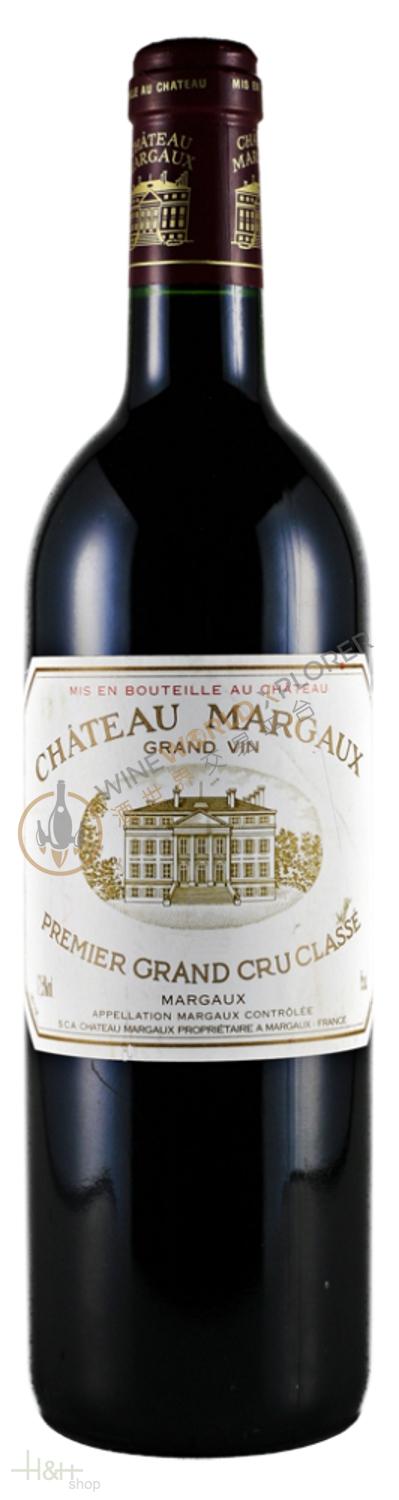
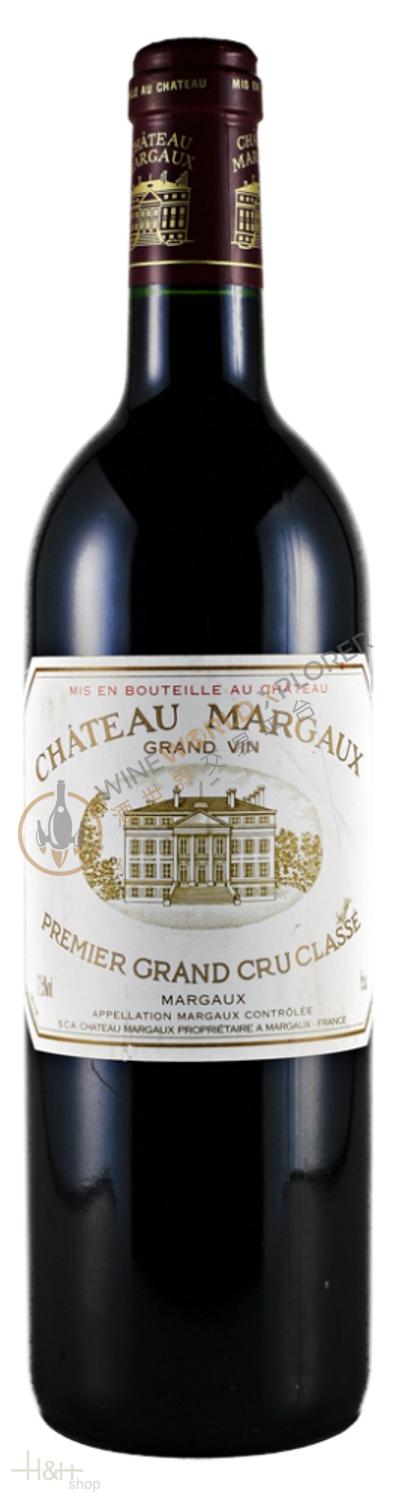
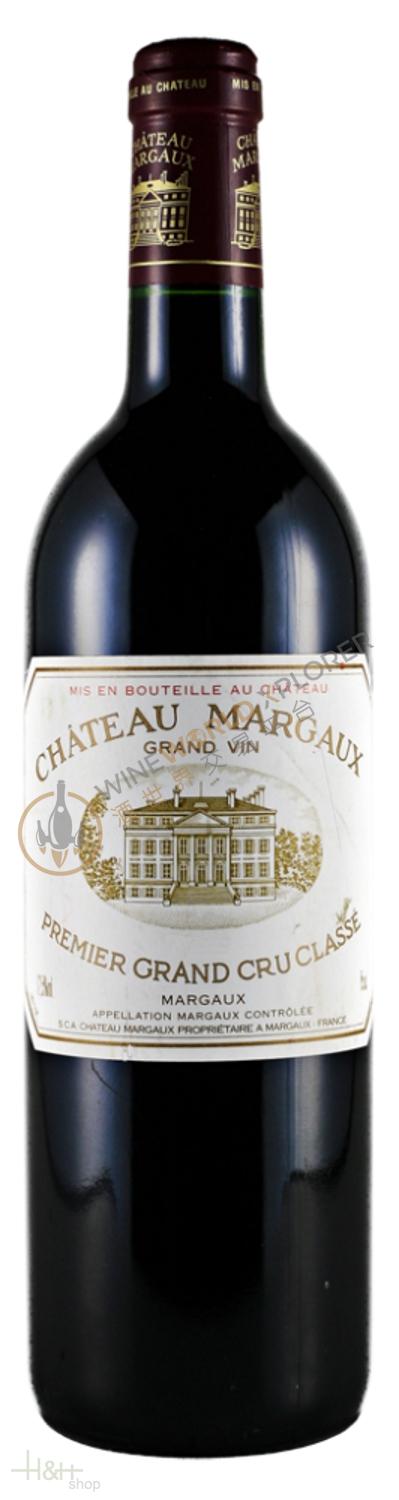
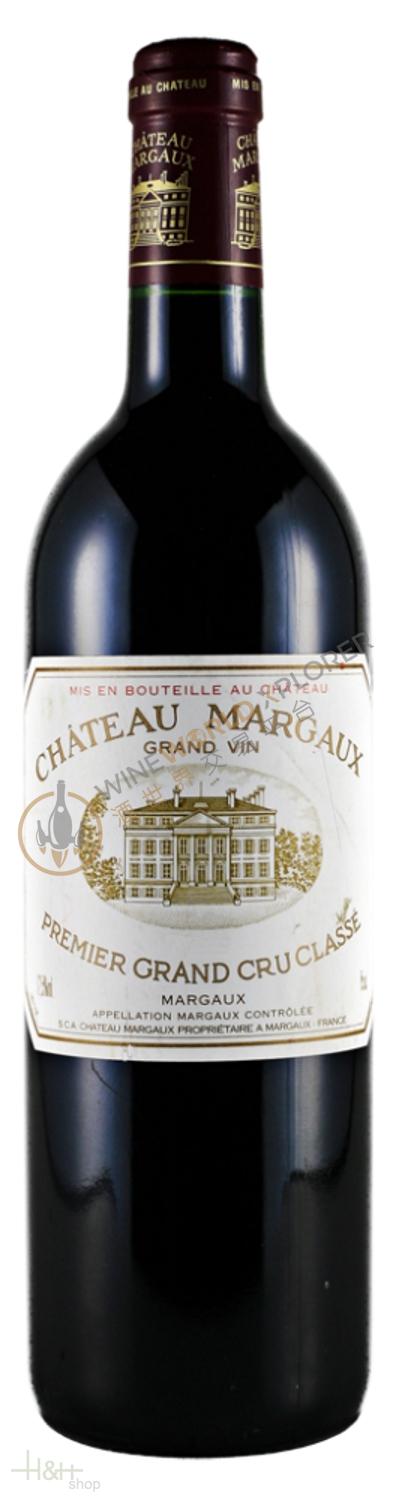
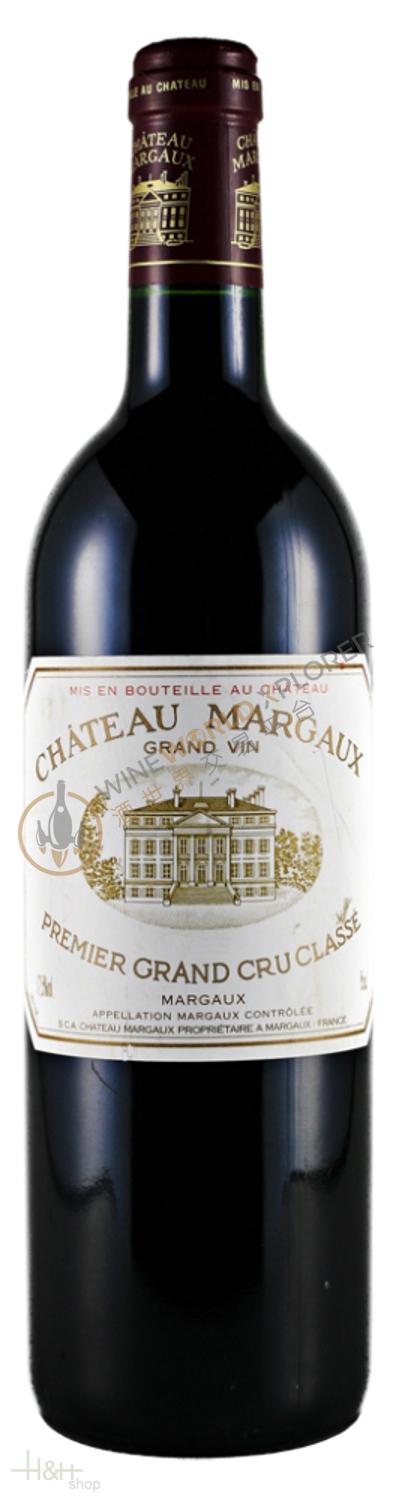
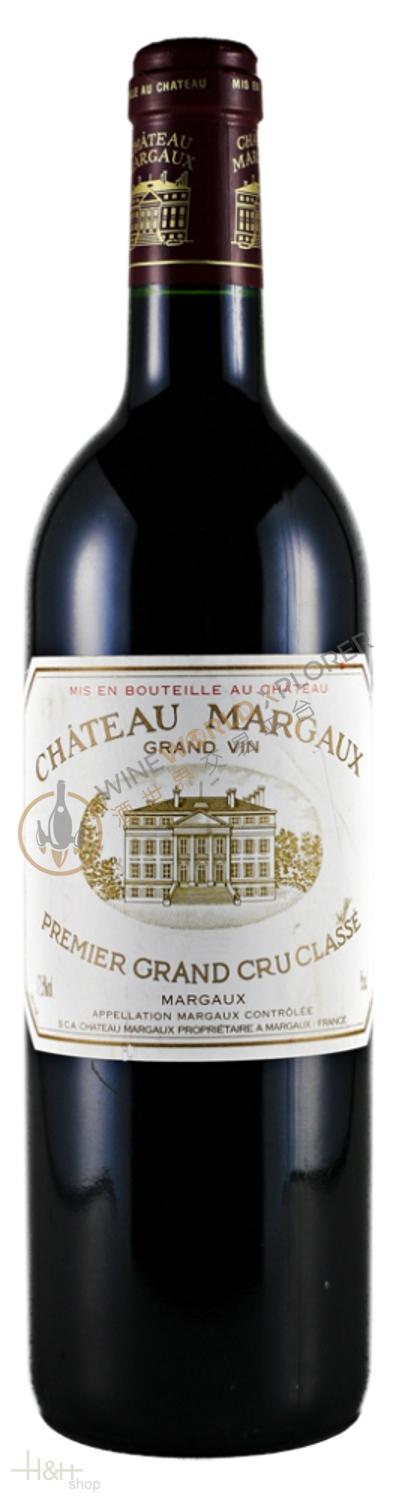
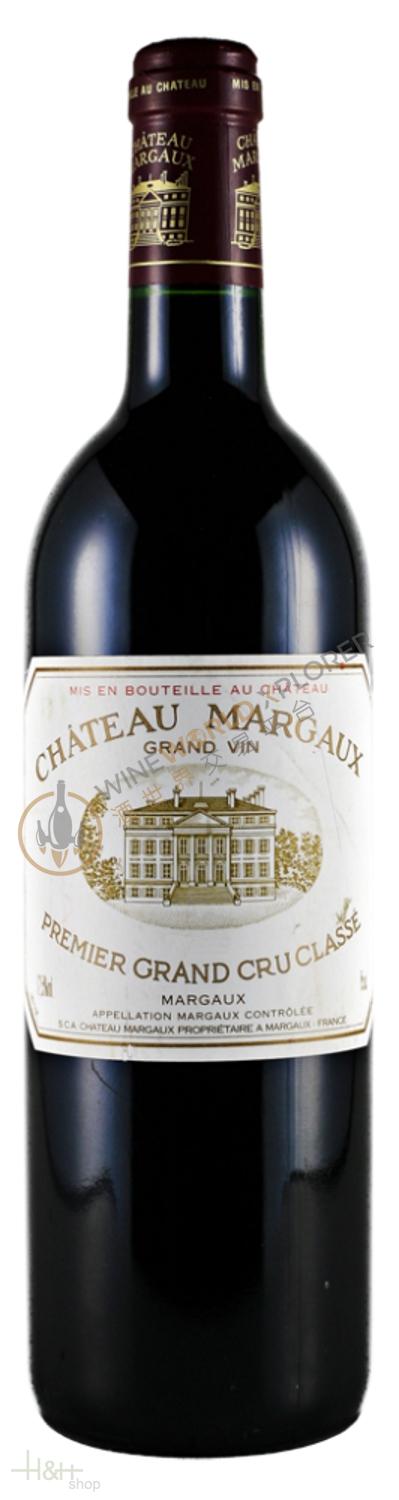
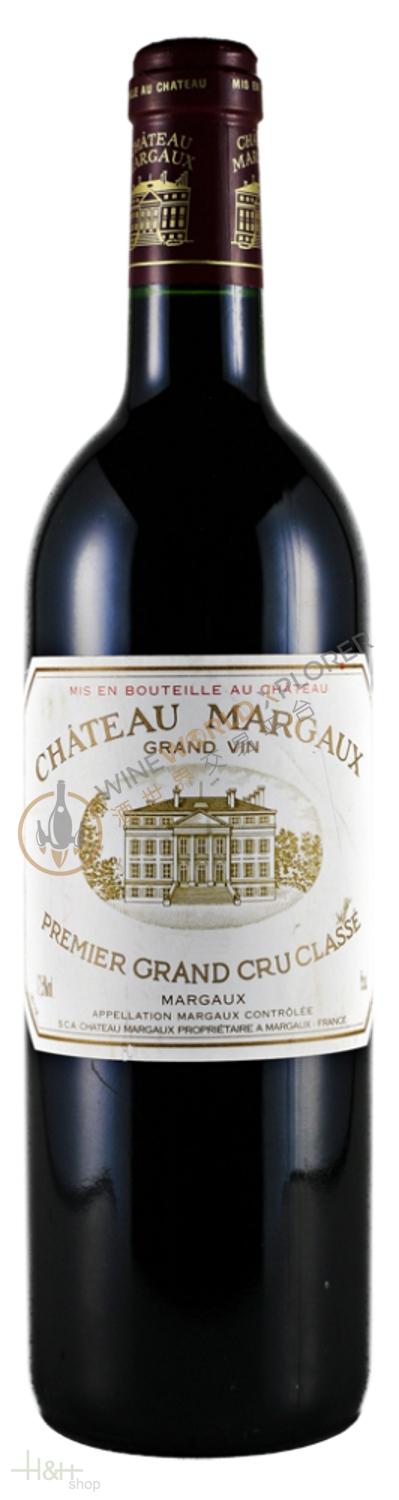
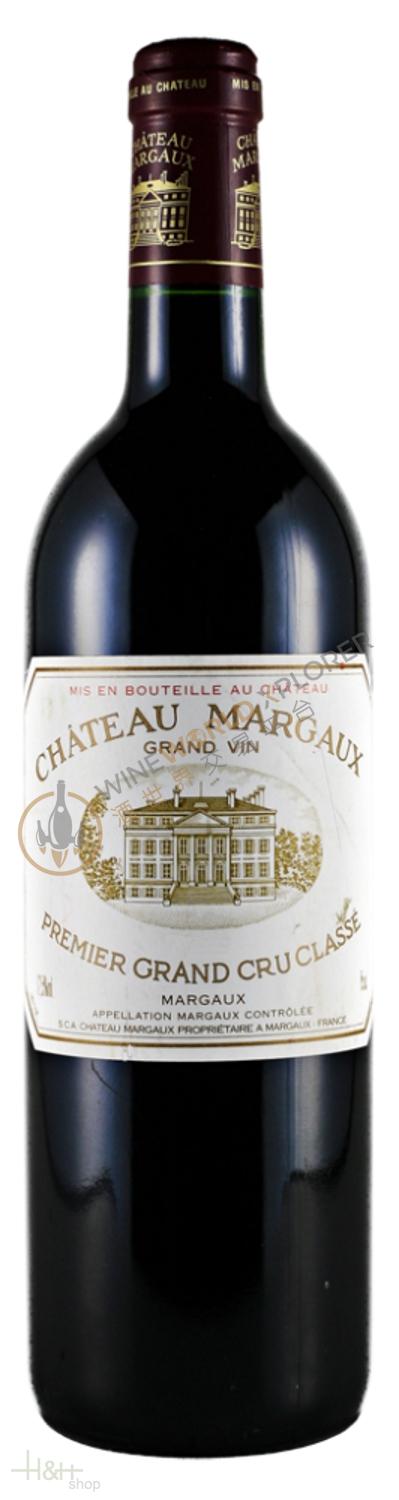
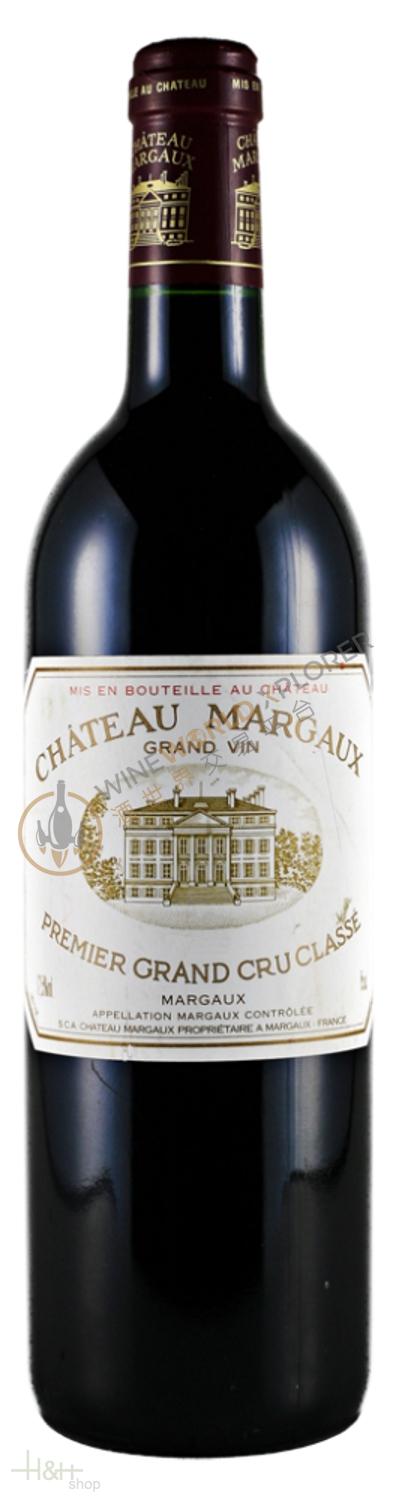
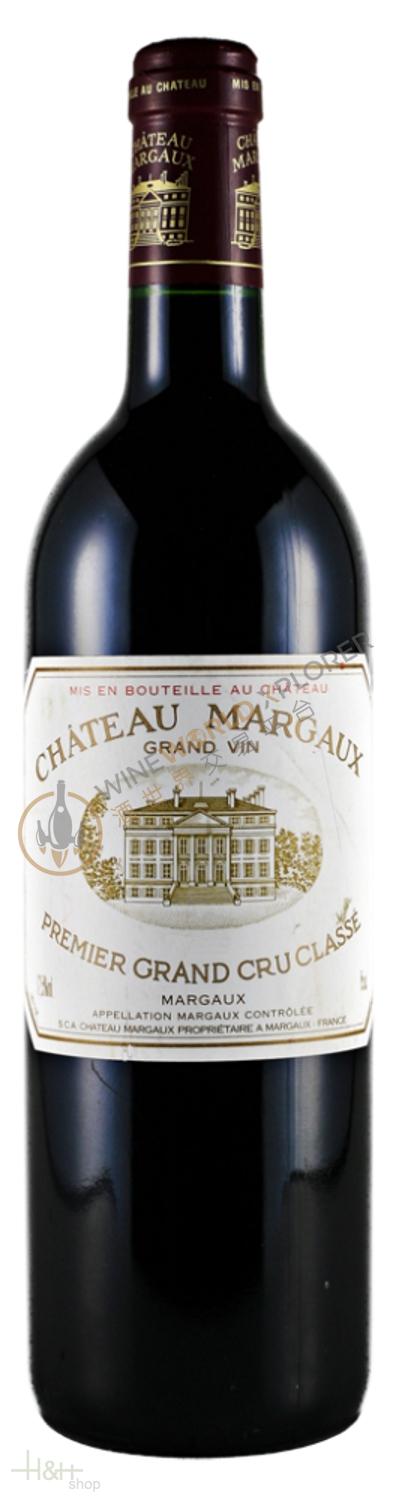
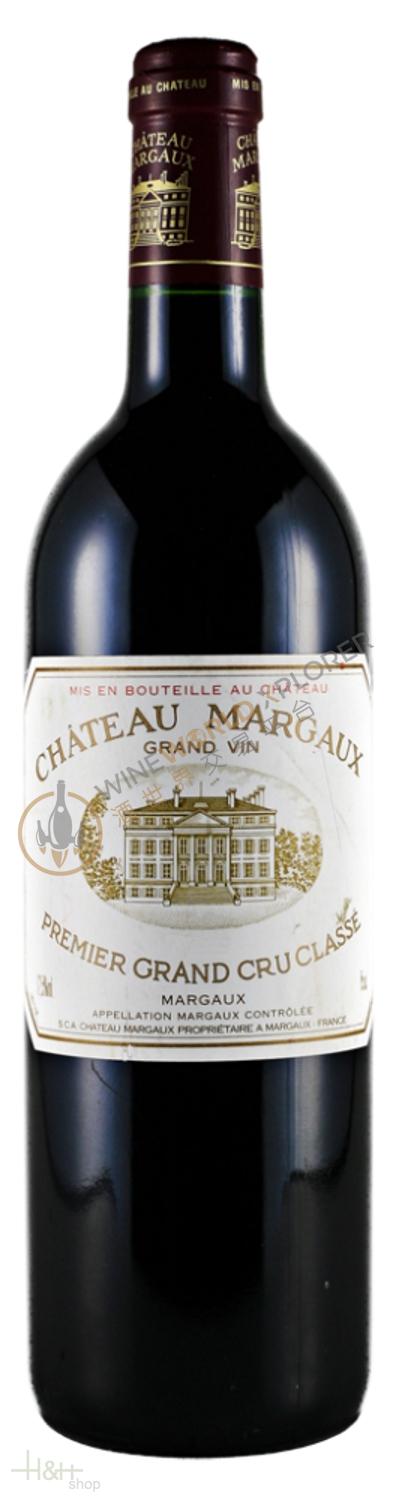
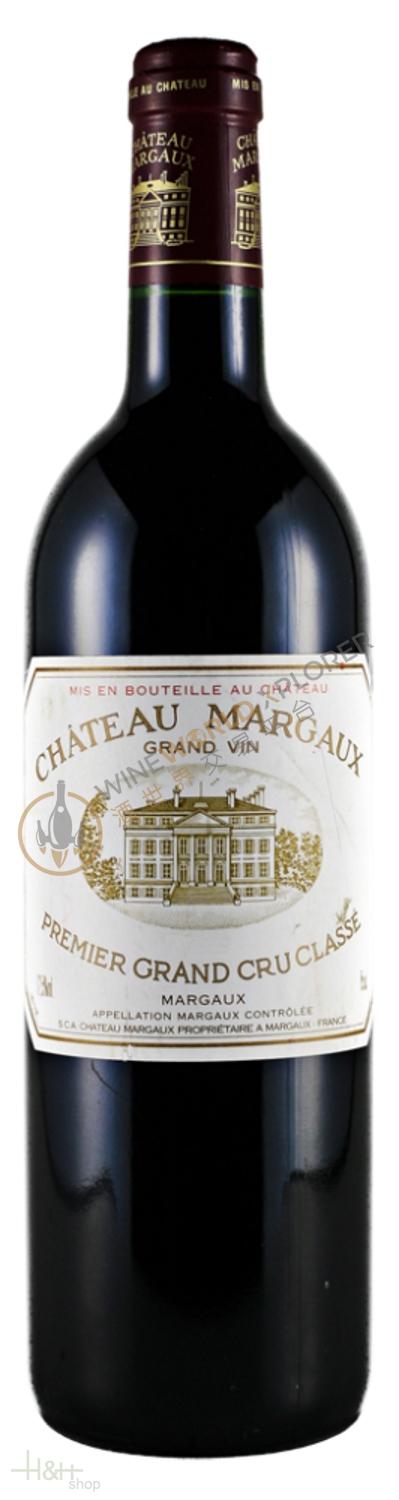
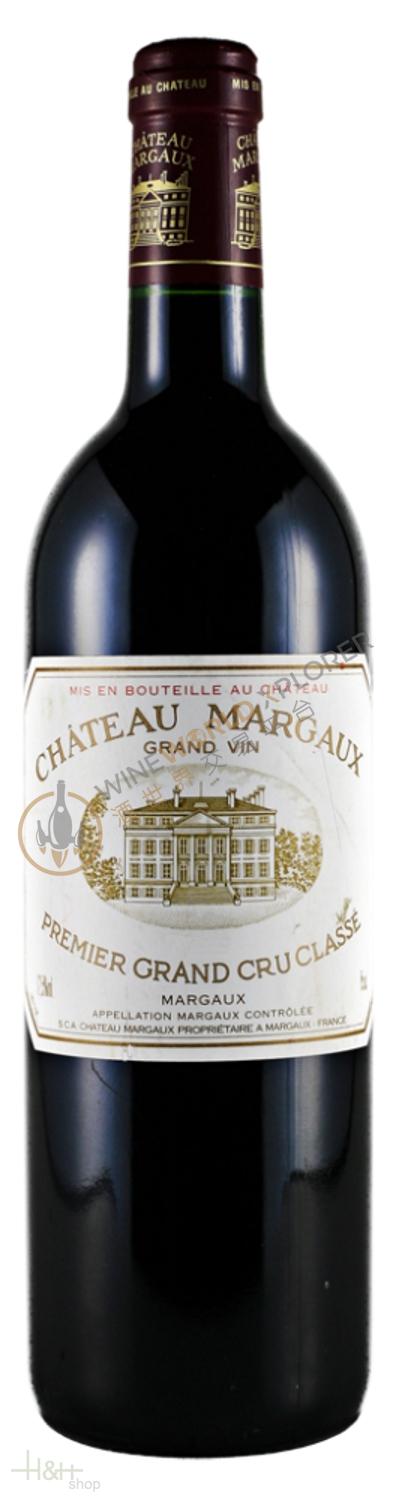
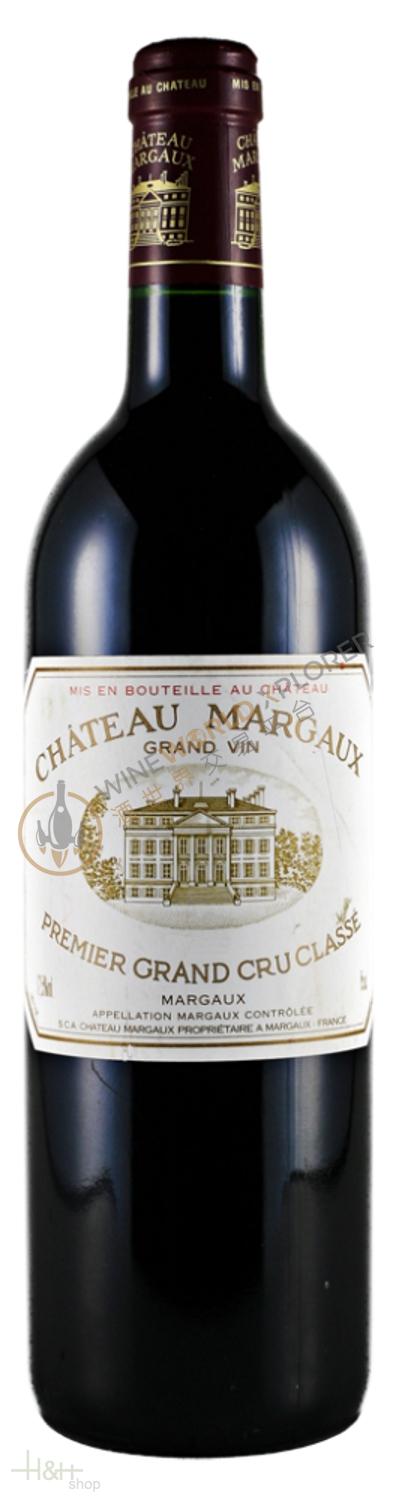
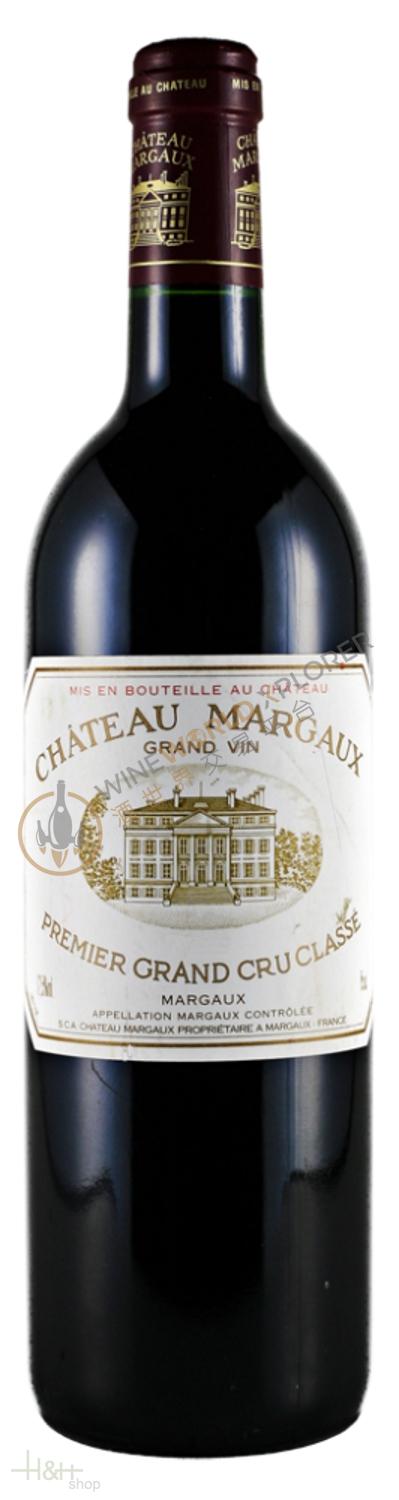
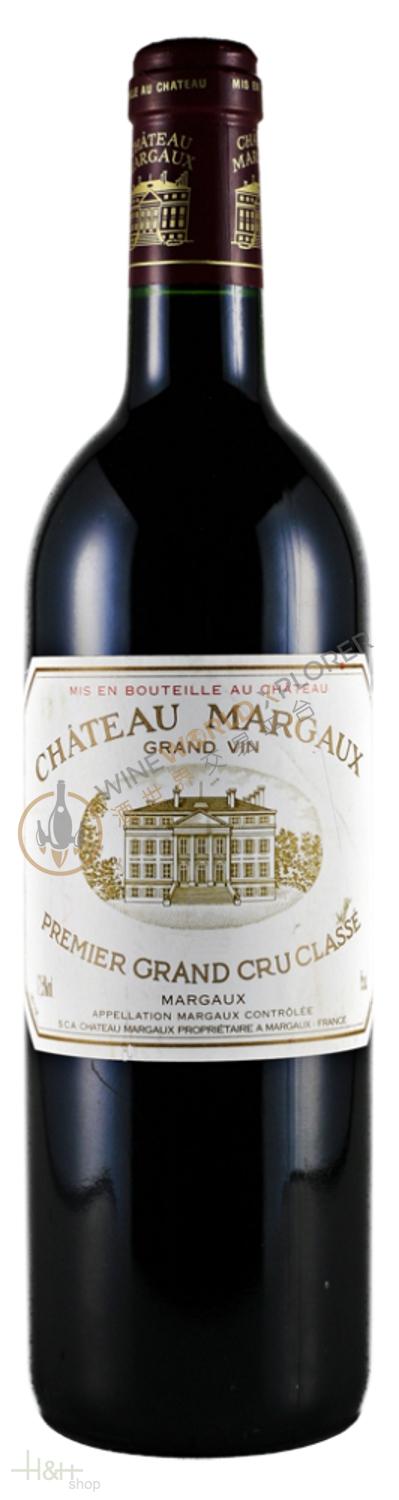
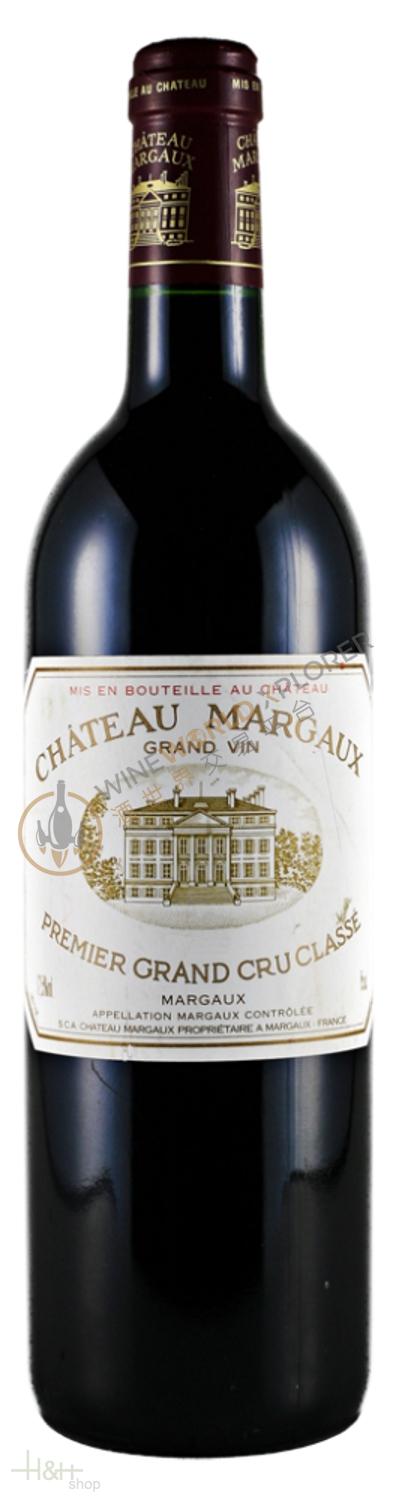
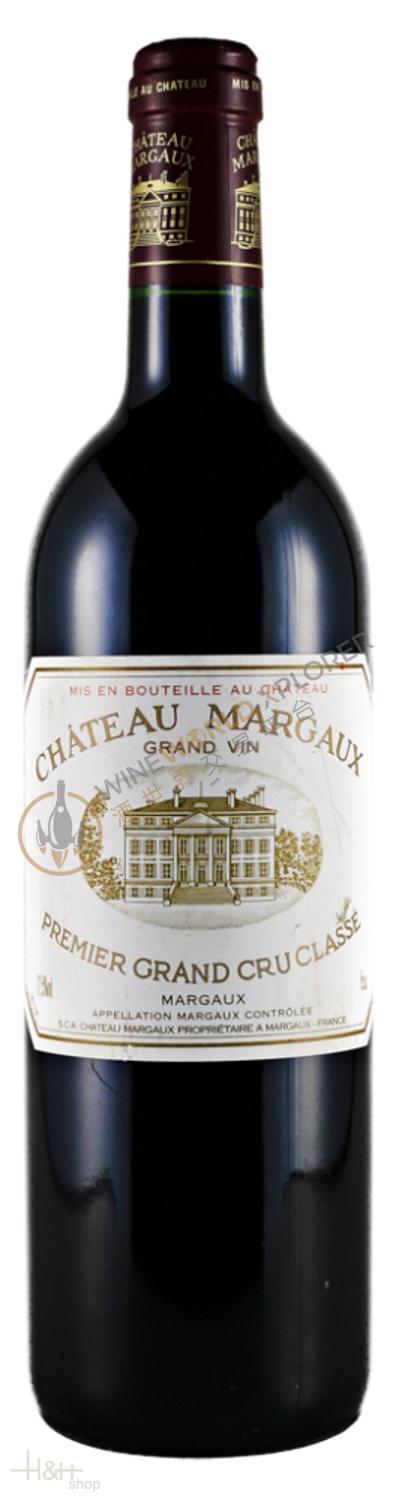
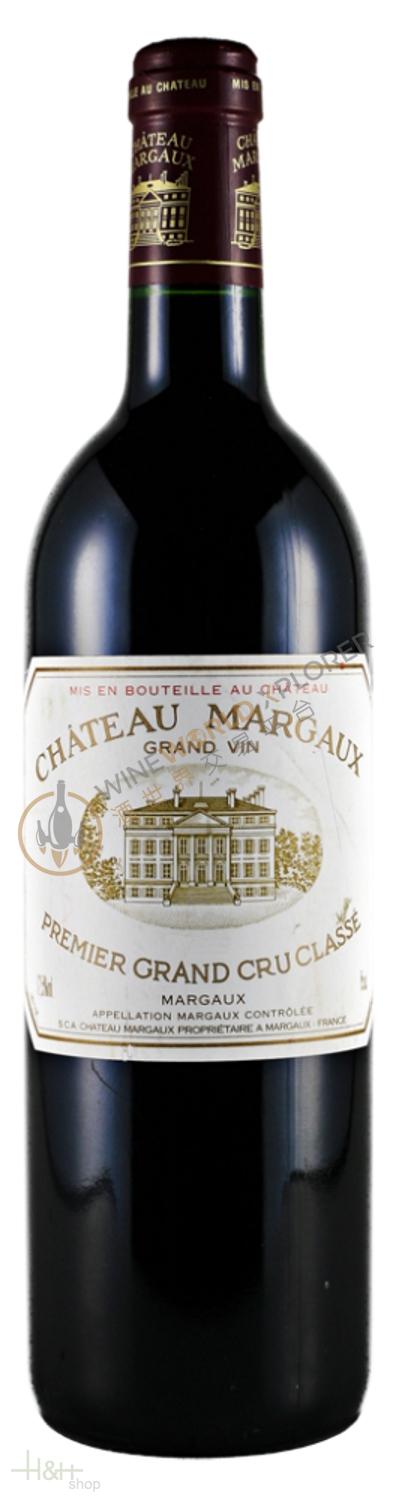
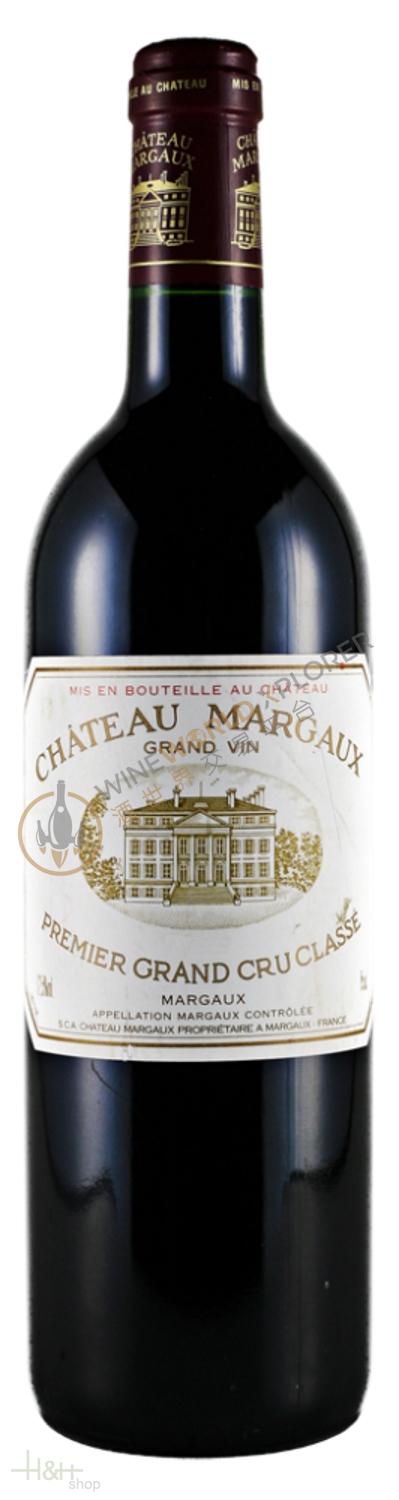
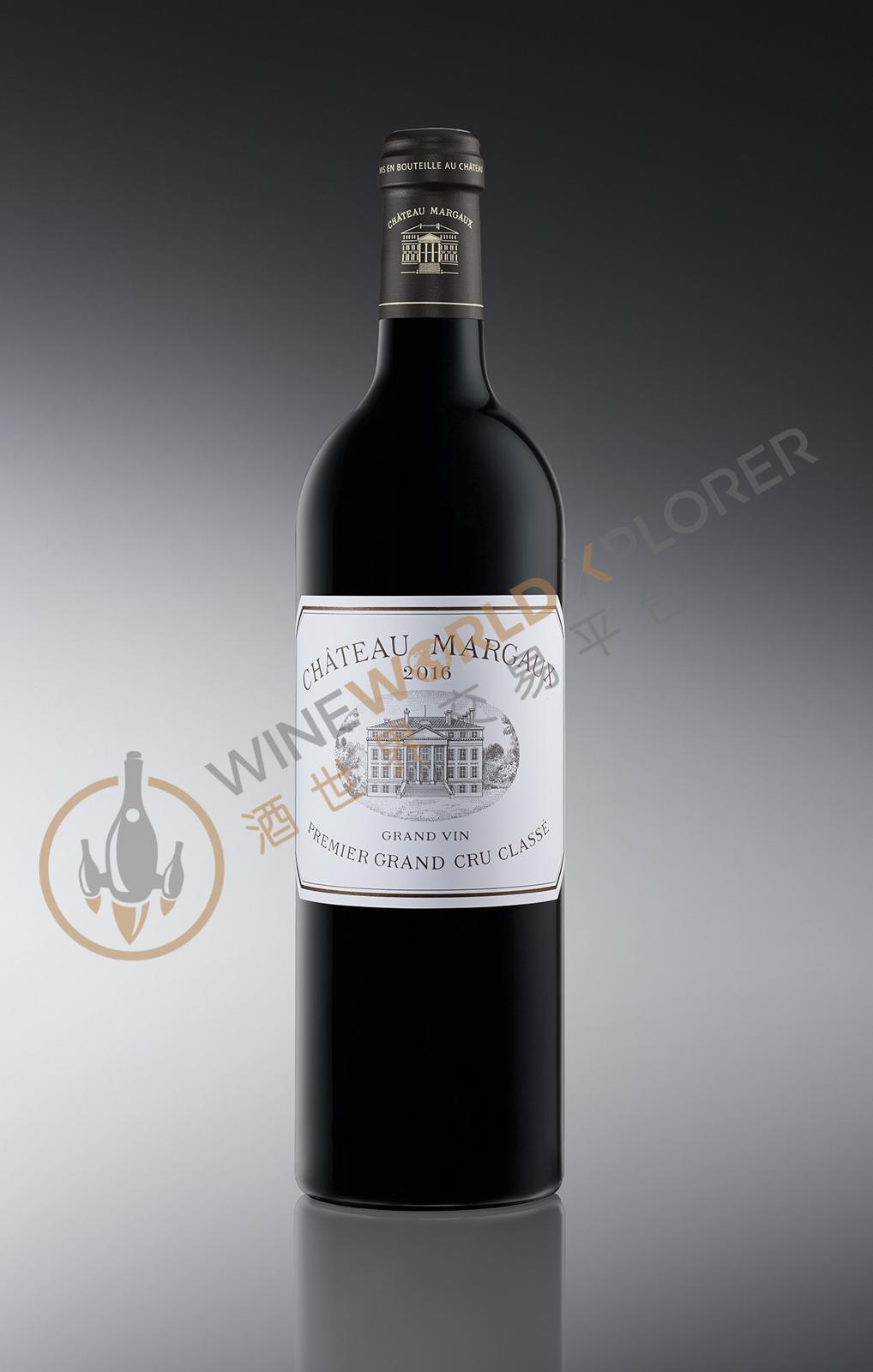
Chateau Margaux 2013
 View analysis


Description
Tasting notes

Reviewed by: Neal Martin
The Chateau Margaux is a blend of 94% Cabernet Sauvignon, 5% Cabernet Franc and 1% Petit Verdot with no Merlot this year due to coulure and was picked between 30 September and 11 October. It represents 38% of the total harvest. It has a very masculine slightly earthy bouquet, a little more introverted than previous vintages, opening with time to reveal its trademark dried violet aromas. The palate is medium-bodied, silky smooth on the entry. There is not a huge weight in the mouth but it glides or rather flows nicely. It is a seductive Margaux, not a long-term wine for the estate but a success considering the vintage. Tasted April 2014.
Reviewed by: Robert M. Parker, Jr.
A Cabernet Sauvignon-dominated wine that reflects the vintage, the 2013 Chateau Margaux is a blend of 94% Cabernet Sauvignon, 5% Cabernet Franc and 1% Petit Verdot. For the first time, there is no Merlot in the blend. Moreover, only 38% of the crop made it into Margaux, a finesse-styled, classic effort offering notes of spring flowers, blue and red fruits, decent acidity, sweet tannin, and a lovely, round, medium-bodied mouthfeel. The 2013 is not as concentrated as a great vintage, nor does it have the power and length of a top year, but it is a well-made, charming red to enjoy during its first 10-12 years of life.
Reviewed by: Neal Martin
The 2013 Château Margaux has an attractive bouquet that compared to fellow recent vintages appears earthy in style (as it appeared in barrel), offering a mixture of black and red fruit, bay leaf and cedar. The Cabernet Sauvignon comes through strongly - no surprise given that there is 97% of the final blend! The palate is medium-bodied with fine tannin and a pleasing seam of acidity. It is not the greatest Château Margaux that the late Paul Pontallier ever made, but it is commendable for the vintage and there is a sense of harmony and composure towards the finish with hints of black pepper and mint lingering on the aftertaste. Enjoy this over the next 15 years, though I am not sure it has the substance to warrant maturation for a longer period.
Reviewed by: Antonio Galloni
The 2013 Margaux is impressive. I could describe the aromas and flavors, but ultimately, the 2013 is really a wine of texture above all else. An intensely floral finish gives lift to the dark red fruit in an understated, classy wine long on finesse. For the first time, Margaux includes no Merlot in 2013. This is a terrific showing. The blend is 94% Cabernet Sauvignon, 5% Cabernet Franc and 1% Petit Verdot.
Reviewed by: Ian d'Agata
(94% cabernet sauvignon, 5% cabernet franc and 1% petit verdot): Full, deep red. Restrained but very deep aromas of blueberry, redcurrant and quinine; a real step up in concentration from the Pavillon Rouge. Sharply focused and gripping in the mouth, with enticingly sappy, creamy red and dark berry flavors complicated by minty tobacco and sweet spices. Finishes very broad and long, with suave tannins and a lingering impression of vibrancy.
About the Producer
Chateau Margaux is located in the village of Margaux, in the Medoc appellation on the left bank of Bordeaux, and was awarded a First Growth in the 1855 Bordeaux Medoc classification, alongside Chateau Lafite Rothschild, Chateau Latour and Château Haut-Brion. It is also known as Chateau Haut-Brion. Château Margaux currently covers a total of 262 hectares, including 99 hectares of vineyards. The red vineyard has an appellation of 87 hectares, of which 82 hectares are planted, while the white vineyard is planted with 12 hectares. The red varieties are mainly Cabernet Sauvignon, Merlot, Petit Verdot and Cabernet Franc; the white varieties are Sauvignon Blanc and the vines are on average 45 years old. Since the end of the 1990s, the estate has refused to use pesticides in the vineyards. In addition, only organic fertilisers are used in the vineyard, and deep fertilisation is carried out at regular intervals to improve the soil structure and rejuvenate the soil. During the harvest season, the winery team selects the right time to harvest the grapes by testing and analysing all the indicators and by tasting the grapes themselves. Once the grapes have reached their ideal state of ripeness, they are harvested by a team of over 200 trained harvesters. Once in the winery, the grapes undergo a rigorous selection process before being de-stemmed. Both oak barrels and stainless steel tanks are used to ferment the red grapes, while the white grapes are fermented entirely in oak barrels. After the alcoholic fermentation, the wine undergoes malolactic fermentation. The red wines are then left to mature in oak barrels for 18-24 months and the whites for 6-8 months. The main wine of the estate, Château Margaux's red wine, is rich and complex, with an elegant and powerful ballet on the tongue, rich and smooth tannins, good balance and a long, fresh finish with excellent ageing potential. It successfully conquered Napoleon Bonaparte, the founder of the First French Empire, and won the hearts of Thomas Jefferson, the founding father of the United States, and Margaret Thatcher, the "Iron Lady" of England. In the world of wine criticism, Château Margaux's red wines have also been recognised, with four perfect scores from Robert Parker and many more from other critics with 95 points or more. In recent years, the quality of Château Margaux's red wines has been steady and has maintained a high level of interest in the market.
1958(1)1960(1)1961(2)1962(1)1963(1)1964(1)1969(2)1970(1)1971(1)1972(1)1974(1)1975(1)1976(1)1978(1)1979(1)1981(1)1982(6)1983(4)1984(1)1985(4)1986(6)1987(3)1988(8)1989(6)1990(11)1991(2)1992(4)1993(3)1994(2)1995(9)1996(28)1997(5)1998(7)1999(7)2000(20)2001(12)2002(20)2003(17)2004(18)2005(20)2006(12)2007(12)2008(15)2009(15)2010(17)2011(16)2012(26)
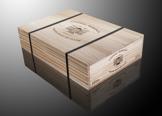
Package Size