 Wine Advisor



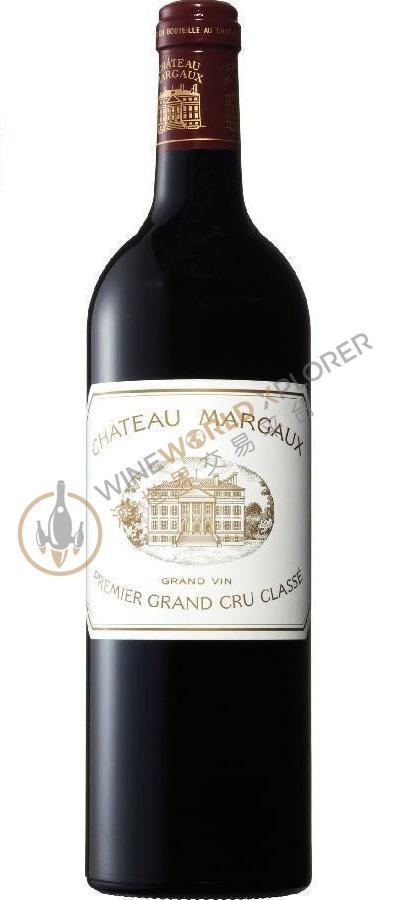
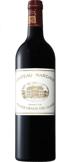
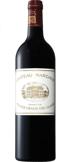
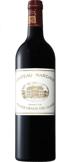
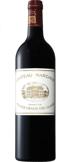
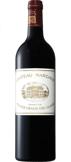
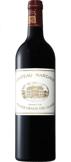
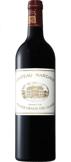
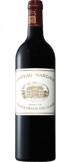
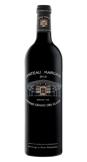
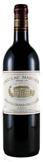
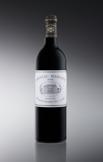
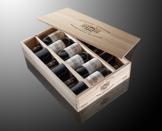
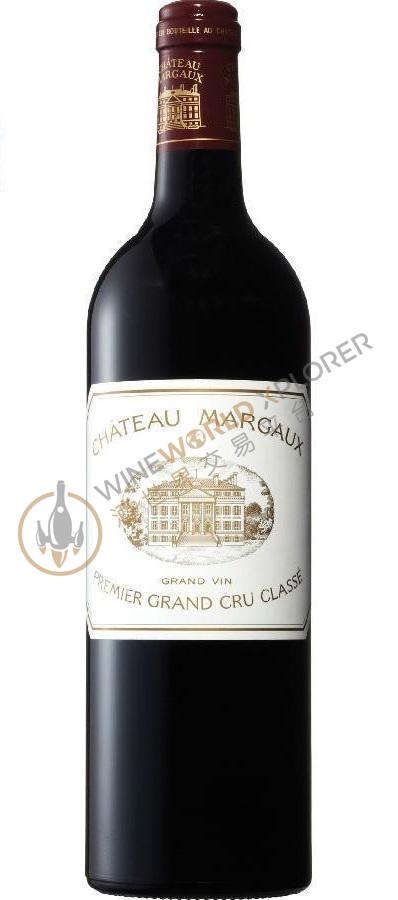
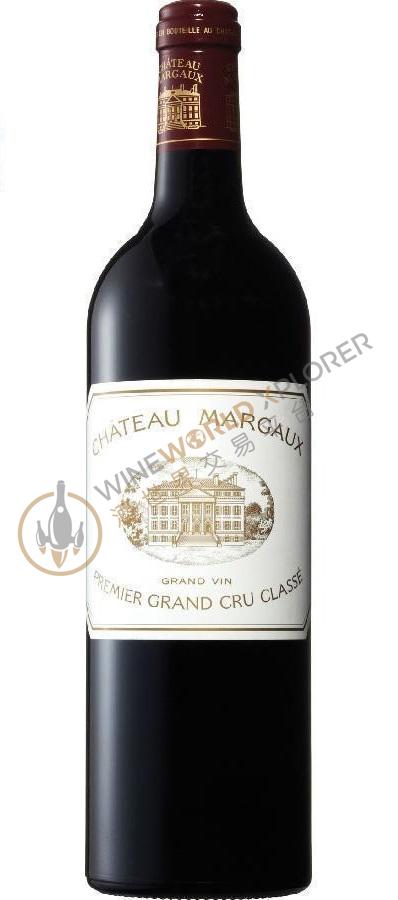
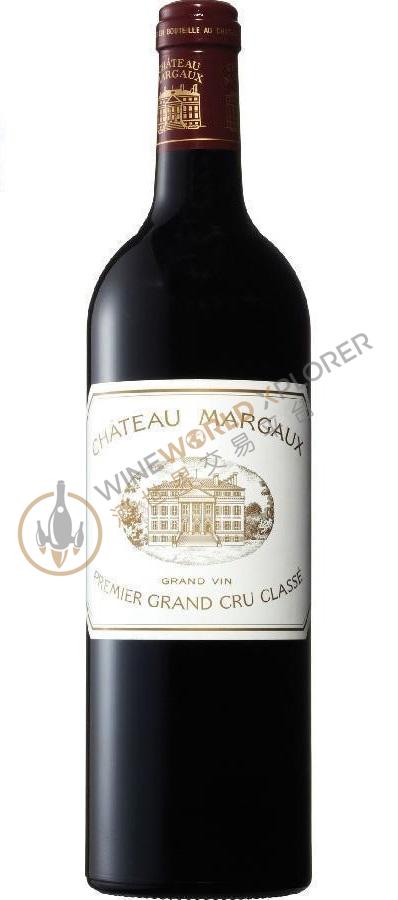
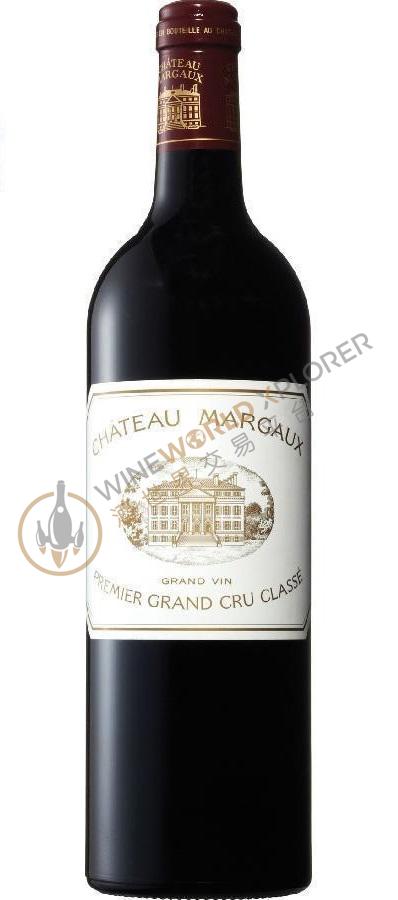
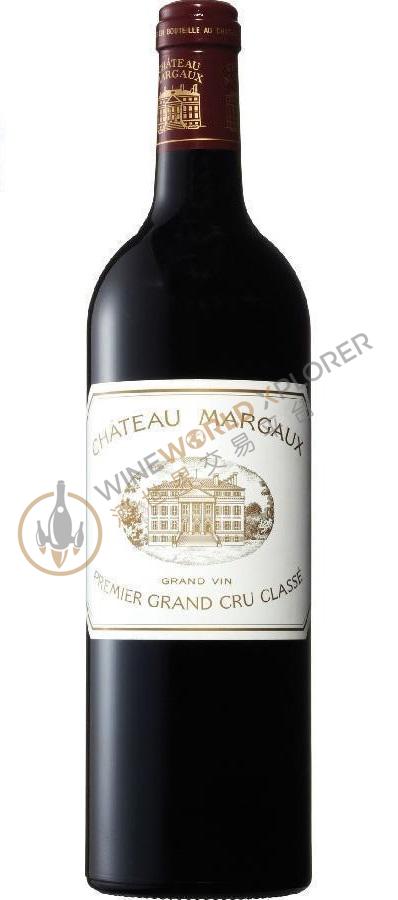
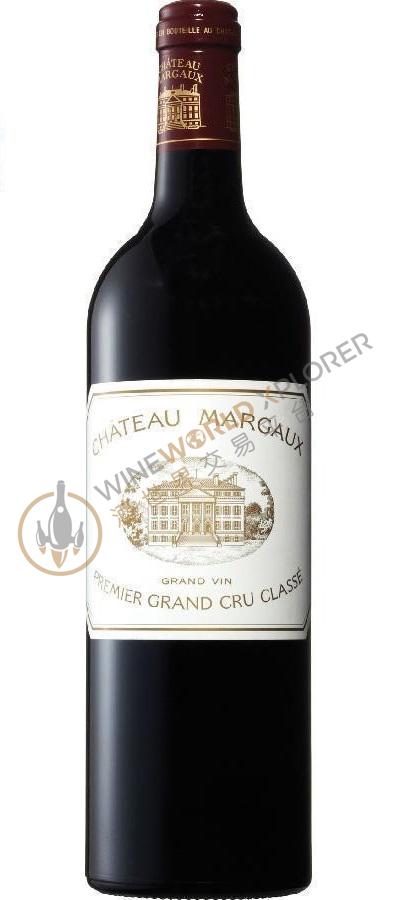
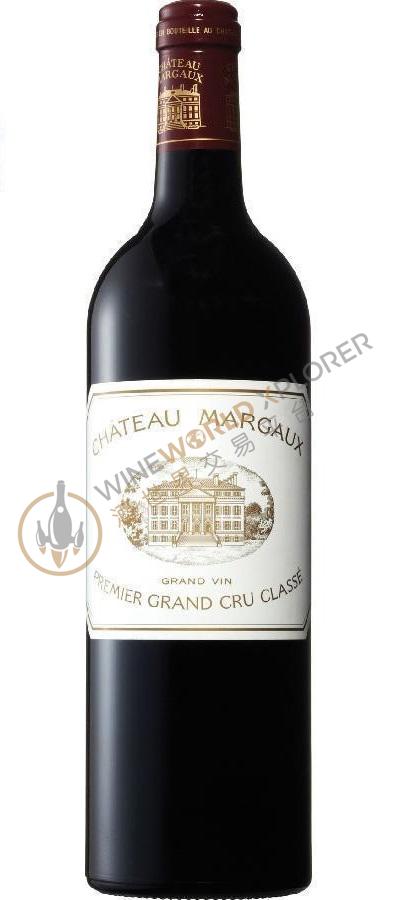
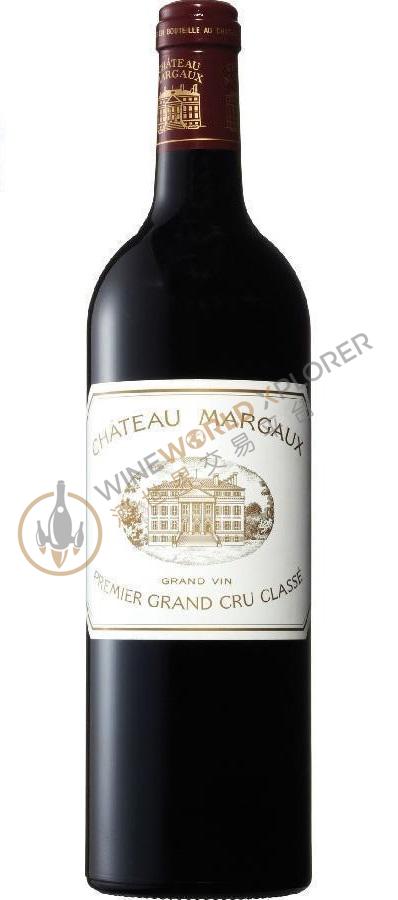
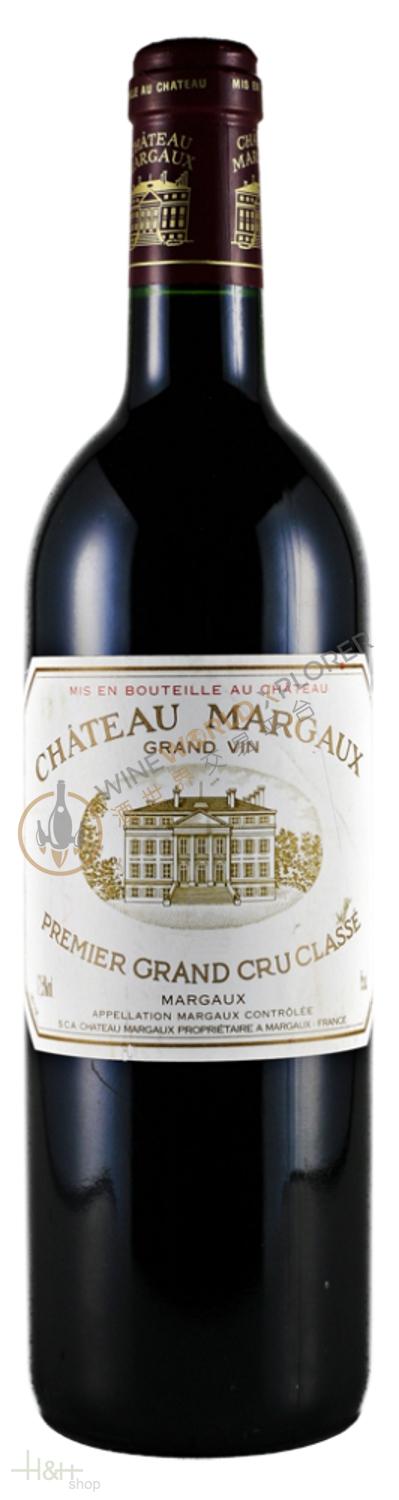
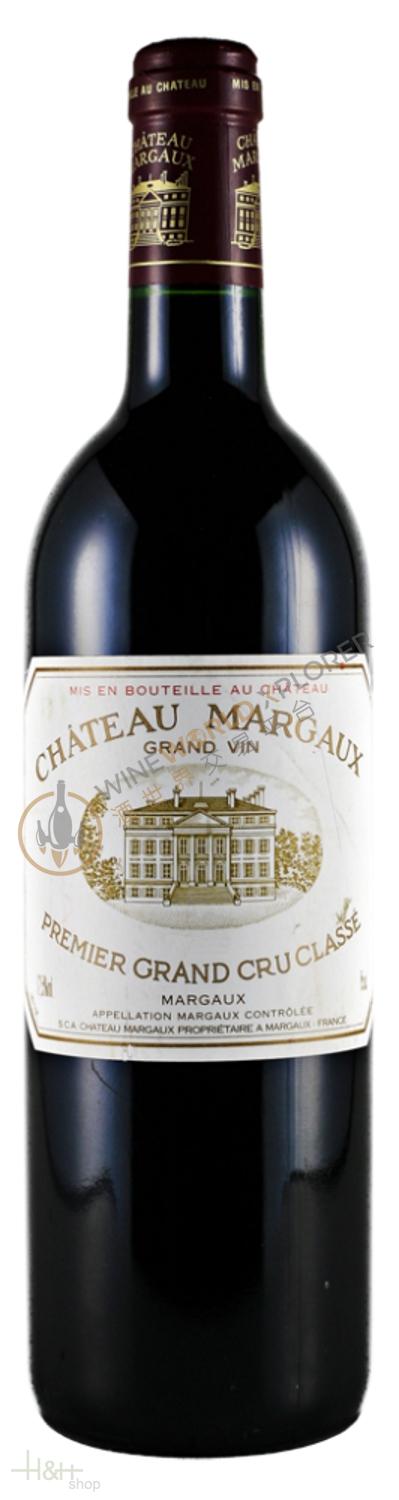
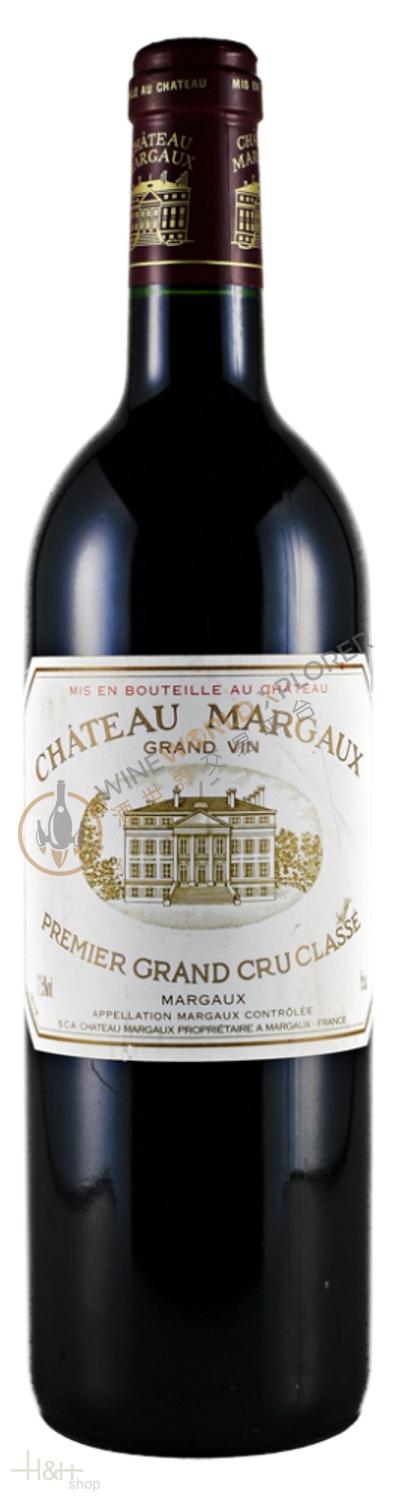
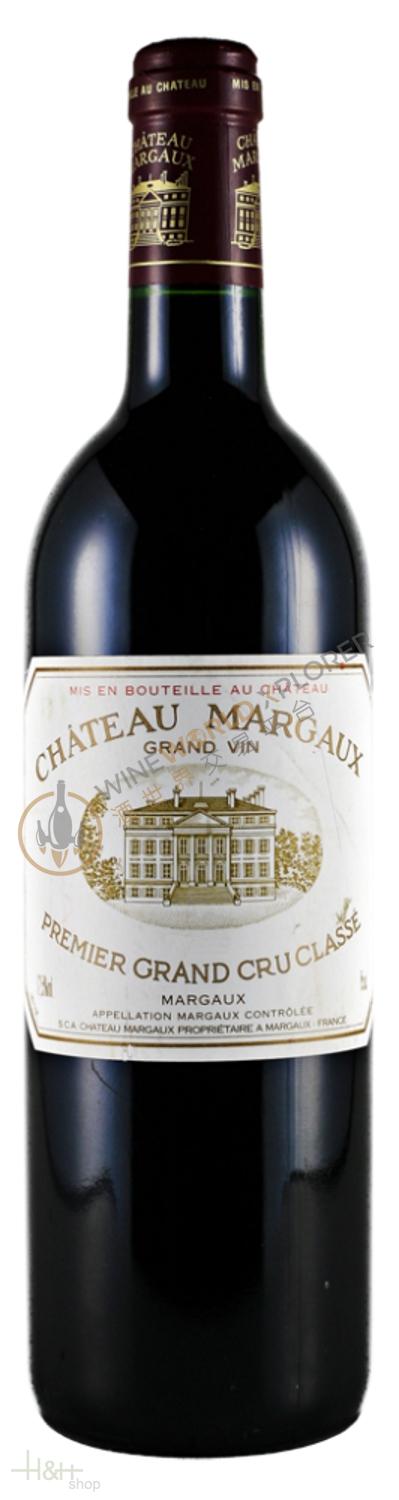
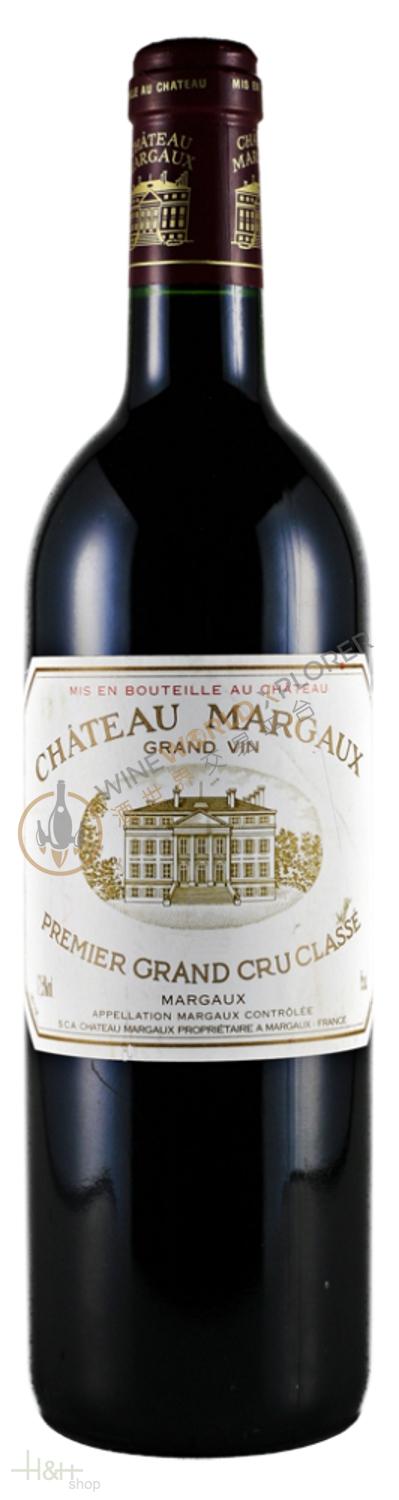
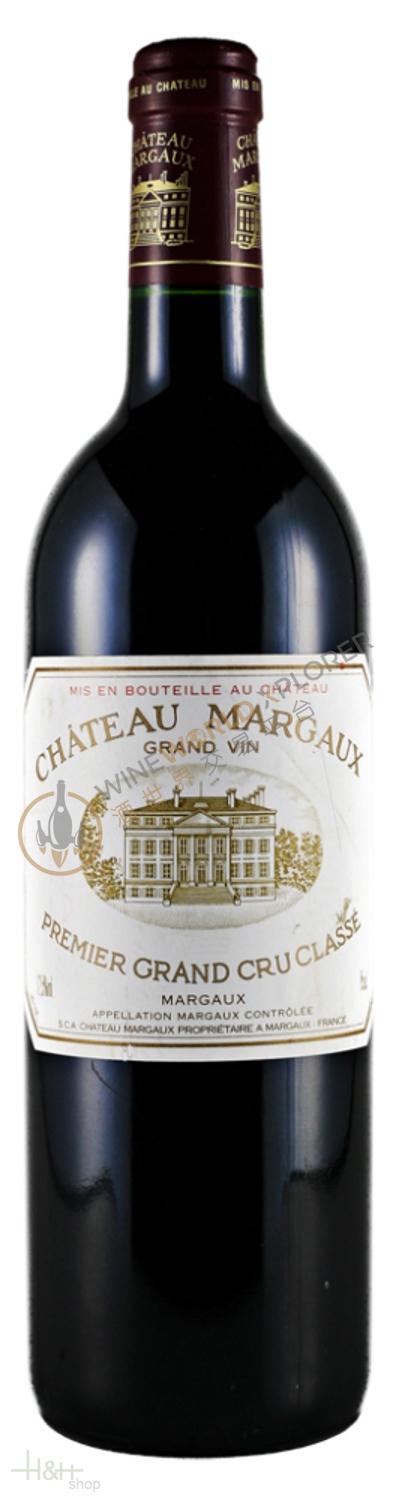
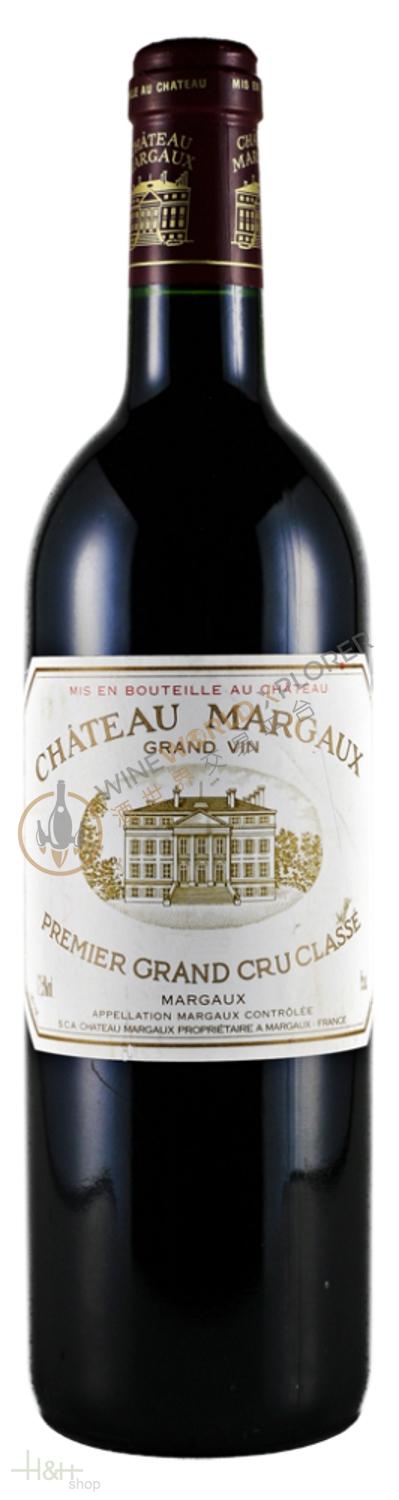
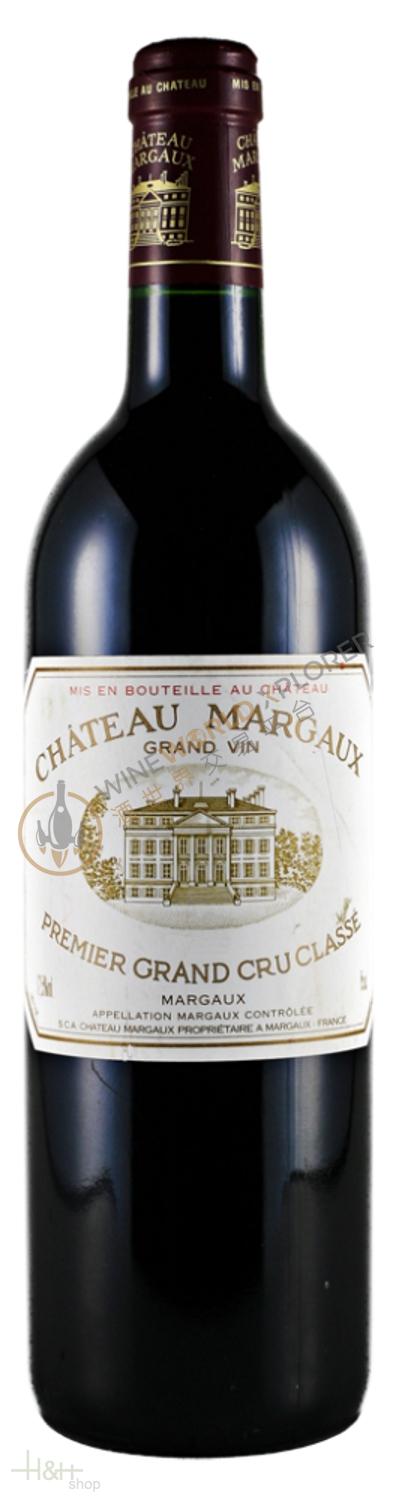
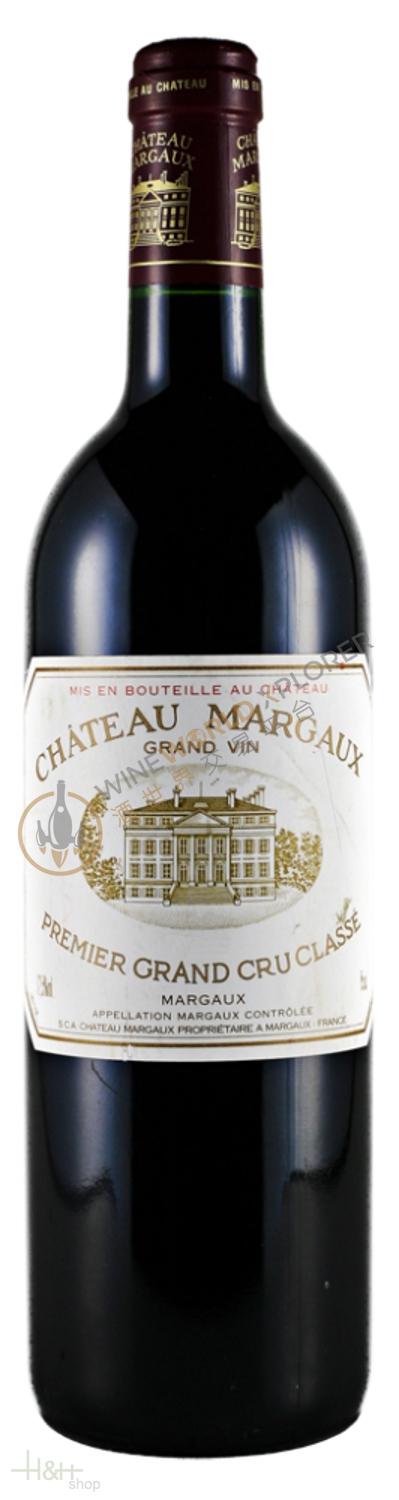
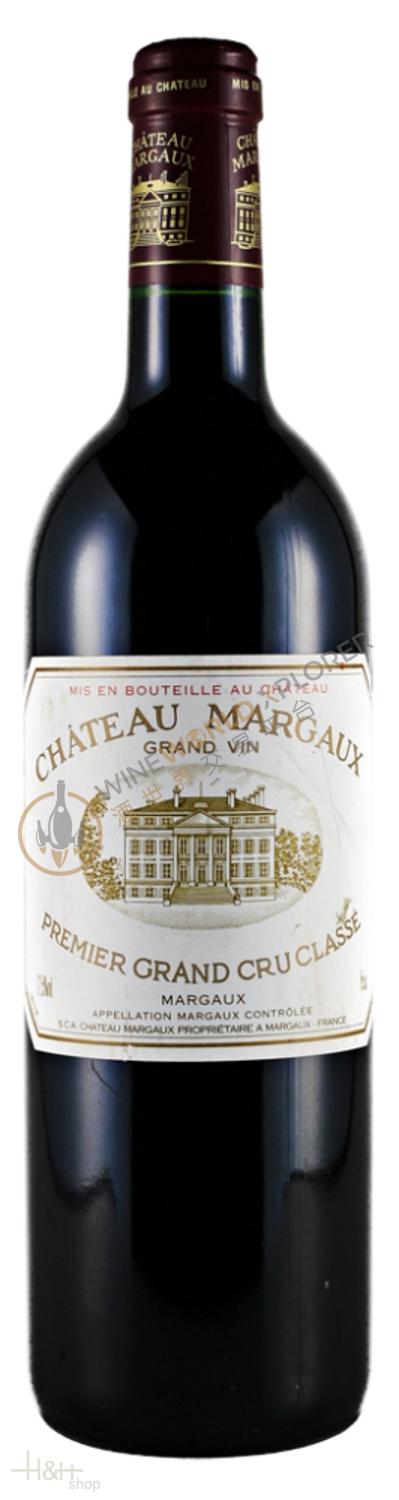
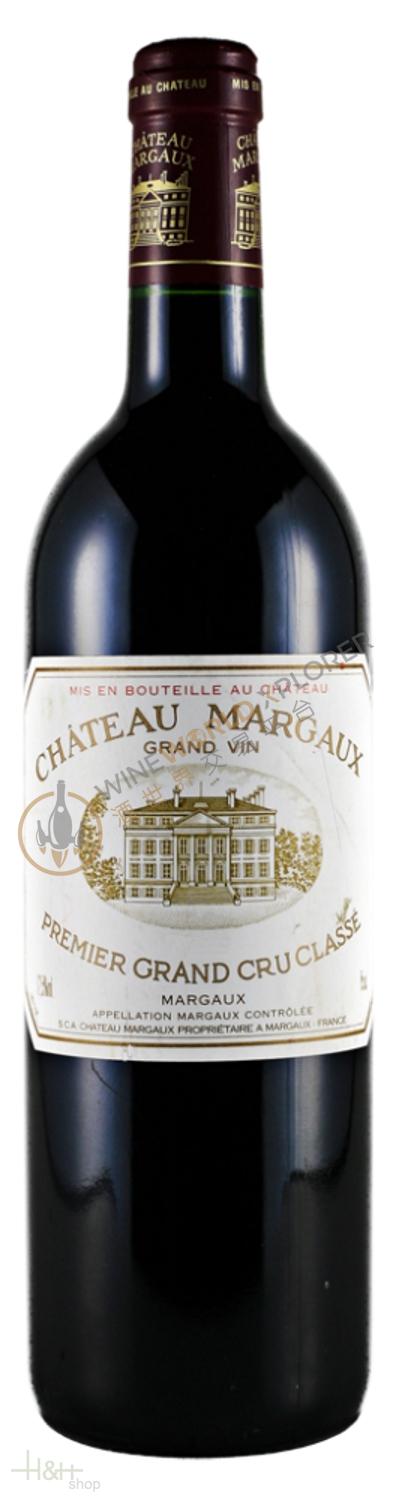
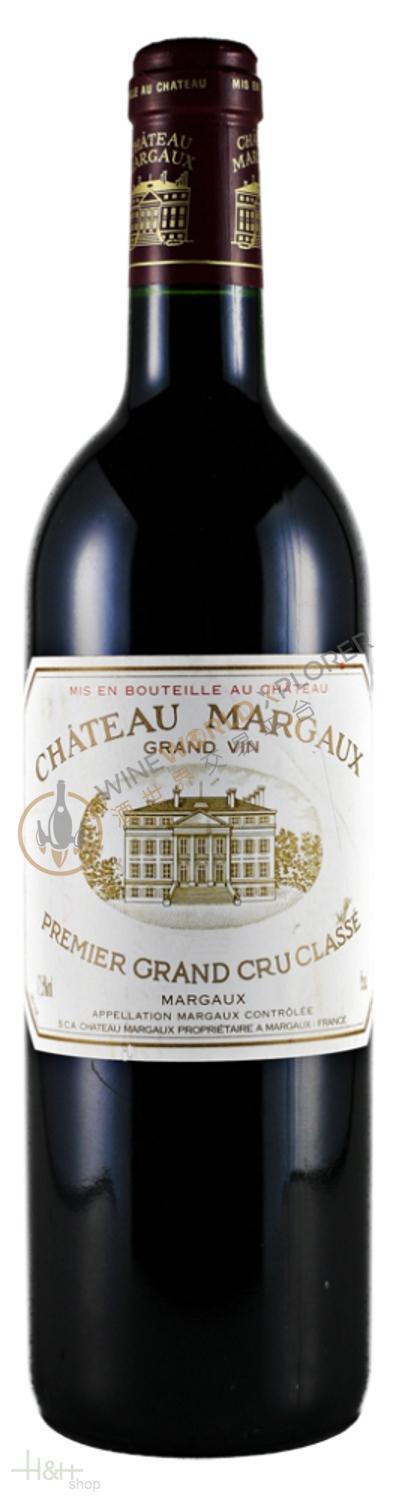
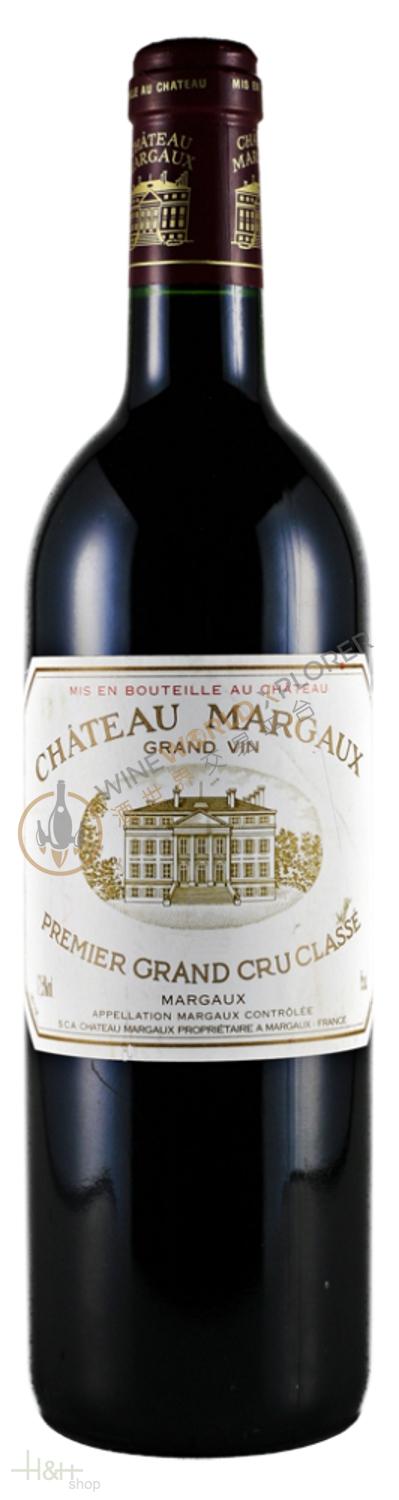
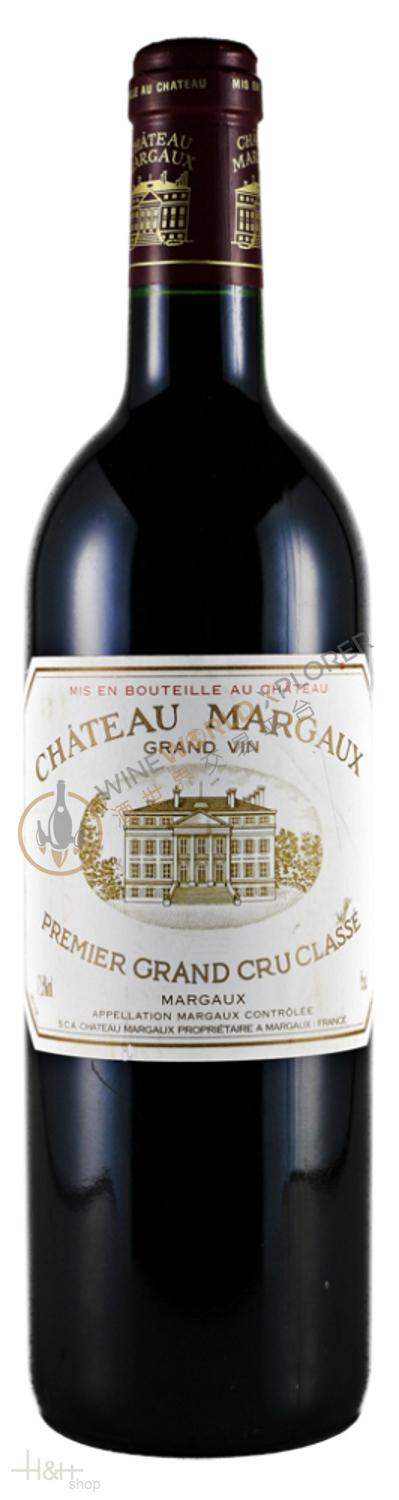
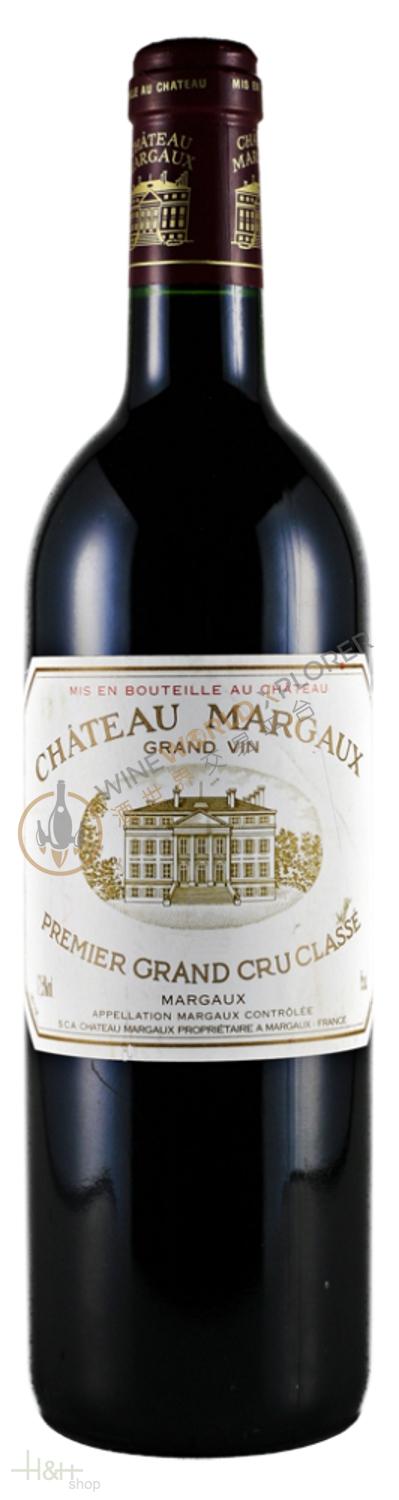
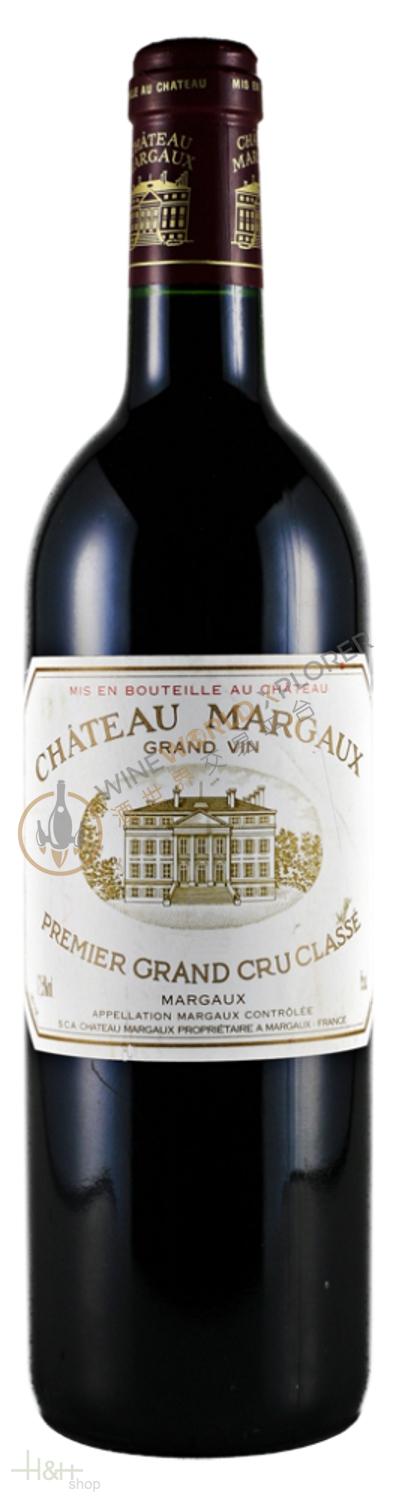
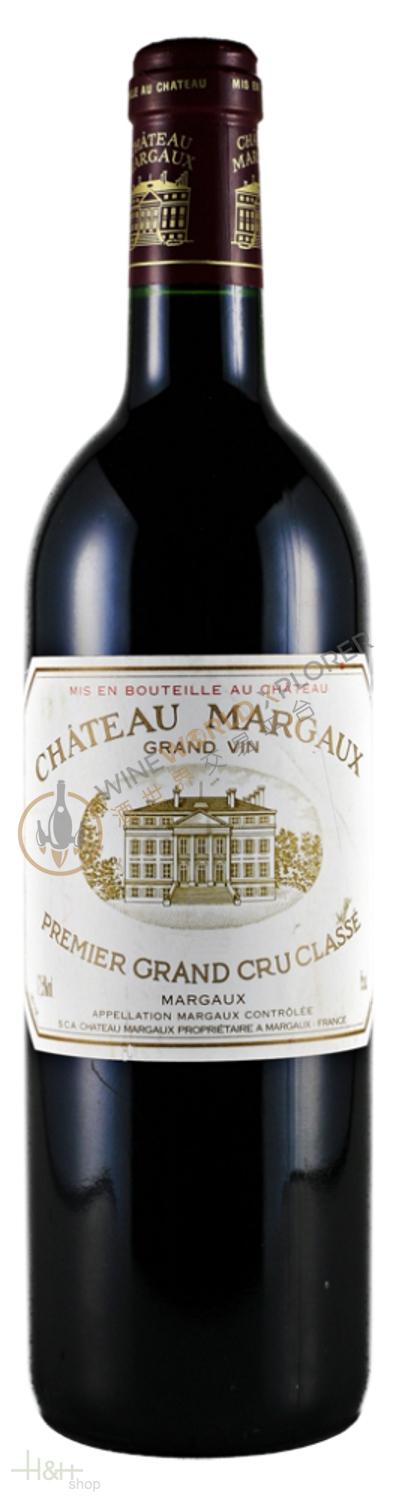
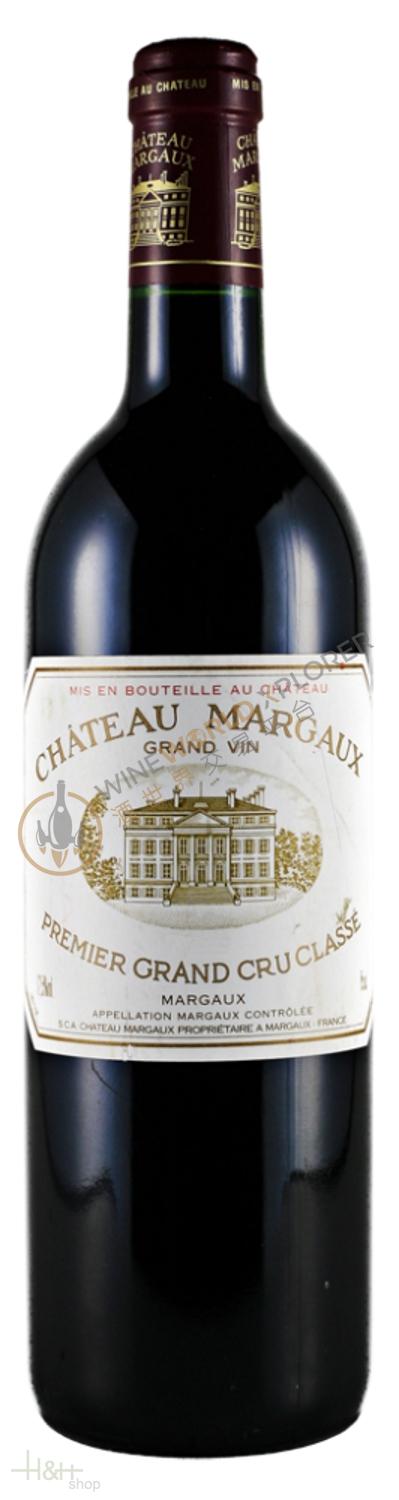
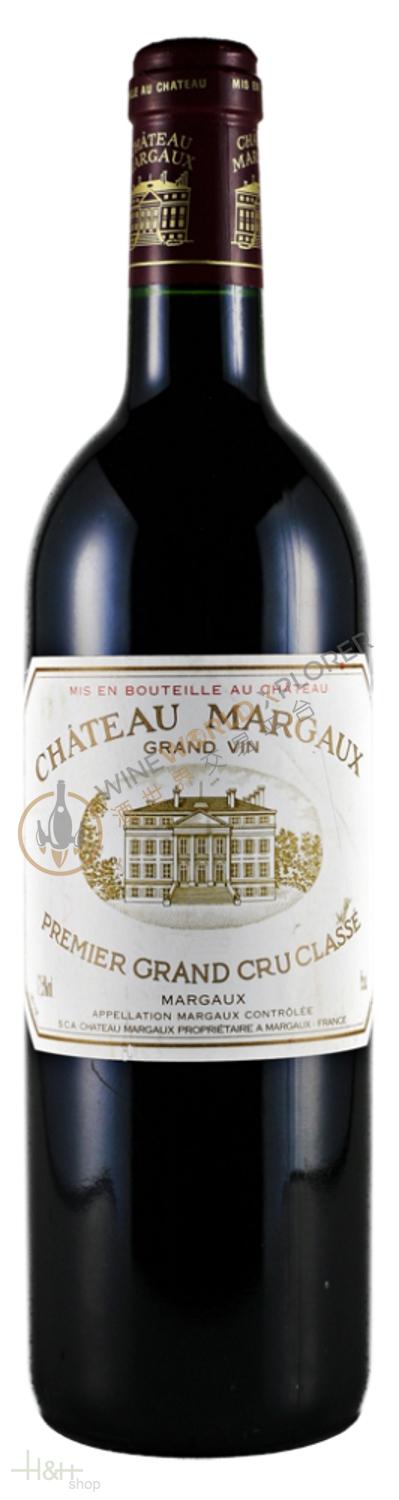
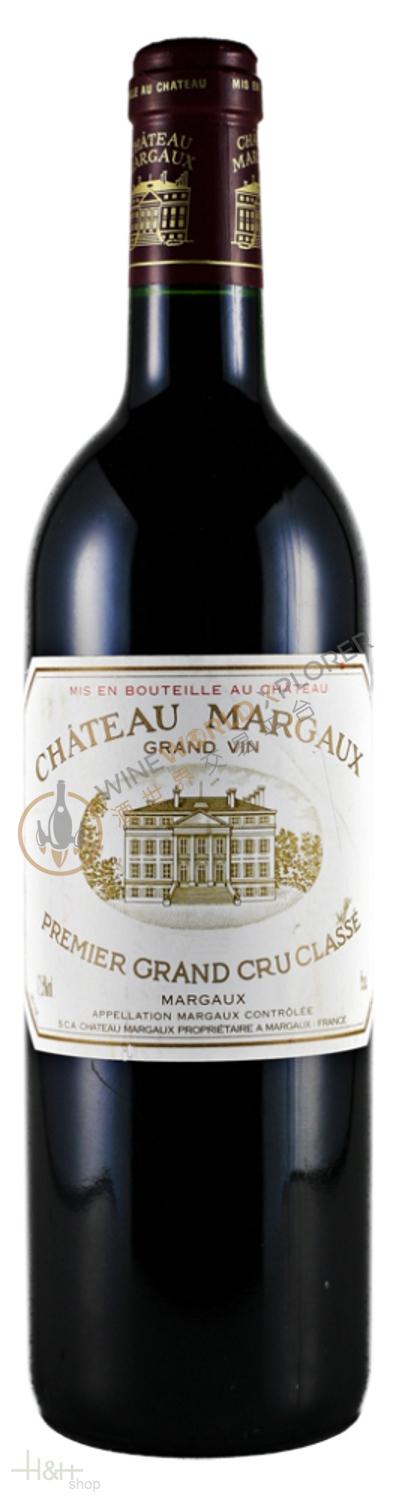
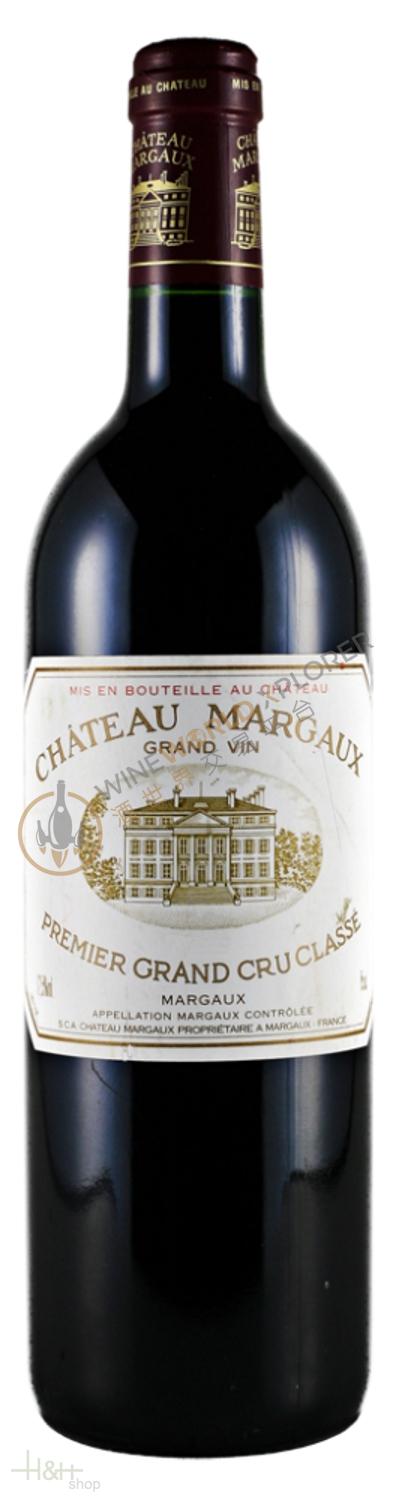
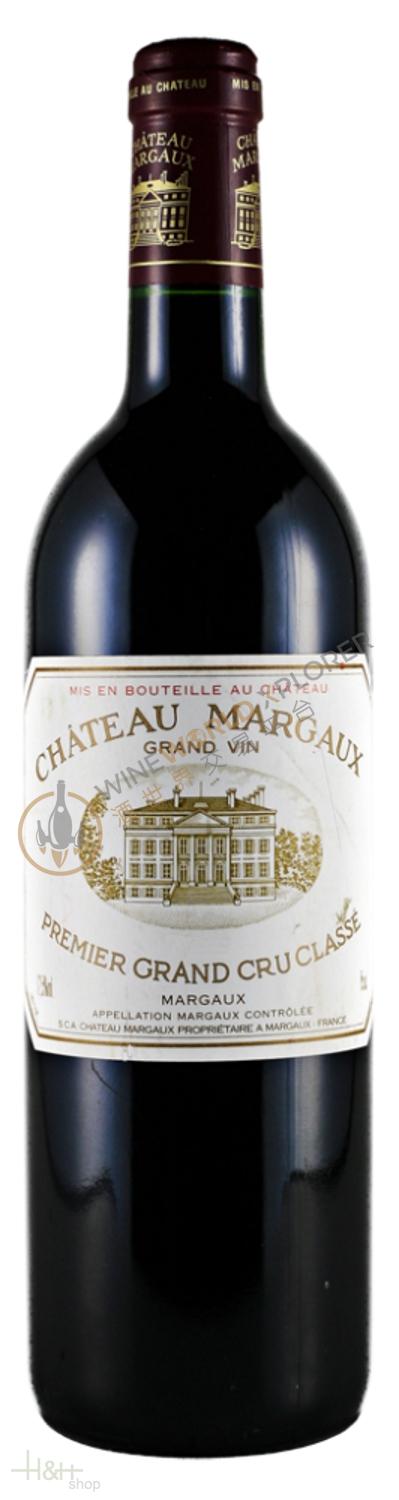
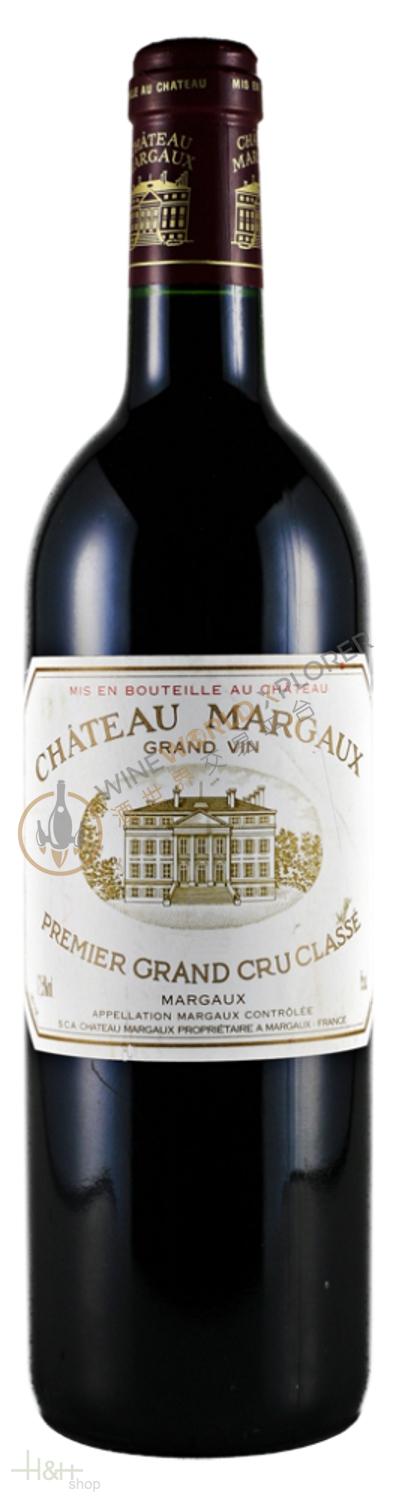
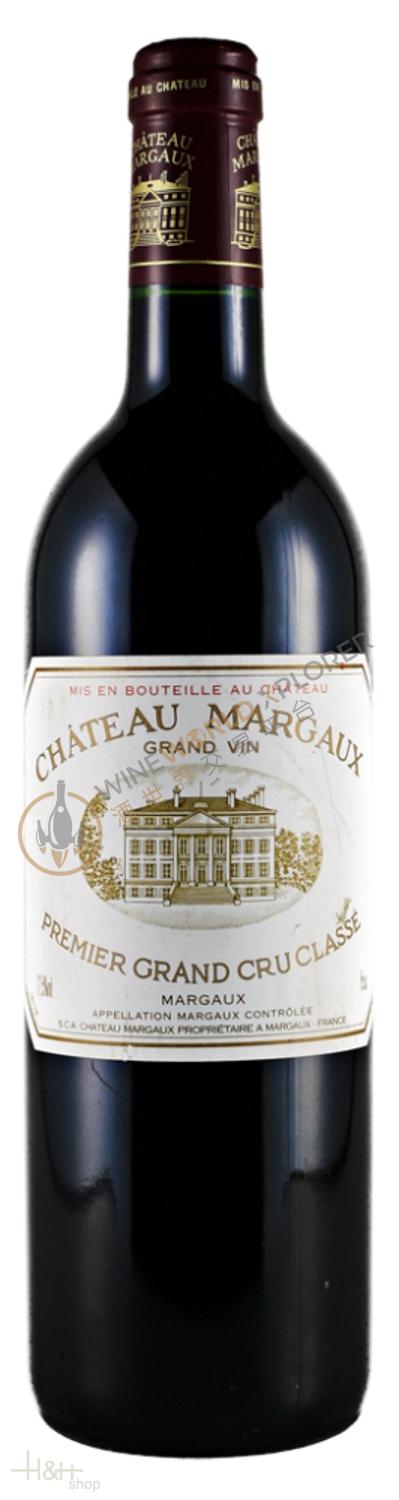
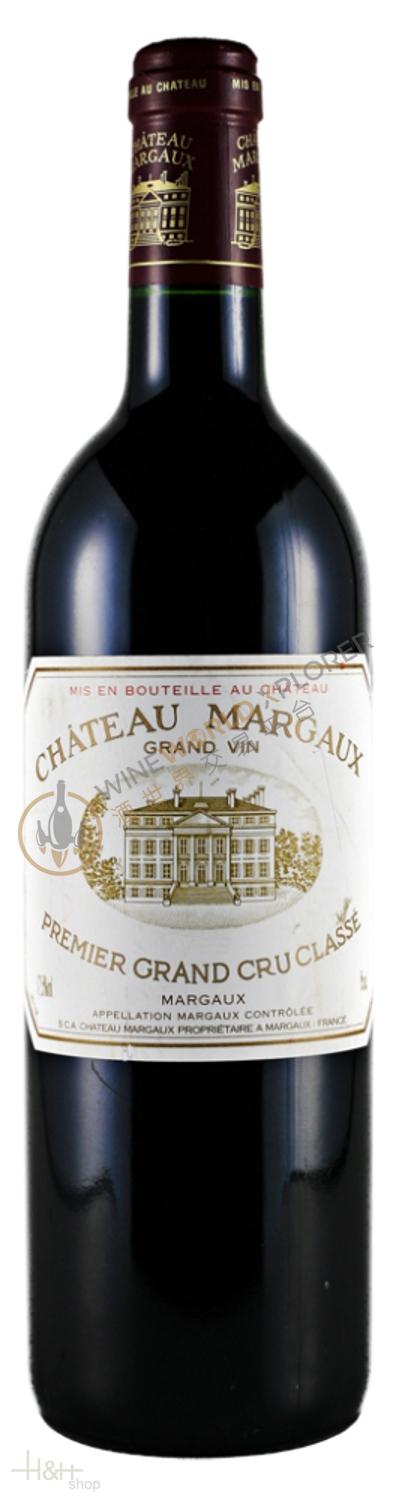
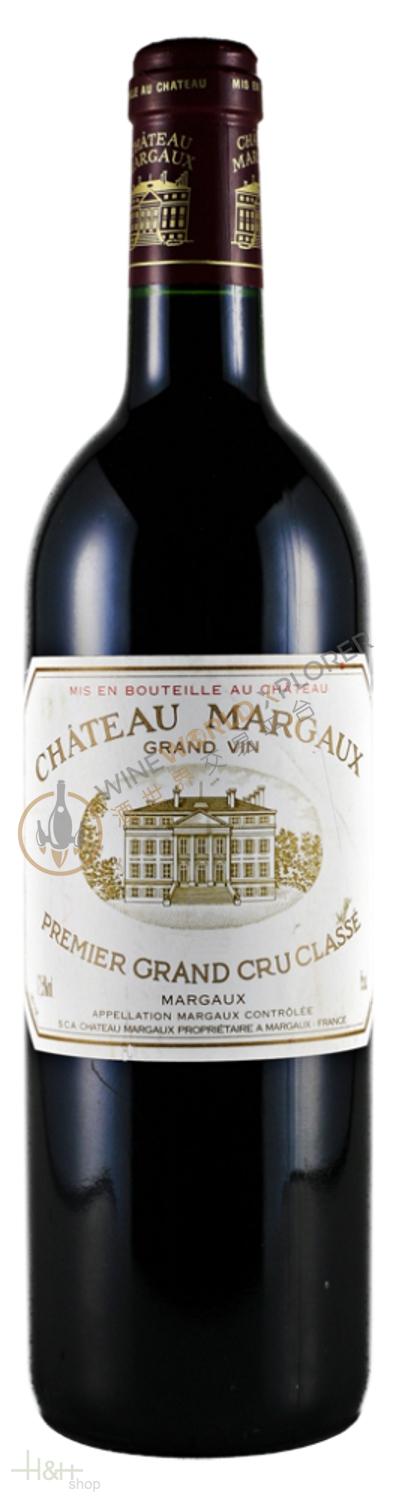
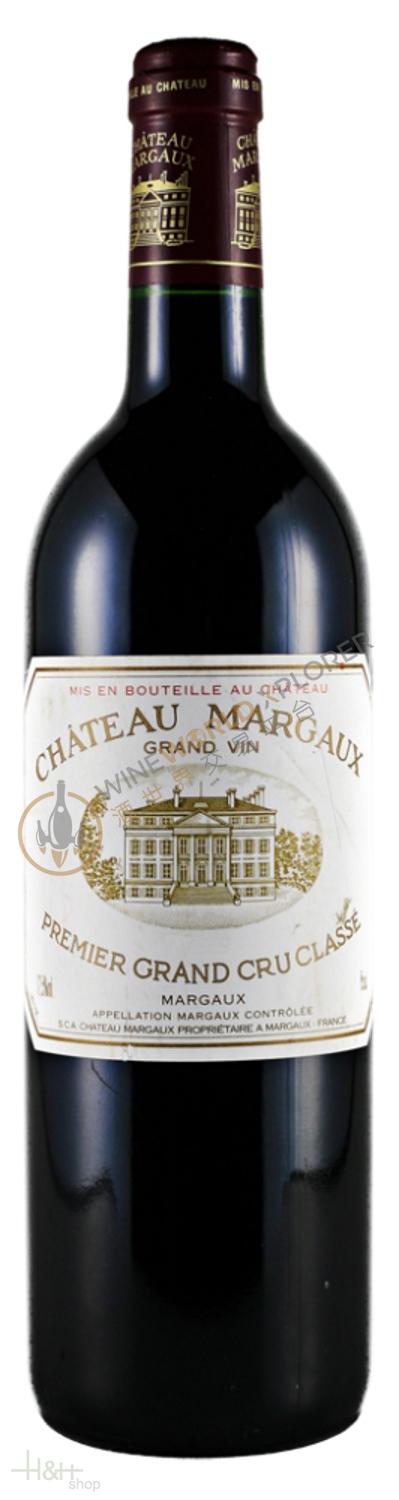
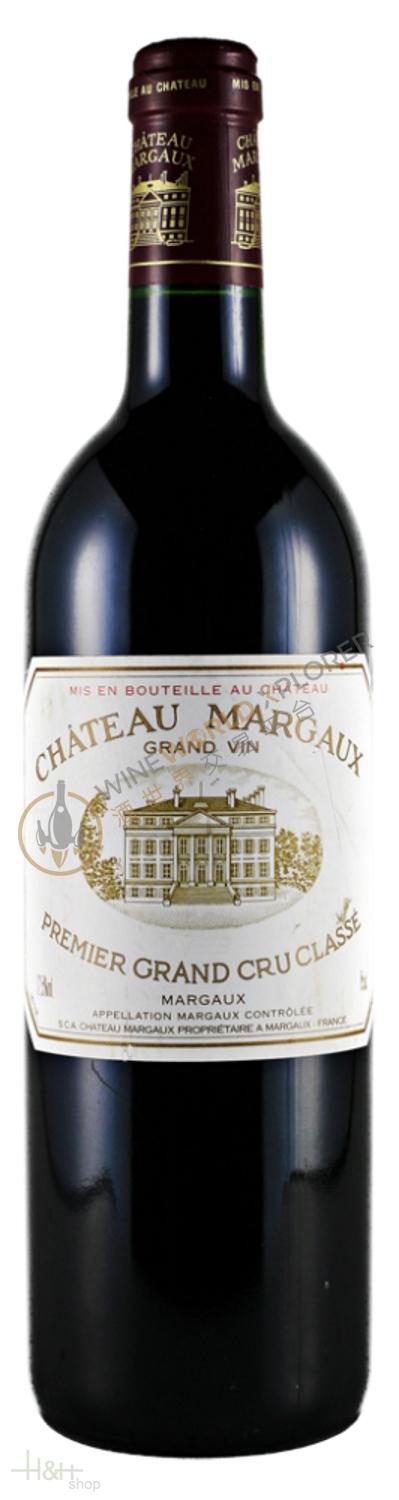
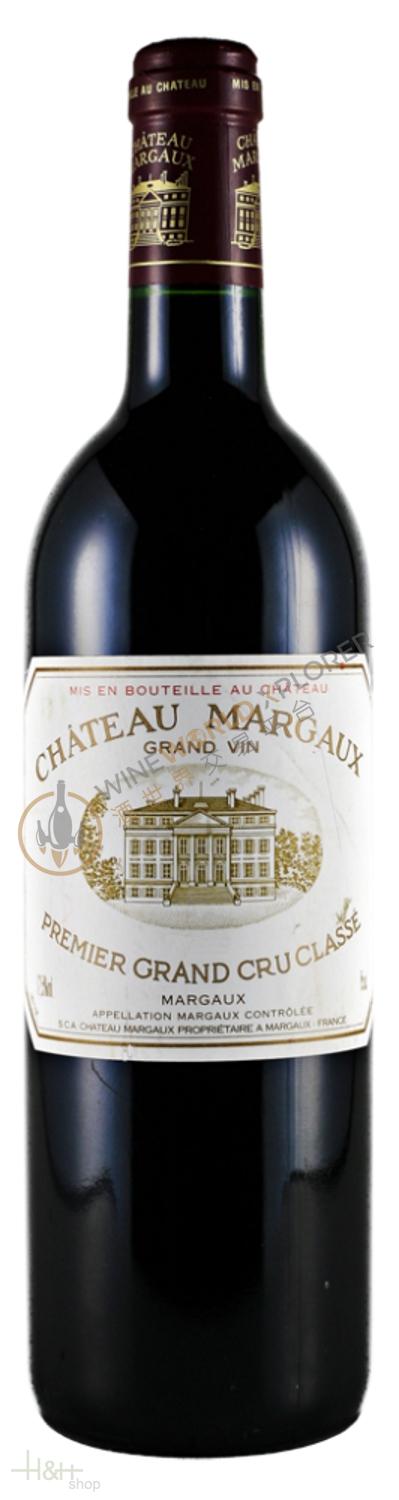
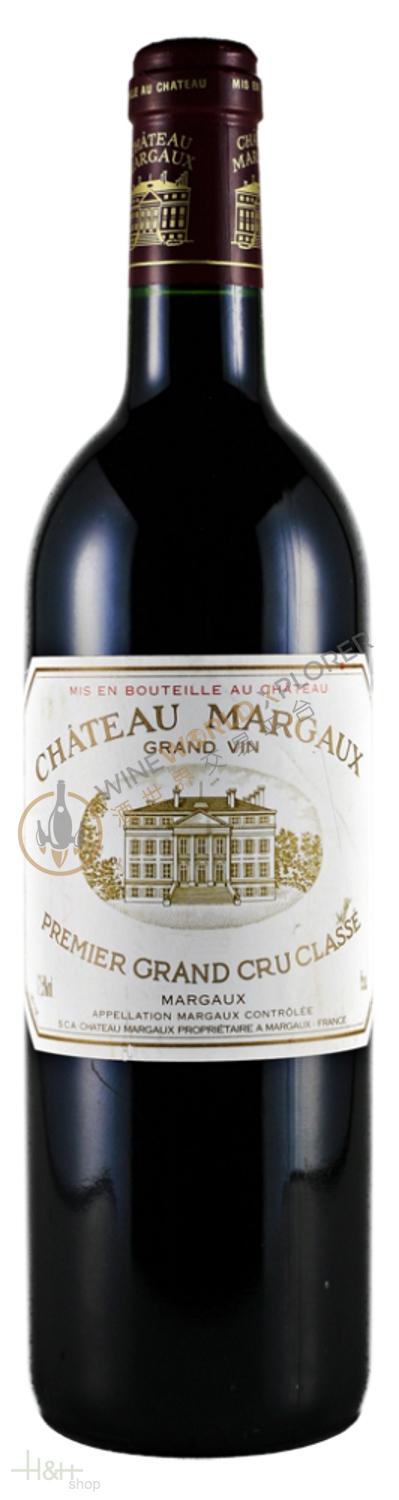
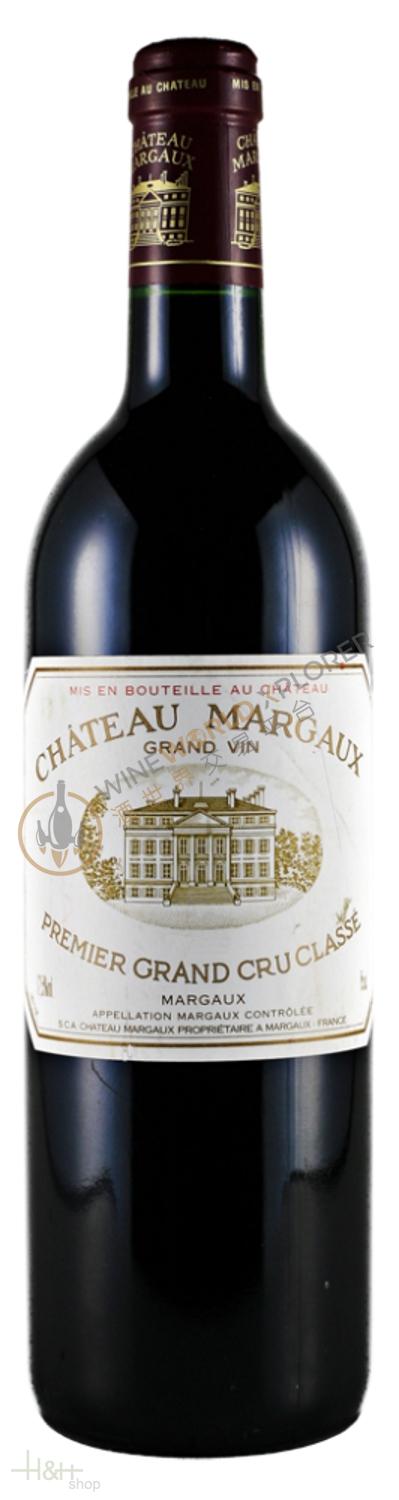
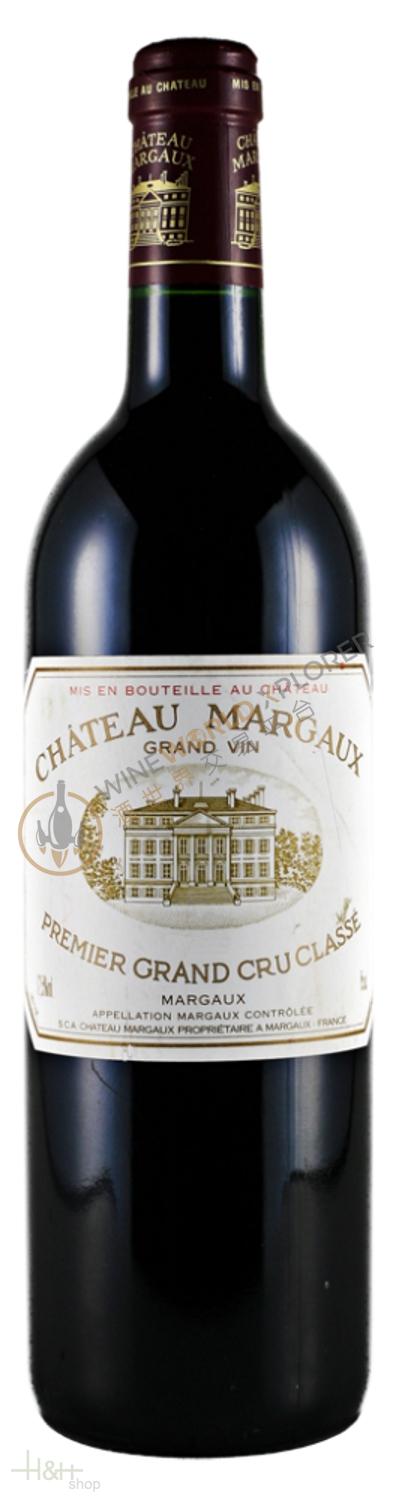
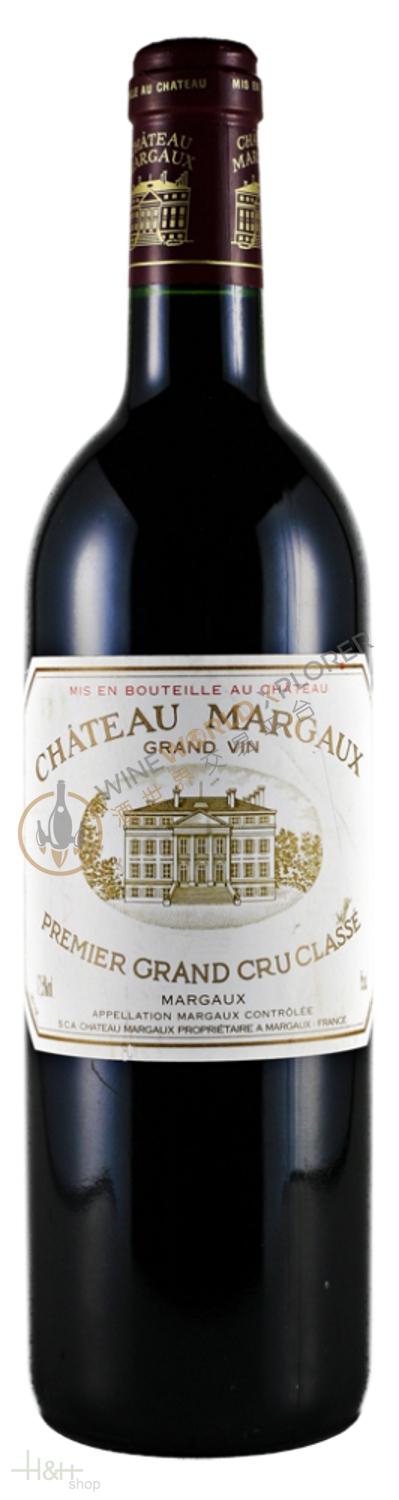
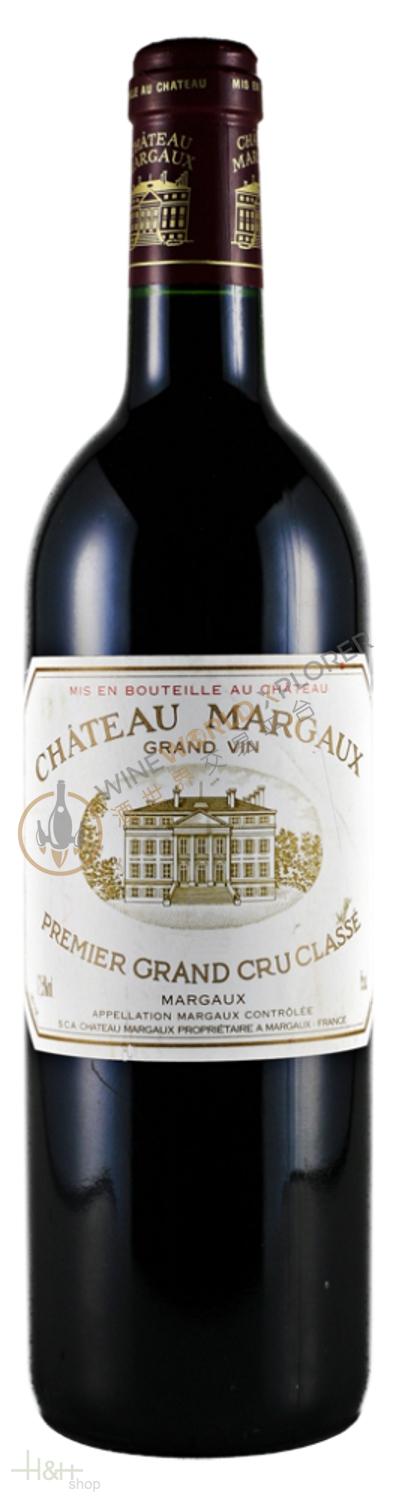
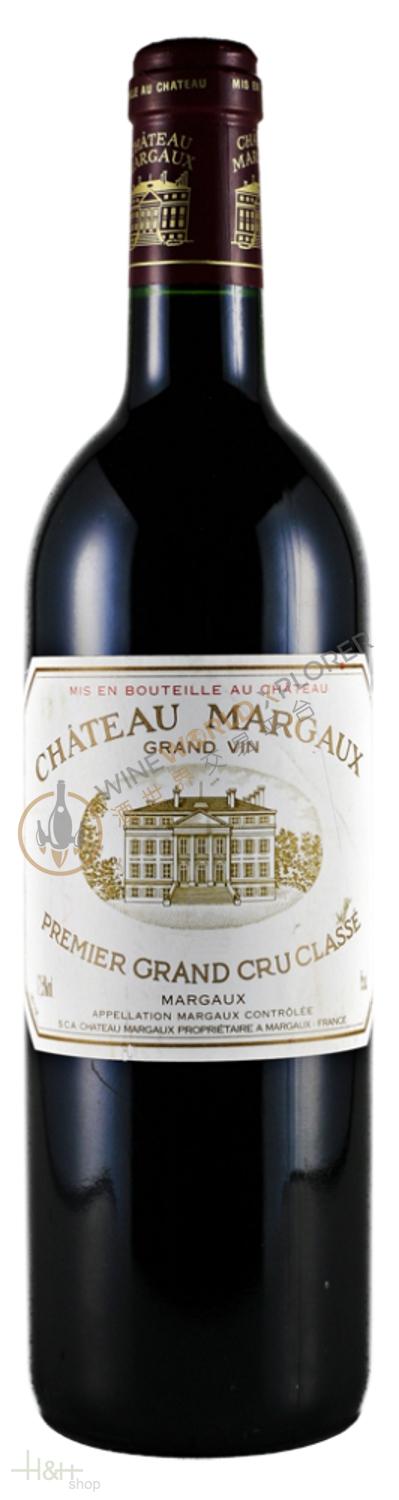
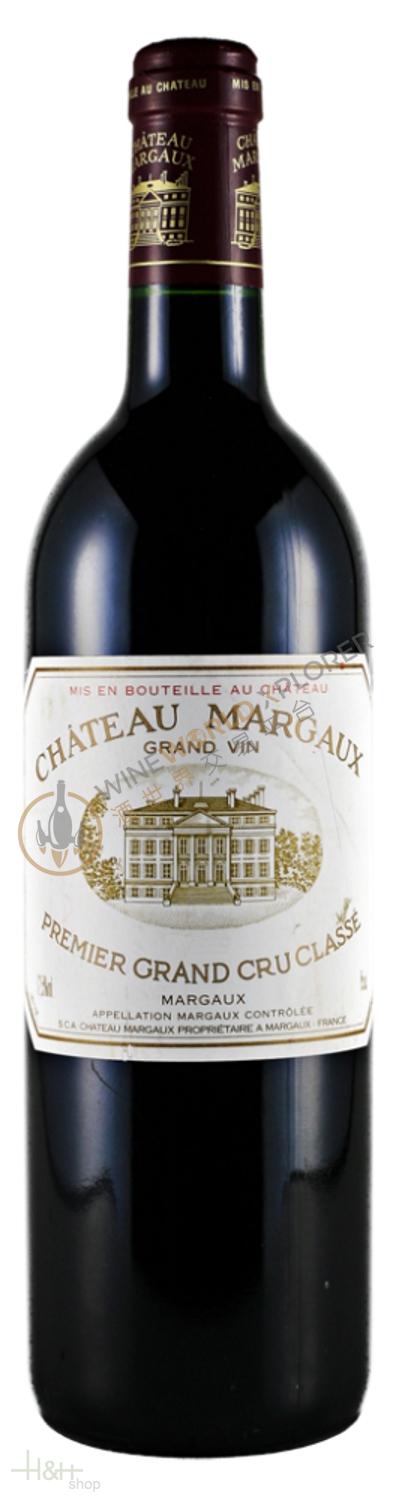
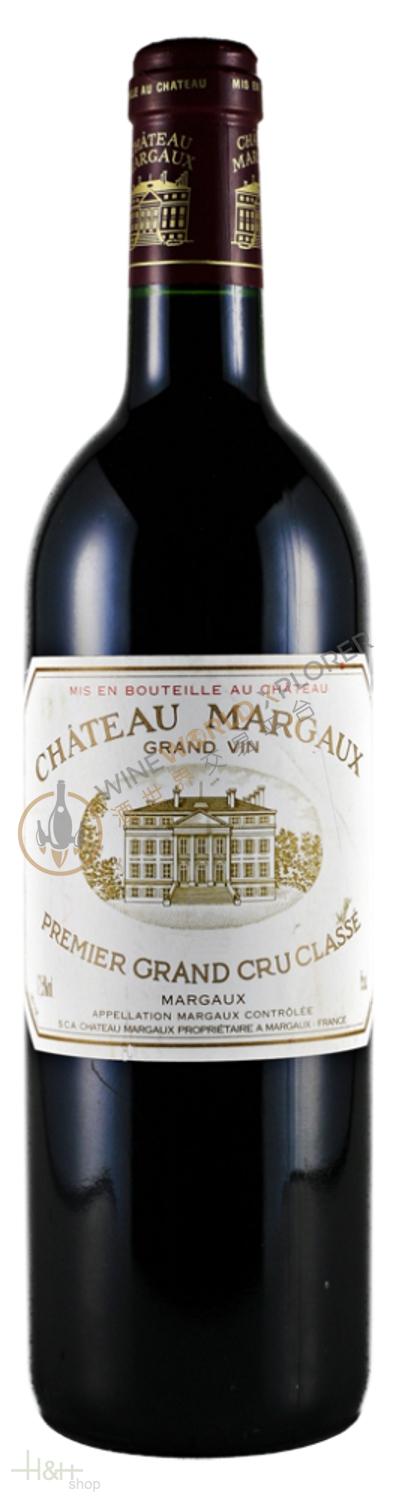
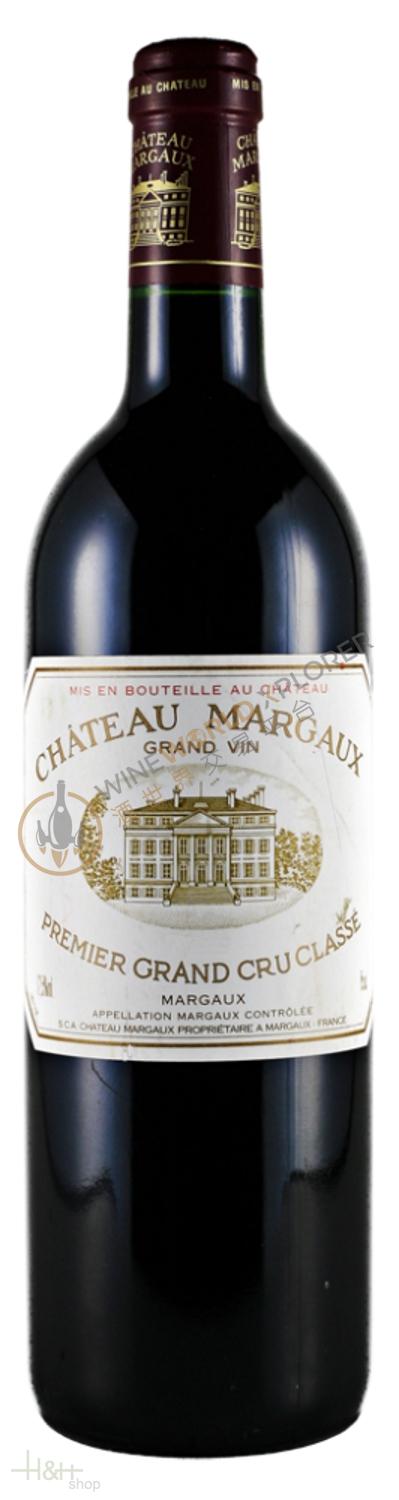
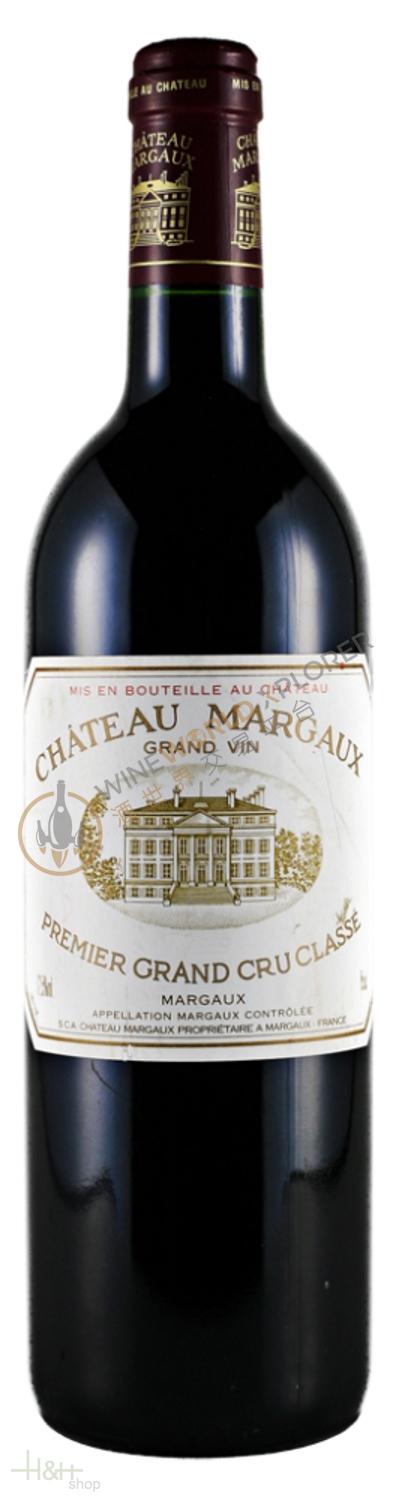
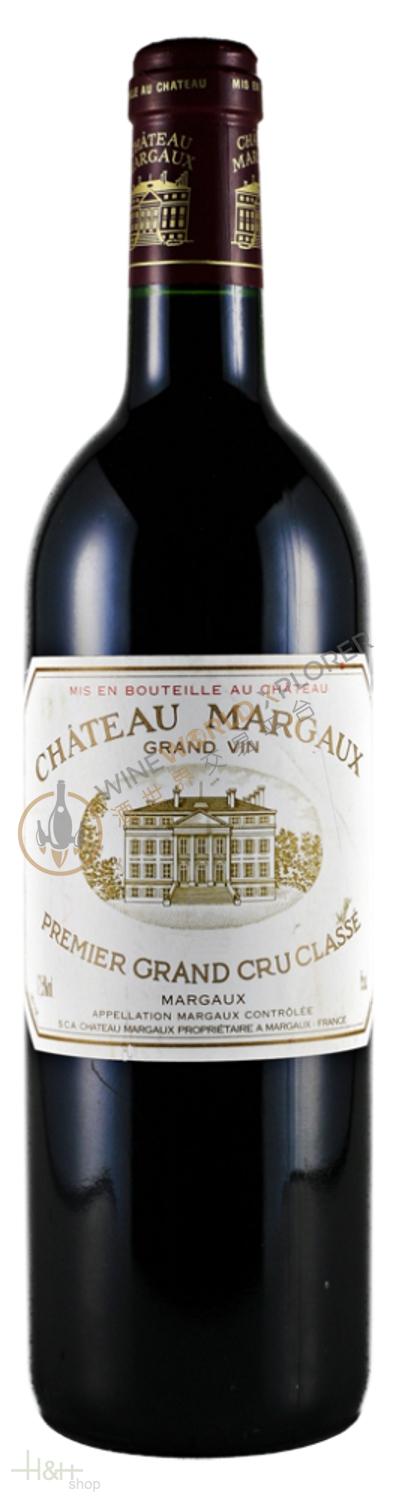
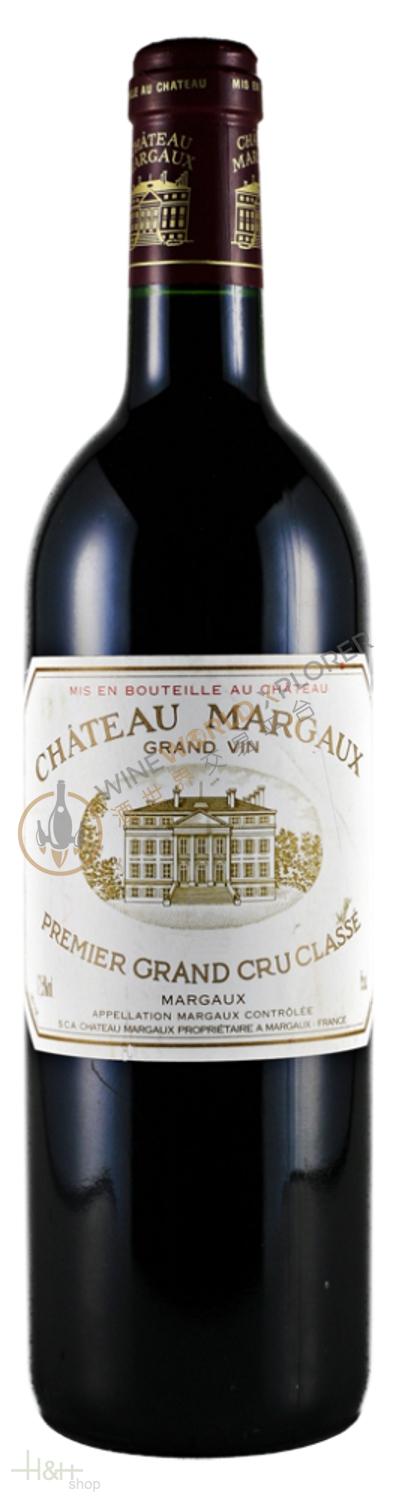
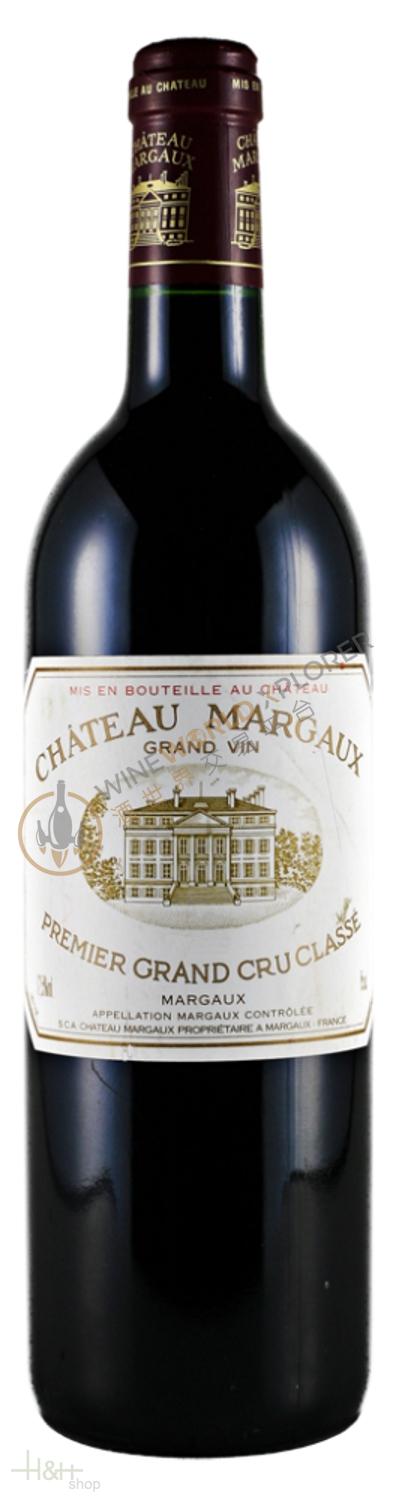
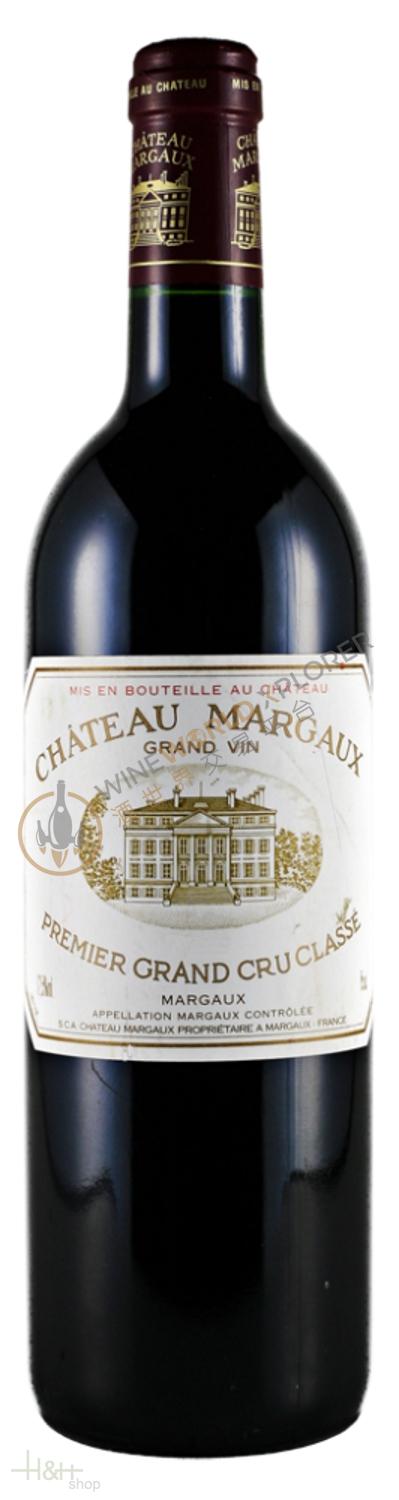
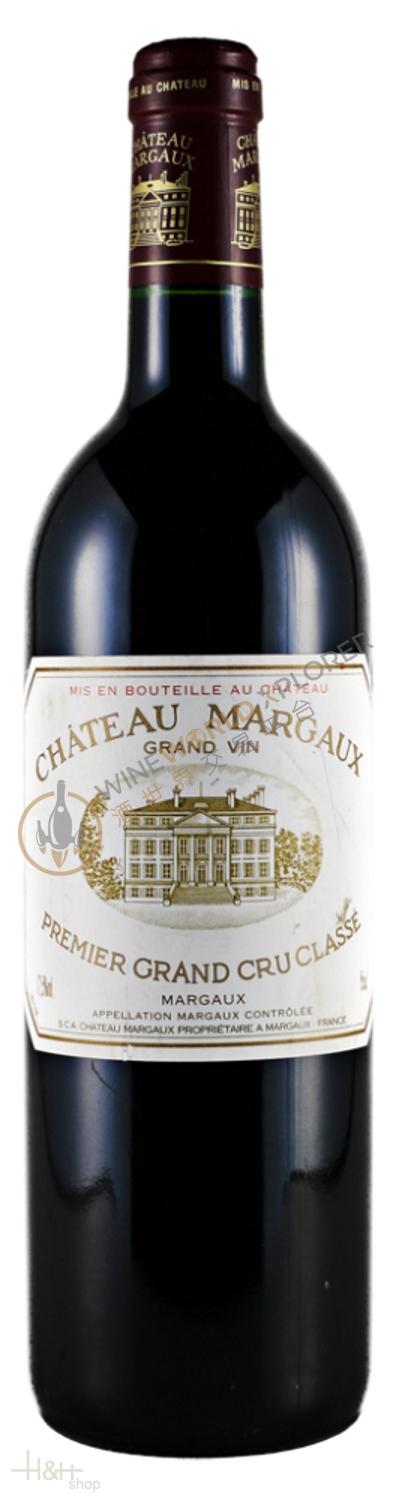
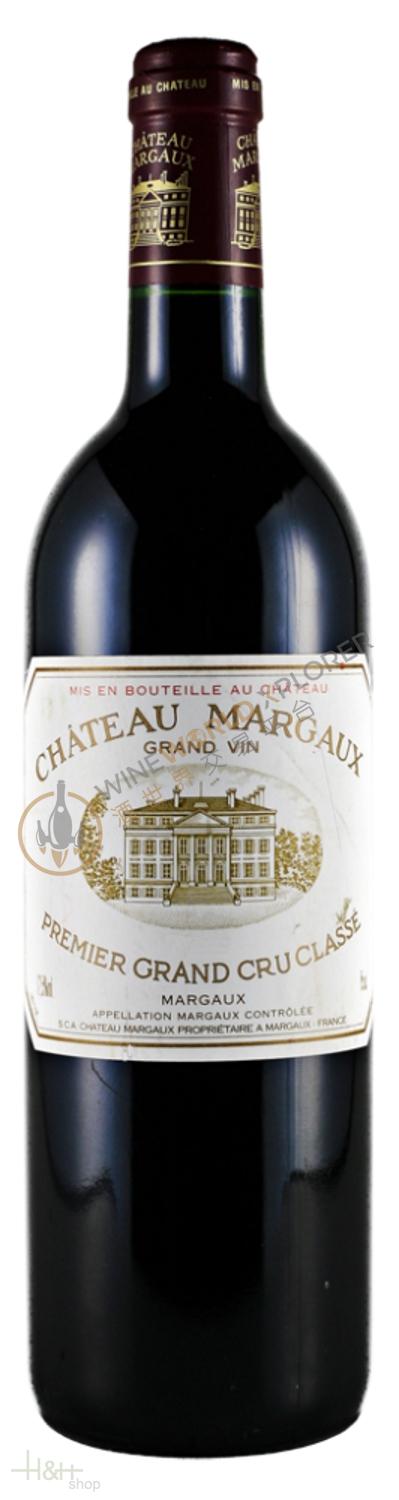
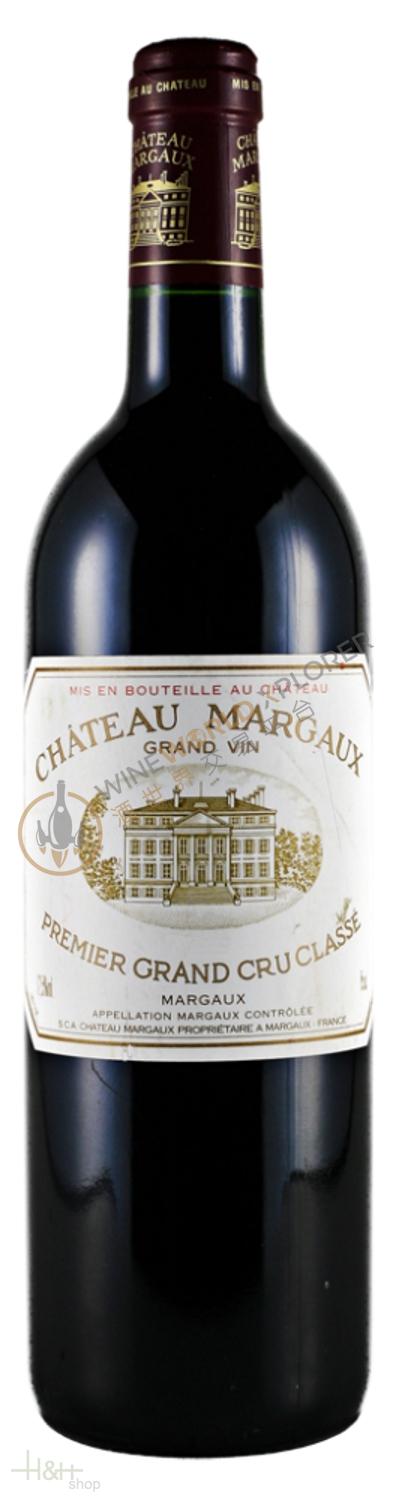
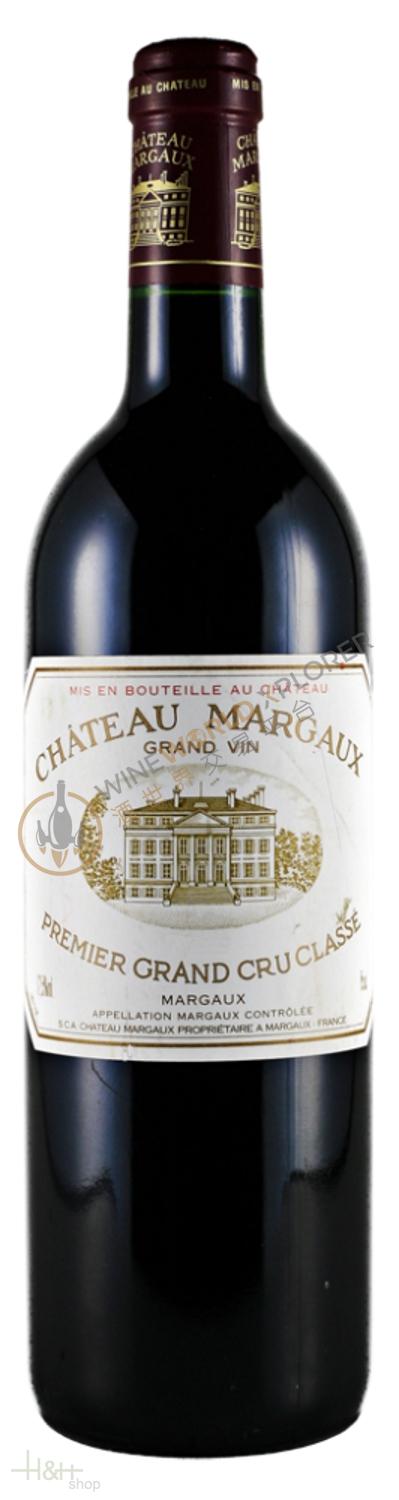
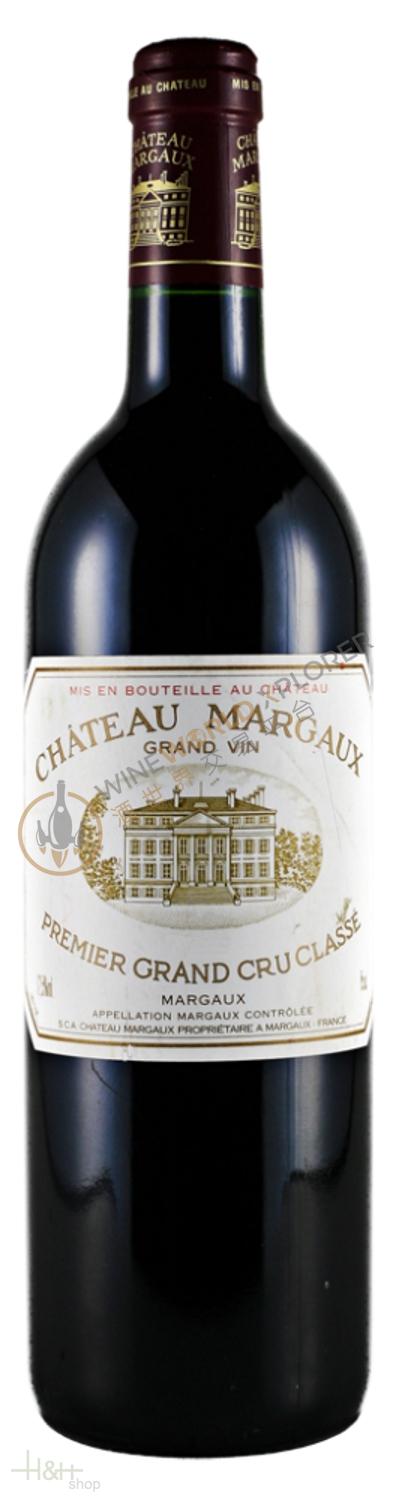
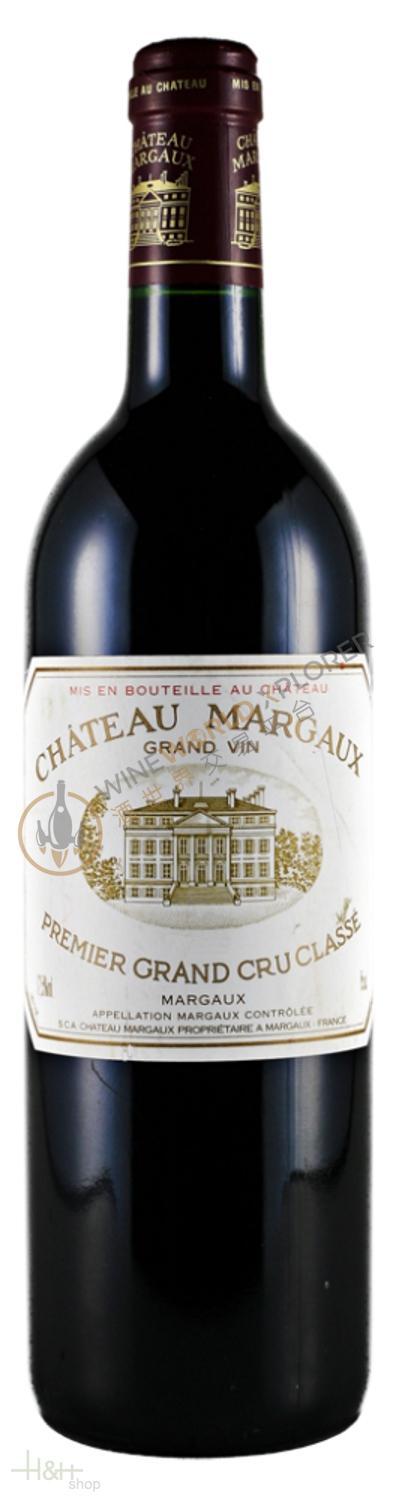
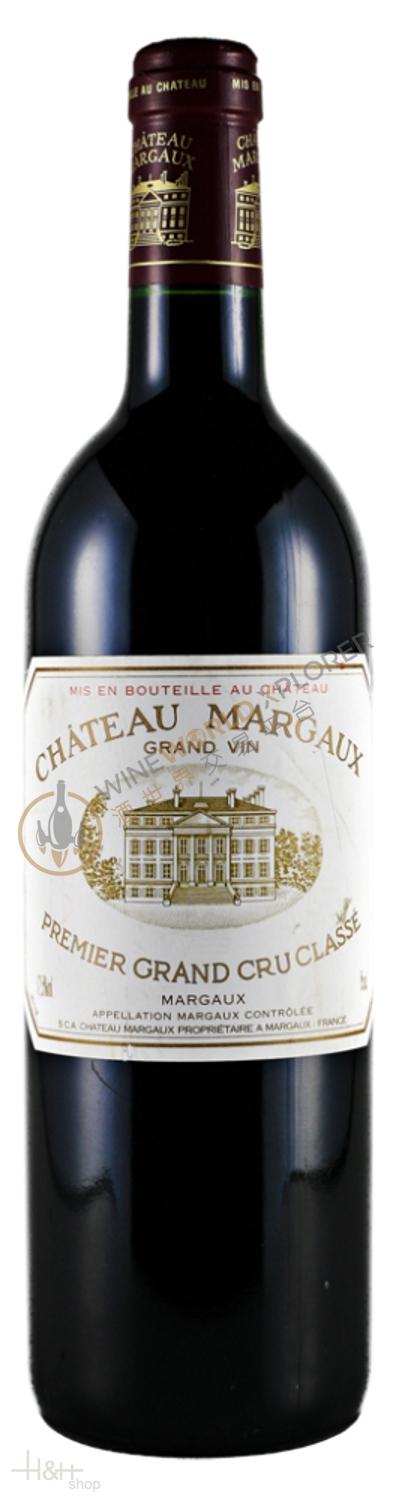
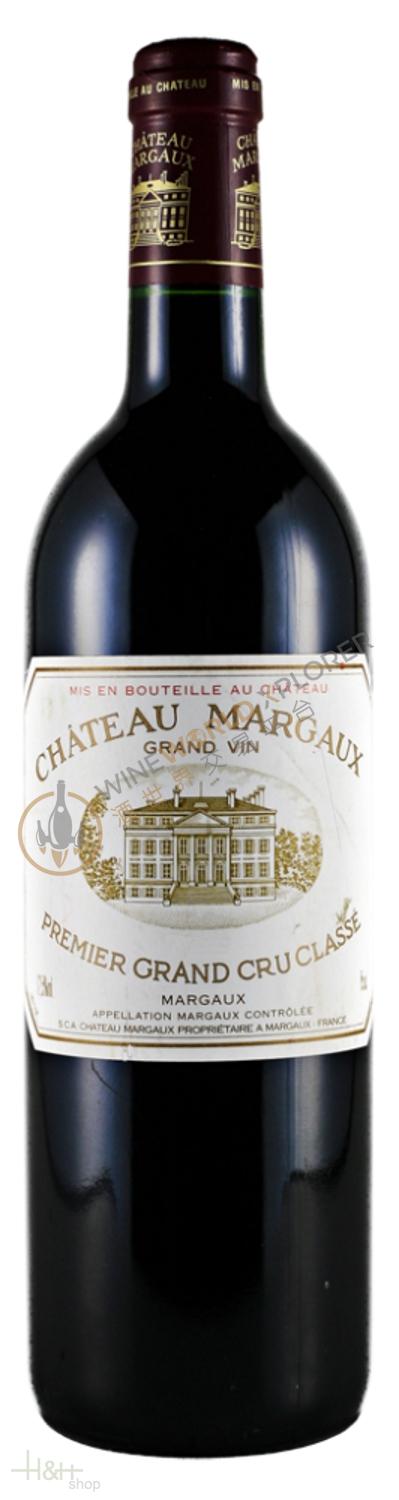
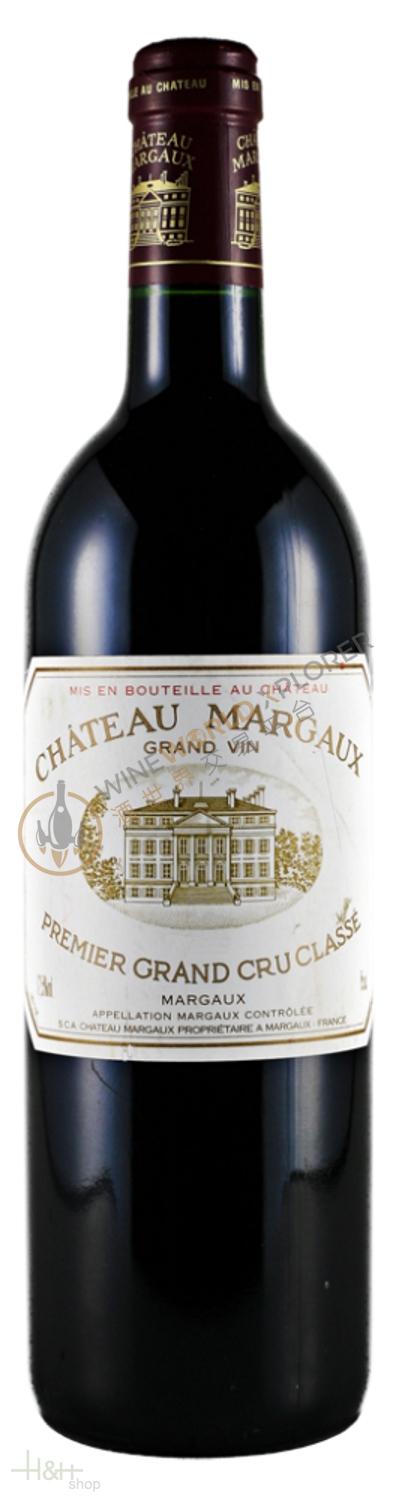
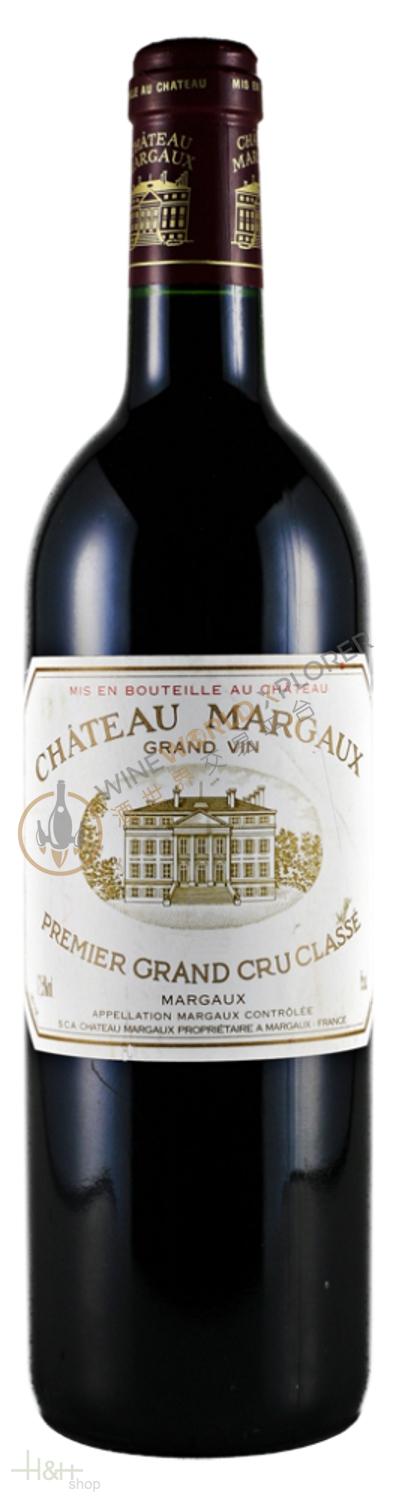
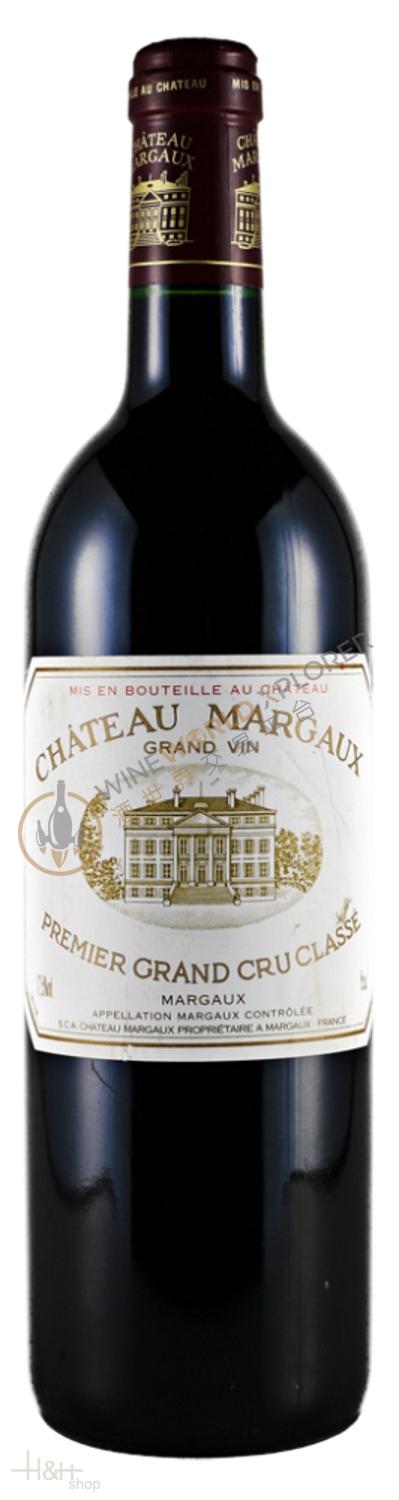
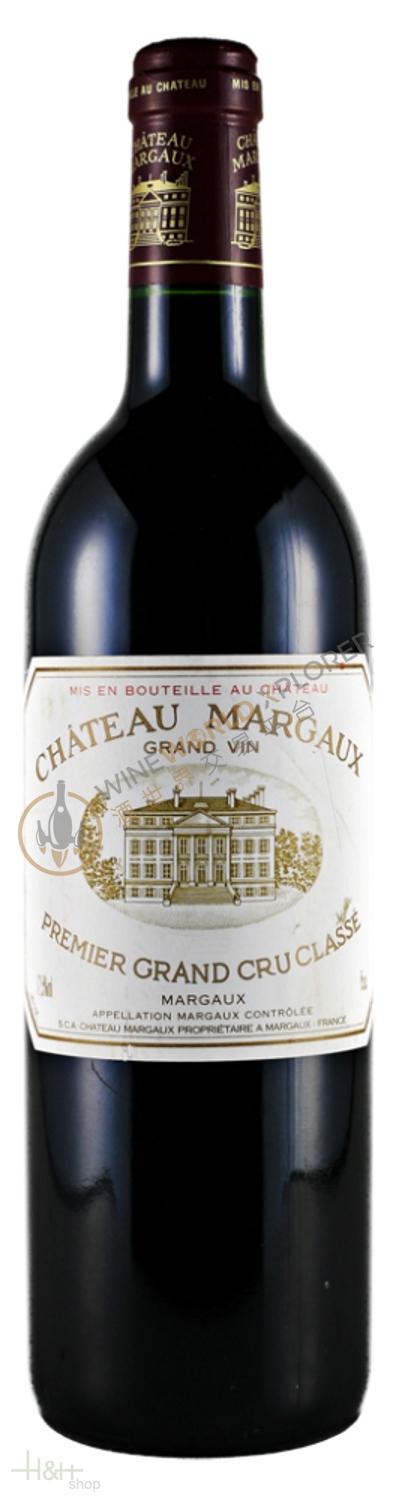
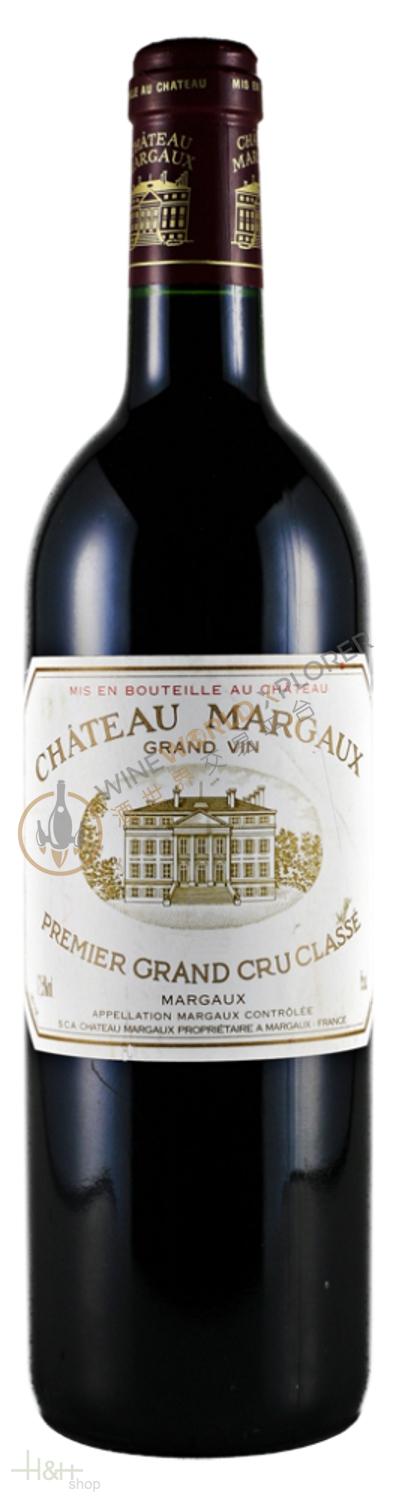
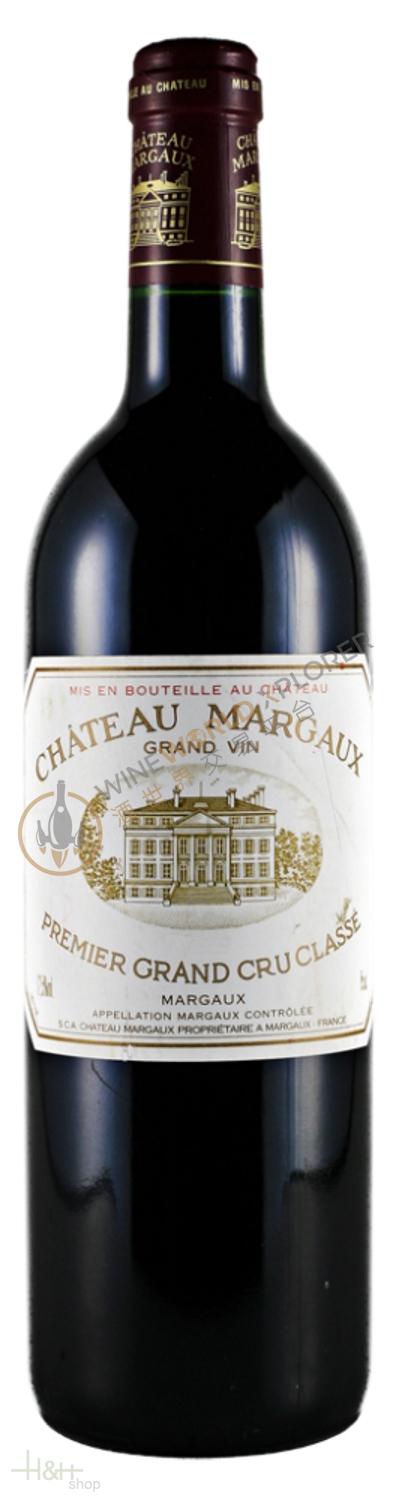
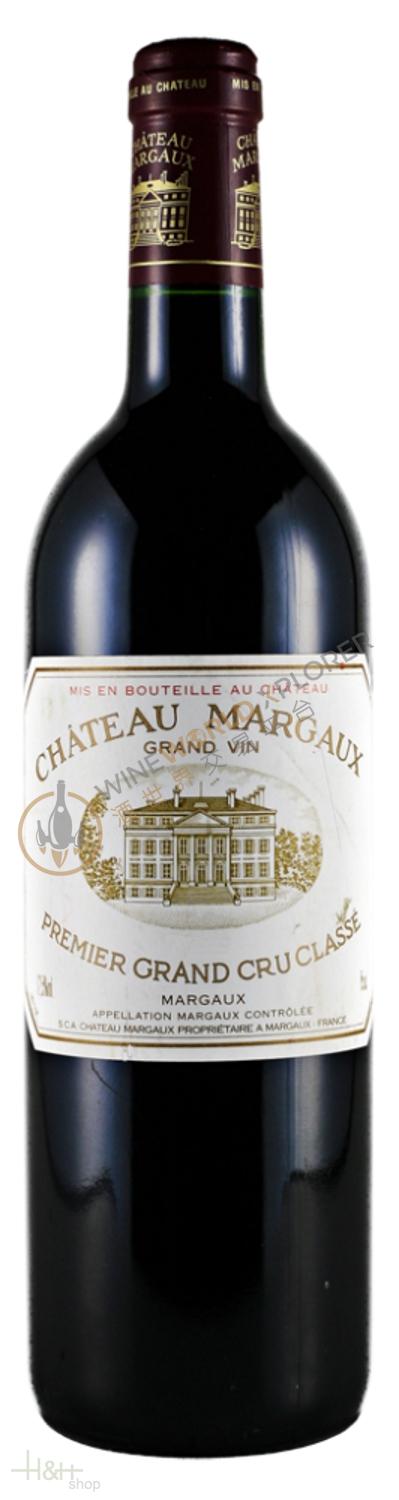
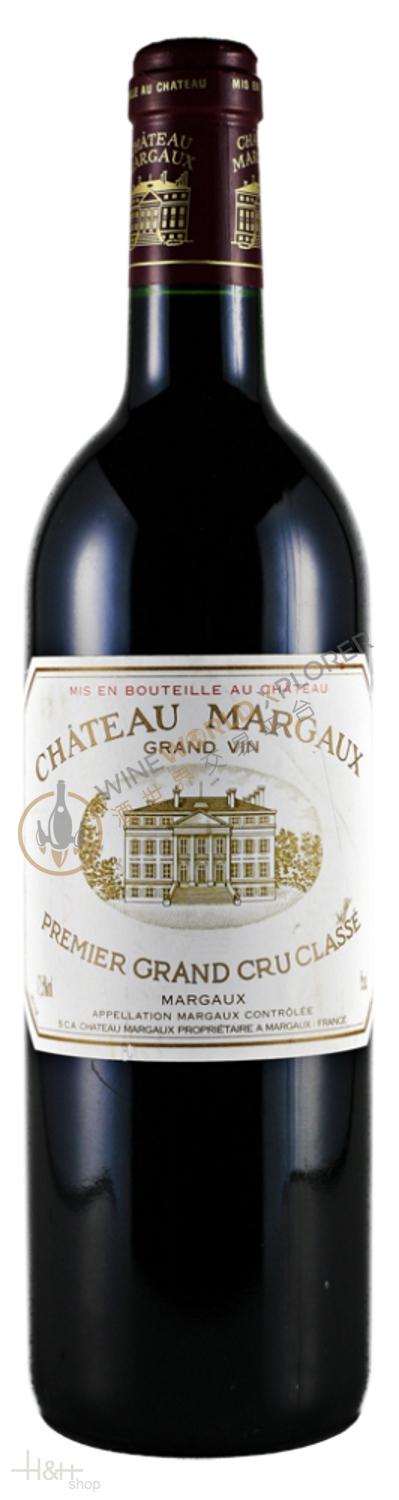
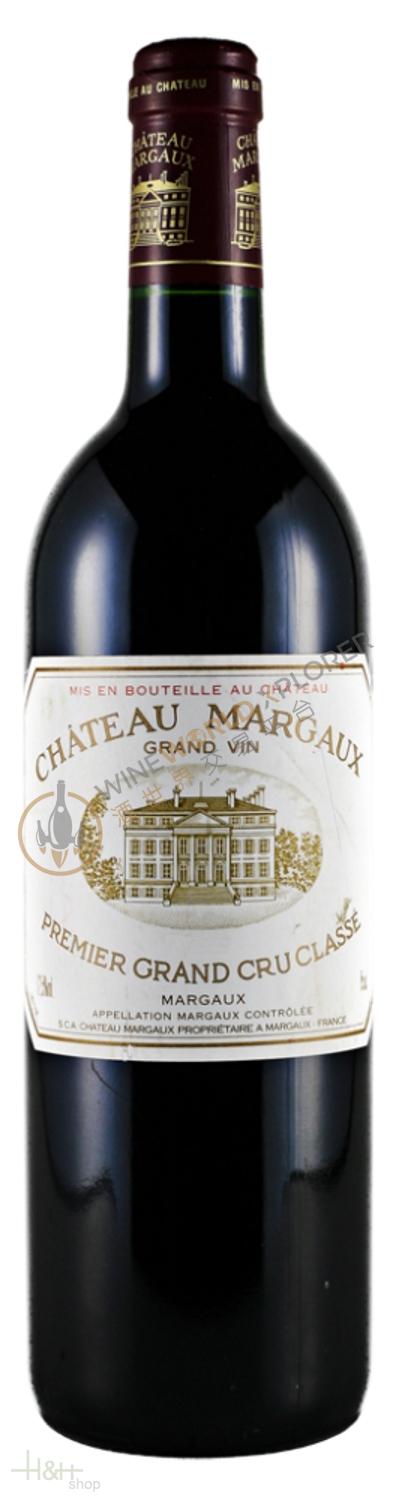
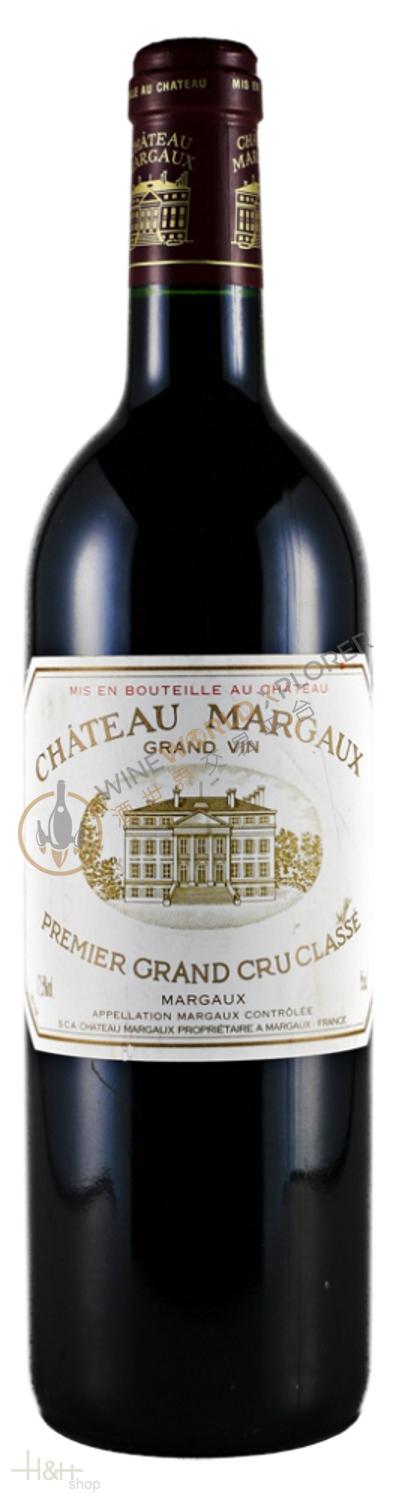
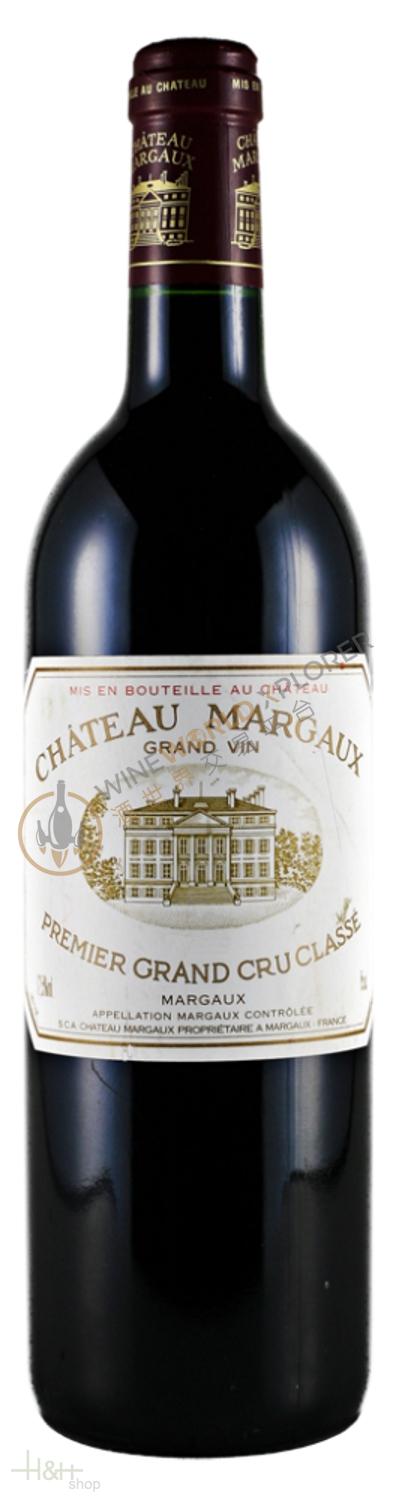
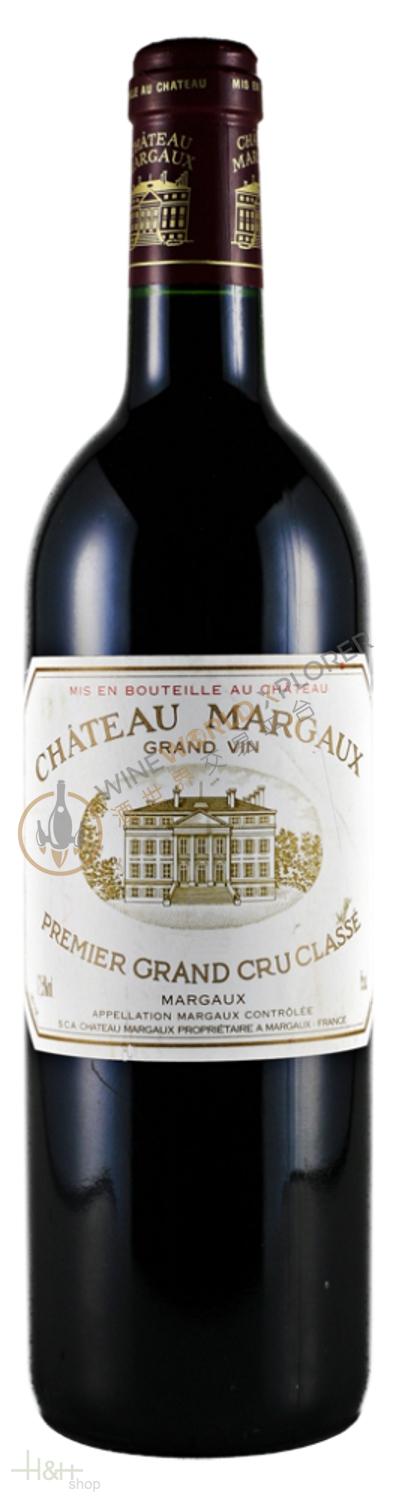
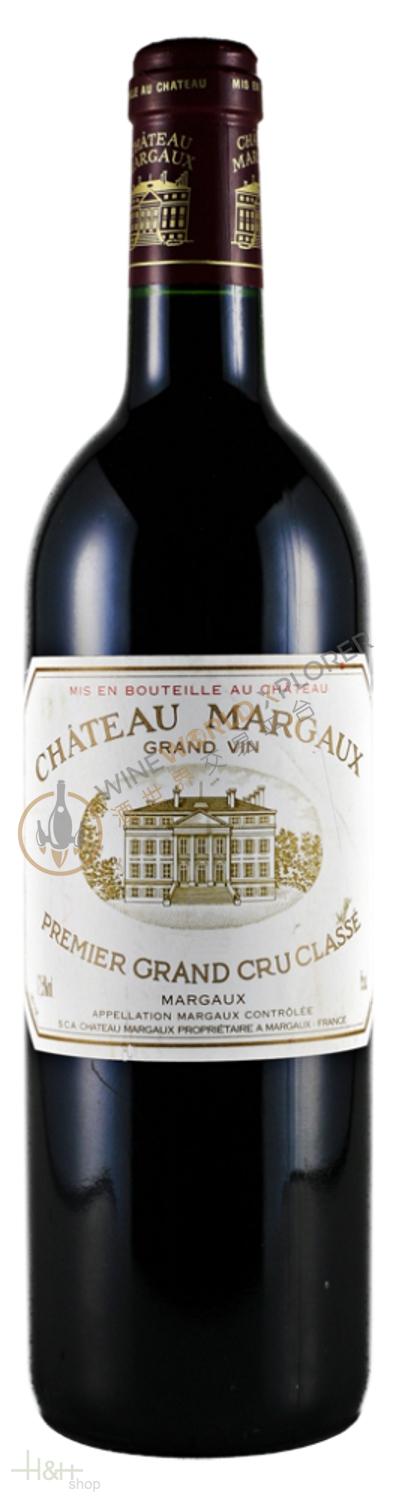
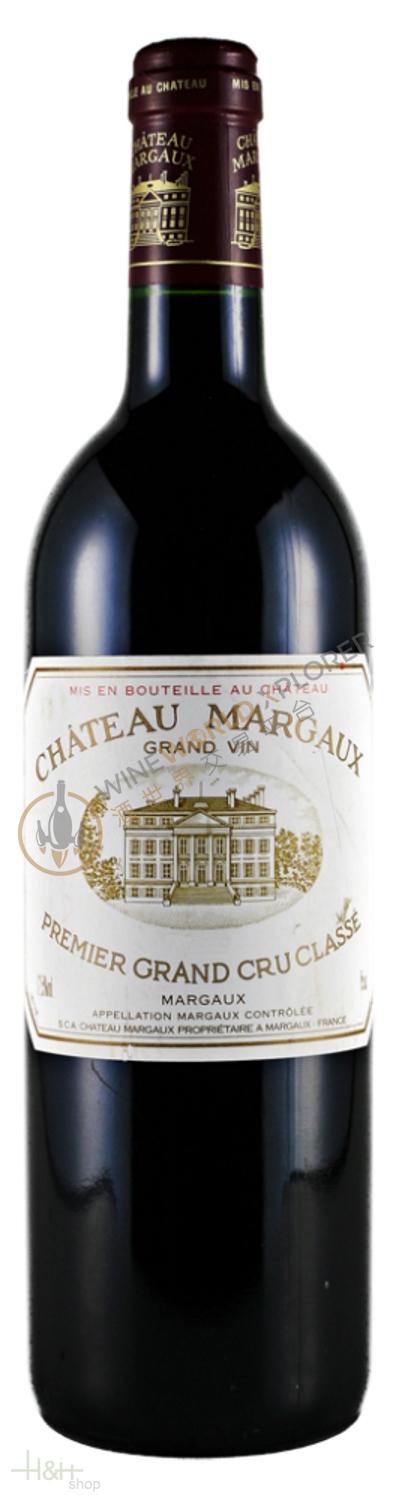
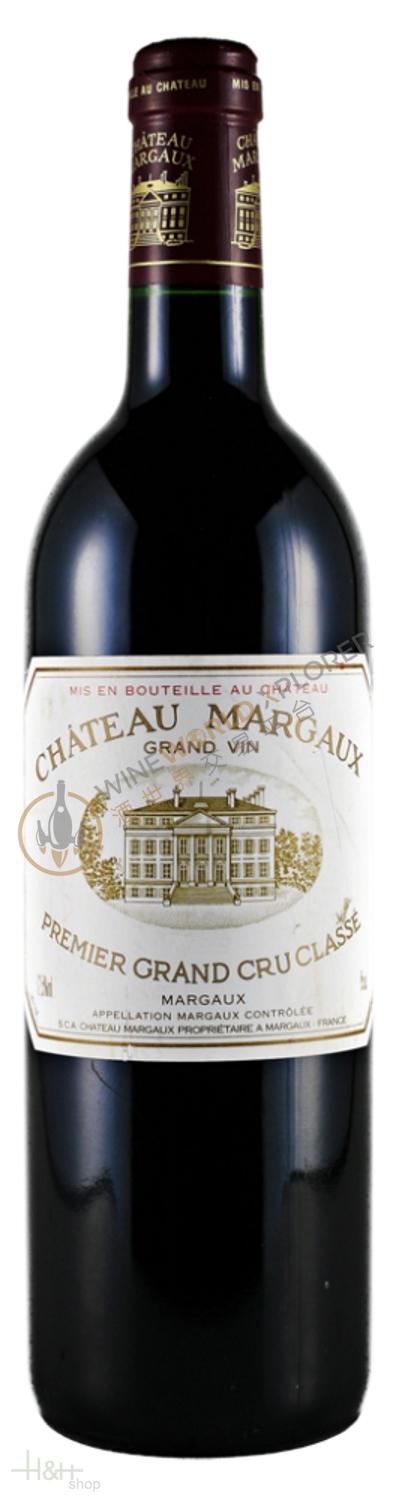
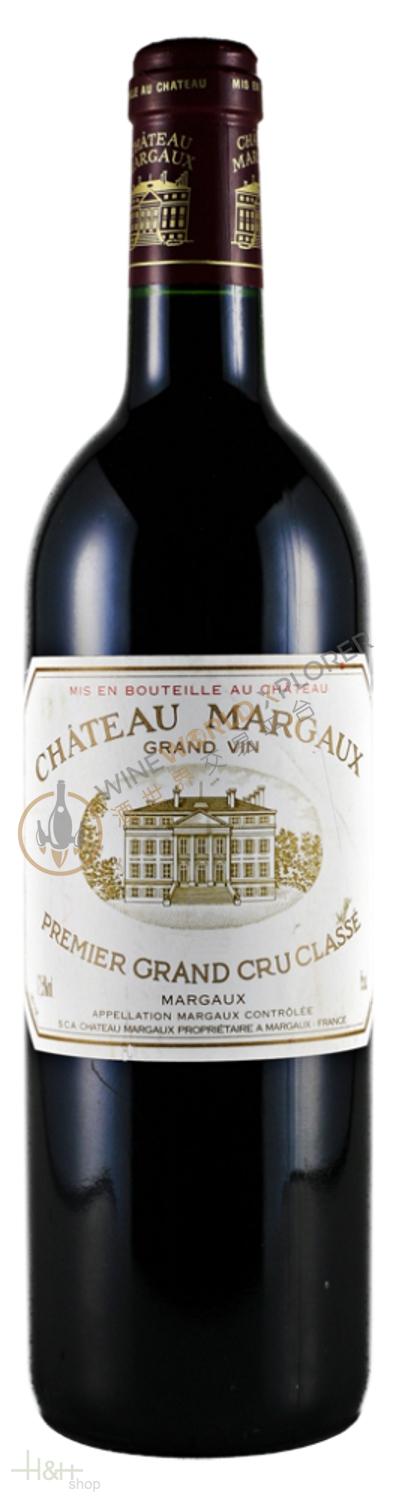
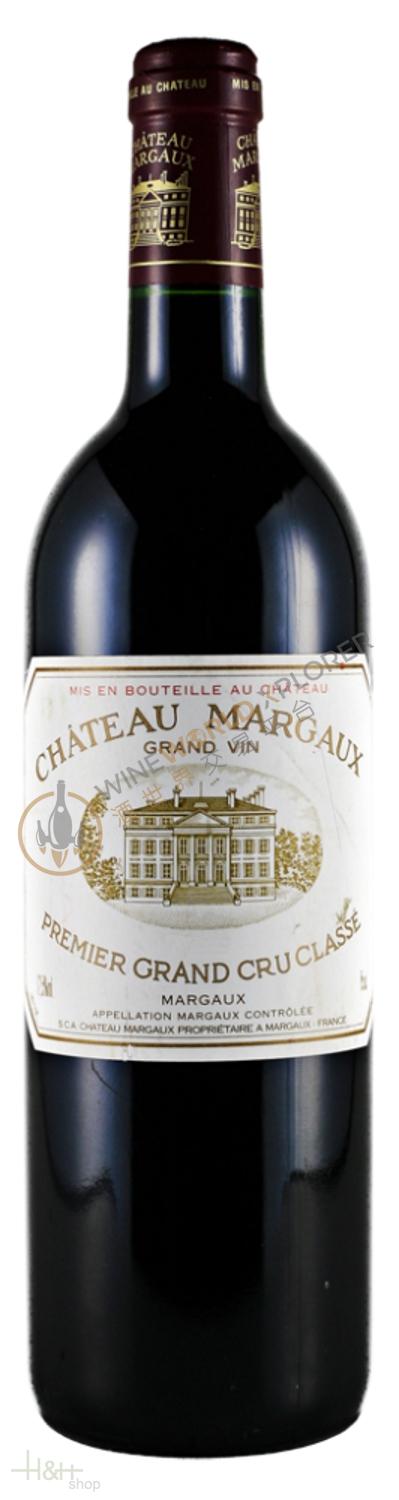
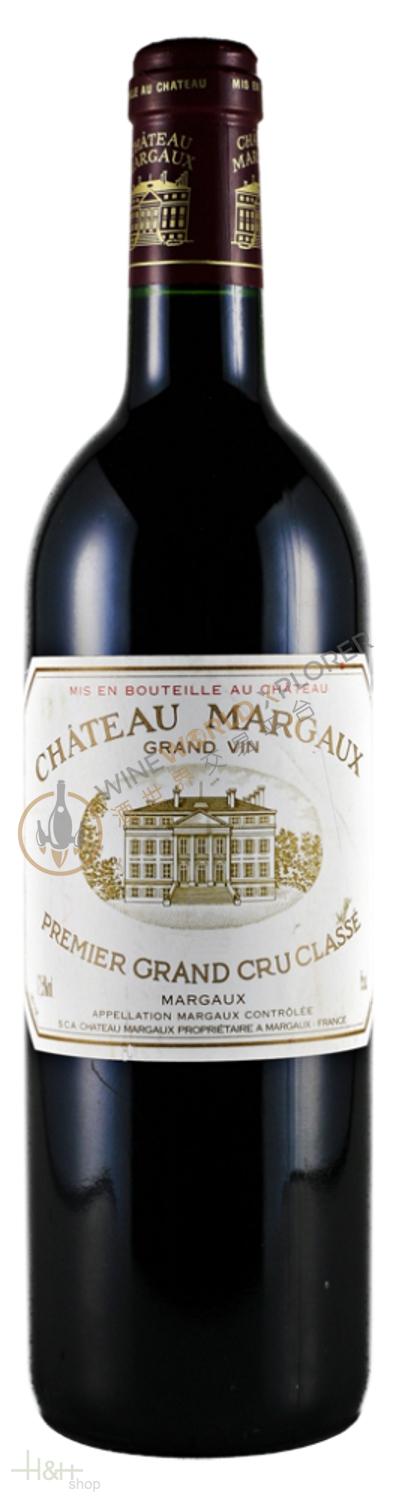
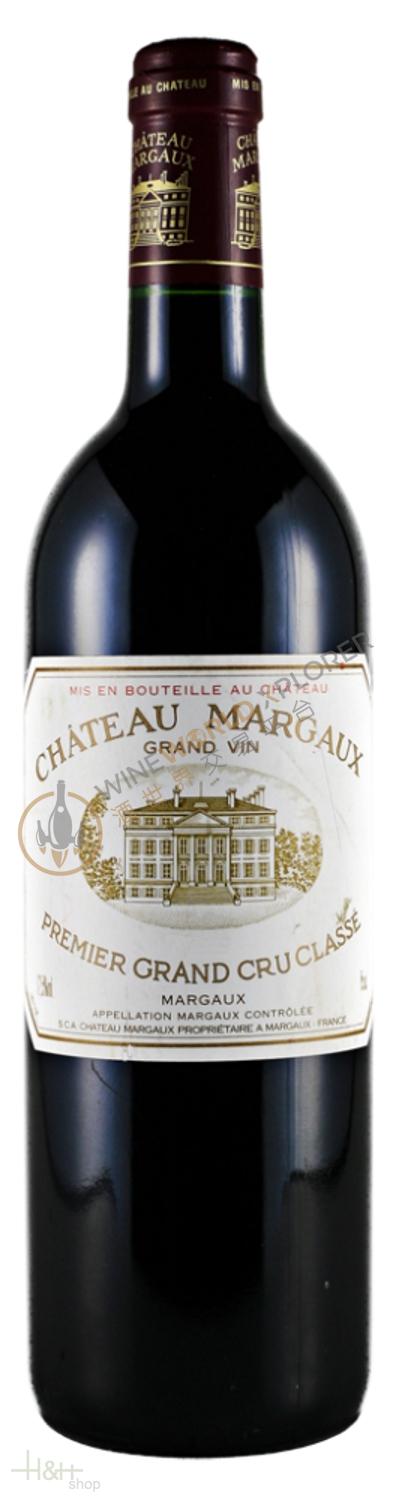
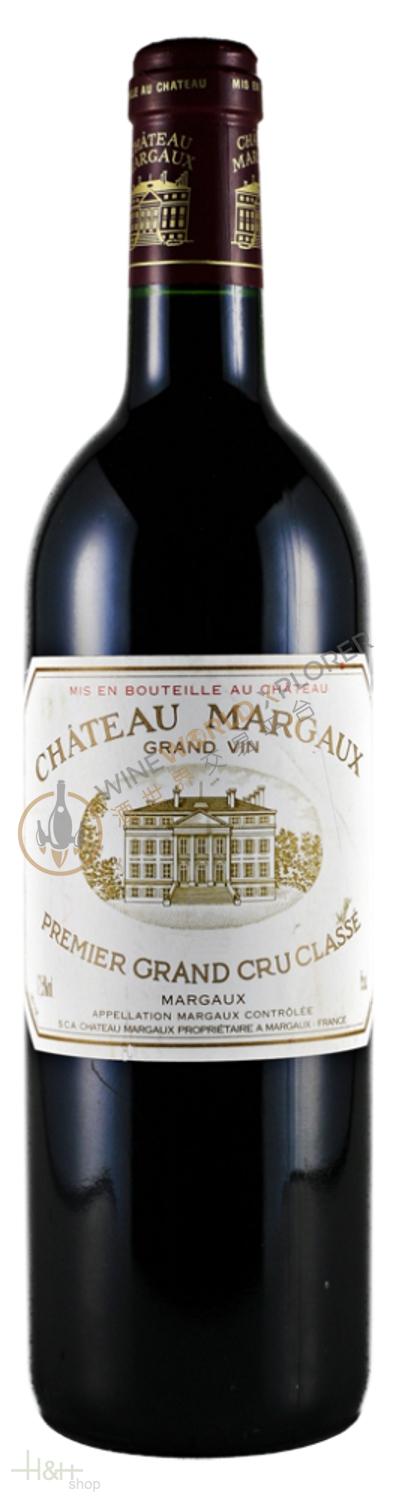
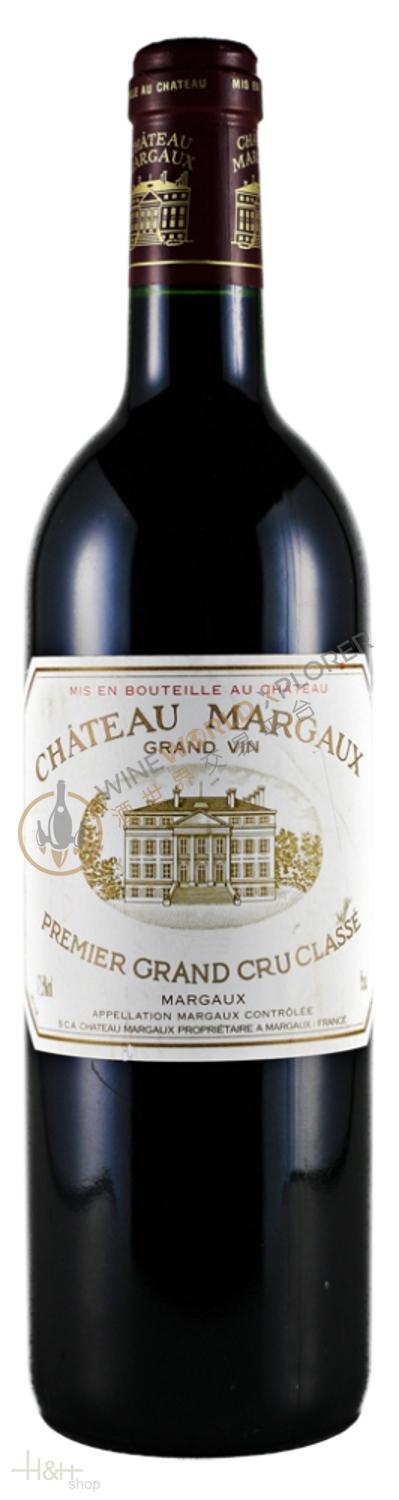
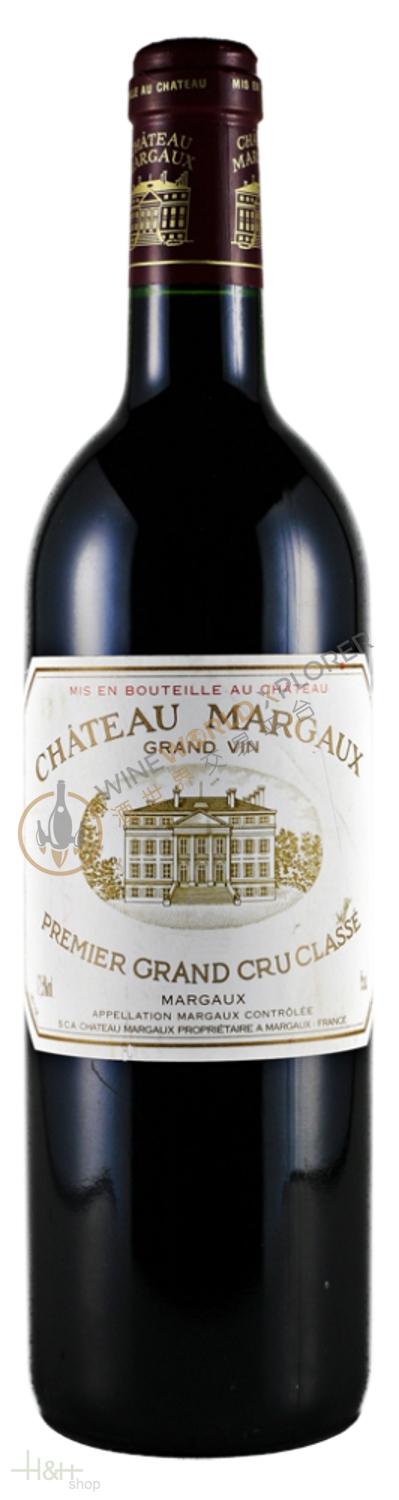
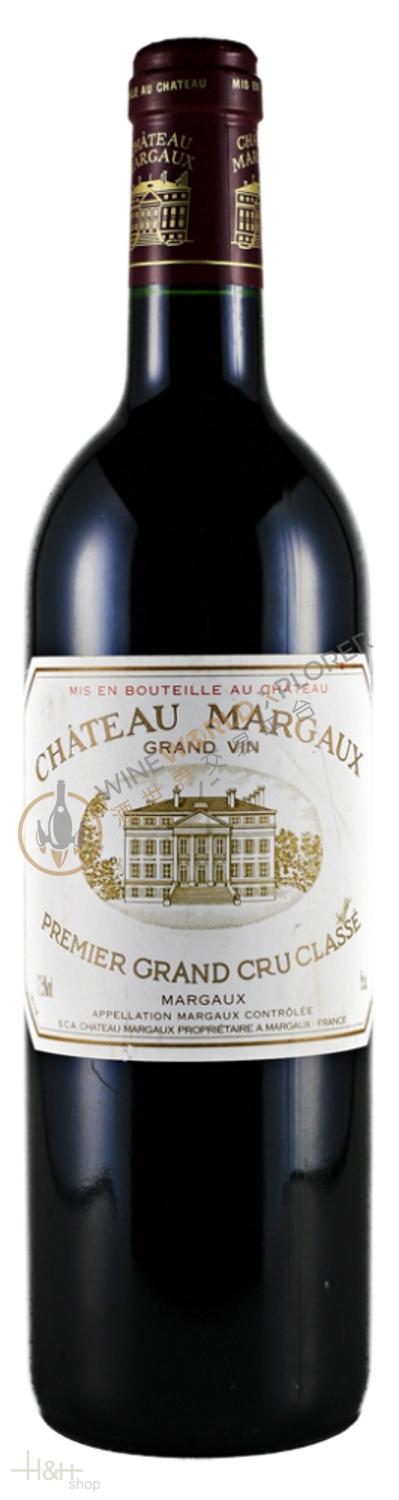
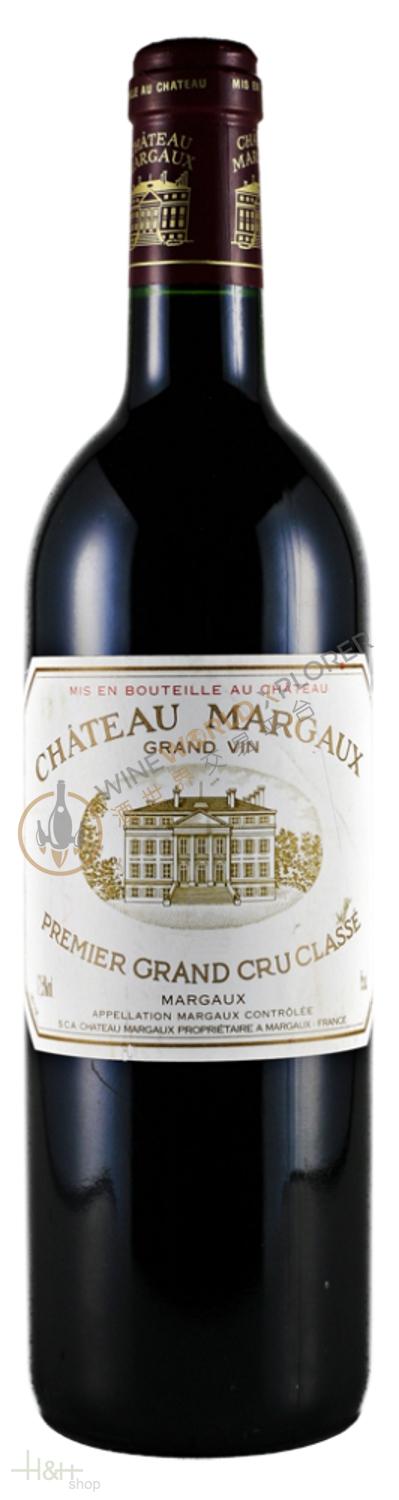
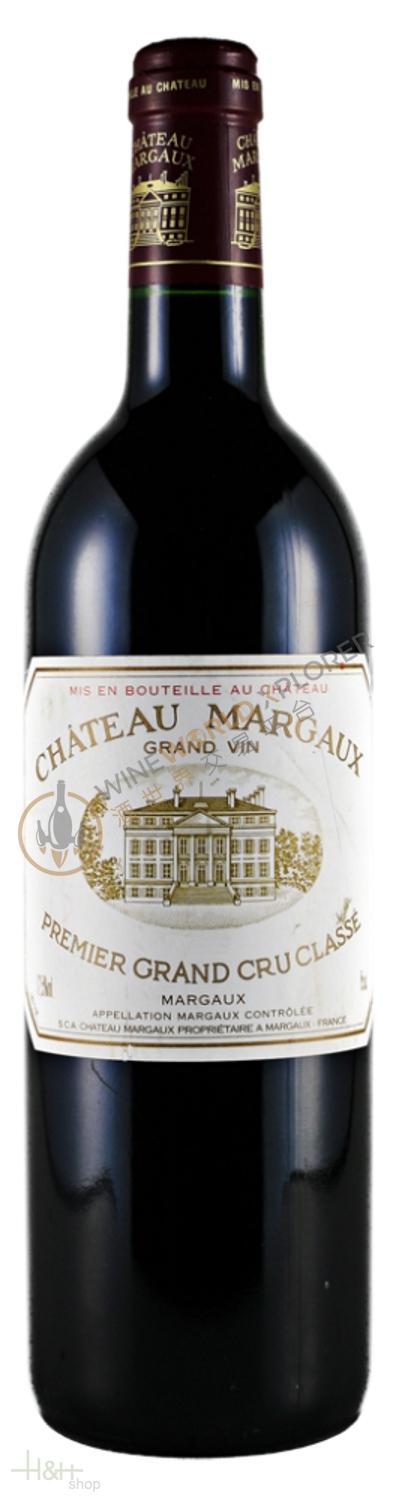
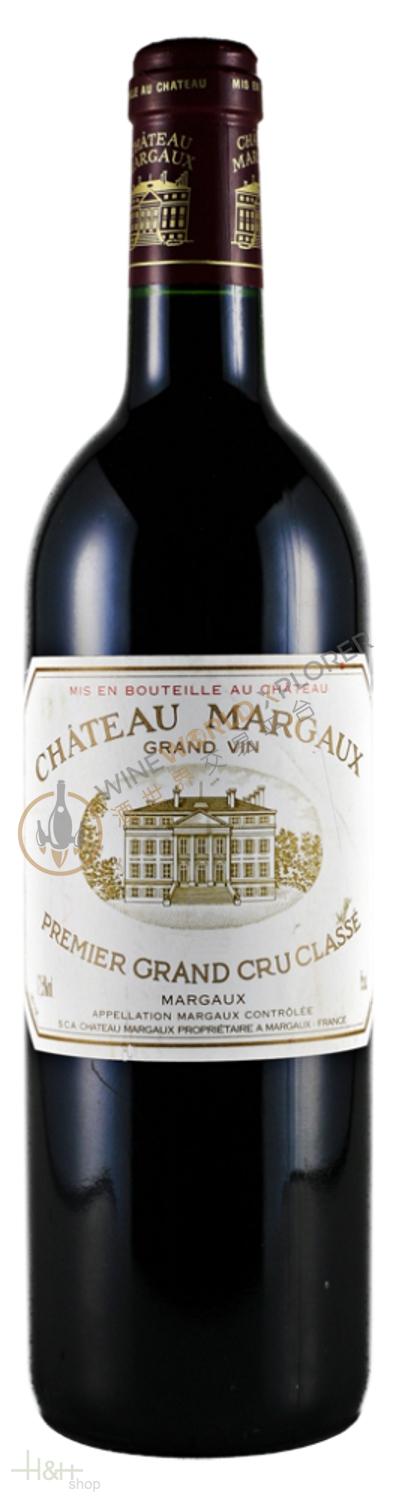
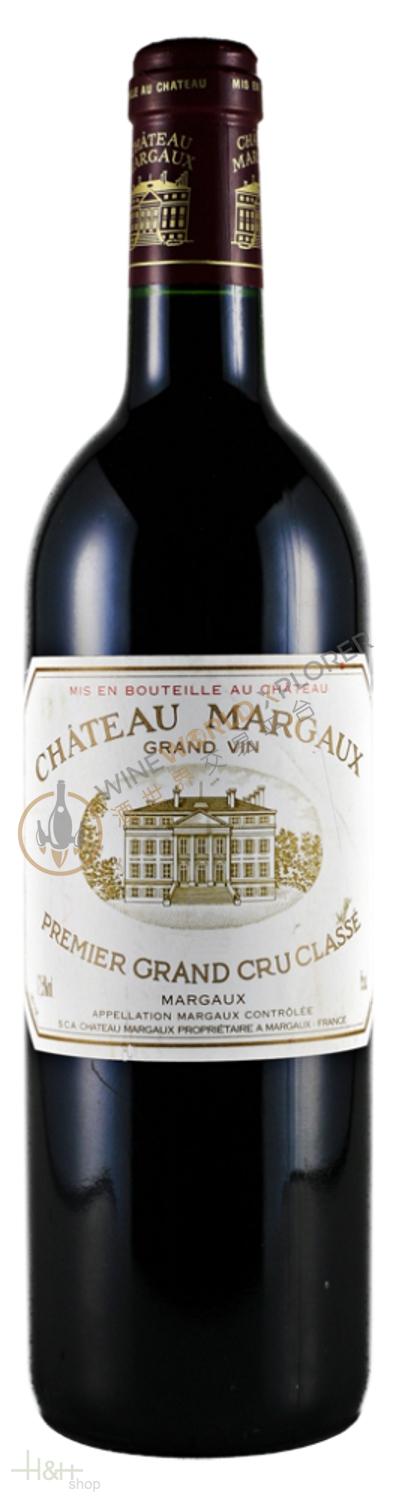
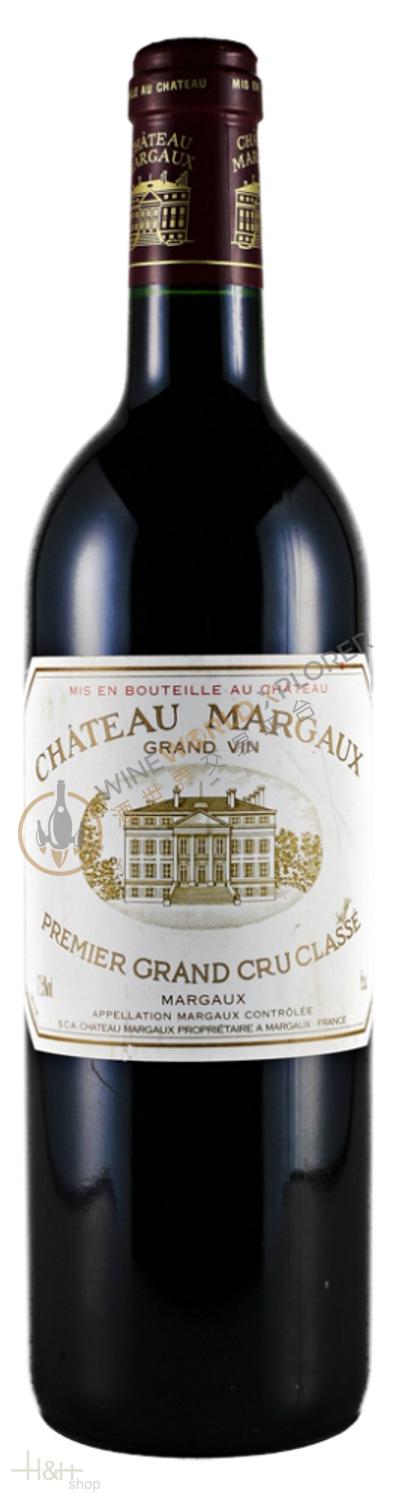
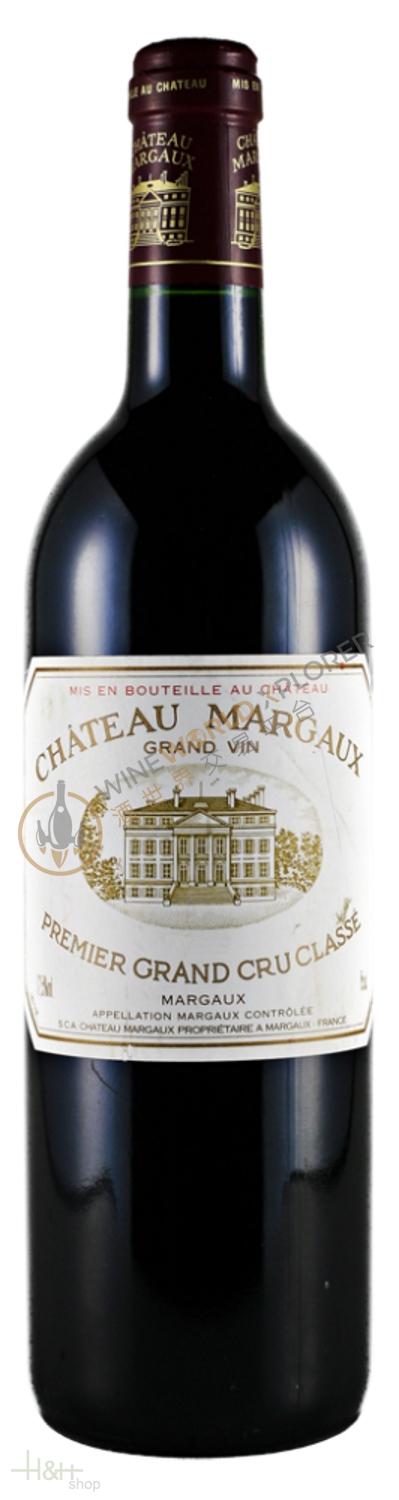
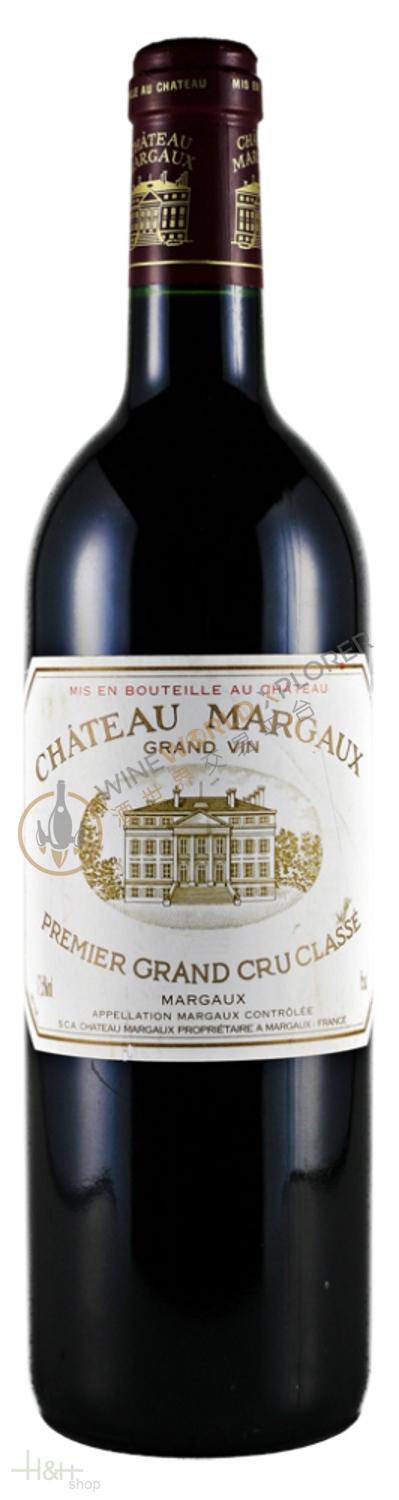
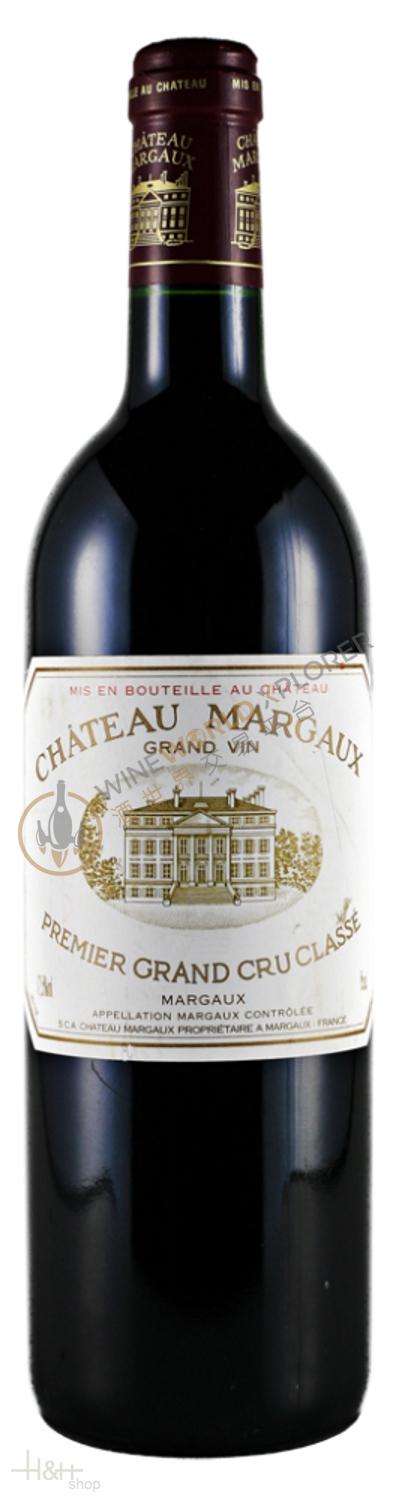
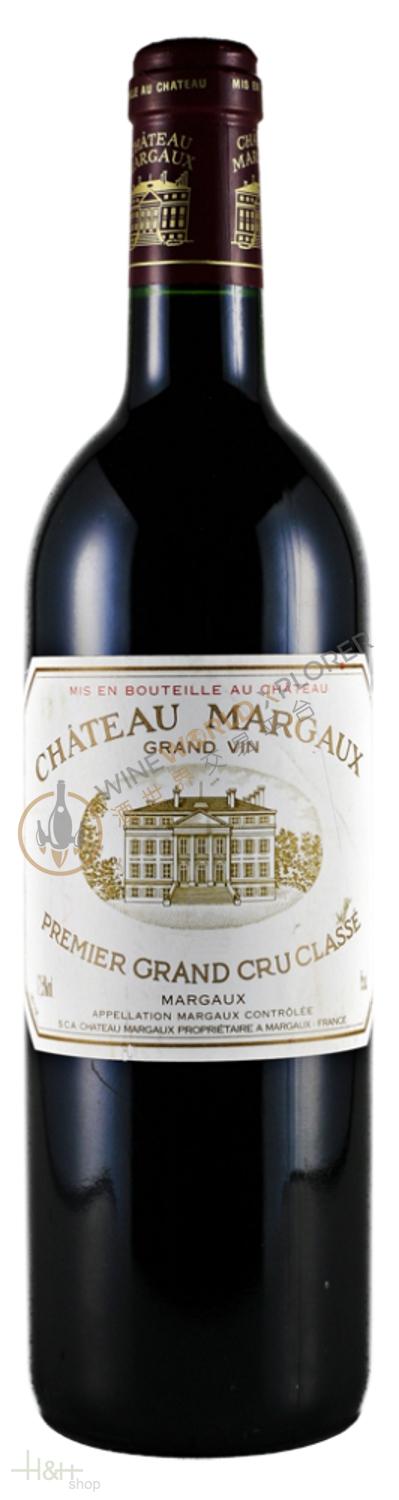
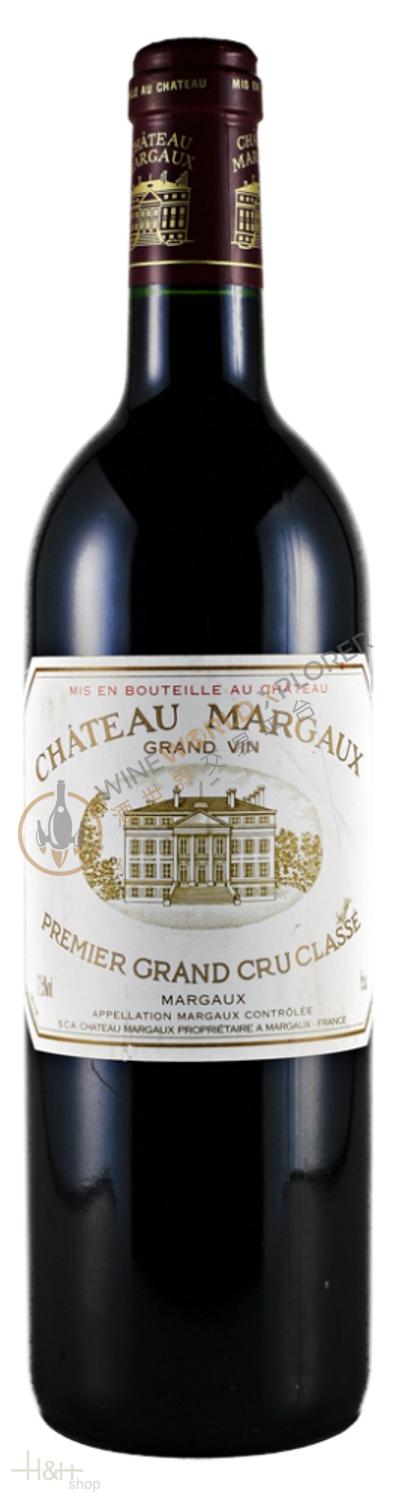
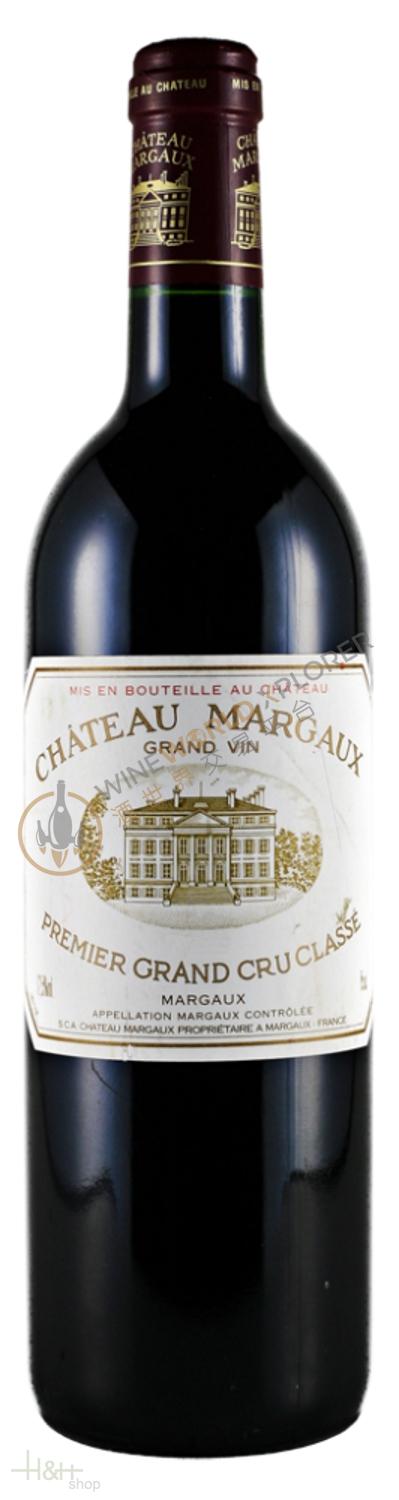
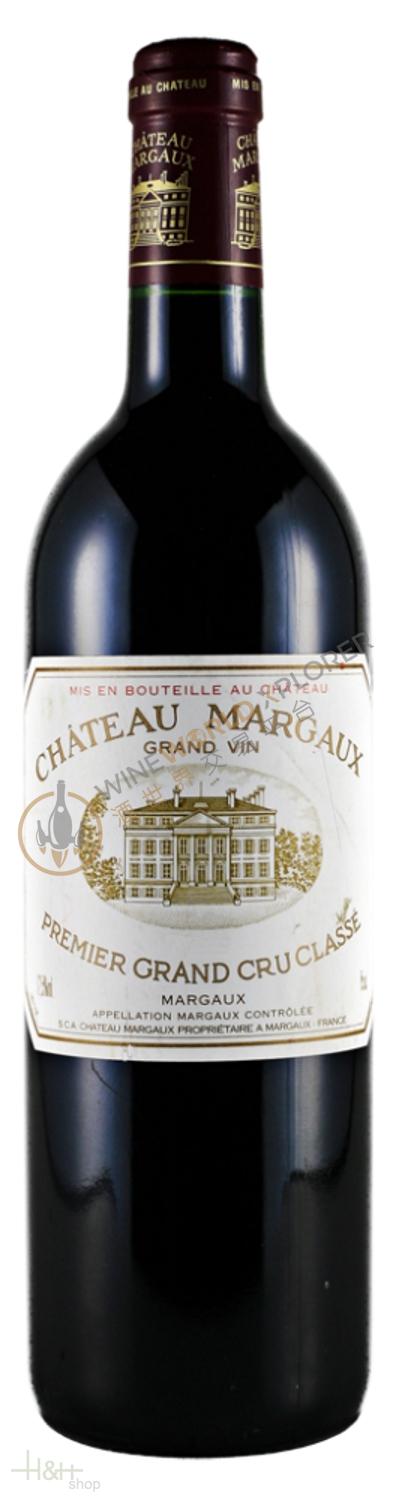
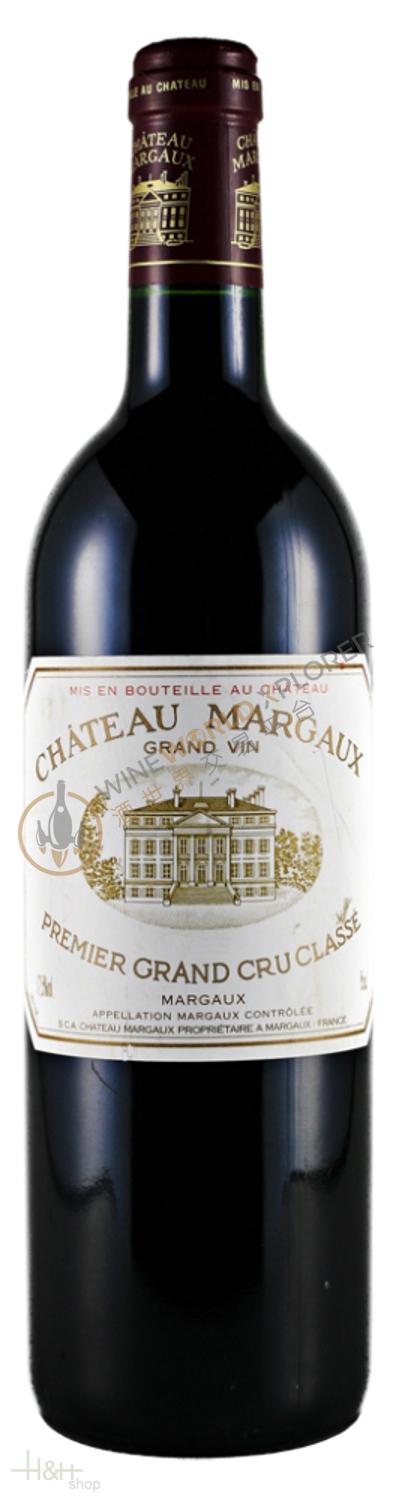
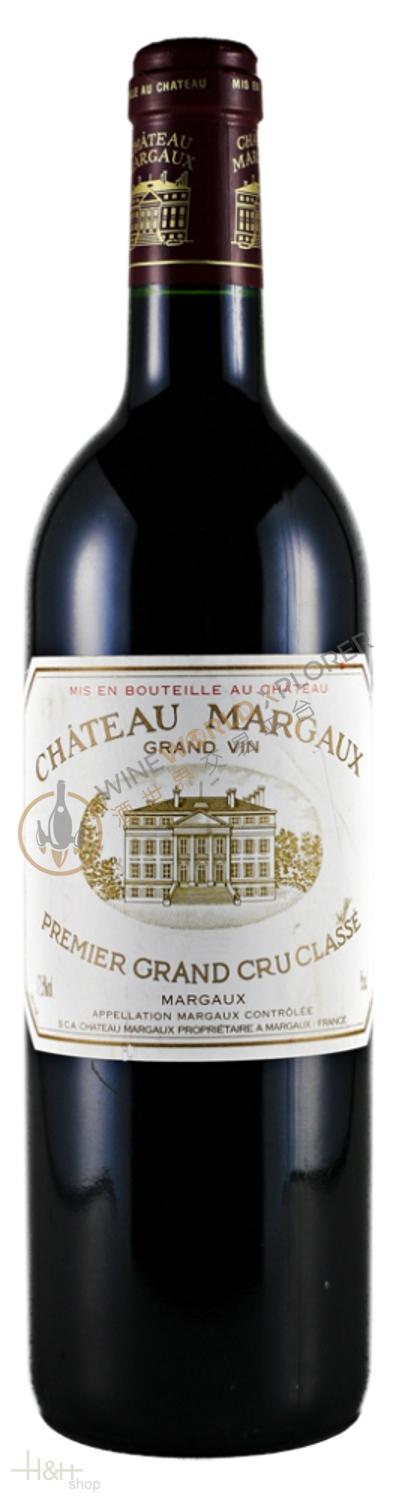
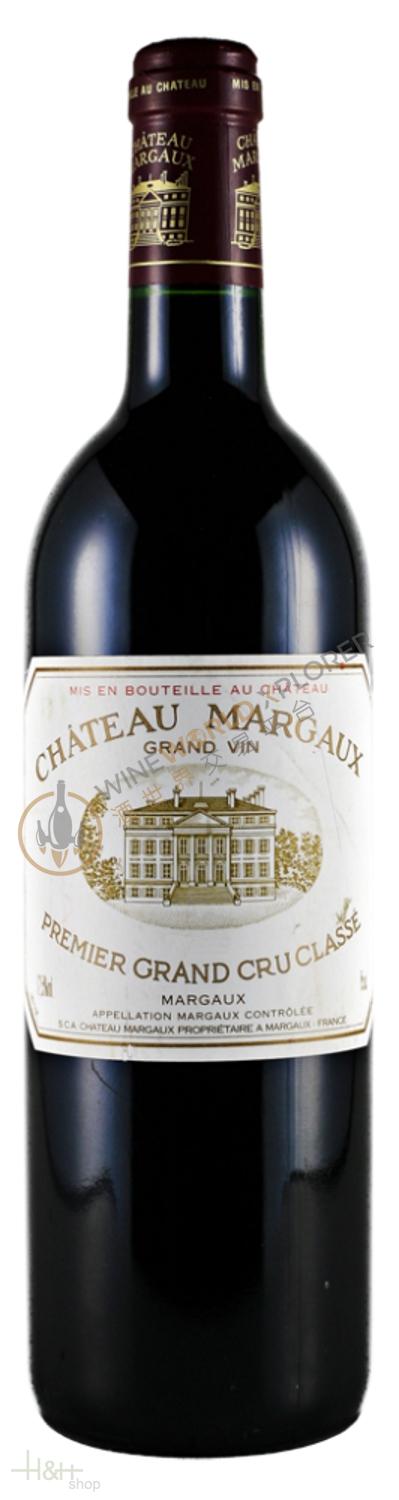
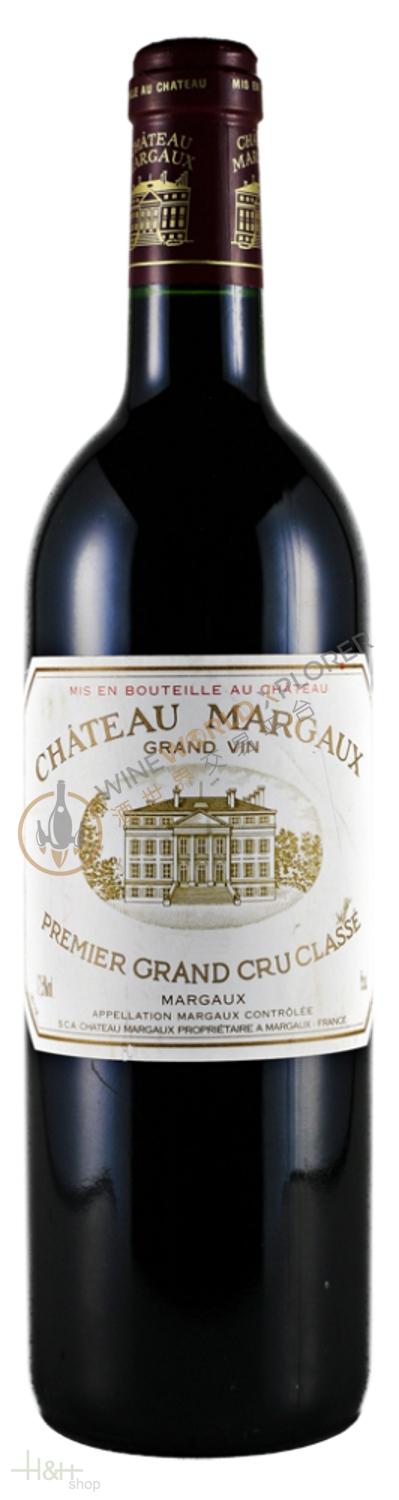
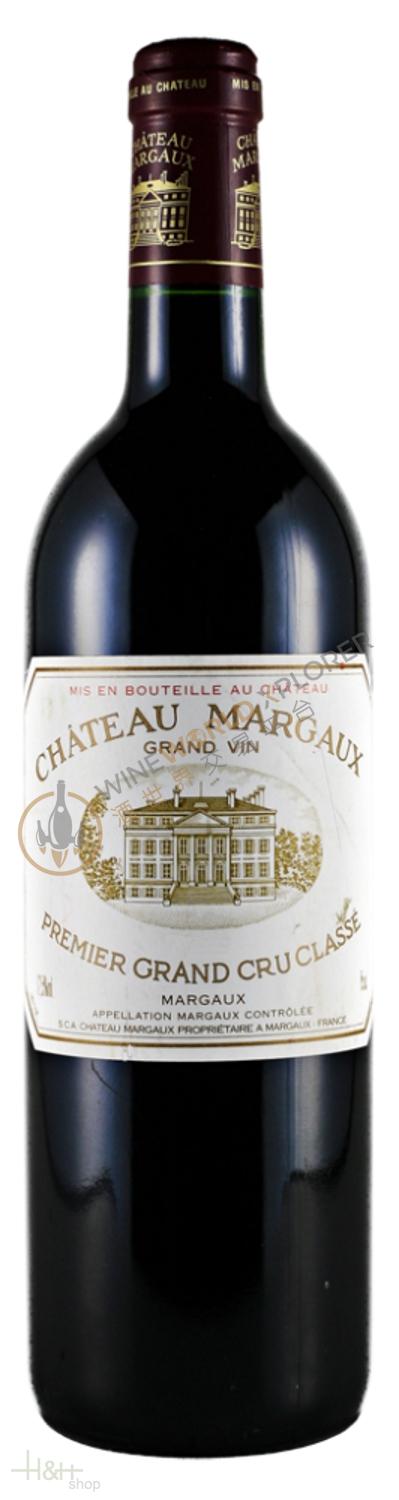
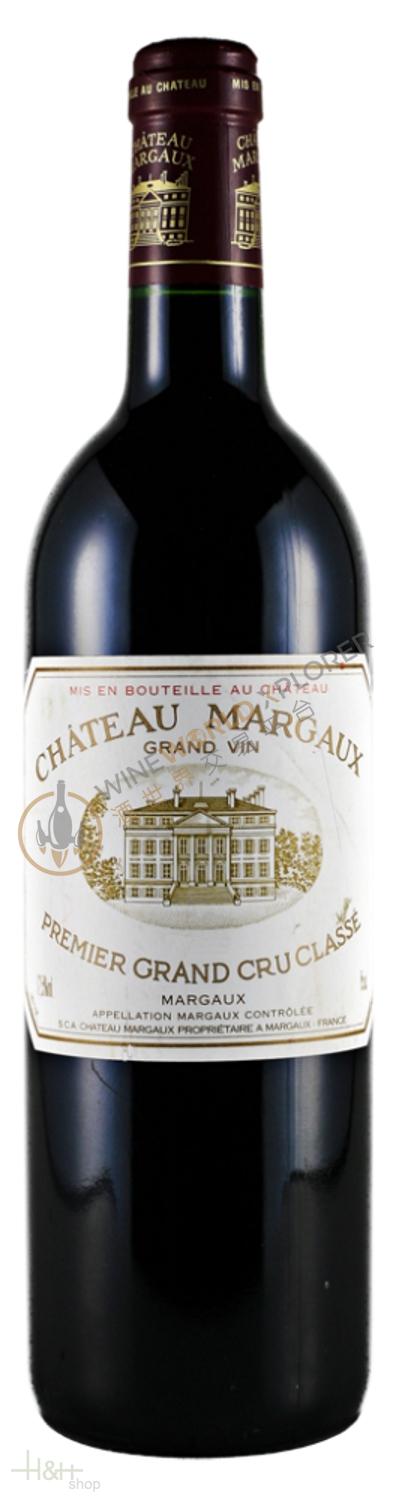
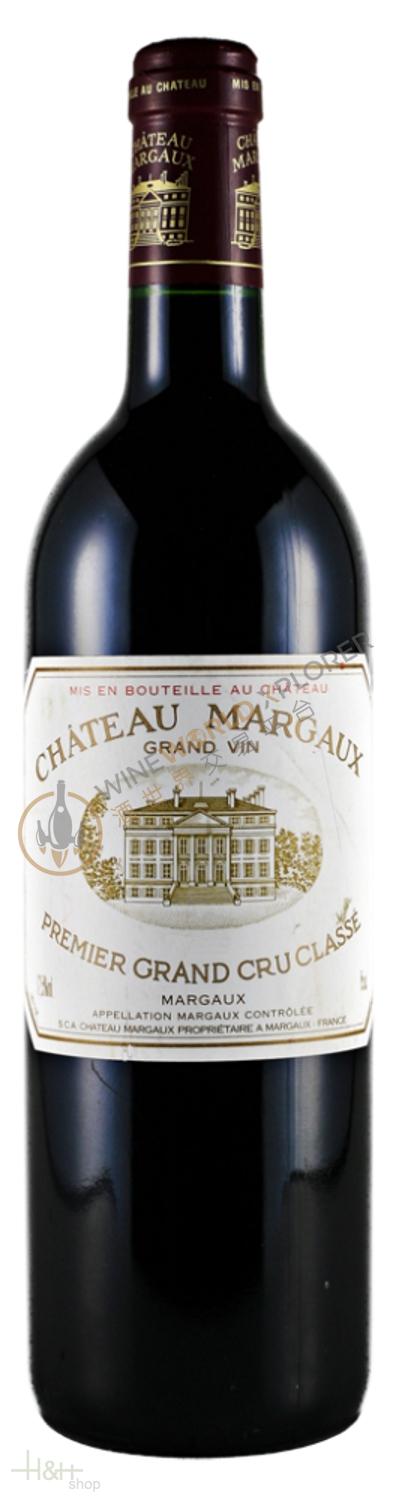
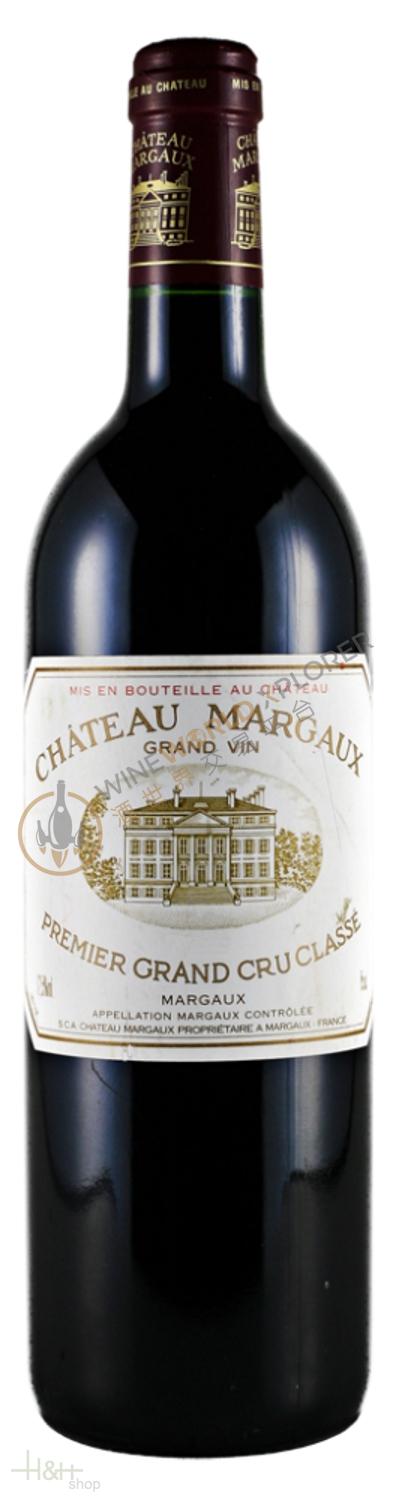
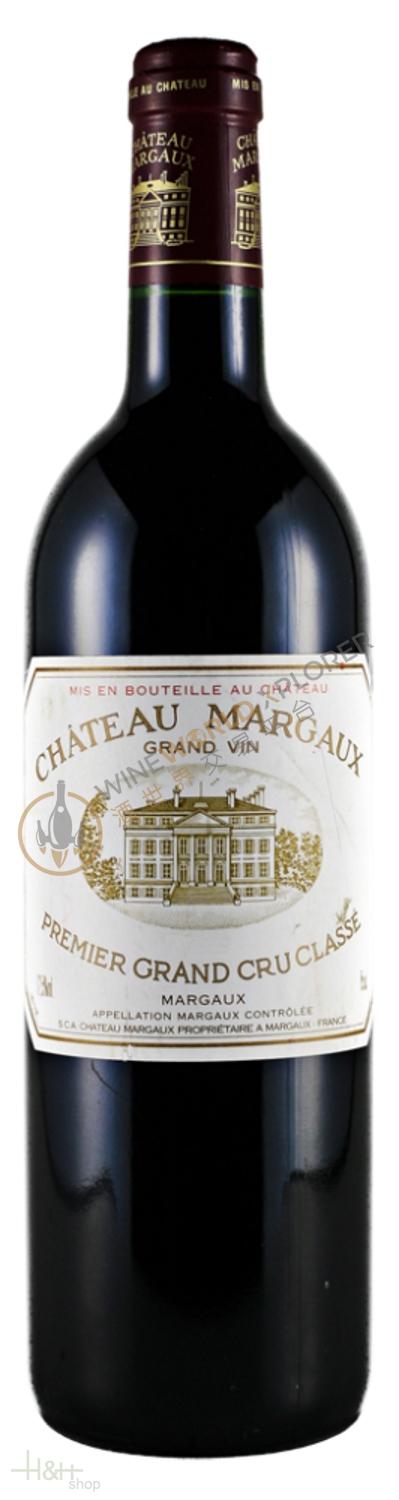
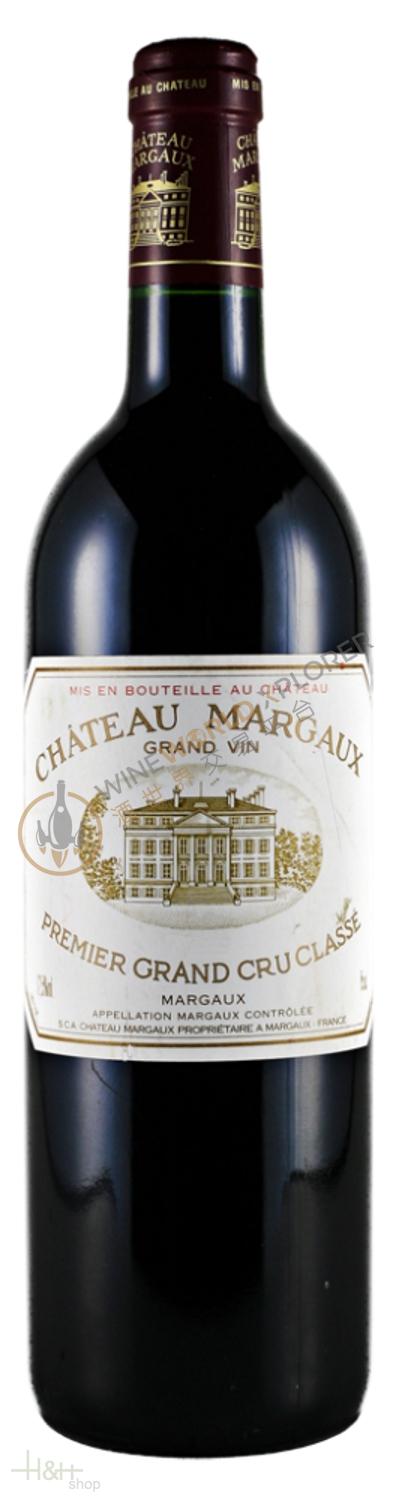
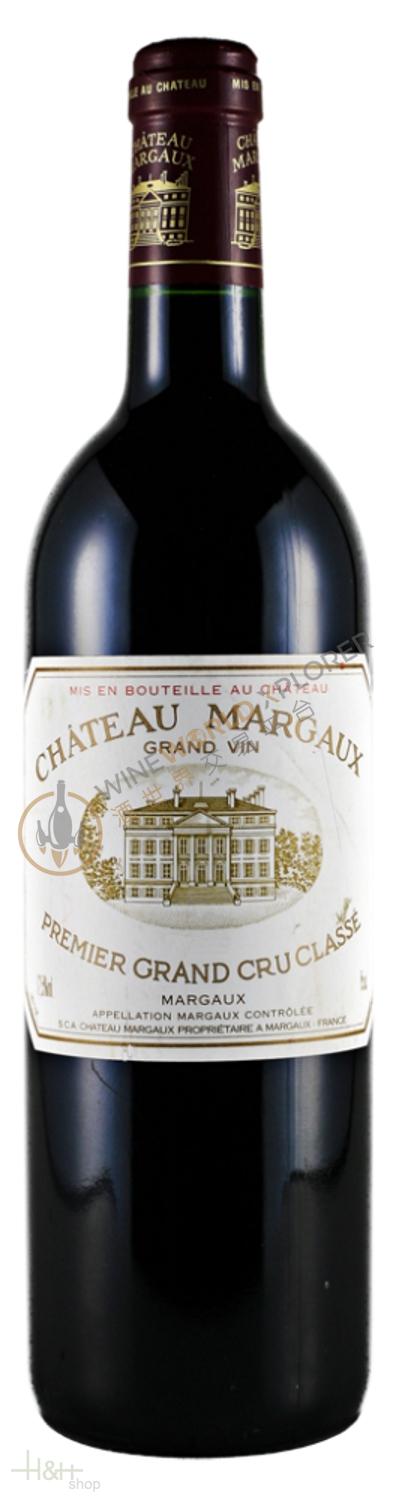
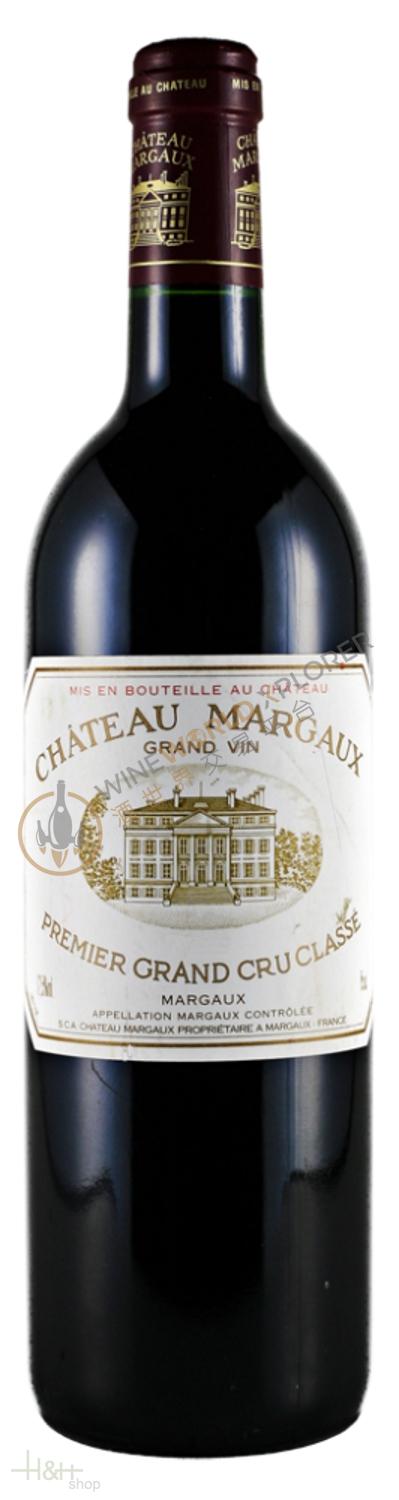
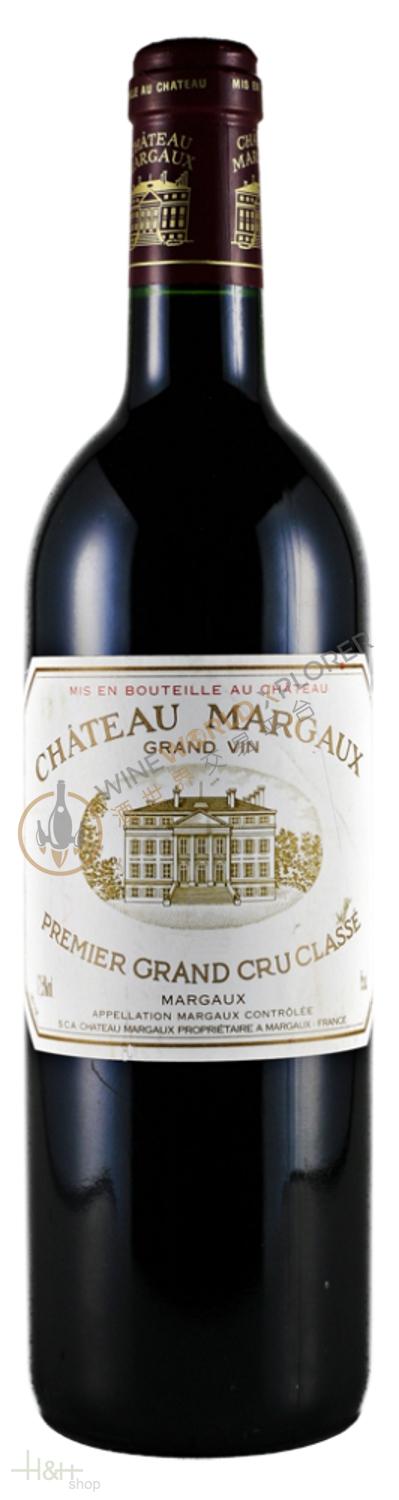
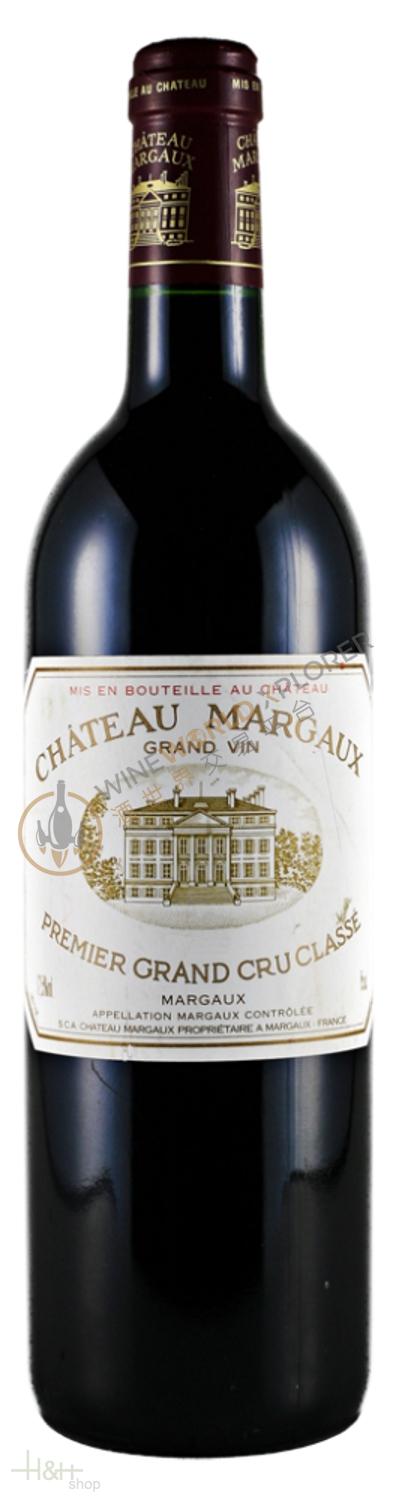
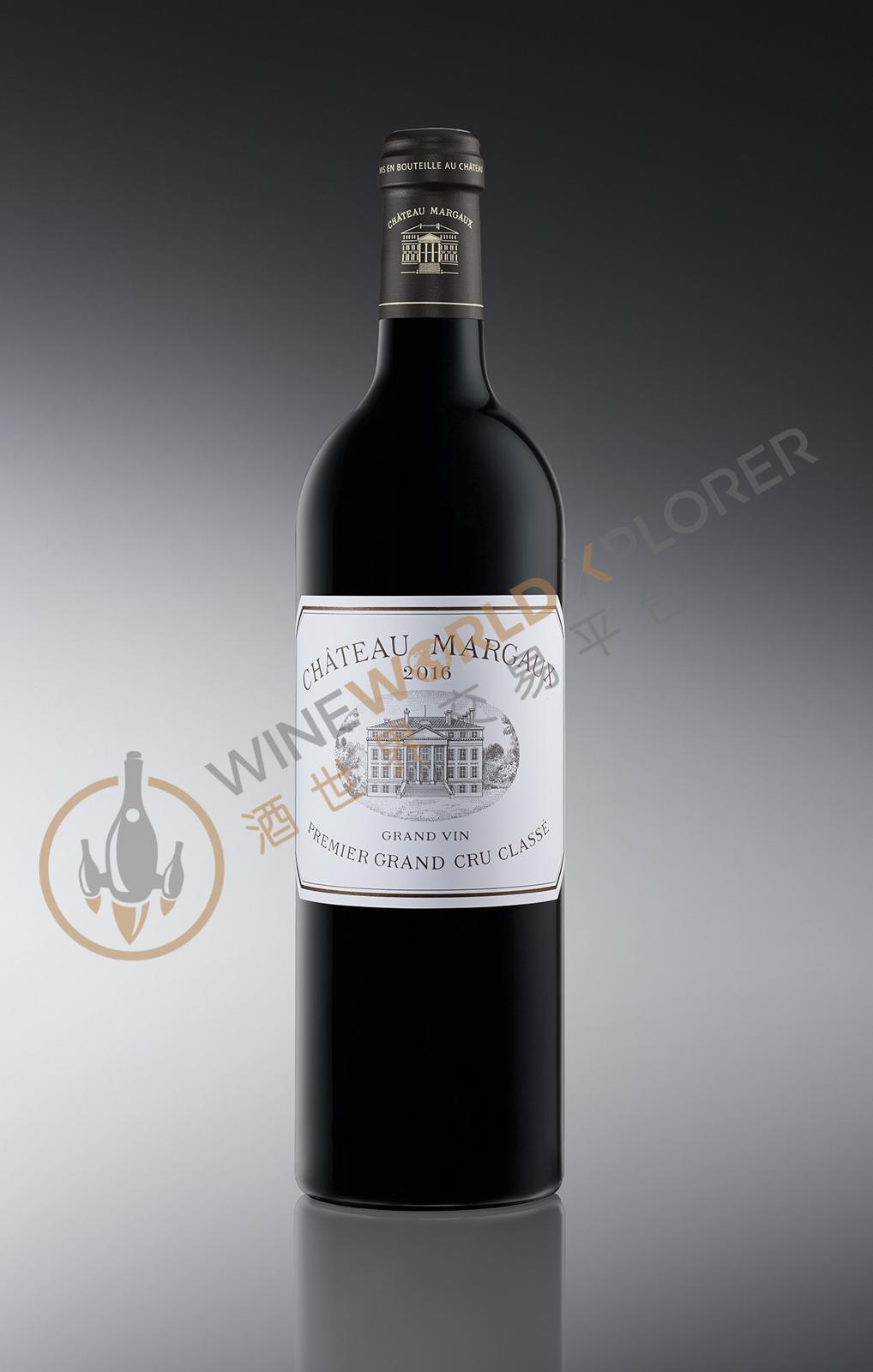
Chateau Margaux 2012
 View analysis


Description
Tasting notes

Reviewed by: Neal Martin
Tasted blind at the 2012 Southwold tasting, the 2012 Château Margaux has a taut, linear, pencil lead-infused bouquet with pure blackberry and boysenberry scents, an undercurrent of tobacco that surfaces after five minutes in the glass. The palate is medium-bodied with fine tannin, crisp acidity, a life-affirming sense of balance with well-integrated new oak towards the finish. I concur with Robert Parker that his has become more structured and masculine in bottle, yet there is pedigree here from start to finish, a sense of effortlessness that is seductive. This is a top-class wine from the late Paul Pontallier and his team. Tasted January 2016.
Reviewed by: Robert M. Parker, Jr.
This quintessentially finesse-styled Margaux exhibits notes of pure black currants, spring flowers, graphite and forest floor. With supple tannins and medium body, this pretty, stylish effort reminds me of the 2001 or perhaps a modern day, improved version of their 1979. The lovely 2012 should be drinkable in 4-5 years and last for two decades. Only about one-third of the total production made it into the 2012 Chateau Margaux, which is a blend of 87% Cabernet Sauvignon, 10% Merlot and the rest Cabernet Franc and Petit Verdot. Like many Medoc first-growths in this vintage, this estate's aim was to make an elegant, supple-styled 2012 that emphasized the fruit, charm and delicacy of this terroir rather than pushing extraction and going for a powerhouse, which would have been difficult to produce in a vintage like 2012. The natural alcohol is 13%.
Reviewed by: Neal Martin
The 2012 Chateau Margaux, 87% Cabernet Sauvignon, 10% Merlot and 2% Cabernet Franc and 1% Petit Verdot was picked around September 25th with the early ripening Merlot and the heart of the harvest was in early October. Most of the harvest was in before the rains. It has a very fragrant bouquet with macerated dark cherries, minerals, cold stone, a touch of seaweed and a seam of graphite. The palate is medium-bodied with superb tension on the entry. It is very focused with tensile tannins. There is not a huge a huge weight here – and it segues into a Pauillac like, edgy finish. Tasted April 2013.
Reviewed by: Robert M. Parker, Jr.
The 2012 Château Margaux is showing much differently from bottle than it did from cask. Seemingly much fuller and richer, it has a dense ruby/purple color, representing a blend of 87% Cabernet Sauvignon and the rest mostly Merlot, as well as only 33% of their harvest. It possesses hints of spring flowers intermixed with blueberries, blackberries and cassis fruit, moderate tannin, a multi-dimensional mouthfeel, and a long, structured finish. This 2012 was charming, up-front and precociously styled from barrel, but in bottle it is more masculine, dense and rich. This wine needs a good 5-7 years of cellaring, and should keep well for 25 or more years. This is a great effort from Château Margaux, and should handsomely repay those who buy it. Anticipated maturity: 2023-2040.
Reviewed by: Antonio Galloni
The 2012 Margaux is beautifully polished and suave in the glass, with pliant fruit and plenty of finesse, all in a classic, mid-weight Margaux style. Inward and tightly wound, the 2012 is clearly holding back much of its potential. The 2012 has a stony, mineral-infused energy that is going to require at least a few more years in bottle to fully unwind, while the 100% new oak is a bit pronounced at this early stage. Grilled herbs, smoke, graphite and sage add further nuances on the savory, delineated finish.
Reviewed by: Ian d'Agata
(87% cabernet sauvignon, 10% merlot, 2% cabernet franc and 1% petit verdot; 34% of the total crop): Dark ruby-red. Refined aromas of fresh blackcurrant, spices, dry herbs and cedar on the very classic nose. Enters fresh and lively, showing spicy black fruit, green coffee bean and herb flavors. The long finish features smooth tannins but somewhat edgy acidity, with a repeating leafy nuance. While this wine's tannins are much finer than they were in Bordeaux wines of decades past, this vintage Margaux seems like a throwback to the more herbal wines of the 1970s. Managing director Paul Pontaillier told me he included 17% press wine this year, because he thought it was of outstanding quality, but that seems like a bit too much to me. The yield was 40 hectoliters per hectare, vs. 29 h/h in 2011, the lowest production at Margaux since 1981. Pontailler told me the estate made a large quantity of a fourth wine this year, in order to make a better third wine, recently named Margaux du Chateau Margaux. The new third wine will go on sale for the first time this year, beginning in four traditional markets: France, the U.S., the U.K. and Japan.
Reviewed by: Neal Martin
The 2012 Château Margaux has a refined bouquet with blackberry, briary, light cedar scents and a touch of leather. Not quite as well-defined as its peers. The palate is medium-bodied with fine tannins, though not amazingly complex, and at this level, I would have expected more weight on the finish. This is a fine Château Margaux and yet it deprived the concentration and complexity of a top vintage and is challenged by its peers. Tasted twice at Bordeaux Index's Ten Year-On tasting and blind at the Southwold Ten-Year On tasting.
About the Producer
Chateau Margaux is located in the village of Margaux, in the Medoc appellation on the left bank of Bordeaux, and was awarded a First Growth in the 1855 Bordeaux Medoc classification, alongside Chateau Lafite Rothschild, Chateau Latour and Château Haut-Brion. It is also known as Chateau Haut-Brion. Château Margaux currently covers a total of 262 hectares, including 99 hectares of vineyards. The red vineyard has an appellation of 87 hectares, of which 82 hectares are planted, while the white vineyard is planted with 12 hectares. The red varieties are mainly Cabernet Sauvignon, Merlot, Petit Verdot and Cabernet Franc; the white varieties are Sauvignon Blanc and the vines are on average 45 years old. Since the end of the 1990s, the estate has refused to use pesticides in the vineyards. In addition, only organic fertilisers are used in the vineyard, and deep fertilisation is carried out at regular intervals to improve the soil structure and rejuvenate the soil. During the harvest season, the winery team selects the right time to harvest the grapes by testing and analysing all the indicators and by tasting the grapes themselves. Once the grapes have reached their ideal state of ripeness, they are harvested by a team of over 200 trained harvesters. Once in the winery, the grapes undergo a rigorous selection process before being de-stemmed. Both oak barrels and stainless steel tanks are used to ferment the red grapes, while the white grapes are fermented entirely in oak barrels. After the alcoholic fermentation, the wine undergoes malolactic fermentation. The red wines are then left to mature in oak barrels for 18-24 months and the whites for 6-8 months. The main wine of the estate, Château Margaux's red wine, is rich and complex, with an elegant and powerful ballet on the tongue, rich and smooth tannins, good balance and a long, fresh finish with excellent ageing potential. It successfully conquered Napoleon Bonaparte, the founder of the First French Empire, and won the hearts of Thomas Jefferson, the founding father of the United States, and Margaret Thatcher, the "Iron Lady" of England. In the world of wine criticism, Château Margaux's red wines have also been recognised, with four perfect scores from Robert Parker and many more from other critics with 95 points or more. In recent years, the quality of Château Margaux's red wines has been steady and has maintained a high level of interest in the market.
1958(1)1960(1)1961(2)1962(1)1963(1)1964(1)1969(2)1970(1)1971(1)1972(1)1974(1)1975(1)1976(1)1978(1)1979(1)1981(1)1982(6)1983(4)1984(1)1985(4)1986(6)1987(3)1988(8)1989(6)1990(11)1991(2)1992(4)1993(3)1994(2)1995(9)1996(28)1997(5)1998(7)1999(7)2000(20)2001(12)2002(20)2003(17)2004(18)2005(20)2006(12)2007(12)2008(15)2009(15)2010(17)2011(16)
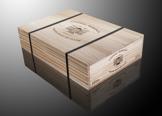
Package Size