 Wine Advisor



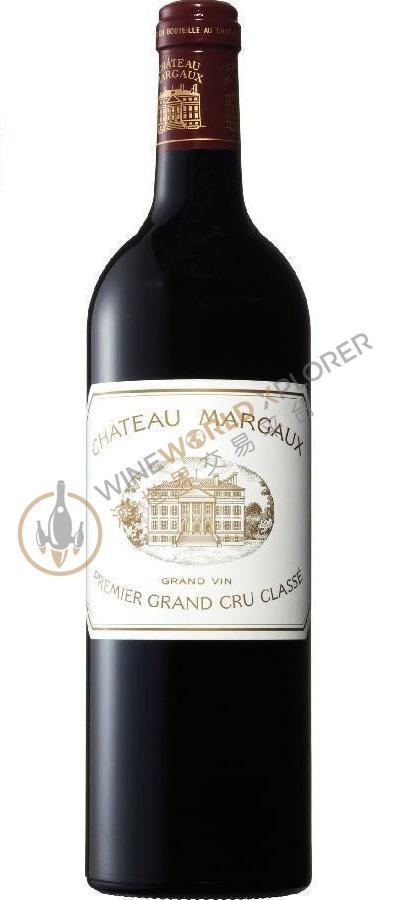
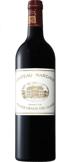
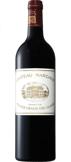
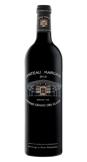
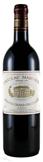
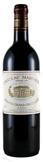
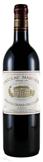
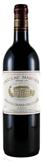
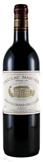
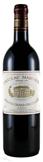
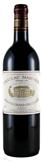
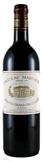
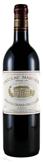
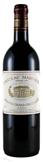
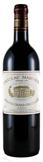
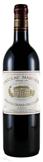
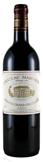
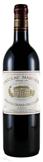
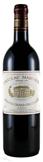
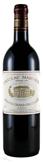
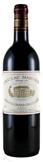
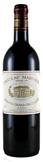
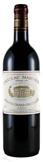
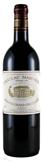
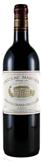
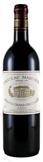
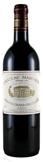
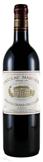
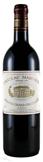
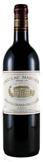
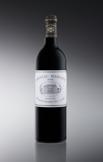
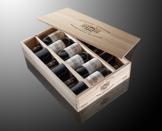
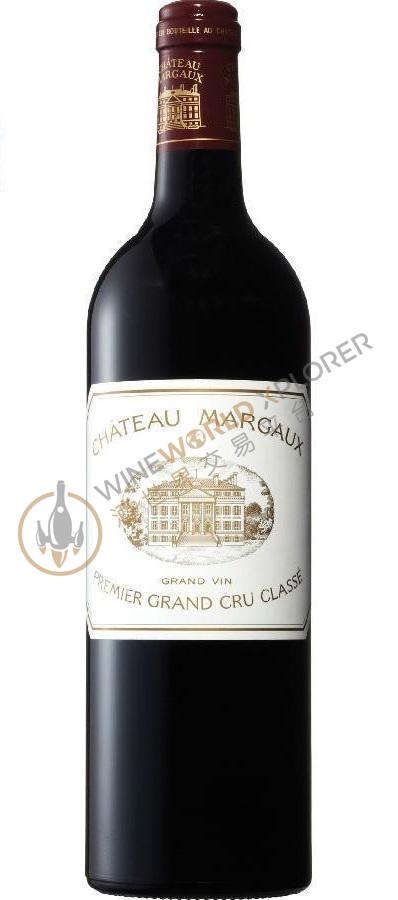
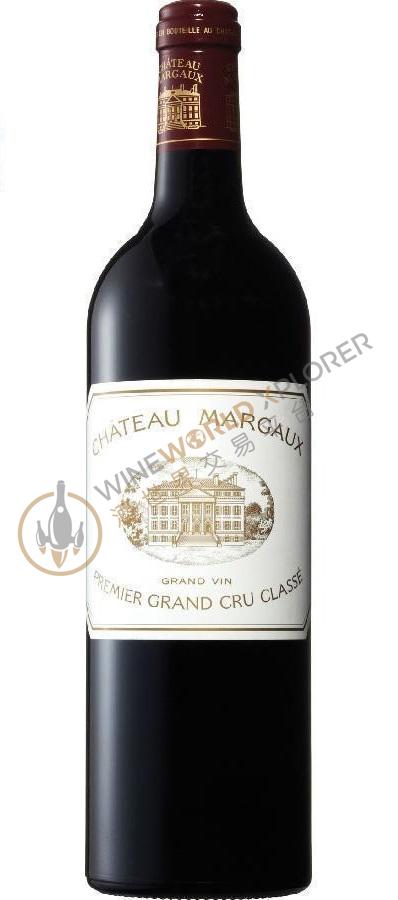
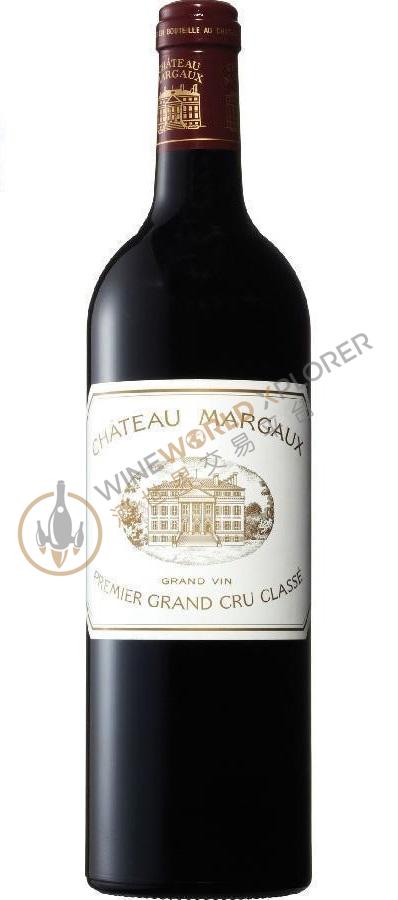
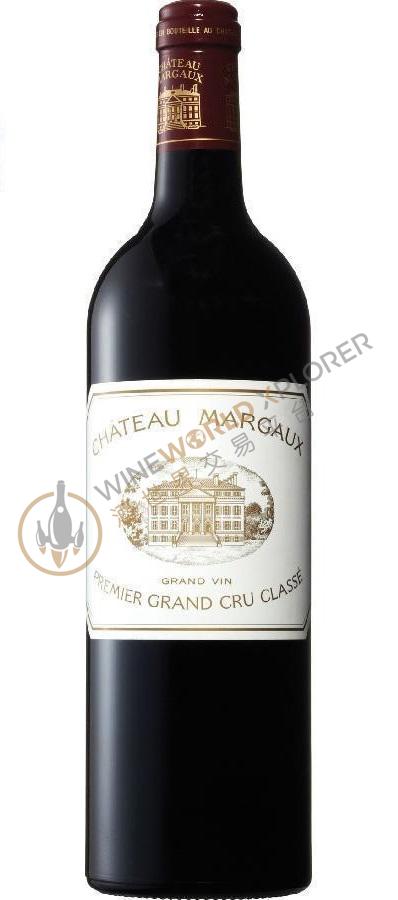
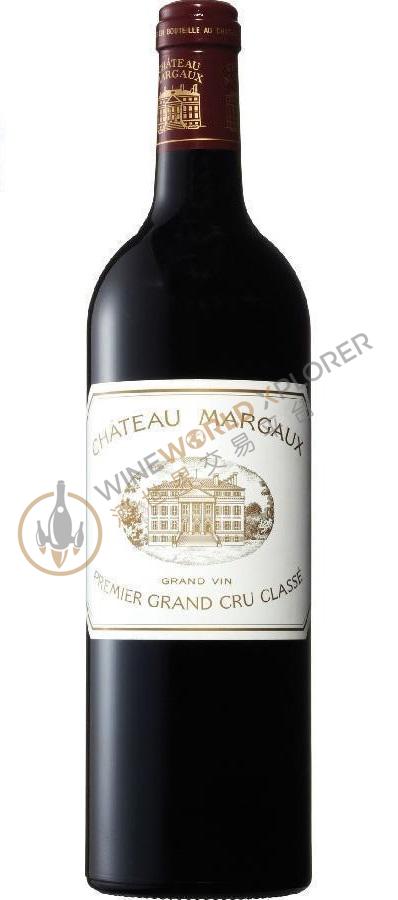
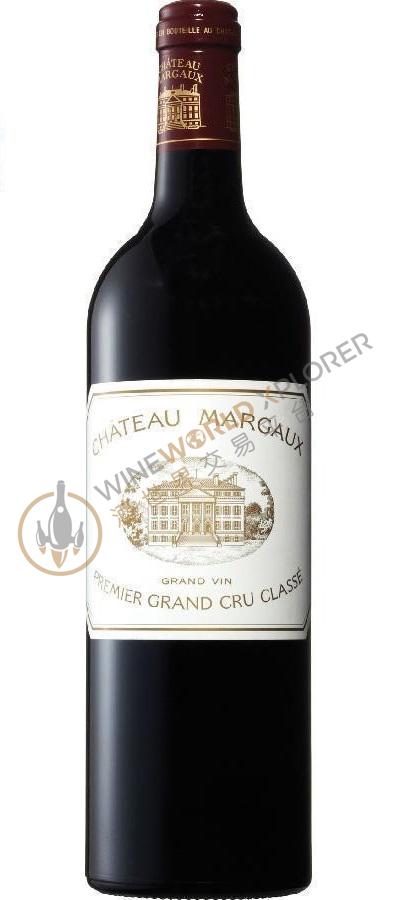
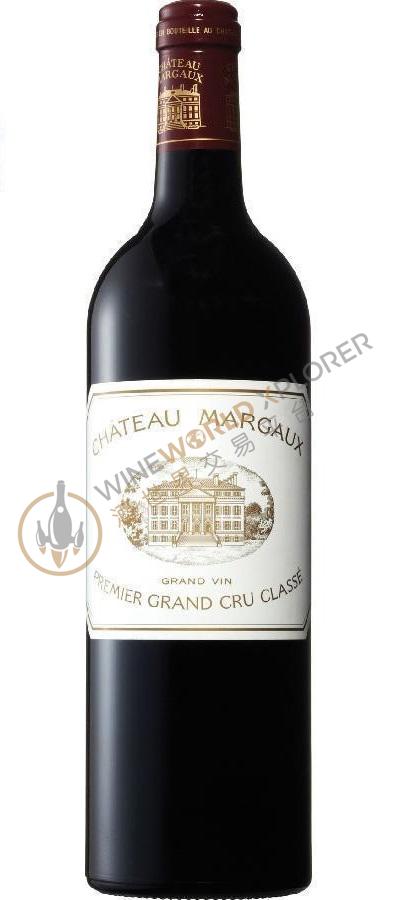
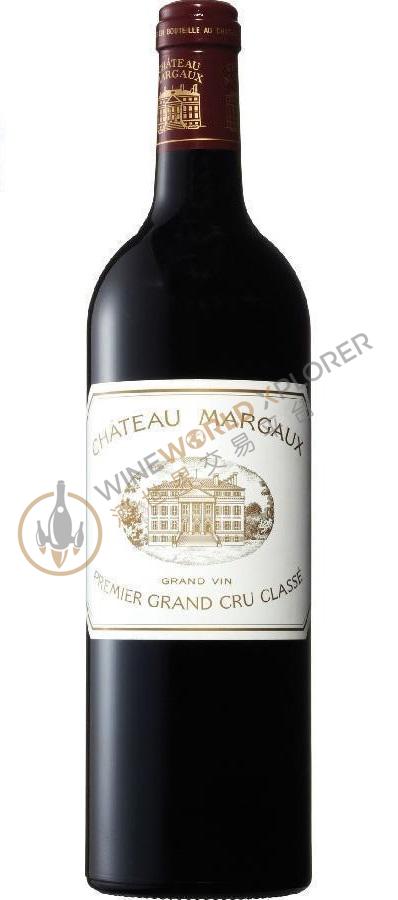
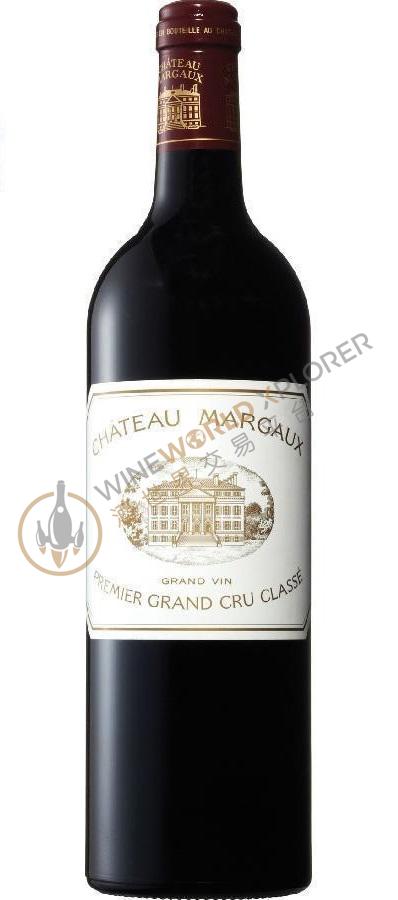
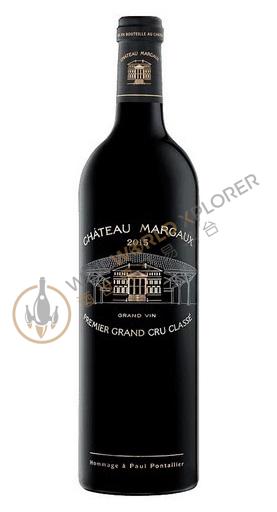
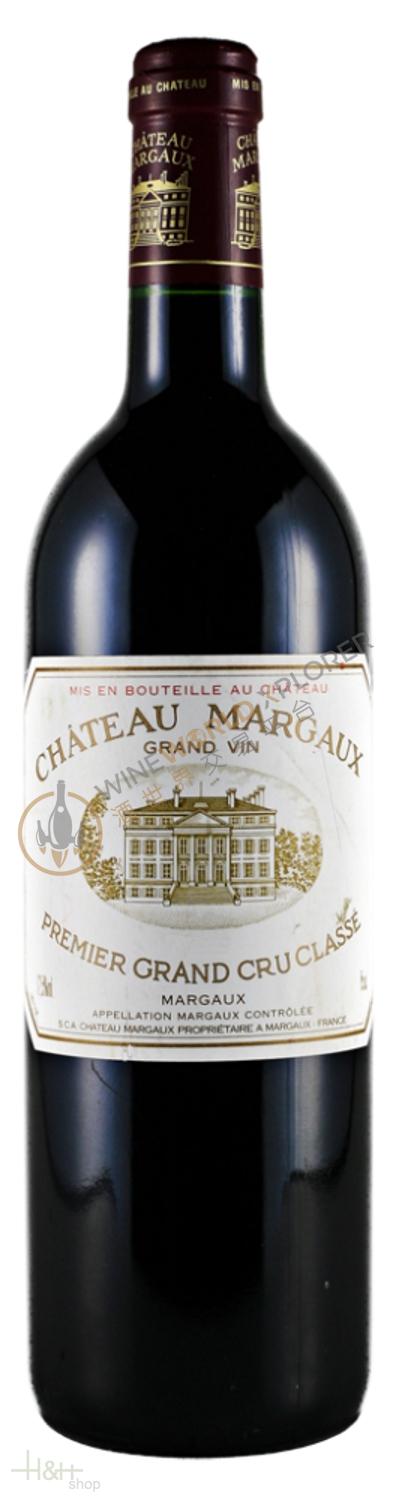
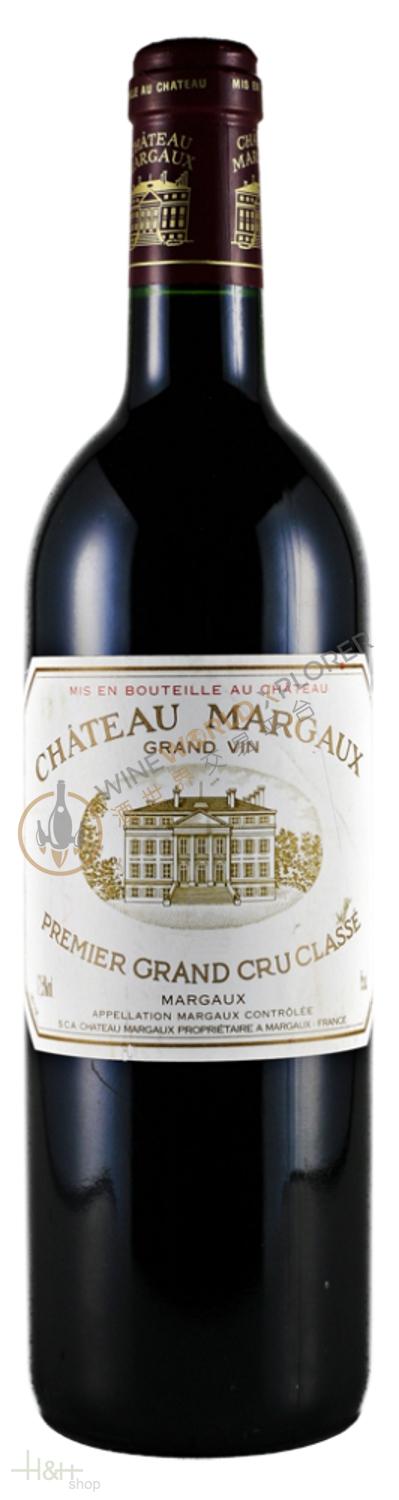
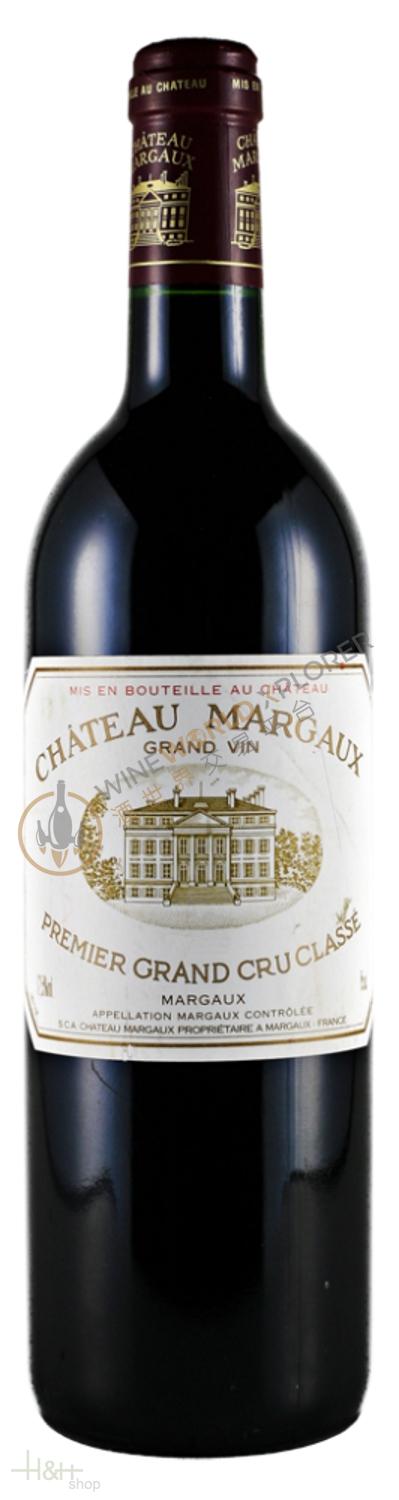
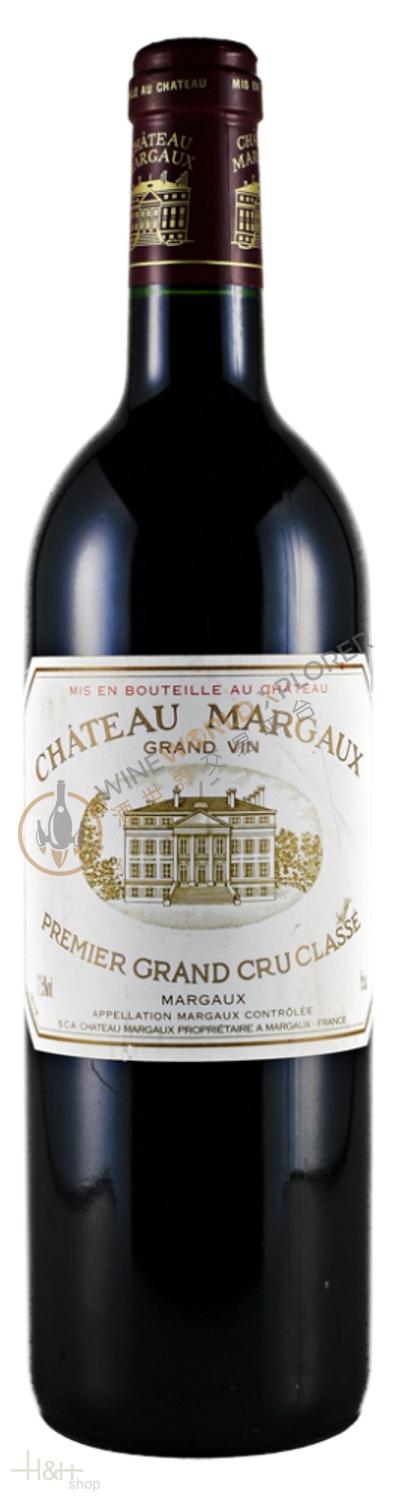
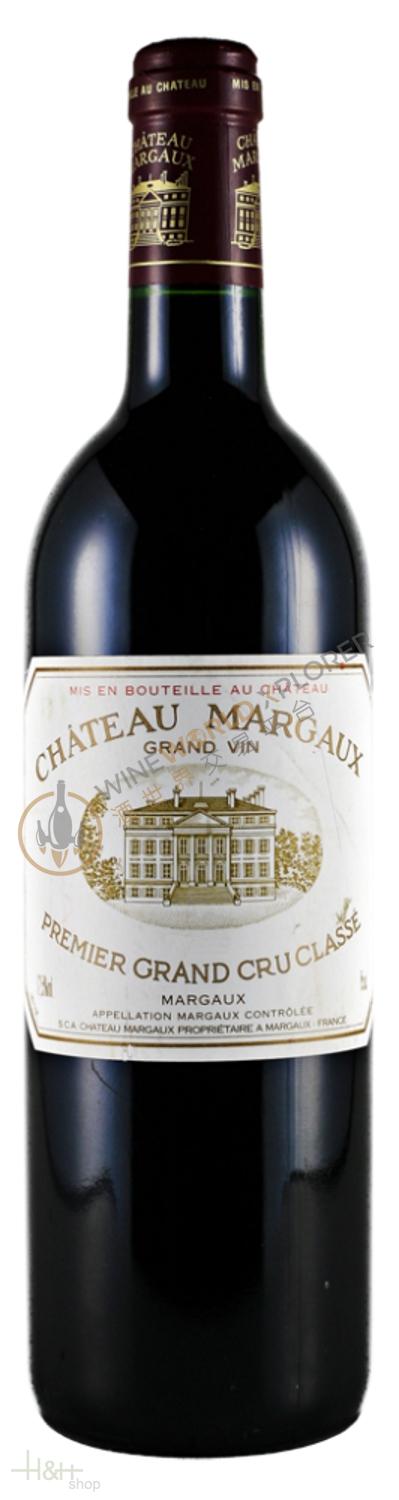
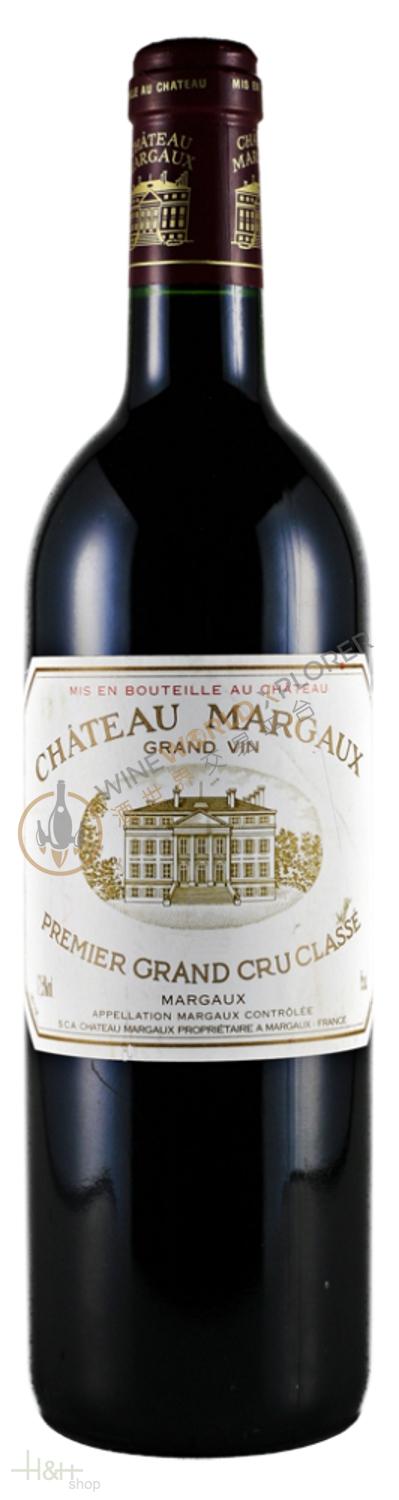
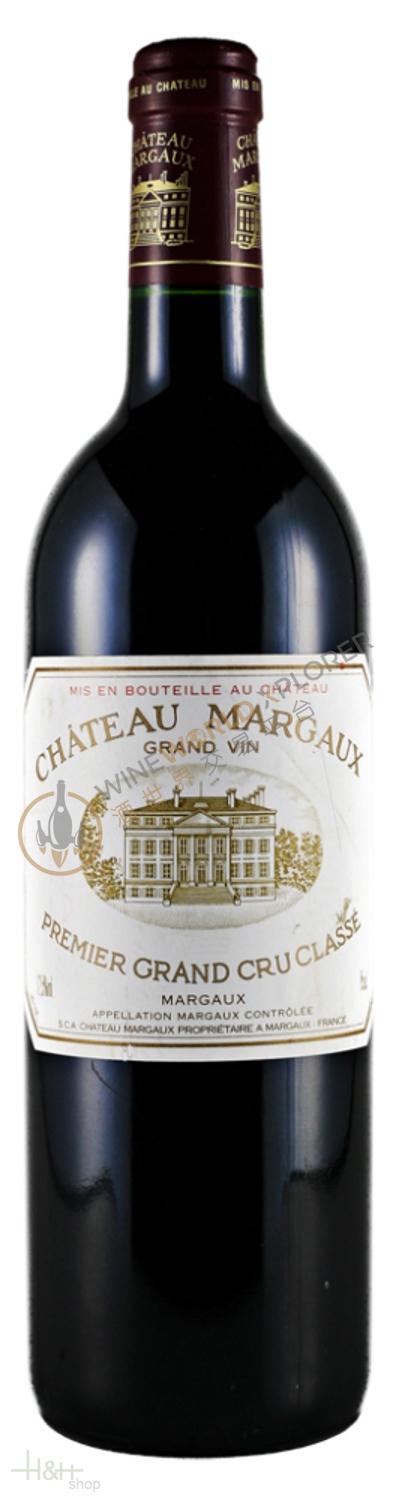
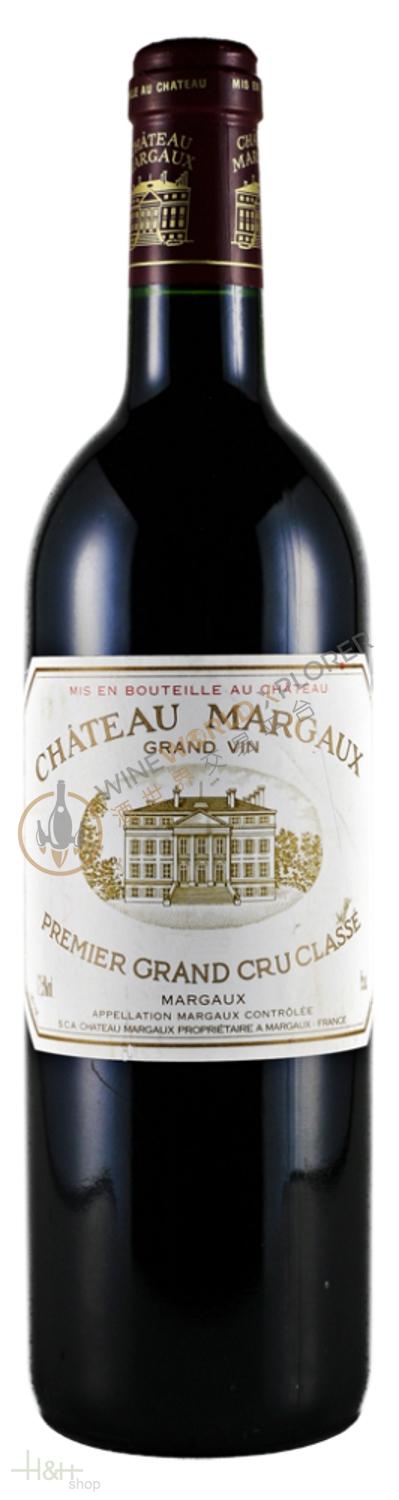
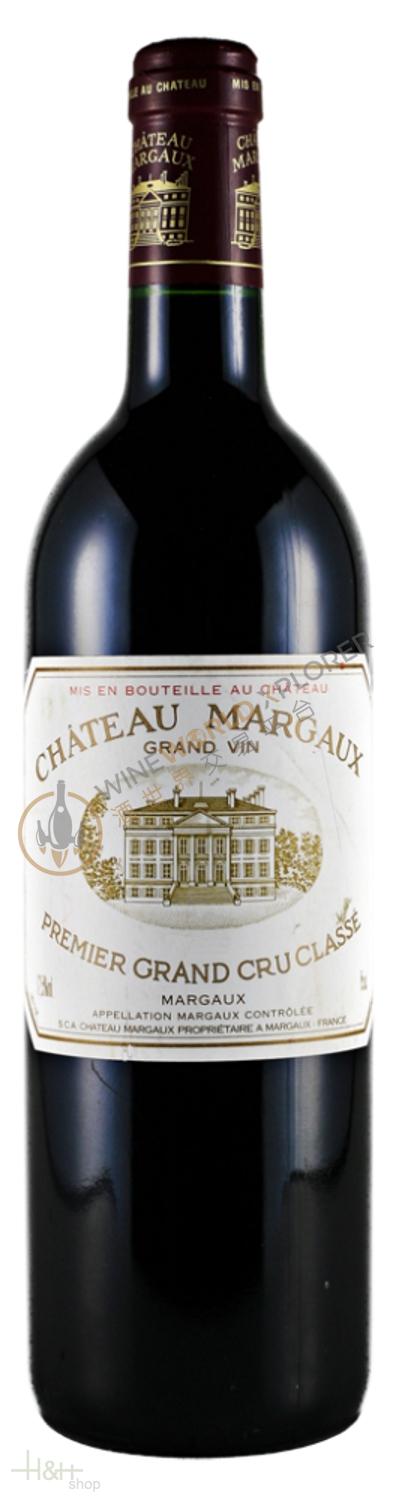
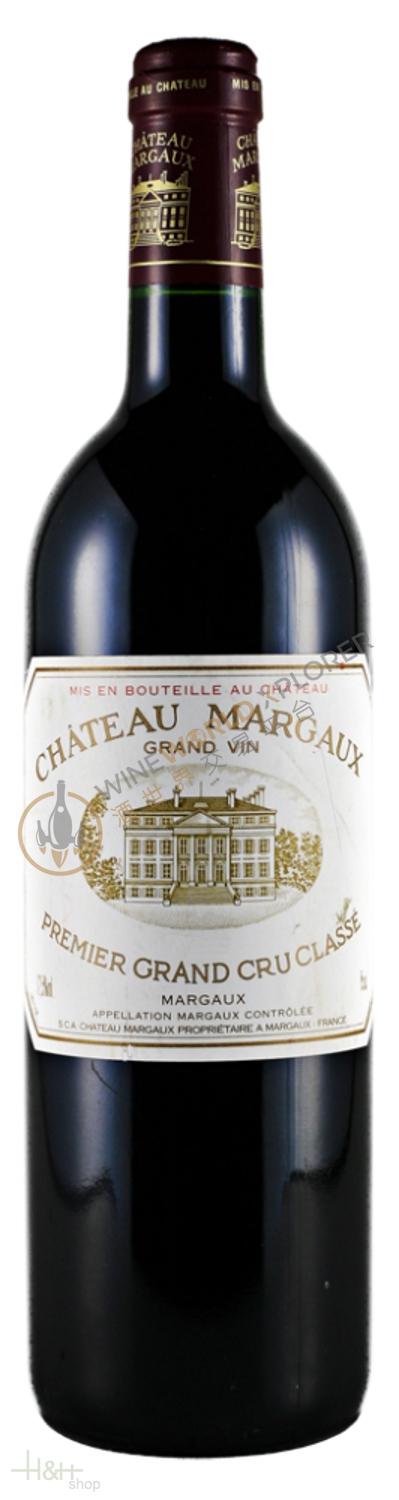
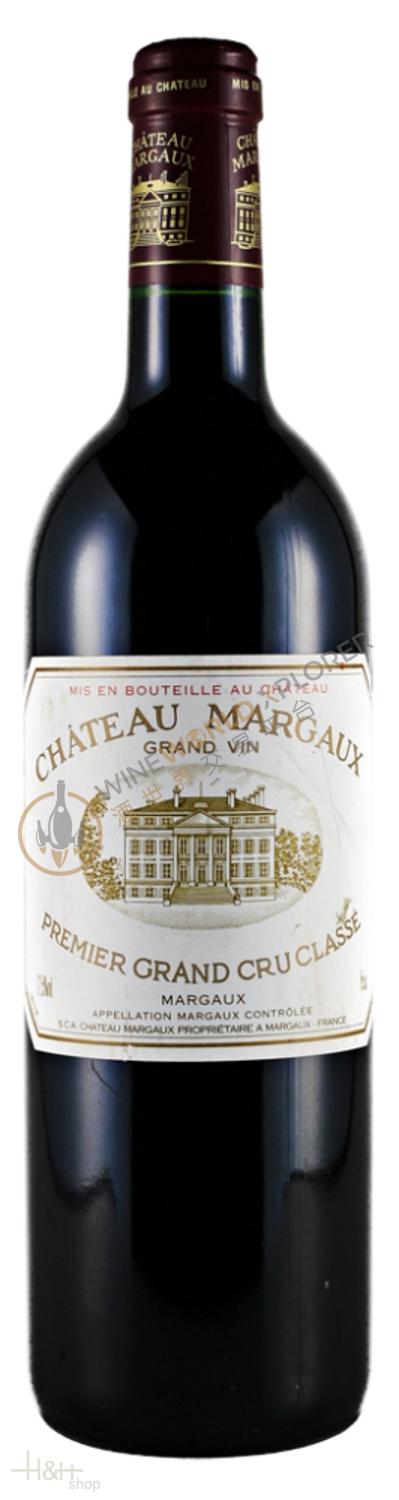
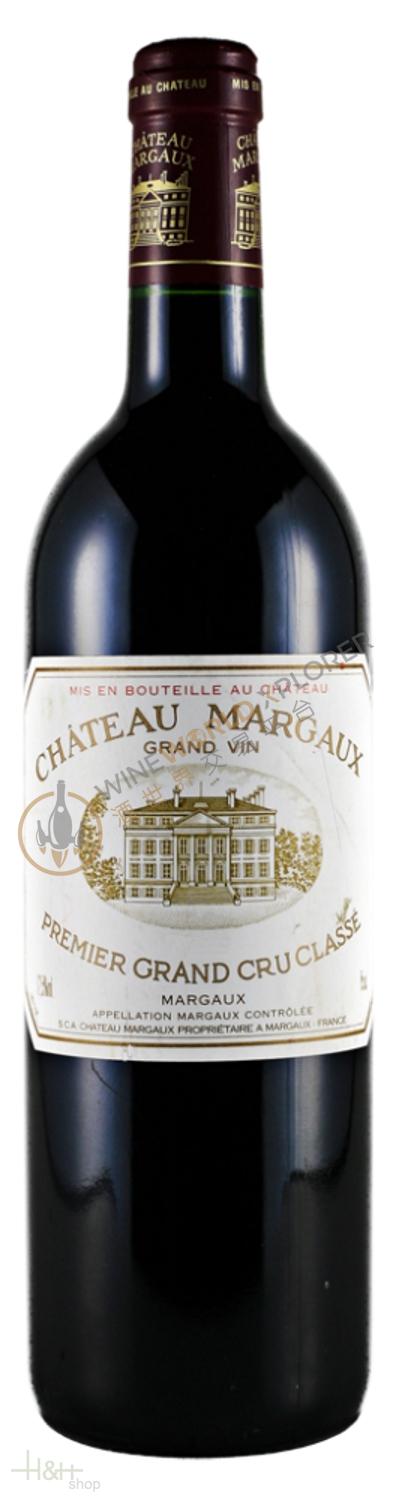
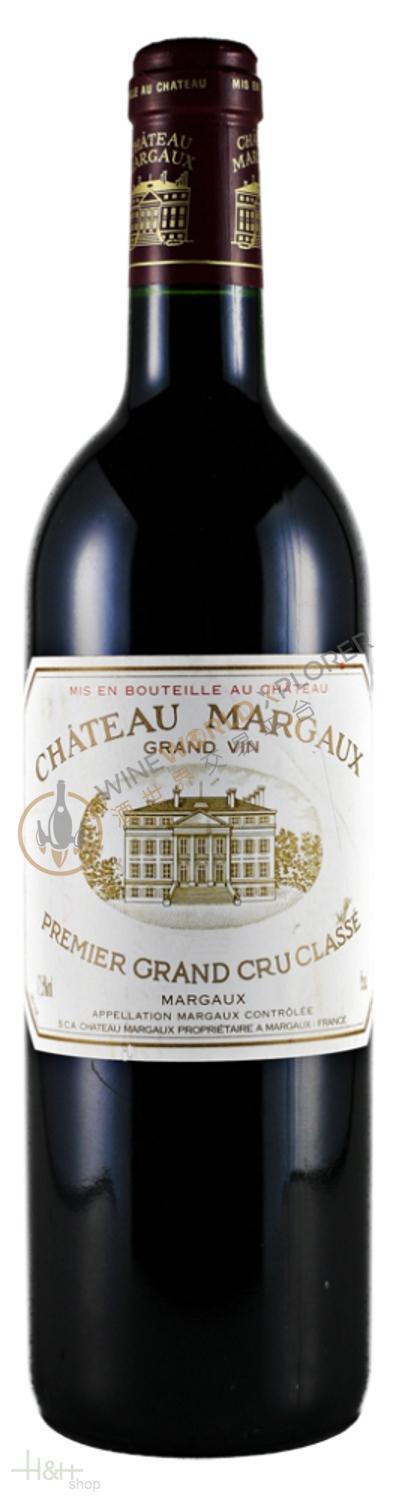
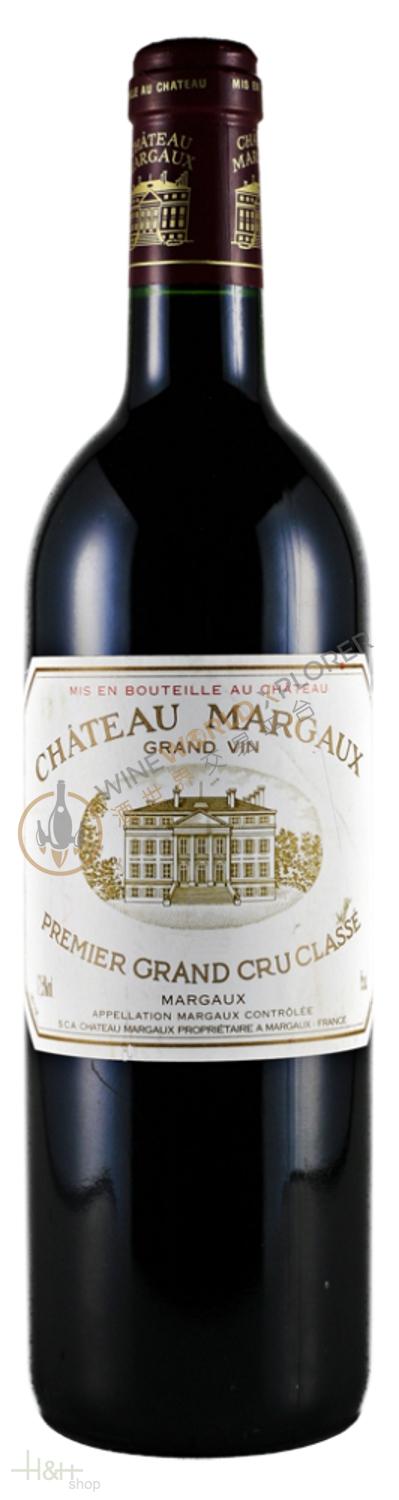
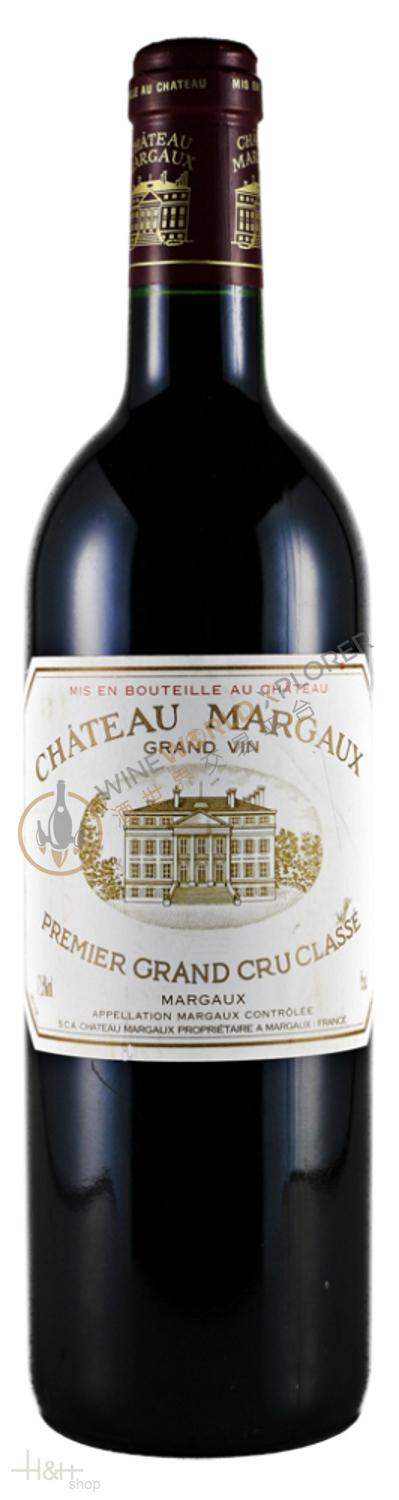
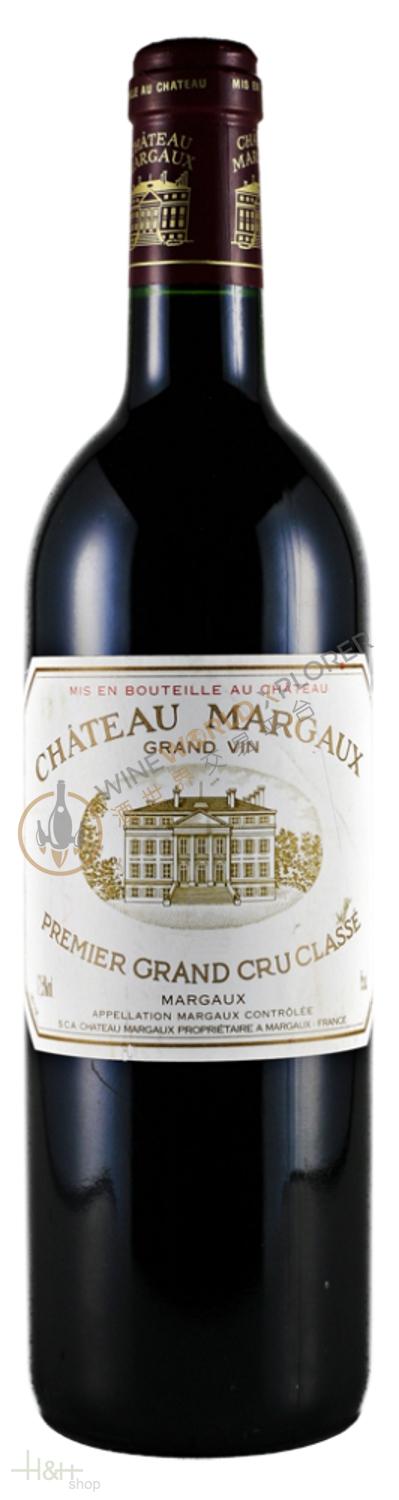
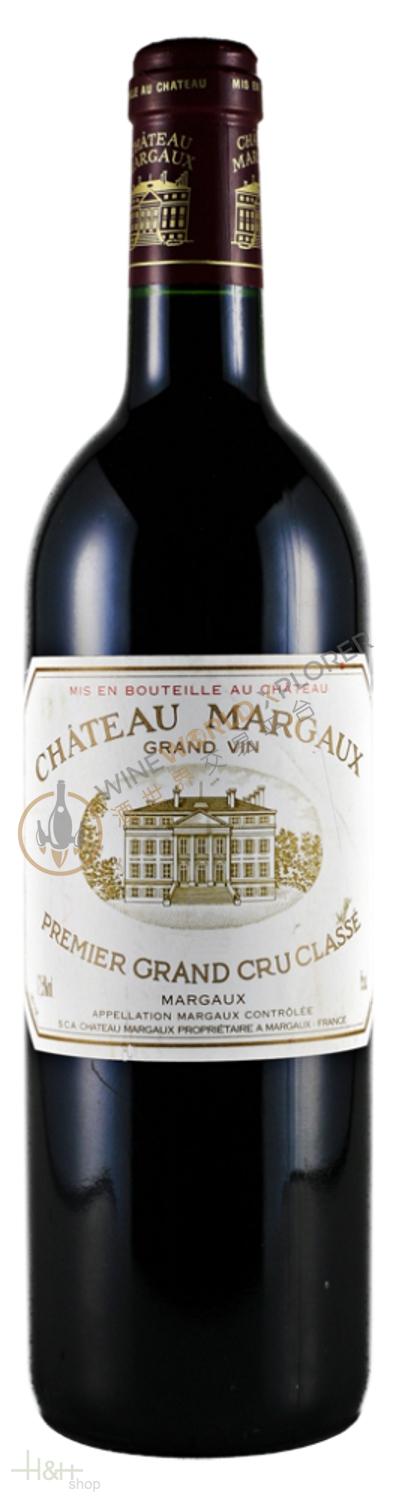
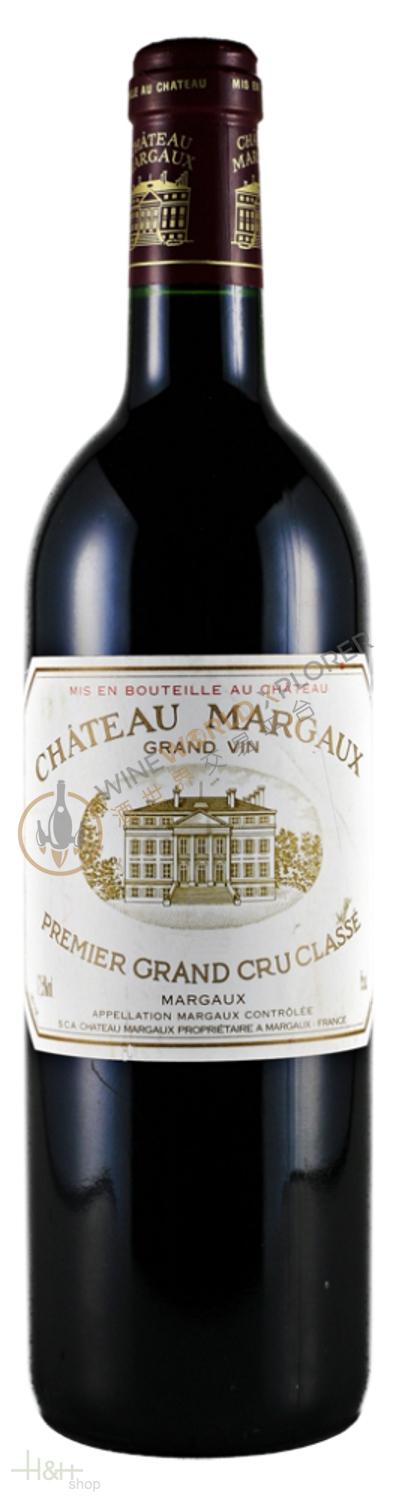
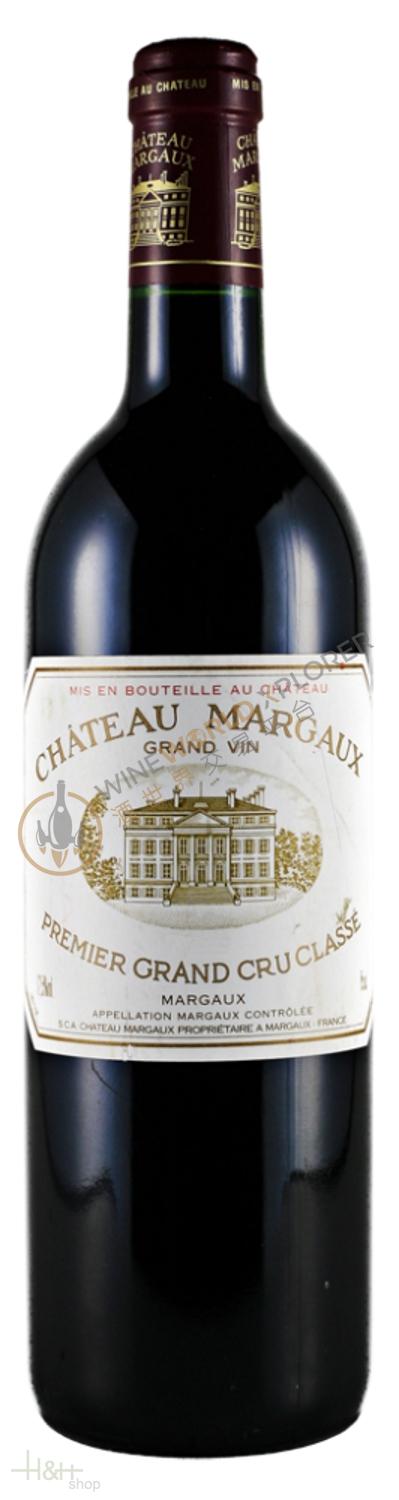
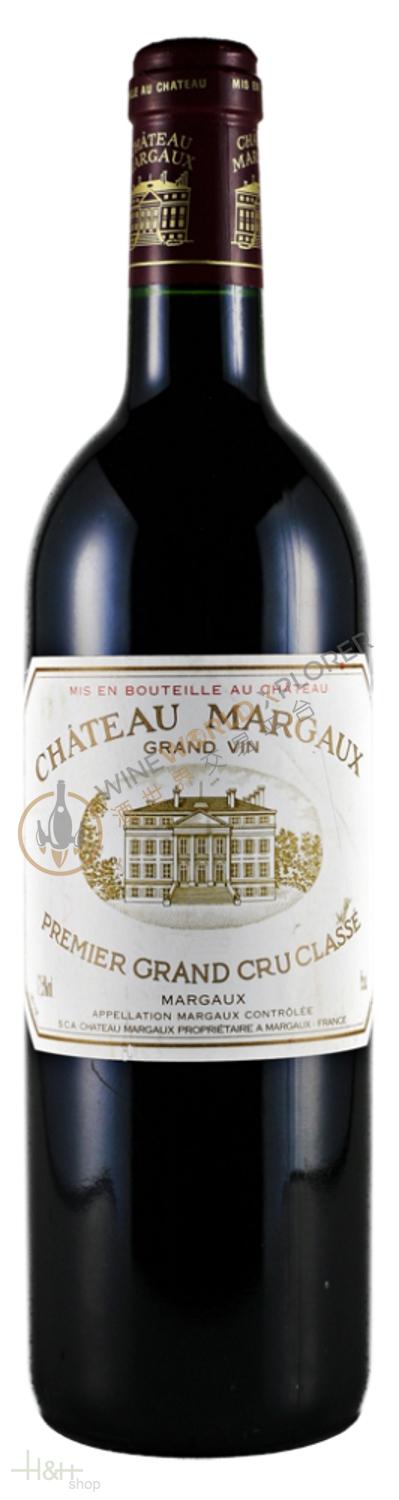
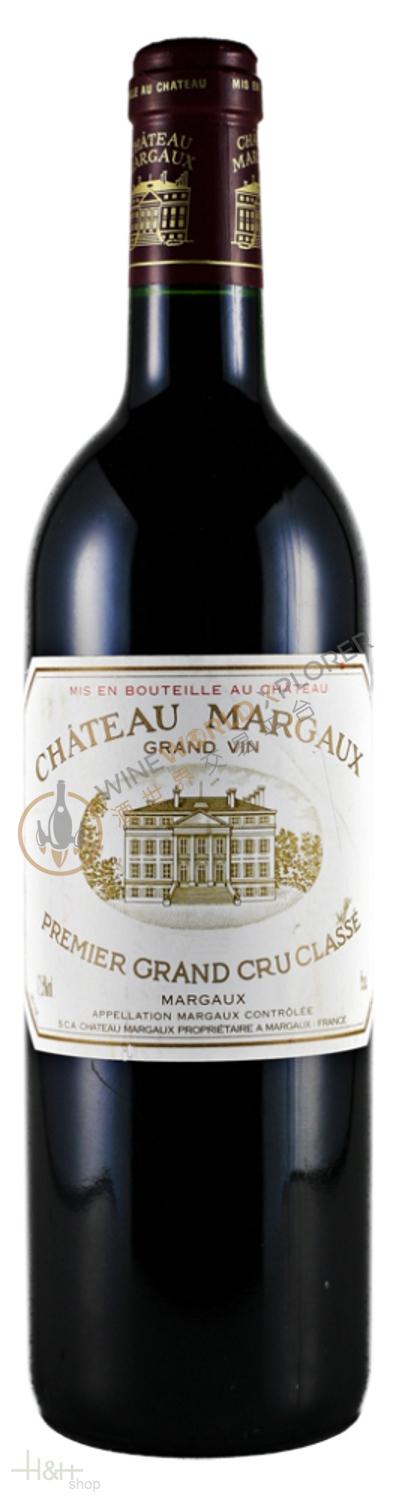
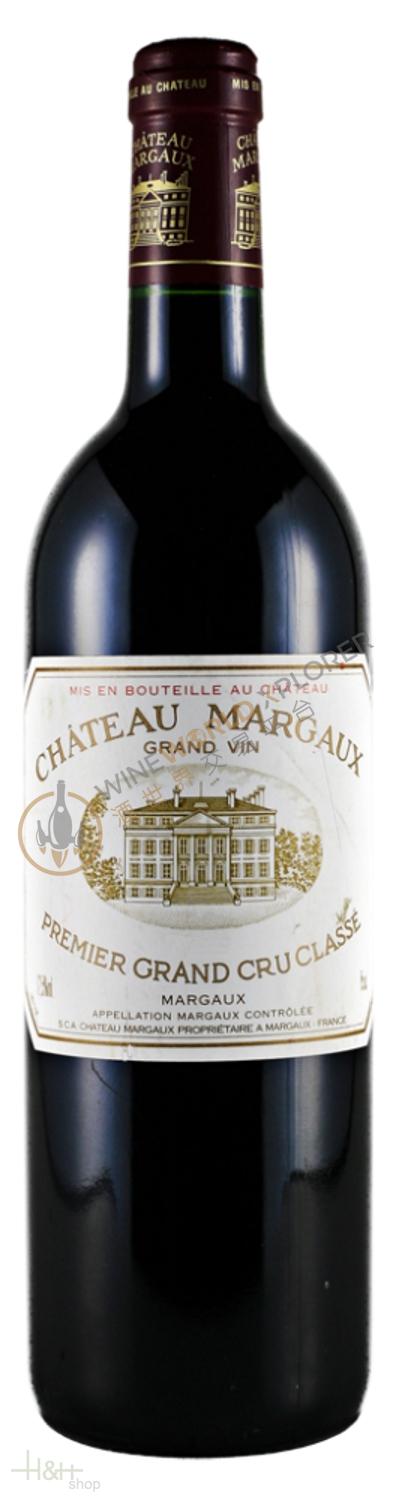
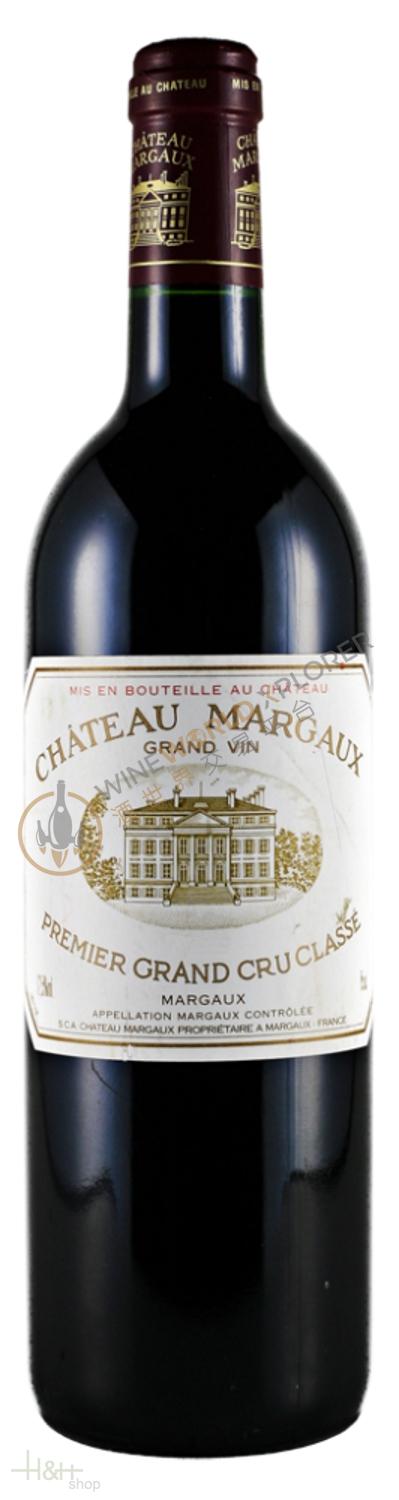
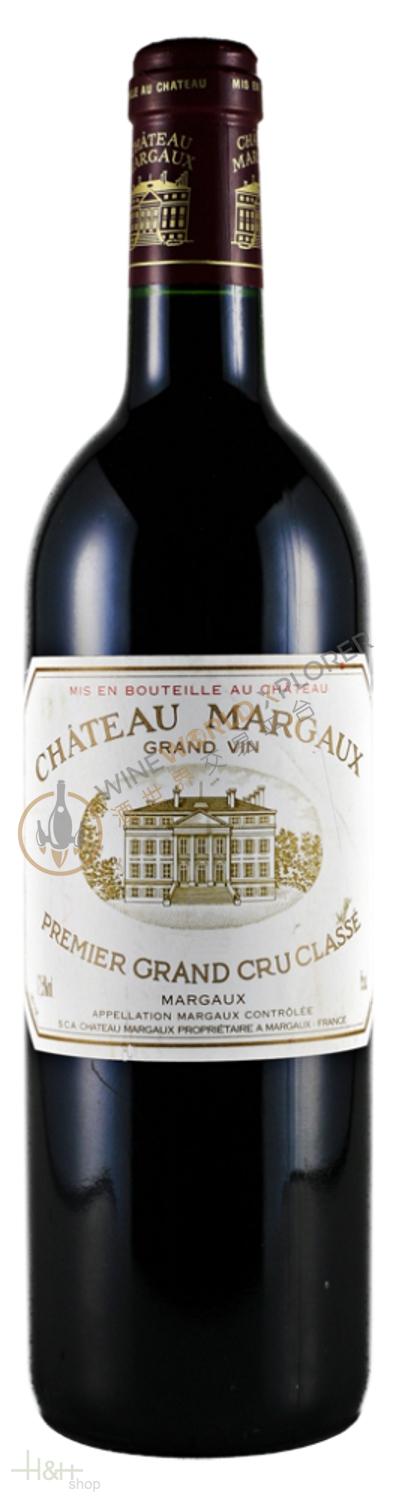
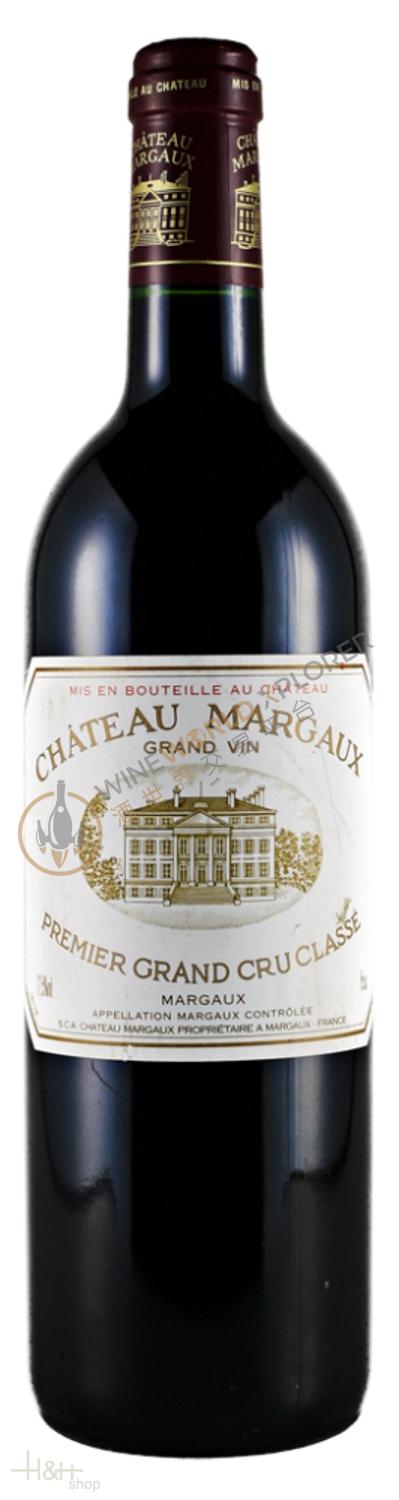
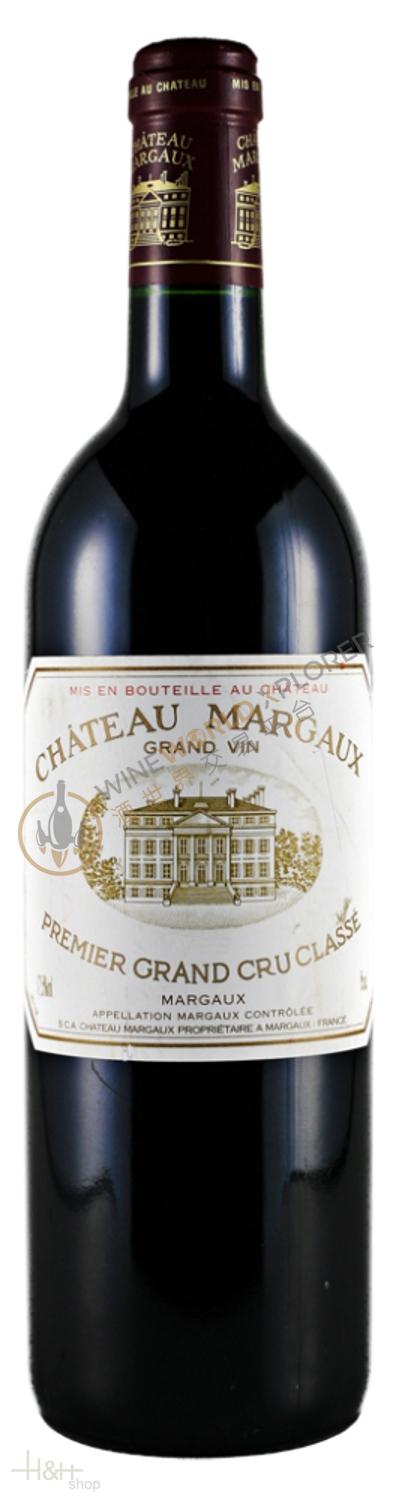
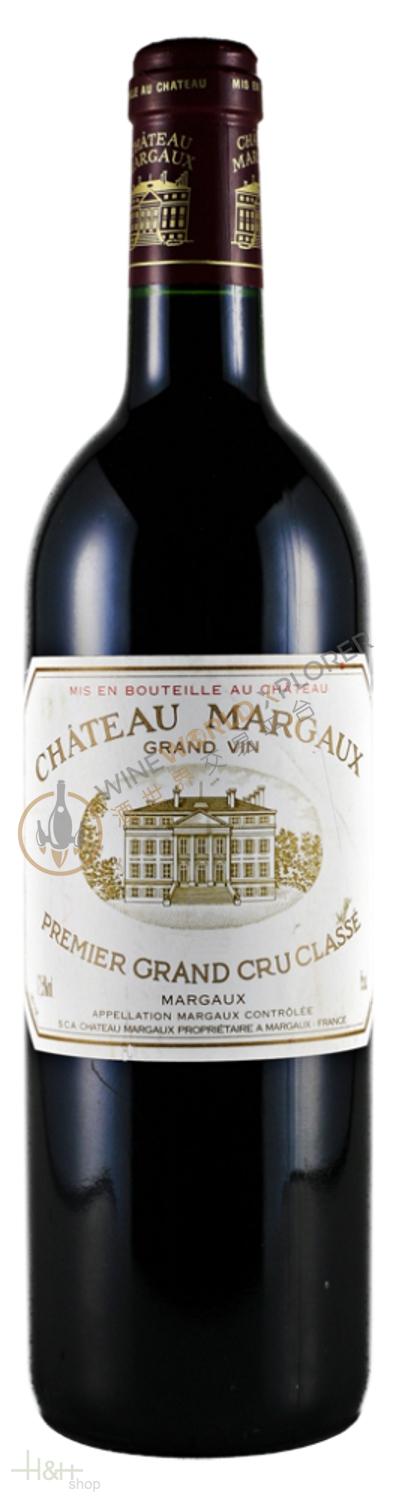
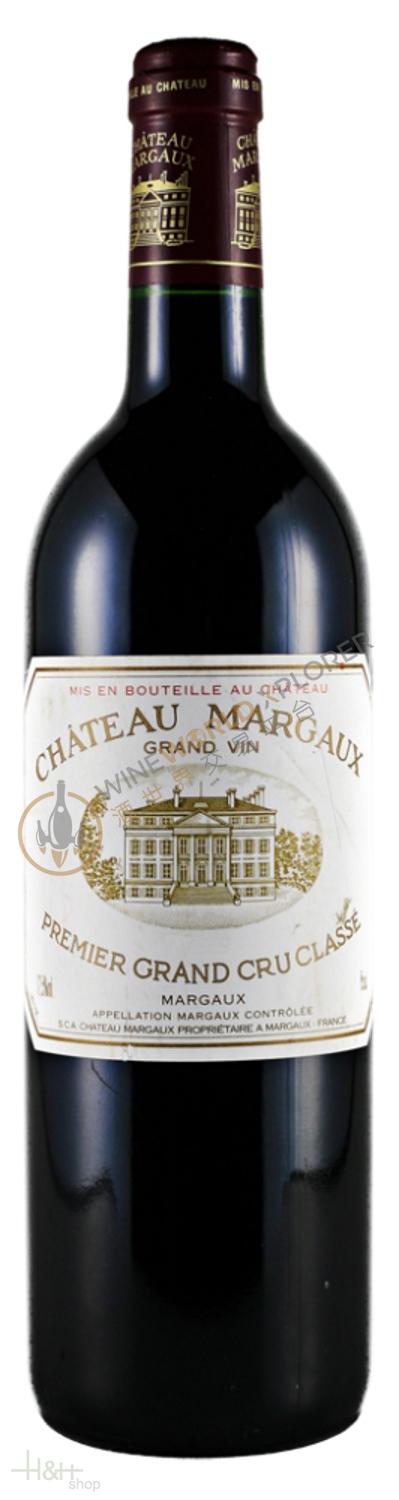
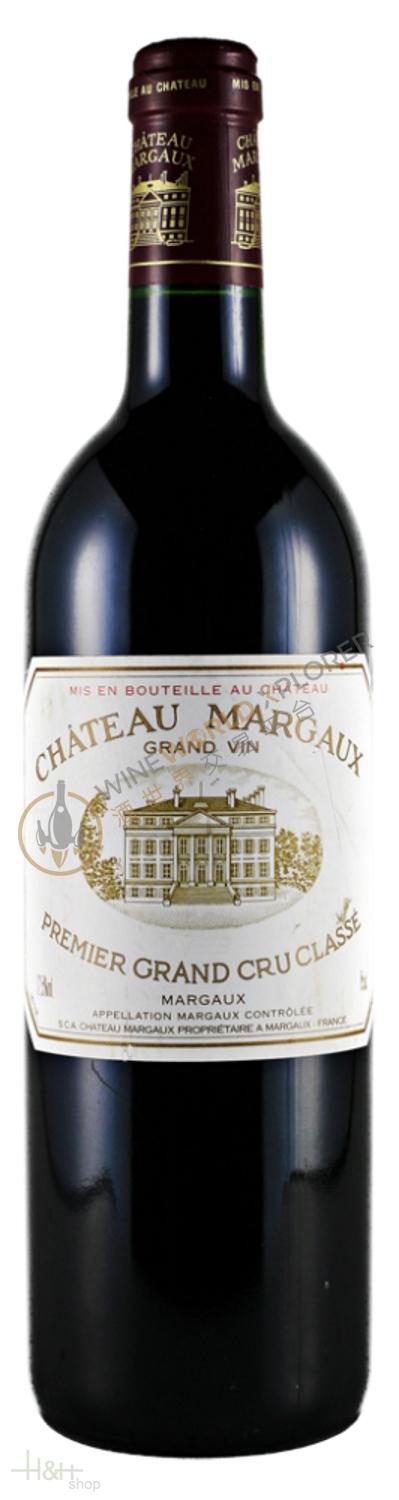
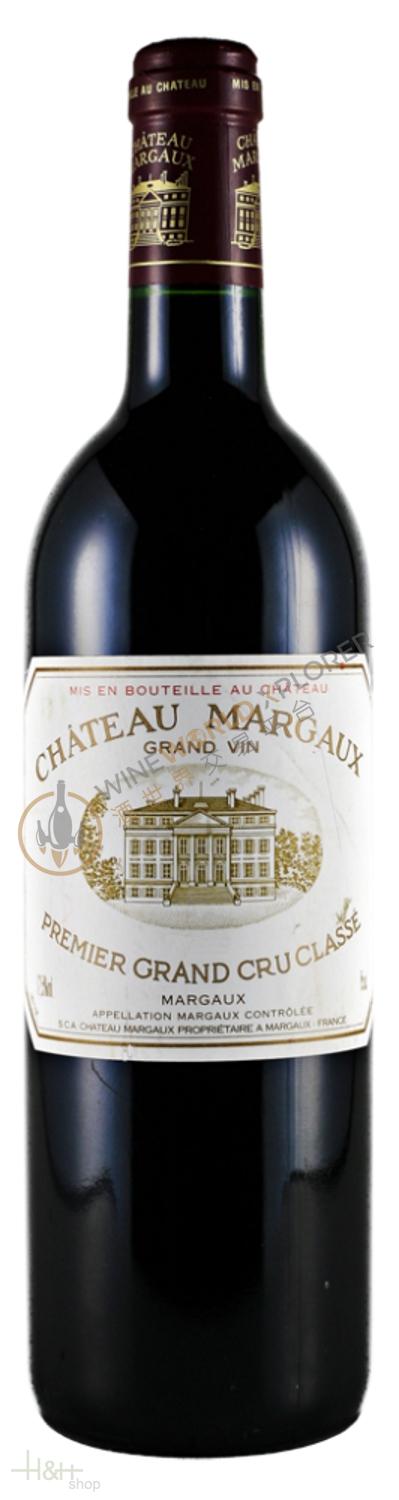
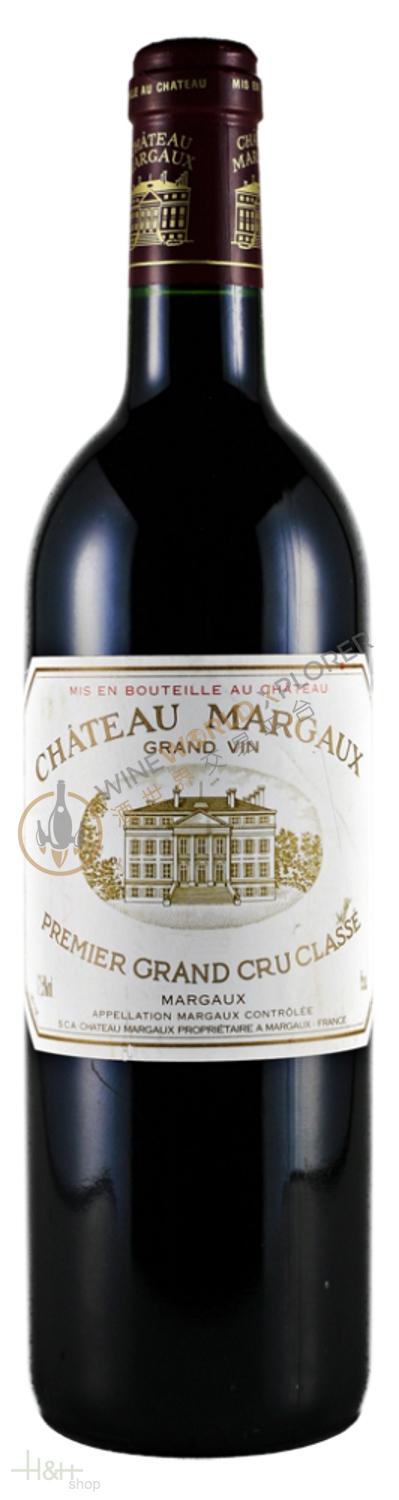
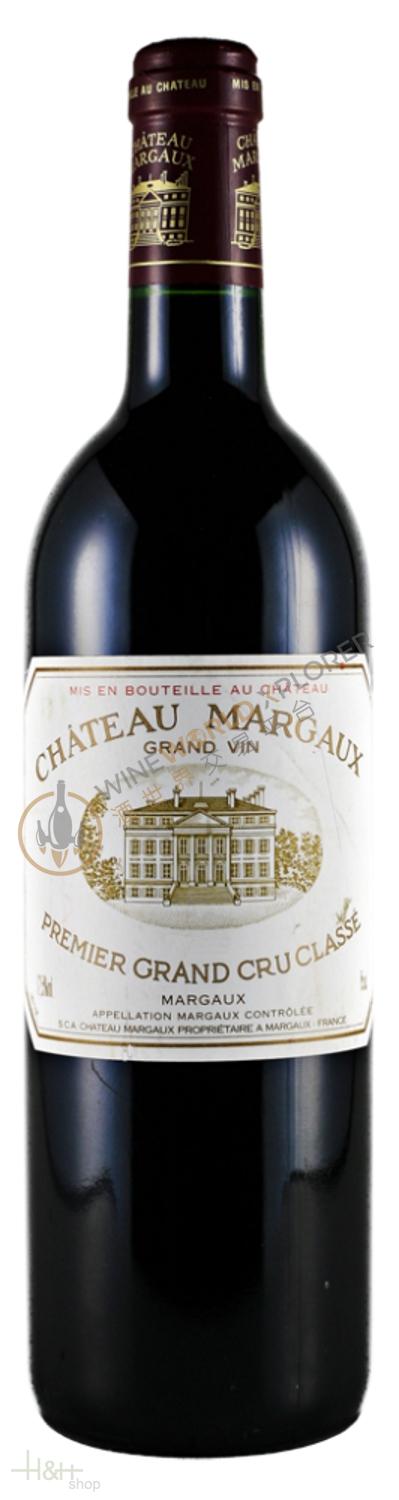
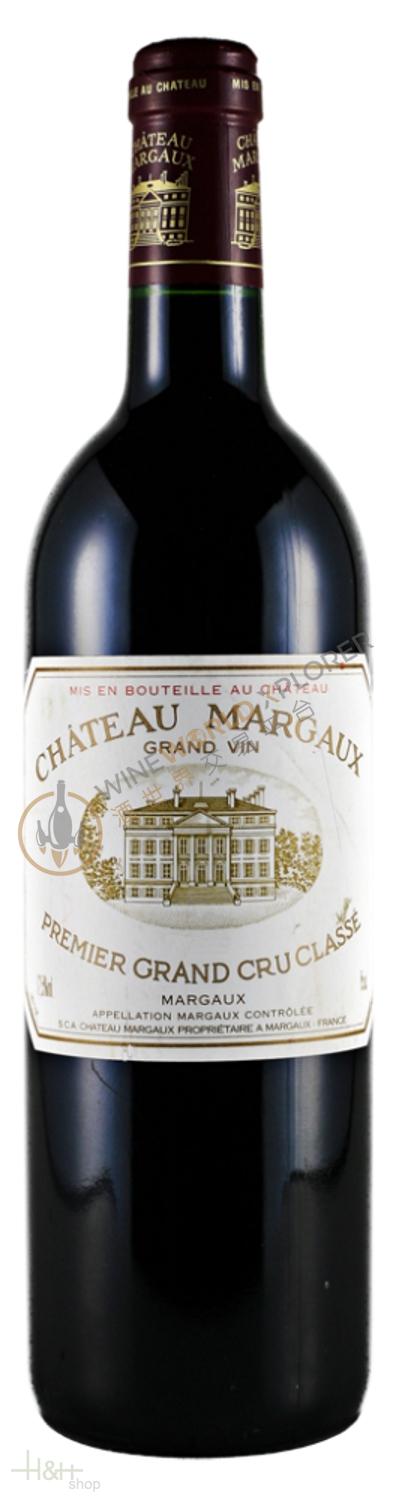
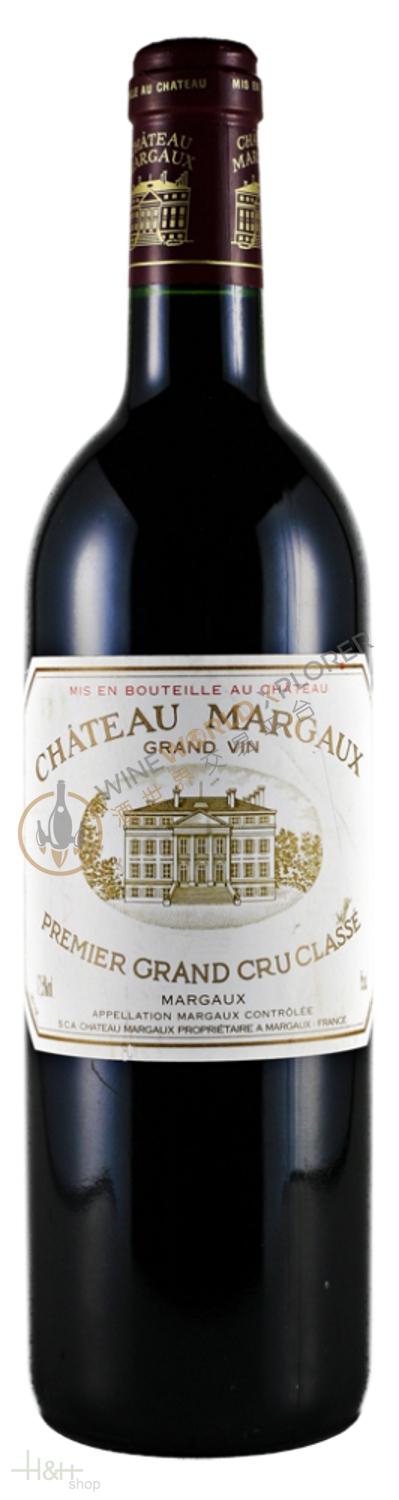
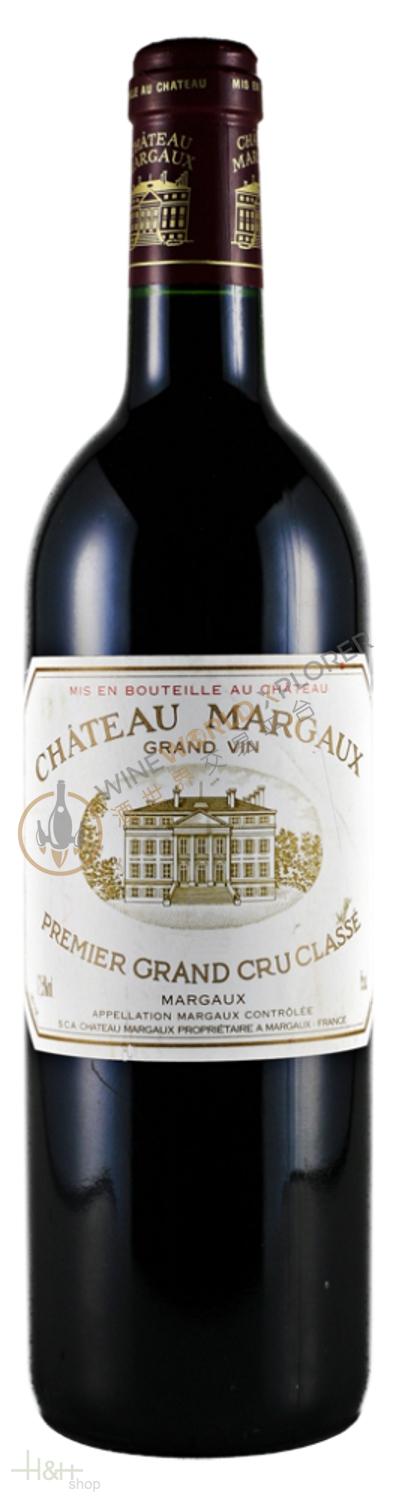
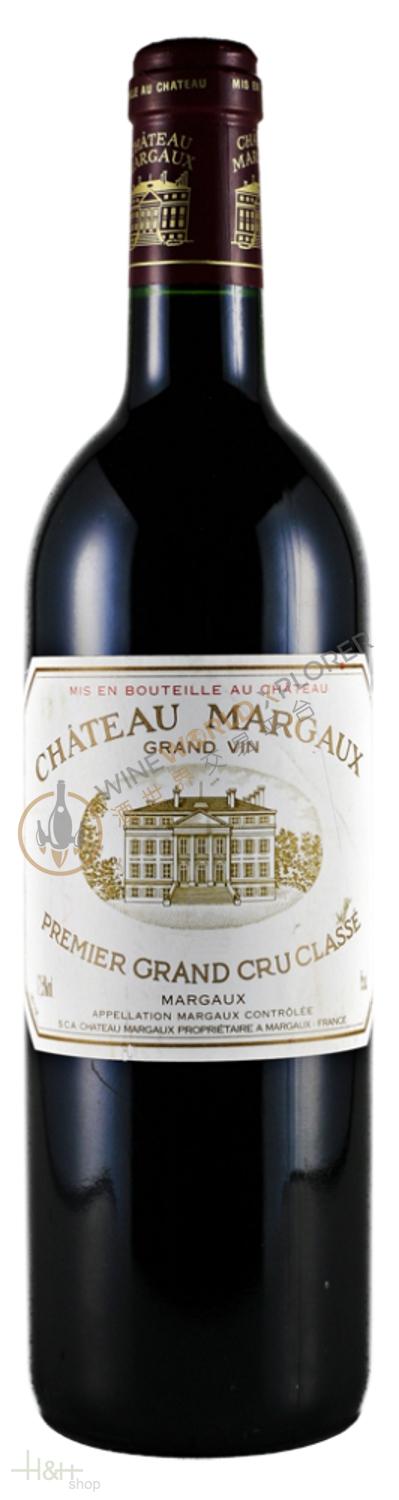
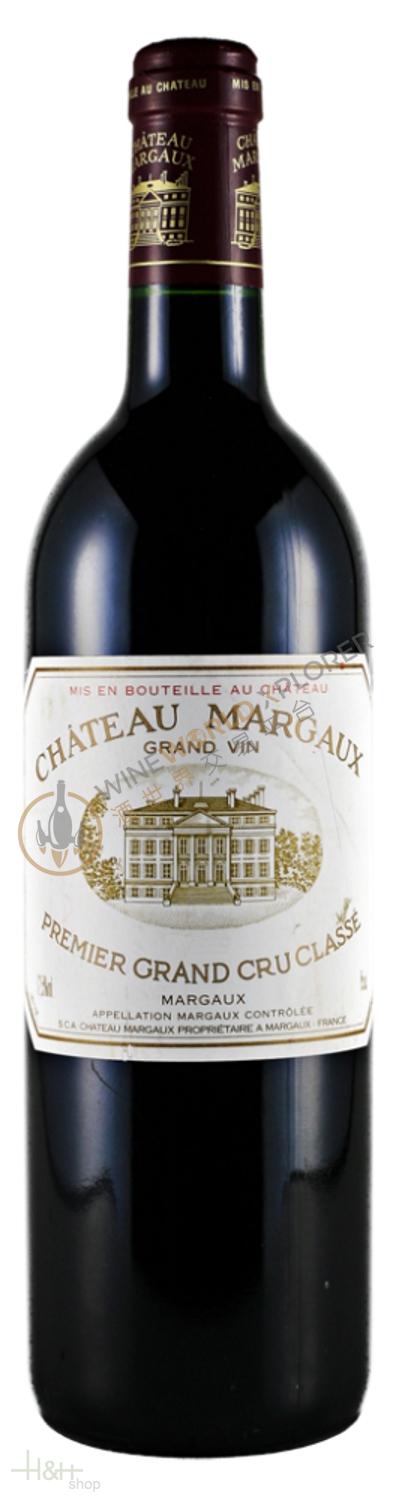
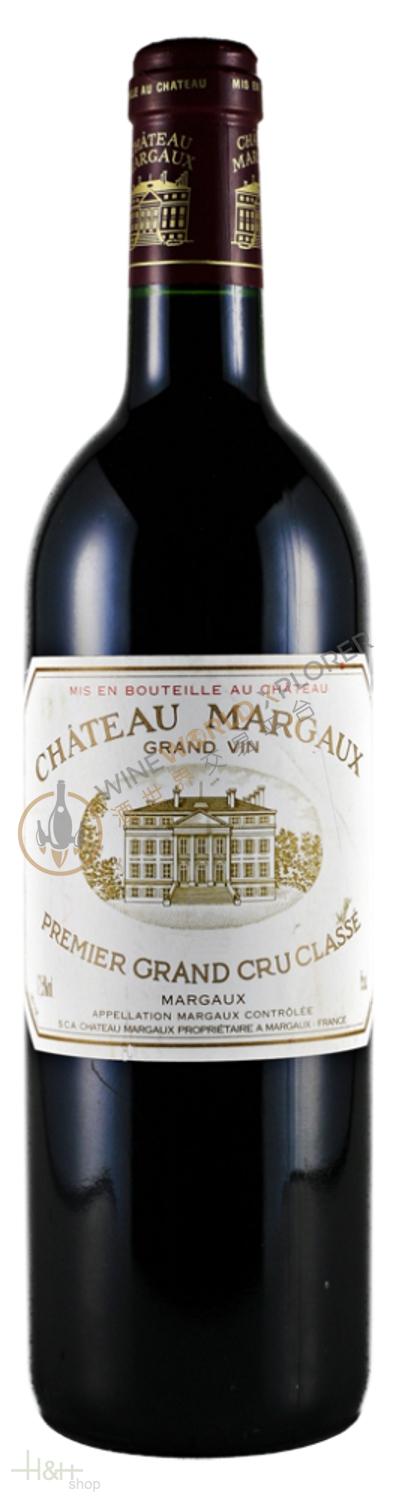
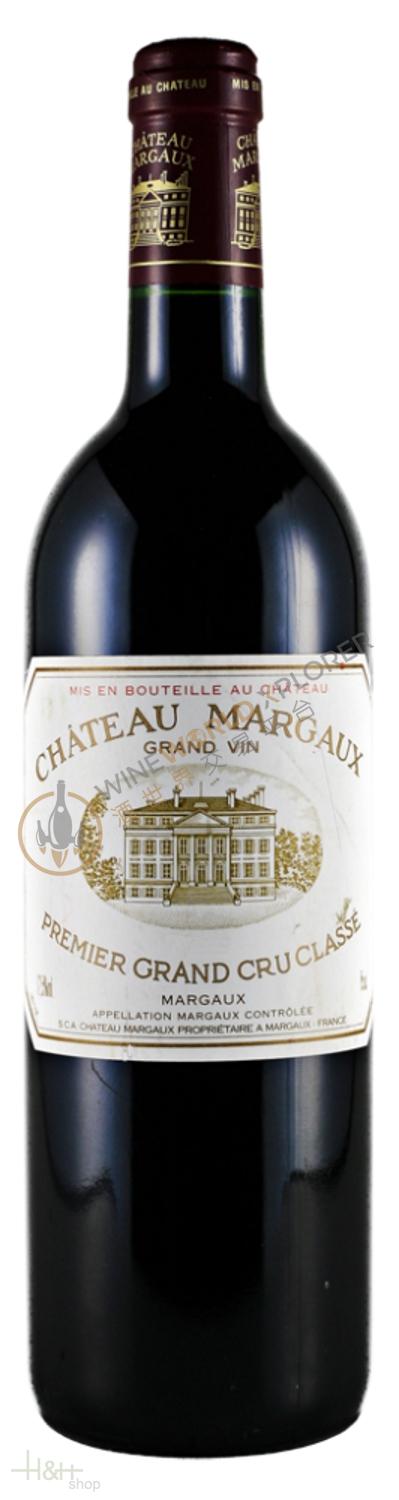
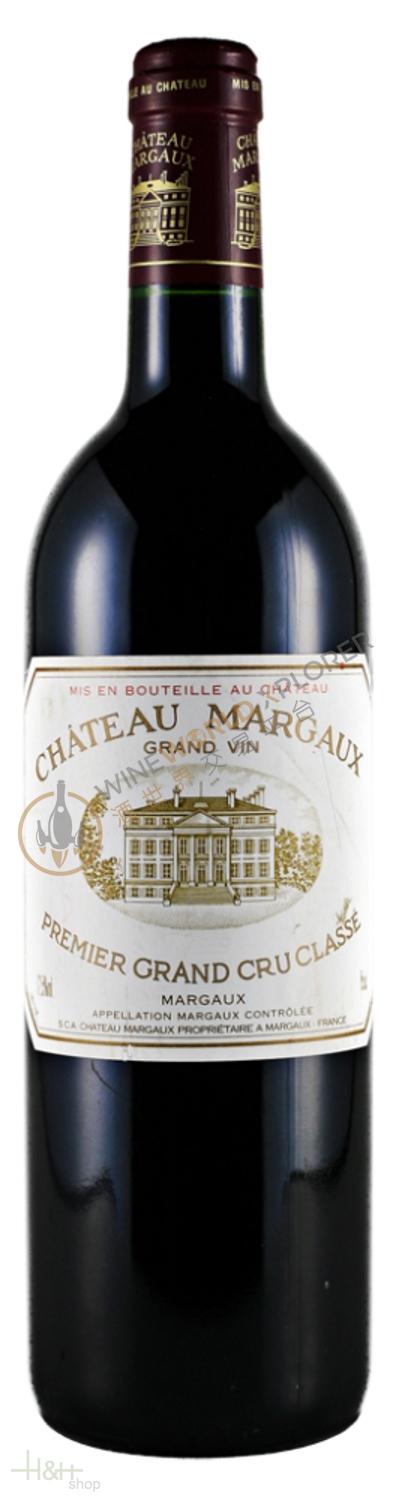
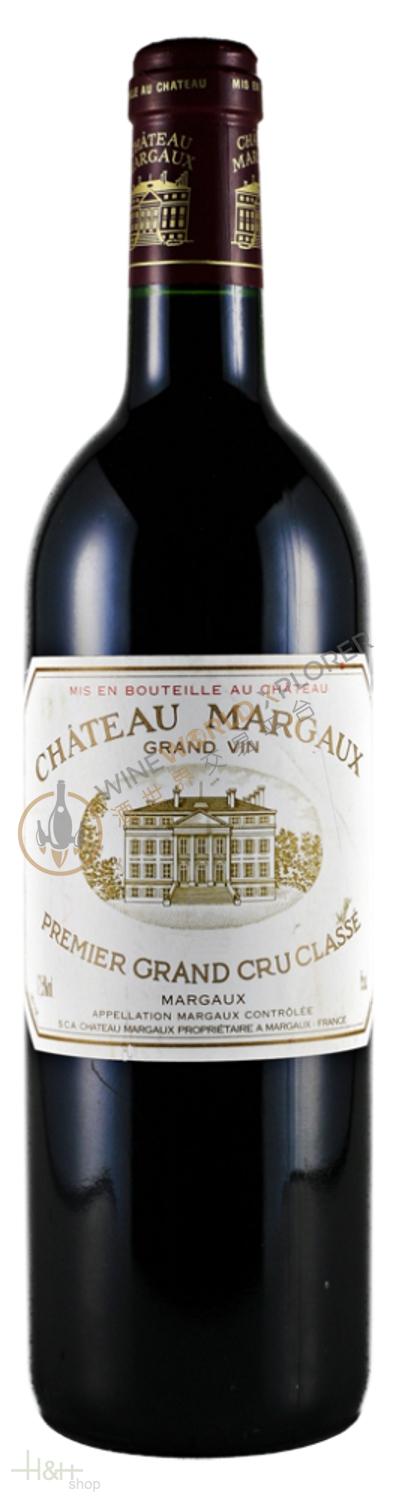
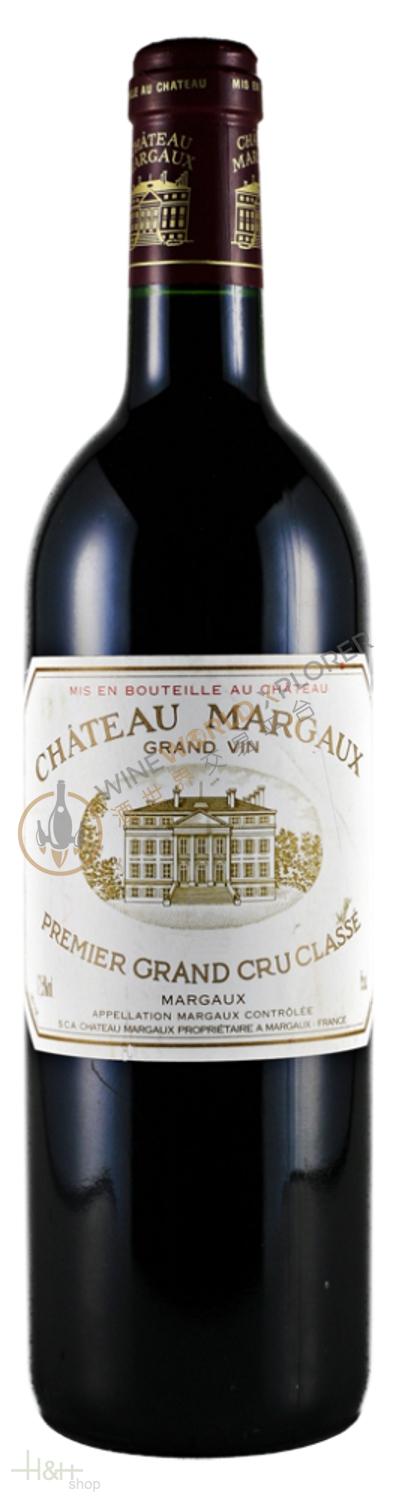
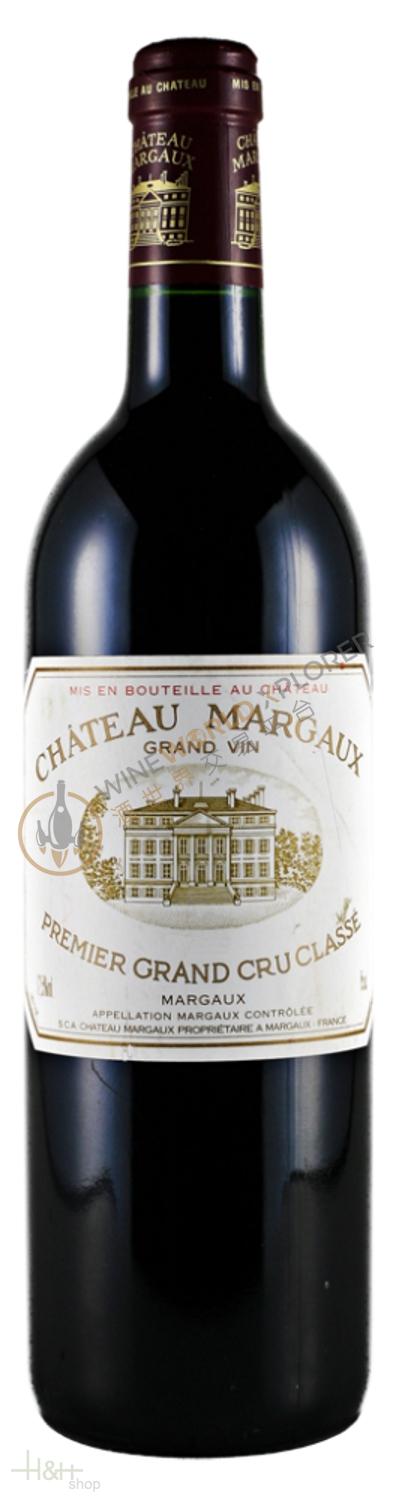
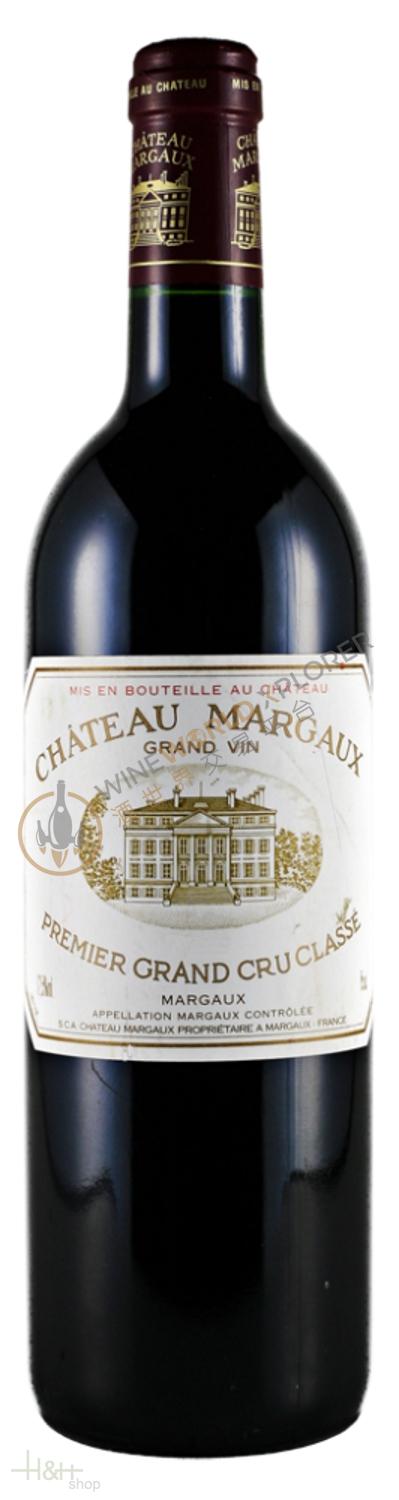
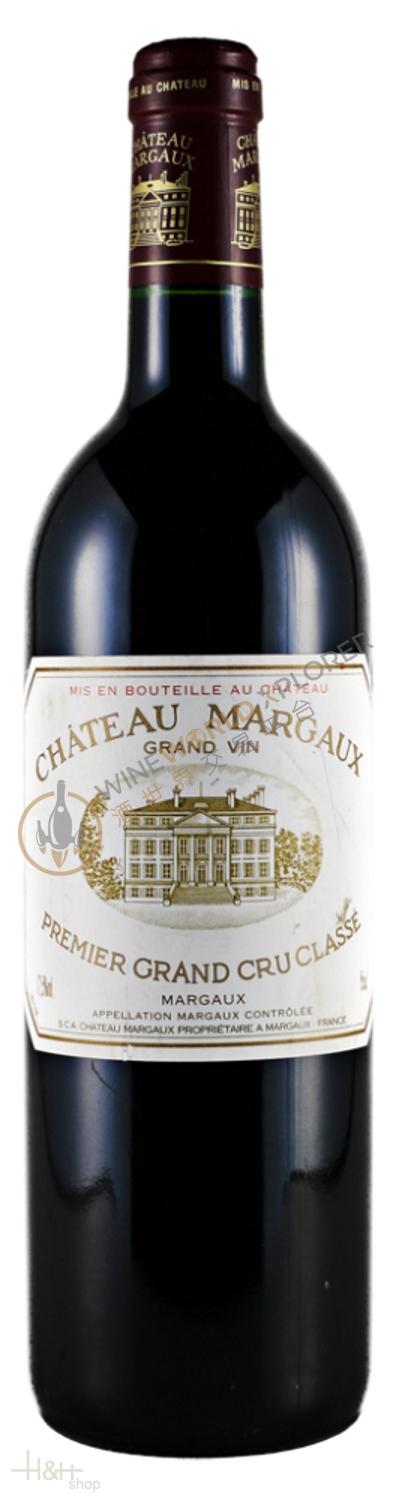
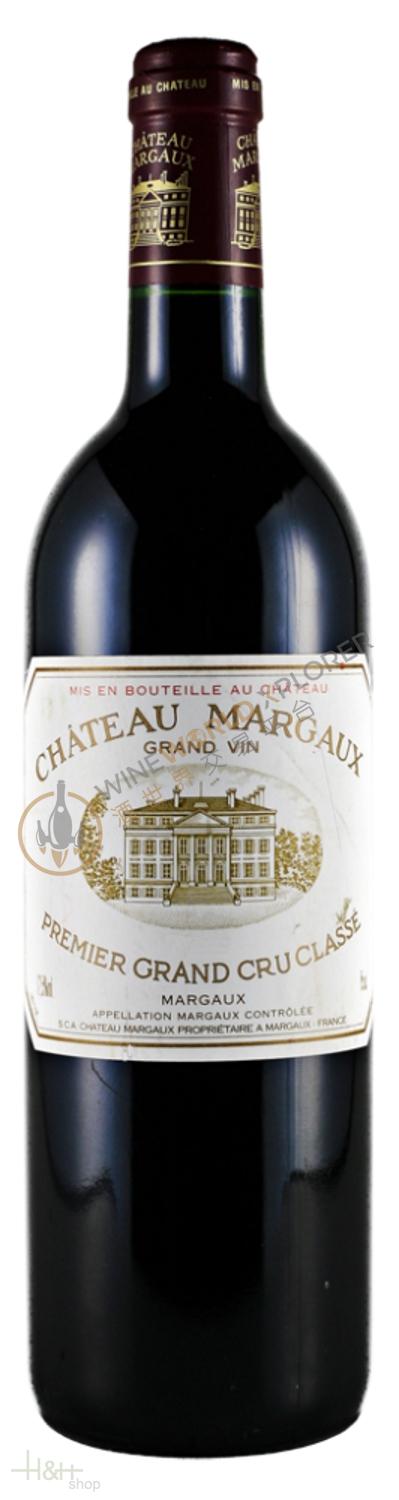
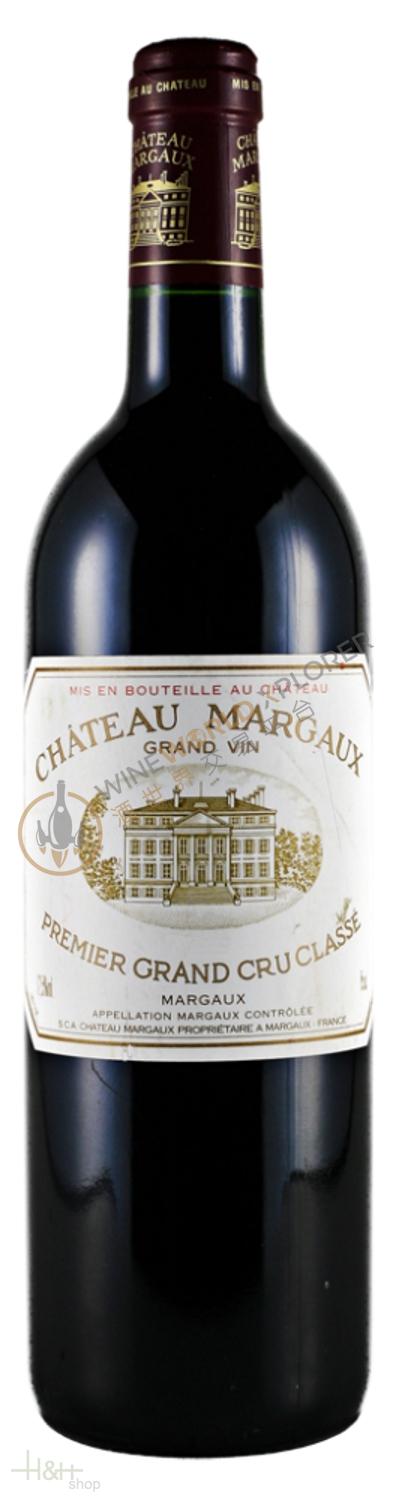
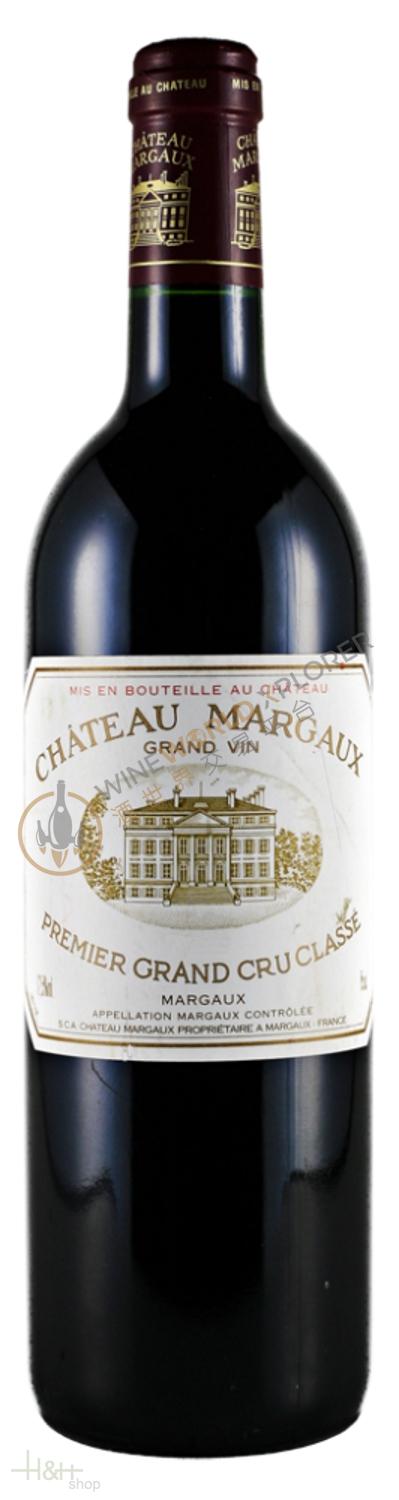
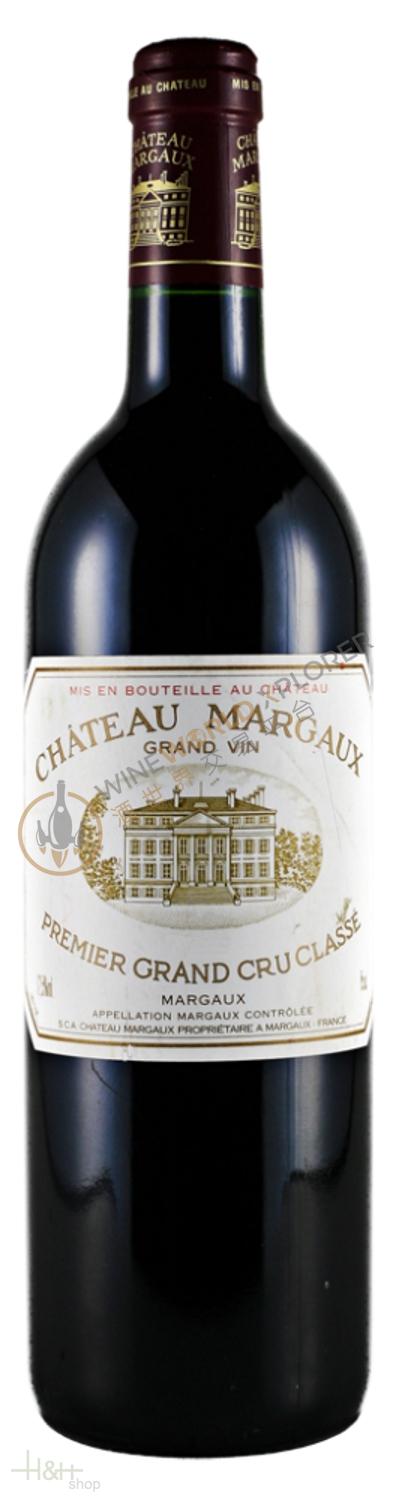
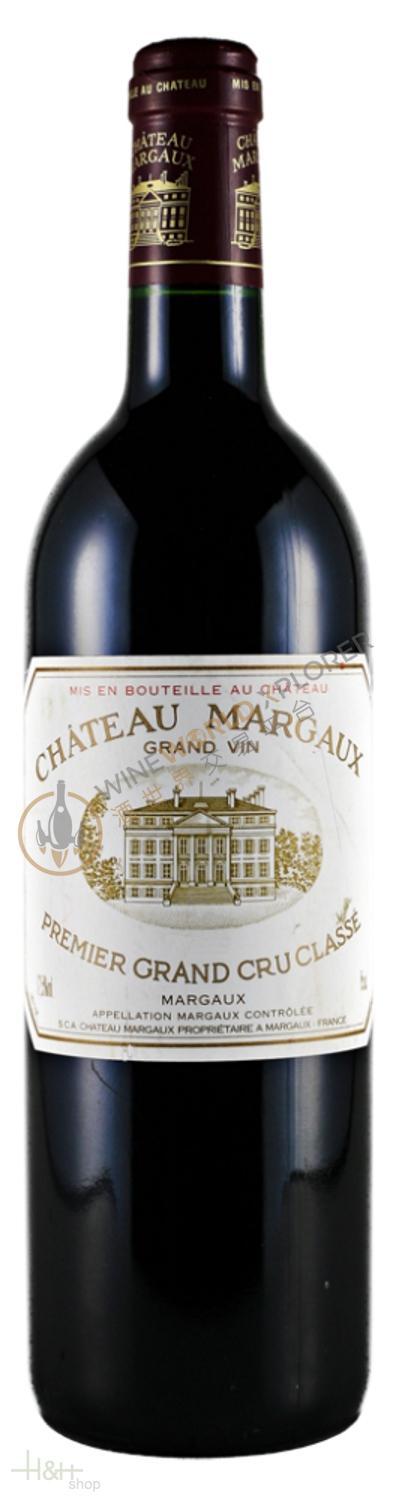
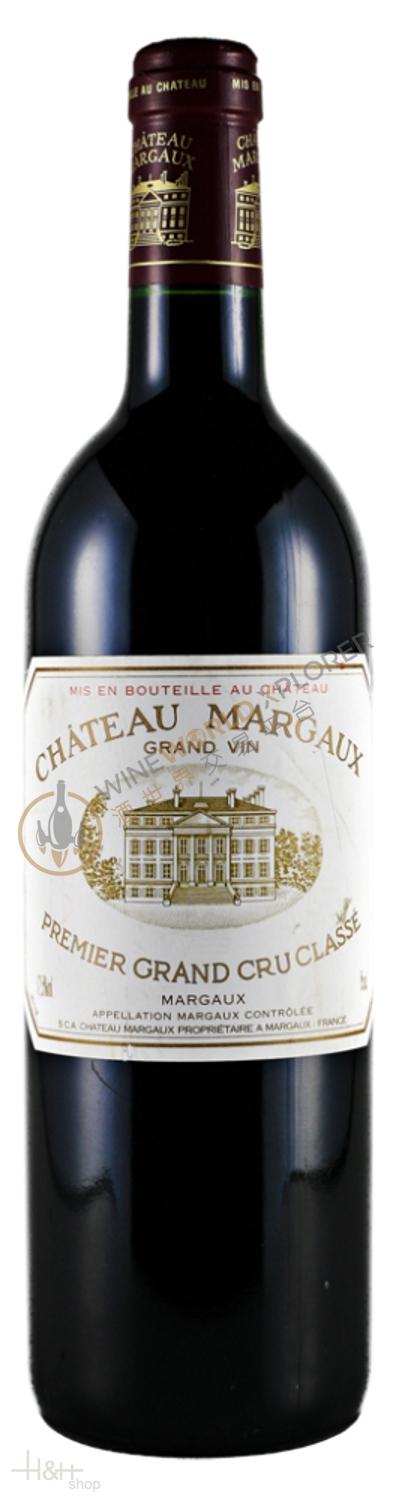
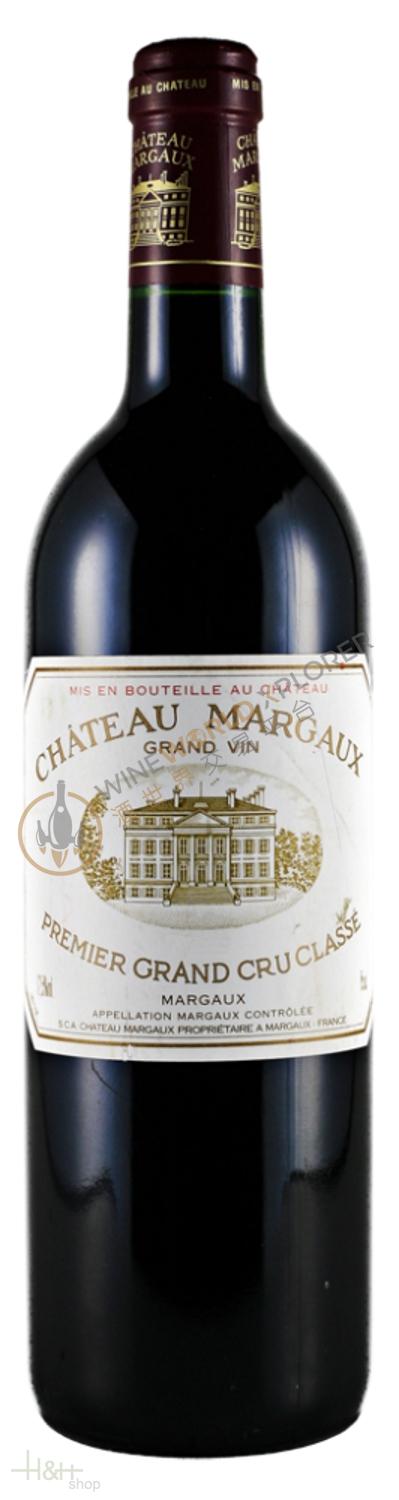
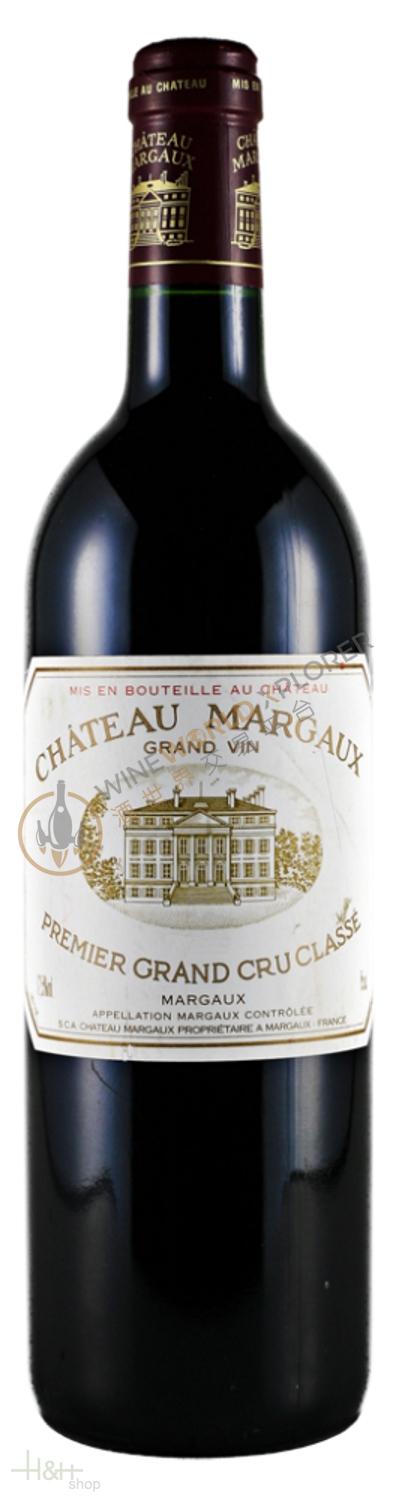
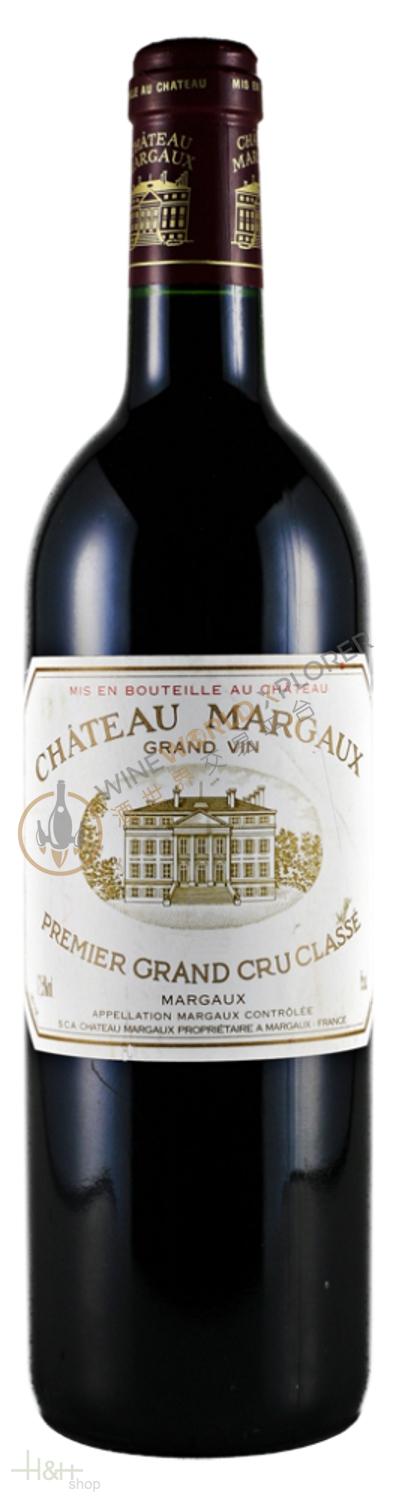
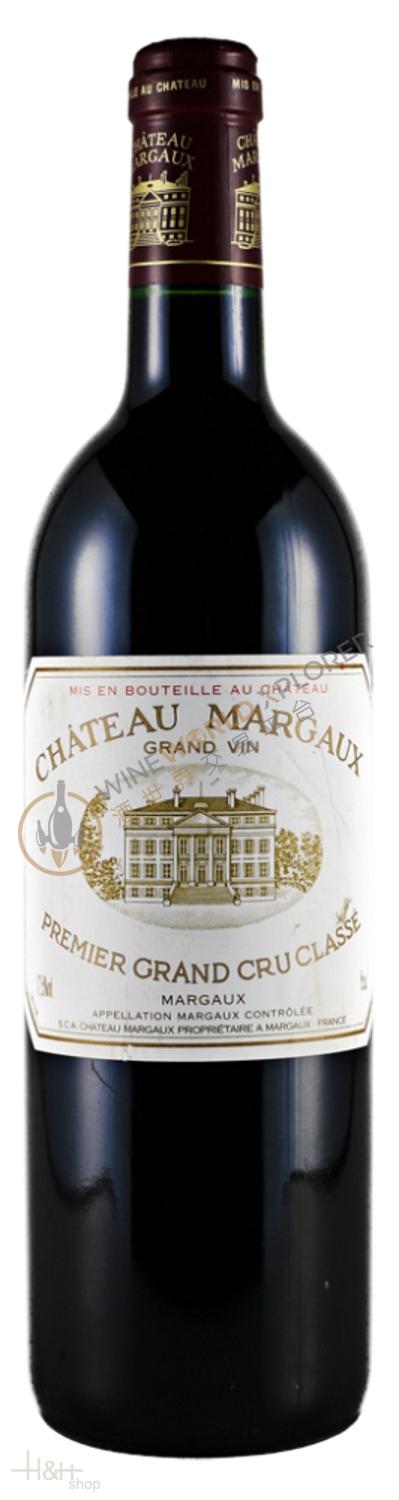
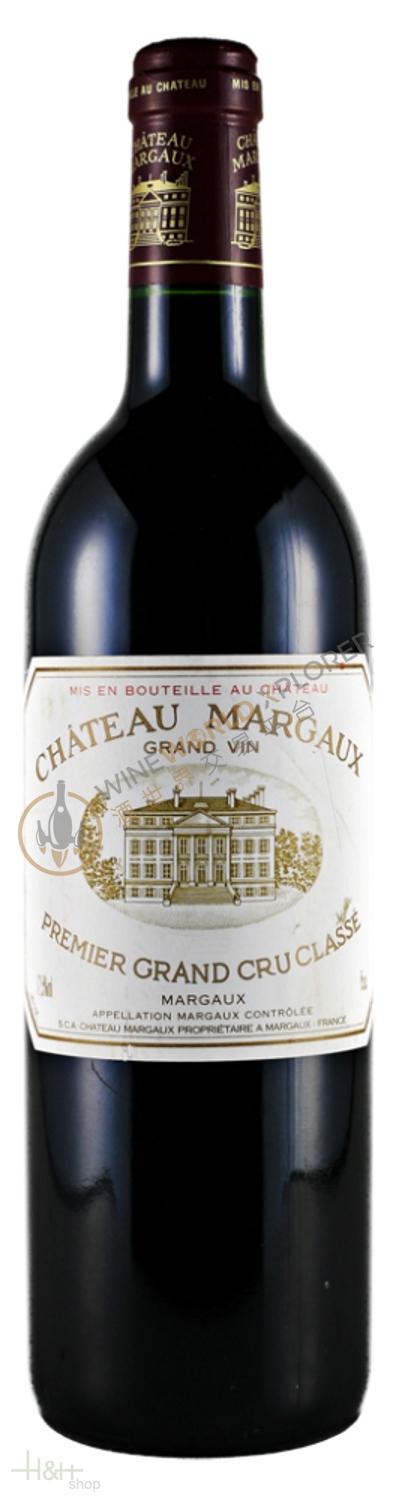
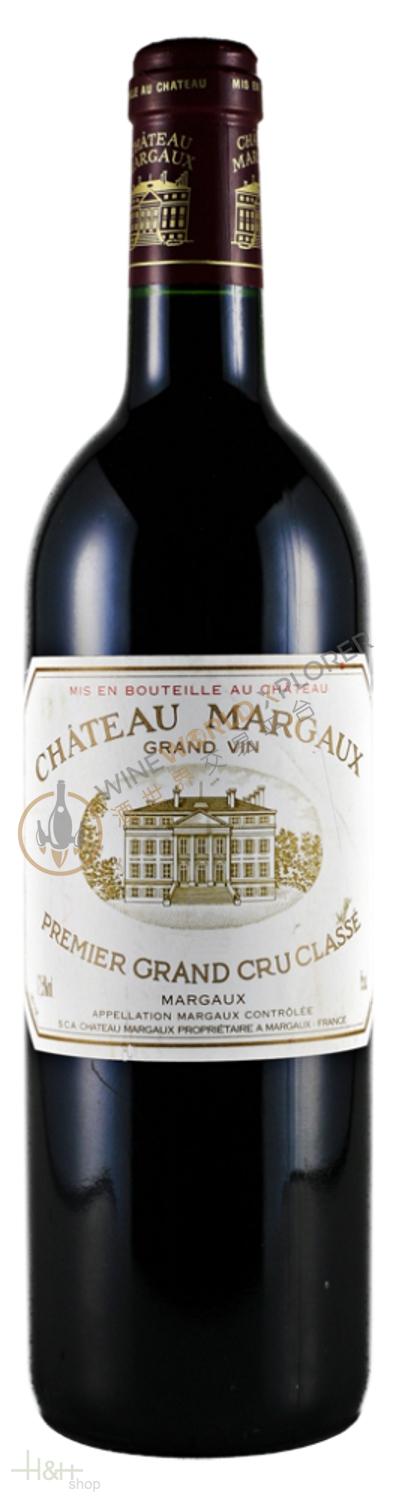
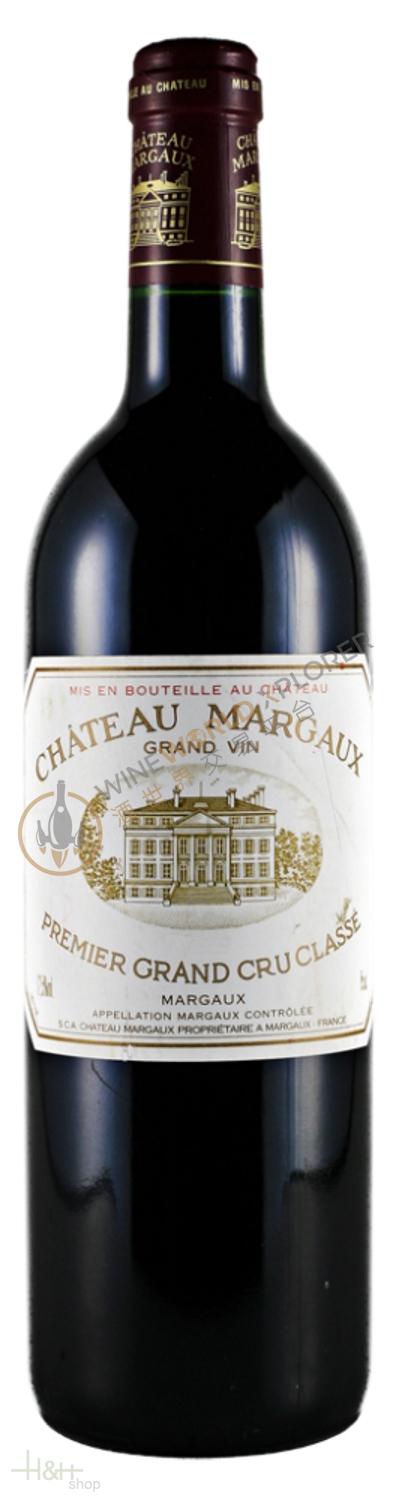
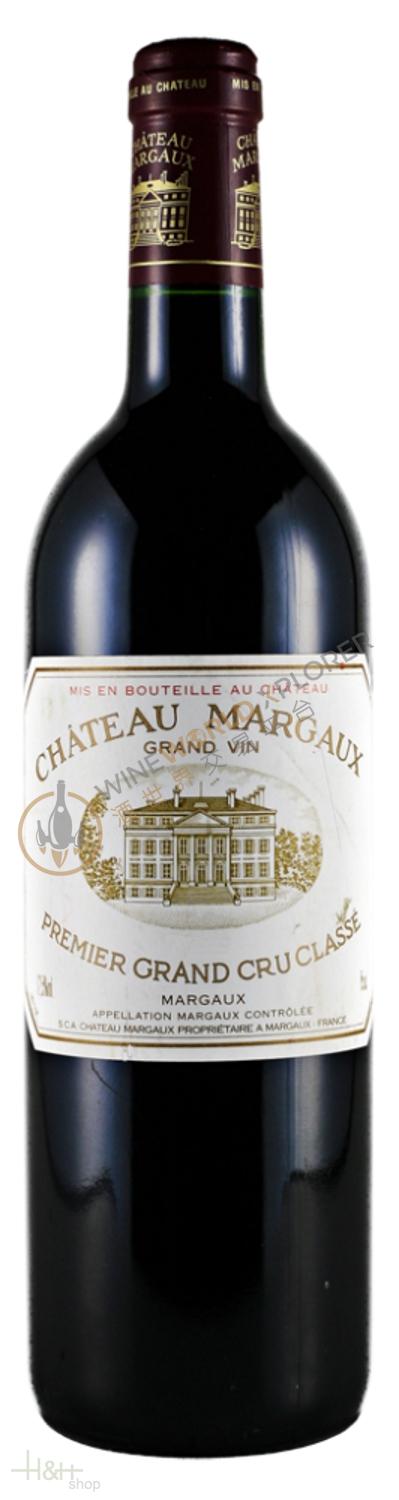
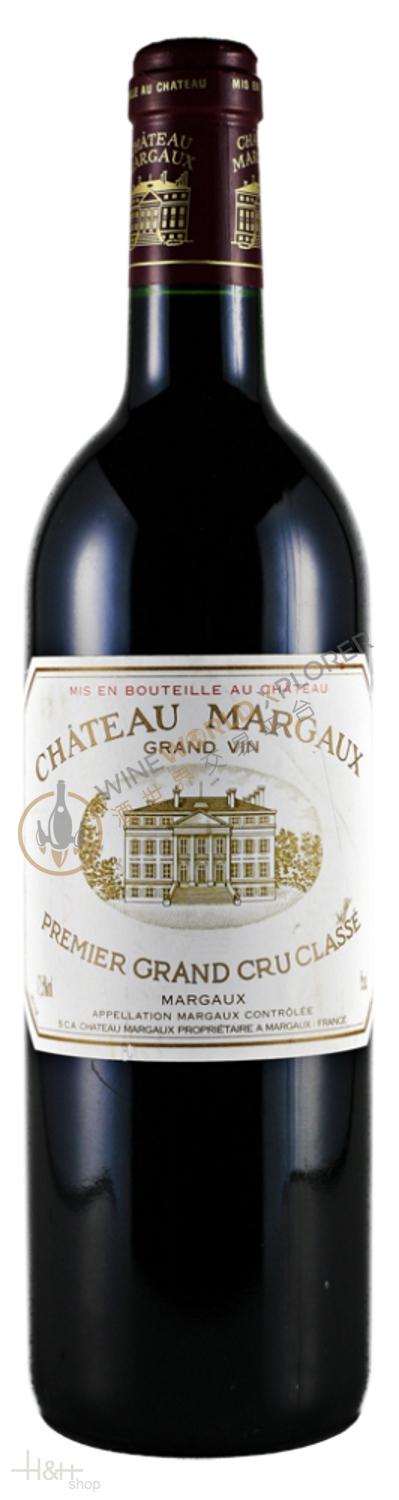
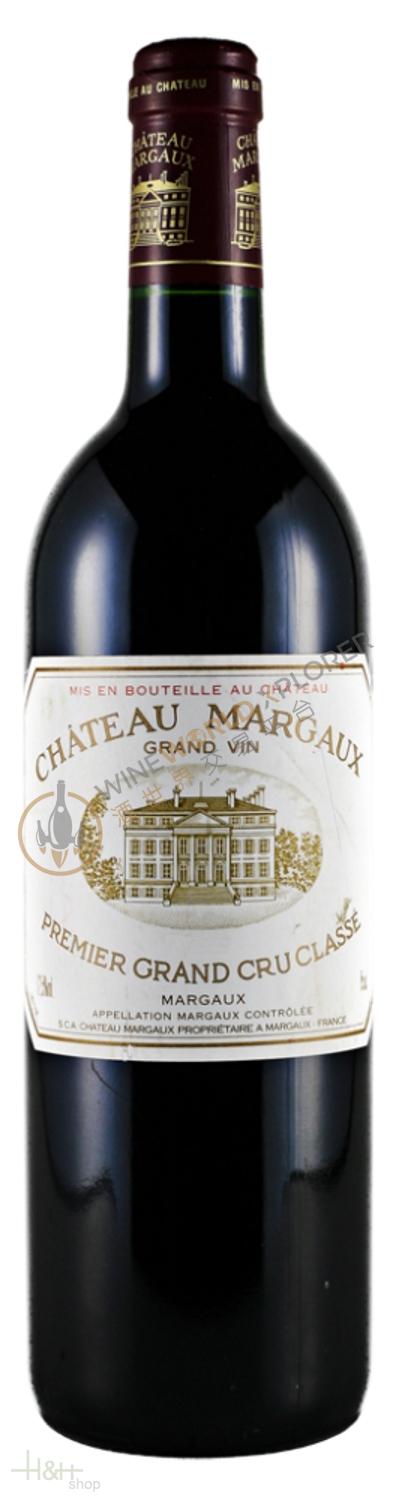
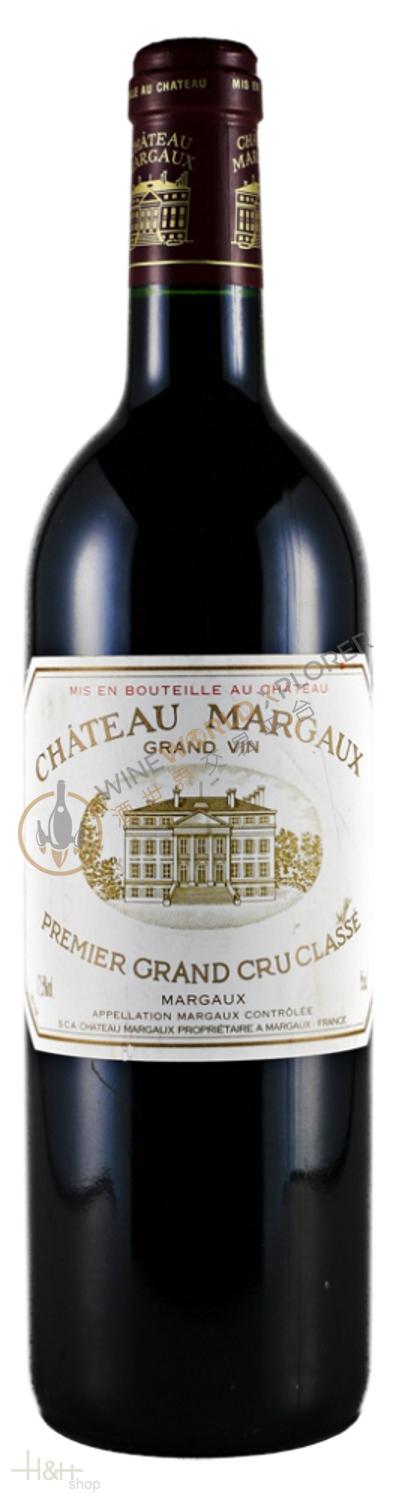
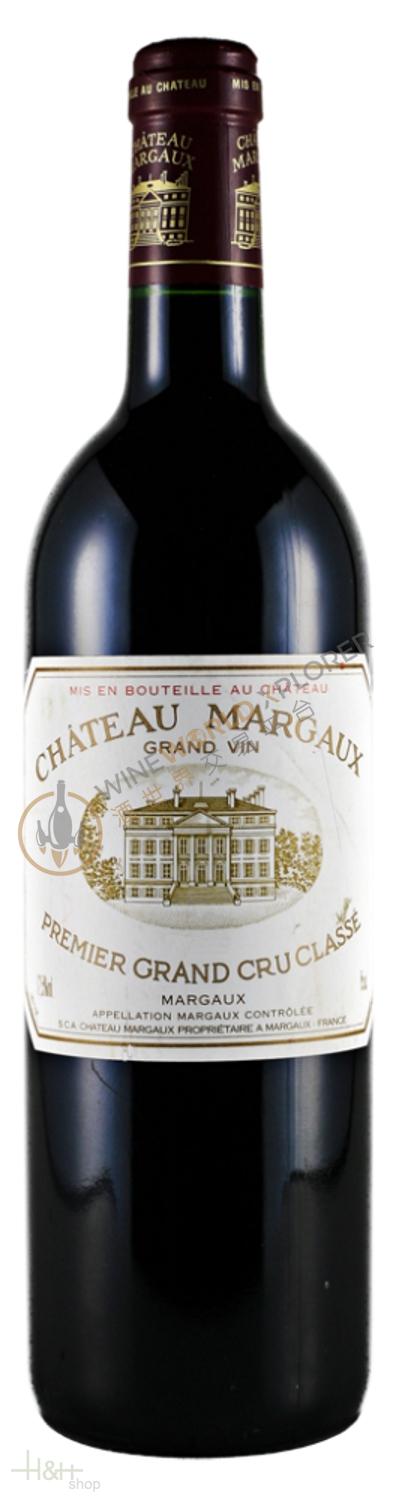
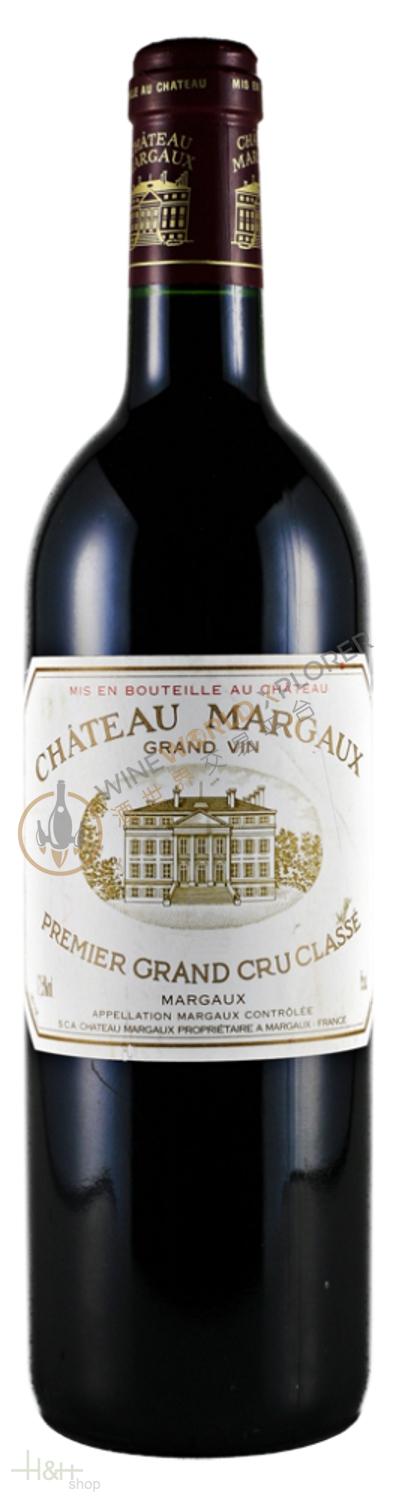
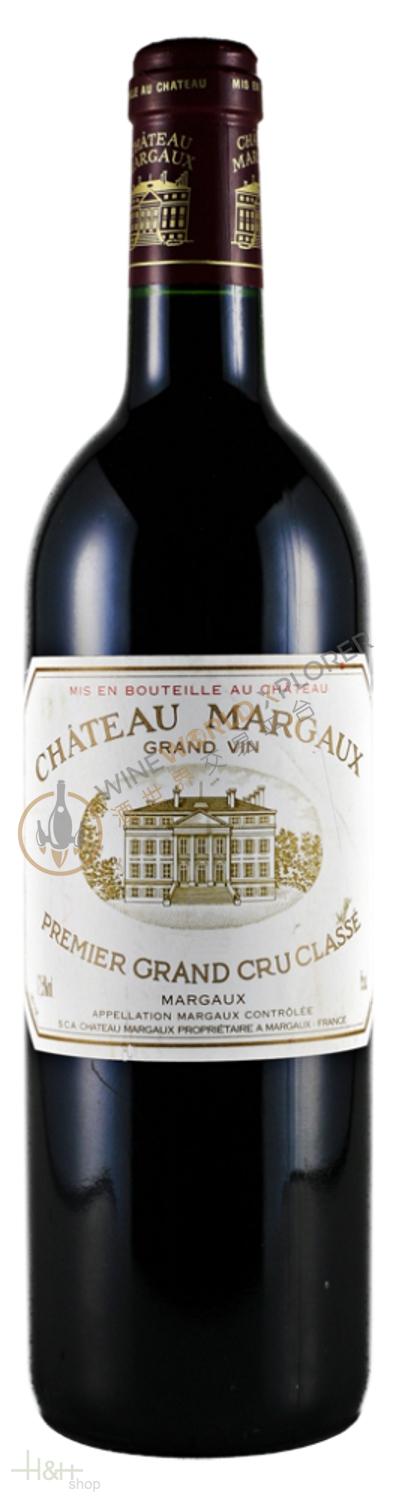
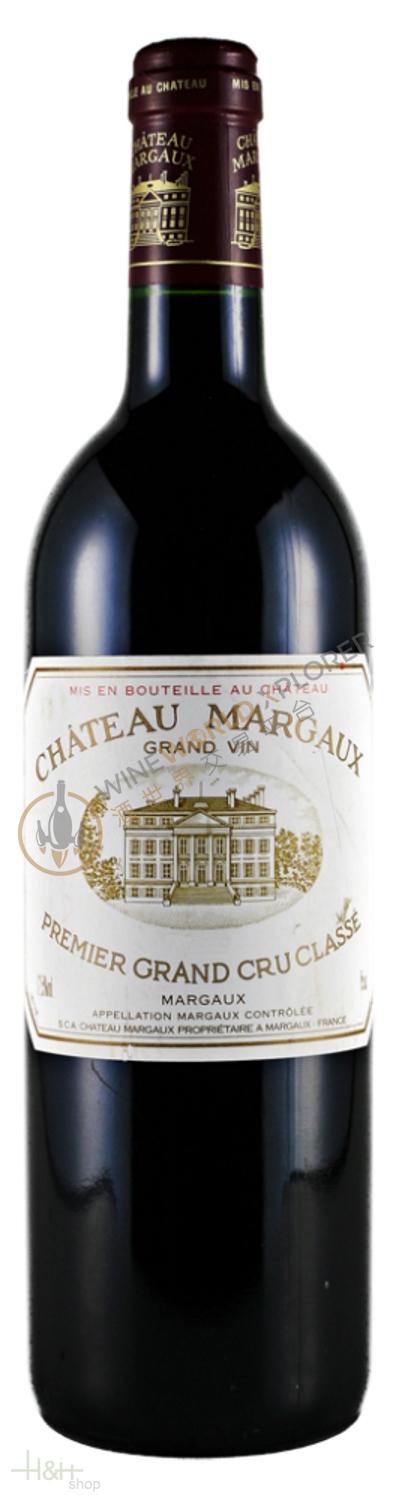
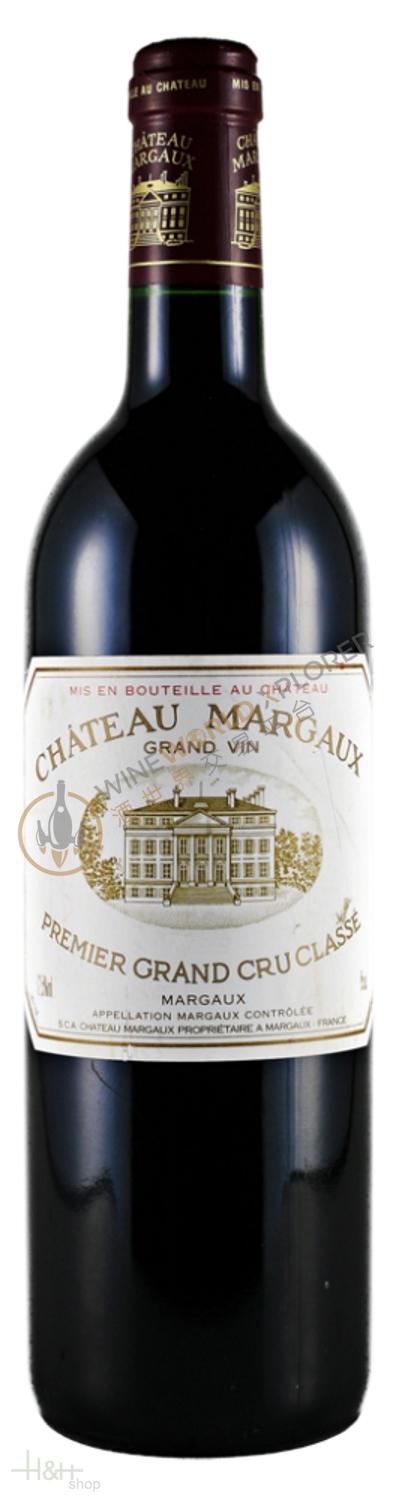
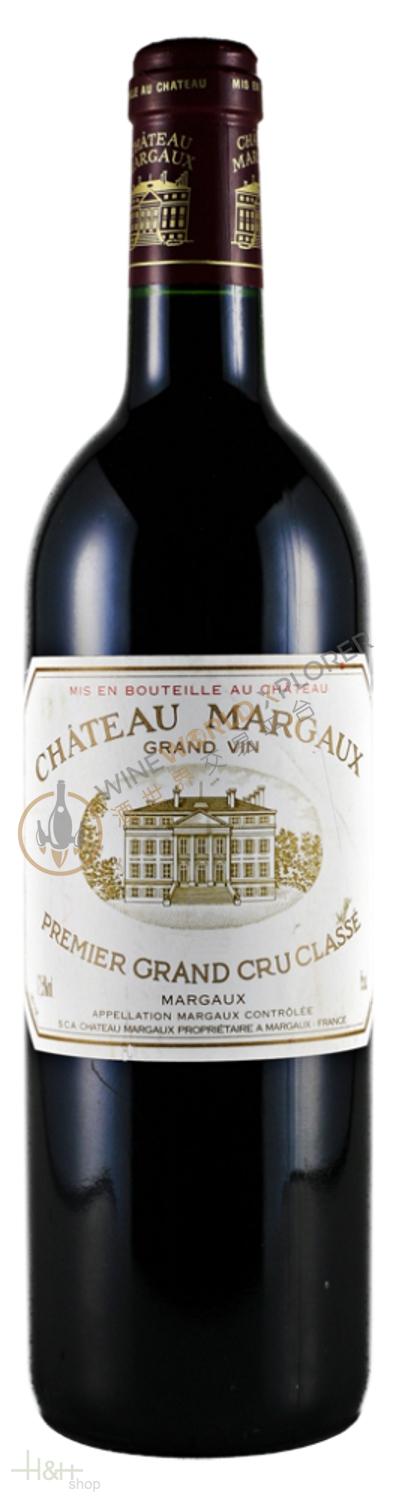
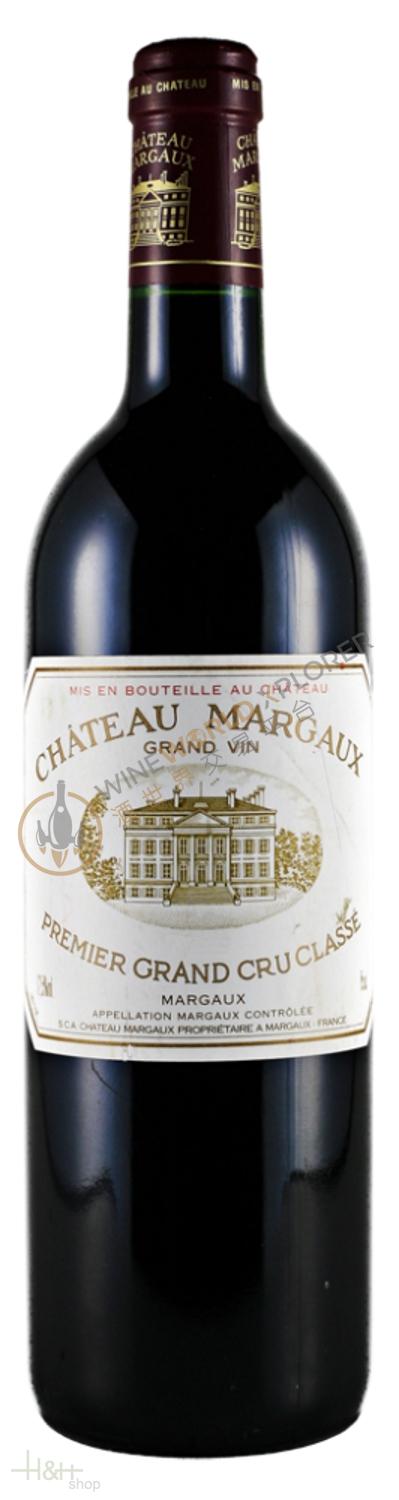
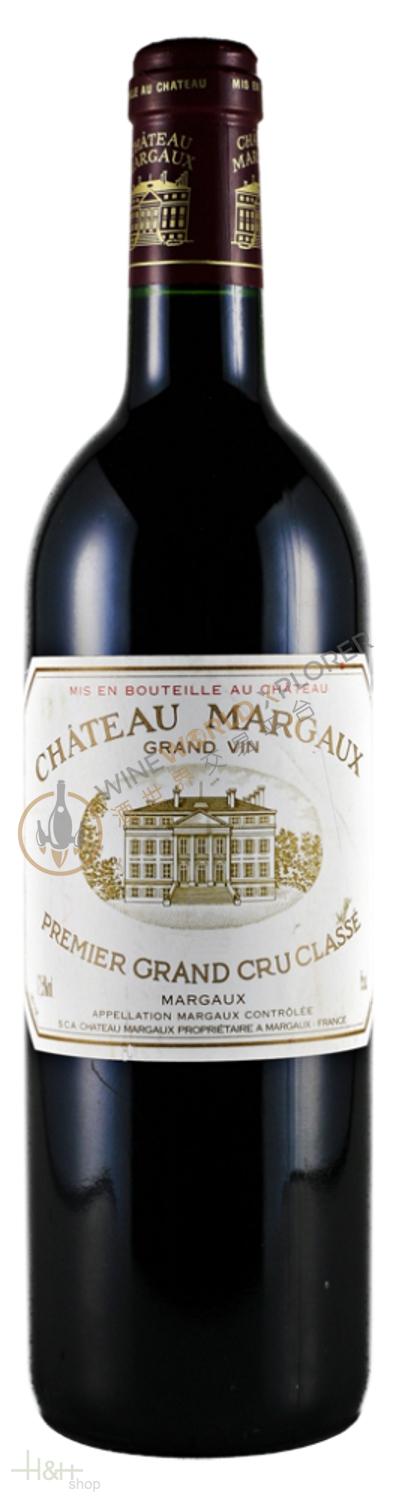
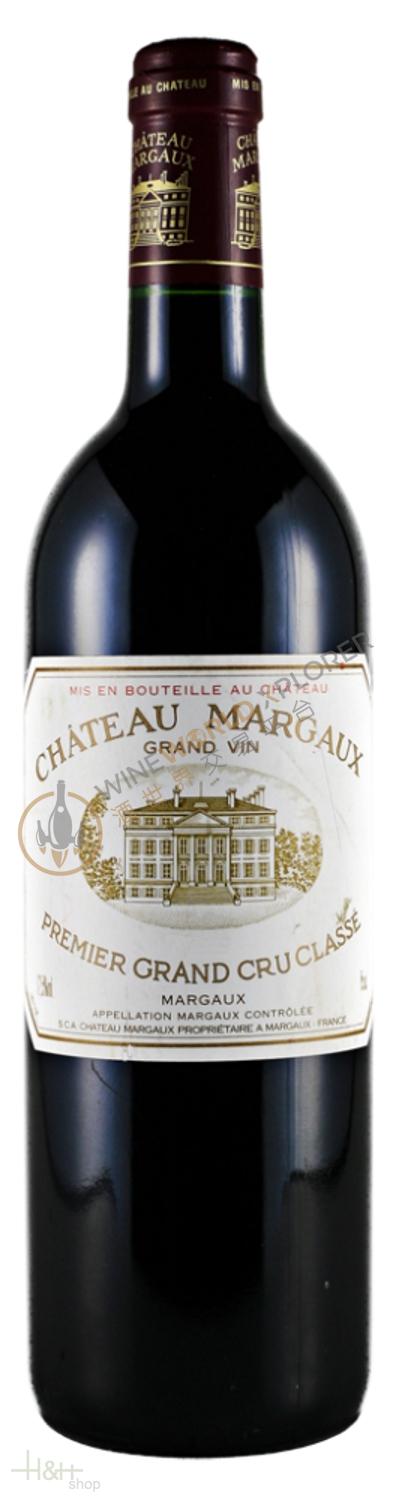
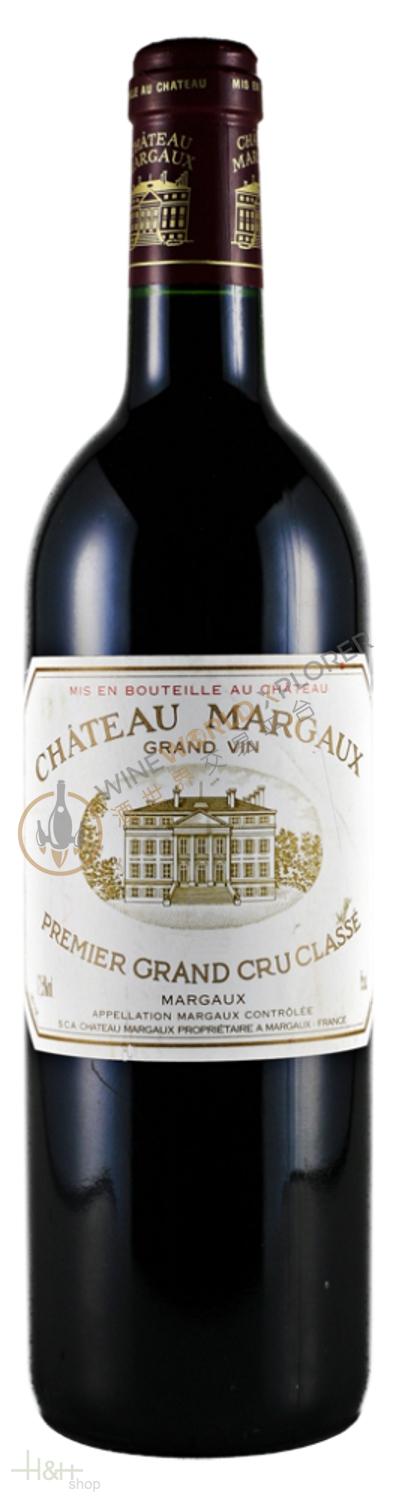
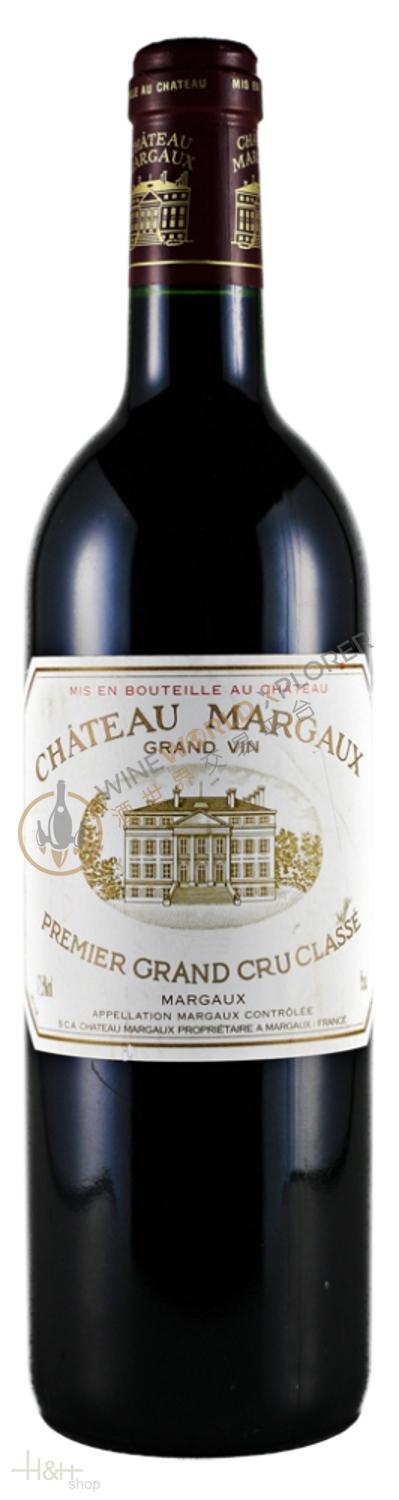
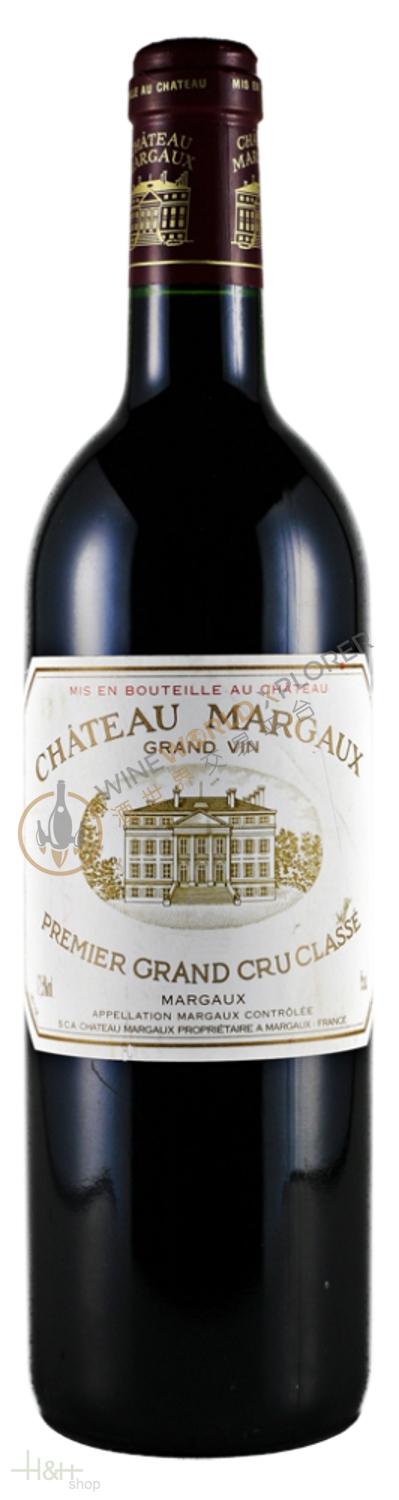
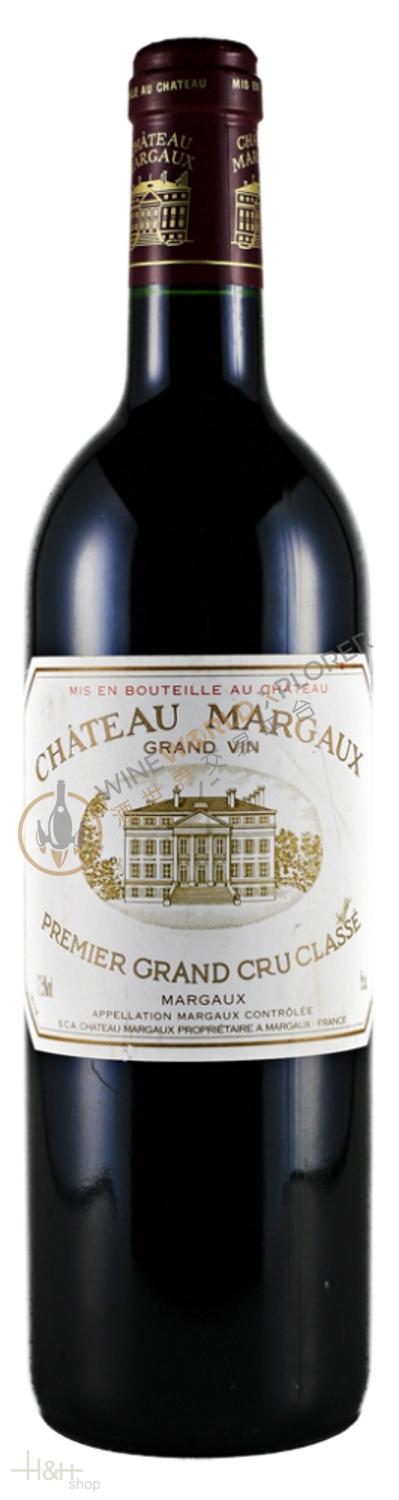
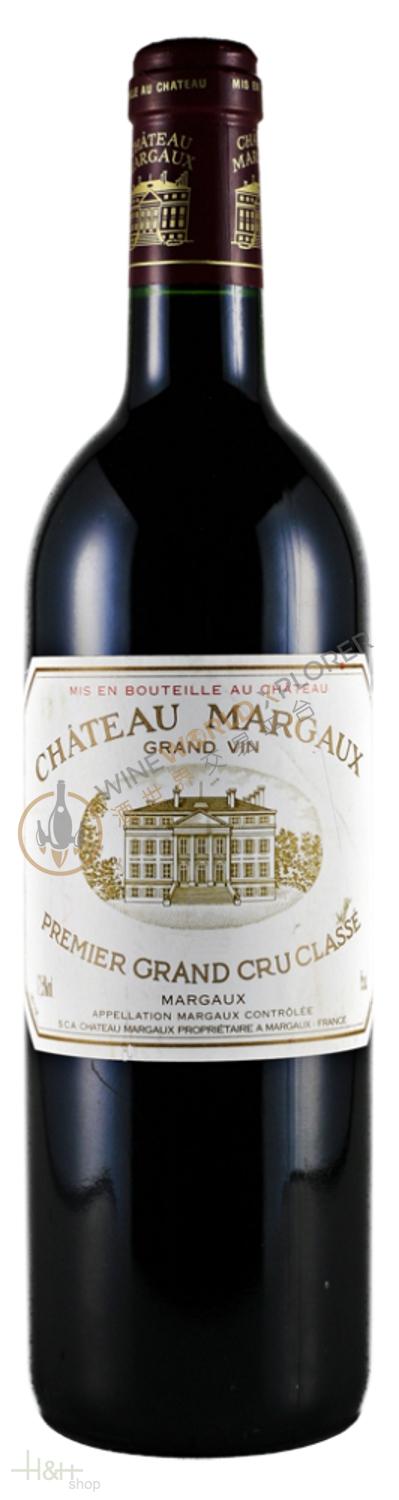
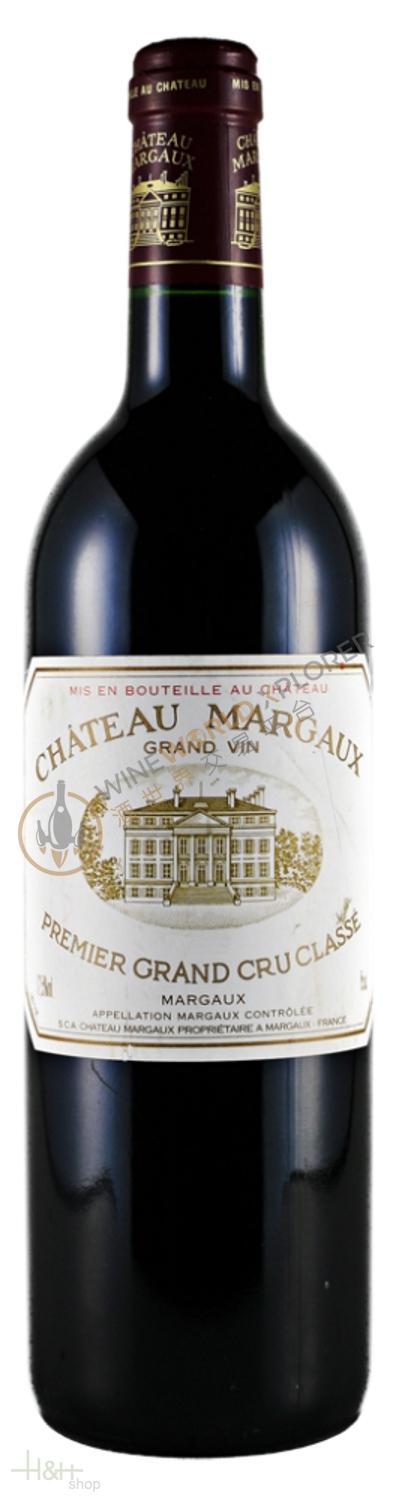
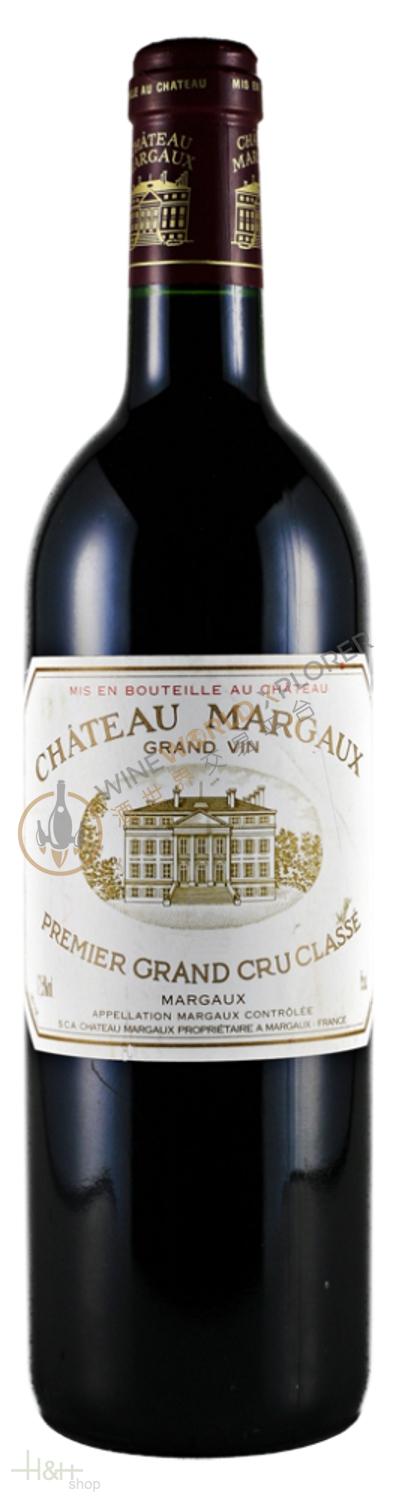
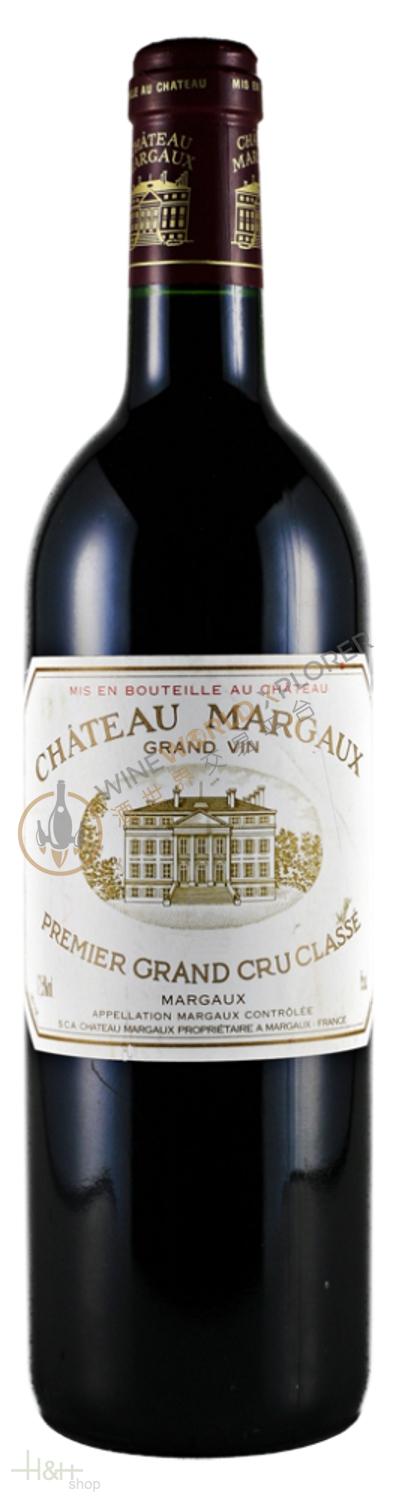
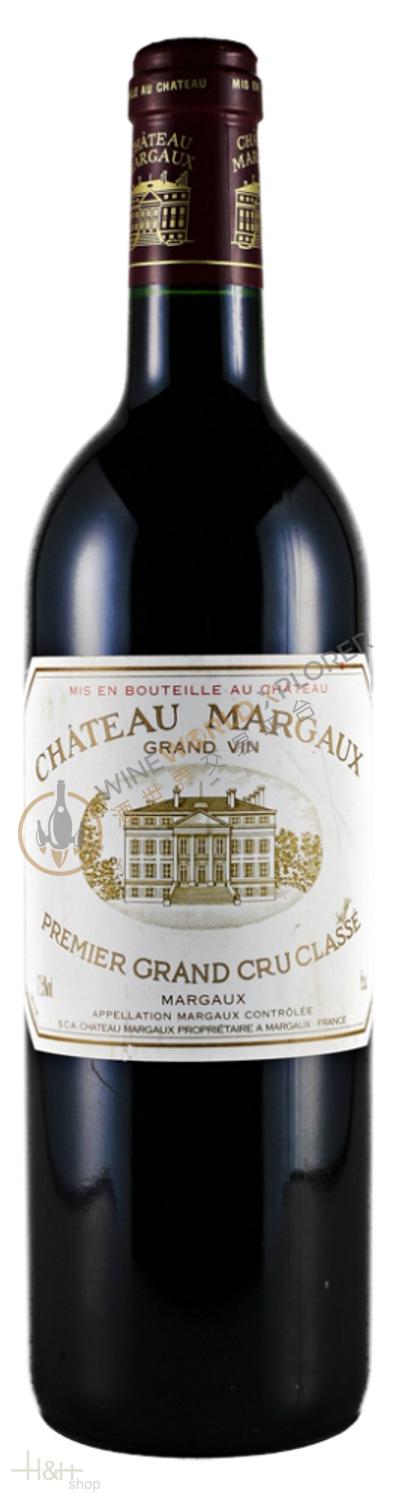
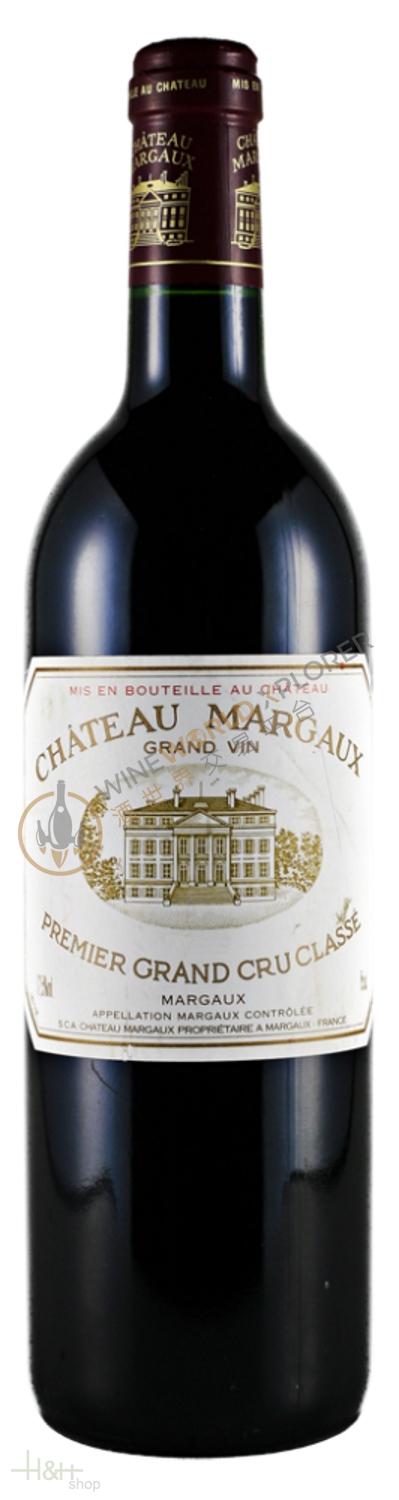
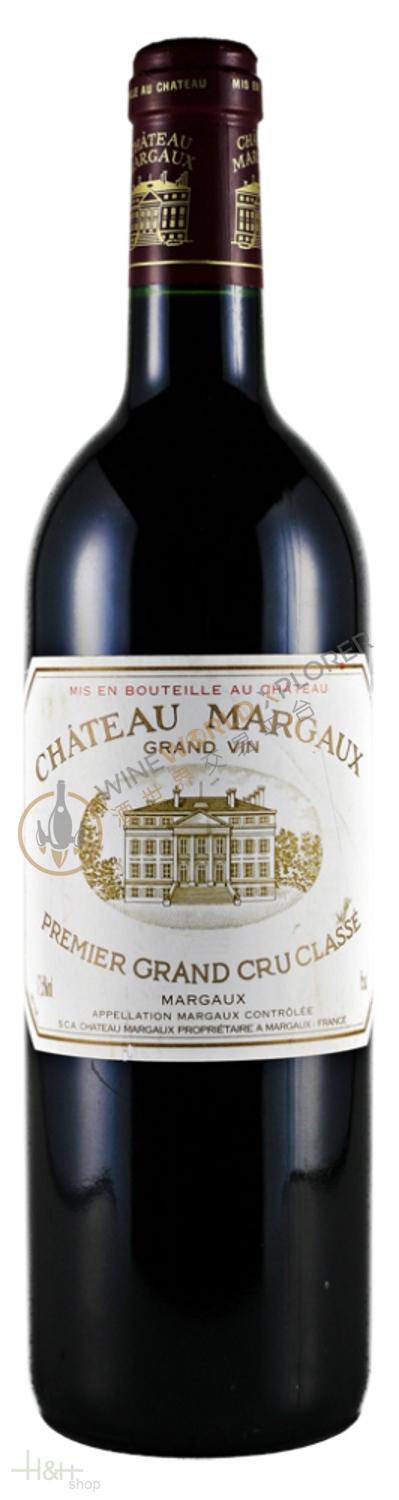
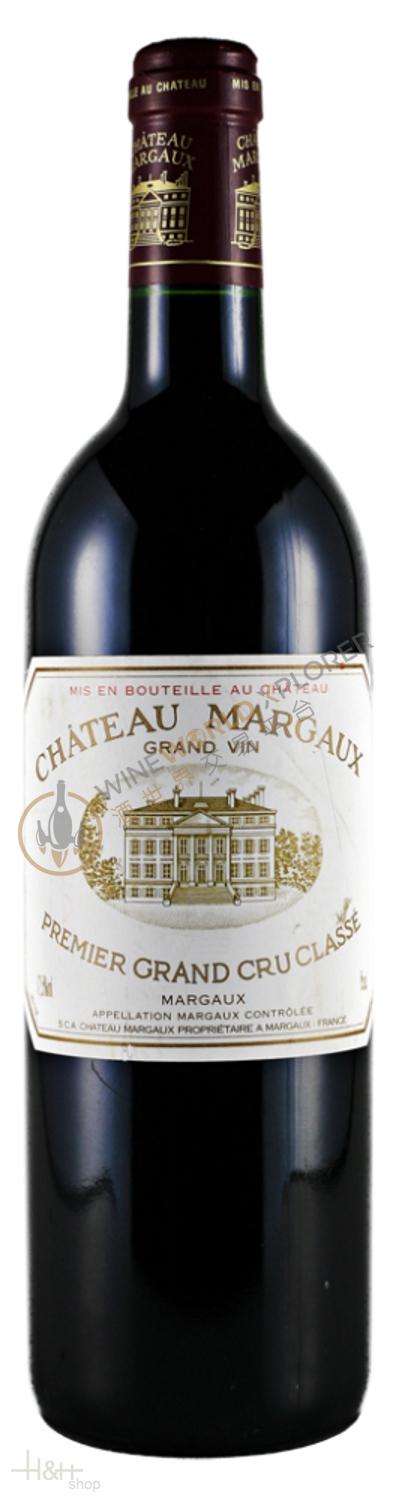
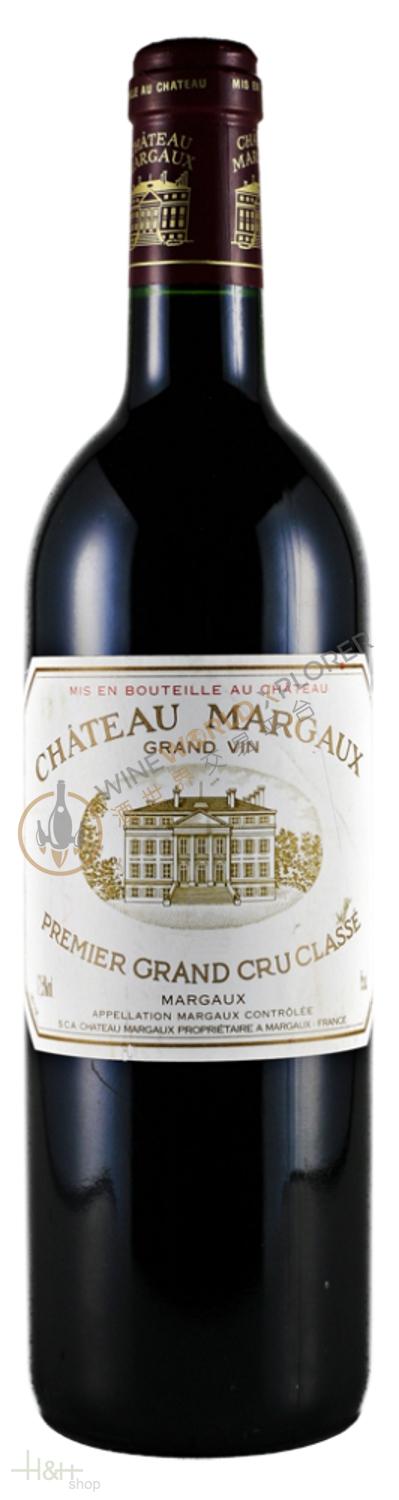
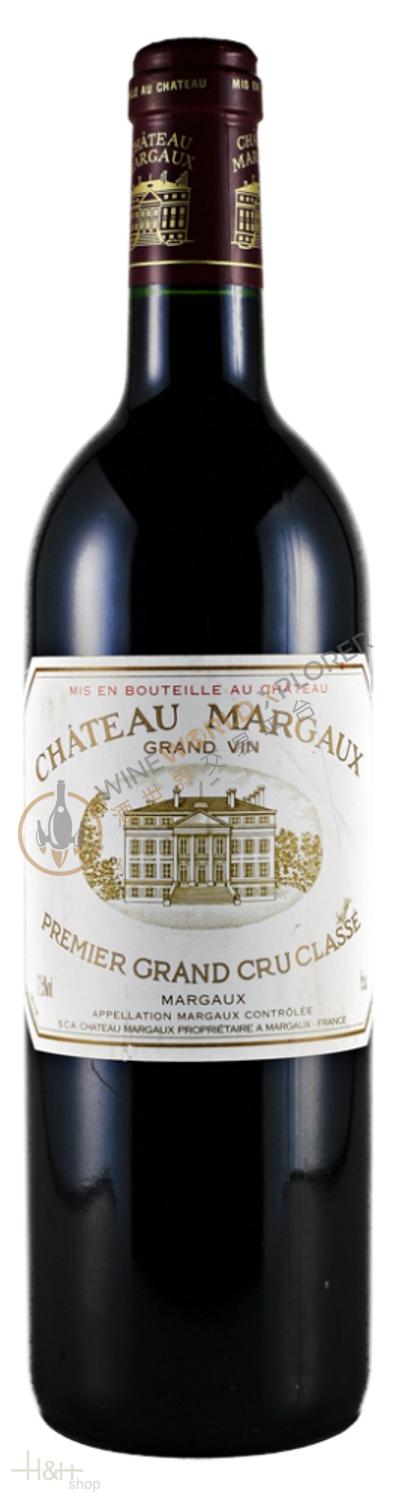
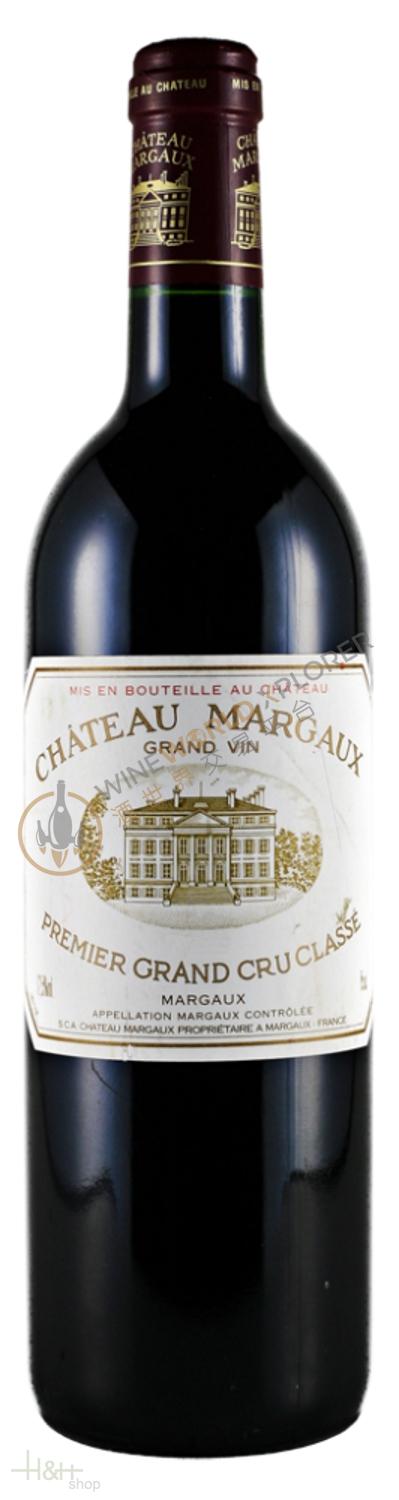
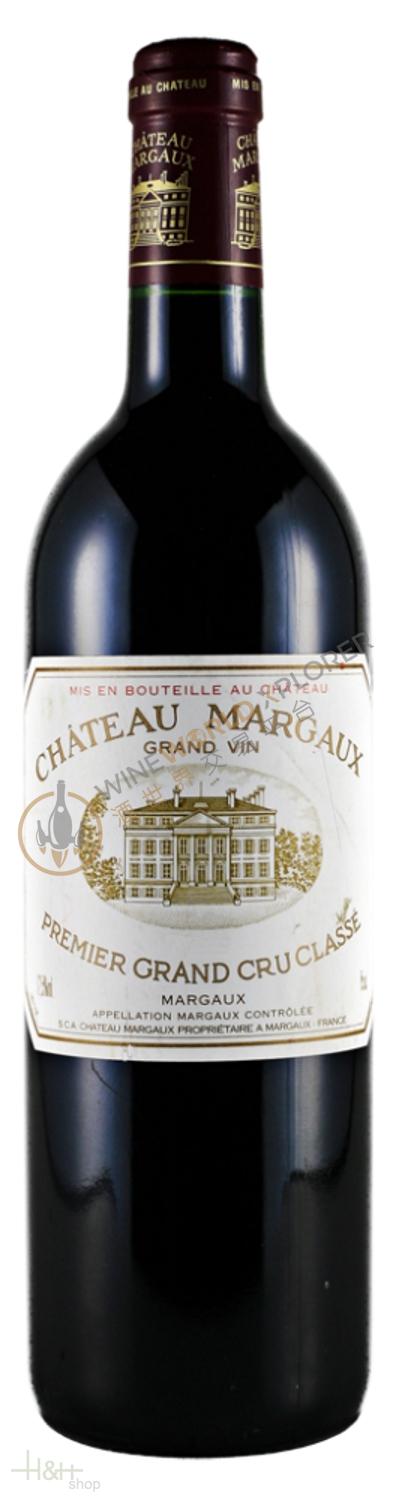
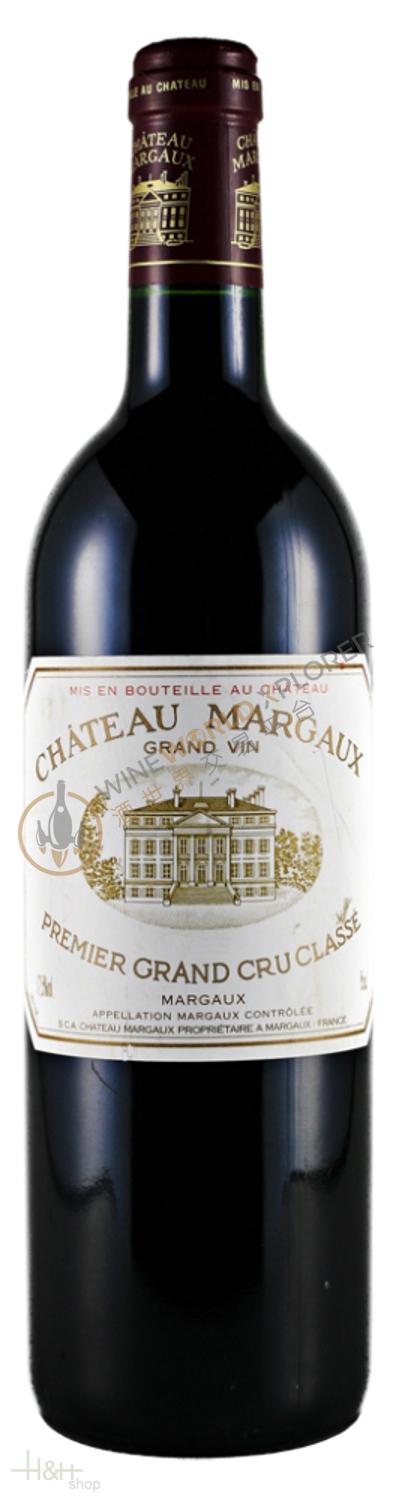
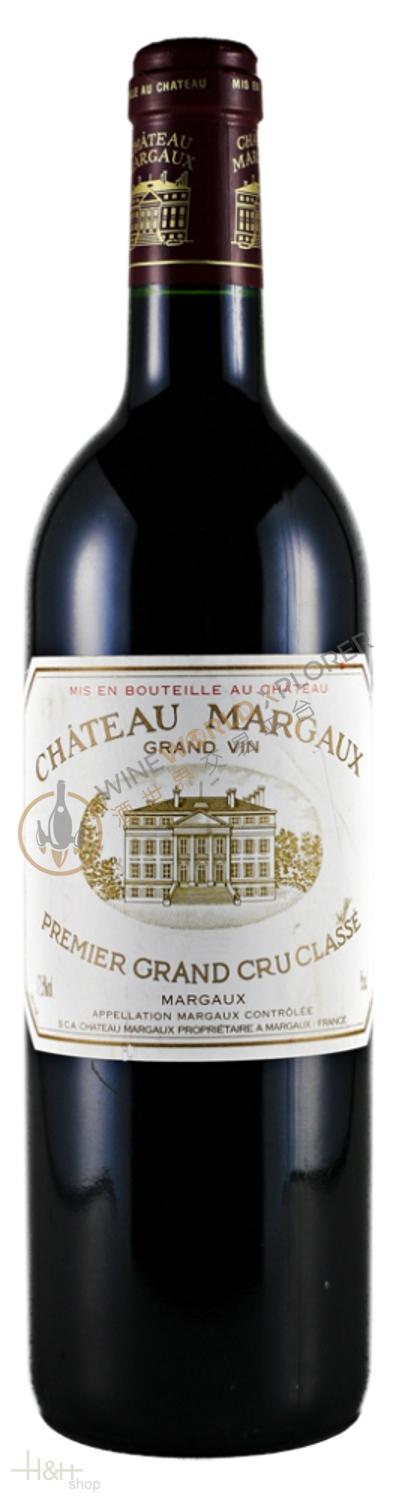
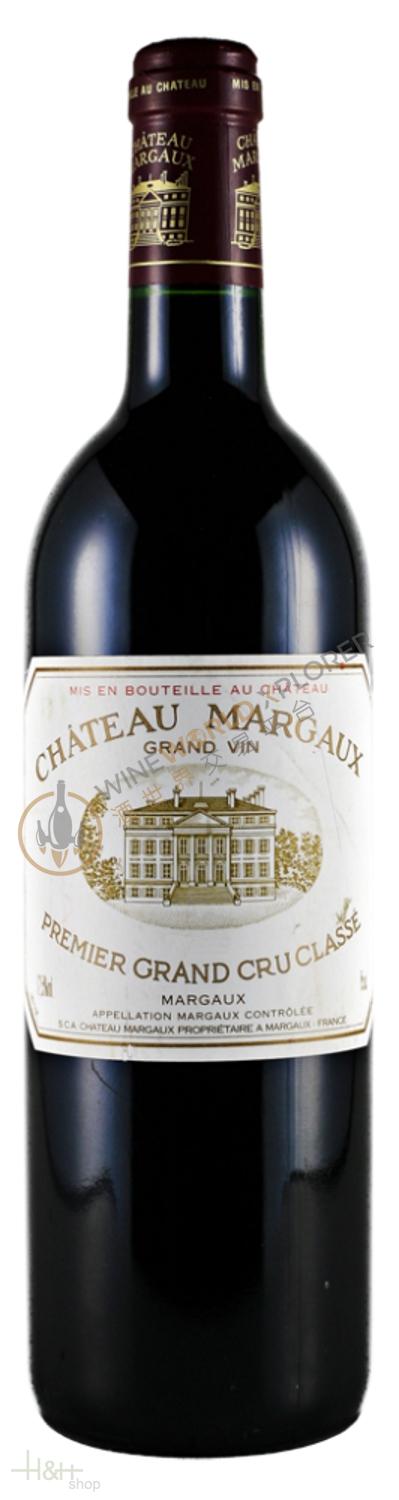
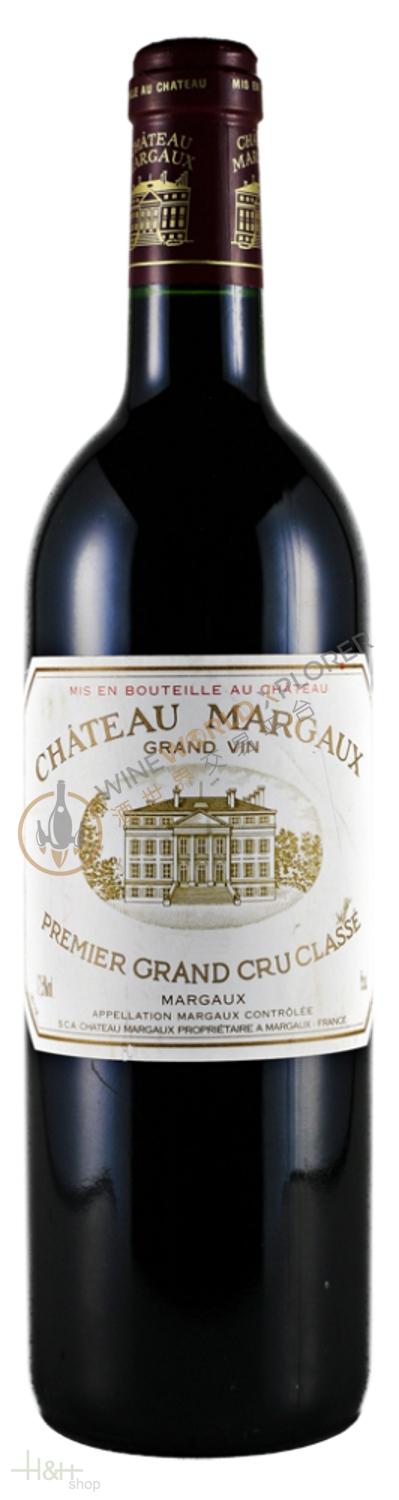
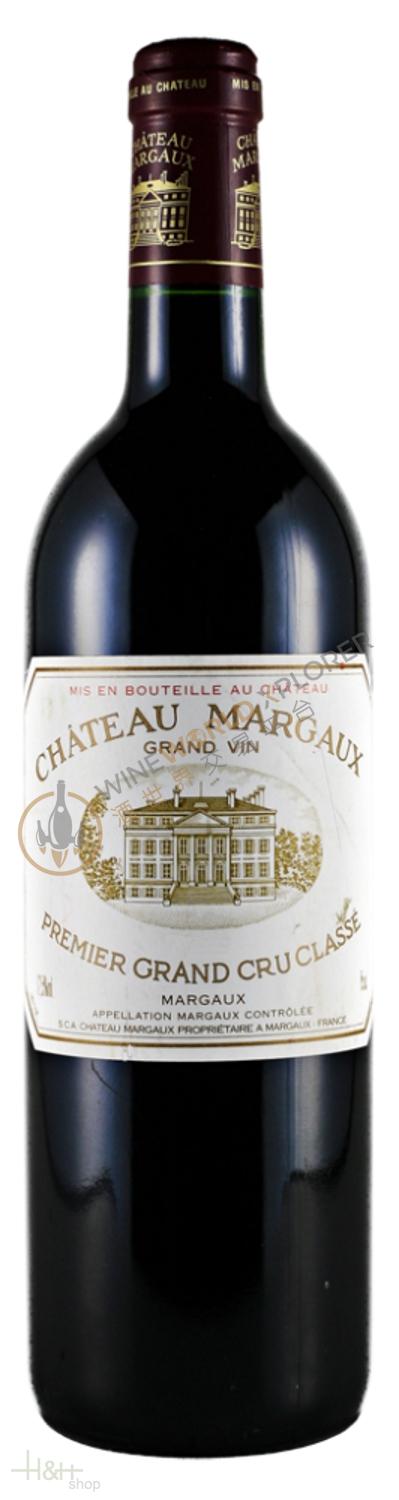
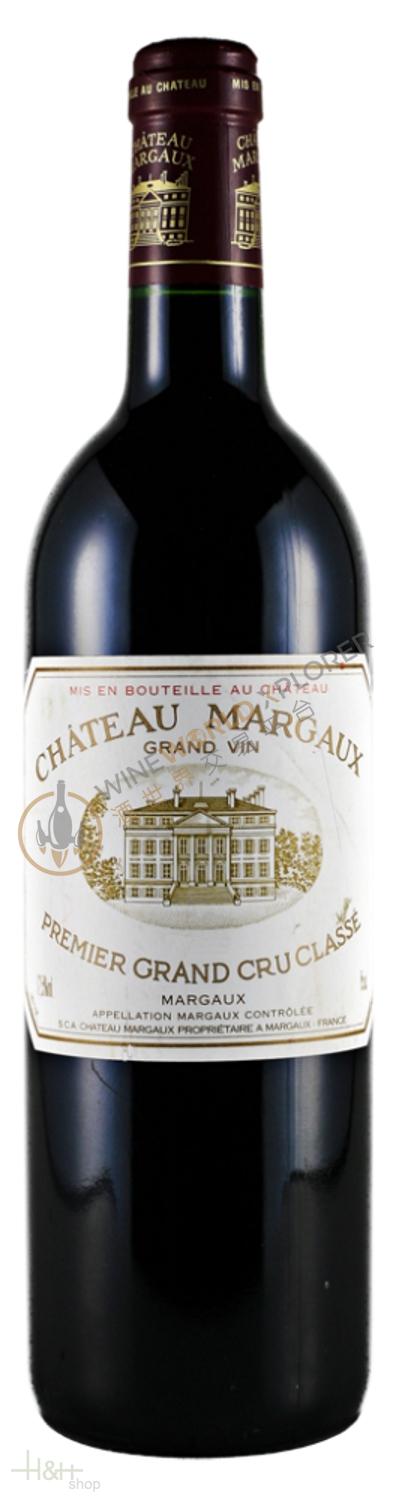
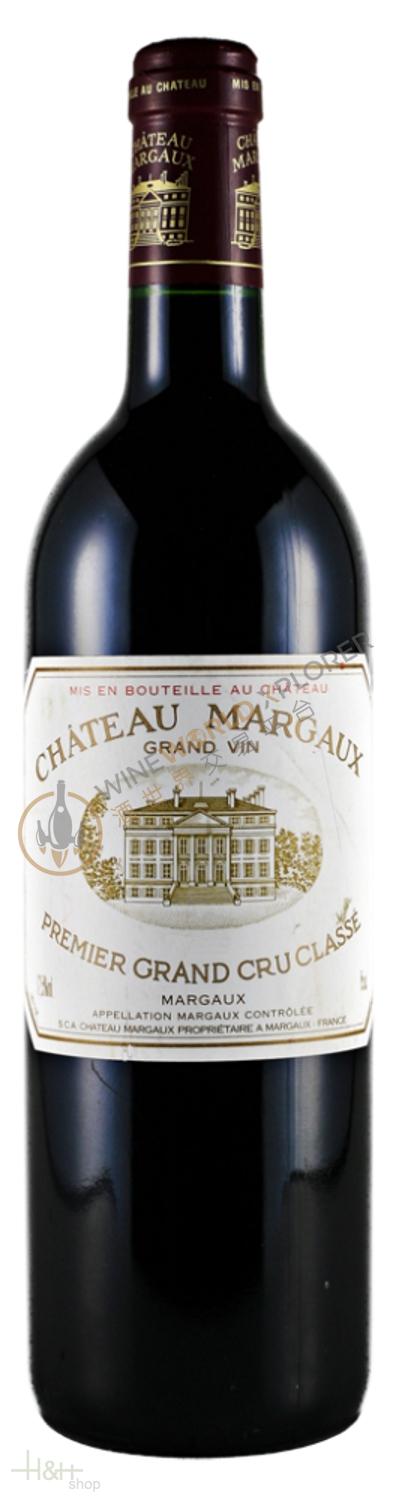
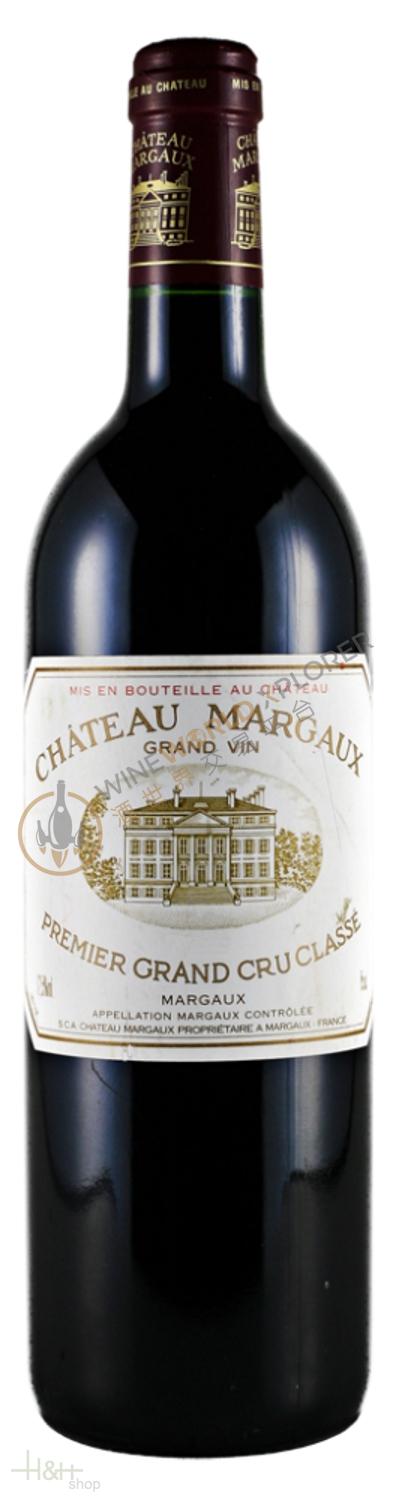
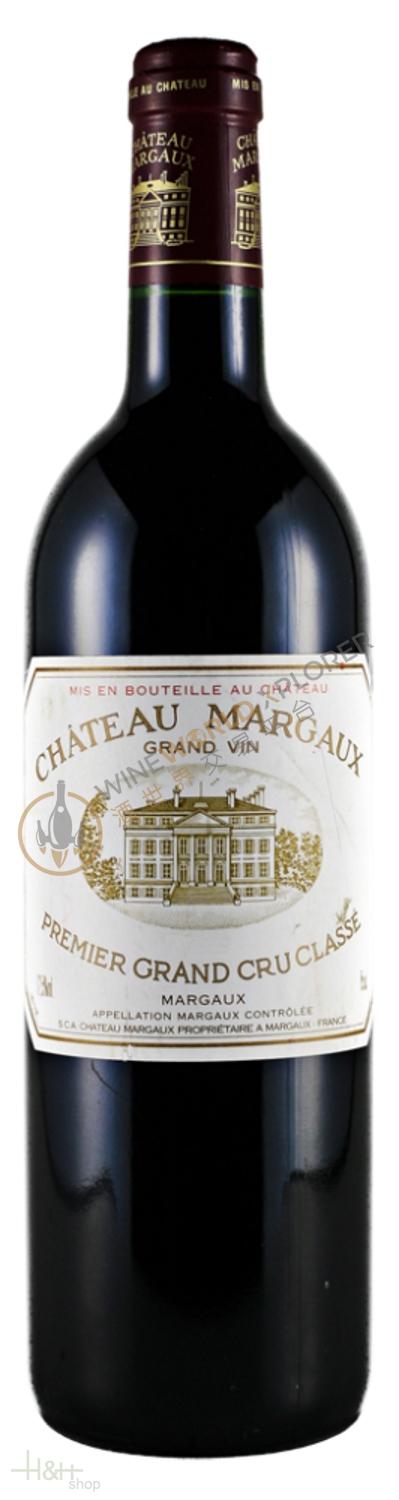
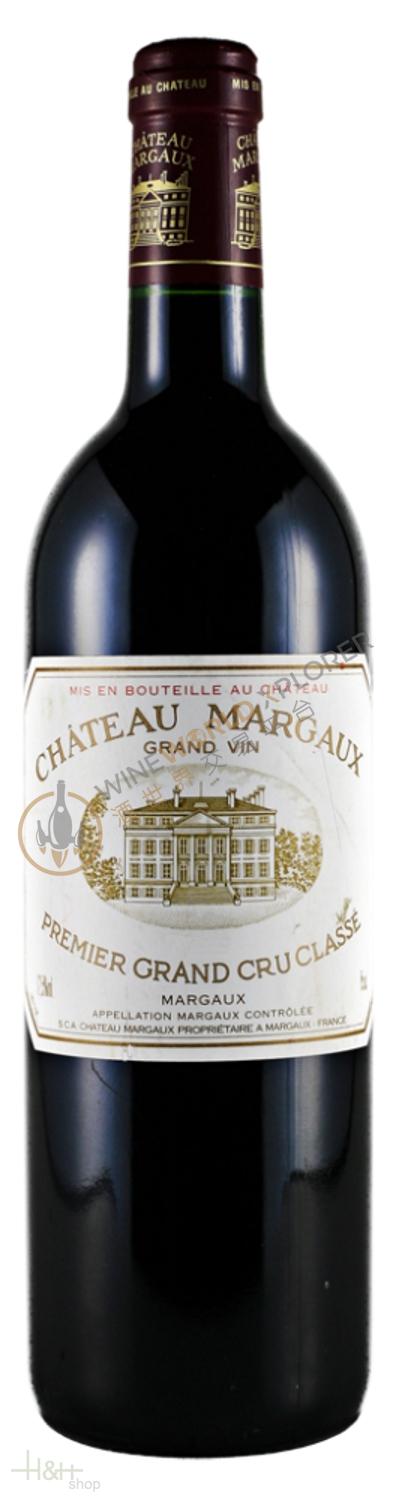
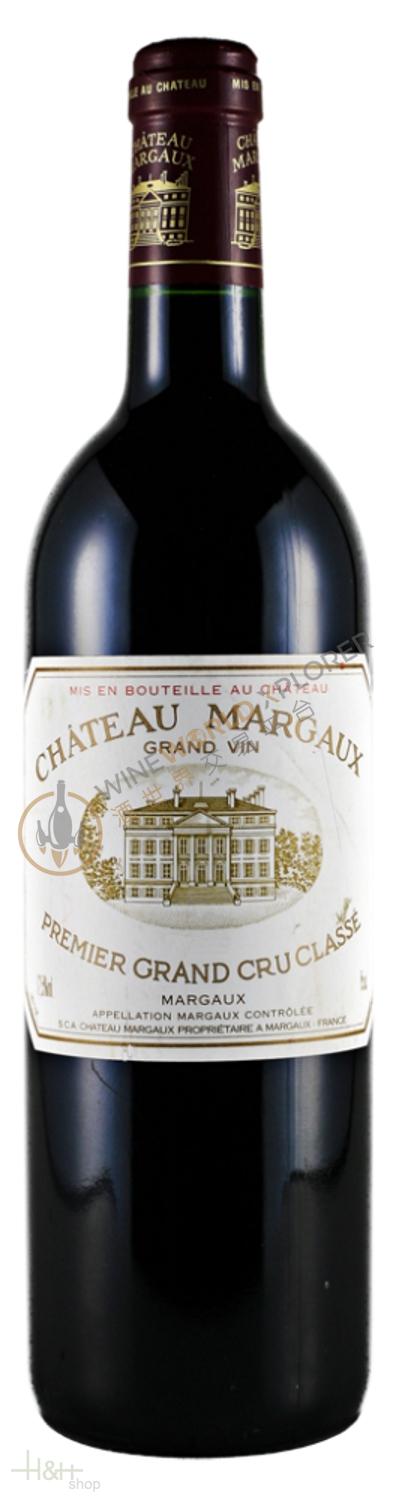
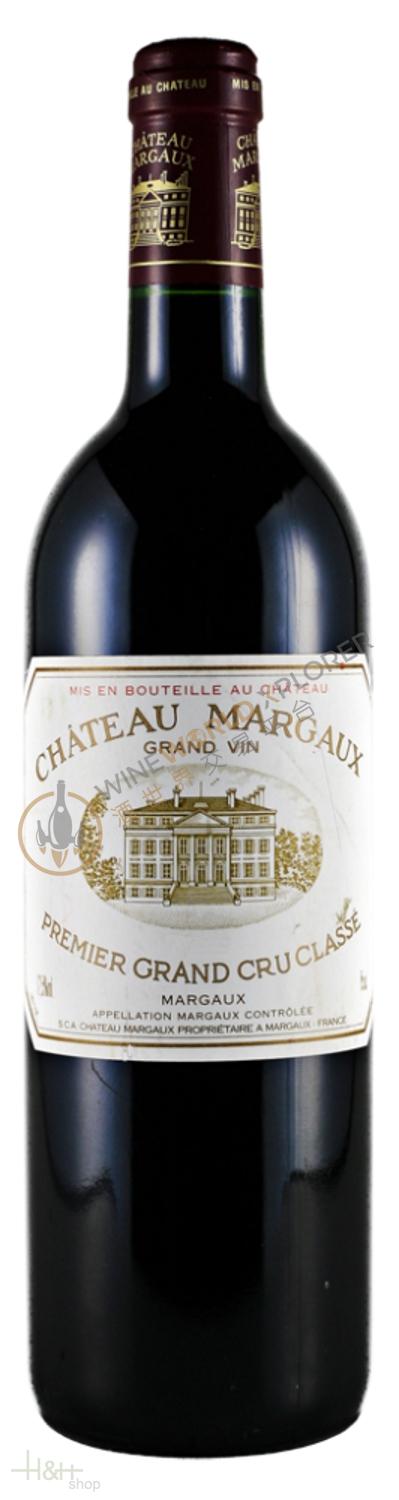
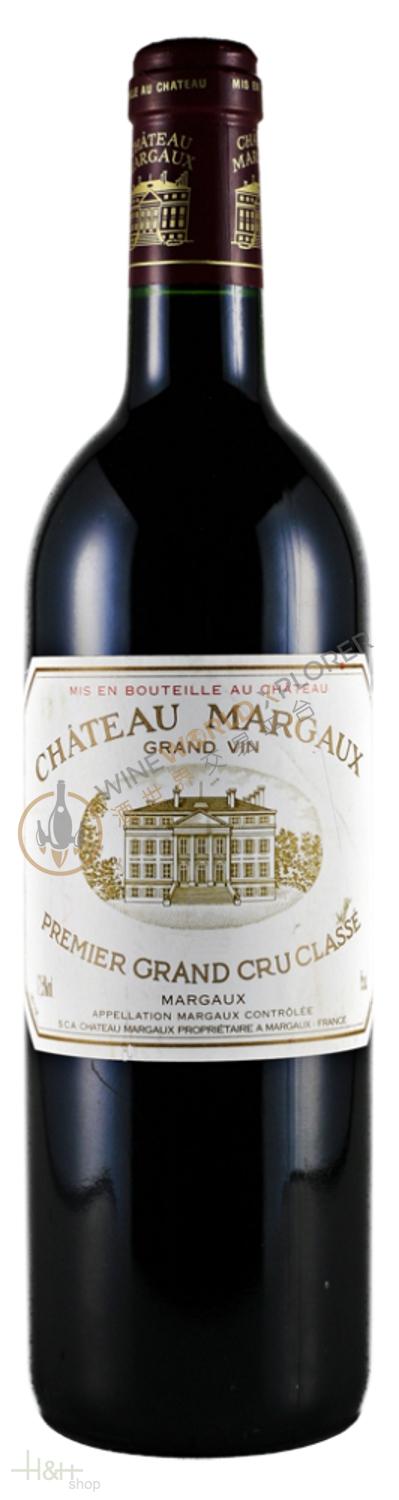
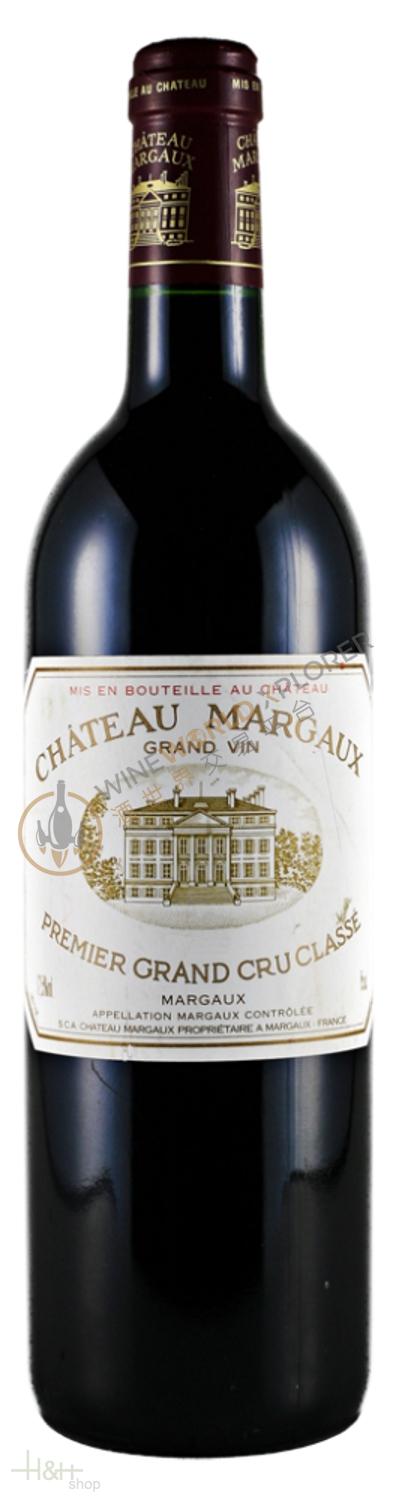
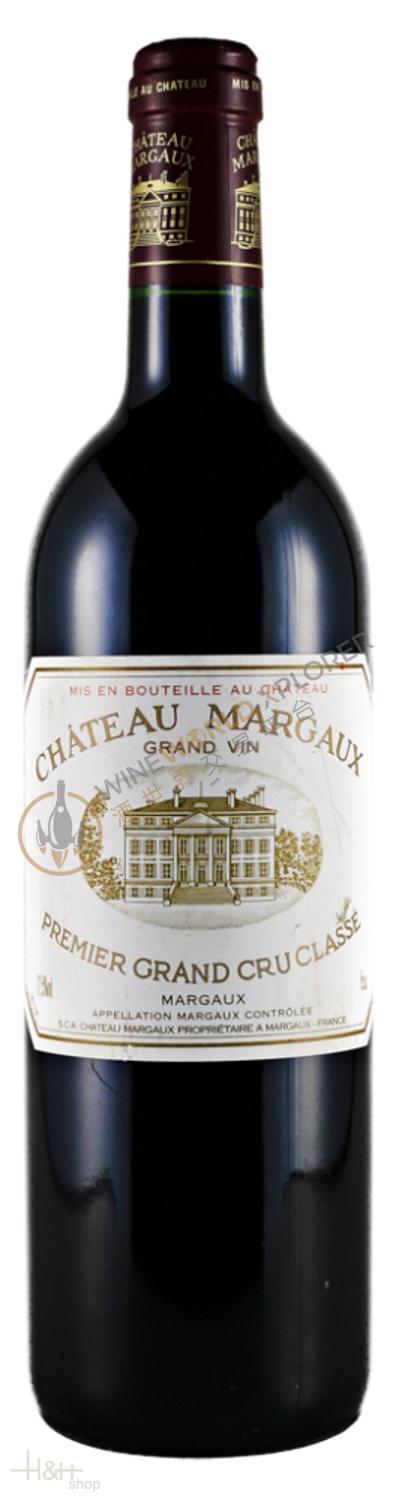
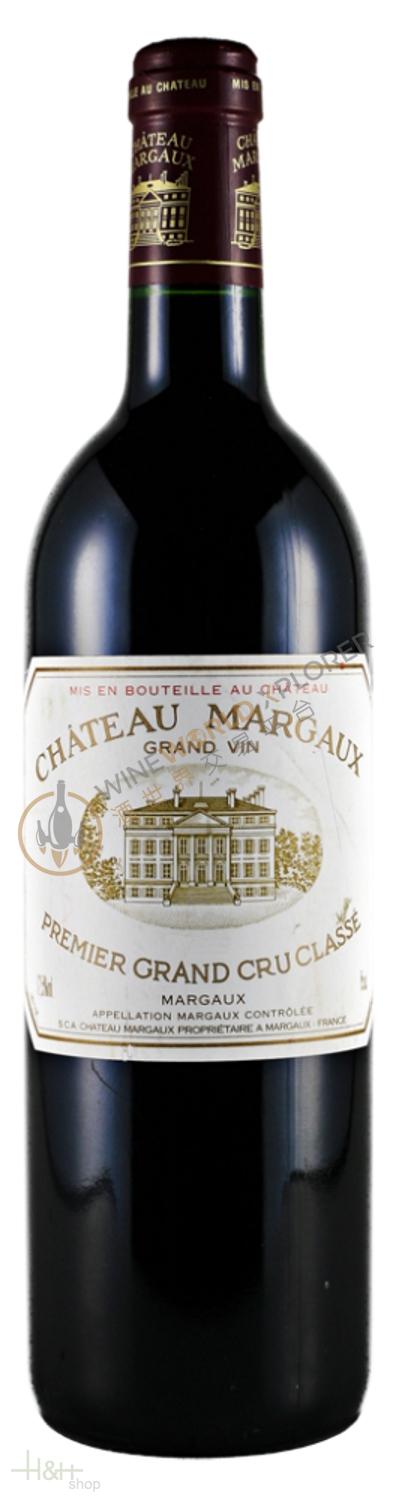
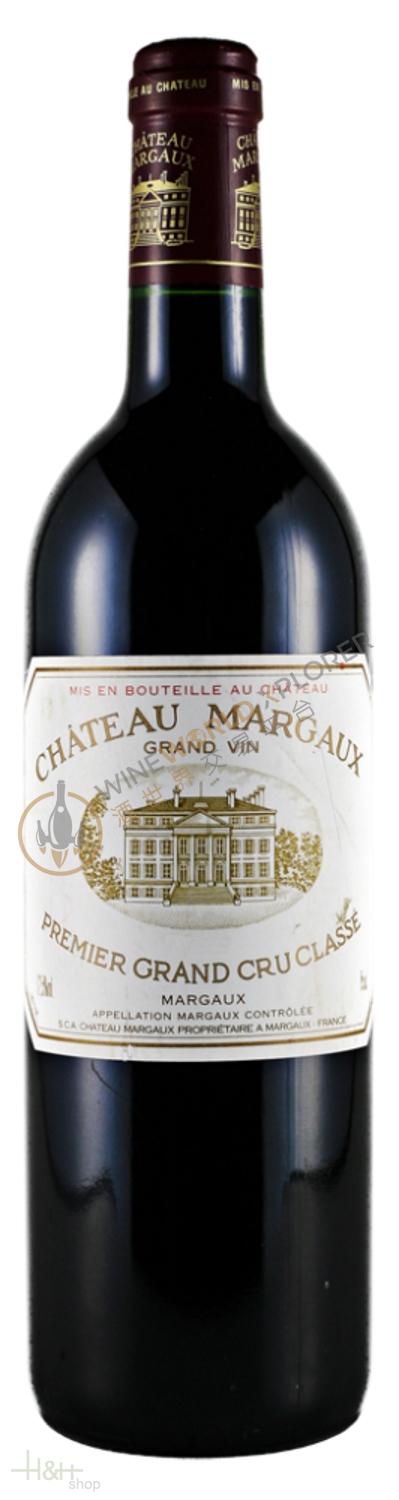
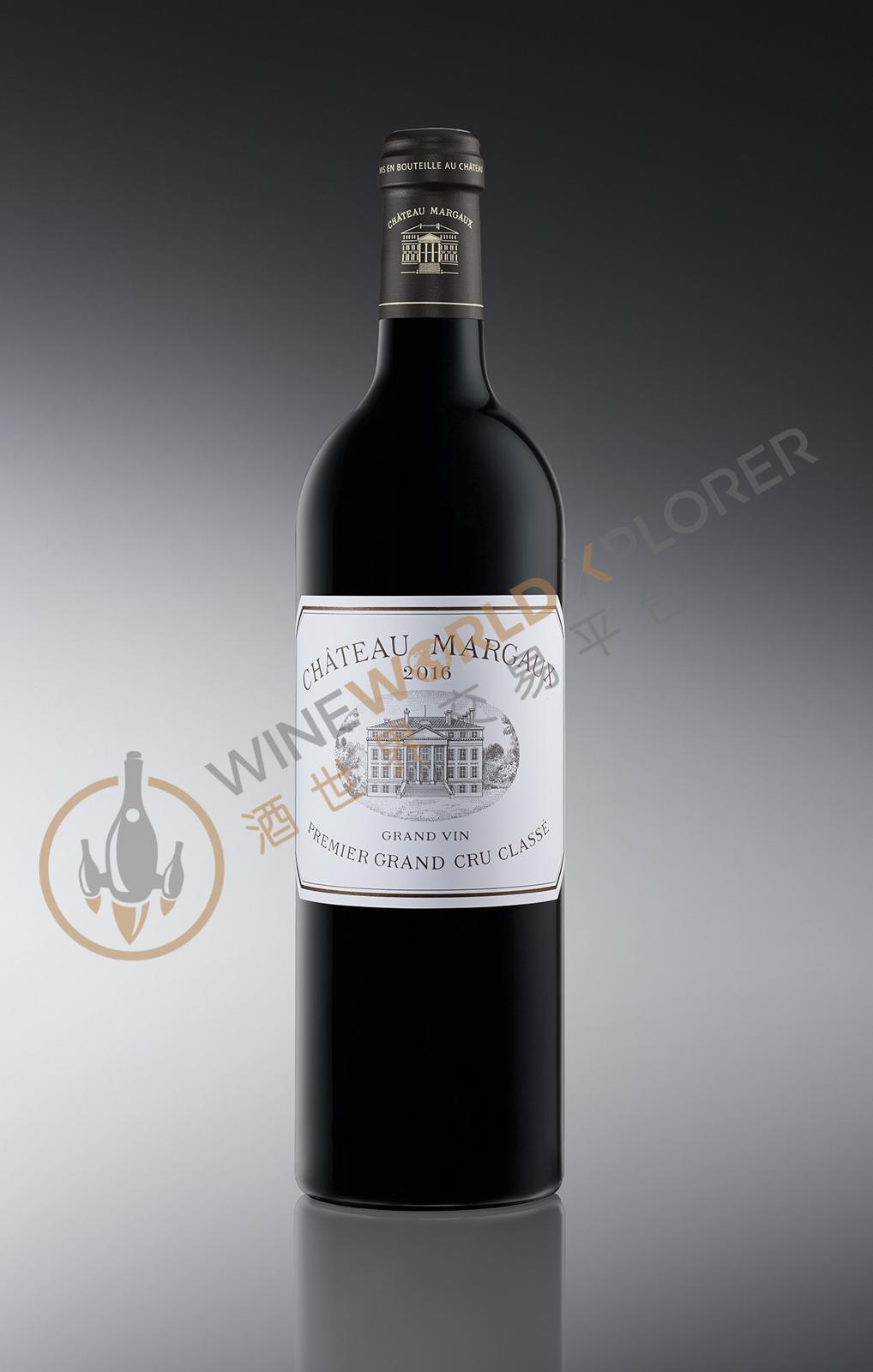
Chateau Margaux 2008
 View analysis


Description
Tasting notes

Reviewed by: Neal Martin
Tasted ex-chateau and single blind in Southwold. Two bottles of the Chateau Margaux 2008 were opened, one showing a little more chutzpah than the other. It has an exuberant, mineral-rich bouquet with stunning delineation that soars from the glass with blackberry, limestone and cassis aromas. The palate is medium-bodied with filigree tannins. Great precision, beautifully integrated oak with a seamless finish as fresh as a daisy. Although it is surpassed by the 2009 and 2010, this is still a very precise, pretty Chateau Margaux. Tasted January 2012.
Reviewed by: Robert M. Parker, Jr.
This is a stunning Chateau Margaux, made in a sexy, up-front, elegant style, with deep creme de cassis fruit intermixed with spring flowers, a solid inner core of richness and depth, but again, very sweet tannins as well as striking minerality and elegance. One of the most seductive Chateau Margauxs given its recent bottling, this blend of 87% Cabernet Sauvignon, 10% Merlot, and the rest tiny quantities of Cabernet Franc and Petit Verdot should drink beautifully for the next 25-30 years. Remarkably, a mere 36% of the entire production was selected for the 2008 Chateau Margaux.
Reviewed by: Robert M. Parker, Jr.
This is a superb vintage for Chateau Margaux, and while it may be too early to say this, the 2008 appears superior to the 2007, 2006, 2004, 2003, 2002, and 2001. Only 36% of the crop was utilized and the yields were 40 hectoliters per hectare. An exceptionally late harvest for this estate began on October 3 for the Merlot, and finished on October 23. The final blend includes a whoppingly high 87% Cabernet Sauvignon, 10% Merlot, and dollops of Cabernet Franc and Petit Verdot. As always, the first characteristic one notices is the extraordinary floral component as well as the sweet black currant fruit allied to full-bodied richness, sweet tannin, and superb freshness and delineation. In many ways, the 2008 is reminiscent of the 1996, but the former wine is showing even more density and concentration than the 1996 did at the same point in its evolution. The 2008, which appears set for 30-40 years of longevity, is a remarkable effort from this great estate.
Reviewed by: Neal Martin
Bottled in early July and tasted with Paul Pontallier at the estate, the Chateau Margaux consists of 87% Cabernet Sauvignon, 8% Merlot, 3% Petit Verdot and 1% Cabernet Franc. It has a delicate bouquet of dark berried fruit, wild strawberry, a touch of cedar: a lesson in clarity more the intensity. Unwinds nicely in the glass though with touches of violet developing. The palate is medium-bodied, taciturn at first, but there is certainly immense precision and focus on the back palate. Filigree tannins as usual, refined and poised on the finish, though not the persistency of say 2009 or 2006 as one would expect. This is a very lovely wine, but not a first class Chateau Margaux given their impeccable record. Drink 2013-2035. Tasted October 2010.
Reviewed by: Neal Martin
En primeur barrel sample. A blend of 87% Cabernet Sauvignon, 10% Merlot with 1.5% each of Petit Verdot and Cabernet Franc, this has a comparatively introspective nose of black fruits, sous-bois, a touch of cigar box and a little graphite. Like the Pavillon, it has something of a Pauillac austerity to it. The palate is medium-bodied, very fine tannins, sensuous texture, less floral than usual, more broody and introspective, but understated and elegant on the finish. There is more tangible sous-bois character than usual, an enigmatic Chateau Margaux that could benefit from more depth and length. Tasted April 2009.
Reviewed by: Ian d'Agata
(87% cabernet sauvignon, 10% merlot and 1.5% each petit verdot and cabernet franc; 36% of the total crop) Full, bright, purple-tinged ruby. Violet and blackcurrants on the nose; with its dominant black fruits, this is completely different from the Pavillon Rouge, which is all about red fruits. Enters the mouth discreetly, then picks up volume in the middle. Offers sneaky concentration without any impression of weight, offering very pure, fresh blackcurrant, cedar and tobacco flavors and a long, mineral-driven finish. Archetypical Margaux in its aroma profile, this seems superior to the less refined '07.
Reviewed by: Neal Martin
The 2008 Château Margaux has an attractive bouquet of mulberry, red plum, briary, a hint of rose petal rather than its signature note of violets. It gains intensity with aeration, but to my surprise it feels quite forward for a 10-year old First Growth. The palate is medium-bodied with fine tannin, quite Pauillac in style thanks to that graphite seam that surfaces towards the finish. It is a precise, classic Château Margaux that really delivers its intensity in the final quarter. I came away with the impression that it just does not quite slip from fourth to fifth gear. (Tasted at BI Wine & Spirit’s annual 10-Year On tasting.)
Reviewed by: Stephen Tanzer
Deep ruby. Complex nose melds blackberry, minerals, bitter chocolate, graphite and violet. Suave and deep on entry, then fresh and alive in the middle palate, with compelling sweetness and intensity to the black cherry, smoky mineral and tobacco flavors. The smooth finish is long, intense and irresistible. At once serious and sexy.
About the Producer
Chateau Margaux is located in the village of Margaux, in the Medoc appellation on the left bank of Bordeaux, and was awarded a First Growth in the 1855 Bordeaux Medoc classification, alongside Chateau Lafite Rothschild, Chateau Latour and Château Haut-Brion. It is also known as Chateau Haut-Brion. Château Margaux currently covers a total of 262 hectares, including 99 hectares of vineyards. The red vineyard has an appellation of 87 hectares, of which 82 hectares are planted, while the white vineyard is planted with 12 hectares. The red varieties are mainly Cabernet Sauvignon, Merlot, Petit Verdot and Cabernet Franc; the white varieties are Sauvignon Blanc and the vines are on average 45 years old. Since the end of the 1990s, the estate has refused to use pesticides in the vineyards. In addition, only organic fertilisers are used in the vineyard, and deep fertilisation is carried out at regular intervals to improve the soil structure and rejuvenate the soil. During the harvest season, the winery team selects the right time to harvest the grapes by testing and analysing all the indicators and by tasting the grapes themselves. Once the grapes have reached their ideal state of ripeness, they are harvested by a team of over 200 trained harvesters. Once in the winery, the grapes undergo a rigorous selection process before being de-stemmed. Both oak barrels and stainless steel tanks are used to ferment the red grapes, while the white grapes are fermented entirely in oak barrels. After the alcoholic fermentation, the wine undergoes malolactic fermentation. The red wines are then left to mature in oak barrels for 18-24 months and the whites for 6-8 months. The main wine of the estate, Château Margaux's red wine, is rich and complex, with an elegant and powerful ballet on the tongue, rich and smooth tannins, good balance and a long, fresh finish with excellent ageing potential. It successfully conquered Napoleon Bonaparte, the founder of the First French Empire, and won the hearts of Thomas Jefferson, the founding father of the United States, and Margaret Thatcher, the "Iron Lady" of England. In the world of wine criticism, Château Margaux's red wines have also been recognised, with four perfect scores from Robert Parker and many more from other critics with 95 points or more. In recent years, the quality of Château Margaux's red wines has been steady and has maintained a high level of interest in the market.
1958(1)1960(1)1961(2)1962(1)1963(1)1964(1)1969(2)1970(1)1971(1)1972(1)1974(1)1975(1)1976(1)1978(1)1979(1)1981(1)1982(6)1983(4)1984(1)1985(4)1986(6)1987(3)1988(8)1989(6)1990(11)1991(2)1992(4)1993(3)1994(2)1995(9)1996(28)1997(5)1998(7)1999(7)2000(20)2001(12)2002(20)2003(17)2004(18)2005(20)2006(12)2007(12)
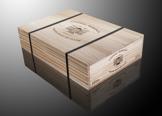
Package Size