 Wine Advisor



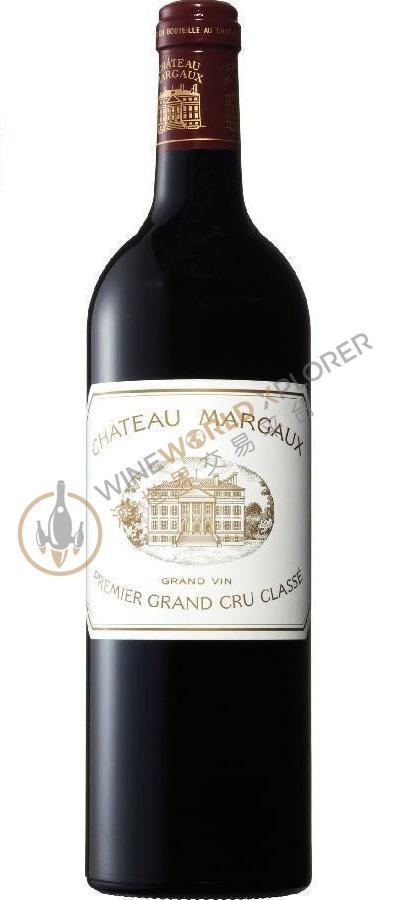
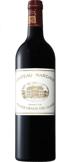
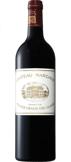
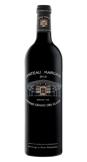
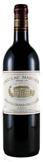
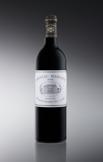
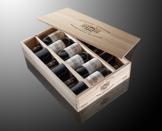
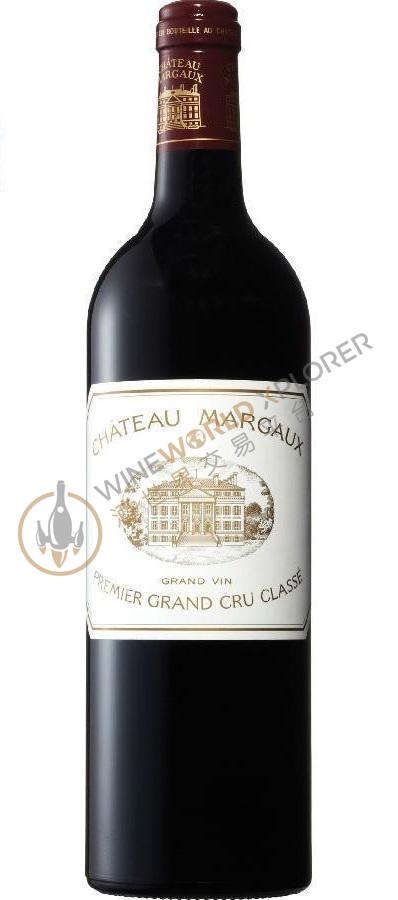
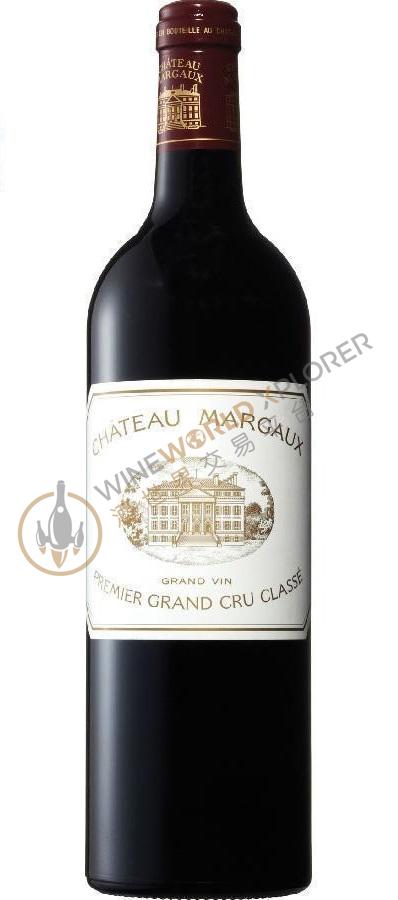
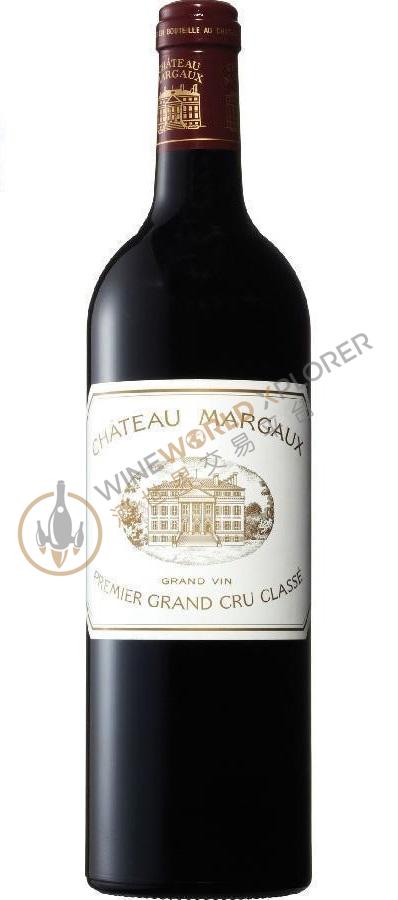
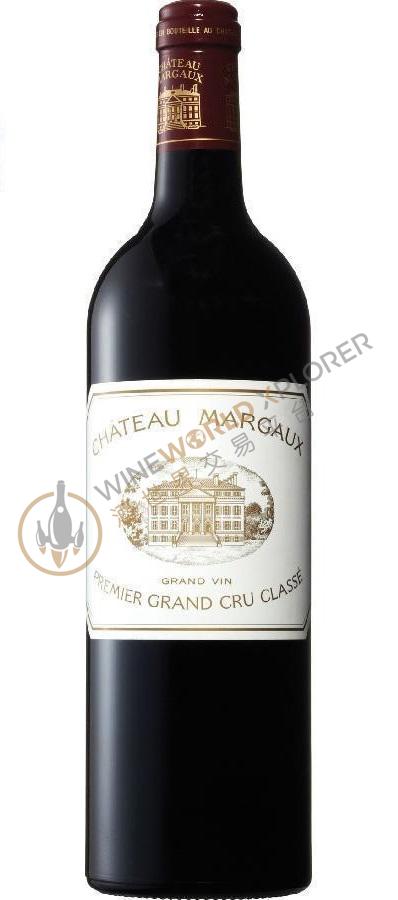
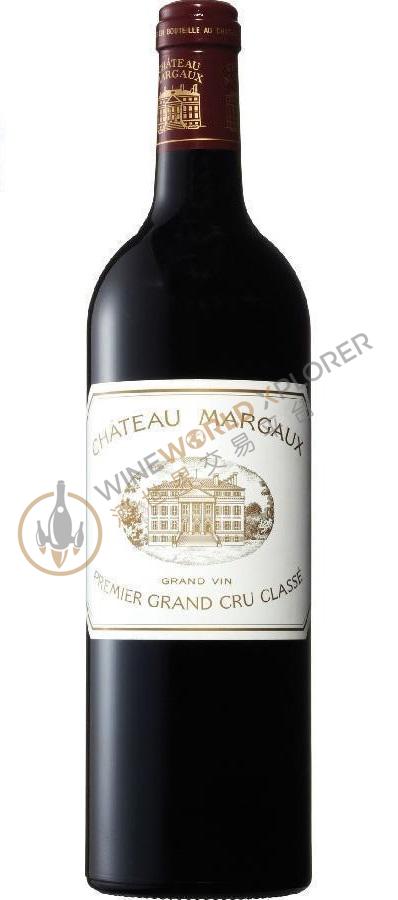
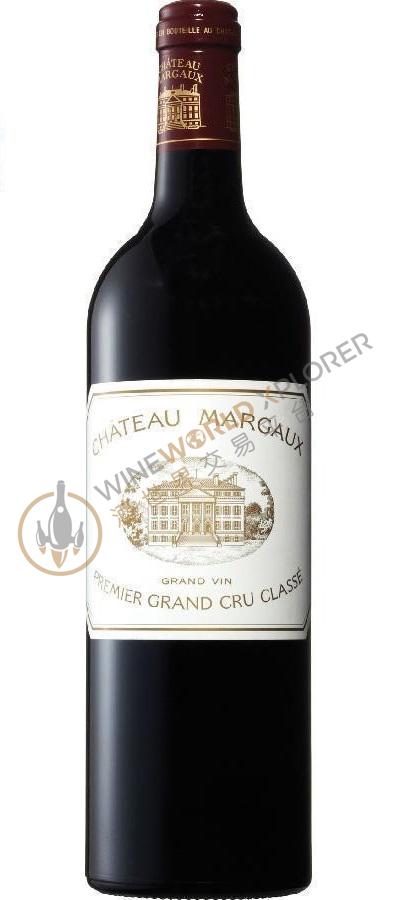
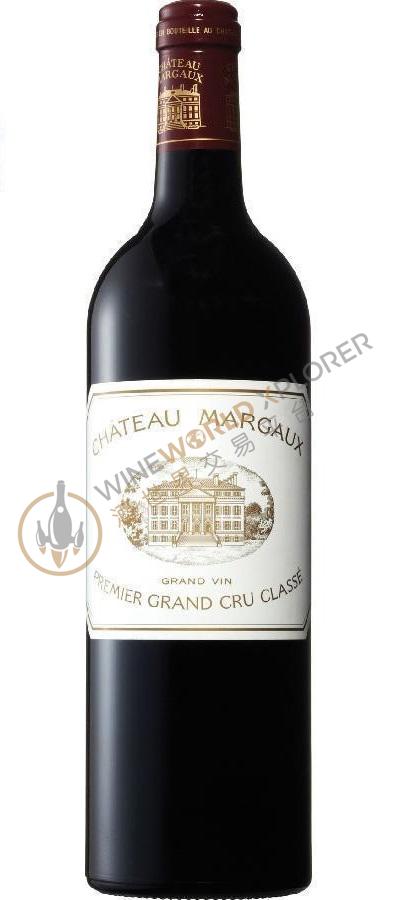
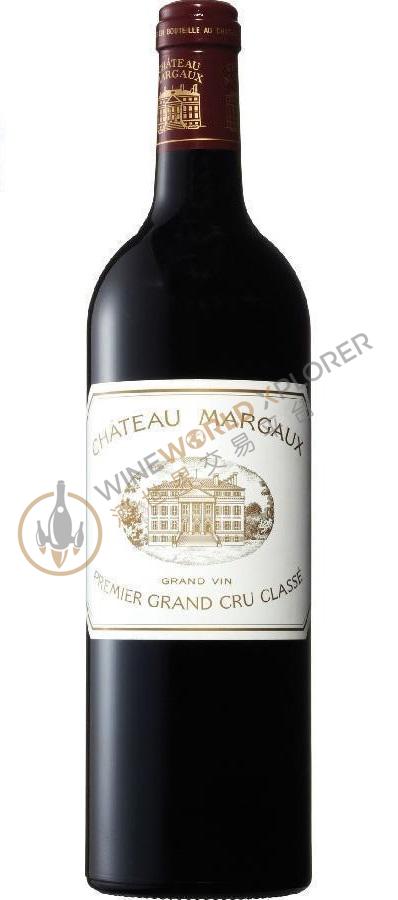
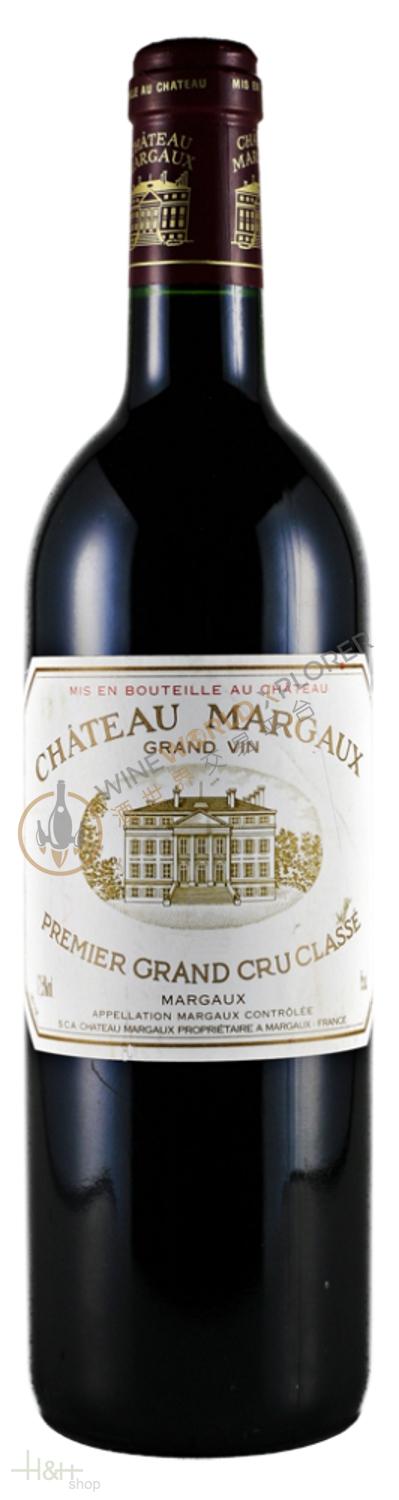
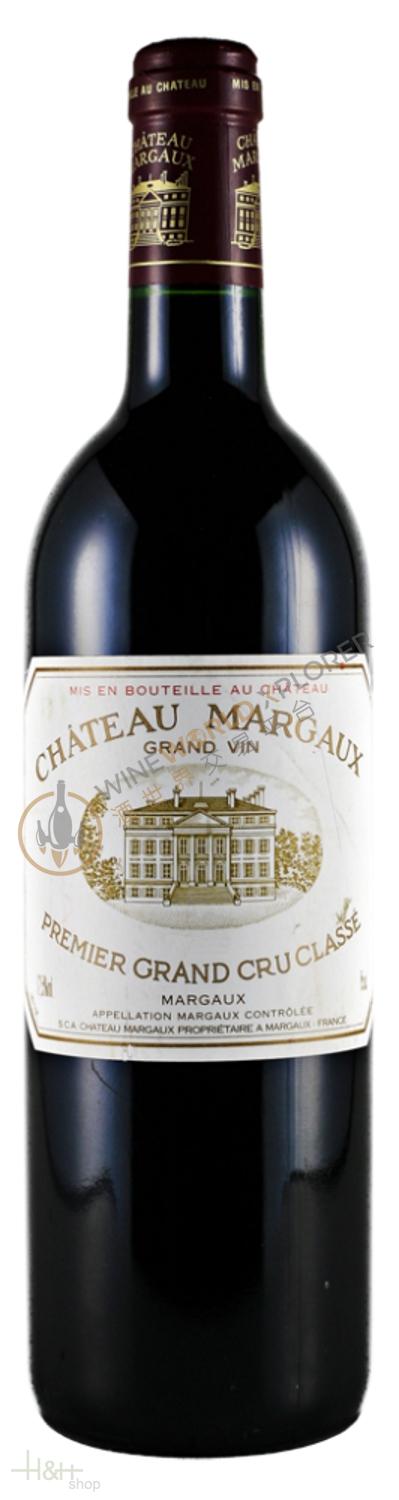
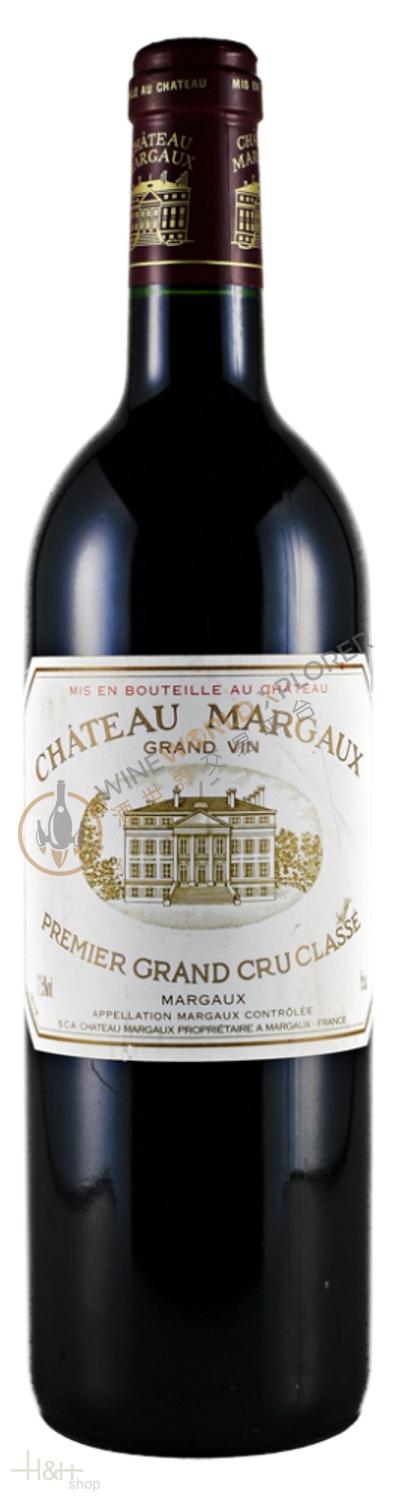
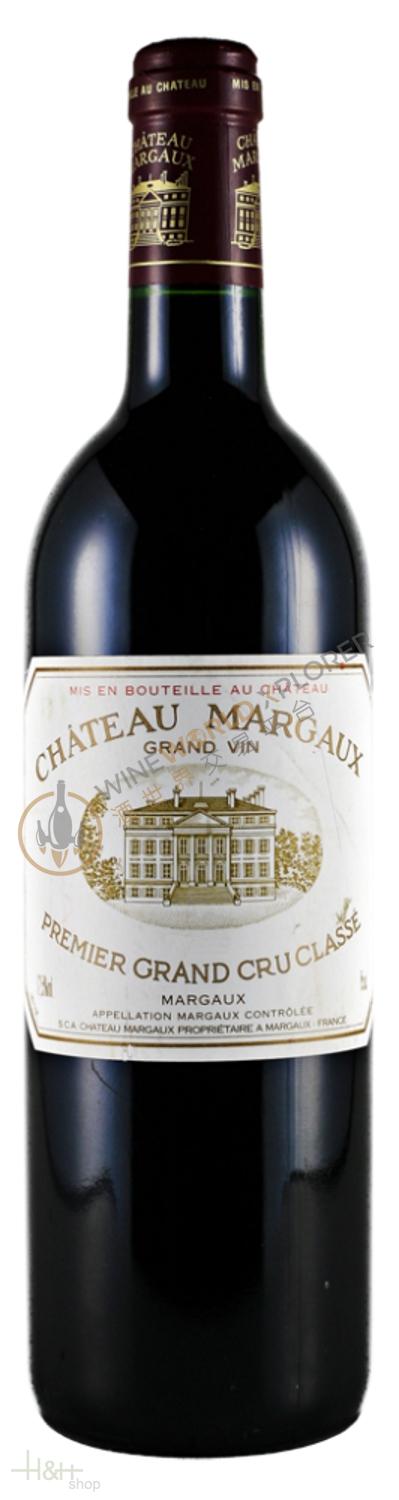
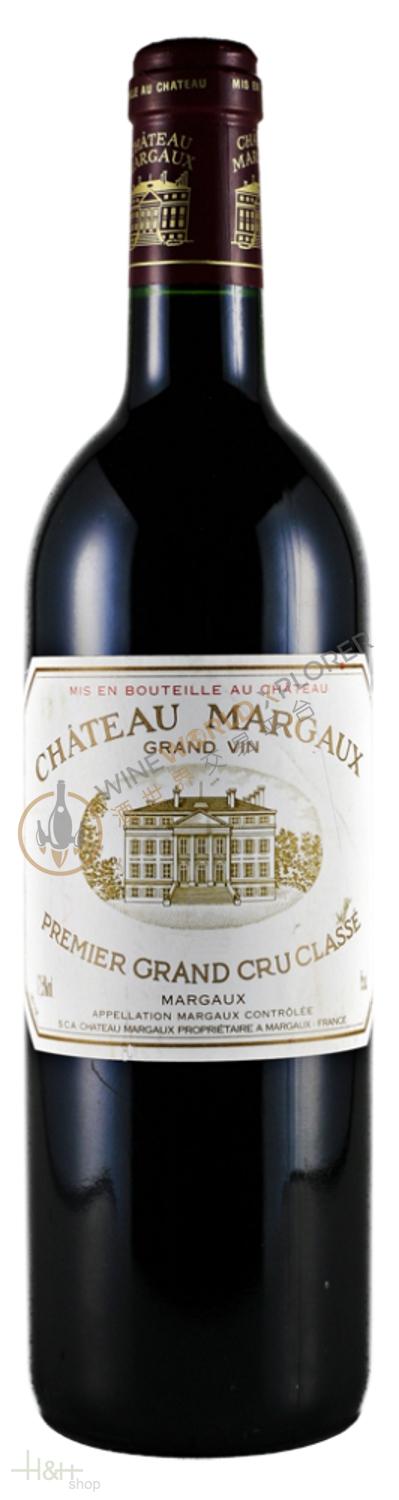
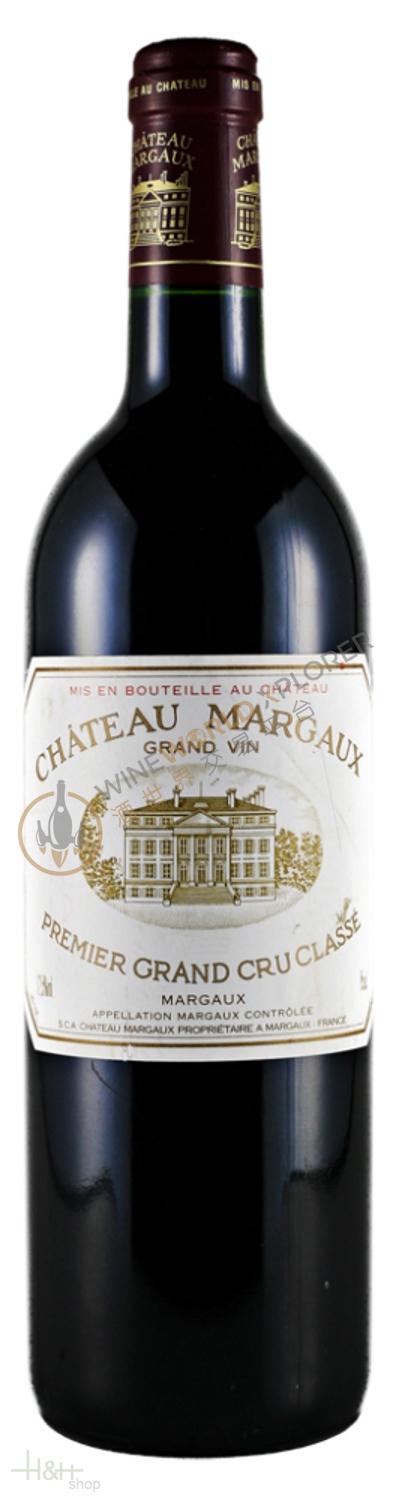
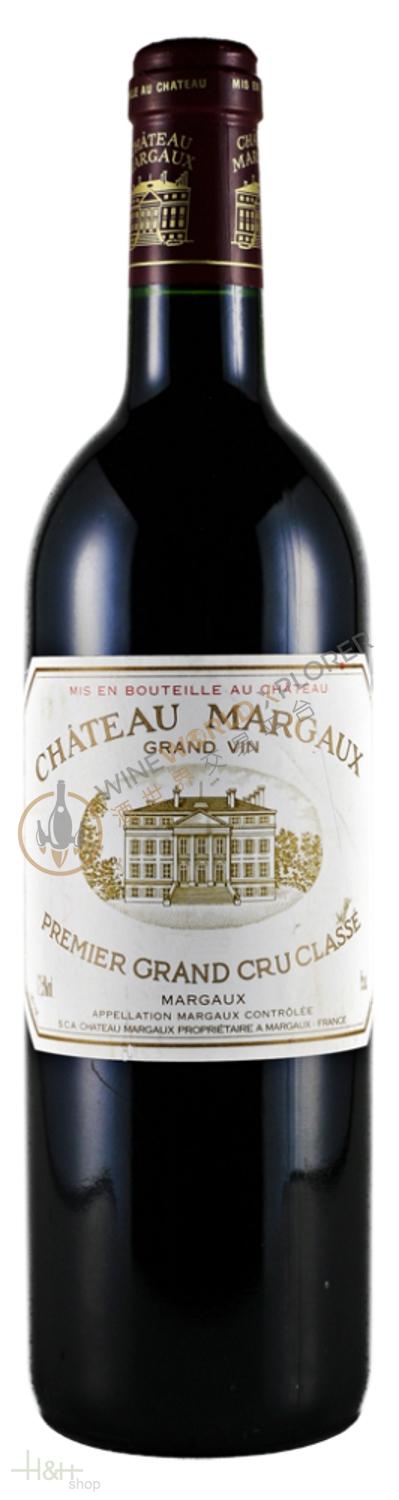
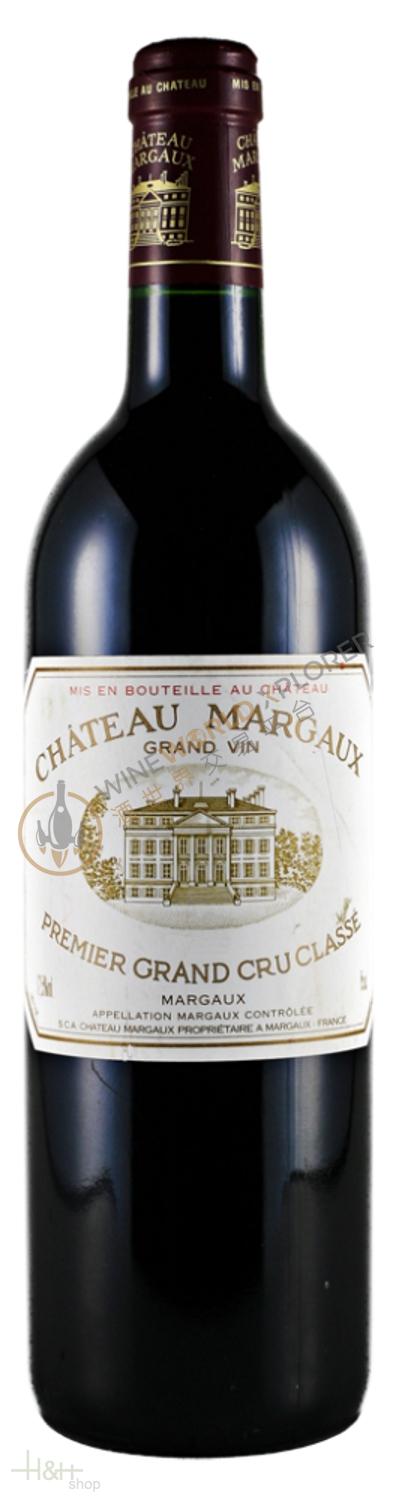
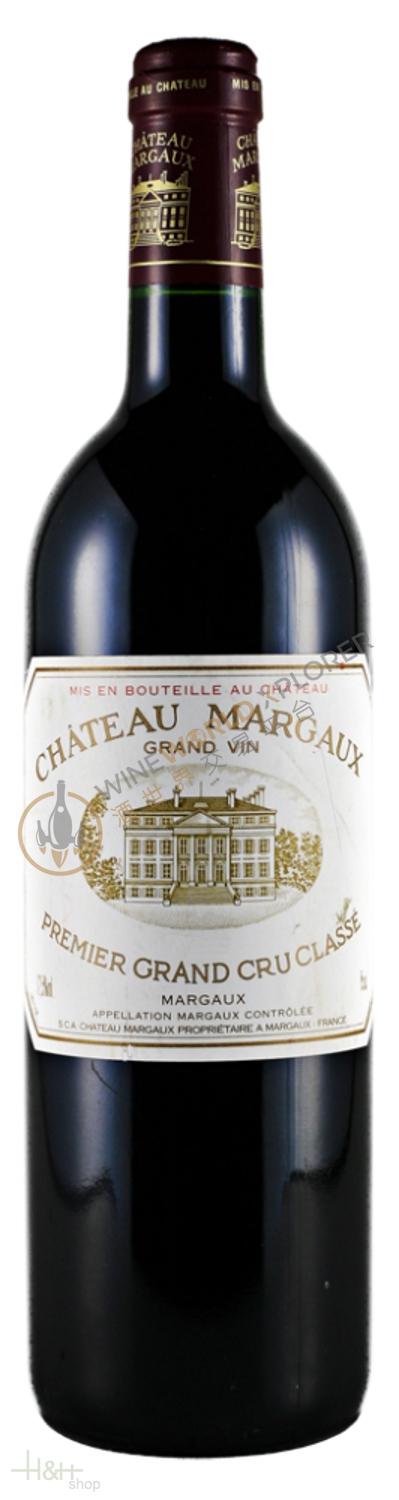
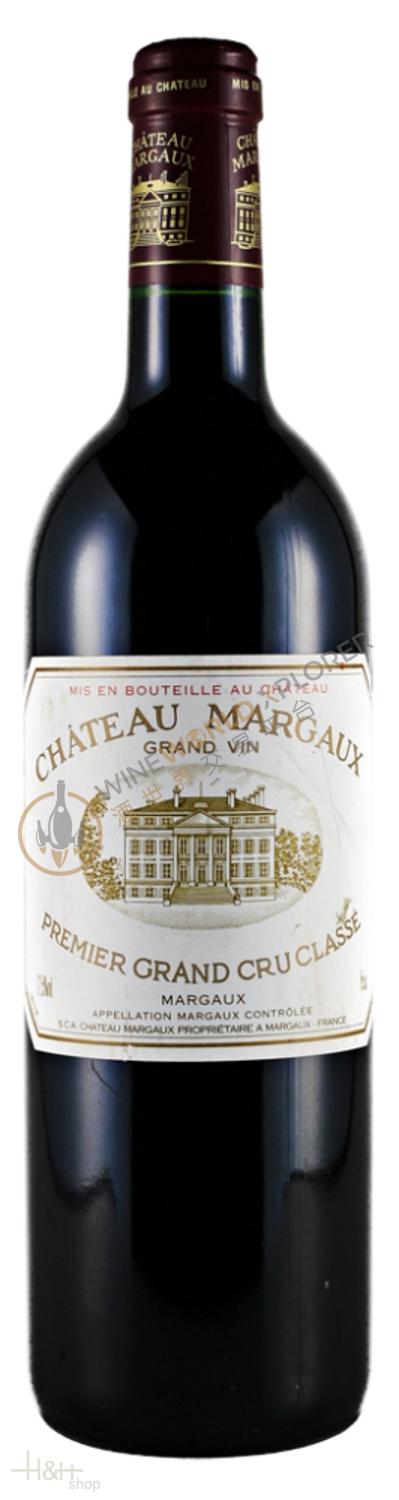
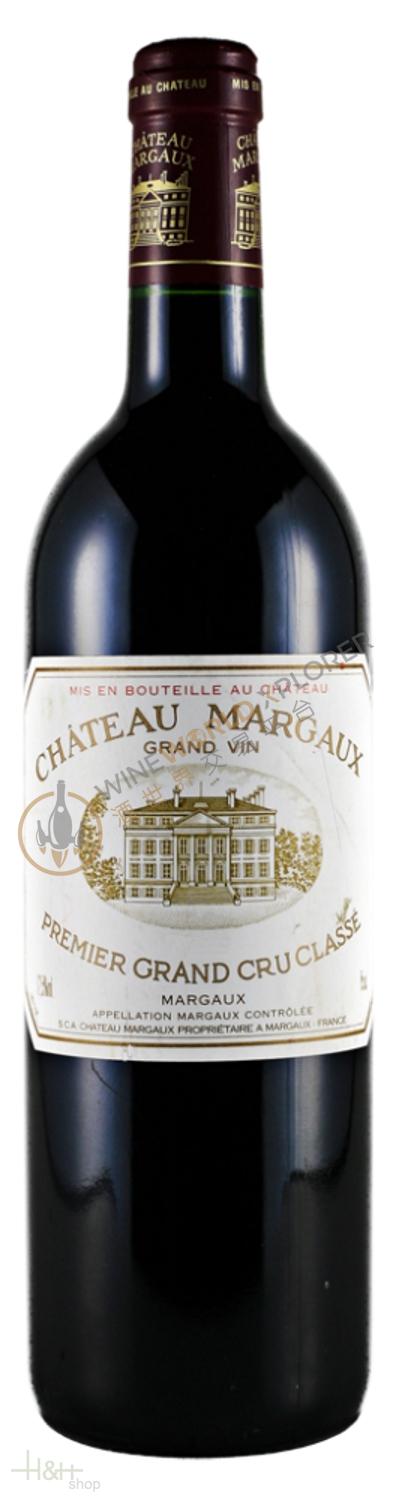
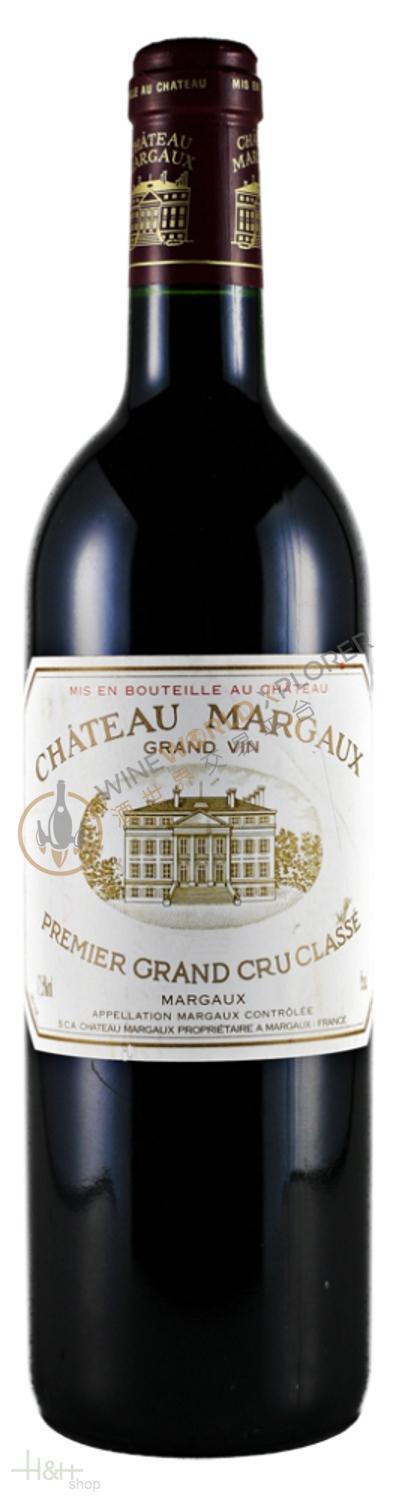
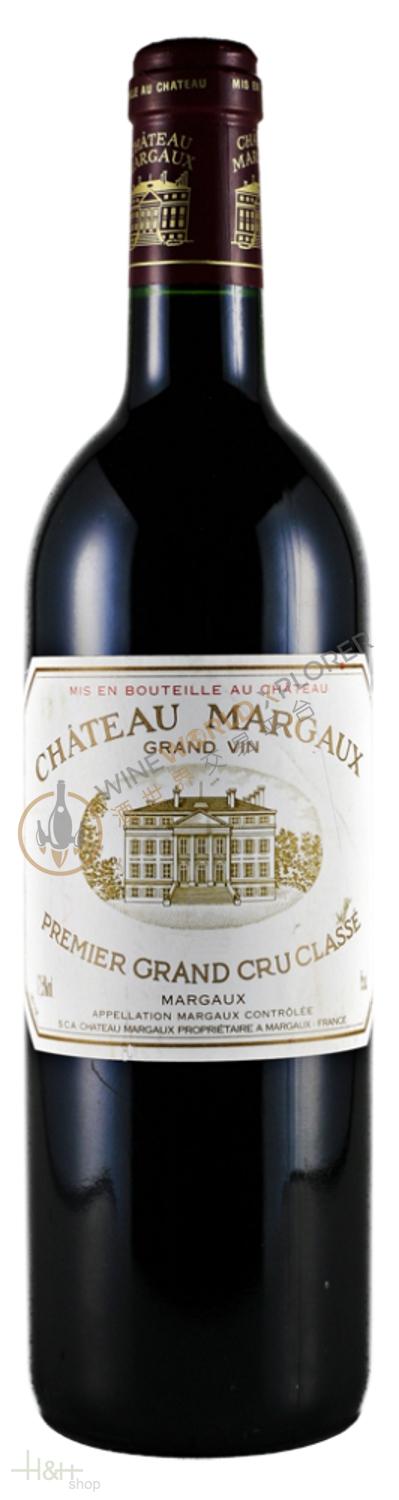
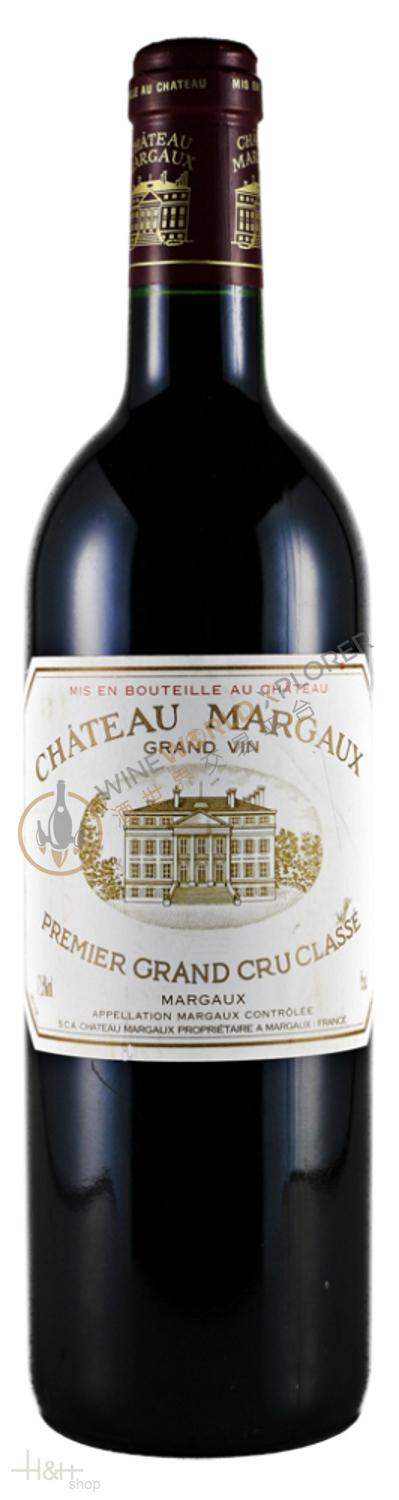
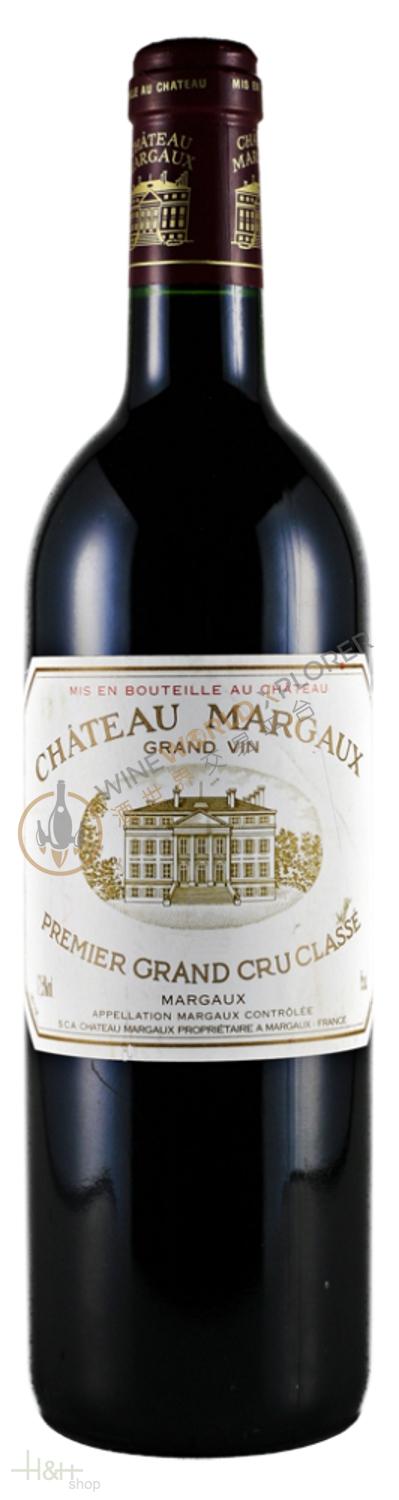
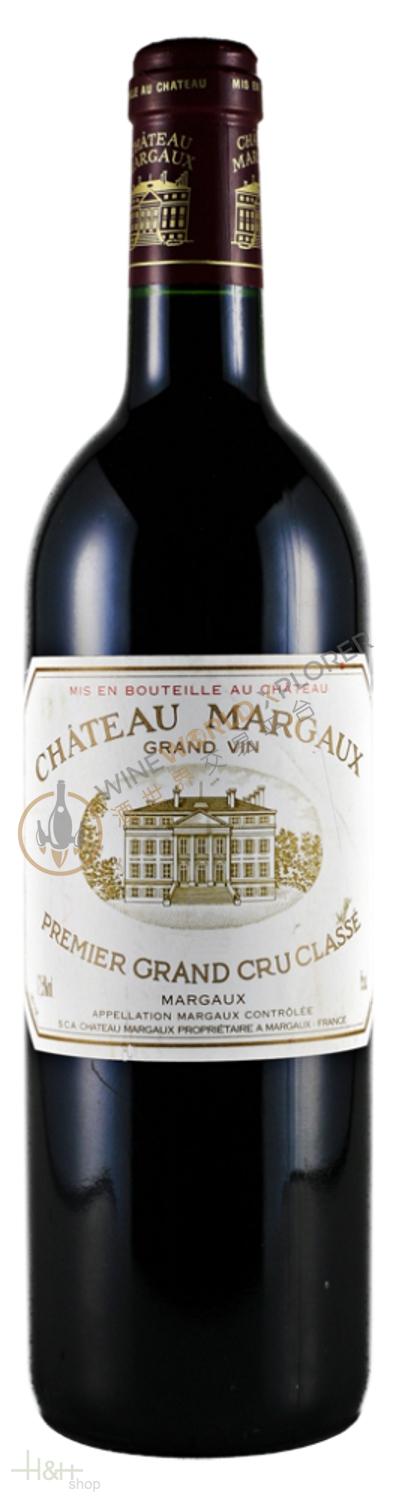
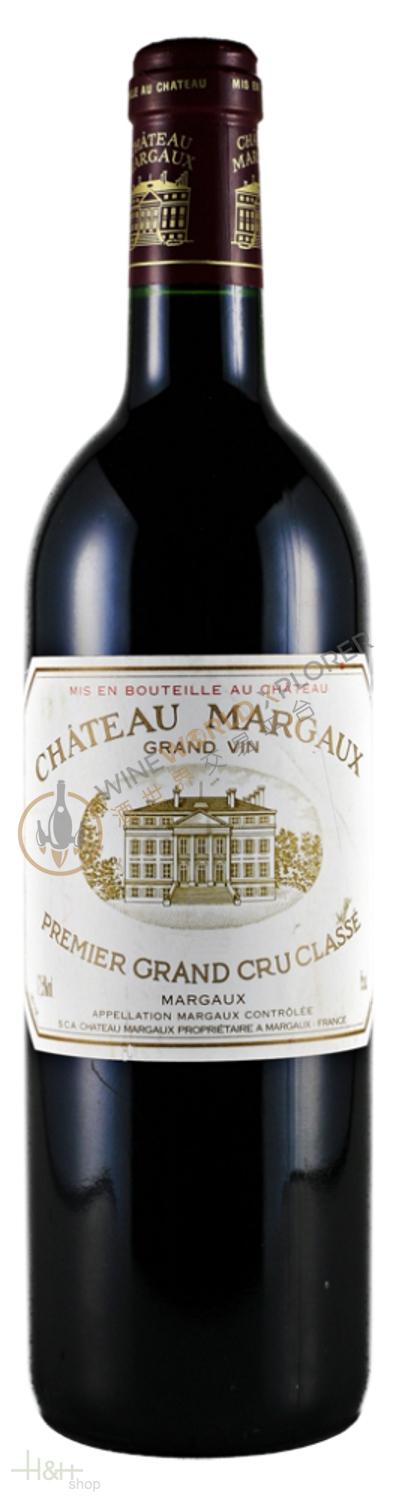
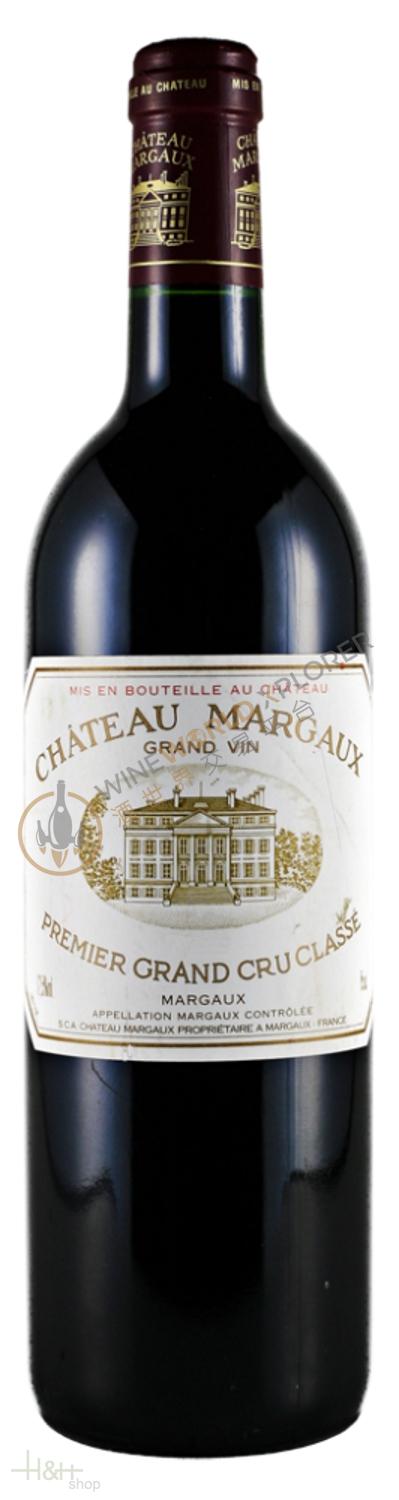
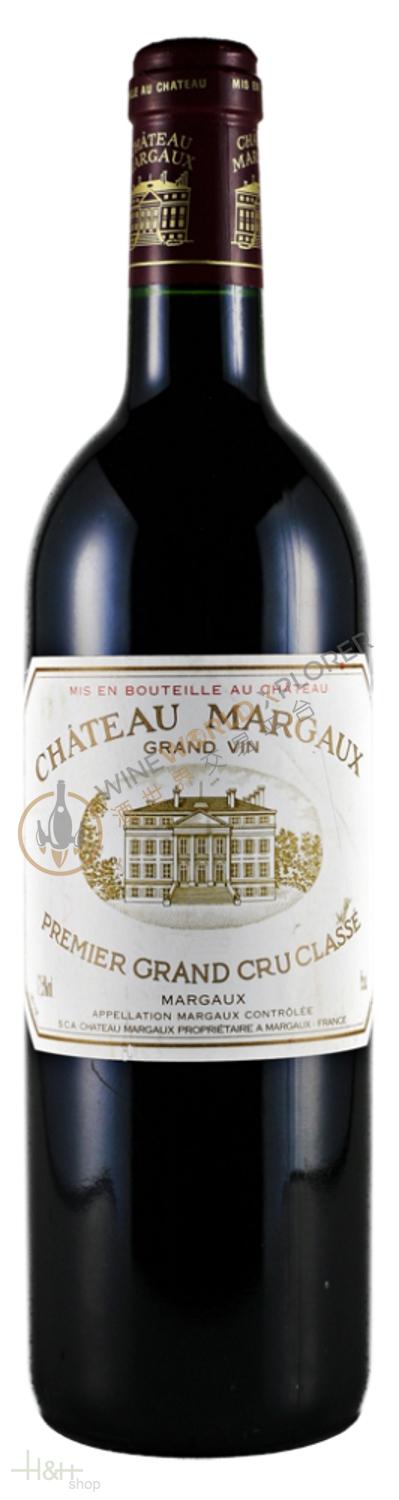
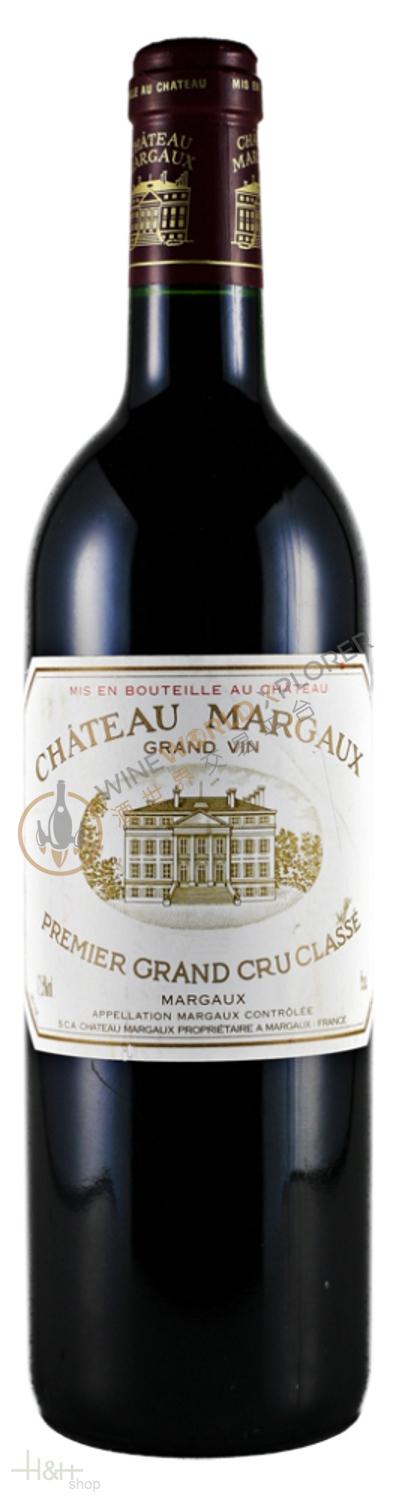
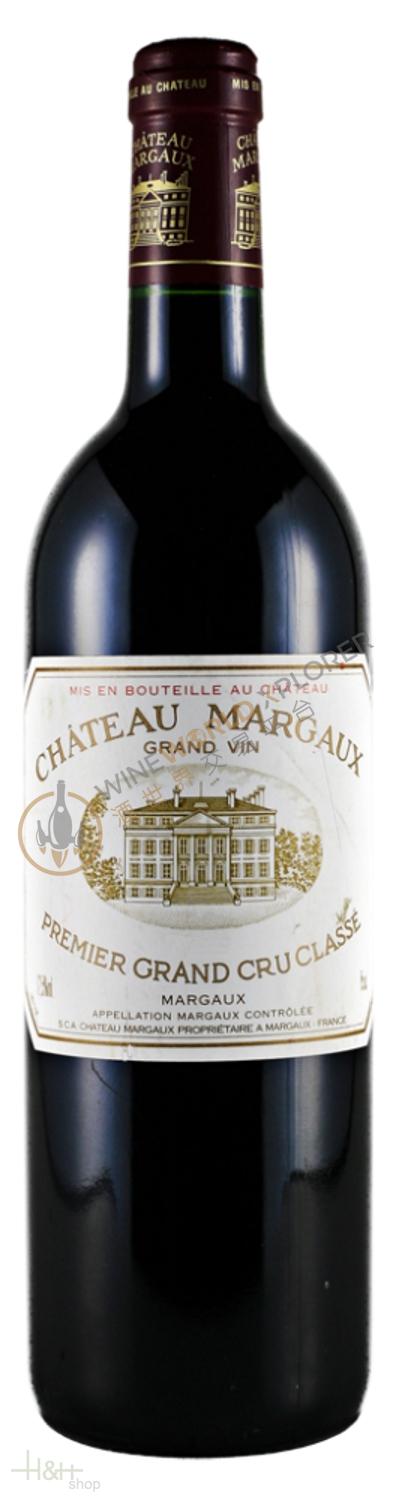
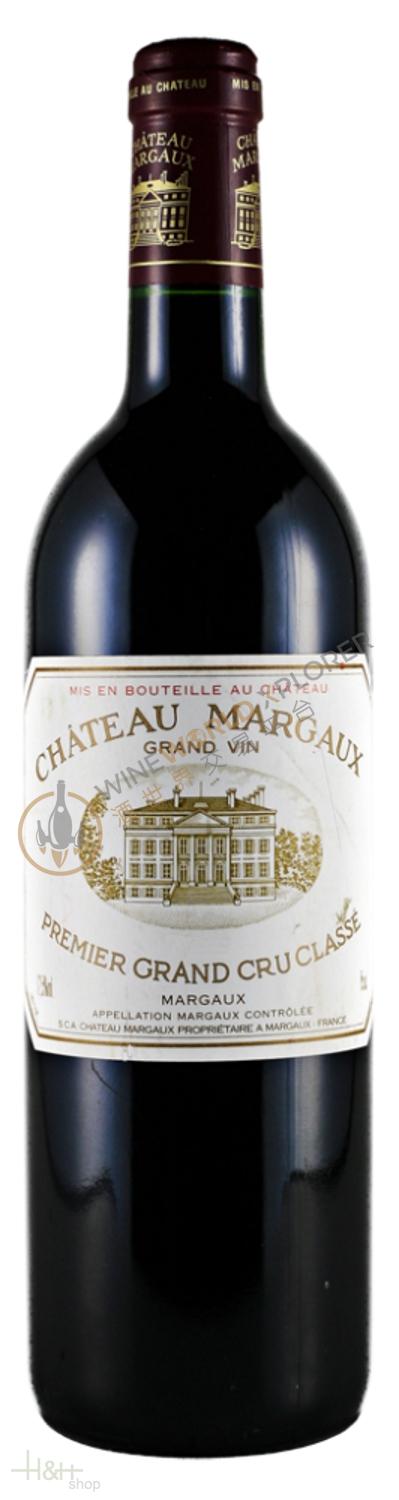
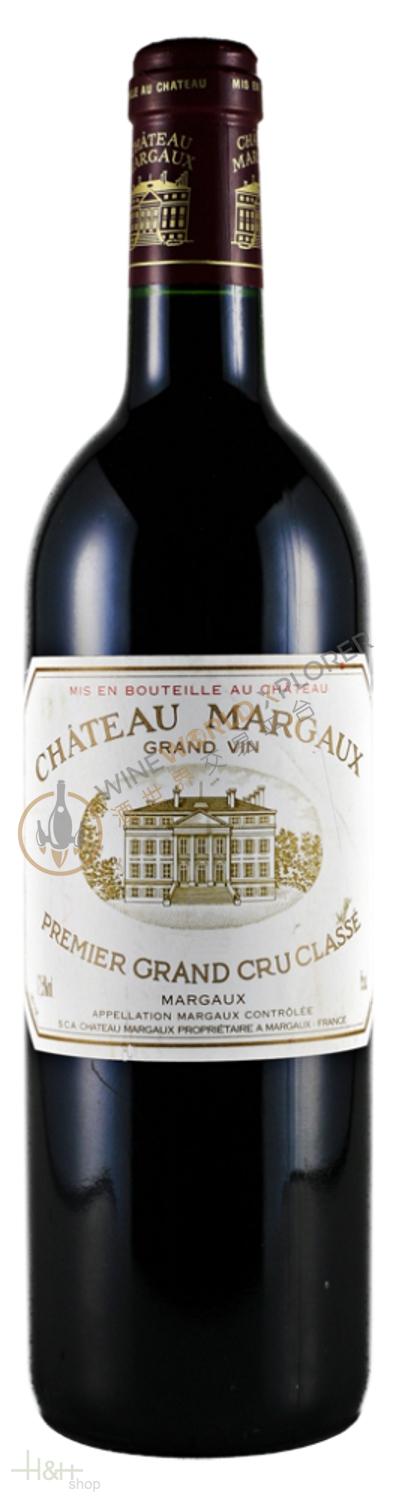
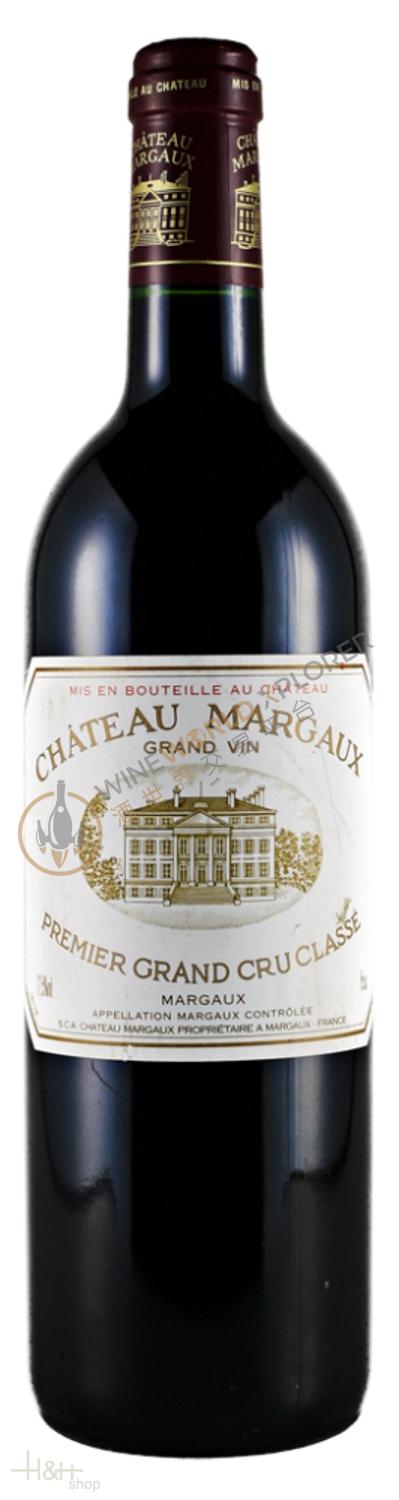
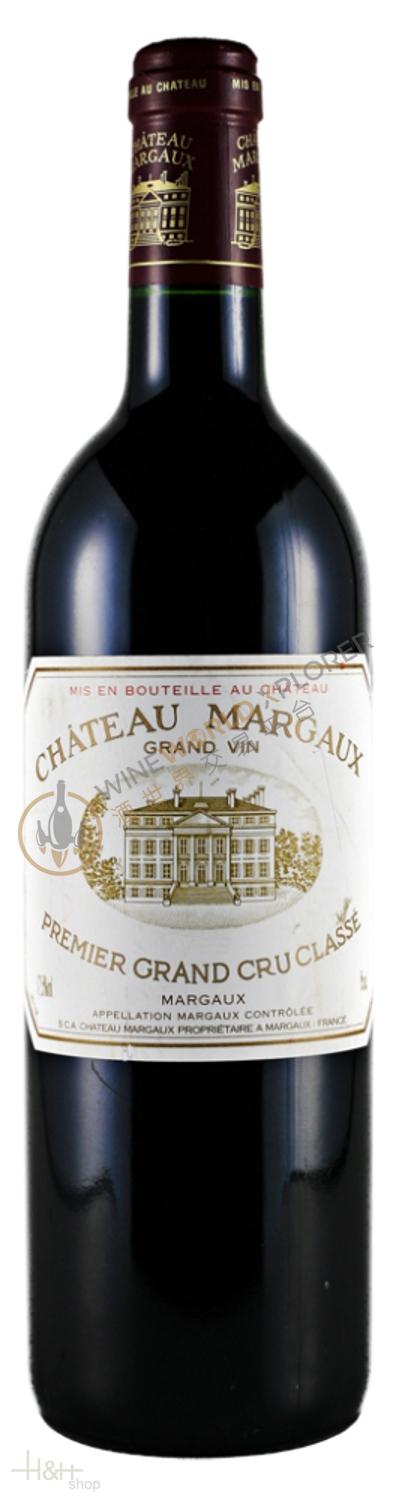
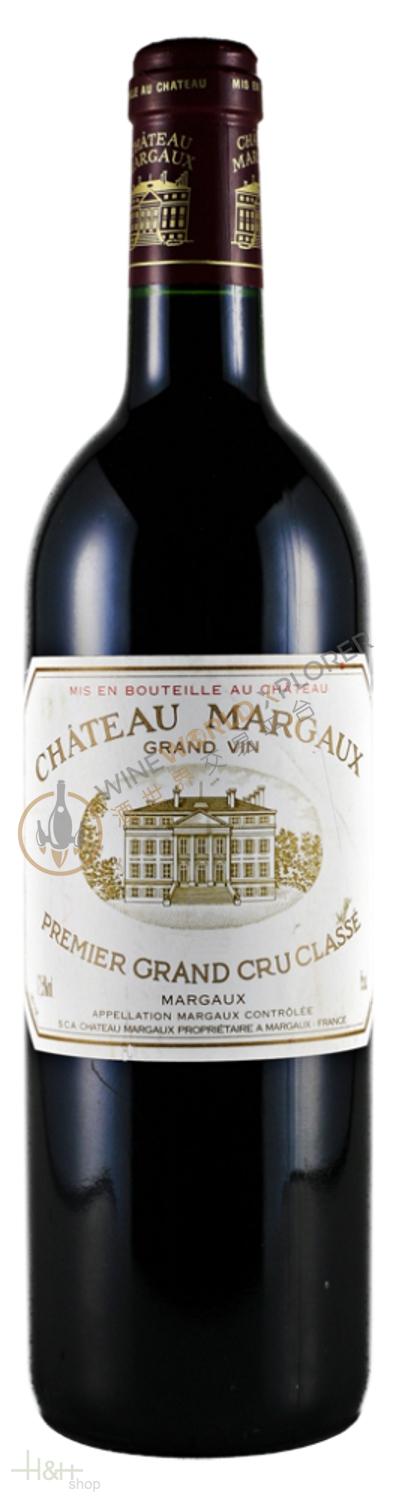
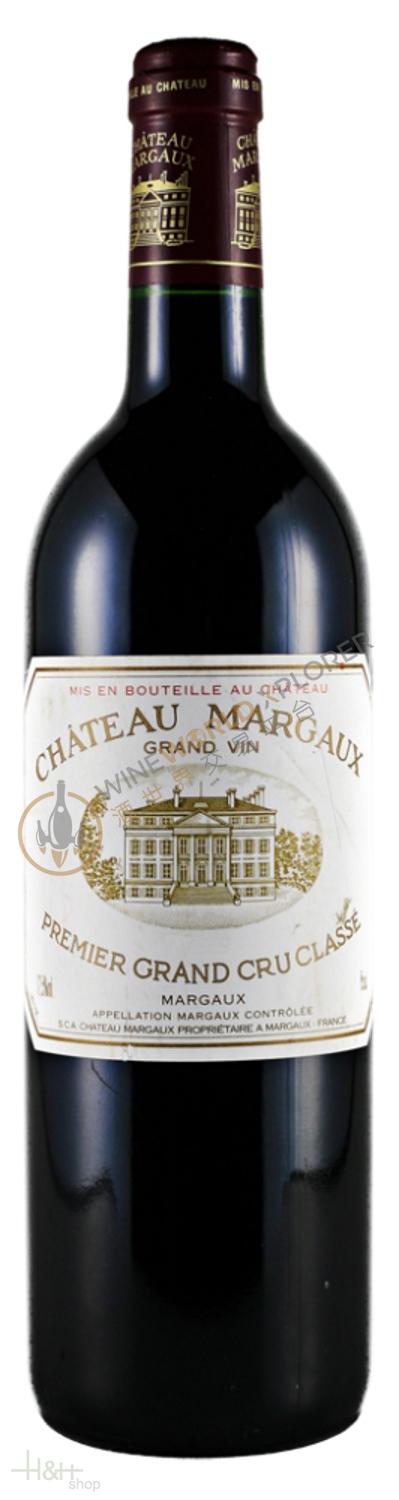
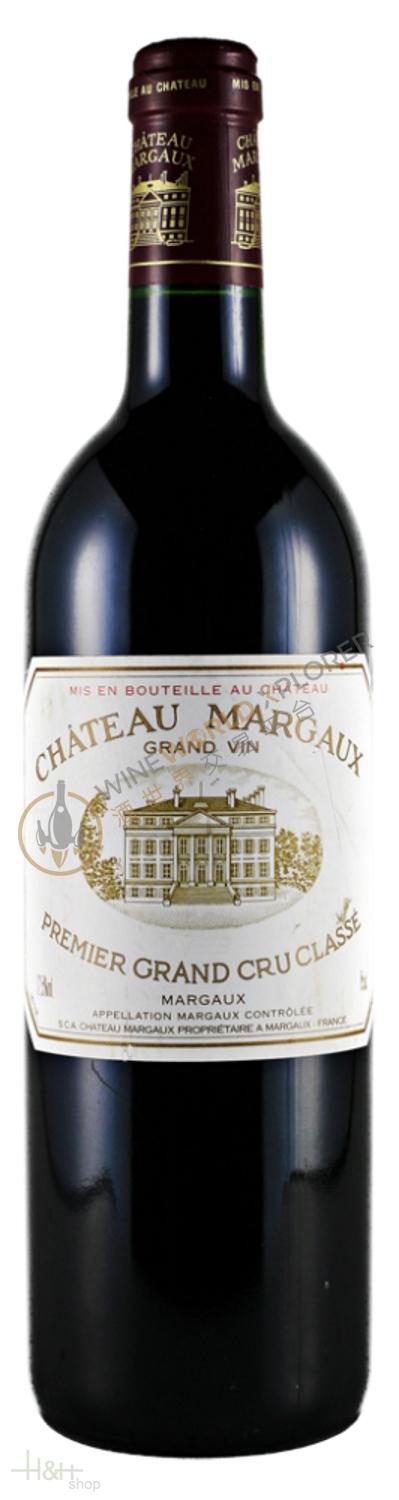
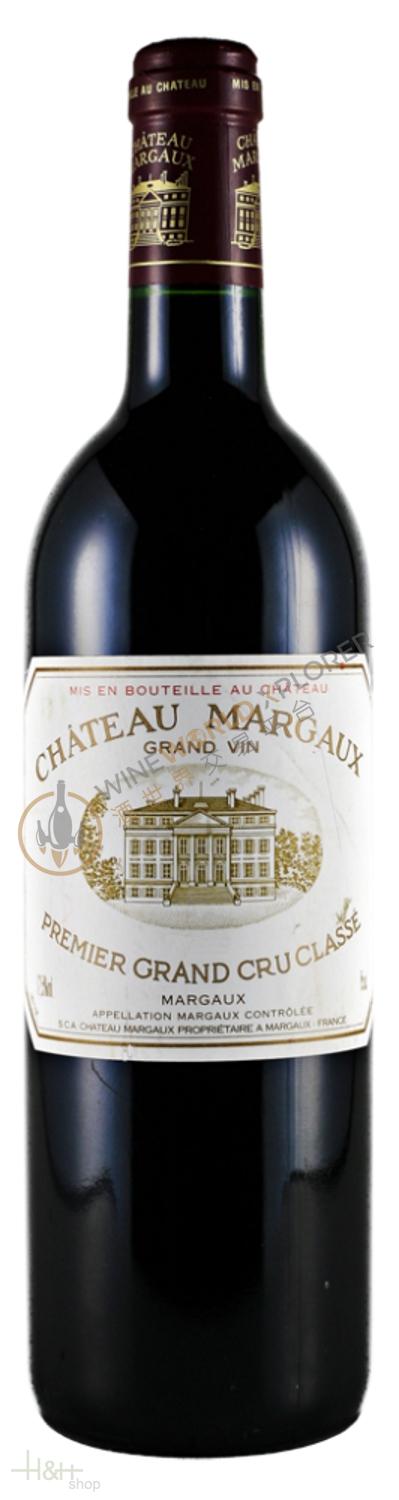
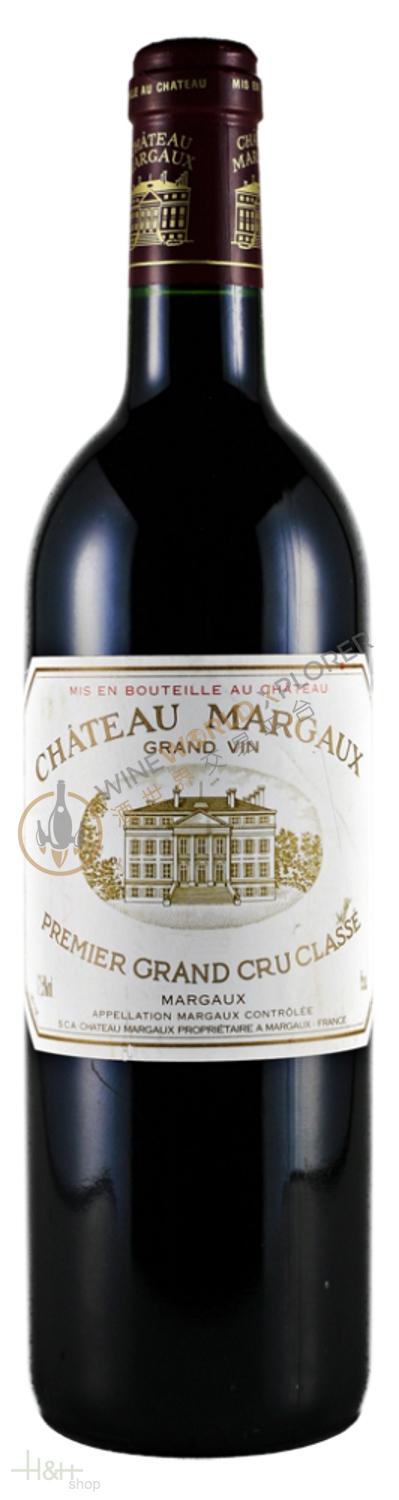
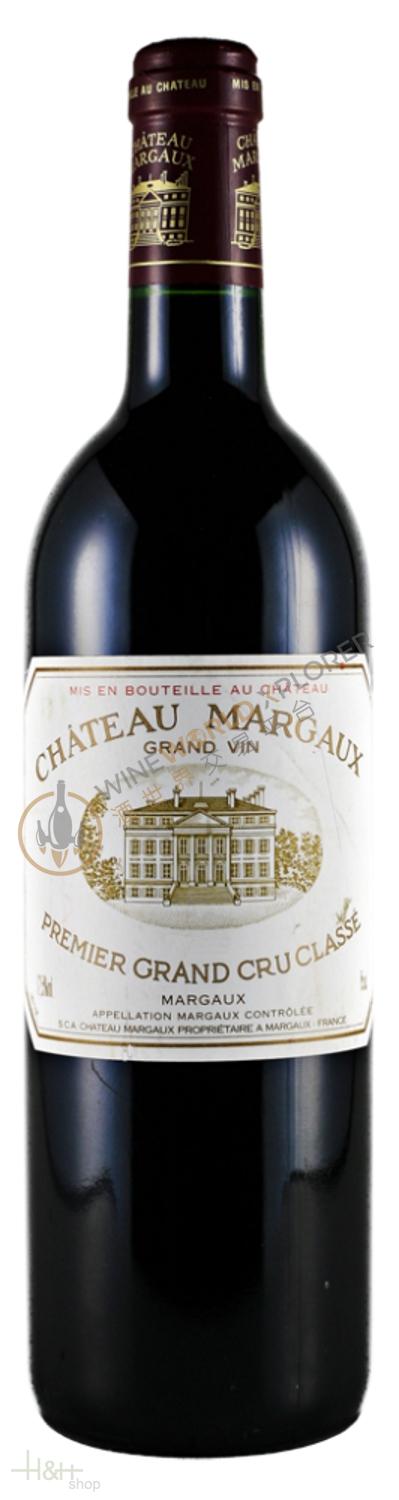
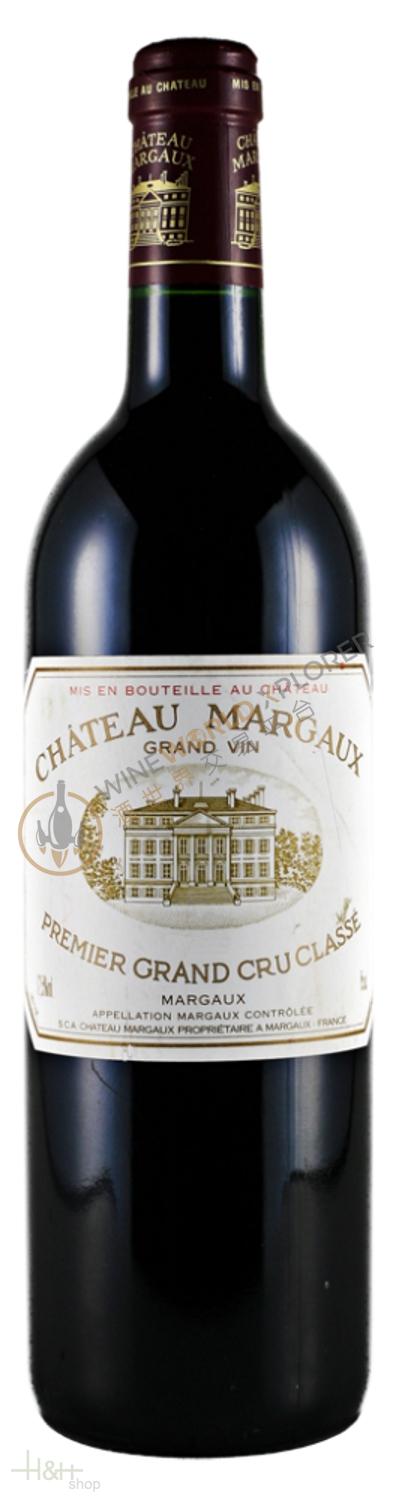
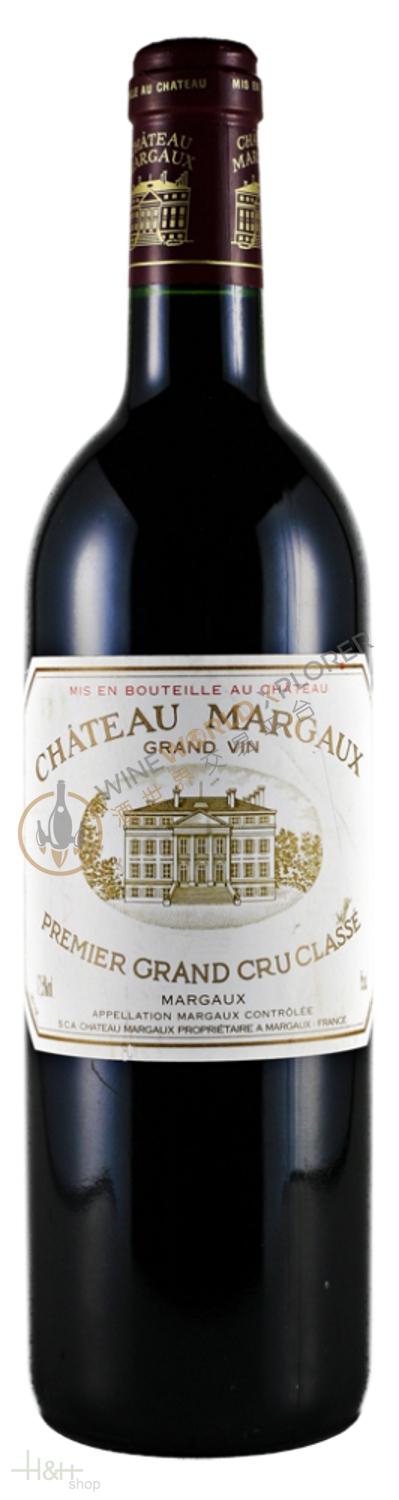
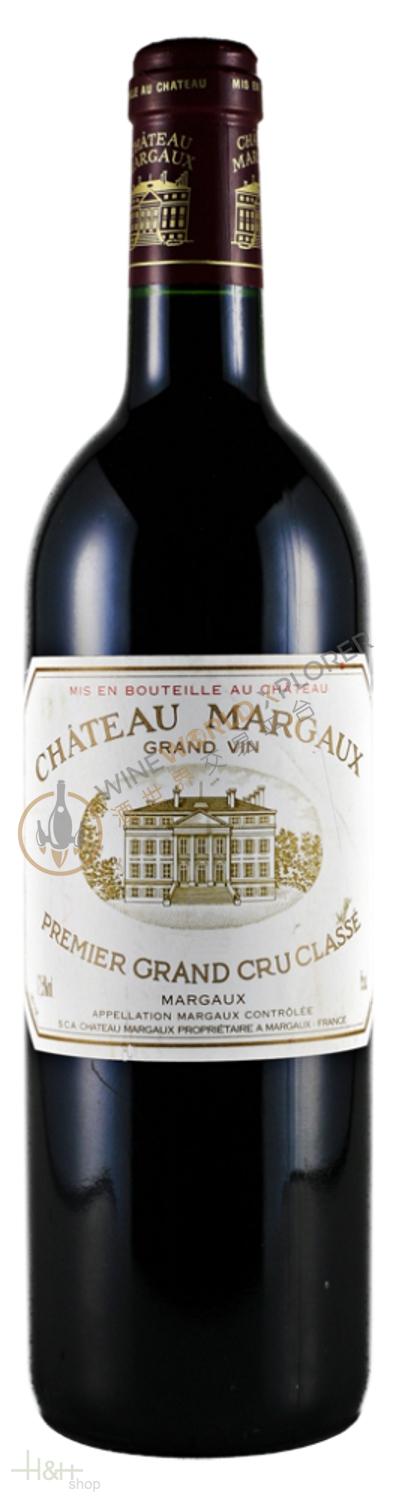
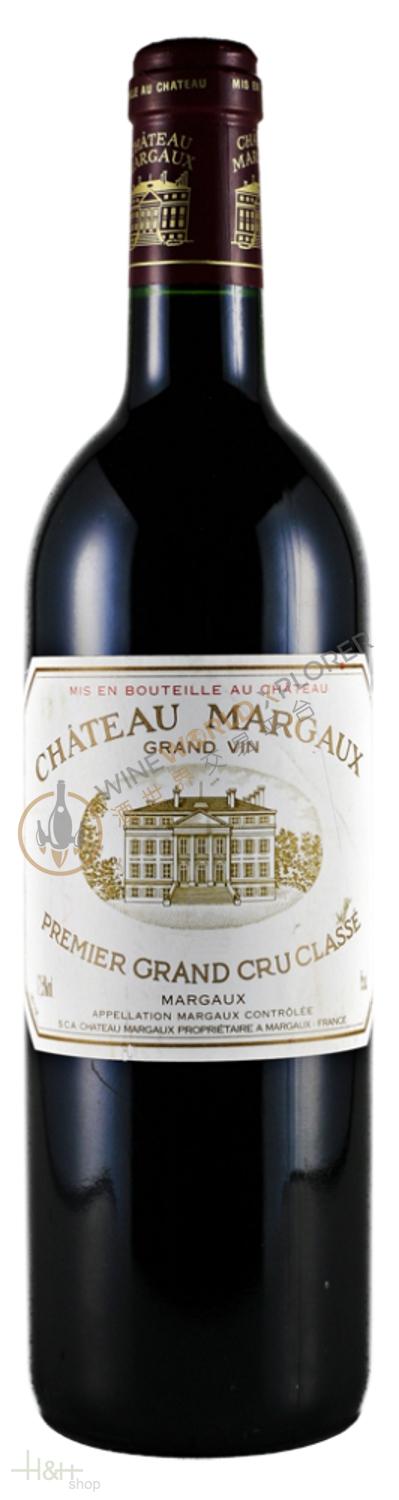
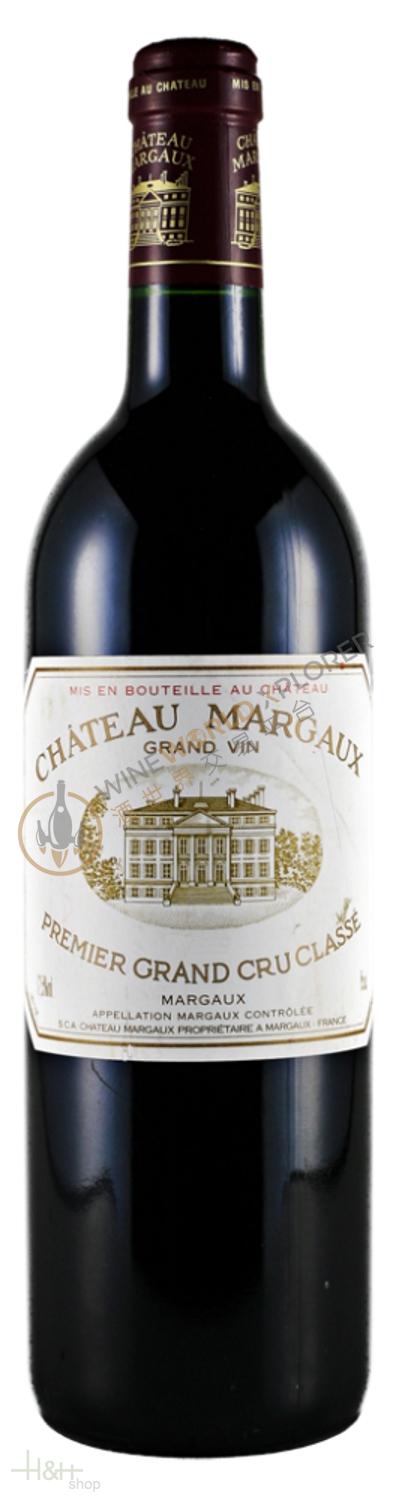
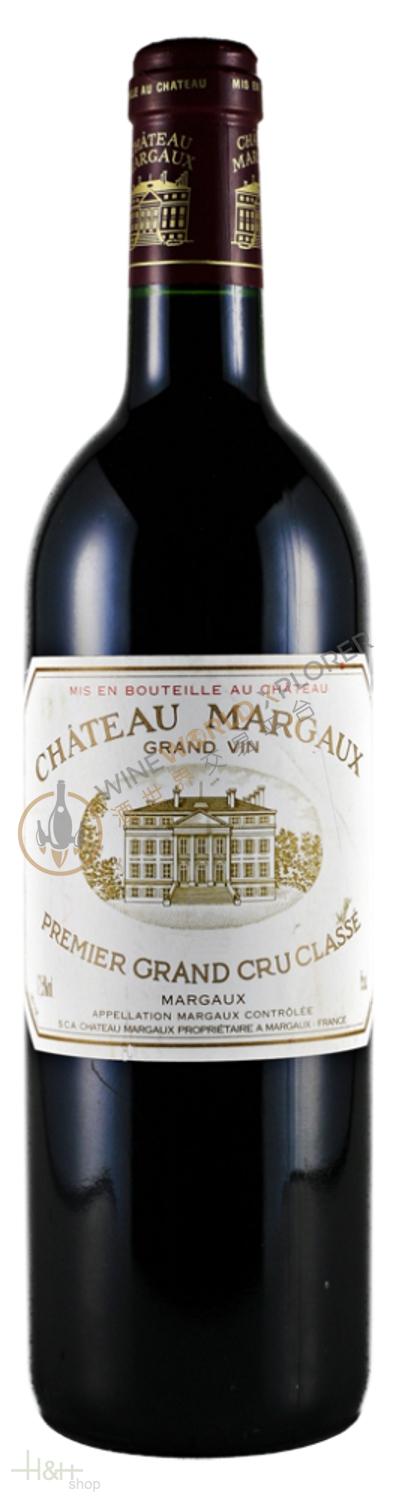
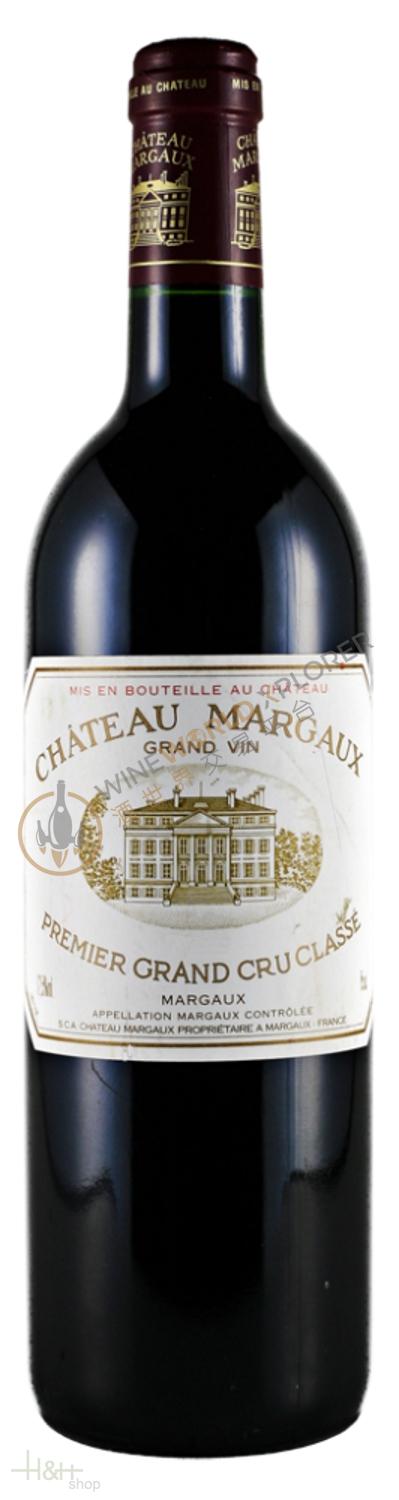
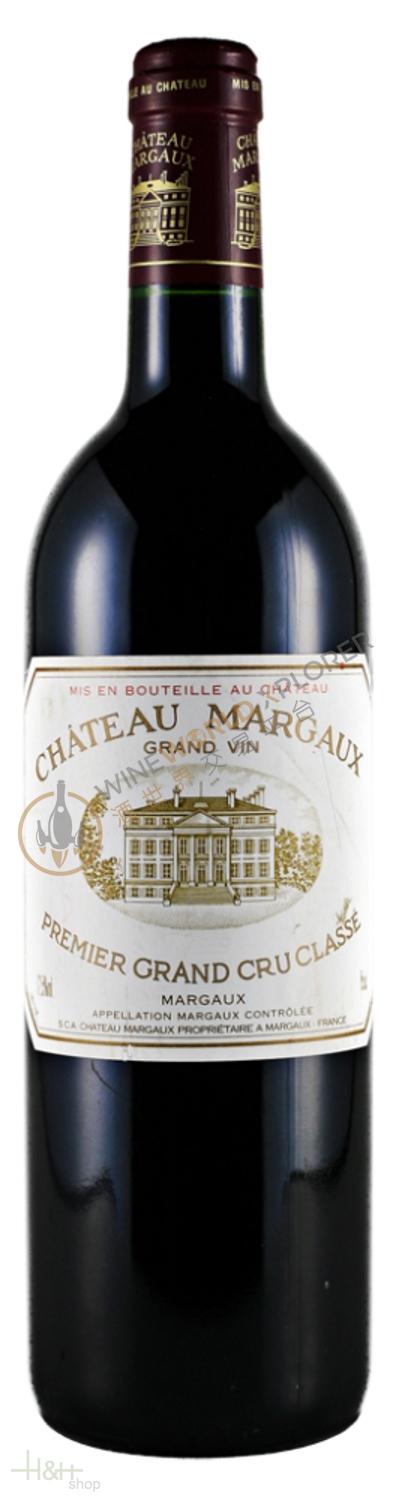
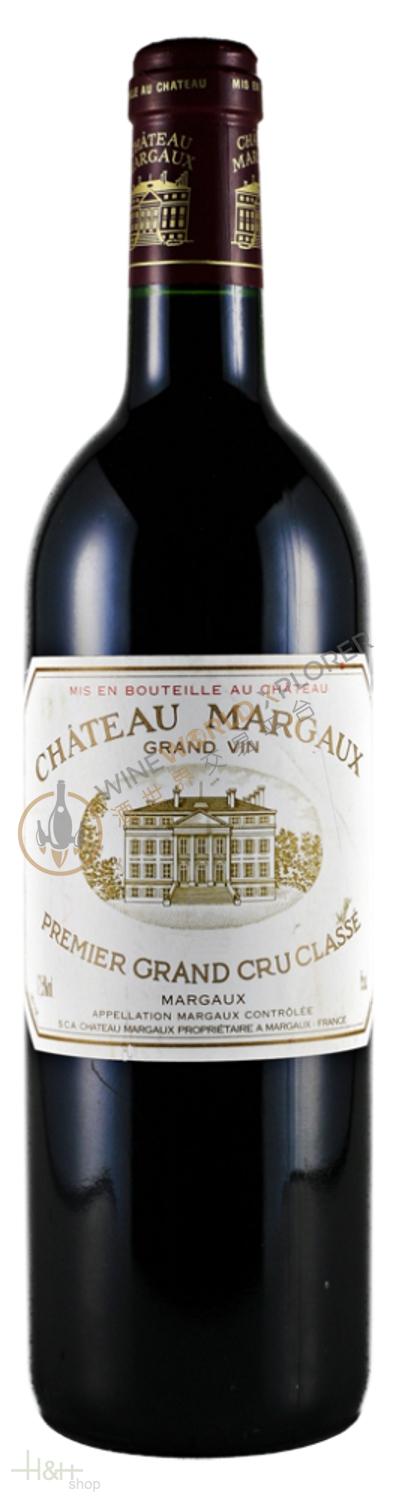
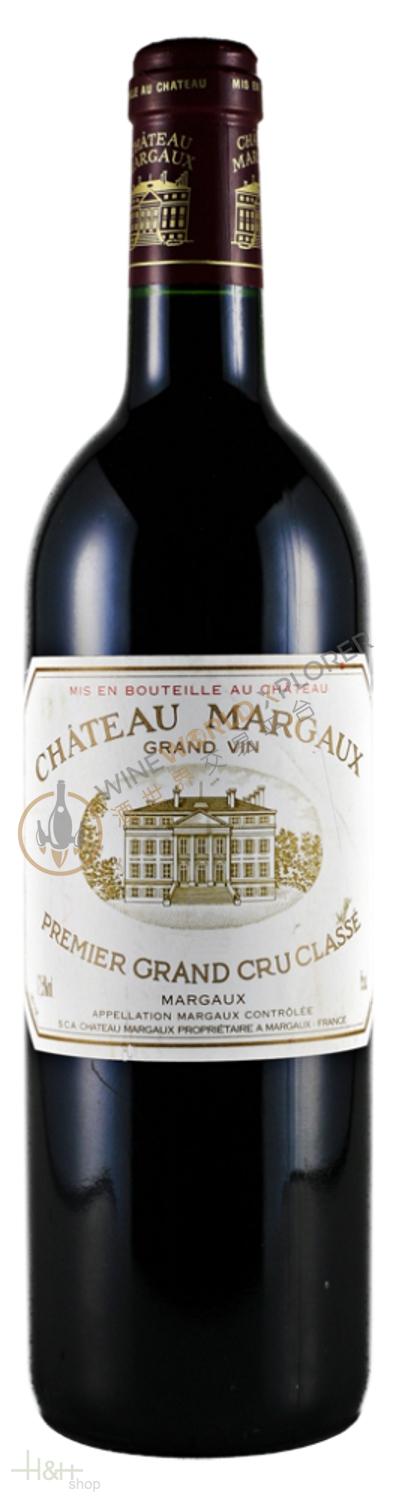
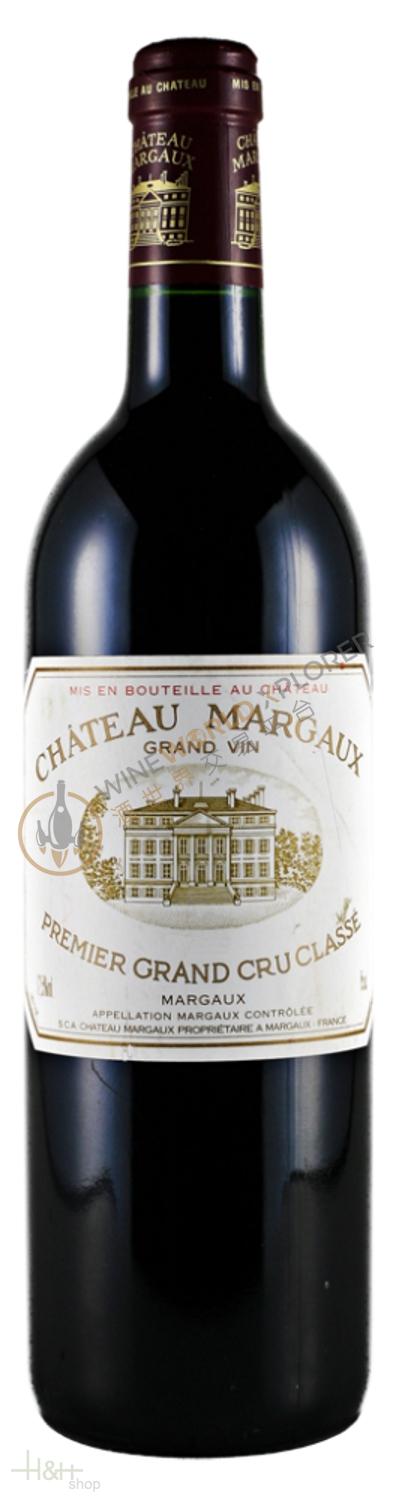
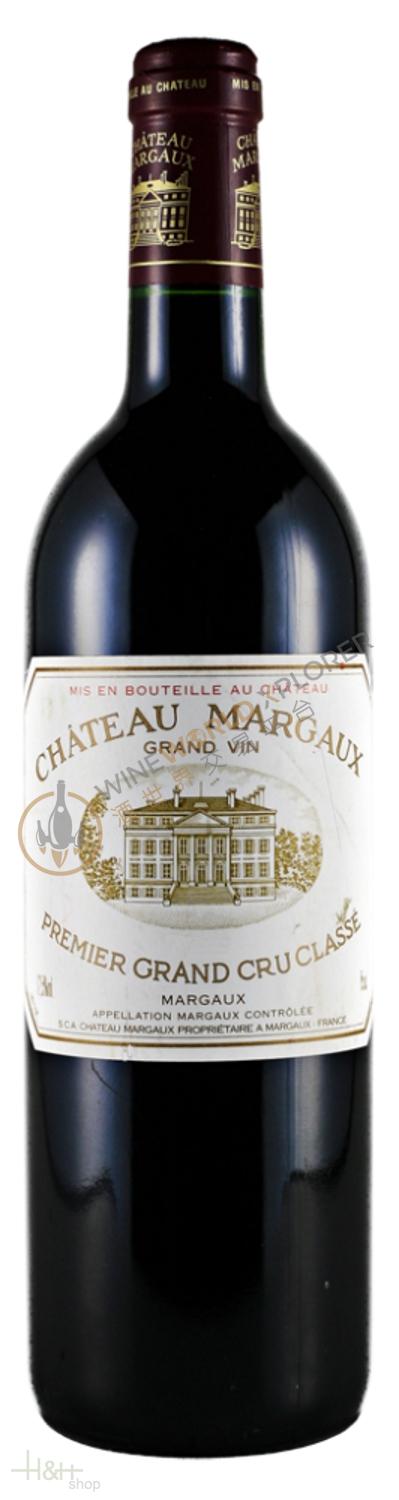
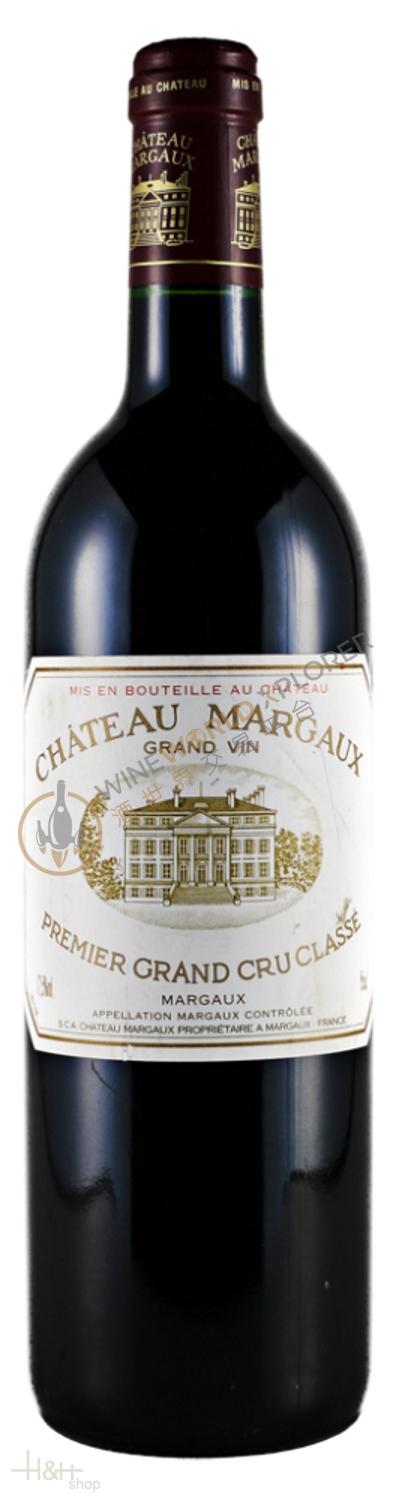
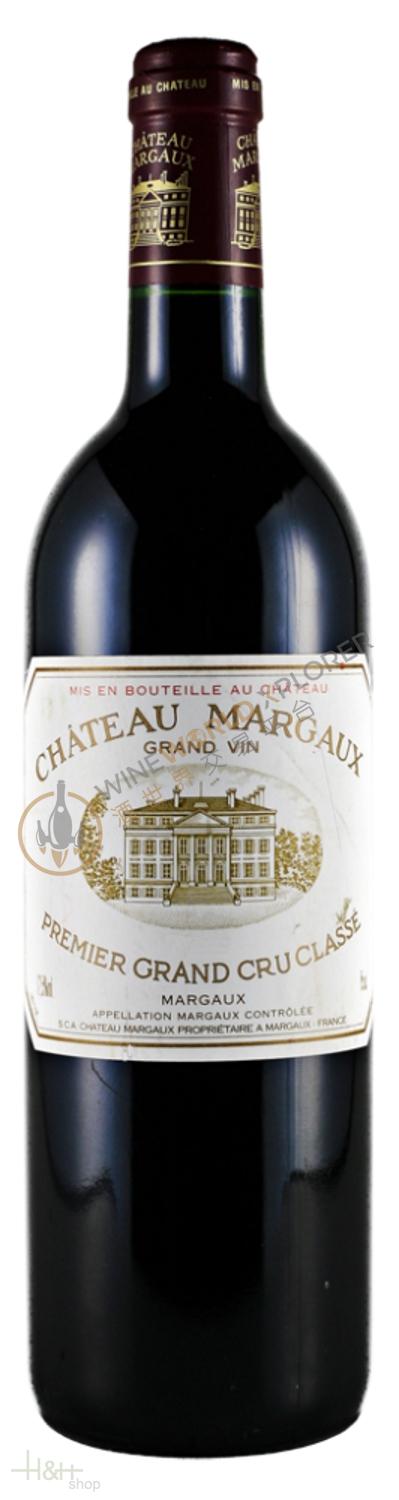
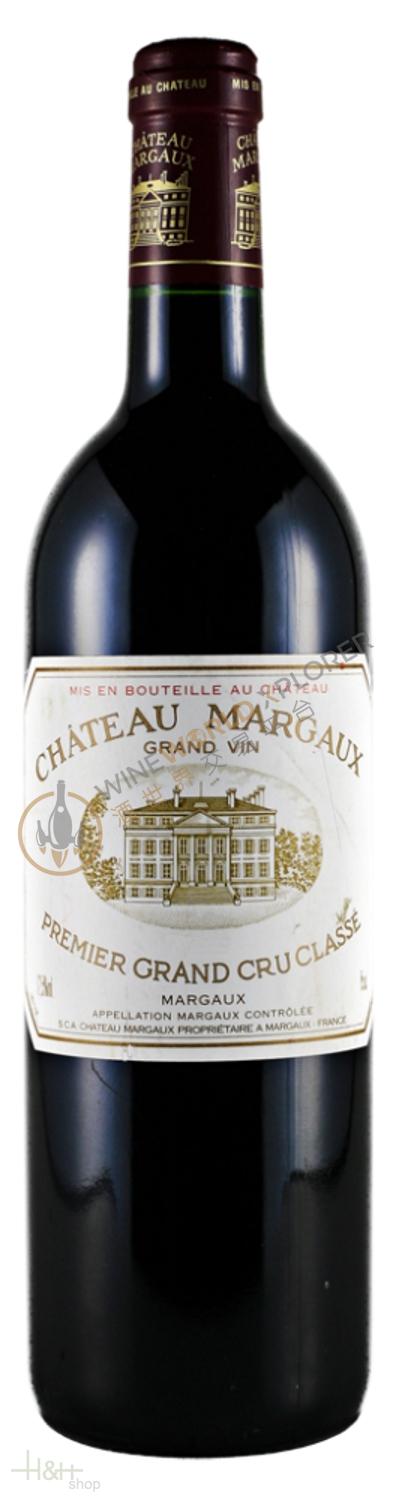
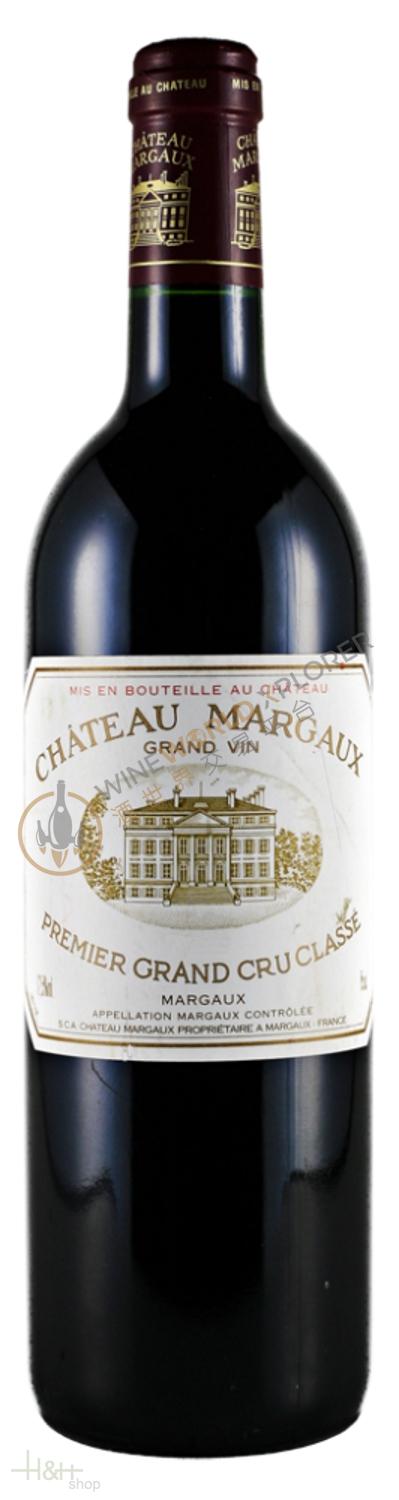
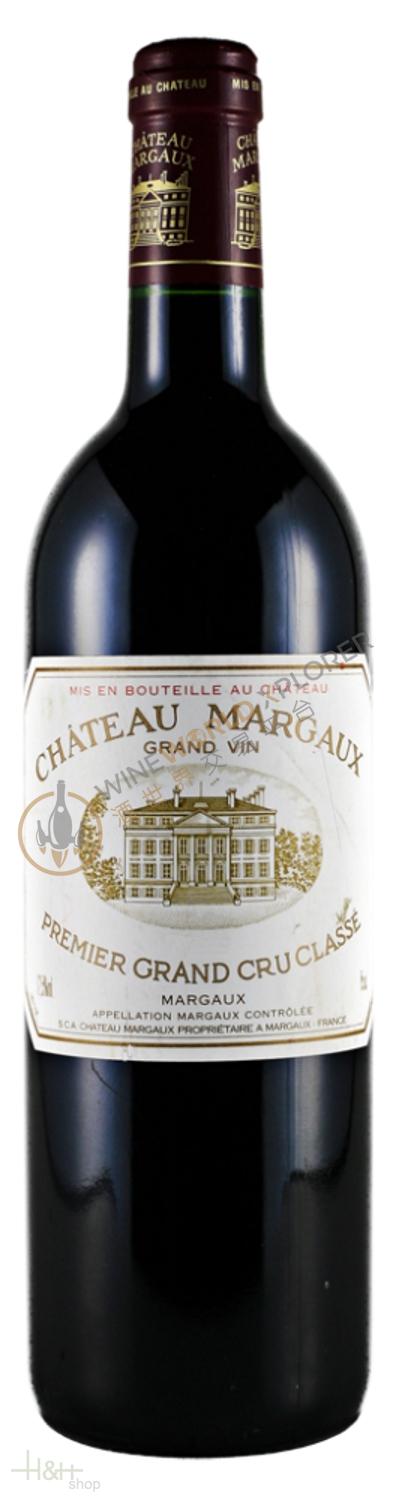
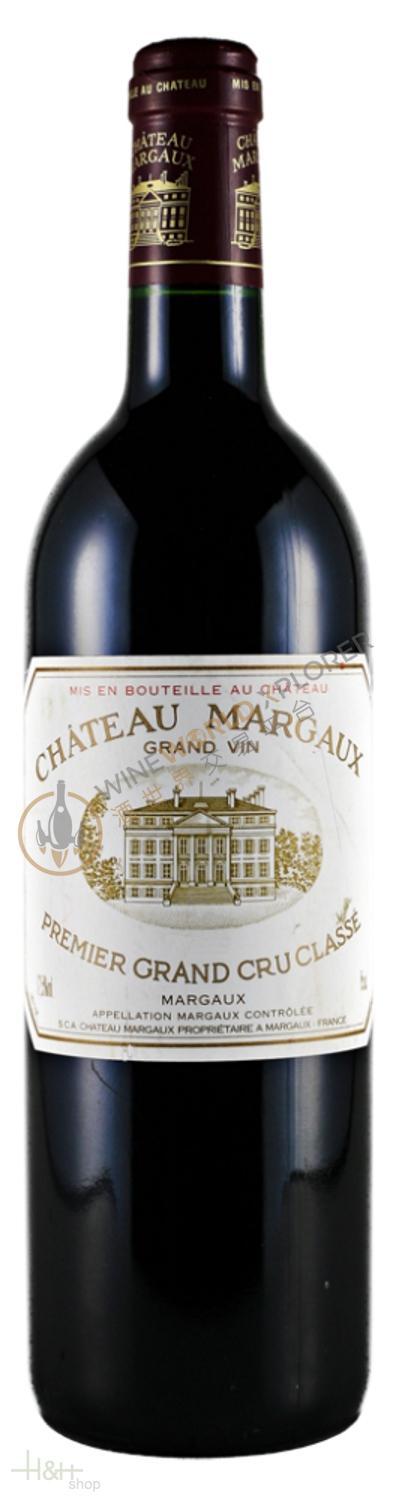
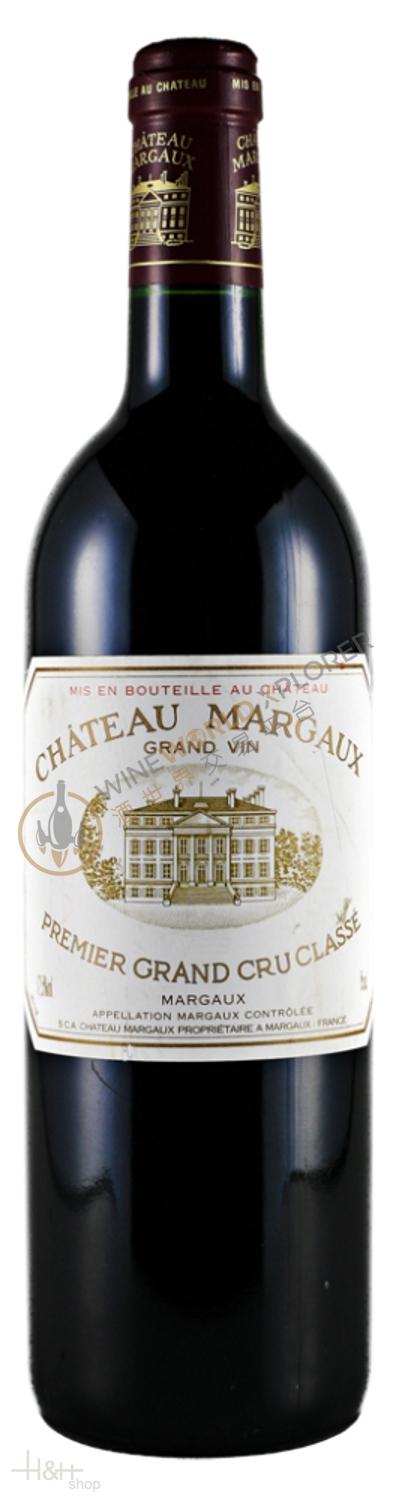
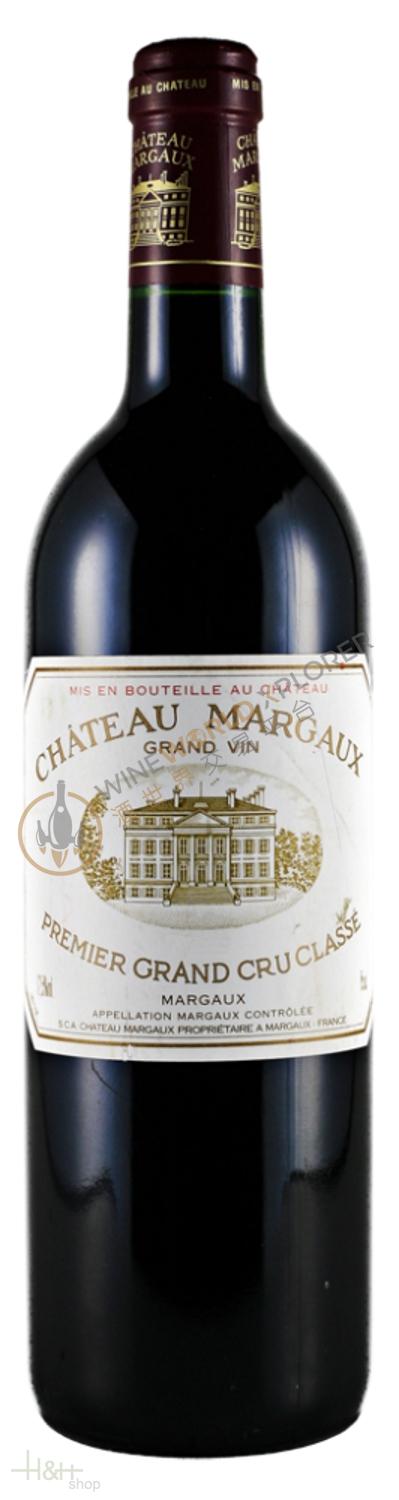
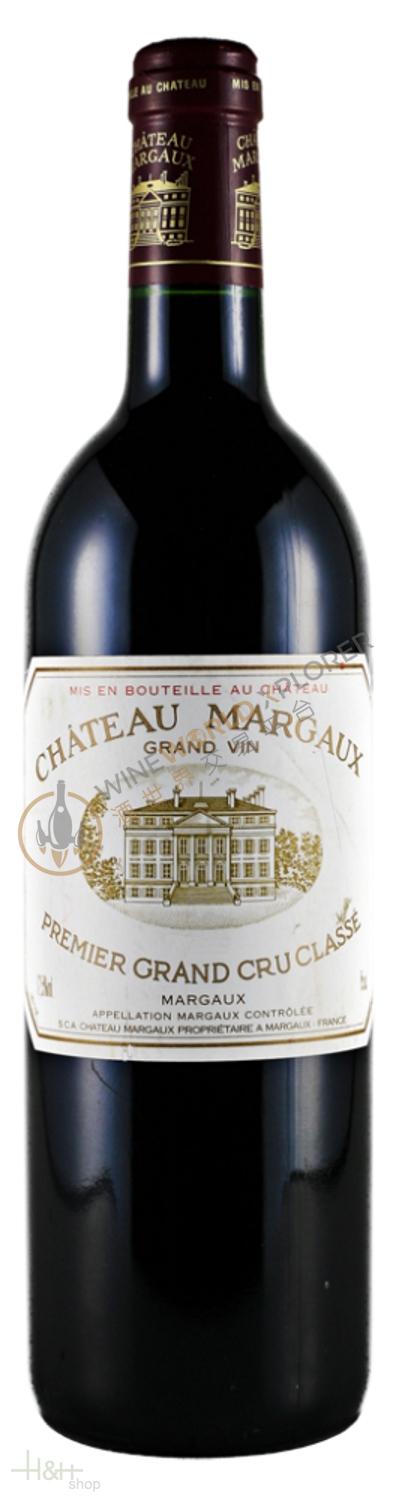
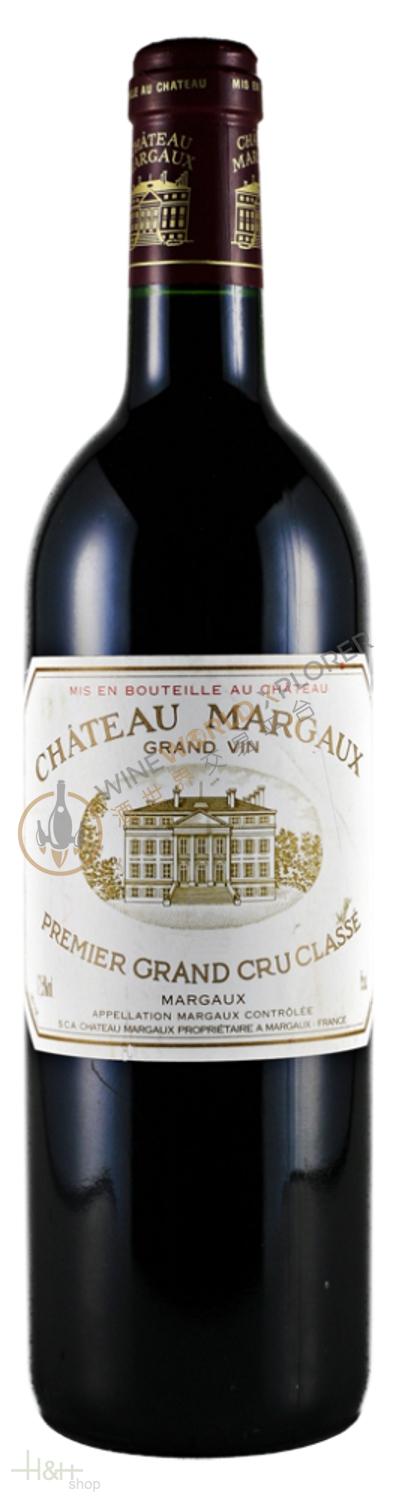
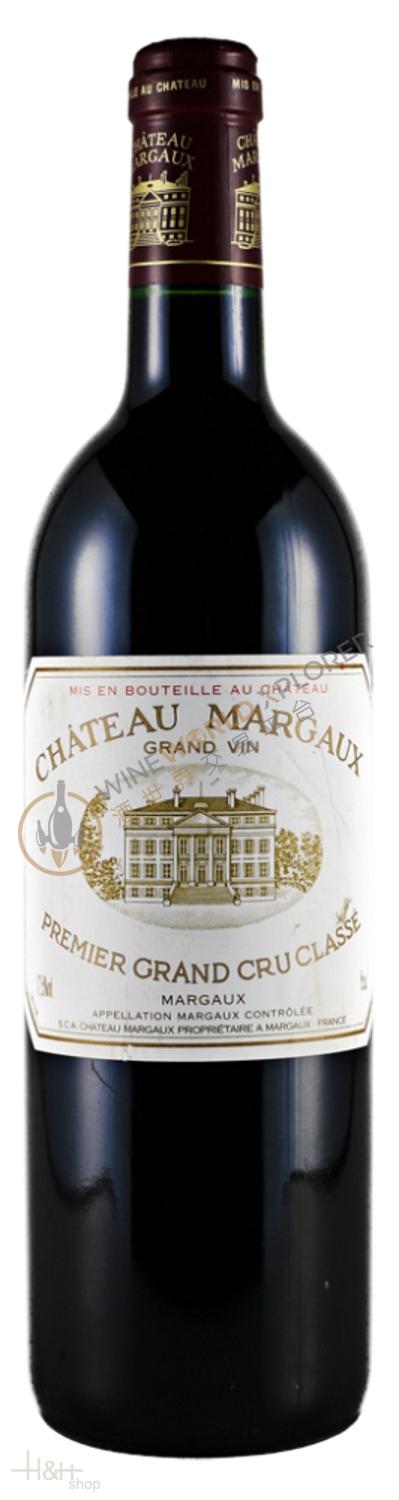
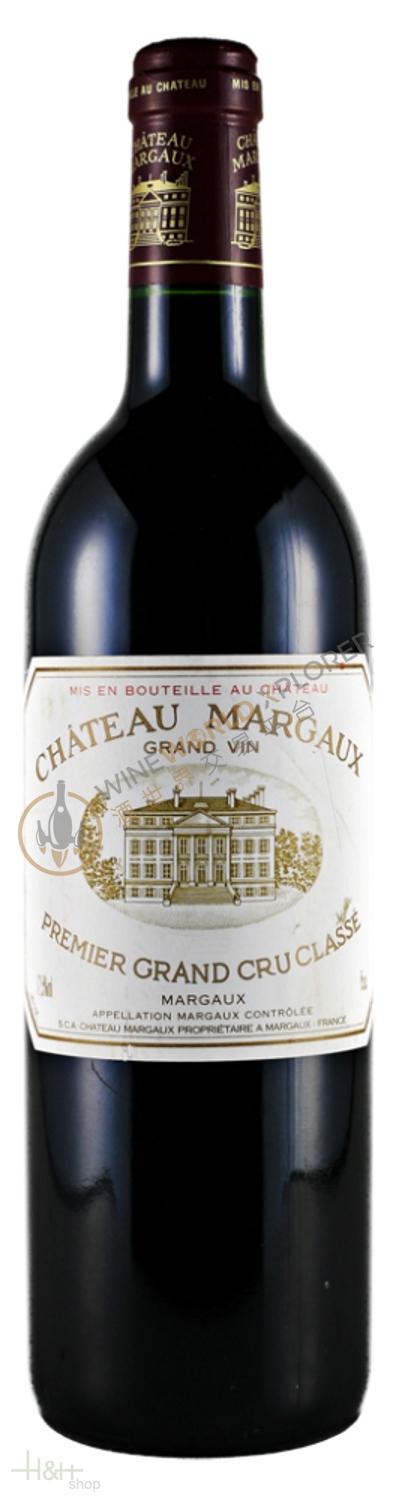
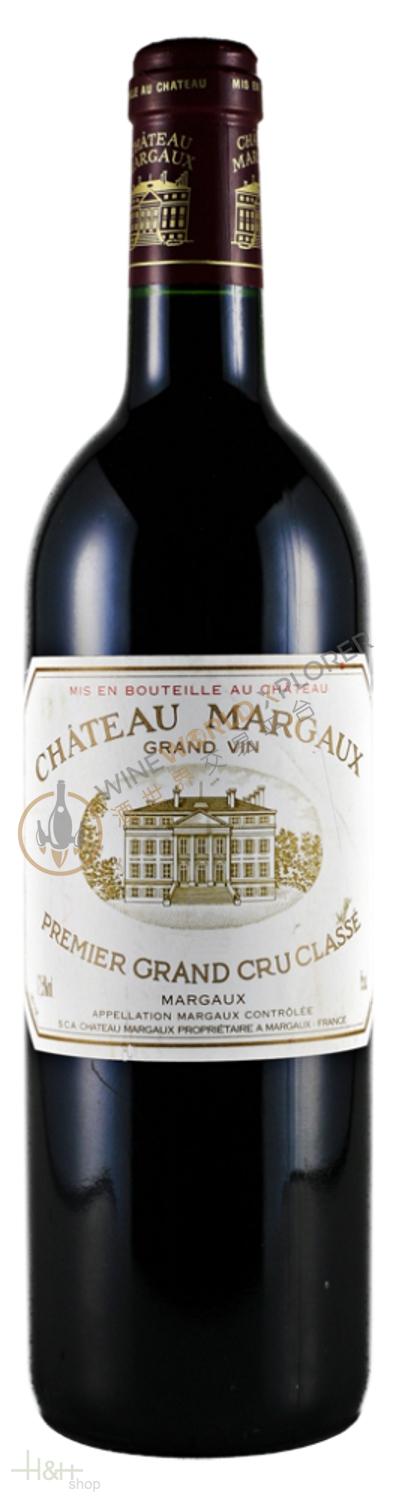
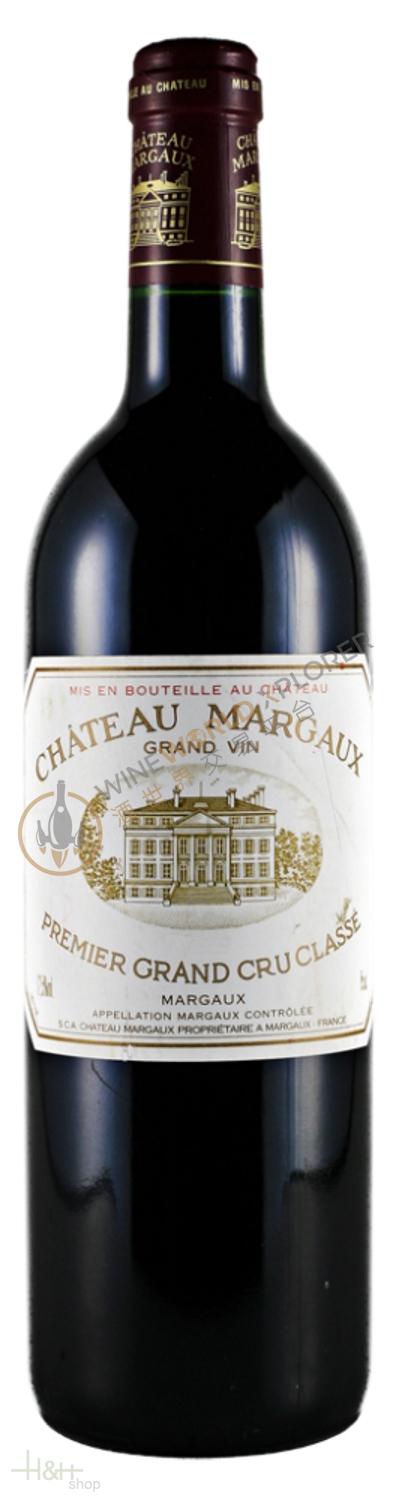
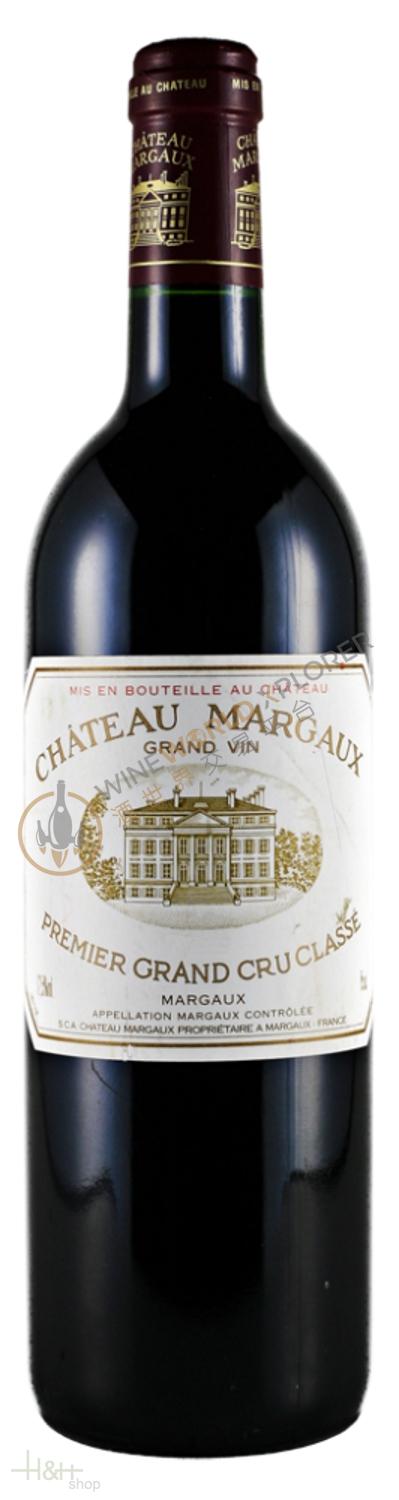
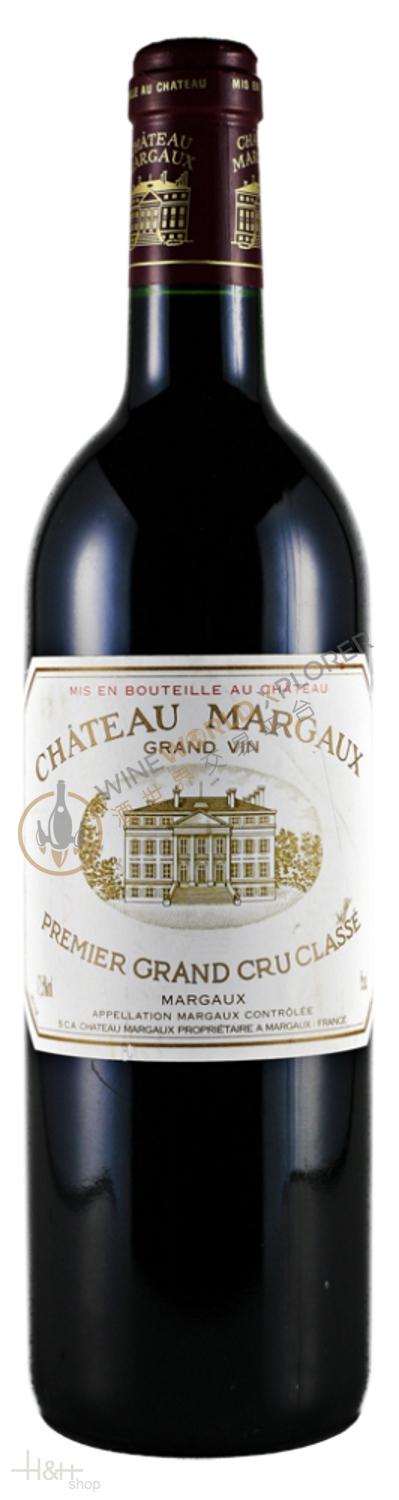
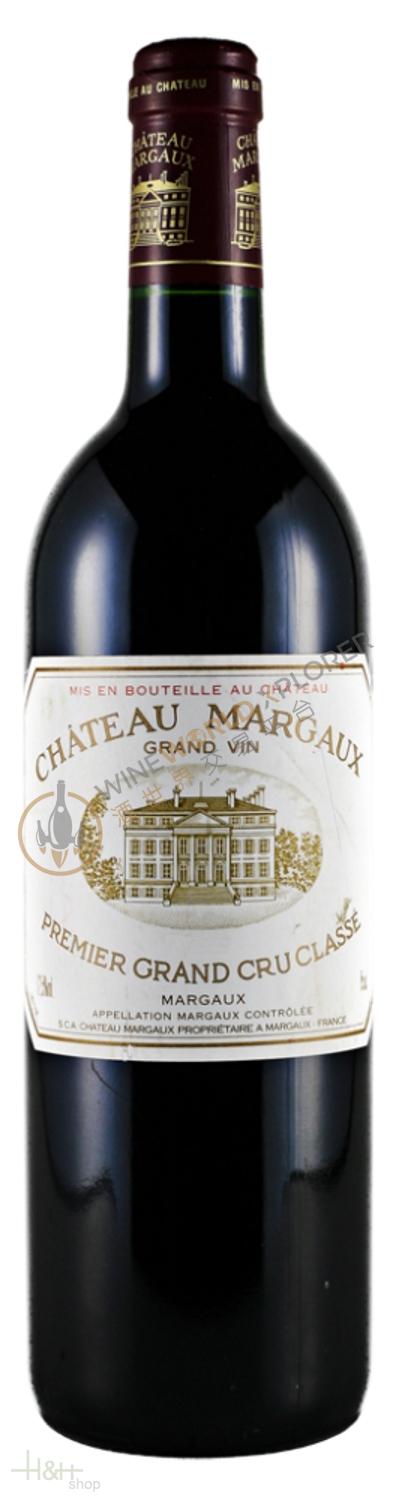
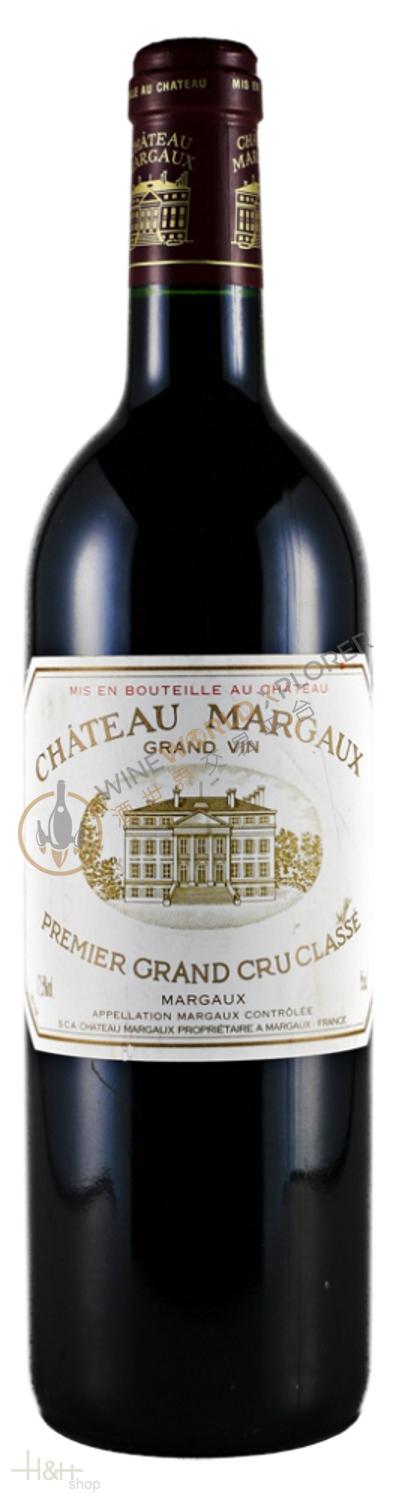
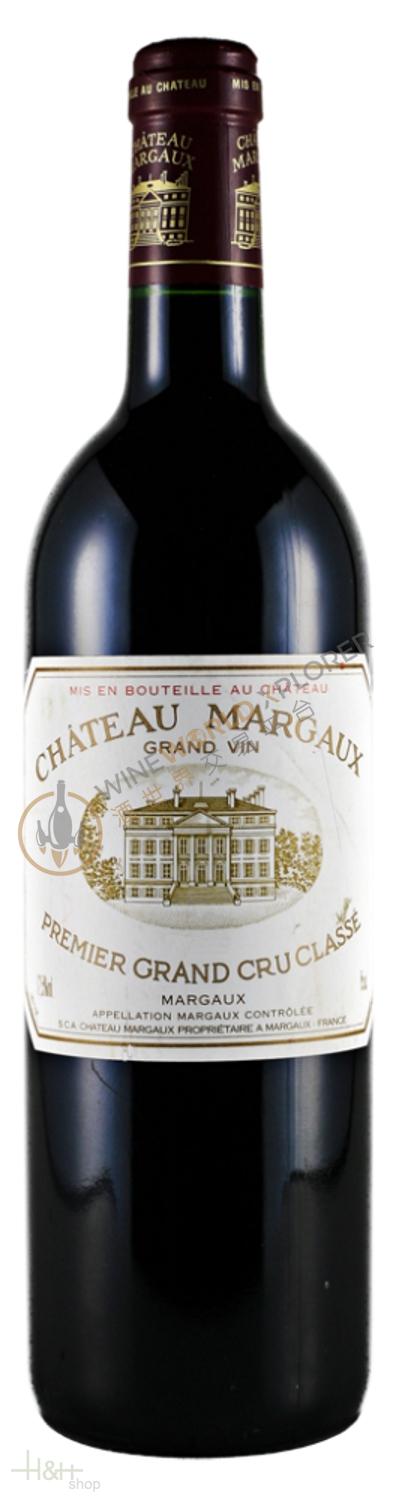
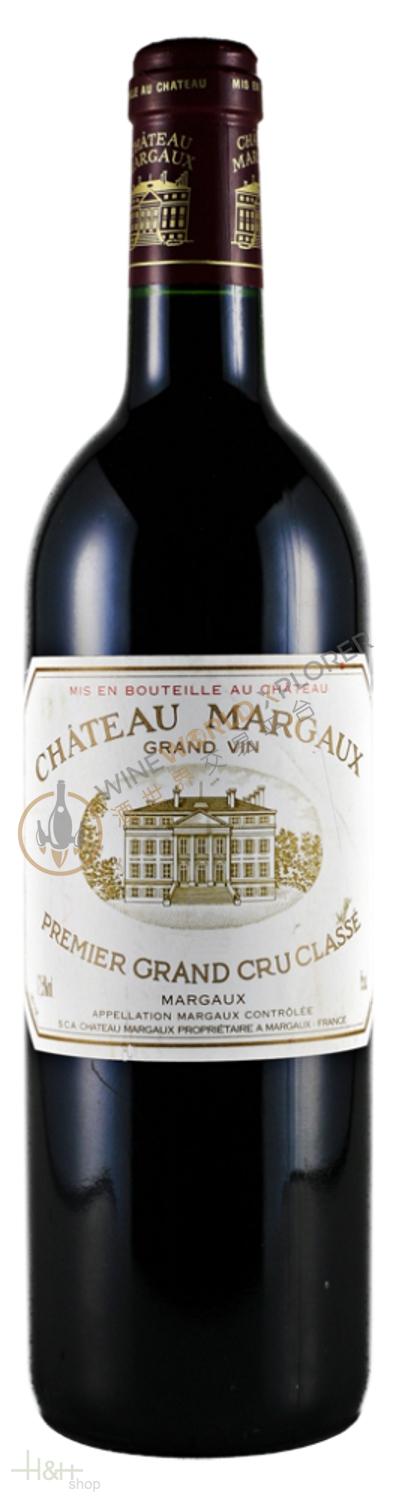
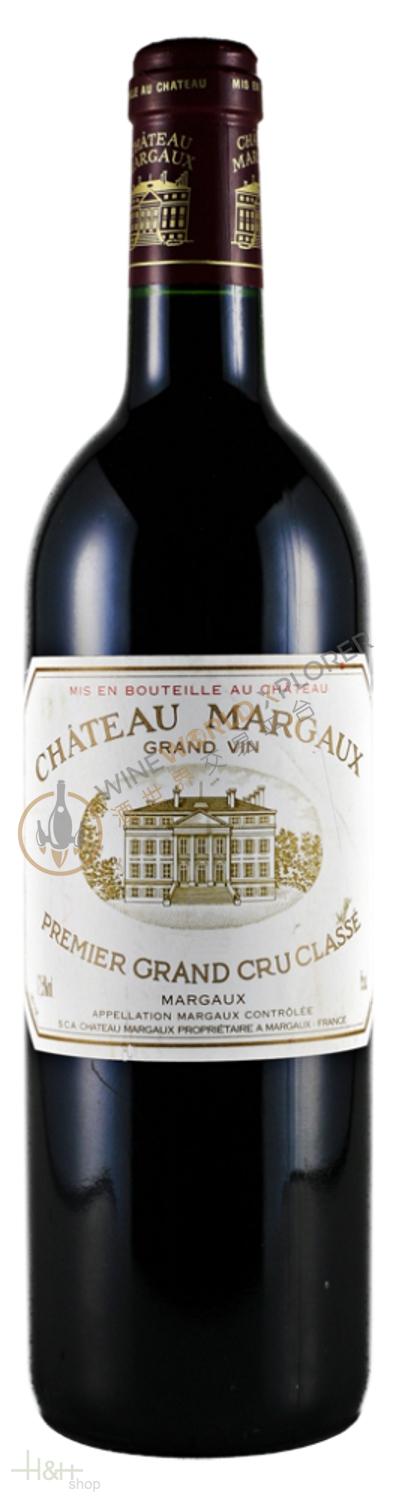
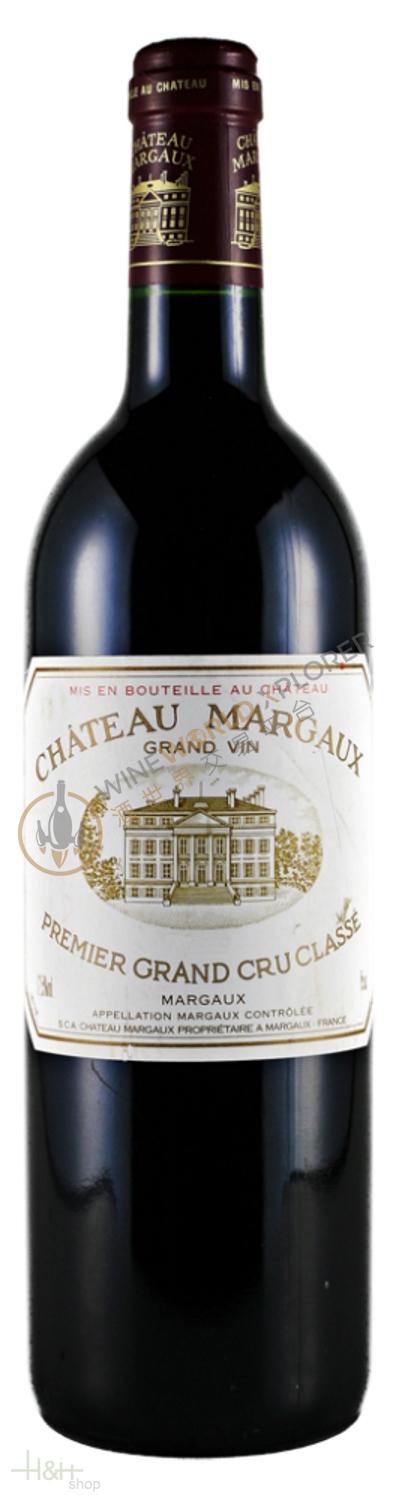
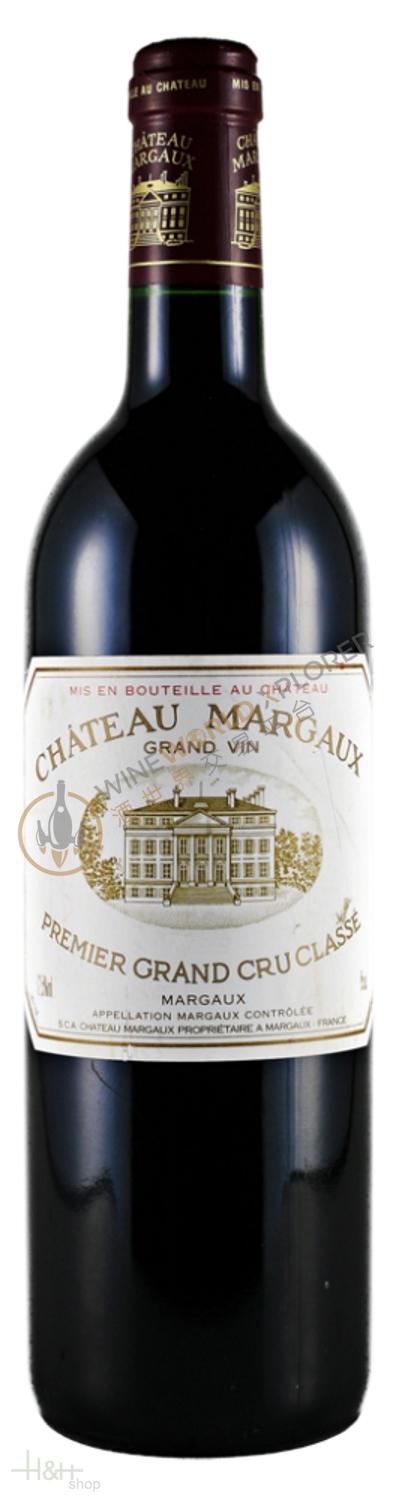
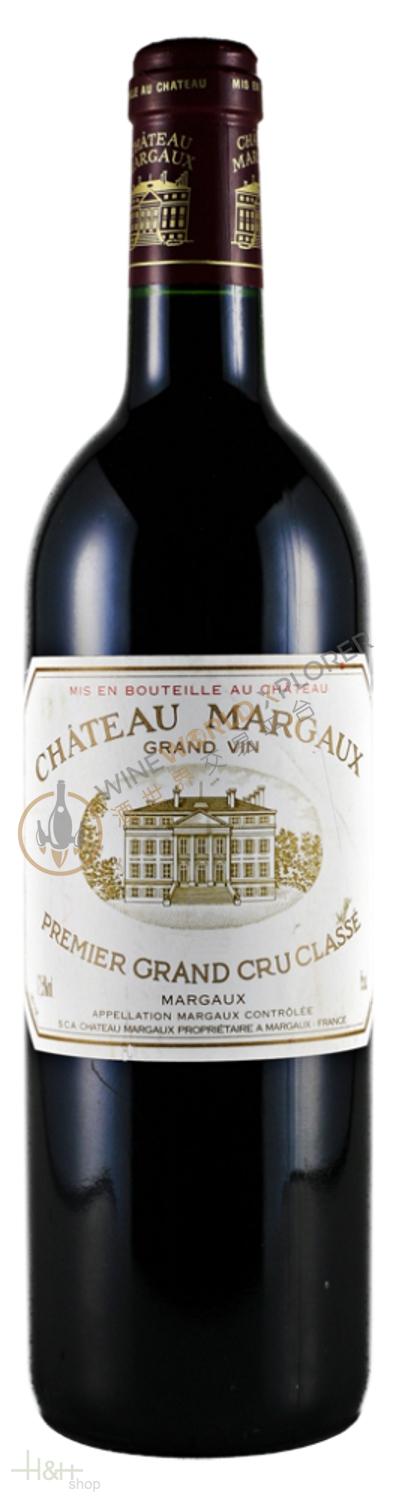
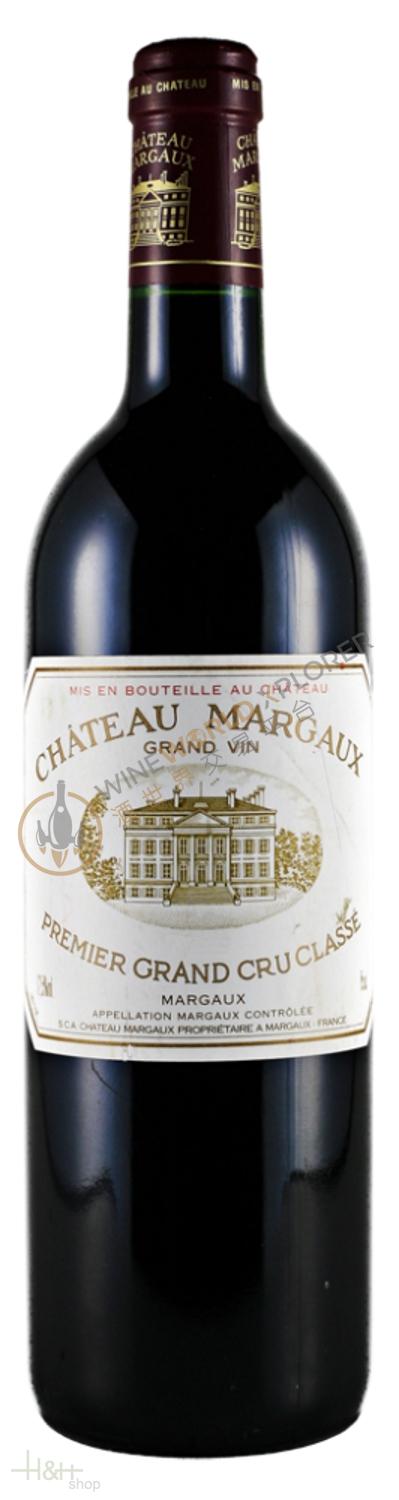
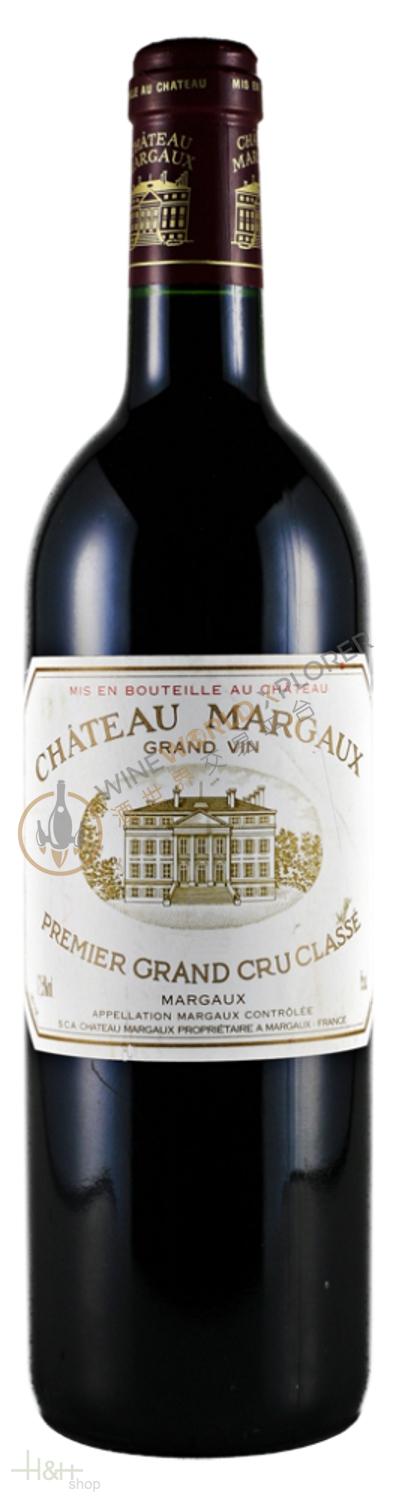
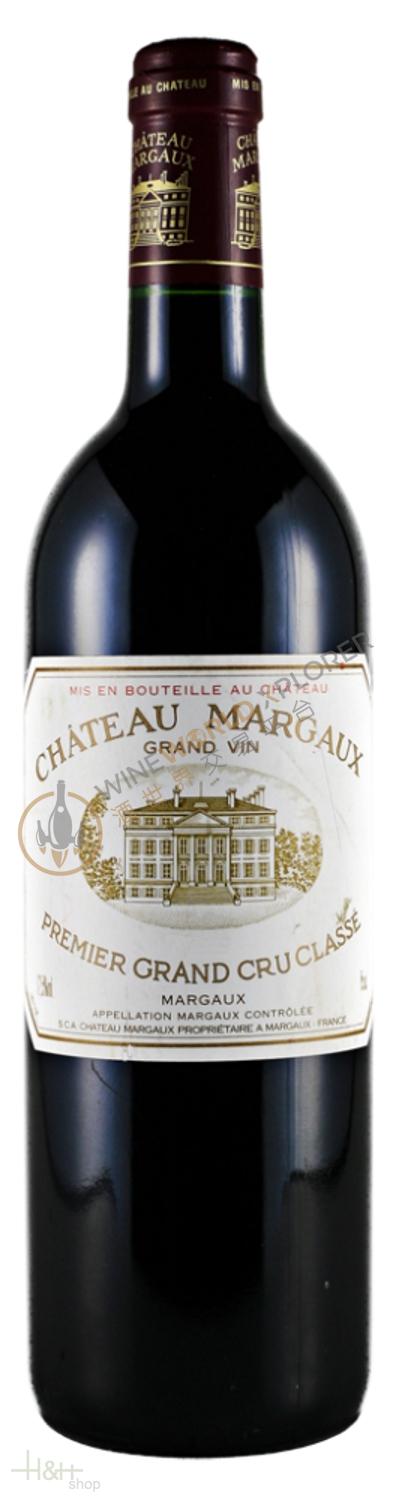
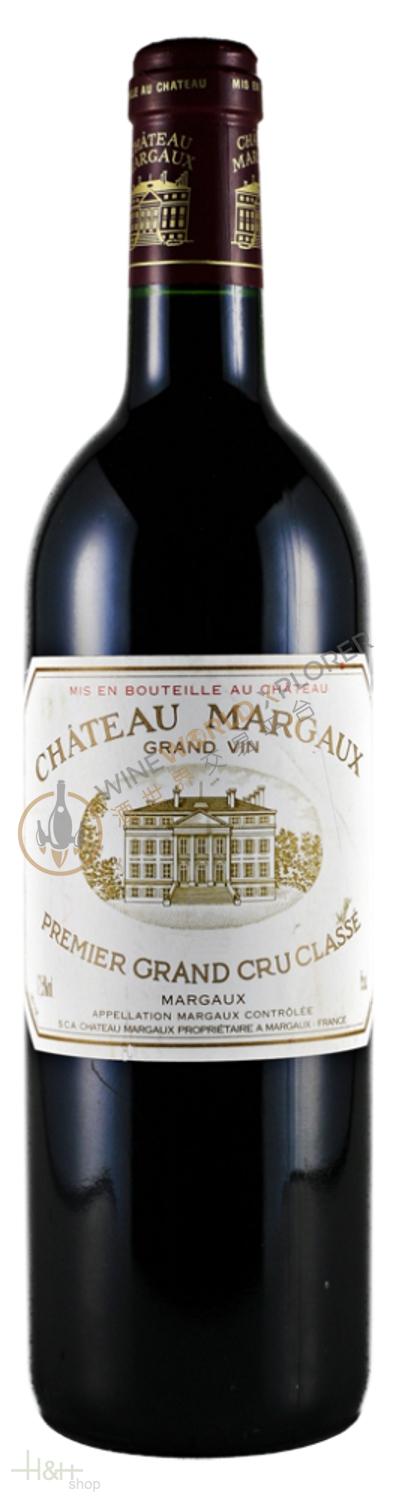
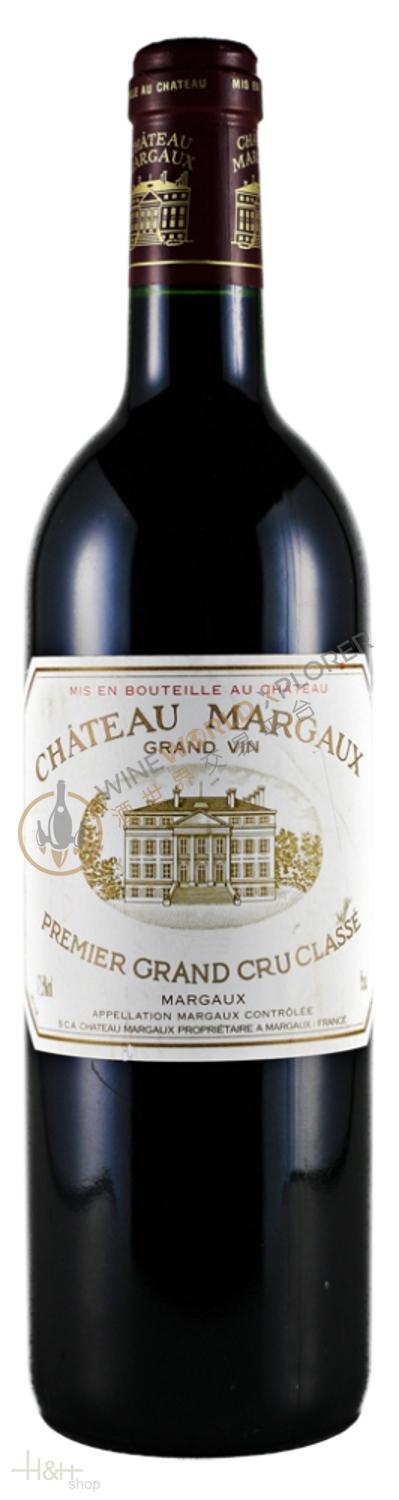
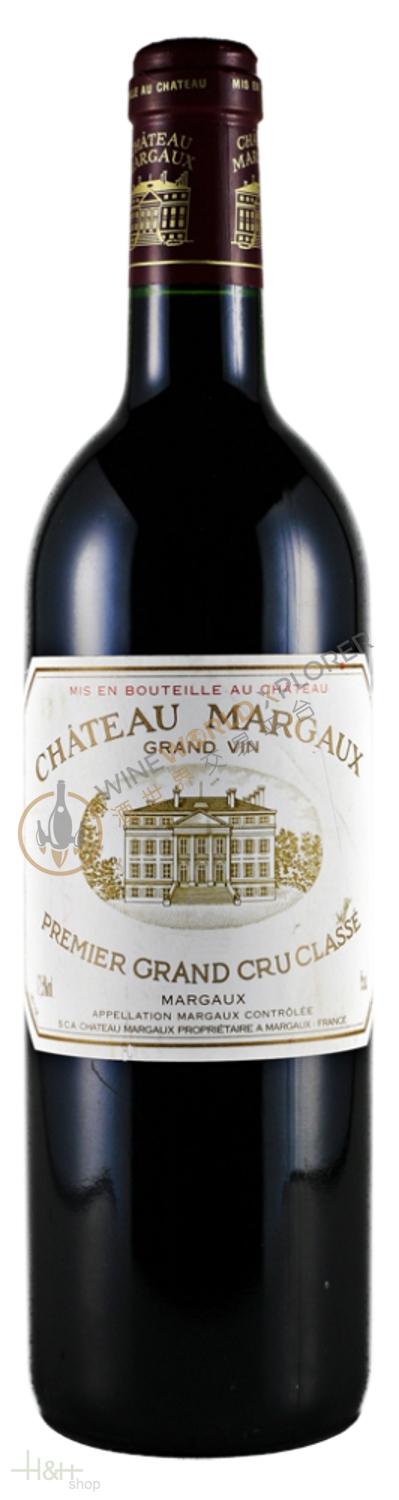
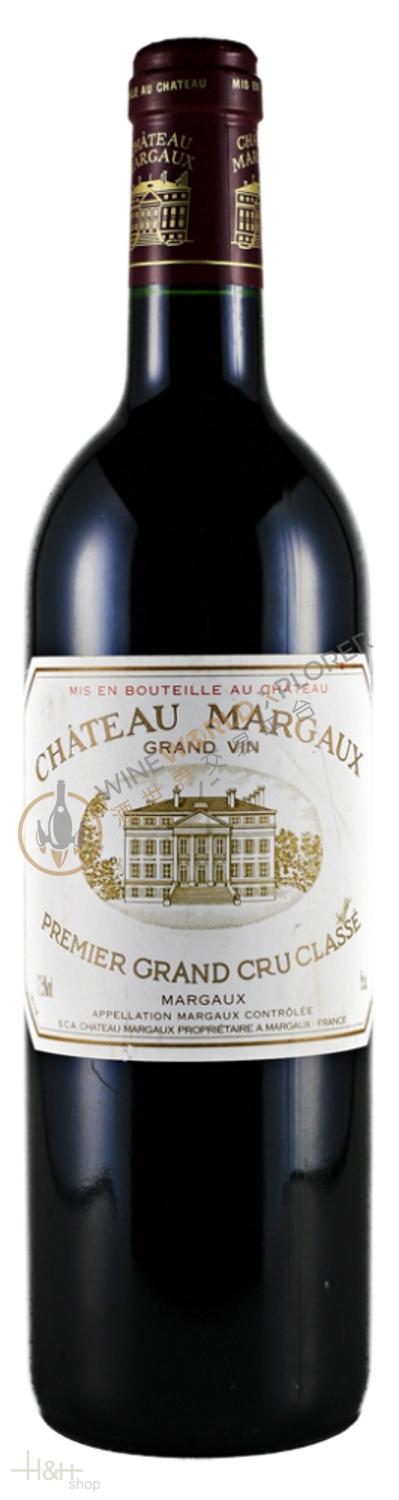
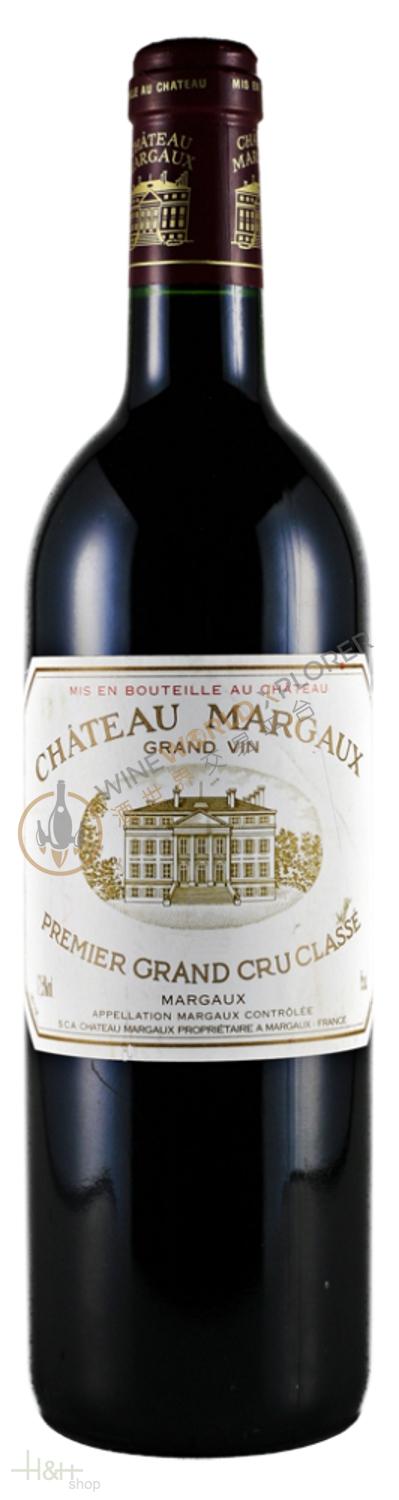
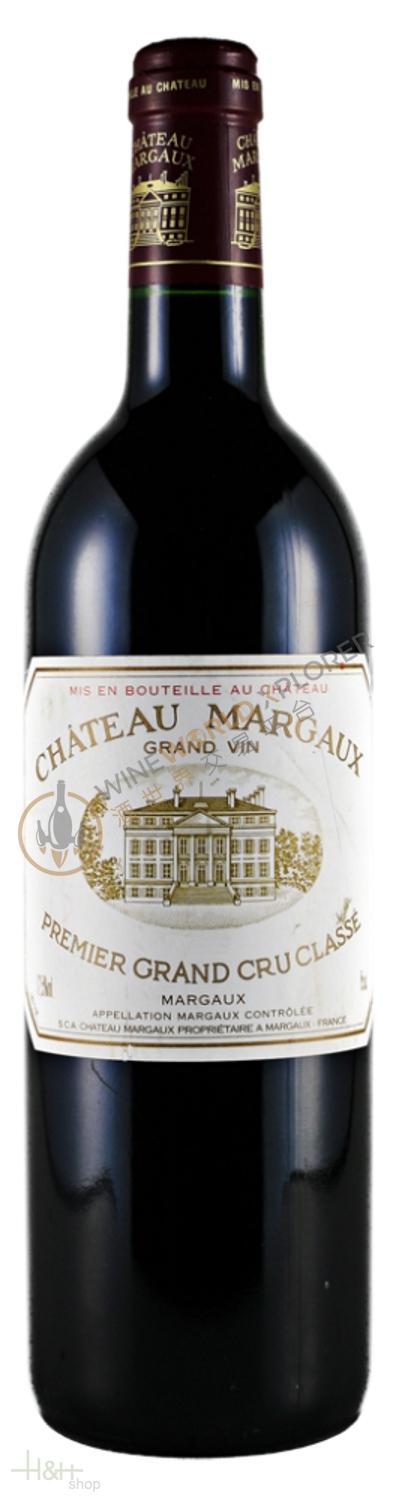
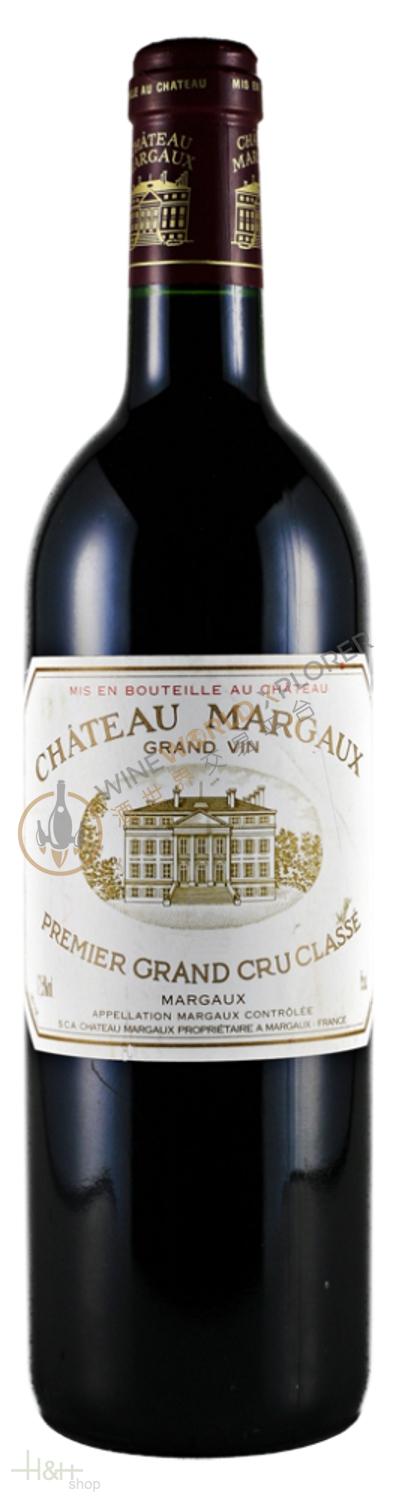
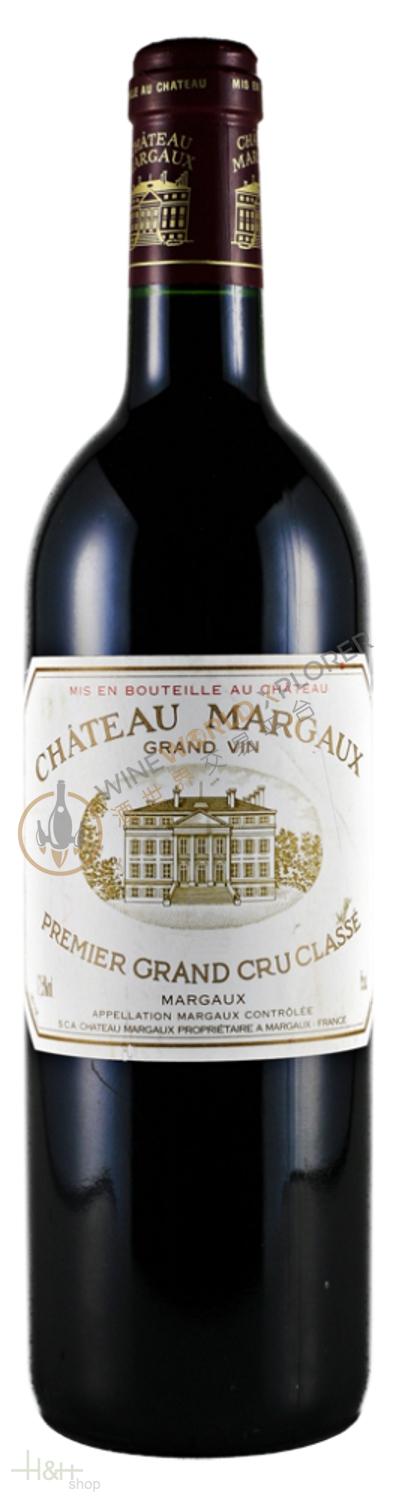
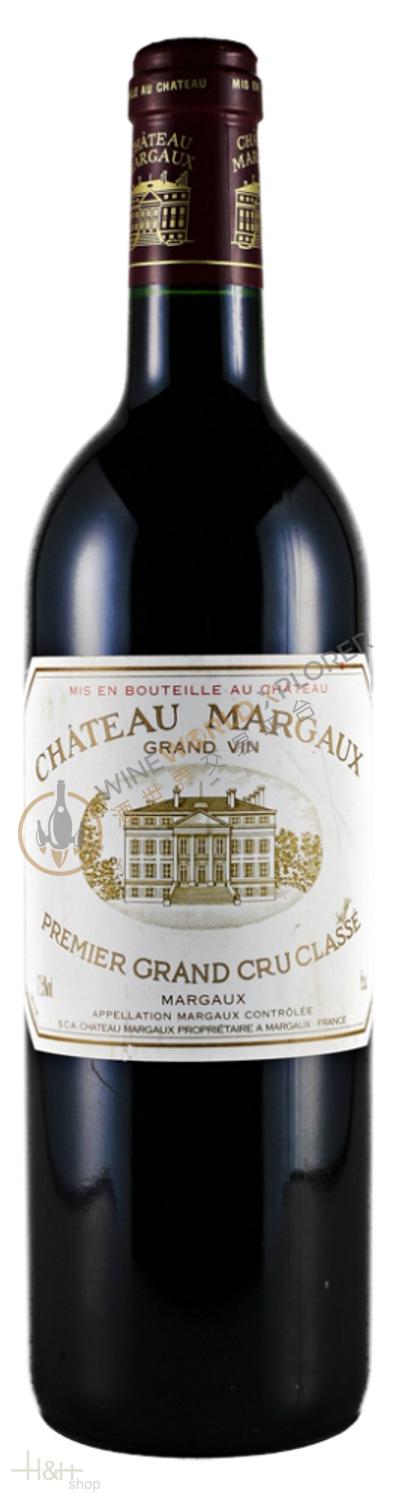
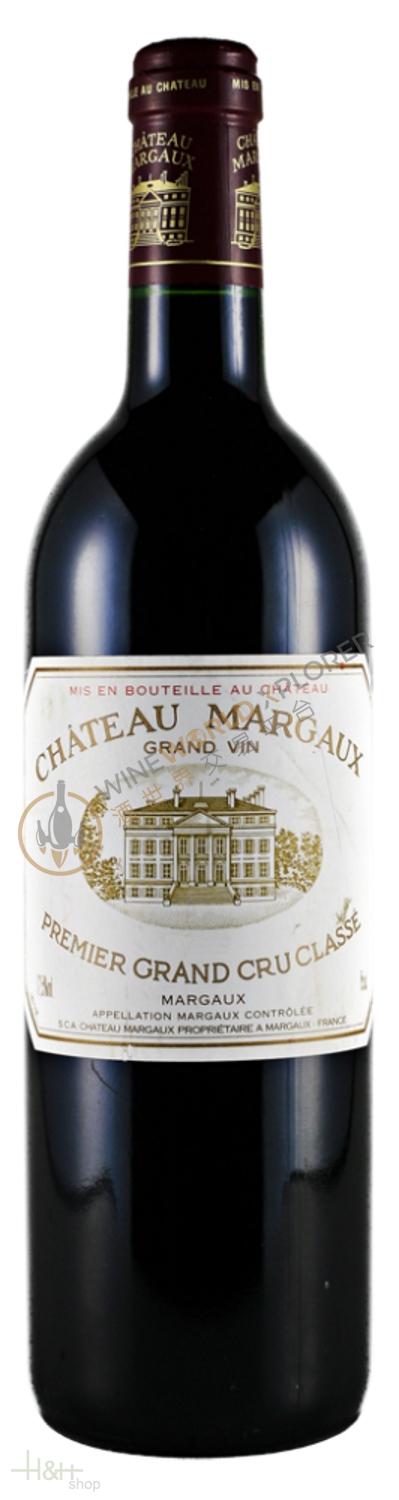
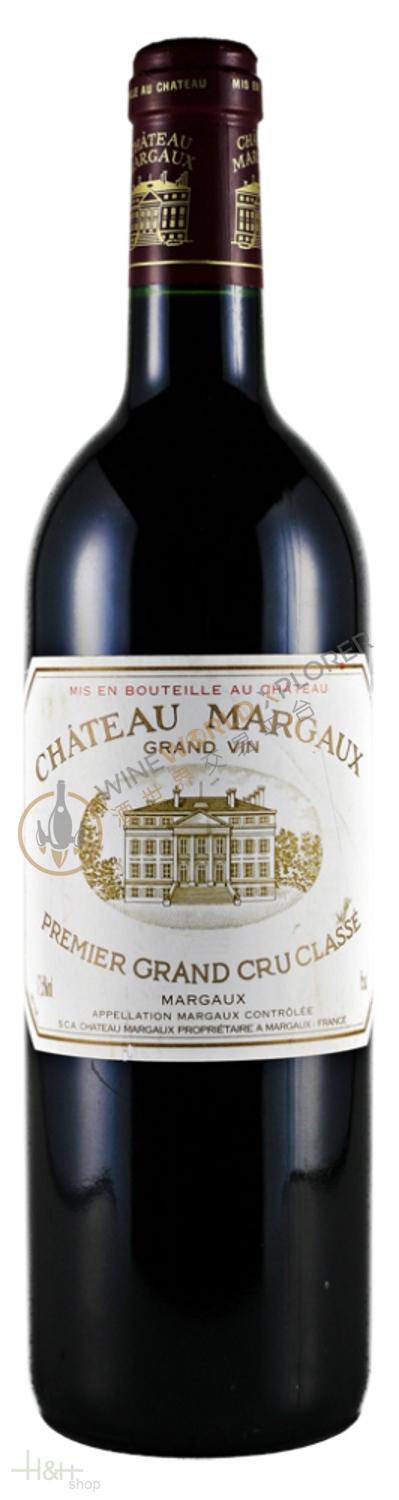
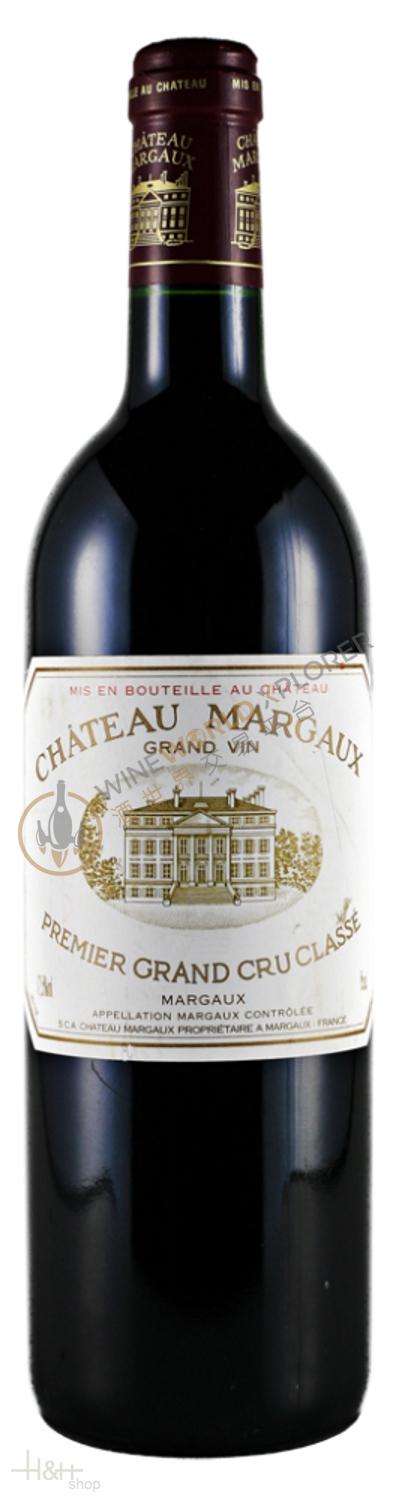
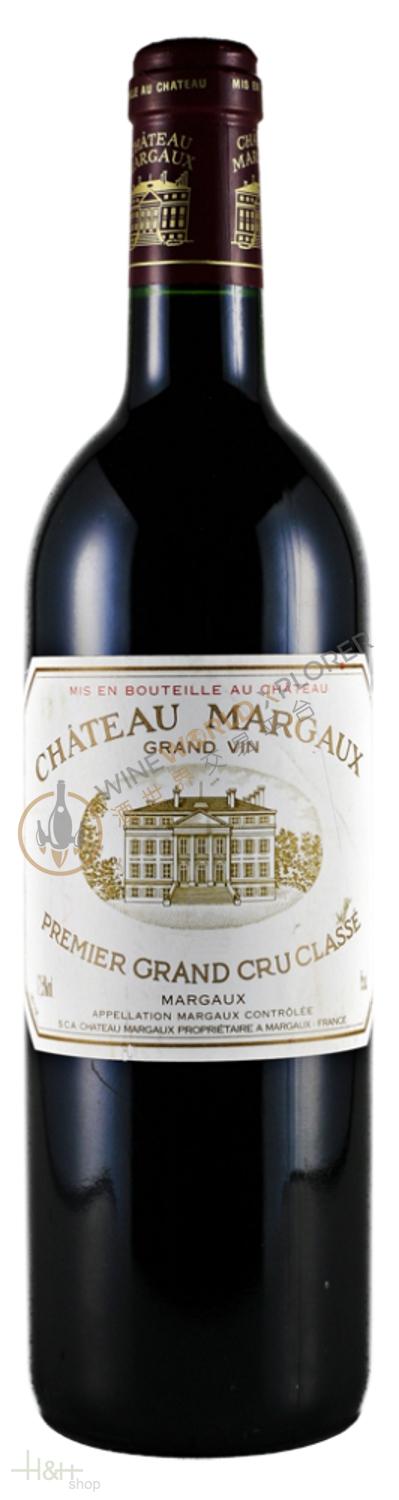
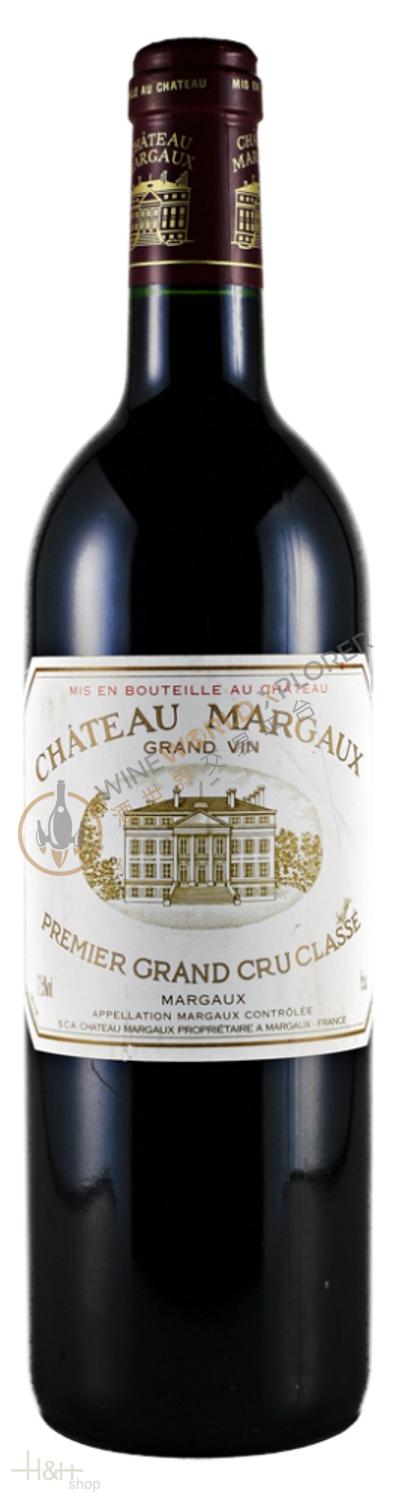
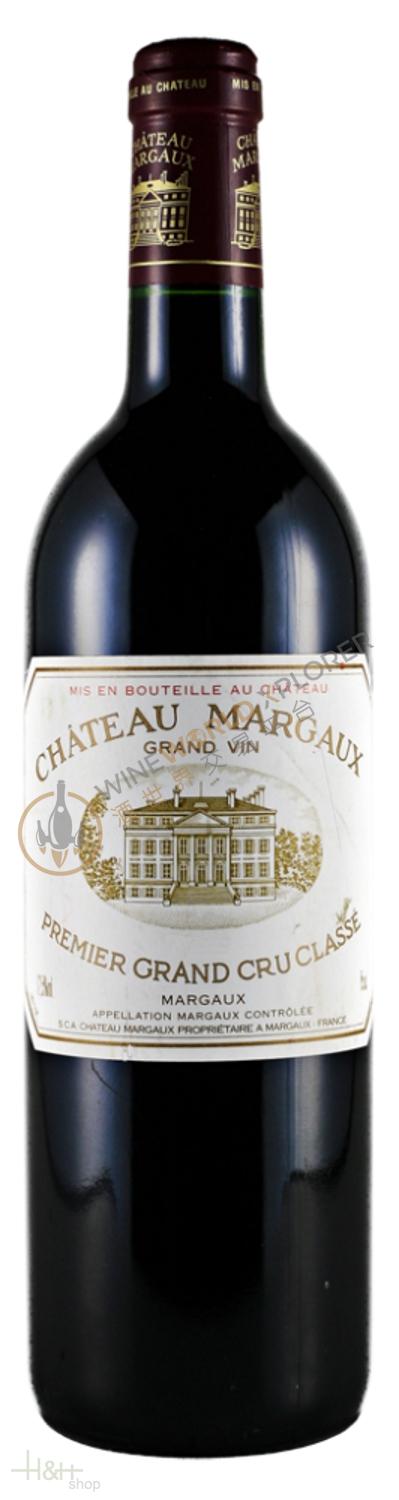
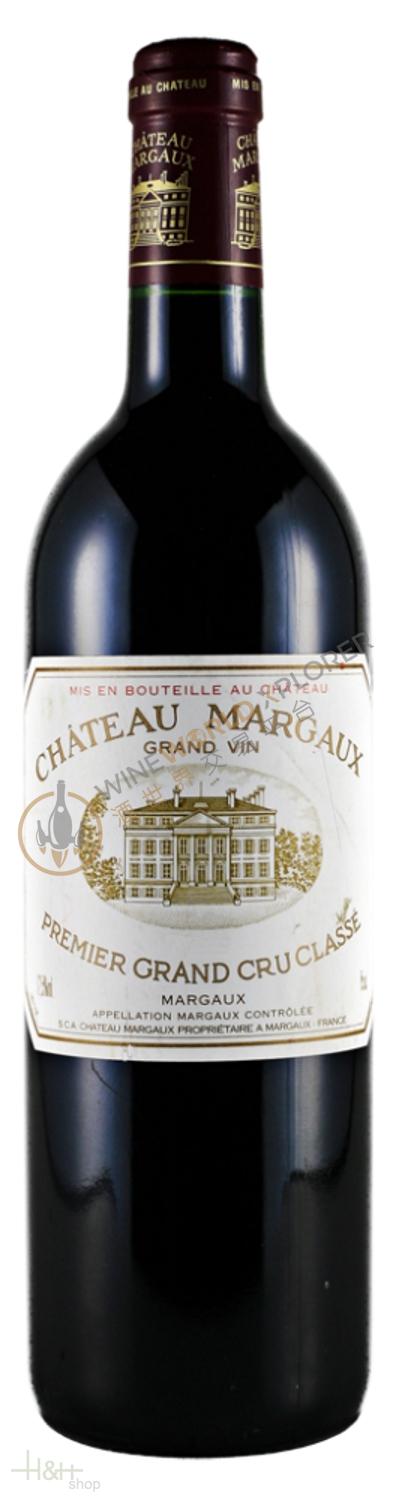
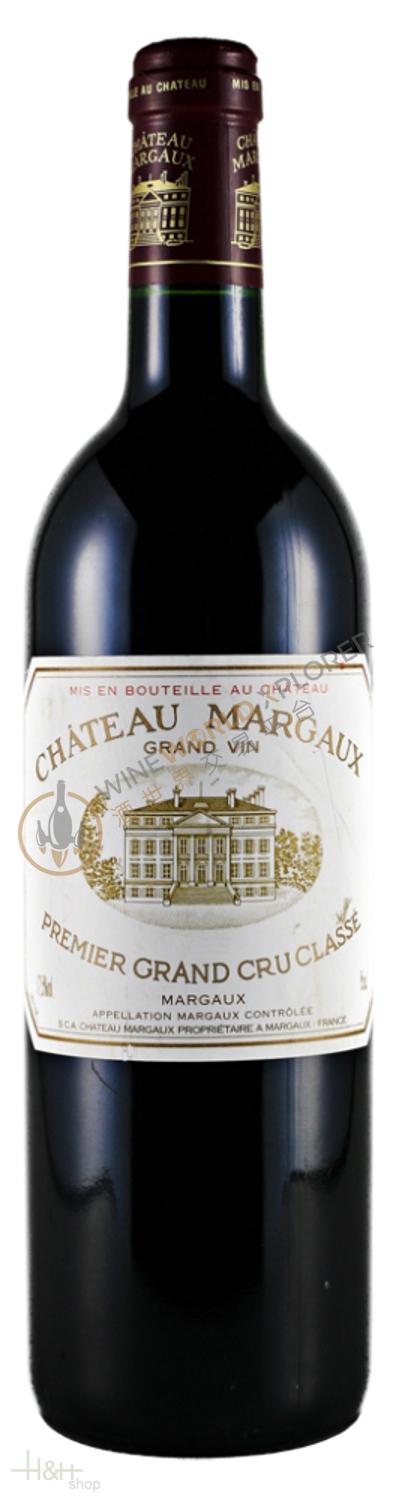
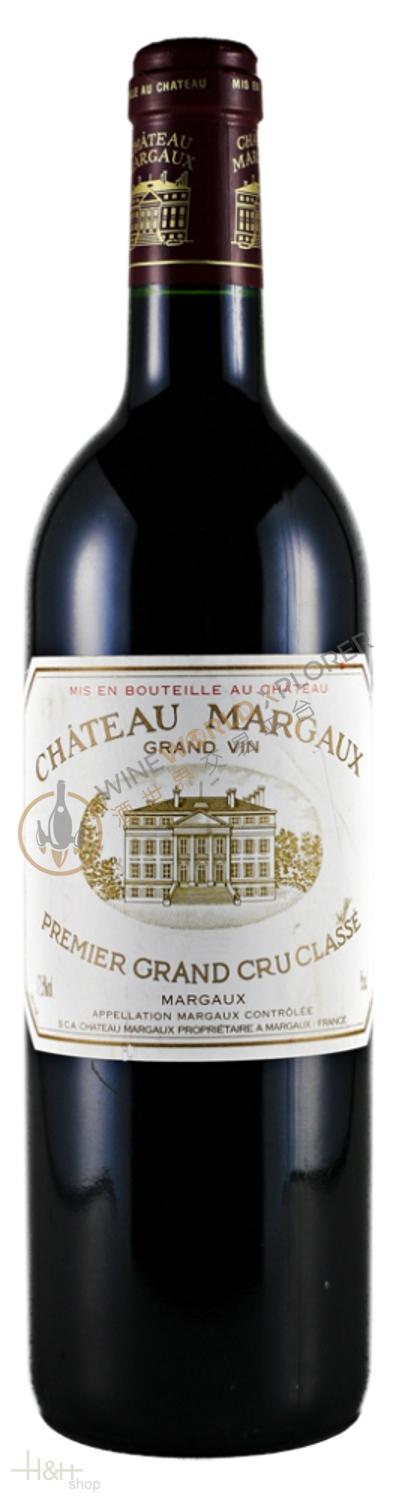
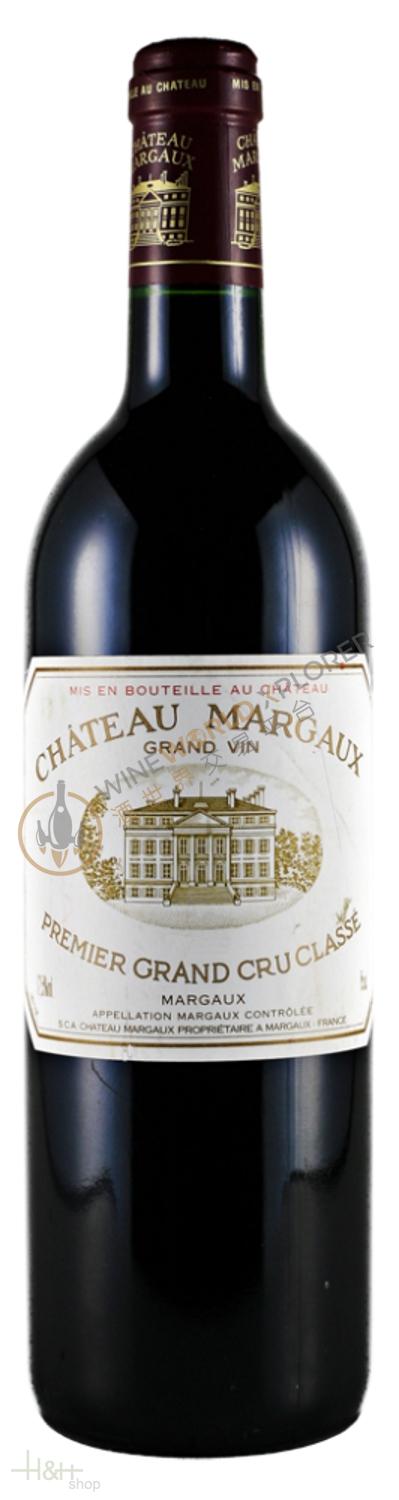
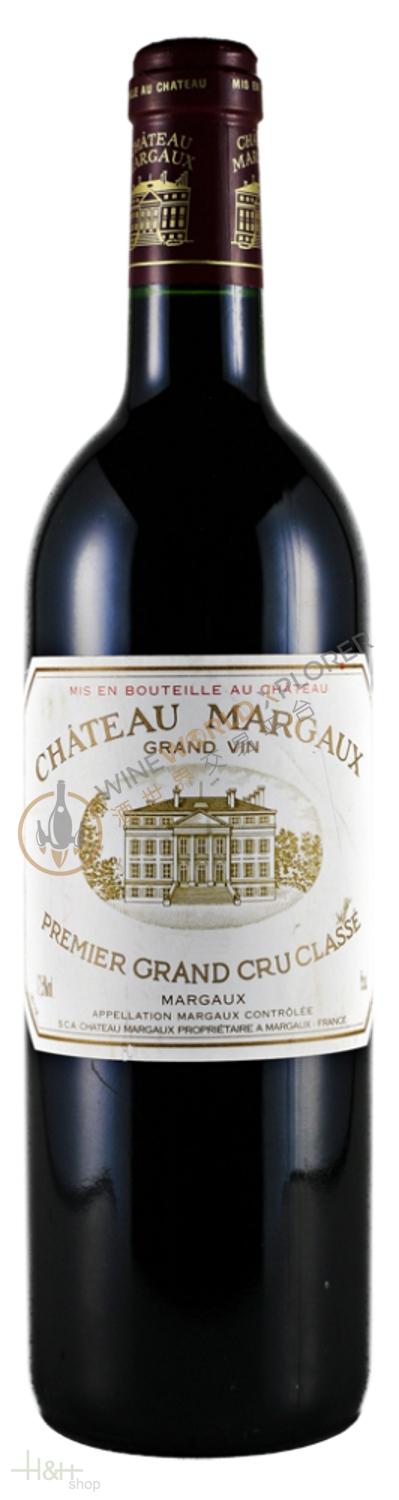
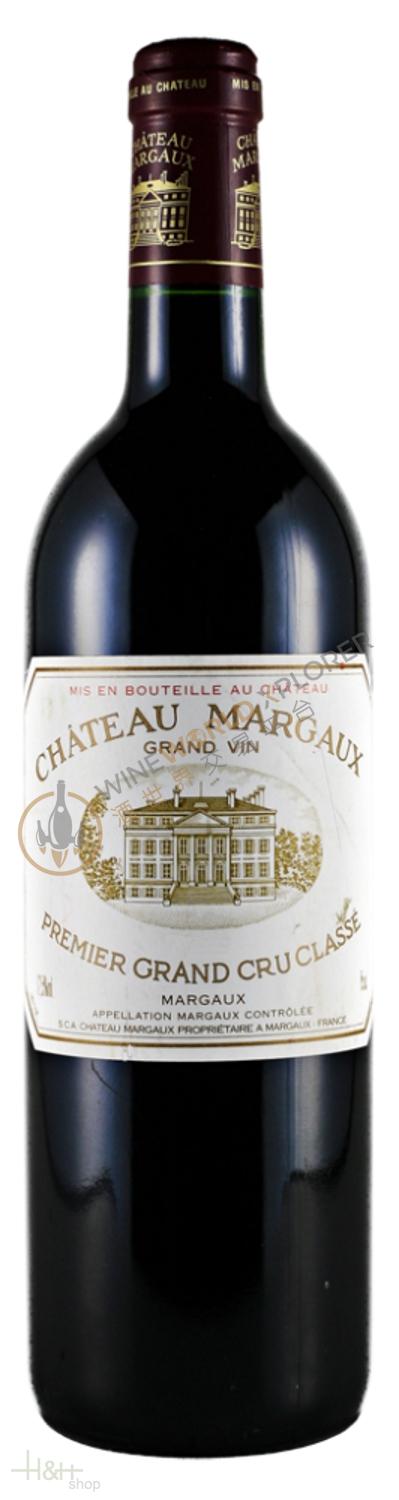
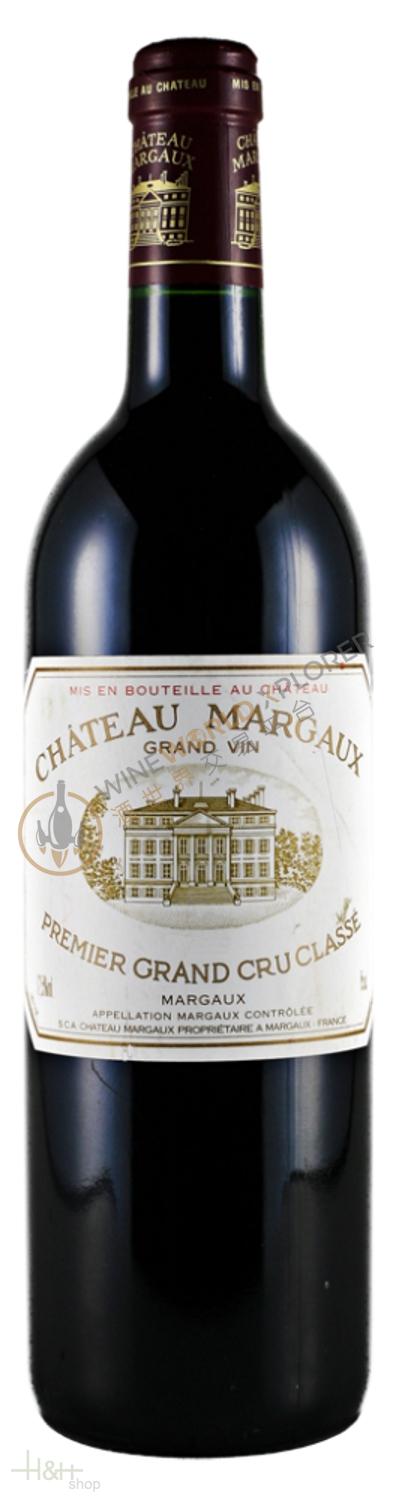
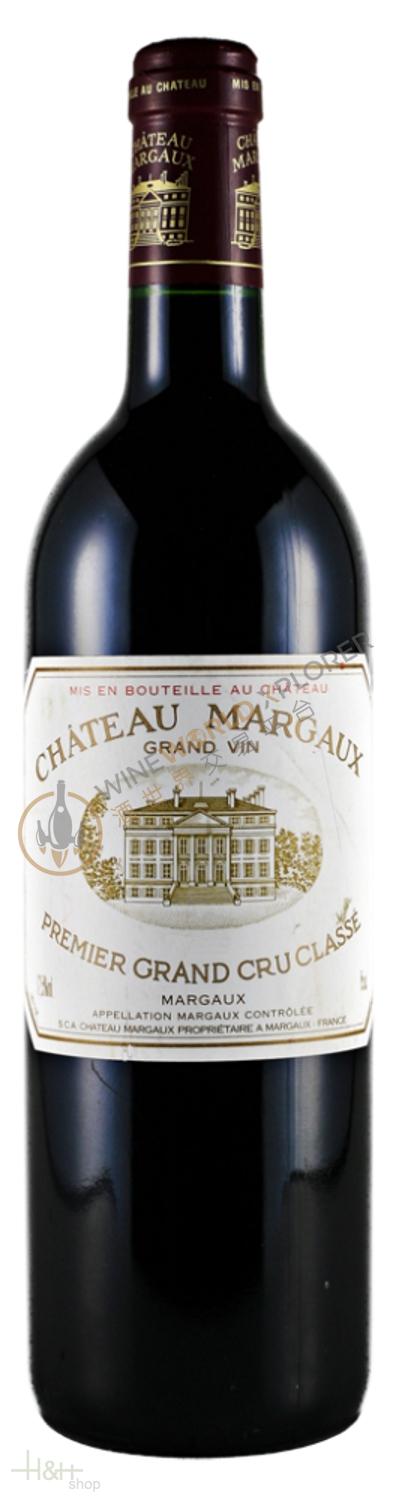
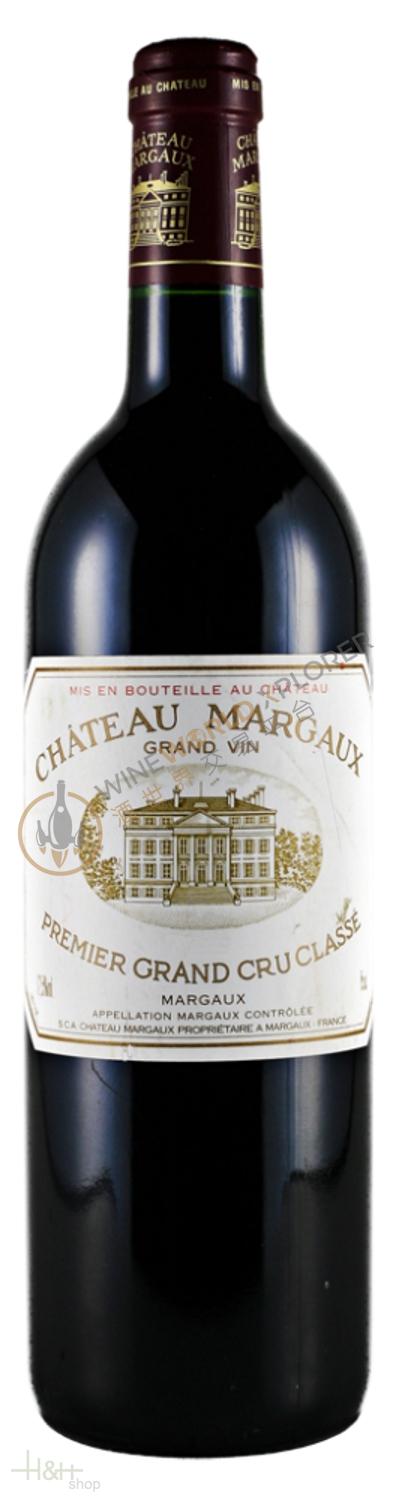
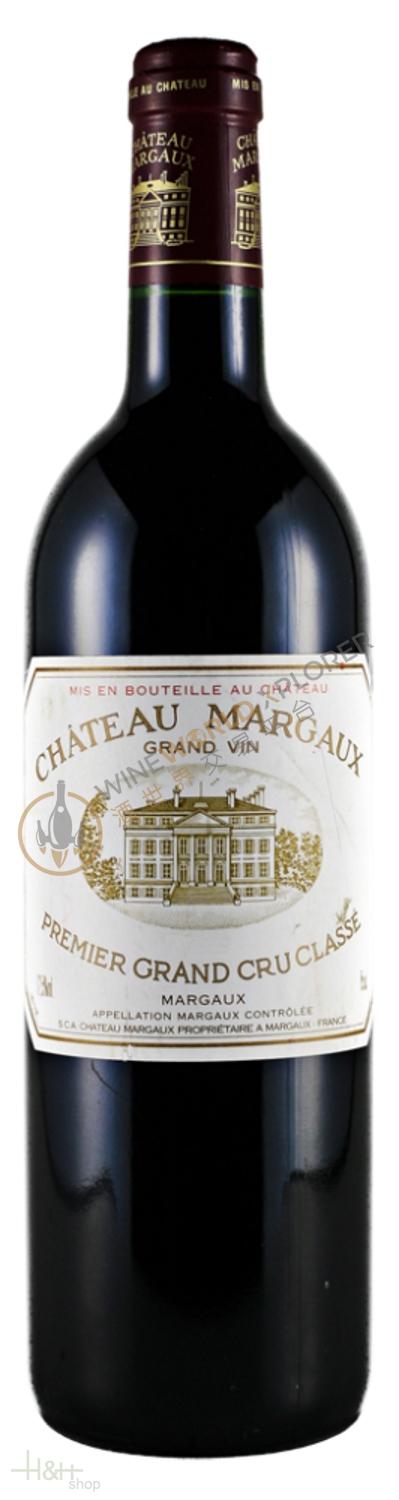
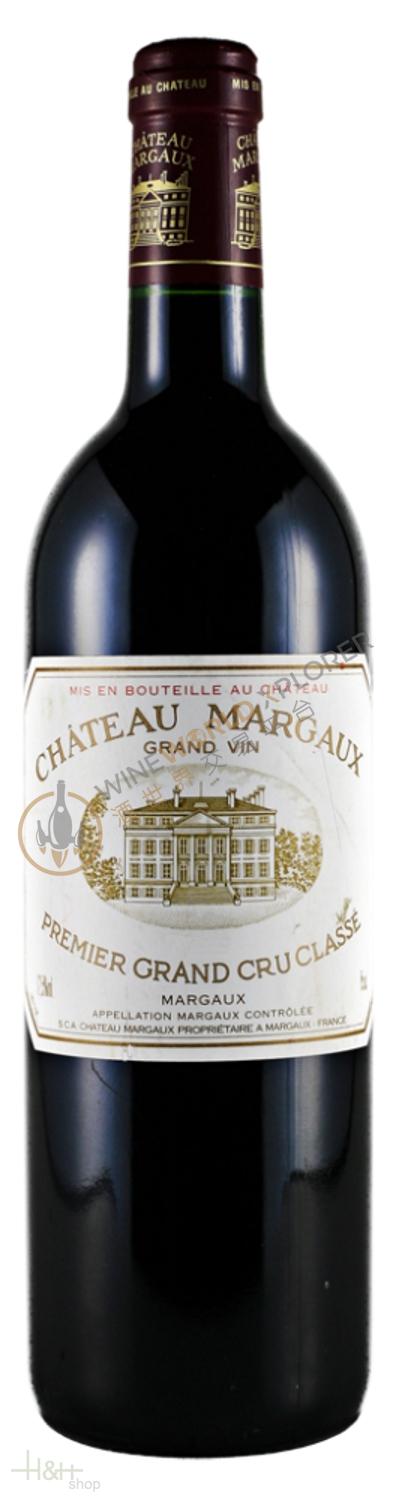
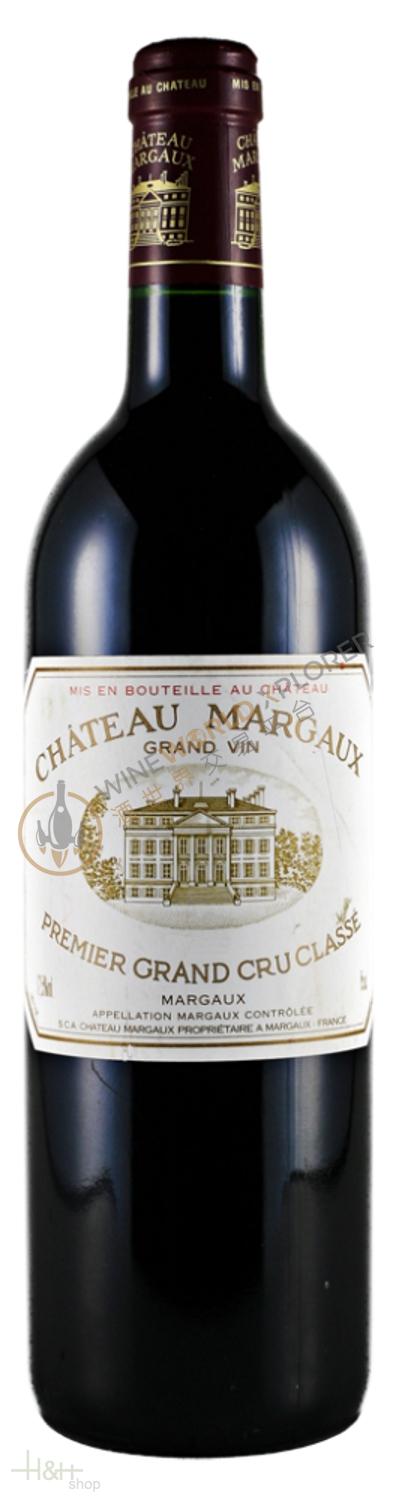
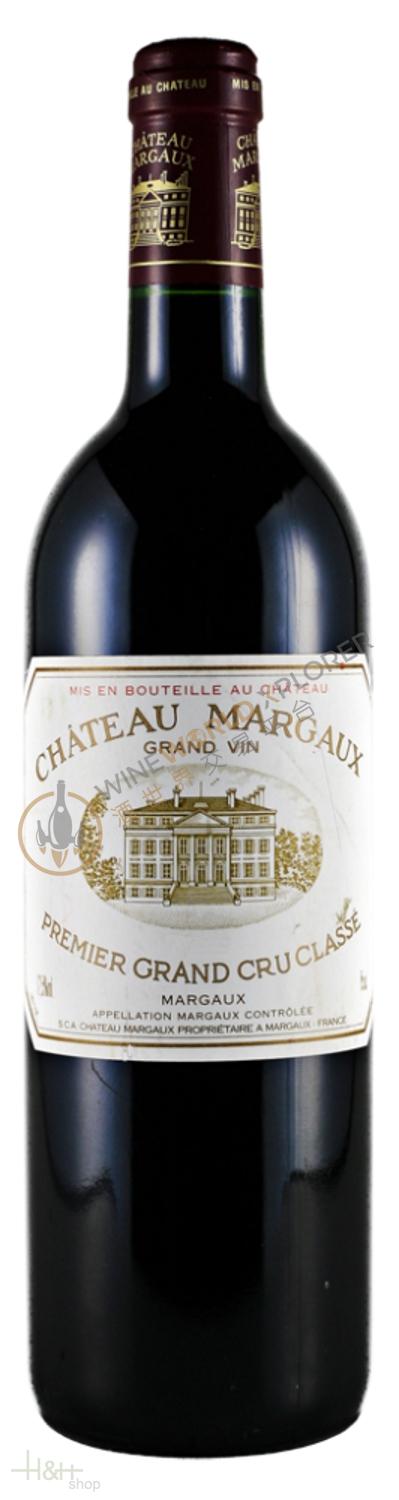
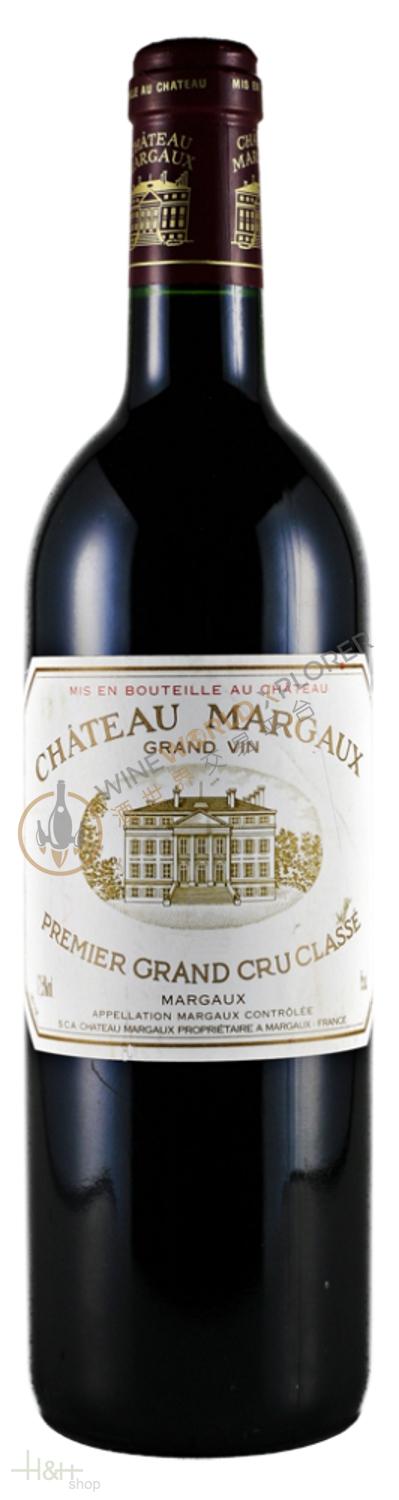
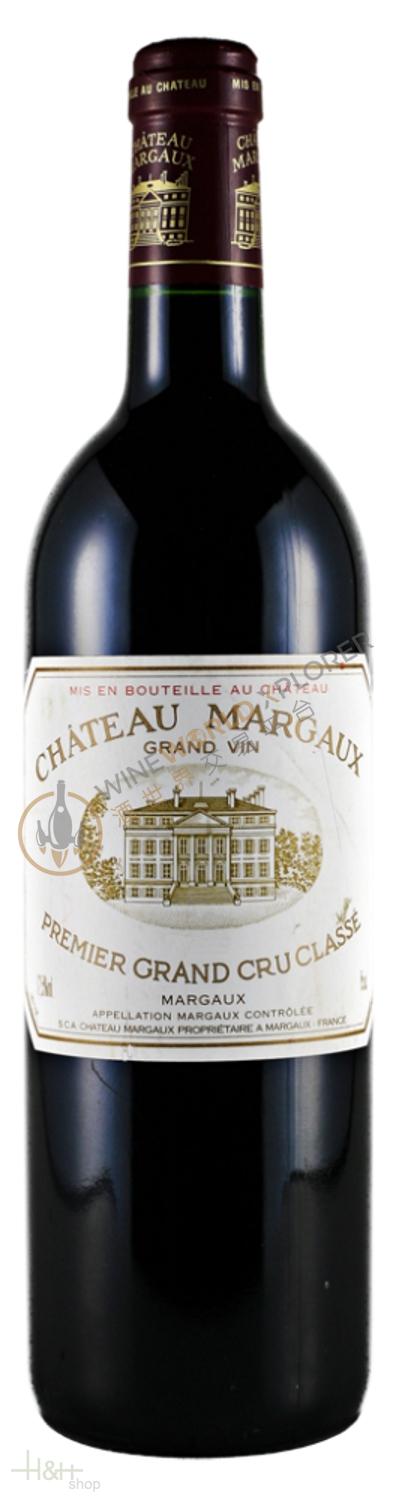
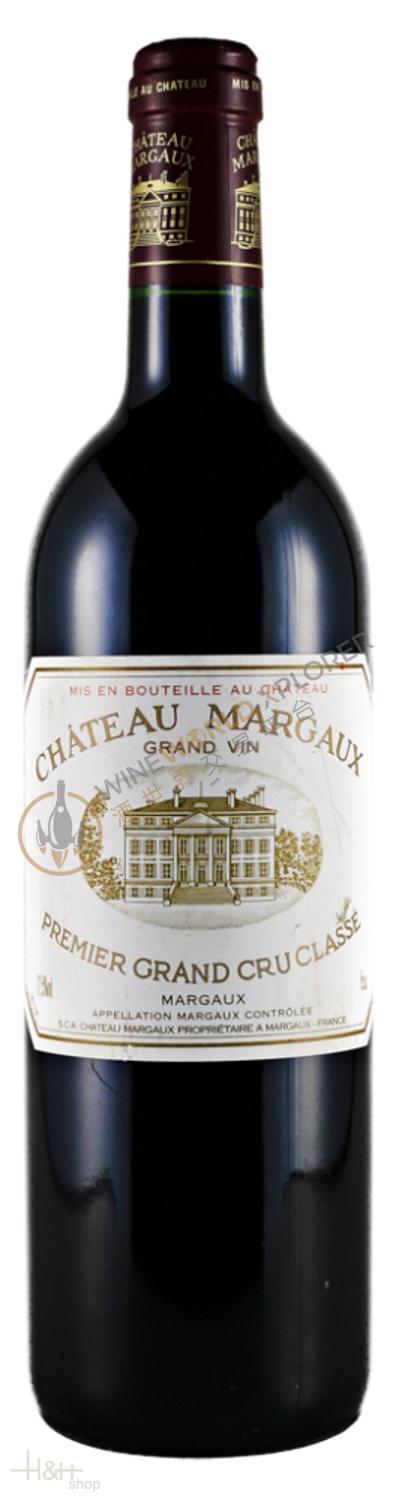
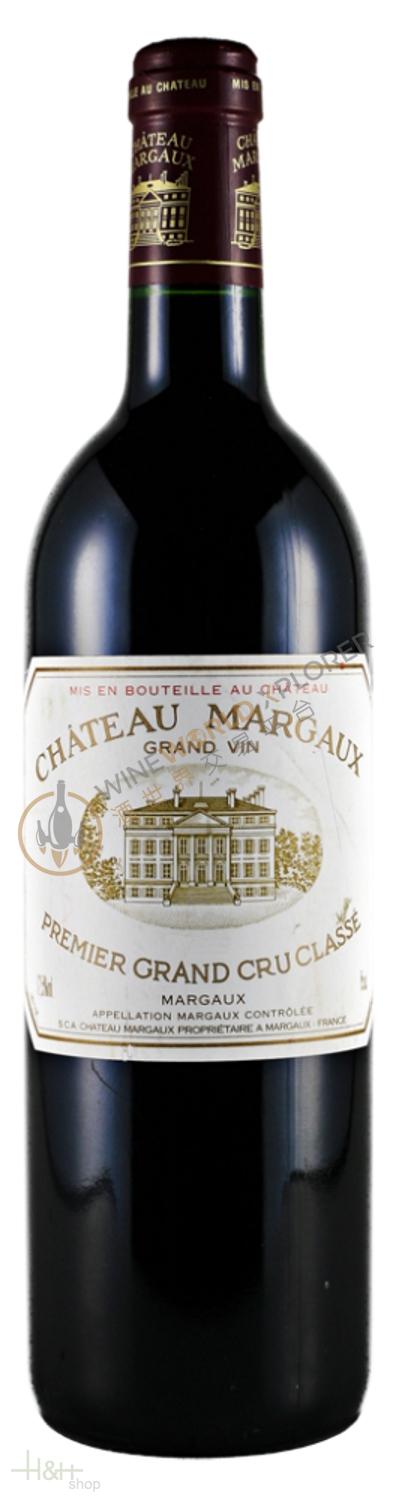
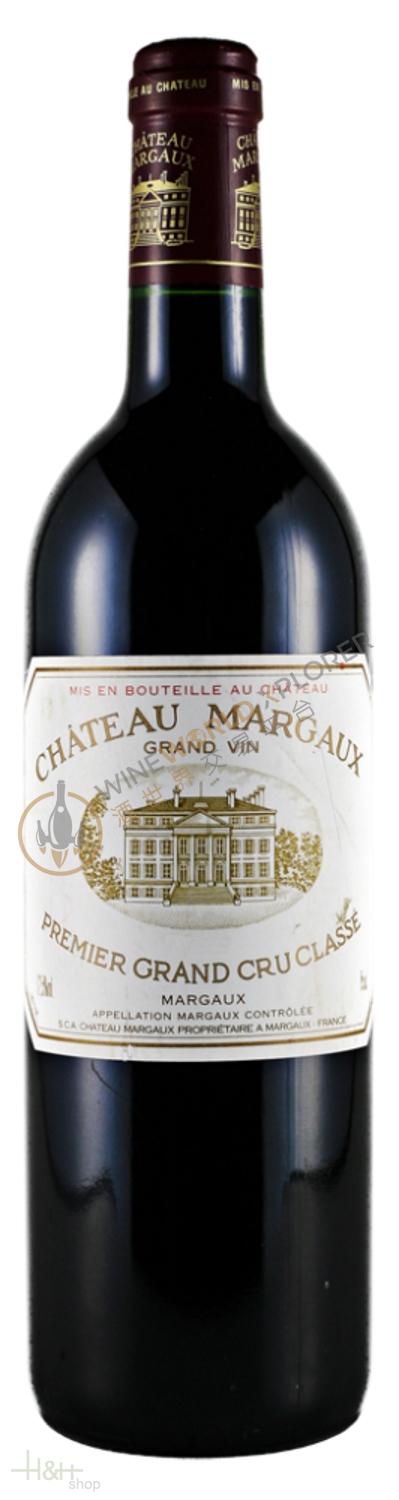
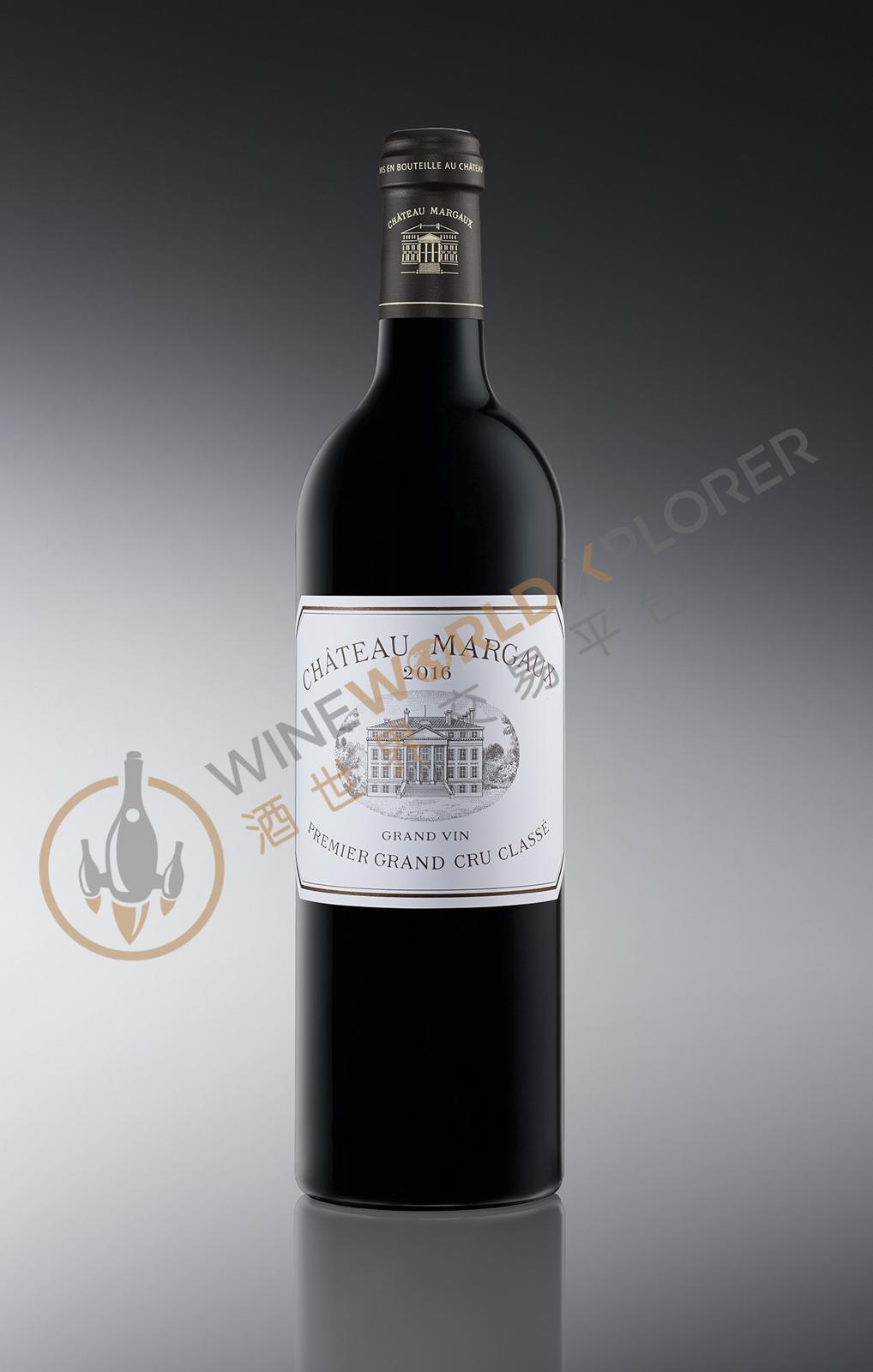
Chateau Margaux 2004
 View analysis


Description
Tasting notes

Reviewed by: Neal Martin
A similar note to the bottle last March. A lovely fragrant nose with blueberries, violet and yet again that faint hint of oyster shell. Superb definition – a bouquet that vindicates a First Growth wine. The palate is sleek, beautifully defined, wonderful poise with pure black fruits, a touch of glycerine with hints of earth and coca on the finish. Superb length. A glorious Chateau Margaux. Drink 2018-2030+ Tasted November 2008.
Reviewed by: Neal Martin
Tasted at the Margaret River Cabernet tutorial. A deep black/garnet colour. The nose has stupendous definition and clarity, with that ethereal sense of controlled power and intensity, scents of dark cherry, pencils shavings and cedar all with wonderful definition and focus. The palate is medium-bodied, superb acidity, quite austere with cedar and tobacco, fine tannins, quite sharp and a little earthy on the finish. This is just a baby but should be considered a great success for the vintage. Drink 2012-2030. Tasted November 2009.
Reviewed by: Neal Martin
A slightly deeper colour than the Pavillon Rouge. The nose has more intensity than the Pavillon, perhaps a little pointed at present, superb delineation with notes of black cherries, blueberries, bilberry and a touch of oyster shell. The palate is full-bodied, lovely balance, bright and vivacious but like the Pavillon it has an unresolved, grainy, slightly with a touch of damp earthy and bitter chocolate on the finish. It requires another 10 years in bottle but very good potential. Drink 2018-2030+ Tasted March 2008.
Reviewed by: Neal Martin
Good intensity on the nose: some stalkiness, but in a good way, lending it freshness and lightness. The palate is fresh but nowhere near as complex of as much weight as the 2003. This is a very different animal: more lithe, agile, with a more grainy texture. Minerally, blackberry leaf on the finish. Very pure, but quite linear and classically lined. Good length though. A lesser version of the 1996. The best First Growth after Latour. Tasted April 2005.
Reviewed by: Neal Martin
The 2004 Chateau Margaux has always been a promising wine and here, served blind against the First Growths, it finally proved that patience is necessary when it comes to such wines. It has an exquisite bouquet with brilliant delineation, scents of redcurrant, raspberry coulis, cold stone (almost flint-like) with pencil-lead and cedar lending it a Pauillac-like sense of aristocratic flair. The palate is extremely well balanced with a supple opening, nigh perfect acidity with a surprisingly citric undercurrent that lends so much freshness and tension. While it does not have the weight and power of say, 2000, 2005 or 2009, it cruises along with utmost harmony and you become smitten by its charms - something that is perhaps in short supply among the First Growths in this vintage. This is excellent. Tasted September 2016.
Reviewed by: Robert M. Parker, Jr.
The 2004 Chateau Margaux, which has put on weight since I tasted it a year ago, is a superb example of why in certain cool, late ripening vintages, the en primeur tastings are easily 4-6 weeks too soon. At the January, 2006 tasting, the wine exhibited a gorgeous nose of licorice, white flowers, black currant liqueur, and subtle new oak. This aromatic, medium to full-bodied, superbly concentrated Margaux reminds me of a lighter version of the 1996. Precise, extremely well-delineated, beautifully pure, and, as the French would say, tres Margaux, it should be at its apogee between 2009-2028.
Reviewed by: Robert M. Parker, Jr.
Always the consummate professional, Paul Pontallier is pleased with the 2004 Margaux, considering it to be a revelation after the final blend was made. The articulate Pontallier called it “neo-classic” to suggest the sweetness of the tannins and a style that he finds similar to 1996. Only 40% of the crop was included in the final blend (78% Cabernet Sauvignon, 18% Merlot, and 4% Petit Verdot), and it has a very high index of polyphenols (tannins). The harvest was completed between October 1 - 19. The 2004 is a streamlined, graceful example of Chateau Margaux with a deep plum/ruby/purple color and attractive black currant fruit intermixed with notions of white flowers, oak, and cherries. Rigidly constructed, with a lovely, medium-bodied texture, and tremendous purity, it will undoubtedly close down and need some time in the bottle. This beauty should be at its finest between 2010-2025. By the way, the brilliant 2004 is the finest Pavillon Blanc (100% Sauvignon Blanc) since the 2001.
Reviewed by: Robert M. Parker, Jr.
The supple-textured 2004 Chateau Margaux is reminiscent of the 2001 or 1999. It exhibits a superb blue/purple color to the rim as well as sweet aromas of flowers, blueberries, creme de cassis, licorice, and smoke, superb fruit intensity, medium body, classic elegance, and silky, sweet tannin in the long finish. This beauty can be drunk now or cellared for two decades or more.
Reviewed by: Stephen Tanzer
Bright red-ruby. Knockout nose features boysenberry, currant, cedar, graphite and mocha. Suave, gentle and sweet, already displaying ineffable inner-mouth perfume. The 17% merlot component injects a silky component, and the oak element adds a complementary sweetness. Complex, lush, horizontal finish saturates the mouth with flavor. It was not clear to me in April that the 2006 would exceed this-and it will certainly take longer to reach full maturity in bottle.
Reviewed by: Stephen Tanzer
Bright medium ruby. Expressive aromas of blueberry, coffee, mocha, violet, dark chocolate and sexy oak; here one finds a bit more evidence of the estate's merlot. Then wonderfully sweet, plush and broad, especially in the context of the vintage. The blueberry and violet flavors are given added grip and lift by a very fresh minerality, and sweetened by nutty oak. In its way, this is more obviously Margaux than the young 2005. Finishes with noble tannins and outstanding persistence.
Reviewed by: Stephen Tanzer
(78% cabernet sauvignon, 18% merlot and 4% petit verdot) Ruby-red. Boysenberry, dark chocolate and violet on the nose; more restrained than the Pavillon Rouge. Silky, suave and lacy, with perfectly integrated acidity. Moderately dense but not at all weighty. Broadens and expands impressively on the back end, subtly saturating the entire palate and leaving the mouth feeling fresh. I suspect this wine will benefit significantly from its elevage
About the Producer
Chateau Margaux is located in the village of Margaux, in the Medoc appellation on the left bank of Bordeaux, and was awarded a First Growth in the 1855 Bordeaux Medoc classification, alongside Chateau Lafite Rothschild, Chateau Latour and Château Haut-Brion. It is also known as Chateau Haut-Brion. Château Margaux currently covers a total of 262 hectares, including 99 hectares of vineyards. The red vineyard has an appellation of 87 hectares, of which 82 hectares are planted, while the white vineyard is planted with 12 hectares. The red varieties are mainly Cabernet Sauvignon, Merlot, Petit Verdot and Cabernet Franc; the white varieties are Sauvignon Blanc and the vines are on average 45 years old. Since the end of the 1990s, the estate has refused to use pesticides in the vineyards. In addition, only organic fertilisers are used in the vineyard, and deep fertilisation is carried out at regular intervals to improve the soil structure and rejuvenate the soil. During the harvest season, the winery team selects the right time to harvest the grapes by testing and analysing all the indicators and by tasting the grapes themselves. Once the grapes have reached their ideal state of ripeness, they are harvested by a team of over 200 trained harvesters. Once in the winery, the grapes undergo a rigorous selection process before being de-stemmed. Both oak barrels and stainless steel tanks are used to ferment the red grapes, while the white grapes are fermented entirely in oak barrels. After the alcoholic fermentation, the wine undergoes malolactic fermentation. The red wines are then left to mature in oak barrels for 18-24 months and the whites for 6-8 months. The main wine of the estate, Château Margaux's red wine, is rich and complex, with an elegant and powerful ballet on the tongue, rich and smooth tannins, good balance and a long, fresh finish with excellent ageing potential. It successfully conquered Napoleon Bonaparte, the founder of the First French Empire, and won the hearts of Thomas Jefferson, the founding father of the United States, and Margaret Thatcher, the "Iron Lady" of England. In the world of wine criticism, Château Margaux's red wines have also been recognised, with four perfect scores from Robert Parker and many more from other critics with 95 points or more. In recent years, the quality of Château Margaux's red wines has been steady and has maintained a high level of interest in the market.
1958(1)1960(1)1961(2)1962(1)1963(1)1964(1)1969(2)1970(1)1971(1)1972(1)1974(1)1975(1)1976(1)1978(1)1979(1)1981(1)1982(6)1983(4)1984(1)1985(4)1986(6)1987(3)1988(8)1989(6)1990(11)1991(2)1992(4)1993(3)1994(2)1995(9)1996(28)1997(5)1998(7)1999(7)2000(20)2001(12)2002(20)2003(17)
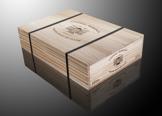
Package Size