 Wine Advisor



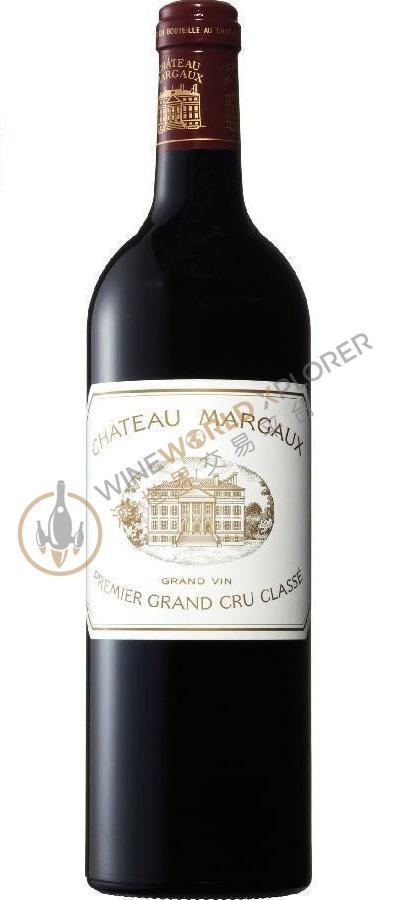
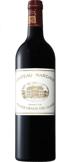
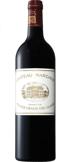
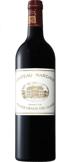
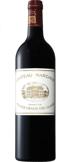
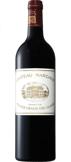
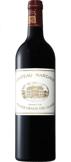
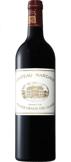
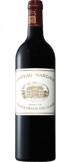
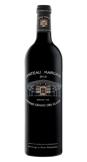
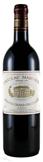
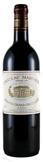
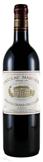
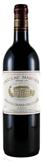
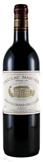
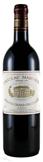
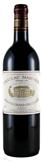
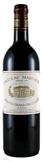
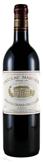
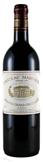
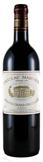
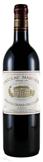
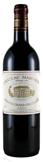
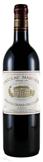
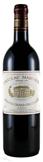
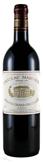
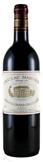
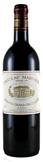
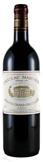
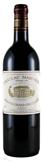
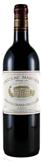
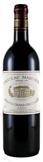
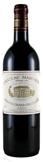
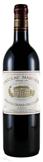
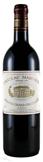
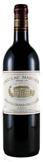
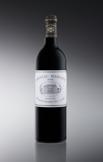
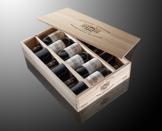
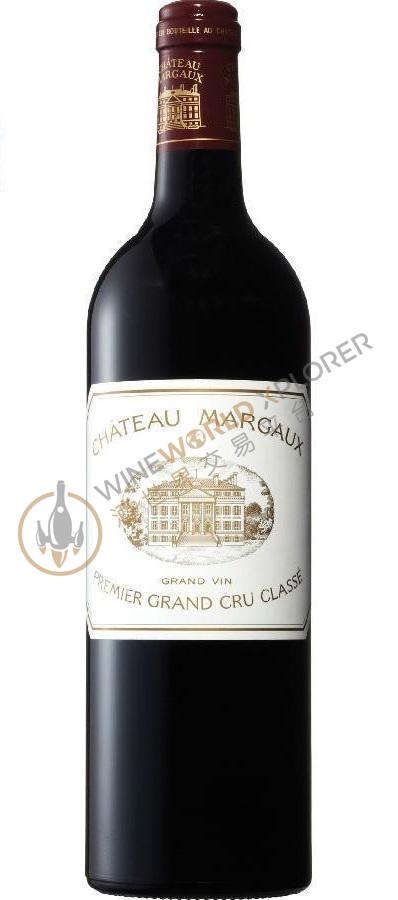
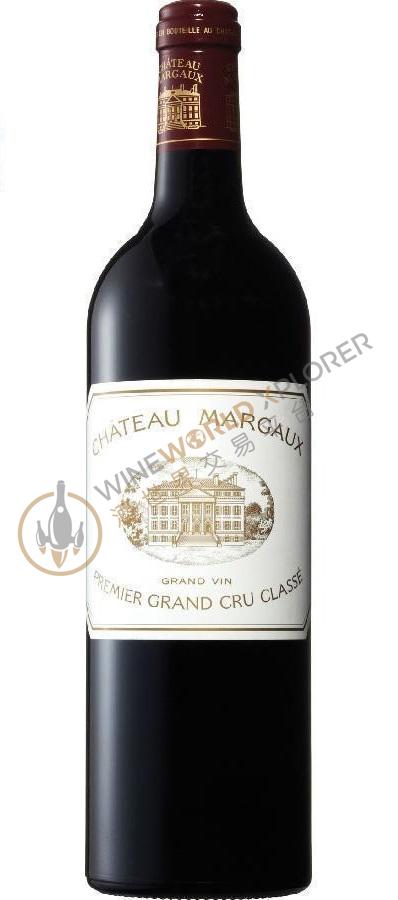
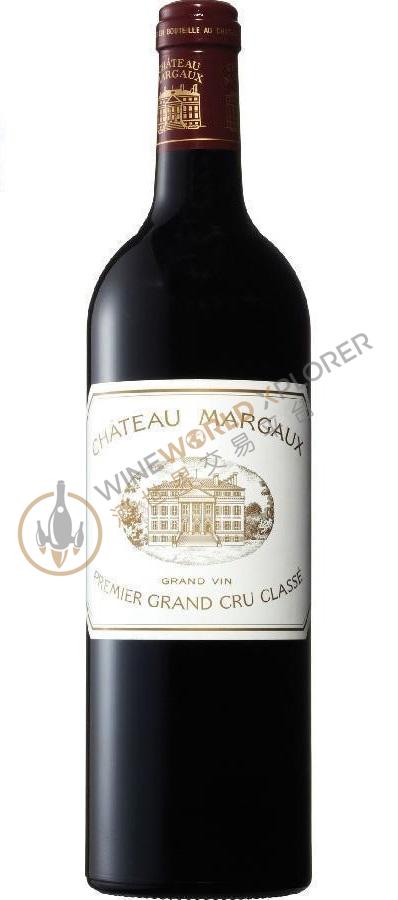
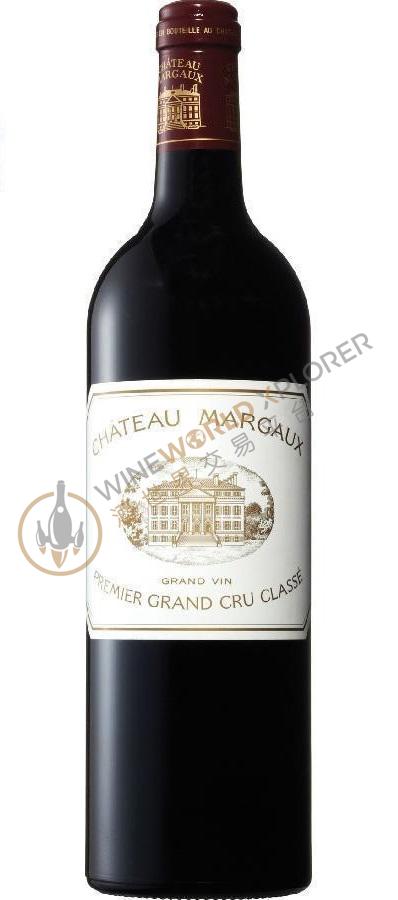
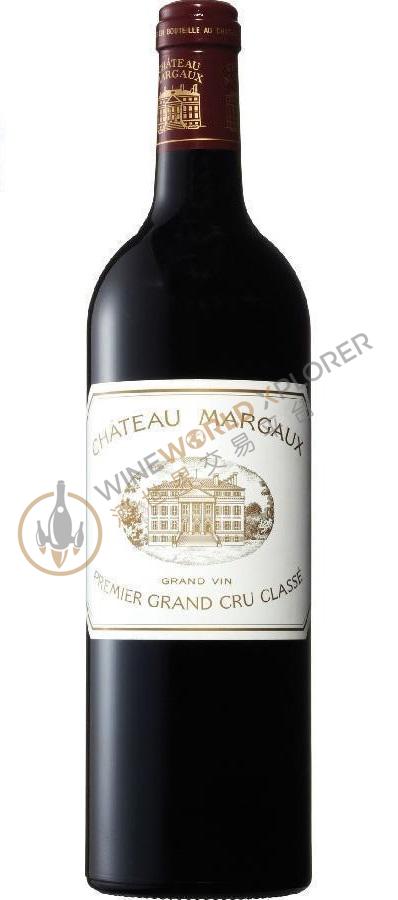
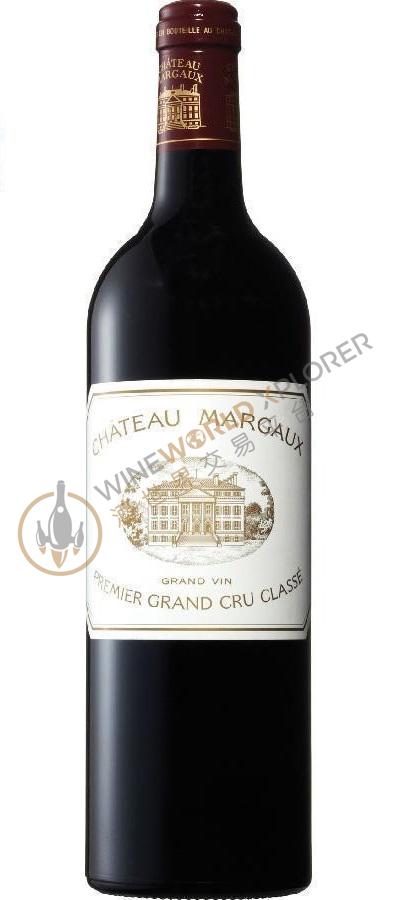
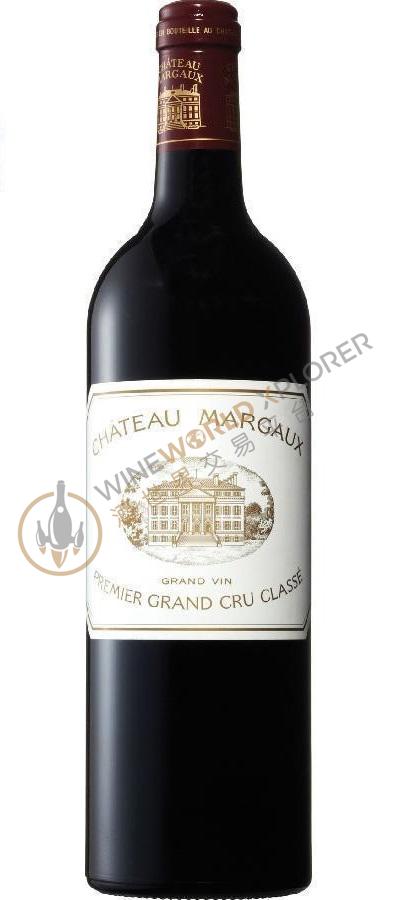
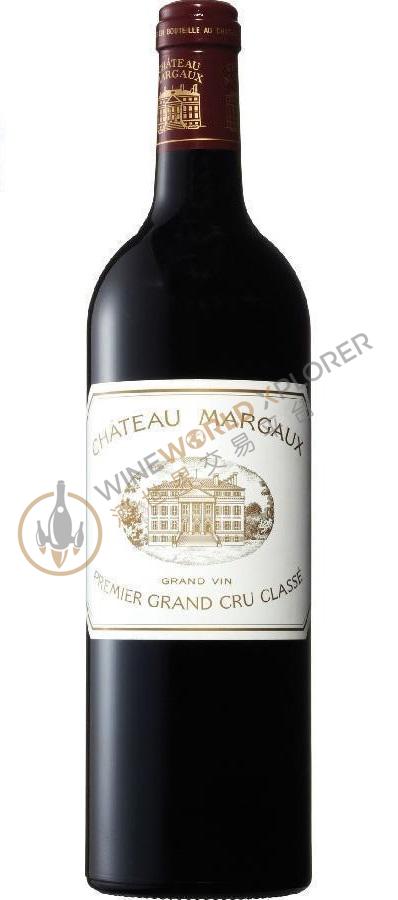
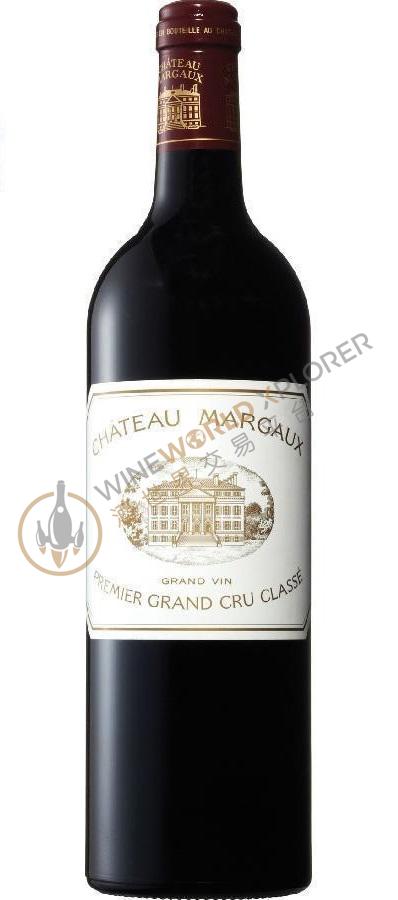
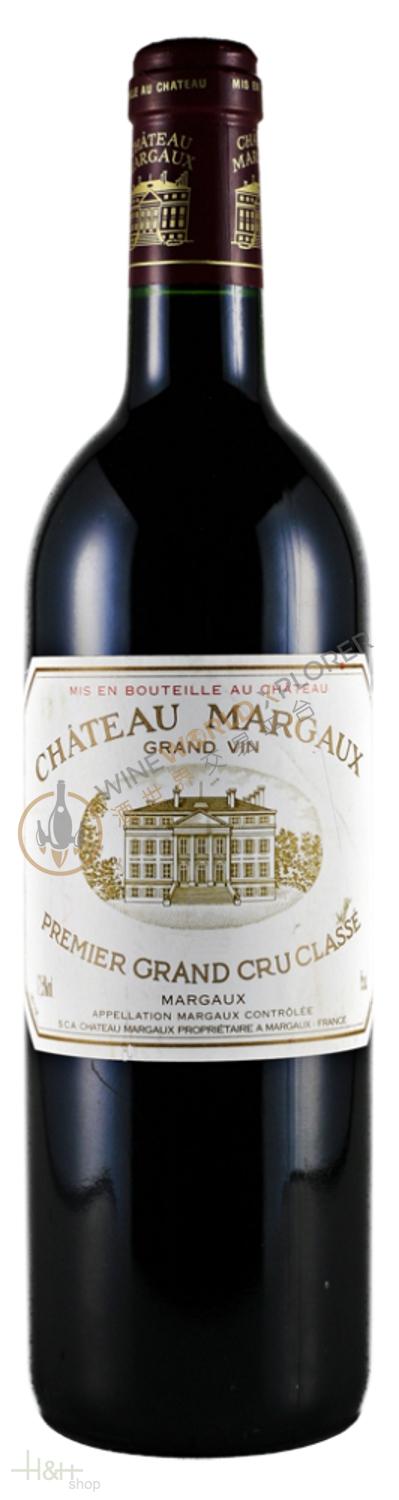
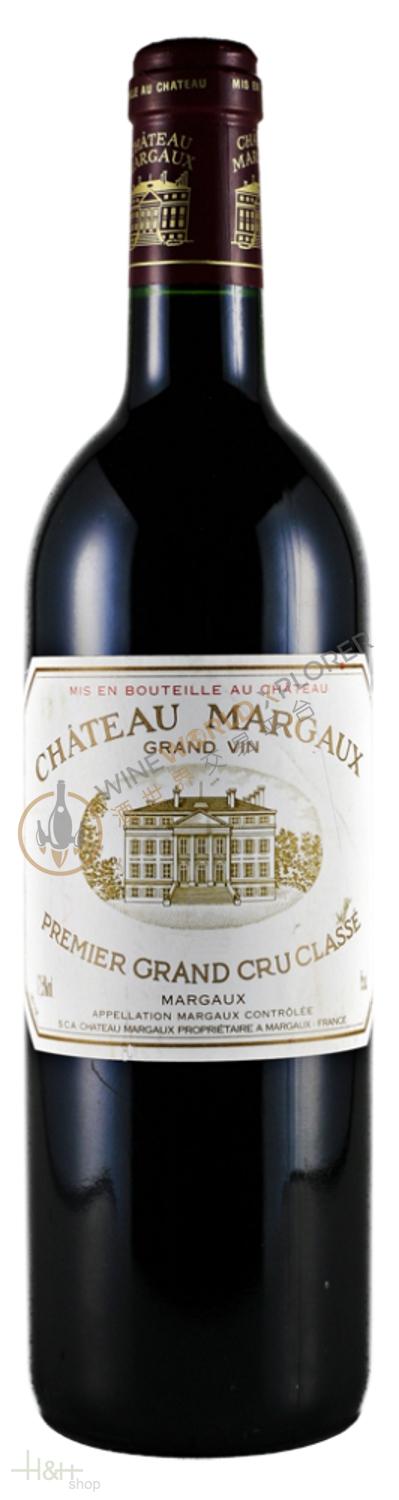
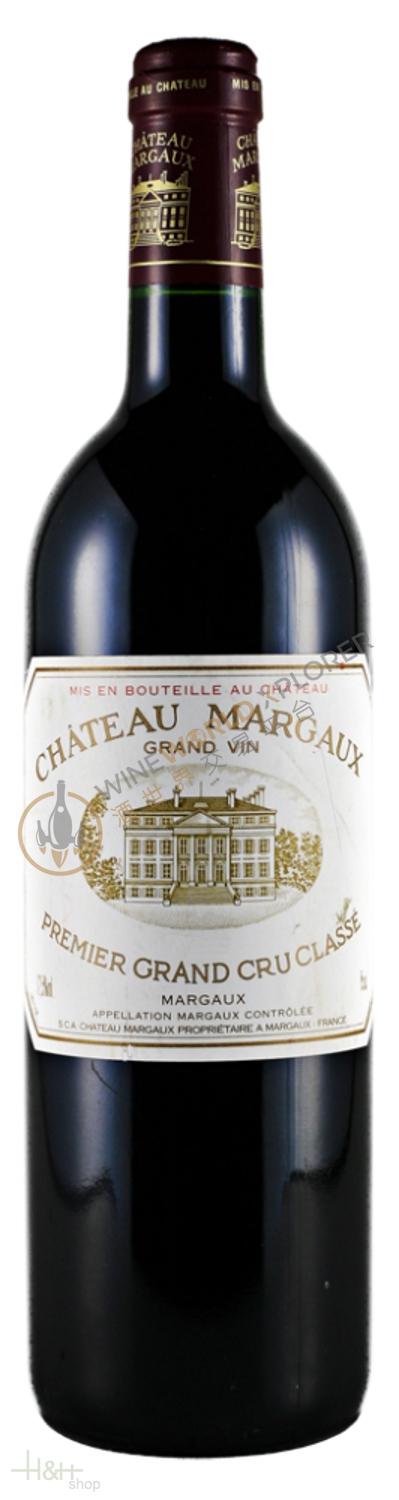
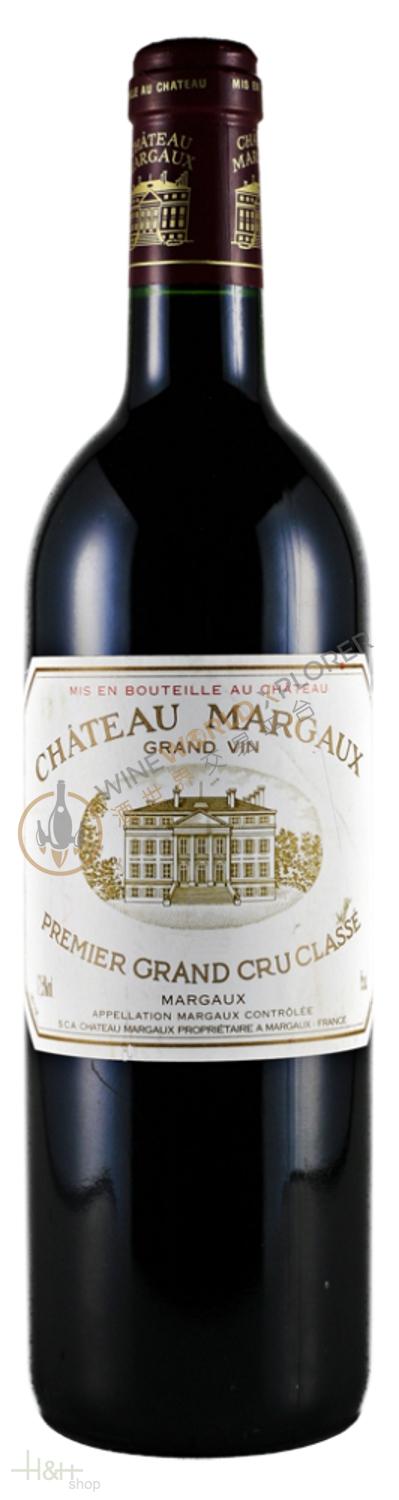
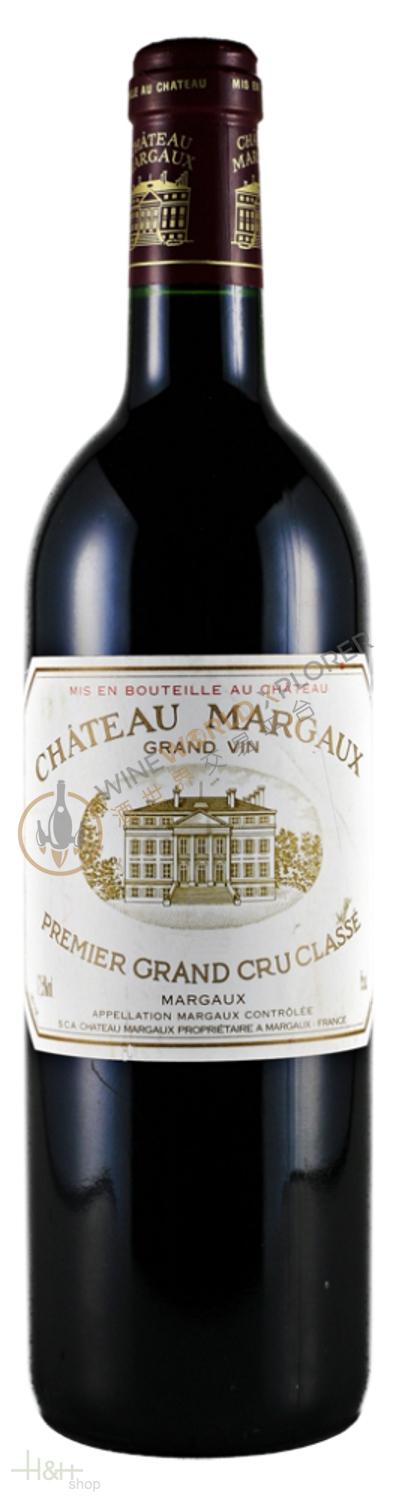
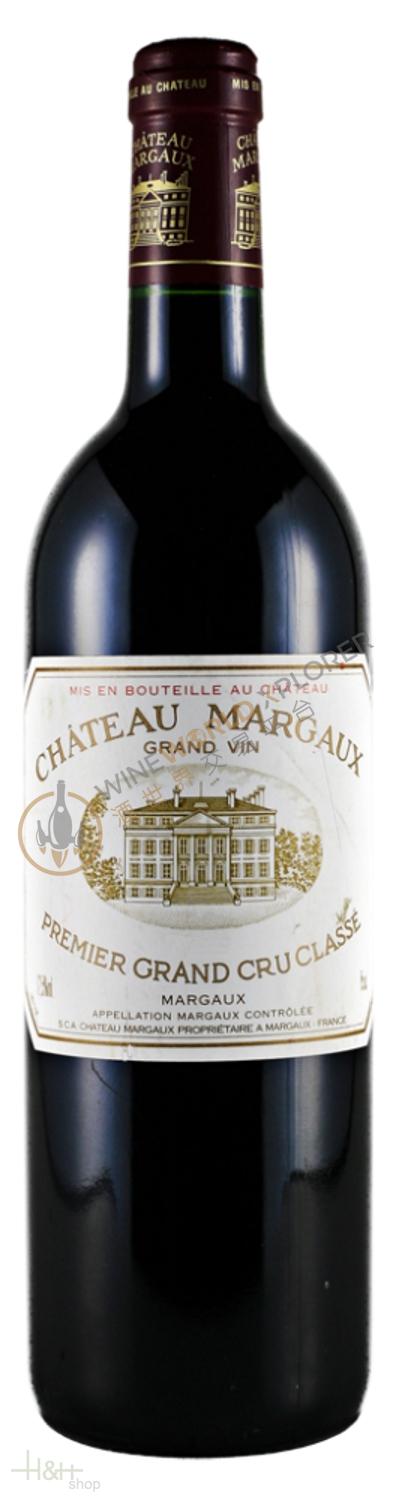
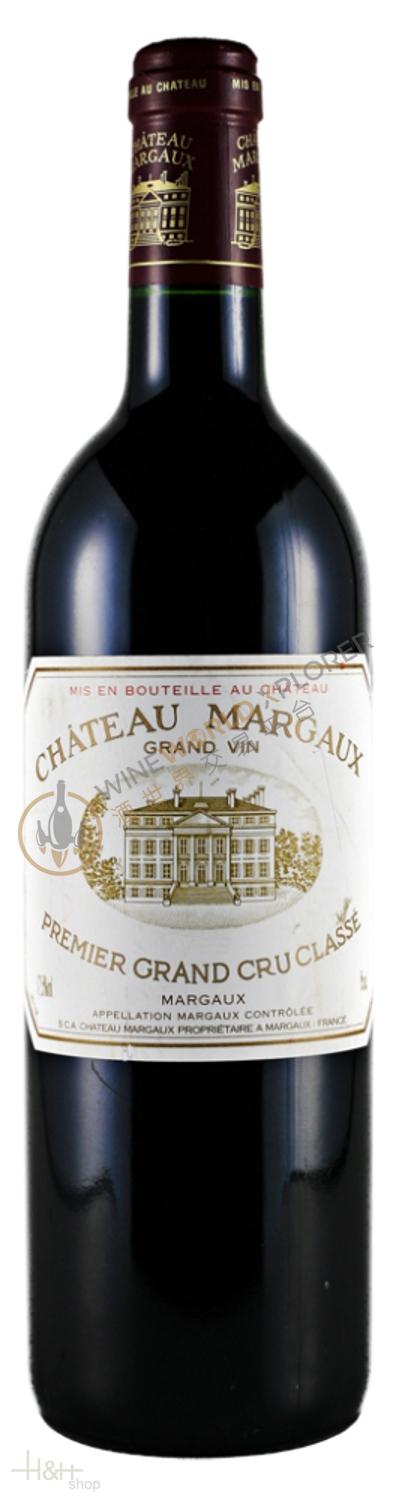
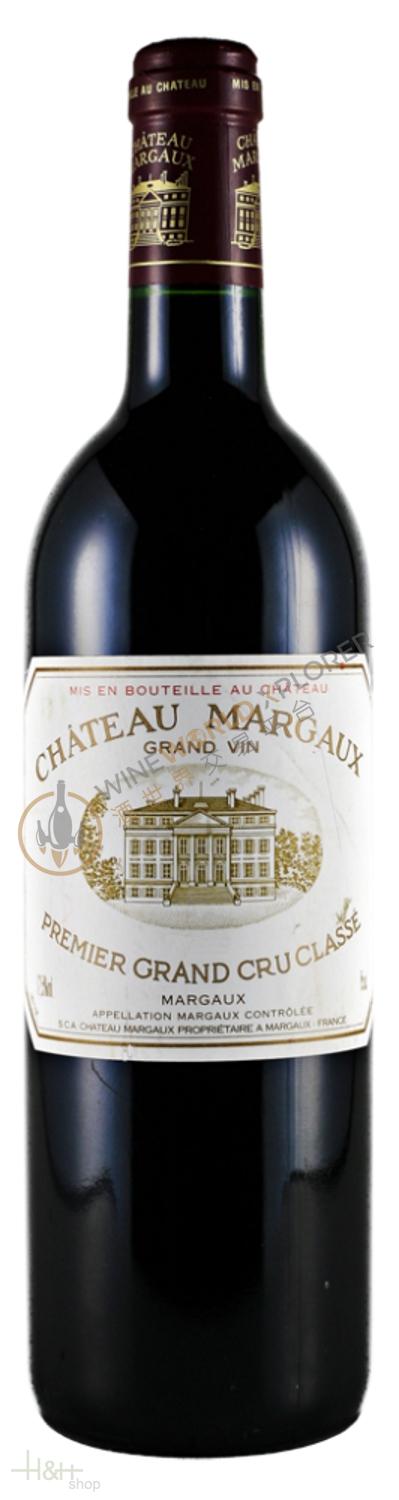
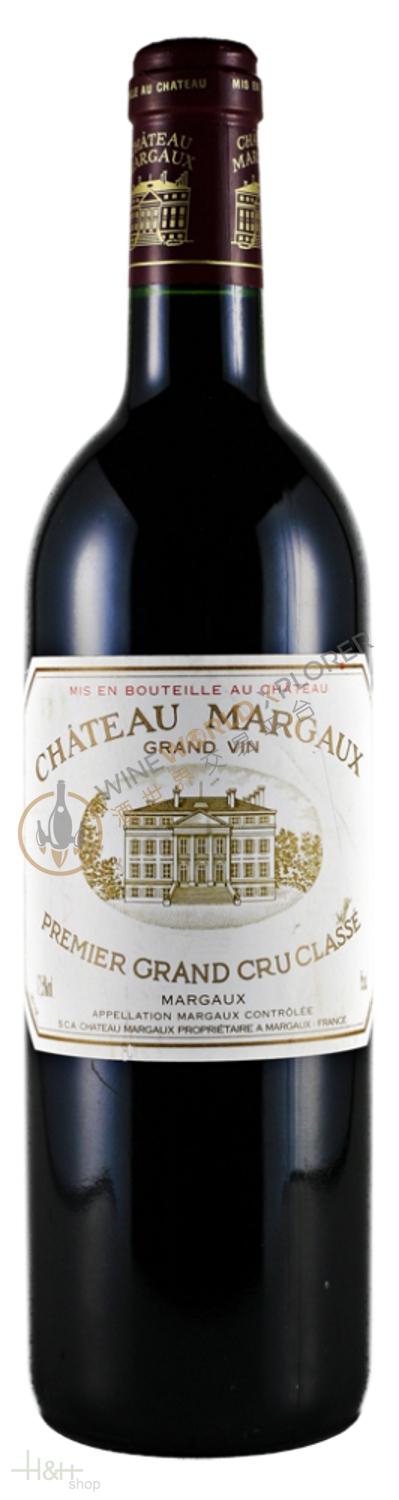
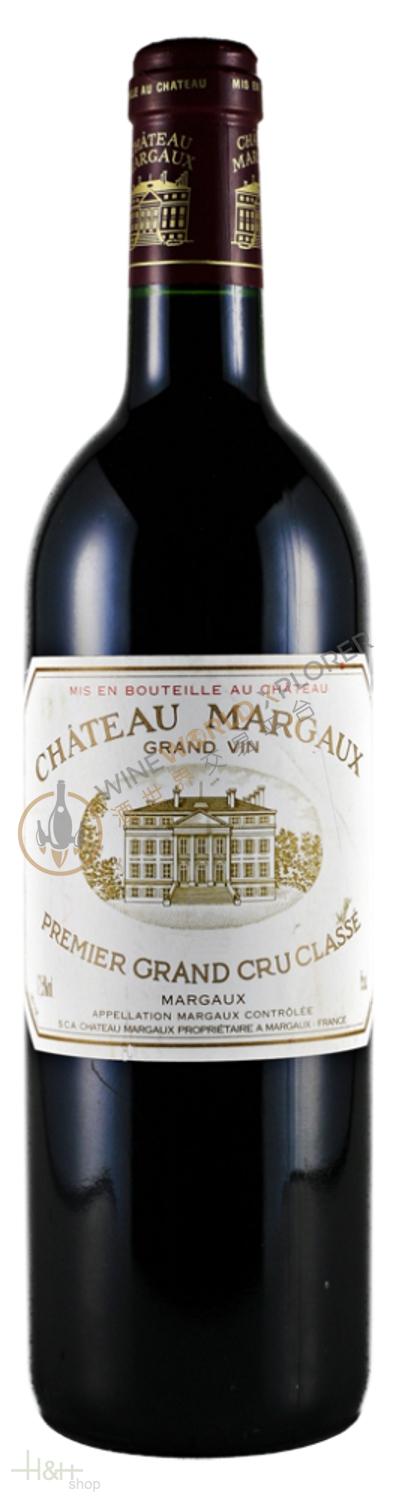
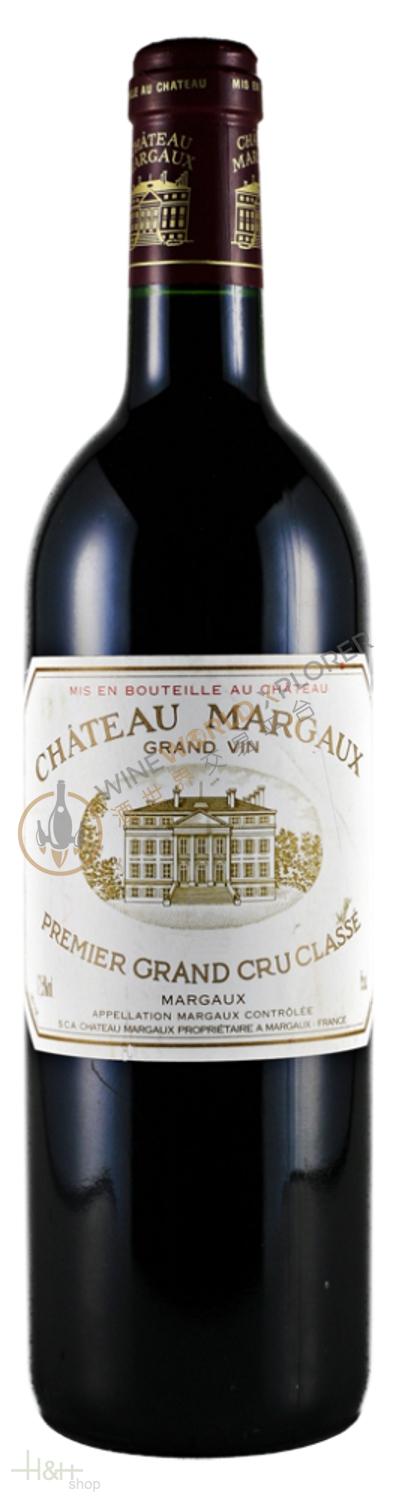
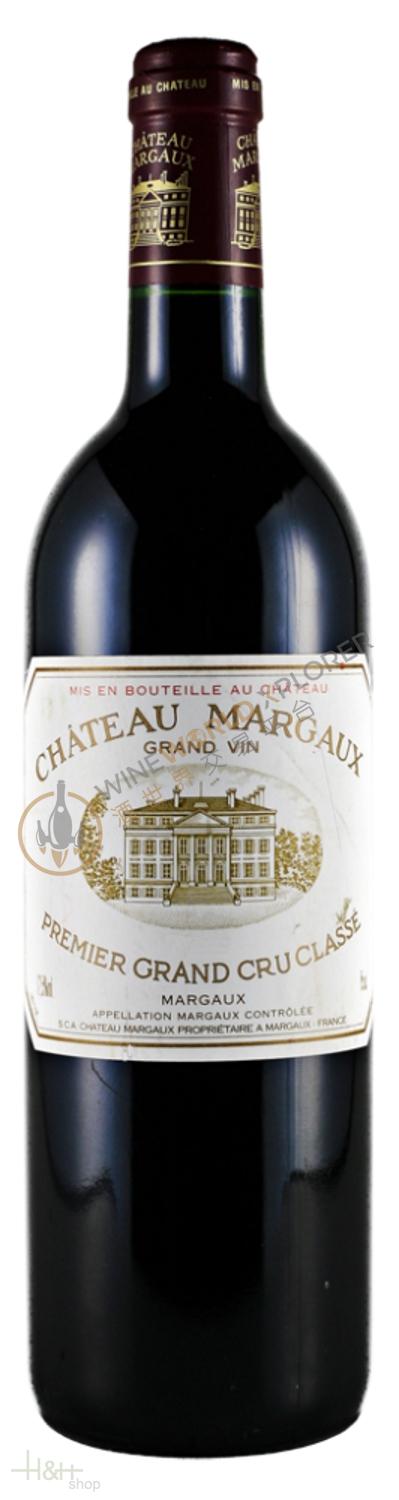
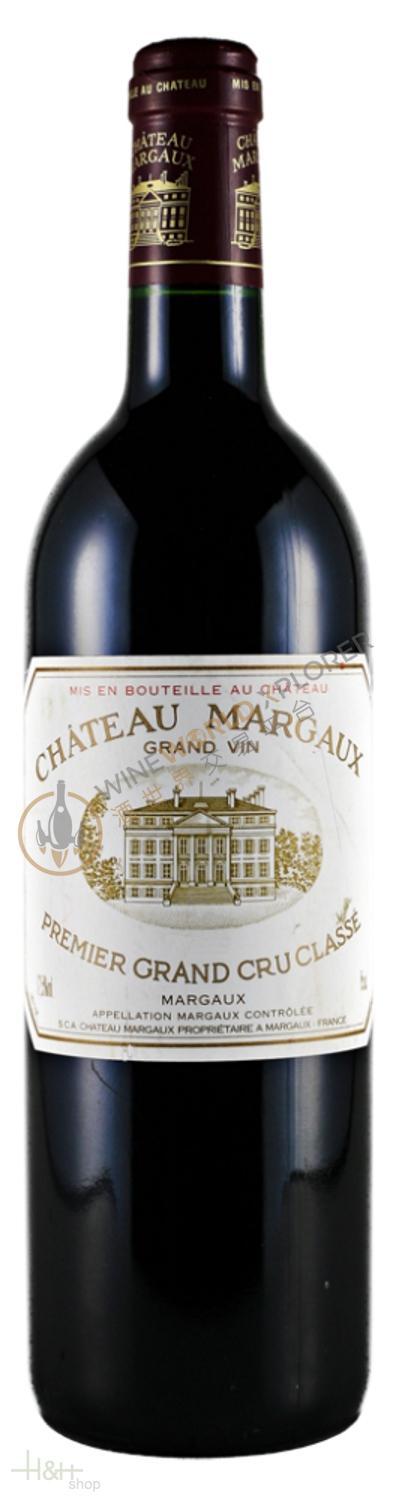
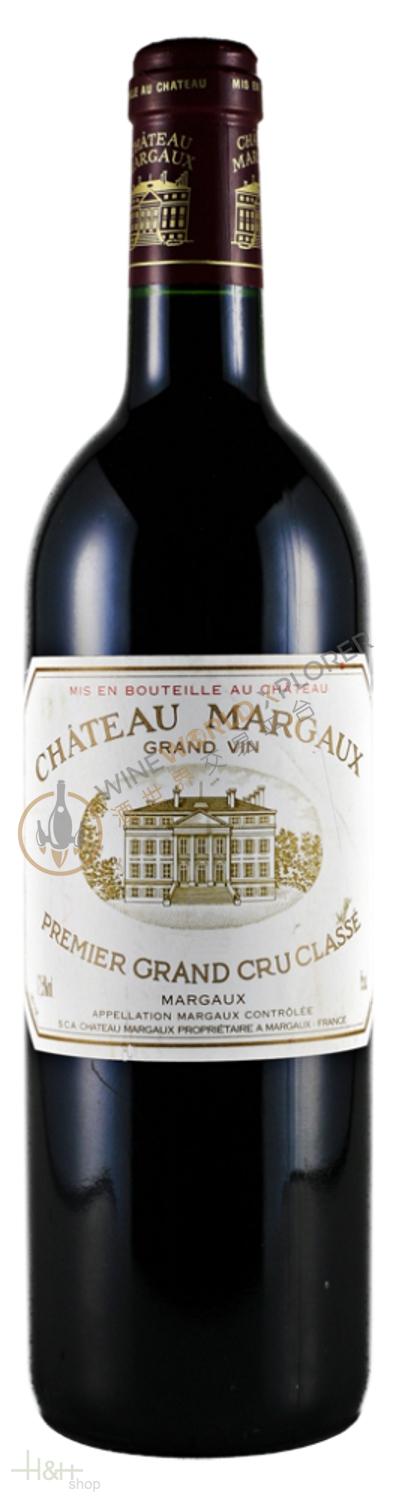
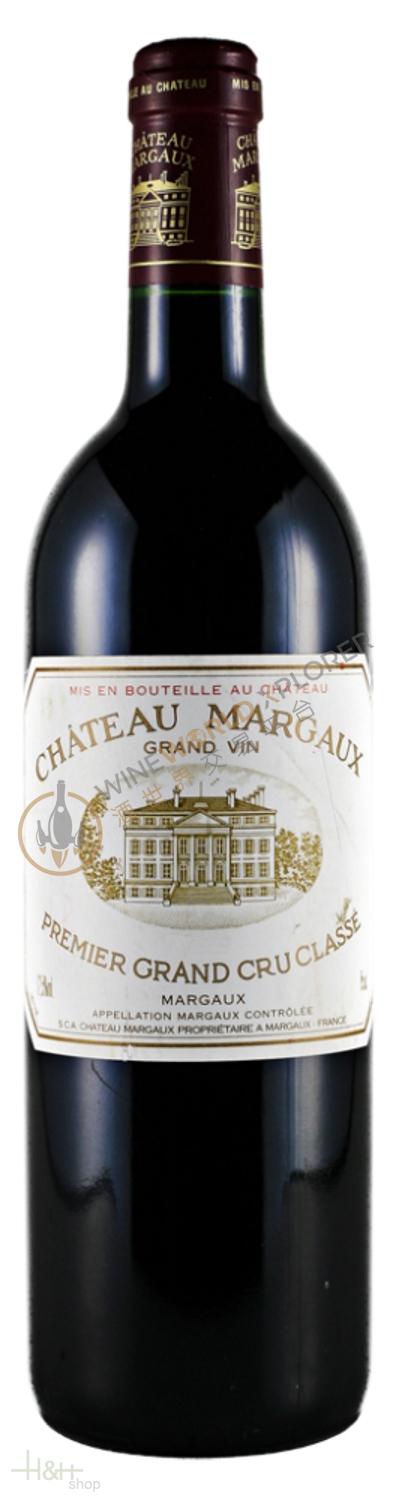
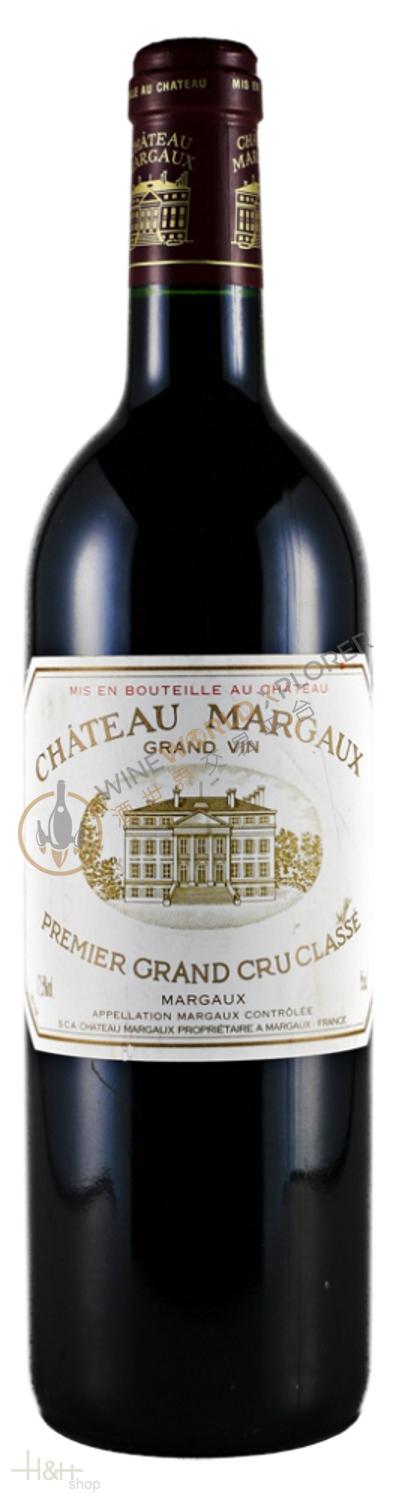
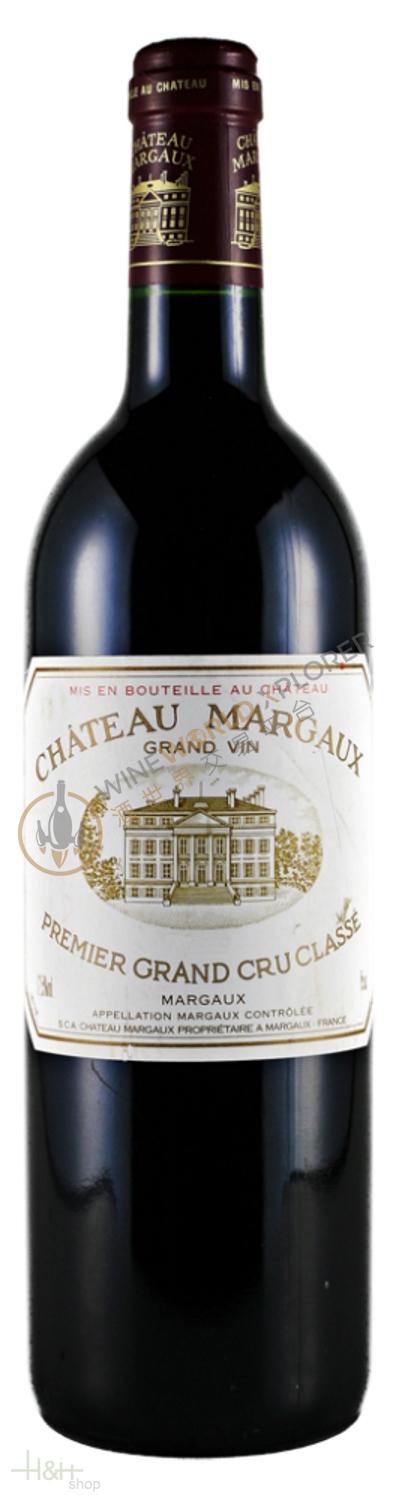
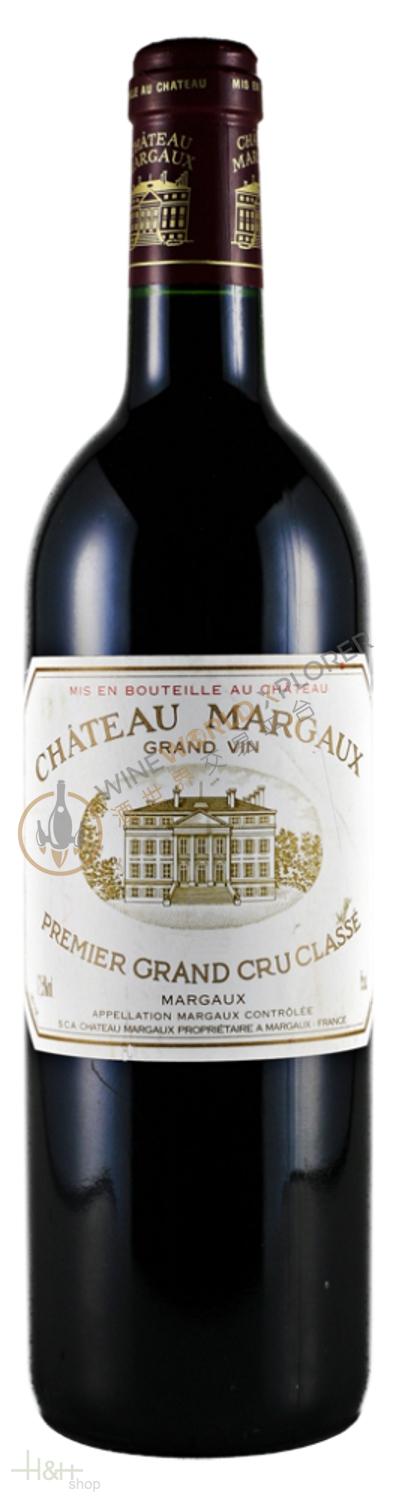
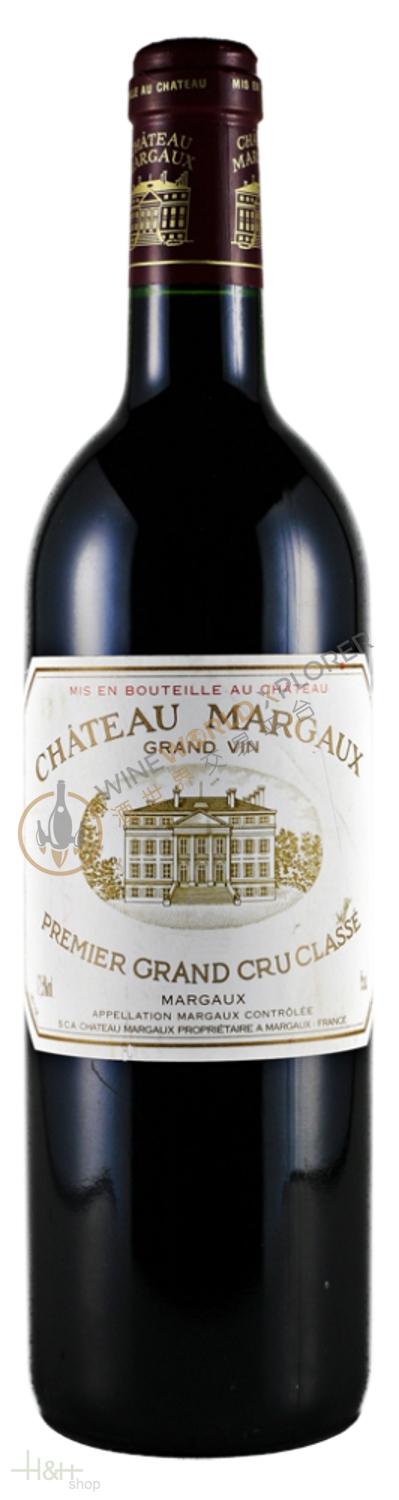
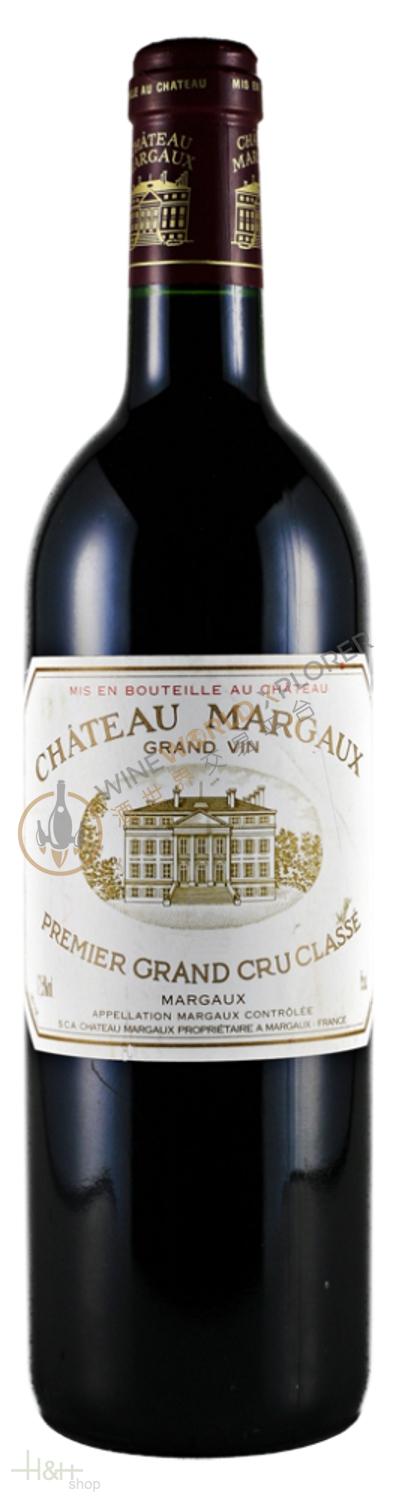
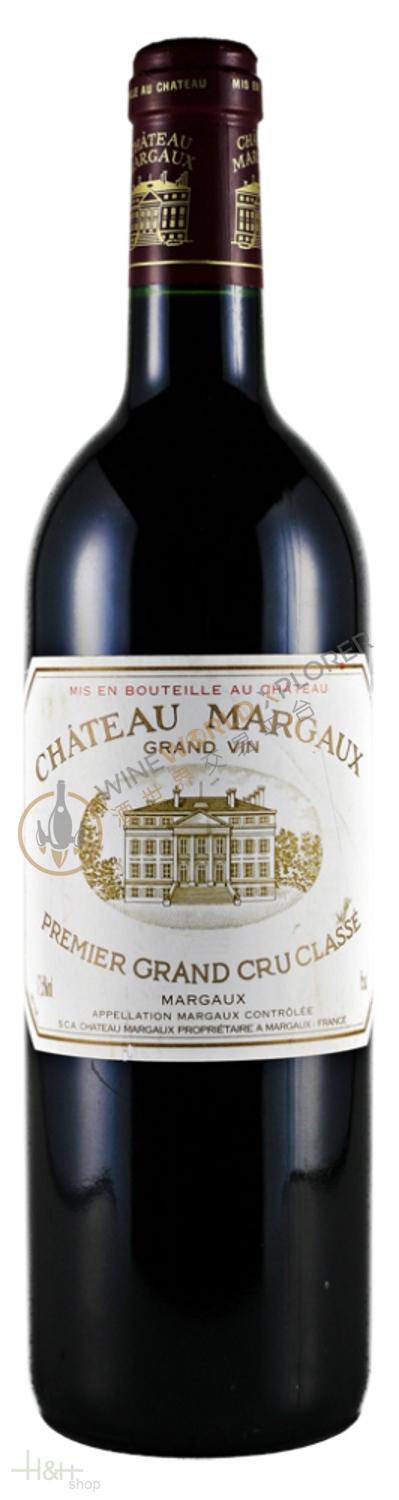
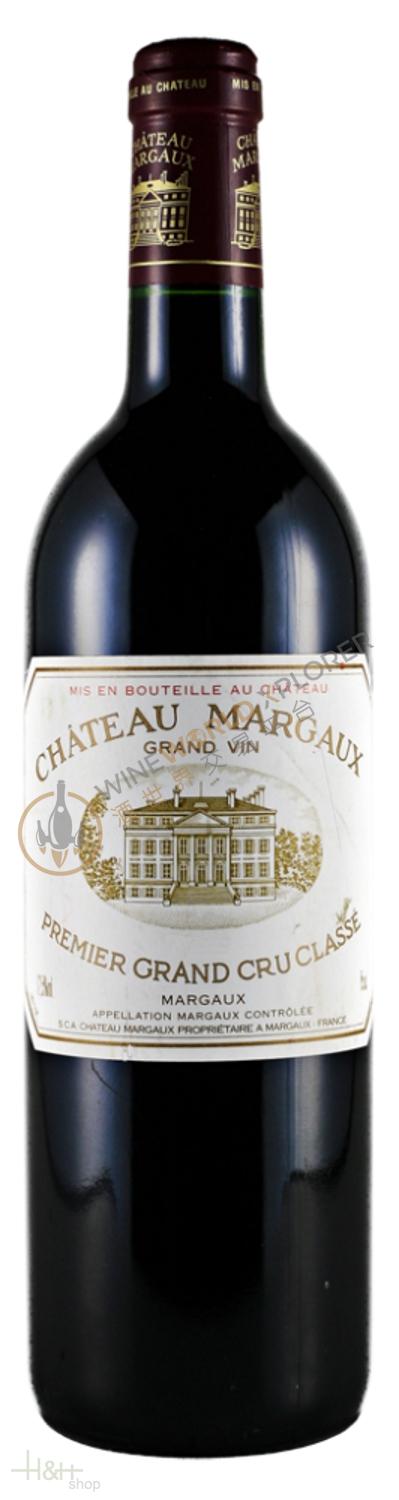
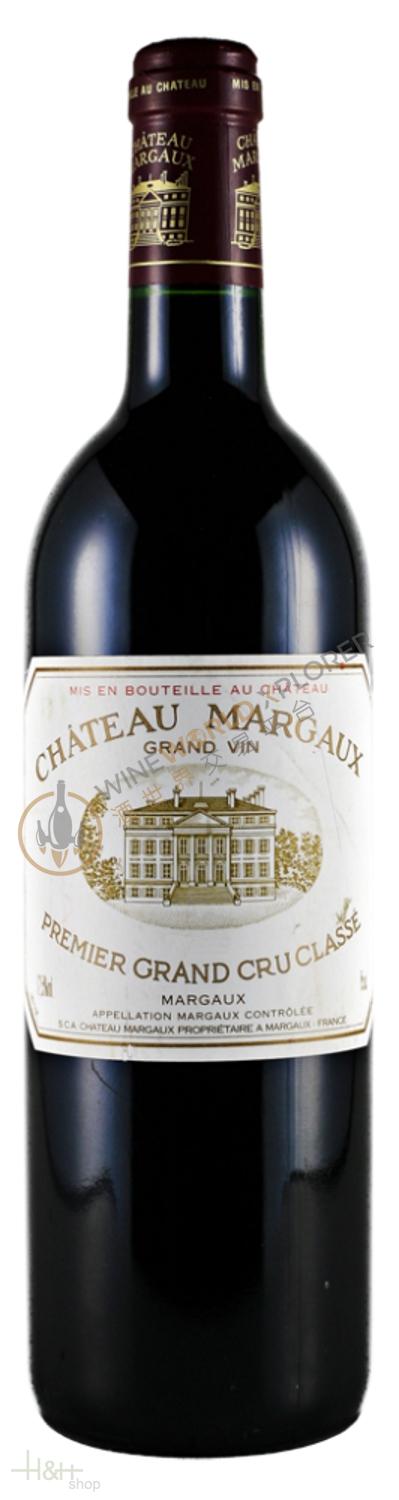
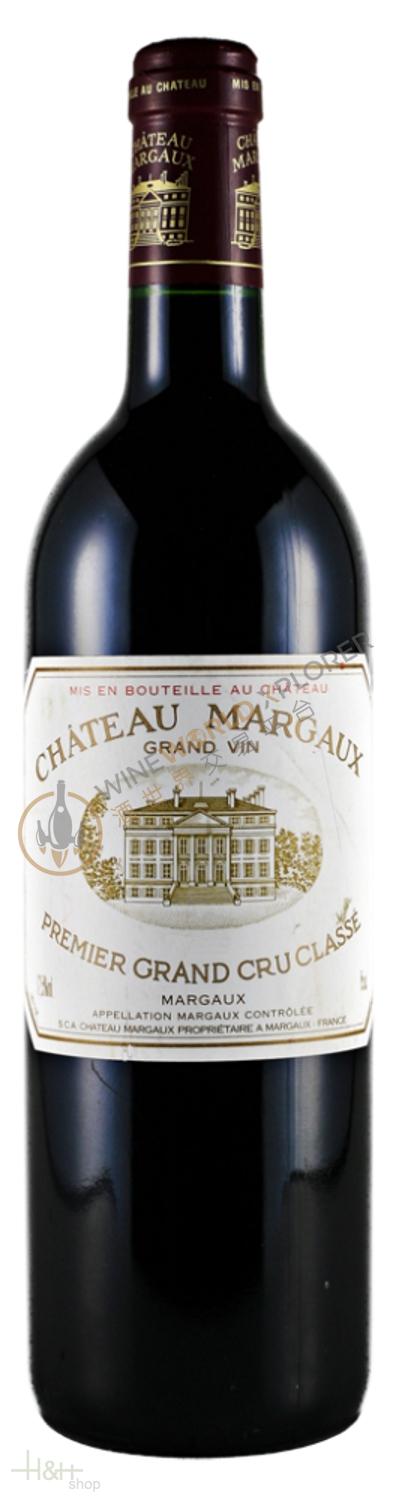
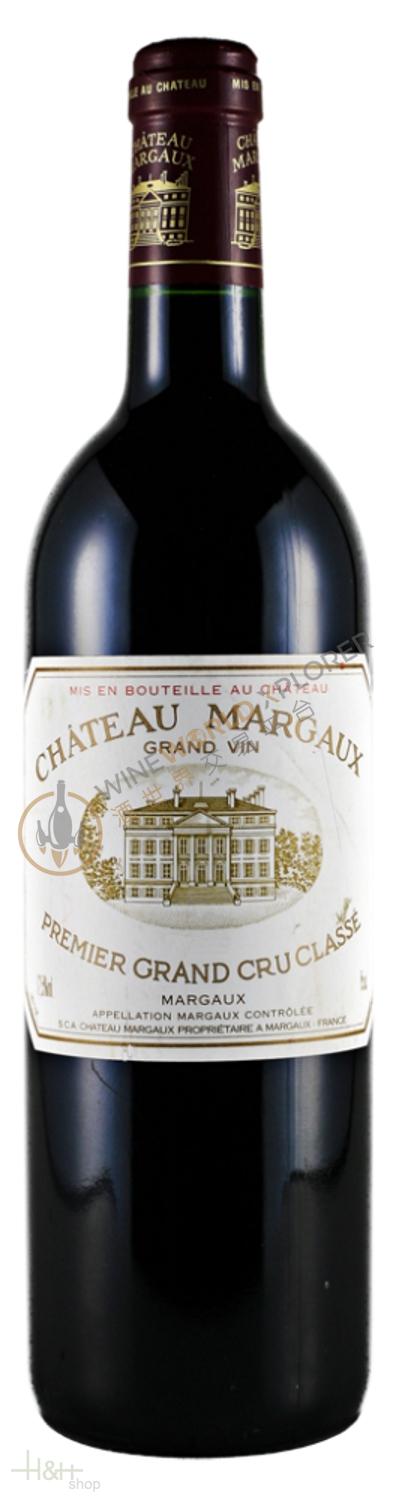
Chateau Margaux 2003
 View analysis


Description
Tasting notes

Reviewed by: Robert M. Parker, Jr.
This was the finest performance by this wine that I have seen since it was released. I did not expect the 2003 Chateau Margaux to show this well in a vintage where the southern part of the Medoc was clearly less impressive than the north. However, it is a beautiful, dark plum/purple-tinged effort with sensational aromatics, a full-bodied mouthfeel, and a youthfulness, precision and freshness that belie what one generally associates with this vintage. It can be drunk now and over the next 15-20 years. Kudos to Chateau Margaux.
Reviewed by: Neal Martin
Expressive and impressive out of barrel. November 2004 at the MW vertical. Wow, this has really come a long way since last year. I was told that the wine has increased in acidity, from a pH of 3.1 to 3.4 in the last year (from the SO2 and tartaric acid.) A wonderful ripe blackberry, almost meaty nose. Superb definition. The palate is very concentrated, full-bodied with layers of toasty, almost savory black fruit. Decadent, flamboyant, yet that acidity has lent the wine freshness and vigor. Awesome.
Reviewed by: Neal Martin
A stunning, voluptuous nose: decadent, exotic and ravishing yet still with definition and a sense of elegance. A touch of dates and vanillin developing in the glass. The palate is symmetrical, opulent, so pure and quite feminine. The acidity is so vibrant, cutting a swathe though the richness of fruit. Certainly one of the best 2003 wines but it will need time. Drink 2015-2030. Tasted January 2007.
Reviewed by: Robert M. Parker, Jr.
In an appellation that was not nearly as homogeneous in quality as Pauillac and St.-Estephe, manager Paul Pontallier has produced a prodigious 2003 Chateau Margaux that, qualitatively, towers over all the other Margaux estates. From yields of only 30 hectoliters per hectare, it includes 45% of the total crop, and spiritually as well as stylistically, represents a hypothetical blend of the 1990 and 1996. Opaque purple-colored, with an extraordinary perfume of spring flowers, blueberries, black currants, licorice, and vanillin, this 2003 exhibits an opulent texture, tremendous structure as well as definition, and an ethereal lightness of being despite its prodigious concentration. As the wine sits in the glass, notions of white chocolate and flowers come forth. The attack suggests the 1990, but the finish recalls the 1996. Phenomenally pure, and medium to full-bodied, but surprisingly light in terms of its palate impression, its aftertaste lasts well beyond one minute. Anticipated maturity: 2012-2040.
Reviewed by: Neal Martin
Tasted blind as a vintage comparison at the Valandraud vertical, the 2003 Margaux is fully mature on the nose. There is ample fruit here, well defined for the vintage with blackberry and cedar, this bottle demonstrating a subtle fungal character that I have not discerned in previous bottles. There are faint scents of rust iron piping that develop with further aeration. The palate is medium-bodied with slightly dry tannin, offering more fruit than the 2003 Valandraud it was paired with: feisty black pepper and allspice finish with a decent aftertaste. There might be better bottles than this, even so, there is probably not another Margaux that touches this First Growth. I see no harm in broaching bottles now and over the next ten years. Tasted December 2016.
Reviewed by: Robert M. Parker, Jr.
Am I being too stingy with the 2003 Chateau Margaux? A wine of extraordinary complexity and intensity, it reveals a deep purple color, a style not unlike the 1990 Margaux (possibly even more concentrated), a velvety texture, and notes of spring flowers interwoven with camphor, melted licorice, creme de cassis, and pain grille. Not a blockbuster, it offers extraordinary intensity as well as a surreal delicacy/lightness. There is riveting freshness to this offering, which tips the scales at a lofty (for this estate) 13.5% alcohol, as well as an alluring sweetness and accessibility. It probably will tighten up over the next few years. Nevertheless, it is a profound Chateau Margaux that brings to mind a hypothetical blend of the 1982 and 1990. Anticipated maturity: 2011-2035.
Reviewed by: Neal Martin
Tasted blind at Farr Vintner’s Left Bank tasting. The Chateau Margaux 2003 has closed down since I last encountered it. Much more tertiary on the nose with dried herbs, sous-bois and a touch of leather; it finds it difficult to attain the femininity it showed its youth. Nonetheless, the palate is very harmonious with supple tannins, lovely expressive red-berried fruit with blackberry, boysenberry and scorched earth. Harmonious and wily on the finish. Lovely…and improving in the glass. Tasted October 2010.
Reviewed by: Robert M. Parker, Jr.
An extraordinary wine and undeniably one of the great wines of the Medoc, and qualitatively a wine that towers over what other estates produced in the appellation of Margaux, the 2003 Chateau Margaux is made in a style that almost mirrors Lafite Rothschild in 2003. Last year I thought it could represent a hypothetical blend of the 1990 and 1996, but the wine has taken on even more opulence and seductiveness in an almost atypical but still fragrant, elegant, classic Chateau Margaux personality. Dense ruby/purple to the rim with an extraordinary floral nose intermixed with blackberries, cassis, mineral, licorice, and some vanilla, the wine is dense, opulent, voluptuously textured, with wonderful sweetness (reminiscent of 1982 and 1990 in that sense), low acidity, but tremendous concentration and an almost seamless integration of all components – alcohol, tannin, new wood, and acidity. This is truly sumptuous stuff that should drink reasonably well young after 4 or 5 years in the bottle and age for 30+ years. Bravo!
Reviewed by: Neal Martin
Tasted at Bordeaux Index’s “10-Year On” tasting in London. The 2003 Chateau Margaux has a lovely nose with superb delineation – blackberry, cedar, minerals and wilted violets. To be brutally honest, it is clearly streets ahead of Palmer that was tasted in tandem. The palate is medium-bodied with fine tannins and (hoorah!) a decent thread of acidity. It is not a complex Margaux, but it has personality, fine balance, elegance and admirable tension and race towards the finish. This First Growth shows its class. Excellent. Tasted March 2013.
Reviewed by: Stephen Tanzer
Full, saturated red-ruby. Knockout nose combines redcurrant, tropical chocolate, leather, woodsmoke and nutty oak with exotic chocolate mint and coffee liqueur; still manages to retain floral lift even in this beastly vintage. Then wonderfully fat, sweet and full, even if it comes across as almost heavy following the ineffable 2005 and 2004 examples. But relatively inelegant for Margaux still suggests a degree of refinement that few chateaux can match in the greatest vintages. A hugely rich and dense wine that finishes with elevated but ripe tannins and great length, with a subtle suggestion of dry spices. Pontallier says the terroir will take over in 20 years, like with the '82. Splendid.
Reviewed by: Stephen Tanzer
Medium red-ruby. Coffee, mocha, exotic woodsmoke and brown spices on the nose. Fat, full and rich, with intriguing curry and cardamom notes. Opulent and voluptuous wine, with a huge middle palate. But surprisingly tight-grained in the mouth considering the evolution of the wine's aromas. Finishes extremely long, with sandy tannins.
Reviewed by: Stephen Tanzer
(a blend of 83% cabernet sauvignon, 12% merlot, 3% cabernet franc and 2% petit verdot; 13% alcohol) Bright, full ruby. Very pure, highly aromatic nose combines blackberry, boysenberry, minerals, dark chocolate and violet. Densely packed but pure and perfumed in the mouth; at once suave and penetrating. Offers outstanding mouth coverage and great class. Finishes with extremely fine-grained tannins and extraordinary length and breadth, without losing any of its definition and purity. A great Margaux in the making.
About the Producer
Chateau Margaux is located in the village of Margaux, in the Medoc appellation on the left bank of Bordeaux, and was awarded a First Growth in the 1855 Bordeaux Medoc classification, alongside Chateau Lafite Rothschild, Chateau Latour and Château Haut-Brion. It is also known as Chateau Haut-Brion. Château Margaux currently covers a total of 262 hectares, including 99 hectares of vineyards. The red vineyard has an appellation of 87 hectares, of which 82 hectares are planted, while the white vineyard is planted with 12 hectares. The red varieties are mainly Cabernet Sauvignon, Merlot, Petit Verdot and Cabernet Franc; the white varieties are Sauvignon Blanc and the vines are on average 45 years old. Since the end of the 1990s, the estate has refused to use pesticides in the vineyards. In addition, only organic fertilisers are used in the vineyard, and deep fertilisation is carried out at regular intervals to improve the soil structure and rejuvenate the soil. During the harvest season, the winery team selects the right time to harvest the grapes by testing and analysing all the indicators and by tasting the grapes themselves. Once the grapes have reached their ideal state of ripeness, they are harvested by a team of over 200 trained harvesters. Once in the winery, the grapes undergo a rigorous selection process before being de-stemmed. Both oak barrels and stainless steel tanks are used to ferment the red grapes, while the white grapes are fermented entirely in oak barrels. After the alcoholic fermentation, the wine undergoes malolactic fermentation. The red wines are then left to mature in oak barrels for 18-24 months and the whites for 6-8 months. The main wine of the estate, Château Margaux's red wine, is rich and complex, with an elegant and powerful ballet on the tongue, rich and smooth tannins, good balance and a long, fresh finish with excellent ageing potential. It successfully conquered Napoleon Bonaparte, the founder of the First French Empire, and won the hearts of Thomas Jefferson, the founding father of the United States, and Margaret Thatcher, the "Iron Lady" of England. In the world of wine criticism, Château Margaux's red wines have also been recognised, with four perfect scores from Robert Parker and many more from other critics with 95 points or more. In recent years, the quality of Château Margaux's red wines has been steady and has maintained a high level of interest in the market.
1958(1)1960(1)1961(2)1962(1)1963(1)1964(1)1969(2)1970(1)1971(1)1972(1)1974(1)1975(1)1976(1)1978(1)1979(1)1981(1)1982(6)1983(4)1984(1)1985(4)1986(6)1987(3)1988(8)1989(6)1990(11)1991(2)1992(4)1993(3)1994(2)1995(9)1996(28)1997(5)1998(7)1999(7)2000(20)2001(12)2002(20)
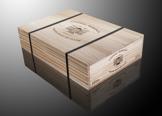
Package Size