 Wine Advisor



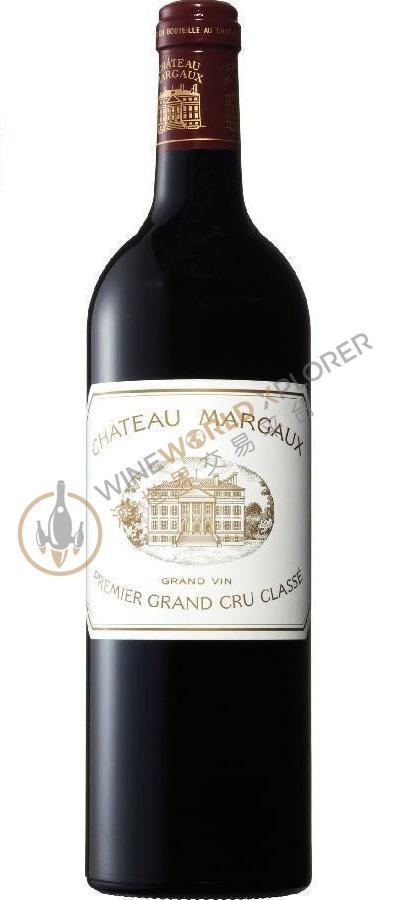
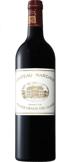
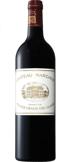
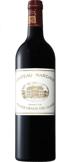
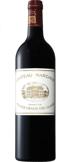
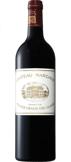
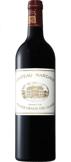
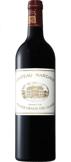
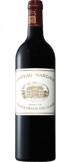
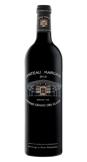
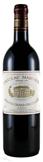
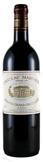
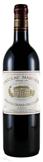
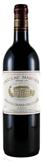
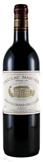
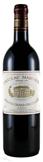
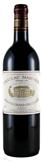
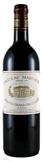
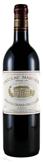
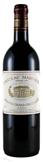
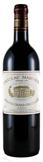
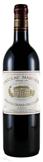
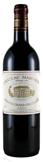
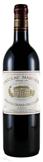
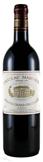
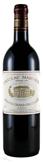
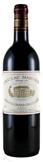
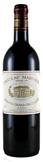
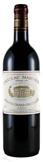
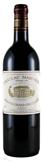
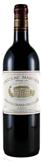
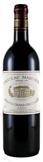
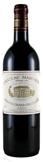
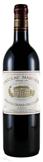
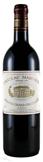
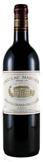
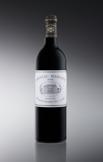
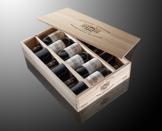
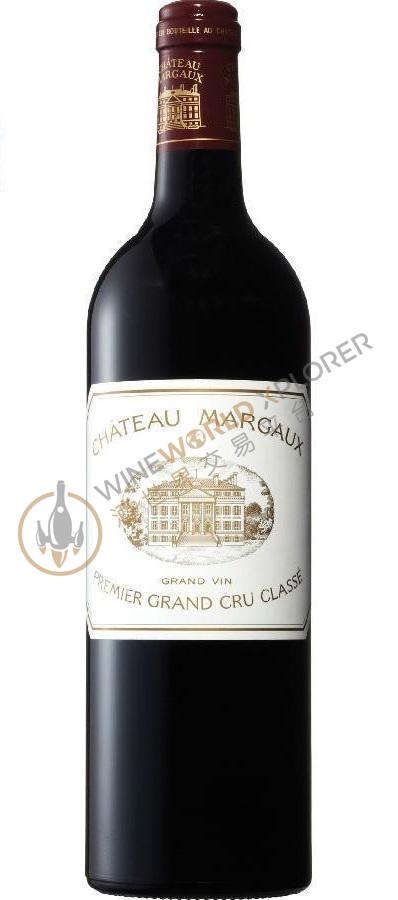
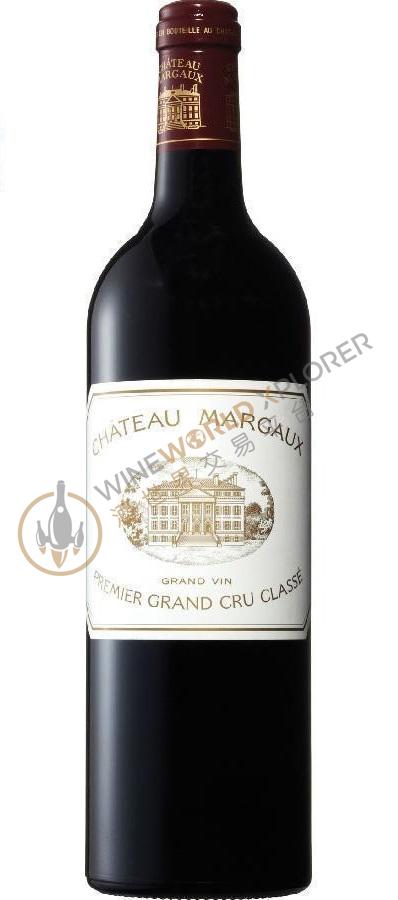
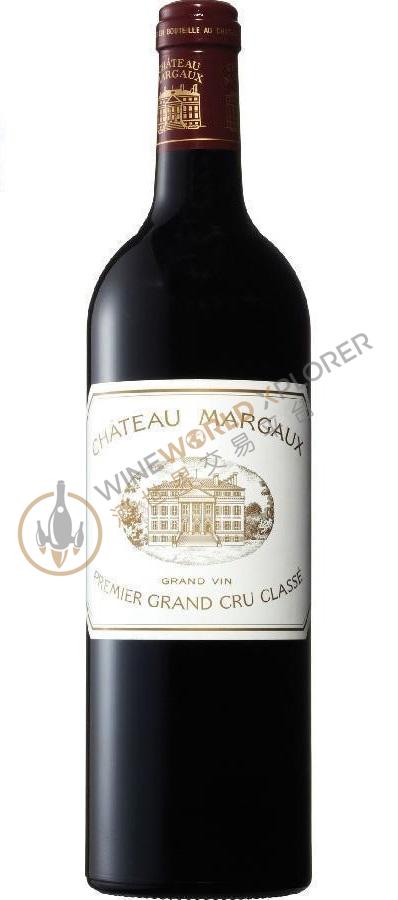
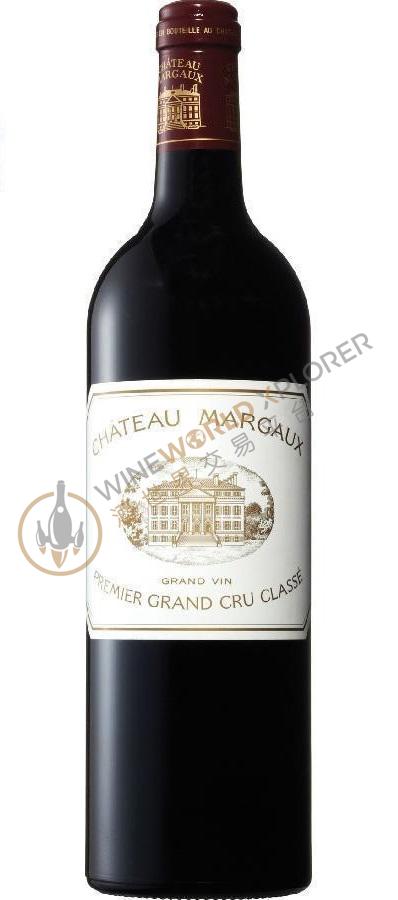
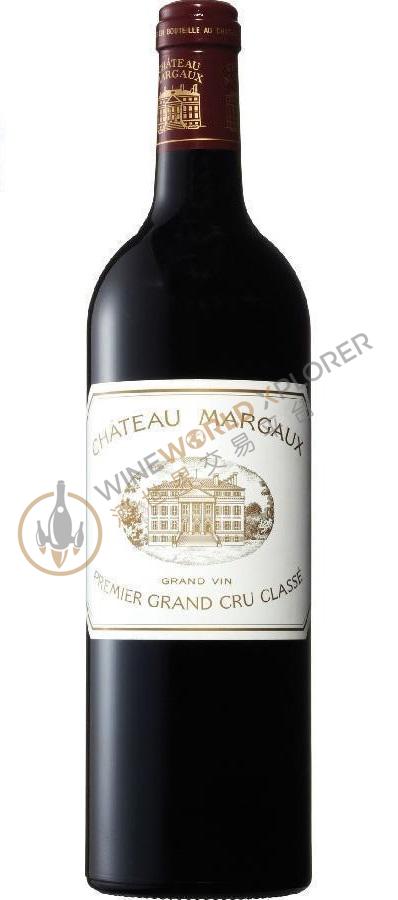
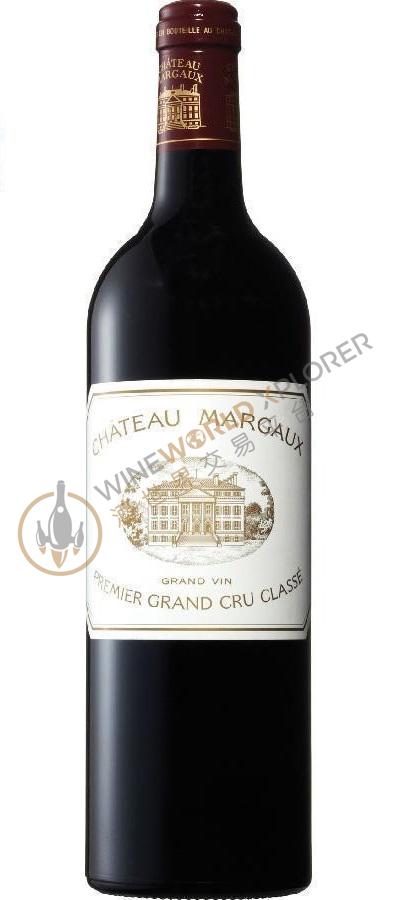
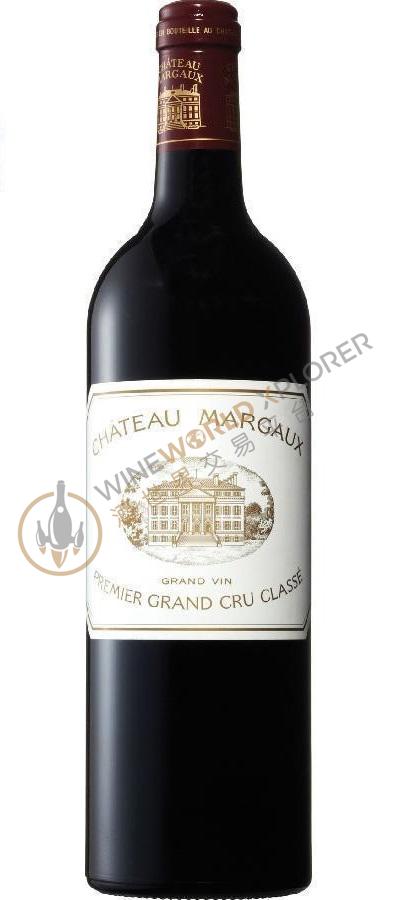
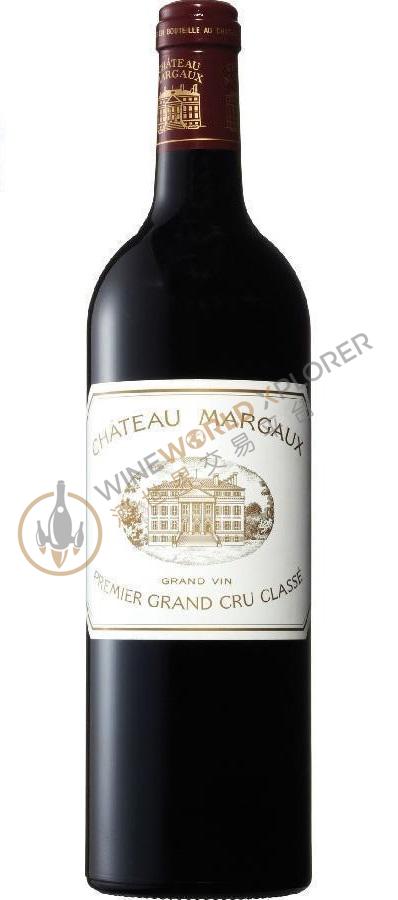
Chateau Margaux 2002
 View analysis


Description
Tasting notes

Reviewed by: Neal Martin
Served blind, I have to hold my hand up and say that I thought this might be Mouton ’02. Perusing my notes I can understand why because the nose had less of that cassis and violet character and more of that Pauillac pencil-lead and cedar signature aromas coupled with a showiness that might define it as Mouton. Might that have something to do with there being just 7% Merlot in the blend? The palate is very tight at first but opens up nicely in the glass. Blackberry, smoke, cigar box leading to a backward finish that cannot disguise the fineness of its tannins. Another great effort from Paul Pontallier.
Reviewed by: Robert M. Parker, Jr.
Weight-wise, the 2002 is reminiscent of the 1999 Margaux. However, the 2002, a blend of 87% Cabernet Sauvignon, 5% Petit Verdot, and the rest Cabernet Franc, reveals some of the stylistic characteristics of the 1996, but without the power, density, and perfection of that great wine. The color is a healthy deep ruby/purple, and the aromas reveal notes of black currants, licorice, dried herbs, vanilla, and loamy soil. While it is medium-bodied, with noteworthy purity, elegance, and stature, it does not possess the extraordinary flavor dimensions, persistence, or surreal quality level found in the 2000, 1996, 1995, 1990, 1986, 1985, 1983, and 1982. Nevertheless, it is a lustrous effort from this noble estate so meticulously run by the Mentzelopoulos family and their brilliant administrator, Paul Pontallier. Anticipated maturity: 2011-2026
Reviewed by: Neal Martin
A deep purple/ruby colour. A lovely violet, cassis nose with notes of damp earth (though I'm sure I detected an unwanted "metallic" note). The palate is very fine, full of toasty tannins, sweet cherry flavoured fruits and usual floral flamboyance. Yet it lacks the complexity I expect from a First Growth: not an intellectual wine: more pretty and flouncy. Paul Pontallier said that the Merlot was not ripe enough and was affected by coullure and millerandage and so only 7% ended up in the cepage. But I'm not sure if this is a positive move as it seems to miss that extra dimension at the moment.
Reviewed by: Neal Martin
Tasted blind at Farr’s 2002 Bordeaux tasting. Very refined on the nose...definitely First Growth quality with a beautiful floral scent. Margaux? Black cherries, a touch of cassis, violets and wild hedgerow. Superb clarity. Ripe succulent entry, very pure and very harmonious with filigree tannins and a natural, graceful finish that belies its power. Tasted October 2009.
Reviewed by: Robert M. Parker, Jr.
Performing better from bottle than at any time in cask (which of course is the objective of great winemaking, isn’t it?), this wine reveals a dense ruby/purple color in a style somewhat reminiscent of the 1988 but with more power, concentration, and volume. It has a beautifully elegant nose of black fruits intermixed with truffle, flower, and oak. The wine is medium to full-bodied, dense, with wonderful precision, freshness, and a long, full-bodied finish with impressive levels of concentration. Anticipated maturity: 2010-2030.
Reviewed by: Stephen Tanzer
Bright, deep red. Classic aromas of boysenberry, black cherry, minerals and lead pencil. Then juicy and penetrating, with cabernet-dominated berry and mineral flavors (there's a very low 8% merlot in the blend). Finishes with very firm, youthfully tough tannins that will require a good decade of patience. Quite tight today and difficult to assess. We had a gorgeous September, but it came too late for the merlot, said Pontallier.
Reviewed by: Stephen Tanzer
Bright ruby-red. Boysenberry, minerals, espresso and sexy oak on the nose. Wonderfully concentrated flavors of berries and espresso, with perfect integration of the new oak. But a bit youthfully rigid today owing to its penetrating acids. This impressively dense wine from a very cool summer has filled in nicely during its elevage but will require a good 10 or 12 years for its firm acids and tight tannins to soften. Very long and subtle on the aftertaste.
Reviewed by: Stephen Tanzer
Good medium ruby. Pungent, slightly inky aromas of blackberry liqueur, cassis, violet and minerals. Extremely pure and penetrating but tightly wound today and on the lean side. Shows lovely breed and hints of chocolatey ripeness. Finishes long and highly perfumed, with dusty tannins and building flavors. But currently lacks the flesh for an even higher score.
About the Producer
Chateau Margaux is located in the village of Margaux, in the Medoc appellation on the left bank of Bordeaux, and was awarded a First Growth in the 1855 Bordeaux Medoc classification, alongside Chateau Lafite Rothschild, Chateau Latour and Château Haut-Brion. It is also known as Chateau Haut-Brion. Château Margaux currently covers a total of 262 hectares, including 99 hectares of vineyards. The red vineyard has an appellation of 87 hectares, of which 82 hectares are planted, while the white vineyard is planted with 12 hectares. The red varieties are mainly Cabernet Sauvignon, Merlot, Petit Verdot and Cabernet Franc; the white varieties are Sauvignon Blanc and the vines are on average 45 years old. Since the end of the 1990s, the estate has refused to use pesticides in the vineyards. In addition, only organic fertilisers are used in the vineyard, and deep fertilisation is carried out at regular intervals to improve the soil structure and rejuvenate the soil. During the harvest season, the winery team selects the right time to harvest the grapes by testing and analysing all the indicators and by tasting the grapes themselves. Once the grapes have reached their ideal state of ripeness, they are harvested by a team of over 200 trained harvesters. Once in the winery, the grapes undergo a rigorous selection process before being de-stemmed. Both oak barrels and stainless steel tanks are used to ferment the red grapes, while the white grapes are fermented entirely in oak barrels. After the alcoholic fermentation, the wine undergoes malolactic fermentation. The red wines are then left to mature in oak barrels for 18-24 months and the whites for 6-8 months. The main wine of the estate, Château Margaux's red wine, is rich and complex, with an elegant and powerful ballet on the tongue, rich and smooth tannins, good balance and a long, fresh finish with excellent ageing potential. It successfully conquered Napoleon Bonaparte, the founder of the First French Empire, and won the hearts of Thomas Jefferson, the founding father of the United States, and Margaret Thatcher, the "Iron Lady" of England. In the world of wine criticism, Château Margaux's red wines have also been recognised, with four perfect scores from Robert Parker and many more from other critics with 95 points or more. In recent years, the quality of Château Margaux's red wines has been steady and has maintained a high level of interest in the market.
1958(1)1960(1)1961(2)1962(1)1963(1)1964(1)1969(2)1970(1)1971(1)1972(1)1974(1)1975(1)1976(1)1978(1)1979(1)1981(1)1982(6)1983(4)1984(1)1985(4)1986(6)1987(3)1988(8)1989(6)1990(11)1991(2)1992(4)1993(3)1994(2)1995(9)1996(28)1997(5)1998(7)1999(7)2000(20)2001(12)
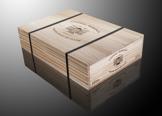
Package Size