 Wine Advisor



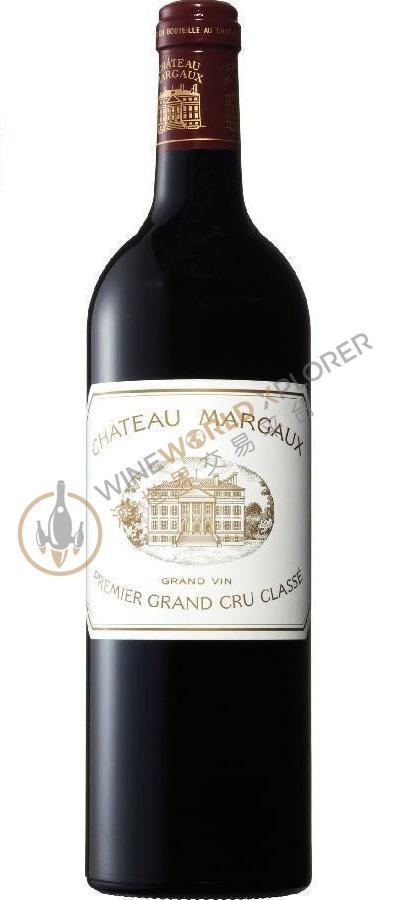
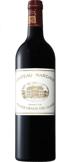
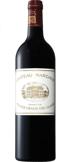
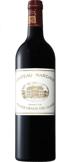
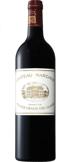
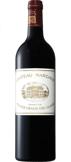
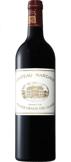
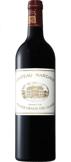
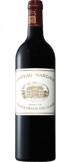
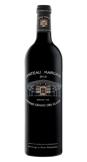
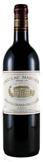
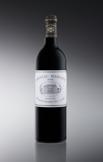
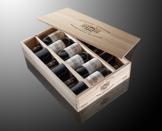
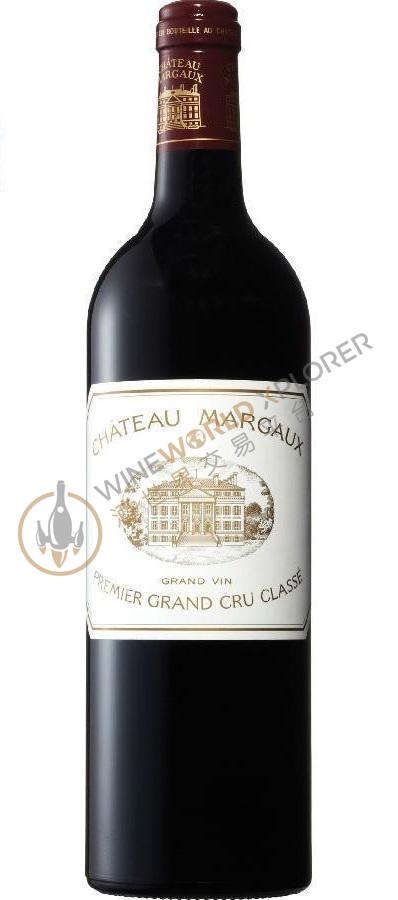
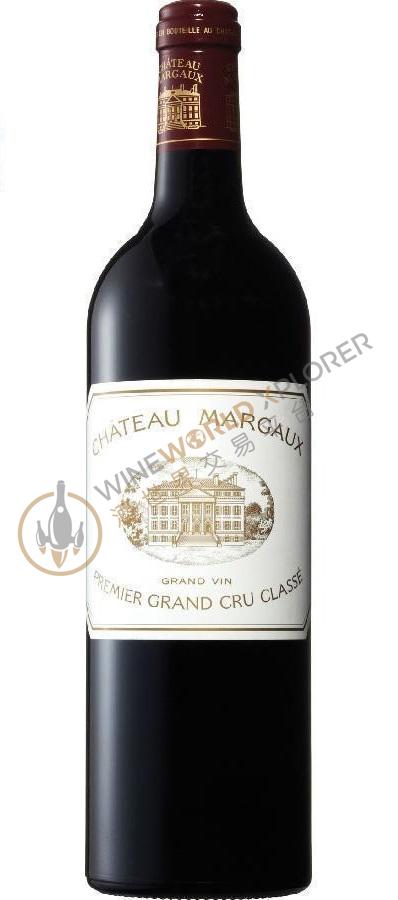
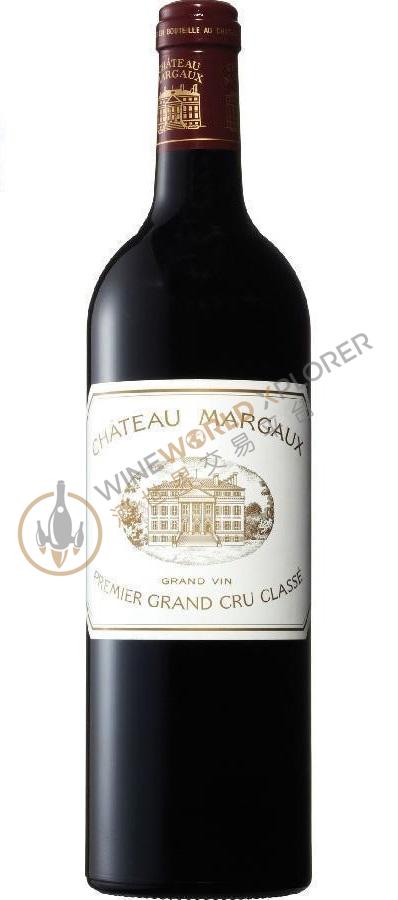
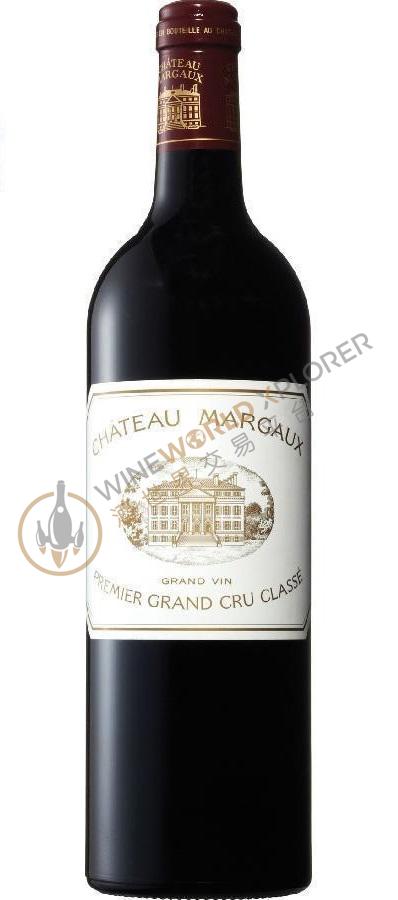
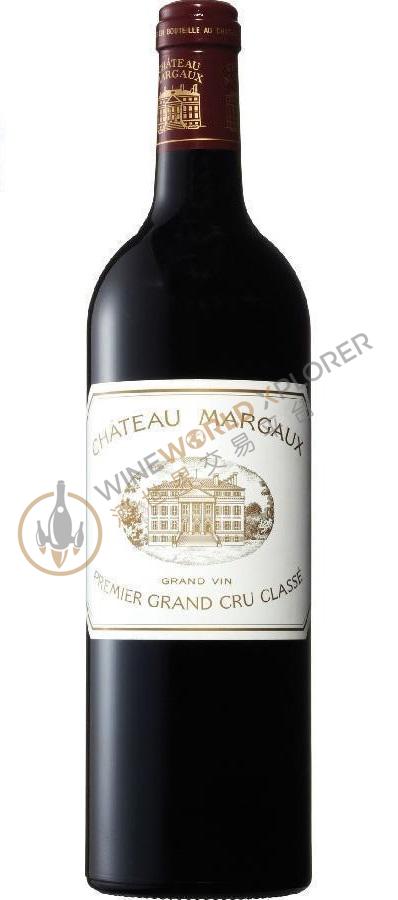
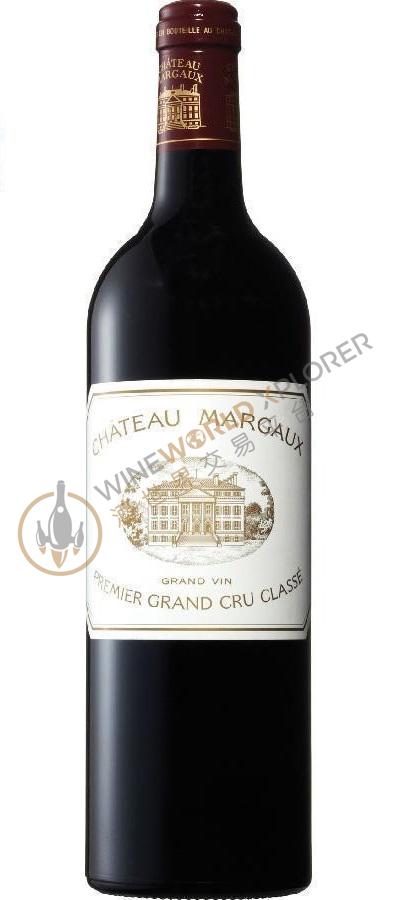
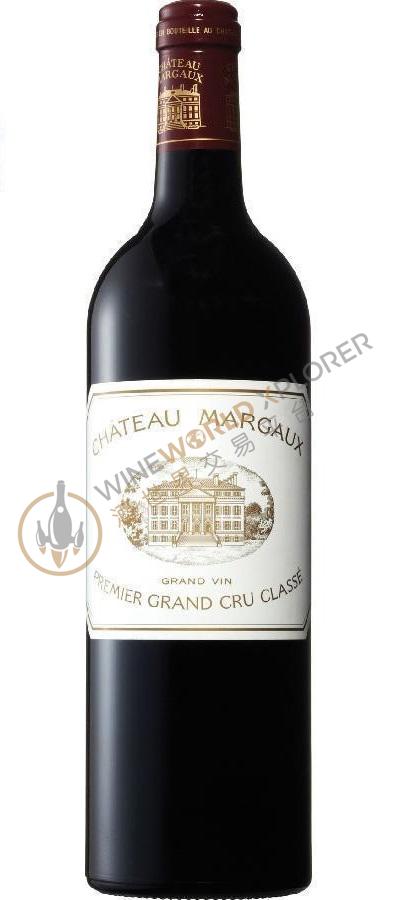
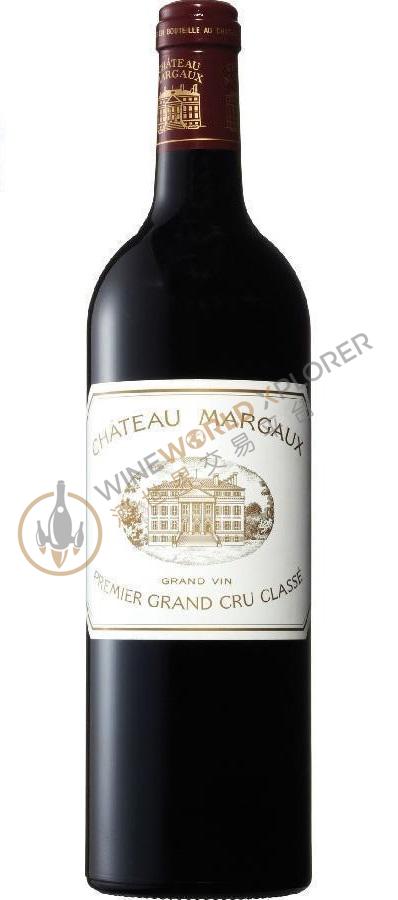
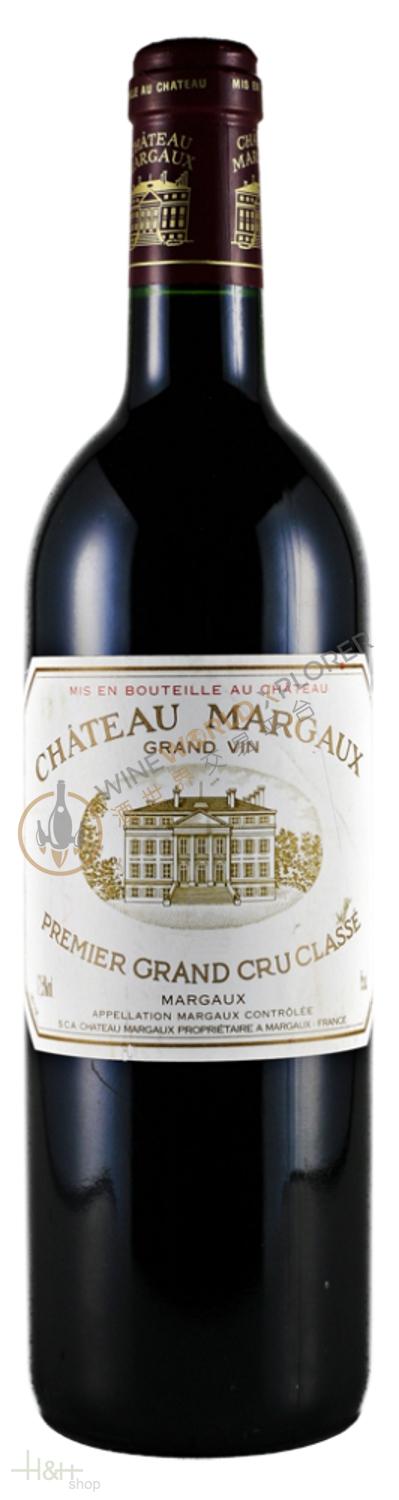
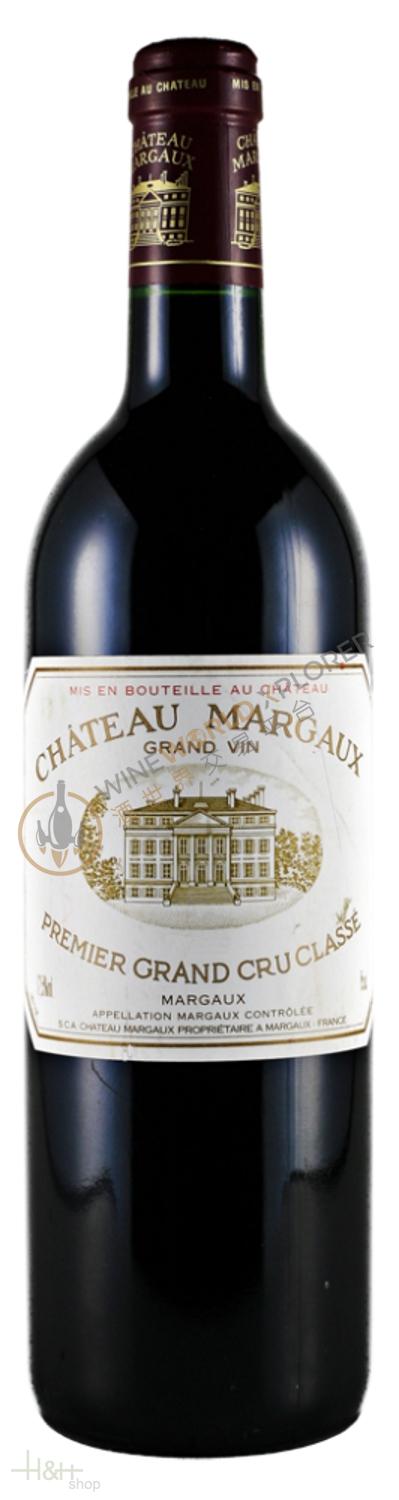
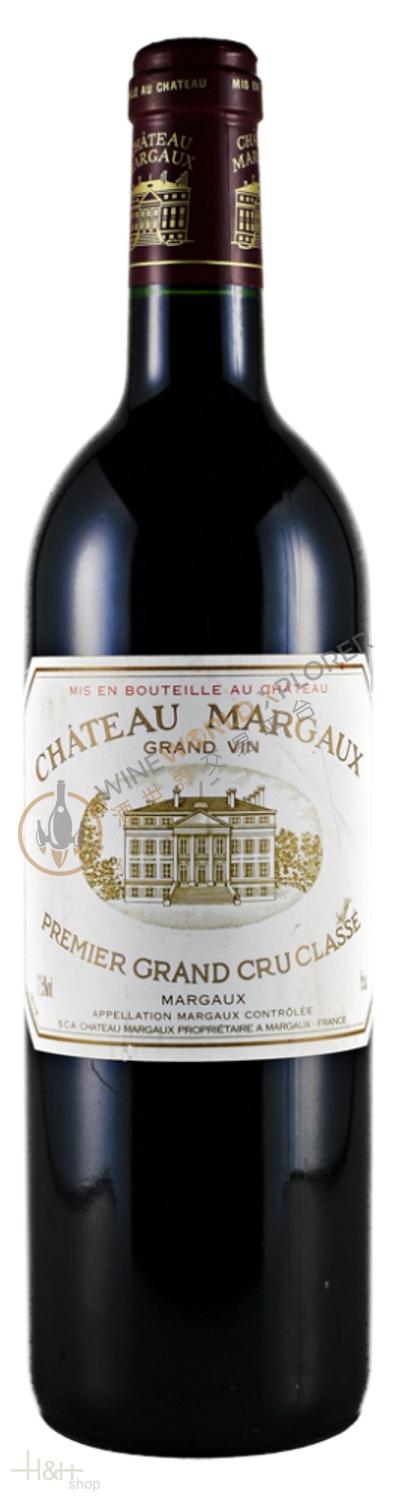
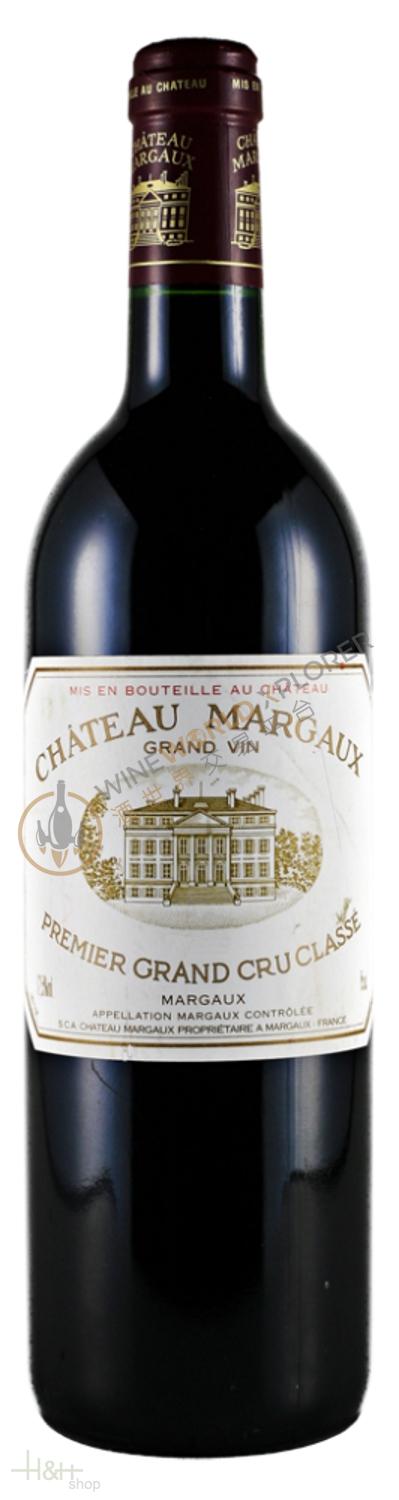
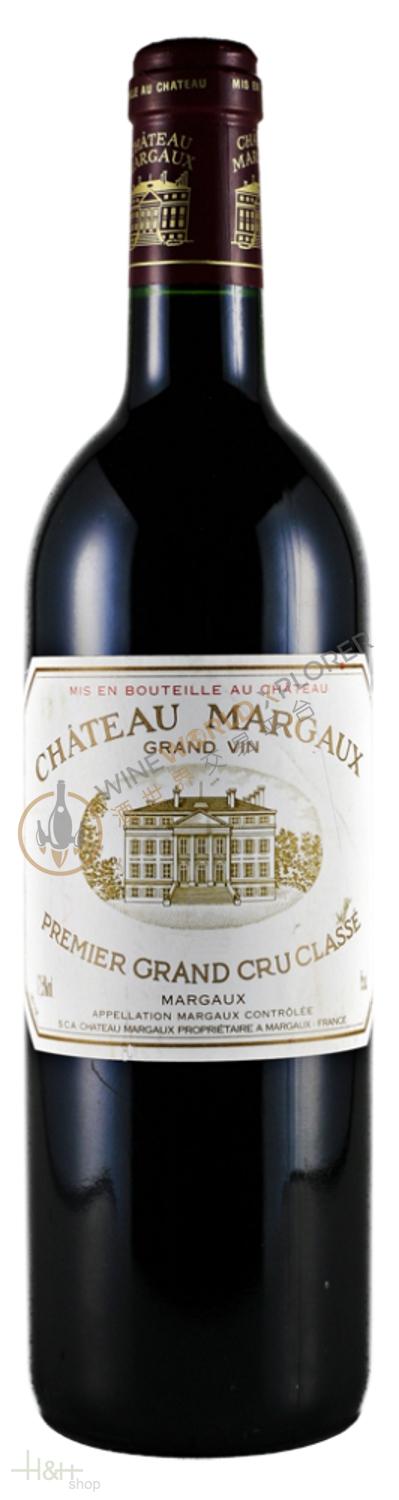
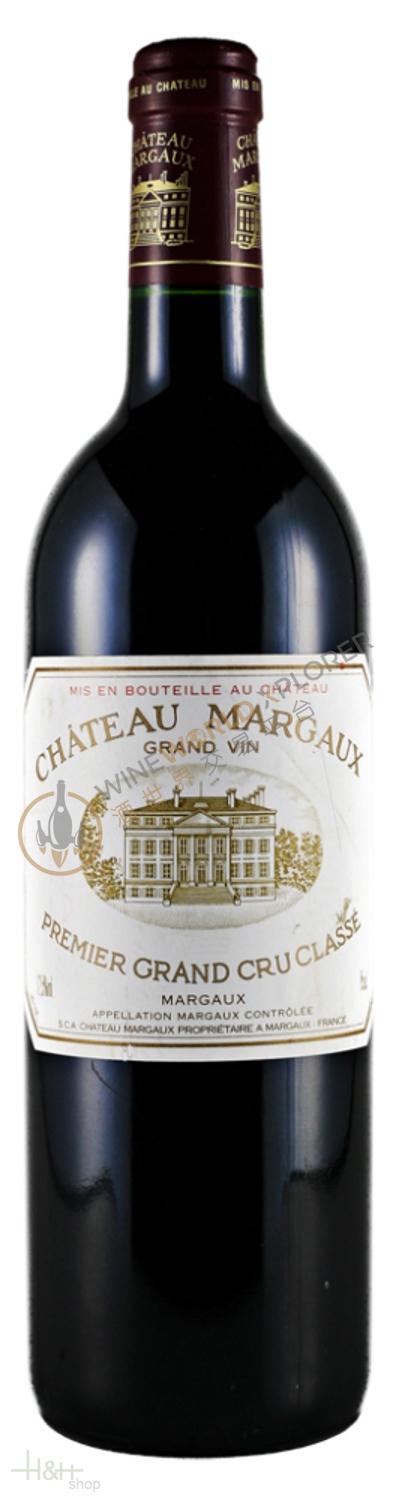
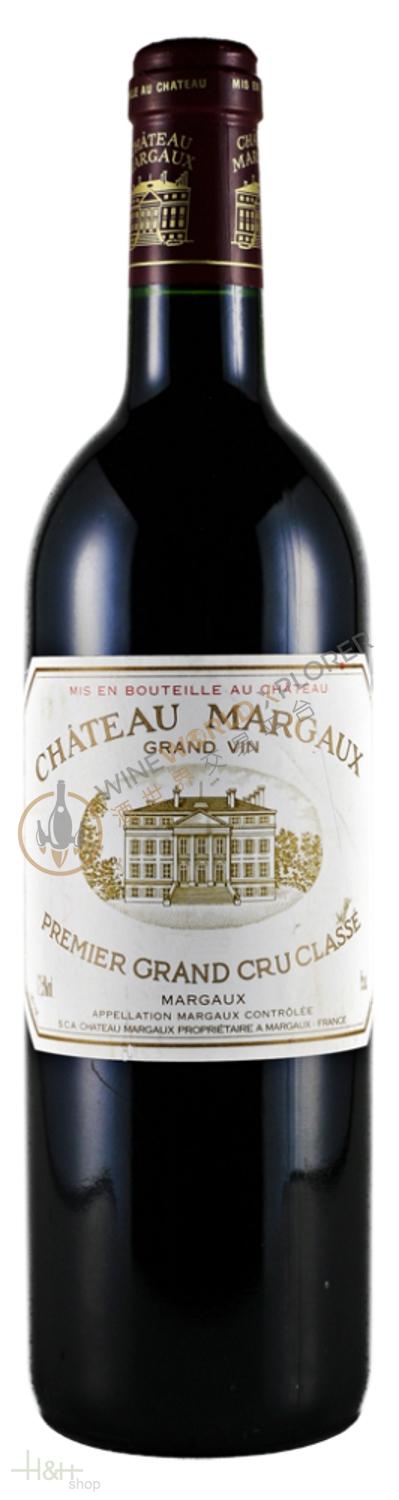
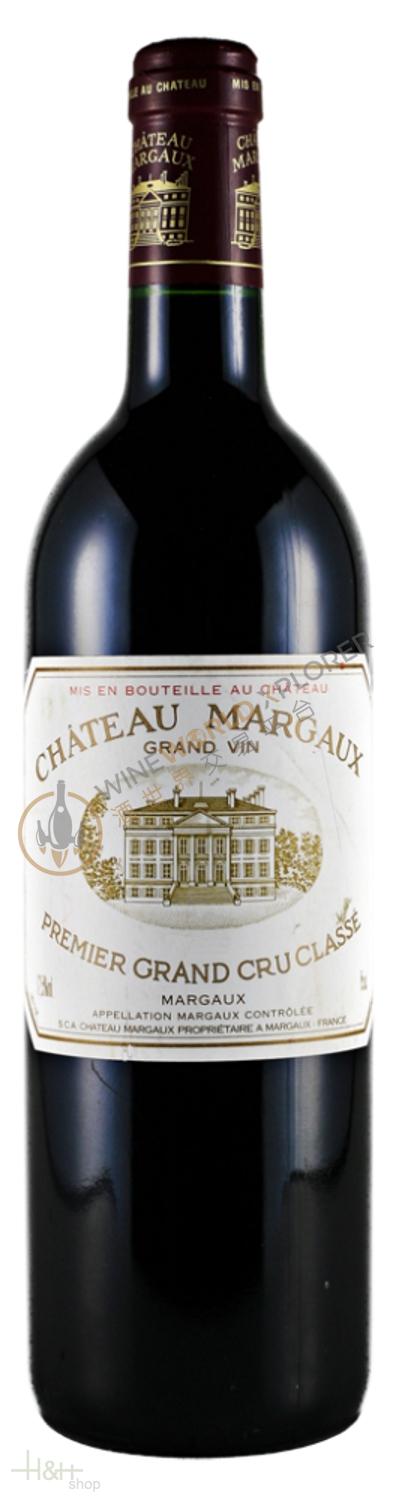
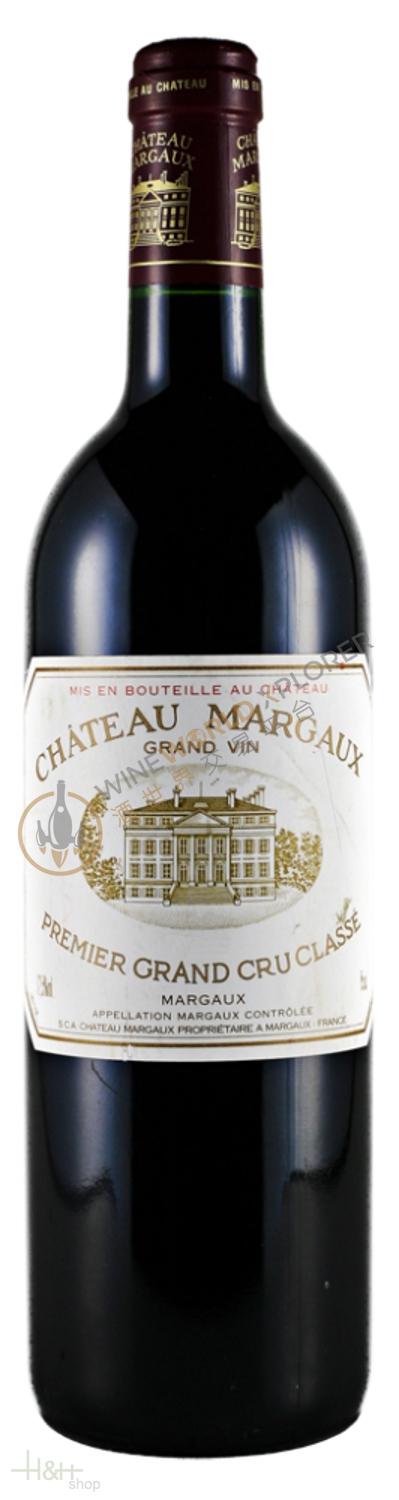
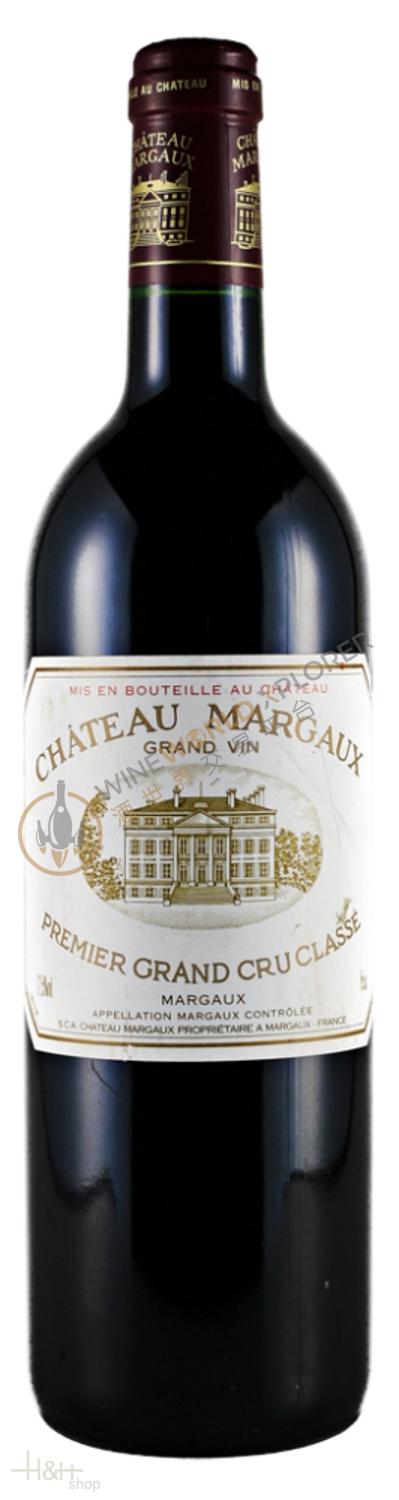
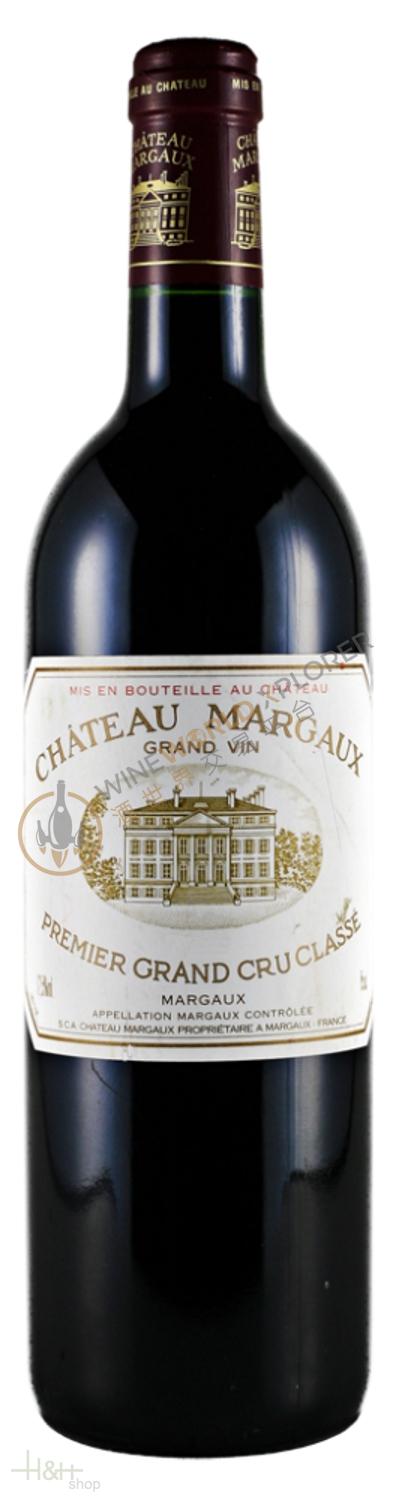
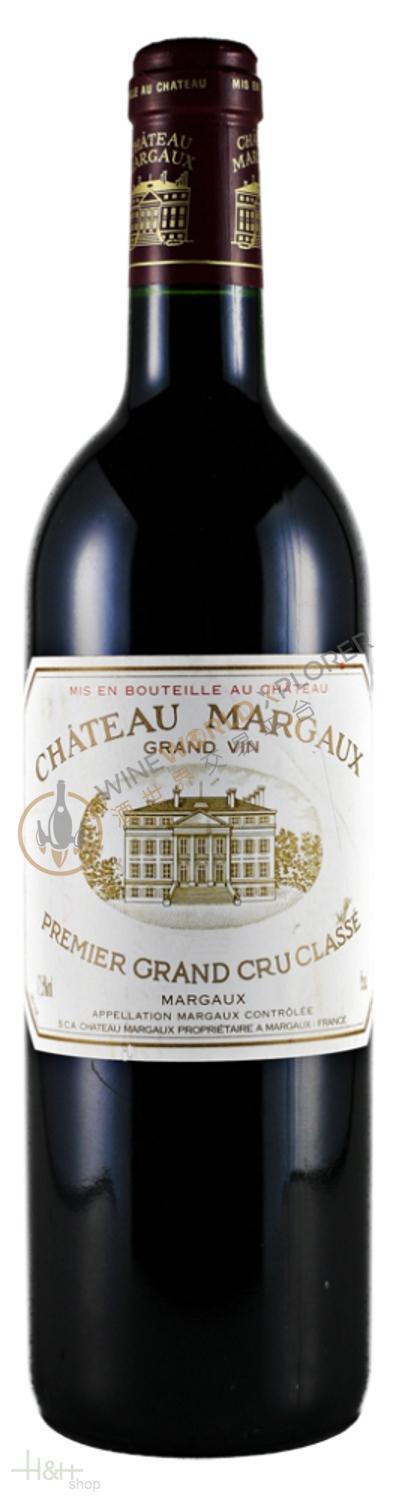
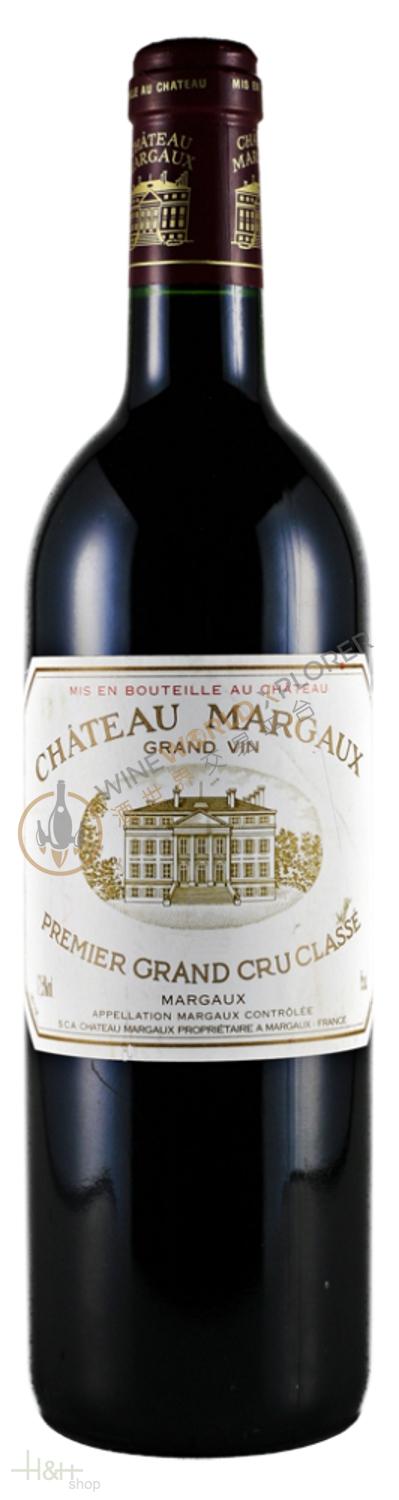
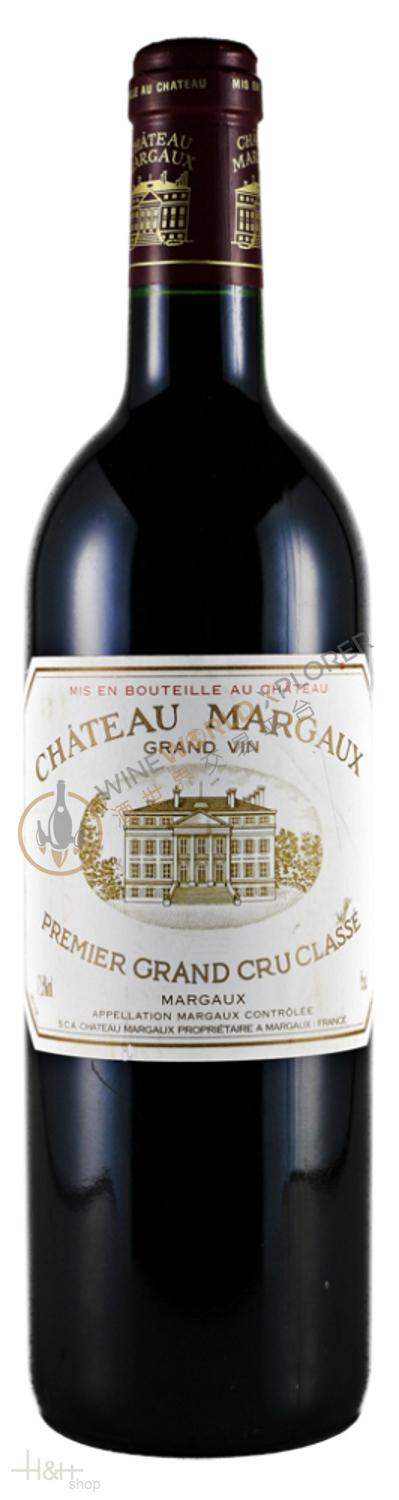
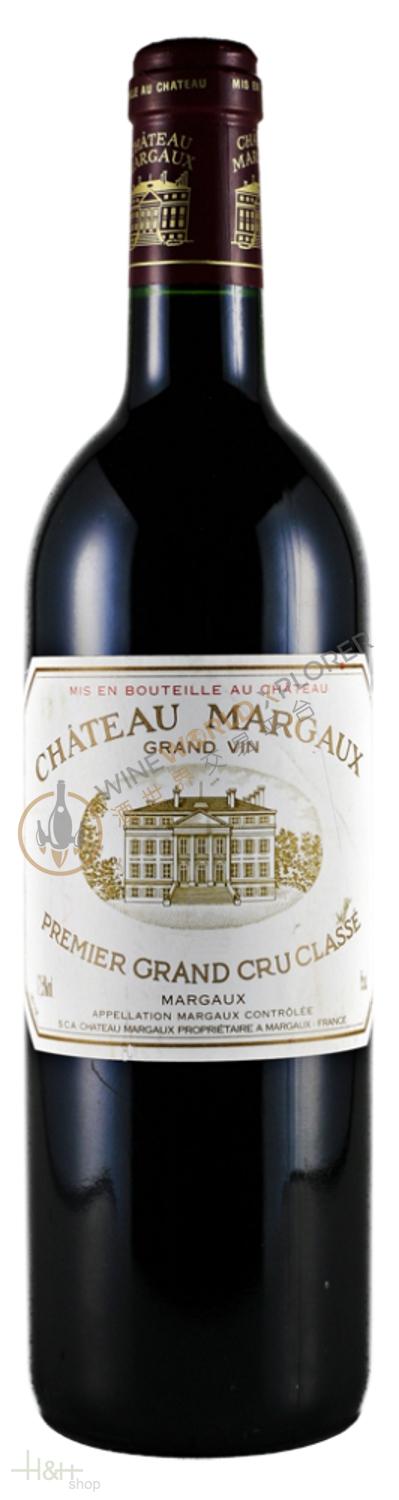
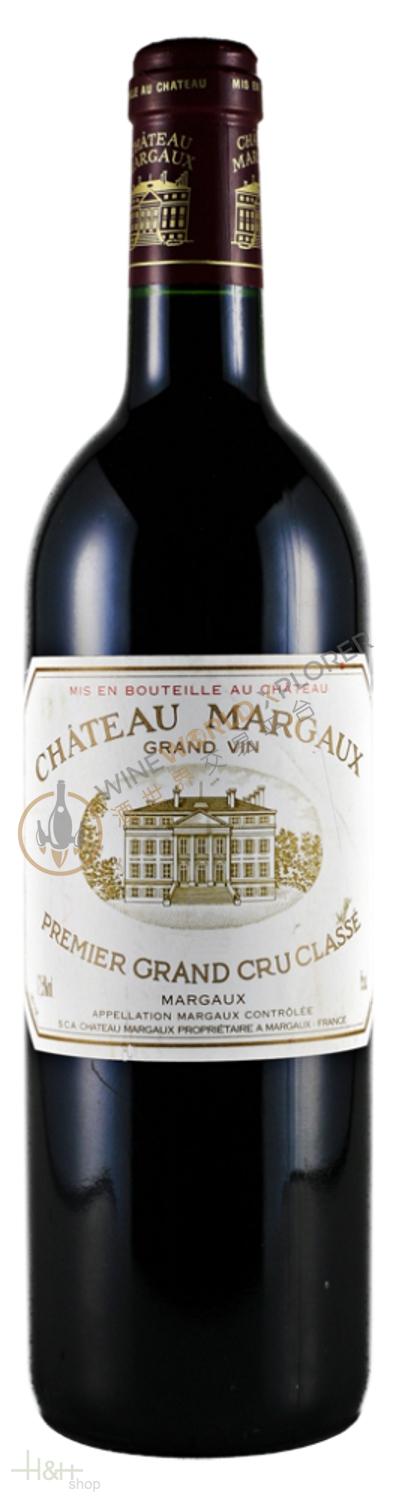
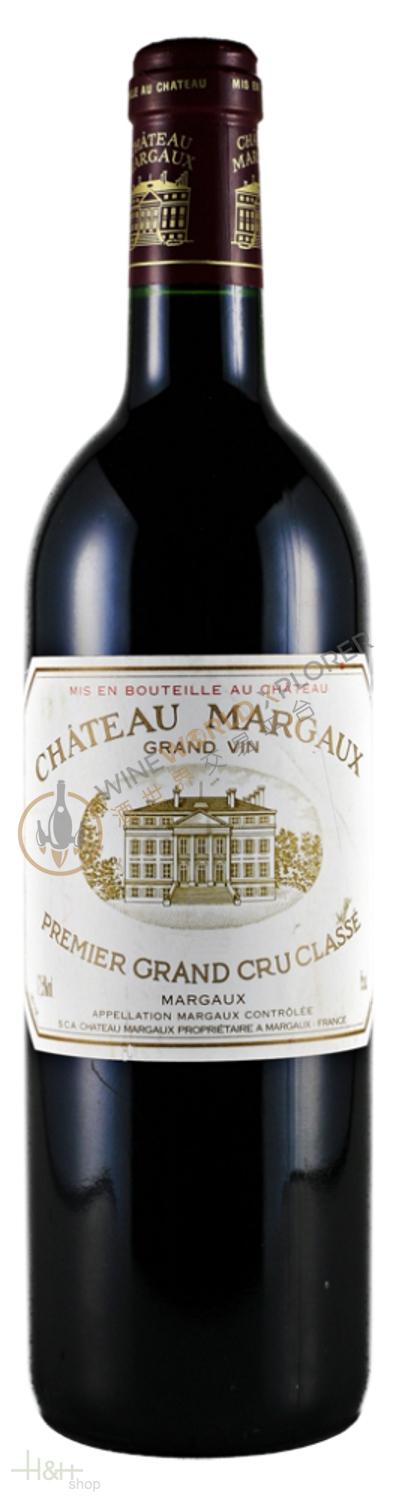
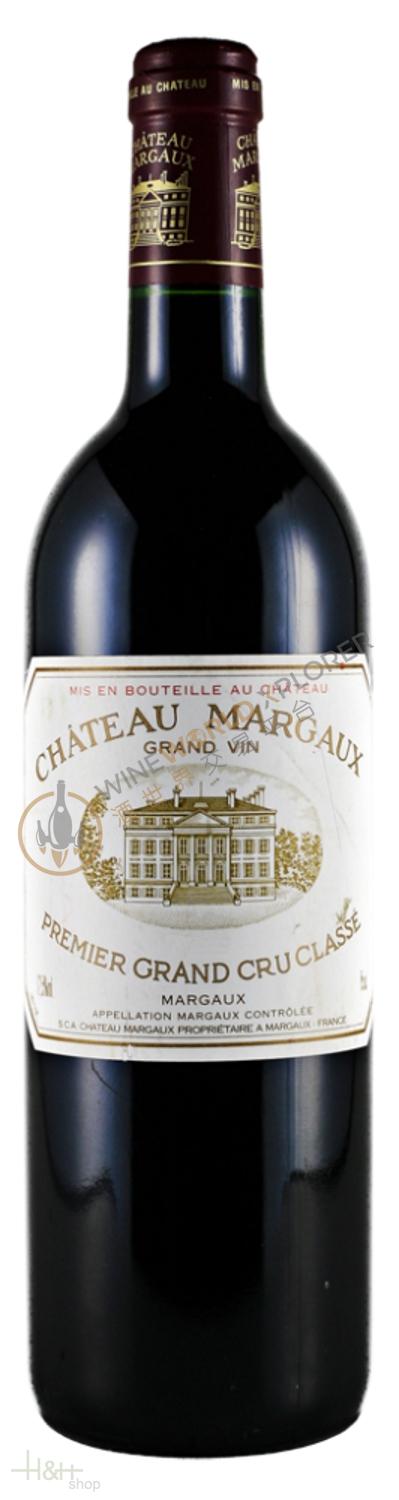
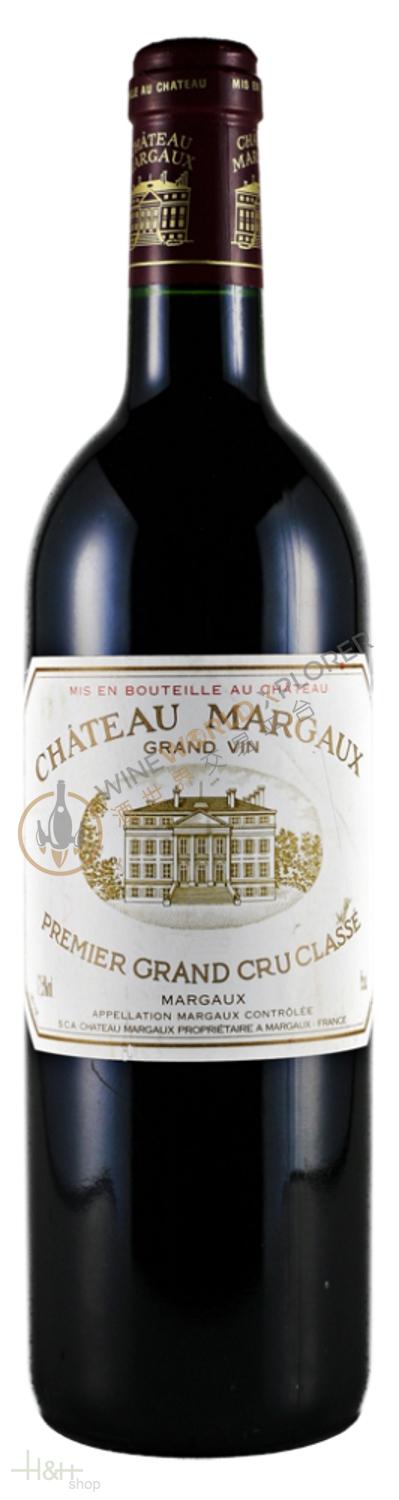
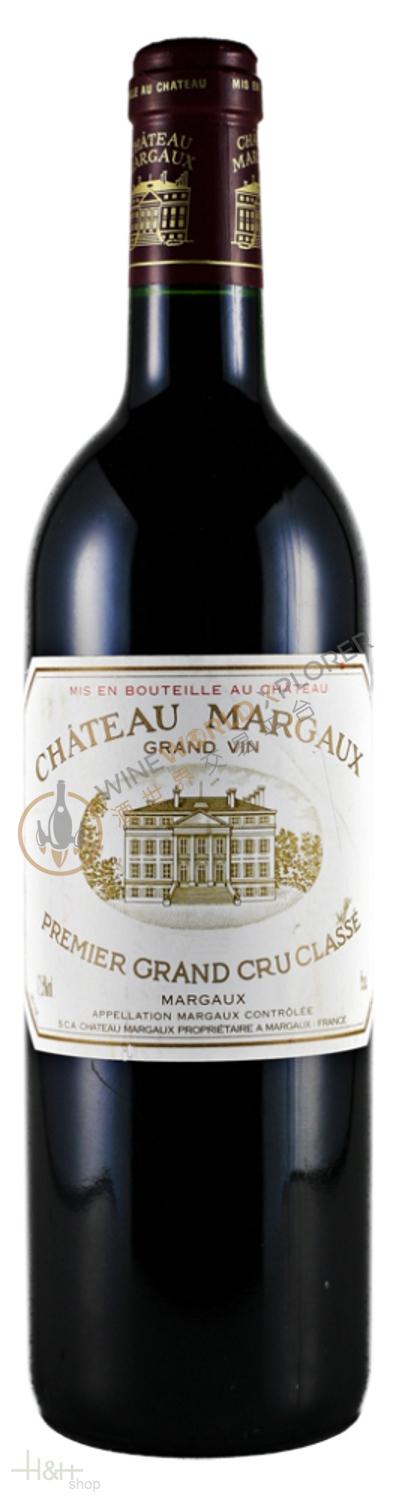
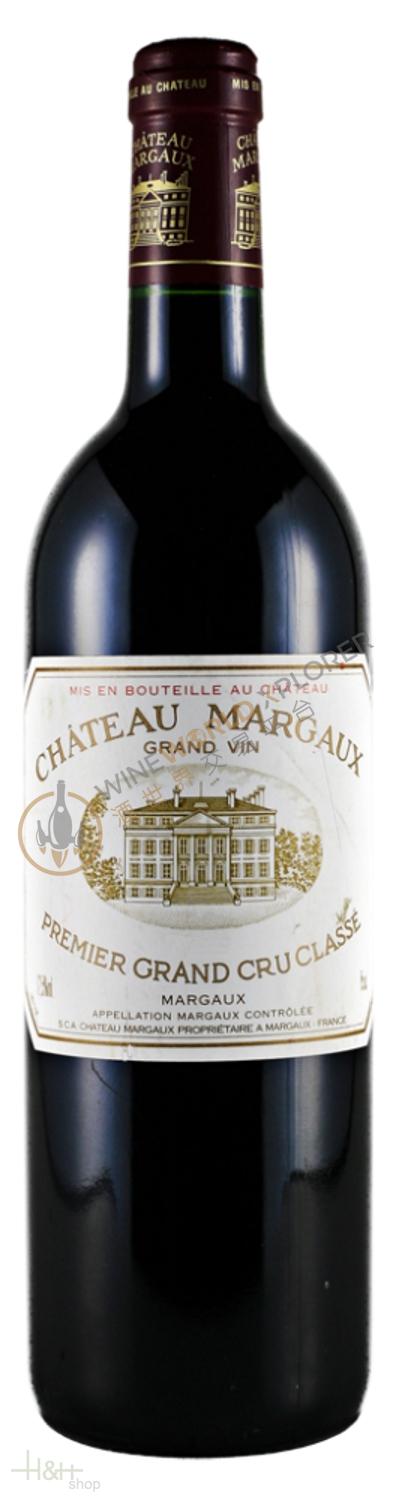
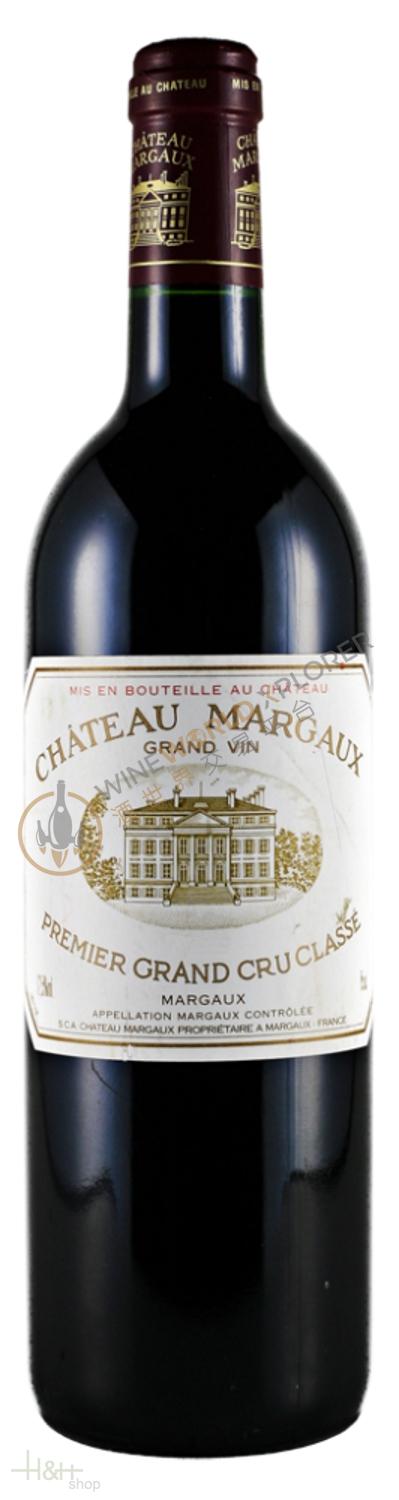
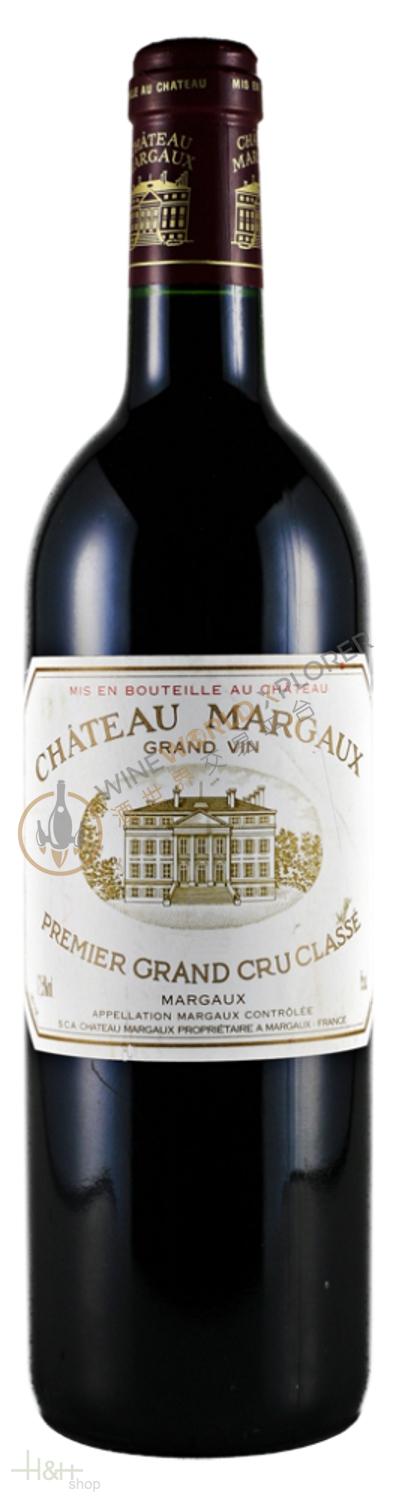
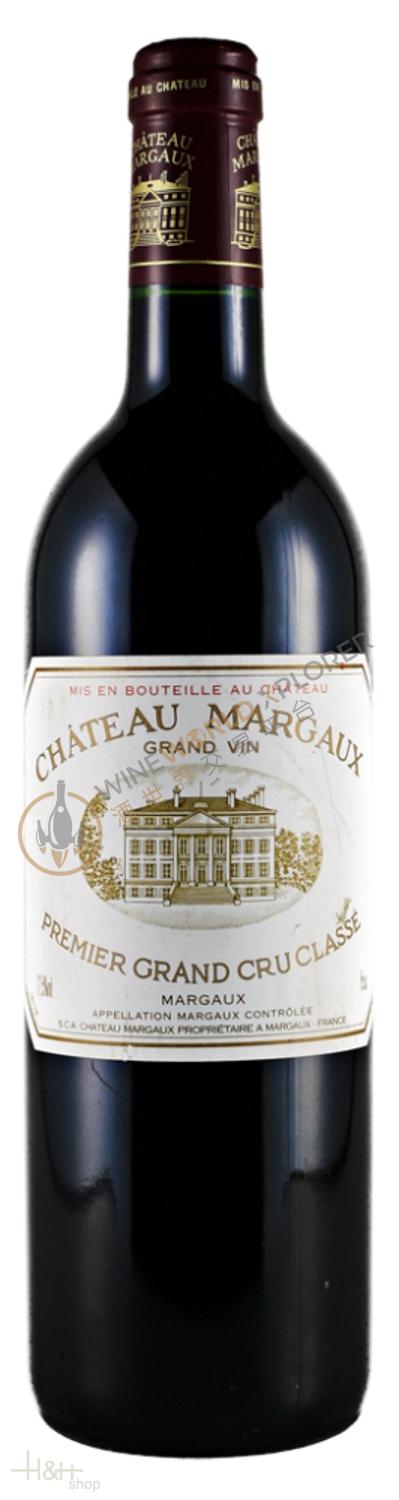
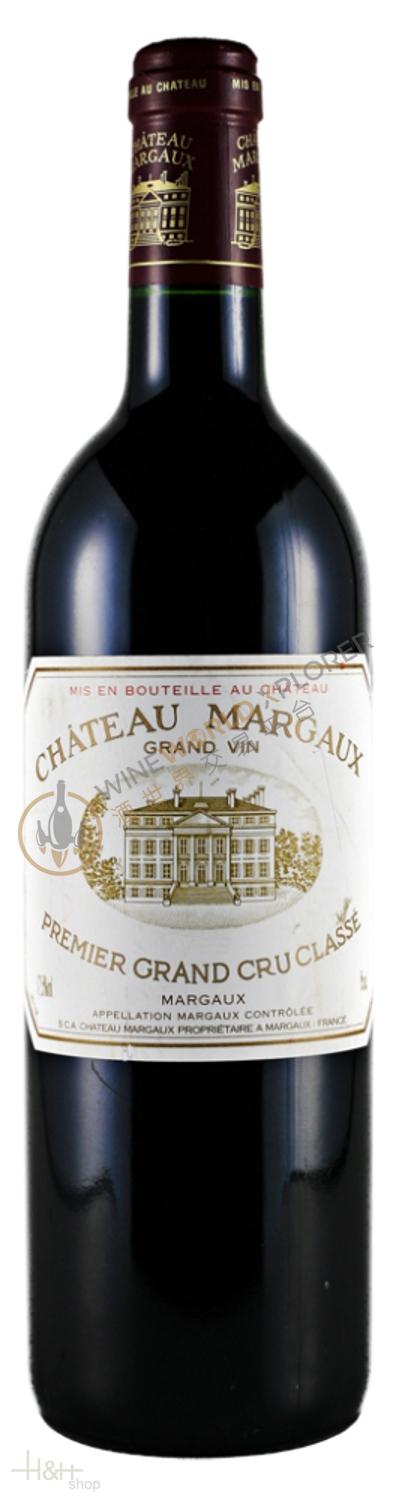
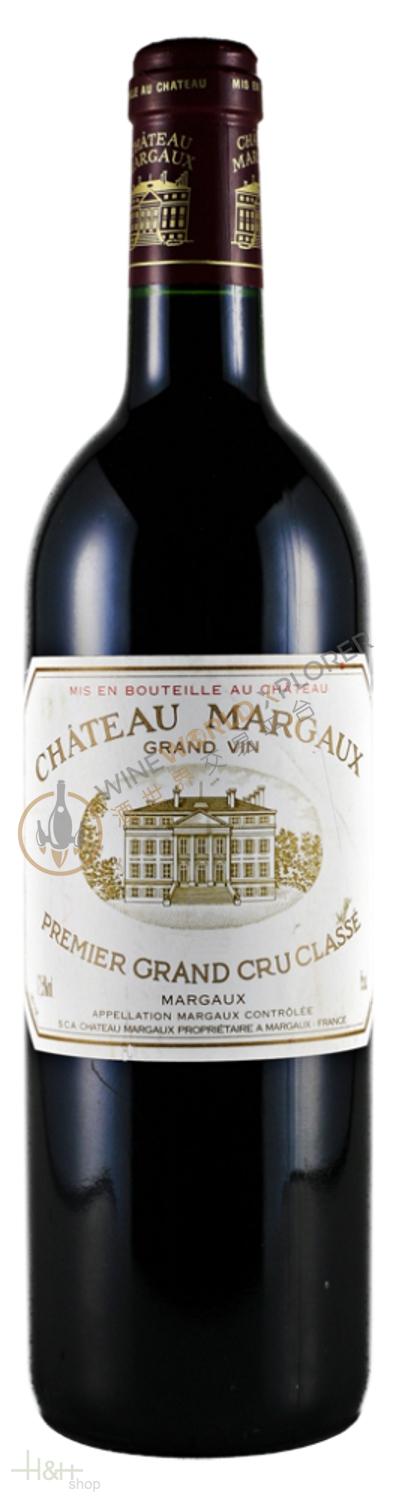
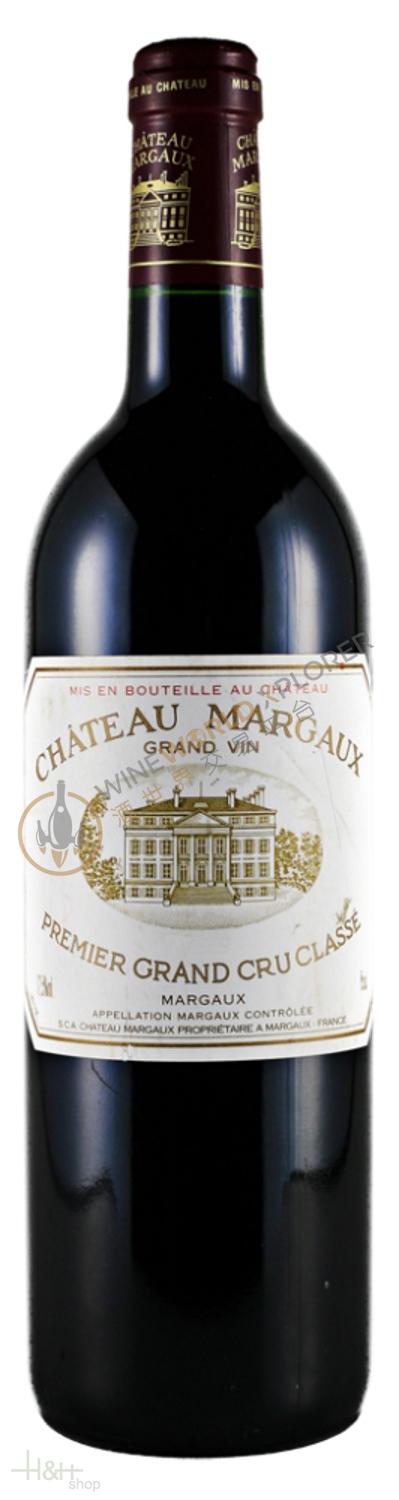
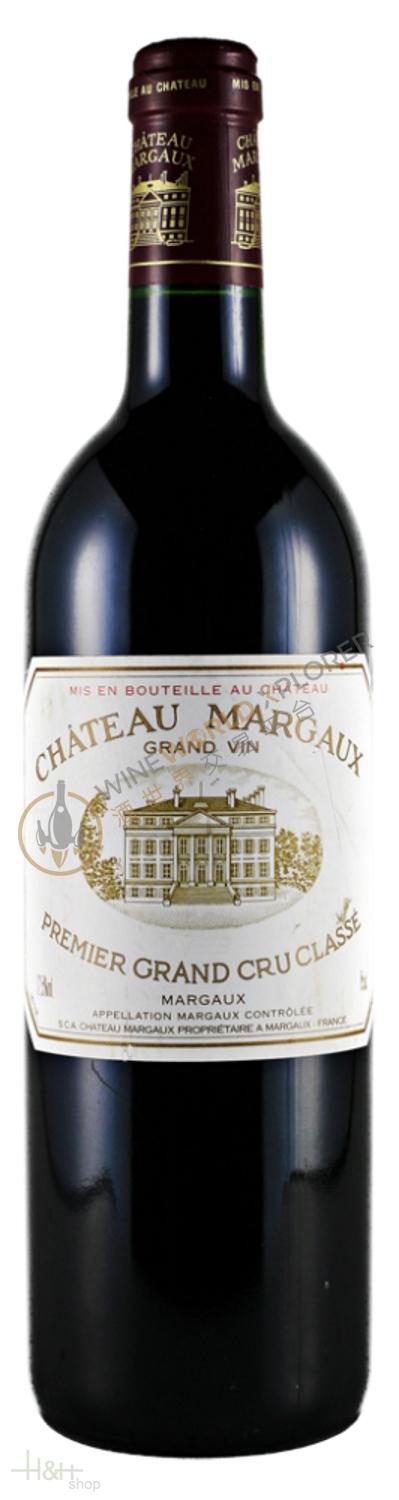
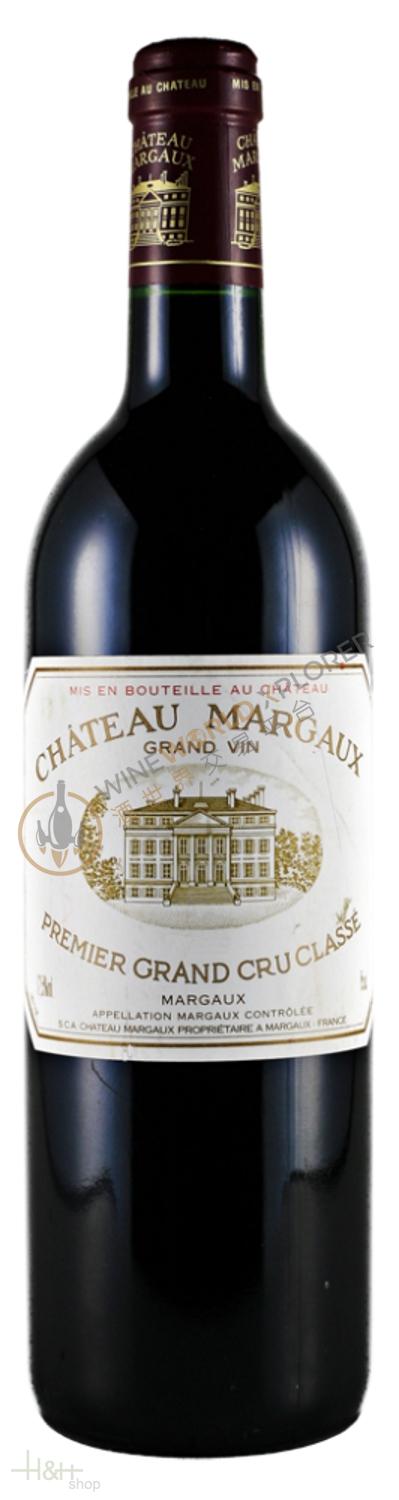
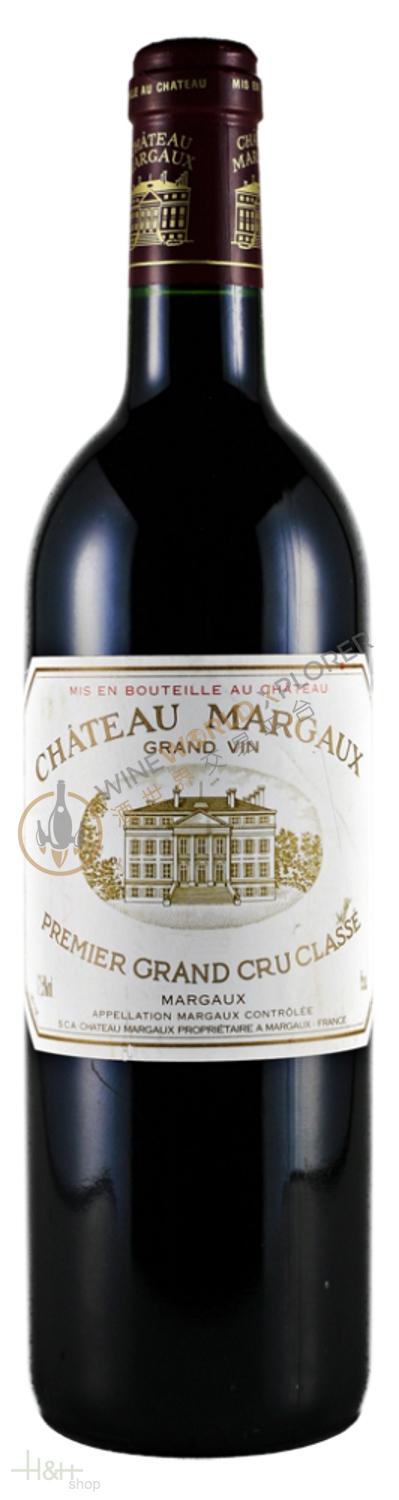
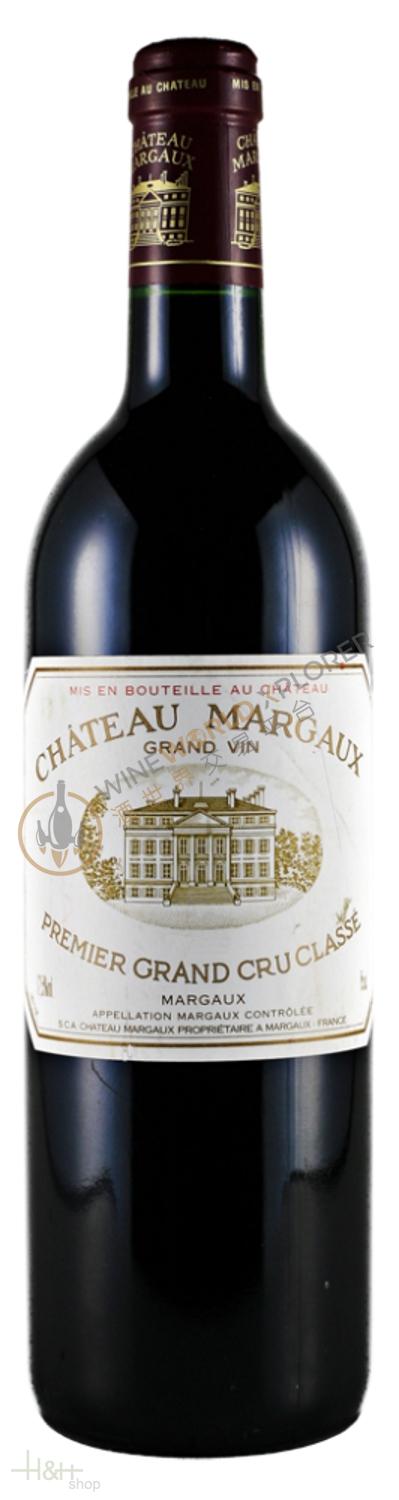
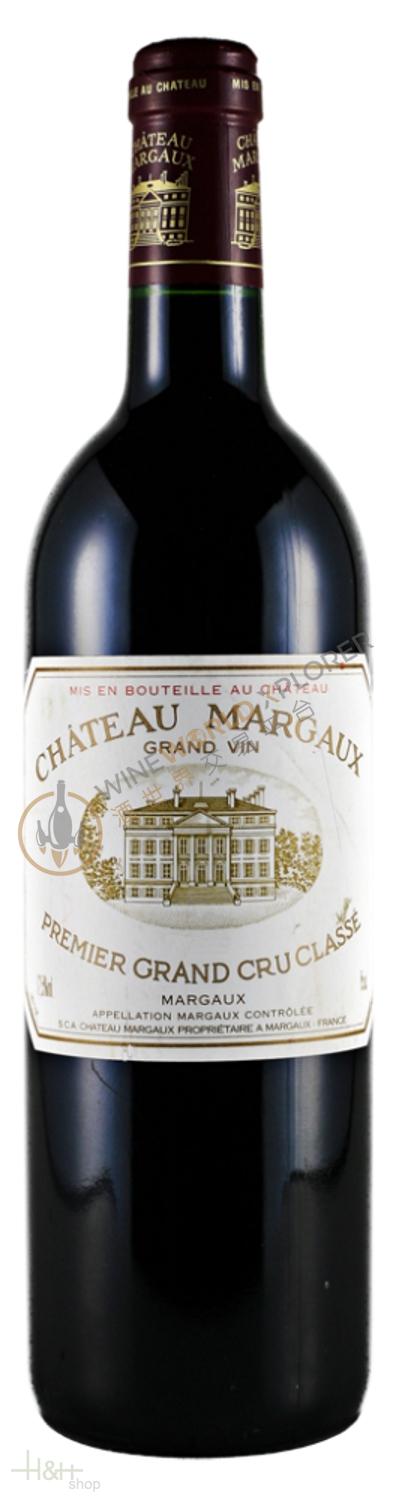
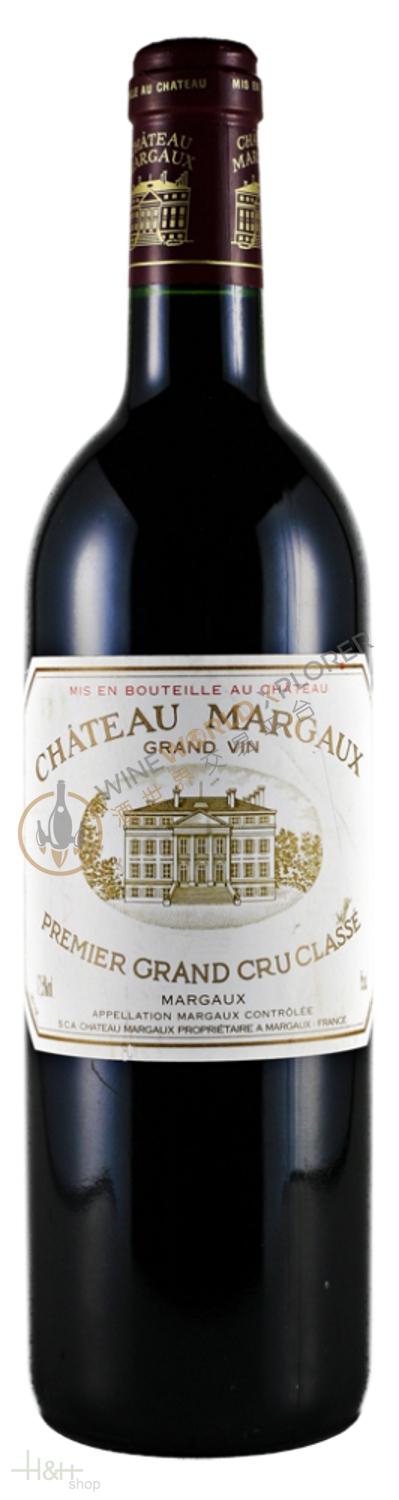
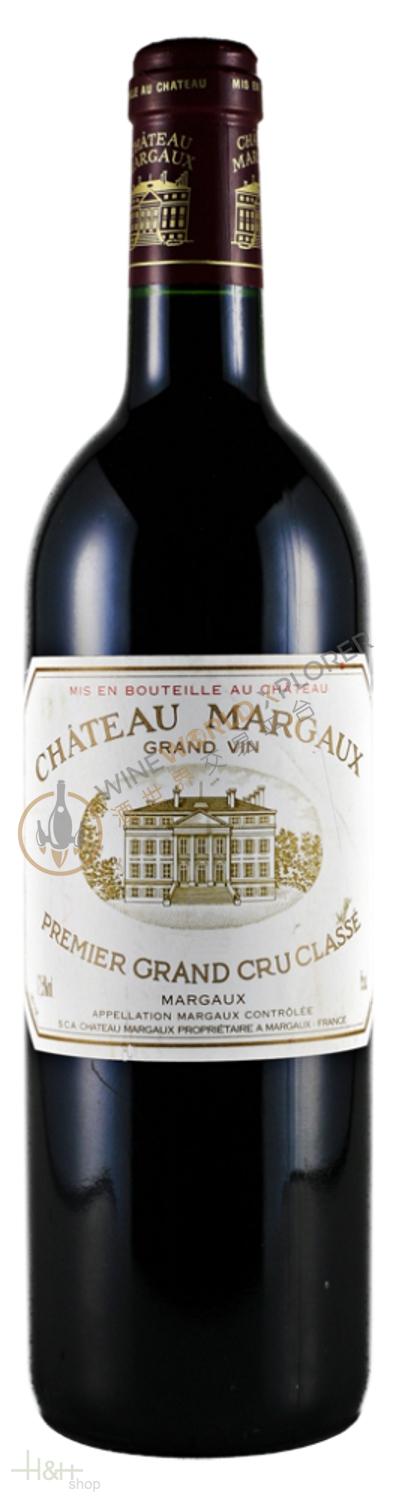
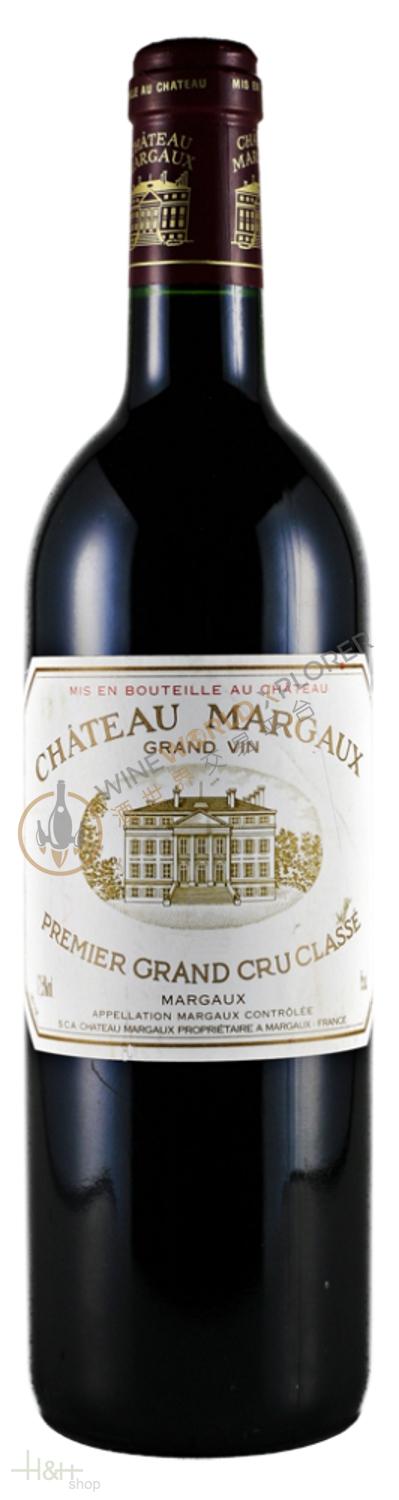
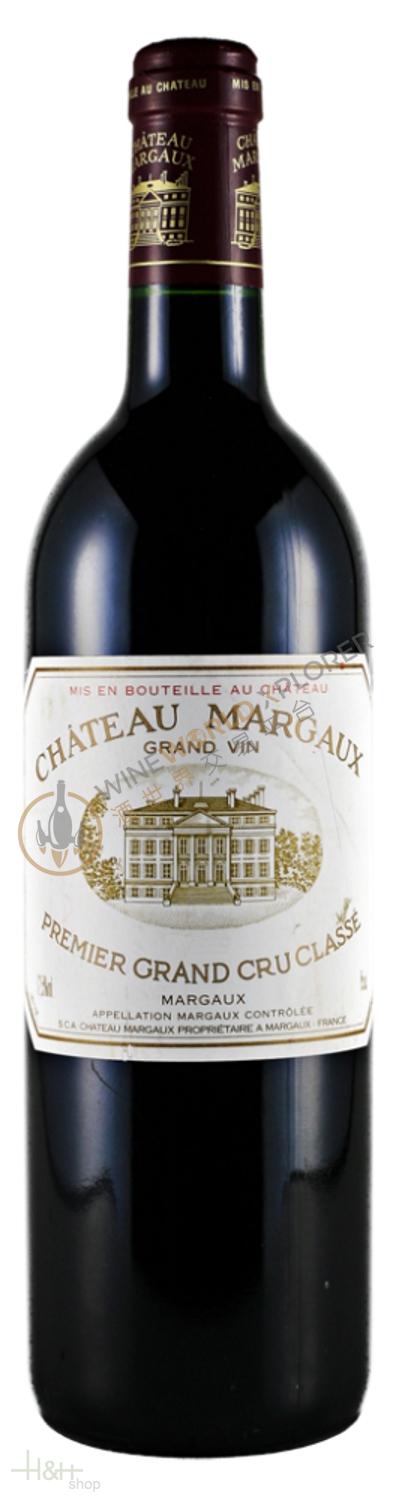
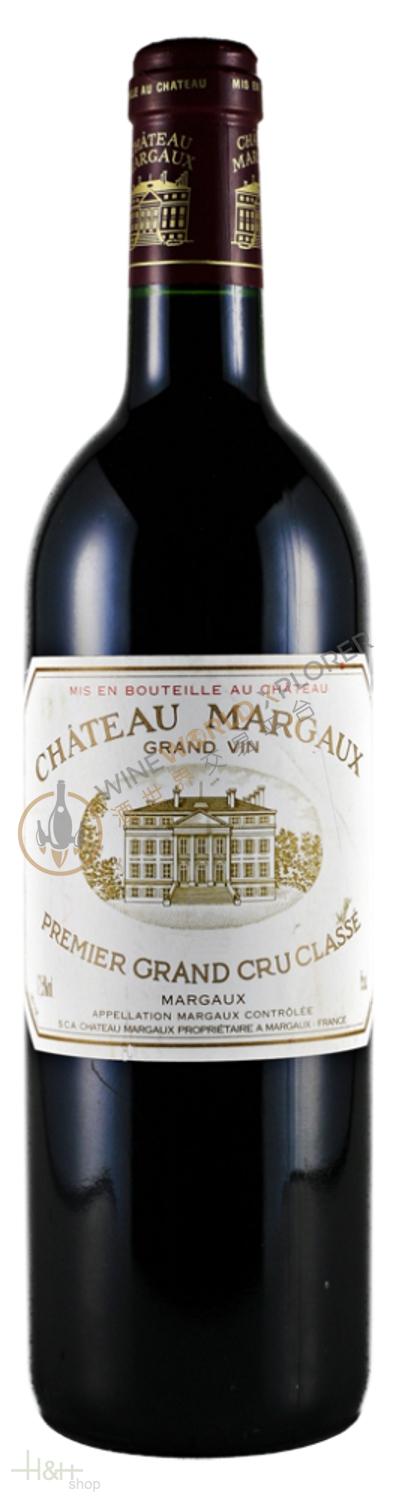
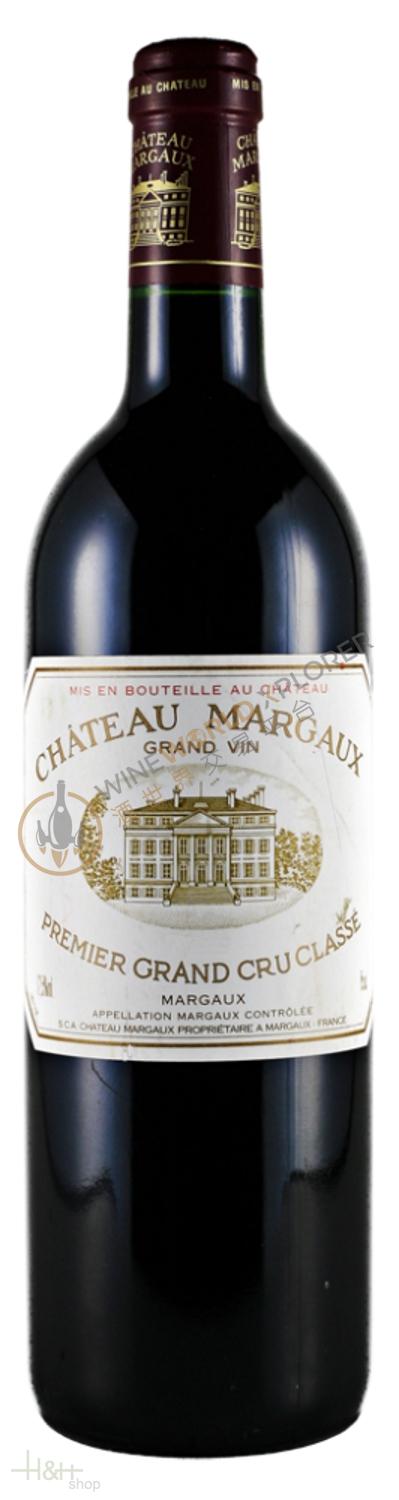
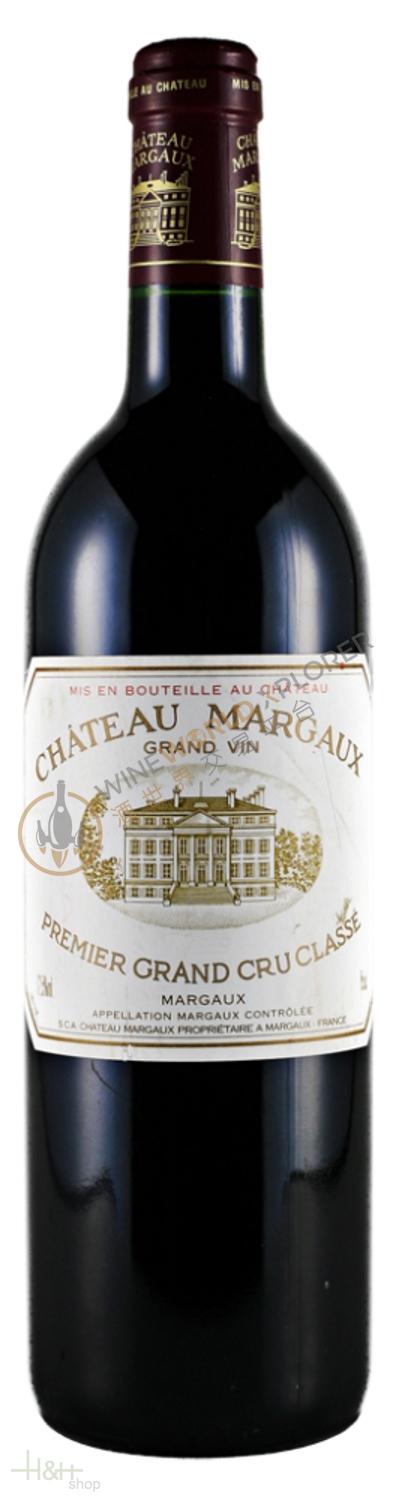
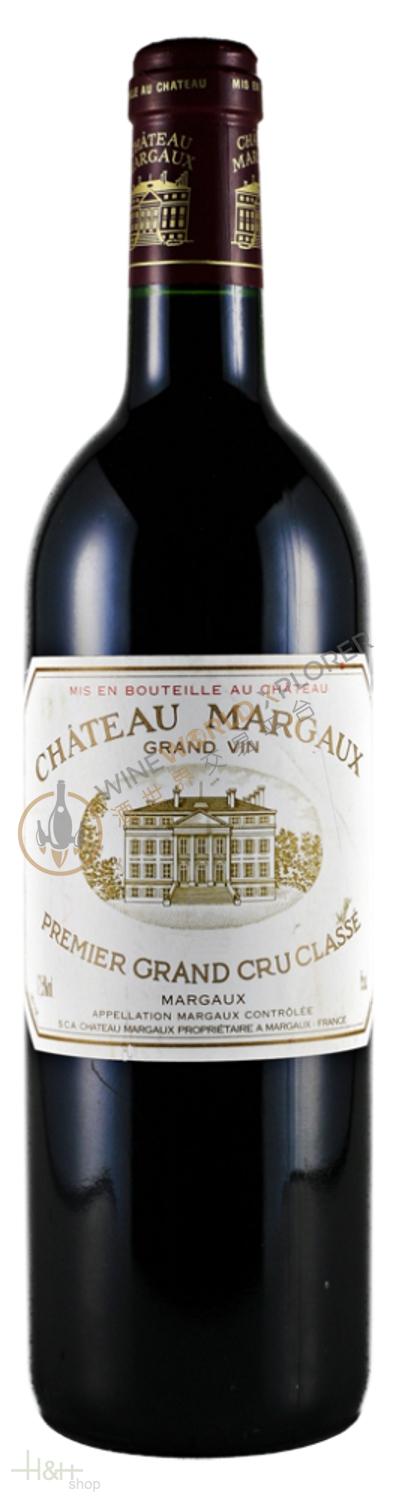
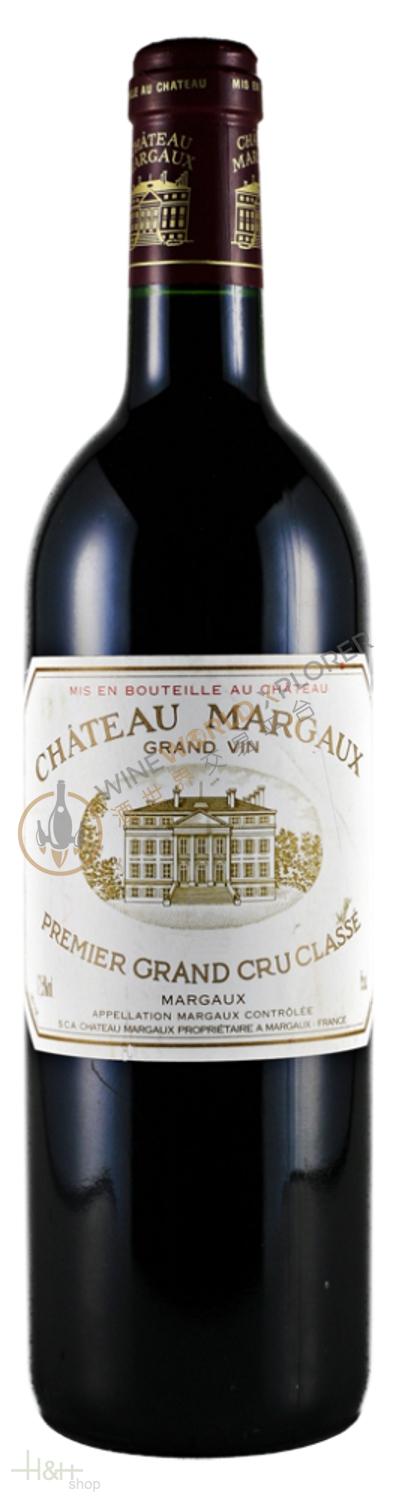
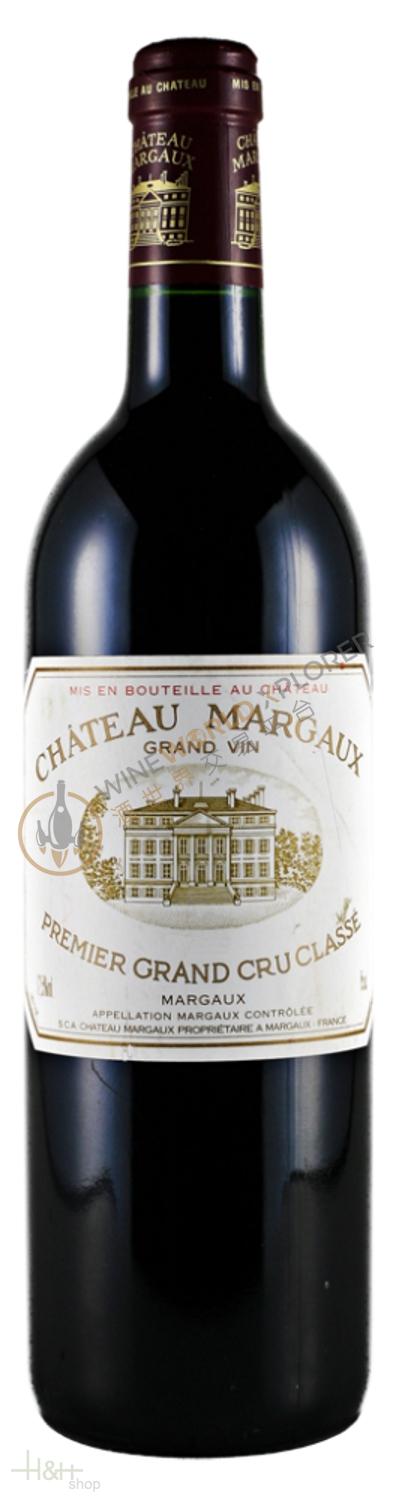
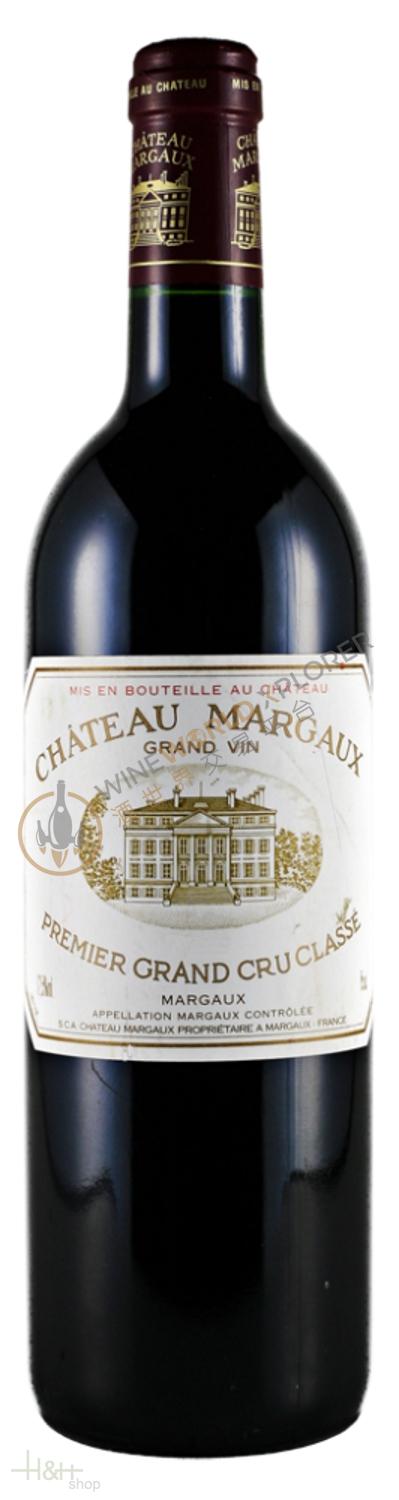
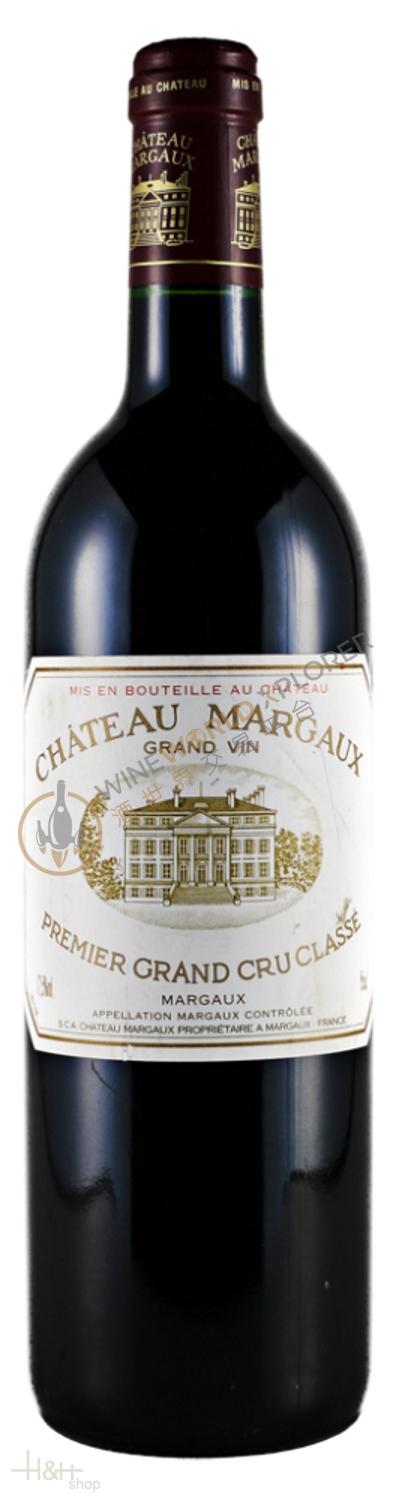
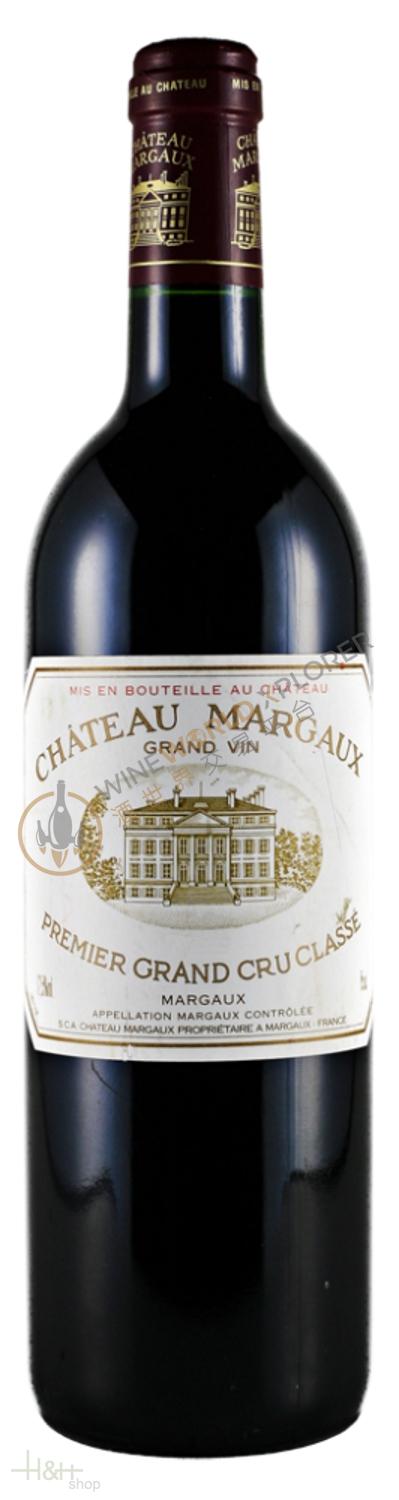
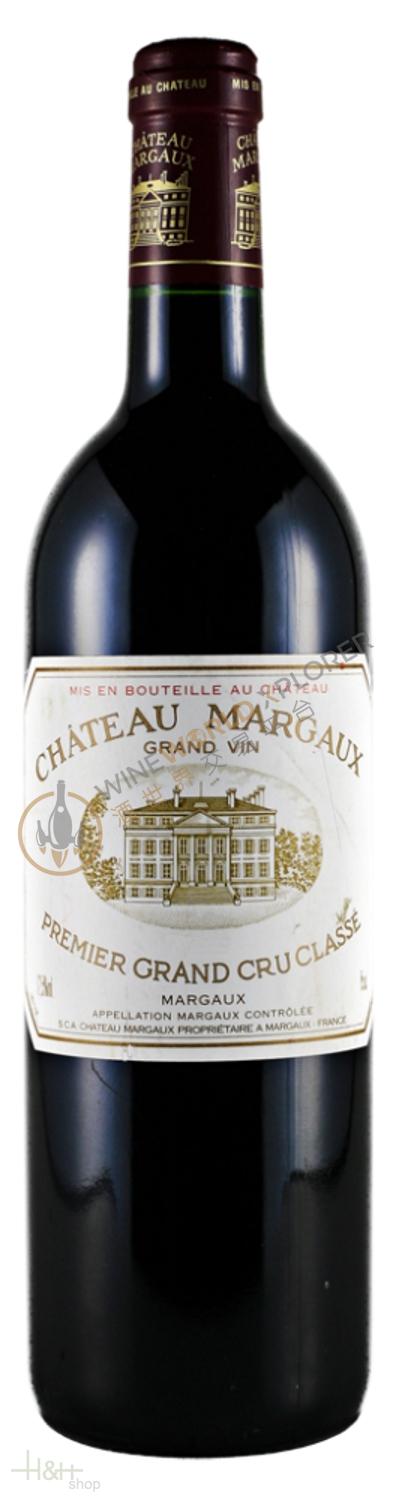
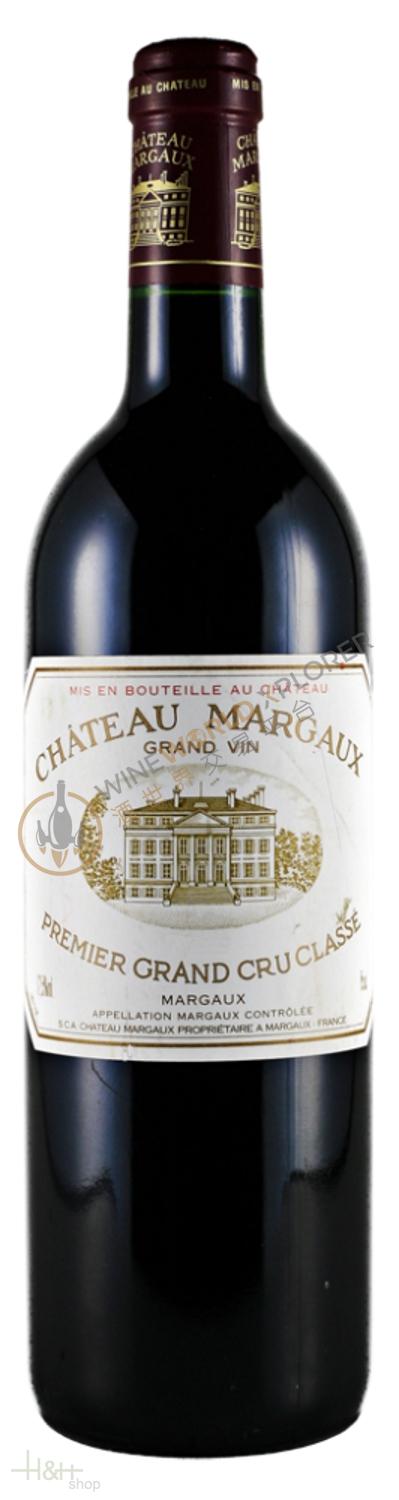
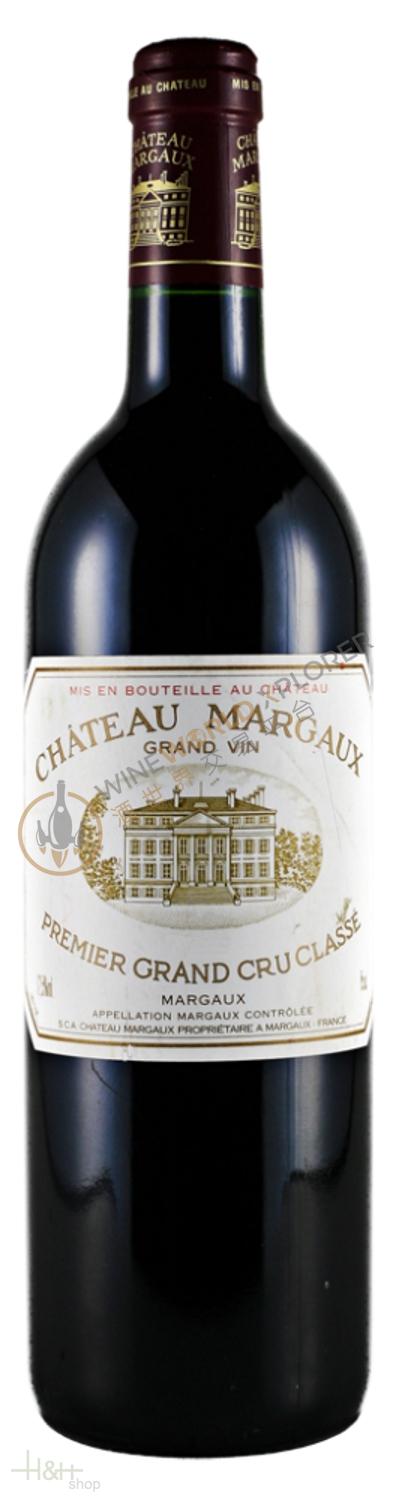
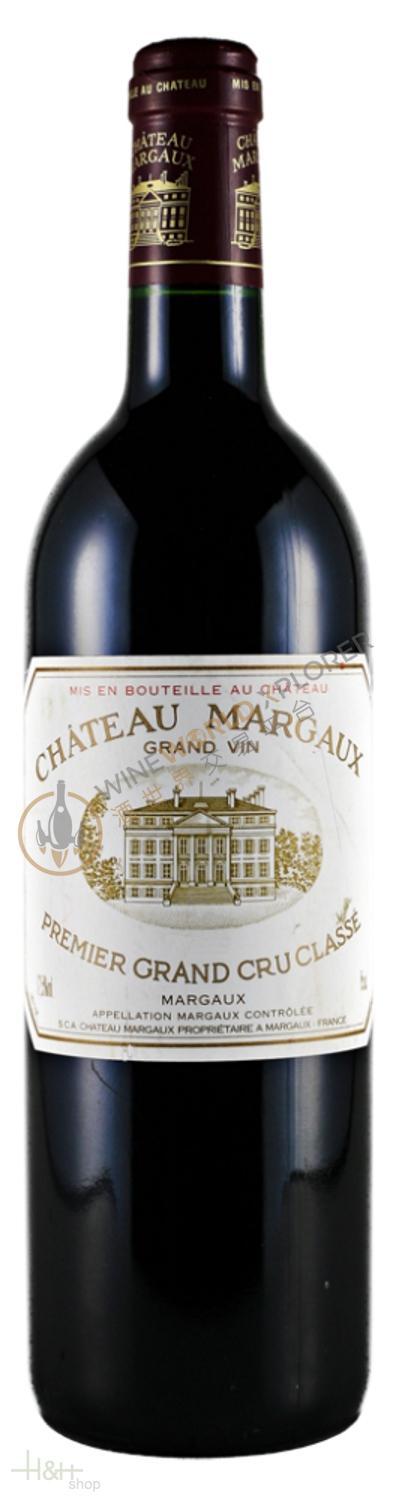
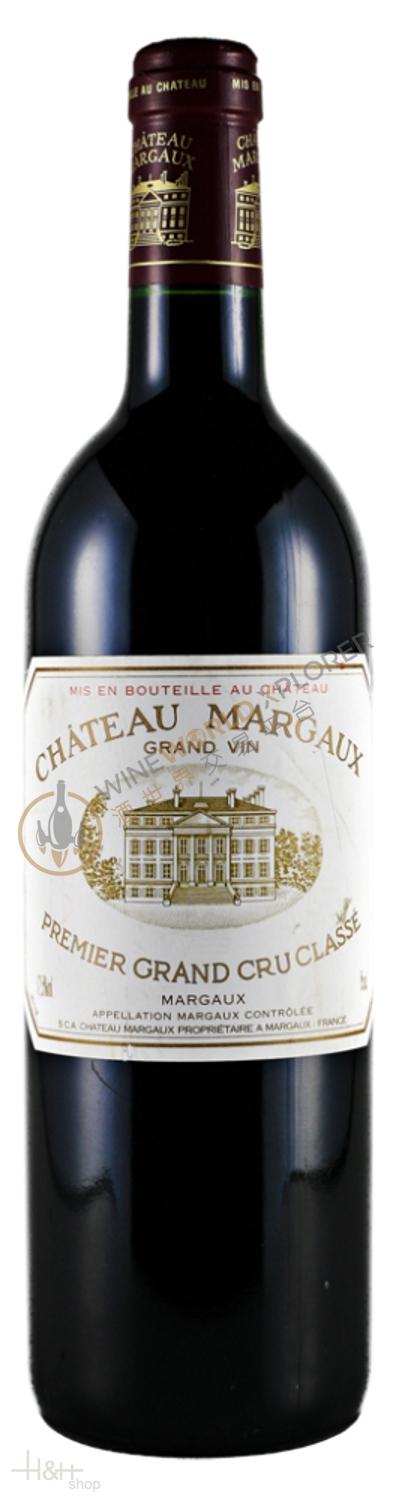
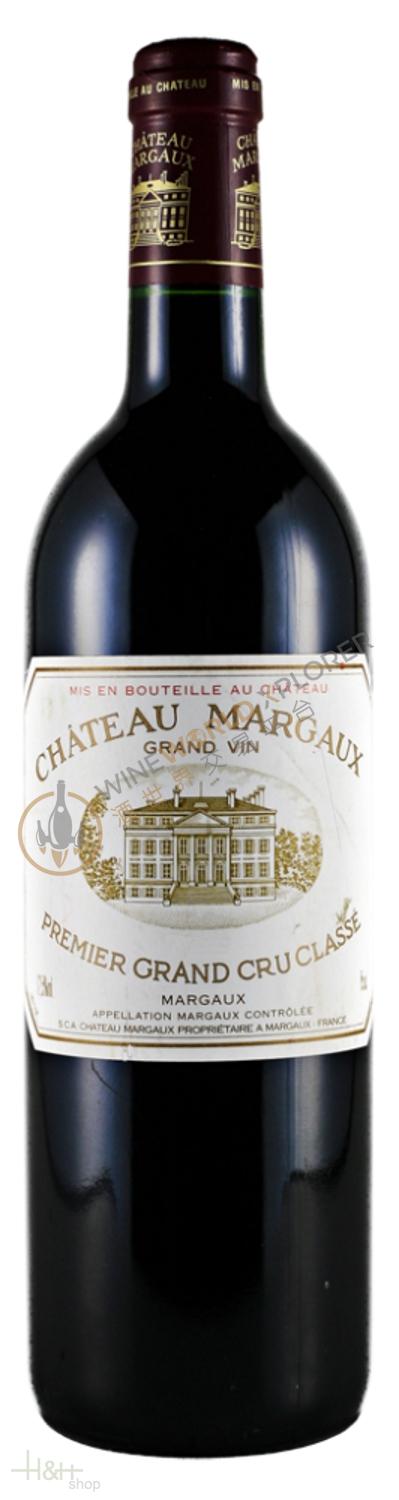
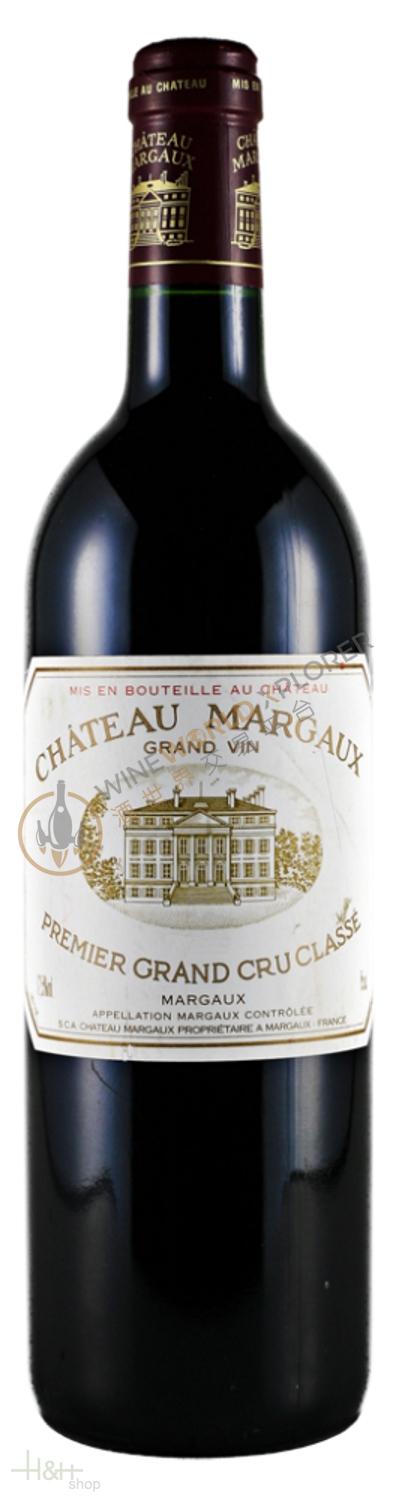
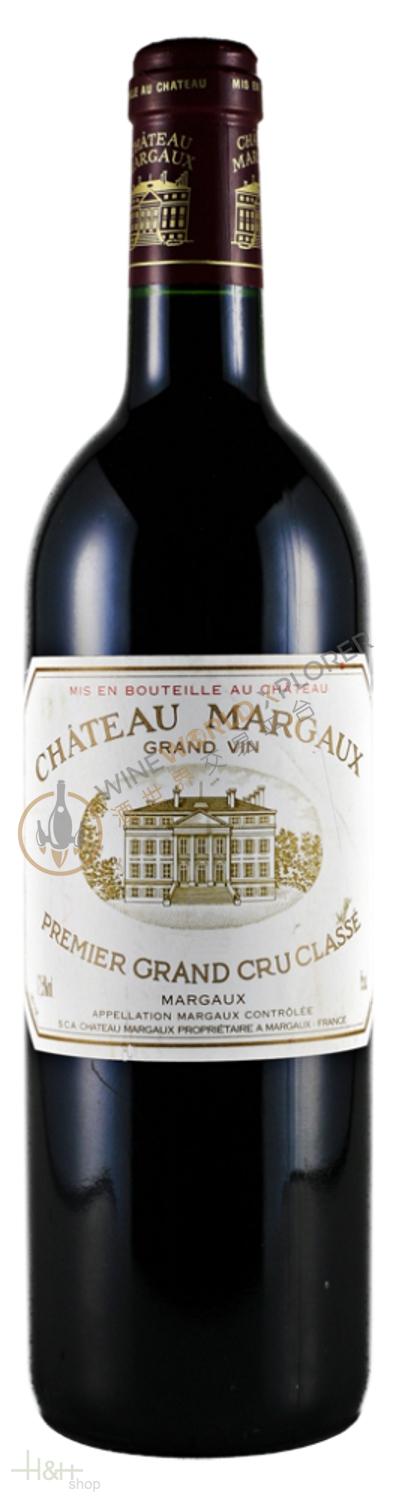
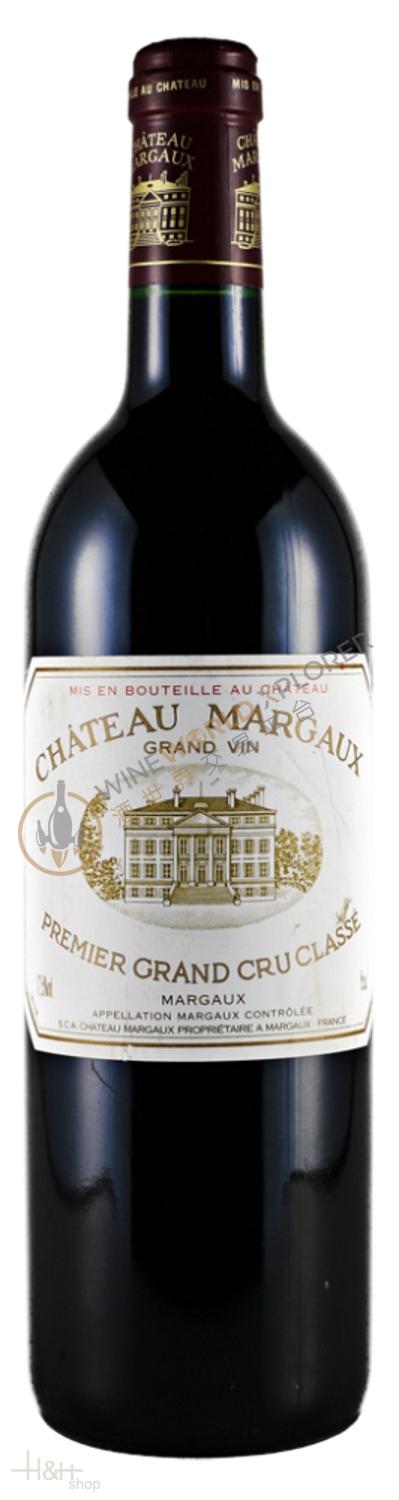
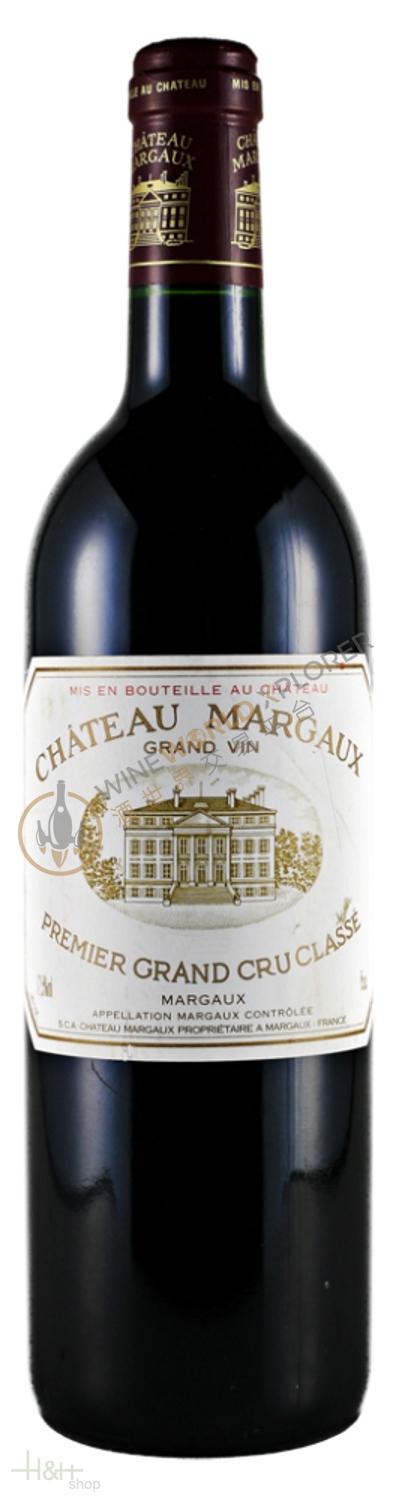
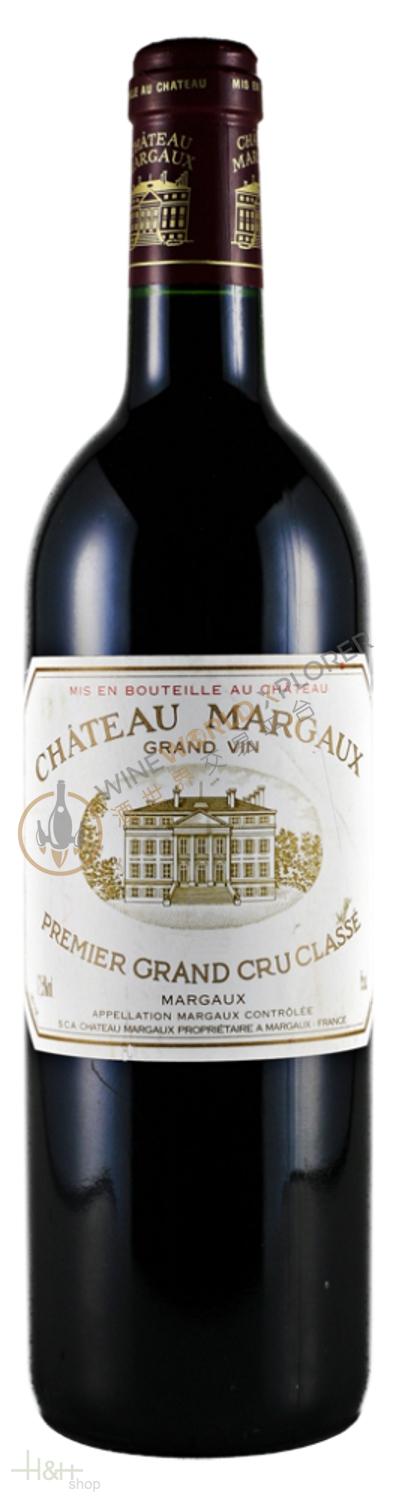
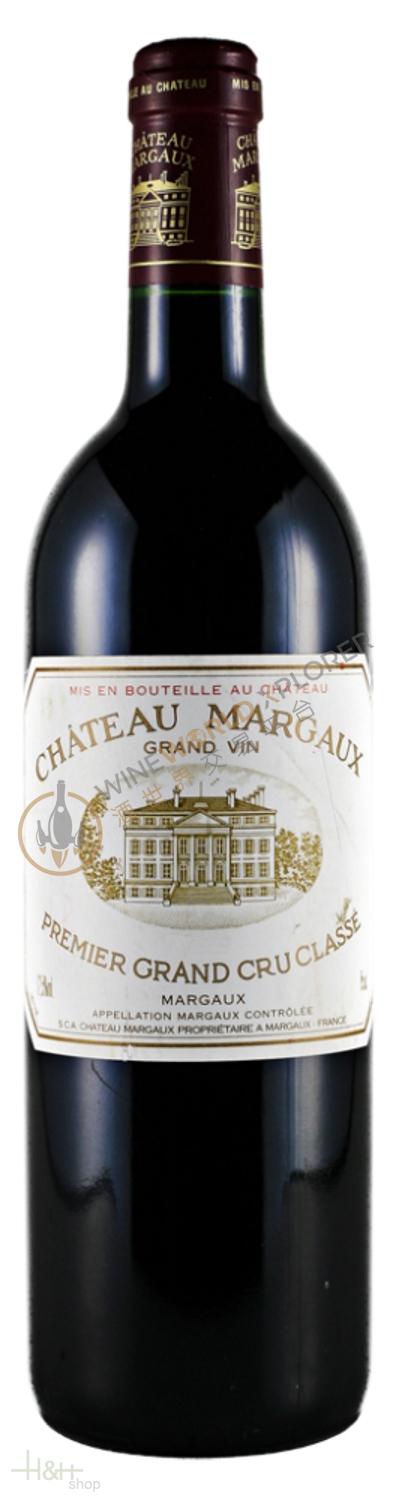
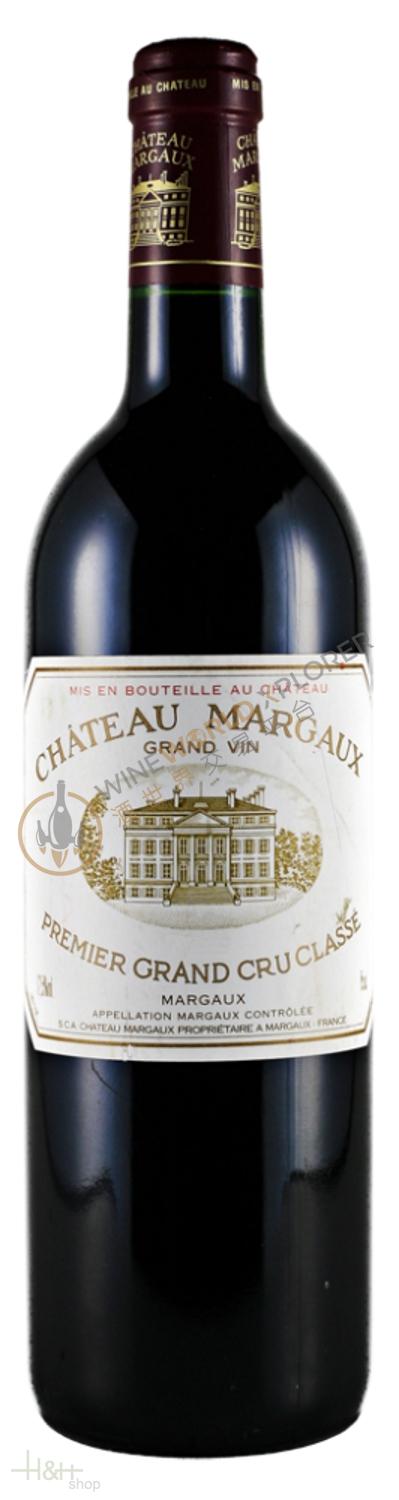
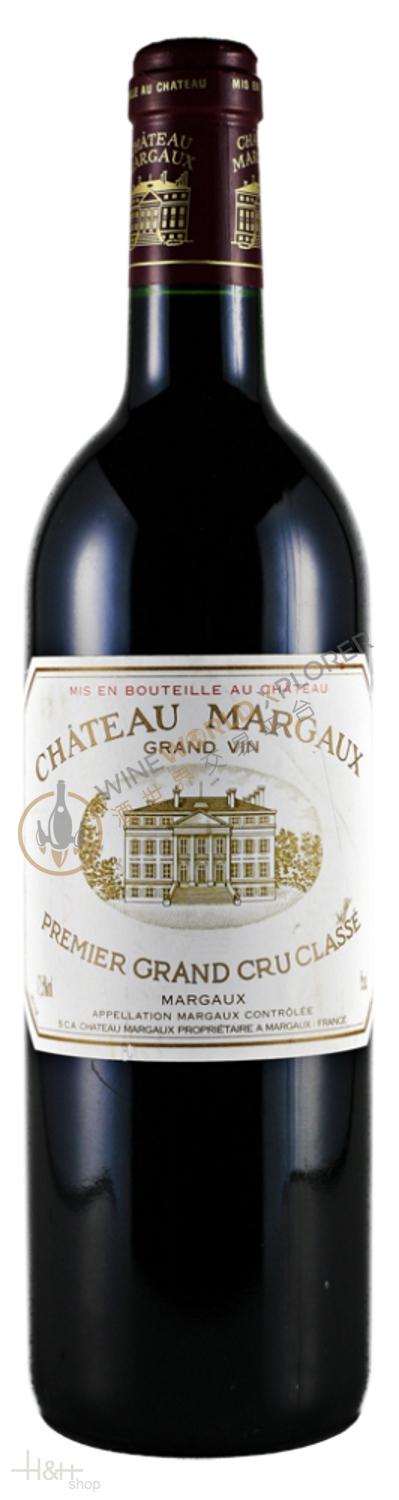
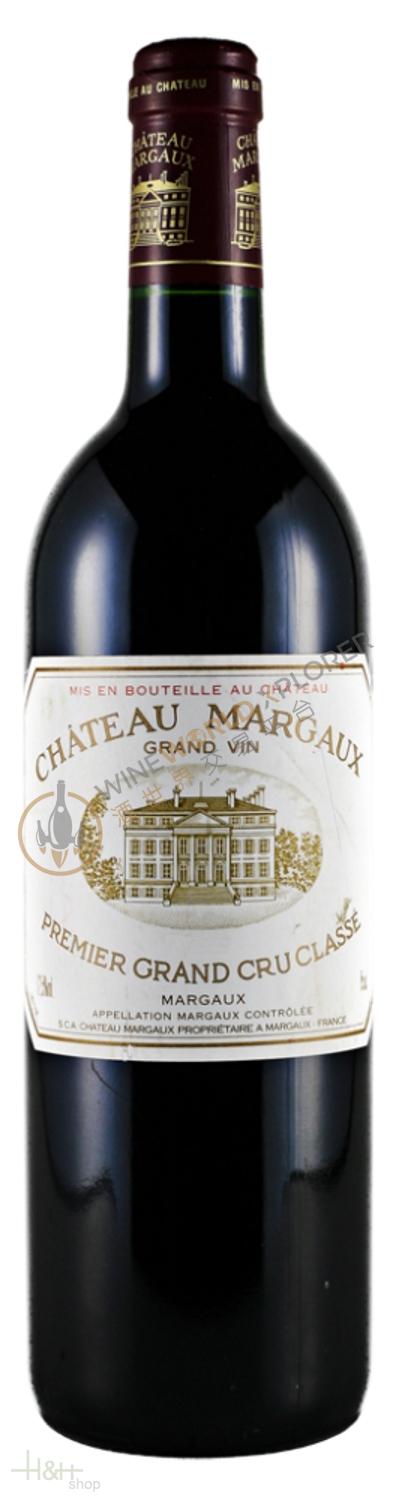
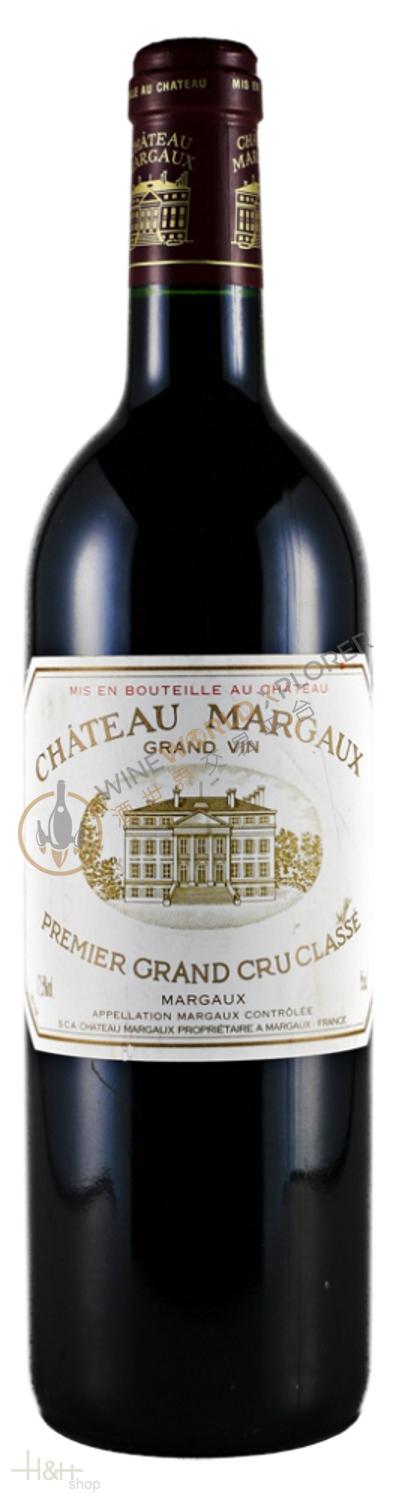
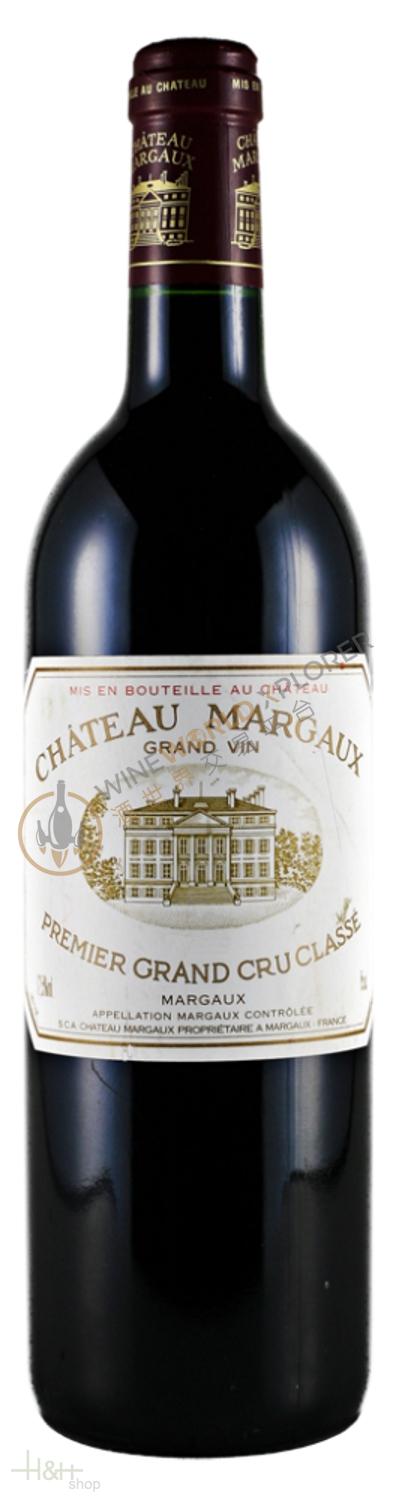
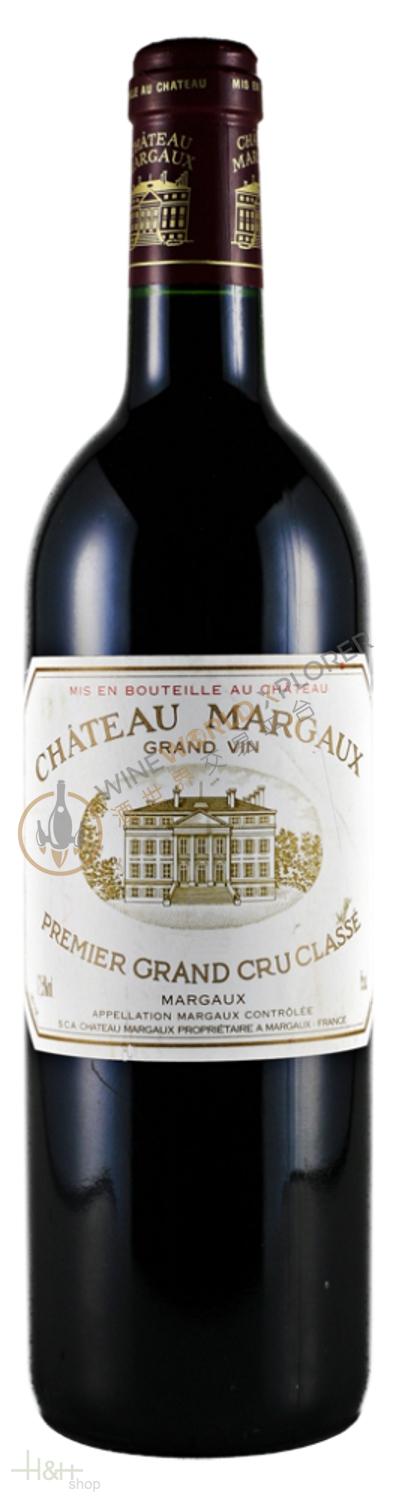
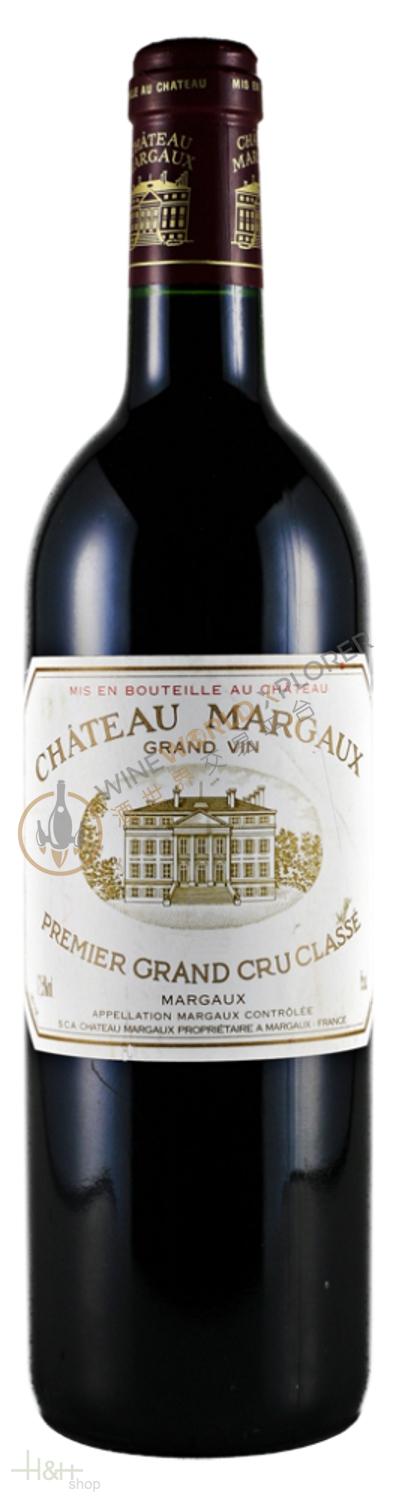
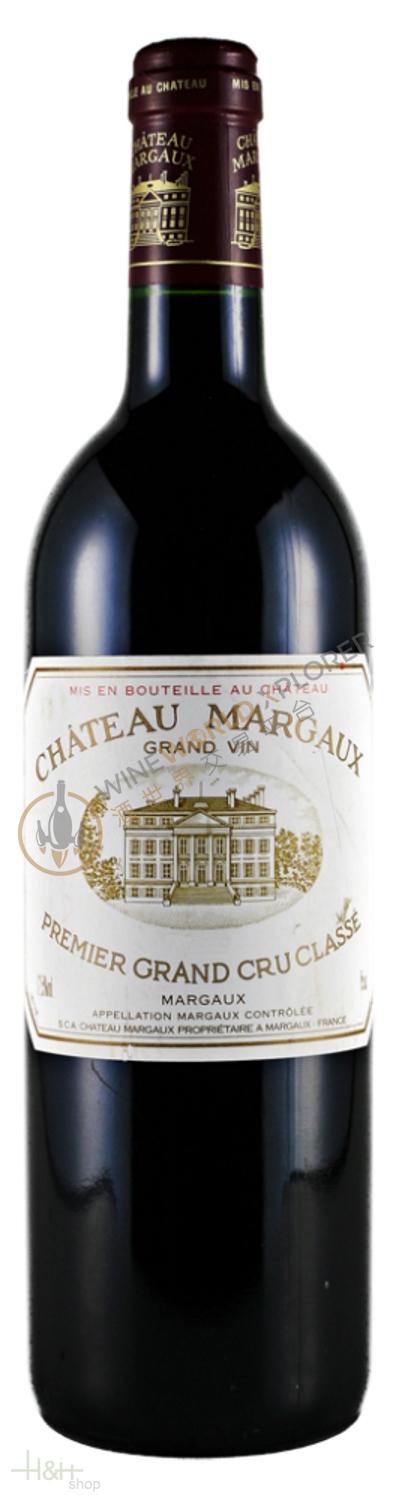
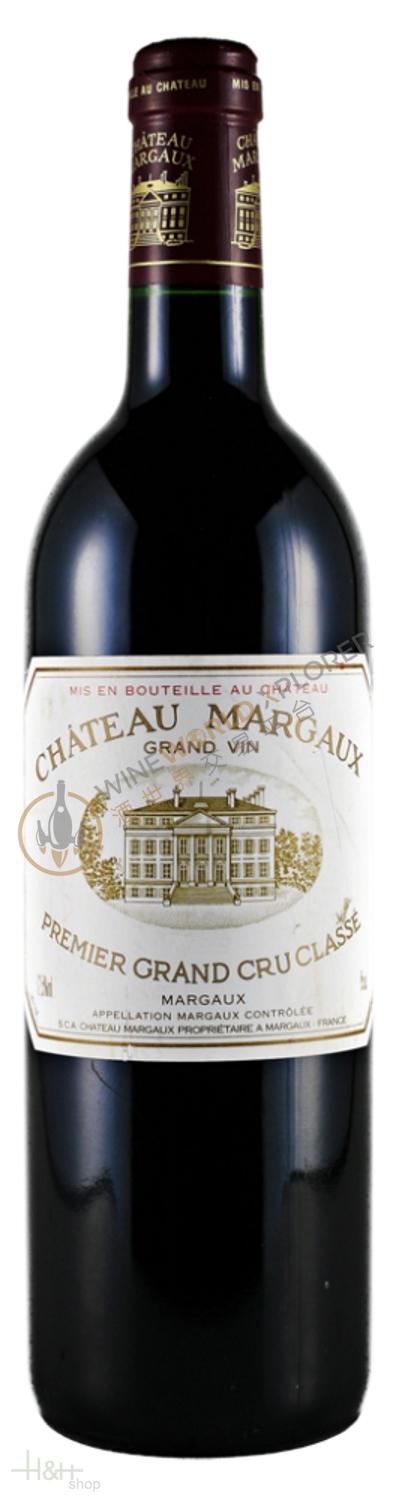
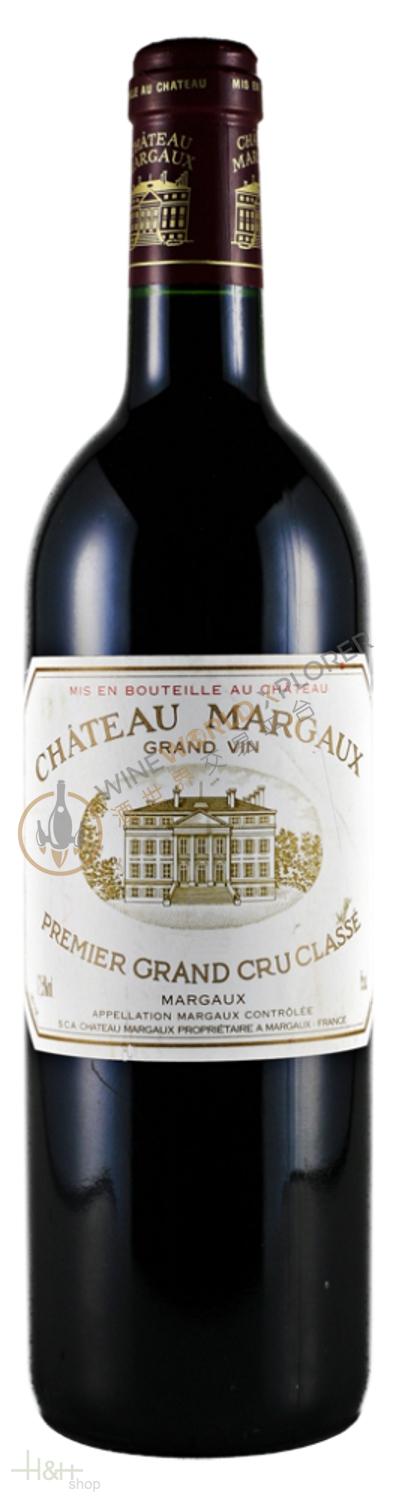
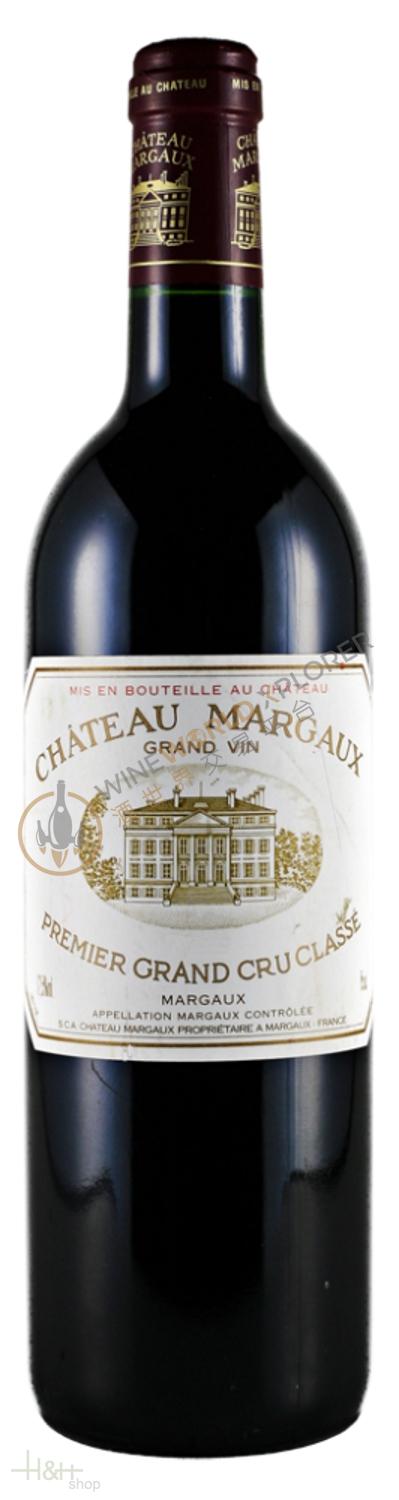
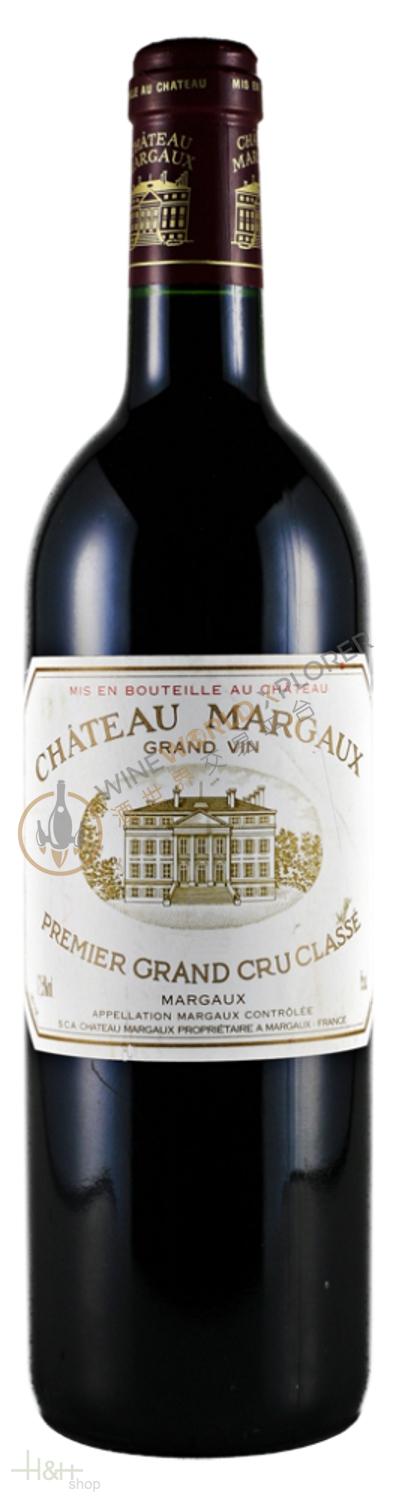
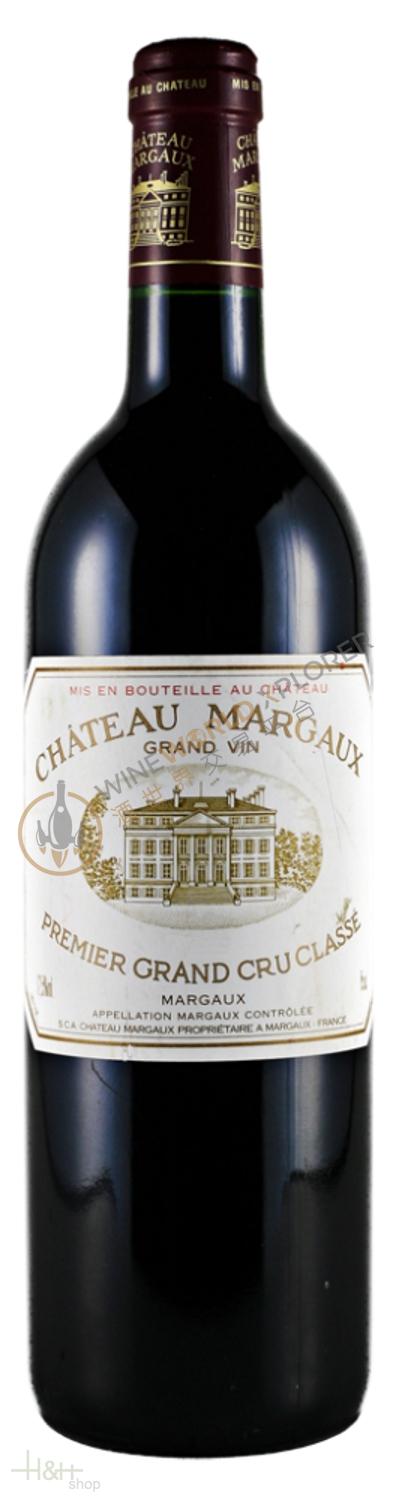
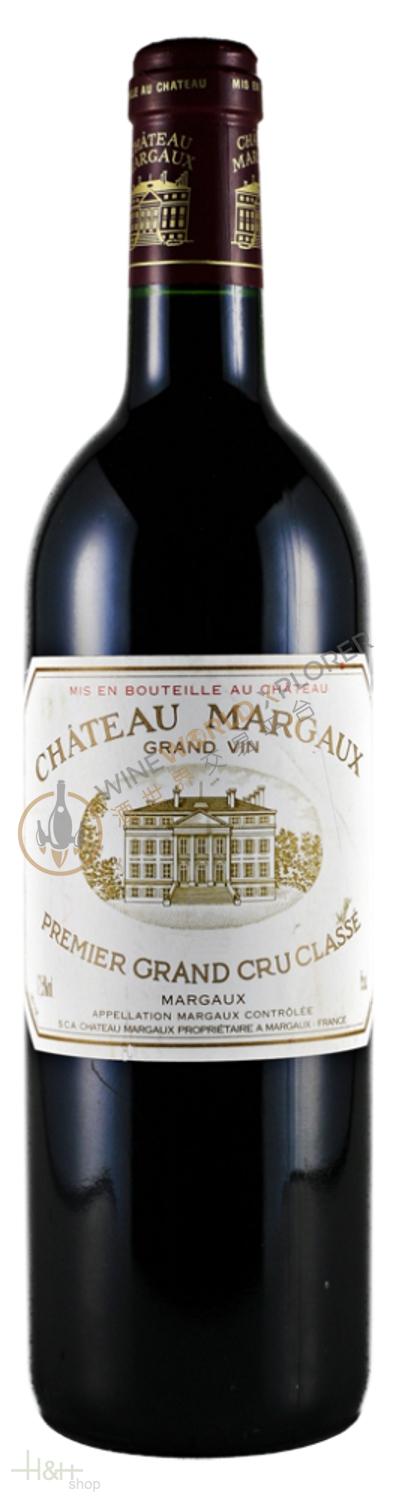
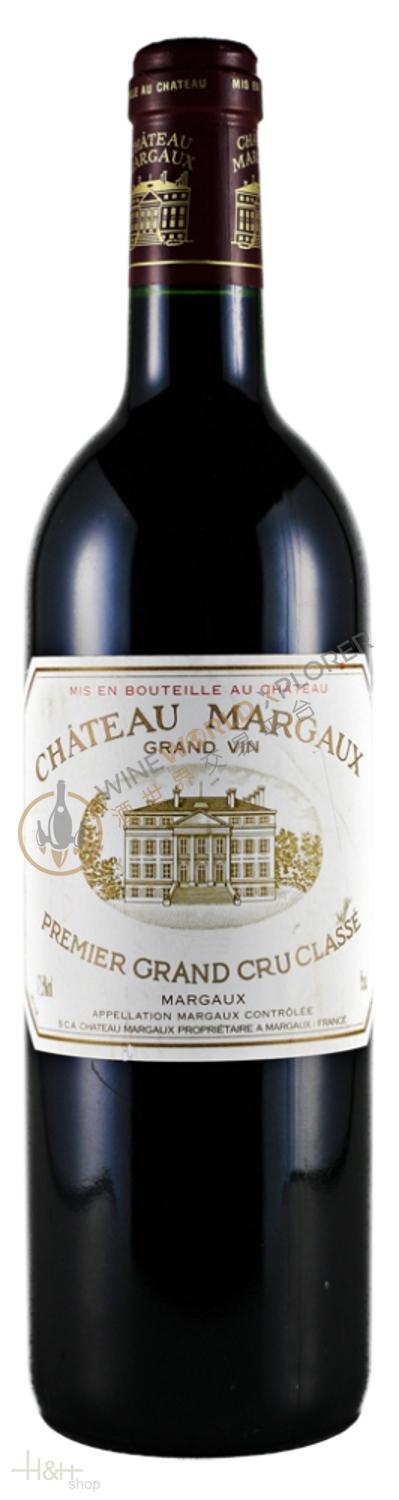
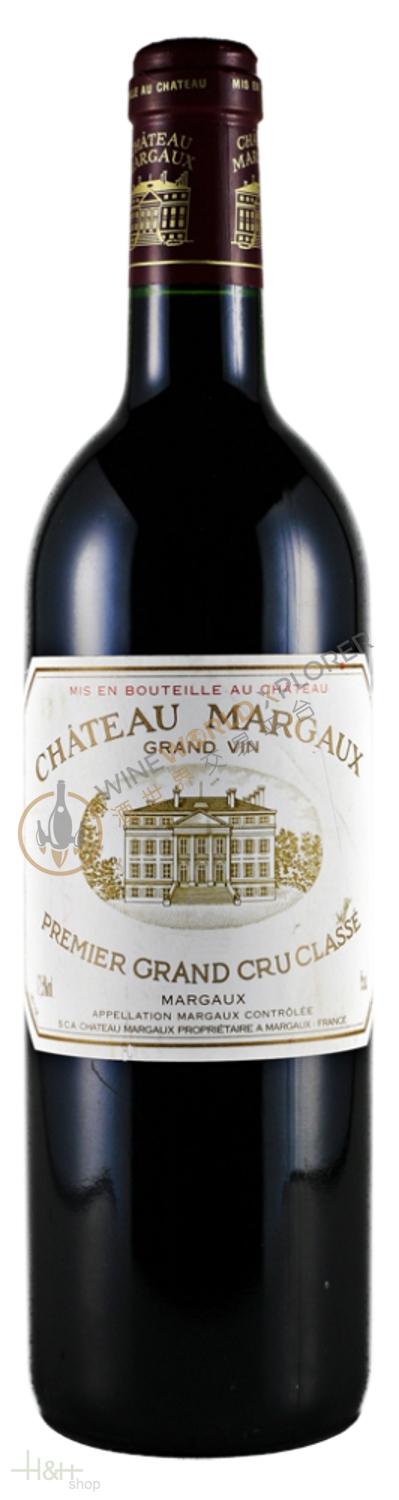
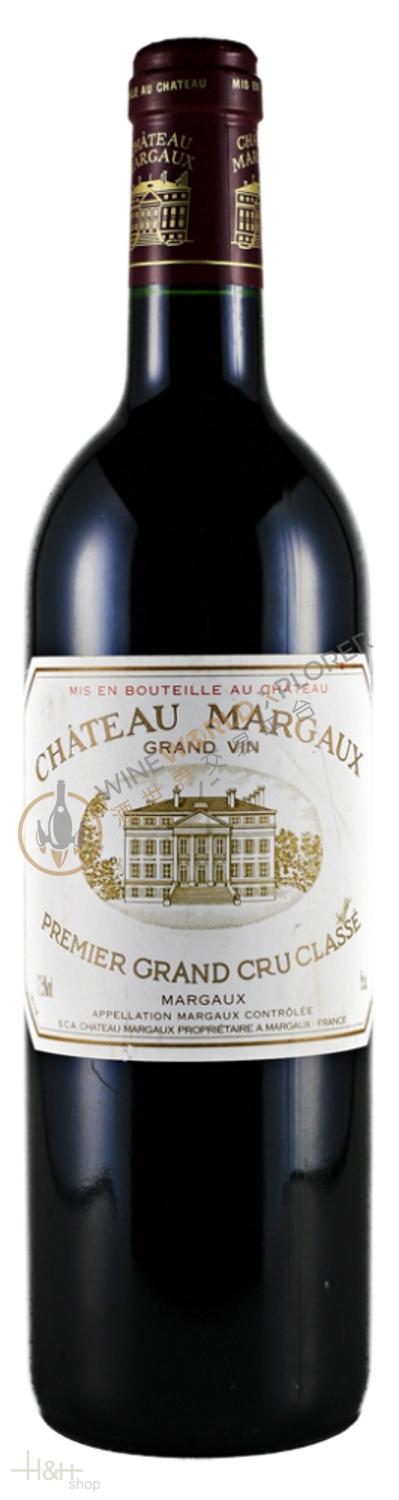
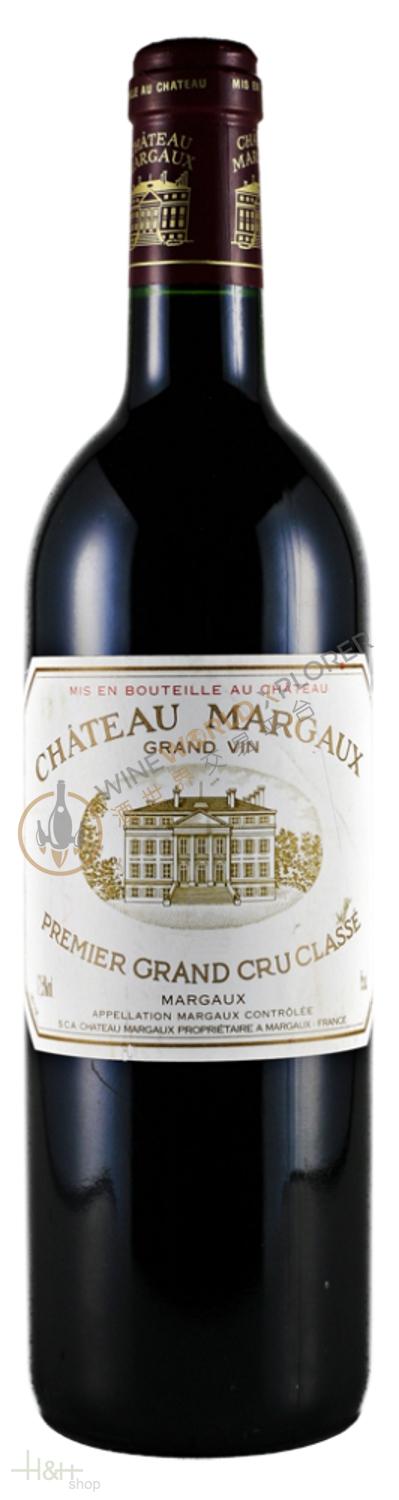
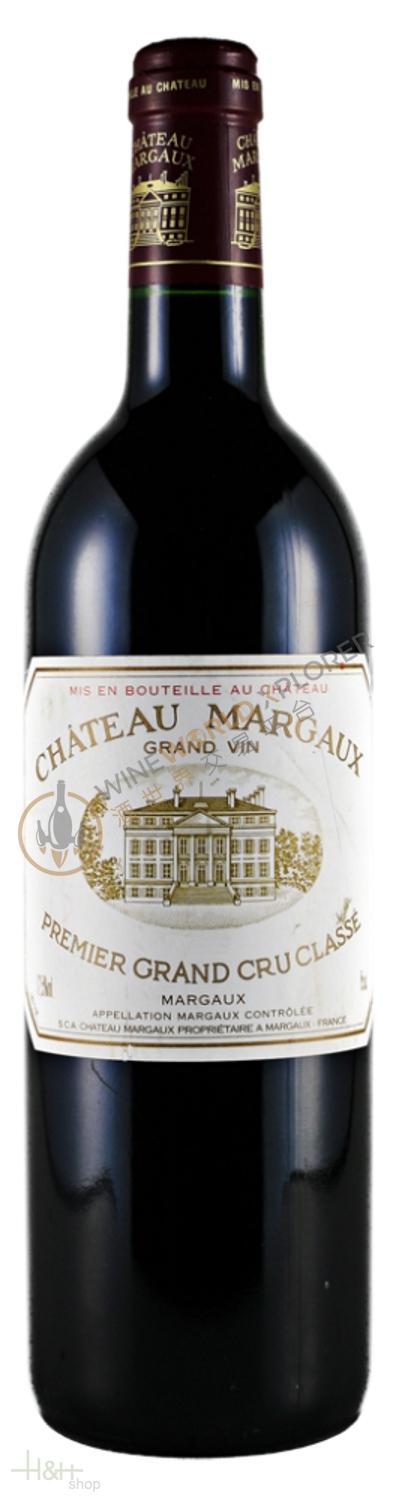
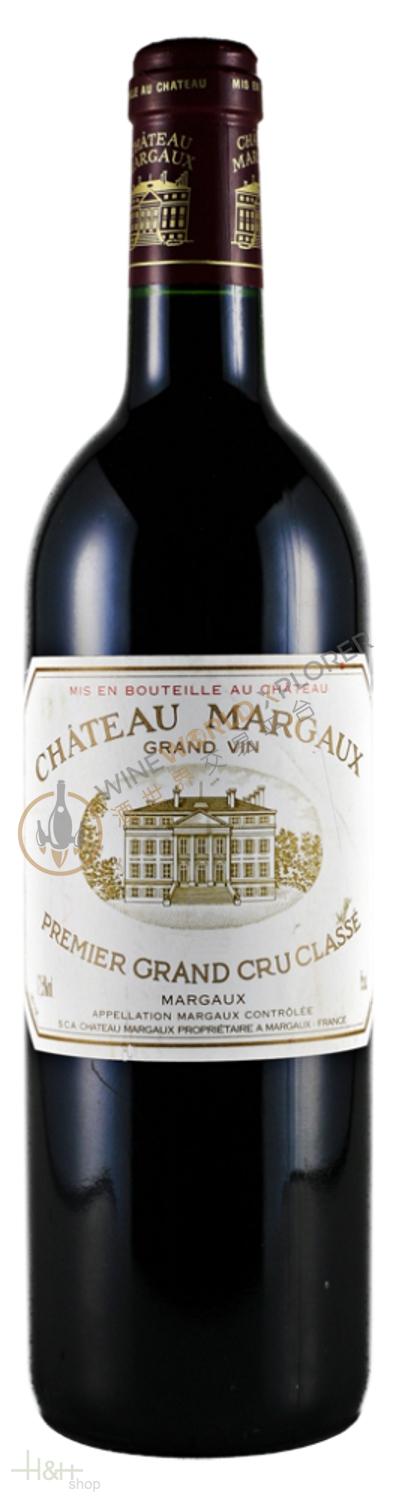
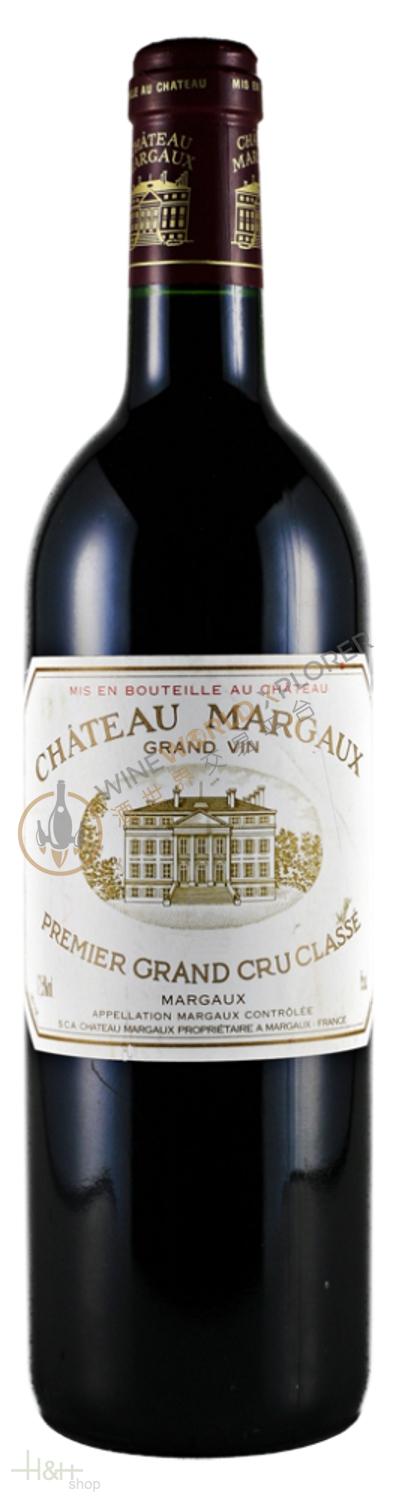
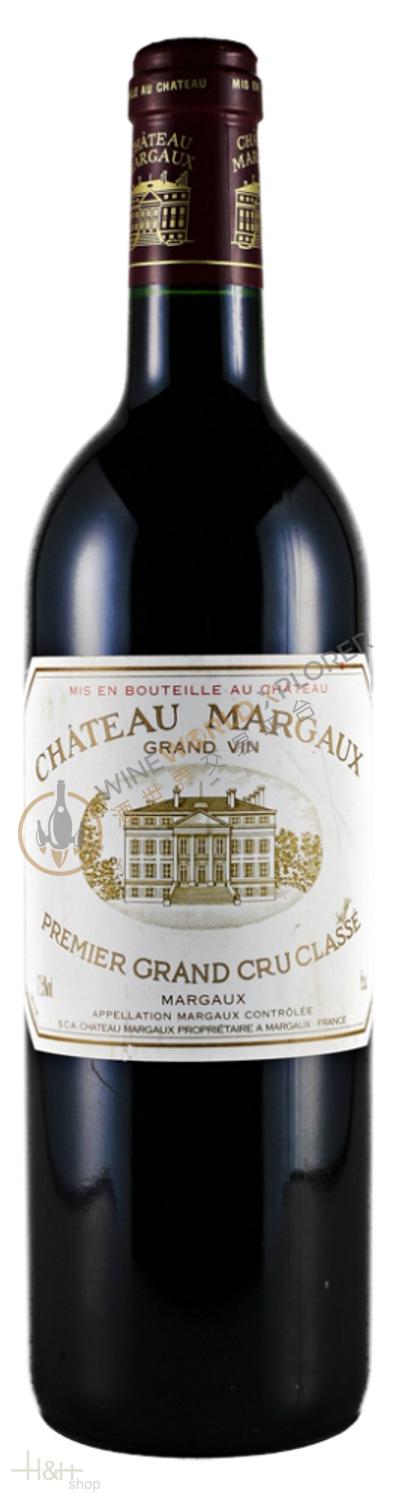
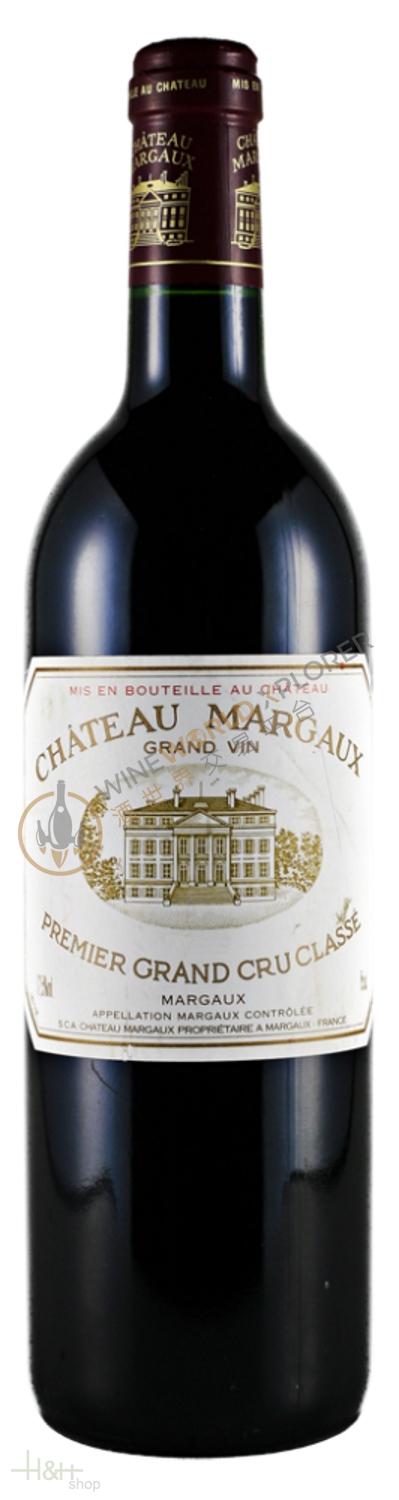
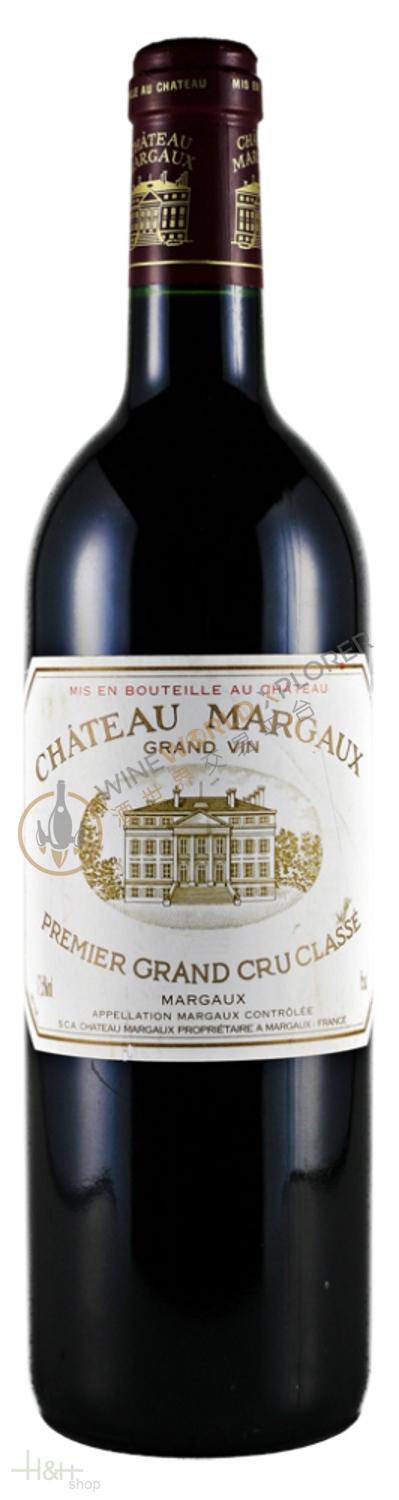
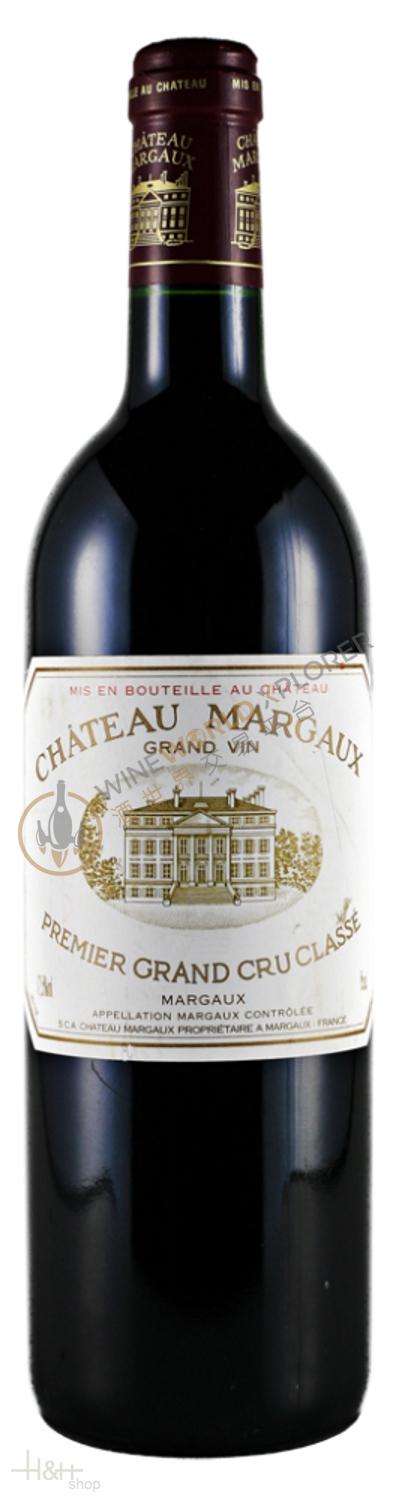
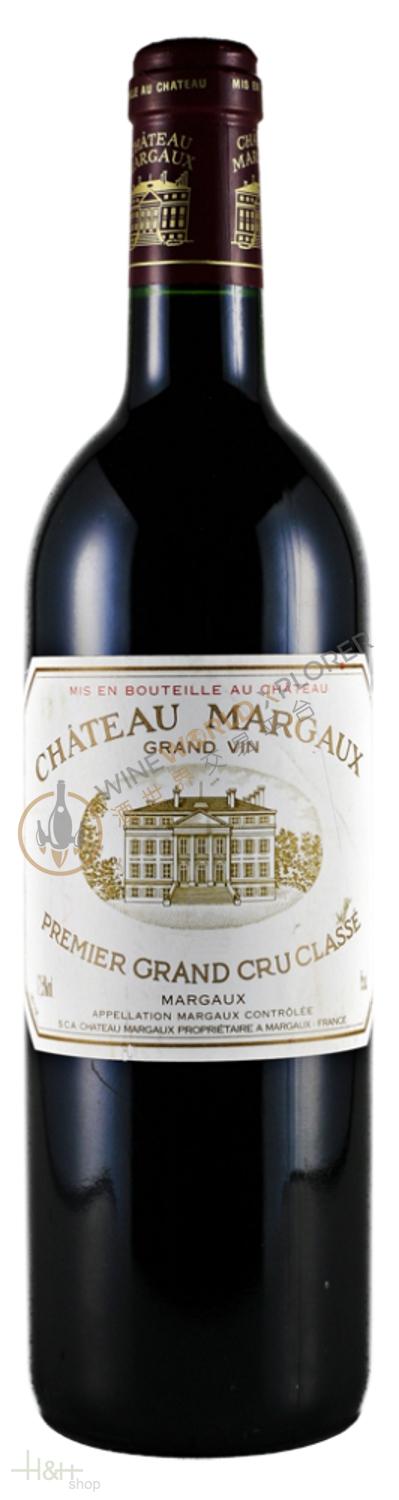
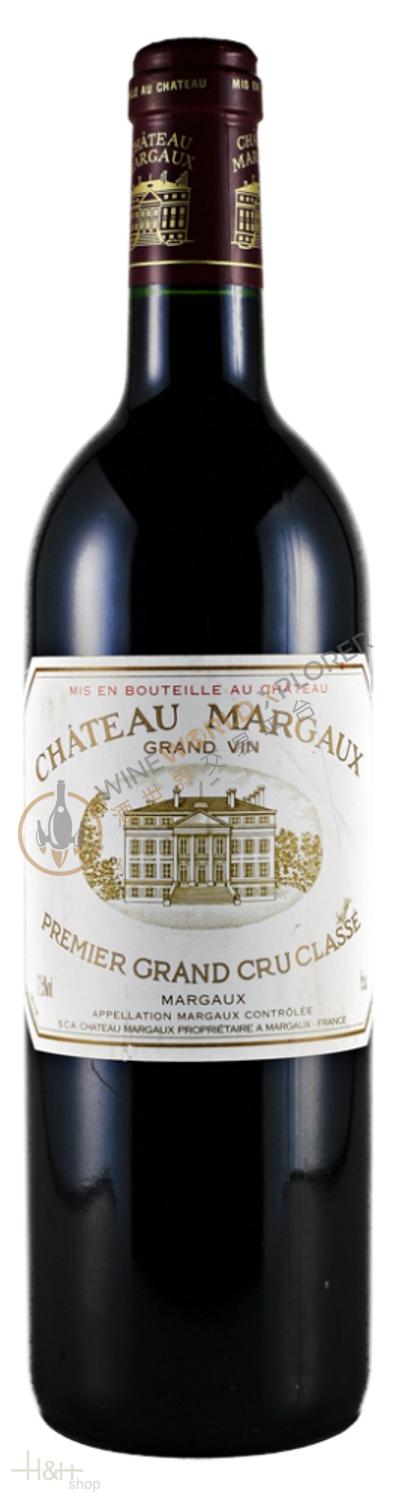
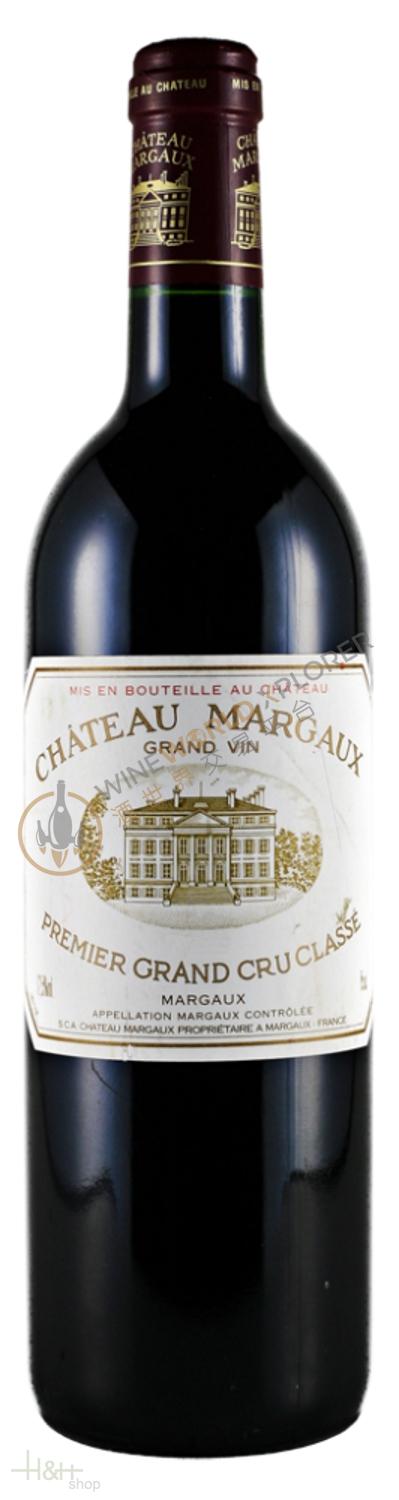
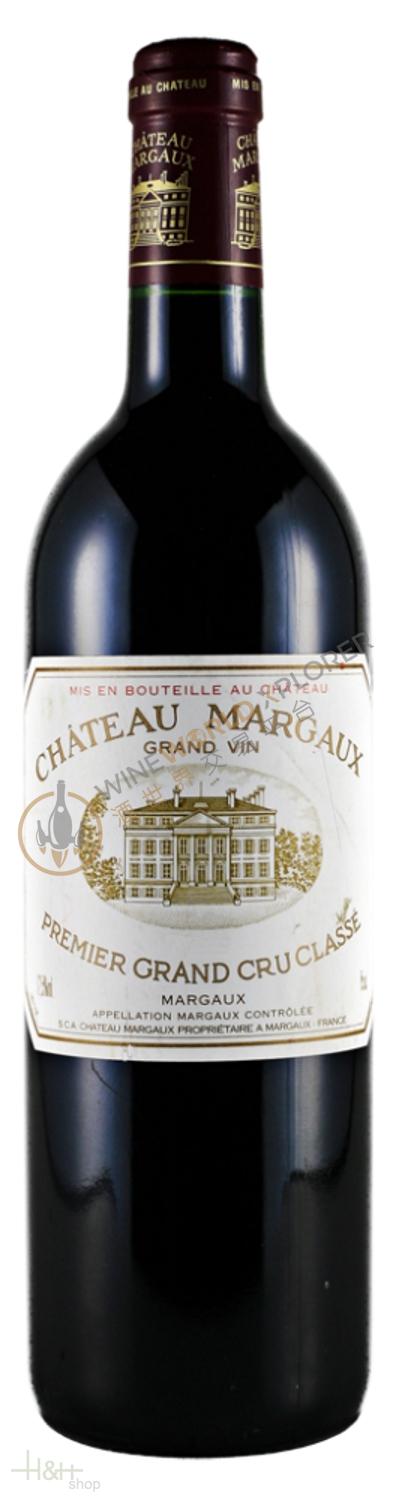
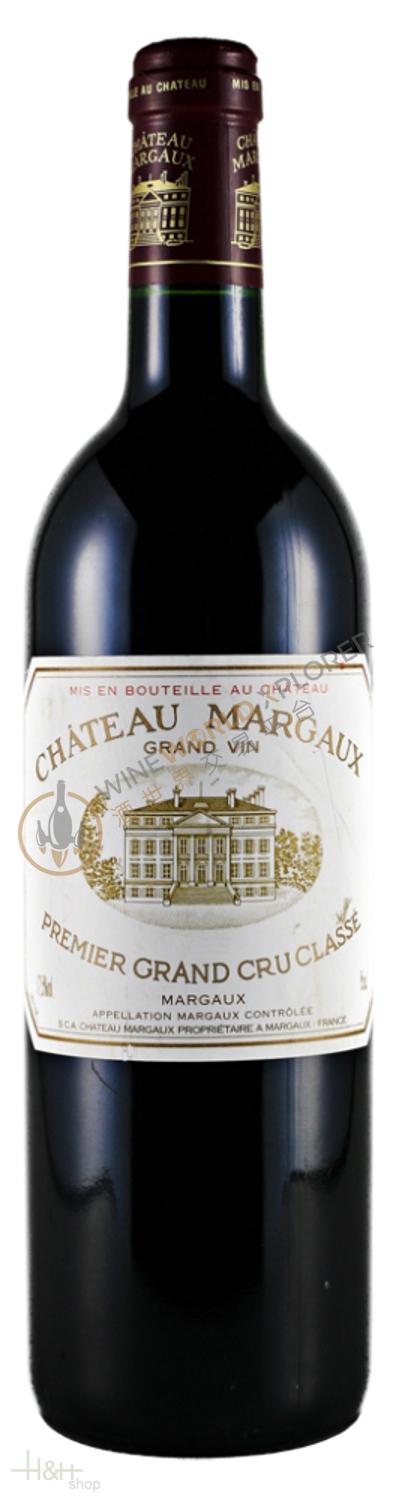
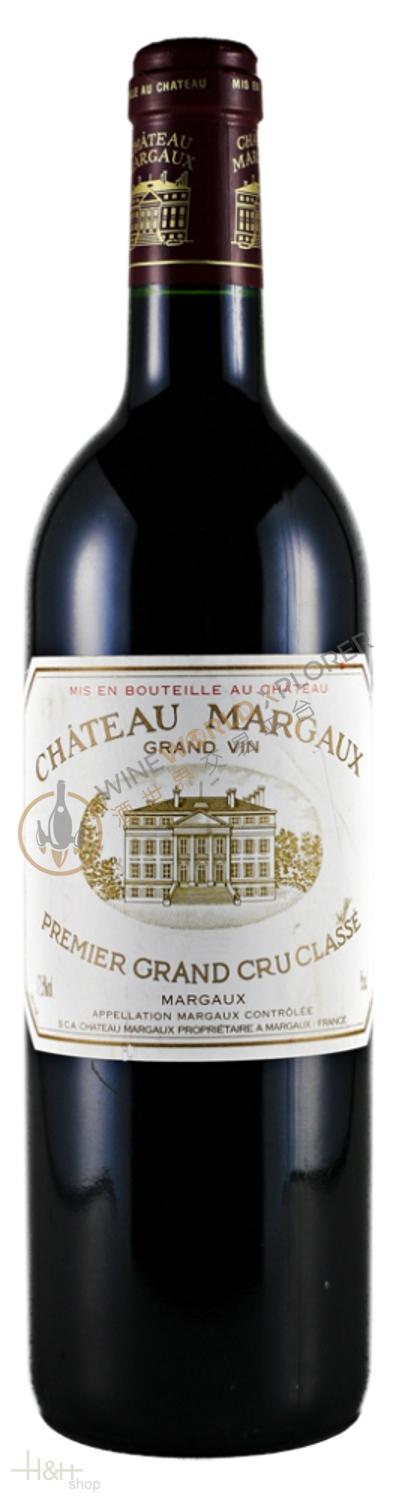
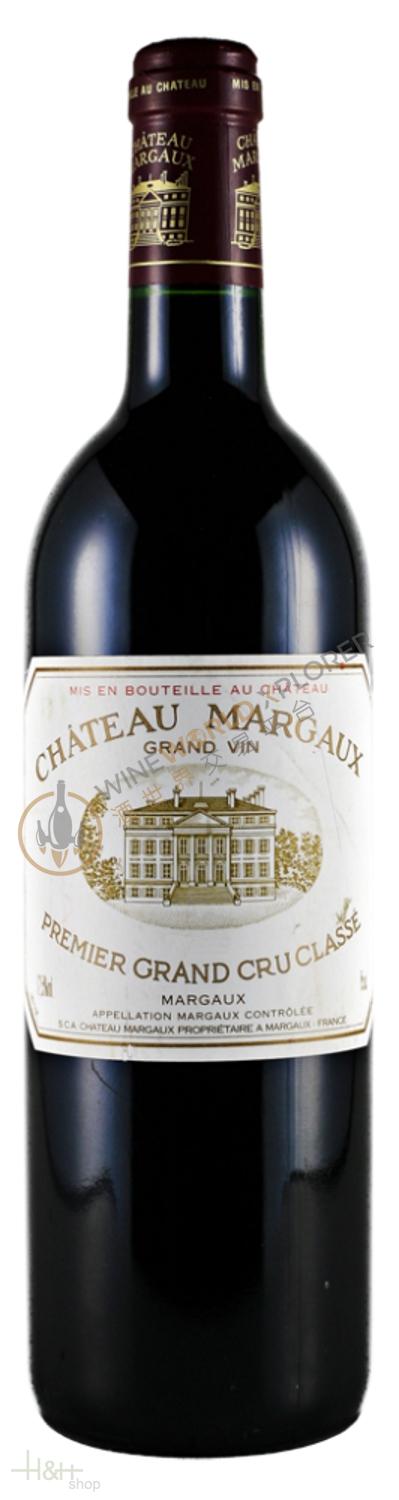
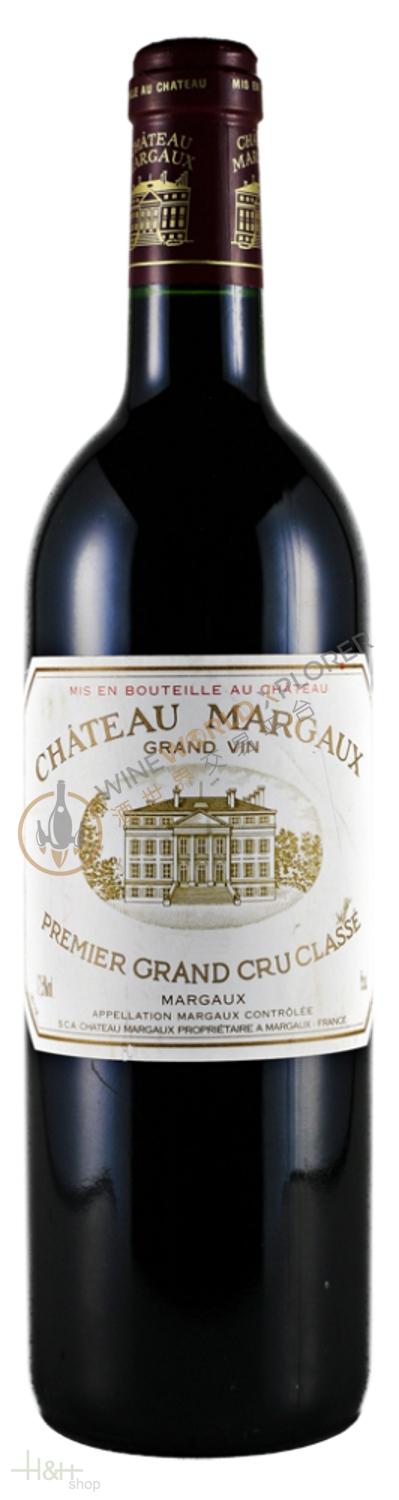
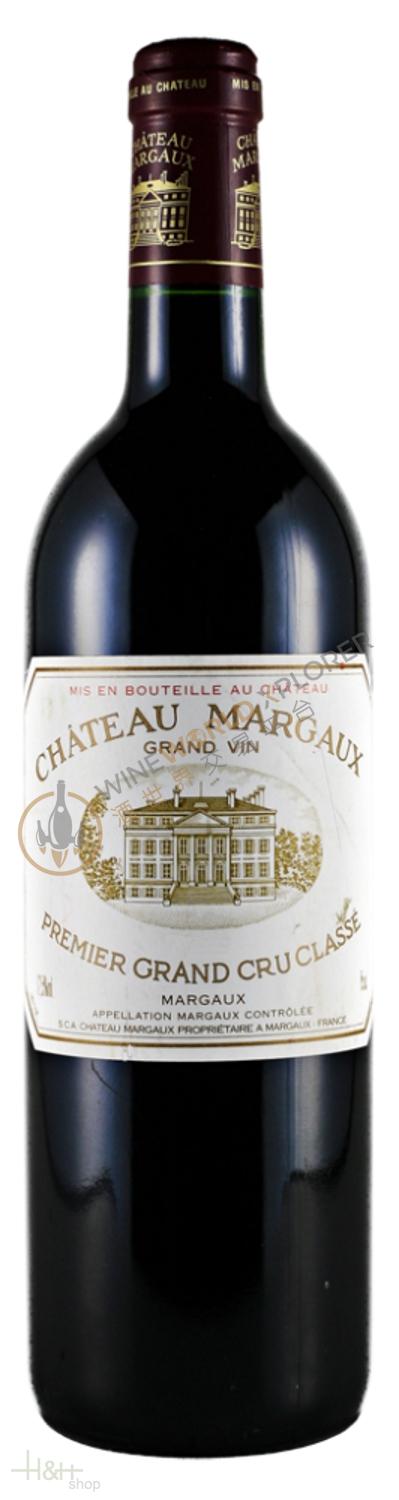
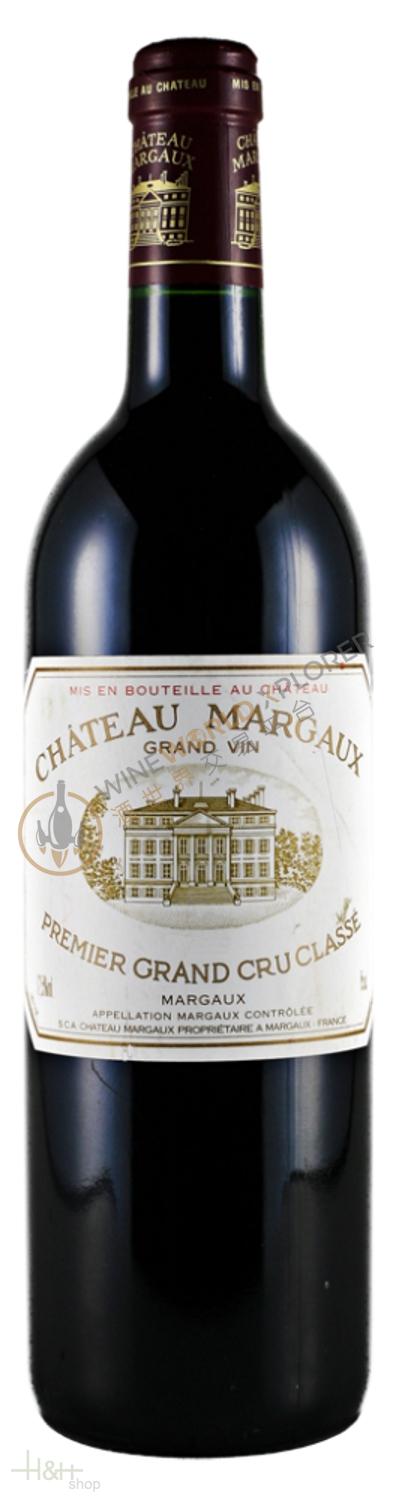
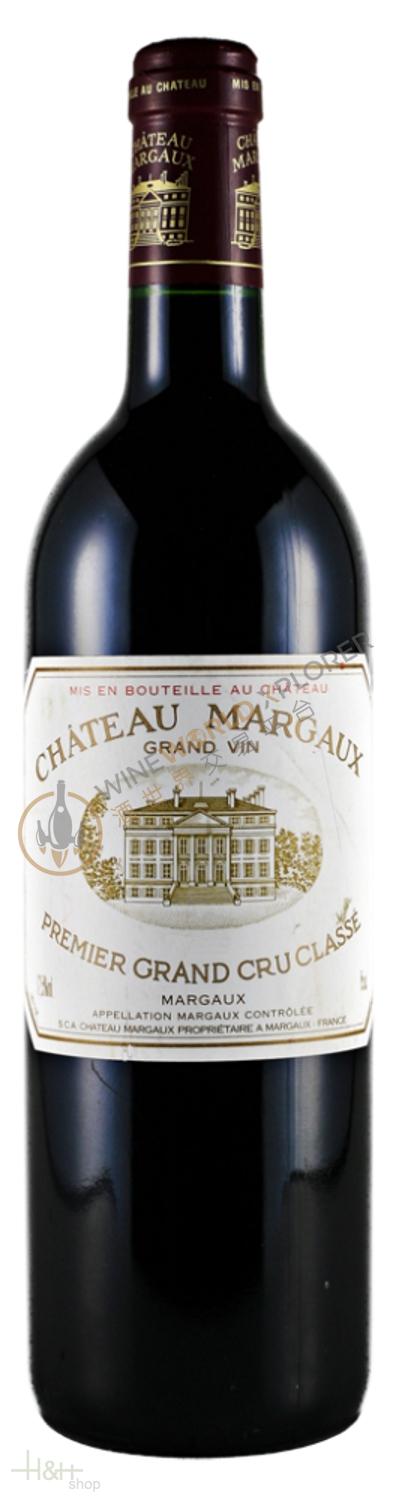
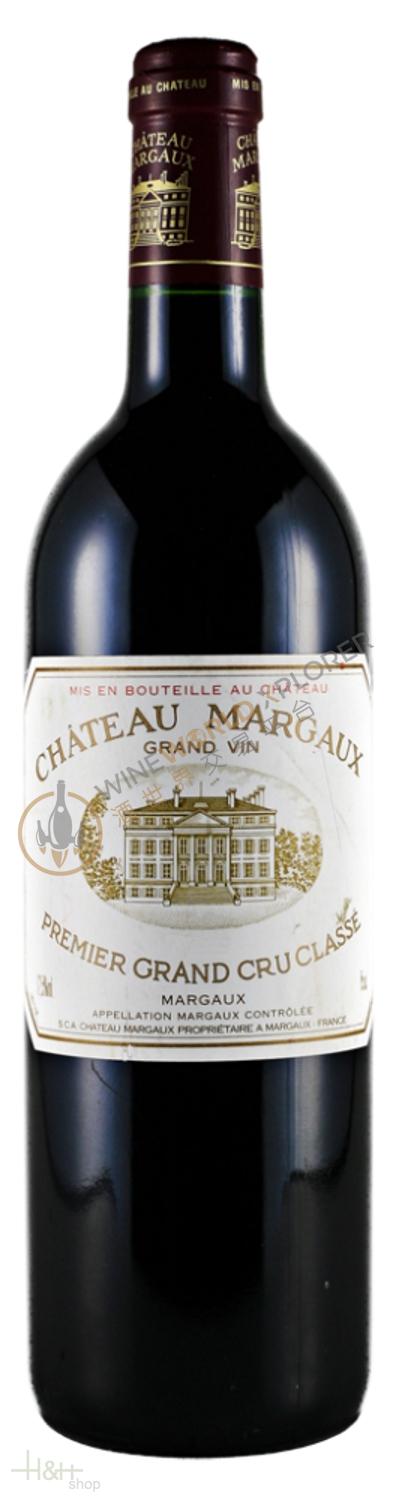
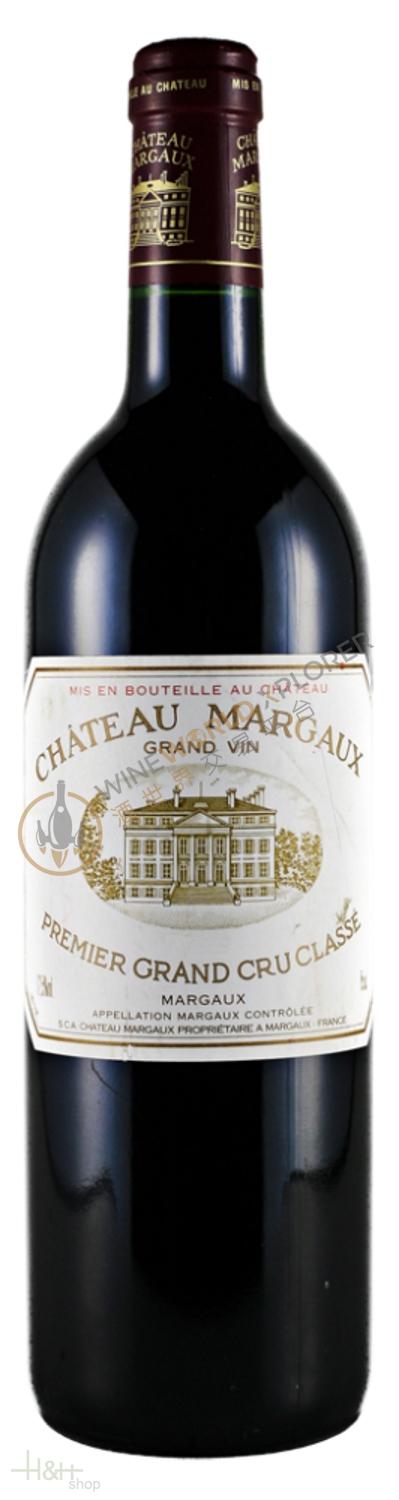
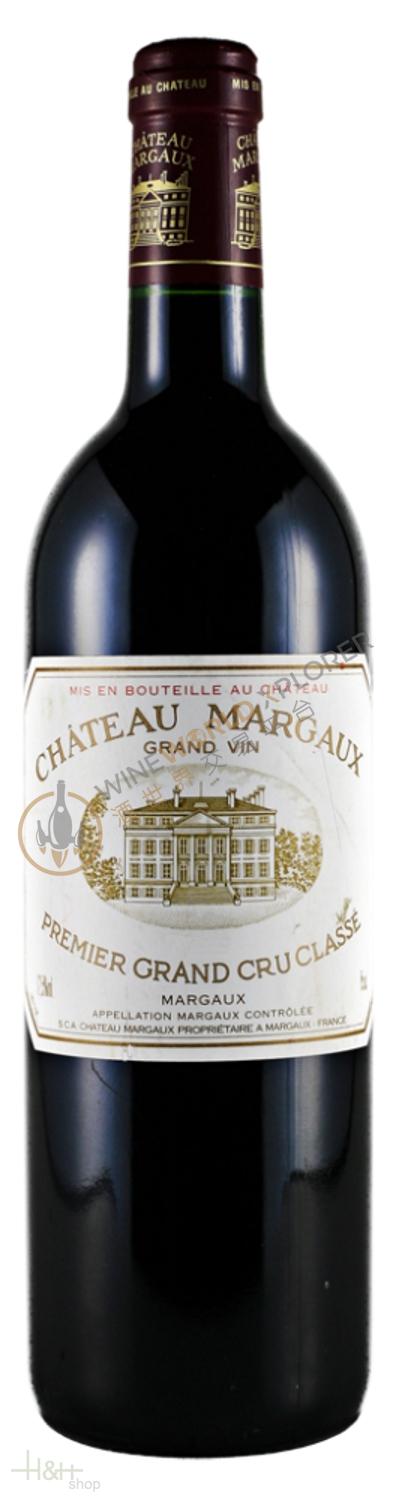
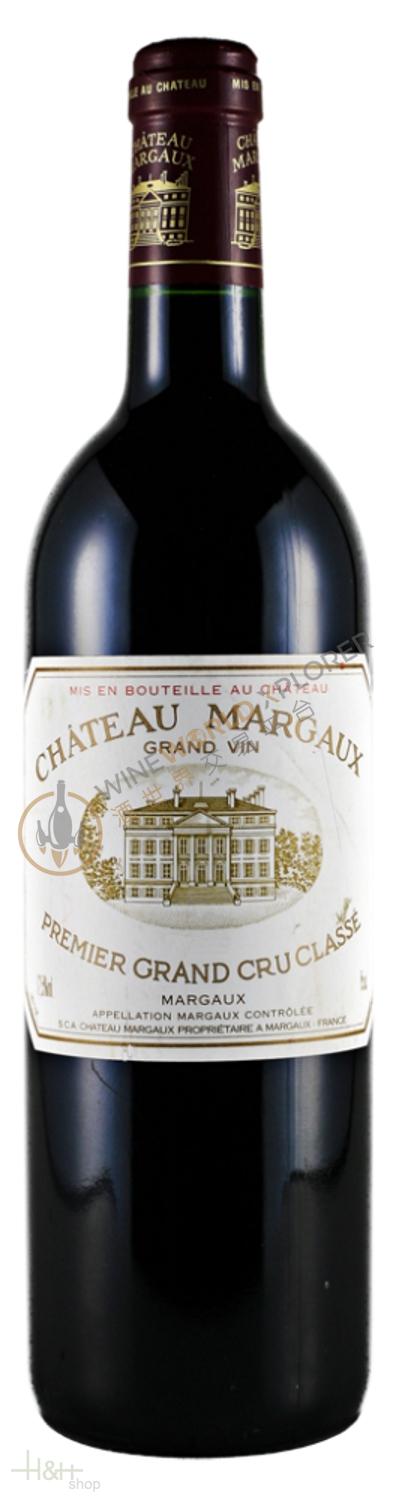
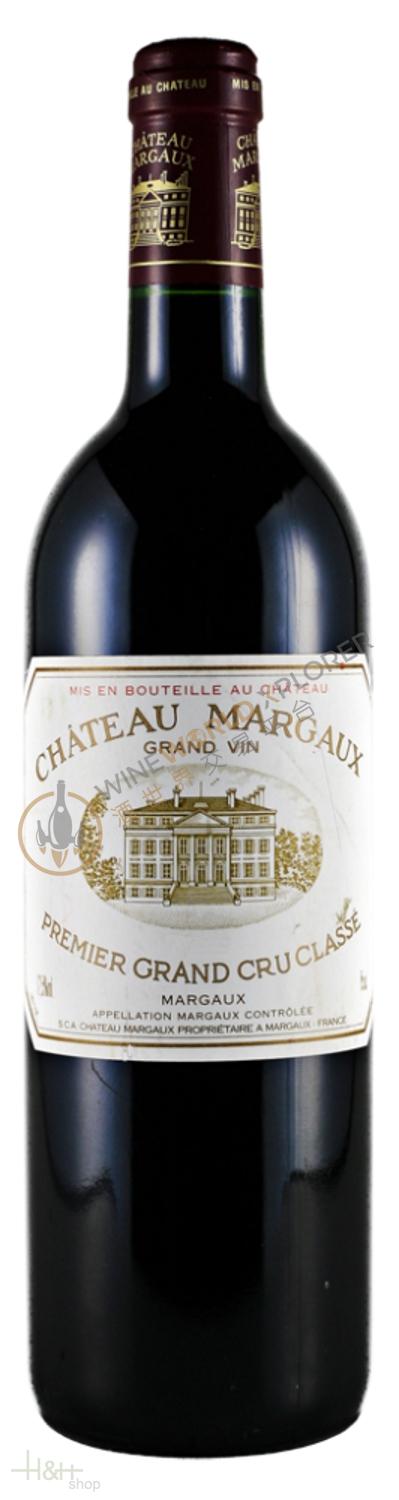
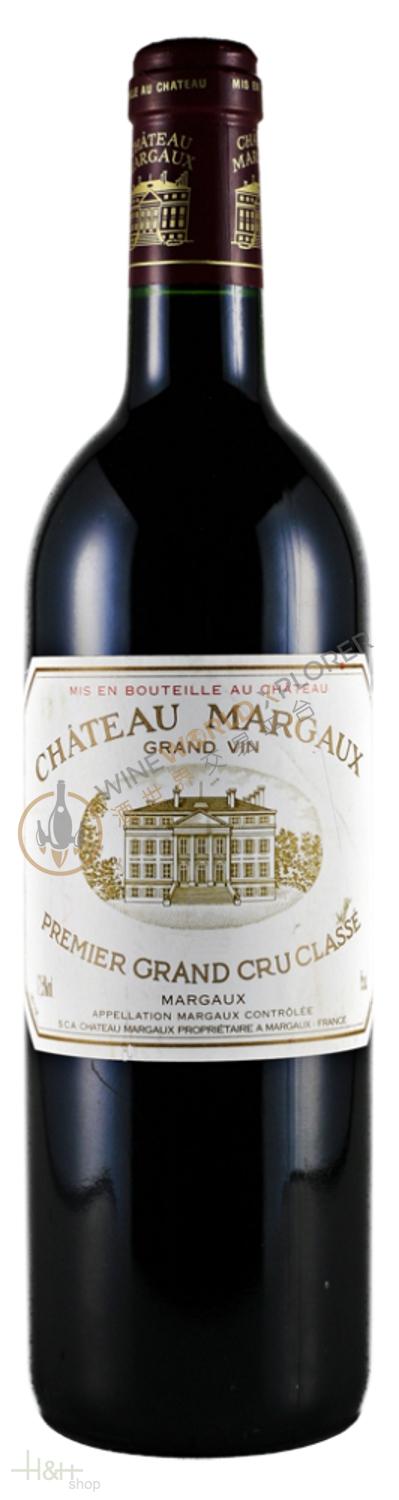
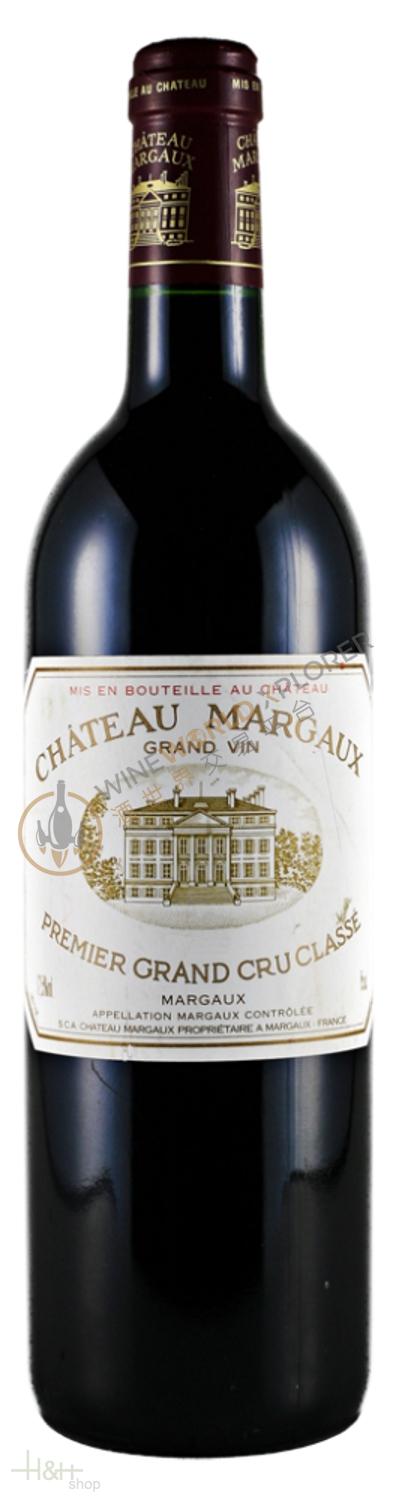
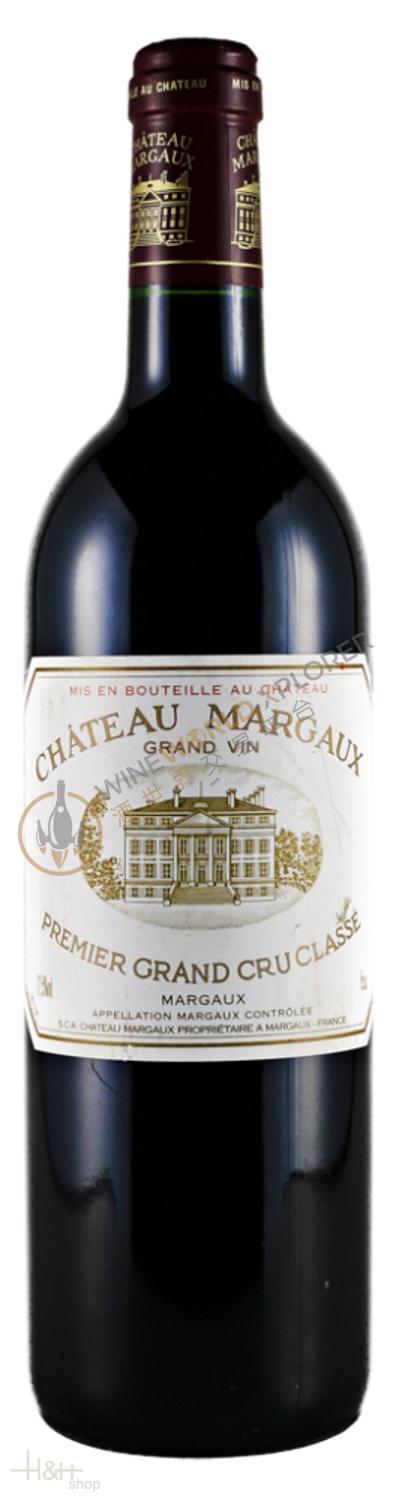
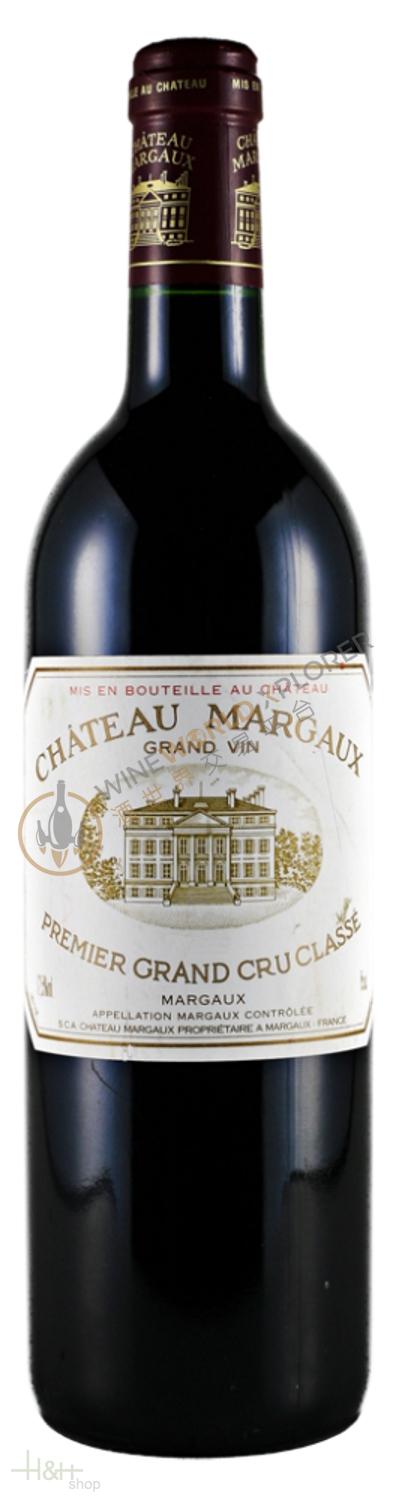
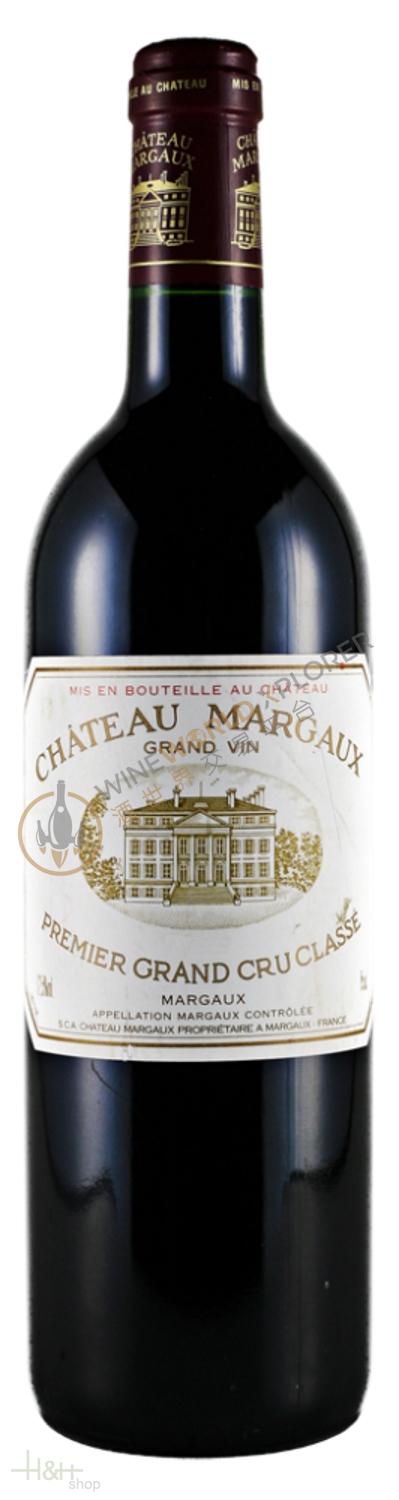
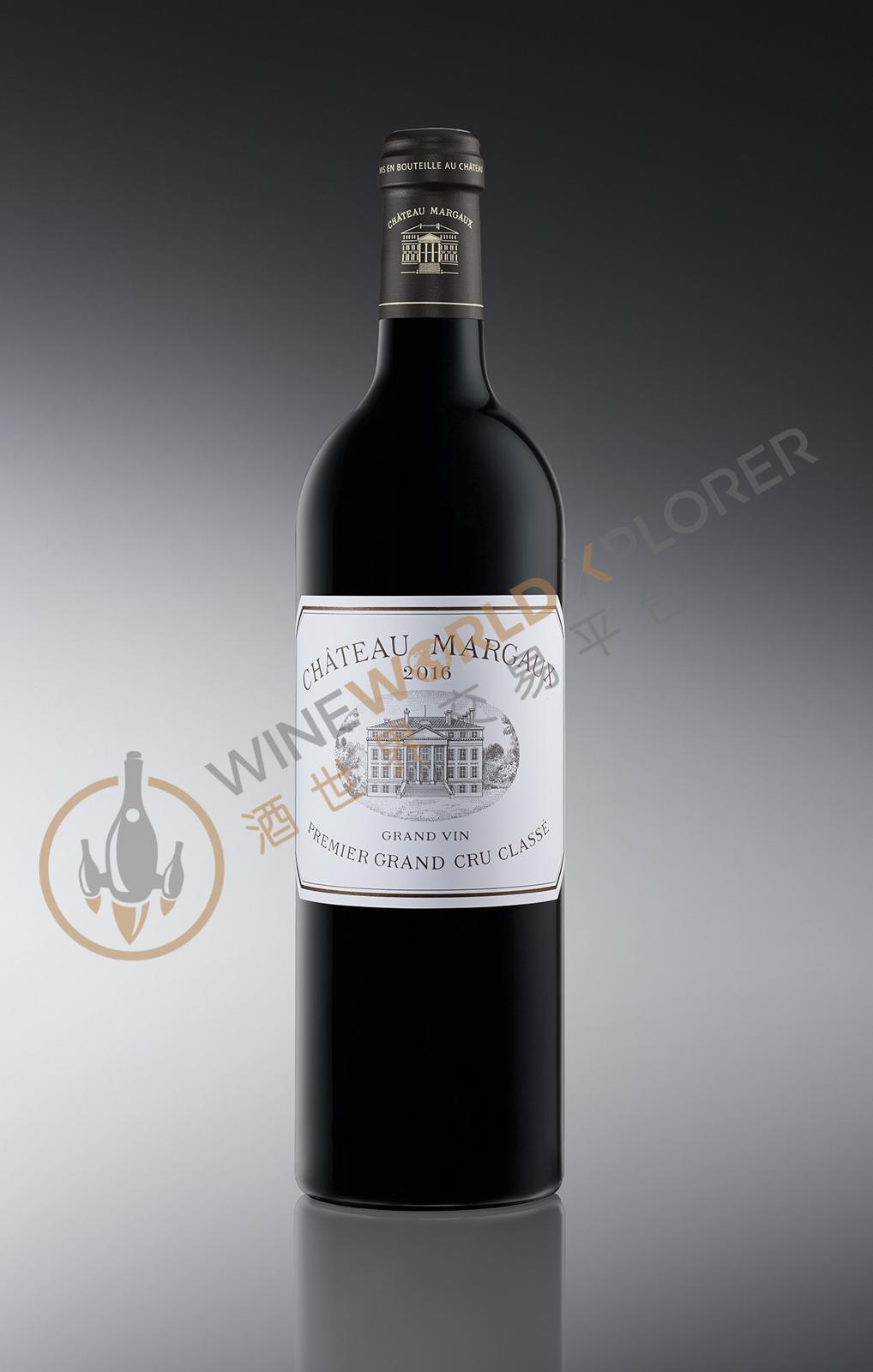
Chateau Margaux 1998
 View analysis


Description
Tasting notes

Reviewed by: Robert M. Parker, Jr.
Forty-five percent of Chateau Margaux's 1998 crop made it into the grand vin, a blend of 75% Cabernet Sauvignon, 17% Merlot, 5% Petit Verdot, and 3% Cabernet Franc. The harvest began on September 28 and continued under mixed conditions until October 9. It is a classy Margaux, with a dark ruby/purple color, sweet tannin, medium weight, and excellent floral and black currant fruit intermixed with toasty new oak. The wine is concentrated, with a velvety texture, and a nicely layered finish. A quintessentially elegant wine, it does not possess much power and concentration, but it is captivating and charming. Anticipated maturity: 2004-2022. By the way, the 1998 may be the finest Pavillon Blanc (100% Sauvignon Blanc made from yields of 25 hectoliters per hectare) produced at Chateau Margaux. It is a superbly elegant, concentrated wine with copious fruit and glycerin, and a full-bodied finish. Lovers of intense, honeyed, dry Sauvignon Blanc will love this delicious effort. It unquestionably merits an outstanding rating.
Reviewed by: Neal Martin
A deep garnet core with deep brick rim. The nose has moderate intensity, not the exuberance and exhilaration of the Haut-Brion, but expressive, with notes of blackberry, tar, a touch of leather and bilberry. What it does not have is Margaux's signature aroma of violets - this is more reserved and masculine. The palate is medium-bodied, quite peppery upon entry with good acidity and balance, yet missing the femininity and the finesse that marks out say the 1999 or the 2001. The finish is quite dry, perhaps a little dour compared to other Chateau Margaux. Tasted March 2008.
Reviewed by: Robert M. Parker, Jr.
Performing well, the 1998 is sweeter and fatter than when tasted last year. An opaque ruby/purple color is followed by a distinctive nose of melted licorice infused with cassis and toasty new oak. The wine is medium to full-bodied with grip, structure, and moderate tannin, but the tannin seems to have been digested by the wine's sweet, concentrated fruit. Long, pure, and both feminine and powerful, this 1998 will be at its peak between 2008-2025.
Reviewed by: Neal Martin
Last tasted at the property in October 2003, more tannic and masculine than previous encounters. The nose is very tight and backward with touches of blueberry and cassis. The palate is tannic with good grip. A certain minerally core with a dash of white pepper sprinkled over the top. Very unapproachable at the moment, this is a more masculine styled Margaux that may need considerable aging to reach its plateau. Similar to the 1988?
Reviewed by: Robert M. Parker, Jr.
The 1998 Margaux's color is a dense ruby/purple. The wine is tannic and austere, but elegant, with notes of asphalt, blackberries, acacia flowers, and sweet, toasty oak. Subtle, rich, nicely-textured, and medium-bodied, it is built for the long haul. Anticipated maturity: 2006-2030.
Reviewed by: Neal Martin
The 1998 Château Margaux is a vintage that I have not tasted for a decade. Now at 20 years old it has retained a deep garnet colour with very little ageing on the rim, in fact, one of the most youthful-looking 1998 Left Banks that I encountered. The nose is gorgeous: very well defined with black cherries, fresh fig, touches of sous-bois and leather. As I have noted before, what it does not offer is the floral element that is the signature of many other vintages. The palate is medium-bodied with fine tannin. It feels more mature on the palate than on the nose with secondary notes of sage, black pepper, irony notes and a touch of bell pepper. I find this just cuts away short with a little greenness in the background. It was probably a great Margaux knocked off balance by the harvest rains, but it remains a fine wine that should continue to drink well for another decade. Tasted at the château.
Reviewed by: Stephen Tanzer
Medium ruby. Cool, floral aromas of red berries, violet, cocoa powder, graphite and spicy oak, along with a whiff of smoked meat. Juicy, sharply delineated and austere; a classic, adamantly dry claret with superb intensity and grip. This is beginning to close up, unlike the '99. But really expands on the very long, perfumed finish. Tannins are dusty but even.
Reviewed by: Stephen Tanzer
Bright medium ruby. Pungent aromas of smoky, spicy oak, black raspberry, blackberry, bitter chocolate, graphite and cinnamon. Very concentrated but less expansive than the '99; dense and supple but seems to be going into a shell. A more muscular, austere style; the tannins coat the teeth and the insides of the cheek. This will require patience but should make an excellent bottle.
Reviewed by: Stephen Tanzer
Bright full ruby. Perfumed, primary aromas of blackberry and rose petal, plus a whiff of mint. Quite concentrated but tightly structured and extremely unevolved. Lovely purity of flavor and thrust give the fruit impressive urgency. Dusty, even tannins coat the entire palate. Very long, subtle finishing fruit.
About the Producer
Chateau Margaux is located in the village of Margaux, in the Medoc appellation on the left bank of Bordeaux, and was awarded a First Growth in the 1855 Bordeaux Medoc classification, alongside Chateau Lafite Rothschild, Chateau Latour and Château Haut-Brion. It is also known as Chateau Haut-Brion. Château Margaux currently covers a total of 262 hectares, including 99 hectares of vineyards. The red vineyard has an appellation of 87 hectares, of which 82 hectares are planted, while the white vineyard is planted with 12 hectares. The red varieties are mainly Cabernet Sauvignon, Merlot, Petit Verdot and Cabernet Franc; the white varieties are Sauvignon Blanc and the vines are on average 45 years old. Since the end of the 1990s, the estate has refused to use pesticides in the vineyards. In addition, only organic fertilisers are used in the vineyard, and deep fertilisation is carried out at regular intervals to improve the soil structure and rejuvenate the soil. During the harvest season, the winery team selects the right time to harvest the grapes by testing and analysing all the indicators and by tasting the grapes themselves. Once the grapes have reached their ideal state of ripeness, they are harvested by a team of over 200 trained harvesters. Once in the winery, the grapes undergo a rigorous selection process before being de-stemmed. Both oak barrels and stainless steel tanks are used to ferment the red grapes, while the white grapes are fermented entirely in oak barrels. After the alcoholic fermentation, the wine undergoes malolactic fermentation. The red wines are then left to mature in oak barrels for 18-24 months and the whites for 6-8 months. The main wine of the estate, Château Margaux's red wine, is rich and complex, with an elegant and powerful ballet on the tongue, rich and smooth tannins, good balance and a long, fresh finish with excellent ageing potential. It successfully conquered Napoleon Bonaparte, the founder of the First French Empire, and won the hearts of Thomas Jefferson, the founding father of the United States, and Margaret Thatcher, the "Iron Lady" of England. In the world of wine criticism, Château Margaux's red wines have also been recognised, with four perfect scores from Robert Parker and many more from other critics with 95 points or more. In recent years, the quality of Château Margaux's red wines has been steady and has maintained a high level of interest in the market.
1958(1)1960(1)1961(2)1962(1)1963(1)1964(1)1969(2)1970(1)1971(1)1972(1)1974(1)1975(1)1976(1)1978(1)1979(1)1981(1)1982(6)1983(4)1984(1)1985(4)1986(6)1987(3)1988(8)1989(6)1990(11)1991(2)1992(4)1993(3)1994(2)1995(9)1996(28)1997(5)
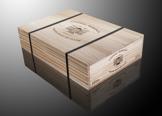
Package Size