 Wine Advisor



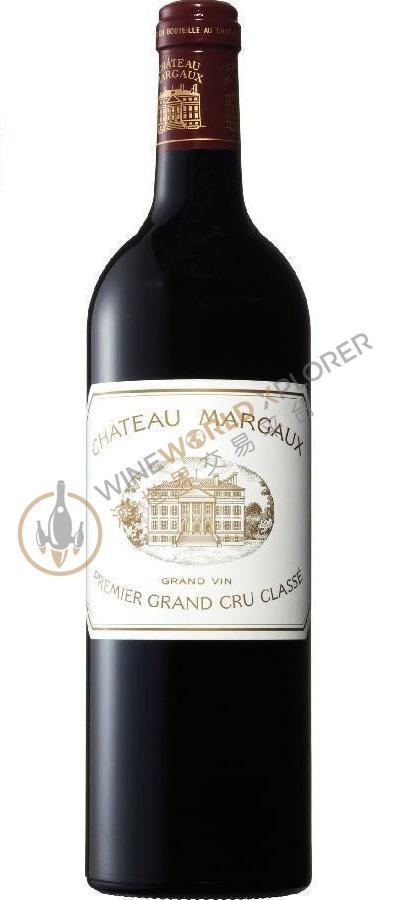
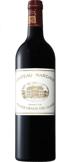
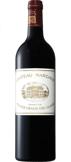
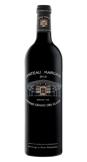
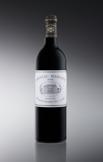
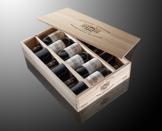
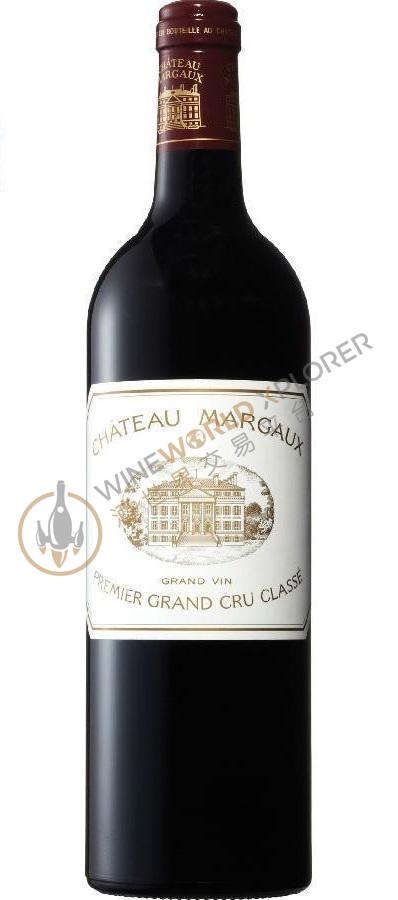
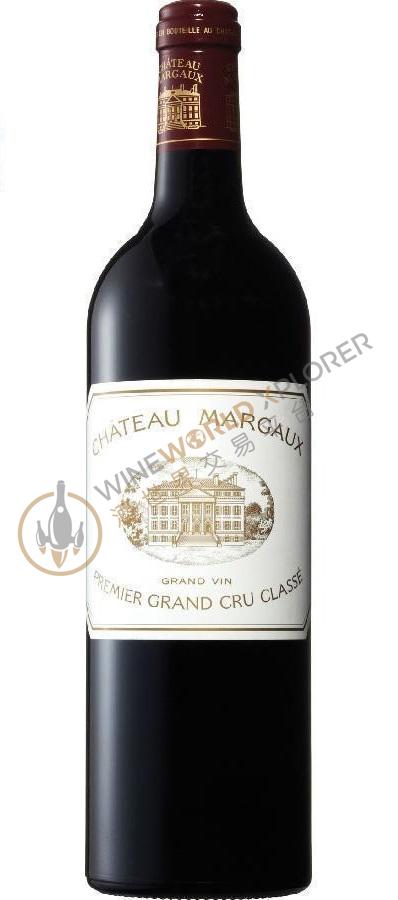
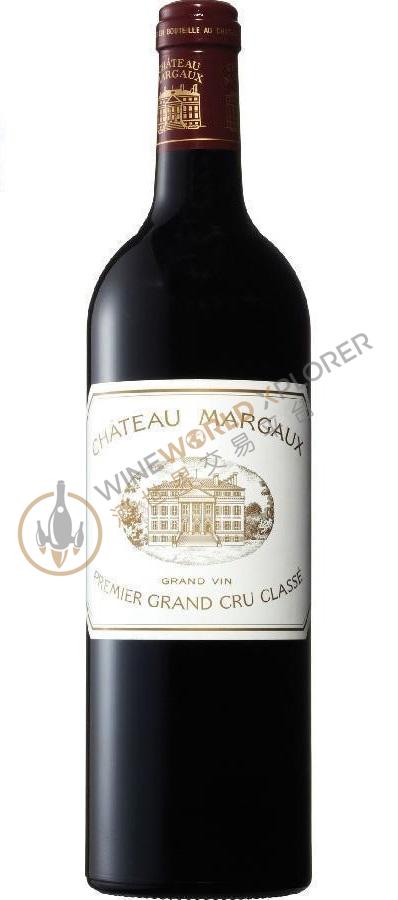
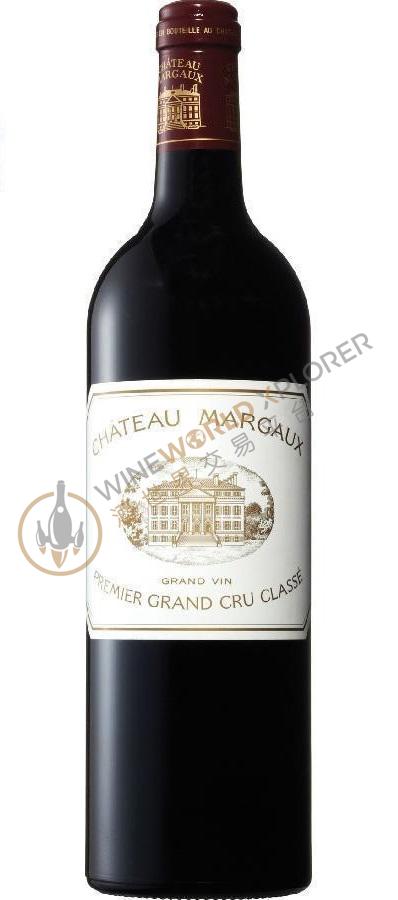
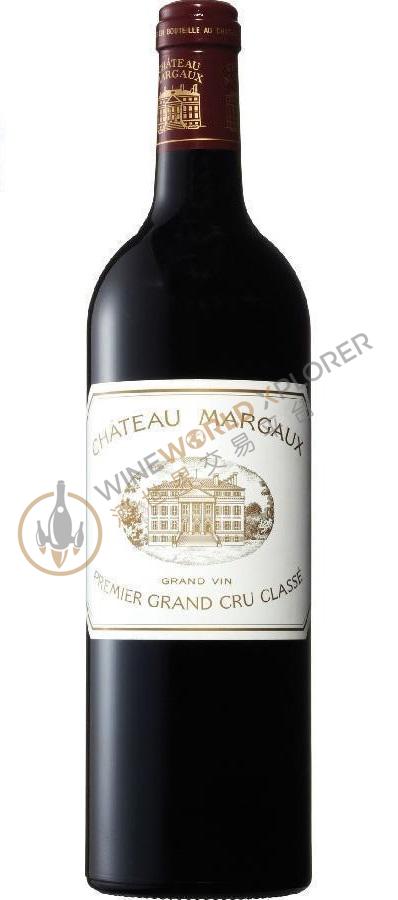
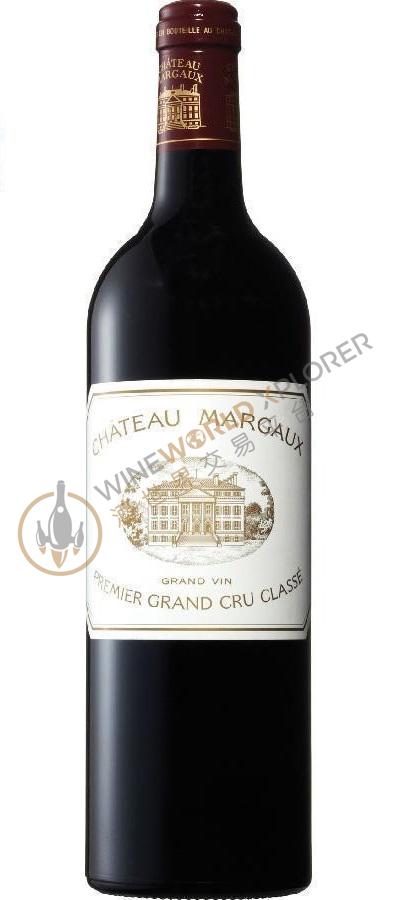
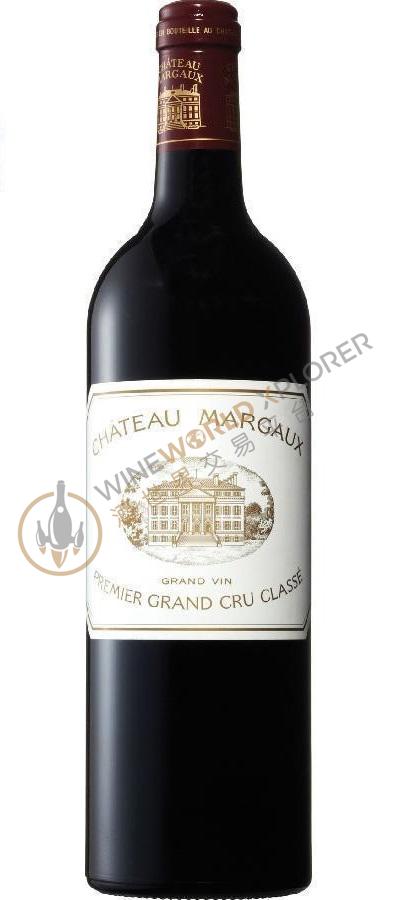
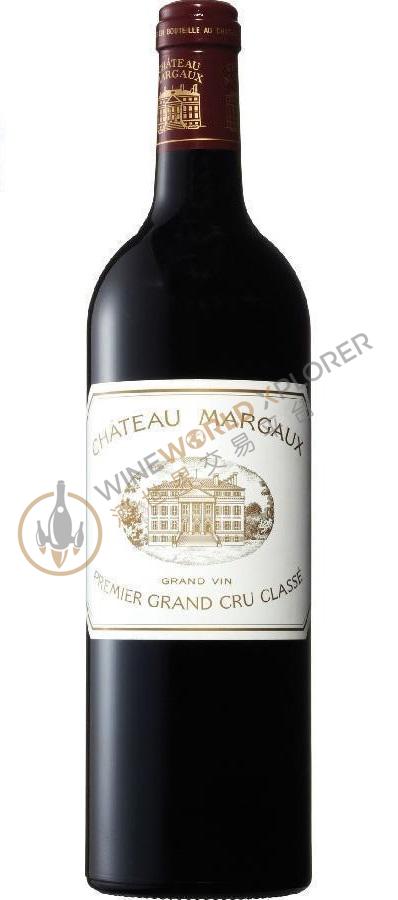
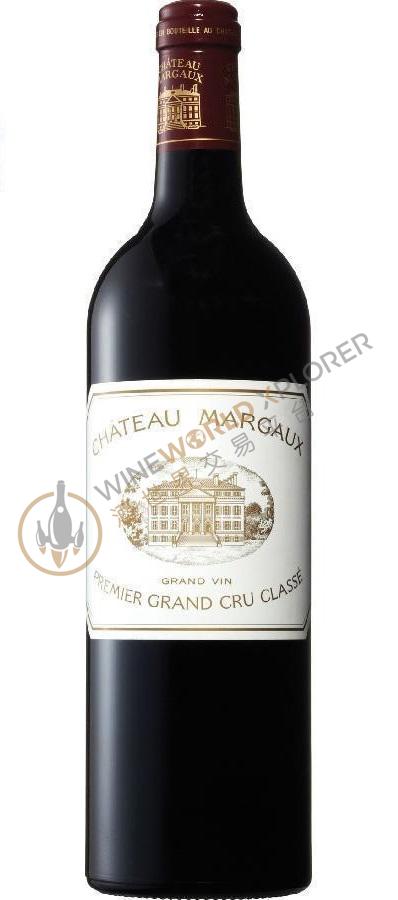
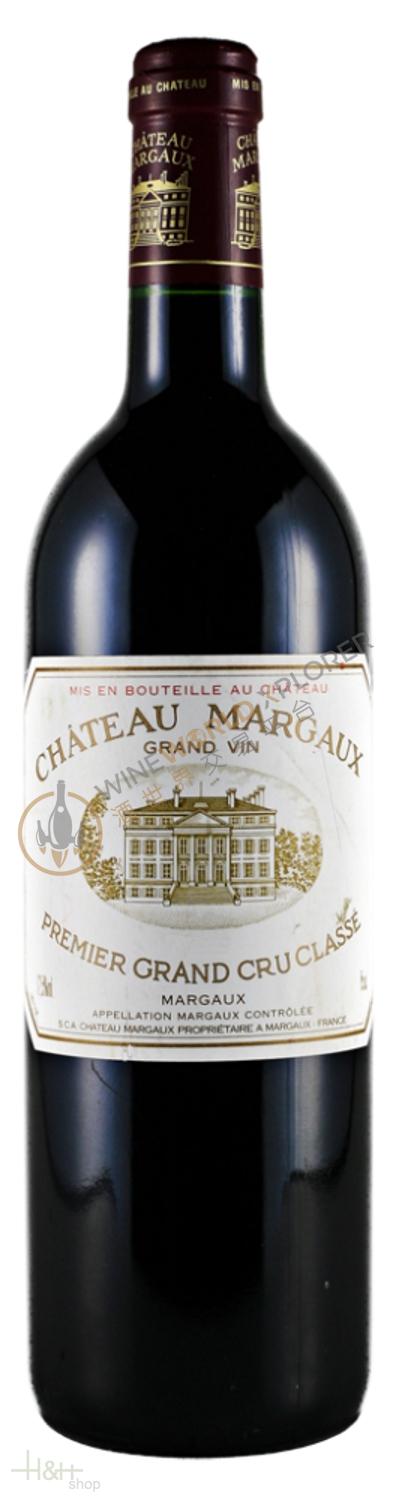
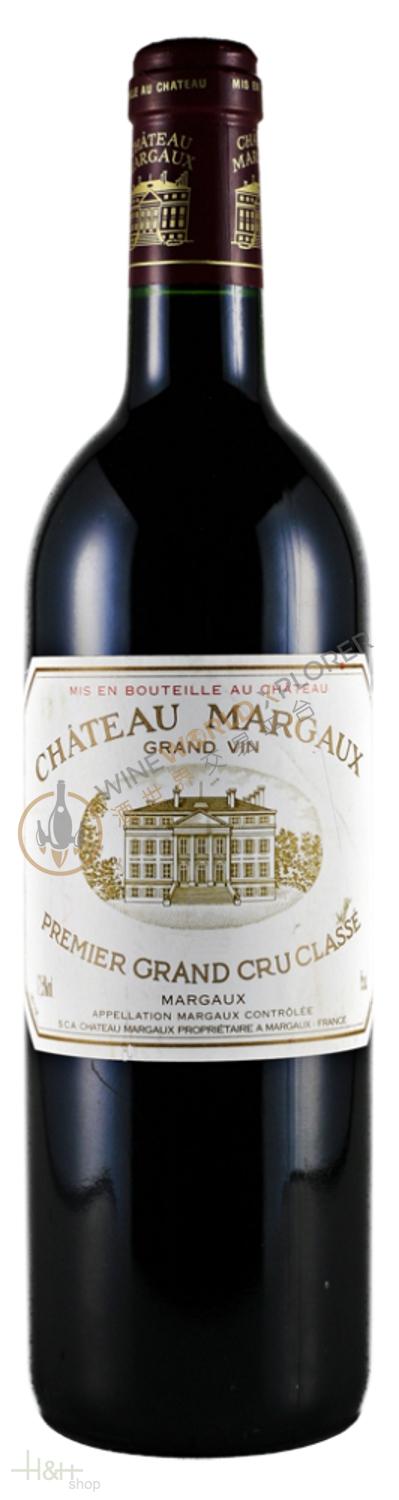
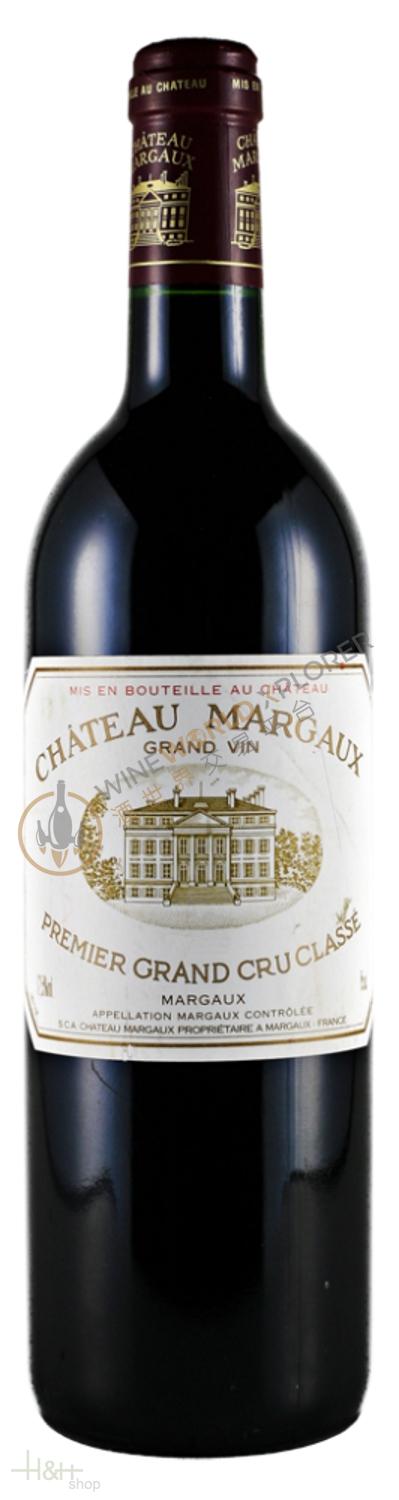
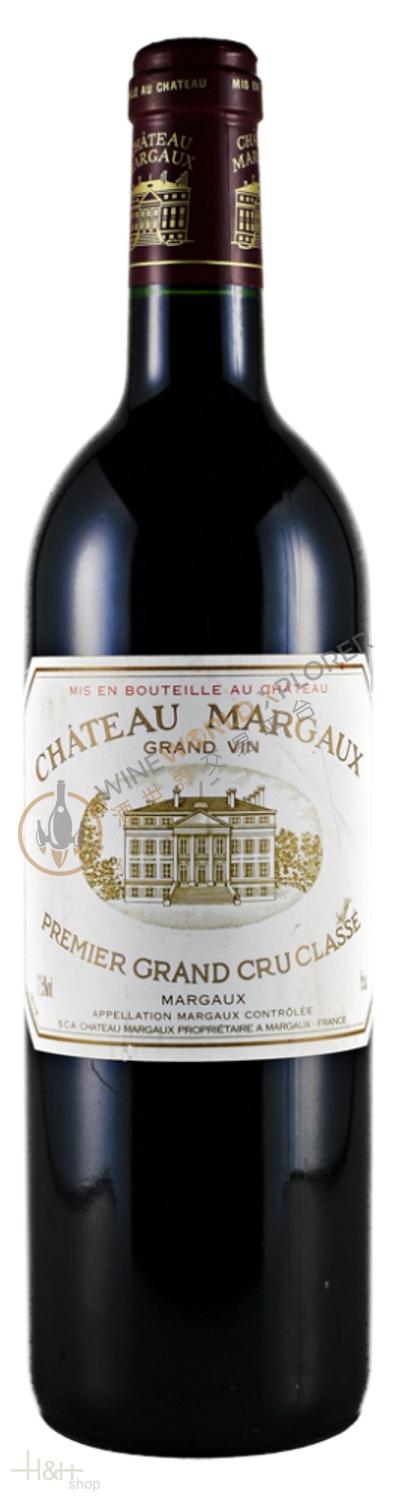
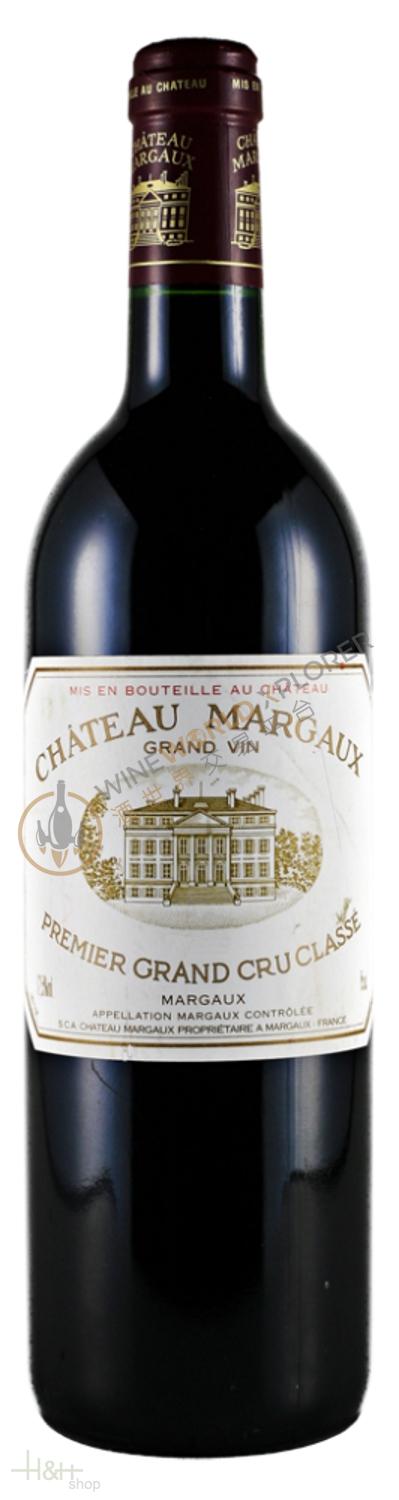
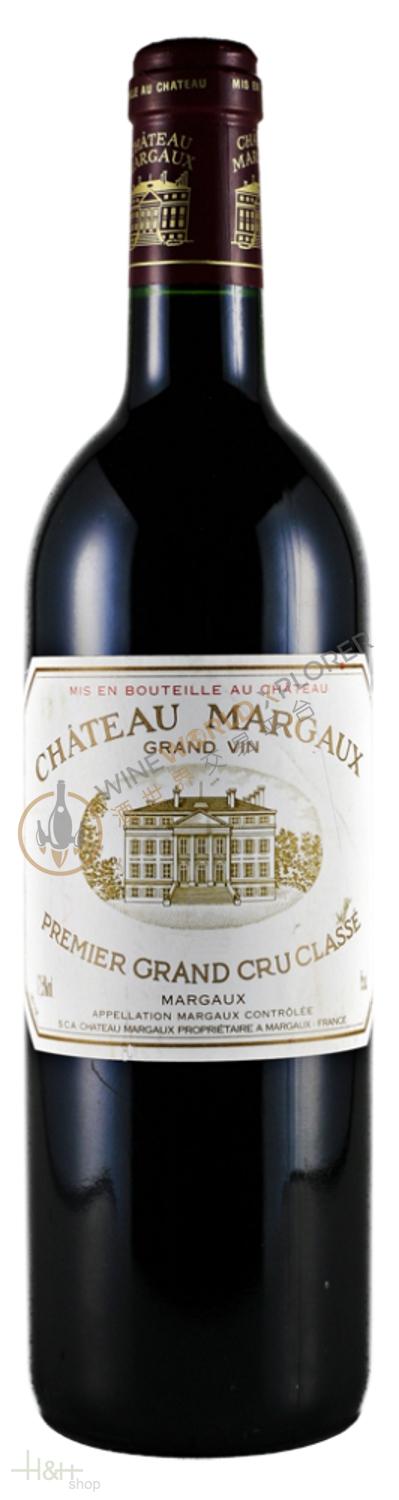
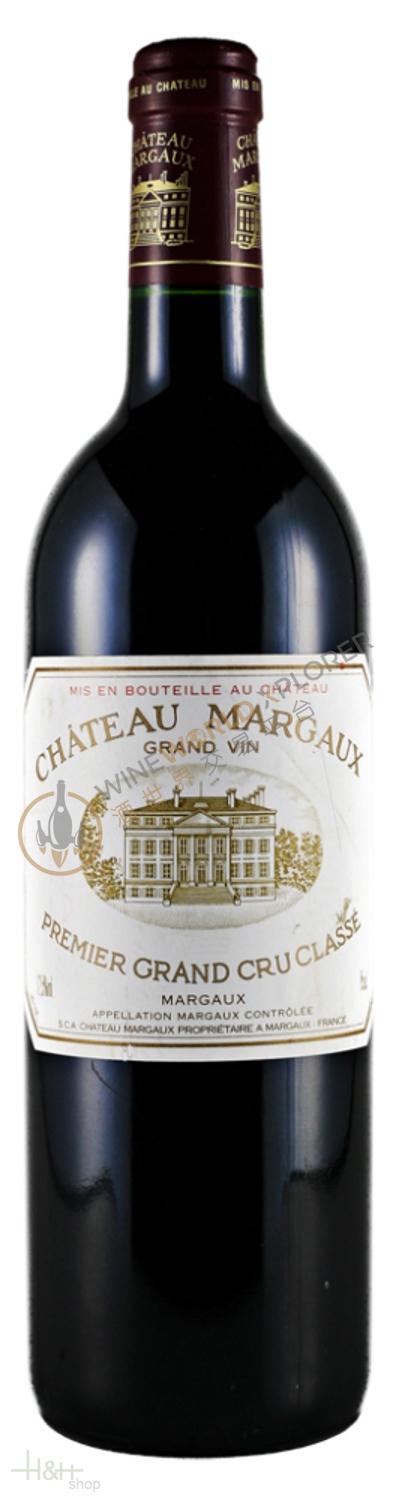
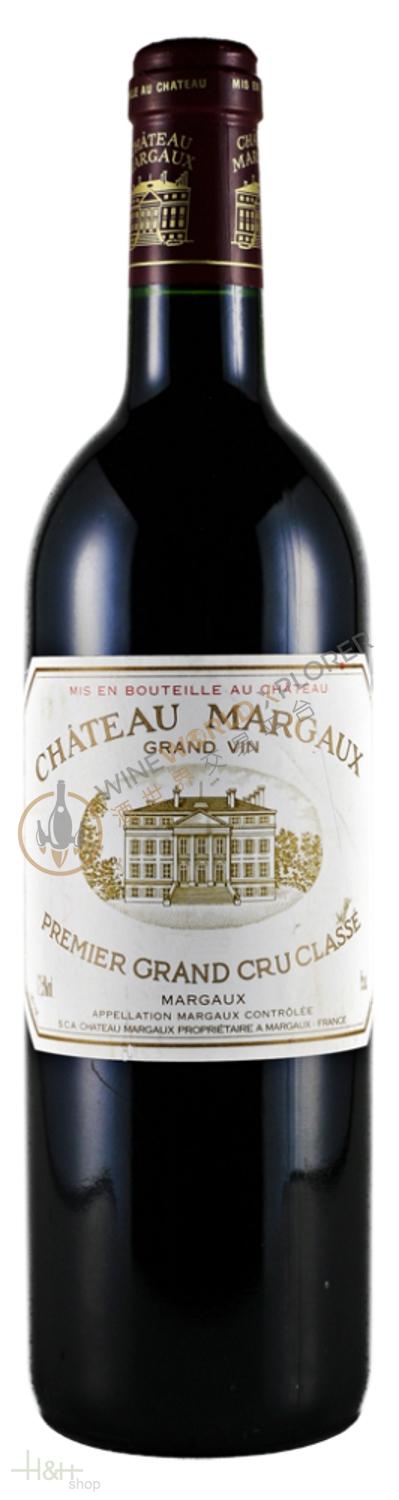
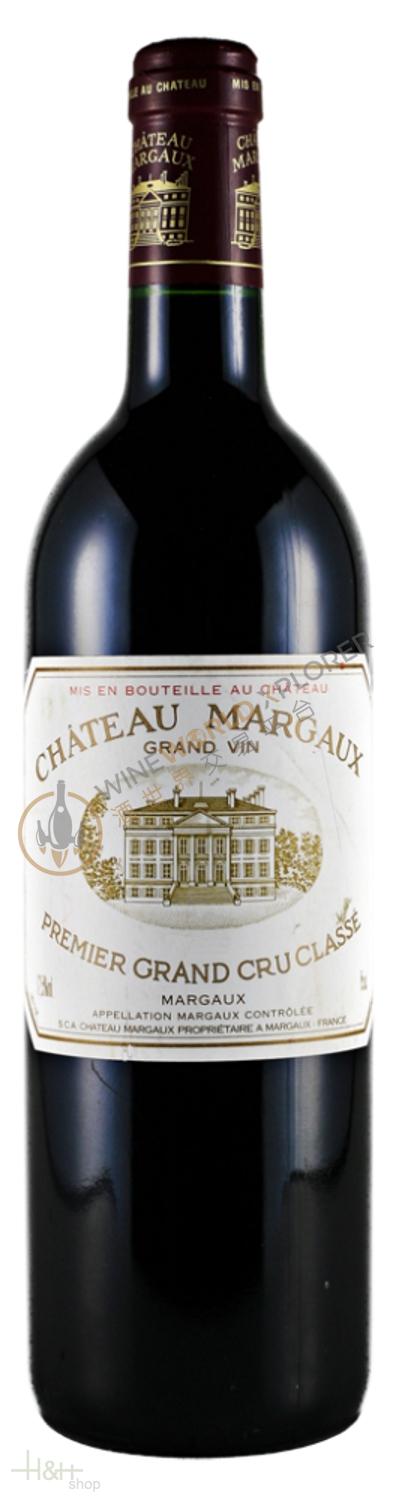
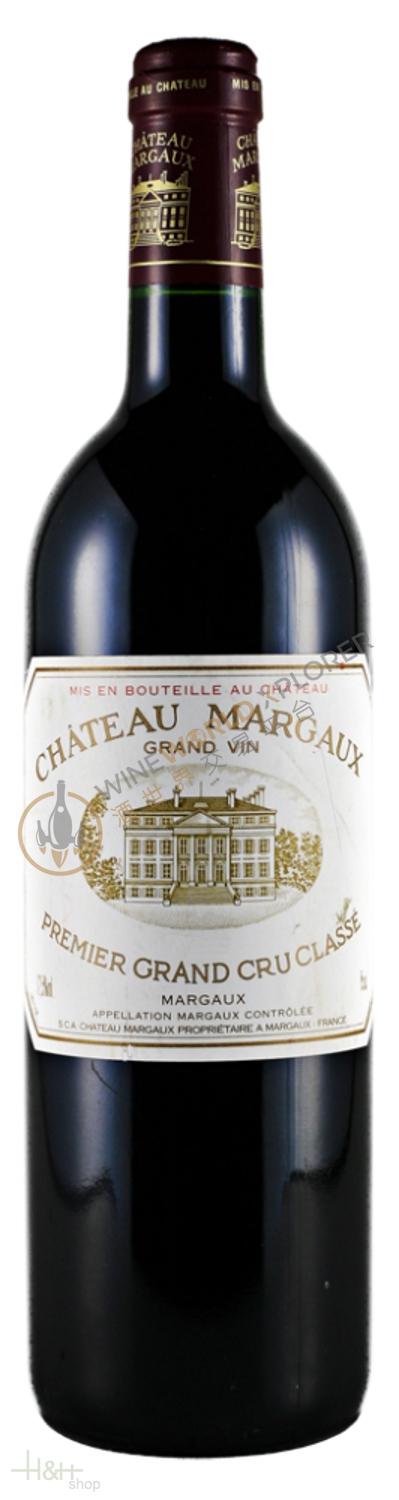
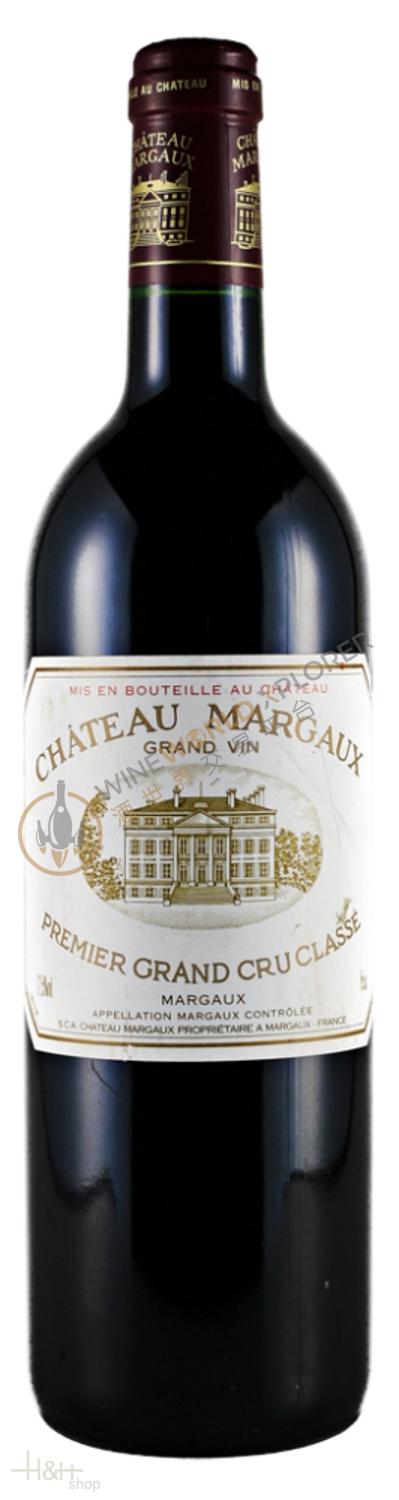
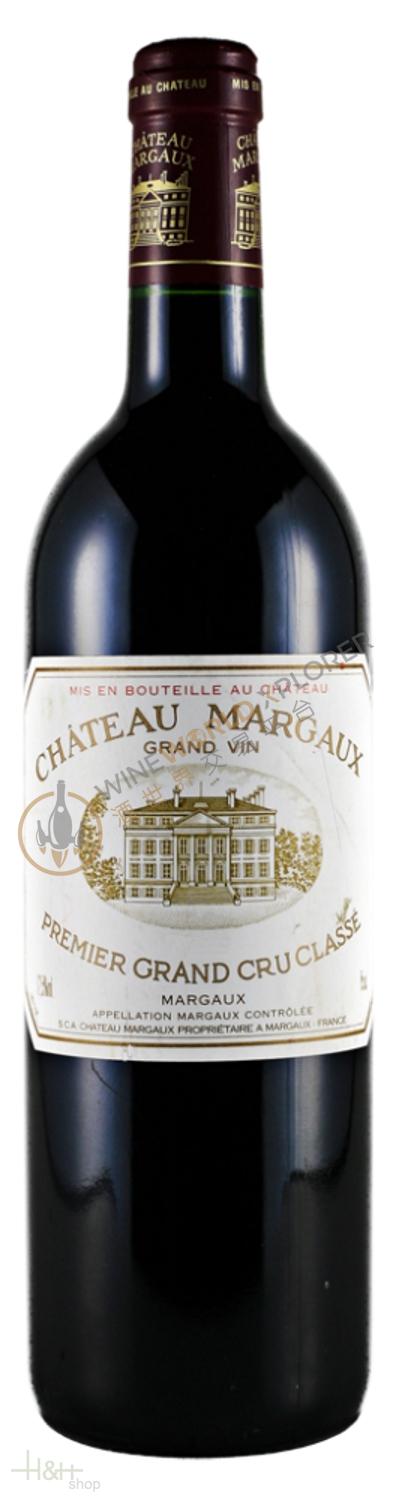
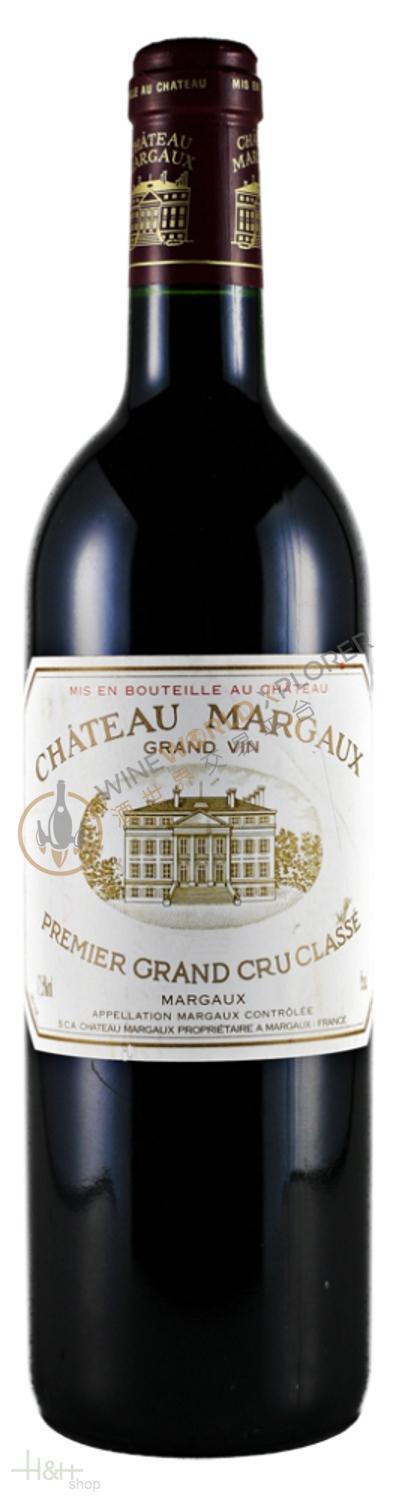
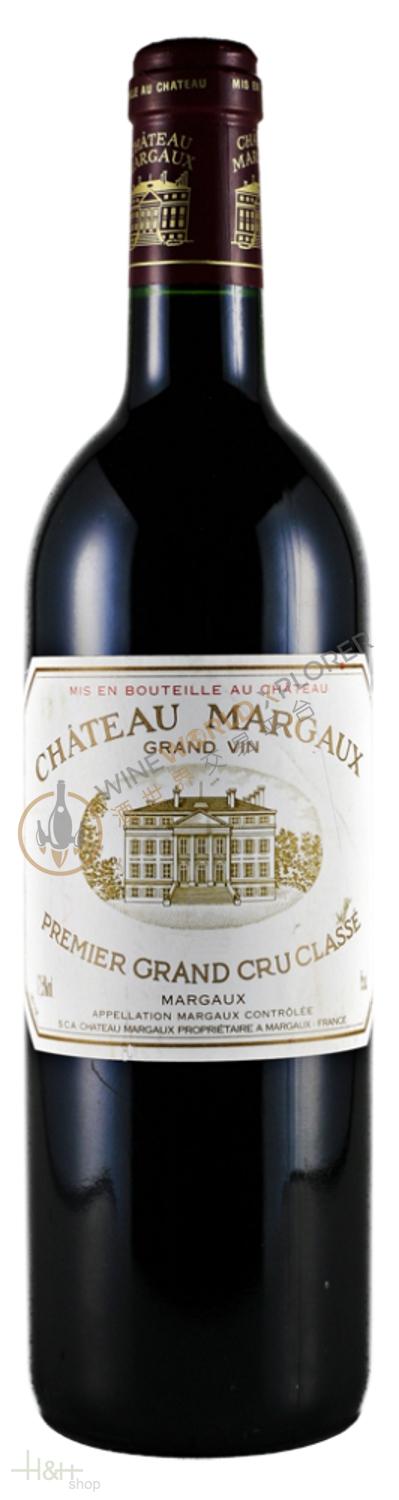
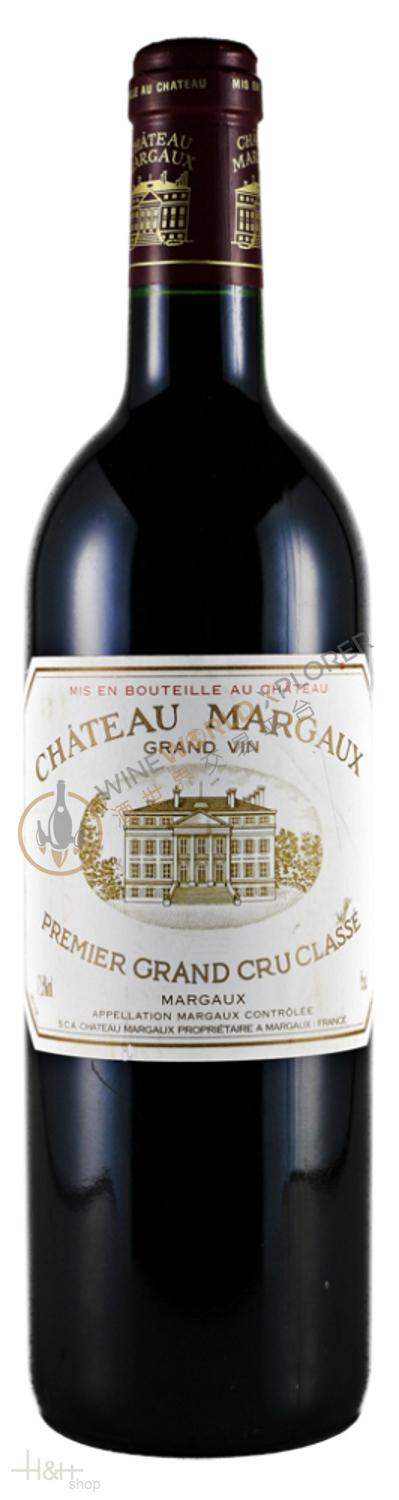
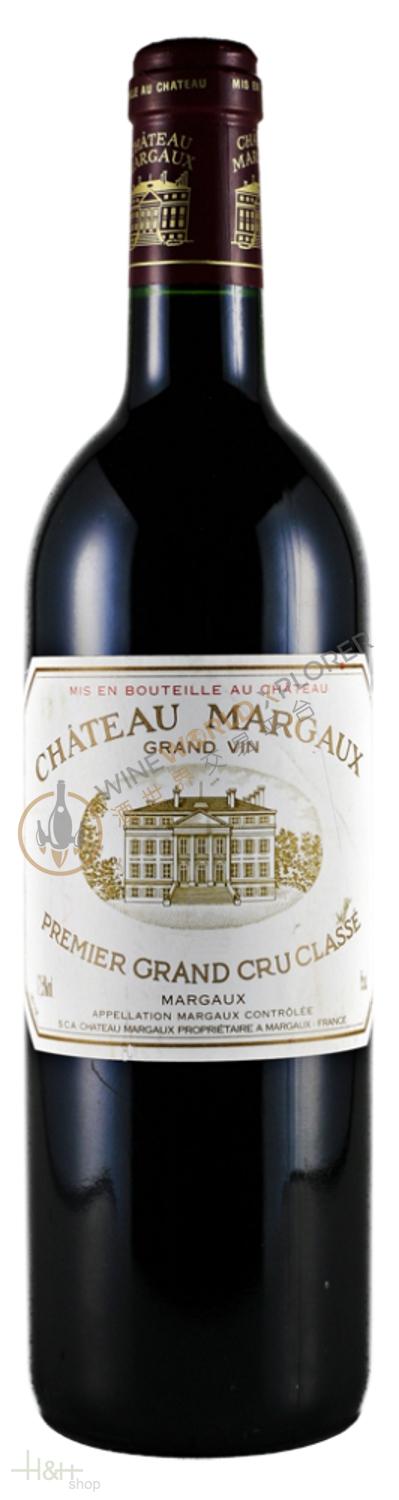
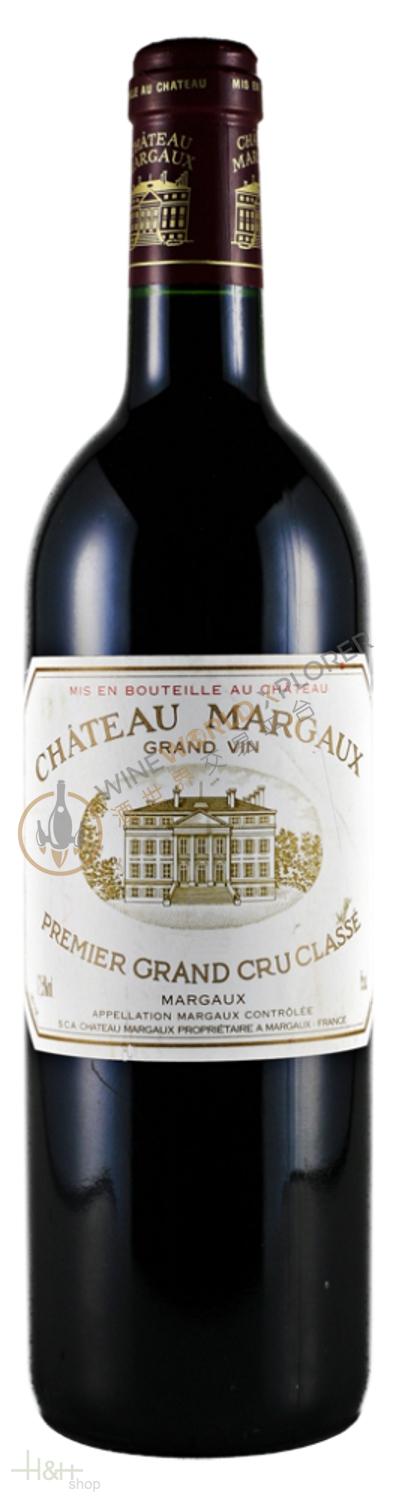
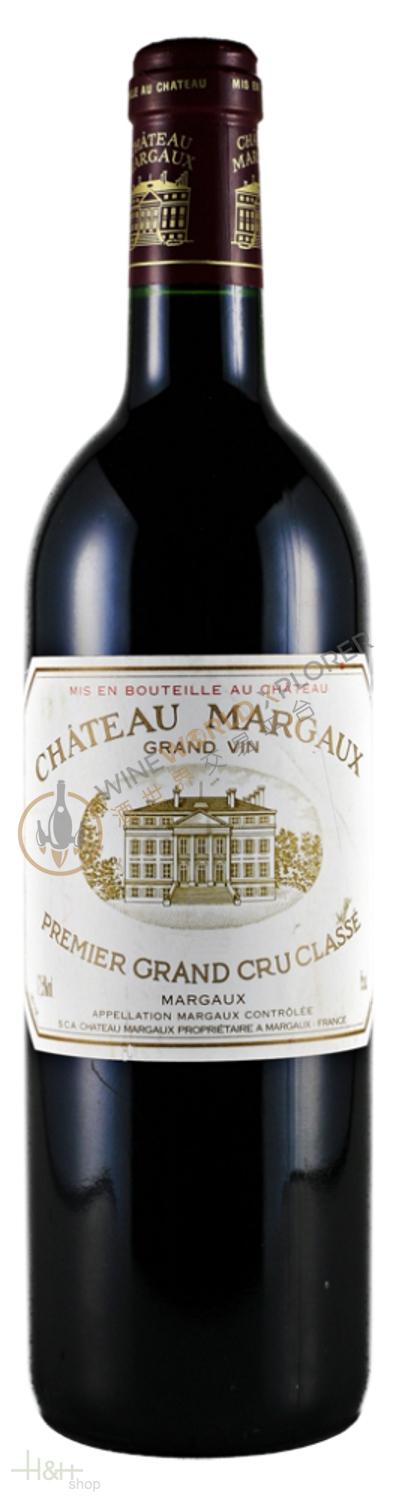
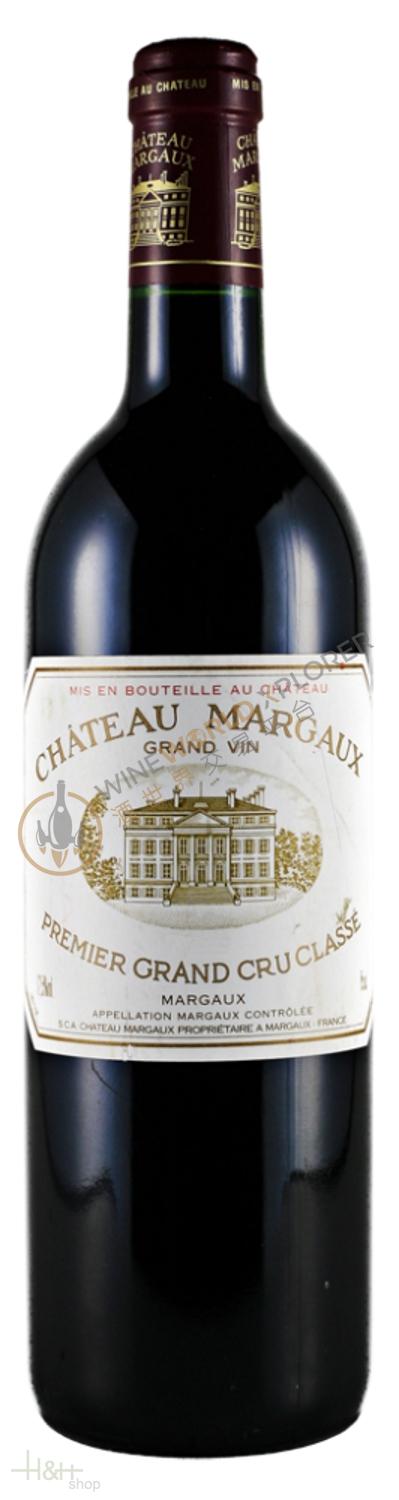
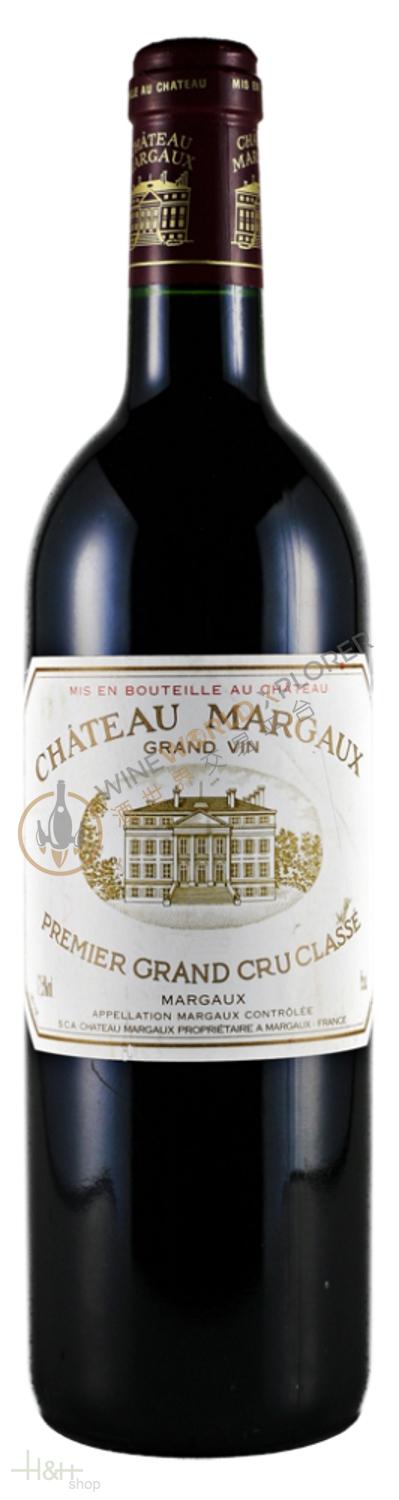
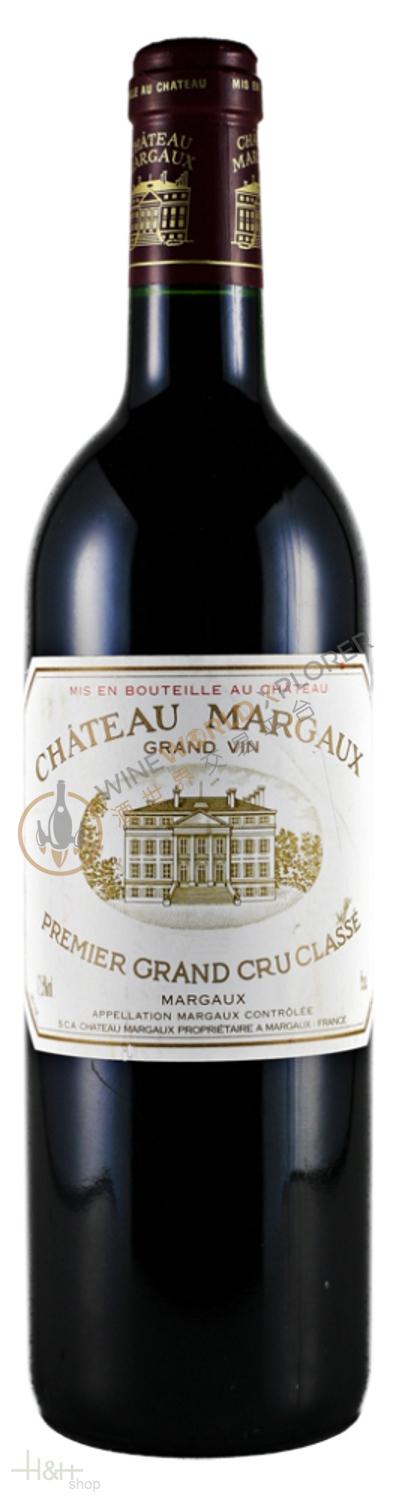
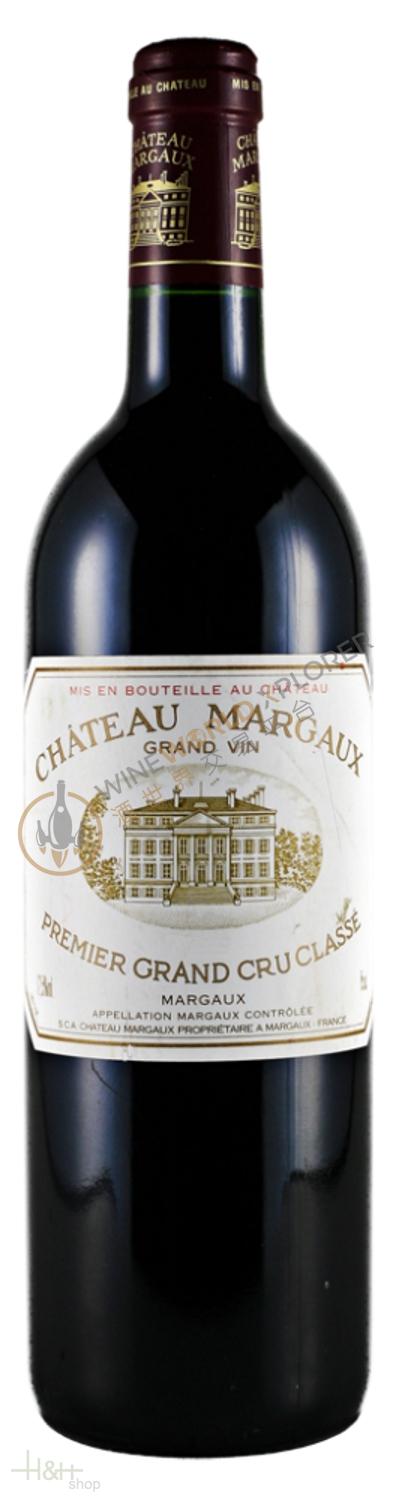
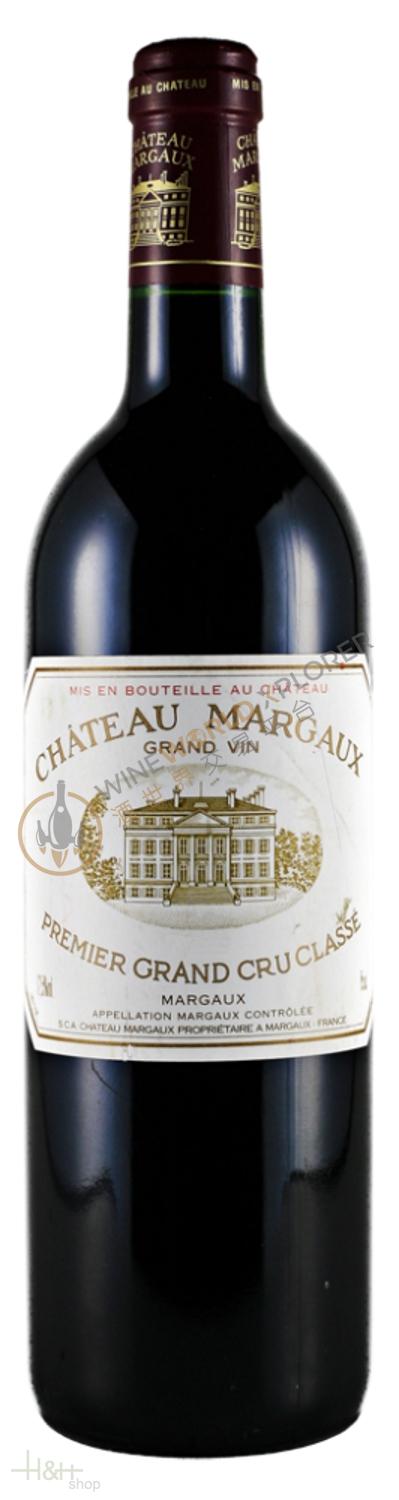
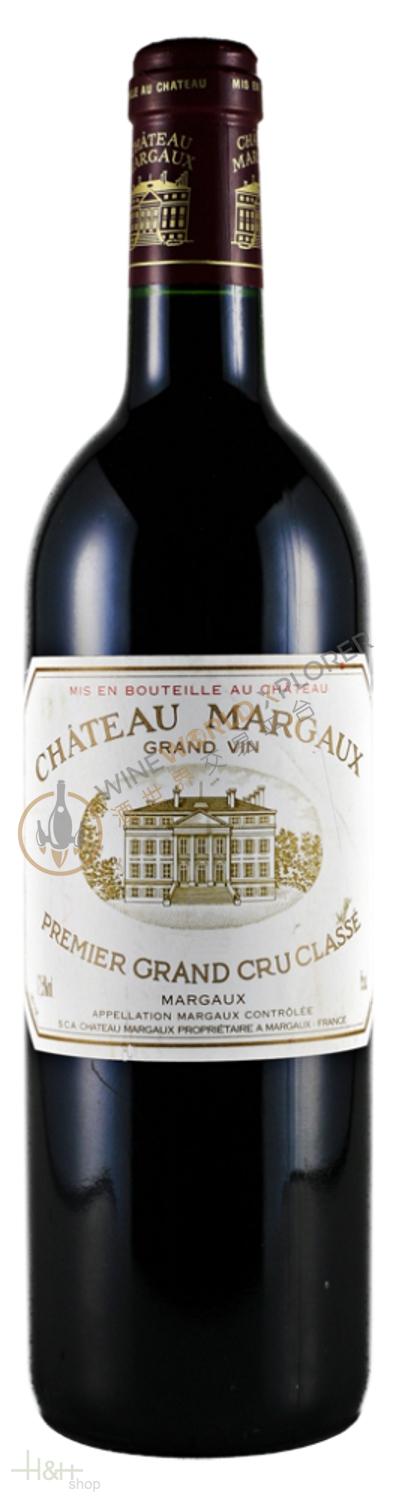
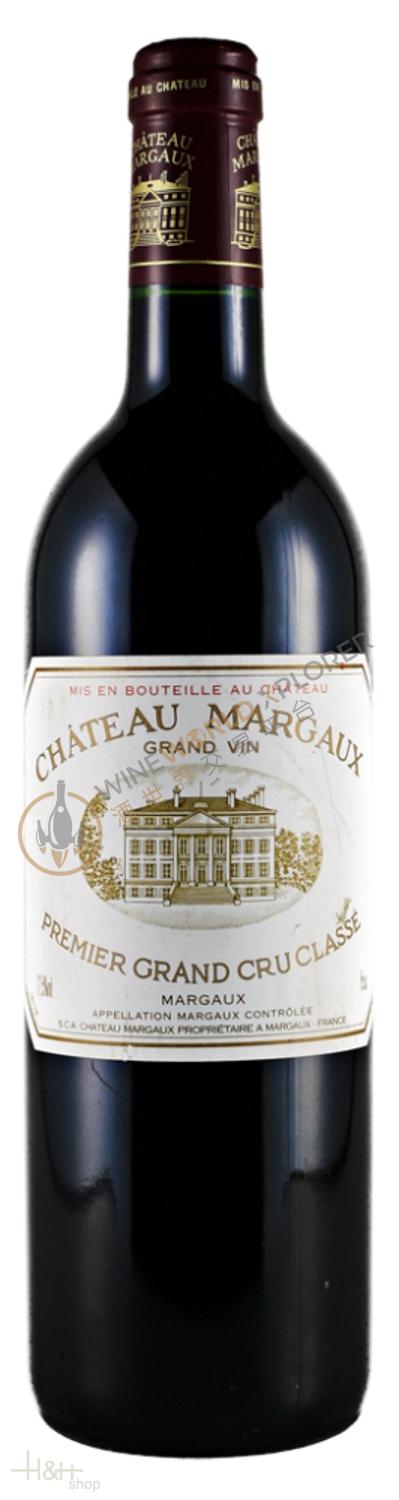
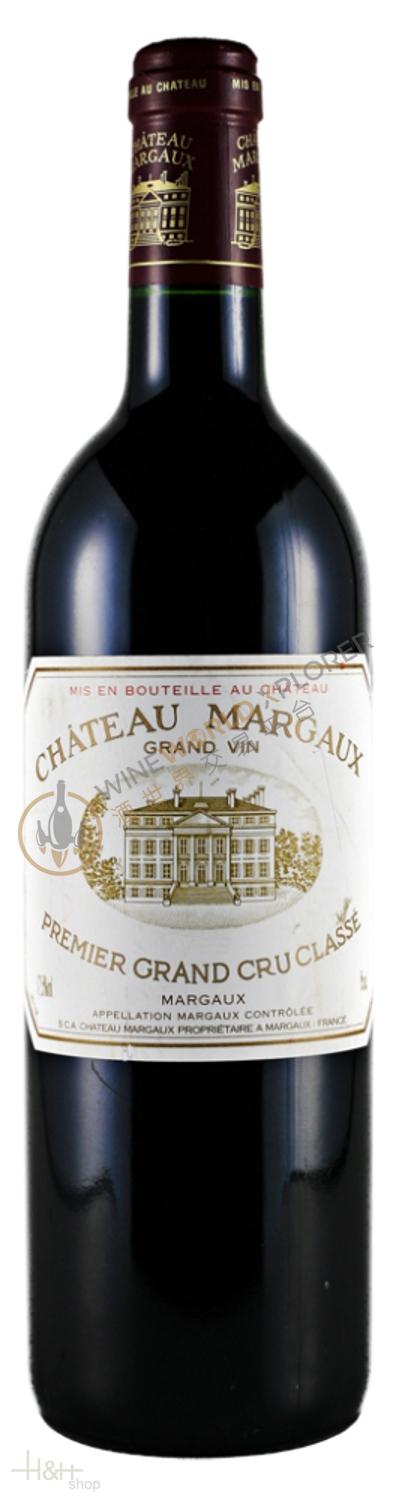
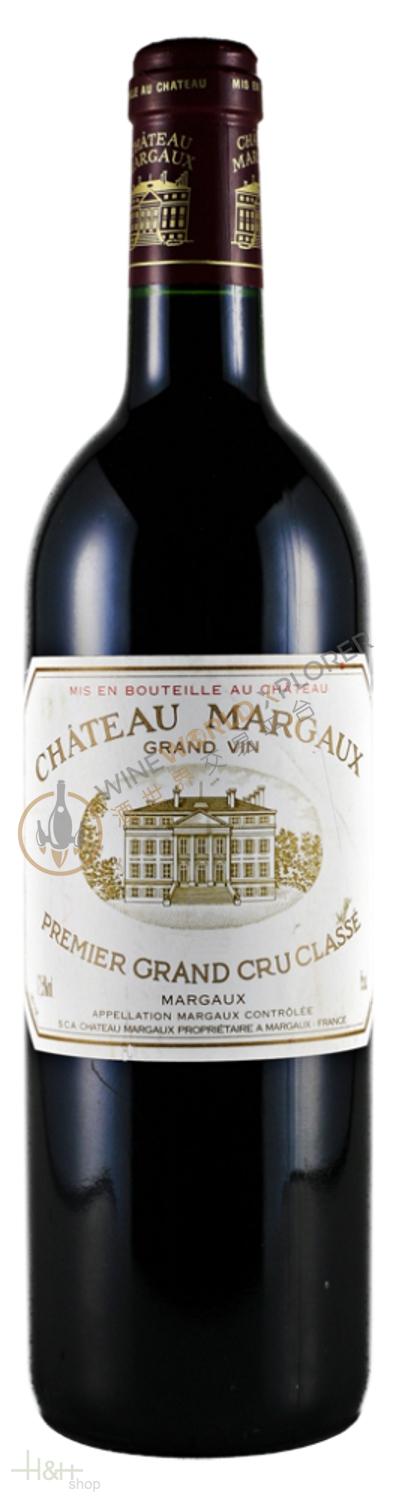
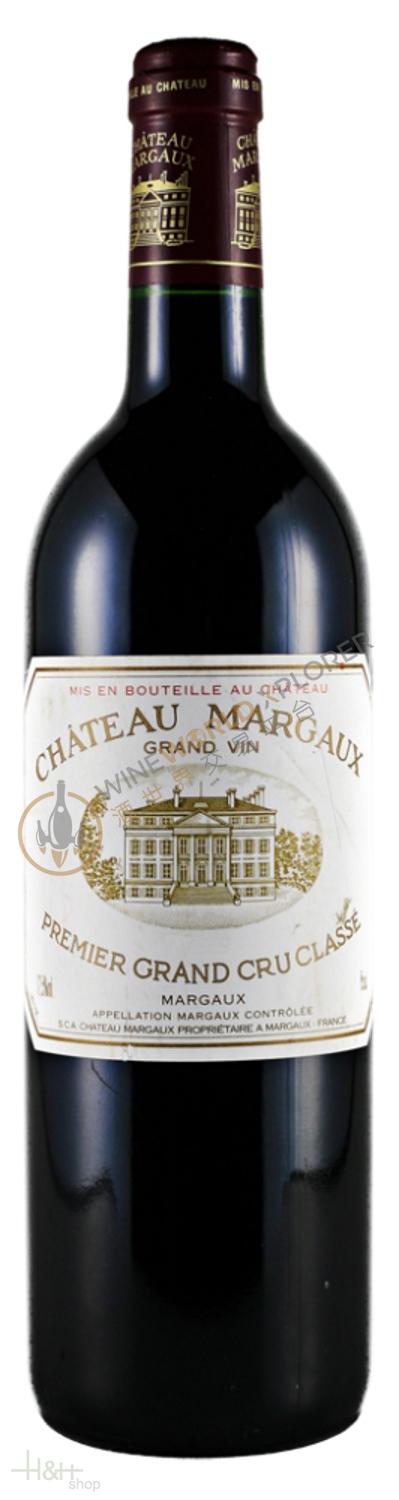
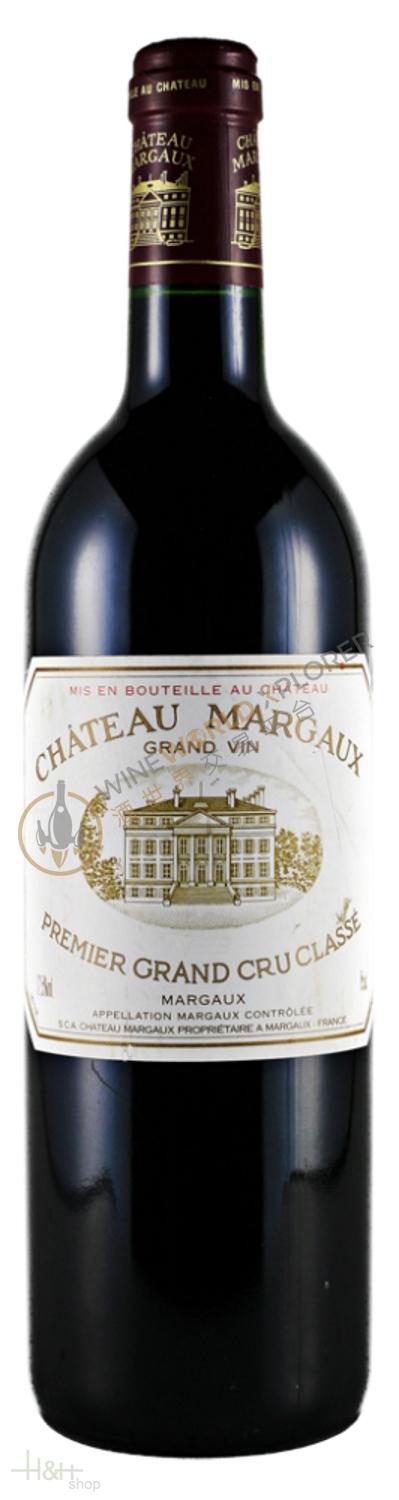
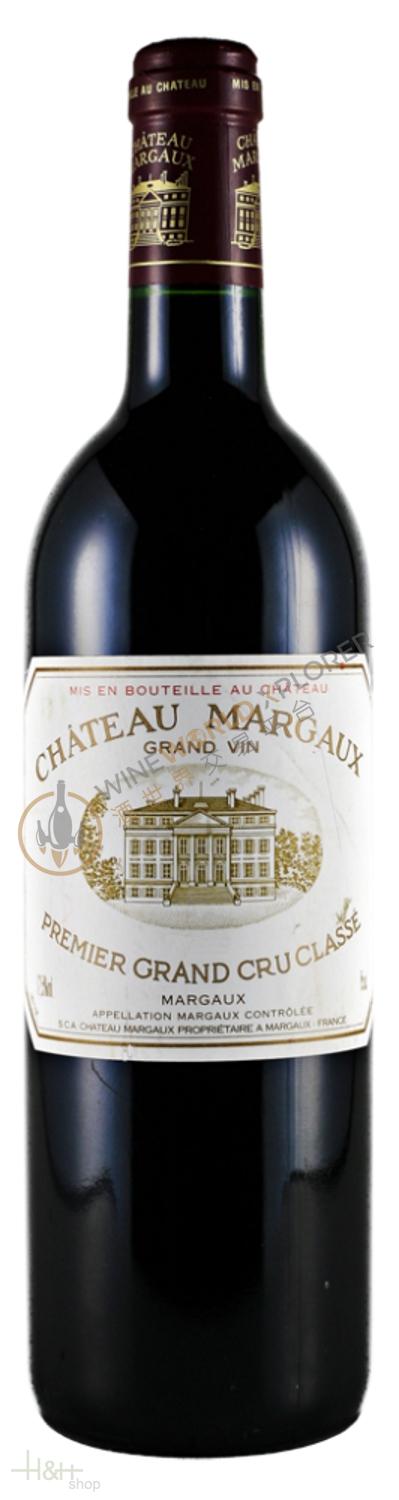
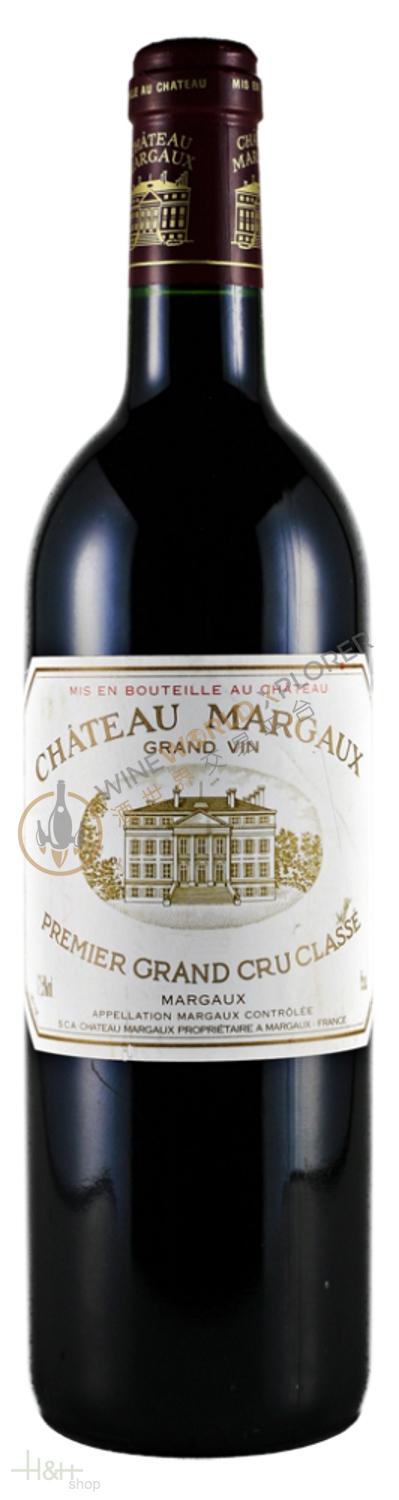
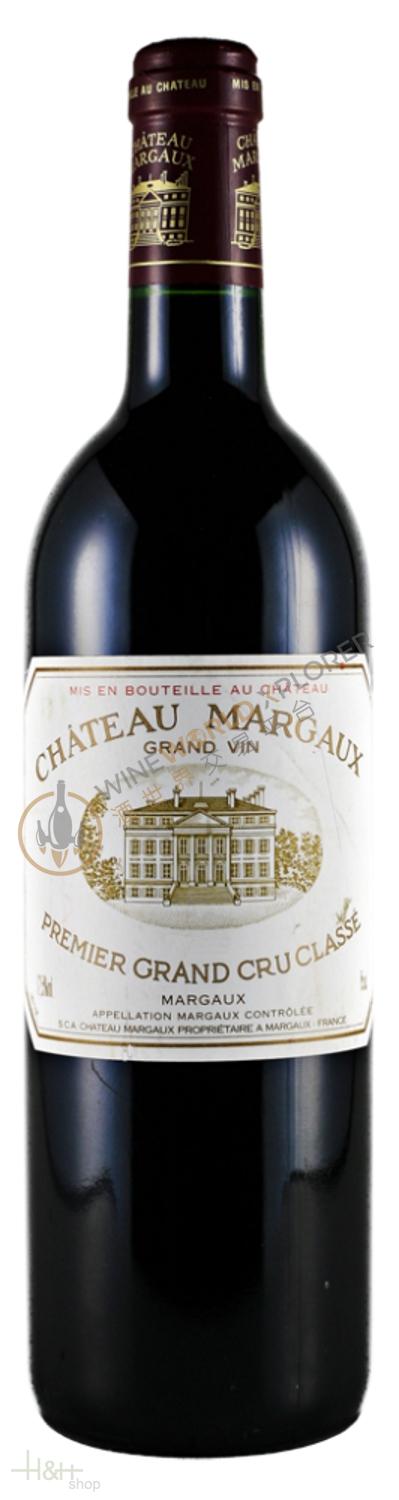
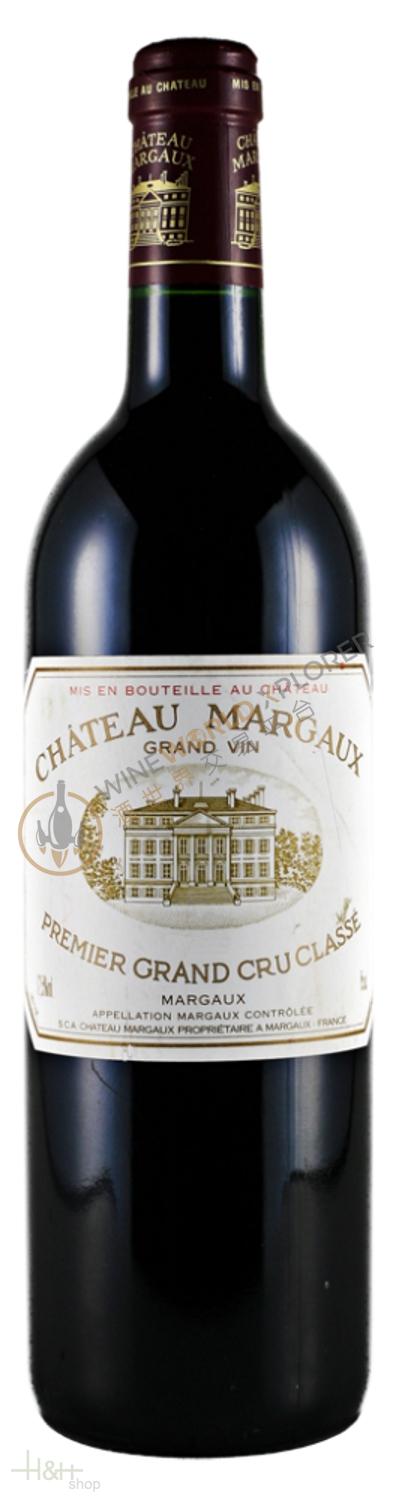
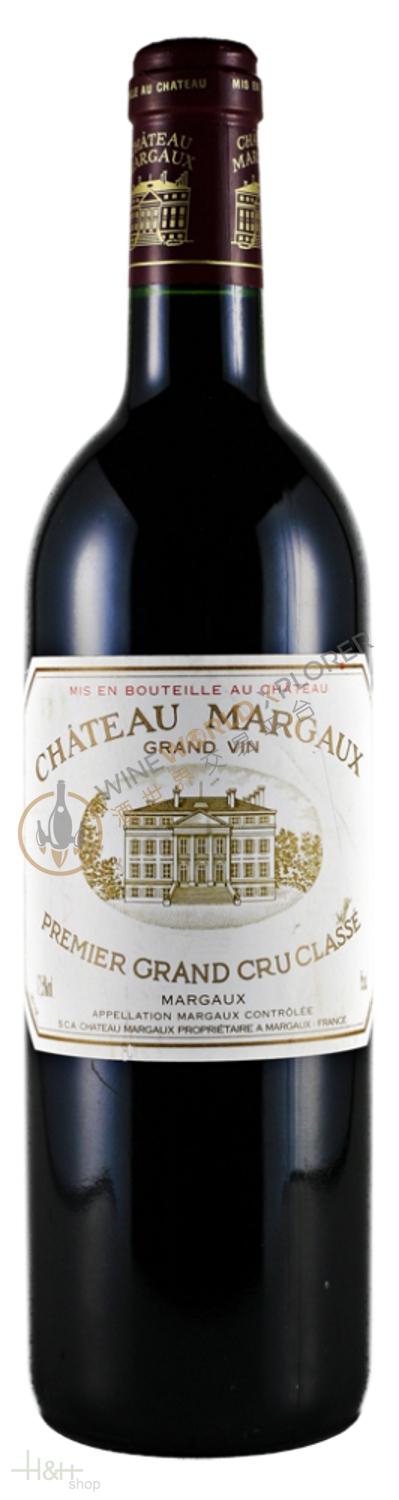
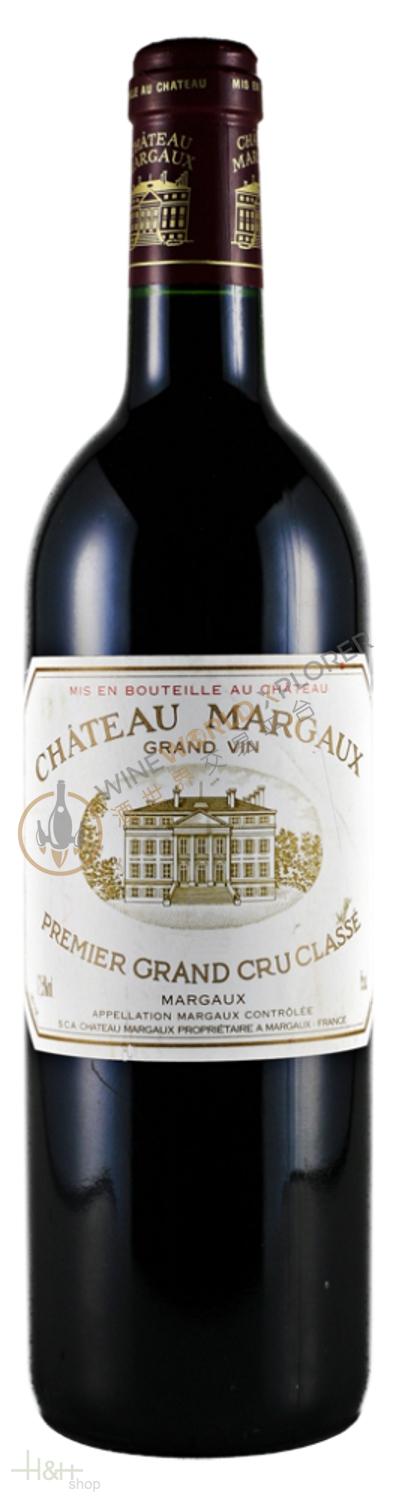
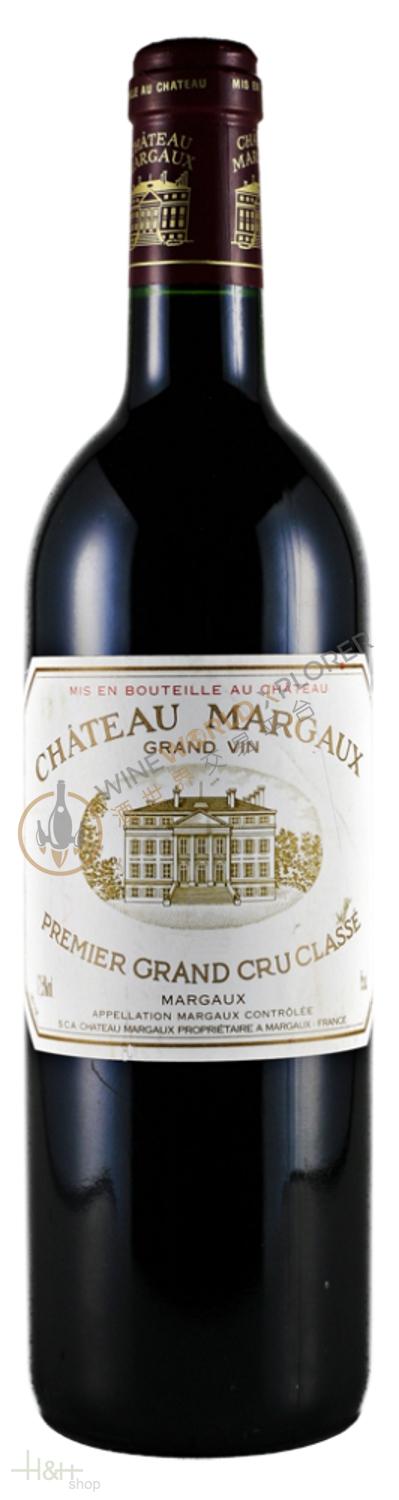
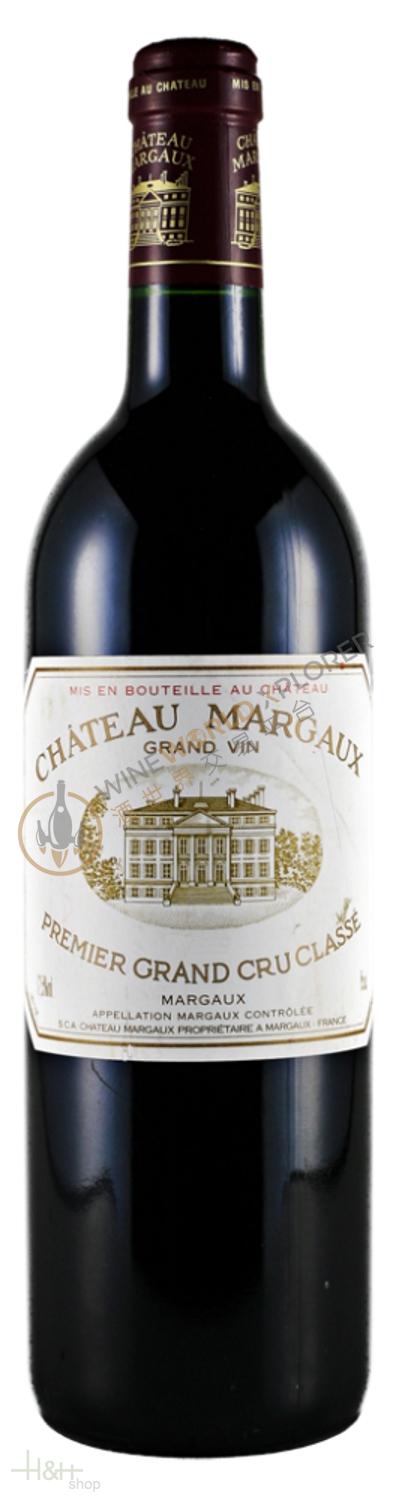
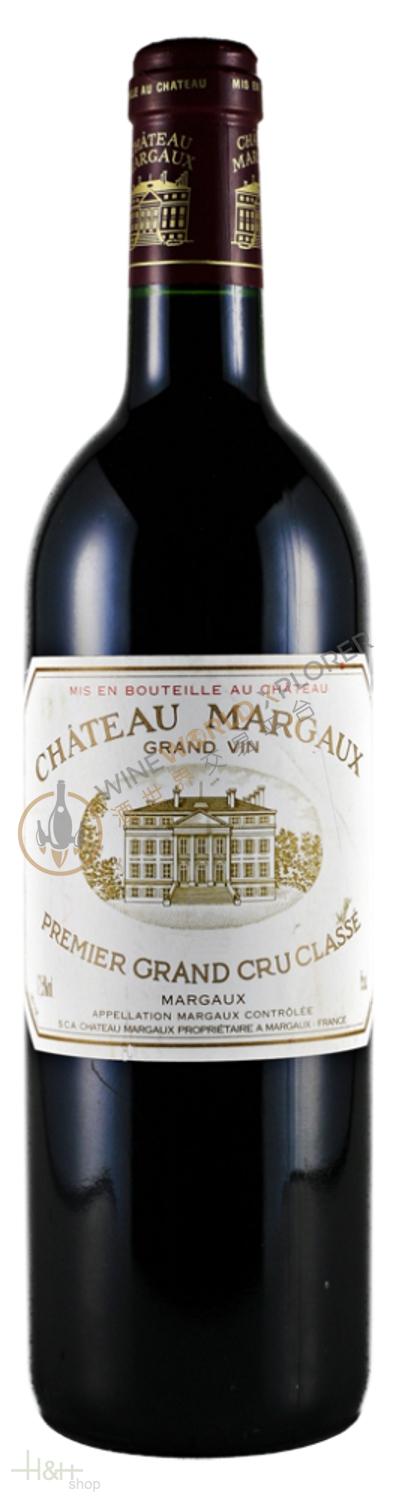
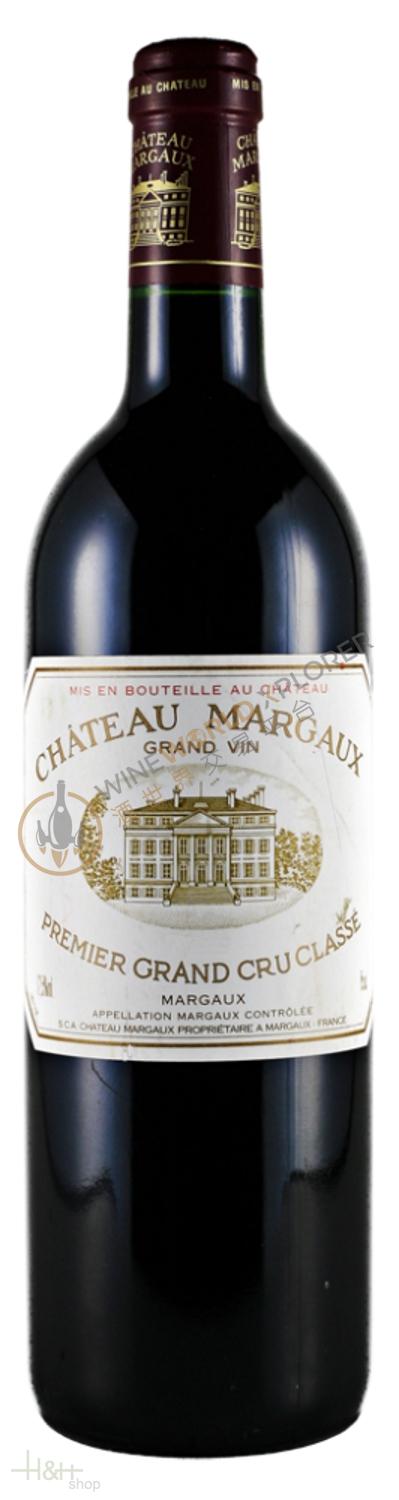
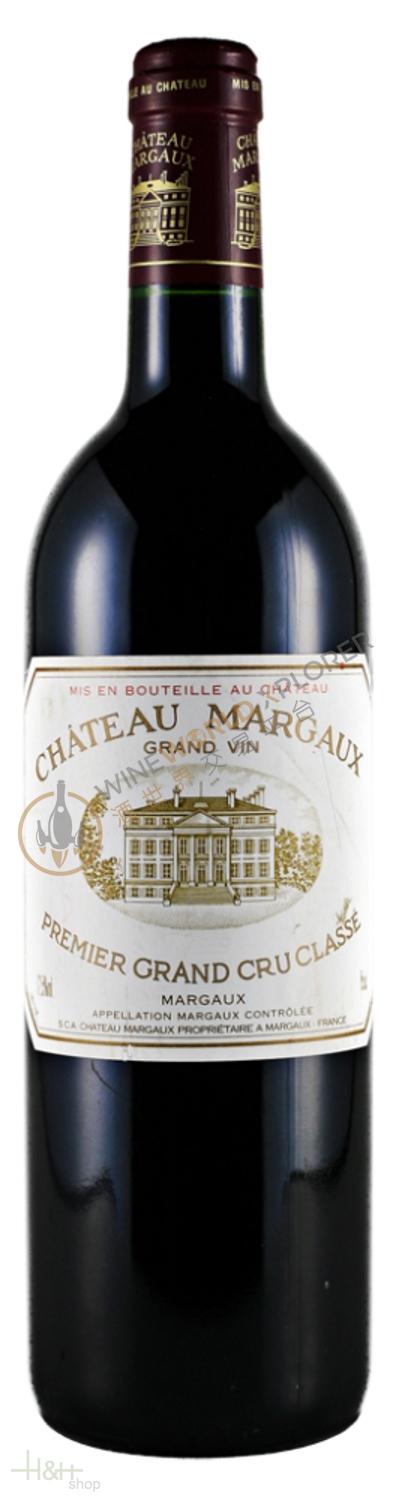
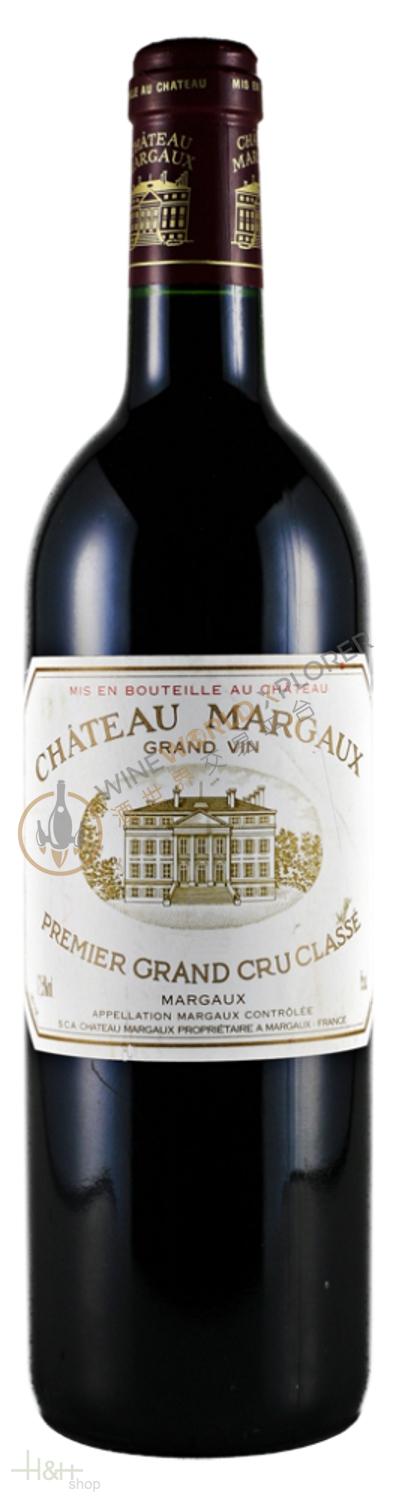
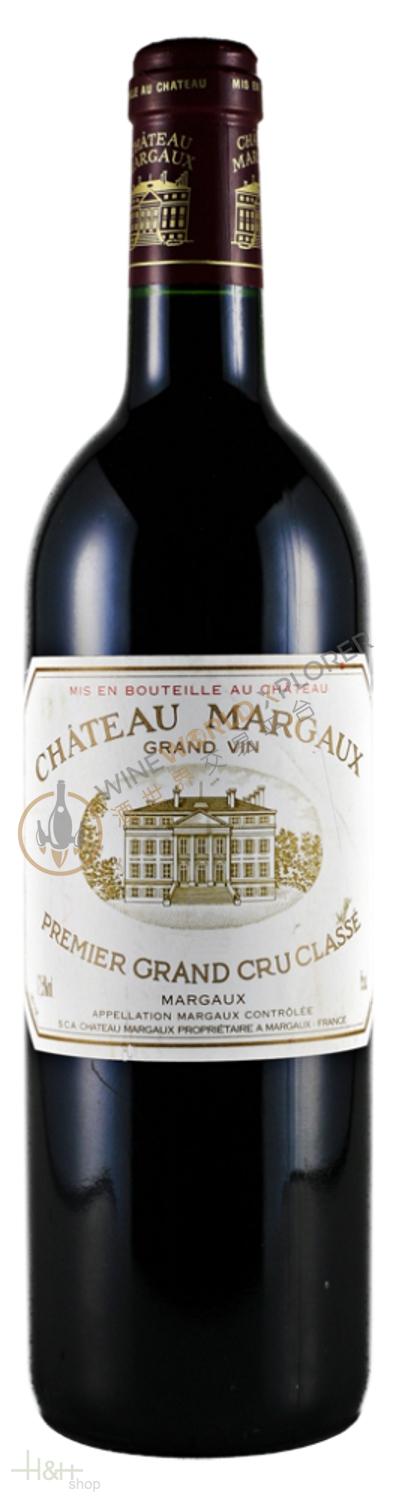
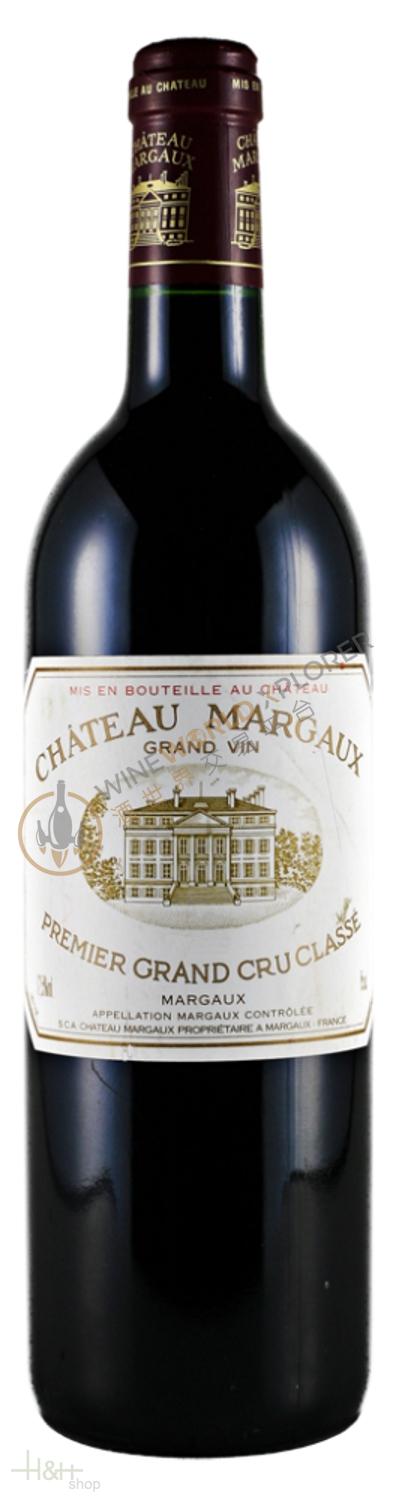
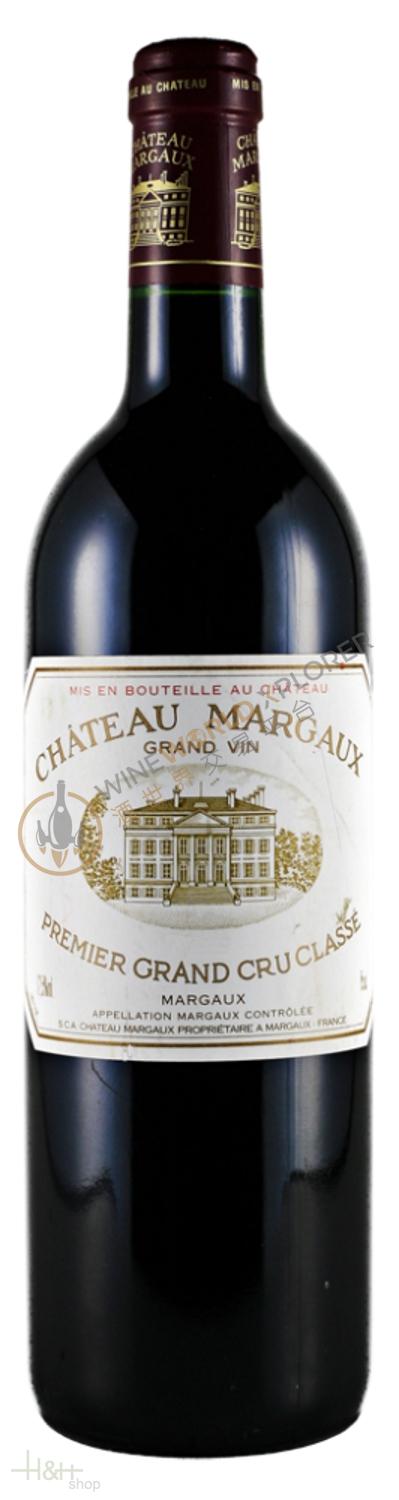
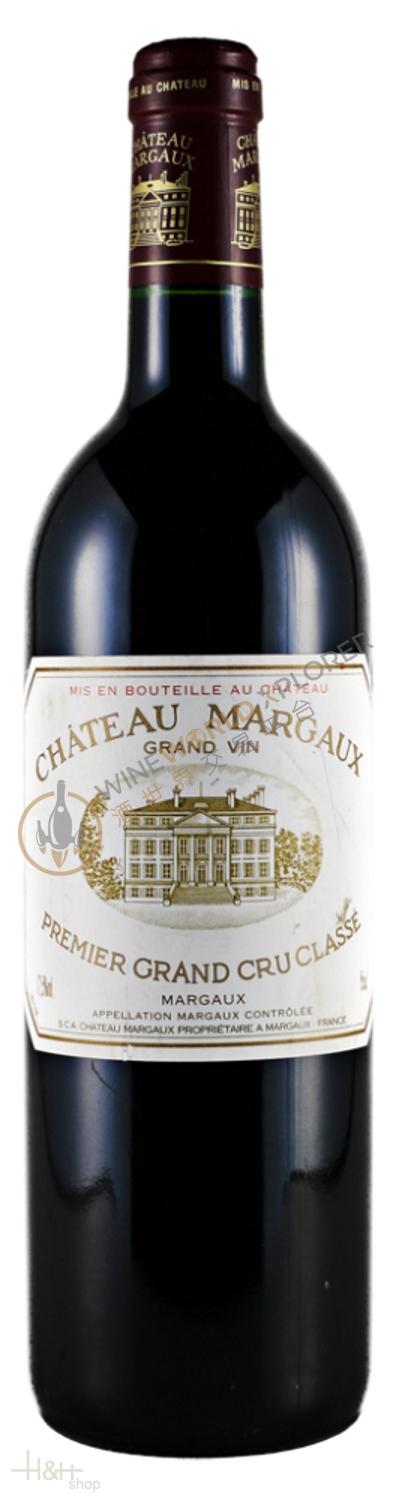
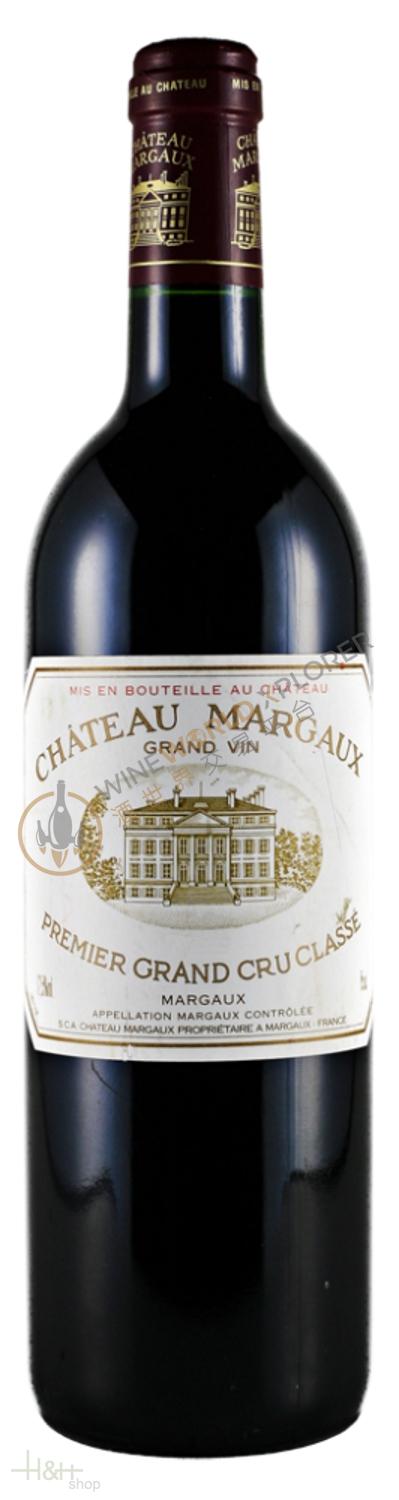
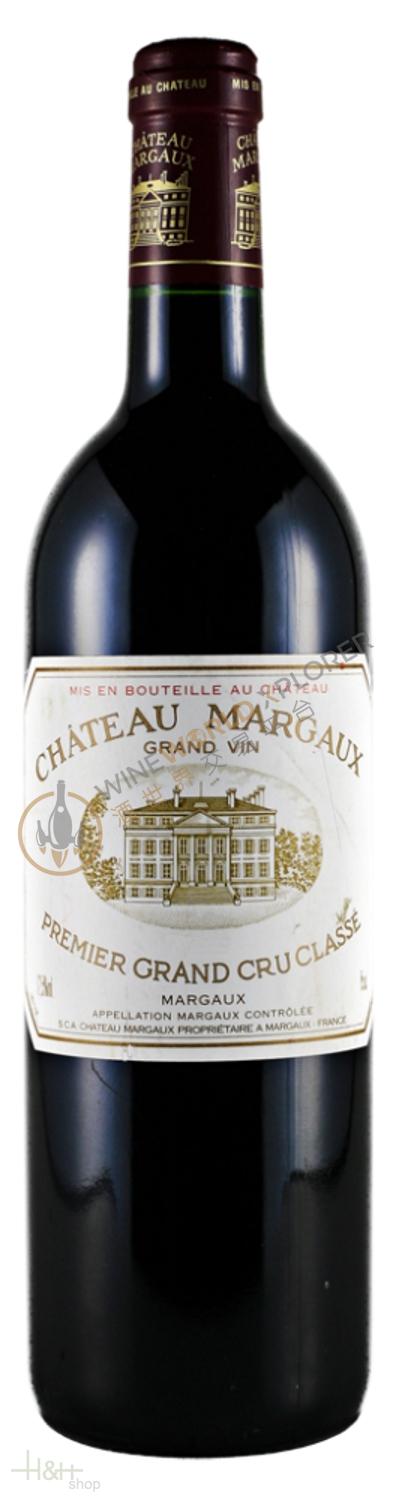
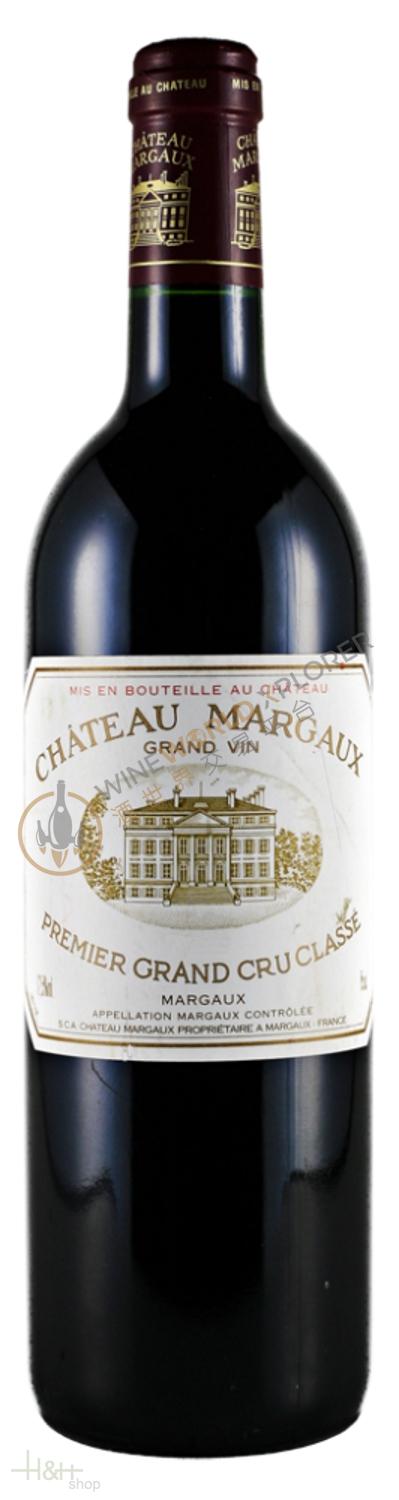
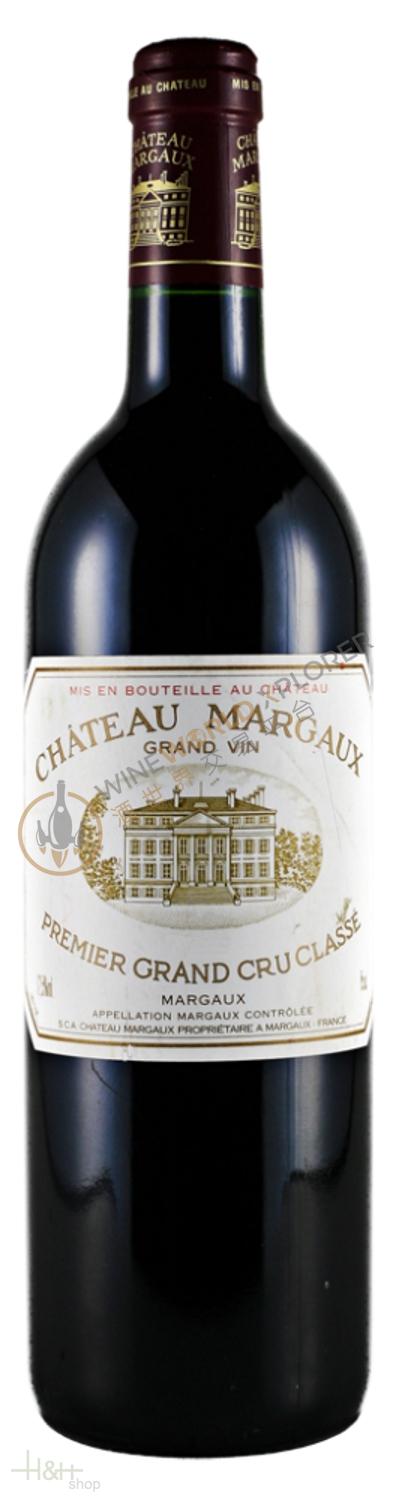
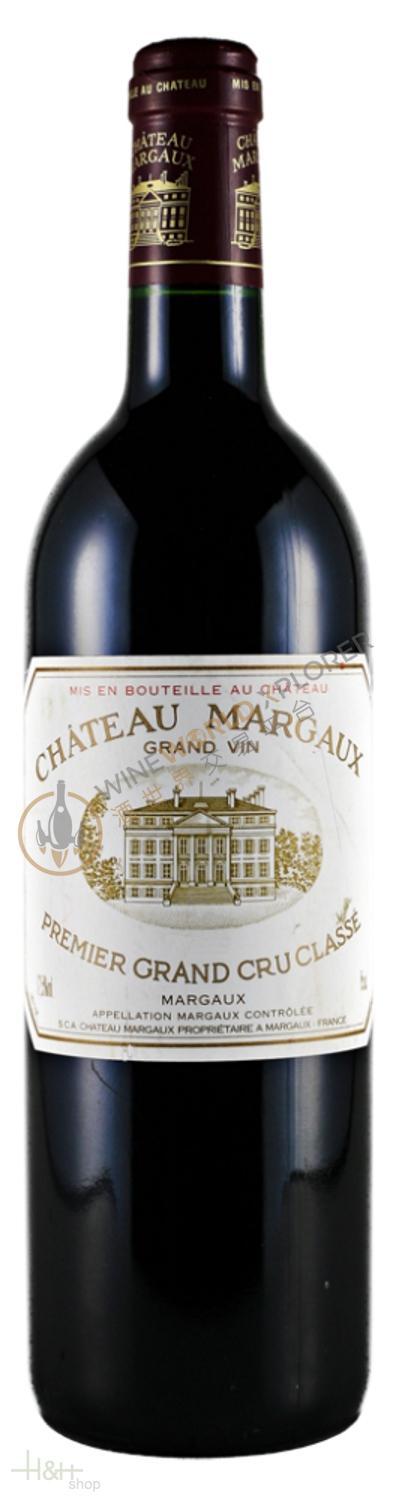
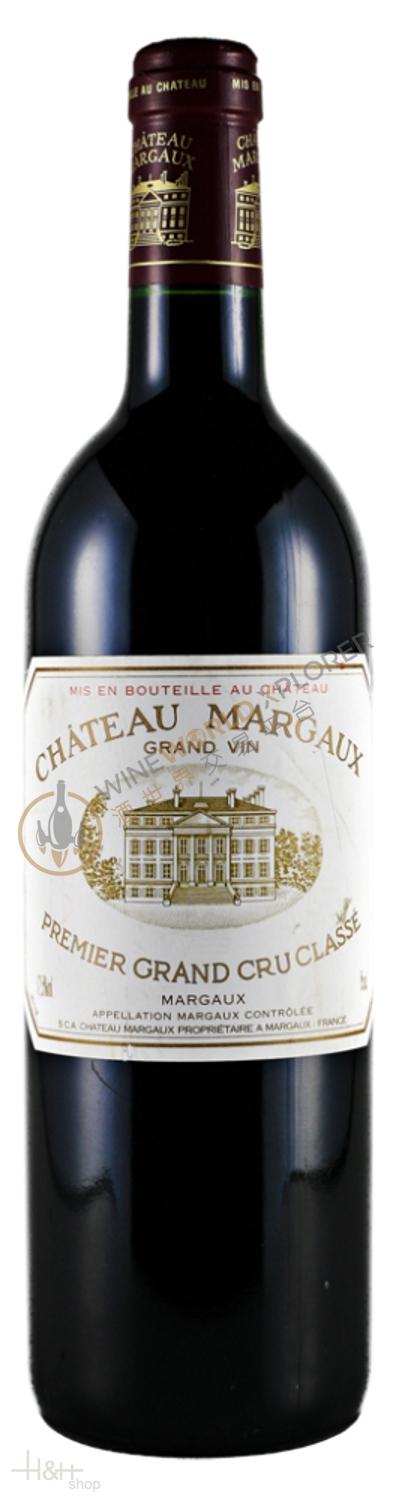
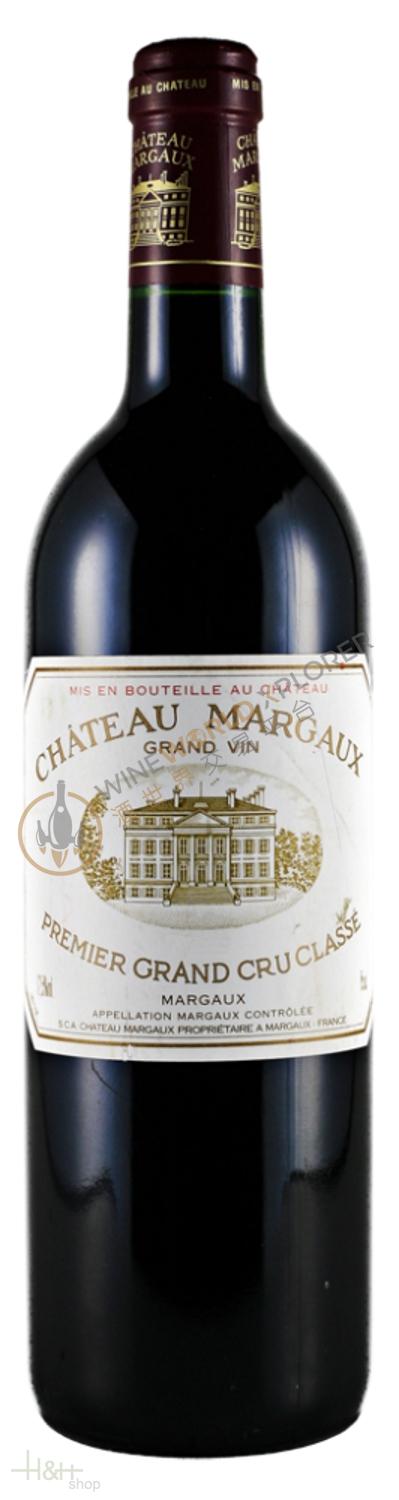
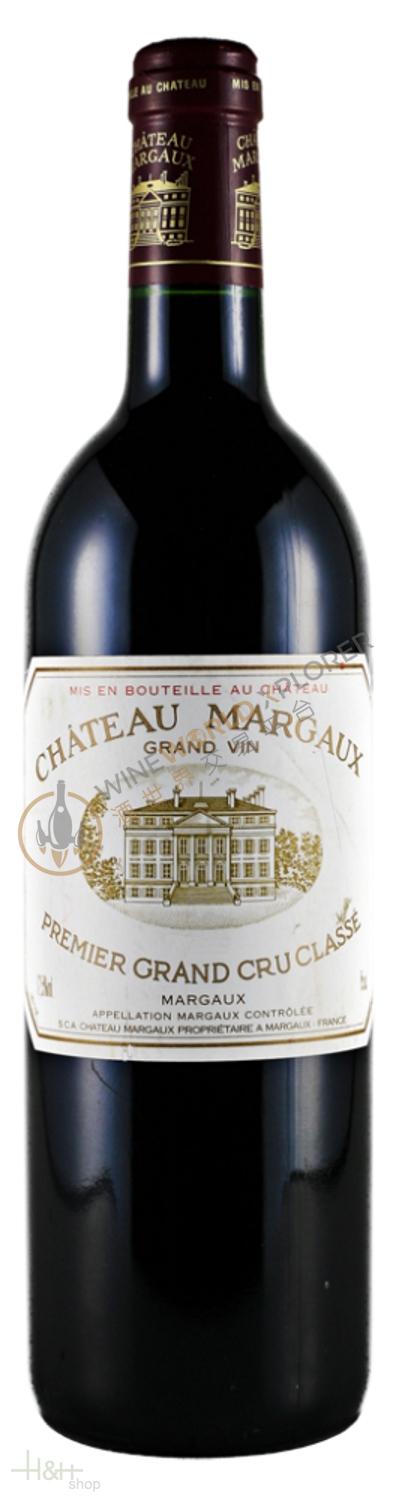
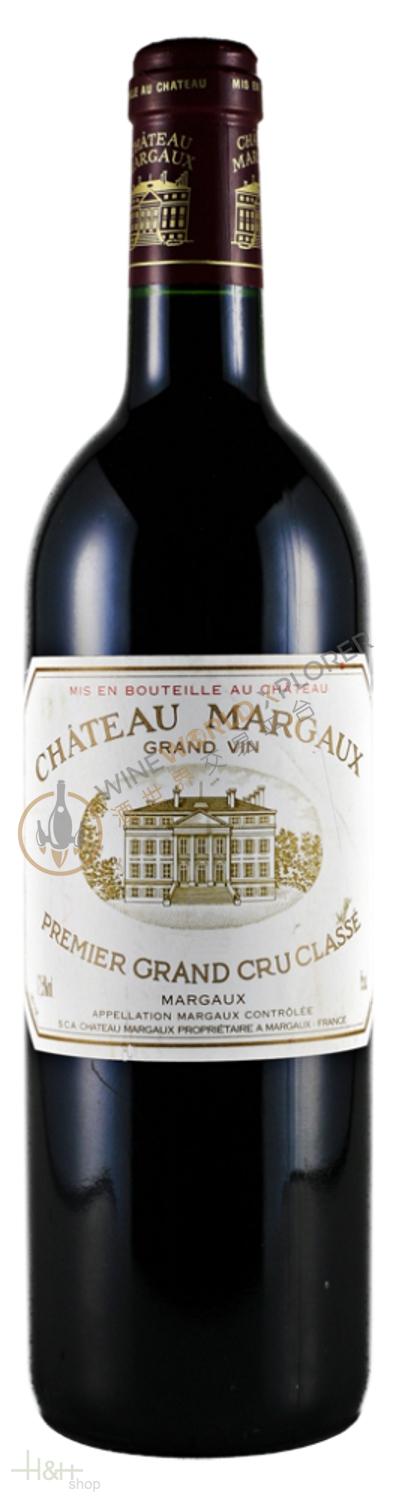
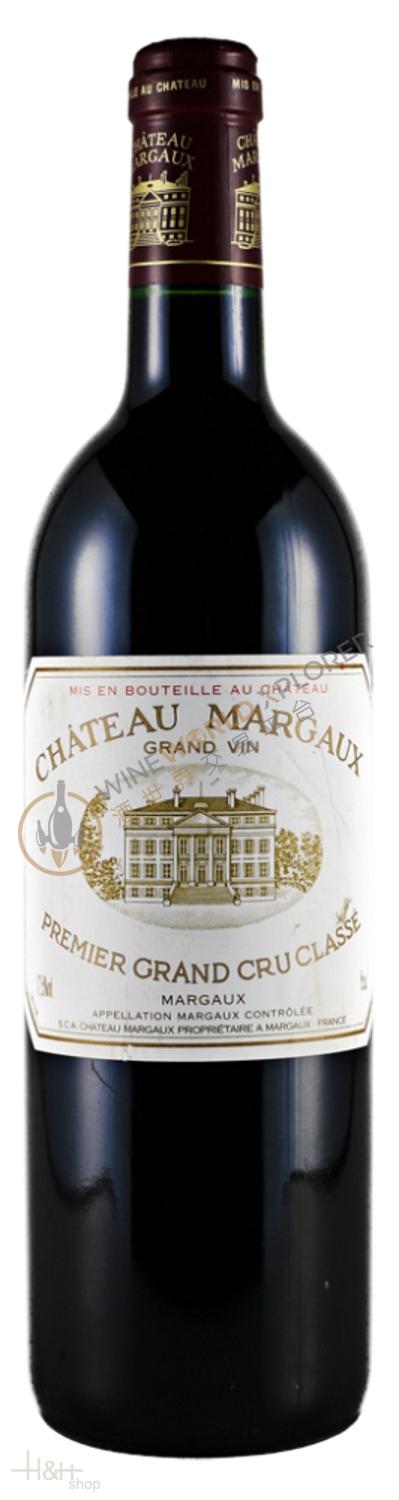
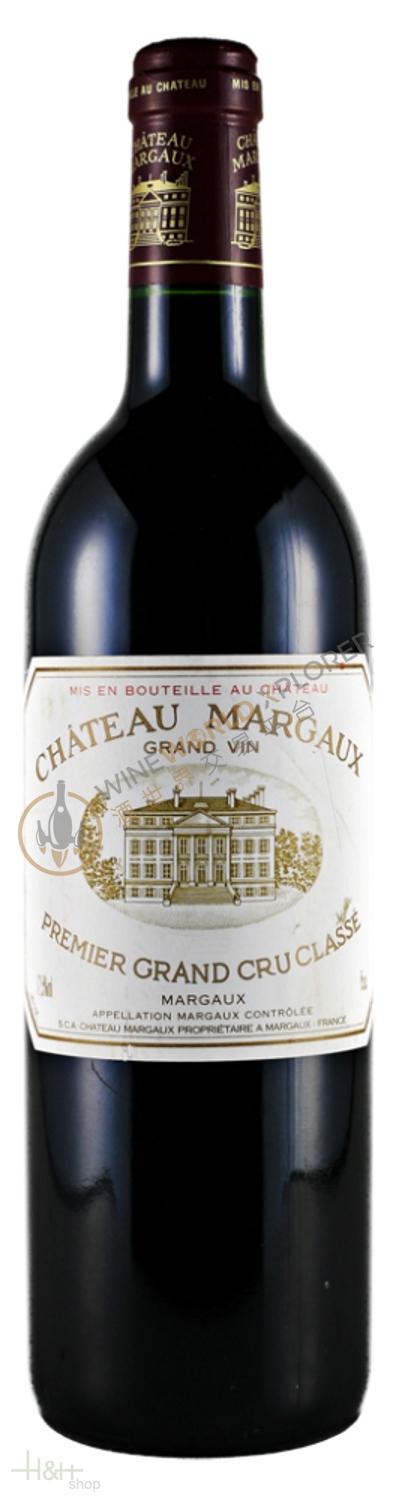
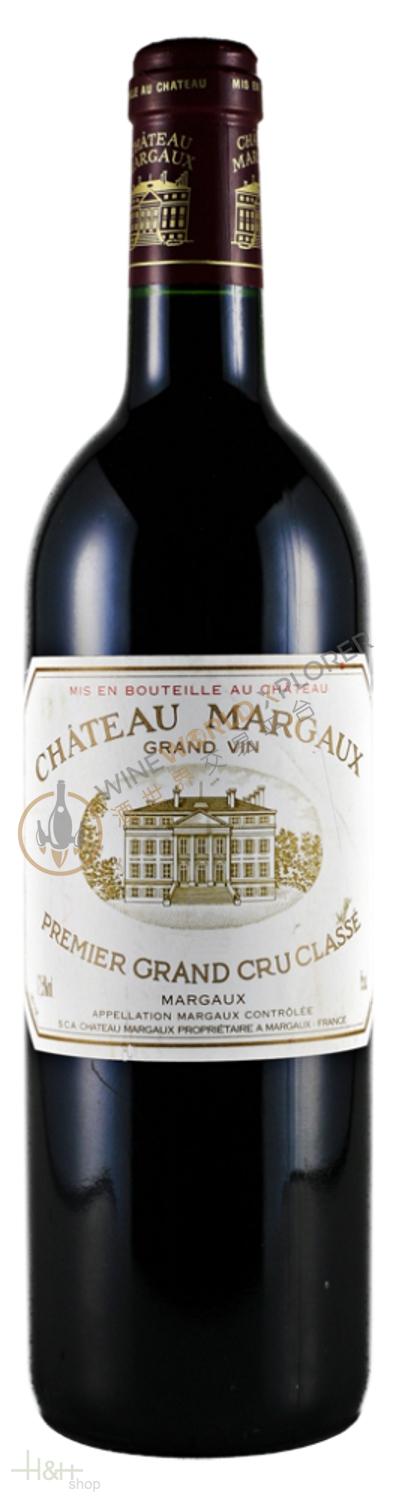
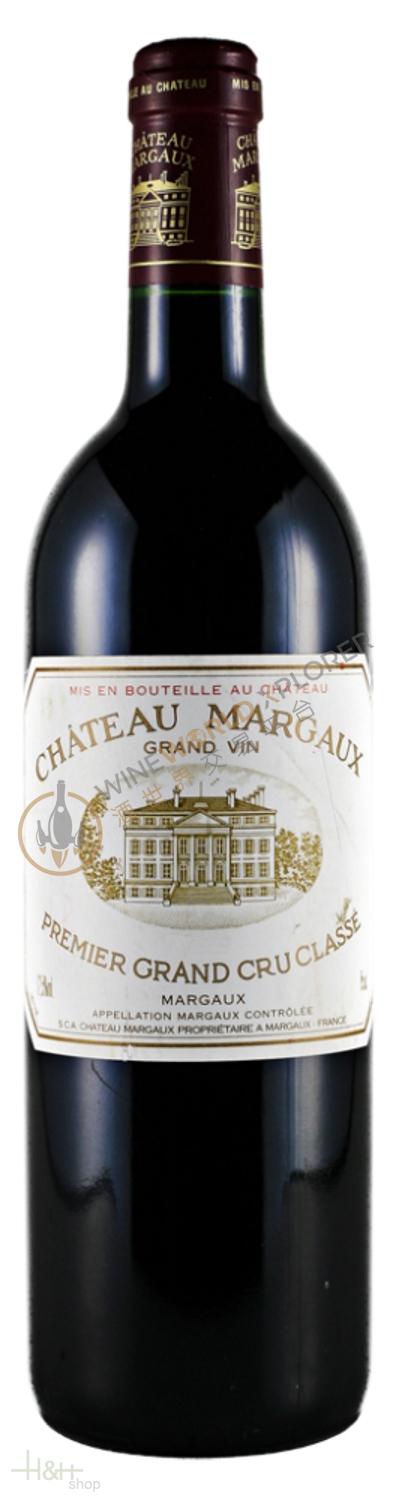
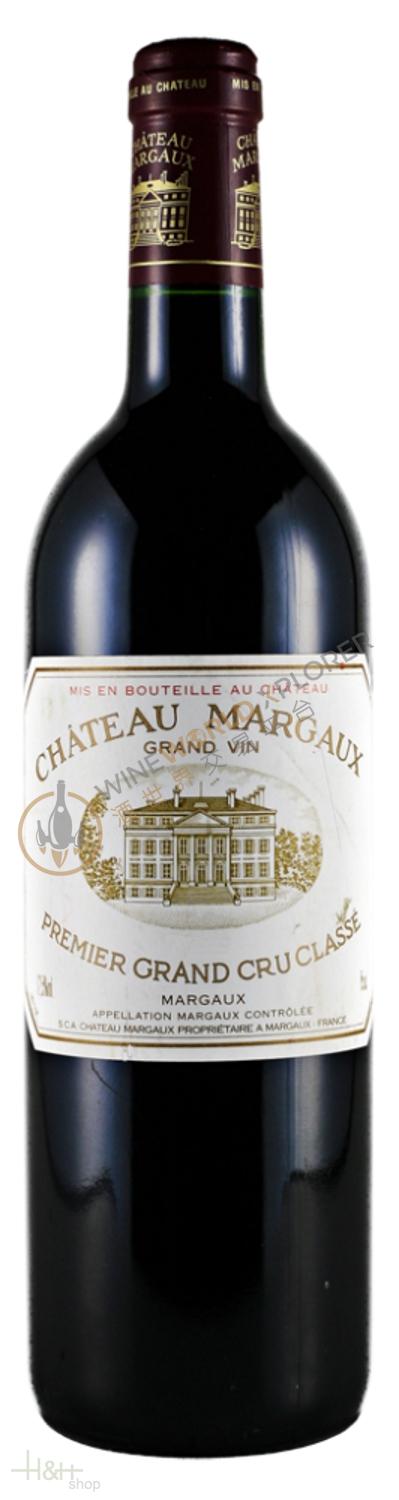
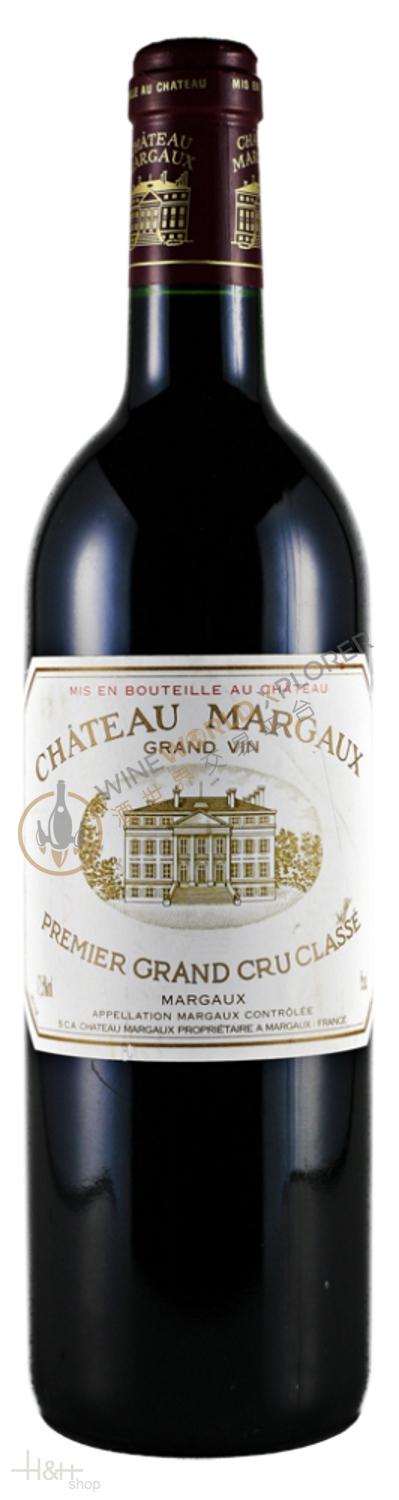
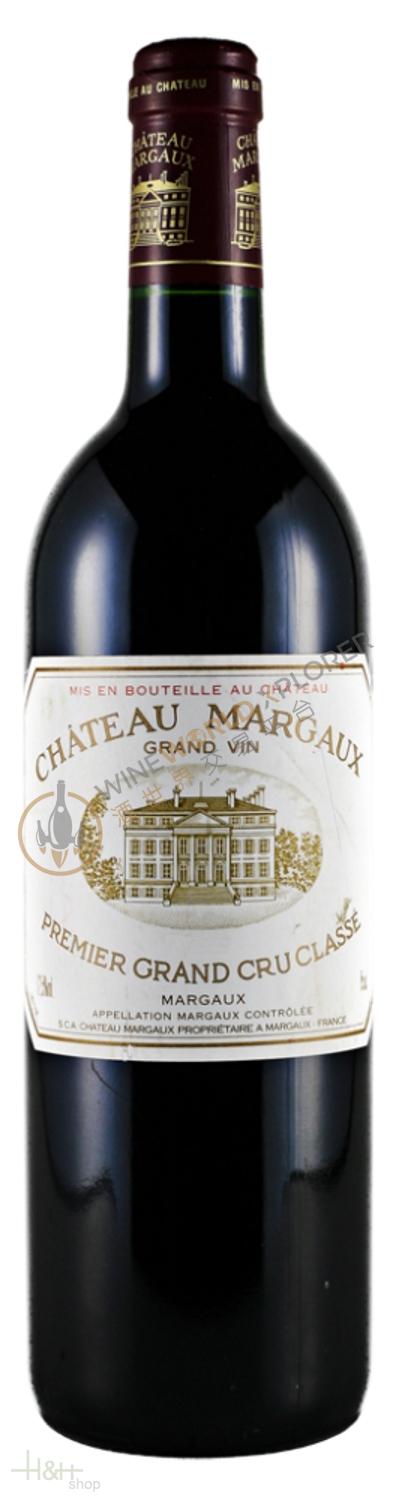
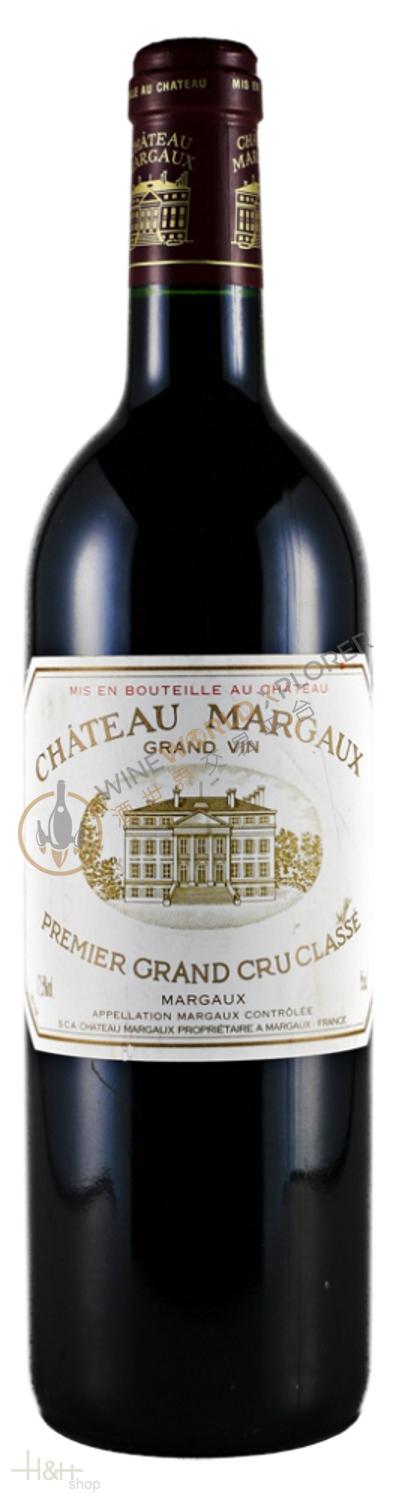
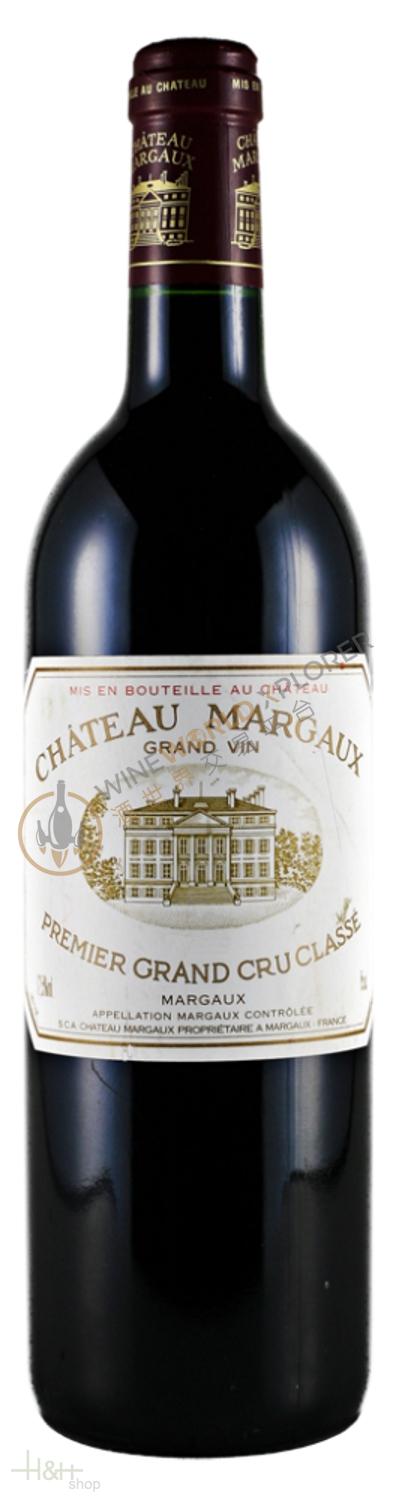
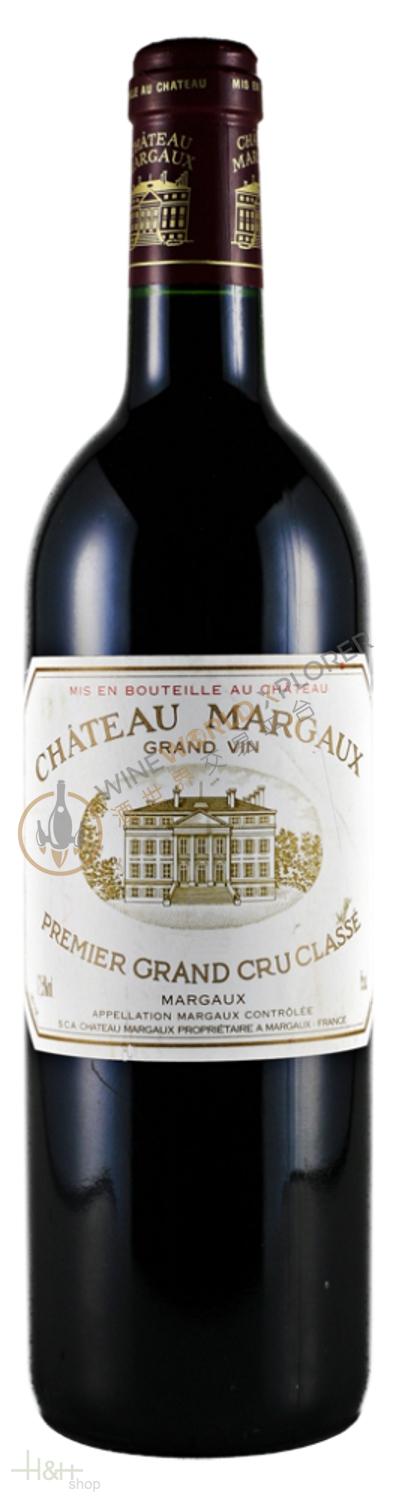
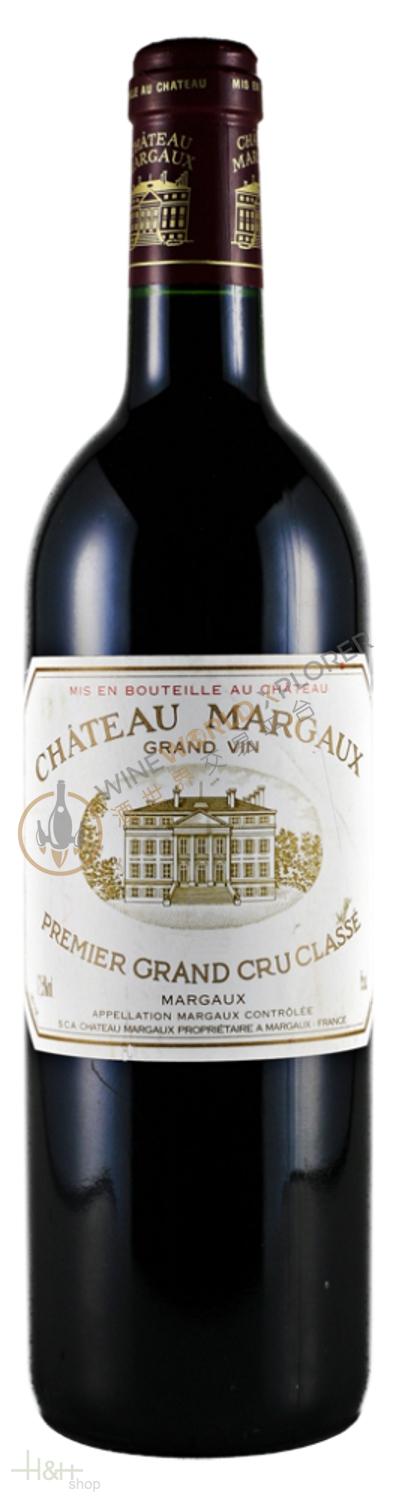
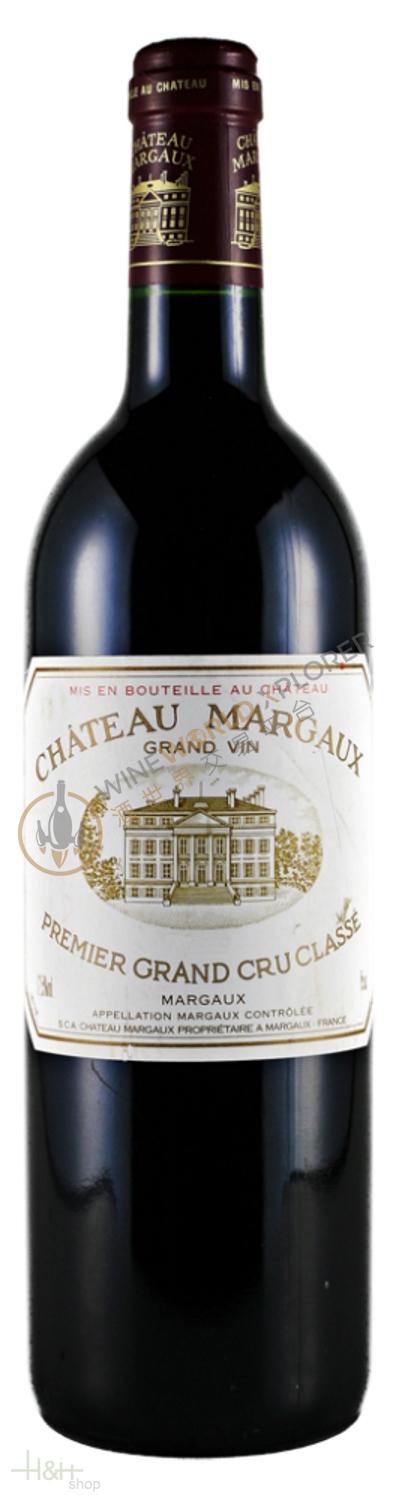
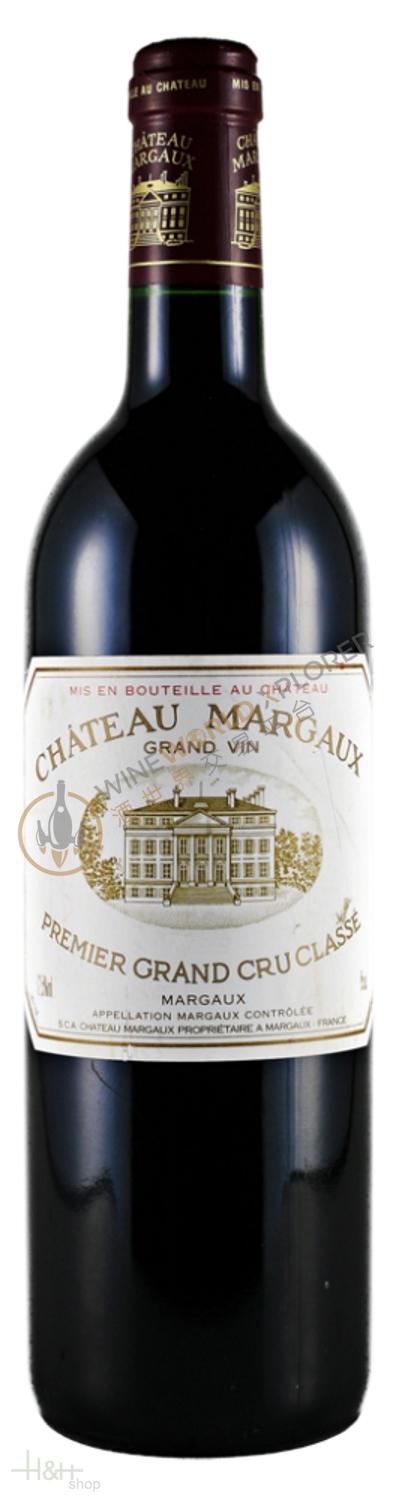
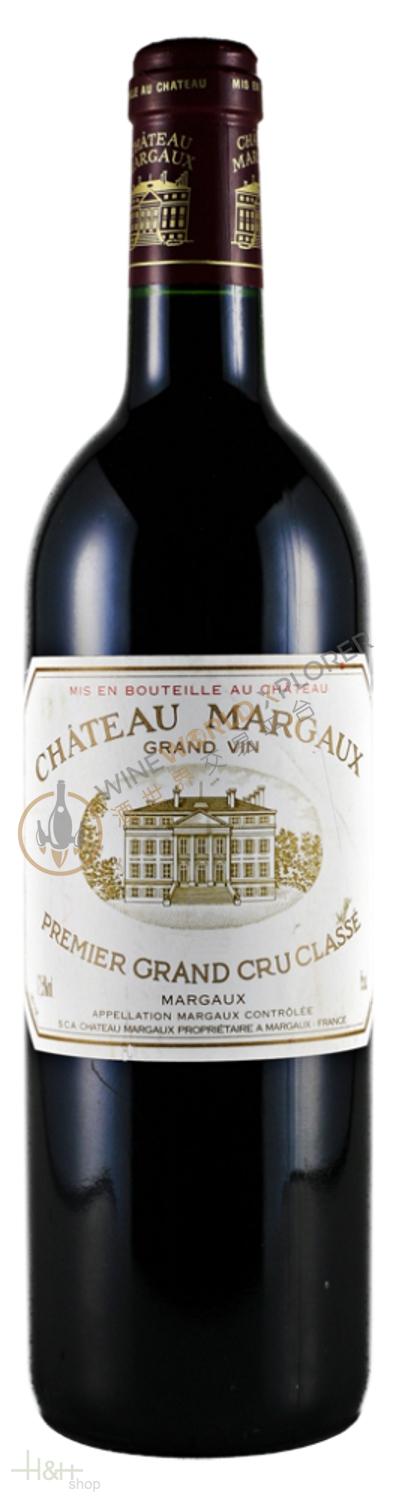
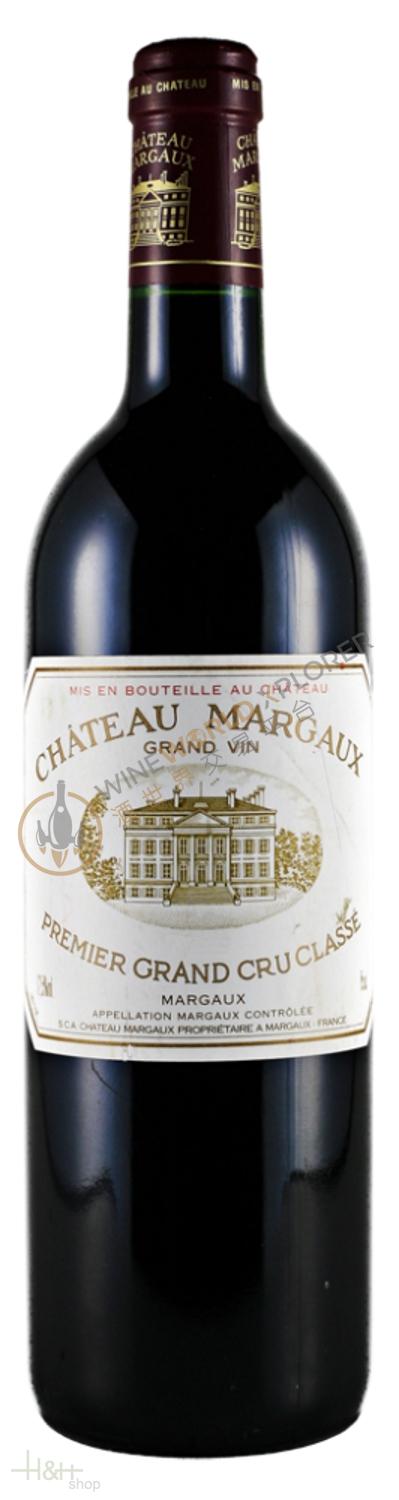
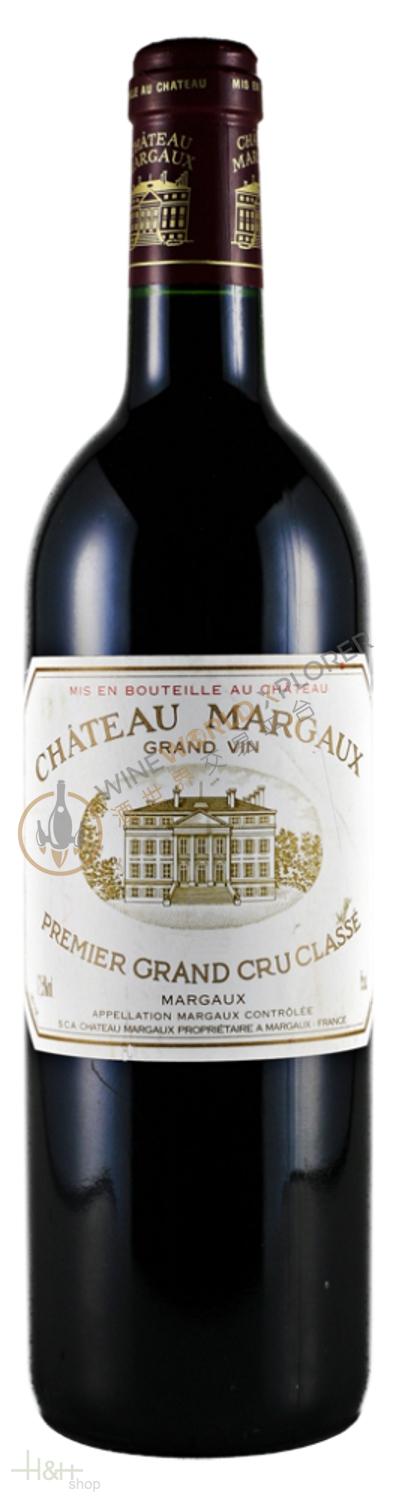
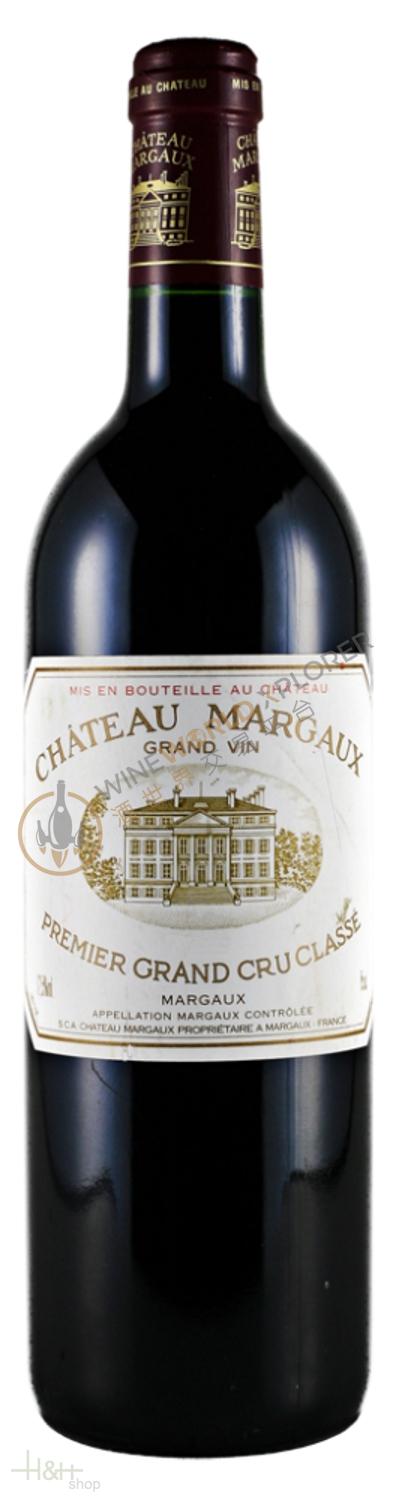
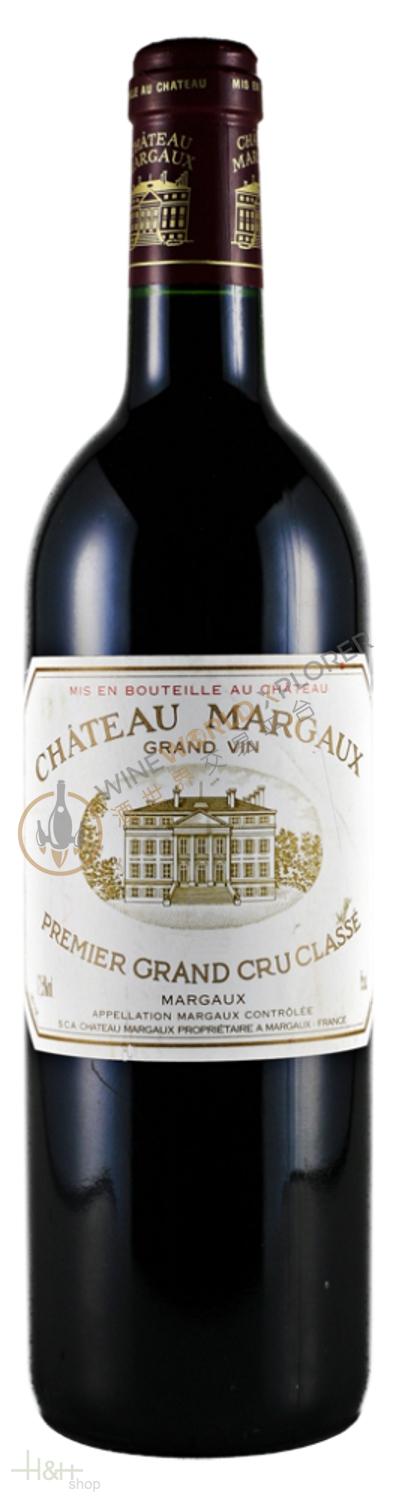
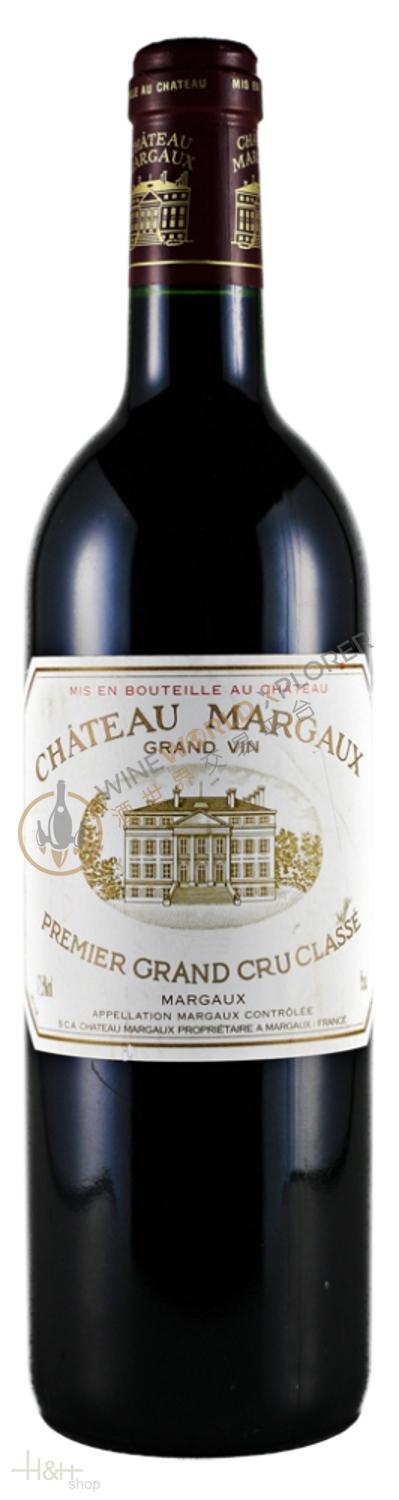
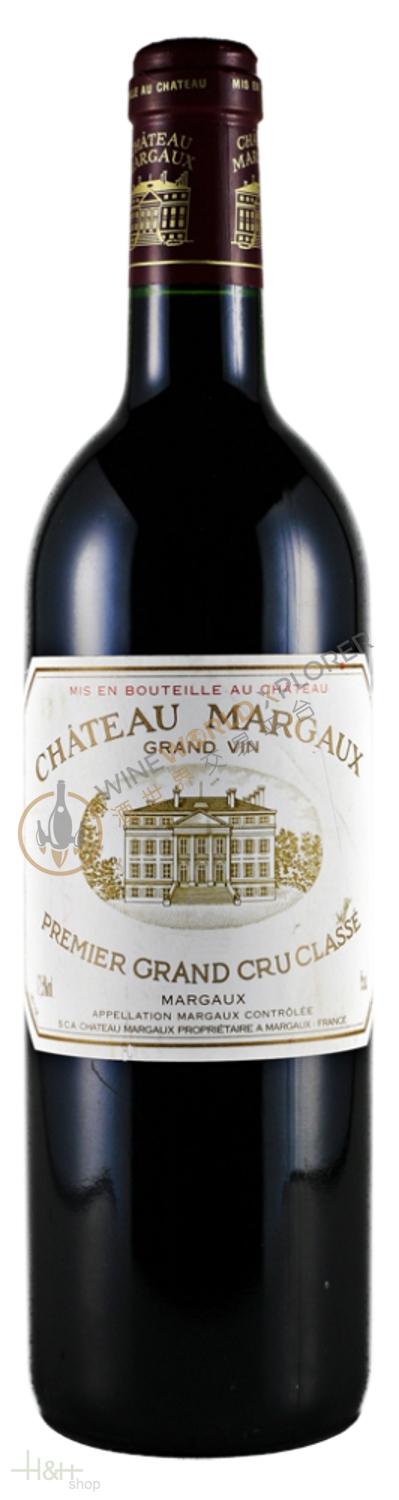
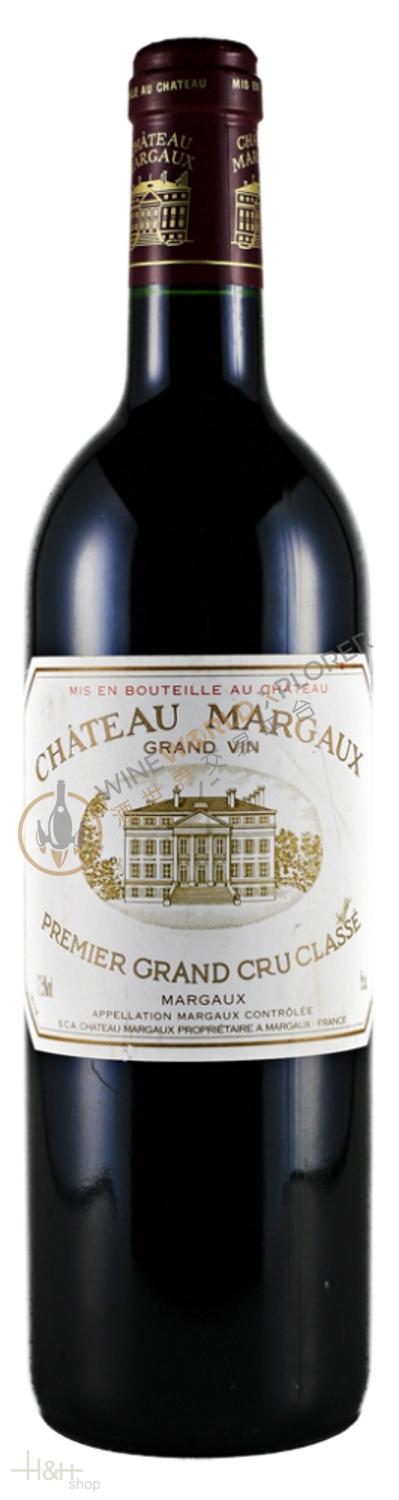
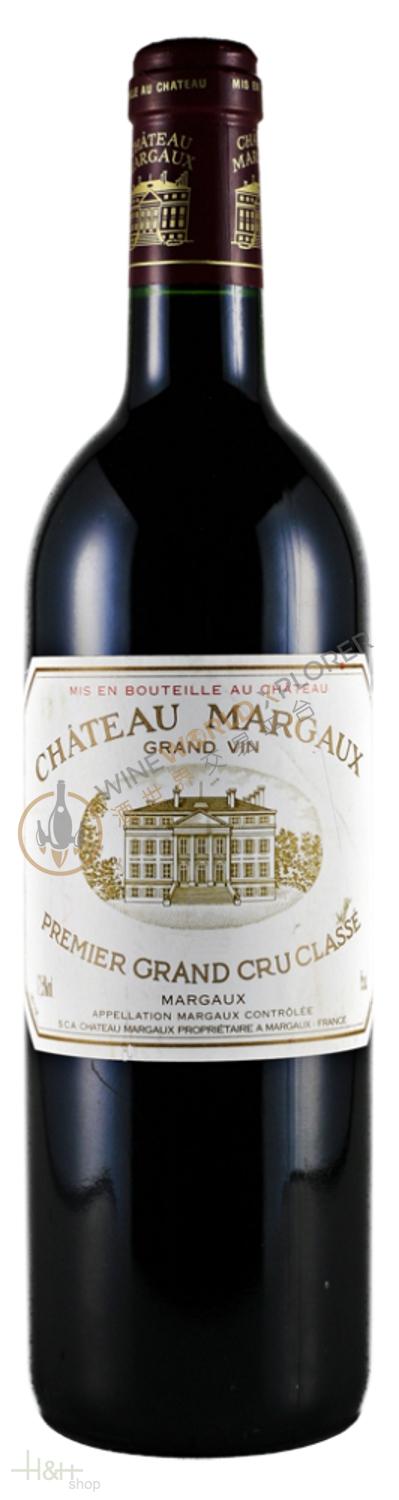
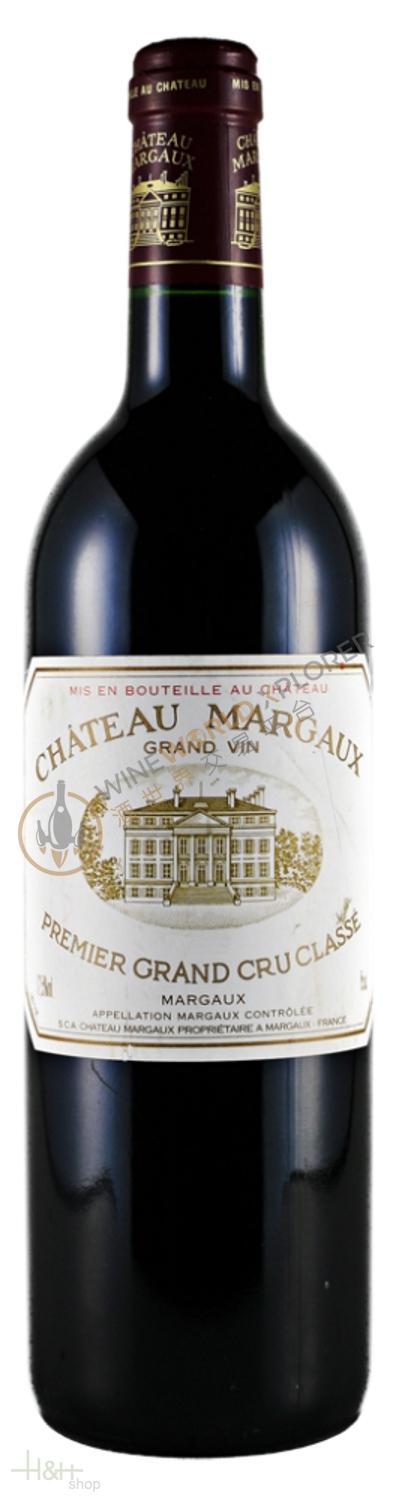
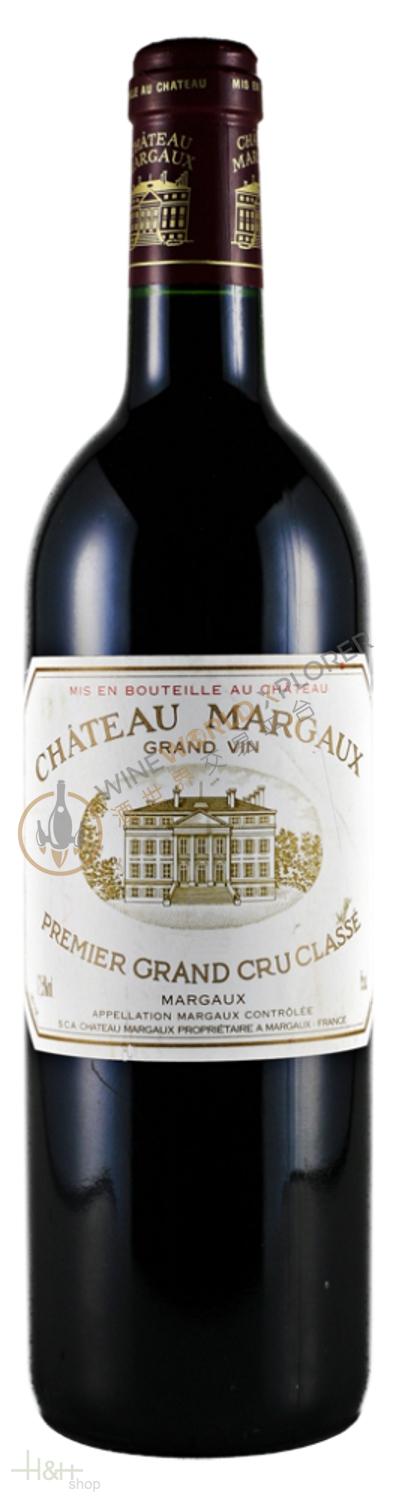
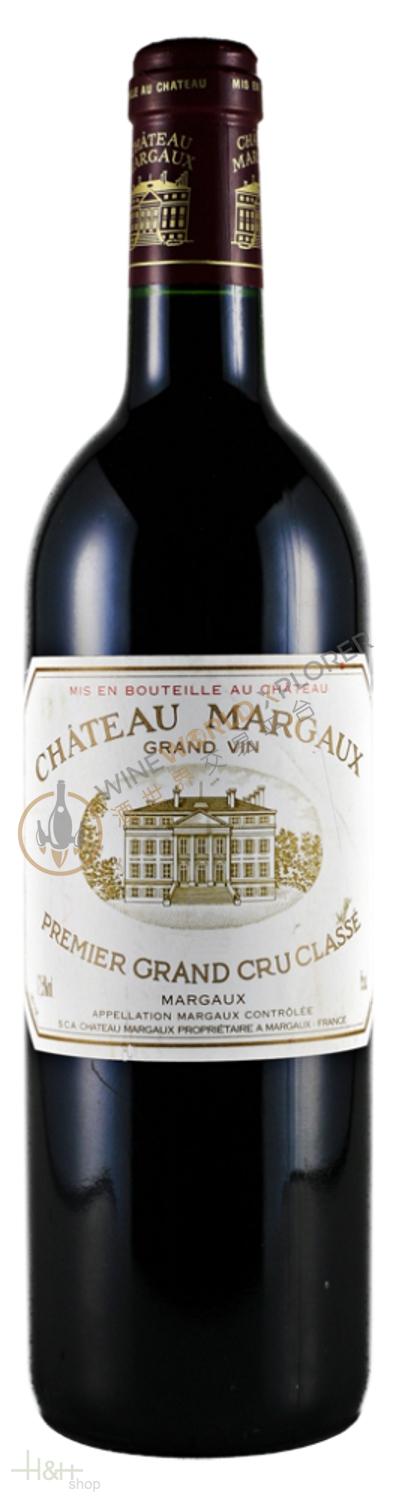
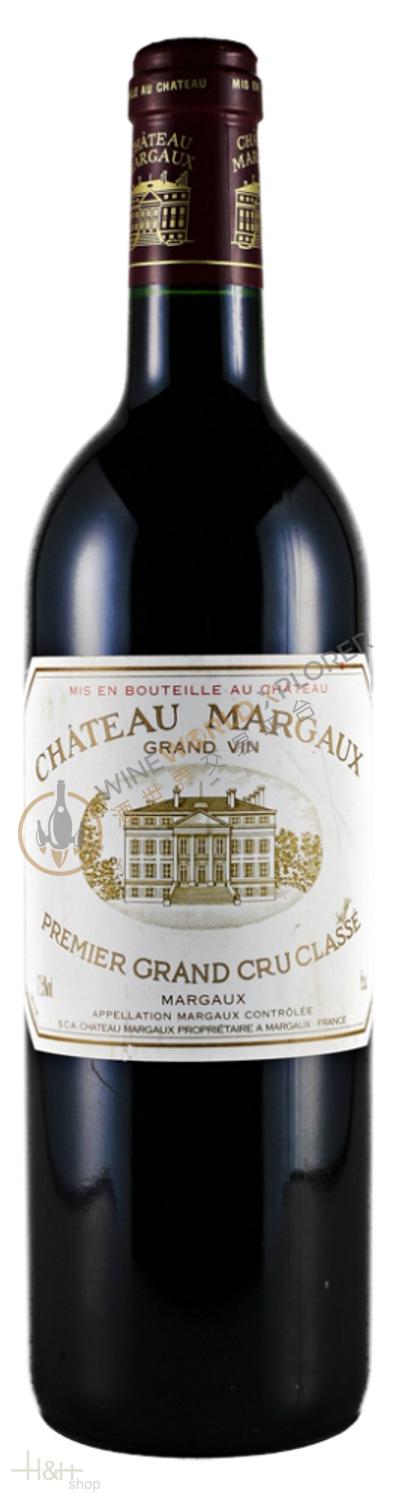
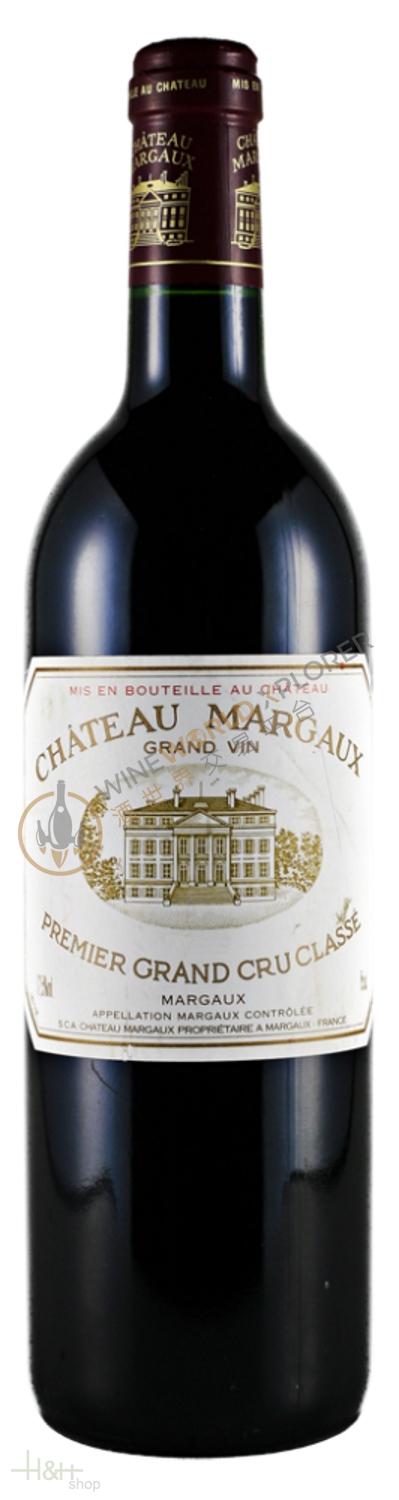
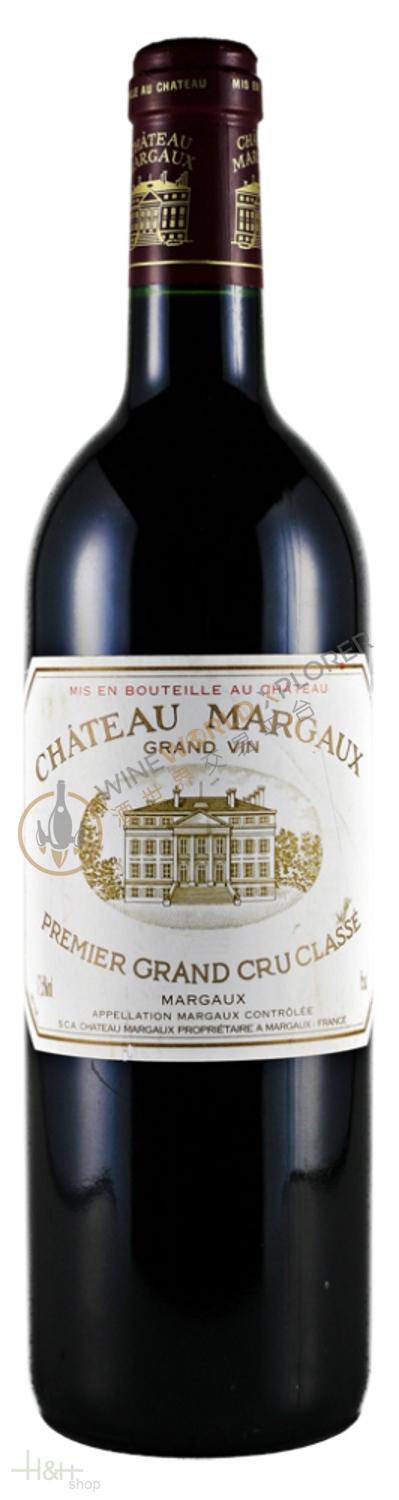
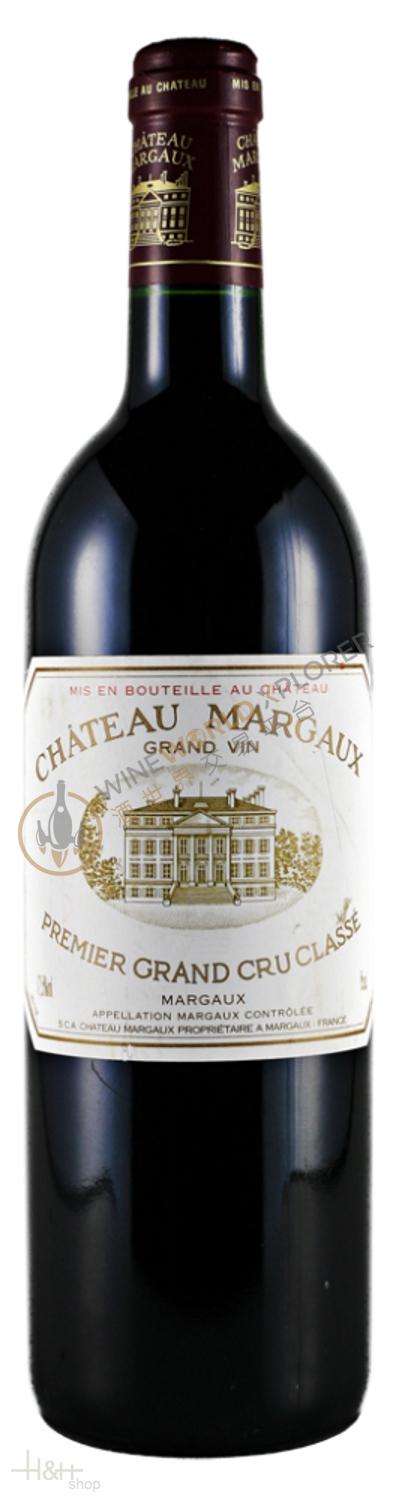
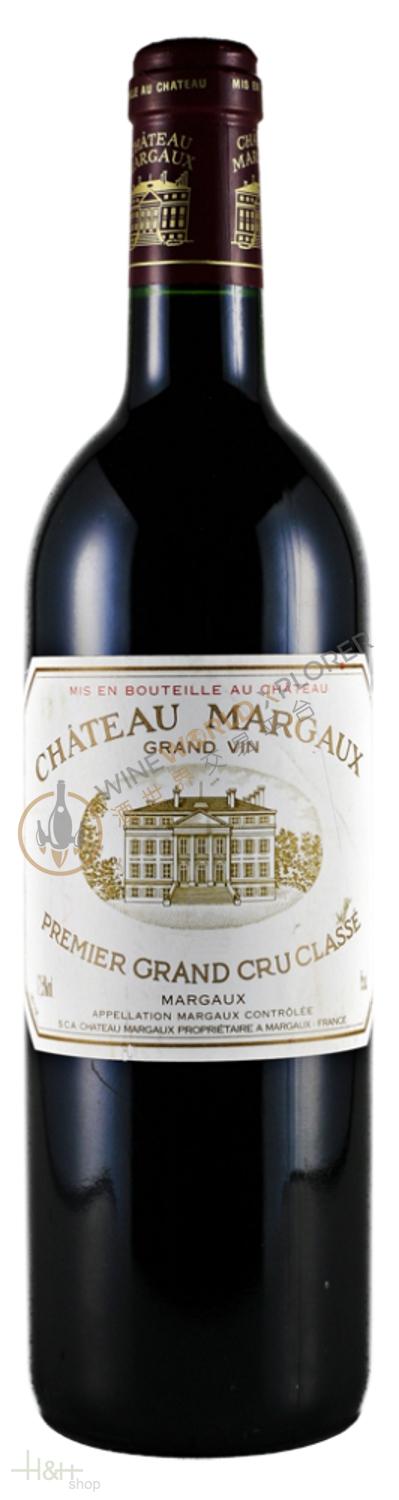
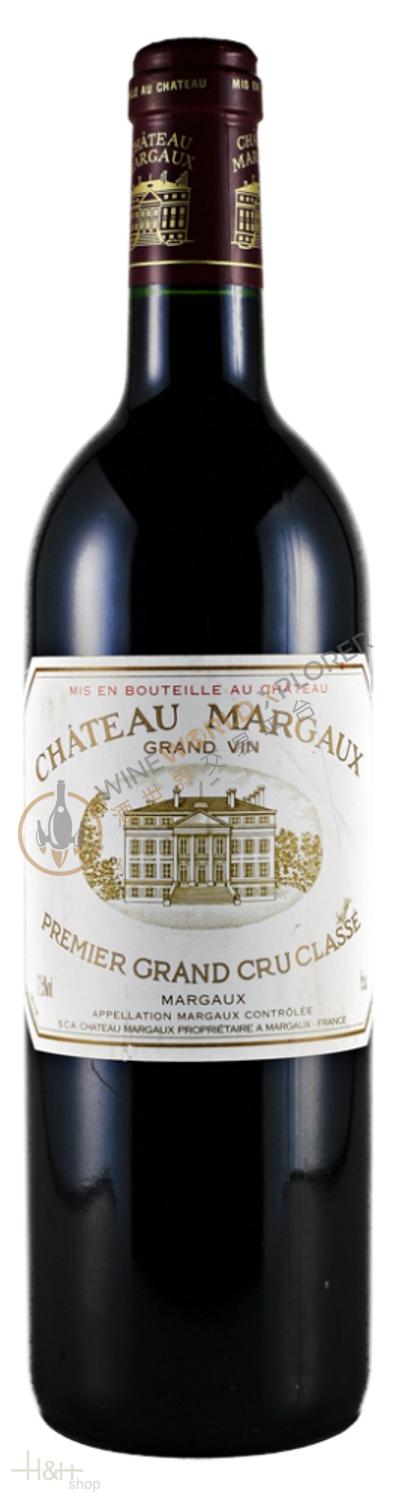
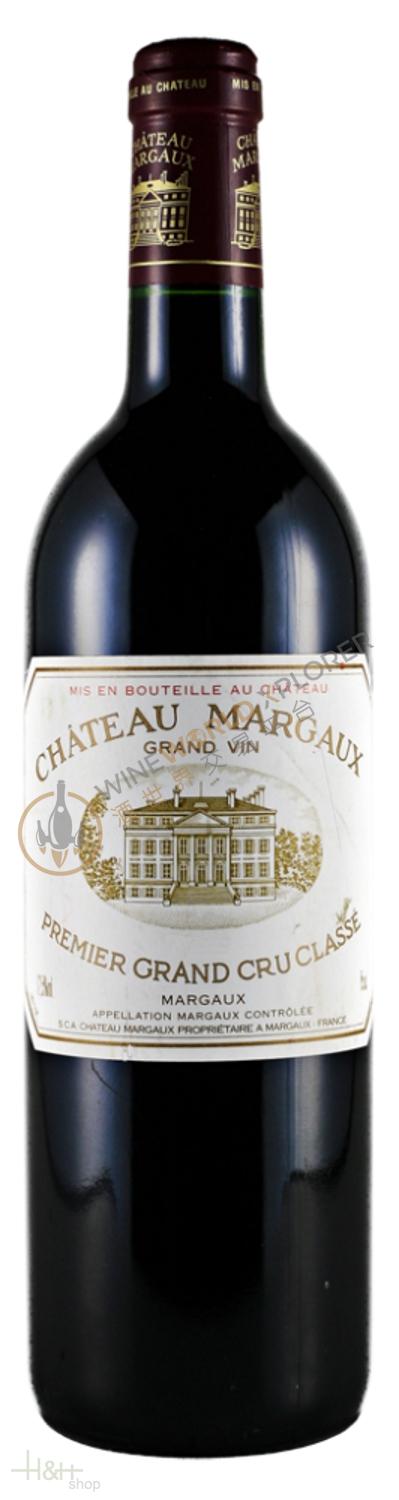
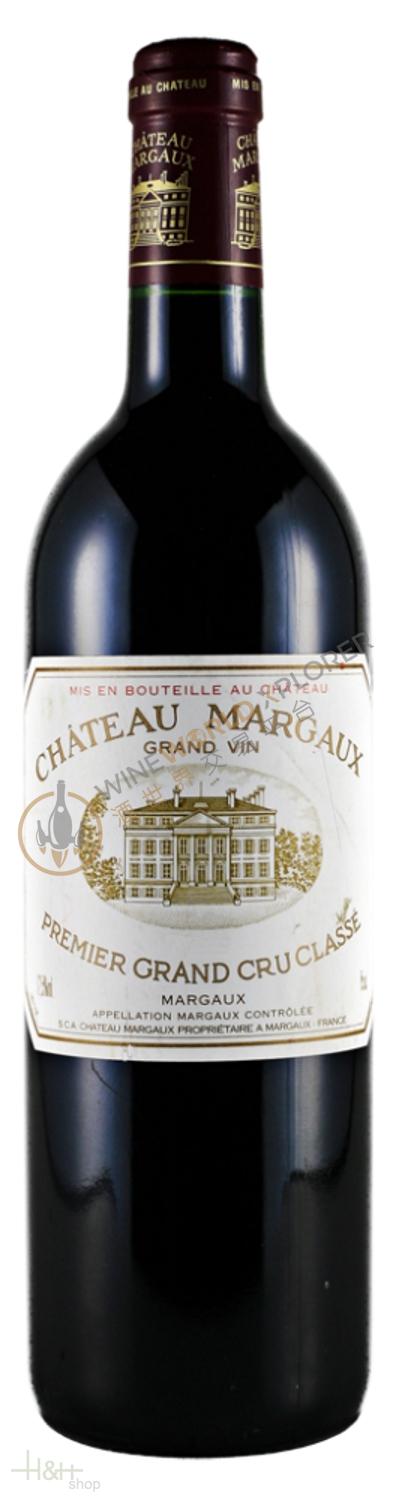
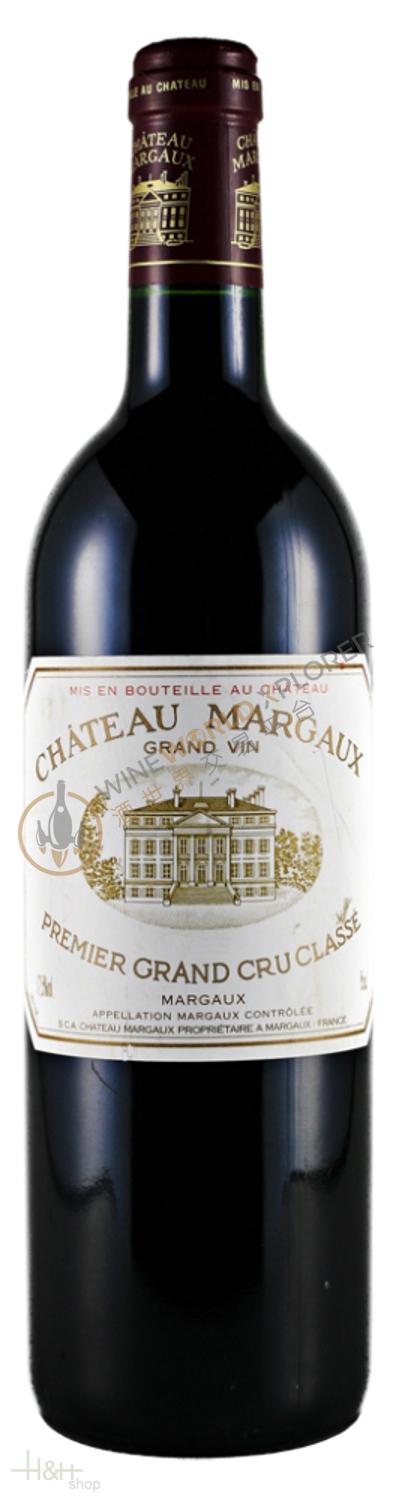
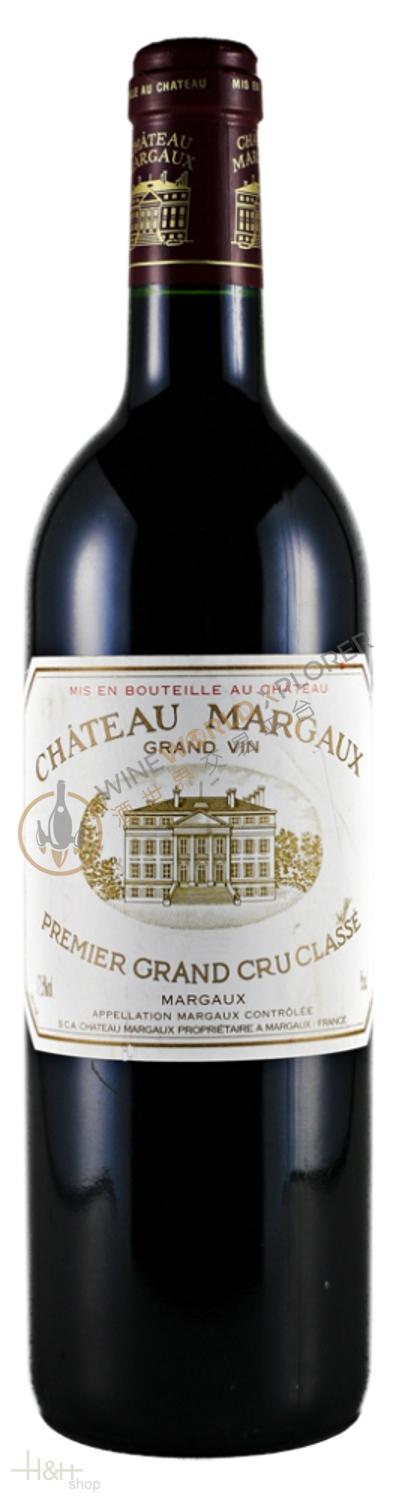
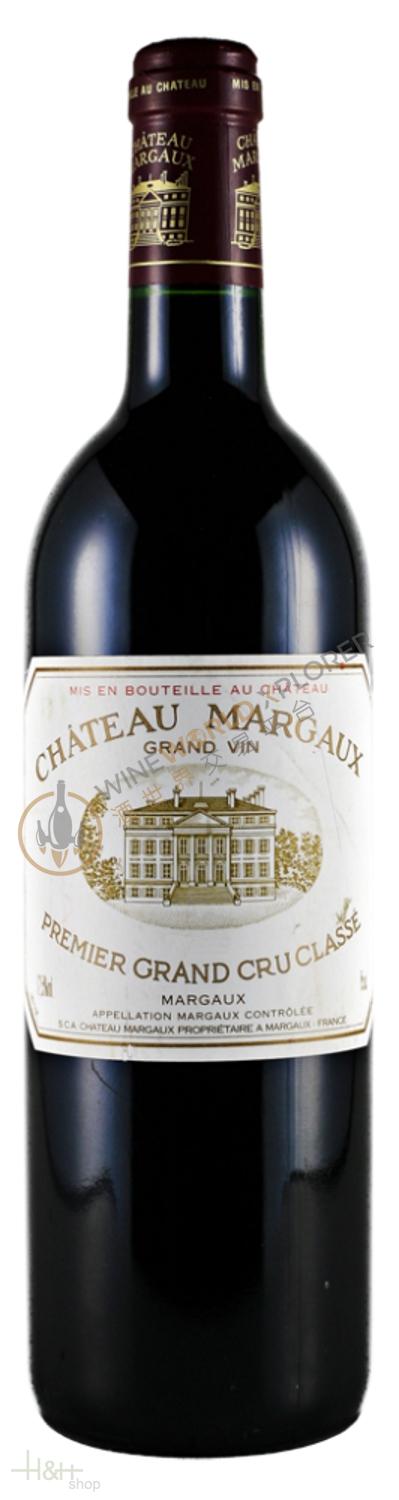
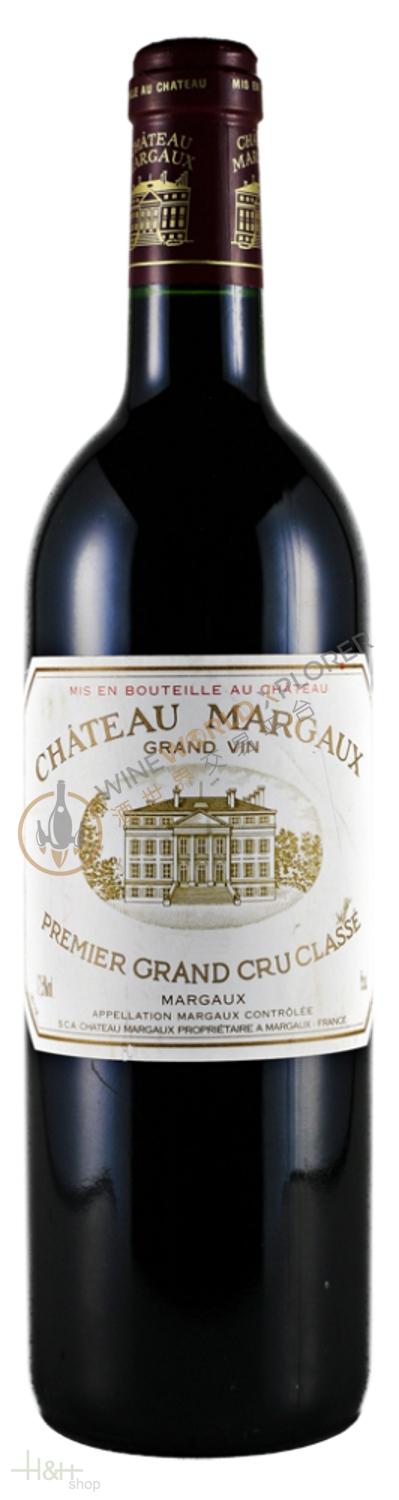
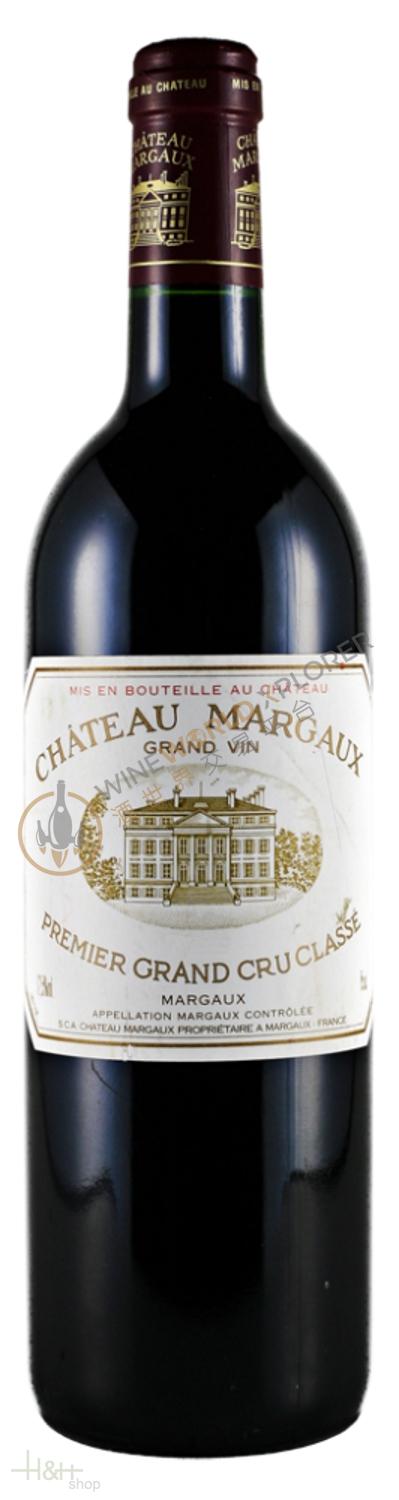
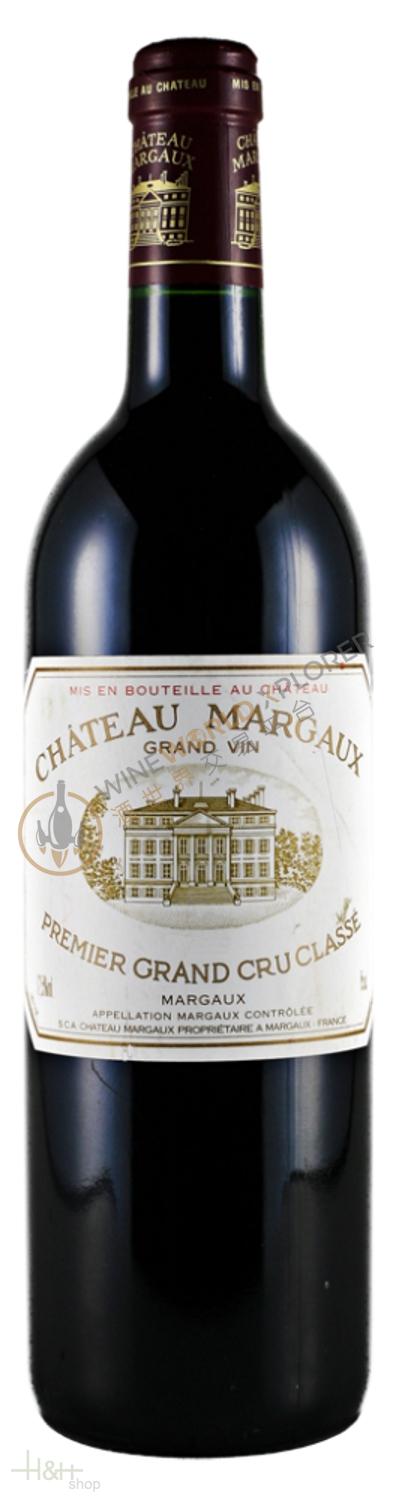
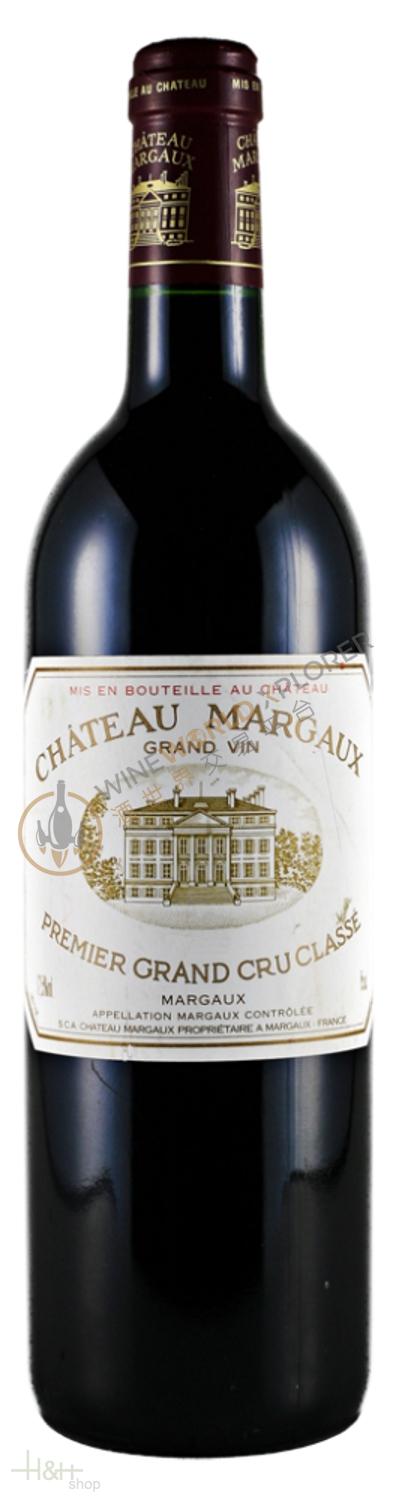
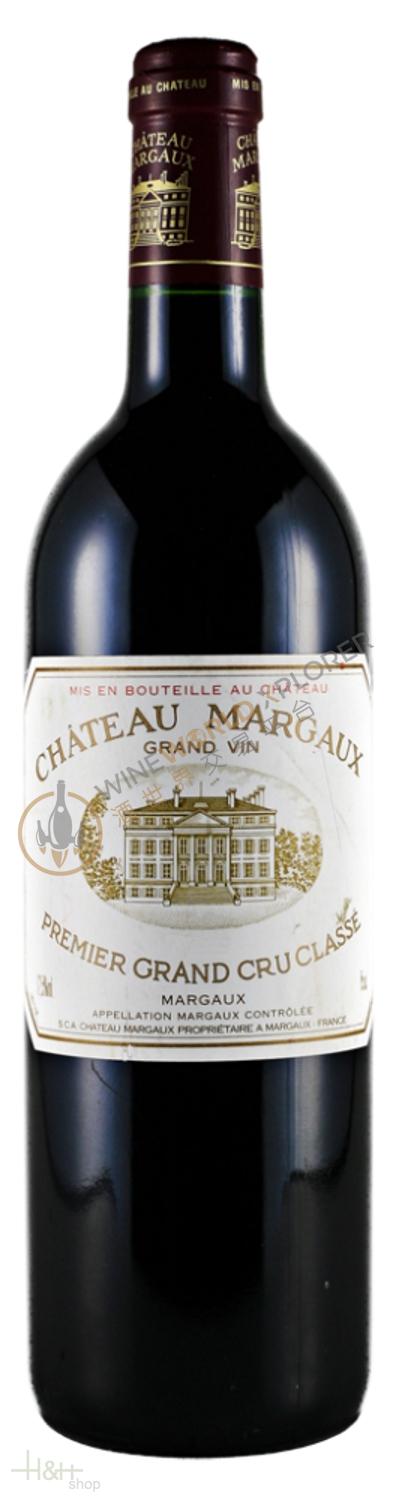
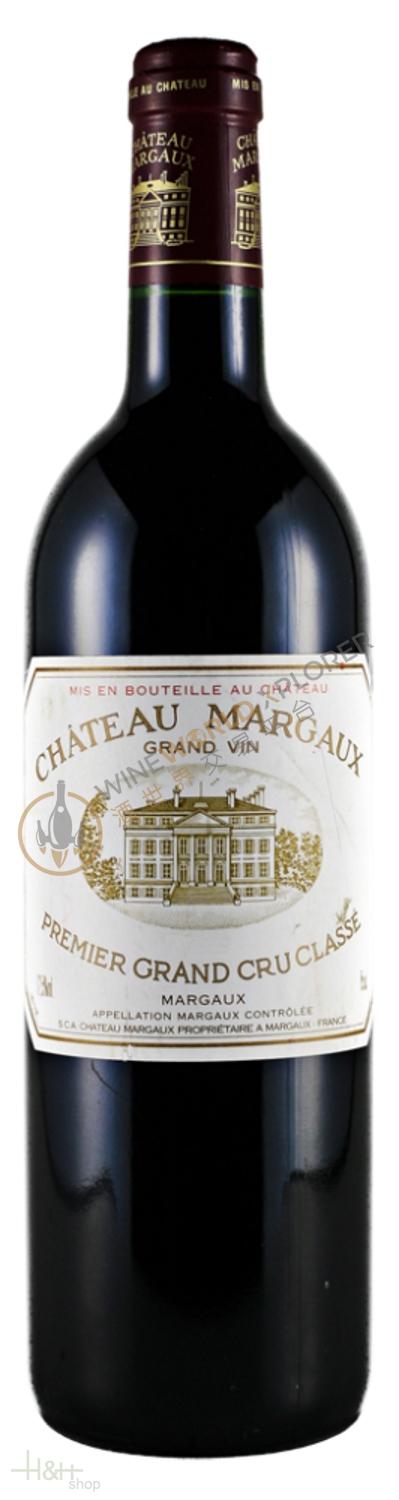
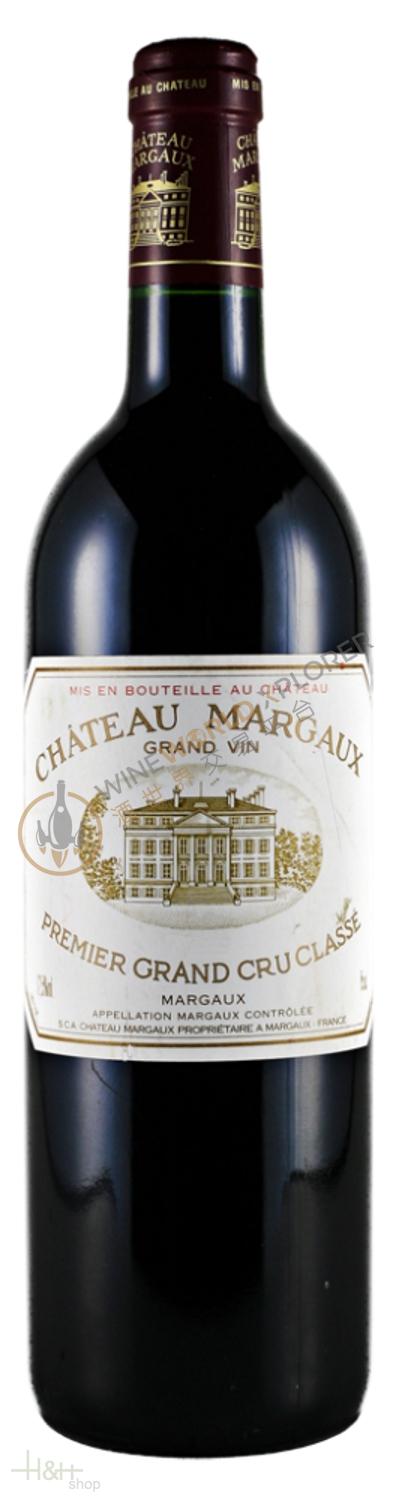
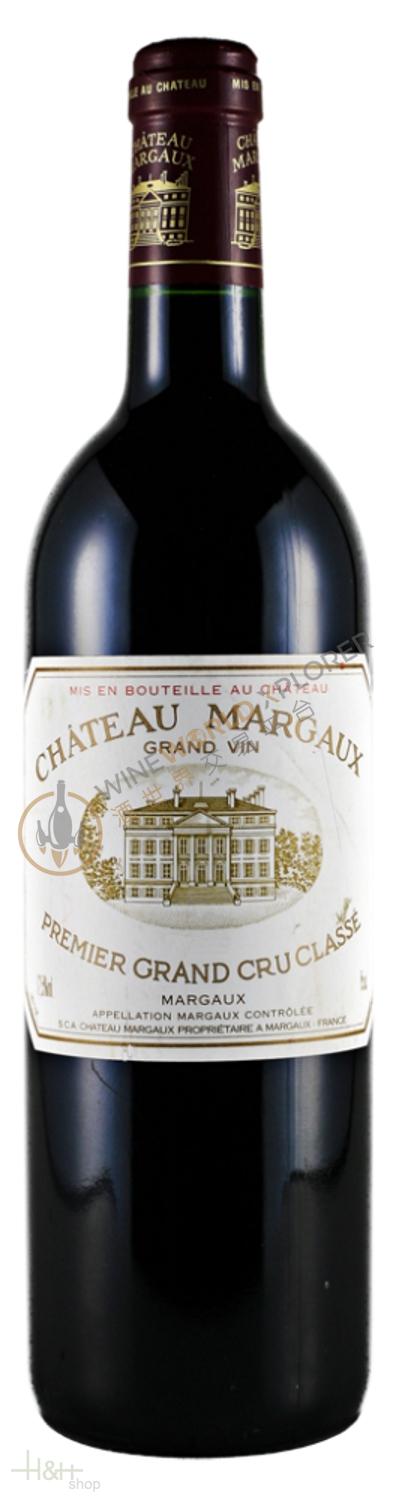
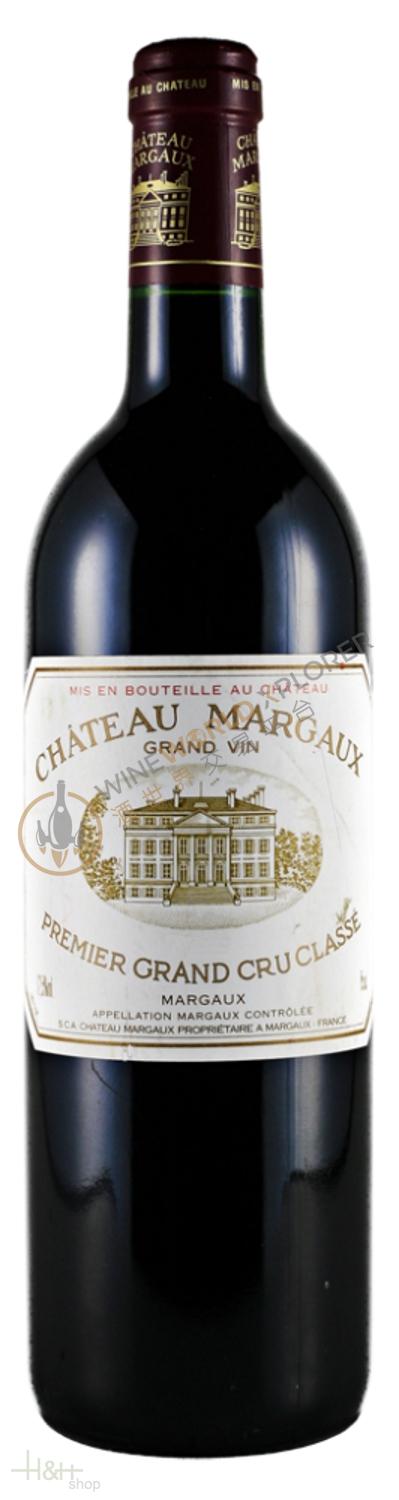
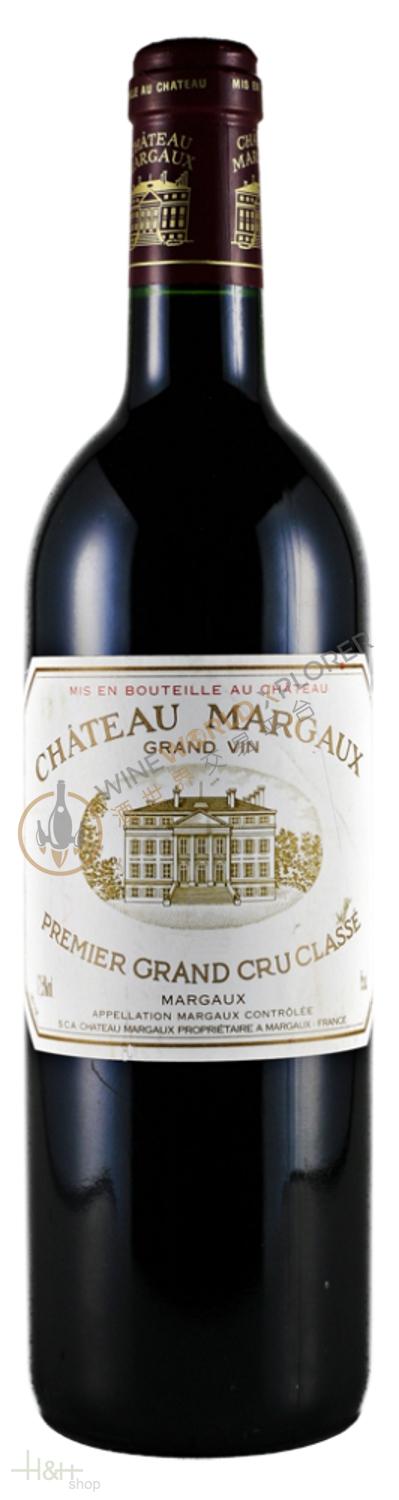
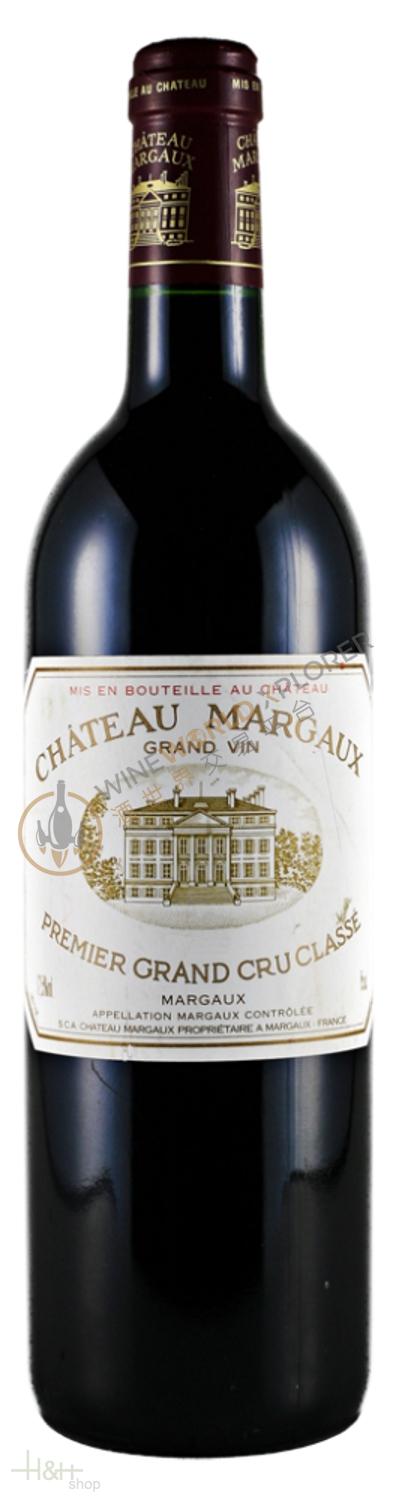
Chateau Margaux 1995
 View analysis


Description
Tasting notes

Reviewed by: Neal Martin
On the nose, one can immediately detect the greater percentage of Merlot in the blend: more red fruits evident with touches of kirsch and cranberry, evolving a slight cooked meat aroma in the glass. The palate is medium-bodied, quite backward, with firm tannins, very seductive and intense. Lovely fleshy middle redolent of the -85 with a savoury aspect embellishing the finish that has a slight semblance to a Cabernet Franc based Saint Emilion. Very intellectual - it deserves another 8-10 years in bottle. Edging closer in quality to the 1996 but a different creature. Drink 2015-2035+ Tasted March 2008.
Reviewed by: Lisa Perrotti-Brown
Medium garnet colour going brick at the rim. The nose is beginning to showing signs of evolution with aromas of leather, game, warm cassis, dried plums and cloves. Medium to high acidity, medium body and medium to firm, fine tannins support earthy, blackcurrant-preserve fruit. Long finish. Drink now – 2030+. Tasted February 2009.
Reviewed by: Neal Martin
First tasted in February 2001 where it was stubbornly backward. Then blind at the CECWINE 1995 horizontal. A deep ruby/garnet colour. The nose is still quite backward and closed, Cedar, woodland and sweet red fruits. The palate is quite tannic with fresh acidity. Very focused and harmonious. Good concentration with pencil-lead and cedar. Firm, masculine. The poise is exquisite. Very impressive, probably the most sophisticated First Growth. Drink after 2010. Finally at the Farr horizontal in September 2005. A lovely sweet cherry, strawberry nose with a scent of digestive biscuits. Very backward on the palate, quite a tannic Margaux, structured but with superb concentration and poise. Plump, rounded, succulent red fruits on the mid-palate with a grainy texture. Touch of tar towards the long finish. A wonderful Margaux destined for long-term ageing.
Reviewed by: Robert M. Parker, Jr.
Since 1978 there have been only two first-growths (or two of the so-called "big eight" of Bordeaux) that have been consistently excellent to superb - Chateau Haut-Brion and Chateau Margaux. Margaux's admirable consistency is well-displayed in the 1993-95 wines. The 1995 has fleshed out, developed more intensity, in addition to some stunning aromatics since I tasted it last spring. It appears to be a sensational Chateau Margaux that should take its place alongside some of the great wines produced at this estate under the Mentzelopoulos regime. Will this vintage ultimately rival the 1990, 1986, 1983, or 1982? I doubt it, but this majestic wine is not far off the mark of those classics. The wine's opaque purple color is followed by a fabulously sweet nose of black fruits, licorice, smoke, and the alluring floral scents that are so typical of Chateau Margaux. There is admirable flavor intensity and presence on the palate, as well as layers of black fruits, full body, and well-integrated toasty oak, acidity, and tannin. In comparison with other great vintages, it is not as creamy-textured and flattering as the 1990, but neither is it as backward and tannic as the 1986. Given the fact that it has developed so spectacularly in cask, this should be a Chateau Margaux to drink between 2005-2025.
Reviewed by: Robert M. Parker, Jr.
The 1995 has fleshed out, developed more intensity, in addition to some stunning aromatics since I tasted it last spring. It appears to be a sensational Chateau Margaux that should take its place alongside some of the great wines produced at this estate under the Mentzelopoulos regime. Will this vintage ultimately rival the 1990, 1986, 1983, or 1982? I doubt it, but this majestic wine is not far off the mark of those classics. The wine's opaque purple color is followed by a fabulously sweet nose of black fruits, licorice, smoke, and the alluring floral scents that are so typical of Chateau Margaux. There is admirable flavor intensity and presence on the palate, as well as layers of black fruits, full body, and well-integrated toasty oak, acidity, and tannin. In comparison with other great vintages, it is not as creamy-textured and flattering as the 1990, but neither is it as backward and tannic as the 1986. Given the fact that it has developed so spectacularly in cask, this should be a Chateau Margaux to drink between 2005-2025. Last tasted 1/97
Reviewed by: Robert M. Parker, Jr.
At Chateau Margaux, July and August, 1995, were the driest in over 40 years, but the weather was not as hot as in 1989 and 1990. The Merlot, which was harvested in mid-September, came in at a whopping 13.5-14% natural alcohol. The Cabernet Sauvignon was harvested between September 27 and October 3. According to Margaux's manager, Paul Pontallier, it was far riper and richer than in 1994. The 1995 Chateau Margaux displays an attractive dark purple color, and a sweet, jammy nose of black-cherries, cassis, and a whiff of blueberries. Rich, powerful, and dense, as well as surprisingly supple in the attack, this low acid wine seduces the taster before some heavy duty tannin makes its presence known in the finish. The official analysis indicates this is the most tannic Chateau Margaux since 1986. Overall, the wine reminds me of the 1985 vintage, but with more grip. I suspect it will be forward when released, but it will easily keep for two decades. All of the wines in this segment were tasted between March 19 and March 28 in Bordeaux. Most of the important wines from both the 1994 and 1995 vintages were tasted three separate times during my ten-day stay in Bordeaux.
Reviewed by: Robert M. Parker, Jr.
Bottled very late (November, 1997), the 1995 has continued to flesh out, developing into one of the great classics made under the Mentzelopoulos regime. The color is opaque ruby/purple. The nose offers aromas of licorice and sweet smoky new oak intermixed with jammy black fruits, licorice, and minerals. The wine is medium to full-bodied, with extraordinary richness, fabulous equilibrium, and hefty tannin in the finish. In spite of its large size and youthfulness, this wine is user-friendly and accessible. This is a thrilling Margaux that will always be softer and more evolved than its broader-shouldered sibling, the 1996. How fascinating it will be to follow the evolution of both of these vintages over the next half century. Anticipated maturity: 2005-2040.
Reviewed by: Neal Martin
The 1995 Château Margaux is a vintage perhaps unfairly over-shadowed by the imperious 1996. That is unfair because the late Paul Pontallier crafted a great First Growth this year. It has a very impressive, quintessential Margaux bouquet that is undimmed after 23 years: black fruit, graphite, crushed violets and a touch of tobacco. If anything it becomes more and more pure with aeration and demonstrates exquisite delineation. The palate is very finely balanced. No, it does not have the intensity, the crystalline nature of the 1996 and yet there is a femininity and a finesse here that sweeps you off your feet. It is entertaining the possibility of secondary flavours but it remains focused on the red and black fruit, tensile on the almost balletic finish. Bon vin! Tasted blind at Philip's February Christmas Party.
Reviewed by: Stephen Tanzer
Excellent deep ruby color. Very complex aromas of blackcurrant, wild plum, violets, minerals, tar and smoky oak. Dense and supple, with great sweetness of fruit. Doesn't have quite the sheer power of the '96, but the flavors build and build. Substantial tannins are chewier than those of the '96 but hit the palate later. 1986 was the vintage with the highest level of polyphenols ever recorded at this estate, but '95 was the runner-up, according to Pontallier. Because this big, tannic wine needed longer barrel aging, it was bottled later than normal, in November of '97.
Reviewed by: Stephen Tanzer
Deep, saturated color. Pure aromas of dark berries and licorice. Great ripeness in the mouth; dense but suave. Very concentrated fruit hints at shoe polish and licorice: there's so much material here that the new oak is barely noticeable. Finishes with powerful but fine tannins. This wine combines the tannic structure of the '86 Margaux with the delicate but intense fruit of the '90.
About the Producer
Chateau Margaux is located in the village of Margaux, in the Medoc appellation on the left bank of Bordeaux, and was awarded a First Growth in the 1855 Bordeaux Medoc classification, alongside Chateau Lafite Rothschild, Chateau Latour and Château Haut-Brion. It is also known as Chateau Haut-Brion. Château Margaux currently covers a total of 262 hectares, including 99 hectares of vineyards. The red vineyard has an appellation of 87 hectares, of which 82 hectares are planted, while the white vineyard is planted with 12 hectares. The red varieties are mainly Cabernet Sauvignon, Merlot, Petit Verdot and Cabernet Franc; the white varieties are Sauvignon Blanc and the vines are on average 45 years old. Since the end of the 1990s, the estate has refused to use pesticides in the vineyards. In addition, only organic fertilisers are used in the vineyard, and deep fertilisation is carried out at regular intervals to improve the soil structure and rejuvenate the soil. During the harvest season, the winery team selects the right time to harvest the grapes by testing and analysing all the indicators and by tasting the grapes themselves. Once the grapes have reached their ideal state of ripeness, they are harvested by a team of over 200 trained harvesters. Once in the winery, the grapes undergo a rigorous selection process before being de-stemmed. Both oak barrels and stainless steel tanks are used to ferment the red grapes, while the white grapes are fermented entirely in oak barrels. After the alcoholic fermentation, the wine undergoes malolactic fermentation. The red wines are then left to mature in oak barrels for 18-24 months and the whites for 6-8 months. The main wine of the estate, Château Margaux's red wine, is rich and complex, with an elegant and powerful ballet on the tongue, rich and smooth tannins, good balance and a long, fresh finish with excellent ageing potential. It successfully conquered Napoleon Bonaparte, the founder of the First French Empire, and won the hearts of Thomas Jefferson, the founding father of the United States, and Margaret Thatcher, the "Iron Lady" of England. In the world of wine criticism, Château Margaux's red wines have also been recognised, with four perfect scores from Robert Parker and many more from other critics with 95 points or more. In recent years, the quality of Château Margaux's red wines has been steady and has maintained a high level of interest in the market.
1958(1)1960(1)1961(2)1962(1)1963(1)1964(1)1969(2)1970(1)1971(1)1972(1)1974(1)1975(1)1976(1)1978(1)1979(1)1981(1)1982(6)1983(4)1984(1)1985(4)1986(6)1987(3)1988(8)1989(6)1990(11)1991(2)1992(4)1993(3)1994(2)
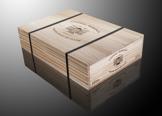
Package Size